Antique Decorative Objects

A collection of unique antique items featuring a decorative mount, silver box, octopus netsuke, and ancient gold spiral. Each piece reflects historical craftsmanship.

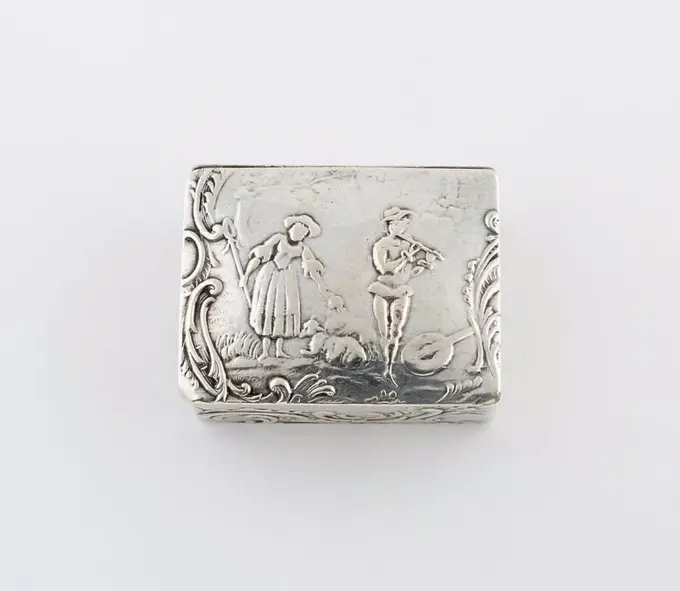
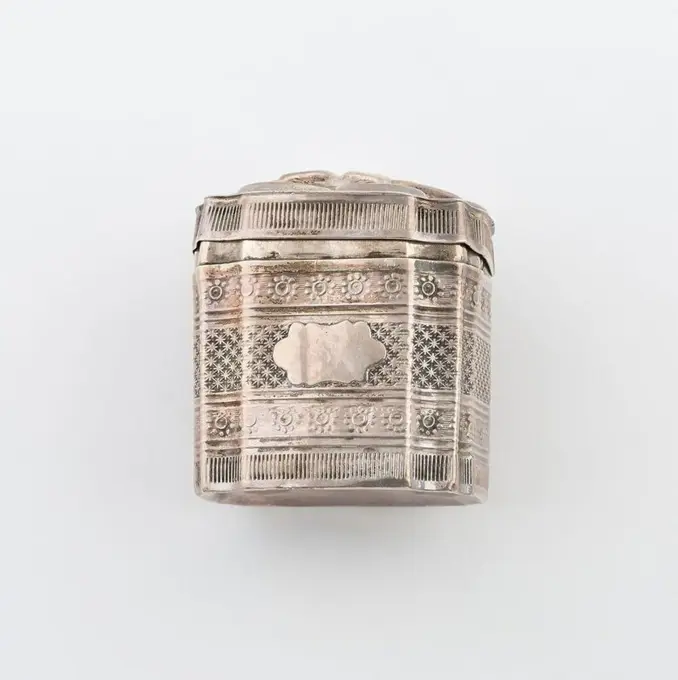
Loddereindoos, anonymous, c. 1800 - c. 1900 Oval loddereindoos of silver in Louis XV style. Decorated with flowers and rocailles under and top. Gilded inside. Netherlands silver (metal). gilding (material) gilding Oval loddereindoos of silver in Louis XV style. Decorated with flowers and rocailles under and top. Gilded inside. Netherlands silver (metal). gilding (material) gilding
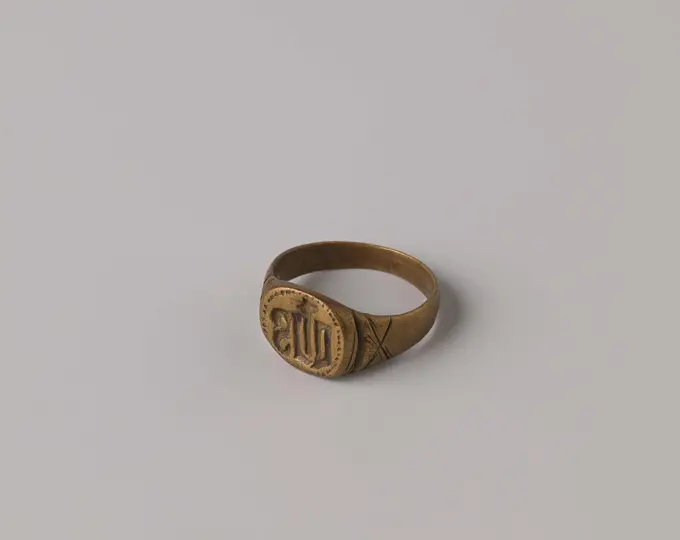
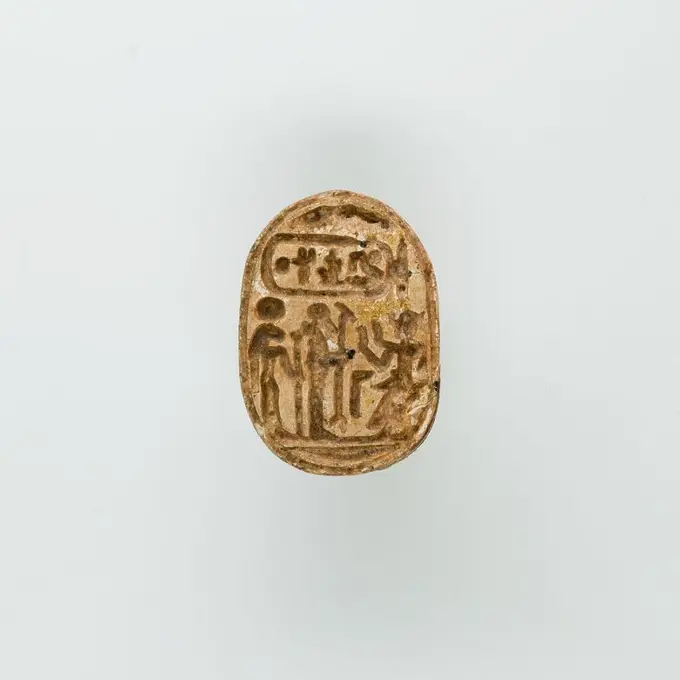
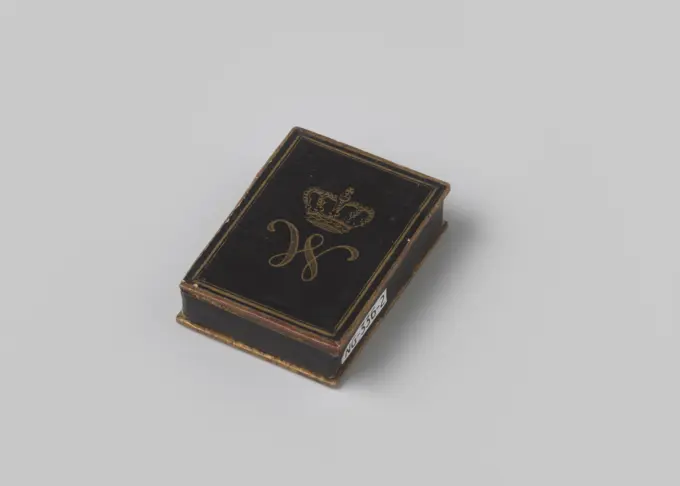
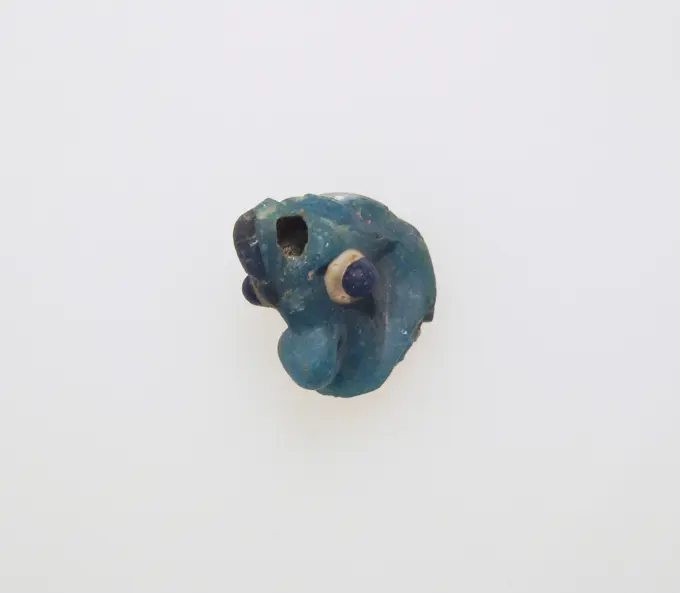
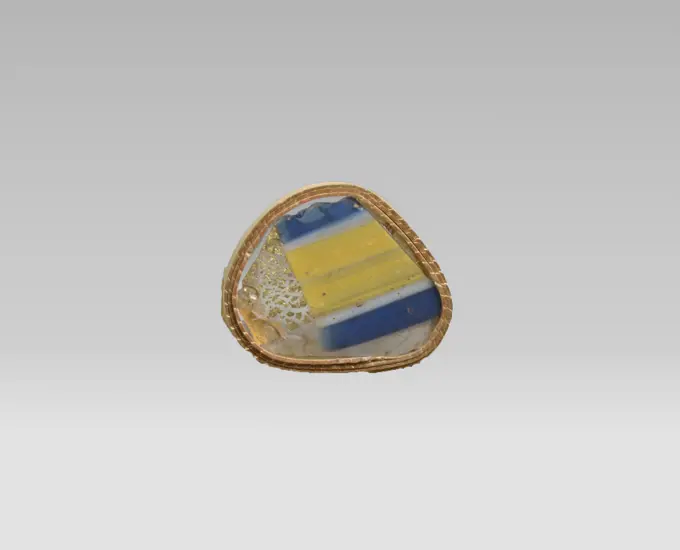
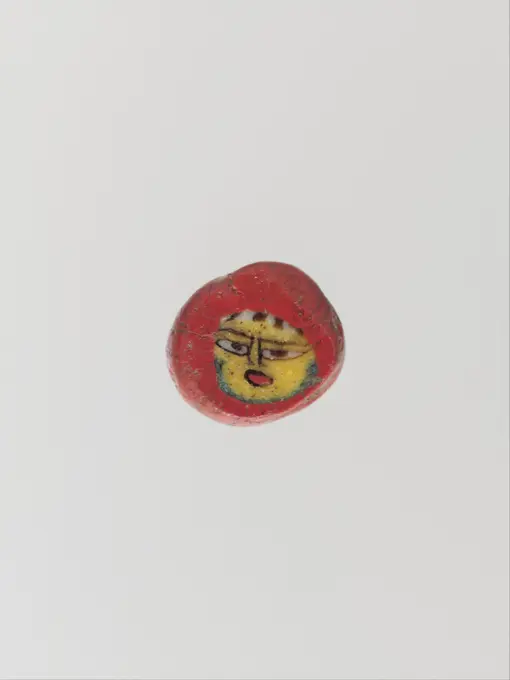
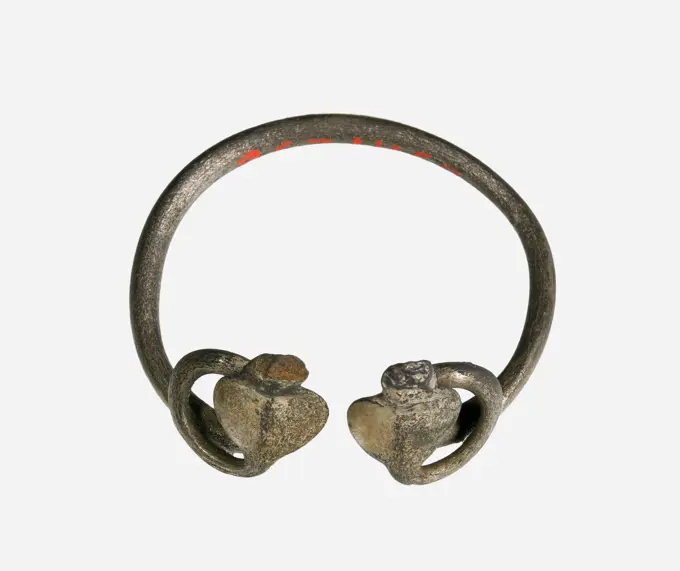
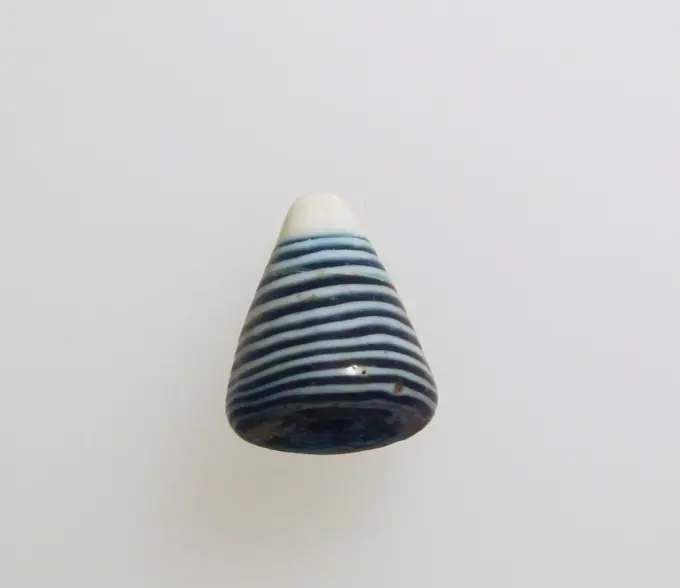
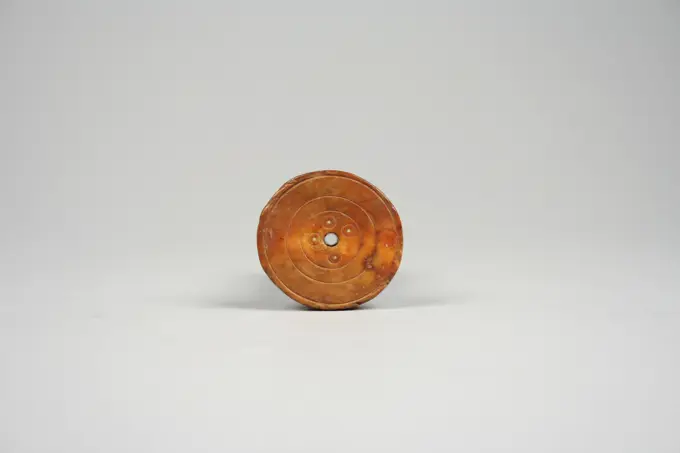
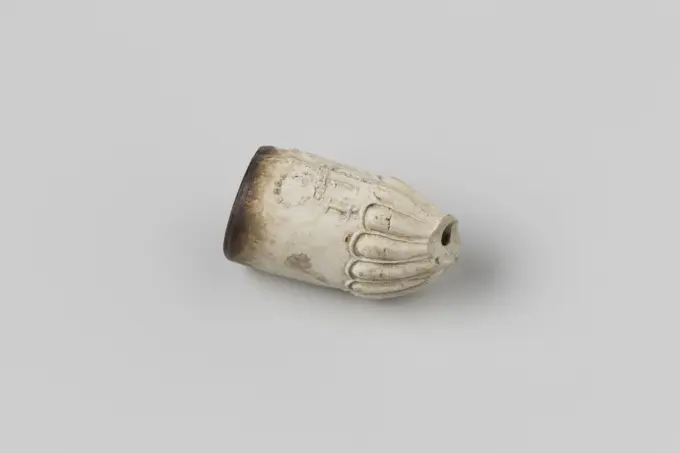
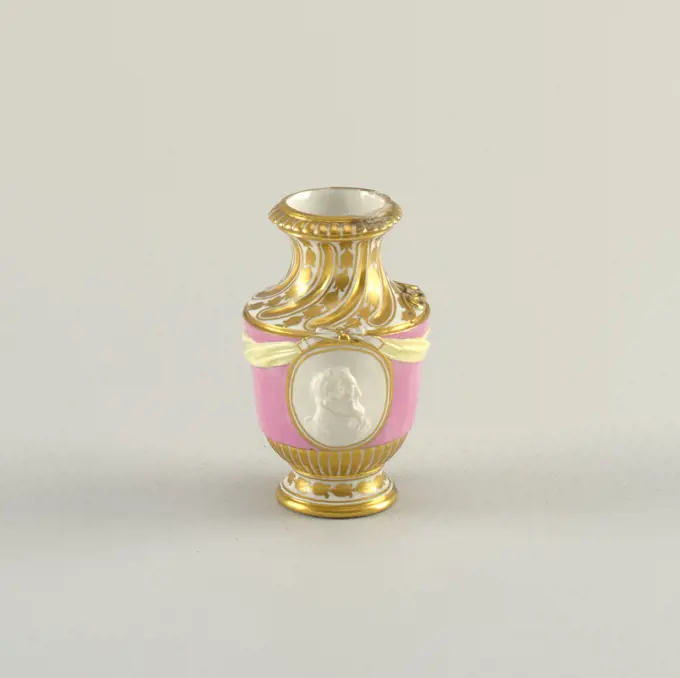
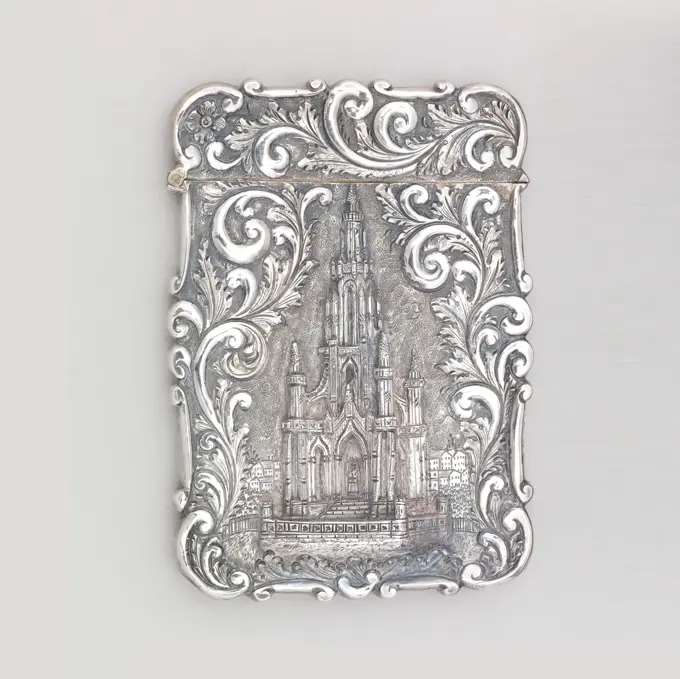
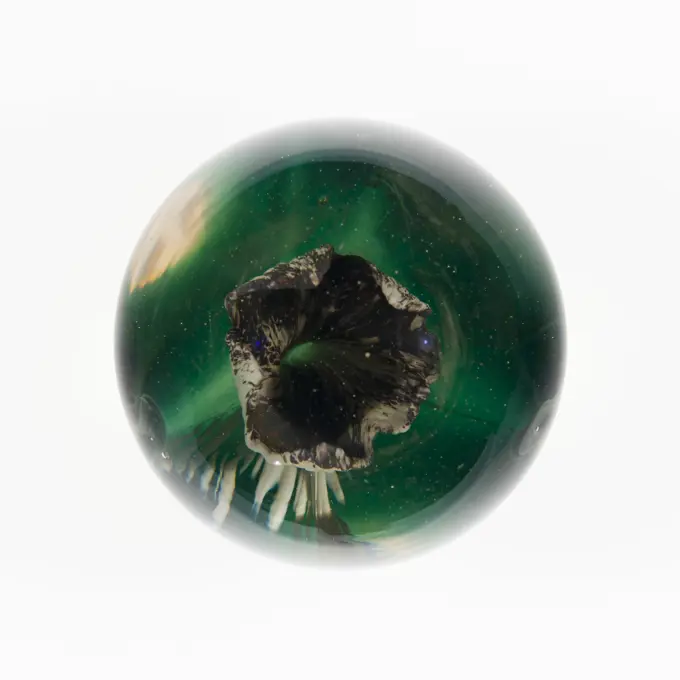
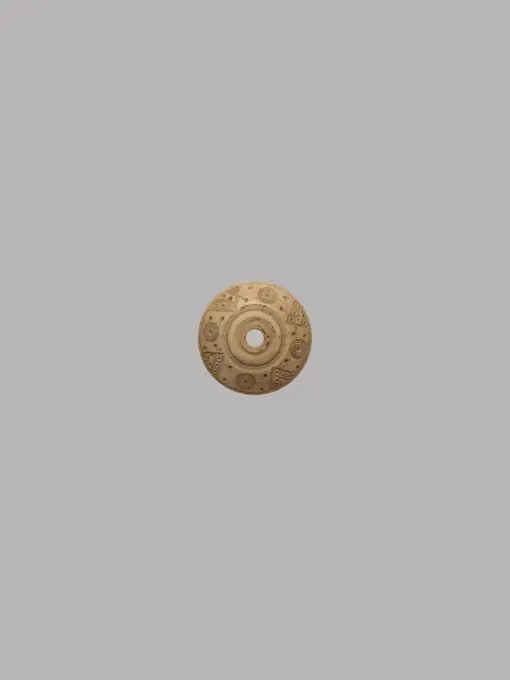
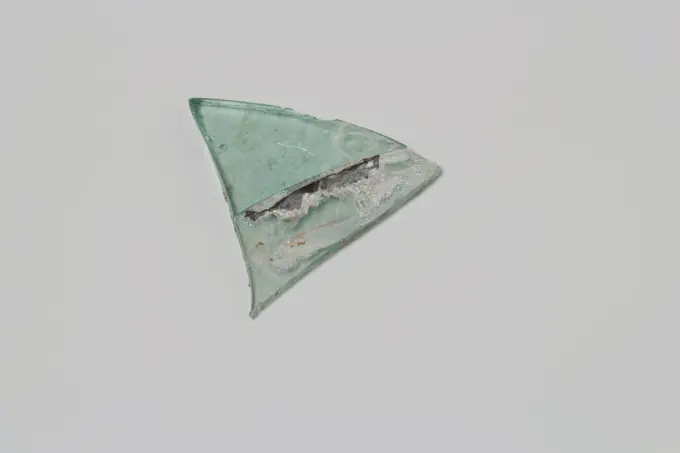
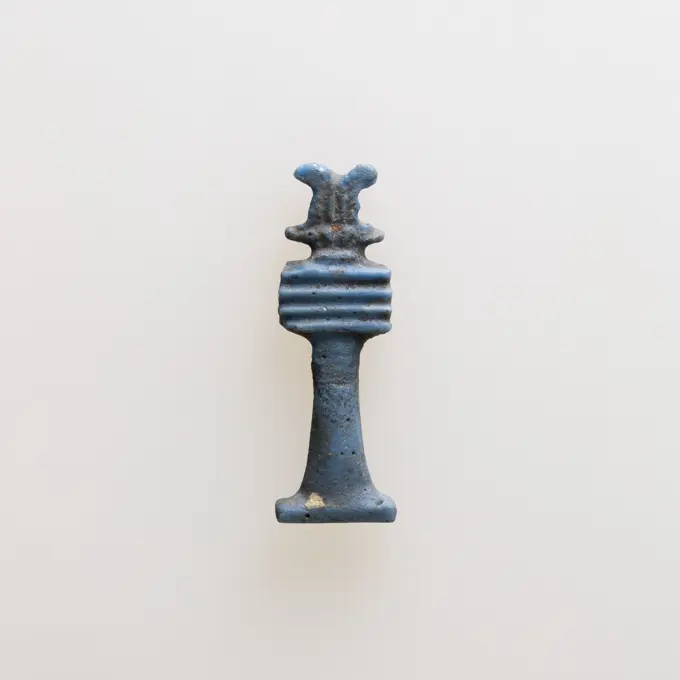
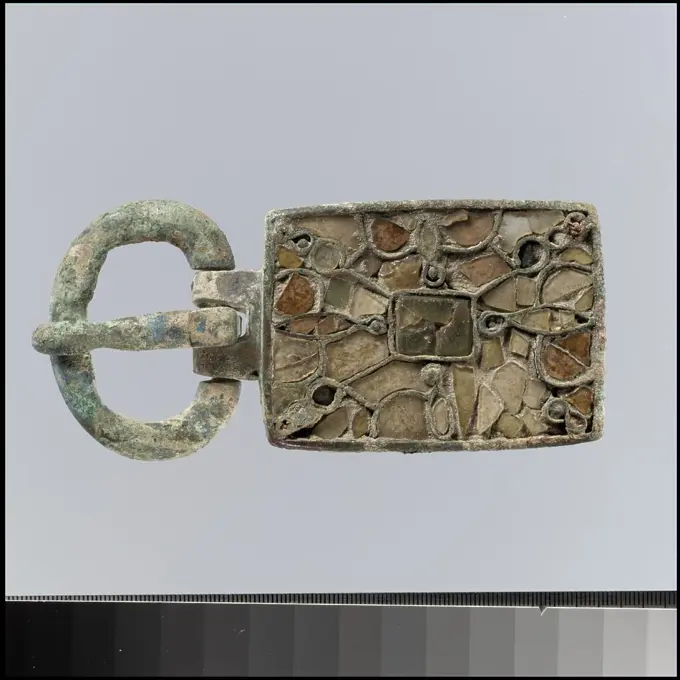
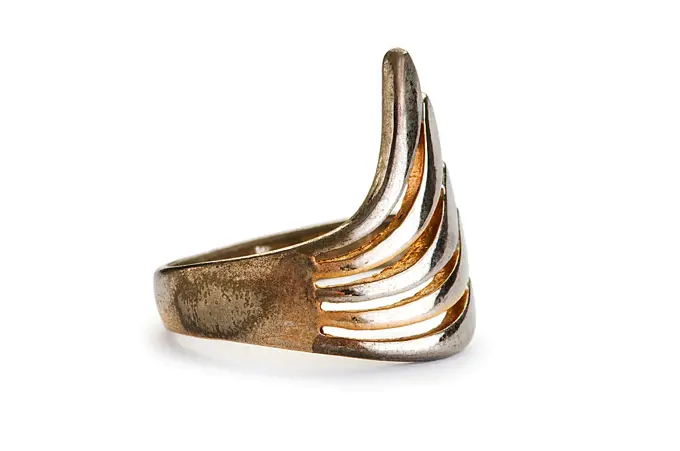
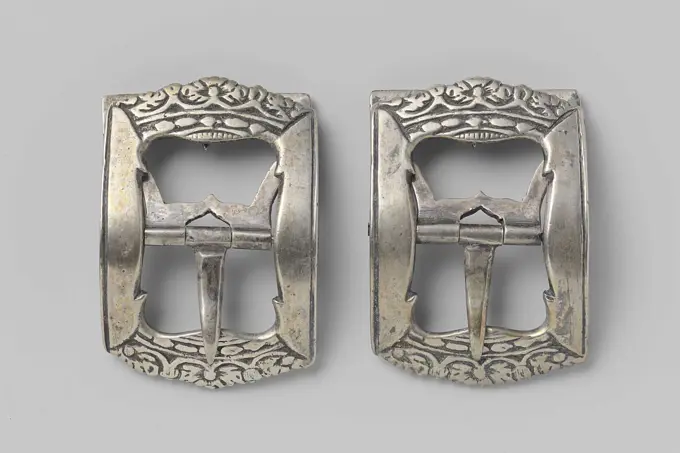
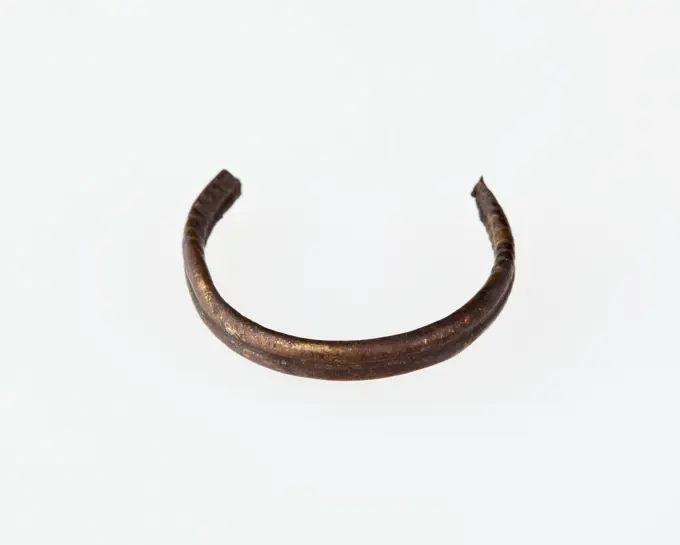
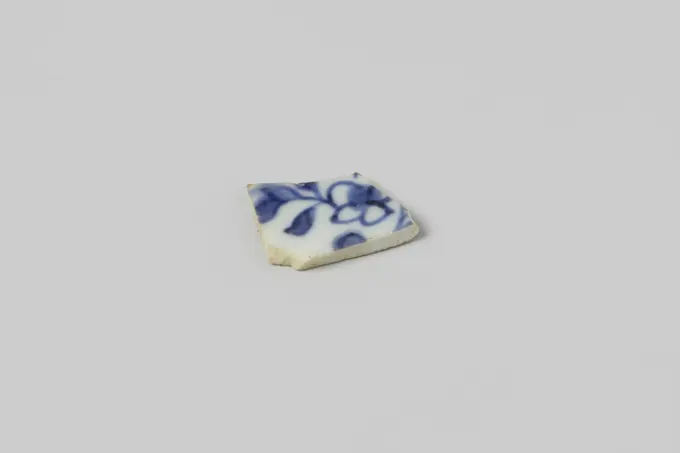
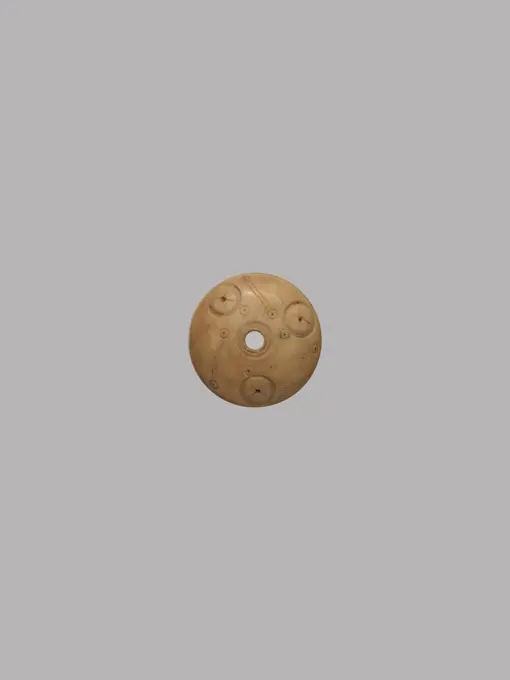
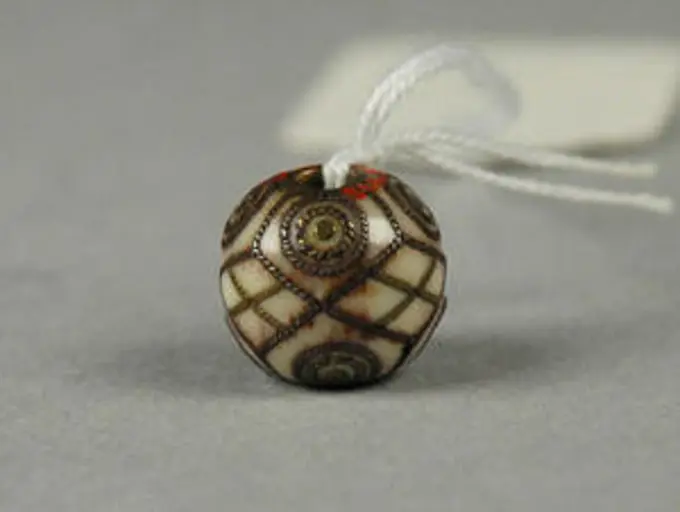
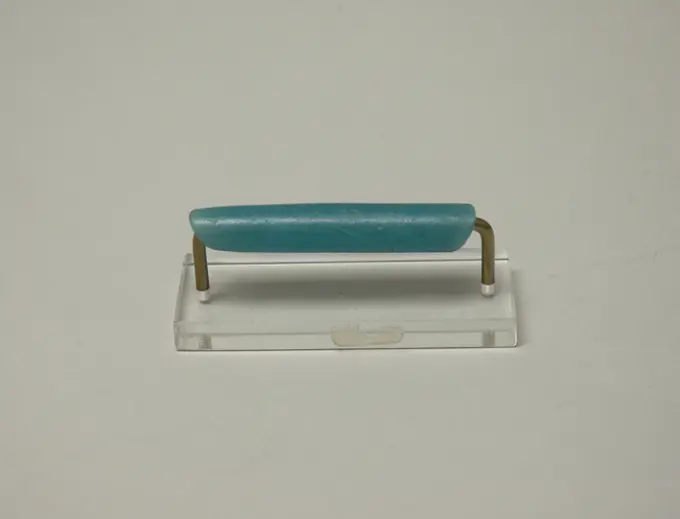
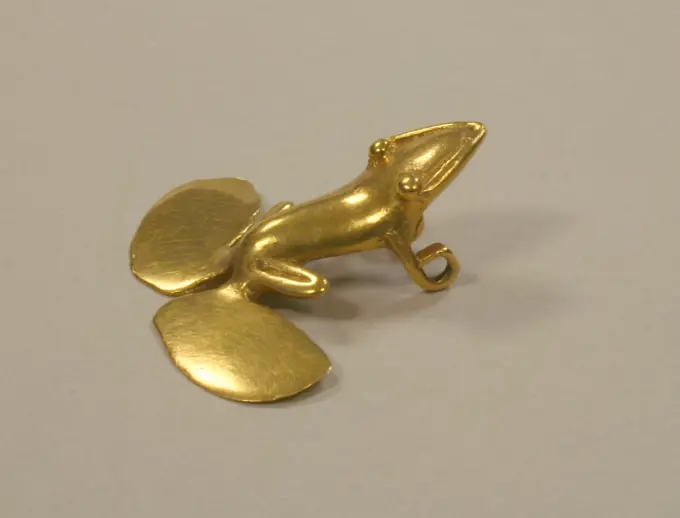
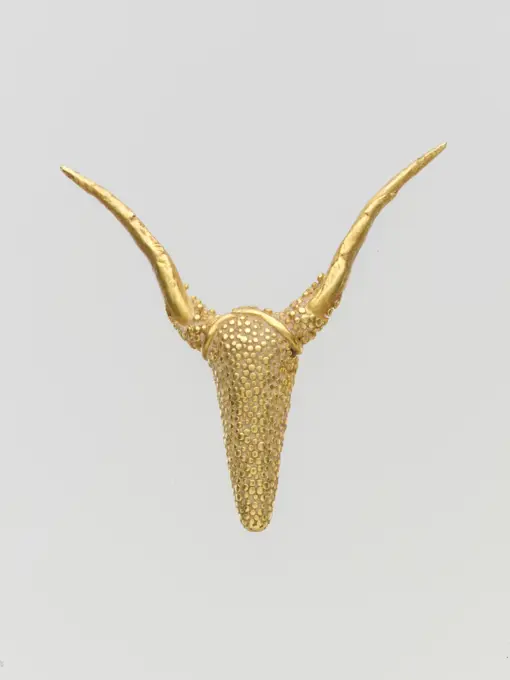
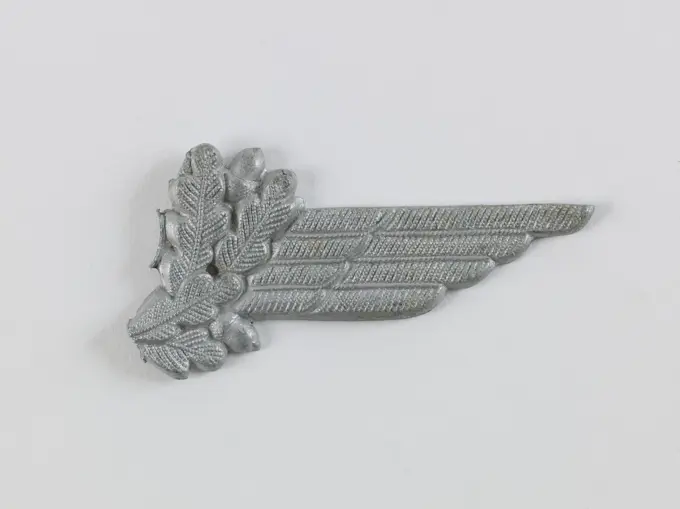
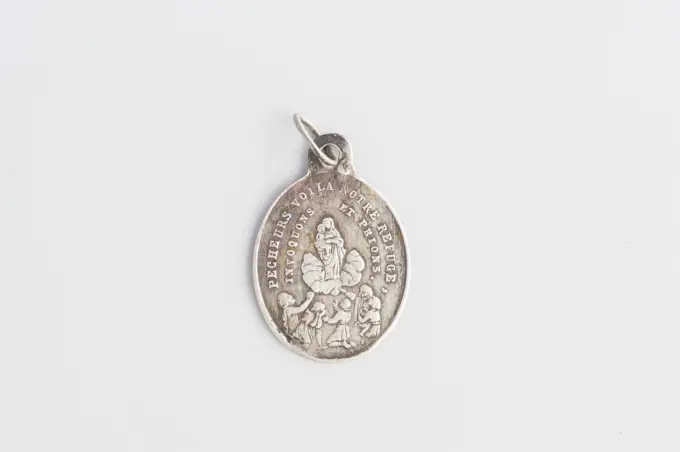
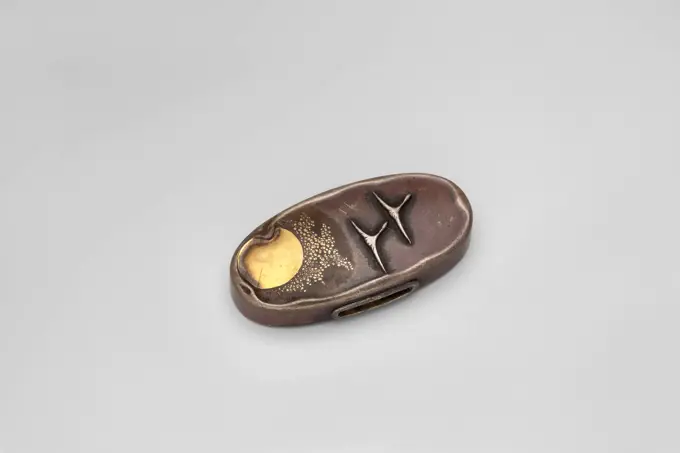
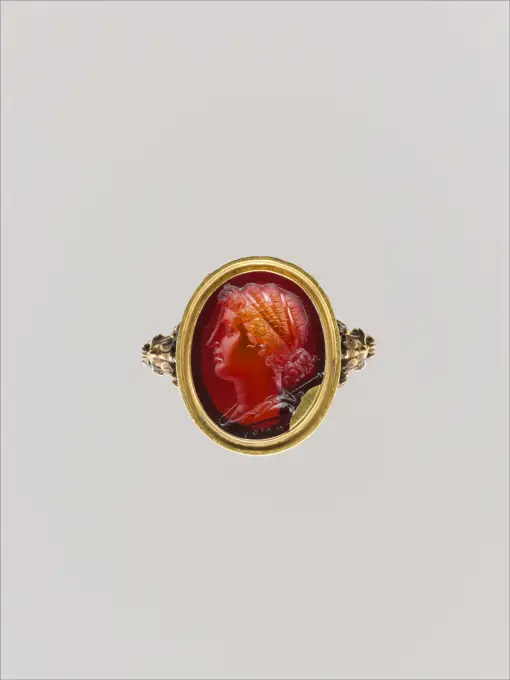
Ring isolated on white backgroundStew, oval, with five holes in the top. Stew from mahogany, oval with five holes in the top, the opening for the fire test is finished with a scalloped rule.Signet ring with gothic letters. Ring with oval seal stamp where in a pearl edge are some letters in mirror magazine. On either side of the stamp on the ring some crossed scratches.Scarab of Ramesses II. Dimensions: L. 1.7 cm (11/16 in.). Dynasty: Dynasty 19-20. Date: ca. 1295-1070 B.C.. Museum: Metropolitan Museum of Art, New York, USA.Buckle dated 1550 German. Buckle. German. dated 1550. Brass. Miscellaneous-Buckles & OrnamentBox belonging to a silver medal, Johannes Albertus Adolf Gerritsen, 1898 box A rectangular box with an orange ribbon in it. On the lid a w is covered by a crown, on the back is' J.A.A. Gerritsen factory and warehouse of gold and silver works. Amsterdam'. Amsterdam cardboard. ribbon (material)Votive Tablet China. Votive Tablet. China. Unglazed white pottery. Ming dynasty (1368-1644). SculptureUninscribed scarab ca. 1981-1640 B.C. Middle Kingdom. Uninscribed scarab. ca. 1981-1640 B.C.. Green jasper. Middle Kingdom. From Egypt, Memphite Region, Lisht North, cemetery south of pyramid below House A2:1, Pit 487, MMA excavations, 1913-14. Dynasty 12-13Glass pendant in the form of a demonic mask 6th-5th century B.C. Phoenician Semi-opaque turquoise blue, with additions in opaque white and translucent cobalt blue.Conical, splayed at bottom with rounded edge; rod hole underneath.Applied large round nose in turquoise blue, eyebrows in blue, eyes in white with blue knobs at center, and blue edge at bottom.Broken with parts of edge and proper left eyebrow missing, and no trace of suspension loop remaining; slight dulling.. Glass pendant in the form of a demonic mask. Phoenician. 6th-5th century B.C.. Glass; rod-formed, trailed, and tooled. Archaic or Classical. Glassinkwell, 19th century, metalwork, Decorative Arts, inkwellLarge Ball Bead ca. 1981-1458 B.C. Middle Kingdom-Early New Kingdom. Large Ball Bead 546985Silver Medallion with Female Head. UnknownToy sugar bowl lid - Inconnu / UnknownGlass gold-band mosaic fragment late 1st century B.C.-early 1st century A.D. Roman Body fragment.Translucent cobalt blue, honey brown, opaque white, yellow, and colorless enclosing gold leaf.Almost flat.Gold-band mosaic pattern formed from sections of layered canes in bands of blue, white, yellow over brown, and colorless glass in one row, and with a segment of colorless glass with gold leaf.A few pinprick bubbles; exterior polished, with pitting of surface bubbles; dulling and some brownish weathering on interior; one edge ground flat.. Glass gold-band mosaic fragment. Roman. late 1st century B.C.-early 1st century A.D.. Glass; cast. Early Imperial. GlassBrooch (England); Made by Charles Horner Ltd.; cut and entwined ribbon silver, with basse-taille enamelPair of Sword-Grip Ornaments (Menuki) 18th century Japanese Menuki are a pair of ornamental sword fittings attached to either side of a sword hilt.. Pair of Sword-Grip Ornaments (Menuki). Japanese. 18th century. Gold. Sword Furniture-Menuki18th century (1701-00-00-1800-00-00);Household ring ca. 1295-1070 B.C. New Kingdom, Ramesside. Household ring 559494Oval dish with scalloped edge, c. 1700 - c. 1800 Oval dish from Tin. The edge is sculpted and profiled. Low Countries tin (metal) Oval dish from Tin. The edge is sculpted and profiled. Low Countries tin (metal)Fibula, boat-shaped type 8th-6th century B.C. Italic The bow is solid and decorated on its outer surface with incised lines.. Fibula, boat-shaped type 246361Architectural Fitting (Gong). China, Qishan county, Shaanxi province. Date: 770 BC-481 BC. Dimensions: . Bronze. Origin: China. Museum: The Chicago Art Institute, Chicago, USA.Glass mosaic face bead 1st century A.D. Roman, Eastern Mediterranean Opaque red ground, with details in opaque yellow, white, red, and grayish green, and translucent purple, appearing black.Section of an irregular oval mosaic composite bar; flat with rough edges; hole diagonally through bead.Circular face, distorted on one side; hair rendered as alternating vertical black and white stripes on forehead; almond-shaped eyes, eyebrows, nose, and round mouth with red lips; green stripe around chin.Intact; slight dulling and pitting.The faces on these flat beads are so small and indistinguishable that it is impossible to tell if they are meant to be men, women, children, or masks.. Glass mosaic face bead 254701 Roman, Eastern Mediterranean, Glass mosaic face bead, 1st century A.D., Glass, Diam.: 3/8 in. (1 cm). The Metropolitan Museum of Art, New York. Rogers Fund, 1952 (52.11.9)Tongs 1800-1830 J. Hutchinson. Tongs. American. 1800-1830. SilverLance Rest ca. 1530 Spanish. Lance Rest. Spanish. ca. 1530. Steel, textile, gold. Armor Parts-Lance Rests. Hair comb of imitation turtle or horn with an ajour sliced back of gracefully together overlining curls, perpendicular to the teeth. Seven teeth.Bracelet with two uraei 304 B.C.-A.D. 364 Ptolemaic or Roman Period. Bracelet with two uraei 551877. Gold ring. Under glass a representation of a woman sacrifices on the altar of love, made of mother-of-pearl on a blue ground. Below the text: L'Amitié Vous La Donne.Ring, anonymous, c. 1750 - c. 1775 Gold ring decorated with windows. Middelburg (possibly) gold (metal) Gold ring decorated with windows. Middelburg (possibly) gold (metal)Pair of Earrings (with 16.10.310) ca. 1635-1458 B.C. Second Intermediate Period-Early New Kingdom. Pair of Earrings (with 16.10.310) 546940Snuif box with a jumping deer on the lid, anonymous, 1750 - 1775  Silver snuff box. Rectangular walls braided as a basket. On the lid a jumping deer between rocailles, volutes and flowers. silversmith: Northern Netherlands (possibly)maker: Zuid-Nederland silver (metal)Earring with plain loop and disc. Earring with plain loop and disc 243127Ornament cone. Ornament cone. Glass. GlassMourningRing.  Maker: Zachariah Brigden, 1734-1787Honorand: Deborah Prince, American, 1699-1766Eikhout console, anonymous, c. 1400 - c. 1499 Eikhout console, gilded on bolus. The body is a cube, in relief circumcised with acanthus leaf and ending in a capital of the Ionian order, decorated with leaf work and a large egg list, including a pearl list. The cube is on a protruding base, which shows tapered acanthus leaves on the underside, ending in a hanging pomegranate. The Abacus consists of three sections, the lower of which is decorated with a cumamotive. Italy (possibly) wood (plant material). oak (wood). gilding (material). bole (clay) gilding Eikhout console, gilded on bolus. The body is a cube, in relief circumcised with acanthus leaf and ending in a capital of the Ionian order, decorated with leaf work and a large egg list, including a pearl list. The cube is on a protruding base, which shows tapered acanthus leaves on the underside, ending in a hanging pomegranate. The Abacus consists of three sections, the lower of which is decorated with a cumamotive. Italy (possibly) wbracteate heller. Świdnica, issuerStylized Poppies Matchsafe; USA; silver; 6.2 x 4 x .9 cm (2 7/16 x 1 9/16 x 3/8 in. )Dutch 5 cents, 1941 ,, 1941 coin Square zinc mint. Front: in a square two Saxon horse heads under a bright sun. Reverse: between the year within styled circle value indication 5 C, left nine waves, on the right two Korenaren. Smooth edge. Utrecht zinc striking (metalworking)Vessel Stamp. Dimensions: H. 1/2 in. (1.3 cm)W. 1 5/16 in. (3.3 cm)D. 1 1/16 in. (2.7 cm)Wt. 0.4 oz. (11.3 g). Date: 743-49. Museum: Metropolitan Museum of Art, New York, USA.Snuffbox. Continental Europe. Date: 1865-1875. Dimensions: 3.2 × 4.5 cm (1 1/4 × 1 3/4 in.). Silver. Origin: Europe. Museum: The Chicago Art Institute, Chicago, USA.Round Ornament ca. 1700 Inuit. Round Ornament 309699Brooch -Vase. unknown, craftsmanPair of Sword-Grip Ornaments (Menuki) 18th century Japanese Menuki are a pair of ornamental sword fittings attached to either side of a sword hilt.. Pair of Sword-Grip Ornaments (Menuki). Japanese. 18th century. Gold, copper. Sword Furniture-MenukiFragment Pijpenkop, Joris Hoogendijk, 1750 - 1785 Fragment piping head with twelve grunts with outlines and (floral sinking motif) and the letters I h d crowned. Of the excavations on the Hofstede Arentsburg 1827-1831 under the supervision of Professor Reuvens. Schoonhoven pipe clay Fragment piping head with twelve grunts with outlines and (floral sinking motif) and the letters I h d crowned. Of the excavations on the Hofstede Arentsburg 1827-1831 under the supervision of Professor Reuvens. Schoonhoven pipe clayRevers pin with a sawn -out sculptor of Wilhelmina van a dime, c. 1940 - c. 1950 Revers pin with a sawn -out sculptor of Wilhelmina van a dime. Netherlands silver (metal) sawing Revers pin with a sawn -out sculptor of Wilhelmina van a dime. Netherlands silver (metal) sawingSword Guard (Tsuba) 1866 Japanese A tsuba is a sword guard and part of a sword mounting. It is mounted between the swords blade and grip to protect the users hands.. Sword Guard (Tsuba) 30039Plug hole in bathtubVase with Biscuit Portrait Medallions, Höchst Ceramics Manufactory, German, 1746 - 1796, hard paste porcelain, biscuit, vitreous enamel, gold, circular, with slightly flaring sides; neck of scotia profile with twisted vertical fluting - sides pink, with two bisque medallions bearing head of bearded man dressed in style of early 17th century - drapery swags in yellow between medallions, Germany, ca. 1780, ceramics, Decorative Arts, vase, vaseSaltcellar ca. 1835 American. Saltcellar. American. ca. 1835. Lacy pressed blue glass. Made in New England, United StatesRoast on three legs, with stem ending in a ring. Raster of iron, on three low legs with long stem ending in a ring.Card Case (England); Manufactured by Nathaniel Mills & Sons (United Kingdom); repoussé and chased moulded sheet silverDeser, question mark of typewright, question mark copyright: xzoonar.com/lutzxwallrothx 807342Mosaic glass fragment late 1st century B.C.-early 1st century A.D. Roman Body fragment.Translucent blue, opaque white and yellow, and colorless.Slightly curved side or bottom.Mosaic pattern formed from polygonal sections of two canes: one in a colorless ground with a yellow spiral, the other in a blue ground with a white spiral.Polished exterior; pitting of surface bubbles on exterior; iridescent weathering on interior and edges.. Mosaic glass fragment 257201Paperweight 1875-1899 United States. Glass .Button or Bead 9th-10th century The dot-in-circle motif recalls designs presumed to be of magical significance, most likely an abstract eye to ward off the evil-eye, which serves an apotropaic function. Easily reproduced with a tool and visible in many cultures and times, this symbol may have lost its meaning, and become simply a decorative pattern, or may have one that we have not yet discovered.. Button or Bead 449240Ring of silver with carneool, c. 1940 Ring of silver with an oval cabochon cut Carneool. The setting is open. Netherlands silver (metal). carnelian grinding Ring of silver with an oval cabochon cut Carneool. The setting is open. Netherlands silver (metal). carnelian grindingGlass mosaic fragment late 1st century B.C.-early 1st century A.D. Roman Thin-walled body fragment.Translucent purple, blue, turquoise blue, honey brown, opaque yellow and white.Very shallow curving side.Mosaic pattern formed from polygonal sections of two or more canes: one in a purple ground with a circle of yellow dots around a central white rod, and another in triangular plain patches in various colors outlined in white, and one with a yellow spiral.Polished exterior; pitting of surface bubbles on exterior; iridescent weathering on interior and jagged edges.. Glass mosaic fragment 257379Badge of Zeta Psi Owned by Anthony N. B.GarvanSponge Box. Possibly S. T. Reitsma, Sr.; Dutch, active c. 1859-c. 1892; Possibly Heerenveen/Sneek, Netherlands. Date: 1865. Dimensions: 4.5 x 3.8 cm (1 3/4 x 1 1/2 in.). Silver. Origin: Netherlands. Museum: The Chicago Art Institute, Chicago, USA.Europe, Portugal, Madeira island, Funchal,Empty metal pets bowl isolated on the white backgroundBracelet 1st-3rd century A.D. Roman The surface is slightly corroded in places.. Bracelet. Roman. 1st-3rd century A.D.. Bronze. Imperial. BronzesScarab Inscribed with a Geometric Pattern ca. 1479-1458 B.C. New Kingdom. Scarab Inscribed with a Geometric Pattern. ca. 1479-1458 B.C.. Steatite (glazed). New Kingdom. From Egypt, Upper Egypt, Thebes, Deir el-Bahri, Temple of Hatshepsut, Foundation Deposit 7 (G), MMA excavations, 1926-27. Dynasty 18, earlyWreaths, 11. Culture: Greek, Laconian. Dimensions: Diameter: 7/8 in. (2.3 cm). Museum: Metropolitan Museum of Art, New York, USA.Glas shards of a basement bottle, window window or lantern from the wreck of the East Indies' t Vliegend Hart ,, 1700 - 1735 in 1735 lantern The transparent green, fairly flat glass fragment is triangular and painted on one side. Missschien, given the flatness, it was once part of a basement bottle, window window or a lantern.  .Hat ornament 13th-16th century Colombia. Hat ornament. Colombia. 13th-16th century. Gold. Colombia. Metal-OrnamentsDjed pillar 525-30 BC Late Period-Ptolemaic Period Starting in the later Late Period and continuing through the Ptolemaic Period, a type of glass amulet cast by pressing the glass into a shallow open mold appears. The back was left rough, and the amulets may look ragged because glass overflowed the mold around the edges. The earlier amulets are monochrome, bi- or multicolor amulets supplement the repertoire during the Ptolemaic Period. Some of the amulets can be specifically tied to spells of the Book of the Dead - for example, acc. no. 17.194.2526 - and most are clearly funerary amulets, presumably meant to be wrapped between the bandages of the mummy where the presence of the amulet would do its job irrespective of its degree of finish.. Djed pillar. 525-30 BC. Light Blue Glass. Late Period-Ptolemaic Period. From EgyptGrahal-Manzara. Carnavalet 2013-2016 collection sites. Numismatics.Buckle. Culture: Visigothic. Dimensions: Overall: 5 1/8 x 2 1/4 x 1/2 in. (13 x 5.7 x 1.2 cm). Date: first half 6th century. Museum: Metropolitan Museum of Art, New York, USA.Jewellery ring isolated on the white background. Shoe buckle of silver, the sides of which have the shape of a crown, in flat relief. A hinged closure at the rear.Fragment of a ring 304 B.C.-A.D. 364 Ptolemaic or Roman Period. Fragment of a ring 552326Schmuckkästchen mit goldenem Ehering - Jewel box with golden wedding ring Schmuckkästchen mit goldenem Ehering - Jewel box with golden wedding ring Copyright: xZoonar.com/lantapixx 9305461Shard of a plate from the wreck of the East India hollandiaia. Porcelain, plate, type 3; Fragm or Rim, SIM. NG 1980-27H3202C.Button or Spindle Whorl 9th-10th century The dot-in-circle motif recalls designs presumed to be of magical significance, most likely an abstract eye to ward off the evil-eye, which serves an apotropaic function. Easily reproduced with a tool and visible in many cultures and times, this symbol may have lost its meaning, and become simply a decorative pattern, or may have one that we have not yet discovered.. Button or Spindle Whorl 449246Statuette of a sphinx, 5 Greek, Laconian. Statuette of a sphinx, 5 251674 Greek, Laconian, Statuette of a sphinx, 5, Lead, Height: 13/16 in. (2.1 cm). The Metropolitan Museum of Art, New York. Gift of A. J. B. Wace, 1924 (24.195.108)Goldweight Stool, 19th-20th century, 1 3/16 x 1 5/16 x 13/16 in. (3.02 x 3.33 x 2.06 cm), Brass, Ghana, 19th-20th centuryOjime 19th century Japan. Ojime. Japan. 19th century. Edo period (1615-1868). OjimeOjime 19th century Japan. Ojime. Japan. 19th century. Edo period (1615-1868). OjimeMessenheft from the wreck of the East Indians Hollandia, Anonymous, 1700 - in Or Before 1743  Knife, handle, cylindrical: tapering; flat upper end, turned decoration of dense wavy lines, concentric circles at lower end, ferrule id. NG 1980-27H426. Netherlands wood (plant material). metal   SecondBead 500 B.C.-A.D. 300 Thailand. Bead 44532Statuette of a woman votary, 5 . Culture: Greek, Laconian. Dimensions: Height: 1 1/8 in. (2.8 cm). Date: ca. 700-500 B.C.. Museum: Metropolitan Museum of Art, New York, USA.Matchsafe (USA); Manufactured by Whitehead & Hoag Company (United States); celluloid, metal; Overall: 6.7 x 3.8 x 1 cm (2 5/8 x 1 1/2 x 3/8 in.)Glass bead with knobs 5th-3rd century B.C. Phoenician or Carthaginian Uncertain color, appearing opaque black, with opaque yellow and white, and translucent blue.Cylindrical, with rounded edge at both ends; large hole running vertically through bead.Eight vertical rows of knobs, each comprising four knobs, alternating in yellow and white topped with blue.Intact cylinder but almost all of the yellow knobs missing and some of the white knobs damaged; dulling and slight pitting.. Glass bead with knobs. Phoenician or Carthaginian. 5th-3rd century B.C.. Glass; rod-formed and applied. Classical or Early Hellenistic. GlassFrog Pendant 11th-16th century Veraguas. Frog Pendant. Veraguas. 11th-16th century. Gold. Panama. Metal-OrnamentsOjime 19th century Japan. Ojime. Japan. 19th century. Edo period (1615-1868). OjimeCup Plate 1840-50. Cup Plate 2931Gold pendant with granulated ornament ca. 1400-1050 B.C. Cypriot Pendant in the shape of a bull's head with granulation.. Gold pendant with granulated ornament. Cypriot. ca. 1400-1050 B.C.. Gold. Late Bronze Age. Gold and SilverAnonymous. "Fragment of oak leaves and schirmmütze wing of the Luftwaffe". Aluminum. 1935-1945. General Leclerc Museum of Hauteclocque and the Liberation of Paris, Jean Moulin Museum. 158813-23Medallion with the portrait of J. Sylvain Bailly, c. 1789 Porcelain medallion in Biscuit with the portrait of J. Sylvain Bailly, mayor of Paris in 1789. The edge or 'list' of the medallion is glazed. Valenciennes (Possible) porcelain. glaze vitrification Porcelain medallion in Biscuit with the portrait of J. Sylvain Bailly, mayor of Paris in 1789. The edge or 'list' of the medallion is glazed. Valenciennes (Possible) porcelain. glaze vitrificationGlass Fragment 12th-14th century French. Glass Fragment. French. 12th-14th century. Pot-metal glass, vitreous paint. Glass-StainedStatuette of a woman votary, 5  ca. 700-500 B.C. Greek, Laconian. Statuette of a woman votary, 5  251596 Greek, Laconian, Statuette of a woman votary, 5 , ca. 700500 B.C., Lead, Height: 1 1/8 in. (2.8 cm). The Metropolitan Museum of Art, New York. Gift of A. J. B. Wace, 1924 (24.195.30)Planets-manager. Cornalet Collection Sites 2013-2016. Numismatic.Pair of Sword-Grip Ornaments (Menuki). Culture: Japanese. Dimensions: L. of each 1 13/16 in. (4.6 cm); Wt. of each 0.2 oz. (5.7 g). Date: 18th century. Museum: Metropolitan Museum of Art, New York, USA.Container (salad bowl)Pommel (kashira). unknown, craftsmanAsian Motifs, Silver, Oblong, with rounded corners and hammered surface. Front features applied sprig of foliage on body, above which are initials (F. L.) incised in stylized, Asian inspired font, applied butterfly on lid. Reverse features applied palm fronds on body, applied crab on lid. Chain attached to lid. Lid hinged on side. Striker incised on bottom., New York City, USA, ca. 1885, containers, Decorative Arts, Matchsafe, MatchsafePendant 16th-18th century Colonial (). Pendant 307445Mosaic glass fragment. The small glass fragment consists of white, black, yellow and blue squares, which are arranged in the checkerboard pattern. The individual squares are sometimes slightly distorted. In Roman times were used colored, ornamented glass for vessels, mosaics, wall decorations and furniture ornaments. For the production, different colored glasses were molded into tubes and rods. These were compressed and heated, causing a long bar. The glass sliced now had a wide variety of amorphous or floral patterns.Carnelian oval set in a 17th-18th century gold ring ca. 27 B.C.-A.D. 14 Signed by Gnaios The scepter behind her head indicates a royal portrait, perhaps a Ptolemaic queen.. Carnelian oval set in a 17th-18th century gold ring 248206