Antique Drinking Vessels

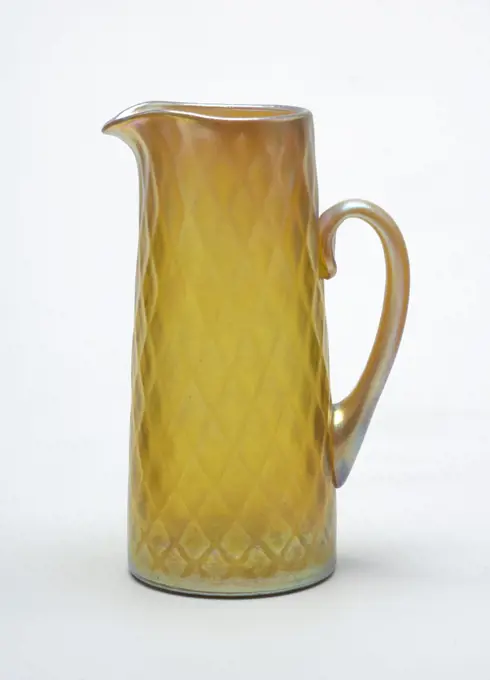
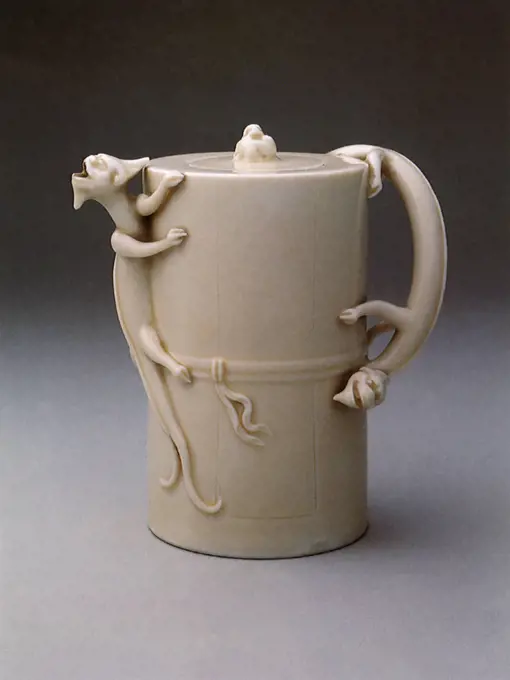
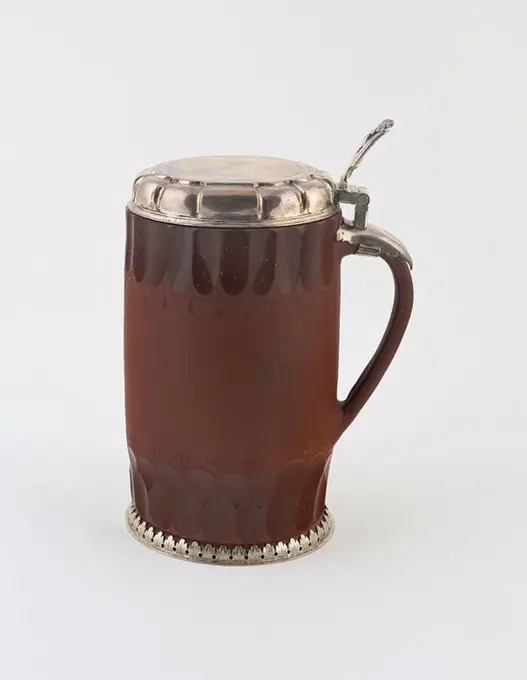
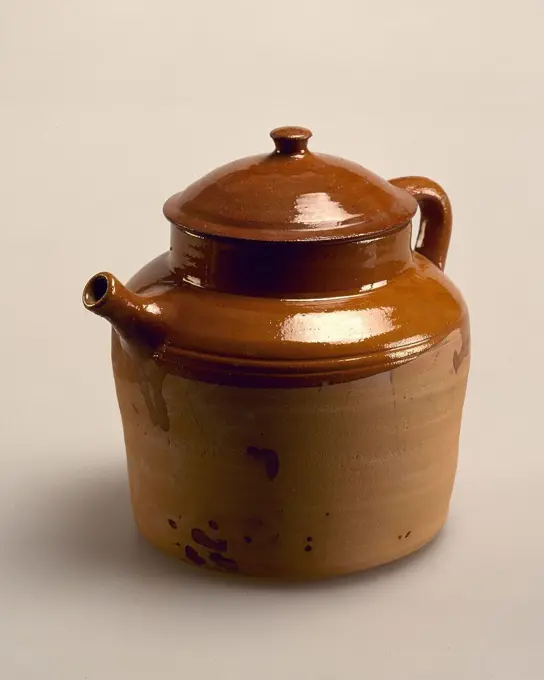
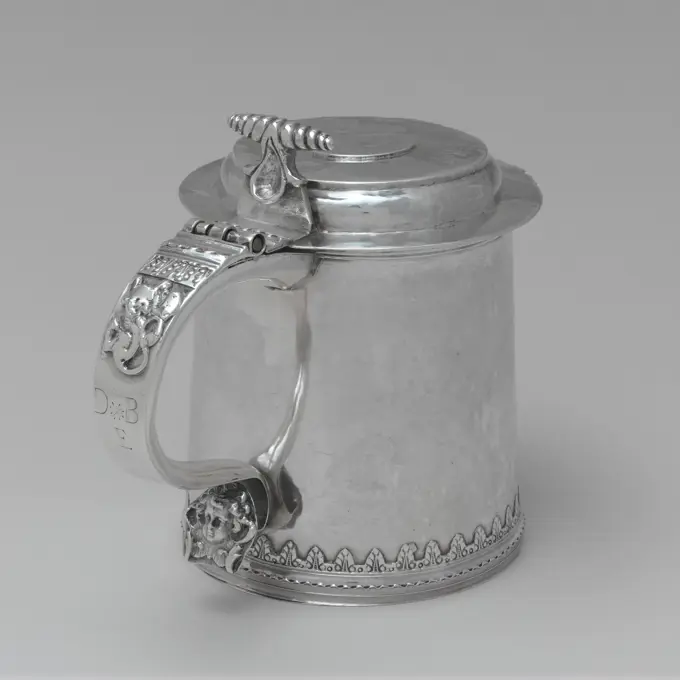
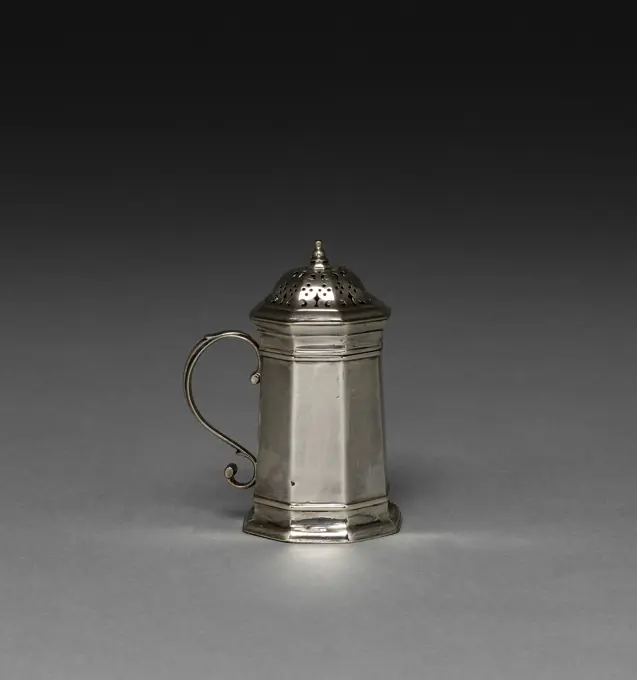
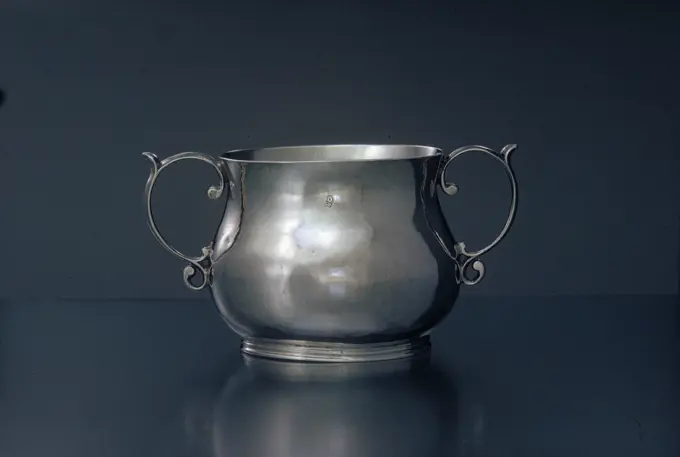
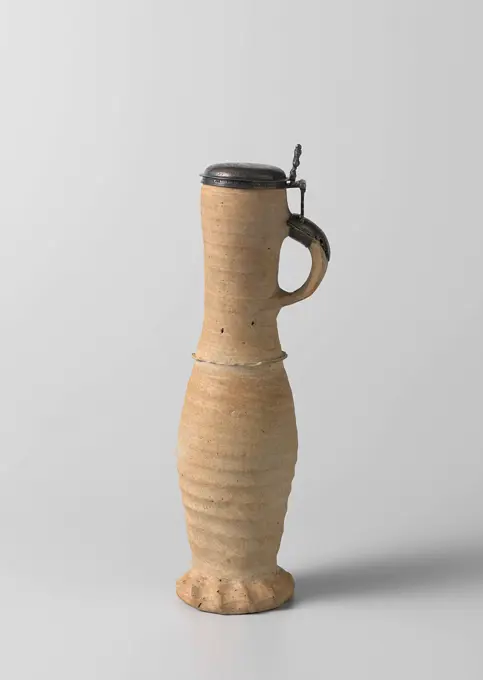
A collection of antique drinking vessels including silver cann and tankards, showcasing intricate craftsmanship and historical significance.

Can with lid, anonymous, c. 1680 - c. 1696 Can of faience with gilded silver lid. White glazed. Delftilversmith: Enkhuizen silver (metal) gilding Can of faience with gilded silver lid. White glazed. Delftilversmith: Enkhuizen silver (metal) gilding
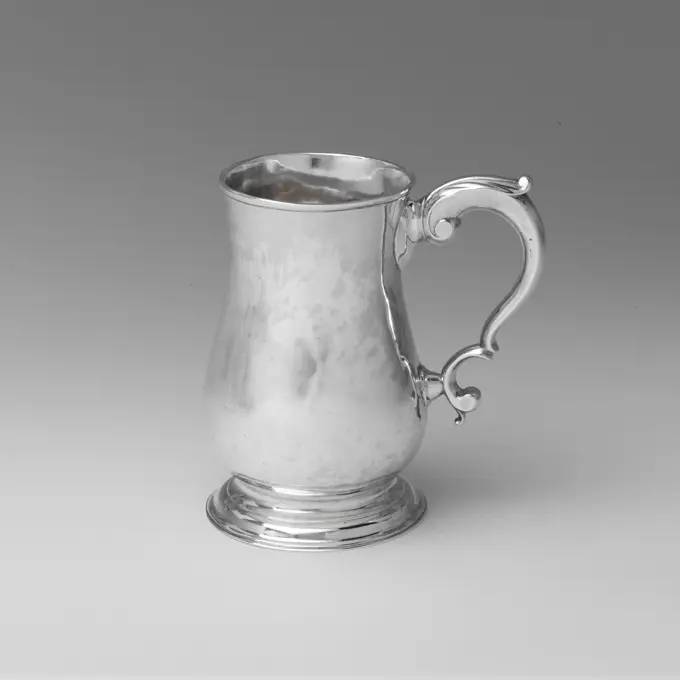
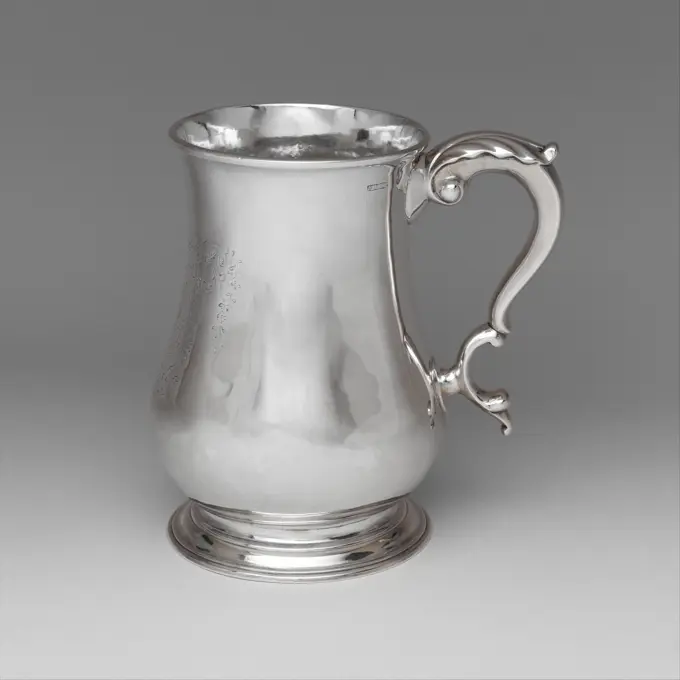
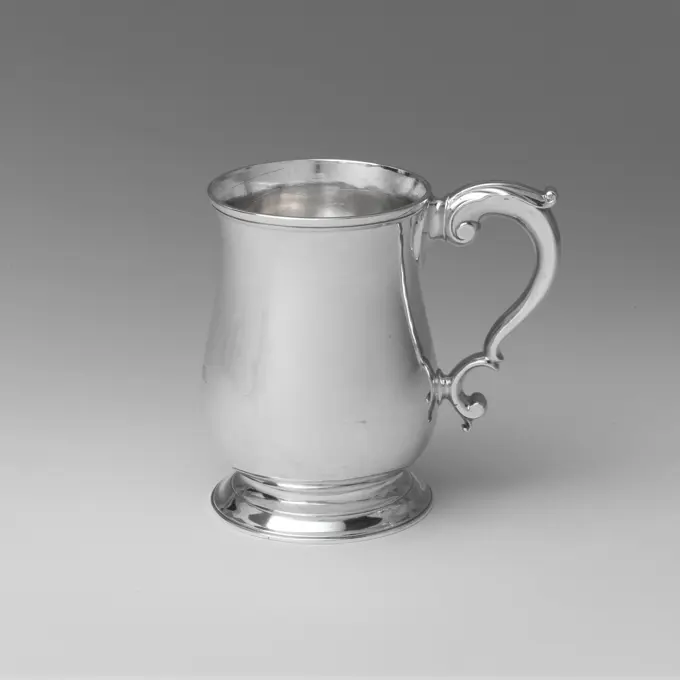
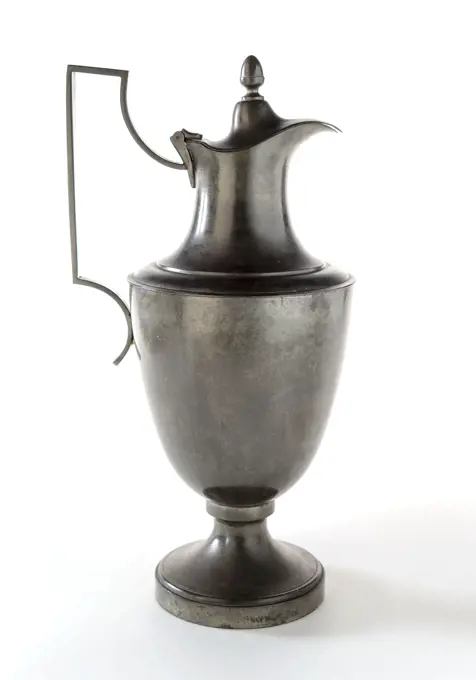
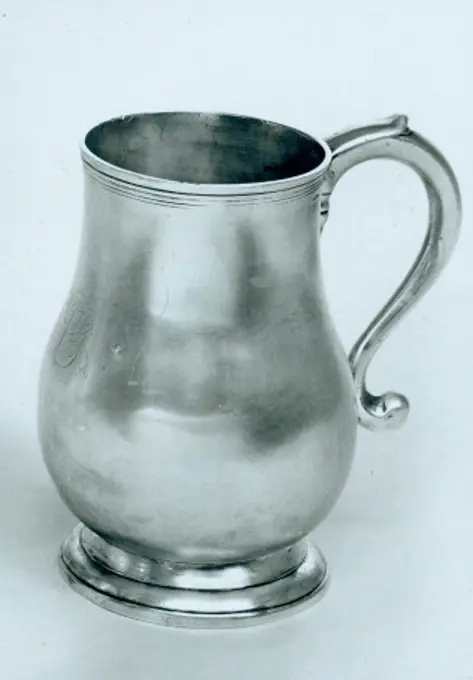
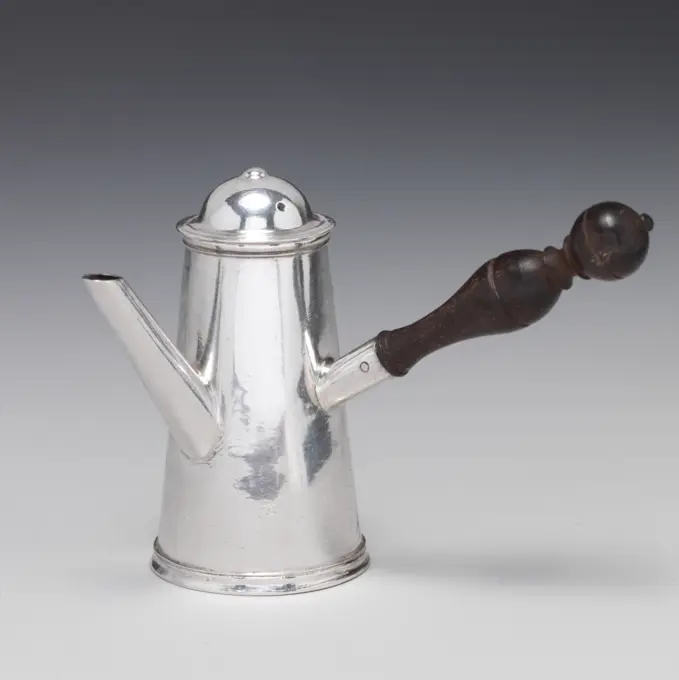
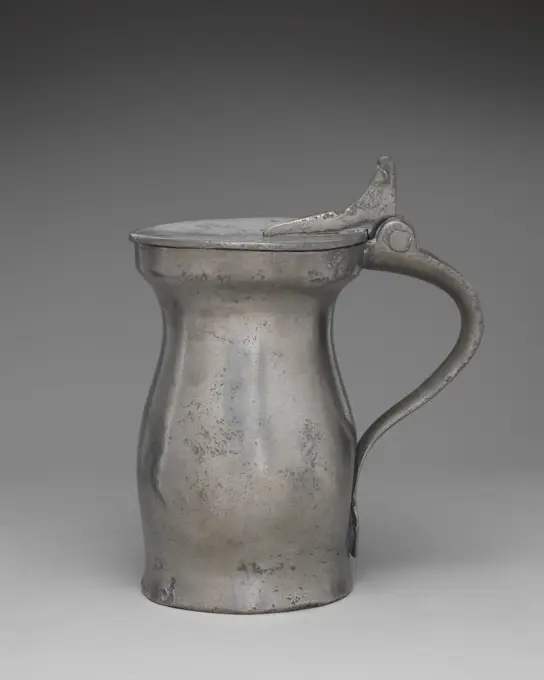
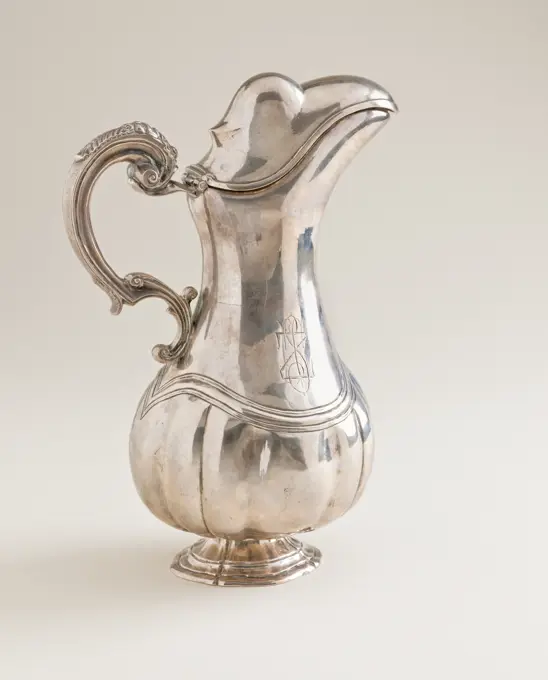
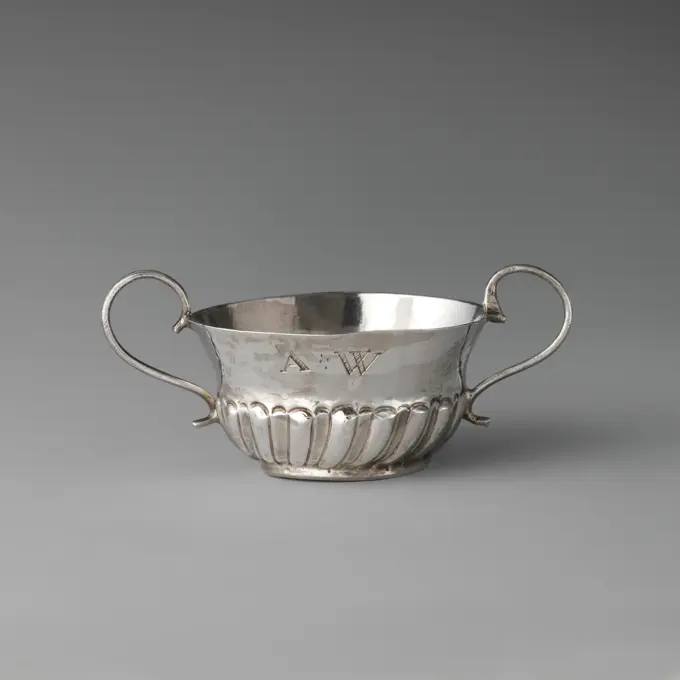
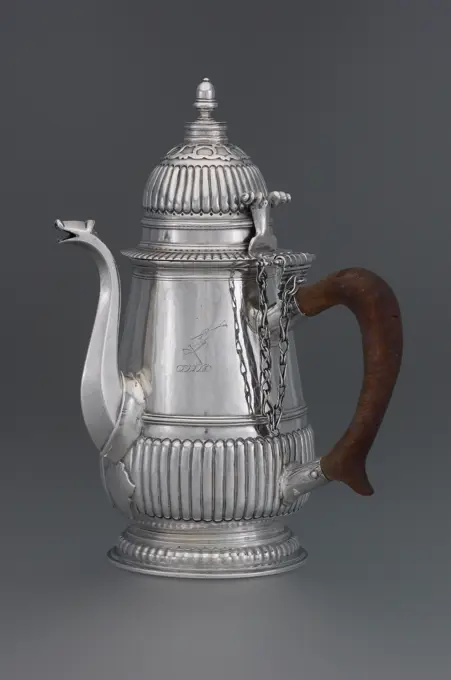
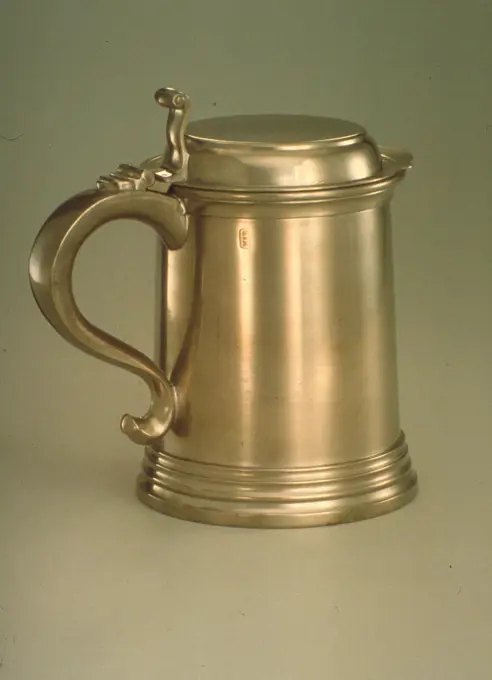
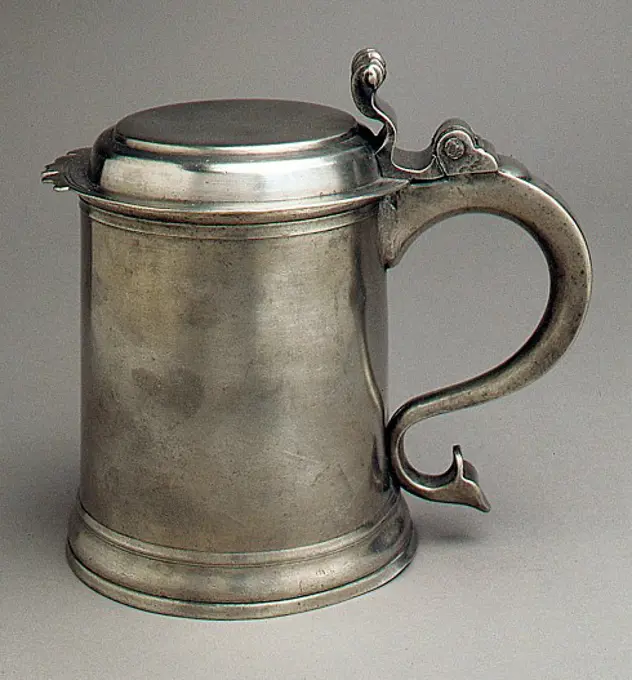
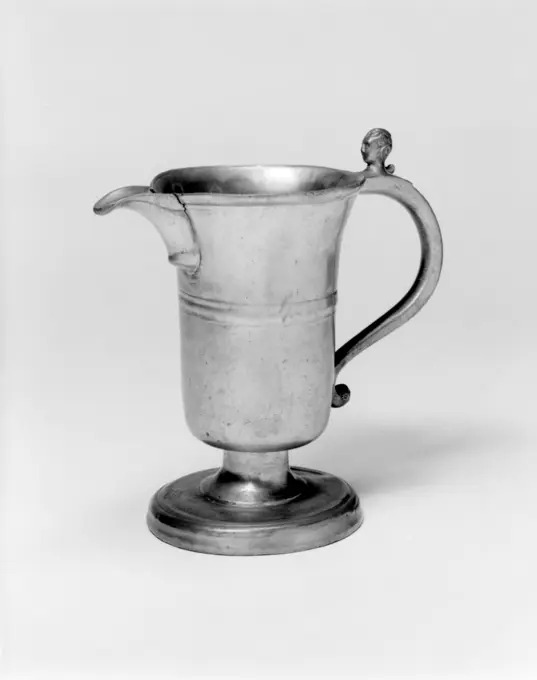
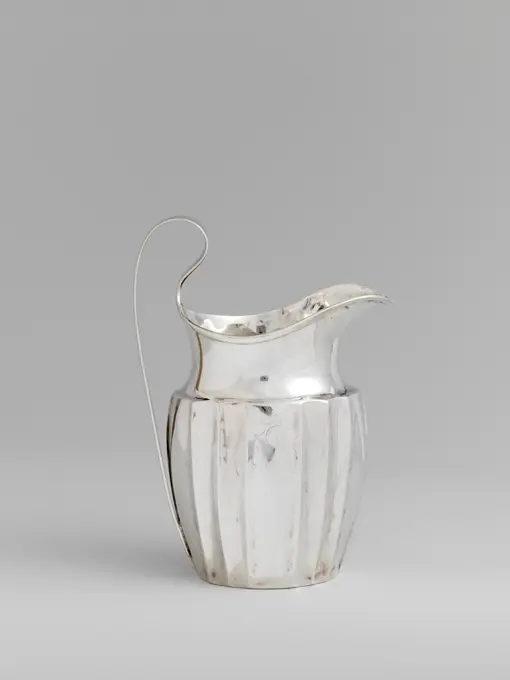
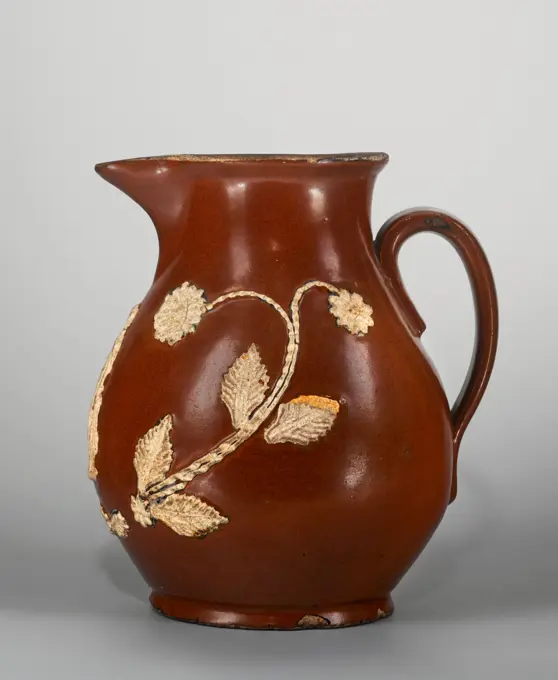
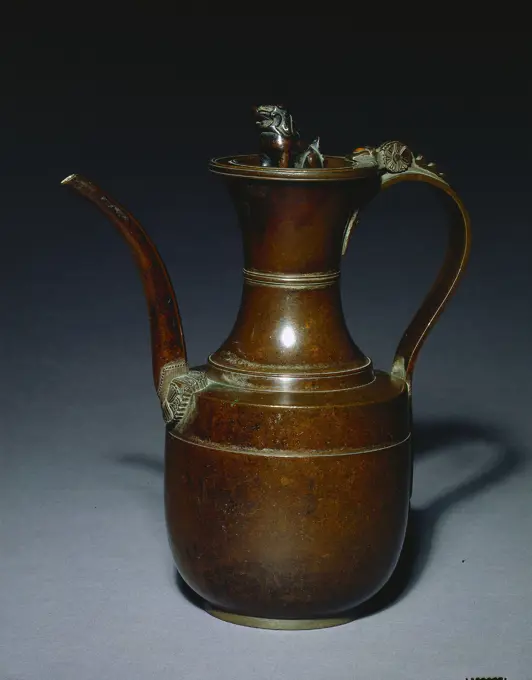
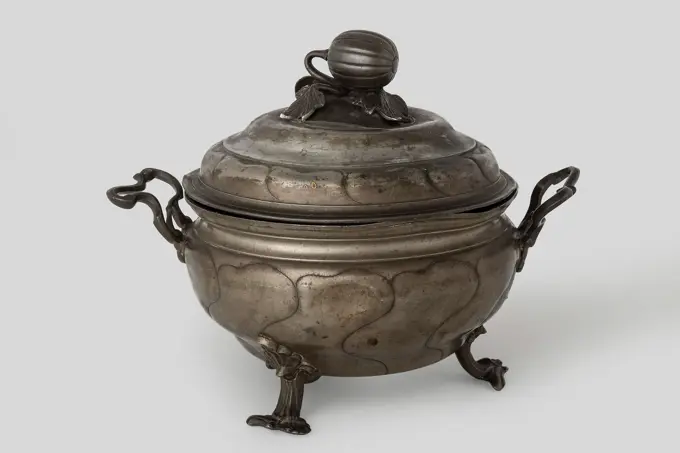
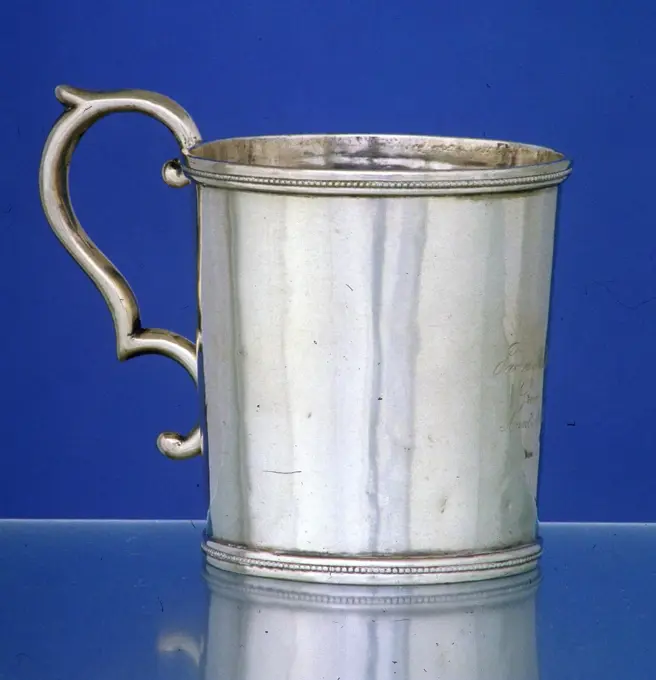
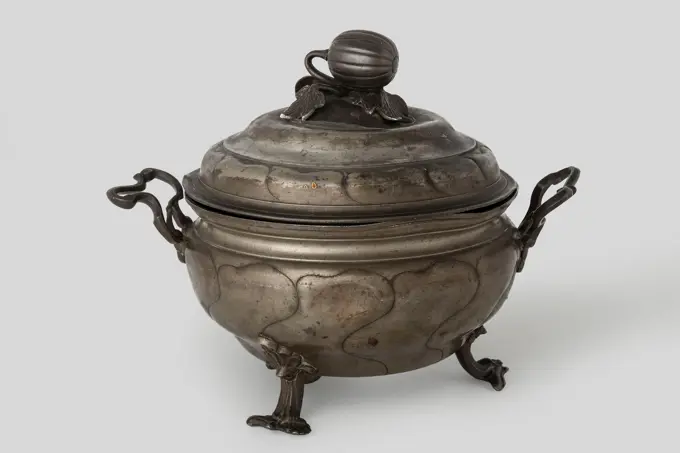
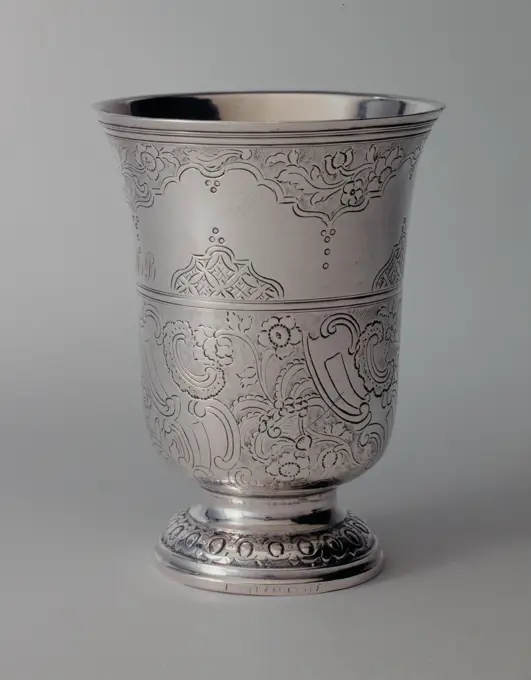
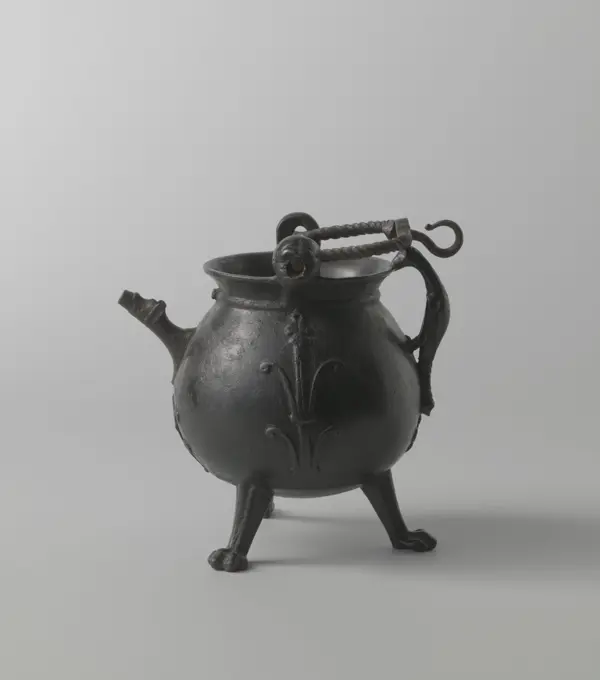
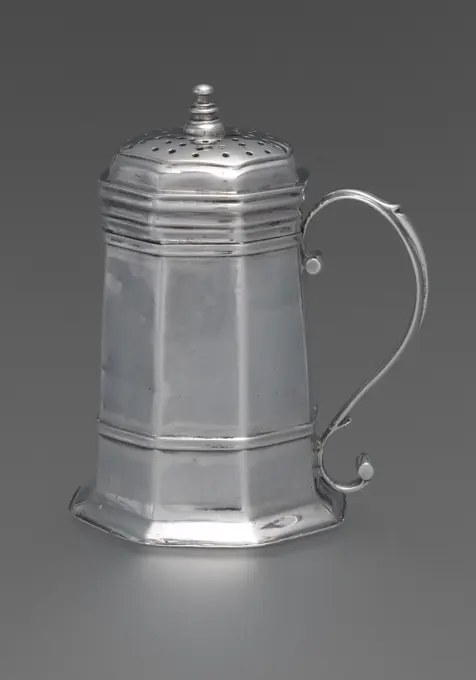
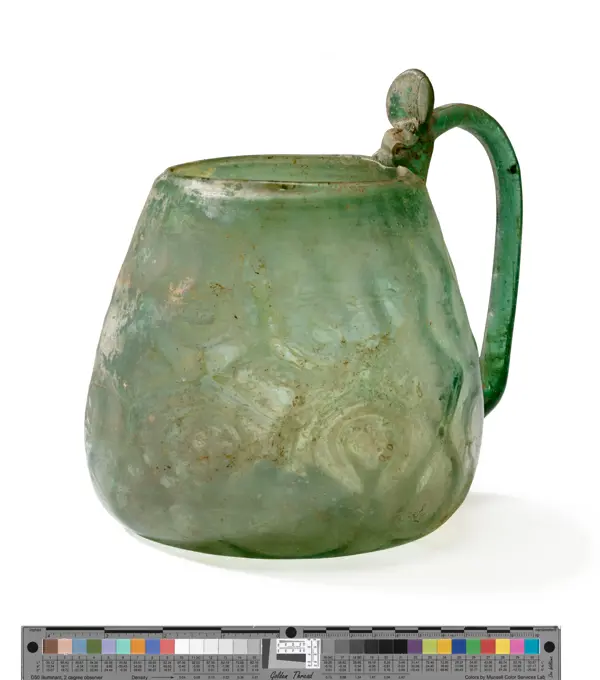
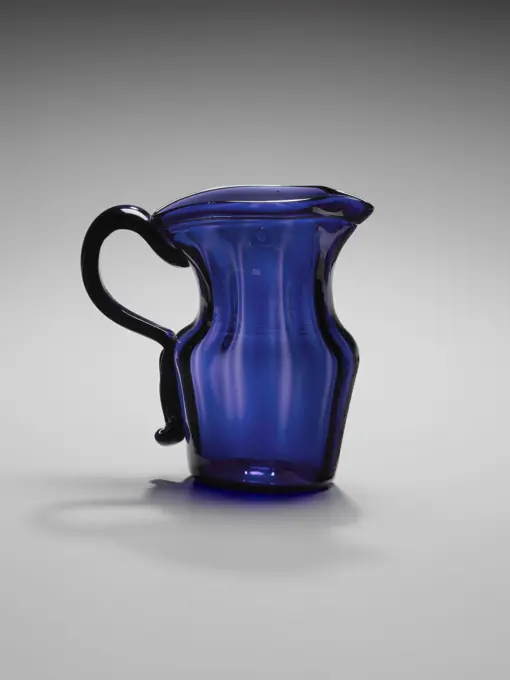
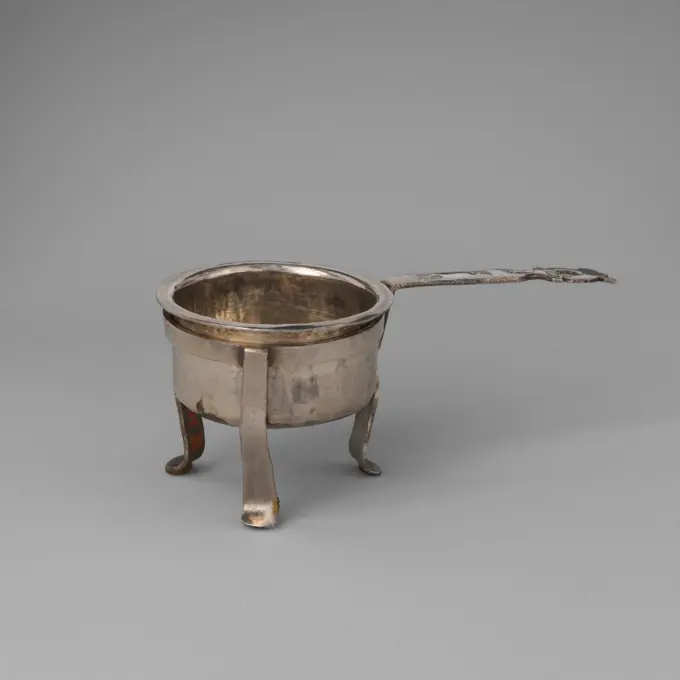
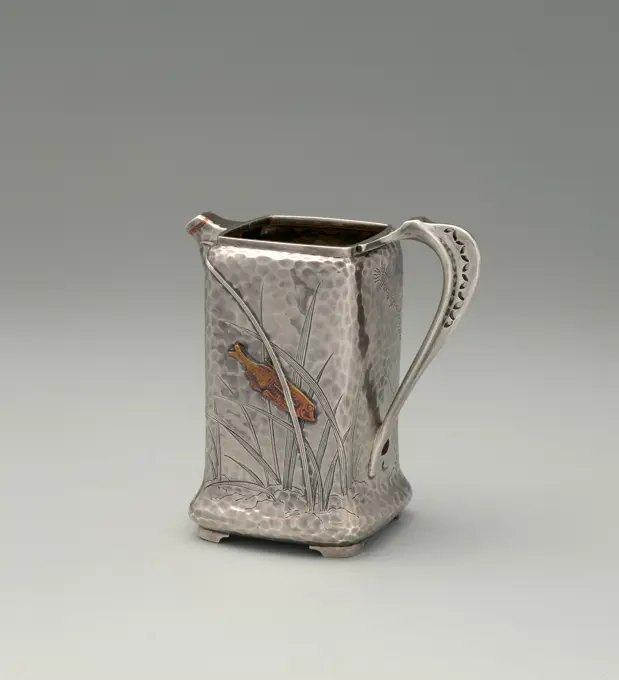
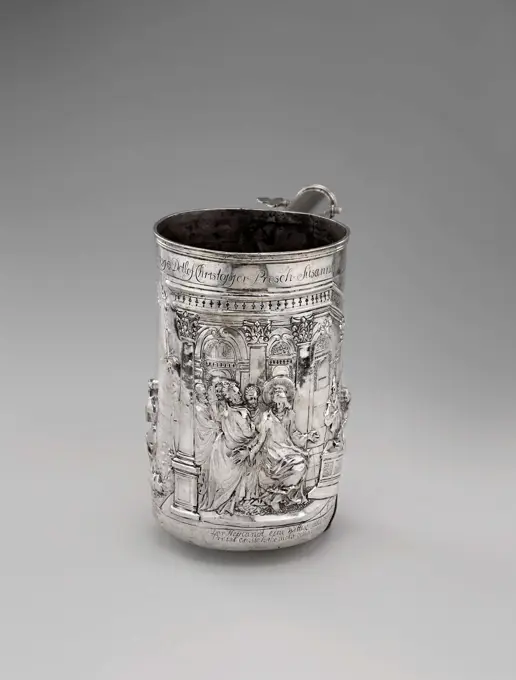
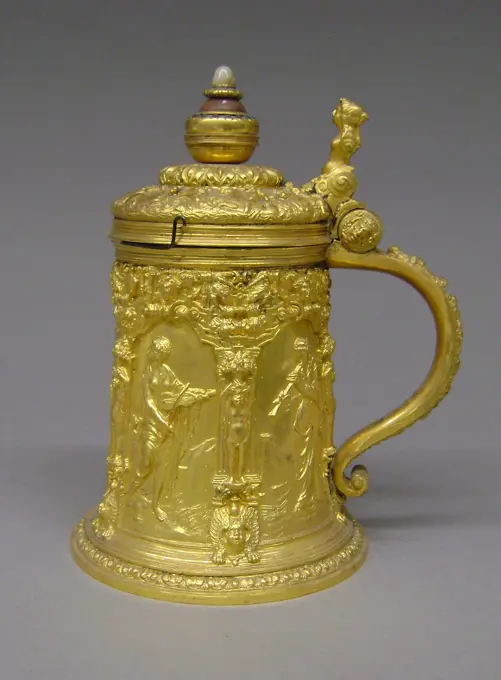
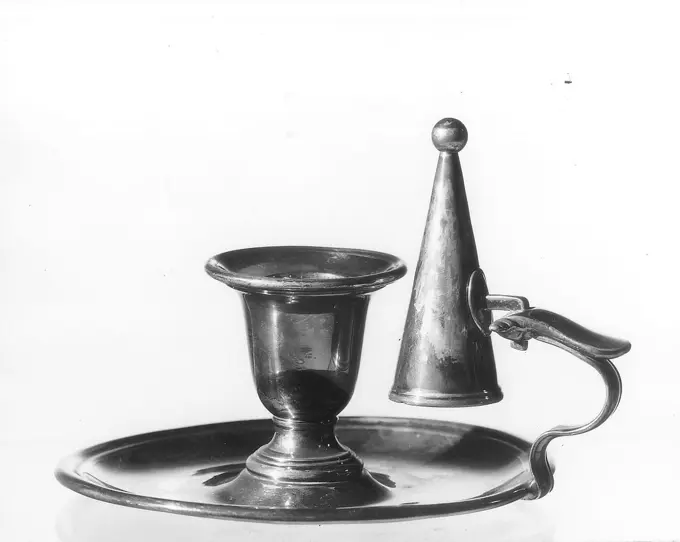
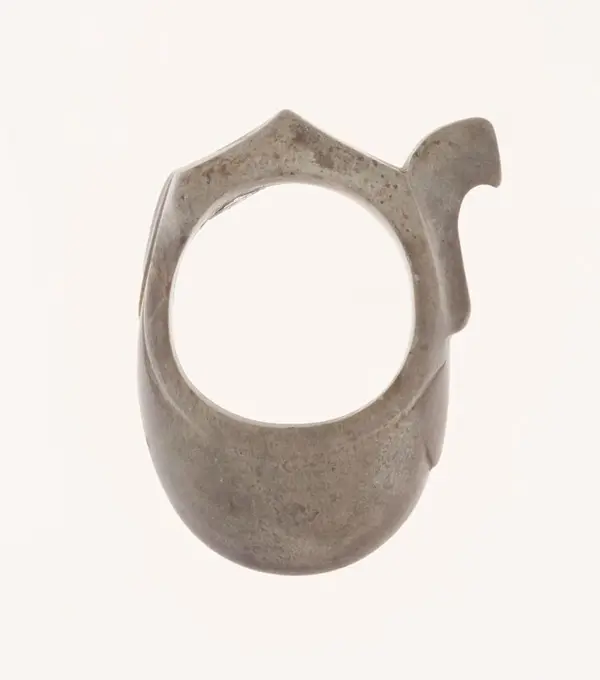
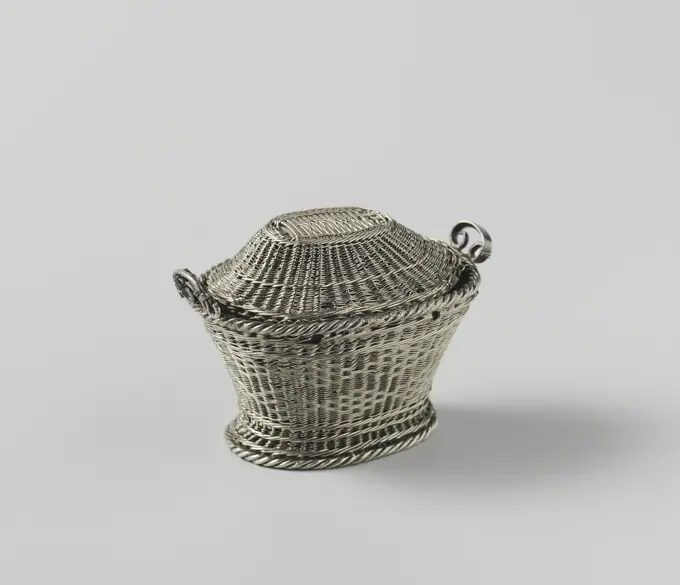
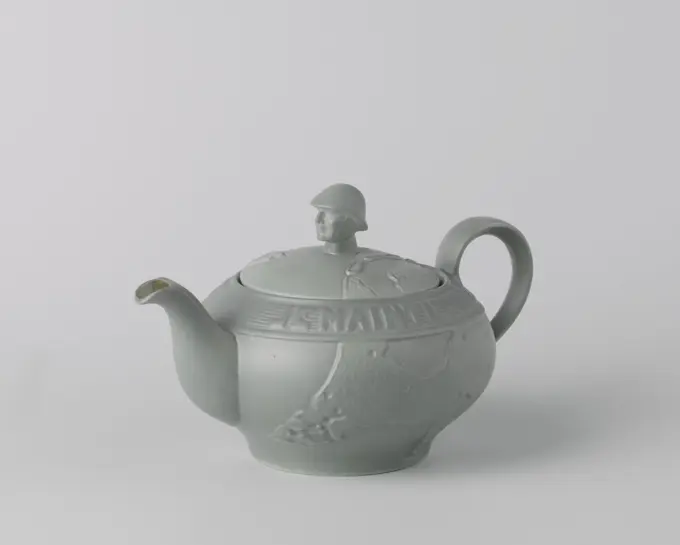
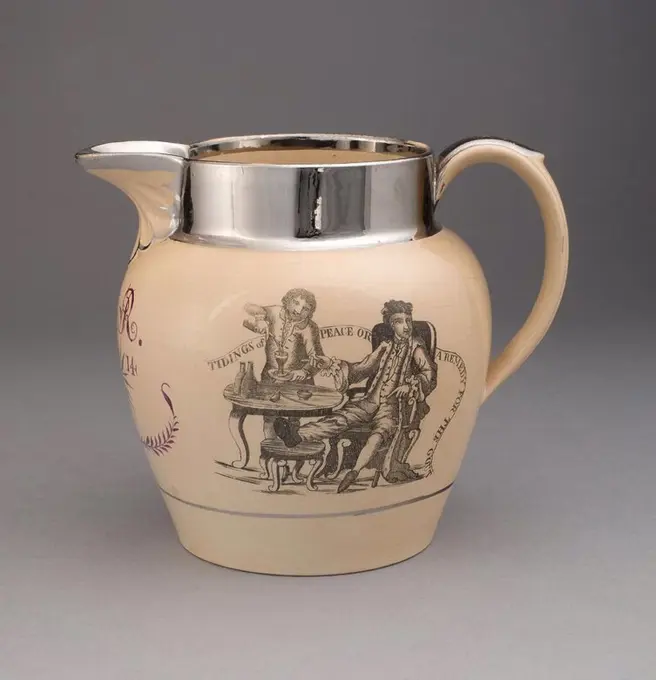
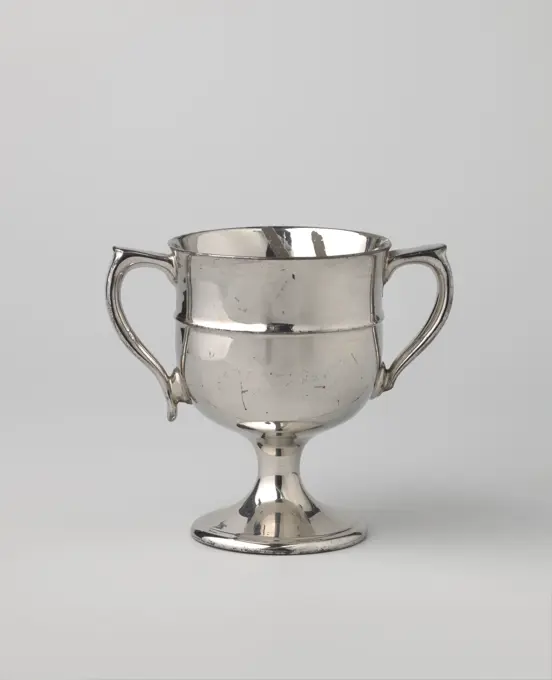
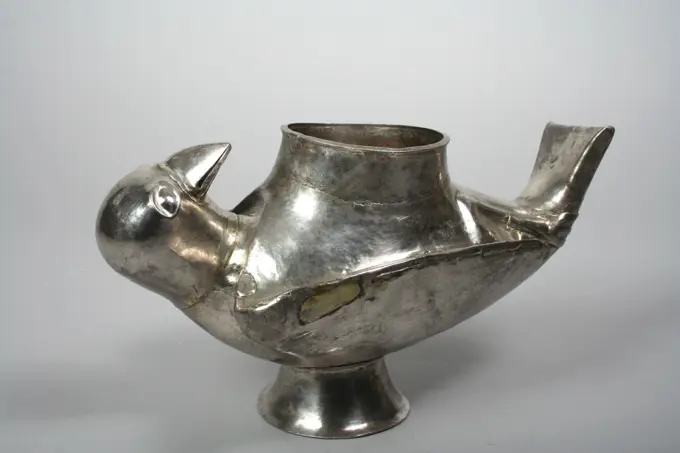
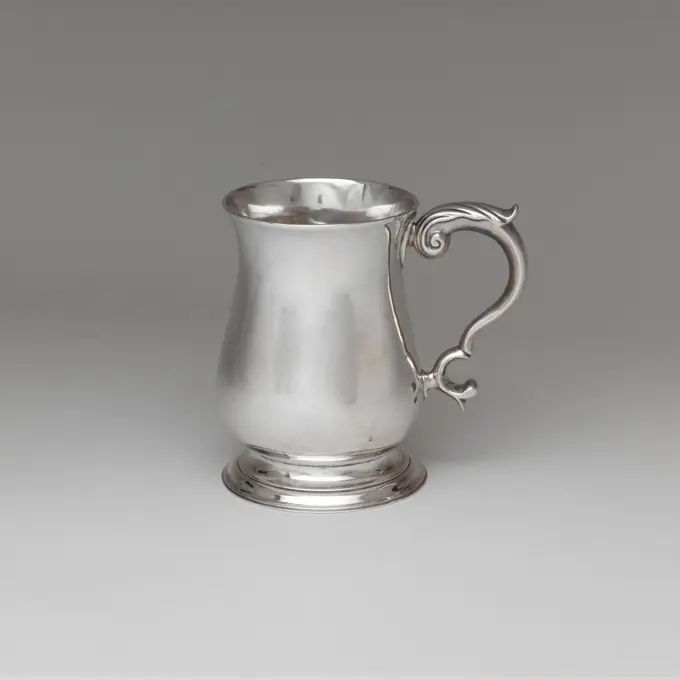
Cann ca. 1785 Joseph Richardson Jr.. Cann. American. ca. 1785. Silver. Made in Philadelphia, Pennsylvania, United StatesDrinking jar of tin (Rembrandtkan). Drinking jar of tin, also called Rembrandtkan. The foot is double profiled and also on the transitions from foot to belly and from belly to neck are profiles. The jug is closed with a vaulted and profiled lid. At the thumb trust with double hinge, the handle starts that starts from there almost horizontally.Cann ca. 1770 S. Mars. Cann 5351Tankard 1740-50 Nicholas Roosevelt American. Tankard 8221Cann 1783 Paul Revere Jr. American Cann, a term used interchangeably with mug during the eighteenth century, refers to a pear- or tulip-shaped drinking vessel with scroll handle and circular foot. This exceptionally large pair was made for Elias Hasket Derby (1739-1799) and his wife Elizabeth, whose interlaced script monogram, EHED, is engraved on the front of each. Derby was a wealthy shipping merchant in Salem, Massachusetts. In April of 1783, Revere recorded in his ledger that he was making a pair of "quart canns for E. H. Darby, Esq." A set of silver beakers by Revere (58.3.1-.4), as well as several pieces of furniture and Chinese export porcelain in the Museum's collection, also belonged to Derby.. Cann 1398Tin jug with lid, anonymous, 1575 - 1600 Tin jug. On the stand ring there is a convex belly that runs to a narrow, cylindrical neck. The lip edge is decorated with two profiled tires. The lid is slightly arched and has an elevated circle in the middle. The thumb rest is formed by two acorns, one of which is to the side. Through a one -a -cash hinge, the thumb rest runs into the handle, which bends slightly out at the bottom. Gorinchem tin (metal) casting Tin jug. On the stand ring there is a convex belly that runs to a narrow, cylindrical neck. The lip edge is decorated with two profiled tires. The lid is slightly arched and has an elevated circle in the middle. The thumb rest is formed by two acorns, one of which is to the side. Through a one -a -cash hinge, the thumb rest runs into the handle, which bends slightly out at the bottom. Gorinchem tin (metal) castingPug decorated with a few ribs. The cast round mortar widens a little upwards and has a knowing edge. The smooth wall is decorated with three vertical narrow ribs, which up to the edge at two from the claw feet, and connects to the square handle at one.Can with lid, anonymous, c. 1680 - c. 1696 Can of faience with gilded silver lid. White glazed. Delftilversmith: Enkhuizen silver (metal) gilding Can of faience with gilded silver lid. White glazed. Delftilversmith: Enkhuizen silver (metal) gildingCann 1765-76 Myer Myers American. Cann 5358Tankard 1725-50 Possibly Benjamin Wynkoop. Tankard 8246Teapot Teapot; Manufactured by J. P. Kayser & Sohn (Germany); pewterTankard ca. 1765 British, Sheffield. Tankard. British, Sheffield. ca. 1765. Sheffield plate. Metalwork-SilverplateCann.   Maker: Samuel Casey, American, 1723-1773Tinsmith: Johannes Daniël Druy, Tin evening meal, supper liturgical container holder tin, ear) 25.0 cast Hollow closed foot with flat bottom vase shaped body narrows upwards and opens into wide bell clip bell-shaped lid with acorn-shaped button two-pivot hinge rectangular and band-shaped ear ending in question mark. Profile edges on foot and on narrowing part to neck square under foot: ID angel lion and bunch of grapes with crowned top X underneath on banderole ROTTERDAM metal casting Middelharnis Protestantism serving church Eucharist supper religious ceremony ceremony religionMug (USA); silverMustard pot, 18th century, 5 1/2 x 3 1/2 x 2 1/2in. (14 x 8.9 x 6.4cm), Pewter, Netherlands, 18th centuryCider jug c 1800 Pennsylvania. Earthenware . Artist unknownMug.   Maker: Francis Bassett, Jr., American, 1729-1800Ceramic potJacob Hurd, Cann, c. 1740, silver.Partially-ribbed, amber-toned cruet bottle ca. 1860-70 Italian, Venice (Murano). Partially-ribbed, amber-toned cruet bottle. Italian, Venice (Murano). ca. 1860-70. Glass. GlassMiniature coffeepot with cover ca. 1720-30 David Clayton British Listen to experts illuminate this artwork's story Listen Play or pause #413. Retail Value. High and Low Supported by Bloomberg Philanthropies We're sorry, the transcript for this audio track is not available at this time. We are working to make it available as soon as possible.. Miniature coffeepot with cover. David Clayton (British, active 1689). British, London. ca. 1720-30. Silver, wood. Metalwork-Silver-MiniatureMeasure 16th-17th century British. Measure. British. 16th-17th century. Pewter. Metalwork-PewterPitcher (Jarra). Unidentified artist. Mexico, Mexico City, circa 1765-1775. Furnishings; Serviceware. SilverMiniature porringer 1694-95 Probably I. H. The subject seems deliberately enigmatic. Venus or a nymph lies open-eyed, but in a trancelike state, cradling Cupid in one arms and his bow in the other. Cupid is only momentarily hampered, however, for he appears ready to slip loose and strike a blow with an arrow drawn from his unguarded quiver. The artist of this erotic group shows knowledge of various stylistic trends. A point of departure may have been Giovanni Bolognas bronze of a sleeping nymph spied upon by a satyr (the best documented version was in Dresden by 1587; Keutner, H., in Giambologna. Exhibition catalogue, Arts Council of Great Britain, London, 1978, no. 69). Our woodcarver, encouraged by the low-lying figures, has explored a format that is simultaneously a high relief meant to be viewed from above and a statuette with secondary viewpoints, as in a group of German woodcarvings of around 1630 (Rasmussren, J. Barockplastik in Norddeutschland. Exhibition catalogue, Museum fürStoneware head with sloping sidewall and collar above the foot, ear, cup cup crockery holder soil find ceramic stoneware glaze salt glaze, hand turned set glazed baked Stoneware cup gray brown glaze protruding edge under the ear Cup on small stand. Tapered with collar above the foot. Low attached ear crooked archeology Valckensteyn Poortugaal Albrandswaard indigenous pottery import beverage crockery drinking water Soil discovery: castle Valckensteyn in Poortugaal now Albrandswaard 1961-1962.Cream Jug, c. 1745. John Coburn (American, 1725-1803). Silver; overall: 8.1 cm (3 3/16 in.); with handle: 8.1 cm (3 3/16 in.); without handle: 5.8 cm (2 5/16 in.).ChocolatePot.  Maker: Edward Winslow, American, 1669-1753Tankard.  Manufacturer: Reed and Barton, American, founded 1840Cup, purple red with golden edges and ear. Cup of porcelain, part of a coffee set. Body purple red with golden edges and ear. On top of the broad golden trim in which an engraved leaf drink. No brand.Cann.   Maker: Joseph Loring, American, 1743-1815Tankard c 1705 Boston. Jeremiah Dummer was an apprentice to Boston silversmiths John Hull and Robert Sanderson, and in turn he taught the trade to Edward Winslow. This tankard is one of a small group made by Dummer that employs cut-card decoration. The designs on the rear of the tankard and the top of the lid were cut from a thin card of silver and applied to the surface of the tankard with liquid silver or solder.. Silver . Jeremiah DummerTankard. Germany. Date: 1725-1735. Dimensions: 14 x 10.3 cm (5 1/2 x 4 1/16 in.). Glass with silver cover. Origin: Germany. Museum: The Chicago Art Institute, Chicago, USA.Teapot.  Maker: Peter Van Dyck, American, 1684-1751Tankard 1718-99 Attributed to Francis Bassett, I. Tankard 8180ancient oriental metal teapot on dark background. antique bronze tableware. ancient metal utensilsKettle. Schwartz, Jan Maciej (1772-1828), goldsmithEwer first half 17th century I. G. or I.G.M. (possibly Montebéliard) Silver ewers served as models for less expensive vessels in pewter. This example has a thumb piece shaped like a mans head and acanthus decorations on its handle.. Ewer 207974Creamer 1800-1830 Moore and Ferguson. Creamer 5826Jug, Seaweed” pattern.   Maker: Beech & Hancock, British, 1857-1876Ewer (possibly Ireland); cut blown glass; 29.2 x 18.5 x 12.5 cm (11 1/2 x 7 5/16 x 4 15/16 in.); Bequest of Walter Phelps Warren; 1986-61-144Lid of hard baked earthenware, Wedgwood Creamware, Wedgwood, c. 1800 - c. 1830 A concave cylindrical lid of hard baked pottery. The lid has a ring as a button. England earthenware A concave cylindrical lid of hard baked pottery. The lid has a ring as a button. England earthenwareTeapot, c. 1745. Staffordshire Factory (British). Salt-glaze earthenware; with handle: 11.5 x 14.2 cm (4 1/2 x 5 9/16 in.).Creampot 1760-80 Joseph Edwards Jr. Three-legged creampots with elongated pouring lips and scrolled handles are among the most charming hollowware forms produced in mid-eighteenth century America. Joseph Edwards Jr. was born into a family of successful Boston silversmiths, under one of whom he likely trained.. Creampot 2671Argyle ca. 1790 British. Argyle 191284Tankard ca. 1760 Daniel Christian Fueter American The silversmith Daniel Christian Fueter was trained in his native Switzerland before moving in 1752 to London and in 1753 to New York. His relatively brief residence in the colonies, between 1754 and 1769, circumscribes the dating of his American oeuvre. In 1769 he returned to Europe, where he died. This tankard, a classic mid-eighteenth-century New York example, is struck underneath with Fueter's maker's mark--DCF in an oval--and is engraved with scratch weight in troy ounces and pennyweights, a standard measure for precious metals.. Tankard. American. ca. 1760. Silver. Made in New York, New York, United StatesA pitcher with Apoll; Boles 2 19th century (1800-00-00-1830-00-00);Apollo (myth), Bolesławiec Kamionka, decoration with overlaysCopper Tea Kettle onStandMaker Unknown, Cream Pitcher, c. 1820-c. 1840, light green glass.Ewer (Shigigata Suibyō), 1185-1333. Japan, Kamakura period (1185-1333). Bronze; overall: 27 x 22 cm (10 5/8 x 8 11/16 in.).Sour cream jug. Holke, Marcin (fl. ca 1765-ca 1792), goldsmithCoffee Pot, c. 1780. Belgium, Namur(), 18th century. Glazed stoneware with silver colored metal mounts; overall: 33 cm (13 in.).Pitcher, Favrile glass, Gold iridescent pitcher with diamond pattern, applied light blue handle., USA, ca. 1900, glasswares, Decorative Arts, PitcherTeapot.   Maker: Dixon and Son, BritishPorcelain Winepot, Ming Dynasty. Mug 1778-79 William Grundy. Mug. British, London. 1778-79. Silver. Metalwork-SilverTankard. Meissen Porcelain Factory; Germany, founded 1710. Date: 1705-1715. Dimensions: H. 22 cm (8 5/8 in.). Böttger stoneware, silver mounts. Origin: Meissen. Museum: The Chicago Art Institute, Chicago, USA.Mug. Culture: American. Dimensions: H. 6 5/8 in. (16.8 cm). Maker: Henry Will (1734-ca. 1802). Date: 1761-93. Museum: Metropolitan Museum of Art, New York, USA.CAFETERA DE BARRO ROJO SEMIVIDRIADA - S XX. Location: ALFARERIA. SPAIN.Tankard ca. 1700-1720 Jacob Boelen American. Tankard 8184Thomas Heming, Argyle, 1773/74, silver.Purportedly John Martin Stockar, Coffeepot (spurious), Probably late 19th/early 20th century, silver.Caster, 1743. Jacob Hurd (American, 1702-1758). Silver; with handle: 9.5 x 7.4 cm (3 3/4 x 2 15/16 in.).Jean Carriès (1855-1894). "Cabossé pot at Anse". Enameled sandstone. Museum of Fine Arts of the City of Paris, Petit Palais. 24205-12 Anse, Cabosse, Ceramic, Gres emaille, potCaudlecup.   Maker: Jeremiah Dummer, American, 1645-1718Jacaubaan. Jacoubaan van Steengoed. The foot is waved by finger pressure. The high, flattened egg-shaped belly crosses in the high from above slightly widening neck. The belly and neck are weakly ribbed. A 19th century silver lid is mounted on the can. Recruited Jacoba van Beyeren with a weapon and peripheral. The can be unglazed.Soup tureen. Oestmann, Andreas (fl. 1756-ca 1775), pewtererMug (England); glazed earthenware, luster decoration; 12.1 x 15.5 x 12 cm (4 3/4 x 6 1/8 x 4 3/4 in.); Bequest of Jane M. Epstine; 2006-20-22Cup.   Maker: E.K. Akemian, American, 1849-1851Cup c 1764-1775 BostonSoup vase; Oestmann, Andreas (Fl. 1756-Ca 1775); around 1770-1771 (1770-00-00-1771-00-00);Krystall, Bronisław (1887-1983) - collection, pumpkins, fruit, rocaille (ornament), rococo (style), purchase (provenance)Anonymous. "Cup". Money. 18th century. Museum of Fine Arts of the City of Paris, Petit Palais. 74381-1 Money, silverware, gobletCooking pot decorated with three stylized vegetative motifs and French lilies, anonymous, 1300 - 1400 The object does not show a casting seam. The hull is ball -shaped and decorated with three stylized vegetative motifs, of which details end spiral -shaped and two are crowned by a French lily. The transition from hull to neck is enlivened by a rib. There is a protrusion on the front, which was perhaps connected to the original spout. The lip edge at the top is somewhat flat and outside and narrow. The pot is on three claw legs, which are more or less five sides in diameter. The handle, which connects the hull with the lip edge, is formed by a bird, the tail of which ends in a dragon head. A French lily connects to the hull then. A dragon's head can be recognized in the opposite spout. Handle on handle and spout are on the lip edge two protrusions, which have the shape of human heads. Two holes were installed in it to confirm the handle. This is made of wrought iron, which is twisted anPepperBox.  Maker: William Cowell, Sr., American, 1682-1736Tankard (Kuz). Eastern Mediterranean, 11th-12th century. Glass. Glass, mold-blown and tooled with applied handle, pontil on baseSmallpitcherMilk;  20th century (1901-00-00-1945-00-00);Fast from stoneware decorated with a combined weapon. Quickly from stoneware. Cylindrical body that narrowed itself to curved. Decorated with 3 printed strips in which the combined coat of arms of Cologne Paderborn, Heart shield of Isenburg's graves. Above the year 1576. With pewter lid.Miniature saucepan with stand 1700 Possibly by George Manjoy British. Miniature saucepan with stand. British, London. 1700. Silver. Metalwork-Silver-MiniatureCreamer ca. 1880 Tiffany & Co. During the second half of the nineteenth century, Tiffany & Co. rose to prominence as the leading American silversmithing firm and an influential international trendsetter and tastemaker. The 1870s and 1880s witnessed unprecedented innovation and creativity at the firm. Silver in the Japanese taste was among the most popular and celebrated work produced at Tiffanys during these years. Indeed, Tiffany & Co. won the Grand Prize for silverware at the 1878 Paris Exposition Universelle, with the judges citing the originality and virtuosity of the firms Japanesque silver. Edward C. Moore (1827-1891), the head of Tiffanys silver division, assembled a significant collection of Japanese objects to inspire his designers and craftsmen. The silver they produced did not copy Japanese models but, instead, incorporated Japanese aesthetic sensibilities and techniques into fresh and wholly innovative designs. This tea sets asymmetrical compositions, whimsical renderinCream Jug, c. 1800. William Haverstick (American, 1756-1823). Silver; overall: 16.2 x 15 cm (6 3/8 x 5 7/8 in.); without handle: 8.3 cm (3 1/4 in.).Coffee Pot, part of Tea and Coffee Service. Rogers, Smith, and Company; American, 1862-c. 1900; Meriden, Connecticut. Date: 1878. Dimensions: h. 25.4 cm (10 1/2 in.). Silver. Origin: Connecticut. Museum: The Chicago Art Institute, Chicago, USA.Wine Jug. Austria, Gmunden. Date: 1700-1725. Dimensions: 16.8 x 10.2 cm (6 5/8 x 4 in.). Tin-glazed earthenware (faience) and pewter. Origin: Gmunden. Museum: The Chicago Art Institute, Chicago, USA.The old and ancient jugs in cellar of a farmhouse . Rustic utensils. The old and ancient jugs in cellar of a farmhouse .Alm box. Jöde, Johann (fl. 1707-1743), goldsmithBeer mug with pewter lid on which a medallion with male and female, anonymous, c. 1730 - c. 1770 Beer mug of multi -colored painted faience, with a pewter lid. On the pul, manganese-purple courses are painted within which orange flowers with a yellow heart and green and blue leaves. Blue circles have been painted along the lower and upper edge. The lid has a medallion with a representation of a man, a woman and a pot in which a plant. Germany earthenware. tin glaze. tin (metal). Beer mug of multi -colored painted faience, with a pewter lid. On the pul, manganese-purple courses are painted within which orange flowers with a yellow heart and green and blue leaves. Blue circles have been painted along the lower and upper edge. The lid has a medallion with a representation of a man, a woman and a pot in which a plant. Germany earthenware. tin glaze. tin (metal).Old aluminum kettle Old aluminum kettle with wooden handle isolated on white background Copyright: xZoonar.com/AndreyxEreminx 6290336Tankard with cover 19th century, after ca. 1550 original Elkington & Co. British This electrotype is after a sixteenth-century original (ca. 1550) in the Hermitage, St. Petersburg, at the time of reproduction, actually in the Thyssen-Bornemisza collections.. Tankard with cover 186572Candlestick andSnufferArcher's thumb ring. China. Date: 500 BC-300 BC. Dimensions: 4.1 × 3.2 × 1.0 cm (1 5/8 × 1 1/4 × 3/8 in.). Jade. Origin: China. Museum: The Chicago Art Institute, Chicago, USA.Wasmand, anonymous, c. 1700 - c. 1800 Oval laundry basket of braided silver thread with two handles. The basket stands on a foot and runs upwards wide. There is a loose also braided container in the basket. The basket is not marked. Netherlands silver (metal) filigree Oval laundry basket of braided silver thread with two handles. The basket stands on a foot and runs upwards wide. There is a loose also braided container in the basket. The basket is not marked. Netherlands silver (metal) filigreeMug MieleówBird Vessel. Culture: Chimú. Dimensions: H x W x D: 4 1/2 x 3 1/2 x 8 in. (11.4 x 8.9 x 20.3 cm). Date: 12th-15th century. Museum: Metropolitan Museum of Art, New York, USA.Trekpot Mobilization 1939, N.V. Porcelain and tile factory Mosa, c. 1939  Teapot made of green glazed porcelain with white glazed inside. On the belly the maps of the Netherlands and the Dutch East Indies in relief and inscription. Button of the lid in the form of a helmeted soldier's head. Marked; On the bottom: Mosa / Maastricht. Inscription; On stomach: your Maintiendrai / I will maintain. Maastricht porcelain vitrification  Dutch East Indies, ThePitcher (France); Made by Ernest Chaplet (French, 1935 - 1909); stonewarePitcher. England, Staffordshire. Date: 1814. Dimensions: H. 15.2 cm (6 in.). Lead-glazed earthenware with lustre decoration. Origin: Staffordshire. Museum: The Chicago Art Institute, Chicago, USA.Stamper van Brons with profiled Nodus, Anonymous, 1511 Casted bronze stamper with a profiled nodus in the middle. The stem runs slightly wide on both sides. Northern Netherlands bronze (metal) casting Casted bronze stamper with a profiled nodus in the middle. The stem runs slightly wide on both sides. Northern Netherlands bronze (metal) castingCup of red -brown hard baked pottery with silver, anonymous, c. 1810 - c. 1840 Cup of red -brown hard baked pottery, covered with a silvery. The half -ball -shaped jar turns into a vaulted foot. The cup has two ears. England earthenware. silver (metal) Cup of red -brown hard baked pottery, covered with a silvery. The half -ball -shaped jar turns into a vaulted foot. The cup has two ears. England earthenware. silver (metal)Miniature chocolate pot. Culture: British, London. Dimensions: 2 × 3 5/8 in. (5.1 × 9.2 cm). Maker: David Clayton (British, active 1689). Date: ca. 1720-30.Note the projecting handle of the stirrer, which would have been made of wood on a full-size chocolate pot. Museum: Metropolitan Museum of Art, New York, USA.Bird Vessel 12th-15th century Chimú. Bird Vessel. Chimú. 12th-15th century. Silver. Peru. Metal-Containers