Antique Drinking Vessels

A collection of antique drinking vessels including silver cann and tankards, showcasing intricate craftsmanship and historical significance.

Can with lid, anonymous, c. 1680 - c. 1696 Can of faience with gilded silver lid. White glazed. Delftilversmith: Enkhuizen silver (metal) gilding Can of faience with gilded silver lid. White glazed. Delftilversmith: Enkhuizen silver (metal) gilding
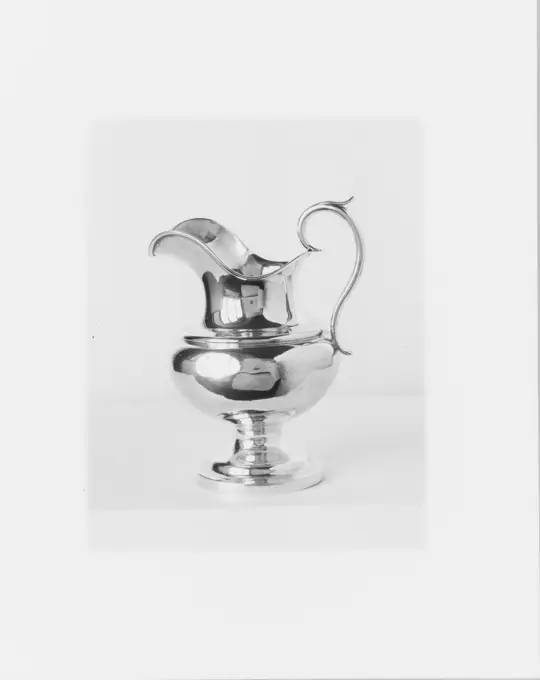
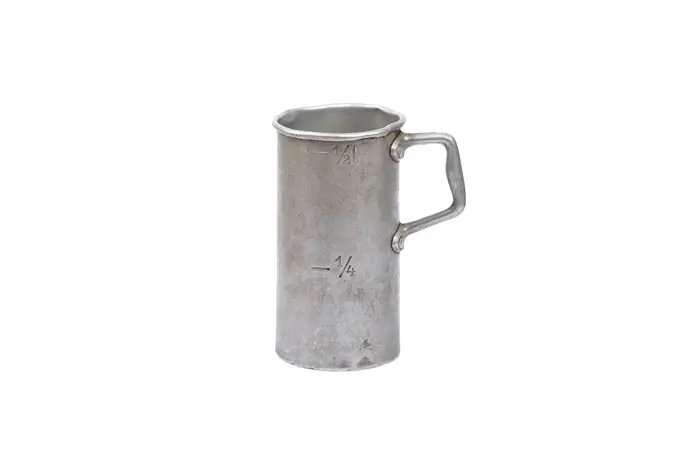
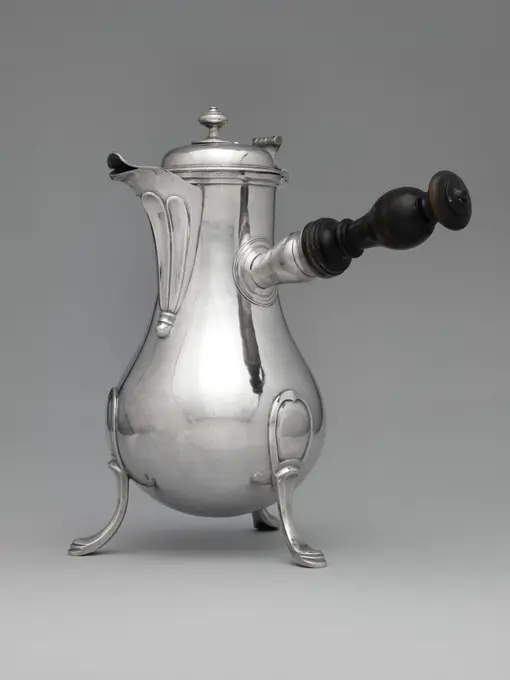
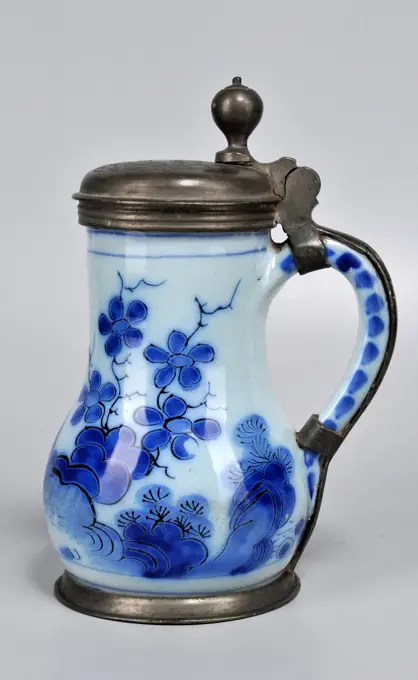
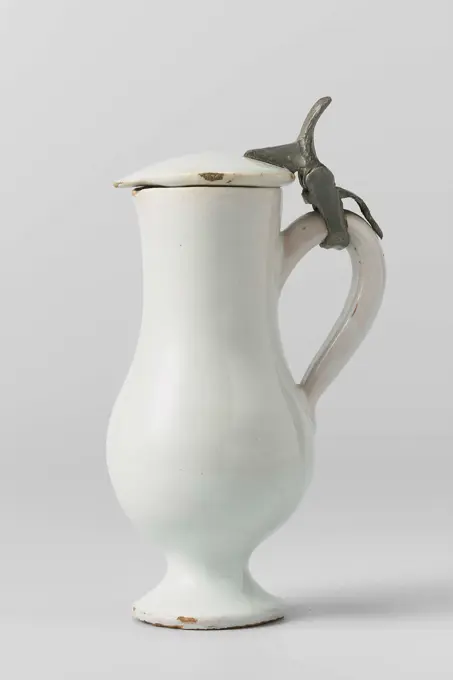
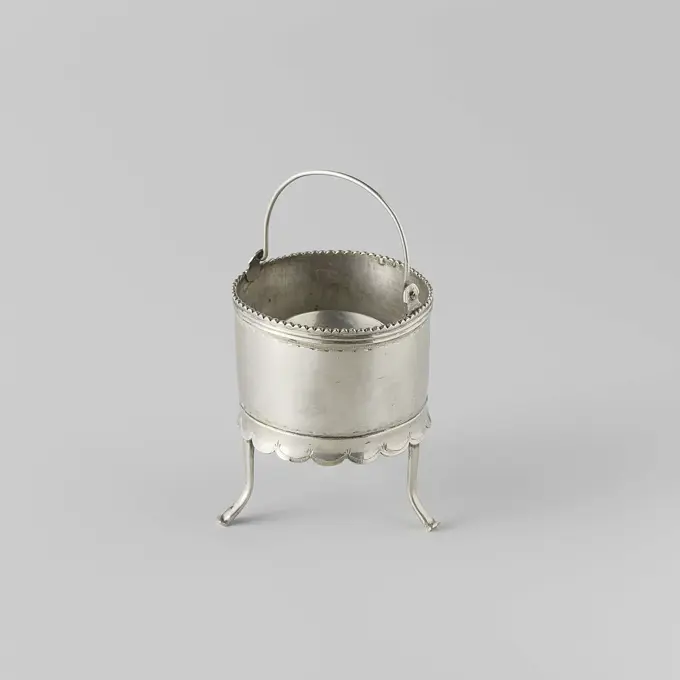
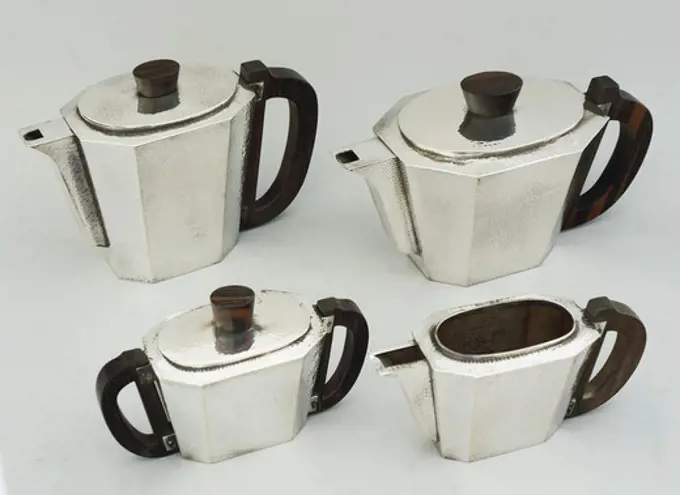
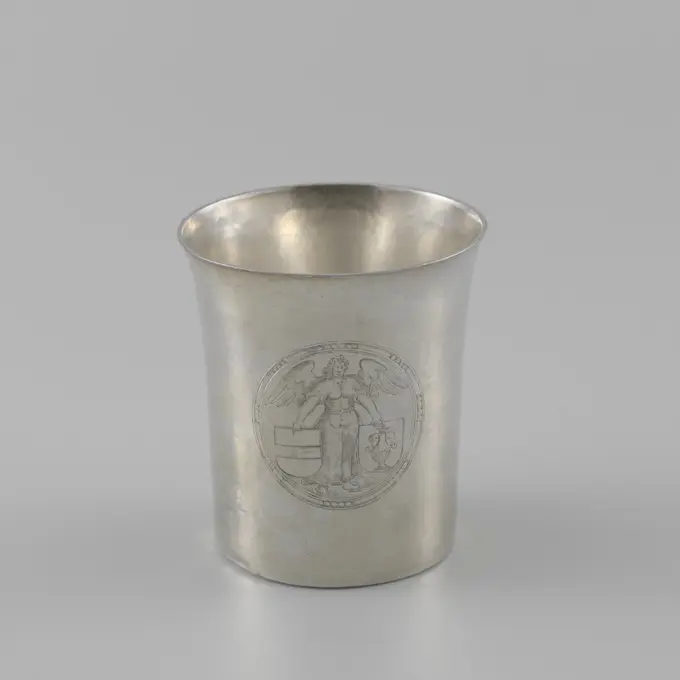
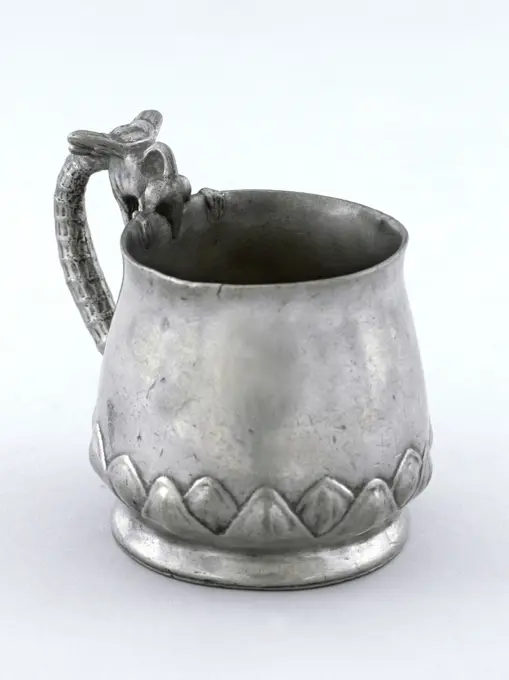
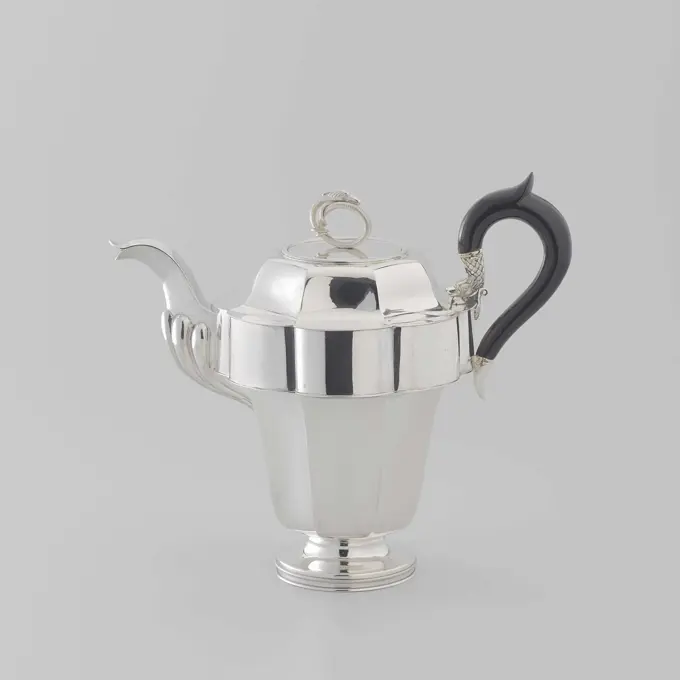
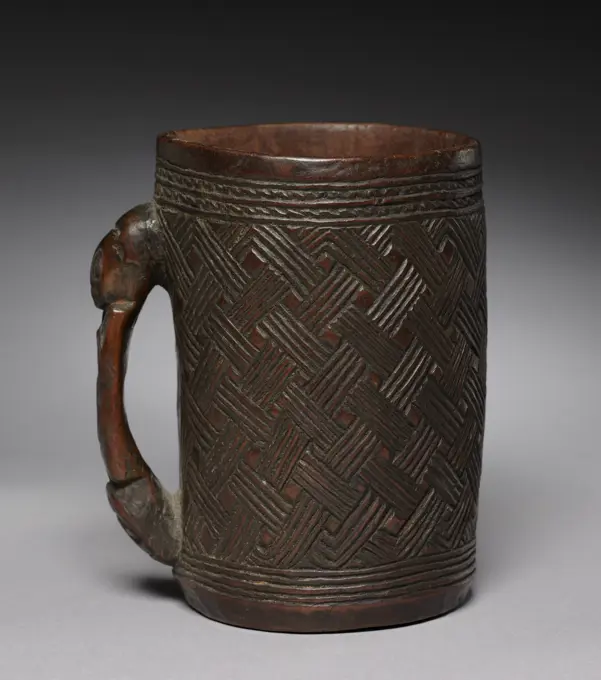
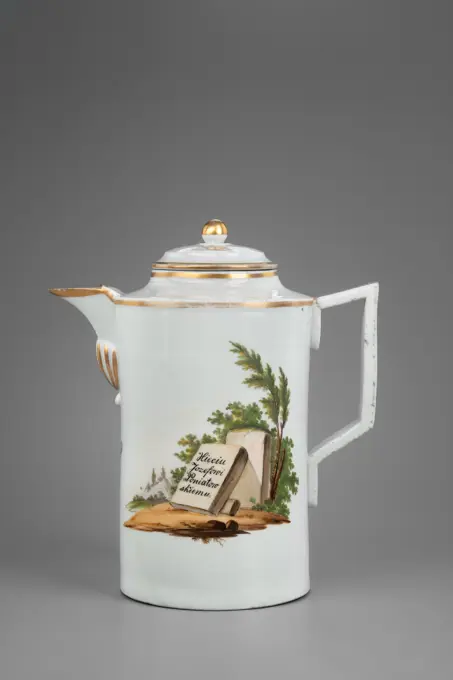
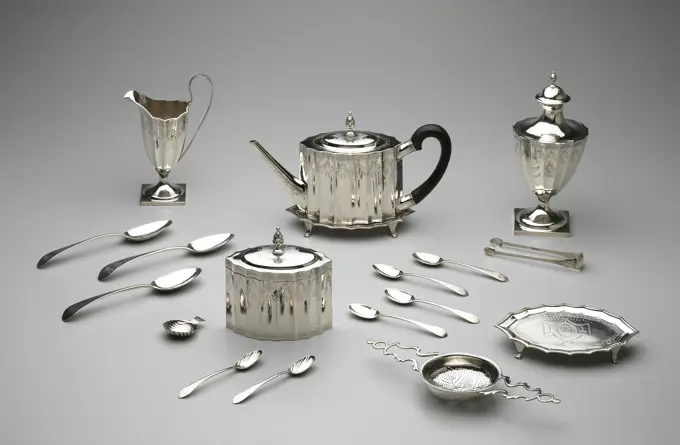
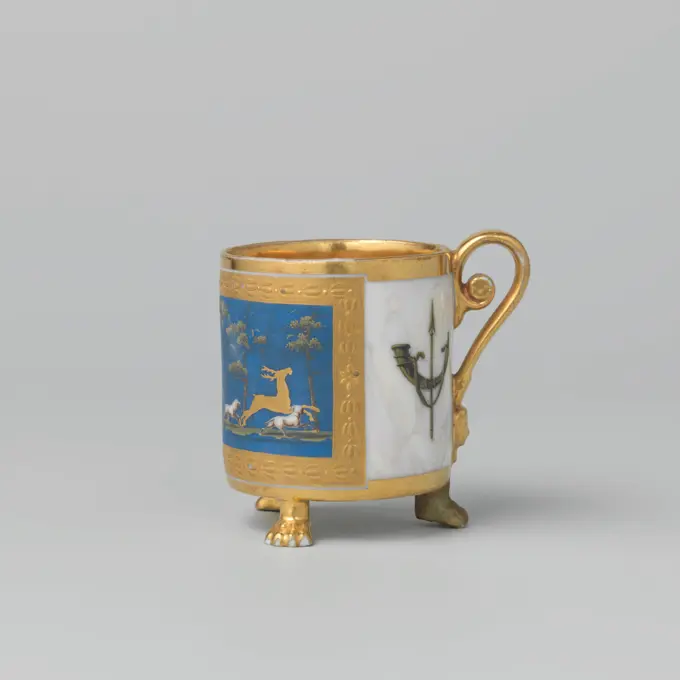
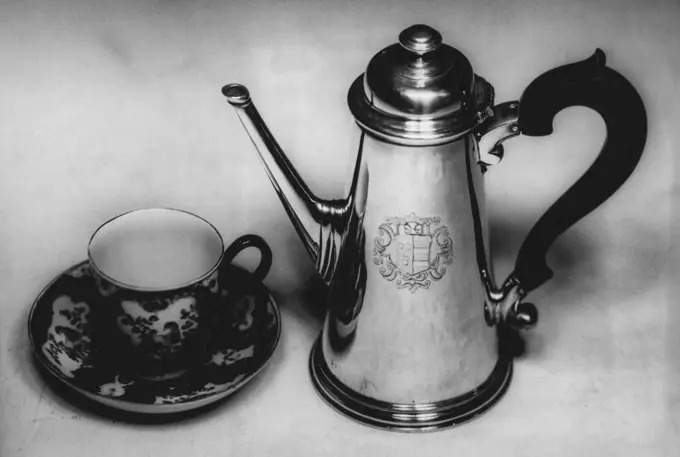
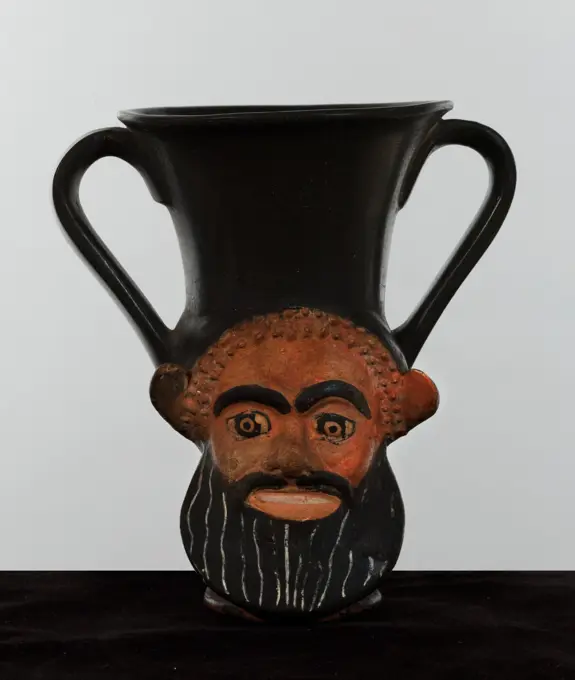
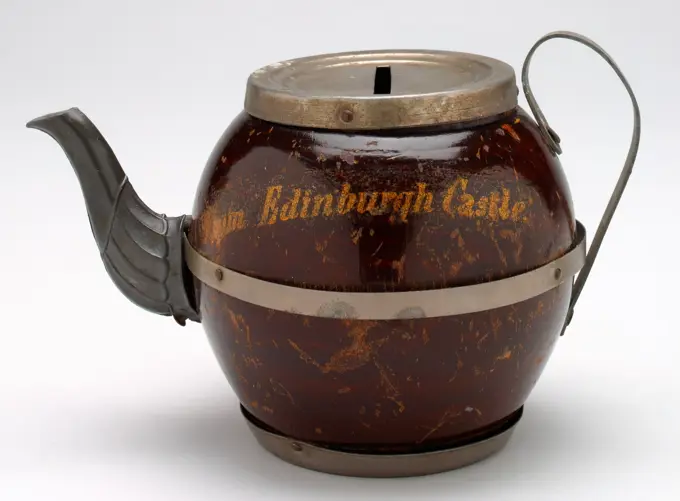
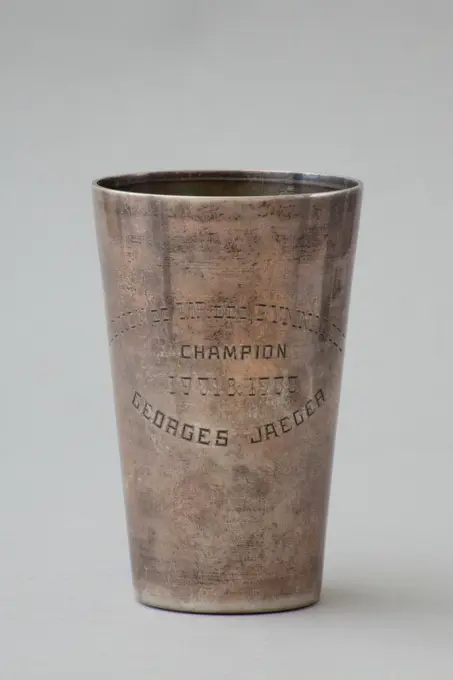
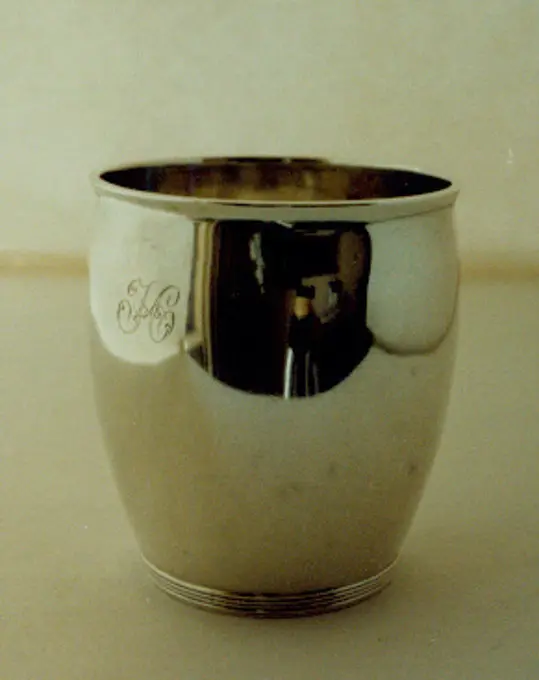
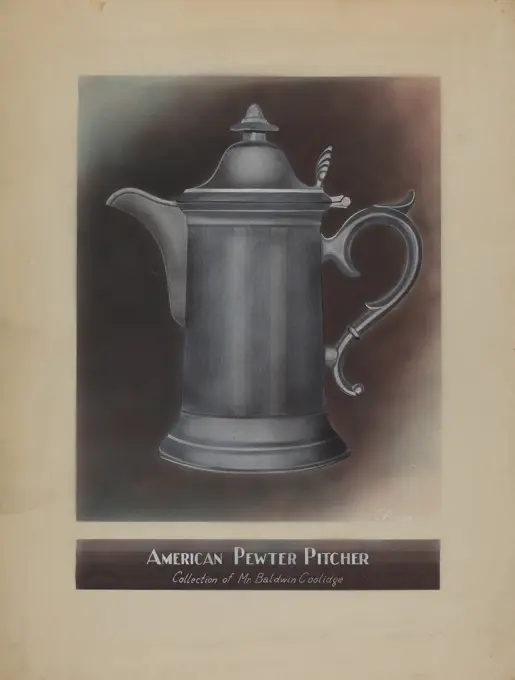
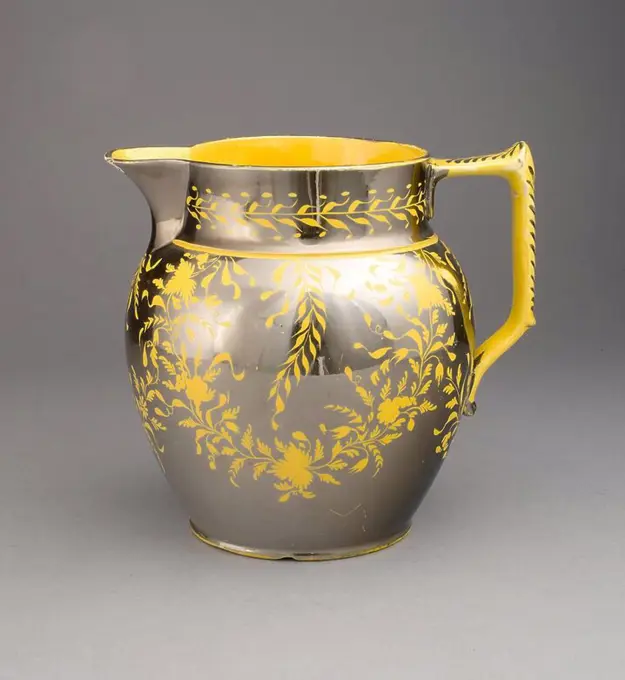
Pitcher. England, Staffordshire. Date: 1810-1820. Dimensions: H. 16.5 cm (6 1/2 in.). Lead-glazed earthenware with lustre decoration. Origin: Staffordshire. Museum: The Chicago Art Institute, Chicago, USA.Thomas Parr I, Dredger, 1708/9, silver.Mug (one of a pair) 18th century South American (Bolivian). Mug (one of a pair) 206738Creamer ca. 1830 Newell Harding. Creamer 4582Pitcher, early 19th century, 6 1/4 x 5 3/4 x 4in. (15.9 x 14.6 x 10.2cm), Glass, Norway, 19th centuryan italian pitcher of pottery An image of an italian pitcher of pottery Copyright: xZoonar.com/magannx 12635676Messbecher - Graduated jug Messbecher - Graduated jug Copyright: xZoonar.com/lantapixx 5667943Chocolate pot 1781 Pierre Vallières This pot follows a basic design employed by French silversmiths for much of the eighteenth century, with the handle placed at right angles to the spoutperhaps to facilitate pouring by a servant. This standard design was often used for French silver coffeepots as well, but only chocolate pots were provided with an opening in the lid, often hidden by a sliding finial as here, to allow for the insertion of a stick to stir the contents.. Chocolate pot. French, Paris. 1781. Silver; wood. Metalwork-SilverMilk jug with lid of hard baked earthenware; Staffordshire., Anonymous, c. 1750 Milk jug with lid of hard baked earthenware. The milk jug is covered with a brown -marbled lead glaze and decorated in relief with partly gilded vines with leaves and grape bunches. The lid has a bird as a button. The milk jug belongs to a teapot (BK-1977-245-A) and a rinsing bowl (BK-1977-245-C). England earthenware. lead glaze marbled paper / gilding Milk jug with lid of hard baked earthenware. The milk jug is covered with a brown -marbled lead glaze and decorated in relief with partly gilded vines with leaves and grape bunches. The lid has a bird as a button. The milk jug belongs to a teapot (BK-1977-245-A) and a rinsing bowl (BK-1977-245-C). England earthenware. lead glaze marbled paper / gildingMugCopper kettleChinese, Far Eastern decorations, mugsTeapot 1745-47 Pierre Ducoing. Teapot 200115Spoutcup. Can of faience. White glazed. A pewter hinge on the lid.. Straight, cylindrical tea state with handle. The teahold stands on three out of bent legs. There is a Komfoor in the stew. The edges of the stew have been edited. The teahold has been marked: Mt. = KB in oval, crowned V and crowned letters togetherPort of cover; Rohde, Peter II (fl. 1654-1702); 1676 -89 (1676-00-00-1689-00-00);Józef, son of Jakub (Bible), patriarchs of Israel, baroque (style), purchase (provenance)Silversmith's Art, Italy 20th century. Hammered silver tea and coffee-service. Designer Romeo Miracoli, 1930's.Meissen Porcelain Manufactory, Teapot and Cover, c. 1713-15, hard-paste porcelain and ormolu.Kroes, decorated with the Wapen van Vlissingen and the Markiezaat Veere, 1628 Kroes van Zilver, decorated with an engraved medallion, in which a female figure that holds the Wapen van Vlissingen and the Markiezaat Veere. Flushing silver (metal) engraving Kroes van Zilver, decorated with an engraved medallion, in which a female figure that holds the Wapen van Vlissingen and the Markiezaat Veere. Flushing silver (metal) engravingStew of forged iron, 1625 - 1675 An elongated stew of forged iron. The Ajour worked as a medallion in the middle and human bust with a child. The edges are upset with fruits and relief, etc. The handle is attached to the container by two seahorses.  iron (metal) forging An elongated stew of forged iron. The Ajour worked as a medallion in the middle and human bust with a child. The edges are upset with fruits and relief, etc. The handle is attached to the container by two seahorses.  iron (metal) forgingJean Baffier (1851-1920). "Cup". Tin. 1898. Museum of Fine Arts of the City of Paris, Petit Palais. 57910-4 Anse, tin, goblet, wine service, dishes. .William Gilbert, Teapot, c. 1785-95, silver.John III and Edward I Edwards, Jug and Cover, 1815/16, silver.Cup, early 1900s. Central Africa, Democratic Republic of the Congo, Kuba, early 20th century. Wood; diameter: 8.8 cm (3 7/16 in.); overall: 14.2 cm (5 9/16 in.).Bucket with three profiles, the inner side redgated. A bucket of turned maple wood with three profiles. The handle of (added later) iron wire; On the inside of red dyes.MugCarafe and two cups with inserts, c. 1900 - c. 1925 Carafe with cap and two glass cups, with flat bottom with ground star. designer: Amsterdamglassblower: Europe glass glassblowing / grinding Carafe with cap and two glass cups, with flat bottom with ground star. designer: Amsterdamglassblower: Europe glass glassblowing / grindingRetro cartoon with texture. Isolated on White.Cylindrical jug with a lid. falsyfikat Korca, factory, Korzec (manufaktura porcelany ; 1790-1832), factoryTeapot of red stoneware, missing cover, anonymous, c. 1700 - c. 1749 Teapot of red stoneware, with printed pear-shaped body, straight spout and C-shaped ear. On the bottom a inscription of nine characters, the manufacturer's brand of Hui Mengchen. Missing lid. Yixing. China stoneware Teapot of red stoneware, with printed pear-shaped body, straight spout and C-shaped ear. On the bottom a inscription of nine characters, the manufacturer's brand of Hui Mengchen. Missing lid. Yixing. China stonewareTeapot stand, from a tea service, 1792, Paul Revere, Jr., American, 1734-1818, 3 7/8 x 4 7/8 in. (9.84 x 12.38 cm), Silver and wood, United States, Federal, The most complete Revere service known, this set was made for a Boston merchant and his wife, John and Mehitable Templeman. It includes one of only two tea caddies made by Revere. The locked boxes held loose tea, an expensive and fashionable commodity. The shell-shaped spoon was used for measuring tea and the sieve was used for straining punch, a beverage often served along with tea. The second stand may have been used as a tray for spoons no longer in use. The accompanying teaspoons and tablespoons have only recently been reunited with this service.Cup with the hunt on a deer, anonymous (possibly), c. 1800 - c. 1824  Porcelain head on three claw feet and with a high, curled ear, painted on the glaze in enamel colors and gold. On the outer wall a rectangular compartment with leaf motifs in Gouderdreliëf containing a performance of the hunt for a deer. The other side of the outside wall with twice a spear and horn on a marbled background. The feet, the ear and the inside are covered with gold. Brussels porcelain. glaze. gold (metal) painting / gilding / vitrificationInkstand 1810-1820 Burslem. Earthenware (rosso antico) . Wedgwood Manufactory (Manufacturer)Brought to Australia in 1832 by the Hamersley family one of the earliest pioneering families to settle in Western Australia and whose coat of arms is engraved upon it, this glistening silver coffee pot was made in 1727, during reign of George II. With it is a Georgian cup and saucer. Fashioned by the fine silversmith Edward Vincent, this gracefully elegant example of silver ware bears the London hallmark, the leopard's head crowned and the date letter, a Roman capital "M," authenticating the time it was made, which, incidentally, was the same year that Sir Thomas Gainsbor ough was born. The earliest known hallmarked coffee pot dates back to about 1682 and was cylindrical in shape like this one but its handle was at right angles to the spout. Coffee was first used in England in 1648. August 28, 1949.Old iron japanese teapot isolated on white backgroundMilk pitcher with black figural decoration. Kaiserliche Porzellanmanufaktur in Wien (1744-1864), factorySet of vintage cups or mugs hand drawn ink sketch. Engraved style vector illustration.Lazio Viterbo Viterbo Museo Civico58. Hutzel, Max 1960-1990 Views of paintings (Middle Ages through 18th c.), frescoes, a tabernacle, coffin, sculpture reliefs, portal fragments, busts, sculpture, tapestry found in the Pinacoteca, Second floor gallery and Second floor cloister sequences. Antiquities: Many views of Etruscan and Roman fragments, sculpture, sarcophagi, pottery, masks, jewelry and other objects found in the Storeroom sequence (inventory numbers on back of prints), and the Cloister, Second floor Cloister, Valle Giulia, Sala Romana and Sala Etrusca sequences. General Notes: There are eight separate numerical sequences for this location. The cloister as an architectural structure, rather than museum site, is documented in the record and file for S. Maria della Verita, Cloister, all views of which are stored in Medieval core collection. Five views from the Museo Civico Second floor cloister sequence are stored in Medieval. German-born photographer and scholar Max Hutzel (1911-CupModel of a Match Barrel with Linstock, Rijkswerf Hellevoetsluis, 1837 demonstration model Model of a wick vessel, made of twenty stirs of different width, held together by five tires, and a wooden bottom. A brass cross has been applied in the barrel at three -quarters, confirmed in the stuff. A row of ventilation holes is installed in the wall. The model includes a wick with a wick and point at the bottom, with which the stick could be punctured in the deck. The burning wick was stored between the fires in such a lump barrel. Scale 1:10 (Obreen). Hellevoetsluis wood (plant material). brass (alloy). ropeSELLA CON TAPA Y DOS ASAS - ARTE POPULAR S XX. Location: ALFARERIA. Coruña. SPAIN.Realistic brown clay pot. 3D mesh vector.Mug c 1882-1900 Strasburg. Extending from Pennsylvania to Virginia, the Shenandoah Valley was a prime area for ceramic production due to its abundance of red clays. Made in Strasburg, Virginia, this mug is part of a rich history of pottery in the region; the Bell family of potters originated in the late eighteenth century. S. Bell and Sons was a maker of both stoneware and earthenware. On this mug, manganese and copper glazes produced green and brown mottled shades, which gave Shenandoah Valley pottery its distinctive aesthetic.. Earthenware, slip, and lead, copper, and manganese oxide glazes . S. Bell & Son (Manufacturer)Sabouroff Class. Canthar in the shape of a Silene head and a manade. Athens, 490 BC. AD Museum of Fine Arts of the City of Paris, Petit Palais. 59231-16 Anse, Greek antiquity, ancient art, Greek art, attic, biface, drink, canthare, ceramics, double, red figure, ancient period, pottery, head, vase to drink, ancient vase, veme ve v 5th 5th 5 century AV.JC , WINECann c 1784-1820 Philadelphia. Silver . Joseph LownesEdinburgh Castle (teapot)' still bank, c. 1900, 3 3/8 x 4 5/8 x 3 in. (8.57 x 11.75 x 7.62 cm), Wood, metal, pigment, England, 19th-20th centuryCommemorative cup of the shooting Gimnastic Section for the winner of Georges JaegierJoseph Foster, Beaker, c. 1800, silver.Tea kettle Boston , Kettles, Signs Notices. Edmund L. Mitchell CollectionHarry Goodman, Pewter Pitcher, 1935 1942 Pewter PitcherJapan, Market, The Sake Of The Samurai Bottle