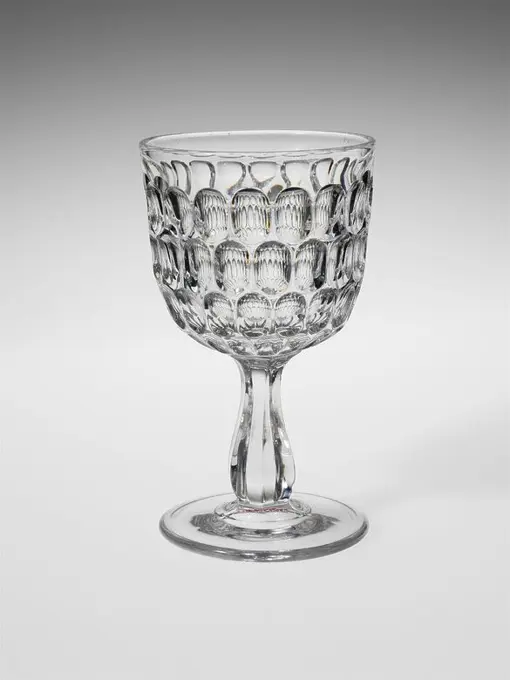
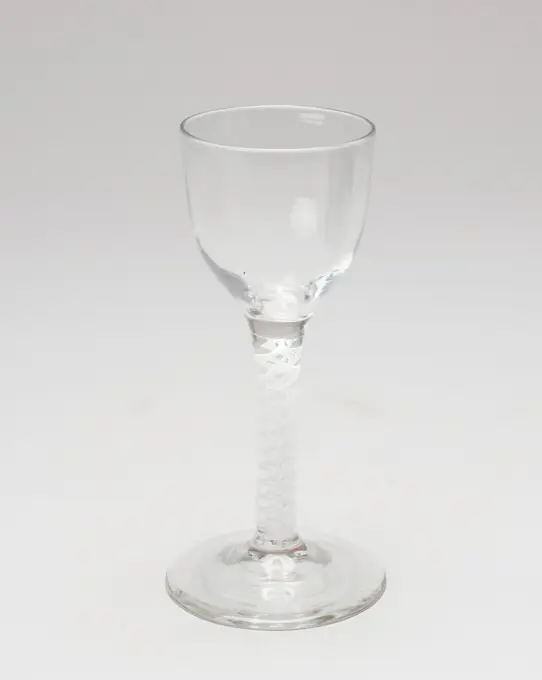
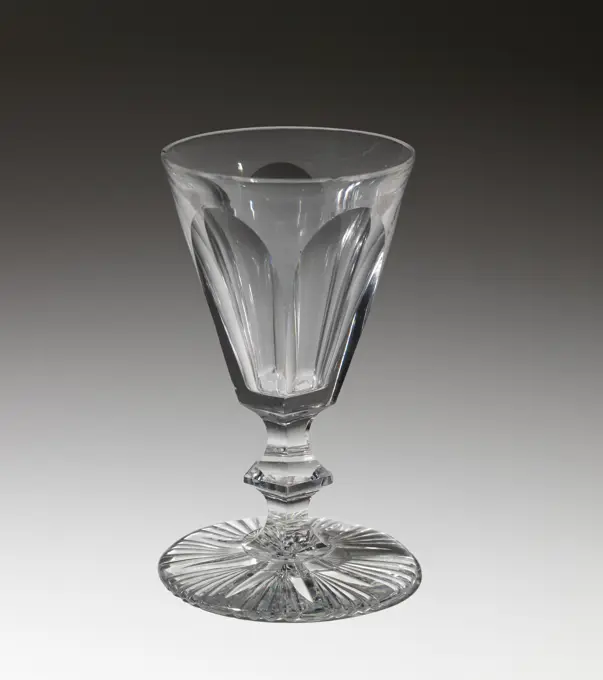
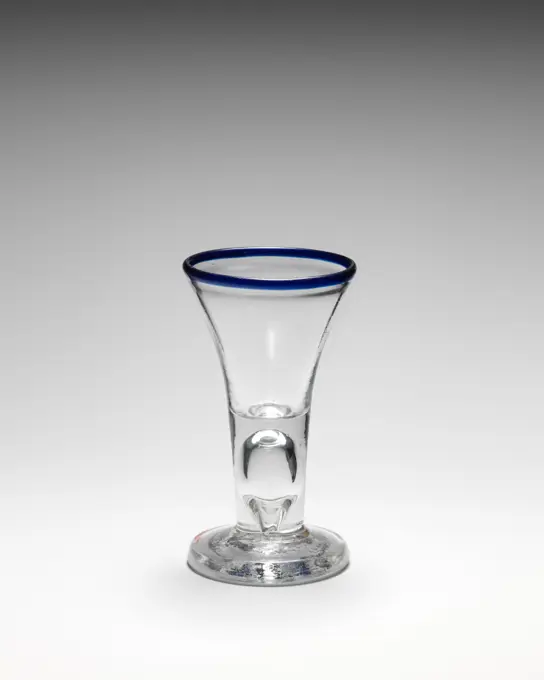
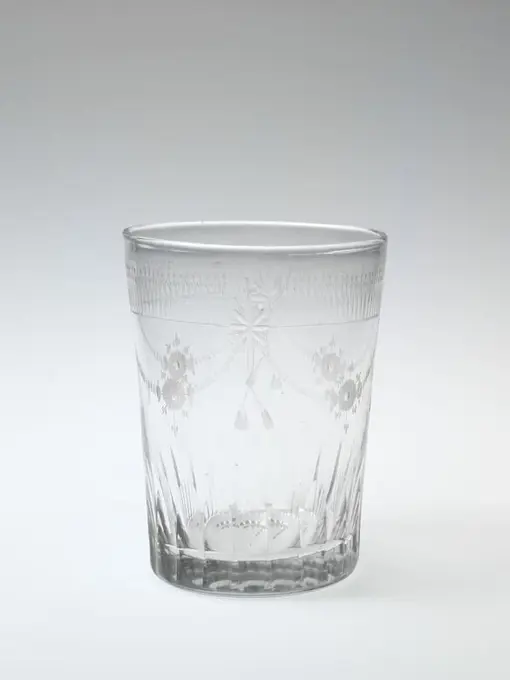
Antique Engraved Glassware

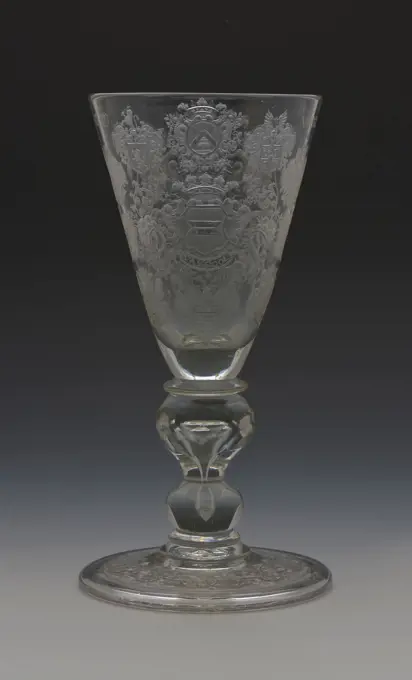
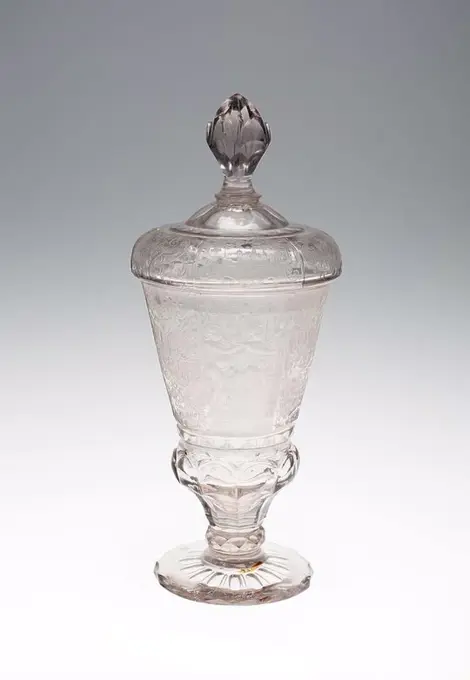
A collection of vintage engraved chalice and wine glasses featuring intricate designs, including birds, flowers, and decorative patterns from the 17th to 18th centuries.

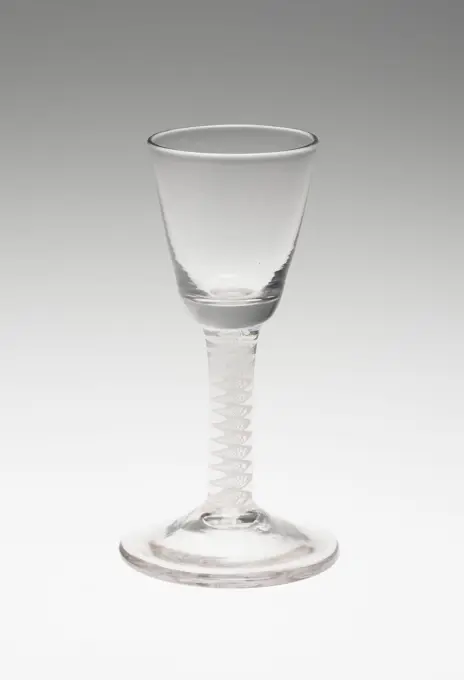
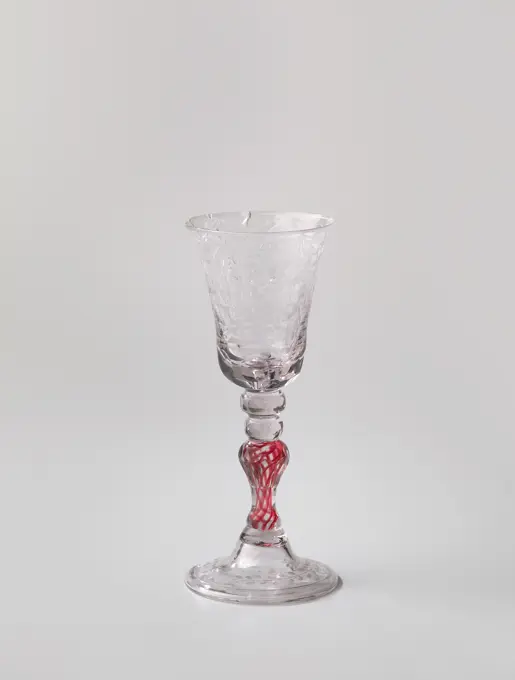
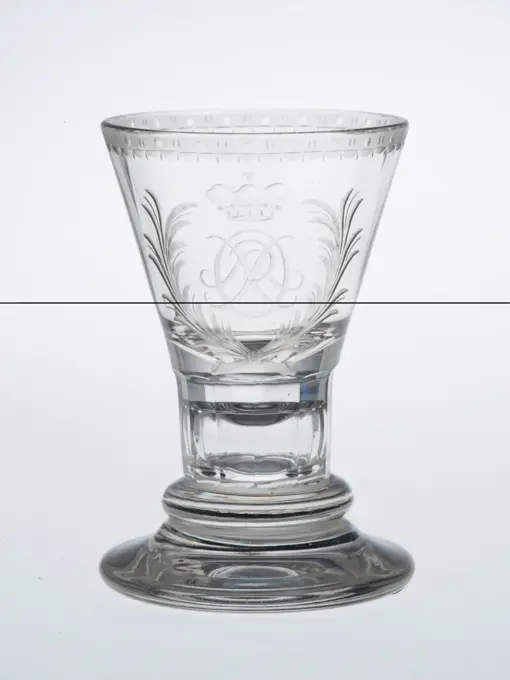
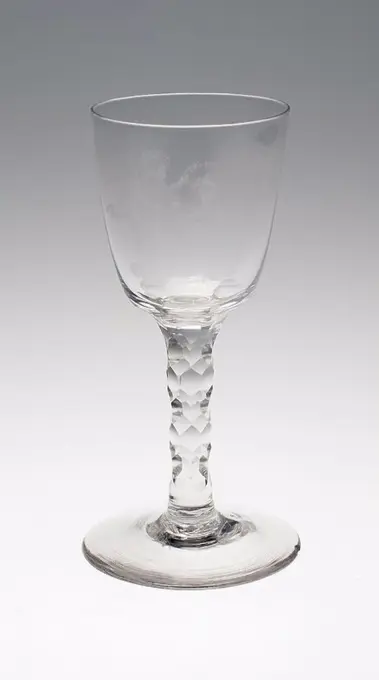
Glass;  around 1770 (1760-00-00-1780-00-00);
Glass; around 1770 (1760-00-00-1780-00-00);
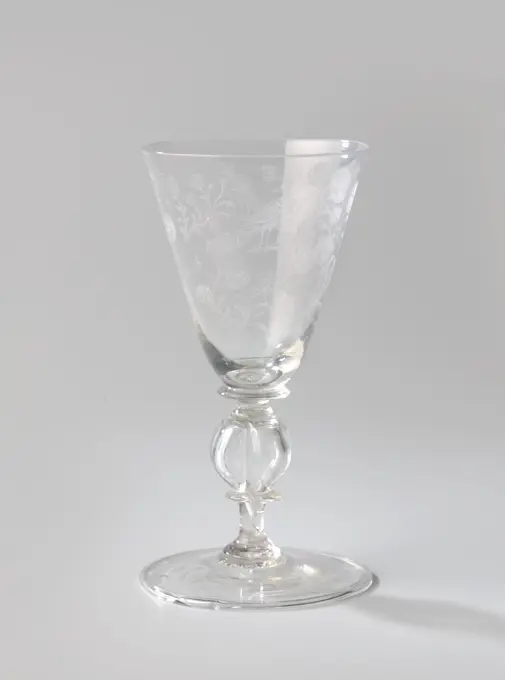
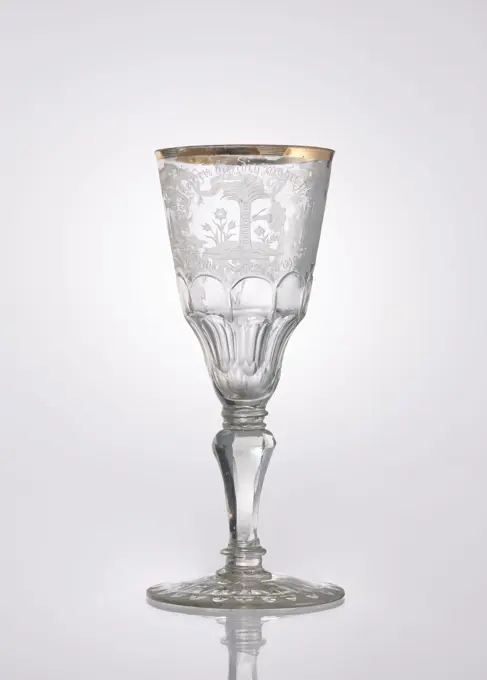
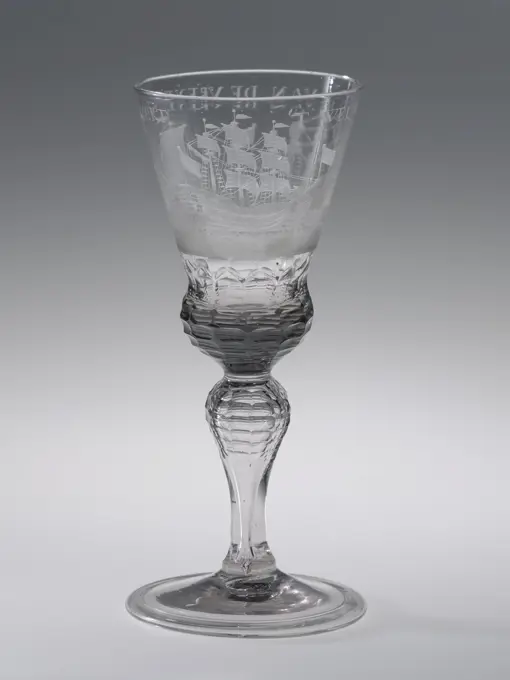
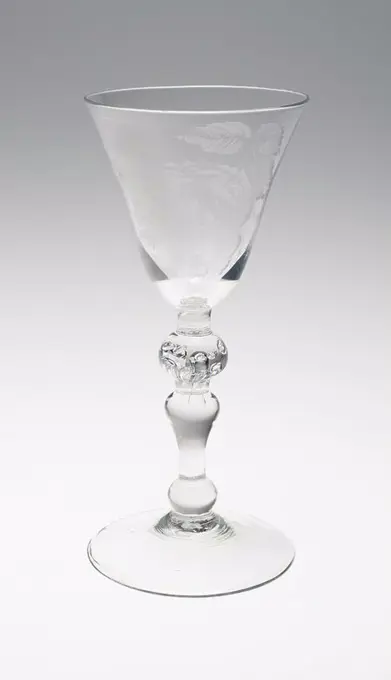
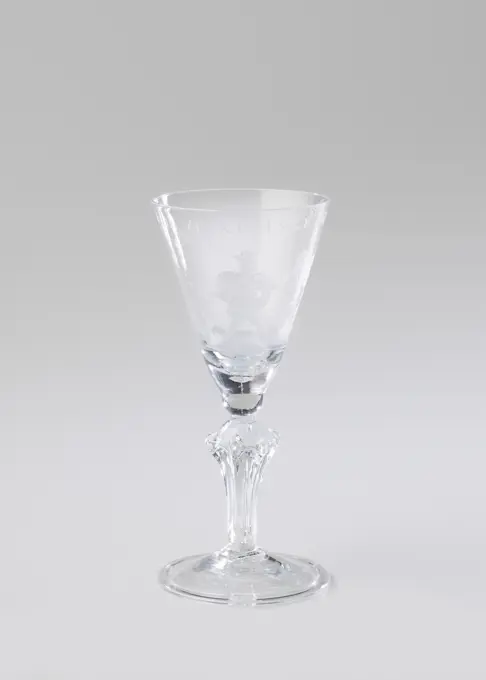
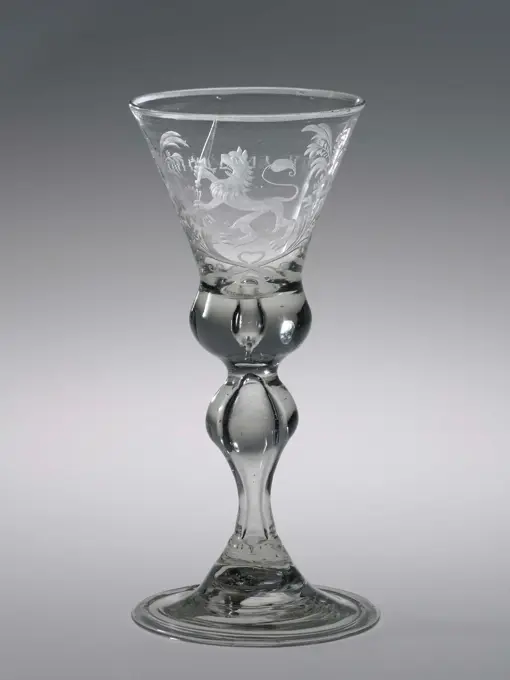
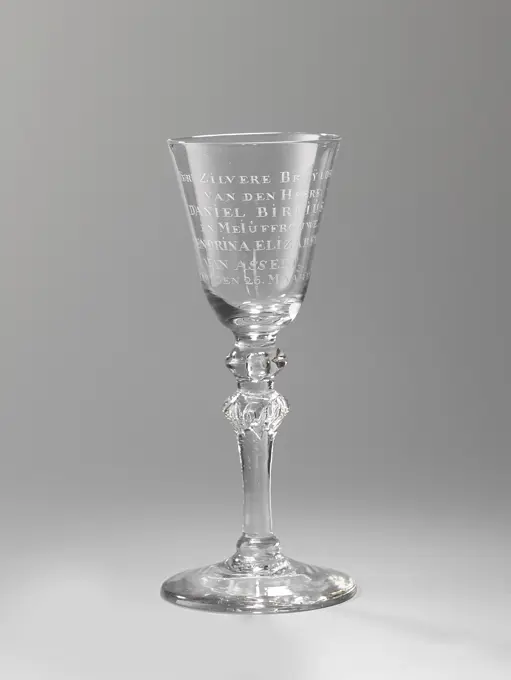
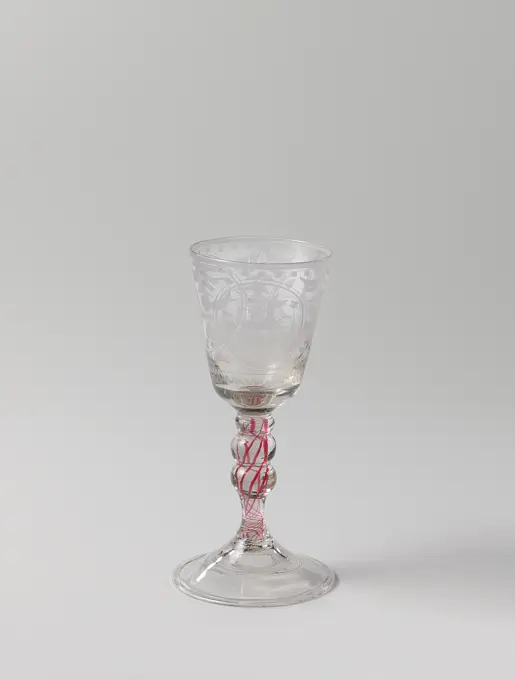
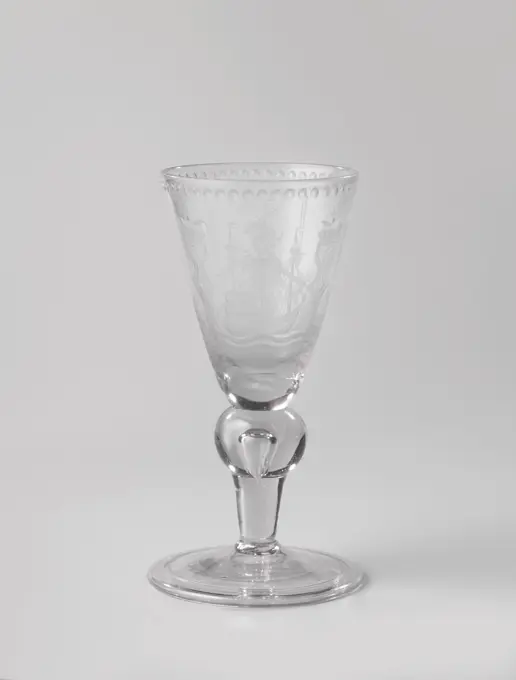
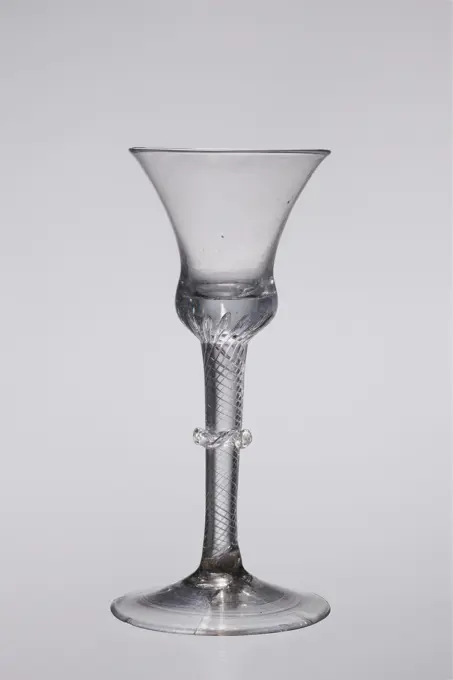
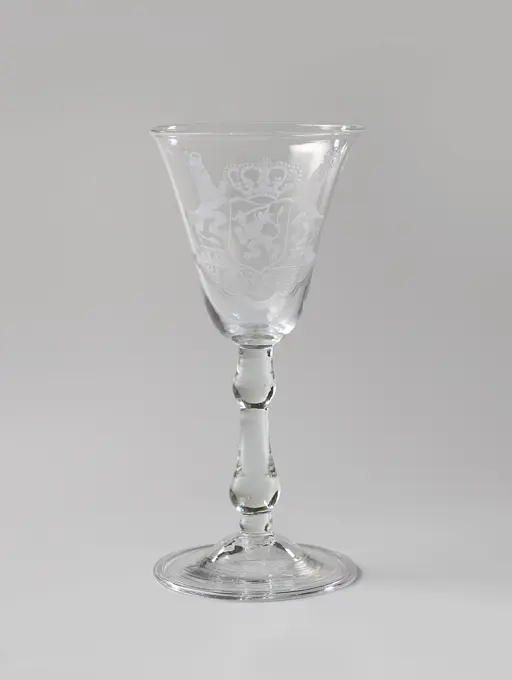
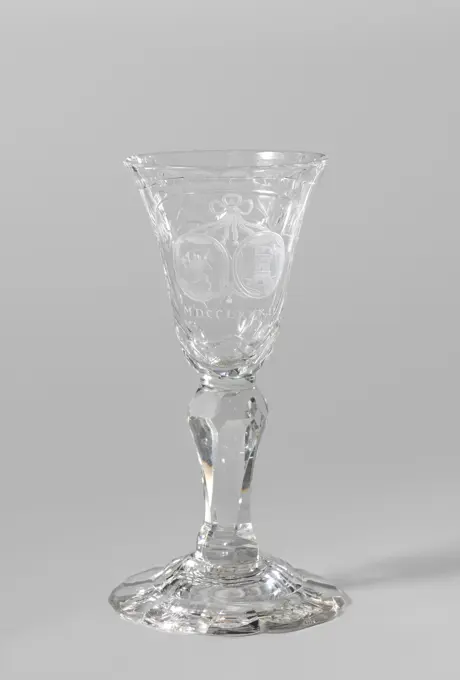
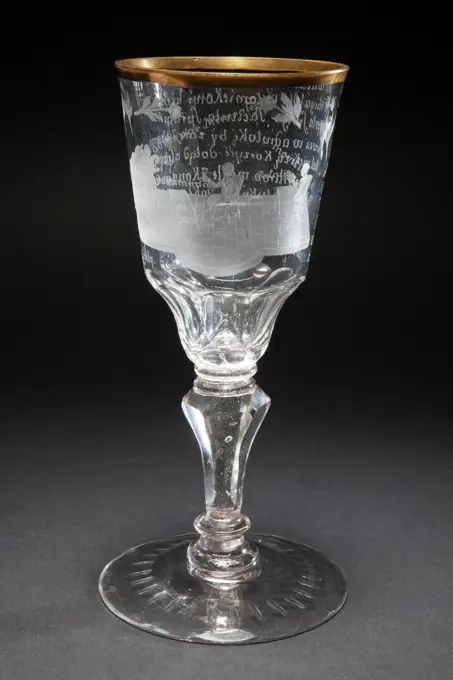
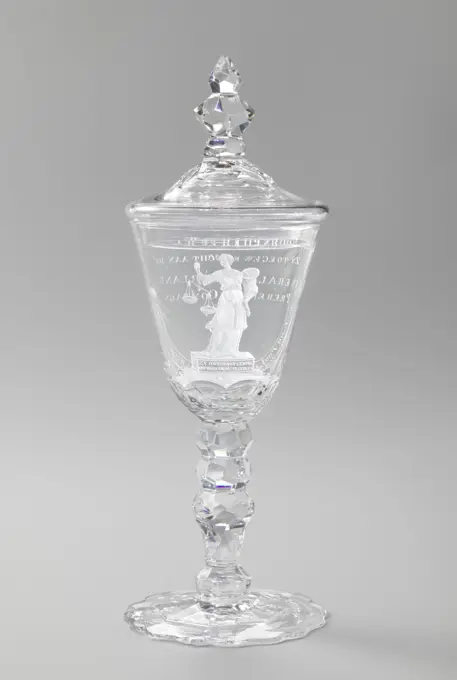
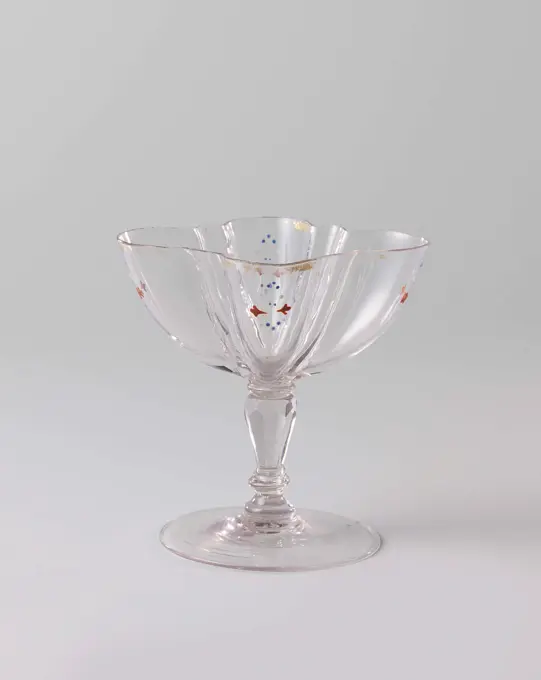
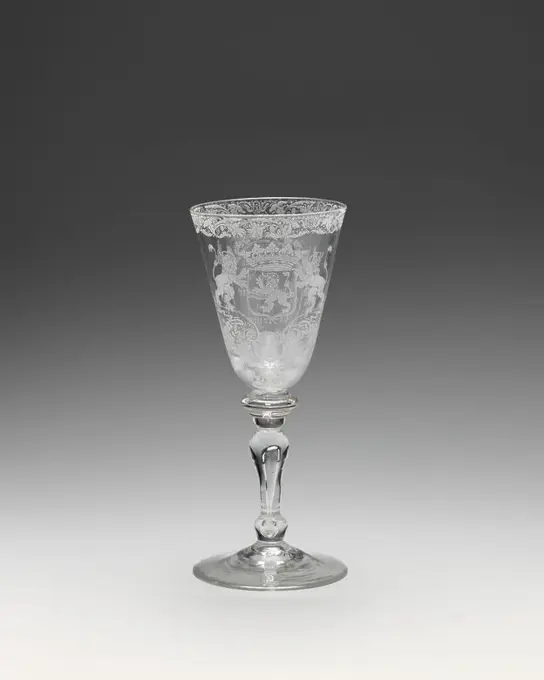
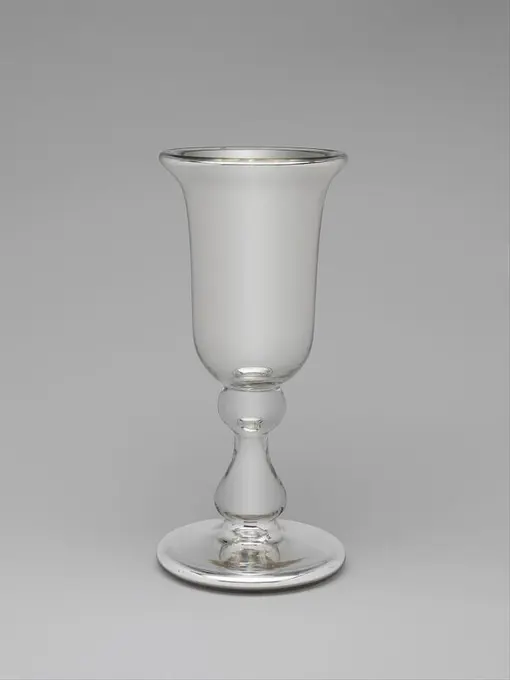
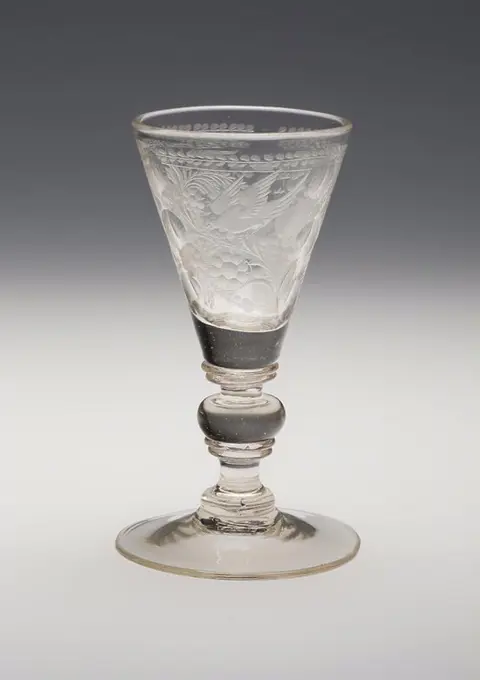
Chalice glass with a bird cage and the inscription: Vive La Liberte, c. 1725 - c. 1750 Vaulted foot with turned around. Slim baluster tribe with four knots. On the bell -shaped chalice an engraved representation of a bird cage and the inscription: Vive La Liberte. glassblower: Low CountriesNorthern Netherlands glass glassblowing Vaulted foot with turned around. Slim baluster tribe with four knots. On the bell -shaped chalice an engraved representation of a bird cage and the inscription: Vive La Liberte. glassblower: Low CountriesNorthern Netherlands glass glassblowingGlass;  around 1770 (1760-00-00-1780-00-00);Jar with sunflowers, dots and oval, anonymous, c. 1725 - c. 1750 Vaulted foot. Balus -shaped trunk with a button and discs. Conical chalice with rounded soil. Sunflowers, dots and ovals engraved on the chalice. Bohemia glass glassblowing Vaulted foot. Balus -shaped trunk with a button and discs. Conical chalice with rounded soil. Sunflowers, dots and ovals engraved on the chalice. Bohemia glass glassblowingWine Glass 1755-1785 England .Wine glass, anonymous, after Theodor de Bry, 1652 Flat base with pontil brand. Low, hollow, baluster -shaped trunk with two discs. Funnel -shaped chalice rounded at the bottom. Two pairs are engraved on the chalice. The one pair consists of a naked woman sitting on a tree stump and a satyr who offers her a chain. There is a fallen wine jug on her feet. The second pair consists of a dressed woman, and a warrior who offers her a bouquet of flowers. There are two lambs on her feet. A cartouche is engraved between the two couples. In one is 'ick around gelt' and in the other 'ick om lijft'. Above the pair with the dressed woman is the signature 'CFM', above the other pair the year 1652. glassblower: Low CountriesNorthern Netherlands glass glassblowing Flat base with pontil brand. Low, hollow, baluster -shaped trunk with two discs. Funnel -shaped chalice rounded at the bottom. Two pairs are engraved on the chalice. The one pair consists of a naked woman sitting on a tree stump and a satyr wChalice glass with birds and flower and leaf vines, c. 1700 - c. 1725 Conical foot. The trunk consists of a knot and two composite discs. Funnel -shaped chalice. On the chalice, between two continuous, stylized leaf vines, birds are shown on grass, between flower and leaf vines, separated from each other by nine circles. On the foot a continuous, stylized leaf vank. Bohemia glass glassblowing Conical foot. The trunk consists of a knot and two composite discs. Funnel -shaped chalice. On the chalice, between two continuous, stylized leaf vines, birds are shown on grass, between flower and leaf vines, separated from each other by nine circles. On the foot a continuous, stylized leaf vank. Bohemia glass glassblowingBokaal with the weapon of Willem IV, in or after 1733 - c. 1750 Cup of clear, colorless glass with the crowned weapon of Stadholder Prince William IV and the English crown and inscription Honi soit qui mal y Pense glassblower: BohemenNorthern Netherlands glass grinding / glassblowing Cup of clear, colorless glass with the crowned weapon of Stadholder Prince William IV and the English crown and inscription Honi soit qui mal y Pense glassblower: BohemenNorthern Netherlands glass grinding / glassblowingBokaal with the coat of arms of the Ploos van Amstel family, Anonymous, c. 1725 - c. 1750 Cup of clear, colorless glass. On a flat foot. Facet cut, baluster -shaped trunk with button. The bell -shaped chalice is faceted at the bottom. On the chalice the coat of arms of the Ploos van Amstel family. On the other side in a round medallion in a cartouche consisting of tire work, stylized leaves and flower branches above two bound bay branches, the crowned monogram PVA. A flower branch on the foot. glassblower: BohemenNorthern Netherlands glass glassblowing Cup of clear, colorless glass. On a flat foot. Facet cut, baluster -shaped trunk with button. The bell -shaped chalice is faceted at the bottom. On the chalice the coat of arms of the Ploos van Amstel family. On the other side in a round medallion in a cartouche consisting of tire work, stylized leaves and flower branches above two bound bay branches, the crowned monogram PVA. A flower branch on the foot. glassblower: BohemenNorthern NetChalice glass with flower branches, insects and three peacocks, anonymous, c. 1675 - c. 1700 Flat base with turned around and pontil brand. Hollow, four -lobe, baluster -shaped trunk with two discs. Funnel -shaped chalice on the chalice on the chalice, flower branches, insects and three peacocks are engraved. glassblower: Low CountriesNorthern Netherlands glass glassblowing Flat base with turned around and pontil brand. Hollow, four -lobe, baluster -shaped trunk with two discs. Funnel -shaped chalice on the chalice on the chalice, flower branches, insects and three peacocks are engraved. glassblower: Low CountriesNorthern Netherlands glass glassblowingGlass; Karlsthal (glassworks; 1754-Post 1874), Jeleniogórska Basin (engraving center; Ca 1600-); 3. Exercise of the 18th century (1750-00-00-1775-00-00), 1750-1770 (1750-00-00-1770-00-00);Deviza, Silesia (Prussia - 1740-1918)Chalip glass with the weapon of Willem V, Anonymous, c. 1752 - c. 1760  Vaulted foot. Balus -shaped trunk with four knots and two air bubbles. Conical chalice with a rounded bottom. On the chalice, flanked by two crowned lions, the crowned weapon of Stadholder Prins Willem V (1748-1806) around which the garter with the inscription: Honi soit qui mal y Pense. Below a banderolle with the motto: your Maintiendrai. There is a bundle of seven arrows on the buckle of the garter. They symbolize the seven provinces. glassblower: Low CountriesAmsterdam glass glassblowingDouble loft with ornaments. Double loft of bright, colorless glass. Dischotted ornaments unclaimed on the chalice.Bokaal with a three -mast and the inscription: 't Welvaaren van de Vreye See Vaart, Anonymous, c. 1725 - c. 1750 Bokaal on faceted baluster tribe. Chalice on the bottom widened and faceted. On the trunk a mode, foot with a bent edge. Cuppa Decorated in Radsnenskwerk with three ships and the Inscription 't Welvaaren van de Vreye See Vaart. Bant's the chalice and nodus faceted horizontally. Glassblower: Glücksburgnorthern Netherlands glass glassblowing Bokaal on faceted baluster tribe. Chalice on the bottom widened and faceted. On the trunk a mode, foot with a bent edge. Cuppa Decorated in Radsnenskwerk with three ships and the Inscription 't Welvaaren van de Vreye See Vaart. Bant's the chalice and nodus faceted horizontally. Glassblower: Glücksburgnorthern Netherlands glass glassblowingAle glass first half 18th century British. Ale glass. British. first half 18th century. Glass. GlassWine Glass. England or Netherlands, Dordrecht; Engraved by Frans Greenwood (Dutch, born England, 1680-1763). Date: 1749. Dimensions: 21 × 9.5 cm (8 1/4 × 3 3/4 in.). Glass; blown and stipple engraved. Origin: England. Museum: The Chicago Art Institute, Chicago, USA.Kelkglas with an enclosed coin from 1713. Chalie glass on a conical foot with a hollow bumped edge. Holle Balustroid stem with a coin from silver from Queen Anne from the year 1713. Bell-shaped chalice with a thick bottom in which an air bubble has been inserted.Kelkglas with David and Jonathan and the inscription: De Vrindelyke encounter. Vaulted foot with beaten edge. Octagonal in shape blown strain with a button. Conical chalice with rounded thickened bottom, in which an air bubble has been inserted. On the David and Jonathan Kelk, above which: "De Vrindelyke Meeting".Sweetmeat glass (one of two) ca. 1780 Irish. Sweetmeat glass (one of two). Irish. ca. 1780. Glass. GlassChampagne Glass 1850-70 Bakewell, Pears and Company. Champagne Glass 1939. translation of inscription: FriendshipCup; St. Petersburg (glassworks; 1735-1774); 2nd half 18th century (1750-00-00-1800-00-00);Glass, from a syllabub set, 1750-1780, Unknown Anglo-Irish, 4 x 2 7/8 x 2 7/8 in. (10.16 x 7.3 x 7.3 cm) (approximately), Lead and non-lead glass, England or Ireland, 18th centuryWineglass 18th century probably British. Wineglass. probably British. 18th century. Glass. Glass. Bagic of cut glass, on which a climbing Dutch lion with sword and arrow bundle, surrounded by a flower wreath. With inscription: Fight and freedom.Chalip glass with an open bird cage and the inscription: Aurea Libertas, Anonymous, 1760 Vaulted foot. Baluster tribe with three knots and a tire with air bubbles. The conical chalice has a rounded base. On the chalice on a piece of grass that grows on a rococo ornament, a bird sits on top of a bird cage with an opened door. Above the show the inscription: Aurea Libertas. Signed on the foot: Jacob Sang, inv: ET FEC: Amsterdam 1760. glassblower: Low CountriesAmsterdam glass glassblowing Vaulted foot. Baluster tribe with three knots and a tire with air bubbles. The conical chalice has a rounded base. On the chalice on a piece of grass that grows on a rococo ornament, a bird sits on top of a bird cage with an opened door. Above the show the inscription: Aurea Libertas. Signed on the foot: Jacob Sang, inv: ET FEC: Amsterdam 1760. glassblower: Low CountriesAmsterdam glass glassblowingGlass; Lobmeyr, J. & L. (Vienna; 1823-); 1920-39 (1920-00-00-1939-00-00);Kelkglas with birds in a tree and the inscription: Wir Leben Einsam. Kelkglas, tall and slim, on pentagonal strain: between chalice and staas a disc. Something vaulted foot with edge turned down. The chalice is decorated with a radgravure: two birds on the two branches of a tree, above which the inscription: Wir Leben Einsam.Rummer 1795-1805 England. Glass .Wine Glass 1700-1799 England. Glass .Jar with ornaments and flowers, anonymous, c. 1700 - c. 1730 High foot with turned around. Helding baluster tribe with red spirals and two knots. Klock -shaped chalice with solid bottom and air bubbles. Ornaments and flowers engraved on the chalice. Bohemia glass grinding / glassblowing High foot with turned around. Helding baluster tribe with red spirals and two knots. Klock -shaped chalice with solid bottom and air bubbles. Ornaments and flowers engraved on the chalice. Bohemia glass grinding / glassblowingWineglass 1700-1750 British. Wineglass. British. 1700-1750. Glass. GlassGlass; Lobmeyr, J. & L. (Vienna; 1823-); 1920-39 (1920-00-00-1939-00-00);Wine Glass. England or Netherlands Engraved: Northern Netherlands. Date: 1790-1800. Dimensions: 18.4 × 7.9 cm (7 1/4 × 3 1/8 in.). Glass; cut and stipple engraved. Origin: England. Museum: The Chicago Art Institute, Chicago, USA.Goblet. Culture: American. Dimensions: H. 6 1/4 in. (15.9 cm). Maker: Bakewell, Pears and Company (1836-1882). Date: 1850-70. Museum: Metropolitan Museum of Art, New York, USA.Wine glass, 18th century, 6in. (15.2cm), Lead glass, England, 18th centuryCupGlassWine glass 1824-35 Jersey Glass Company of George Dummer. Wine glass 21488CupWine Glass 1715-1725 England. Glass .Champagne Glass 1830-40 American. Champagne Glass. American. 1830-40. Blown lead glass. Made in United StatesNo. 168 Cordial Glass; Designed by Ludwig Lobmeyr (Austrian, 1829 - 1917); Manufactured by J. & L. Lobmeyr GmbH (Austria); Austria; mouth-blown crystal, facet-cut and polishedFiring glass 18th century possibly British The heavy foot on this glass indicates that it was of the type used as a "firing glass," to be pounded on the table after a toast.. Firing glass. possibly British. 18th century. Glass. GlassCupWine glass commemorating a silver wedding anniversary, anonymous, 1772 Slightly curved foot. Baluster tribe with buttons and luch bells. On the conical chalice the inscription: Ter Zilvere Bruyloft of the Lord Daniel Birrius, and Miss Hendrina Elizabeth van Asselt, celebrated the 26.Maart 1772. On a band on the ground: O. Derville (). NOTE: Some damage: Arrow spit and tendon of bow amor are missing; flaky of a boxing leg; A single baking bar. glassblower: Low CountriesAmsterdam glass glassblowing Slightly curved foot. Baluster tribe with buttons and luch bells. On the conical chalice the inscription: Ter Zilvere Bruyloft of the Lord Daniel Birrius, and Miss Hendrina Elizabeth van Asselt, celebrated the 26.Maart 1772. On a band on the ground: O. Derville (). NOTE: Some damage: Arrow spit and tendon of bow amor are missing; flaky of a boxing leg; A single baking bar. glassblower: Low CountriesAmsterdam glass glassblowingBowl with deer and dogs. Vaulted foot with beaten edge. Baluster trunk with red spirals, three buttons and an elongated air bubble. On the chalice ovals in which deer and dogs between leaf ornaments.WineGlassChalice glass with a three -mast and the Generality Sleeg, Anonymous, c. 1700 - c. 1725 Flat base with edge. Baluster tribe with button and a bubble. On the conical chalice a three -mast and the Generality Season, between which ornaments. glassblower: EnglandNorthern Netherlands glass glassblowing Flat base with edge. Baluster tribe with button and a bubble. On the conical chalice a three -mast and the Generality Season, between which ornaments. glassblower: EnglandNorthern Netherlands glass glassblowingWine Glass. Germany. Date: 1725-1735. Dimensions: H. 16.2 cm (6 3/8 in.). Glass. Origin: Germany. Museum: The Chicago Art Institute, Chicago, USA.Glass; Non -like Lona Huta; Ok. PO. 18th century (1740-00-00-1770-00-00);Chalip glass with the weapon of Anna van Hannover, 1740 Vaulted foot. Baluster tribe with three knots and two air bubbles. Conical chalice with rounded soil. On the chalice the weapon of Princess Anna van Hannover and the inscription "Vivat her Cooninklike Hoogheyd Anna Princesse of Orange". On the foot: "William Meyer London 1740". glassblower: Low CountriesNorthern Netherlands glass glassblowing Vaulted foot. Baluster tribe with three knots and two air bubbles. Conical chalice with rounded soil. On the chalice the weapon of Princess Anna van Hannover and the inscription "Vivat her Cooninklike Hoogheyd Anna Princesse of Orange". On the foot: "William Meyer London 1740". glassblower: Low CountriesNorthern Netherlands glass glassblowingChalip glass with the weapon of the Republic of the Seven United Provinces, c. 1725 - c. 1750 Vaulted foot, with turned edge. Balus -shaped trunk with two knots. Funnel -shaped, slightly outstanding chalice with rounded underside. On the chalice the crowned weapon of the Republic of the Seven United Provinces flanked by two lions, on a pedestal above a lambrequin with fringe. glassblower: NetherlandsNorthern Netherlands glass glassblowing Vaulted foot, with turned edge. Balus -shaped trunk with two knots. Funnel -shaped, slightly outstanding chalice with rounded underside. On the chalice the crowned weapon of the Republic of the Seven United Provinces flanked by two lions, on a pedestal above a lambrequin with fringe. glassblower: NetherlandsNorthern Netherlands glass glassblowingWine glass with the coat of arms of the Dutch States-General and the flag of the United States of America, anonymous, 1782 goblet Facetted, curved foot. Facetted baluster tribe. Klock -shaped chalice with faceted, rounded bottom. On a saved field, two oval cartouches were engraved by a bow: in the left-hand coat of arms of the States General (climbing lion with arrow bundle and sword), in the right a tilted castle with a fall door, a cannon on both sides; The gate is made with a flag of the United States of America, as it applied from 14 June 1777 to 1 May 1795. dated; M.: MDCCLXXXII. glassblower: EnglandNorthern Netherlands glass glassblowing / grinding symbols of particular nations, states, districts, etc. United States of America. NetherlandsCelery Vase c 1845-1865 New England. Because of the time-consuming cultivation it requires, celery was considered an expensive luxury food in the mid-19th century. Usually owned in pairs, vases of this type were filled with celery and prominently displayed at either end of a dining table during the evening meal. The paneled and fluted pattern of this vase was one of the most popular of the time.. Mold-blown and pressed glass . Artist unknownCupGlass; Eisenach (Huta Green;-); 1. W. 18th century (1700-00-00-1725-00-00);Bokaal with the weapon of Holland, Anonymous, c. 1725 - c. 1750 Bokaal on sharpened baluster tribe. On the chalice the Wapen van Holland between two lions. glassblower: GermanyNorthern Netherlands glass grinding / glassblowing Bokaal on sharpened baluster tribe. On the chalice the Wapen van Holland between two lions. glassblower: GermanyNorthern Netherlands glass grinding / glassblowingNo. 104 Champagne Cup; Designed by Ludwig Lobmeyr (Austrian, 1829 - 1917); Manufactured by J. & L. Lobmeyr GmbH (Austria); Austria; mouth-blown crystal, cut and polishedNo. 107 Red Wine Glass; Designed by Ludwig Lobmeyr (Austrian, 1829 - 1917); Manufactured by J. & L. Lobmeyr GmbH (Austria); Austria; mouth-blown crystal, facet-cut and polishedBokaal with lid of the General Nederlandsche Prebenden Compagnie, Anonymous, 1767 Facetted, curved foot with scalloped edge. Facetted baluster tribe with four knots. Conical chalice with facet -cut rounded soil. On the chalice an engraved representation of a woman on a rectangular pedestal. In the right hand she holds a scale in the left hand a horn of abundance. On the pedestal the text: she dismisses enough to get stuck. Behind the pedestal a banderolle runs with the text: founded by IOHS. V. D.Hey IACOBTZ Primo May 1766. On the other side of the chalice the text: Salvation, prosperity and prosperity // Zy won to the // general Dutch // prebenden Company 1767. Vaulted lid with buttons, the upper pear -shaped. The text on the lid is: Ultimatum est. glassblower: Low CountriesAmsterdam glass grinding / glassblowing Facetted, curved foot with scalloped edge. Facetted baluster tribe with four knots. Conical chalice with facet -cut rounded soil. On the chalice an engraved representation ofLikeurglas, anonymous, c. 1800 - c. 1850 Slapped crystal liqueur glass. The glass includes a glass with invnr. BK-NM-810-B.  crystal (lead glass) Slapped crystal liqueur glass. The glass includes a glass with invnr. BK-NM-810-B.  crystal (lead glass)Scale on foot with flower branches. Flat foot, baluster-shaped, faceted stem, quadruped, oval chalice with four flour branches in red, blue, white and gold-plated, along the top edge a gilt piping.Cristallerie-Émaillerie Saint-Joseph du Bourget. Société Pâris et Cie, commemorative glass of the Universal Exhibition of 1889 (main title), 1889. Glass and molded glass. Petit Palais, Museum of Fine Arts of the City of Paris.Wineglass with arms of the Province of Overyssel. Culture: British, Newcastle glass with Dutch engraving. Dimensions: Overall: 6 1/2 × 2 3/4 in. (16.5 × 7 cm). Maker: Style of A. C. Schonck (active 1753). Date: ca. 1740. Museum: Metropolitan Museum of Art, New York, USA.Cup;  1920-39 (1920-00-00-1939-00-00);Egg Cup 1870-80 Adams and Company. Egg Cup 3519Vase. Culture: American. Dimensions: H. 10 1/2 in. (26.7 cm); Diam. 4 3/4 in. (12.1 cm). Maker: New England Glass Company (American, East Cambridge, Massachusetts, 1818-1888). Date: 1855-75.To imitate silver in glass, the glassblower poured a solution containing metallic silver into the cavity between the walls of a double walled vessel, and the solution adhered to its interior. The hole at the bottom was sealed to prevent discoloration and, in this case, was marked with the name of the manufactory. Museum: Metropolitan Museum of Art, New York, USA.Goblet 1850-60 American With the development of new formulas and techniques, glass-pressing technology had improved markedly by the late 1840s. By this time, pressed tablewares were being produced in large matching sets and innumerable forms. During the mid-1850s, colorless glass and simple geometric patterns dominated. Catering to the demand for moderately-priced dining wares, the glass industry in the United States expanded widely, and numerous factories supplied less expensive pressed glassware to the growing market. At the Exhibition of the Industry of All Nations at New Yorks Crystal Palace in 1853, for example, the New England Glass Company exhibited 130 pieces of one design, "consisting of bowls, tumblers, champagnes, wines, and jelly glasses." This object belongs to one such service. Although the glass manufactory is not known, the glassware is very typical of the large services that were very popular with Americas middle class in the nineteenth century.. Goblet 4098Wine Glass. England. Date: 1725-1735. Dimensions: 15.4 × 6.2 cm (6 1/16 × 2 7/16 in.). Glass. Origin: England. Museum: The Chicago Art Institute, Chicago, USA.Wineglass. Culture: British. Dimensions: Height: 6 1/2 in. (16.5 cm). Date: probably ca. 1760. Museum: Metropolitan Museum of Art, New York, USA.Cup;  1920-39 (1920-00-00-1939-00-00);Chalice glass with a funnel -shaped chalice, anonymous, c. 1600 - c. 1699 Flat. The trunk made up of three hollow, ribbed nodi, four smooth connecting pieces, three smooth nodes and four discs. Wide, funnel -shaped, chalice rounded at the bottom. Low Countries glass glassblowing Flat. The trunk made up of three hollow, ribbed nodi, four smooth connecting pieces, three smooth nodes and four discs. Wide, funnel -shaped, chalice rounded at the bottom. Low Countries glass glassblowingChampagne Glass, 19th century, 5 1/2 x 3 1/2 x 3 1/2in. (14 x 8.9 x 8.9cm), Glass, United States, 19th centuryNo. 98 Champagne Glass; Designed by Ludwig Lobmeyr (Austrian, 1829 - 1917); Manufactured by J. & L. Lobmeyr GmbH (Austria); Austria; mouth-blown crystal, faceted cut and polishedGoblet. unknown, glass worksChalice glass with an ornament edge, anonymous, c. 1750 - c. 1775 Chalice glass on thin trunk with three knots. Along the chalice a very nice board of ornaments and flowers. glassblower: Low CountriesNorthern Netherlands glass glassblowing Chalice glass on thin trunk with three knots. Along the chalice a very nice board of ornaments and flowers. glassblower: Low CountriesNorthern Netherlands glass glassblowingKelkglas with an ornament edge. Kelkglas on a thin trunk with three buttons. Along the top edge of the chalice an ornament edge with poultry.Claret Glass 1860-70 McKee and Brothers. Claret Glass. American. 1860-70. Pressed glass. Made in Pittsburgh, Pennsylvania, United StatesVase. Spain. Date: 1500-1599. Dimensions: H. 17.8 cm (7 in.). Glass with enamel. Origin: Spain. Museum: The Chicago Art Institute, Chicago, USA.Chalice glass with cut Elipsen, anonymous, c. 1850 - c. 1875 Hexagonal, conical base, baluster -shaped trunk with an enclosed bubble and two knots. Conical chalice rounded at the bottom. Facet cut foot and tribe, chalice sharpened in Ellipssen. France glass glassblowing / grinding Hexagonal, conical base, baluster -shaped trunk with an enclosed bubble and two knots. Conical chalice rounded at the bottom. Facet cut foot and tribe, chalice sharpened in Ellipssen. France glass glassblowing / grindingWine glass. The crowned arms of William III of Orange are enclosed by a garter bearing the text: Honi so[it qui [mal y pense’ (Shame on him who thinks evil of it). The Order of the Garter is the highest order of chivalry in England. The poorly spelt English inscription on the glass reads: God bles the Kingh.’Deksel met het opschrift: Many too much enough, anonymous c. 1675 - in or before 1692 Vaulted lid with hollow, folded edge. Hollow, flat button with three discs and a convex button as a crown. On the lid, 'Multi Nimium Nemo Satis' is called in Roman straight letters. glassblower: Low CountriesLeiden glass glassblowing Vaulted lid with hollow, folded edge. Hollow, flat button with three discs and a convex button as a crown. On the lid, 'Multi Nimium Nemo Satis' is called in Roman straight letters. glassblower: Low CountriesLeiden glass glassblowingChalice glass with ribbed and five times snarled funnel -shaped chalice, anonymous, c. 1550 - c. 1600 Flat base with turned around. Hollow, ribbed baluster -shaped tribe. Funnel -shaped, ribbed and twisted chalice. Low Countries glass glassblowing Flat base with turned around. Hollow, ribbed baluster -shaped tribe. Funnel -shaped, ribbed and twisted chalice. Low Countries glass glassblowingWineglass 18th century Dutch or Flemish. Wineglass. Dutch or Flemish. 18th century. Glass. GlassBerkmeier with two rows of flat studs, anonymous, c. 1625 - c. 1675 Bircheniier with outstretched bottom on a low base spun from a wire. The funnel -shaped chalice blown as a whole with the trunk, which is occupied with two rows of very large, flat studs. The transition from the chalice to the trunk indicated by a smooth thread. Low Countries glass glassblowing Bircheniier with outstretched bottom on a low base spun from a wire. The funnel -shaped chalice blown as a whole with the trunk, which is occupied with two rows of very large, flat studs. The transition from the chalice to the trunk indicated by a smooth thread. Low Countries glass glassblowingMaker Unknown, Tumbler, c. 1825-40, colorless lead glass.Slinger glass with trumpet -shaped chalice, anonymous, c. 1750 - c. 1775 Slinger glass with conical foot and slightly flared trunk. Multiple air spiral in the trunk. Stam continuous in trumpet -shaped chalice. England glass glassblowing Slinger glass with conical foot and slightly flared trunk. Multiple air spiral in the trunk. Stam continuous in trumpet -shaped chalice. England glass glassblowingBokaal, with a house and two gentlemen and the inscription: The wealthy of Dese Heyse. Conical foot with beaten edge. Stam with three hollow buttons, by the way of thick glass. On the chalice a house and two gentlemen in 18th-century costumes between flower wreaths. Behind it: Sailing / Van Dese Hoy / SE. A floral owl on the lid.Wine Glass, 19th century, 4 3/4 x 3 x 3 in. (12.07 x 7.62 x 7.62 cm), Glass, England, 19th centuryChristiaan Prysler, Chalice, engraved with weapon polder Cool and city arms of Rotterdam and Van Cool, Rotterdam, Anno 1725 and Collegie van Cool, goblet wine glass drinking glass drinkware tableware holder glass, free blown and formed radgraving grinding Kloek goblet wineglass in clear colorless glass. Pontil mark under round light ascending hollow base with rim folded downwards and around continuous engraving with tendrils around régence perk On two stacked flat knots massive balusterstam of two knots with continuous air bubble upper with all-round rounded three rows of facets On sharp knot funnel-shaped chalice with bottom rounded thick bottom and fire-rounded edge. To chalice under Collegie van Cool radgraving of armor flanked by fruit baskets polder Cool with Van Cool on ribbon surrounded by family arms scout and aldermen of the craft with: Anno 1725. Rear crowned city weapon Rotterdam held by two standing lions with Rotterdam on ribbon Van Cool (radgravure bottom of coat of armsCup; Weissbach (glassworks; 1617-1754), Weiberge (glassworks; post 1702-1754), Karlsthal (glassworks; 1754-Post 1874), Jeleniogórska Valley (engraving center; Ca 1600-); 1750-1760 (1775-00-00-1800-00-00);Lid, also jar, anonymous, c. 1690 - c. 1700 Part of a double box. The lid rests on a cup (BK-NM-2122-1), but is at the same time the cup where a lid rests (BK-NM-2122-3). Bohemia glass glassblowing  Zierikzee Part of a double box. The lid rests on a cup (BK-NM-2122-1), but is at the same time the cup where a lid rests (BK-NM-2122-3). Bohemia glass glassblowing  ZierikzeeLid of a jar, anonymous, c. 1690 - c. 1700 Part of a double box. The lid rests on a jar (BK-NM-2122-2), which is at the same time lid of a bowl below (BK-NM-21122-1). Bohemia glass glassblowing  Zierikzee Part of a double box. The lid rests on a jar (BK-NM-2122-2), which is at the same time lid of a bowl below (BK-NM-21122-1). Bohemia glass glassblowing  ZierikzeeDrinking Glass 1700-1725 Schleswig. Glass .Tazza, anonymous, c. 1600 Flat base with turned around and pontil brand. Balus -shaped tribe, blown in a motif of two lion masks and two rosettes. Bowl -shaped chalice. Two tires with leaf vines are engraved on the chalice. Two branches with three orange apples and two flower branches are shown between the tires each. glassblower: VeniceNorthern Netherlands glass gilding / glassblowing Flat base with turned around and pontil brand. Balus -shaped tribe, blown in a motif of two lion masks and two rosettes. Bowl -shaped chalice. Two tires with leaf vines are engraved on the chalice. Two branches with three orange apples and two flower branches are shown between the tires each. glassblower: VeniceNorthern Netherlands glass gilding / glassblowingGoblet with Cover. Germany, Schleswig. Date: 1725-1735. Dimensions: 22.5 x 8.6 cm (8 7/8 x 3 3/8 in.). Glass. Origin: Schleswig. Museum: The Chicago Art Institute, Chicago, USA."Westward Ho!/Pioneer" pattern cordial glass. Gillinder and Sons, 1861-c. 1930; Philadelphia or Greenbsburg, Pennsylvania. Date: 1881. Dimensions: 13.3 × 6.4 cm (5 1/4 × 2 1/2 in.). Glass. Origin: United States. Museum: The Chicago Art Institute, Chicago, USA. Author: Gillinder and Sons.Jar with a lid of the General Nederlandsche Prebenen Compagnie. Faceted, vaulted foot with scalloped edge. Faceted baluster trunk with four knots. Conical chalice with facet cut rounded soil. On the chalice an engraved representation of a woman on a rectangular pedestal. In the right hand, she holds a scales in the left hand a cornucopia. On the pedestal the text: it relieves enough to resistant. Behind the pedestal to run a banderle with the text: Founded by Iohs. V. D.HEY IACOBTZ PRIMO MAY 1766. On the other side of the chalice the text: salvation, prosperity and well-through // Zy denied to the // General Nederlandsche // Prebenen Compagnie 1767. Vaulted lid with knots, the upper pear-shaped. The text on the lid is: Ultimatum EST.Tumbler. Culture: Bohemian. Dimensions: H. 3 7/8 in. (9.8 cm); Diam. 3 1/8 in. (7.9 cm). Date: 1790-1810. Museum: Metropolitan Museum of Art, New York, USA.Standing cup 1757-58 German, Silesia. Standing cup. German, Silesia. 1757-58. Glass. Glass