Antique Engraved Glassware

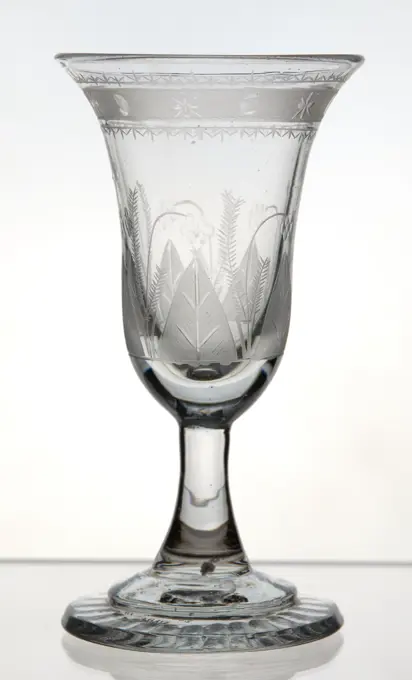
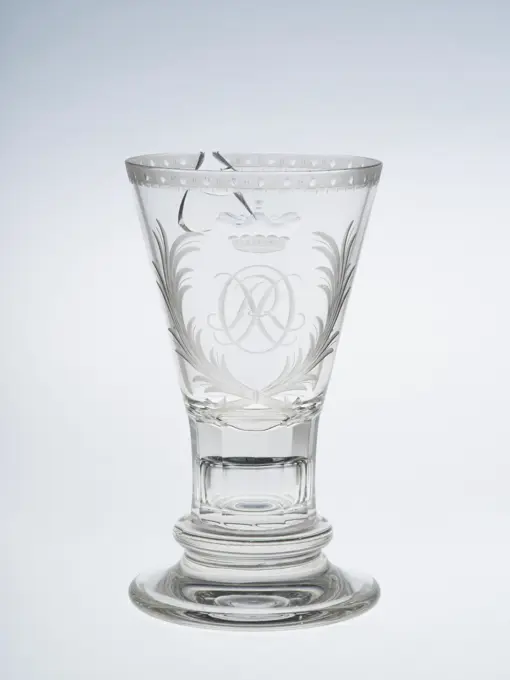
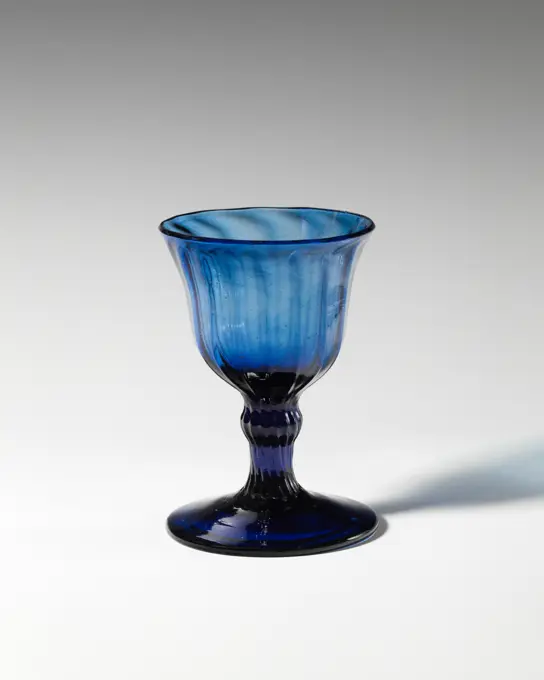
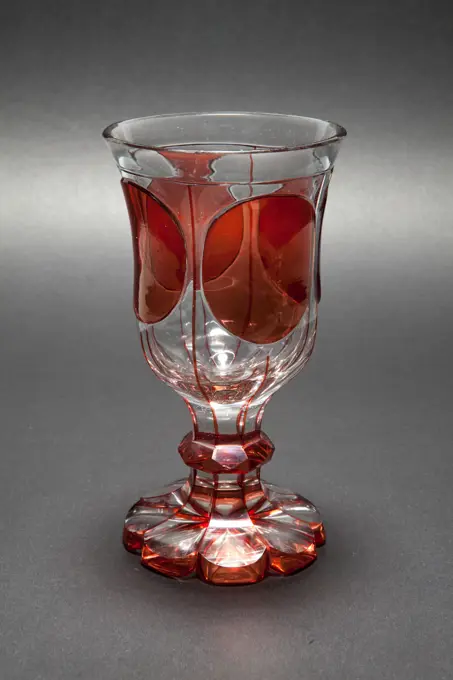
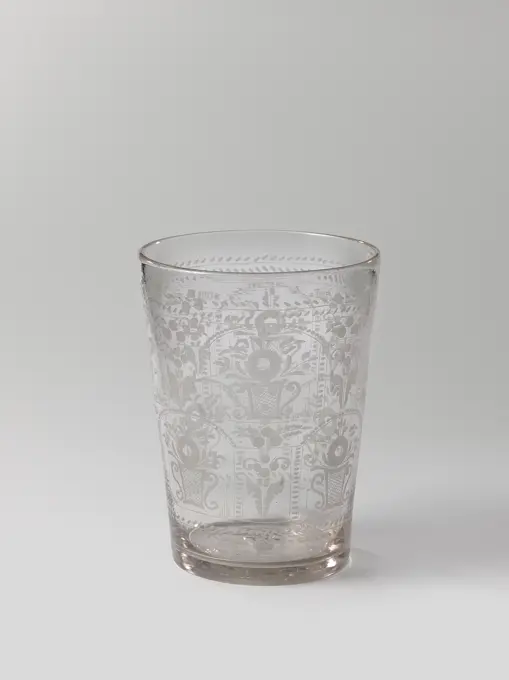
A collection of vintage engraved chalice and wine glasses featuring intricate designs, including birds, flowers, and decorative patterns from the 17th to 18th centuries.

Glass;  around 1770 (1760-00-00-1780-00-00);
Glass; around 1770 (1760-00-00-1780-00-00);
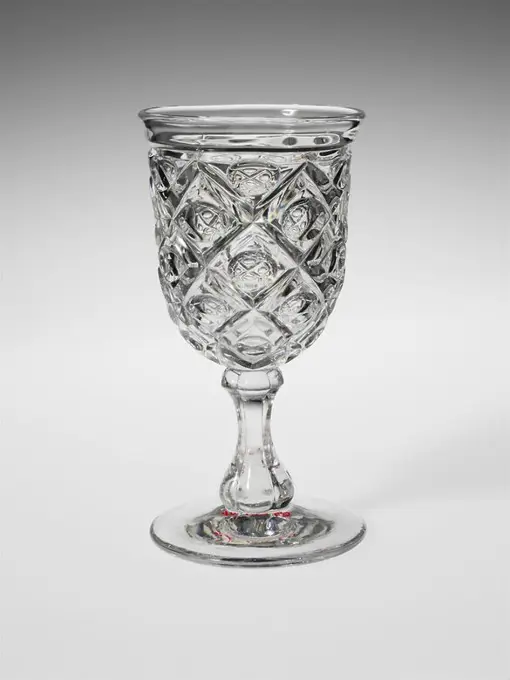
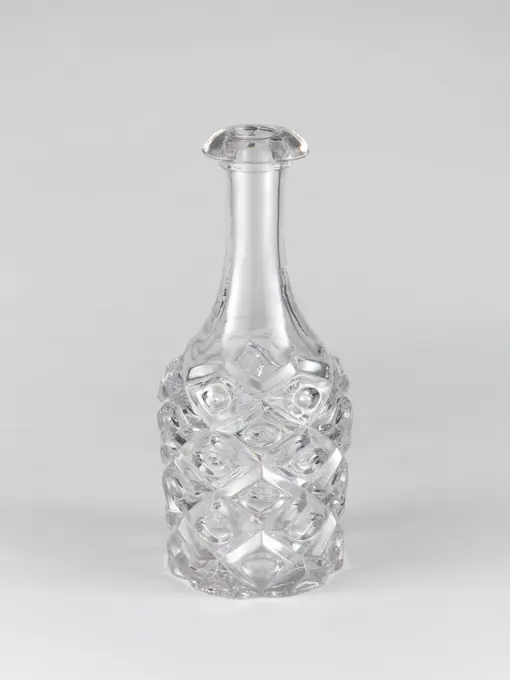
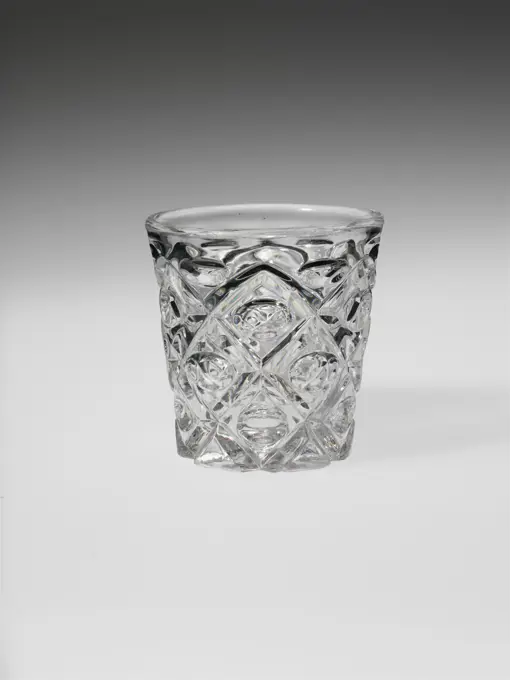
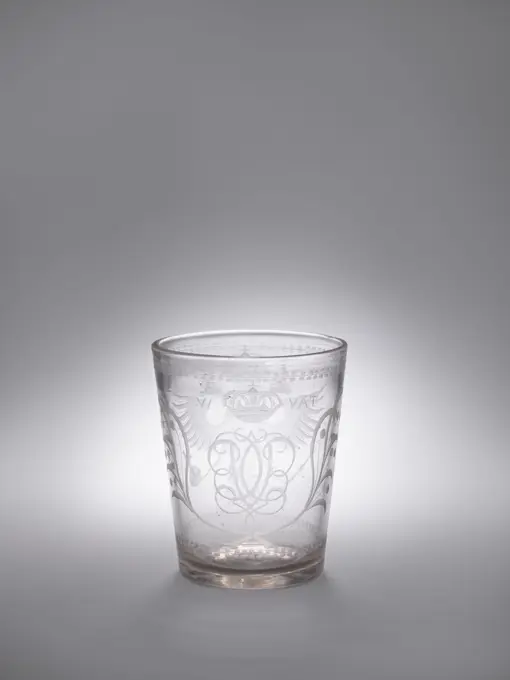
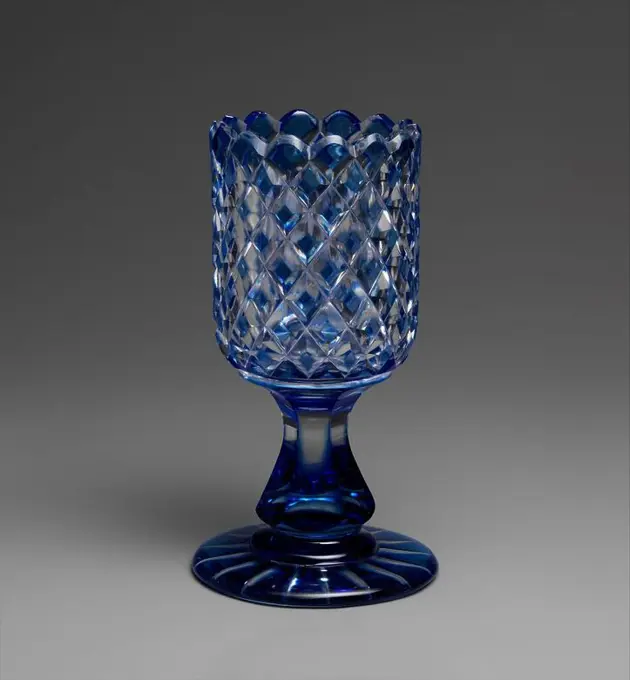
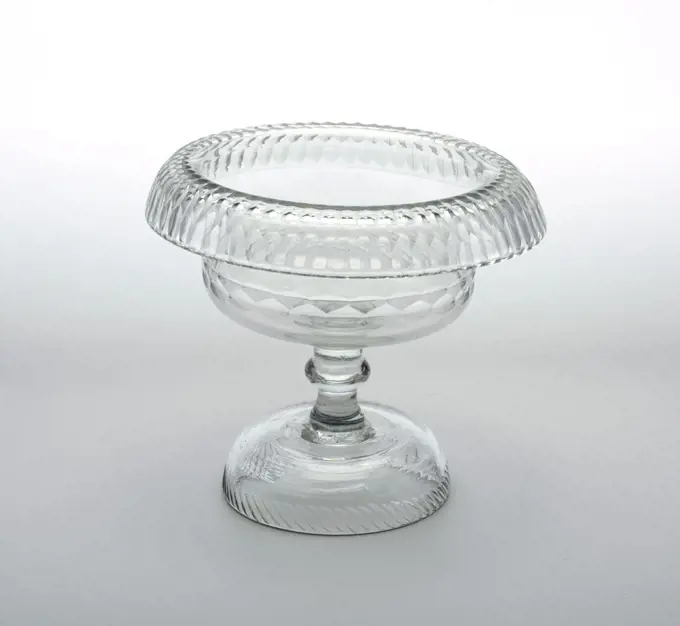
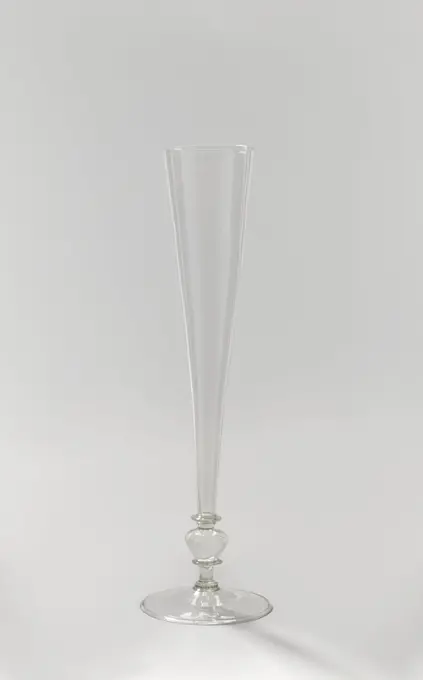
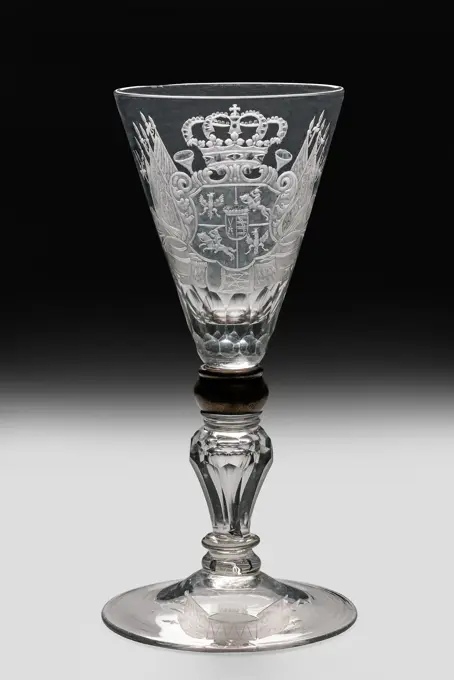
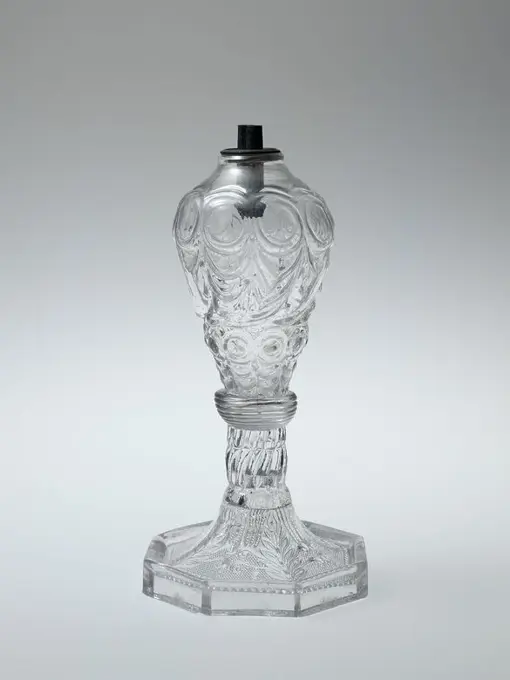
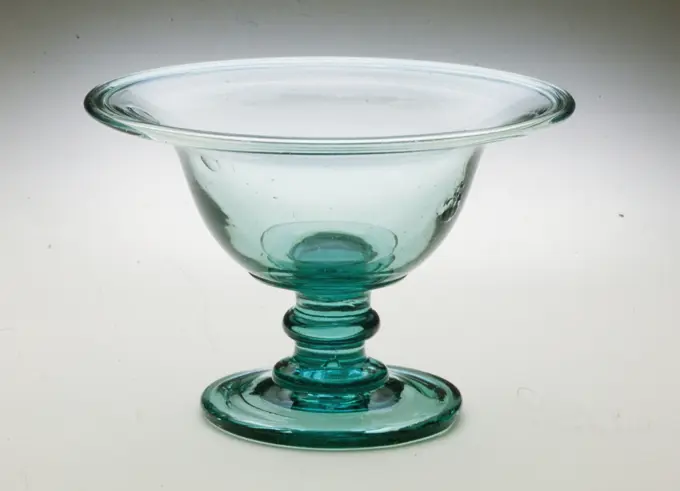
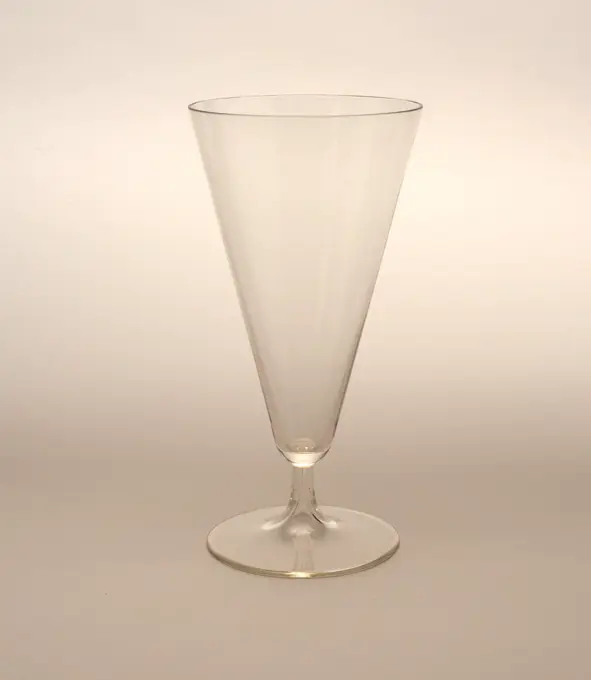
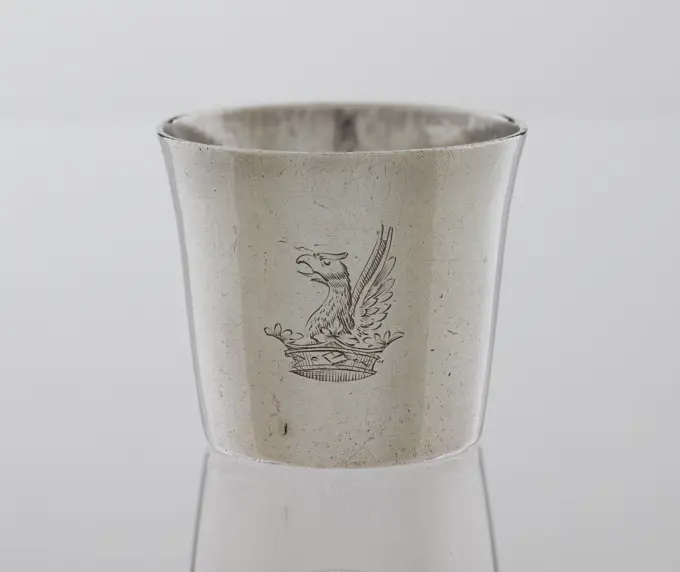
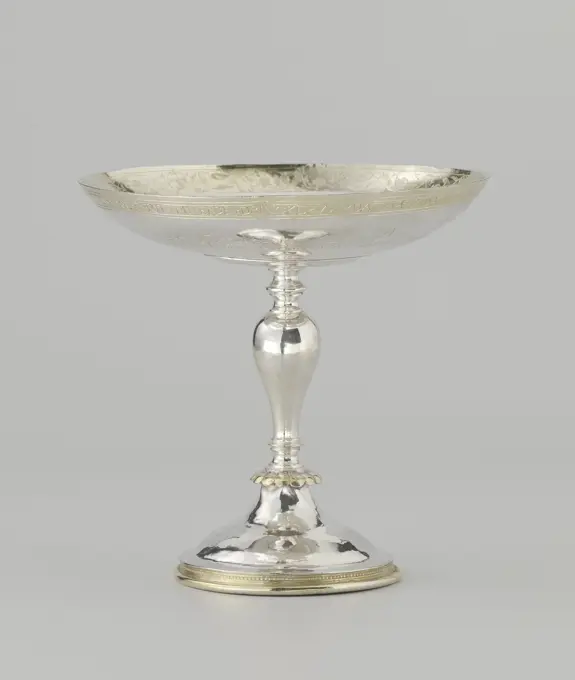
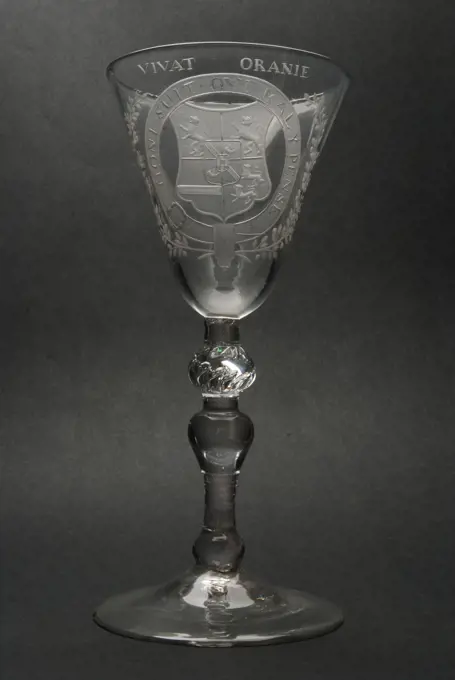
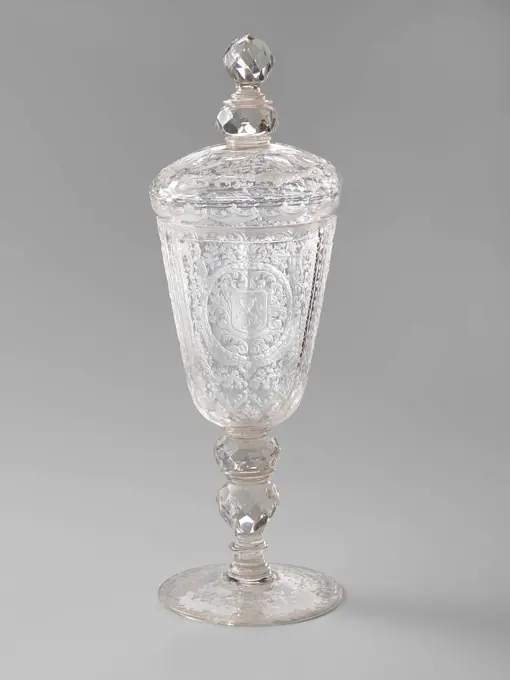
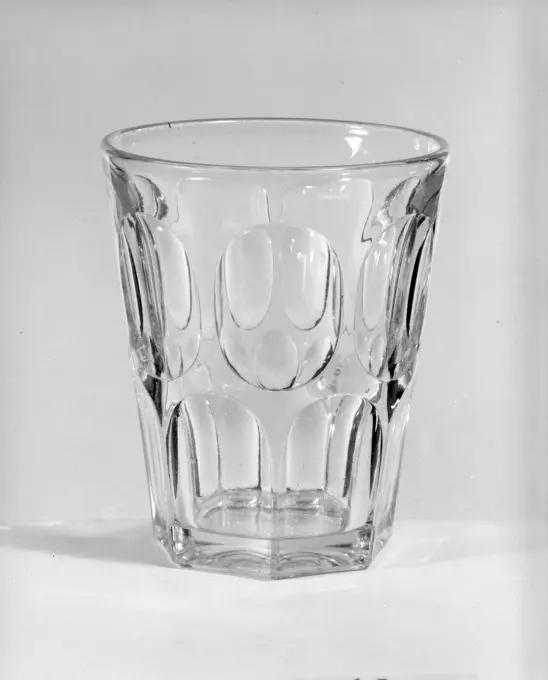
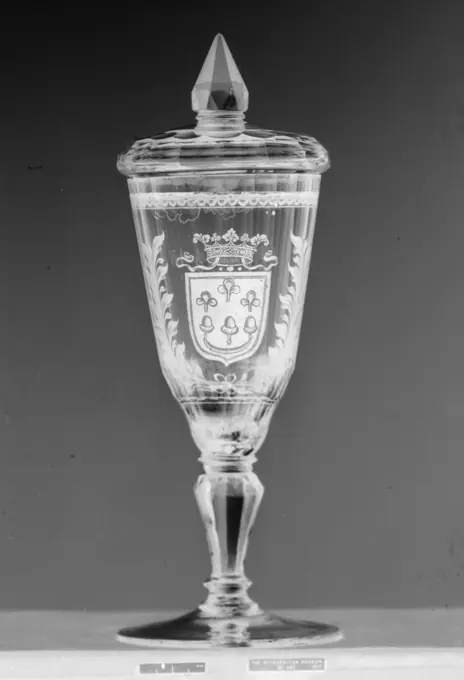
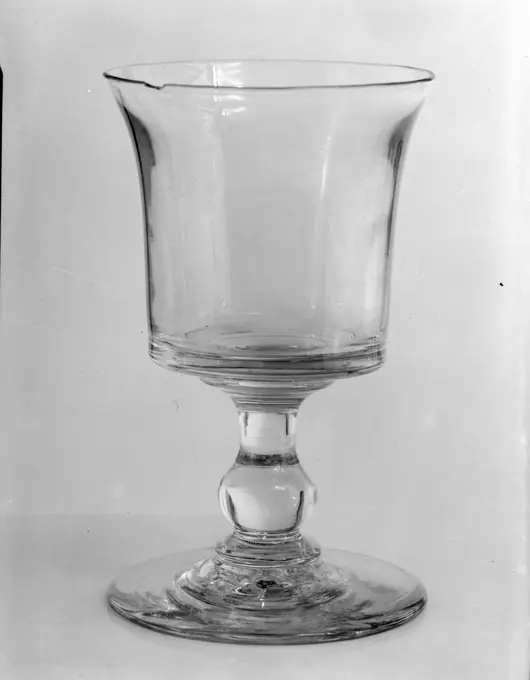
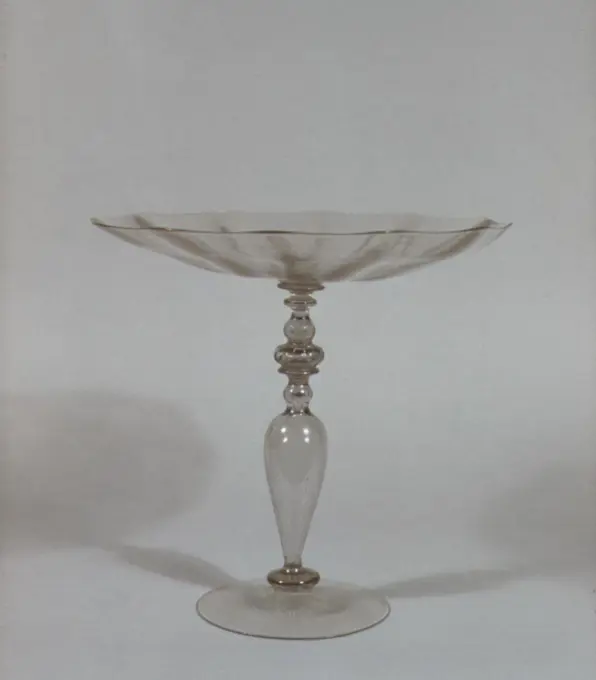
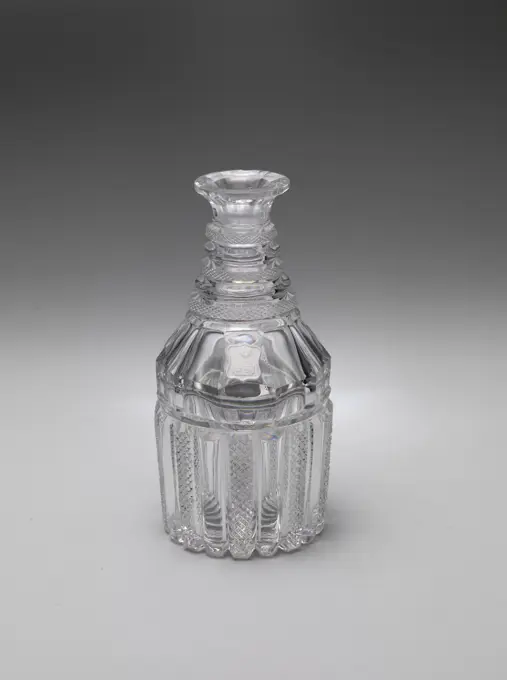
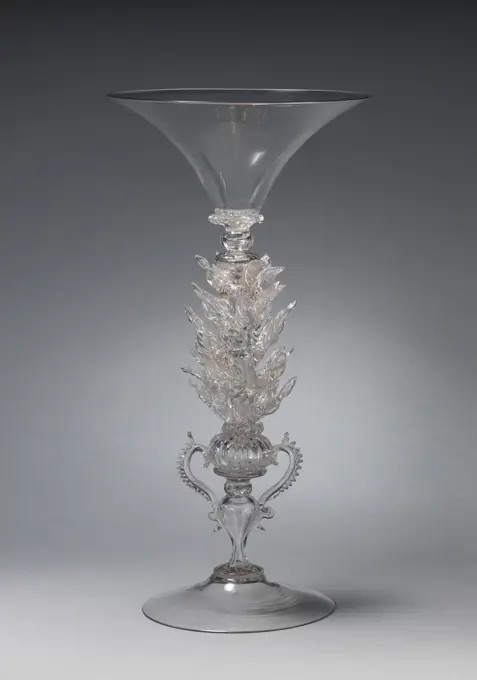
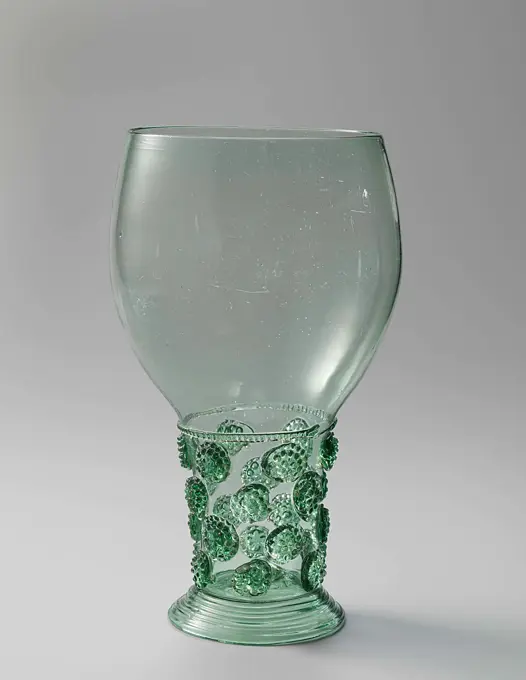
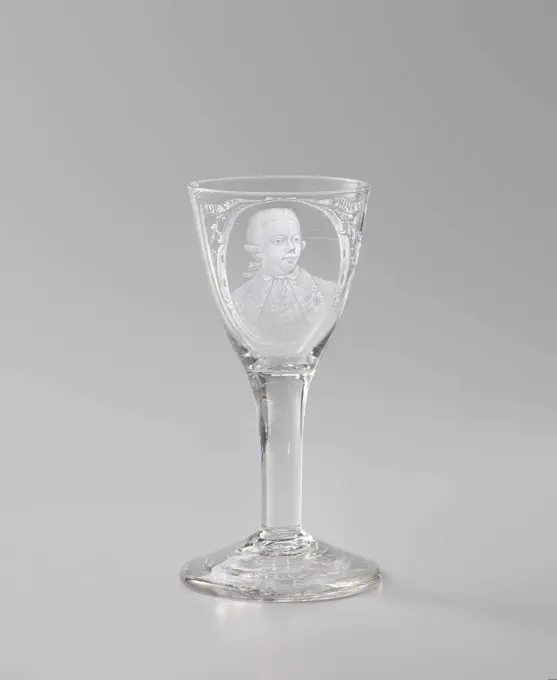
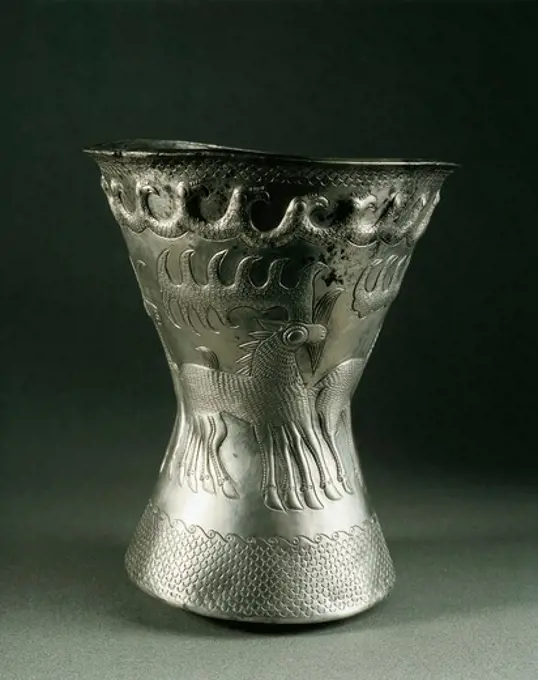
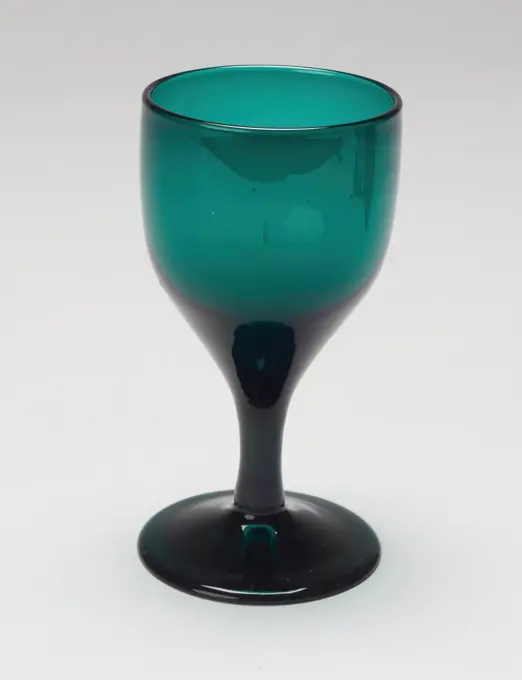
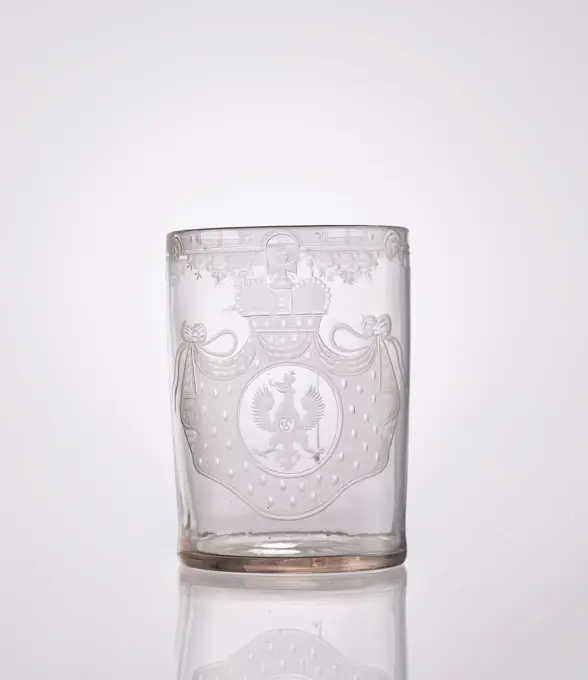
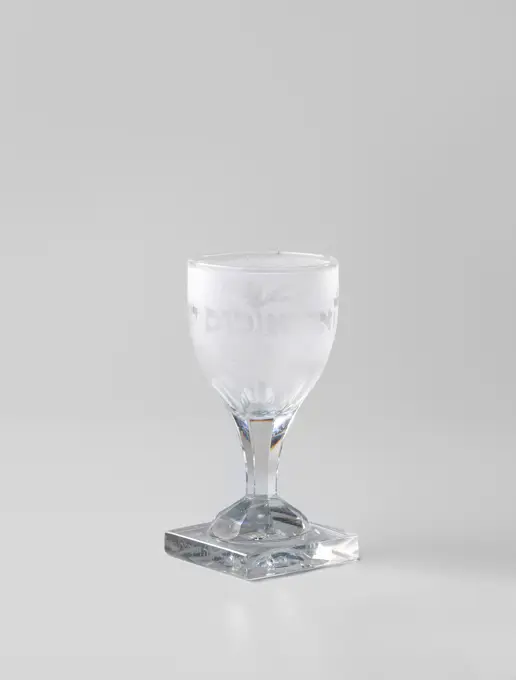
Cup Crystal HutaGoblet. Culture: American. Dimensions: H. 6 11/16 in. (17 cm); Diam. 3 1/2 in. (8.9 cm). Date: 1850-60.With the development of new formulas and techniques, glass-pressing technology had improved markedly by the late 1840s. By this time, pressed tablewares were being produced in large matching sets and innumerable forms. During the mid-1850s, colorless glass and simple geometric patterns dominated. Catering to the demand for moderately-priced dining wares, the glass industry in the United States expanded widely, and numerous factories supplied less expensive pressed glassware to the growing market. At the Exhibition of the Industry of All Nations at New York's Crystal Palace in 1853, for example, the New England Glass Company exhibited 130 pieces of one design, "consisting of bowls, tumblers, champagnes, wines, and jelly glasses." This object belongs to one such service. Although the glass manufactory is not known, the glassware is very typical of the large services that were very popuWine Rinser Pellatt & Green American 1818 William Bayard (1761-1826) commissioned this table service (2008.594.1-.53) in 1818 for his daughter Harriet (1799-1875) and her husband Stephen Van Rensselaer IV (1789-1868) from Pellatt & Green, Londons premier glasshouse. The fine lead glass and deep Regency cutting would have created a brilliant sparkle in their candlelit dining room, in Albany, New York. The set originally included dozens of drinking glasses, for claret, ale, and champagne, as well as decanters, wine coolers, tumblers, and finger glasses, all “elegantly cut in diamonds & Rings” according to the surviving bill of sale (2008.594.54a,b). In addition to its elegance and quality, the service is extremely rare in its documentation to the specific American family who owned it and to the English glasshouse that made it.Pint decanter 1850-70 American With the development of new formulas and techniques, glass-pressing technology had improved markedly by the late 1840s. By this time, pressed tablewares were being produced in large matching sets and innumerable forms. During the mid-1850s, colorless glass and simple geometric patterns dominated. Catering to the demand for moderately-priced dining wares, the glass industry in the United States expanded widely, and numerous factories supplied less expensive pressed glassware to the growing market. At the Exhibition of the Industry of All Nations at New Yorks Crystal Palace in 1853, for example, the New England Glass Company exhibited 130 pieces of one design, "consisting of bowls, tumblers, champagnes, wines, and jelly glasses." This object belongs to one such service. Although the glass manufactory is not known, the glassware is very typical of the large services that were very popular with Americas middle class in the nineteenth century.. Pint decanter. Flat foot with beaten edge. Hollow, ribbed baluster-shaped strain. Rechter shaped, ribbed and five times cleft.Glass; Lobmeyr, J. & L. (Vienna; 1823-); 1920-39 (1920-00-00-1939-00-00);Wine cup 1607-8 Probably by R. W.. Wine cup 205656Tumbler 1850-60 American With the development of new formulas and techniques, glass-pressing technology had improved markedly by the late 1840s. By this time, pressed tablewares were being produced in large matching sets and innumerable forms. During the mid-1850s, colorless glass and simple geometric patterns dominated. Catering to the demand for moderately-priced dining wares, the glass industry in the United States expanded widely, and numerous factories supplied less expensive pressed glassware to the growing market. At the Exhibition of the Industry of All Nations at New Yorks Crystal Palace in 1853, for example, the New England Glass Company exhibited 130 pieces of one design, "consisting of bowls, tumblers, champagnes, wines, and jelly glasses." This object belongs to one such service. Although the glass manufactory is not known, the glassware is very typical of the large services that were very popular with Americas middle class in the nineteenth century.. Tumbler 9126Jar with the weapons of the seven united provinces, Anonymous, c. 1725 - c. 1750 goblet Bokaal with curved, faceted foot with turned edge. Facetted baluster tribe with three knots and an elongated bubble. On the conical chalice the crowned weapons of the seven united regions. glassblower: GermanyNorthern Netherlands glass grinding / glassblowingWineGlassGlassGlass; Non -like Lona Huta; 1. W. 18th century (1700-00-00-1725-00-00);Celery vase. Culture: American. Dimensions: Height: 8 in. (20.3 cm). Engraver: Possibly cut by Joseph Stouvenel and Company (1851-1857). Manufacturer: Brooklyn Flint Glass Company (American, Brooklyn, New York, 1824-1868). Date: 1850-55.New York City was an important center for machine-cut luxury glass in the middle of the nineteenth century. This partial group (2014.626.1a,b -.7) of blue-cut-to-clear glass is extraordinarily rare and perhaps even experimental when it was made in the 1850s. This is the only known blue plated cut glass attributed to the Brooklyn Flint Glass Works. The diamond pattern is thought to have been executed by Joseph Stouvenel, a highly skilled glass cutter whose works were exhibited at the New York Exhibition of 1853-54 and published during the period. Museum: Metropolitan Museum of Art, New York, USA.Roemer with lid, with two rows of braam buds. Roemer with inserted bottom on high, conical, spun base from a wire. The egg-shaped chalice as a whole blown up with the trunk that is busy with two rows of braam buds. The transition from the chalice to the trunk indicated by a ribbed wire. Vaulted lid with a cut-out edge and a massive convex button.Bowl, Glass, Round bowl with large turned-over rim, sits on tall stem with central knop, high domed base with cut blazes at bottom edge; sides of bowl cut with double band of facets, a triple band of facets on over-turned rim; pontil mark bottom; glass dark clear., possibly Cork, Ireland, ca. 1800, glasswares, Decorative Arts, BowlFlute glass. Flat foot with beaten edge. The stem made up of a hollow Baluster and a disc. Funnel-shaped chaliceFlute, anonymous, c. 1600 - c. 1700 Flat base with turned around. The trunk made up of a hollow baluster -shaped knot and a disc. Funnel -shaped chalice. Low Countries glass glassblowing Flat base with turned around. The trunk made up of a hollow baluster -shaped knot and a disc. Funnel -shaped chalice. Low Countries glass glassblowingDecanter 1840-50 American With the development of new formulas and techniques, glass-pressing technology had improved markedly by the late 1840s. By this time, pressed tablewares were being produced in large matching sets and innumerable forms. During the mid-1850s, colorless glass and simple geometric patterns dominated. Catering to the demand for moderately-priced dining wares, the glass industry in the United States expanded widely, and numerous factories supplied less expensive pressed glassware to the growing market. At the Exhibition of the Industry of All Nations at New Yorks Crystal Palace in 1853, for example, the New England Glass Company exhibited 130 pieces of one design, "consisting of bowls, tumblers, champagnes, wines, and jelly glasses." This object belongs to one such service. Although the glass manufactory is not known, the glassware is very typical of the large services that were very popular with Americas middle class in the nineteenth century.. Decanter. AmericanBeaker. Netherlands. Date: 1675-1700. Dimensions: H. 18.7 cm (7 3/8 in.). Silver. Origin: Netherlands. Museum: The Chicago Art Institute, Chicago, USA.Vase, Etched and engraved glass, Large clear glass vase with etched and engraved floral design, USA, 19th century, glasswares, Decorative Arts, VaseGoblet. unknown, glass worksWhale-oil lamp. Culture: American. Dimensions: Dimensions unavailable. Maker: Probably Boston & Sandwich Glass Company (American, 1825-1888, Sandwich, Massachusetts). Date: 1830-40. Museum: Metropolitan Museum of Art, New York, USA.Compote, 19th century, Glassworks, 4 5/8 x 6 7/8 x 6 7/8 in. (11.7 x 17.46 x 17.46 cm), Glass, United States, 19th centuryEmpty glass ice cream dish isolated on white background Goblet ca. 1500-1525 Italian (Venice). Goblet 460755Decanter and Stopper. United States, 1820-1840. Furnishings; Serviceware. GlassWine Glass 1725-1735 Bohemia. Glass .Strnad Muslin glass Beer Glass; Designed by Oskar Strnad (Austrian, 1879 - 1935); Manufactured by J. & L. Lobmeyr GmbH (Austria); Austria; mouth-blown crystalRummer. England. Date: 1805-1825. Dimensions: 14.6 cm (5 3/4 in.). Glass. Origin: England. Museum: The Chicago Art Institute, Chicago, USA.Goblet, anonymous, c. 1600 Bokaal van Rurbus crystal and a frame of gold with email. Decorated all around in matte shark with a representation of Diana and Actaeon. Italy (possibly) gold (metal).. agate (chalcedony) Bokaal van Rurbus crystal and a frame of gold with email. Decorated all around in matte shark with a representation of Diana and Actaeon. Italy (possibly) gold (metal).. agate (chalcedony)No. 193 Rhine Wine Glass, Green; Designed by Ludwig Lobmeyr (Austrian, 1829 - 1917); Manufactured by J. & L. Lobmeyr GmbH (Austria); Austria; mouth-blown crystal, hand painted gold, and engraving; 2009-18-12Beaker. German. Date: 1500-1599. Dimensions: H. 10.5 × 7.9 cm (4 1/8 × 3 1/8 in.). Green glass. Origin: Germany. Museum: The Chicago Art Institute, Chicago, USA.Goblet with Cover 1733-1743 Schleswig. Glass .Candle holder. Vaulted foot with strain with four nodi. Cylindrical candle holder with fat catcher and outstanding edge. The foot with a ring cut ovals between lines, the trunk and the candle holder faceted.Cup; Non -like Lona Huta; 1. PO. 18th century (1700-00-00-1750-00-00);Cup ca. 1750 M. D. O.. Cup 192032Campcup.   Maker: Richard Humphreys, American, 1750-1832Standing cup with cover ca. 1715 German, Potsdam. Standing cup with cover 195799Drinking cup with a portrait of Emperor Charles V, anonymous, 1565 - 1566  Silver drinking bowl on high simple foot. In the inside, the bust of Emperor Charles V has been applied in relief within a laurel wreath, with armor and order sign of the Golden Fleece. On the outside is an inscription along the engraved and ornamented edge. Marked on the foot. Antwerp silver (metal) gilding  FlushingBeaker. Culture: European. Dimensions: Overall: 4 1/2 x 3 3/4 in. (11.4 x 9.5 cm). Date: 12th-15th century. Museum: Metropolitan Museum of Art, New York, USA.Pitcher. Culture: American. Dimensions: H. 6 in. (15.2 cm). Retailer: South Boston Flint Glass Works. Date: 1813-30.The chainlike decoration on this pitcher and sugar bowl (69.167a,b) was achieved by applying two parallel threads of glass and then nipping them together to form the connected ovals. This mode of decoration dates back to ancient Roman times and was revived on sixteenth-century Venetian and late-seventeenth-century English glass. It appeared again on English glass in the second half of the eighteenth century. Thomas Cains, who came from Bristol, England, was the proprietor of both firms that may have produced these pieces. Museum: Metropolitan Museum of Art, New York, USA.Jumbo /Elephant pattern spoon rack c 1883-1885 Canton. Glass . Canton Glass Company (Manufacturer)Champagne glass - Tiffany Glass Company Tiffany Glass Company. Anna Roemers Visscher derived the decorative motifs on this glass - such as the flowers and the dragonfly - from old prints. In the cryptic Italian inscription, the flowers address a certain Dora or Dorothea, whom they thank for bestowing fame on them.Mug, 18th-19th century, 3 5/8 x 4 1/2 x 3in. (9.2 x 11.4 x 7.6cm), Glass, United States, 18th-19th centuryWineglass first half 18th century Central German This is a companion to the falcon glass (27.185.112). During a hunt, dogs were used to flush birds or game for the hawk to be "flown" at. The falcon was rewarded with some choice morsel for successfully bringing down the quarry.. Wineglass. Central German. first half 18th century. Glass. GlassDecanter with stopper and four glasses, c. 1880, 12 1/8 x 5 x 4 5/16 in. (30.8 x 12.7 x 10.95 cm), Glass, England, 19th centuryGoblet engraved with escutcheon from Stadholder Willem V and VIVAT ORANIE, wine glass drinking glass drinking utensils tableware holder glass lead glass, with over approximately 5.0 cm break with continuous crack and small chip. On solid round knot massive reverse balustere to round solid knot with two rows of enclosed air bubbles Funnel shaped chalice (dm 0.9 - 9.0 cm) with on one side coat of arms of Stadholder William V surrounded by 'Garter' with text HONI SUIT. QUI: MAL. Y. PENSE * and on both sides orange-apple branches Above text VIVAT ORANIUM radgravure top of the calyx: Vivat Oranie heraldry William V Orange Nassau serving drinkingBowl with lid with the weapons of Diderik DiCX and the inscription Hoogh. Baquarity of Kennemerland. Flat foot. Facet cut, baluster-shaped strain with a button and four writing. The conical chalice, with vertical facets, has a rounded soil. The facet cut, vaulted lid with facet cut award, consisting of a button that is crowned by a sphere. On the chalice, between leaf refinters, flower garlands and two naked men, each with a cornucopia, the weapon of Diderik Dicx (died 1719), surrounded by symmetrical vines within a script. Around the weapon the initials dated and the inscription Hoogh waist of Kennemerland. Two symmetrical leaf volutes held together under the medallion by a mascaron. On the other side, in an identical environment, the coat of arms of the seven united provinces with under the motto: Esdragt is MAKT. A zigzag line runs on the underside of the wall. Flower and leaf drinks and rosettes on the lid.Beaker (England); Probably Harry Powell (English, 1870 - 1920), James Crofts Powell (English, 1847 - 1914); Manufactured by James Powell & Sons (United Kingdom); glassService: wine glass Ludwig Moser & SonsFlip Glass 1830-70 American With the development of new formulas and techniques, glass-pressing technology had improved markedly by the late 1840s. By this time, pressed tablewares were being produced in large matching sets and innumerable forms. During the mid-1850s, colorless glass and simple geometric patterns dominated. Catering to the demand for moderately-priced dining wares, the glass industry in the United States expanded widely, and numerous factories supplied less expensive pressed glassware to the growing market. At the Exhibition of the Industry of All Nations at New Yorks Crystal Palace in 1853, for example, the New England Glass Company exhibited 130 pieces of one design, "consisting of bowls, tumblers, champagnes, wines, and jelly glasses." This object belongs to one such service. Although the glass manufactory is not known, the glassware is very typical of the large services that were very popular with Americas middle class in the nineteenth century.. Flip Glass. AmerStanding cup with cover ca. 1730 Bohemian. Standing cup with cover 195915Goblet 1825-50 Jersey Glass Company of George Dummer. Goblet. American. 1825-50. Free-blown lead glass. Made in Jersey City, New Jersey, United StatesTazza late 16th-early 17th century Italian, Venice (Murano) During the Renaissance, Venetian glassmakers, working on the island of Murano, were celebrated across Europe for their fine and sparkling work. Called cristallo” emulating the clarity of rock crystal, in the hands of the most skilled glassblowers the medium could be delightfully manipulated, variously stretched paper-thin flat, or playfully twisted, or blown into molds with spectacular patterns.. Tazza 186092WineGlassGlass; Lobmeyr, J. & L. (Vienna; 1823-); 1920-39 (1920-00-00-1939-00-00);Wine Glass. Culture: British. Dimensions: H. 6 3/8 in. (16.2 cm); Diam. 3 in. (7.6 cm). Date: 1765-70. Museum: Metropolitan Museum of Art, New York, USA.Wine glass, one of a set of ten, c. 1920, 8 1/4 x 3 1/4 in. (20.96 x 8.26 cm), Aventurine glass, Italy, 20th century. Flat feet with folded edge, on the underside ground with ovals, interspersed with a double line. Double cuff, faceted, baluster-shaped strain with a faceted nod is between two sliders. Fully shaped, rounded, largely faceted chalice. Faceted lid with a button composed of a faceted nodus and a cone. In the bottom of the chalice a gold-plated medallion with windows surrounded by a border palmets. On the chalice, under a band with festans and leafwork a fox hunt with two hunters, a shark hunt with a hunter on horseback and a hunter on foot, and two riders and a lady on horseback, accompanied by a servant. At the top, the performance is closed with an edge akanthus leaves. The medallion in the soil repeats itself in the lid.Liqueur glass 1750-1800 British, Bristol. Liqueur glass. British, Bristol. 1750-1800. Glass. GlassGlass Palm Cup with Relief Inscription late 7th century Frankish The technique of blowing glass within a mold enabled glassmakers to create vessels decorated with designs or inscriptions in low relief. The inscription on this piece is incomplete, but comparisons with similar vessels suggest that it may have been meant as a cross followed by a request to pray for the maker or owner of the glass.. Glass Palm Cup with Relief Inscription 465079 Frankish, Glass Palm Cup with Relief Inscription, late 7th century, Glass, Overall: 3 7/16 x 3 3/4 in. (8.8 x 9.6 cm). The Metropolitan Museum of Art, New York. Gift of J. Pierpont Morgan, 1917 (17.191.360)Jelly Glass 1785-1825 American or British. Jelly Glass 4534JellyGlassCupCarafe with cork; Lobmeyr, J. & L. (Vienna; 1823-); 1870-80 (1870-00-00-1880-00-00);Bokaal with sharpened squares, Gebrüder Lorenz, c. 1920 - c. 1940 Multi -sided faceted foot. Concave, faceted trunk, flat disc, slightly flared chalice with flat bottom. The chalice is divided into twelve squares by cut lines. In three squares, a watering can with rake, a burning heart and a horn of abundance, a watercolor, in three other squares, respectively. In the remaining six squares, round lenses are dragged, around which flower arrangements. Steinschönau glass glassblowing / grinding Multi -sided faceted foot. Concave, faceted trunk, flat disc, slightly flared chalice with flat bottom. The chalice is divided into twelve squares by cut lines. In three squares, a watering can with rake, a burning heart and a horn of abundance, a watercolor, in three other squares, respectively. In the remaining six squares, round lenses are dragged, around which flower arrangements. Steinschönau glass glassblowing / grindingWine Glass. Culture: British. Dimensions: H. 6 9/16 in. (16.7 cm); Diam. 2 1/8 in. (5.4 cm). Date: 1765-70. Museum: Metropolitan Museum of Art, New York, USA.Glass; Lobmeyr, J. & L. (Vienna; 1823-); 1920-39 (1920-00-00-1939-00-00);Cup with floral baskets. Cup of clear, colorless glass. Flower baskets engraved on the chalice in Nissen.Glass Lausitzer glassworksBeaker 1700-1725 Nuremberg. Glass .Mug 1850-70 With the development of new formulas and techniques, glass-pressing technology had improved markedly by the late 1840s. By this time, pressed tablewares were being produced in large matching sets and innumerable forms. During the mid-1850s, colorless glass and simple geometric patterns dominated. Catering to the demand for moderately-priced dining wares, the glass industry in the United States expanded widely, and numerous factories supplied less expensive pressed glassware to the growing market. At the Exhibition of the Industry of All Nations at New Yorks Crystal Palace in 1853, for example, the New England Glass Company exhibited 130 pieces of one design, "consisting of bowls, tumblers, champagnes, wines, and jelly glasses." This object belongs to one such service. Although the glass manufactory is not known, the glassware is very typical of the large services that were very popular with Americas middle class in the nineteenth century.. Mug. 1850-70. Pressed glassTumbler. American; 20th century. Date: 1902. Dimensions: 9.8 × 8 × 6.3 cm (3 7/8 × 3 1/8 × 2 1/2 in.). Cut glass. Origin: United States. Museum: The Chicago Art Institute, Chicago, USA.Decanter 1820-30 Apsley Pellatt. Decanter 20798Wineglass 17th-18th century Italian, Venice (Murano) During the Renaissance, Venetian glassmakers, working on the island of Murano, were celebrated across Europe for their fine and sparkling work. Called cristallo” emulating the clarity of rock crystal, in the hands of the most skilled glassblowers the medium could be delightfully manipulated, variously stretched paper-thin flat, or playfully twisted, or blown into molds with spectacular patterns.. Wineglass. Italian, Venice (Murano). 17th-18th century. Glass. GlassGlass; Lobmeyr, J. & L. (Vienna; 1823-); 1920-39 (1920-00-00-1939-00-00);Compote. Dimensions: H. 13 in. (33 cm); Diam. 14 in. (35.6 cm). Manufacturer: Attributed to Joseph Stouvenal and Company (1851-57). Date: 1853. Museum: Metropolitan Museum of Art, New York, USA.Mug 1830-70 American With the development of new formulas and techniques, glass-pressing technology had improved markedly by the late 1840s. By this time, pressed tablewares were being produced in large matching sets and innumerable forms. During the mid-1850s, colorless glass and simple geometric patterns dominated. Catering to the demand for moderately-priced dining wares, the glass industry in the United States expanded widely, and numerous factories supplied less expensive pressed glassware to the growing market. At the Exhibition of the Industry of All Nations at New Yorks Crystal Palace in 1853, for example, the New England Glass Company exhibited 130 pieces of one design, "consisting of bowls, tumblers, champagnes, wines, and jelly glasses." This object belongs to one such service. Although the glass manufactory is not known, the glassware is very typical of the large services that were very popular with Americas middle class in the nineteenth century.. Mug. American. 1830-70.Goblet 1876. Goblet. 1876. Blown pattern-molded glassWineglass ca. 1785-90 Engraved by David Wolff. Wineglass. Dutch, The Hague. ca. 1785-90. Glass. Engraved by David Wolff (Dutch, 's Hertogenbosch 1732-1798 The Hague). GlassDecanter withstopper.  Manufacturer: Cork Glass Company, Irish, 1783-1818Roemer with four rows of raspberry prunts. The roemer became fashionable during the course of the 16th century. It had an ovoid bowl reminiscent of our current wine glasses. The stem is decorated with raspberry-shaped prunts. It is not certain where this glass was made. Most green glass was imported from Germany, but a few centres producing green glass emerged in the Netherlands during the 16th century.Winged Goblet. Germany. Date: 1620-1630. Dimensions: H. 31.1 cm (12 1/4 in.). Glass. Origin: Germany. Museum: The Chicago Art Institute, Chicago, USA.. .probably Boston and Sandwich Glass Works, Decanter and Stopper, c. 1825-40, mold-blown glass.Spirit Flask. Workshop of Georg Schwanhardt (German, active mid-17th century); Germany, Nuremberg. Date: 1645-1655. Dimensions: 20 × 11.4 cm (7 7/8 × 4 1/2 in.). Glass with engraved decoration. Origin: Nuremberg. Museum: The Chicago Art Institute, Chicago, USA.Decorated silver vase from the Agighiol treasurePitcher ca. 1866 Boston & Sandwich Glass Company. Pitcher. American. ca. 1866. Pressed glass. Made in Sandwich, Massachusetts, United StatesWine glass, one of a set of twelve, 1780-1800, 5 x 2 5/8 x 2 5/8 in. (12.7 x 6.67 x 6.67 cm), Green glass, England, 18th-19th century. This goblets form, with alternating knobs and discs, betrays its Nuremberg origins. Nuremberg was a centre for glass art. Not only the glass but also the engraving was done in that city. The green colour of the glass complements the engraved scene of a forest. Between the trees, beaters are driving game towards hunters.Beaker 1700-1725 Bohemia. Glass .A wine glass standing on a reflective surface.Glass;  1920-39 (1920-00-00-1939-00-00);Glass; Naliboki (glassworks; 1722-1862), Urzecze (Huta Zwierciadlana; 1737-1846); 1750-1765 (1750-00-00-1765-00-00);Leopold (1850-1912) - collection, méyet, gift (provenance), coats of armsBeaker 1816 New York City. Silver . William B. HeyerPitcher;  End of the 19th century (1885-00-00-1890-00-00);Goblet 17th century Dutch. Goblet. Dutch. 17th century. Glass. GlassFunnel 1785-1820 American. Funnel 3863Chalip glass on a square plinth with Hebrew inscription, Anonymous, c. 1851 Circular, convex, sliced base on a square plinth. Faceted strain, which turns into the curved chalice. On the chalice, against a matte, etched stock, the Hebrew text: I will record the cup of the resources, and invoke the name of the Lord (Psalm 116: 13). A leaf branch between the first and the last Hebrew letter. On the plinth in Hebrew, Daniel di D.H. The Castro (5) 611. Glassblower: Franceamsterdam glass grinding / etching / glassblowing Circular, convex, sliced base on a square plinth. Faceted strain, which turns into the curved chalice. On the chalice, against a matte, etched stock, the Hebrew text: I will record the cup of the resources, and invoke the name of the Lord (Psalm 116: 13). A leaf branch between the first and the last Hebrew letter. On the plinth in Hebrew, Daniel di D.H. The Castro (5) 611. Glassblower: Franceamsterdam glass grinding / etching / glassblowing