Antique Engraved Glassware

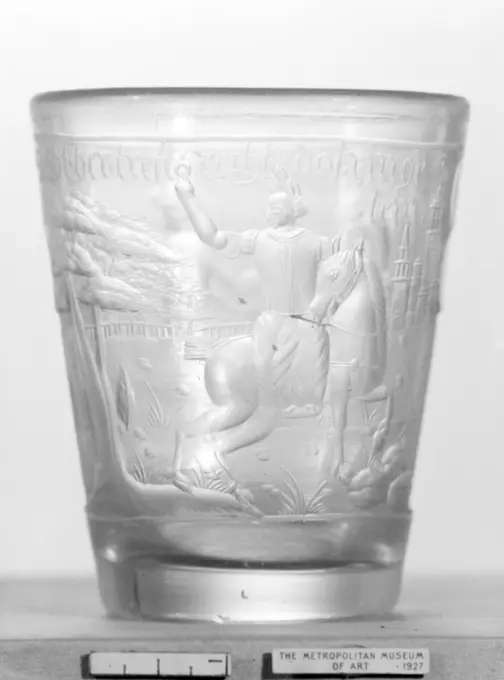
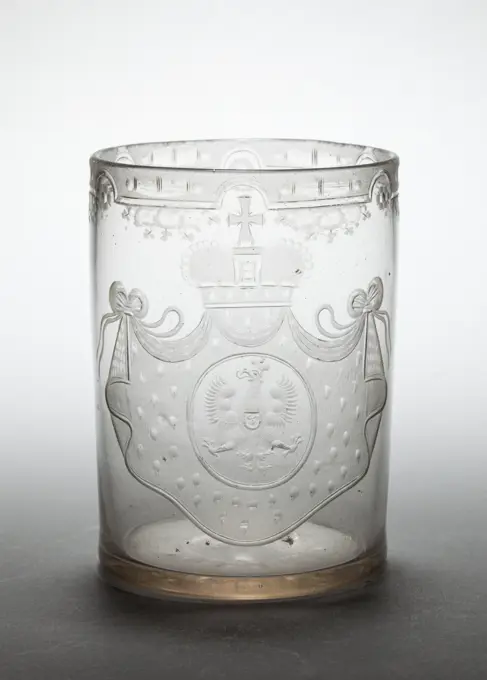
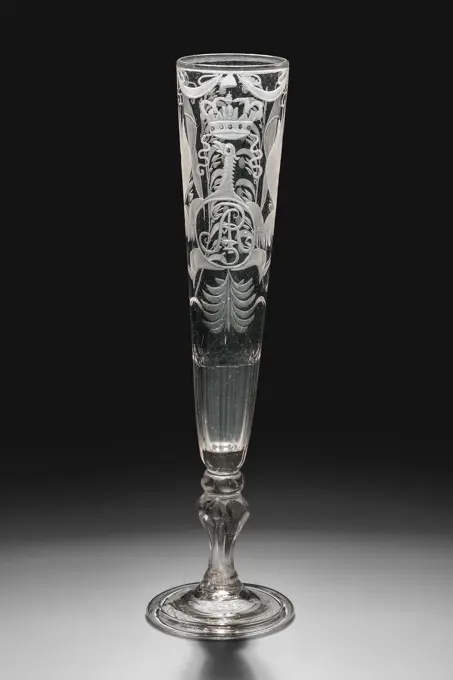
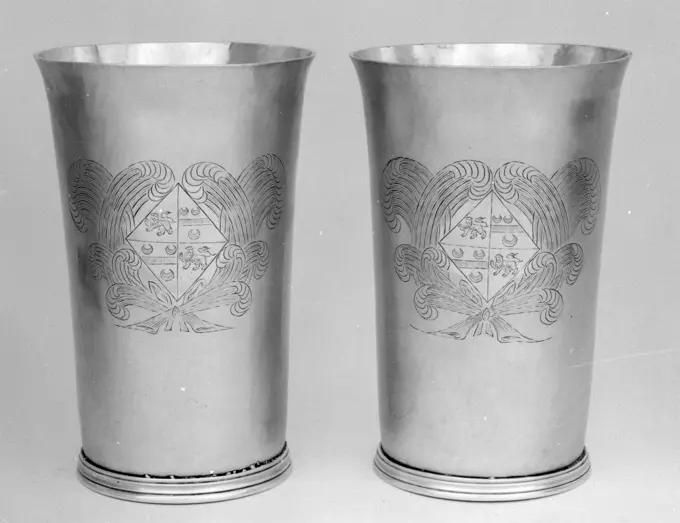
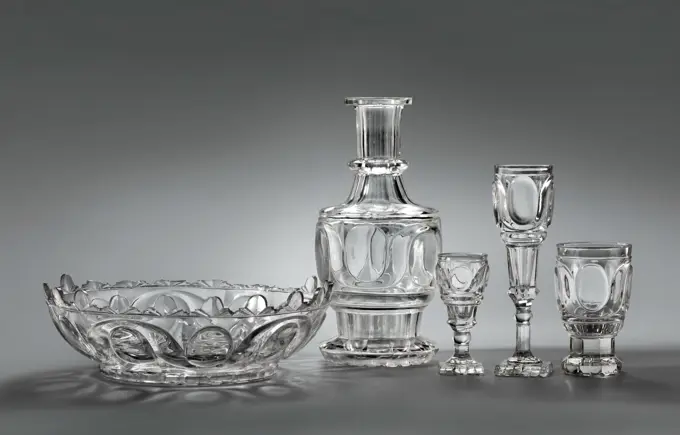
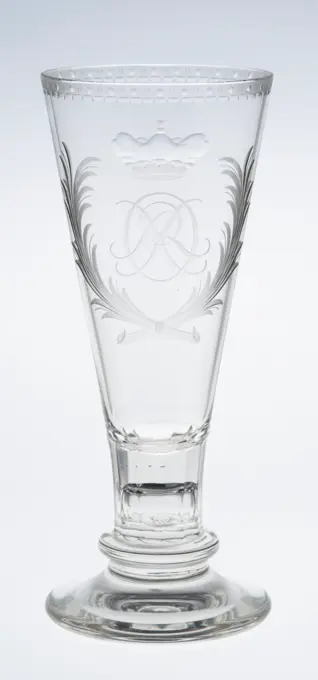
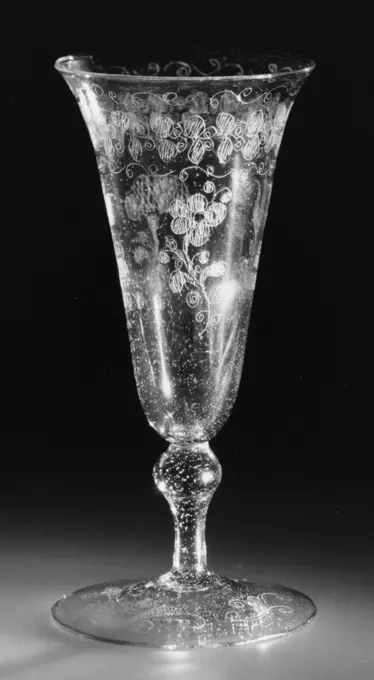
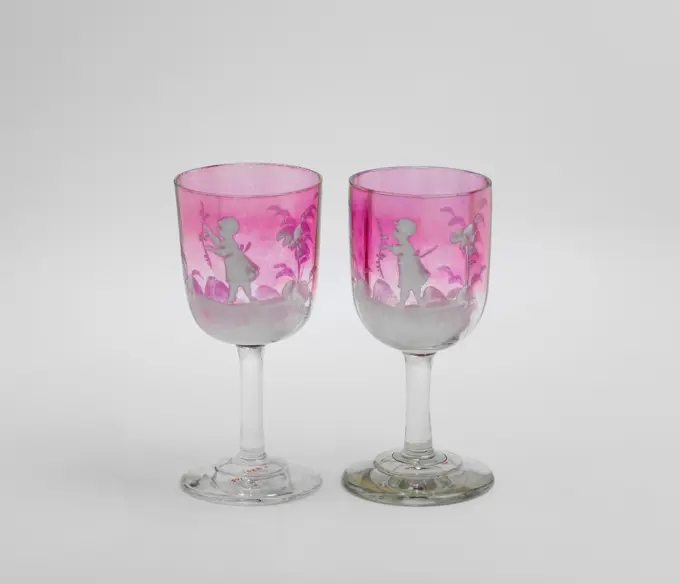
A collection of vintage engraved chalice and wine glasses featuring intricate designs, including birds, flowers, and decorative patterns from the 17th to 18th centuries.

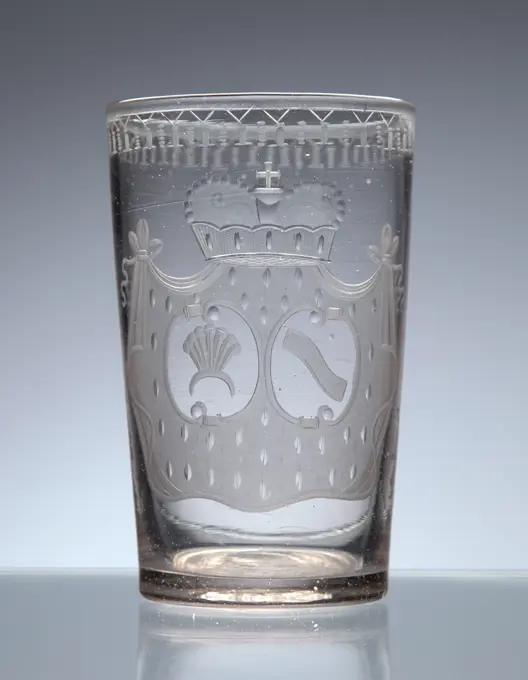
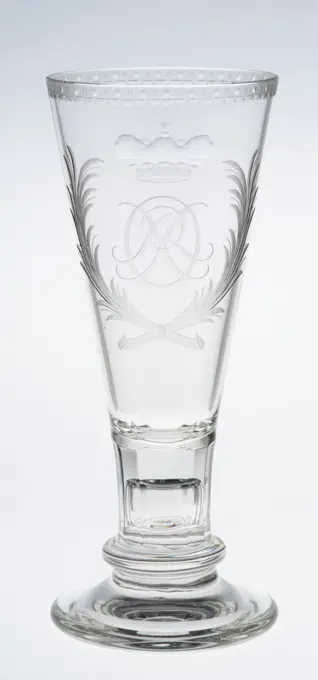
Glass;  around 1770 (1760-00-00-1780-00-00);
Glass; around 1770 (1760-00-00-1780-00-00);
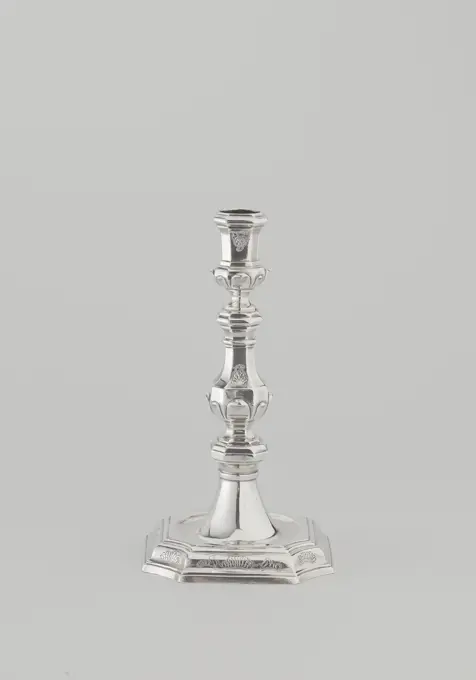
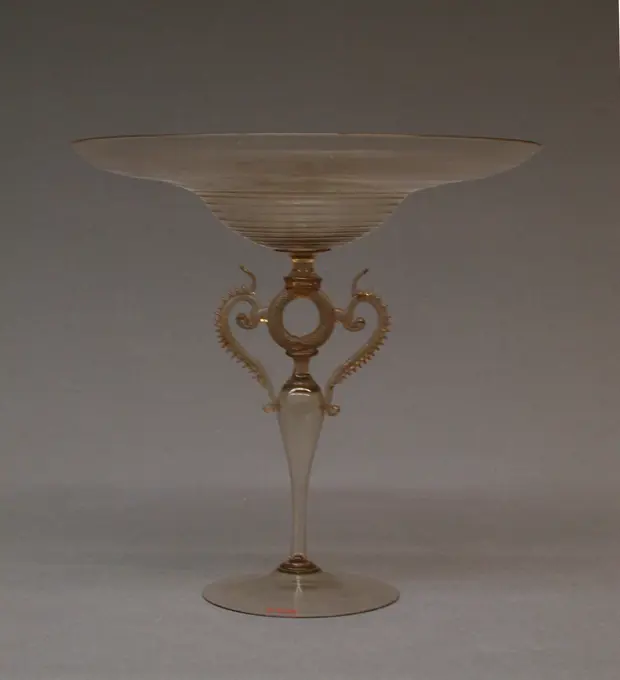
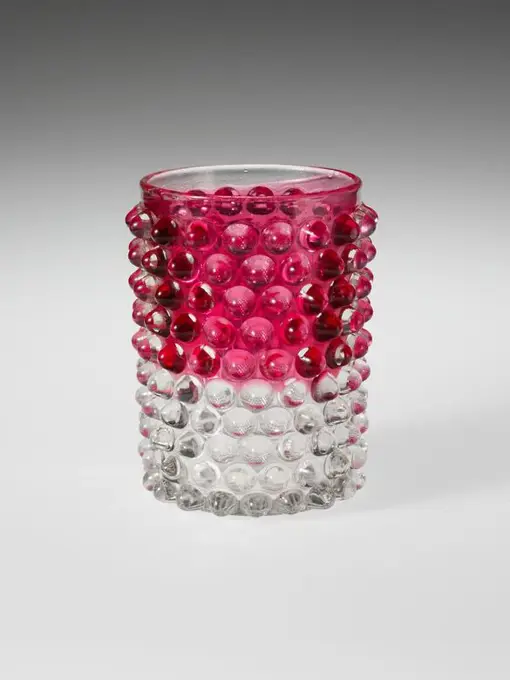
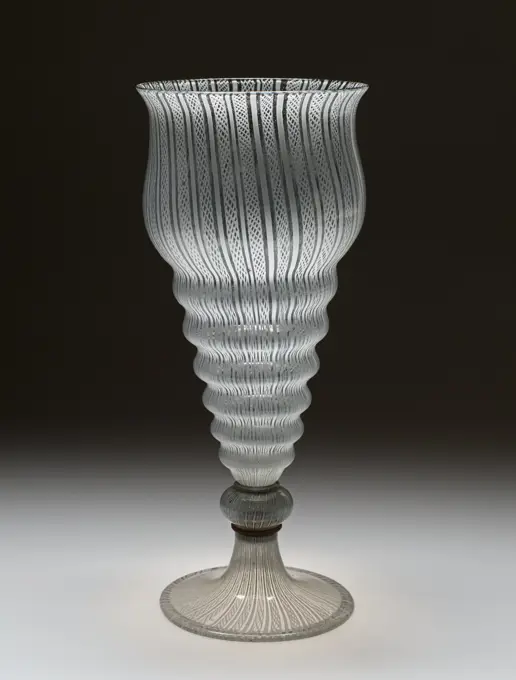
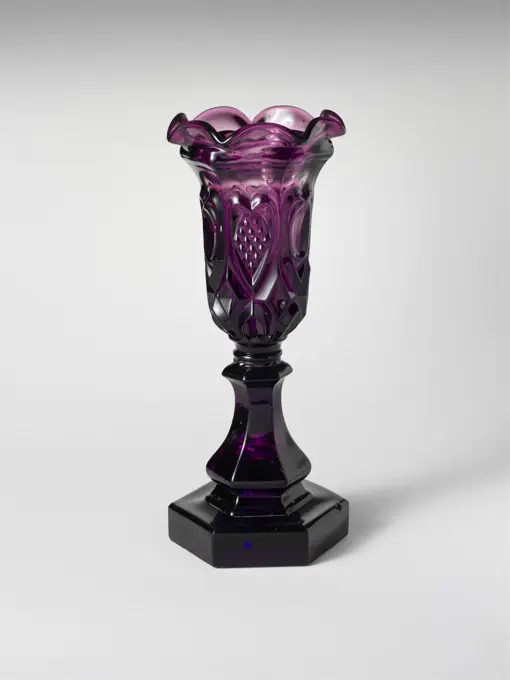
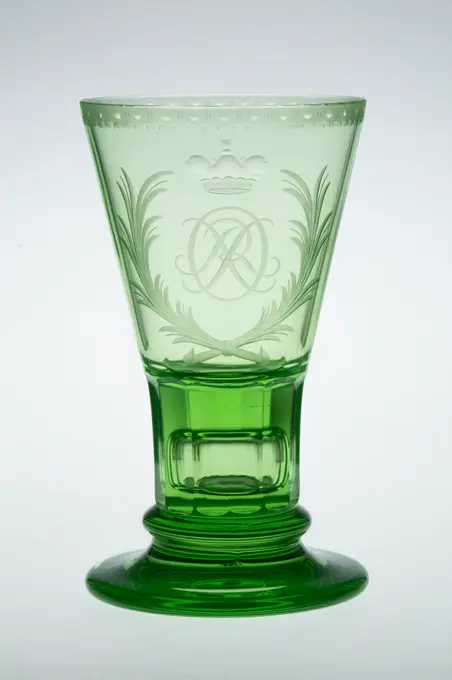
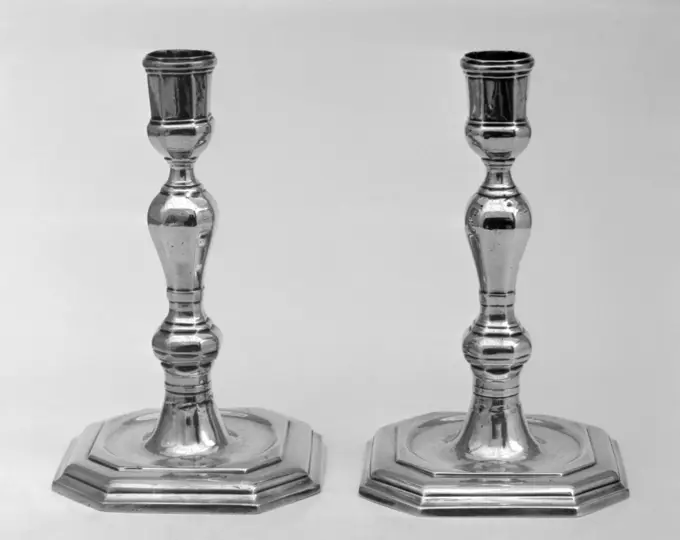
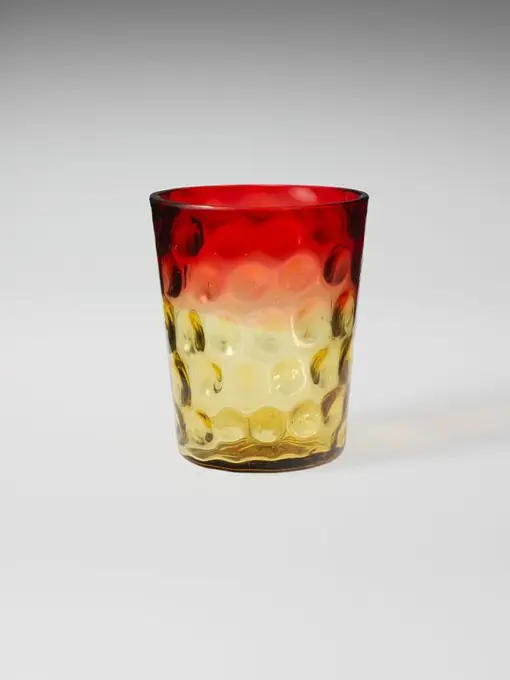
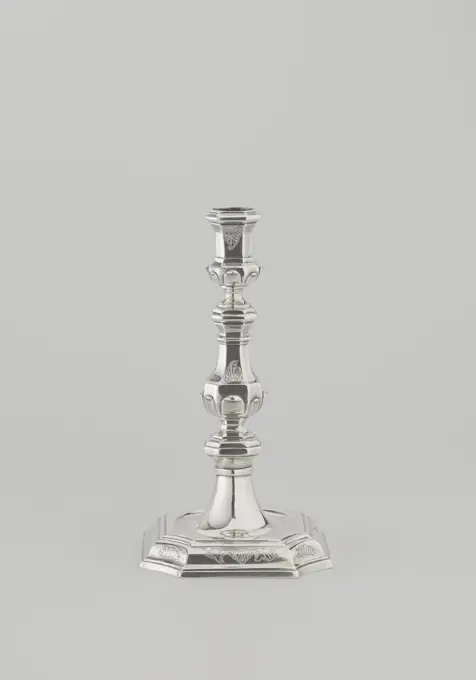
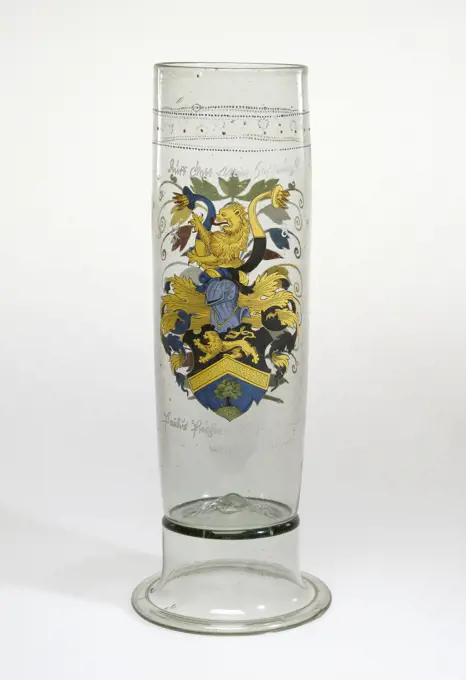
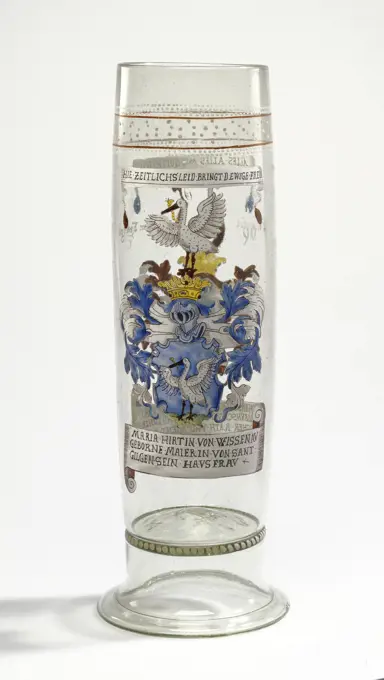
. Candlestick of silver. The foot is octagonal and in the flat top is a round floor. The baluster-shaped strain is octagonal as well as the candle holder. Foot, trunk and candle holder are engraved with rocaille motifs.Candlestick of silver with octagonal foot and octagonal baluster -shaped trunk with candle holder. Engraved with Rocaillemotives., Louis de Haan (Possible), 1752 Silver candlestick. The foot is octagonal and in the flat top is a round floor. The baluster -shaped trunk is octagonal as well as the candle holder. Foot, tribe and candle holder are engraved with rocaille motifs. Rotterdam silver (metal) Silver candlestick. The foot is octagonal and in the flat top is a round floor. The baluster -shaped trunk is octagonal as well as the candle holder. Foot, tribe and candle holder are engraved with rocaille motifs. Rotterdam silver (metal)Tazza 19th century Italian, Venice (Murano). Tazza. Italian, Venice (Murano). 19th century. Glass. GlassLiquor bottle with stopper (one of a pair). Culture: British or Irish. Dimensions: Height (with stopper): 7 3/4 in. (19.7 cm). Date: early 19th century.This liquor bottle is one of a pair with 30.120.232a, b. Museum: Metropolitan Museum of Art, New York, USA.Tumbler 1825-30 American. Tumbler 9029Tumbler. Culture: American. Dimensions: H. 3 13/16 in. (9.7 cm); Diam. 3 in. (7.6 cm). Maker: Probably Hobbs, Brockunier and Company (1863-1891). Date: after 1886. Museum: Metropolitan Museum of Art, New York, USA.Przeszo Przyszoci unknownGoblet, late 16th century, 11 3/4 × 4 15/16 × 4 15/16 in. (29.85 × 12.54 × 12.54 cm), Glass, Netherlands, 16th century, Tulip-shaped goblets came into fashion in the Netherlands without delay when these flowers were planted there systematically, and became fashionable to a degree that an investment-rally into tulips followed. The so-called Dutch 'Tulip mania' is the first recorded financial bubble documented in economic historyuntil it burst in 1637. Dutch glassblowers adapted the most sophistical and avant-garde glass techniques known from Murano, such as the white, vertical 'latticinio' threads, which together with the horizontal bulges create a sophisticated an highly abstract scheme.Service: Liqueur glass Ludwig Moser & SonsVase 1840-60 American. Vase 9521Glass; Lobmeyr, J. & L. (Vienna; 1823-); 1920-39 (1920-00-00-1939-00-00);Perfume bottle, with cut 'pointed' or 'sharp' stones, with a round stop, anonymous, c. 1400 - c. 1950 Perfume bottle, round, with cut 'pointed' or 'sharp' stones, with a round stop.  glass Perfume bottle, round, with cut 'pointed' or 'sharp' stones, with a round stop.  glassPair of candlesticks 1700-1701 Joseph Moillet French. Pair of candlesticks 198842Cup with ornament edge. Cup of clear, colorless glass. Along the mouth edge a engraved ornament edge.Beaker mid-17th century German, probably Silesia Carrousels (tilting at the ring) were much in vogue in Europe during the 17th century, especially in Italy, and were held at the courts of Kings and nobles. In France, the most celebrated was that given by Louis XIV, June 5th to 8th, 1662, at the Tuileries, from which celebration the Place du Carrousel in Paris derives its name.. Beaker. German, probably Silesia. mid-17th century. Glass. GlassGlassCandlestick 1830-55 American. Candlestick. American. 1830-55. Blown glass. Made in New Jersey, United StatesFlute. unknown, glass worksPair of beakers 1678-79 E. G., London. Pair of beakers. British, London. 1678-79. Silver. Metalwork-SilverCream pitcher 1815-35 Attributed to New England Glass Company Glass, elaborately cut or engraved in a variety of patterns based on English Regency styles, was in vogue for fine tableware during the early nineteenth century. This elegant cream pitcher and its related sugar bowl reveal a sophisticated alternative to cutting: the manipulation of the clear, colorless glass in its molten state. The vessels combine multiple decorative techniques characteristic of three New England factories that were producing stylish wares during the 1820s and 1830s. The predominant feature is the tooled horizontal ribbing on a second gather, or applied layer, of glass, which was drawn upward into the ribs with a sharp tool to create a swag pattern. This striking ornamentation is repeated on the domed cover of the sugar bowl and again on the cover's finial. The bold, classic footed shapes and the rounded hollow stems are hallmarks of all three Massachusetts firms. Although lacking the refractive qualities oTumbler 18th century. Tumbler. 18th century. Non-lead glass with enamel decoration. Made in Bohemia, Czech RepublicTumbler. Culture: American. Dimensions: H. 2 3/4 in. (7 cm); Diam. 2 1/8 in. (5.4 cm). Maker: Probably Hobbs, Brockunier and Company (1863-1891). Date: ca. 1885-87. Museum: Metropolitan Museum of Art, New York, USA.Transparent glass sauce boat on a black backgroundPitcher 1840-50 American. Pitcher. American. 1840-50. Blown lead glass. Made in United StatesVase with vertical ribs. Plowed soil, vertically ribbed foot, overtorning in a vertical ribbed, cylindrical body, finished in a wide, flat, ribbed edge.Scribe vial with screw cap. Front frame with multicolored email. Decorated with tendrils, connected by a crown. The bottom of the bottom of the godrews .. vial of rock crystal with screw cap. Front frame with multicolored email. Decorated with tendrils, connected by a crown. Godrewers placed at the bottom.A carafe with a glass Kosiak Ski, Jan, Calculating of the Gutzpiece HutaCup with the Raising ofLazarusBeaker.   Maker: Asa Blanchard, American, ca. 1787-1838. The oval candlesticks with loose fat catchers rest on a foot, which is made up of two vaulted portions above a stage-stood basis. The borrowing tribe is crowned by a neck, consisting of a conical lower part and a vaulted, rejuvenating upper part. In the vase-shaped candle holder, the scale-shaped fat catcher closes. The upper part of the foot, the shaft and candle holder have been channeled. Under along the two parts of the foot, along the bottom of the trunk, along the neck above the strain, along the top side of the candle holder and along the outer edge of the fat catcher are arranged. The weapon Clifford is engraved at the foot of both.Tumbler 1770-1800 British, possibly. Tumbler. British, possibly. 1770-1800. Cut blown glass. Possibly made in EnglandCup; Weissbach (Huta Szk A; 1617-1754), Weiberge (Huta Szk 1720-1740 (1720-00-00-1740-00-00);Wine decanter. Jasień (huta szkła ; 1823-1920), glass worksSports Cup isolated on a white background. Candlestick of silver. The foot is octagonal and in the flat top is a round floor. The baluster-shaped strain is octagonal as well as the candle holder. Foot, trunk and candle holder are engraved with rocaille motifs.Glass; Lobmeyr, J. & L. (Vienna; 1823-); 1920-39 (1920-00-00-1939-00-00);Reichsadlerhumpen, anonymous, 1586 Light soil inserted. Smooth, set stand ring. On the cylinder -shaped, at the top slightly administering body the black, double -headed government with yellow crown and nimbus. For the chest a crucifix with a wide -leaving lumbar cloth. On the wings at the top, in horizontal row, the weapons of the Electoral Cumbers: to Christ's right hand the spiritual, Trier, Coln (Cologne) and Mentz (Mainz), because of the symmetry supplemented with the arms of Rome; On his left hand the secular, houses (bohemia), Pfaltz, Sachsen and Brandenburg. Below that, in two times six vertical rows, each with a banderole with explanatory inscription, the shields of the Quaterniones Imperii - read from left to right, so starting at the rear - the Bauern, represented by Coln, Regensburg, Cosenitz (Konstanz) , and Salzburg; then Augsburg, Metz, Ach (Aachen), and Lubeck for the Stett, the cities; Lundburg (Limburg), Westerburg, Thussis and Alwalden for the SemperFreien, De FreiheWineglass early 17th century Façon de Venise, probably northern European (Lowlands or France). Wineglass 460758Maker: George Ridout, w. c. 1751, Twocandlesticks, ca.1745-55, Silver, 6 5/8 in. (16.8 cm), Made in New York, New York, American, 18thcentury, LightingDevicesLiqueur glasses (part of a set) possibly French, Paris late 19th centuryTwo drinking glasses against white backgroundVasesCasters And Lids (England), 1717Candlestick of silver with octagonal foot and octagonal baluster -shaped trunk with candle holder. Engraved with Rocaillemotives., Jacobus Johannes Dreux (Possibly), 1752 Silver candlestick. The foot is octagonal and in the flat top is a round floor. The baluster -shaped trunk is octagonal as well as the candle holder. Foot, tribe and candle holder are engraved with rocaille motifs. Rotterdam silver (metal) Silver candlestick. The foot is octagonal and in the flat top is a round floor. The baluster -shaped trunk is octagonal as well as the candle holder. Foot, tribe and candle holder are engraved with rocaille motifs. Rotterdam silver (metal)Beaker with the Arms of Puchner (Stangenglas); Erzgebirge (possibly), Saxony, Germany; 1587; Free-blown colorless (pale green) glass with gold leaf and enamel decoration; 31.3 cm (12 5,16 in.)Beaker 1725-1735 Bohemia. Glass .Glass; Lobmeyr, J. & L. (Vienna; 1823-); 1920-39 (1920-00-00-1939-00-00);Glass;  19th/20th century (1890-00-00-1910-00-00);Wineglasses On Glass Background Wineglasses with painting on a glass studio background Copyright: xZoonar.com/AndreyxSkatx 9811563Beaker with Arms of Hirt and Maier; The Böhmerwald, Germany; 1590; Free-blown colorless (slightly greenish-purple) glass with gold leaf and enamel decoration; 29.4 x 10.5 cm (11 9,16 x 4 1,8 in.)Lamp. Culture: American. Dimensions: H. 39 1/2 in. (100.3 cm). Date: 1843-55. Museum: Metropolitan Museum of Art, New York, USA.Beaker with the Arms of Hirt and Maier (Stangenglas). UnknownLamp 1843-55 American. Lamp 5427Hunt Scene Beaker (Jagdhumpen). Bohemia (now Czech Republic), 1599. Furnishings; Serviceware. Glass, enamel, giltCover of Bokaal, C.H.F. Müller, c. 1865 - c. 1870 Bol lid, the button built as the middle part of the trunk and crowned by a blue bird. Hamburg glass glassblowing Bol lid, the button built as the middle part of the trunk and crowned by a blue bird. Hamburg glass glassblowingMemorial cup of the 80th anniversary of the Geneva Association of NCO and soldiers, 1858  1938