Antique Equestrian Tools

Historical equestrian equipment including spurs and brushes with detailed craftsmanship, representing various cultural techniques and materials.
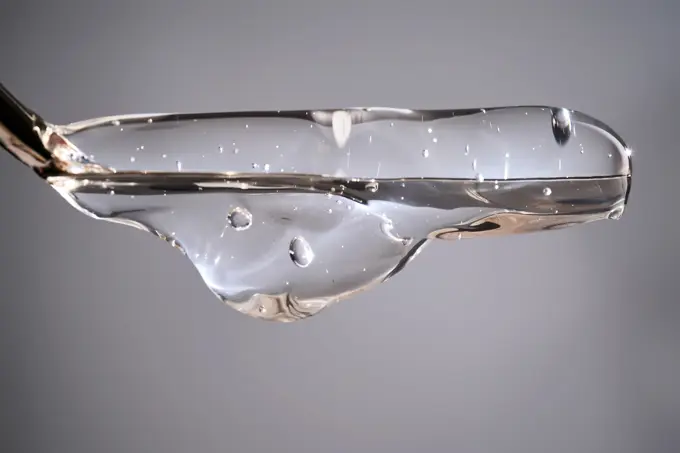
Texture of the hair gel or hyaluronic gel for the face. High quality photo.
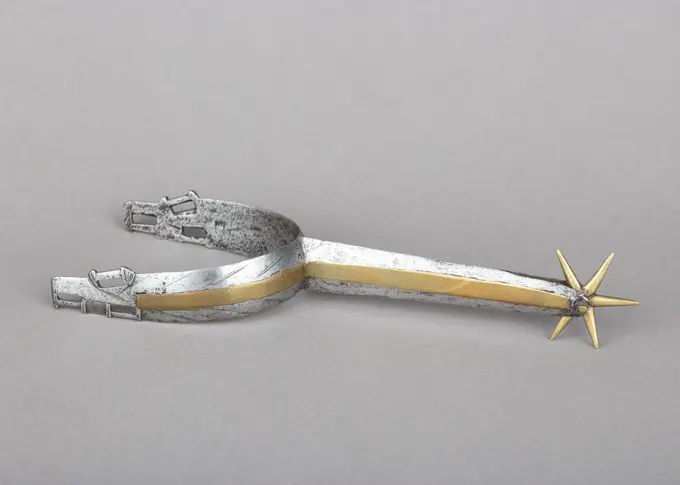
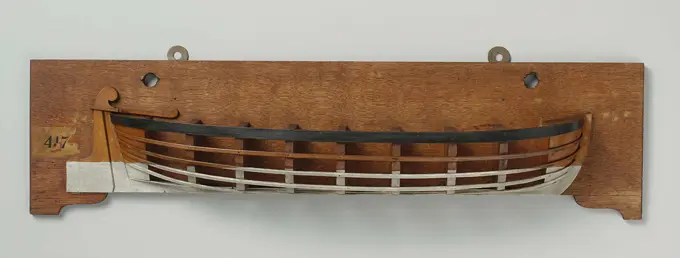
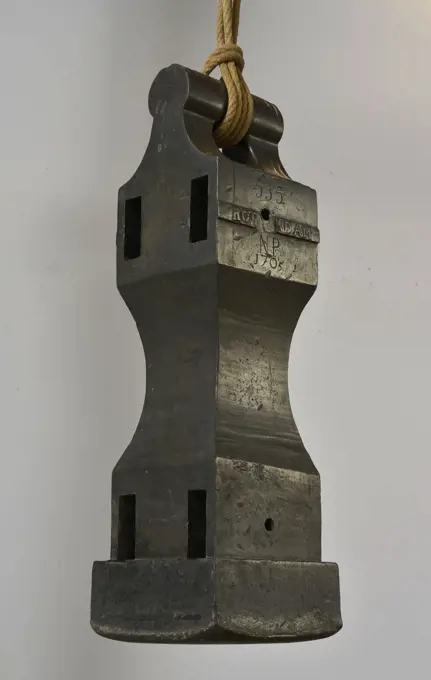
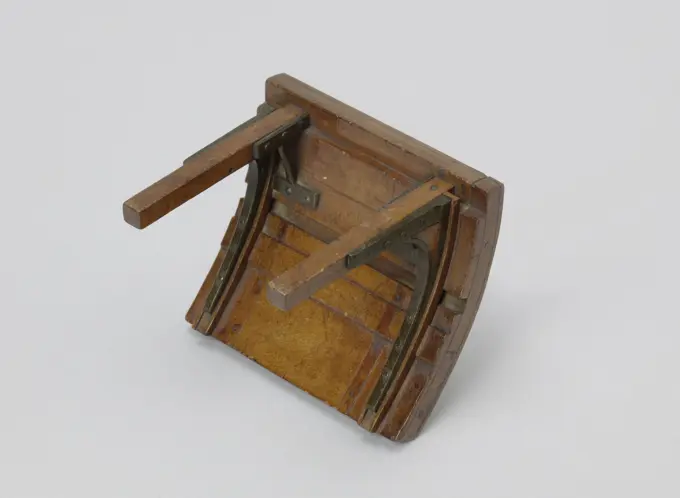
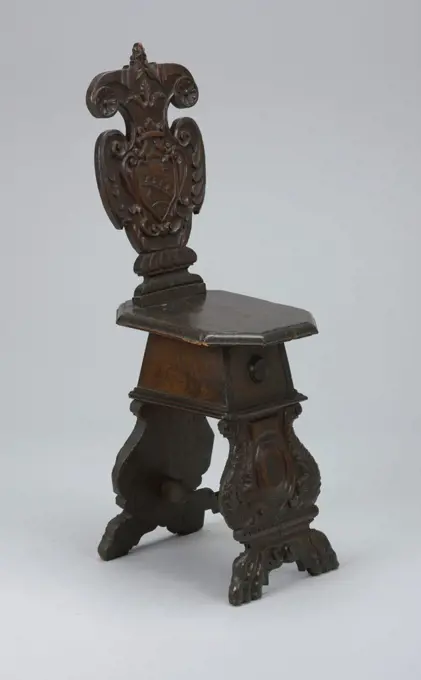
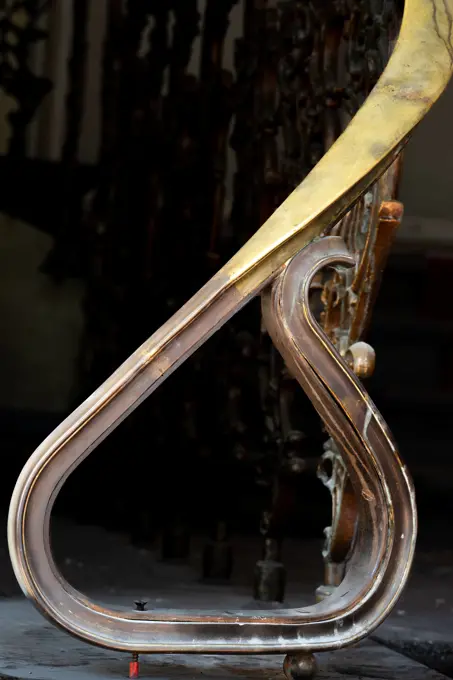
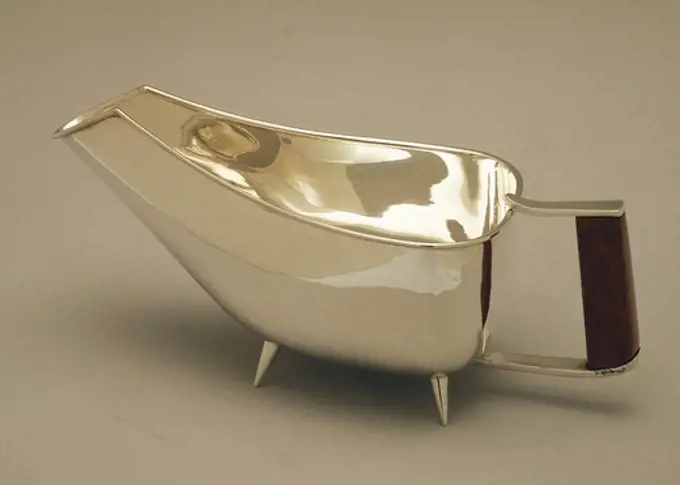
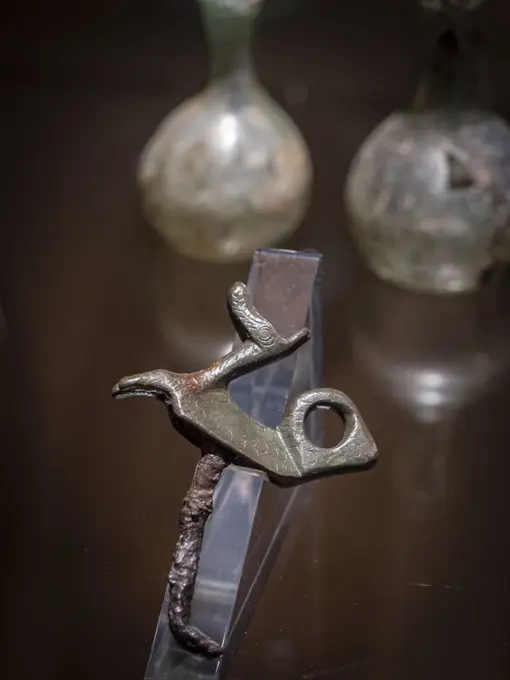
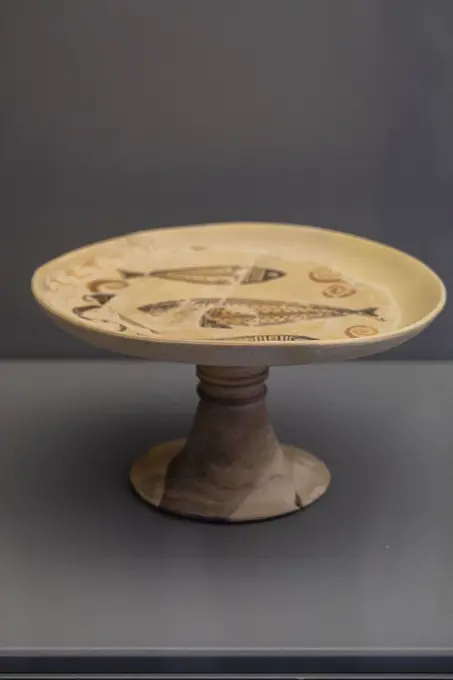
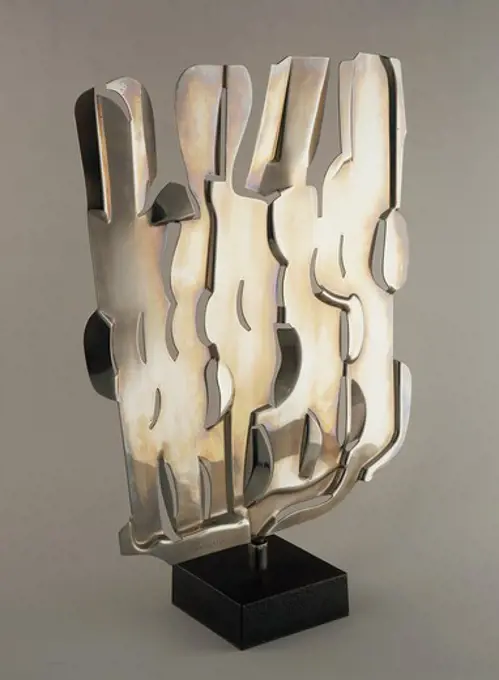
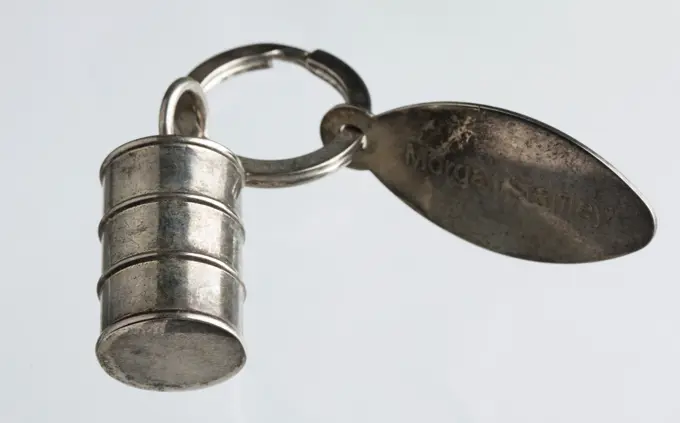
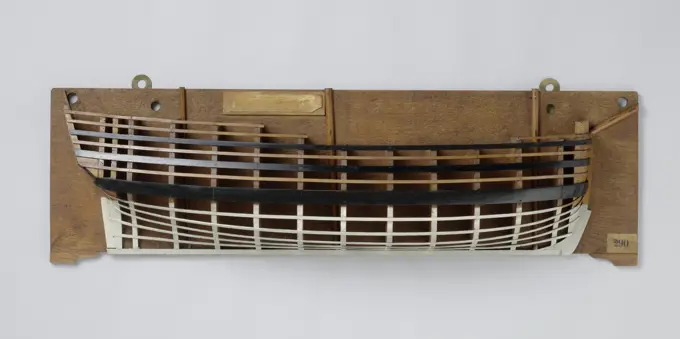
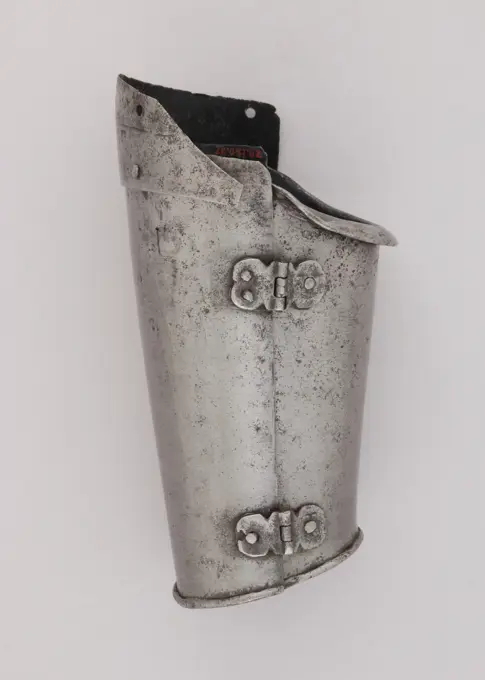
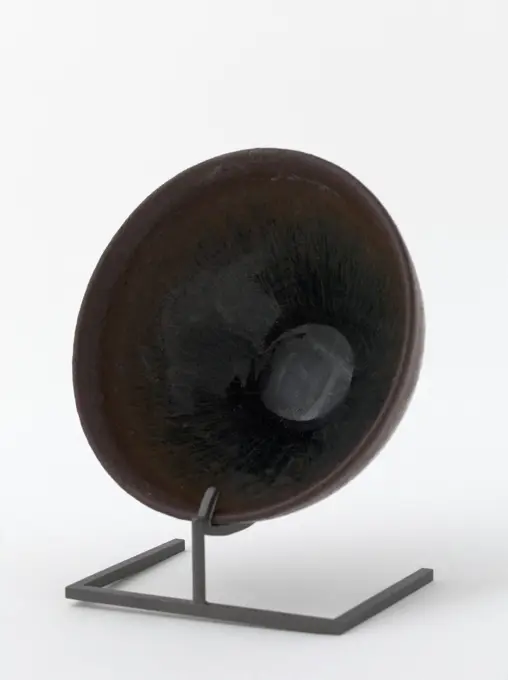
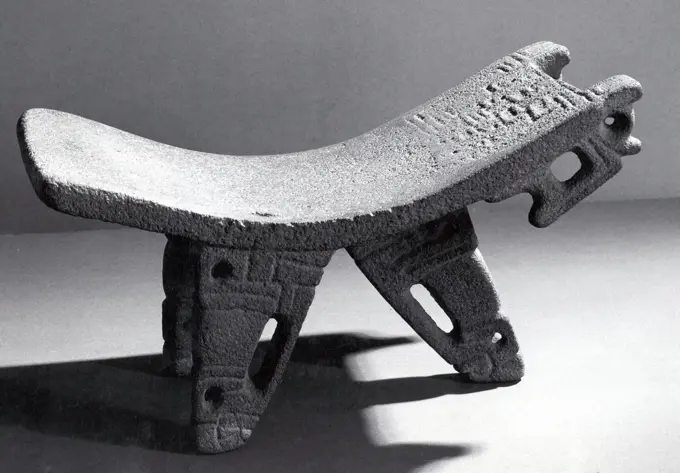
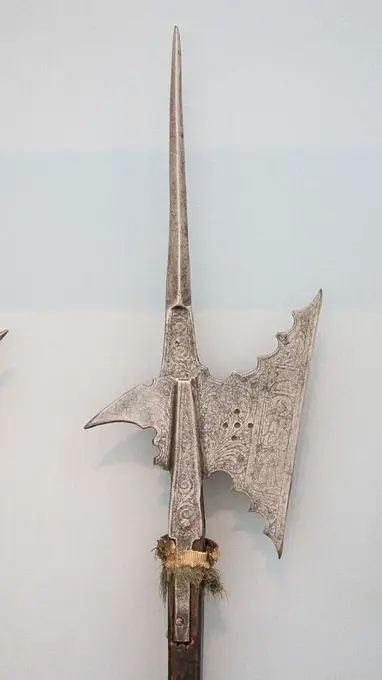
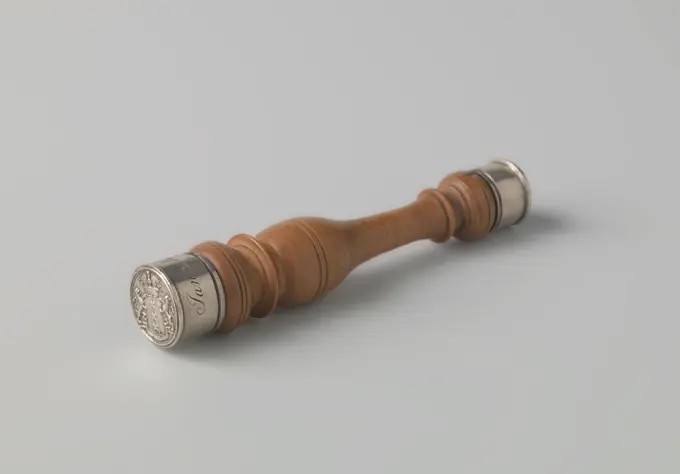
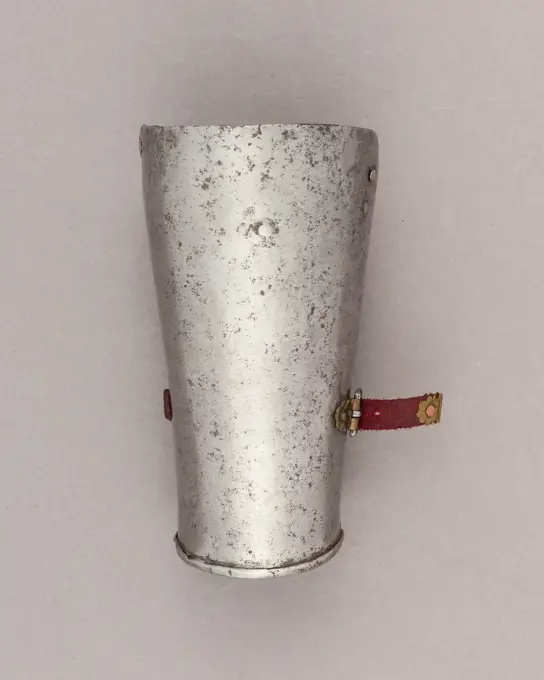
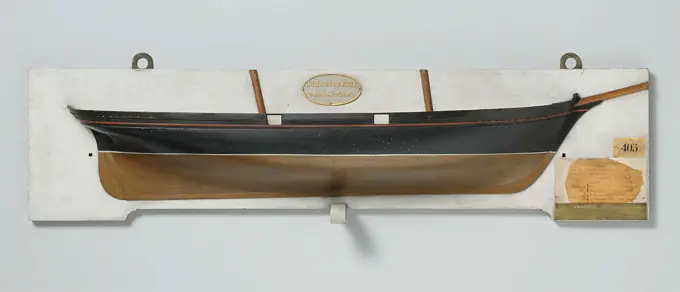
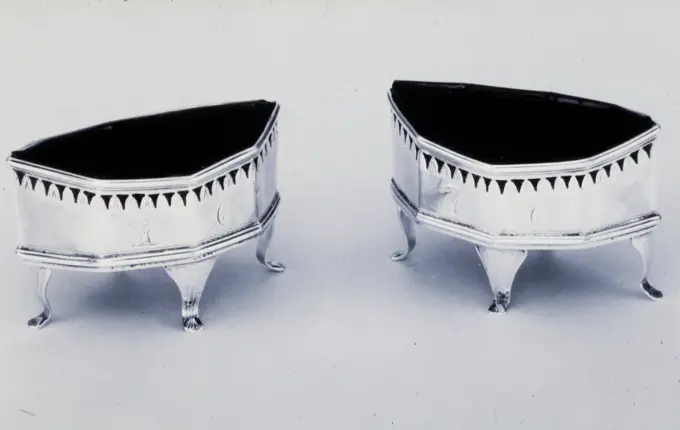
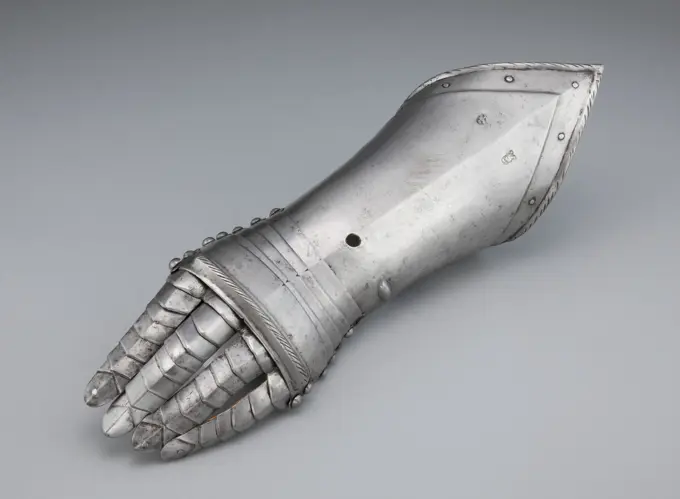
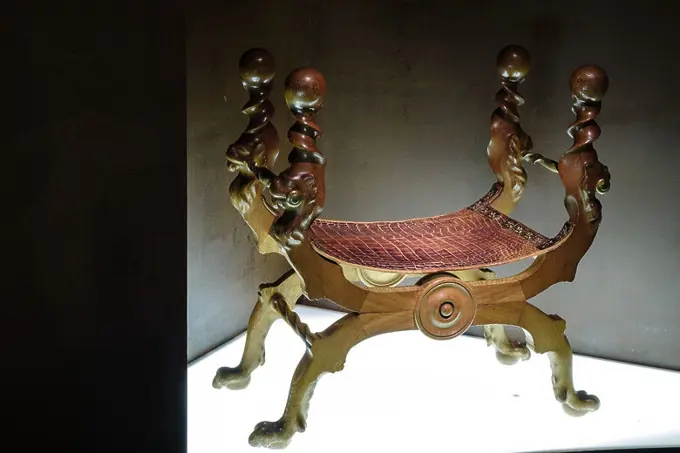
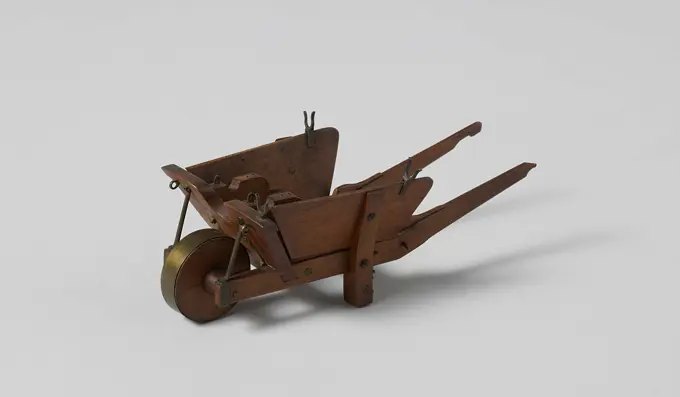
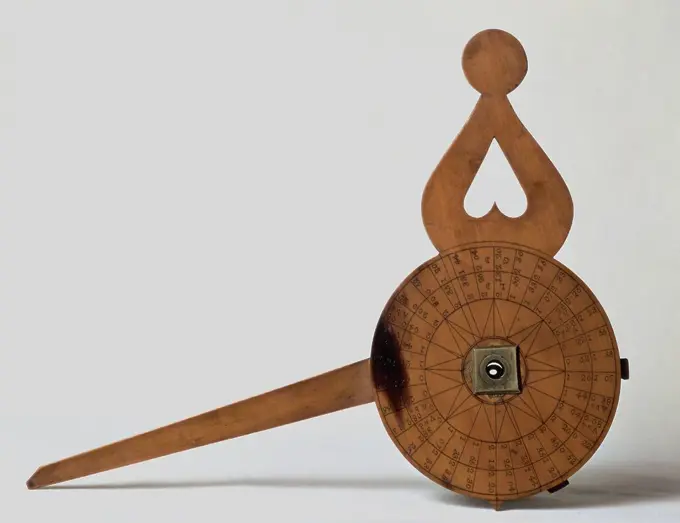
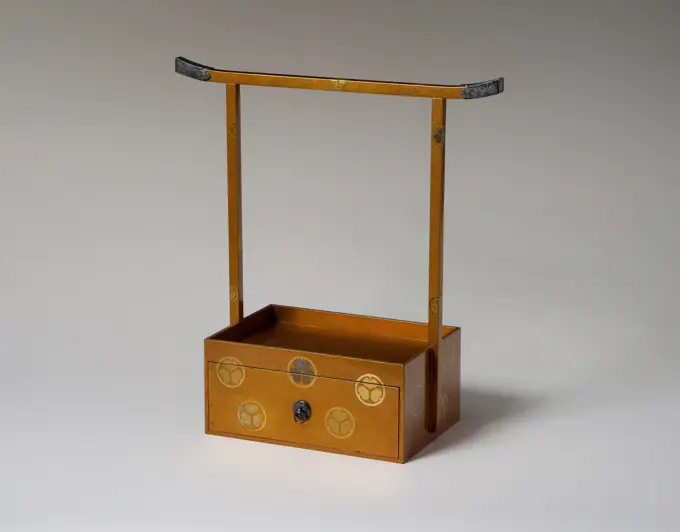
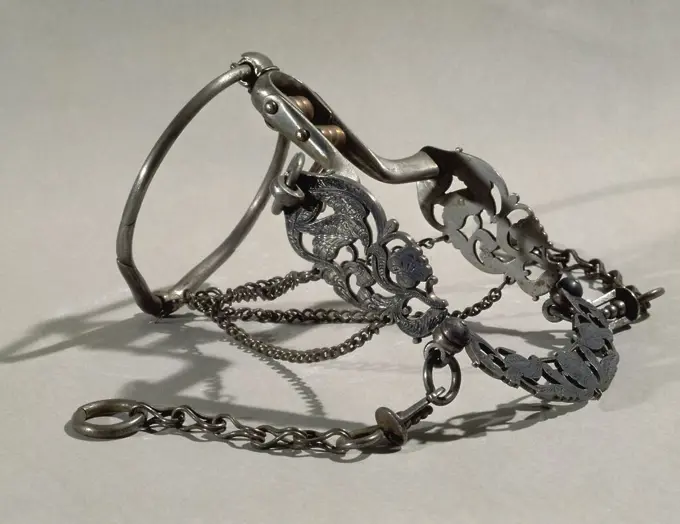
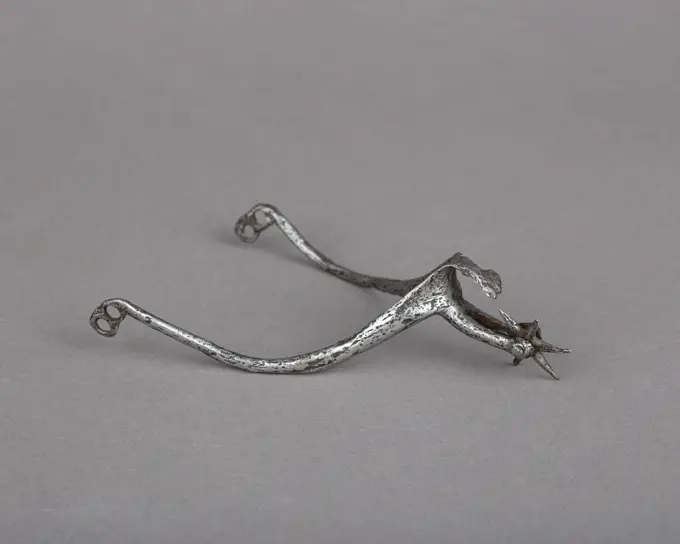
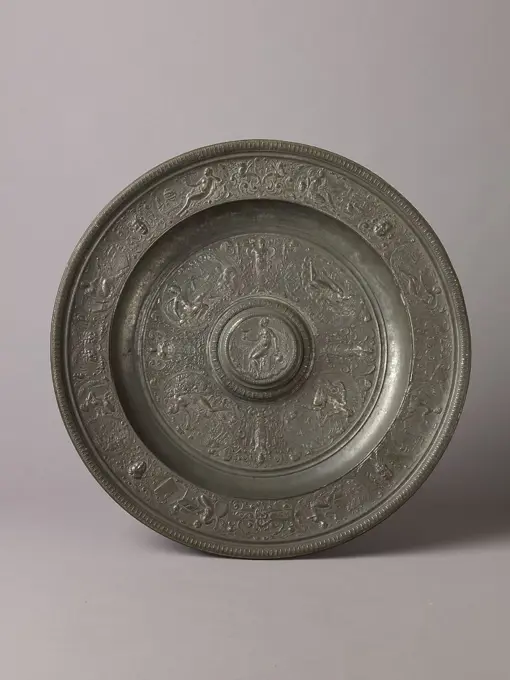
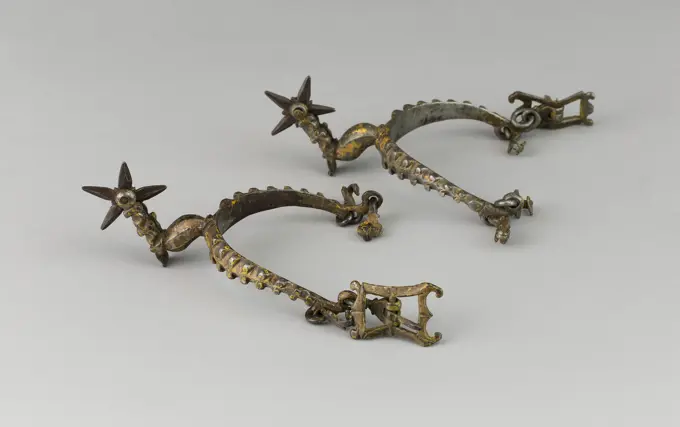
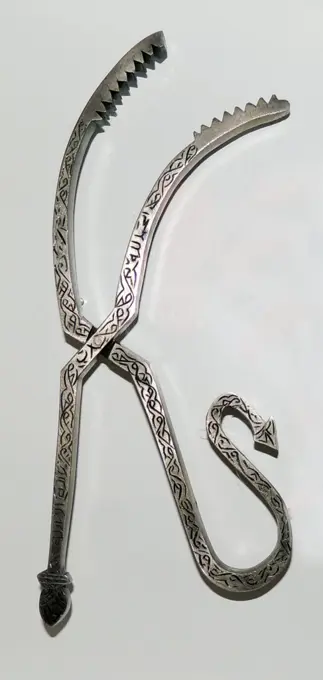
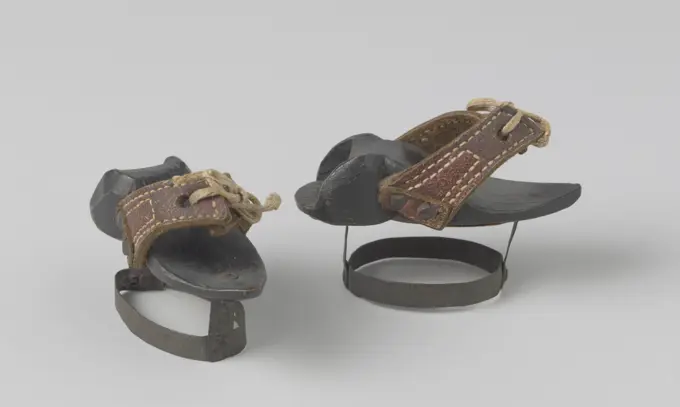
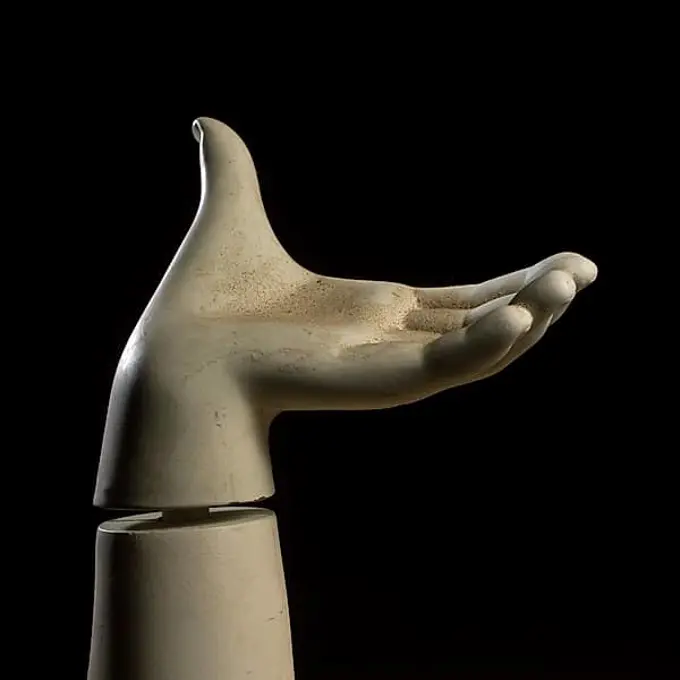
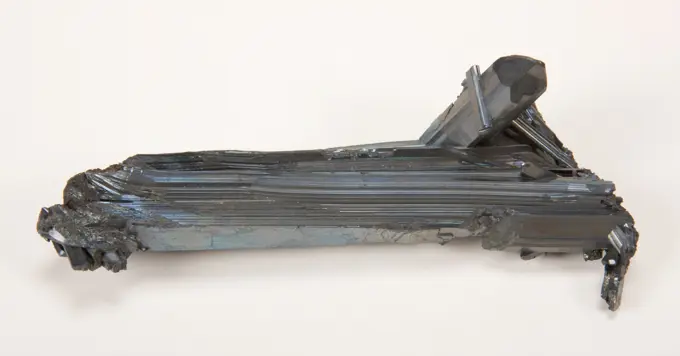
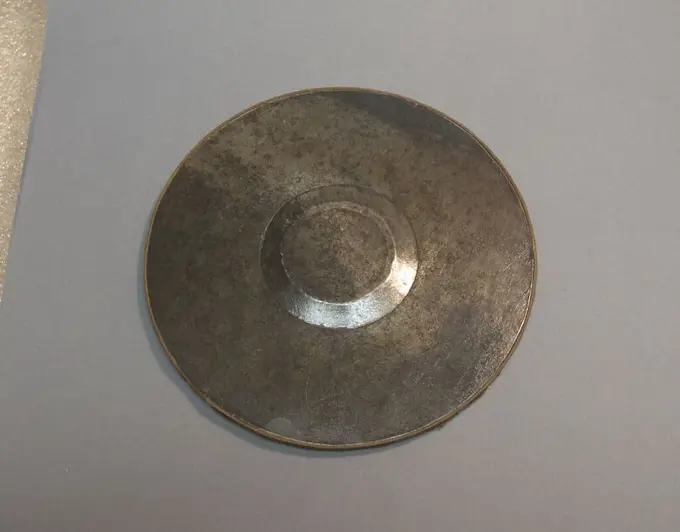
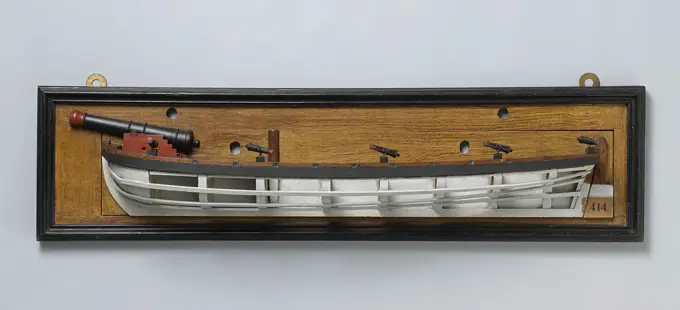
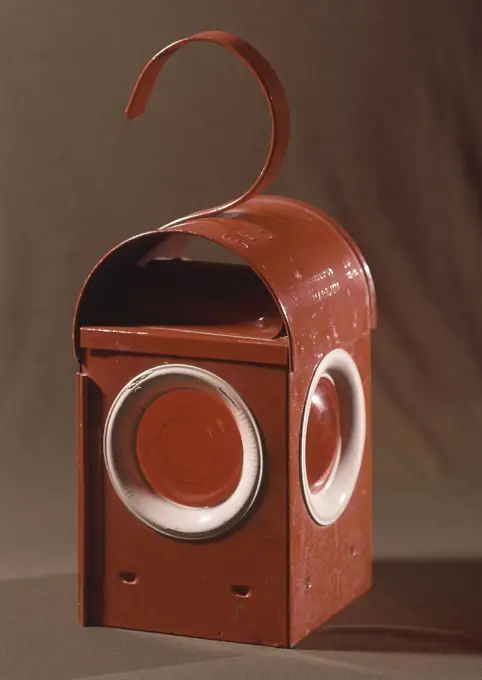
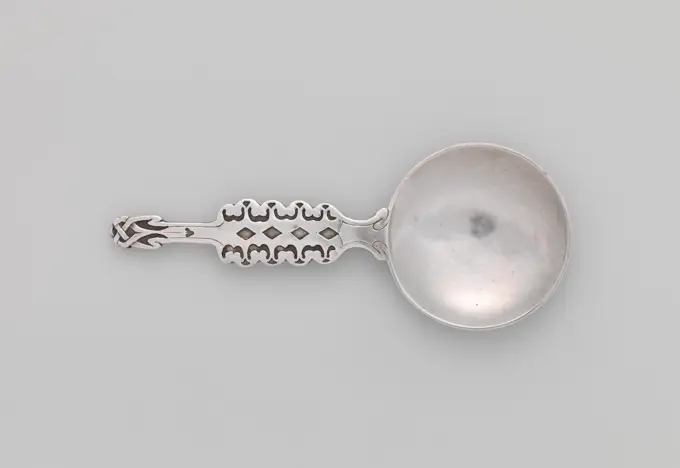
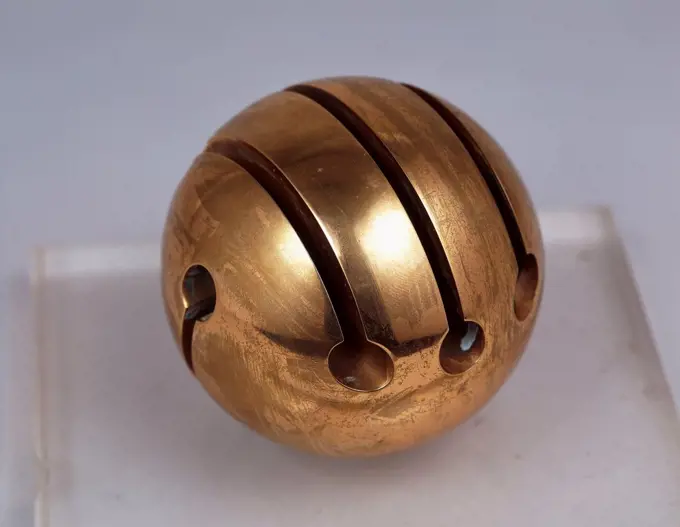
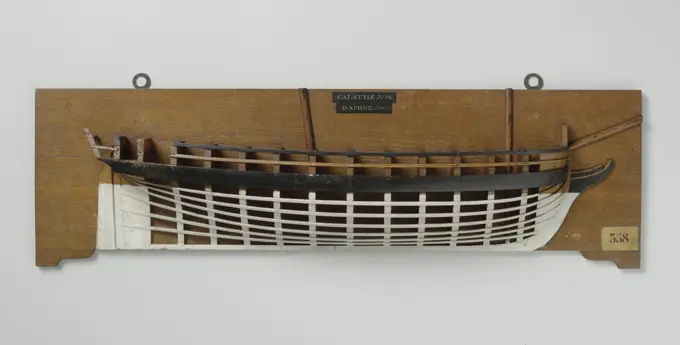
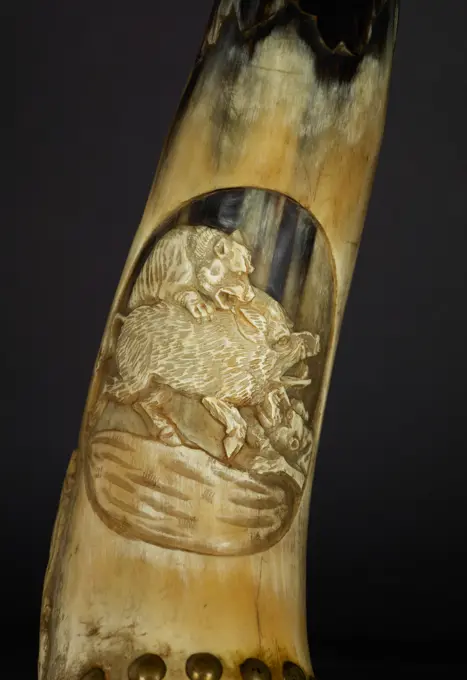
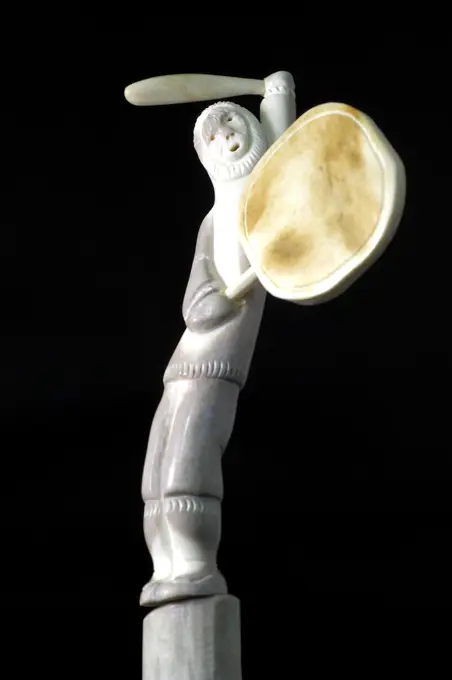
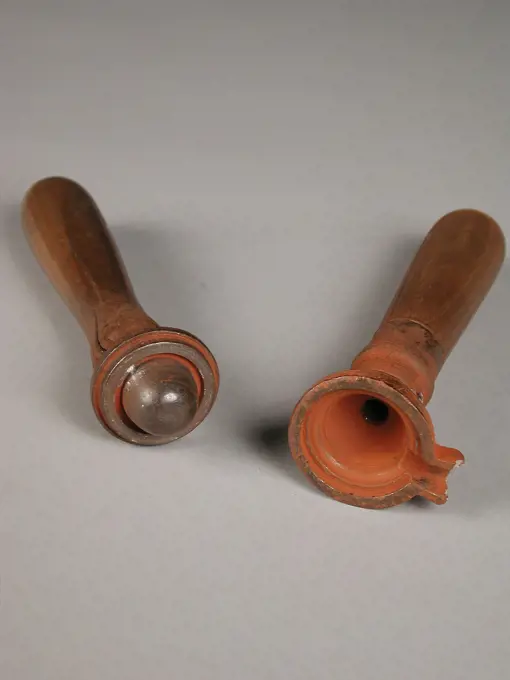
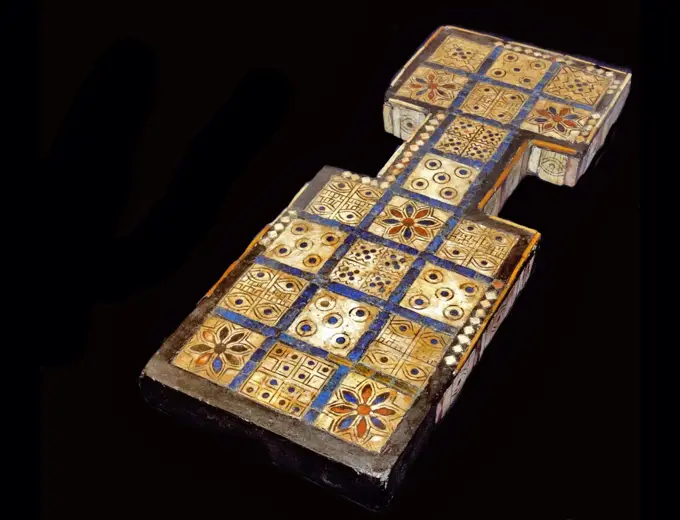
Sword (Kris), 1800s. Java. Iron with wooden handle; overall: 38.8 cm (15 1/4 in.); blade: 31.2 cm (12 5/16 in.).Inscription at the palm lines;  19th century () (1801-00-00-1900-00-00);Inscriptions, Sinhalean alphabet, Buddhist and Indian artBrush, Anonymous, c. 1700 - c. 1725 Rectangular brush with a long twisted handle. The stem has a profiled end with a ring. The brush is not marked. Netherlands silver (metal). Rectangular brush with a long twisted handle. The stem has a profiled end with a ring. The brush is not marked. Netherlands silver (metal).Pair of Prick Spurs 1700-1900 Algeria. Gilded iron or steel .Rowel Spur (Left) early 16th century German Around 1400, the length of the rowel spurs necks started to increase in western Europe, some examples extending even as long as the riders foot in the 15th century. At this period, the elevated war saddles and the very specific riding style, with long stirrup leathers and legs extended forward, had the consequence of taking away the riders feet from the horses flank. Thus, these long necks gave them easier access without having to disturb the riders position too much. As the riding position changed at war in the first decades of the 16th century, such long necks were not needed anymore. However, they were kept in use for jousting, for which the medieval riding style survived a bit longer.. Rowel Spur (Left). German. early 16th century. Iron, copper alloy. Equestrian Equipment-SpursHalf Model of a Gunboat.Polychromed mold model (starboard) of a flat bottom. Peak stern, broad stir with helm stick over deck. The seam is almost flat, one bark wood. This gaffan panel boat had one piece.Pipe bowlMirrors, anonymous, c. 1300 - c. 1400 Round mirror. East Java bronze (metal) Round mirror. East Java bronze (metal)Buttermilk; unpredictable Lona Manufaktura; 18th century (1701-00-00-1800-00-00);Texture of the hair gel or hyaluronic gel for the face. High quality photo.Quirijn de Visser Willemszoon (1675 - 1732), One-piece high pile hammer, with QUIRIN FISHER, hammer hammer hammer tool equipment bronze, solid pile part at the bottom of the pile block (cut square) 30,5 420 kg poured One-piece cast high pile driver At the top horizontal round bar shape. From bar hollow widening to block-shaped part. Under the block-shaped part on the four sides uniformly extending recesses ending in likewise block-shaped part. At the bottom of the whole, massive heigade part widened. In the hollow widening that is below the horizontal bar shape, there is large oval hole. In each of the two block-shaped parts two parallel rectangular holes Casted on the upper block-shaped part: QUIRIN VISSER metal casting construction bricklayer mason pile driving pile casting RotterdamPart, consisting of a three-pass with an animal head on it. The object consists of a three-neck-made plate with three holes, on which a protrusion is soldered, which ends in an animal head in which a hole is around.Ladle.   Maker: Daniel Van Voorhis, American, 1751-1824Two-part FlaskMold.  Manufacturer: Clevenger Brothers Glass Works, American, 1930-1999Box (USA); wood,sealing waxModel of Two Iron Hanging Knees, anonymous, c. 1700 - c. 1800 demonstration model Model of a part of the ship's skin with Wegering and two deck beams of a lower deck. Composite metal knees support the beams; They consist of two parts that clamp the deck beam between it. The knees are each other's mirror image. France (possibly) wood (plant material). brass (alloy)Sgabello, Carved walnut wood, Shaped back bears carved decoration of paired rosettes and scrolled leaves centering a heraldic ornament in scrolled and foliated cartouche. Moulded octagonal seat on panelled spreading box frame. Front and rear leg panels joined by single stretcher. The front panel bears a pair of confronted dolphins, flanking a cabochon., Italy, 16th century, furniture, Decorative Arts, Side chair, Side chairScottish Poet Robert Burns Matchsafe; metal; 5.7 x 4 x 1.2 cm (2 1/4 x 1 9/16 x 1/2 in. )Treppenhaus in der Kulturhalle Walhalla, Wiesbaden Treppenhaus in der Kulturhalle Walhalla, Wiesbaden ,property released Copyright: xZoonar.com/cezanne-fotografiex 21596220 ,model released, Symbolfoto ,property releasedSilversmith's Art, Italy 20th century. Silver tea-service designed by Gio Ponti (1891-1979) for Calderoni Gioielli in 1956 and made by Piero De Vecchi.chariot ornament in the shape of a hippocampus, bronze, cremation necropolis of the Iturisa mansion, Espinal, Navarra,Spain.copa de lospeces, siglo I a.C. Procedente de Numancia, museo Numantino de Soria, Soria, Comunidad Autónoma de Castilla, Spain, Europe.Pipe Bowl and Stem 1840-50 Eastern Plains or Ojibwa. Pipe Bowl and Stem 319109Silversmith's Art, Italy 20th century. Silver revolving tray. Designer Pietro Consagra. Alessi manufacturing.Saucer Korea. Saucer 57430Saucer, 1700 - 1800  Dish of fire gilt Suassa, with scalloped accolade edge and a raised ring in the middle, in which a cup fits. The edge has a smooth surface without carpet decorations. On the top of scalloped accolade edge six cartouches (medallions) with images in relief extended from branches with flowers and birds. Three elongated and three small diamond -shaped sculpted cartouches. On the bottom within the inner edge, around the inner ring, image out of gilded relief of trees, branches with flowers, birds, two pagodas, two vanes or flags. In the middle a raised ring (with weld seam) around which a narrow strap with a carved pattern of petals in black lacquer; Within the ring a frightened image of an opened flower. At the bottom is smooth, gilded. Tonkin . casting  Vietnam. CantonBank key keychain: Morgan Stanley. unknownHalf Model of a 36-Gun Frigate, anonymous, c. 1750 - c. 1800 ship model. half model. builder's model Polychromed mold model (starboard) of a three -mast. No guns or decks indicated, only the half cover and the container by means of Gillingen. Wandering mirror, hollow wulf; Hek, side gallery and rudder not indicated. Seeping a little rising at both ends, two mountain wood and one reehout. Peaked around. Scale 1:48 (scale on model). Netherlands wood (plant material)Forearm Defense (Vambrace) ca. 1450-70 Italian This is part of a large find of medieval armor discovered in 1840 in the ruins of the fortress of Chalcis, on the Greek island of Euboea (then a Venetian colony called Negroponte). The fortress had been captured and destroyed by the Turks in 1470. Now divided largely between the Ethnological Museum, Athens, and The Metropolitan Museum of Art, the Chalcis hoard contains many rare and unusual elements of fourteenth- and fifteenth-century armor. Of particular importance are the variety of headpieces and the many fragments of brigandines (armor for the torso constructed of small plates riveted to layers of fabric), some of which retain portions of their original velvet covering. The Chalcis armor provides a unique picture of the armament used in the Aegean, one of the easternmost military outposts of the Venetian empire.. Forearm Defense (Vambrace) 23113Tea bowl. Terracotta with black covered. China, Song Dynasty. Paris, Cernuschi museum. 72687-16 Asian art, Bol A The, Ancient Ceramic, Covered, Song Dynasty, Email, glacide, Chinese object, Chinese pottery, Terracotta, Xeme X 10th 10th 10th century, Xieme Xie 11th 11th 11th 11th century XII 12th 12th 12 CENTURYCeremonial Metate 4th-8th century Guanacaste-Nicoya. Ceremonial Metate 312692Key lock. Slot of tinned iron, so-called insert with two shots. A clover-shaped lock case. The lock plate is engraved with braided tubs, the tendrils end in faces in it.Halberd. Culture: Italian. Dimensions: L. 92 3/4 in. (235.6 cm); L. of head 21 5/8 in. (54.9 cm). Date: 1500-1525. Museum: Metropolitan Museum of Art, New York, USA.Broker of Jan Mooij, Bernardus Leeking (attributed to), c. 1737  Black Buxushouten Profiled Makelaarsstokje with a silver cachet on both sides, on the thick side with the crowned Amsterdam weapon worn by two lions, on the other side the letters MKLRSG surrounded by a pearl edge. Marked: on the edge of the large cachet: Kroon above "B". On the edge of the small cachet: ditto. Inscription: On the edge of the big cachet: Jan Mooij. Dated: on the edge of the big cachet: AO. 1737. Netherlands boxwood (hardwood). silver (metal) engraving / striking (metalworking)  AmsterdamEpergne 1805-1825 Paris. Gilded bronze and glass . Jean Baptiste Claude OdiotComposite Armor ca. 1485 and later Italian and German This is part of a large find of medieval armor discovered in 1840 in the ruins of the fortress of Chalcis, on the Greek island of Euboea (then a Venetian colony called Negroponte). The fortress had been captured and destroyed by the Turks in 1470. Now divided largely between the Ethnological Museum, Athens, and The Metropolitan Museum of Art, the Chalcis hoard contains many rare and unusual elements of fourteenth- and fifteenth-century armor. Of particular importance are the variety of headpieces and the many fragments of brigandines (armor for the torso constructed of small plates riveted to layers of fabric), some of which retain portions of their original velvet covering. The Chalcis armor provides a unique picture of the armament used in the Aegean, one of the easternmost military outposts of the Venetian empire.. Composite Armor. Italian and German. ca. 1485 and later. Steel, leather, brass. Armor for ManHalf Model of a 4-Gun Schooner-Brig.Polychromed blanket mold model (starboard) of a tweemaster. The deck is closed and surrounded by a railing with two gunpoids; The appearance with valpoids can be lowered on the front and rear deck. Sharp steep. Elliptical fence, surrounded by continuous railing, no side gallery, strongly falling stern; Stir with round roaring (Soetermeer's version) and rounded stir sheet. Saints almost flat with emerging bow, one recessed bark wood. Peaked round trip, sharp underwater ship. Both masts slope back. Scale 1:40 (Scale by model).Salt cellar, one of a pair, c. 1790, 2 1/4 x 3 3/4 in. (5.72 x 9.53 cm), Silver and blue glass, Scotland, 18th centuryStirrup. Culture: German. Dimensions: H. 9 1/2 in. (24.1 cm); W. 5 3/4 in. (14.6 cm); D. 4 1/4 in. (10.8 cm); Wt. 1 lb. 9.3 oz. (717.2 g). Date: ca. 1700.Each branch of this stirrup is pierced with vegetal and geometrical designs, as well as with an imperial double-headed eagle. This kind of pierced decoration is typical of the equestrian material produced in eastern German regions in the 16th and 17th centuries. The swivel suspension eye allowed the stirrup leather to stay flat against the horse's flank when the stirrup is in use, but it is more fragile than regular non-rotating systems. Museum: Metropolitan Museum of Art, New York, USA.Stirrup. Culture: West Slavic. Dimensions: H. 4 1/8 in. (10.5 cm); W. 4 3/4 in. (12.1 cm); D. 1 1/4 in. (3.2 cm); Wt. 4.6 oz. (130.4 g). Date: 10th-11th century.This simple stirrup of Slavic type is said to have been found on the site of Dolkheim, today in Northern Poland.Horses had great importance in Slavic society, in both its social and religious aspects. Equestrian equipment, like stirrups, spurs and bits, are regularly found in their burials, even after their Christianization, among the goods warriors wanted to bring with them to the afterlife. The elite would sometimes even be accompanied by sacrificed horses, a meaningful practice at that time, considering the high economic value of horses. Museum: Metropolitan Museum of Art, New York, USA.Fingered Gauntlet for the Left Hand Made 1565-1610 Nuremberg. Steel and leather .Museo diocesano de Mallorca, Palma,Mallorca, balearic islands, Spain.Half Model of a Paddle Steamer, anonymous, c. 1873 ship model. half model. builder's model Polychromed stacking model (starboard) of a one -mast paddle steam ship. Straight vertical pre -stem. Elliptical fence with rudder with round stirring king (American rudder) and rounded leaf. One closed wheel cabinet supported by rader beams in the side, a chimney on deck. De Zeeg runs a little to both ends; The underwater ship is a round truss with flat soil. The model only has a single breeding mast. On the back of the model forecast and water lines and notes for the yard. Scale 1:20 (scale on model). Surabaya (possibly) wood (plant material)Model of a Wheelbarrow gun Carriage. Model of a wheelbarrow with a wheel, incomplete. In the bin his cheeks of an oxygen are applied, a recess for a cannon in the advance. There are aim for loading floors on the sides. The wheel is covered with buyer. The legs of the wheelbarrow have a downward pen on the underside, which serves as a brake for reclus.Nocturnal (instrument) of 1650. Location: MUSEO NAVAL / MINISTERIO DE MARINA. MADRID. SPAIN.Oil can on woodIjsslede, Willem van Strant, 1736 There is a horse on an elongated plate. The horse continues a sled. The guidelines are attached to a beam with a towbar, where the sled can be hooked. The sledge has high sides with bars and is on semicircular irons. The image is marked: stk. = Amsterdam, Jrl. = 1736, Mt. = Willem van Strant. Amsterdam silver (metal) There is a horse on an elongated plate. The horse continues a sled. The guidelines are attached to a beam with a towbar, where the sled can be hooked. The sledge has high sides with bars and is on semicircular irons. The image is marked: stk. = Amsterdam, Jrl. = 1736, Mt. = Willem van Strant. Amsterdam silver (metal). Oval cooler of silver on four curved legs. The vessel consists of a convex belly, a smooth wall and a vaulted widening upper part. On the top edge two slanting ears. Weapons are engraved on the front and rear.Towel rack and cosmetic case, 18th century, Unknown Japanese, 17 1/2 × 16 3/8 × 7 in. (44.45 × 41.59 × 17.78 cm), Lacquer with sprinkled gold, Japan, 18th centuryPillow to needle;  end. XVIII century (1790-00-00-1800-00-00);BOCADO PARA CABALLO-PROC MARRUECOS-S XIX-ARABE. Location: ALCAZAR / MUSEO DEL EJERCITO-COLECCIÓN. Toledo. SPAIN.Element of Wig Decoration , 1980-1801 BC. Egypt, Middle Kingdom, Dynasty 12. Silver; overall: 2.5 cm (1 in.).Rowel Spur ca. 1400 German The first rowel spurs, which featured a revolving disc or star at the end of the neck, appeared in Western Europe around the mid-13th century. They cohabitated with the earlier form, the prick spur, for about a century, before replacing it almost completely in Europe by the mid-14th century. The advantage of the rowel spur over the prick was it allowed the rider to reach the flanks of its horse with one of the points whatever the angle of its foot, which was very convenient regarding the riding position of the time, with long stirrups-leathers and extended legs. The fact that the rowel rolled against the horse instead of hitting it directly reduced also the probability of injuring it too seriously.. Rowel Spur. German. ca. 1400. Iron alloy. Equestrian Equipment-SpursBasin (so-called Temperance Dish). Artist: François Briot (French (1550-1615 or later)). Dimensions: D. 45 cm. Date: (model), Montbéliard, late 16th century. Museum: Metropolitan Museum of Art, New York, USA. Author: FRANCOIS BRIOT.Sand spreader from brass, anonymous, c. 1600 - c. 1699 The octagonal object has a wall that is built up from vertical straight surfaces, which is trimmed above and below with excellent profiling. On top were drilled in the round through a border surrounded. The bottom of the object is decorated with grooved rings. West-Europa brass (alloy) casting / drilling The octagonal object has a wall that is built up from vertical straight surfaces, which is trimmed above and below with excellent profiling. On top were drilled in the round through a border surrounded. The bottom of the object is decorated with grooved rings. West-Europa brass (alloy) casting / drillingStamp with address of Dr. W. Drees in The Hague, Anonymous, 1945 stamp Mechanical stamp with a trade with which the address of Drees, Beeklaan 502, The Hague, can be printed on paper. Enameled in black overriding in golden yellow. Drees used the stamp from 1945. Netherlands iron (metal)   The HaguePair of Spurs Made 1620-1645 Europe. Steel .Knife, from a dessert service, c. 1775, Meissen Porcelain Factory, Meissen, Germany, est. 1710, Hard paste porcelain, gilt metal, Germany, 18th centuryEmilia-Romagna Ferrara Ferrara Museo Civico di Schifanoia27. Hutzel, Max 1960-1990 General Notes: INCOMPLETE RECORD--NEGATIVES PROCESSED, PRINTS FILED German-born photographer and scholar Max Hutzel (1911-1988) photographed in Italy from the early 1960s until his death. The result of this project, referred to by Hutzel as Foto Arte Minore, is thorough documentation of art historical development in Italy up to the 18th century, including objects of the Etruscans and the Romans, as well as early Medieval, Romanesque, Gothic, Renaissance and Baroque monuments. Images are organized by geographic region in Italy, then by province, city, site complex and monument.Three beads. Three beads. Glass. GlassDelicate instruments were developed by al-Zahrawi and others for eye surgery including scalpels, cauteries, retractors, speculums and scissors. The scissors created for eye surgery were amongst the first scissors used anywhere in the world. The scalpels invented by early Islamic surgeons compare in quality with the instruments used today.Saucer, 1800s. Wedgwood Factory (British). Black basalt; diameter: 13.5 cm (5 5/16 in.).Simeon Soumaine, Creampot, c. 1740-50, silver.Aureole, 1800s. Burma, 19th century. Brass; overall: 15.3 cm (6 in.).Spoon with oval container and straight stem with diamond-shaped diameter. Spoon with oval container and a straight stem with a diamond-shaped diameter. Steel placement a point.Overshoe on iron stand ring, c. 1775 - c. 1800 Doll shoe, overshoe on an iron stand ring. Sole and square cut heel made of black wood. Redf tires made of red leather with a white stitching and white tires. Netherlands schoen: wood (plant material). zool: metal. wreefbanden: leather Doll shoe, overshoe on an iron stand ring. Sole and square cut heel made of black wood. Redf tires made of red leather with a white stitching and white tires. Netherlands schoen: wood (plant material). zool: metal. wreefbanden: leatherA detailed view of a mannequin hand with fingers slightly curled, creating a graceful pose against a dark background, showcasing the artistry in design and craftsmanshipStibnite. minerals. Asia; Japan; Ehime Prefecture; Saij, Ichinokawa Community Center; Ichinokawa mineRed leather partition, with white side lining, J.J.R. van de Wilde, c. 1835 - c. 1837 Fedral of red leather, with white side lining. The Foedraal belonged to a parure. Amsterdam leather. silk Fedral of red leather, with white side lining. The Foedraal belonged to a parure. Amsterdam leather. silkLarge Cutting Disc for Jade. Culture: China. Dimensions: H. 3/8 in. (1 cm); Diam. 7 in. (17.8 cm). Date: 20th century. Museum: Metropolitan Museum of Art, New York, USA.Dudek Appelbaum, Zygmunt, Pałowy School of Studies and Artistic Arts in PoznańCopper Cachet on which Royal Weapon and Dischanging: Convoyen and Licens, Anonymous, 1700 - 1800 stamp Round copper stamp with black wooden handle. On the stamping surface a crowned weapon, divided into four quarters and a lion in the middle, the inscription: above the crown along the edge: convoyen and licenses. Netherlands wood (plant material). copper (metal) engraving / striking (metalworking)Quadrilobae urn. Gray enamel porcelain. Cernuschi Museum, Asia Museum of Asia in the city of Paris.Half Model of a Gunboat.Polychromed mold model (port) of a single master. The skin above the bark wood is closed, the deck is closed. One cannon on rolling horse in the bow, five turning basses on the changing (two lack); Ten row rolls. Flat mirror, wide stir. The seam goes forward and back, one bark wood. Peaked round trip.Tooth Puller. Dated: c. 1941. Dimensions: overall: 38.1 x 52.5 cm (15 x 20 11/16 in.). Medium: watercolor, graphite, and colored pencil on paper. Museum: National Gallery of Art, Washington DC. Author: Joseph Cannella.LAMPARA DE SENALIZACION.Spoon ca. 1905 Theodore B. Starr In 1877, following his 13-year partnership with the German-born jeweler and silversmith Herman Marcus, Theodore B. Starr (1837-1907) established his own luxury goods store at 206 Fifth Avenue, near Madison Square, in a highly fashionable neighborhood. An article published in the New York Times on December 20, 1890, declared that "Starrs establishment… has no duplicate in this country, and probably not in the world." Among the wares produced by the firm were silver spoons in historical revival styles. The present examples, with their interlaced Celtic motifs, resemble spoons designed by Archibald Knox for Liberty & Company, London, produced to commemorate the coronation of Edward VII in 1902.. Spoon. American. ca. 1905. silver. Made in New York, New York, United StatesHat (Bibi), of natural sparterie and cream -colored feathers with a band of satin, anonymous, c. 1944 - c. 1950 Hat, so -called bibi, of sparterie and cream -colored (chicken) feathers. Model: Asymmetrical cap. Unsurbed; Hat strap of pink satin. Black elastic. Netherlands whole:. whole: Silk. whole:. satin Hat, so -called bibi, of sparterie and cream -colored (chicken) feathers. Model: Asymmetrical cap. Unsurbed; Hat strap of pink satin. Black elastic. Netherlands whole:. whole: Silk. whole:. satinSpinning wheel, miniature, with twisted bars, anonymous, c. 1600 - 1900 Spinning wheel in miniature of rosewood and black walnut. All bars have turned sections. Northern Netherlands (possibly)Netherlands (possibly) wood (plant material). rosewood (wood). walnut (hardwood). oak (wood) Spinning wheel in miniature of rosewood and black walnut. All bars have turned sections. Northern Netherlands (possibly)Netherlands (possibly) wood (plant material). rosewood (wood). walnut (hardwood). oak (wood)Chair with a high back with orange velvet, Klaas van den Berg, c. 1925 Oak chair, partly glued with rosewood, resting on four legs. The short round front legs rejuvenate and are painted black; The hind legs have one beveled side. The high trapezoidal seat is located just above the ground and is completely covered with orange velvet. The high back runs narrower and is caught in two styles that protrude. The back is also covered with orange velvet and is trimmed on the sides with a beige piping. Amsterdam wood (plant material). oak (wood). rosewood (wood). velvet (fabric weave) Oak chair, partly glued with rosewood, resting on four legs. The short round front legs rejuvenate and are painted black; The hind legs have one beveled side. The high trapezoidal seat is located just above the ground and is completely covered with orange velvet. The high back runs narrower and is caught in two styles that protrude. The back is also covered with orange velvet and is trimmed on the sides with a beiMaterial of the painter Ernest Renoux: Shadow: upper element, foot, intermediate part and covers ". Museum of Fine Arts of the city of Paris, Petit Palais. 26987-3 Cover, materials, blacksmith, tool, painter, footUntitled. Arnaldo Pomodoro (b.1926). Bronze with gold patina. Signed and dated 1968. 11cm.Console and service bundle on the choir wall (around 1260), St., Sankt, SaintDrinkhoorn, anonymous, c. 1590 - c. 1700 Smooth, curved, wailing tube, the wide side trimmed with a glass wire, the narrow side ending in a disc and a double button. On the body two double and one triple corrugated glass wire and two eyes, along the top edge and on the double button remains of gilding. Low Countries glass glassblowing / gilding Smooth, curved, wailing tube, the wide side trimmed with a glass wire, the narrow side ending in a disc and a double button. On the body two double and one triple corrugated glass wire and two eyes, along the top edge and on the double button remains of gilding. Low Countries glass glassblowing / gildingSugar bowlPair of Spurs 1800-1900 Chile. Iron .Half Model of a 16-Gun Brig, anonymous, c. 1795 - c. 1796 ship model. half model. builder's model Polychromed mold model (starboard) of a two -mast. Get mirror, Hol Wulf, no details of fence or side gallery; Straight with square stirring king. Seeping backwards, one barkhout. Something peaked around. It is unclear whether the inscription referred to the Galathe belongs to this model. Scale approx. 1:55 (derived). Rotterdam (possibly) wood (plant material)Hunting gunpowder horn Unknown ManufakturaDoorknobSword Guard (Tsuba). Culture: Japanese. Dimensions: H. 3 1/16 in. (7.8 cm); W. 2 7/8 in. (7.3 cm); thickness 3/16 in. (0.5 cm); Wt. 3.8 oz. (107.7 g). Date: ca. 1615-1868. Museum: Metropolitan Museum of Art, New York, USA.Canada, First Nations Canadian art. Typical carved caribou antler figure, Clyde River drummer. (Editorial Usage Only)racket of table tennis with white ballSilversmith: Arnoldus van Geffen, Silver elongated miniature mouse trap with mouse, mousetrap miniature model silver, cast Elongated mousetrap consisting of two plates with bars in between movable door mechanism and mouse in it town hallmark: three crosses under crown dolls play Inn Olivier van NoortFew leg plates belonging to the armor, presumably worn by the knight PankRAZ von Freyberg, Anonymous, c. 1500 - c. 1550    iron (metal) striking (metalworking)  Kasteel HohenaschauTwo-piece bronze mold for lid of small jug, cast molding tool tools base metal bronze wood iron, cast molded Two-piece bronze mold for making lid for jug Rotterdam tingieterij tinnegieter tin Meeuws Druy craft Forms originate from the 18th century Rotterdam tinnegieter J Druy. The large molds that were not signed or dated were the property of the tinker guild and were rented to the small tin caster.Horn from copper. Copper horn (onhecle lines).Fanchon ca. 1868 French. Fanchon 169856Planets-manager. Cornalet Collection Sites 2013-2016. Numismatic.Royal game board , found by Leonard Woolley in the Royal Cemetery at Ur, southern Iraq, about 2600-2400 BC. inlay of shell, red limestone and lapis lazuli