Antique Equestrian Tools

Historical equestrian equipment including spurs and brushes with detailed craftsmanship, representing various cultural techniques and materials.
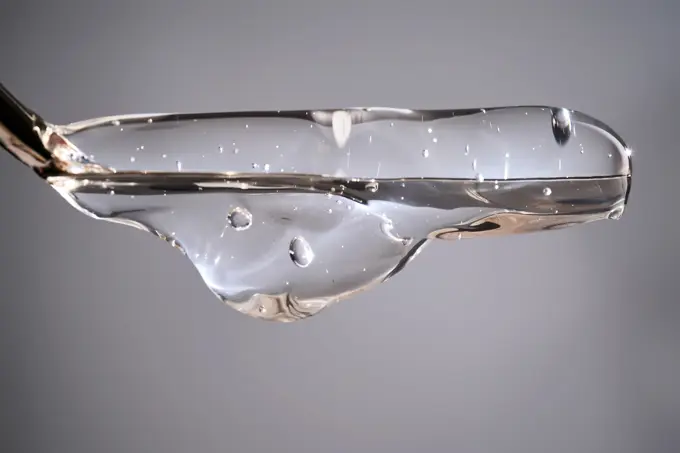
Texture of the hair gel or hyaluronic gel for the face. High quality photo.
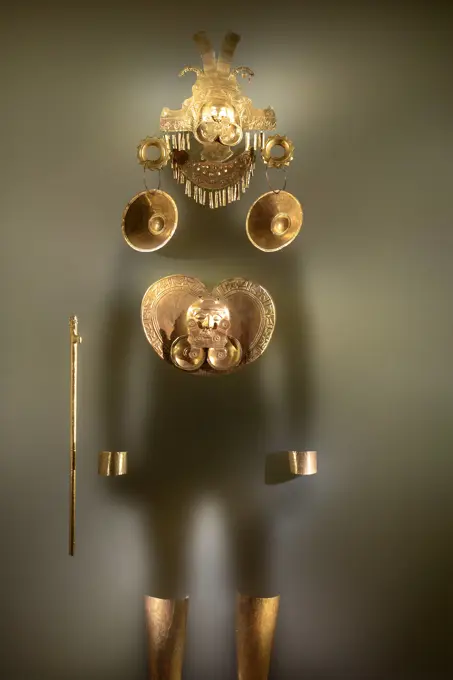
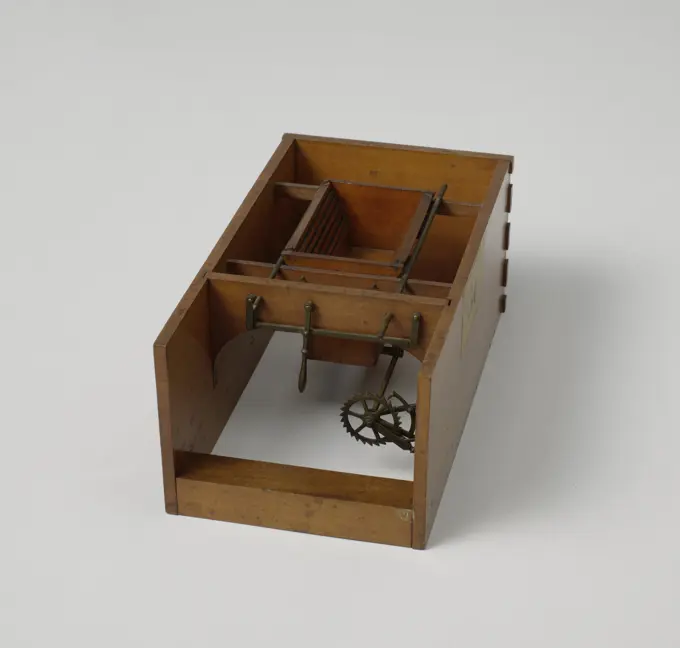
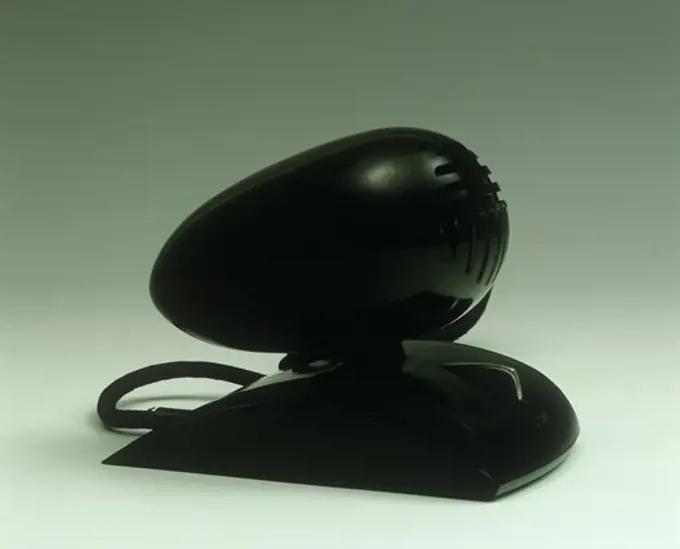
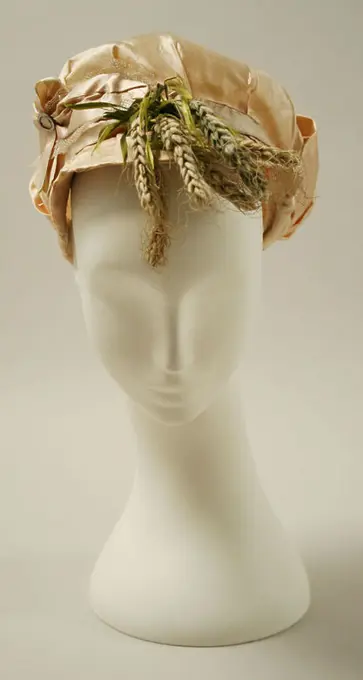
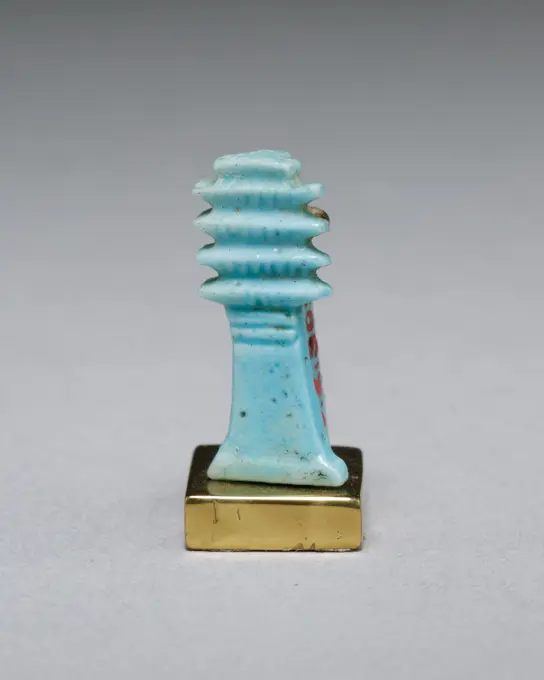
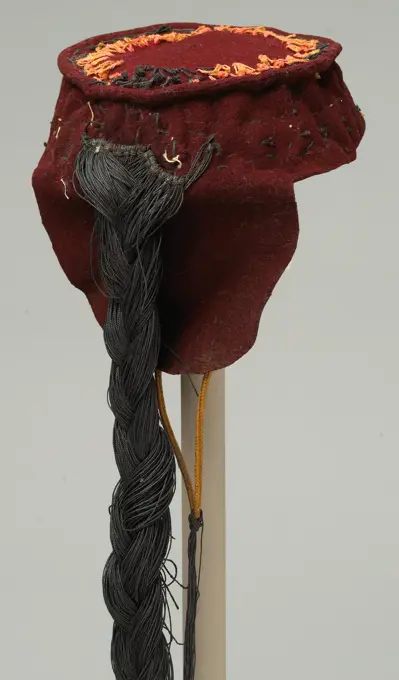
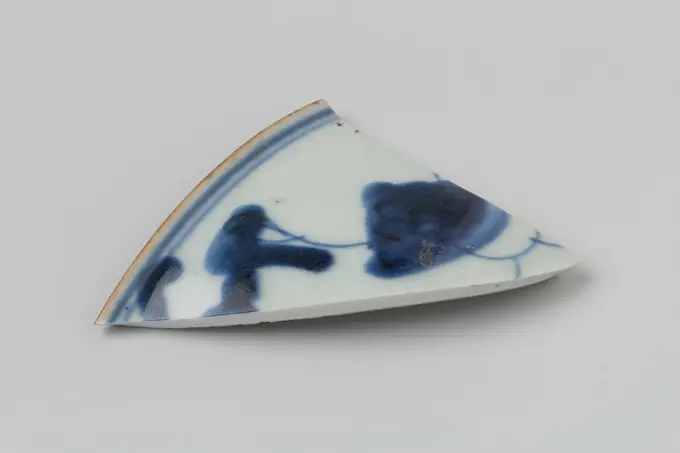
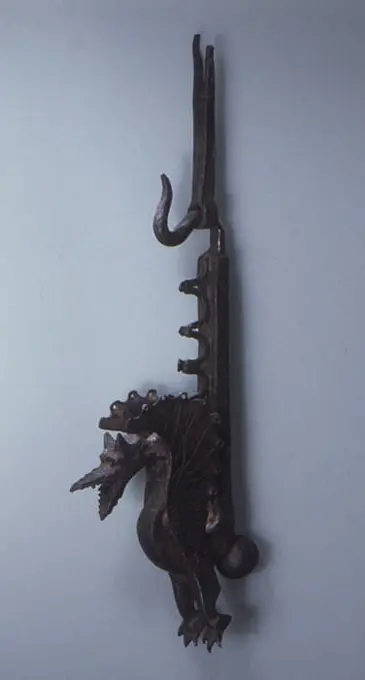
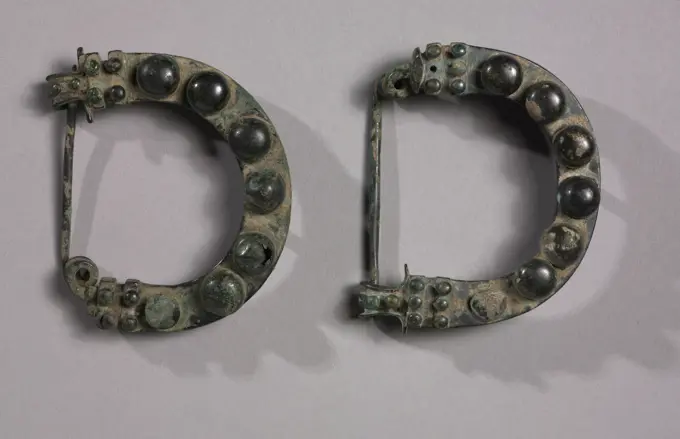
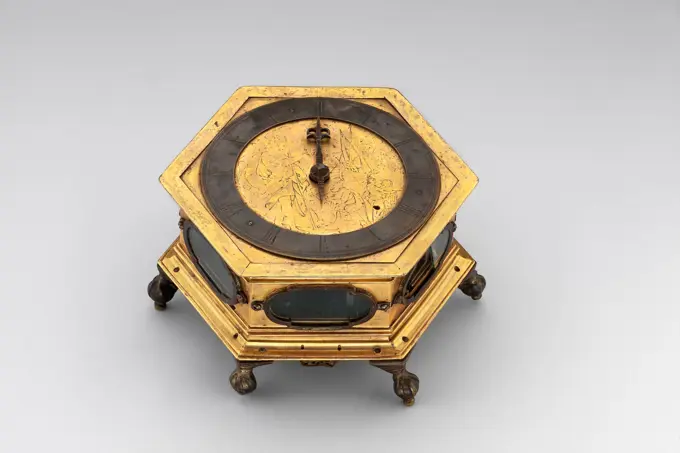
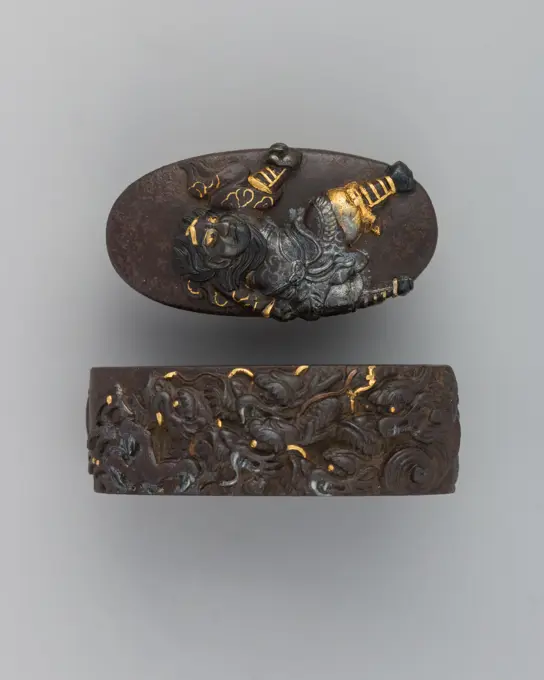
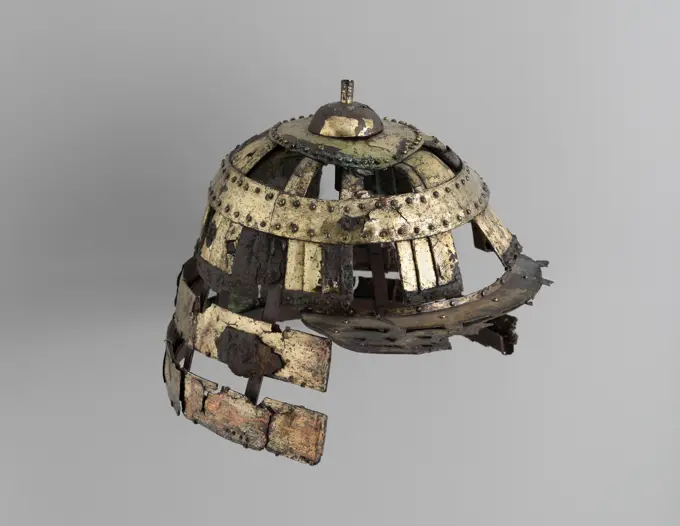
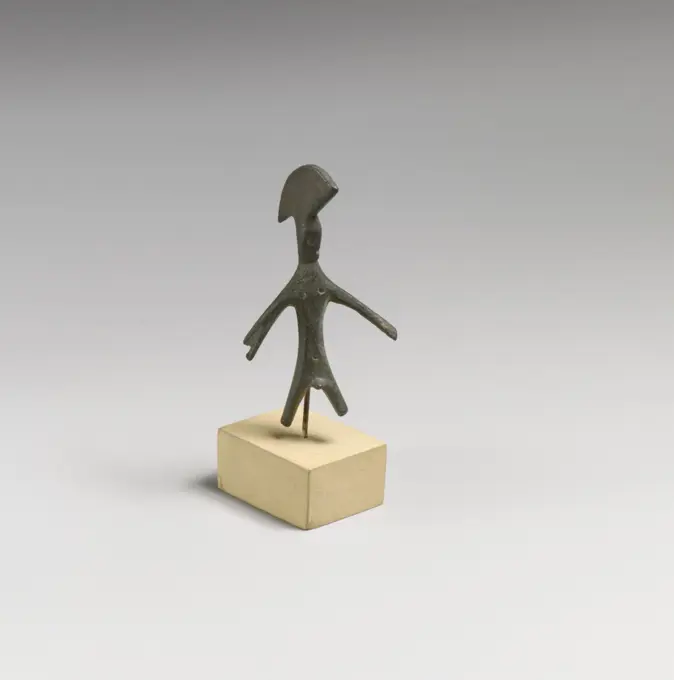
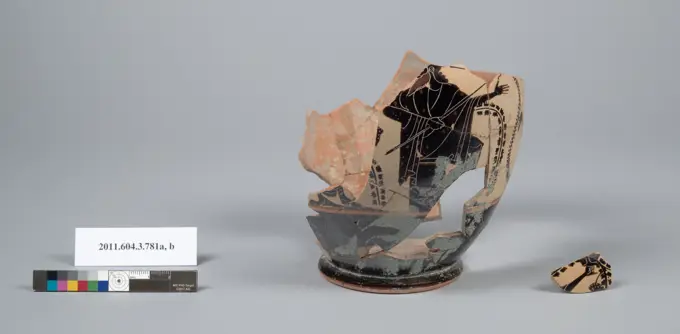
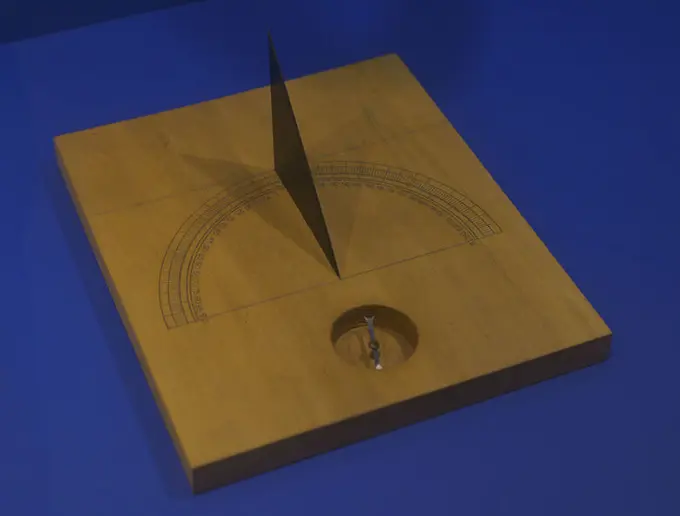
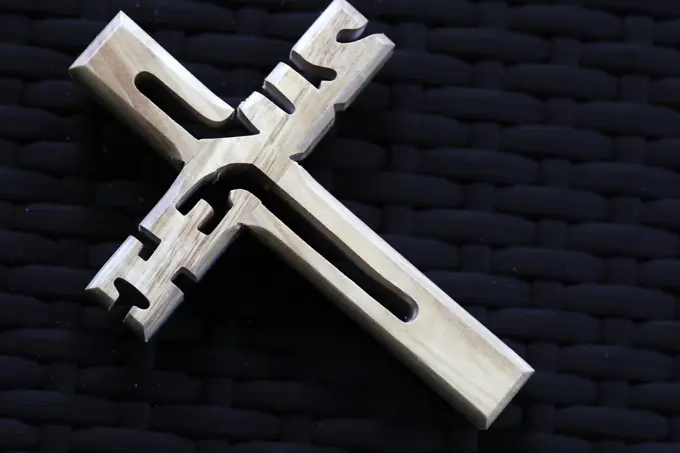
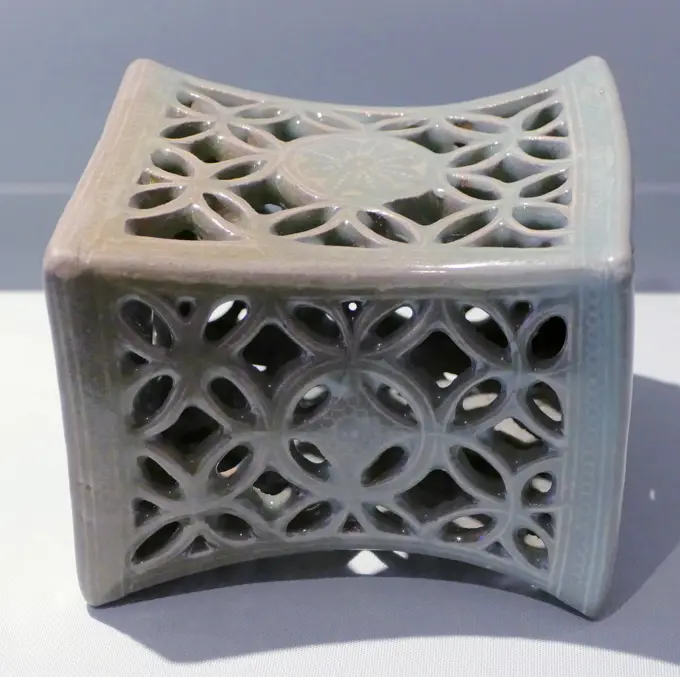
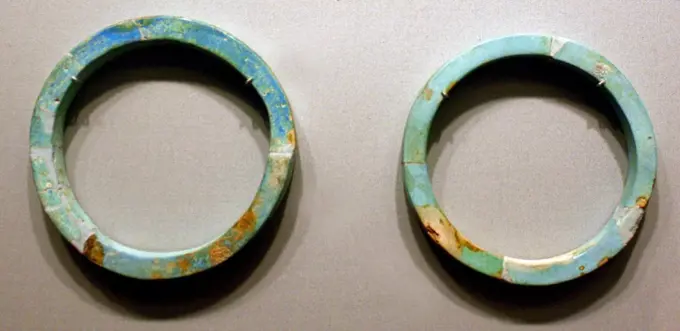
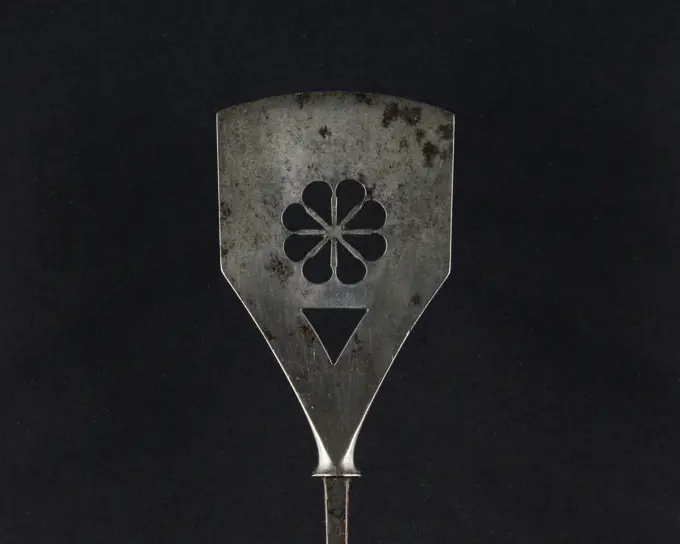
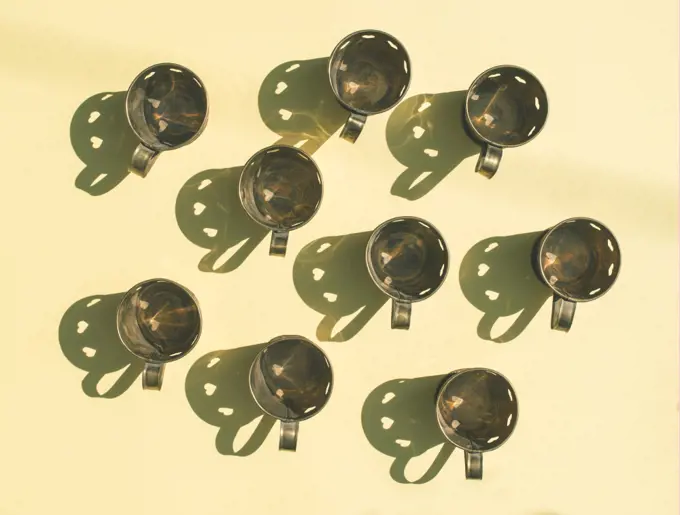
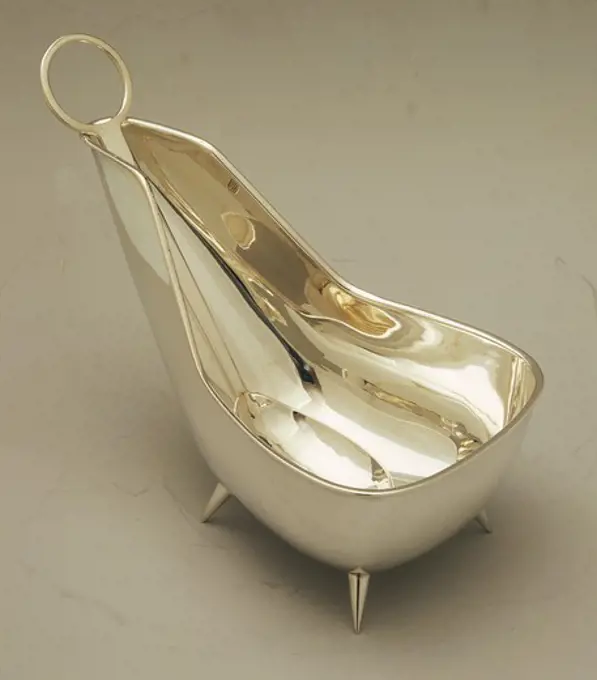
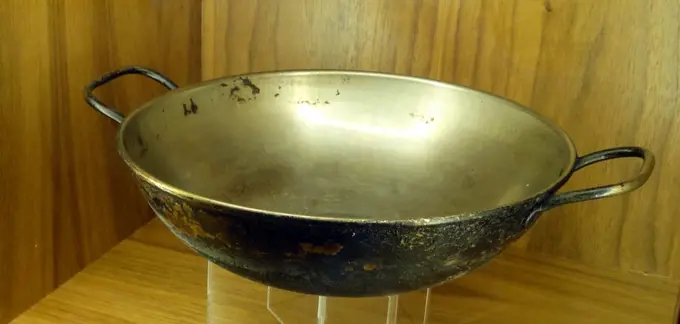
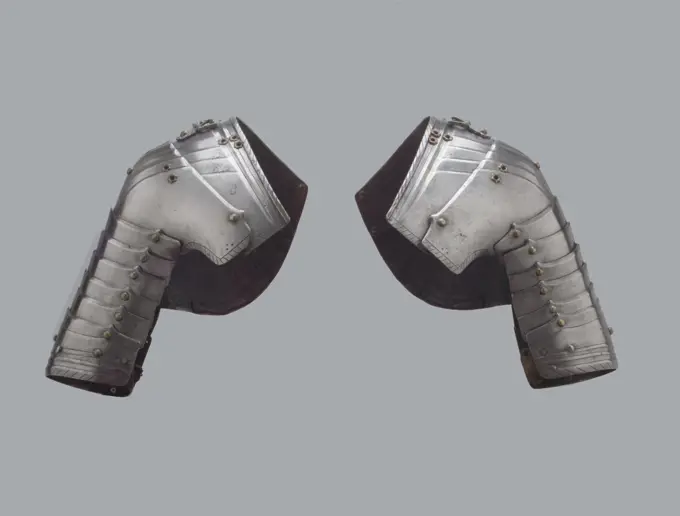
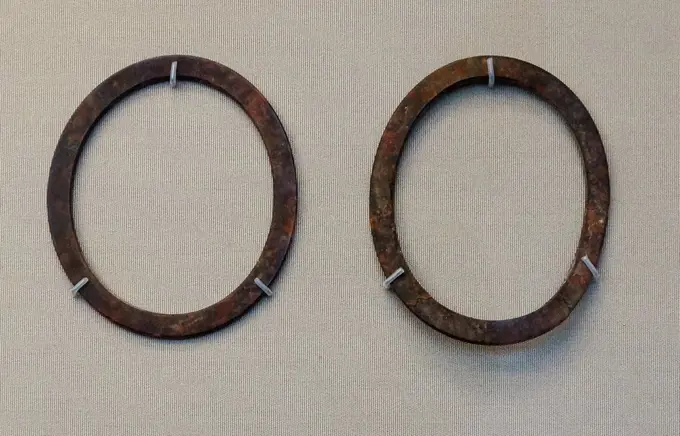
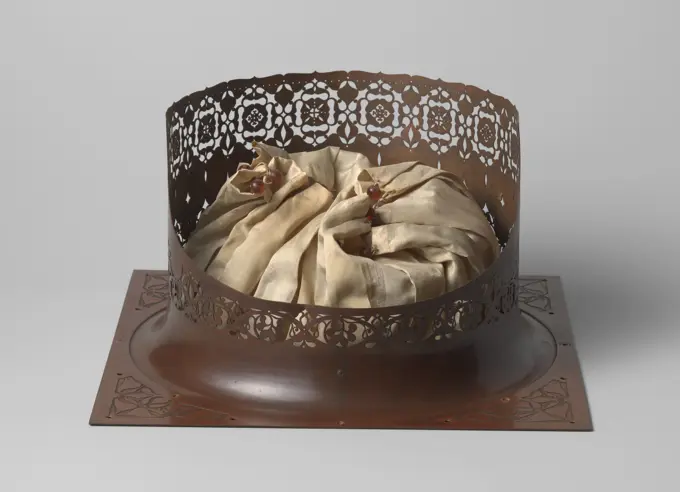
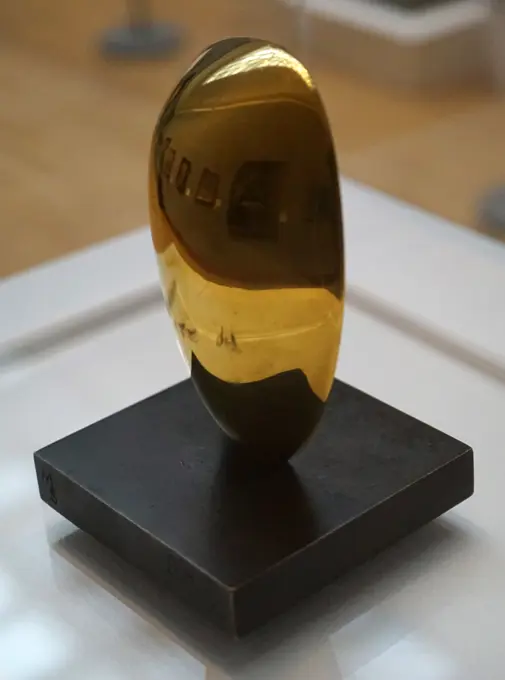
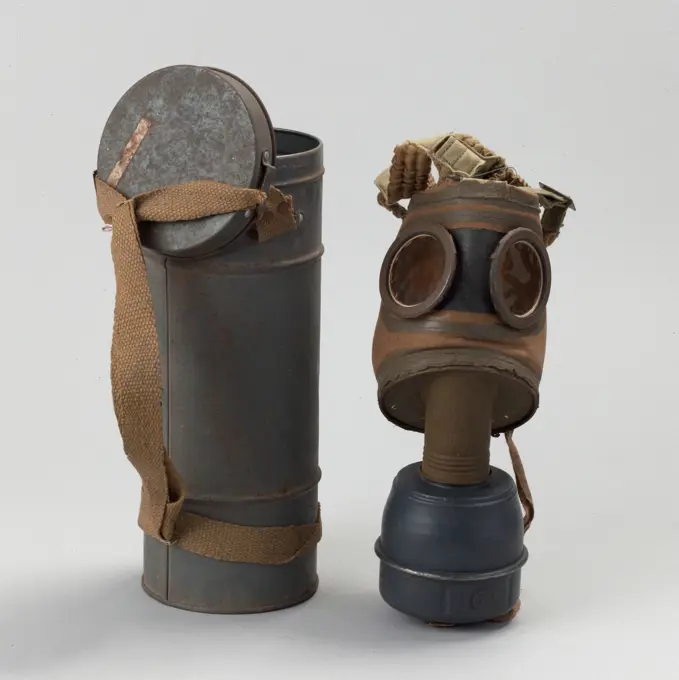
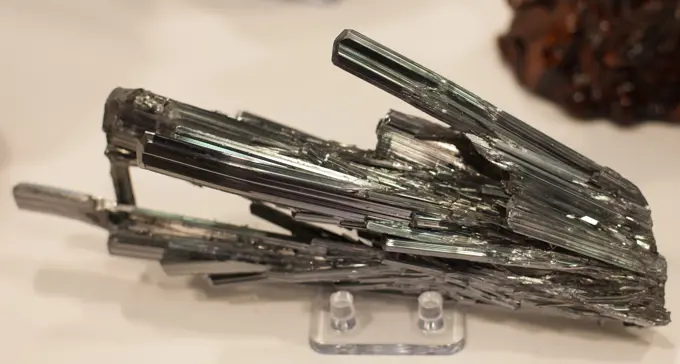
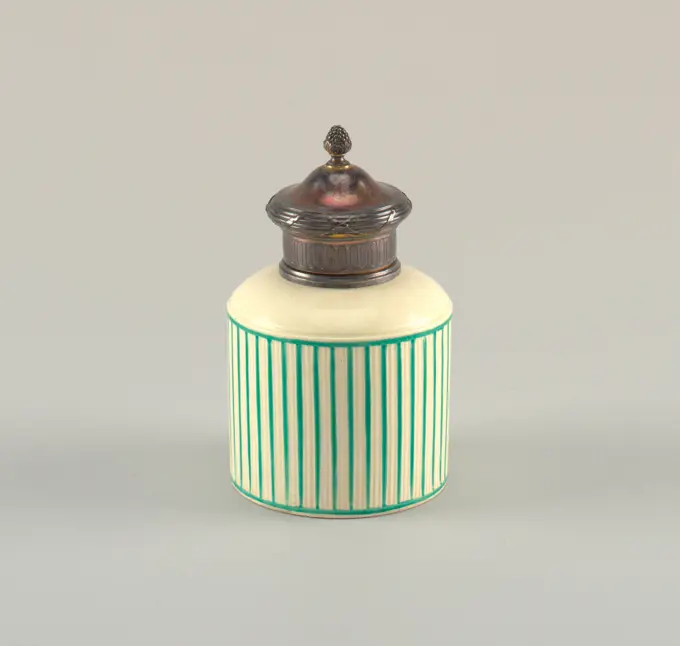
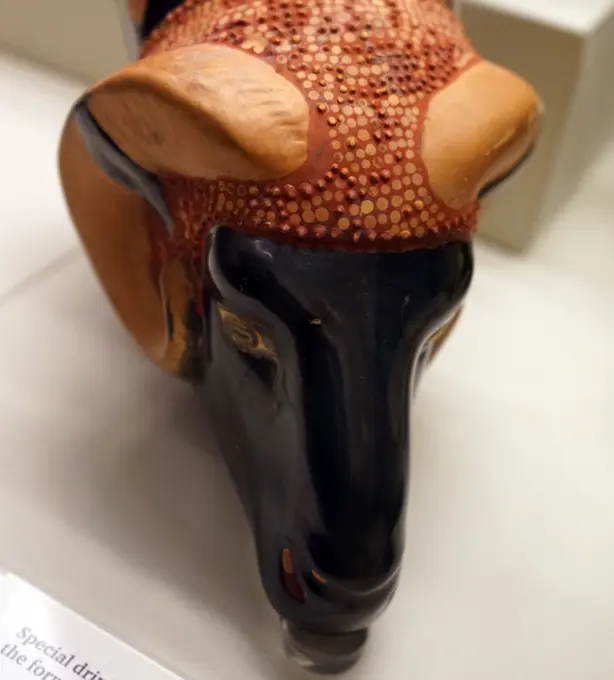
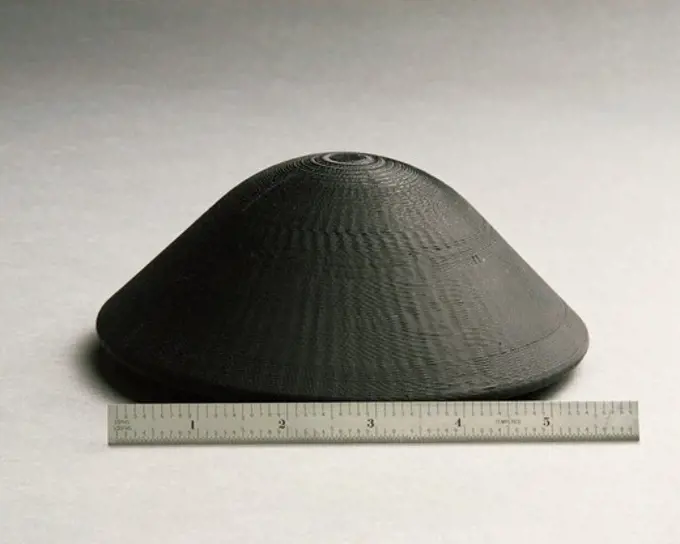
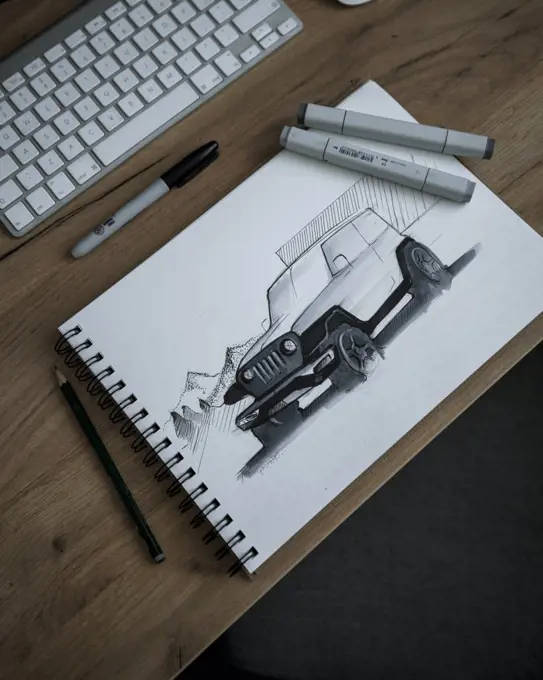
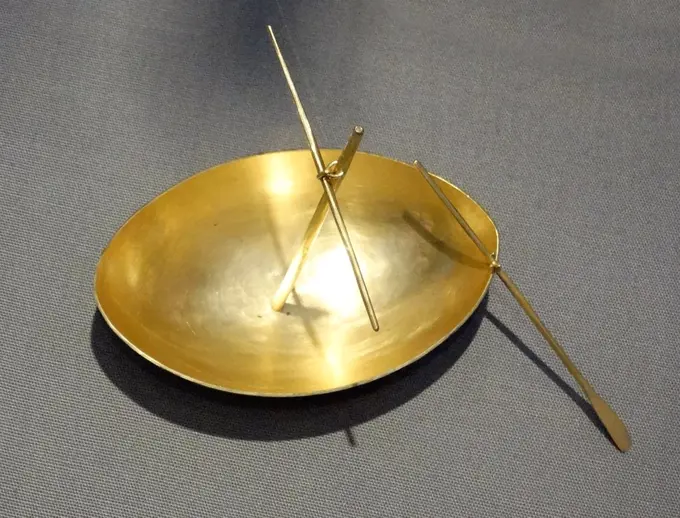
Silver and wood Alms Bowl from Scandinavia. Dated 16th CenturyPre-Columbian gold artifact in the Museo del Oro. Famous Gold Museum, Bogota, Colombia. Pre-Columbian gold statuette in the Museo del Oro. Golden indigenous ornament from South American natives civilization. Famous Gold Museum, Bogota, Colombia. Copyright: xZoonar.com/www.artushfoto.eux 21638075Bicorne Officer Schutterij H. Pek, Anonymous, c. 1830 - c. 1831 bicorne Head cover of black -worshiped chestnut. Front and back each connected a flat silver brush through a silver cord. On one of the stored sides long silver lis with white metal knot and crown with city crown. Below large orange cooked. Red label with NM 10385-77B Roosdorp. A slot behind the lis. Rear brush damaged. Front brush loose. Interior loose dark brown leather sweat band. Below a sticker: no 3 // 6 1/2 and a piece of leather on the right: 7. Head cover was from H. Pek, officer of health 2nd and 3rd class militia 1830. Lining: Silk, in poor condition. Netherlands alloy. silver thread. felt (textile). leather. silk. paper. silver (metal) braiding / striking (metalworking)  NetherlandsModel of a Furnace for a Steam Engine, Rijkswerf Rotterdam, c. 1840 demonstration model Model of an interior for mechanical heating of a boiler; A container with movable bottom, operated by a handle with right on a gear, is filled with coal through a small door; The soil is raised and the coal is brought in from below to the grid; By two movable parts of the grid, part of the contents of the container are always scooped up. Scale 1:10 (derived). model maker: Rotterdamafter design by: United Kingdompatentee: United Kingdom wood (plant material). brass (alloy)Italy, 20th century - Ducati microphone, 1940's.Wedding slippers 1865 probably French. Wedding slippers 169297Hat. Culture: French. Date: ca. 1800. Museum: Metropolitan Museum of Art, New York, USA.Japanese green ceramic brewing teapotDjed Pillar Amulet 664-30 B.C. Late Period-Ptolemaic Period The djed-pillar is a stylized representation of an early fetish that probably consisted of plant material. From the beginning of ancient Egyptian history, it was used as a symbol signifying permanence. Later it was associated with the god Osiris and identified as his backbone. The djed-pillar here was probably used as a funerary amulet to ensure permanence and to closely connect the deceased to Osiris, who was revived after death.. Djed Pillar Amulet 550999Woman's cap, first quarter 20th century, Unknown Anatolian, 5 x 4 1/2 in. (12.7 x 11.43 cm), Wool felt, silk, cotton; needlework, Turkey, 20th centurygold bars on a pedestalSaltcellar 19th century, after 16th century original British, after German original This electrotype is after a sixteenth-century original in the Victoria and Albert Museum, London, at the time of reproduction.. Saltcellar 185887Goldweight Bird, 19th-20th century, 15/16 x 3/4 x 1 1/16 in. (2.38 x 1.91 x 2.7 cm), Brass, Ghana, 19th-20th centuryHeadpiece, 20th century, 4 1/8 x 34 1/4 x 1 1/2 in. (10.48 x 87 x 3.81 cm), Silver, cotton, silk, enamel, Morocco, 20th centuryAnchor buoy, George Stebbing, c. 1820 - c. 1840 anchor buoy Copper anchor buoy in the form of two cones with the base together, painted black. There is an eye on both ends; There is a swivel with a piece of string on an eye. Portsmouth copper (metal). brass (alloy). rope. paint (coating)Terracotta fragments of an amphora (jar) late 6th/early 5th centuries B.C. Greek, Attic The largest fragment depicts the lower body of an amphora, above the foot, a band of rays; foot in two degrees; a second fragment is from the bottom of the amphora and has part of the band of rays; a third fragment has black glaze. Terracotta fragments of an amphora (jar). Greek, Attic. late 6th/early 5th centuries B.C.. Terracotta; black-figure. Archaic. VasesShard from a bowl from the wreck of the East India Flying Heart. One shard from the edge of a porcelain bowl. Delft blue with the drawing from outside. Bowl.Door knocker late 15th-early 16th century Italian, probably Siena This iron door knocker in the shape of a dragon was probably made in Siena, for it is most closely related to such a prized accessory of the Sienese palazzo as the griffin-shaped banner holder on the Palazzo Grisoli. The dragon is in all likelihood not much later than the first quarter of the sixteenth century, since in knockers made later in that century the spontaneity of the earlier Sienese work seems to have been lost. Both dragon and griffin were constructed from an iron bar, rapidly bent into shape while hot from the forge. Separate pieces for wings and feet were then heated, drawn out, and attached to the bar with iron rivets. Finally, hammer and punch were used to supply the identifying features of the animals and to create a satisfying surface decoration, as, for example, the pattern of hammer blows on the dragons body that suggests its scales. These vivacious creatures demonstrate the strength and liveliness oKey, c. 1400 - c. 1950 Key belonging to BK-NM-9015 Slot.  iron (metal) Key belonging to BK-NM-9015 Slot.  iron (metal)Portrait of Louis XVI with naked col Augustin Dupr� (1748-1833). Portrait of Louis XVI on Naked Col. TIN. 1791.Alexander Calder / 'Gibraltar', 1936, Lignum vitae, nogal, varillas de acero y madera pintada, 131,7 x 61,3 x 28,7 cm. Museum: MoMA, The Museum of Modern Art, New York.Tazza (drinking cup) with a scene of Circe and the Companions of Odysseus, Adam van Vianen (I), 1610 Drinking scale, round, with a representation of Circe's relief and the companions of Odysseus. The underside, a cover plate fixed with three pens, is decorated with stylized acanthus leaves. Marked: Utrecht; Jrl. P (1610); mt. AVV (Adam van Vianen). Utrecht silver (metal) Drinking scale, round, with a representation of Circe's relief and the companions of Odysseus. The underside, a cover plate fixed with three pens, is decorated with stylized acanthus leaves. Marked: Utrecht; Jrl. P (1610); mt. AVV (Adam van Vianen). Utrecht silver (metal)Pair of Arched Fibulae, 725-675 BC. Asia Minor, Phrygia, late 8th-early 7th Century BC. Bronze; overall: 6 x 7.5 cm (2 3/8 x 2 15/16 in.). Although not Greek, the matched pair of bronze Phrygian fibulae (brooches) may well be from the west coast of Asia Minor, an area settled by Greek colonists. Greeks and Phrygians enjoyed close relations in the late 8th to early 7th century BC.Prehistory, Korea, Bronze Age. Bronze buckle in shape of a horse. From Oun-dong.Euro coin in a set mousetrapPair of Spurs. European. Date: 1350-1400. Dimensions: L. 16.5 cm (6 1/2 in.); W. 9.5 cm (3 1/4 in.). Iron. Origin: Europe. Museum: The Chicago Art Institute, Chicago, USA.Vase.   Maker: Arthur L. Hartwell, American, 1882-1956Maker, workshop of: Arthur J. Stone, American, born England, 1847-1938Close-Helmet. Italian. Ca.1600. Armoury. Grandmaster Palace. Valletta. Malta.Tile clock. Wasilewicz, Szymon (fl. ca 1650-1700), watchmakerPair of Mitten Gauntlets 1800-1900 Europe. Steel and leather .Chinese tael weight from the wreck of the Dutch East India ship 't Vliegend Hart, , 1700 - 1735 weight Copper Tael or Qiangal weight with Chinese and European inscriptions with which gold and other valuables were weighed. Violin weight, Violin-Shaped Weights. China copper (metal)Sword-Hilt Collar and Pommel (Fuchigashira) 18th century Japanese A fuchigashira is a pair of matching sword fittings comprising the fuchi (collar at the base of the grip of the sword hilt) and kashira (pommel cap at the end of a sword hilt).. Sword-Hilt Collar and Pommel (Fuchigashira). Japanese. 18th century. Iron, gold. Sword Furniture-Fuchi-KashiraHelmet 5th century Japanese This rare Japanese helmet was excavated in Ise Province, Mie Prefecture. The type of constructionhorizontal rings to which rectangular scales are rivetedwas probably imported from China or Korea. Most helmets of this type were made of iron, but some were made of gilt copper, probably for ceremonial display. This example is unusual because it combines both materials. Listen to experts illuminate this artwork's story Listen Play or pause #4417. Helmet Supported by Bloomberg Philanthropies We're sorry, the transcript for this audio track is not available at this time. We are working to make it available as soon as possible.. Helmet. Japanese. 5th century. Iron, copper, gold. HelmetsStatuette of striding warrior (Ares) 6th century B.C. Etruscan A fighting warrior.. Statuette of striding warrior (Ares) 246298Terracotta fragment of an oinochoe (jug) late 6th/early 5th century B.C. Greek, Attic Feet of a draped figure to right seated on a stool, with paw shaped legs; part of a vine; bearded man to right, seated on a block seat, wearing a chlamys and petasos, with his left arm extended, and his right hand holding a staff (Hermes); part of a vine; vines with grape clusters; a second small fragment has a hand holding a kantharos and part of a vine with grapes (Dionysos). Terracotta fragment of an oinochoe (jug). Greek, Attic. late 6th/early 5th century B.C.. Terracotta; white-ground. Archaic. VasesShadow Instrument (conjectural replica). Invented by Pedro Nunes (1502-1578) for measuring the altitude of the Sun, for the determination of latitude. Conveniently oriented, it indicates the altitude by the shadow of the hypotenuse of the triangle over the graduated scale. 16th century. Maritime Museum. Lisbon, Portugal. Author: Pedro Nunes (1502-1578). Portuguese geographer.House model in mini shopping cart on the black background. Buy a house. Concept for property ladder, mortgage and real estate investment. Close up.. House model in mini shopping cart on the black background. Buy a house. Concept for property ladder, mortgage and real estate investment.Umbo end of 6th-first half 7th century Non-Frankish. Umbo 464965 Non-Frankish, Umbo, end of 6thfirst half 7th century, Gold, Overall: 3 3/4 x 3 5/8 x 2 1/16 in., 4.3oz. (9.5 x 9.2 x 5.2 cm, 123g). The Metropolitan Museum of Art, New York. Gift of J. Pierpont Morgan, 1917 (17.191.26)Cuff knot with a photo of young woman with a look down, anonymous, c. 1900 - c. 1920 photograph   photographic support. brass (alloy)Astrolabe of the 14th cent. European.1 aggele from Haarlem. Panels and iron content sizes for dry goods with bridge and style of 1 aggele, v.z.v. Brand and labels.Mirror 19th century Japan. Mirror. Japan. 19th century. Bronze. Edo period (1615-1868). MirrorsClose-up of a lamp shadeBarber Pole. Dated: 1935/1942. Dimensions: overall: 50.5 x 38 cm (19 7/8 x 14 15/16 in.). Medium: watercolor and graphite on paper. Museum: National Gallery of Art, Washington DC. Author: Elisabeth Fulda.Spectacles.  Maker: Peter P. Hayes, 1786-1842Cradle, made of willow, anonymous, c. 1676 Crieg, made of split willow, fine -shining, resting on two shanks of whalein connected to the cradle. The oval cradle has a straight closed hood, which is decorated with three rings and black beads made of glass on a pin on the corner points. The shining of the walls and the hood is decorated with diamond motifs. The cradle has three handles. Halle baleen. glass. metal thread Crieg, made of split willow, fine -shining, resting on two shanks of whalein connected to the cradle. The oval cradle has a straight closed hood, which is decorated with three rings and black beads made of glass on a pin on the corner points. The shining of the walls and the hood is decorated with diamond motifs. The cradle has three handles. Halle baleen. glass. metal threadShoe trees. Culture: French. Designer: Pierre Yantorny (Italian, 1874-1936). Date: 1914-19.Pietro Yantorny (1874-1936), the self-proclaimed "most expensive shoemaker in the world", was a consummate craftsman utterly devoted to the artistry of his chosen trade. As a compliment to his knowledge of shoemaking, Yantorny studied the art of making shoe trees in London for two years, returned to Paris in 1900 to study last making, and opened his own last making shop in about 1904 followed by his shoemaking business in 1908. Yantorny's trees are as meticulously crafted as his shoes, with featherweight hollow construction, proprietary luminous varnish finish, and gilded hardware. Mercedes de Acosta, the sister of voracious client Rita de Acosta Lydig, recounted that the trees were made from old violins which Rita purchased for the purpose. While this claim is apocryphal, it is evocative of the exquisite craftsmanship and lightness of Yantorny shoe trees. Museum: Metropolitan Museum of Art, New3d rendering of concrete podium.Key; 1909-2-243Wooden brush. Wood, animal original material, 1939-1945. General Leclerc Museum of Hauteclocque and the Liberation of Paris, Jean Moulin Museum.A wooden christian cross with the name of Jesus. Symbol of religion and faith.Carved and painted wooden hanging ornament with woman's head in the middle, ornament wood carving sculpture visual material wood paintKühlerfigur Oldtimer-Zierde Copyright: xZoonar.com/MartinaxBergx 9120360Pillow made from Celadon-glazed and inlaid stoneware, Goryeo period, 1100-1300, Korea. ceramic pillows were popular in Korea and China for many centuries. They first appeared in China's Tang dynasty (AD 618-906) and were used in middle and upper class bedrooms. Spectacles.  Maker: Bushnell, American, active ca. 1835-45Maker, possibly by: Phineas Bushnell, American, 1741-1836Maker, possibly by: Amasa Bushnell, American, active ca. 1838-46Faience Armlets and Necklaces, Dynasty 18, reign of Thutmose 111 (ca 1479-1425 BC) From the tomb of three minor wives of Tutmose 111 in the Wady Gabbanet el-Qurud, Thebes.Arrowhead (Yanone) 18th century Japanese Although today Japanese warriors are renowned most for their swordsmanship, archery, especially from horseback, has been an essential part of samurai warfare and culture for centuries. Arrows were fitted with heads of varying shape according to their intended use in war, the hunt, or target practice. Arrowheads made for use on the battlefield incorporated different designs intended for specialized purposes such as the piercing of armor or to cause maximum damage to horses and unarmored personnel.Large arrowheads, pierced and elaborately chiseled with landscapes, birds, flowers, dragons, and Buddhist divinities, were created to be admired for the beauty of their metalwork and design rather than for use in archery. Such highly elaborate examples may have been made for presentation or as a votive offerings to a shrine.. Arrowhead (Yanone). Japanese. 18th century. Steel. Archery Equipment-ArrowheadsKoets, Willem van Strant, c. 1727 - c. 1742 Car with four wheels pulled by two horses. The horses are on an elongated plate. There are a man and a woman in the car. On the goat of the car is a man with a whip in his right hand. The image is marked: stk. = Amsterdam, Mt. = Willem van Strant, an ax and a Rotterdam reinforest. Amsterdam silver (metal) Car with four wheels pulled by two horses. The horses are on an elongated plate. There are a man and a woman in the car. On the goat of the car is a man with a whip in his right hand. The image is marked: stk. = Amsterdam, Mt. = Willem van Strant, an ax and a Rotterdam reinforest. Amsterdam silver (metal)Close-up of an hourglassMetal cups in a shape of heartThe shoulder string of the French colonial medalPhoenix Ornament China. Phoenix Ornament. China. Gilt silver. Song dynasty (960-1279). JewelrySilversmith's Art, Italy 20th century. Silver tea-service designed by Gio Ponti (1891-1979) for Calderoni Gioielli in 1956 and made by Piero De Vecchi.Balti Dish from the first Balti House in Britain, used by Mohammed Arif. Dated 1977The roasted coffee beans are in a stainless steel spoon floating in the air, while the coffee beans are being poured into a manual coffee grinder on a digital scale.French helmet of the National Gendarmerie Model 51 Factory productWooden toy car.Group of Twelve Carved and Painted Objects: Eight Houses and Four Figures, 1920s-1940s. Lyonel Feininger (American, 1871-1956). Painted wood;Chessmen (27) German 19th century View more. Chessmen (27). German. 19th century. Boxwood. Chess SetsIlluminated one purple candle glass holderPair of Tournament Pauldrons (Shoulder Defenses) ca. 1500 Marked by Lorenz Helmschmid German These pauldrons were part of an armor for the German joust (Gestech), fought with blunted lances. Their maker, Lorenz Helmschmid, was the court armorer of Emperor Maximilian I and one of the leading armorers of the period.. Pair of Tournament Pauldrons (Shoulder Defenses) 23208Prototype footedbowl.  Designer Elsa Rady, American, 1943-2011Retailer: Swid Powell, American, 1982-2001cross on casketGoldweight Bow and Arrow, 19th-20th century, 1/8 x 1 7/8 x 2 9/16 in. (0.32 x 4.76 x 6.51 cm), Brass, Ghana, 19th-20th centurywooden board, kitchen boards on a tableSmart dagger of the medieval soldier. It was used for huntingBangles in brown horn; First Dynasty 3000 BC EgyptianCeiling light with ajour motifs, Theo Nieuwenhuis, c. 1916 The light consists of a square starter at the ceiling, which bends down to the center to a round with two rows of geometric ajour motifs decorated edge, which is cut out on one side hemisphere. A cream -colored with brown beads decorated with brown beads of Shantung has been applied to this edge. Amsterdam copper (metal). sawing The light consists of a square starter at the ceiling, which bends down to the center to a round with two rows of geometric ajour motifs decorated edge, which is cut out on one side hemisphere. A cream -colored with brown beads decorated with brown beads of Shantung has been applied to this edge. Amsterdam copper (metal). sawingBronze sculpture titled 'Sun and Moon' by Barbara Hepworth (1903-1975) an English artist and sculptor. Dated 20th CenturyDerby ca. 1865 British. Derby 168811Passive defense protection mask. Metal, rubber, canvas, ink, paper, 1939-1945. General Leclerc Museum of Hauteclocque and the Liberation of Paris, Jean Moulin Museum.coffee maker on the background of hemp ropeTraditional Brazilian tambourine, Pandeiro, isolated on black background. Brazilian tambourine isolated on black backgroundSpain, Canary Islands, Lanzarote, La Geria wine region, San Bartolome, old pitchforksItaly, Marche, Numana, Boat-shaped fibula with pendantsStibnite crystals.coffee maker on the background of hemp ropeAn SS issued cyanide capsule which was normally given to high ranking officers in order to commit suicide in case of capture.Cover; lead-glazed earthenware with green underglaze decoration, silver gilt (cover); 14.2 x 7.9 cm (5 9/16 x 3 1/8 in.)Cairo, Egypt, A hotel bed with decoration and a towel.Self-tapping screw on wood on the table. On a wooden background. High quality photo. Self-tapping screw on wood on the table.Taditional Turkish metal plates in the viewGio' Ponti (1891-1679), The witch moon (1978), silver plate sculpture. Made by Lino Sabattini.Fudge On A PlateSpinner 1700-1799 France. Glass; lampwork (verre de Nevers), metal armature .Ancient Greek rhyton in the form of a ram's head. Dated 460 BCModel of Spacecraft 'Black Box'gumball machine full of moneyDesk drawing with pencils and markers