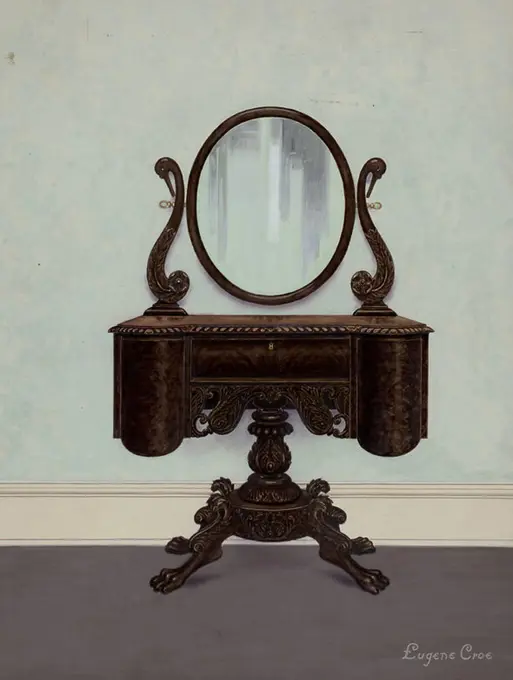
Antique Furniture

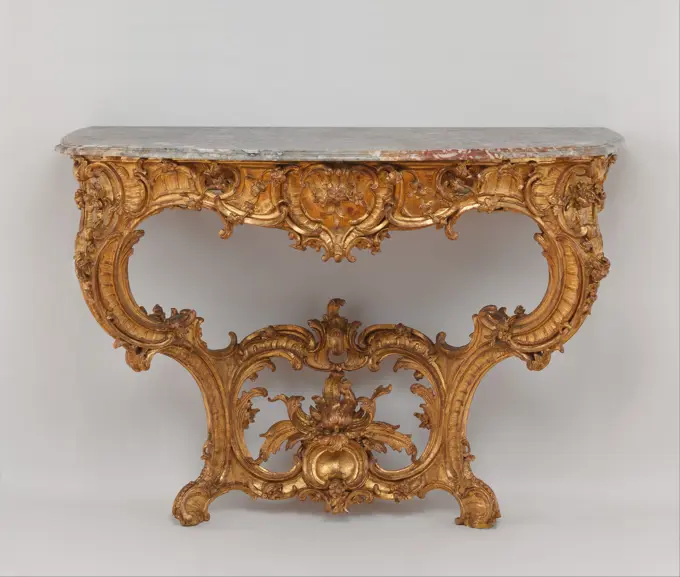
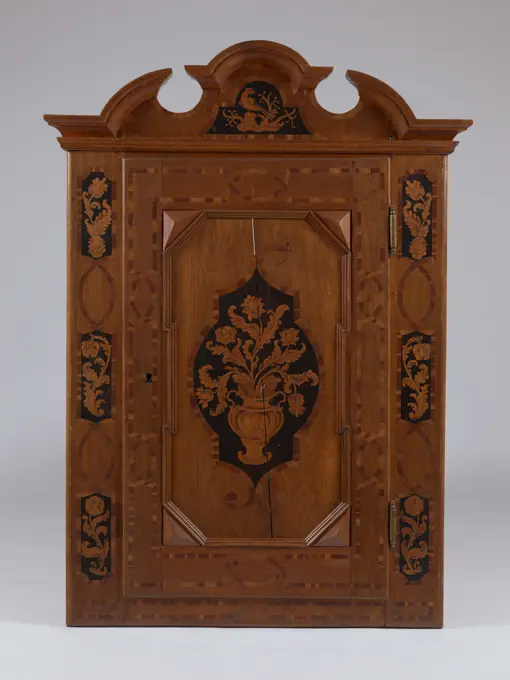
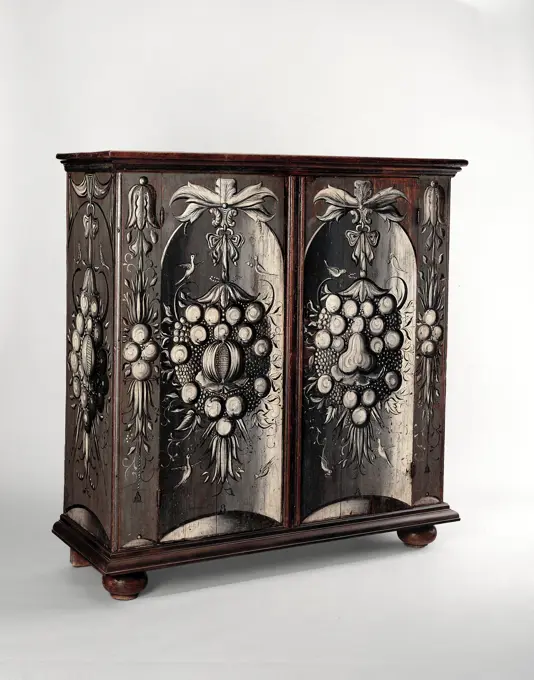
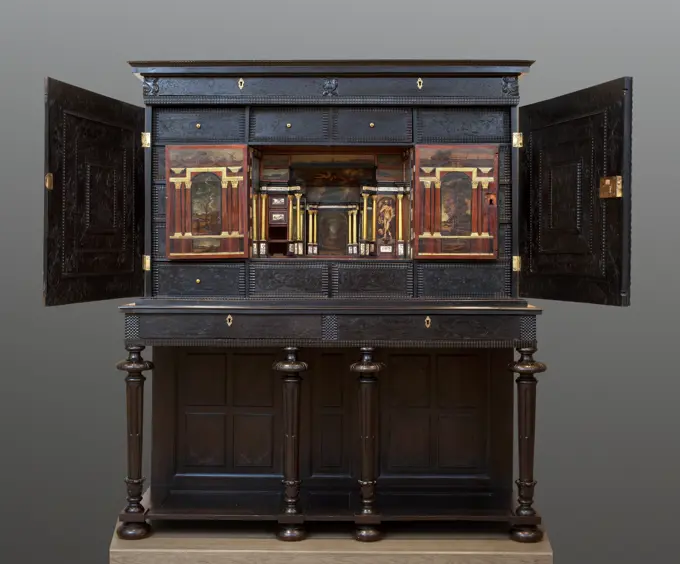
A collection of ornate wooden furniture pieces, including cabinets and chests, highlighting historical craftsmanship and design.

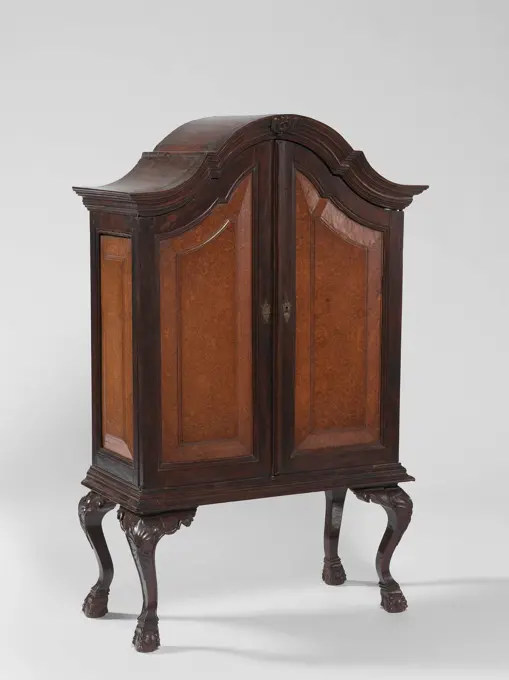
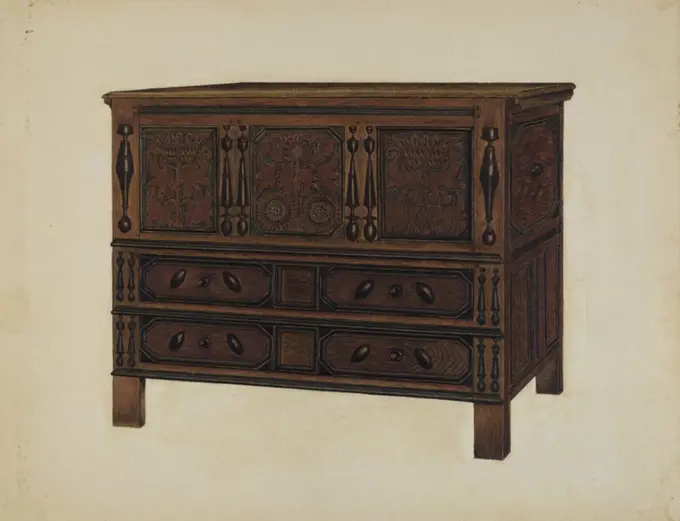
Wardrobe;  around 1720 (1710-00-00-1730-00-00);
Wardrobe; around 1720 (1710-00-00-1730-00-00);
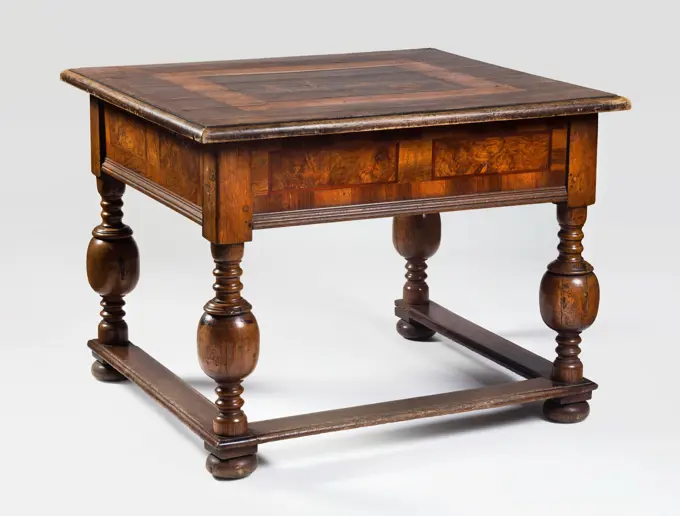
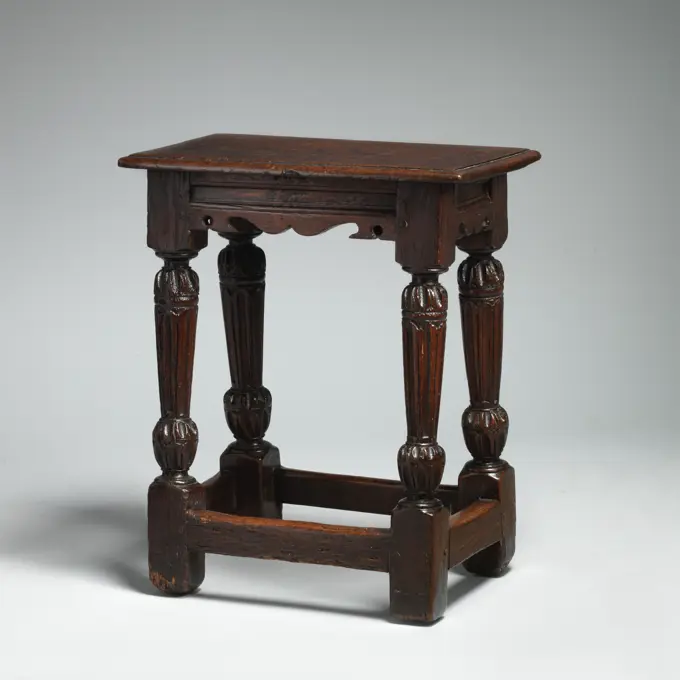
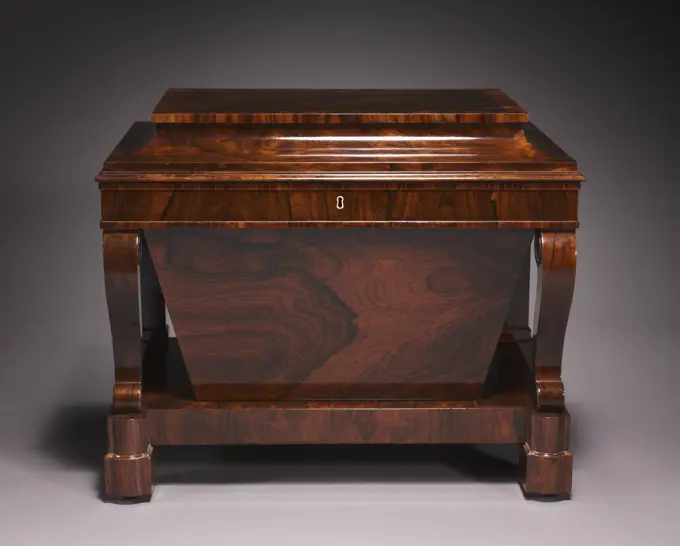
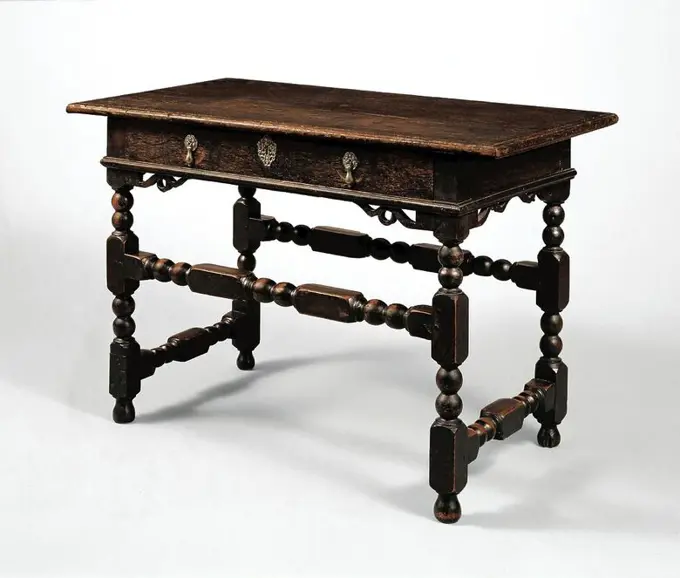
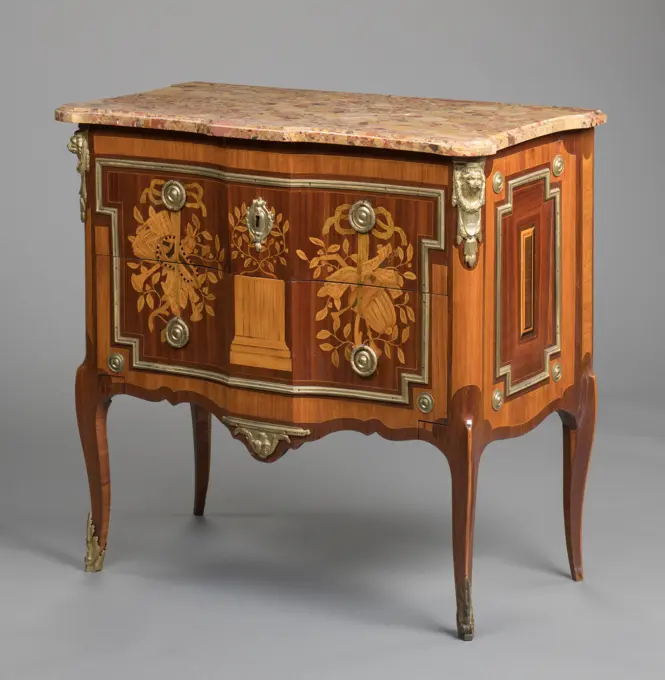
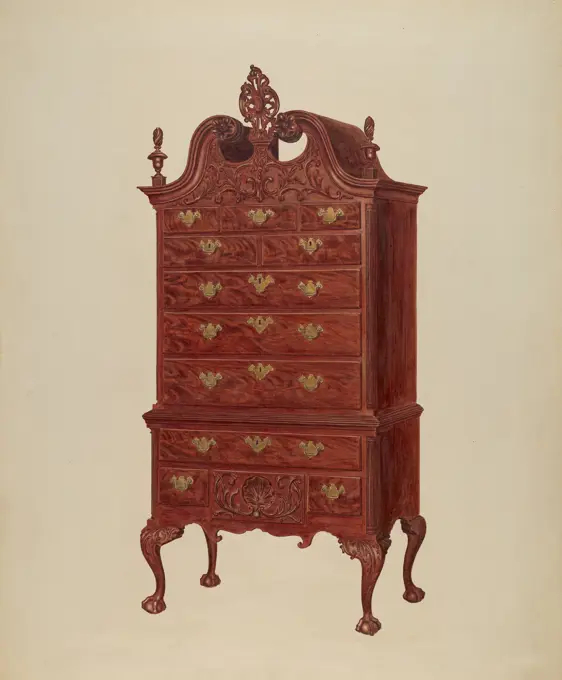
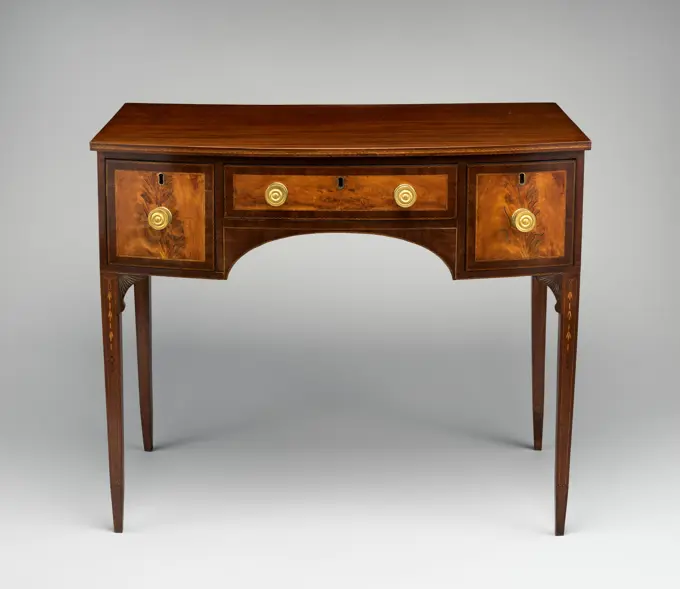
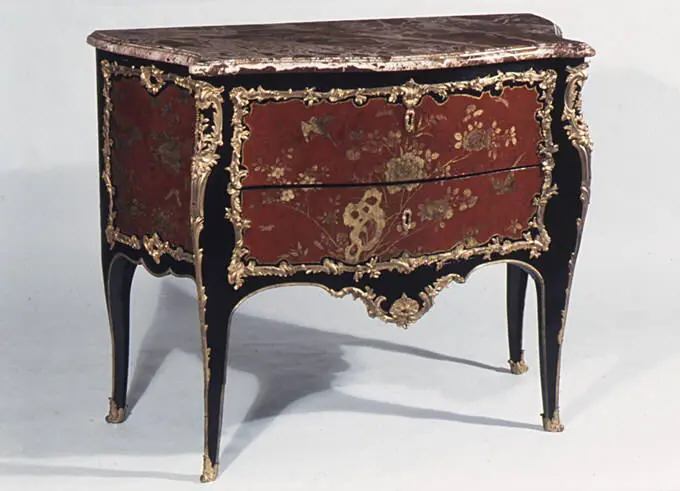
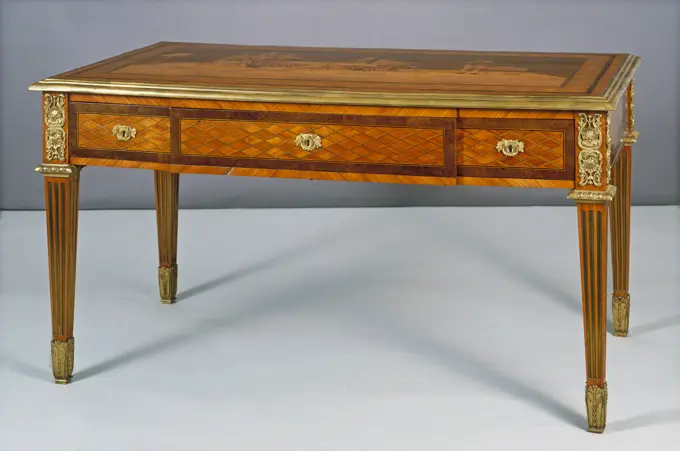
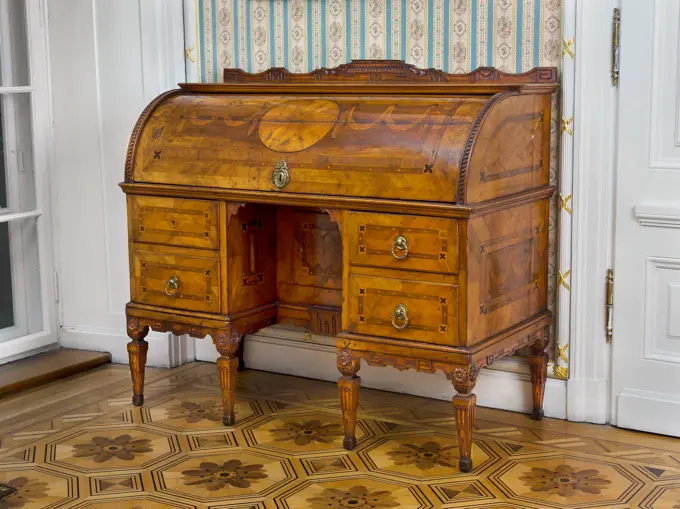
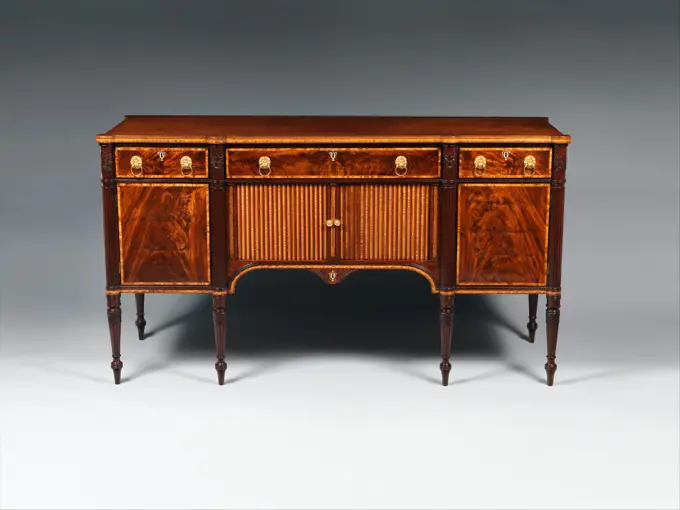
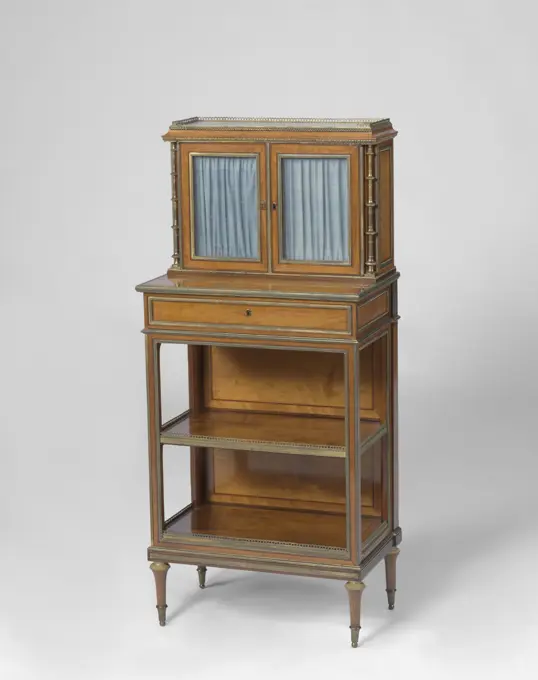
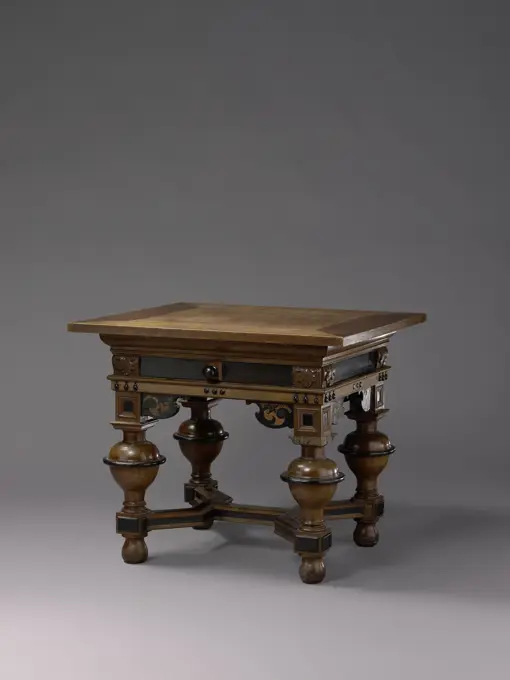
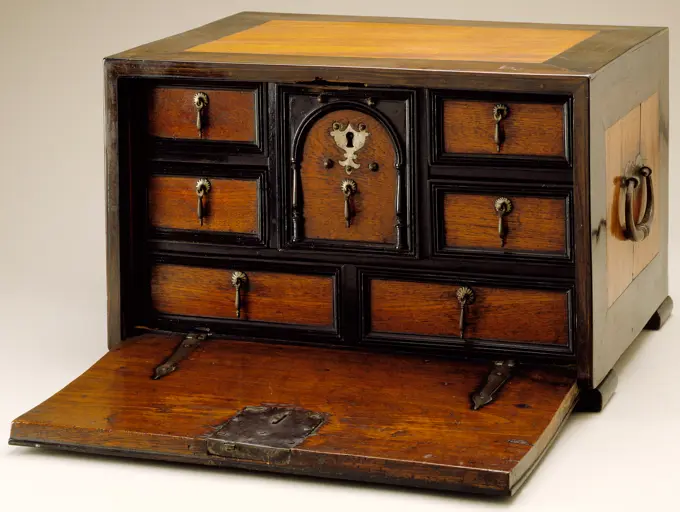
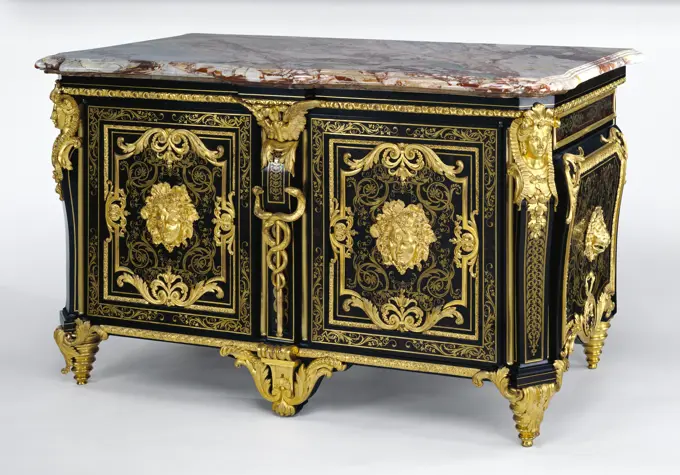
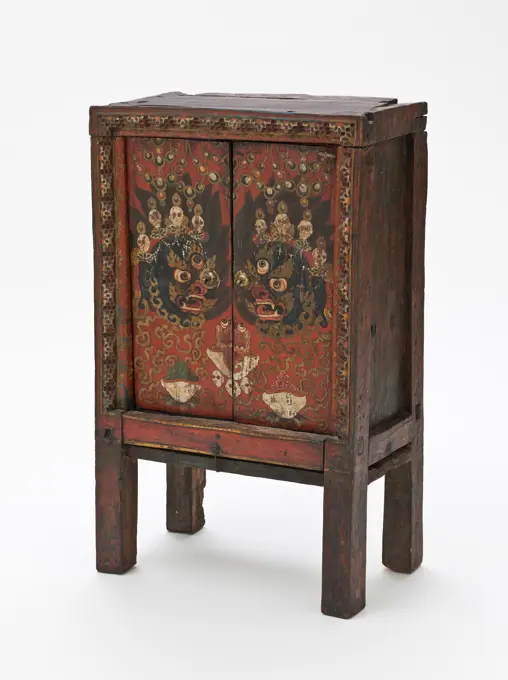
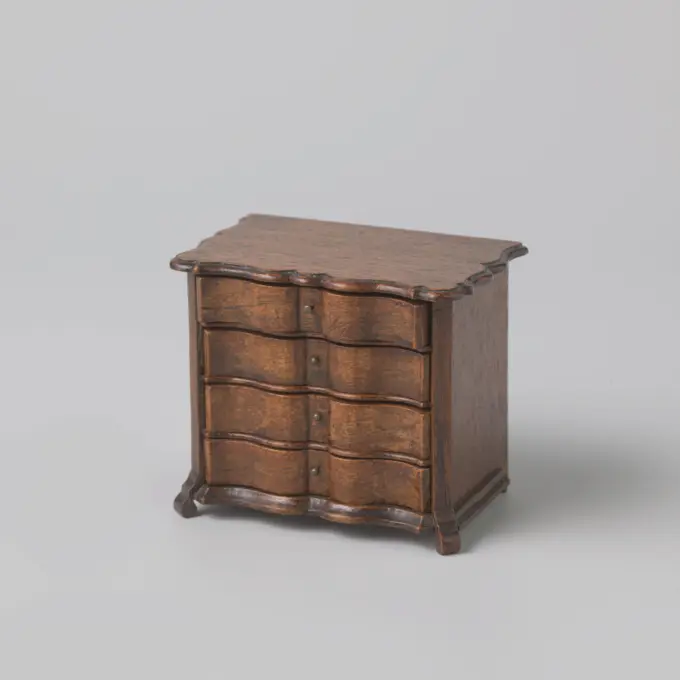
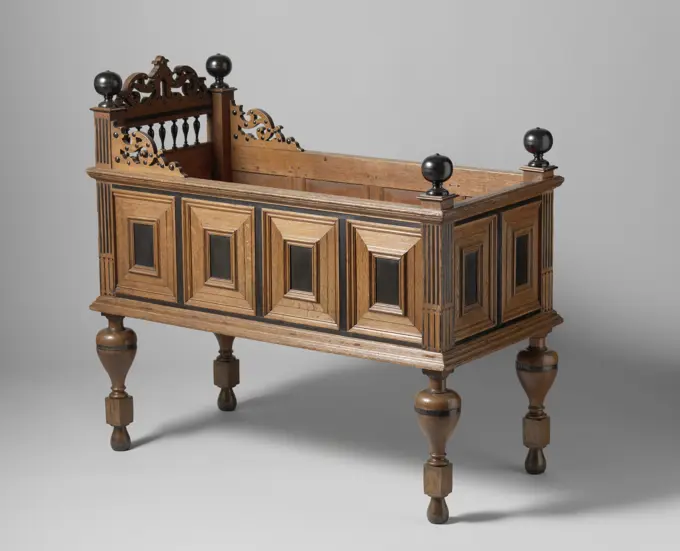
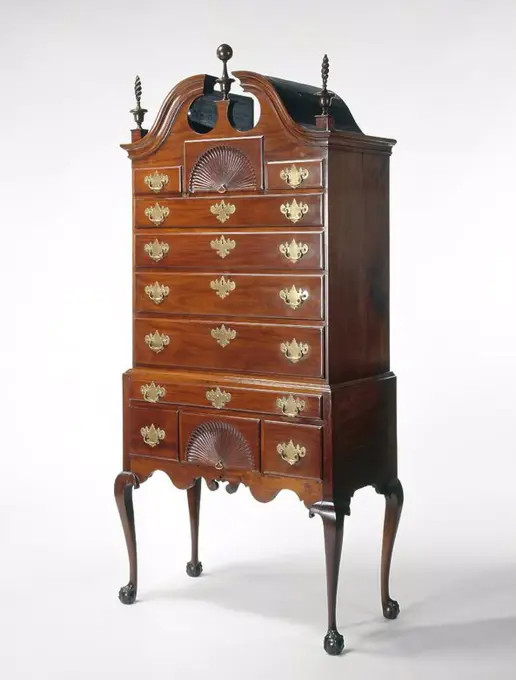
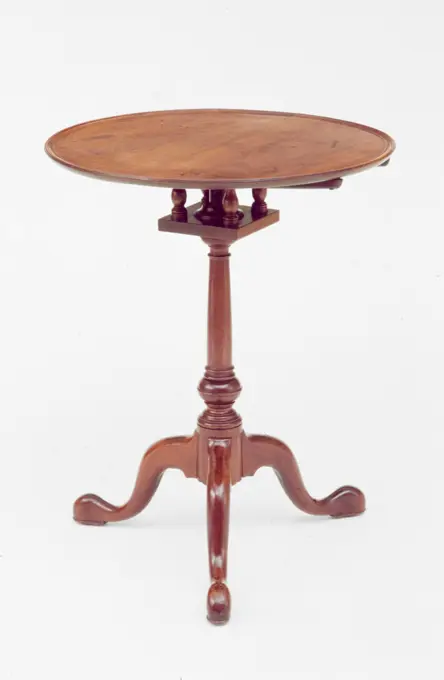
Cylinder office with brass batter, anonymous, c. 1740 Cylinder agency of Andaman Padoek with brass batter. Indonesia Andaman Padauk. brass (alloy) Cylinder agency of Andaman Padoek with brass batter. Indonesia Andaman Padauk. brass (alloy)Chest. unknown, creatorCabinet with vaulted base cabinet with three drawers and two doors in the upper cupboard with flat panels with profile frames and decorated with a medallion head and vase with bow and festin., Anonymous, 1780 Cabinet glued with mahogany on oak core. The vaulted base cabinet has overhoek styles that, just like the scalloped bottom line and the three drawers, wear gilded bronze batter with classicist motifs. The two upper cupboard doors have flat panels surrounded by sculpted profile frames, interrupted at the top by a medal head with a bow and festoen and at the bottom by a vase with Festoen. The scalloped hood has five support pieces, four with oak leaf motifs, in the middle with vase. Northern Netherlands wood (plant material). oak (wood). mahogany (wood). cedar (wood). brass (alloy). bronze (metal). iron (metal) Cabinet glued with mahogany on oak core. The vaulted base cabinet has overhoek styles that, just like the scalloped bottom line and the three drawers, wear gilded bronze battCourt Cupboard 1655-1665 England. From the medieval period to the seventeenth century, prosperous households used short, tiered cupboards or sideboards of this kind for the display of silver, ceramics, brass, or pewter. The name comes from the French word for courtómeaning smallóand was likely used to distinguish this kind of object from larger cupboards used to store linens and other household goods.Most court cupboards used principles of classical architectureóparticularly columnsóto organize the tiers. This one is more unusual with its additional play of ornament and polygonal base and shelves that break forward with several drawers hidden in the moldings.. Oak and iron .Wardrobe;  around 1720 (1710-00-00-1730-00-00);Table. unknown, authorChest ca. 1600 British. Chest. British. ca. 1600. Oak, inlaid with various woods. Woodwork-FurnitureTable. unknown, authorTea table. The 18th century saw the development of more and more furniture types for specific uses. This tea table has a raised edge to stop the tea set from falling off. The raised, openwork corners have a Chinese-looking pattern, a reference to the country from which tea originated.ChestStool first quarter 17th century British. Stool. British. first quarter 17th century. Oak. Woodwork-FurnitureSheraton card table, 1790-1795, attributed to John Seymour; Maker: Thomas Seymour, 29 1/2 x 35 3/4 x 17 1/2in. (74.9 x 90.8 x 44.4cm), Mahogany, satinwood, pine and maple, United States, 18th centuryTripod table. Tripod table made of oak with an octagonal collapsible leaf, connected to three slim splashes by a T-shaped cross. The legs have houses, which are flushed above, as well as the rules, with flat chain ornament. One of the side legs is transformed vertically and rotatable as support for the drop-down sheet. The support pieces have been opened.. Colonial cabinet on open chassisKast, anonymous, c. 1500 - c. 1600 Cabinet of nut and poplar wood on continuous, frequently profiled chassis, of which the lower plinth in the middle is interrupted at the front. Under the richly profiled cover plate, the top set has a space for drawers with convex profile, in which two drawers next to each other, each with an iron handle. The cupboard space, enclosed between two single profiled floors, contains four compartments. Italy wood (plant material). walnut (hardwood). poplar (wood). cherry (wood). iron (metal) Cabinet of nut and poplar wood on continuous, frequently profiled chassis, of which the lower plinth in the middle is interrupted at the front. Under the richly profiled cover plate, the top set has a space for drawers with convex profile, in which two drawers next to each other, each with an iron handle. The cupboard space, enclosed between two single profiled floors, contains four compartments. Italy wood (plant material). walnut (hardwood). poplar (wood). cherry (wooChest withdrawers. Maker, possibly by: Peter Blin, American, born England, died 1725Leo Drozdoff, Court Cupboard, c 1940 Court CupboardCellarette, c. 1840. Firm of Duncan Phyfe and Son (American, 1768-1854). Chiefly rosewood veneer with pine and poplar secondary woods; overall: 59.4 x 72.4 x 50.2 cm (23 3/8 x 28 1/2 x 19 3/4 in.).Joined table with drawer. Culture: American. Dimensions: 26 1/2 x 40 1/4 x 21 1/4 in. (67.3 x 102.2 x 54 cm). Date: 1690-1710.The turnings of this sophisticated and elegant table mark it as having been made in Boston. The cast-brass hardware on the drawer includes an escutcheon with a cherub's head--a stylish touch seldom found on American furniture. The table would have been used in a parlor or dining space as a side table and would have been accompanied by similarly turned upholstered chairs, such as the Turkey-work chair (52.77.51). Museum: Metropolitan Museum of Art, New York, USA.CabinetDresser;  around 1850 (1840-00-00-1860-00-00);Unknown, Chest of Drawers (Commode), 18th century, wood and marble.Francis Borelli, Highboy, c 1939 HighboyChest ornamented with scenes from the story of Susanna, c. 1625 - c. 1650 Eakhout box with flat lid. The corner styles and central style carry atlants in the figure of field lords. The front is divided into four courses with scenes from the history of Suzanna. In the Frisian on the left a wildezwine hunt and on the right a hare hunt, between which a keyhole. The sides are decorated with a deer yacht on the left, a rabbit hunt on the right. Reliefs to Maarten van Heemskerck (). The figures may present Prince Willem I, Maurits and Frederik Hendrik. Northern Netherlands wood (plant material). oak (wood) Eakhout box with flat lid. The corner styles and central style carry atlants in the figure of field lords. The front is divided into four courses with scenes from the history of Suzanna. In the Frisian on the left a wildezwine hunt and on the right a hare hunt, between which a keyhole. The sides are decorated with a deer yacht on the left, a rabbit hunt on the right. Reliefs to Maarten vanTable on four columns connected by rules with leaf work decorations. In the line a tray with tractor .. Table of walnut, resting on four columns connected by rules. The columns are decorated under and top with leafwork. In the rule a tray with tractor, flanked by two consoles. A list of semi-colored is applied under the blade.Side Table, 1736-1795, 34 x 38 1/8 x 19 1/2in. (86.4 x 96.8 x 49.5cm), Hardwood, boxwood, chi chi mu inlay, China, 18th centuryTable 1650-1700 American. Table 8056Dressing table 1800-1810 American In early-nineteenth-century cabinetmaking parlance, this lady’s dressing table” features a plain arch in sweep front”—a more expensive elaboration on the basic, straight-front model with a single long drawer. According to the English furniture designer George Hepplewhite, the drawers of dressing tables were partitioned to accommodate combs, powders, essences, pin-cushions, and other necessary equipage.”. Dressing table. American. 1800-1810. Mahogany, birch veneer, basswood with white pine. Made in Portsmouth, New Hampshire, United StatesSecretaire. unknown, creatorChest-on-frameCupboard. Maker, attributed to: Peter Blin, American, born England, died 1725Commode ca. 1745-50 Jean Desforges The stamp D.F. is found on a number of related mid-eighteenth century commodes either decorated with Asian lacquer or with European imitation lacquer. It is believed that the cabinetmaker Jean Deforge, member of a family of Parisian ébénistes by that name, was responsible for this group and for this particular commode veneered with red Chinese lacquer as well. Jean Deforge was connected with a circle of important craftsmen in Paris: he was related through his marriage with Françoise Pottier (or Pothier) to the cabinetmaker and furniture dealer Albert Pottier, while his younger sister married Guillaume Martin, one of the Martin brothers famous for their imitation lacquer usually called vernis Martin. The two drawers of this commode are sans traverse (meaning without a shelf between them). Although gilt bronze beautifully frames the panels of red lacquer on the front and sides, protects the corners and feet, there are no handles on the drawer fronts whiMetamorphic library table-steps, Thomas Sheraton, English, 1751 - 1806, Mahogany, brass, felt, A four-legged rectangular table made in mahogany with brass handles. This table folds out into a small ladder., England, ca. 1795, furniture, Decorative Arts, Metamorphic library table-stepsErnest Busenbark, Chest of Drawers, 1938 Chest of DrawersConsole or base. unknown, authorHundred;  2. W. 18th century (1726-00-00-1750-00-00);Eibisch, Eugeniusz (1896-1987), Eibisch, Eugeniusz (1896-1987)-collection, oval countertops, rectangular countertops, flip tops, gift (provenance)Console. unknown, creatorIn part by David Roentgen and or his workshop, Writing Table with Mechanical Fittings (table mécanique or schreibtisch), partly c 1779, partly 19th century In part by David Roentgen and/or his workshop; in part by an unknown craftsmen, probably French or German 19th Century, Writing Table with Mechanical Fittings (table mécanique or schreibtisch), German, 1743 - 1807, partly c. 1779, partly 19th century, oak carcass; pictorial marquetry principally of sycamore, rosewood, applewood with some traces of coloring, and boxwood; table veneered principally with tulipwood, amboyna, ebony, and boxwood; interior fittings of Cuban mahogany; gilded bronze and brass mounts; steel mechanical fitments, Widener CollectionChest. Dated: probably 1937. Dimensions: overall: 22.7 x 28.7 cm (8 15/16 x 11 5/16 in.) Original IAD Object: 47 3/4"wide; 20"deep. Medium: watercolor, colored pencil, and pen and ink on paperboard. Museum: National Gallery of Art, Washington DC. Author: Meyer Goldbaum.Table with a drawer block and bottom. Table of oak and pine resting on four round legs of black tinted without. The legs run out in rectangular corner styles. Between the styles stands at approximately 10 cm height of the ground a tabletop that rests on two lines and on the top is located between the styles a drawer block with two drawers that are fitted with black tinted withwood buttons.Florence Choate, Chest of Drawers, 1936 Chest of DrawersLadys writing desk, c. 1750, Jean Gaspard Feilt, French, active mid 18th century, 38 1/4 x 41 1/2 x 23 1/2 in. (97.16 x 105.41 x 59.69 cm), Kingwood, oak, marquetry, ormolu mounts, France, 18th century, Decorated with flowers, butterflies, and groupings of musical motifs, this writing desk reflects a period in which female members of the French aristocracy had become active participants in literary life, and when in particular the writing of personal letters (rather than their dictation to a secretary) would have been part of the daily routine of any lady of rank. As such, the small writing desk may be seen as an ancestor of a tablet computer or smartphone, though definitely not as portable.Library wardrobe;  1840-1850 (1840-00-00-1850-00-00);Ludwik Filip (Styl), Wereszczakowa, Karolina (1861-1925) - collection, acanthus (ornament), Biedermeier (style), gift (provenance)Wall table made of gold-plated oak. Wall table made of gold-plated oak. The overhoeks placy resting on hooves and existence, as well as the X-shaped cross, from volutes, decorated with acanthus leaves and bells cords; At the intersection a rosette in Hexagon. The table rules show a women's head on checkered fond at the front between acanthus leaves and flour branches, and aside a palm with acanthus leaves.PembrokeTableRolltop desk. unknown, creatorChest of Drawers. Culture: American. Dimensions: 34 3/4 x 36 3/4 x 21 1/2 in. (88.3 x 93.3 x 54.6 cm). Maker: Attributed to John Goddard (1724-1785). Date: 1755-85.This chest is one of a group of Newport pieces distinguished by their bold serpentine shapes and solid forms. The serpentine corner posts, raised-pad rear feet, and claw-and-ball front feet are similar to those on documented pieces by the cabinetmaker John Goddard (1724-1785). The curvilinear case and conforming marble top are unusual for eighteenthcentury American furniture and resemble those of French Louis XV-style commodes. Museum: Metropolitan Museum of Art, New York, USA.Sideboard Table 1805-10 Attributed to Thomas Seymour The form of this sideboard does not follow any published designs exactly, but the general shape has many English precedents. A variety of techniques were employed for decorative impact. Of them, the most striking is the veneering of the tambour doors with alternating strips of light and dark woods--a pattern associated with desks and sideboards from the Seymour shop.. Sideboard Table. American. 1805-10. Primary: mahogany,mahogany and curly maple veneers, birch, holly (arch inlay) Causurina (she-oak) all light wood veneers and inlay, Sabicu (side veneer): secondary: soft maple (sides and sub-top), white pine (tops to end sections, backboard, drawer bottoms) cherry (drawer sides and back).. Made in Boston, Massachusetts, United StatesBonheur Du Jour with under and center leaf and with a back attachment with two doors. Open worked cornice. Leaf of white marble. Braised with different types of wood, Adam Weisweiler (attributed to), c. 1785 - c. 1790 Bonheur du Jour Lijmed with satin and amaranth wood, with gilded bronze pearl, braid, egg and profile edges. The chassis, consisting of a lower and center leaf and a drawer, rests on conical legs, decorated at the top with a collar-shaped fittings. The recovering attachment has two doors, with curtains behind the windows, and detached gilded bronze plunged columns as corner styles. The caved cornice, as well as the two sheets, carries a rounded gallery; White marble leaf. Paris wood (plant material). oak (wood). spruce (wood). purpleheart (wood). satinwood (wood). bronze (metal). marble (rock). copper (metal). silk. mahogany (wood). glass gilding Bonheur du Jour Lijmed with satin and amaranth wood, with gilded bronze pearl, braid, egg and profile edges. The chassis, consiCommode (one of a pair) (part of a set). Culture: British. Dimensions: Overall: 32 11/16 × 37 7/8 × 18 5/16 in. (83 × 96.2 × 46.5 cm). Date: ca. 1772.Fuhrlohg, a Swedish-born cabinetmaker, trained in Paris before moving in 1767 to London, where he made marquetry decorated furniture strongly influenced by French transitional forms. Sets of three commodes are extremely rare in eighteenth-century English furniture; this is the only known set by Fuhrlohg. The central medallion, showing a seated muse, is based on The Triumph of Venus by Angelica Kauffmann (1741-1807). Museum: Metropolitan Museum of Art, New York, USA.Ball-leg table with drawer on ringed ball legs connected by an H-shaped cross with inserted piping; Decorated with sawn -out Ebben volutes, drops and flat buttons, anonymous, c. 1650 - c. 1675 Balpoottafel made of walnut, with black -stained parts and decorations in ebony. The ringed ball legs are connected by an H-shaped cross with inserted piping. The houses are glued with ebbenhouten mirrors. The rules in the corners are supported by Voluten Lumbled with Ajour -sawn Ebbenhouten Volutes. Above the houses on the rules, three ebony wooden drops and three flat buttons are installed in the middle; On the corners there are consoles decorated with Acanthusblad, between which baseboards. Drawer. The Hague (possibly) wood (plant material). walnut (hardwood). ebony (wood). rosewood (wood). oak (wood) Balpoottafel made of walnut, with black -stained parts and decorations in ebony. The ringed ball legs are connected by an H-shaped cross with inserted piping. The houses are glued with ebbenhouteJoseph Ficcadenti, Cherry Chest of Drawers, c 1941 Cherry Chest of DrawersChest. American; Connecticut, possibly Wethersfield. Date: 1704. Dimensions: 94.6 × 121.9 × 53.3 cm (37 1/4 × 48 × 21 in.). Oak and pine. Origin: Connecticut. Museum: The Chicago Art Institute, Chicago, USA.neo baroque game table, game table table furniture interior design wood mahogany oak wool iron, Pressure worked column on three volute legs with pearl strips sheet covered with sheet belongs to 8275 neo baroqueCabinet, anonymous, c. 1680 - c. 1700 Cabinet glued with olive wood on an oak core. The four flared legs on Bolvoeten are aware of the lower houses connected by a double Y-shaped cross. The two doors at the front and the sides are decorated with rosettes, made up of the "oysters" of the wood. The rules and the battle list are also decorated with "oysters". The doors carry on the inside veneer of cedar wood. The bottom line contains a drawer. Netherlands wood (plant material). oak (wood). olive (wood). cedar (wood) Cabinet glued with olive wood on an oak core. The four flared legs on Bolvoeten are aware of the lower houses connected by a double Y-shaped cross. The two doors at the front and the sides are decorated with rosettes, made up of the "oysters" of the wood. The rules and the battle list are also decorated with "oysters". The doors carry on the inside veneer of cedar wood. The bottom line contains a drawer. Netherlands wood (plant material). oak (wood). olive (wood). cedar (woodLow cupboard made of wood, anonymous, c. 1900 Low wooden cupboard, resting on four conical legs. The middle part has a glass door; The glass side doors are convex bent. The magazine is inlaid with tibar motifs. Great Britain glass. wood (plant material) inlay (process) Low wooden cupboard, resting on four conical legs. The middle part has a glass door; The glass side doors are convex bent. The magazine is inlaid with tibar motifs. Great Britain glass. wood (plant material) inlay (process)Cabinet. Flanders (now parts of Belgium, France, and the Netherlands), 17th century. Furnishings; Furniture. Ebony, mahogany, lignum vitae (ironwood), and steelCabinet (Cabinet des Médailles). Attributed to André-Charles Boulle (French, 1642 - 1732, master before 1666)Offering Cabinet (Torgam) with Fierce Deities or Blue Mahakala and Tantric Offerings. Tibet, 18th-19th century. Furnishings; Furniture. Wood with mineral pigments, gilding, and gesso; brass fittingsCommode, anonymous, 1750 - 1800 Commode in miniature of walnut with four drawers and a scalloped top. The front corner styles are placed overhoeks. The front is corrugated and the tractors are attached in the middle of the drawers. The plinth list is also corrupted at the front. Northern Netherlands wood (plant material). walnut (hardwood) Commode in miniature of walnut with four drawers and a scalloped top. The front corner styles are placed overhoeks. The front is corrugated and the tractors are attached in the middle of the drawers. The plinth list is also corrupted at the front. Northern Netherlands wood (plant material). walnut (hardwood)Table 1690-1720 American The manner in which the top of this table is attached to its frameby dovetailing cleats to the underside of the top and securing them to the end railsis a northern European method of construction that is associated in American furniture primarily with craftsmen of Germanic background working in Pennsylvania.. Table 8071Childs cot, anonymous, c. 1620 - c. 1650 Children's bed of oak, decorated with ebben. The furniture rests on Vaaspoten. The side bulkheads have four, the two -panels of two -panels and with Ebben mirrors in midfield. The styles are extended and are crowned by Ebben Ballen; Those at Het Hoofdeind go higher. Between these two styles, a rule is added with a crowning of open work, occupied with ebb caps. The rule is supported by Ebben Balustertjes. Northern Netherlands wood (plant material). oak (wood). ebony (wood) Children's bed of oak, decorated with ebben. The furniture rests on Vaaspoten. The side bulkheads have four, the two -panels of two -panels and with Ebben mirrors in midfield. The styles are extended and are crowned by Ebben Ballen; Those at Het Hoofdeind go higher. Between these two styles, a rule is added with a crowning of open work, occupied with ebb caps. The rule is supported by Ebben Balustertjes. Northern Netherlands wood (plant material). oak (wood). ebony (wood)Table-drop Leaf. Dated: 1935/1942. Dimensions: overall: 29.3 x 35.5 cm (11 9/16 x 14 in.) Original IAD Object: none given. Medium: watercolor, colored pencil, gouache and graphite on paper. Museum: National Gallery of Art, Washington DC. Author: American 20th Century.Side table ca. 1780 Probably after a design by John Yenn British A drawing related to the decoration of this, and two similar, tables has been attributed to John Yenn, a pupil and draftsman of the architect Sir William Chambers (1723-1796), who may have been responsible for their design. The Meeting of Bacchus and Ariadne on the Isle of Naxos, after a composition by the Italian painter Guido Reni (1575-1642), is depicted on the table's top. The monogram G IV R, for George IV Rex incised on the back, shows this to be one of the few pieces of furniture in the collection with an English royal provenance.. Side table 196513Canterano. Siglo XVIII. Colección privada. Olot.Chest with year 1670, anonymous, 1670 Chest of pine with iron batter. This consists of cross -laid tires on the furniture, the horizontal of which ends in volutes. In the middle in iron figures the year 1670, including tulips. Northern Netherlands (possibly) wood (plant material). pine (wood). cork (bark). iron (metal) Chest of pine with iron batter. This consists of cross -laid tires on the furniture, the horizontal of which ends in volutes. In the middle in iron figures the year 1670, including tulips. Northern Netherlands (possibly) wood (plant material). pine (wood). cork (bark). iron (metal)High Chest of Drawers. American; Salem, Massachusetts. Date: 1760-1775. Dimensions: 217.2 × 102.8 × 50.8 cm (85 1/2 × 40 1/2 × 20 in.). Mahogany and white pine. Origin: Salem. Museum: The Chicago Art Institute, Chicago, USA.Queen ann style furniture Queen ann style furniture chest of drawers isolated over white background Copyright: xZoonar.com/IvonnexWierinkx 16866377Writing cabinet of oak, with panty worker. The front is closed by a folding sheet with the year 1628, Anonymous, 1628 Writing cabinet of oak, decorated with panty work from rosewood. The front is closed by a folding leaf, on which an ebony triangle in the middle, within which the year 1628, shows the furniture, above a arched open space, a cupboard door and drawers glued with djati and rosewood. The buttons are made of ebony. The cabinet rests on a chassis consisting of a wide oak window worn by colompen, which are connected by a cross. Northern Netherlands wood (plant material). oak (wood). rosewood (wood). ebony (wood) Writing cabinet of oak, decorated with panty work from rosewood. The front is closed by a folding leaf, on which an ebony triangle in the middle, within which the year 1628, shows the furniture, above a arched open space, a cupboard door and drawers glued with djati and rosewood. The buttons are made of ebony. The cabinet rests on a chassis consisting of a wide oak winPier table 1815-19 Charles-Honoré Lannuier The gilded caryatids on this example make it the most overtly Grecian of Lannuier's square pier tables. Based on the carved marble figures of the Erechtheum on the Acropolis in Athens, the caryatids were cast in lead and treated with a gilded surface. They may have been made in a mold taken from a French bronze lighting device of a type similar in quality to the imported bronze clocks that Lannuier is known to have sold in his store. The gilded surface of the paw feet, brass ornaments along the apron, and rosettes along the base complement the figures in a pleasing manner.. Pier table. American. 1815-19. Rosewood veneer, gildedgesso, brass, white metal, marble, glass withmahogany, ash, white pine, yellow poplar. Made in New York, New York, United StatesSecretaire, by Casadoro Giuseppe, 1812 - 1812, 19th Century, wood veneered cherry, partly carved and gilded, applications. Italy, Veneto, Stra, Venice, Villa Pisani know as Nazionale. Whole artwork. Front view secretaire furniture furnishings fittings design gilt: gilding metallic applications.Isadore Goldberg, Chest with Drawer, c 1939 Chest with DrawerDesk, c. 1750, Charles Chevallier, French, about 1700-1771, 31 3/4 x 78 x 42 in. (80.65 x 198.12 x 106.68 cm), Kingwood with gilt bronze mounts and leather top, France, 18th century, Charles Chevallier was the younger brother of the cabinetmaker Jean Mathieu Chevallier (1694-1768), whose work is better known. Charles Chevallier, however, practiced in both the rococo and neo-classical styles with floral and geometric marquetry and veneers, and Asian lacquer panels. This bureau plat, or desk, is one of his more restrained designs in the rococo style with kingwood veneer and gilded bronze mounts.Dressing Table c 1750-1770 Salem. Dressing tables were most often made together with high chests of drawers. Used in the bedchamber, the dressing table held objects for grooming, such as combs, brushes, powders, ribbons, and pieces of lace. A looking glass was often hung above the table, or a dressing glass was set upon the table. A silk, velvet, or cotton textile, known as a toilette, would have covered the top and protected it from wear and damage.. Mahogany and white pine . Artist unknownBox ca. 1700 American. Box 909Tabletop of wall table, anonymous, c. 1655 - c. 1675  Wooden table top of Van Nutenhout table with four overhoeks placed S-shaped legs, ending in volutes. Netherlands wood (plant material)Rolltop Desk.Office glued with turtle and copper, with hollow and convex loading, completely decorated with marquetery in the form of grotesken and other motifs. Office glued with turtle and copper on a pine core. The twice four baluster-shaped overhoeks places set with curved X-shaped crosses support two drawers with three bubbled drawers, connected by a re-jumping middle part with three collected loads, the top of which is placed forward. The legs are over in the corner styles that jump over the bottom tray. The furniture is fully decorated with marquetery in the form of grotesken (leaf and sides) and other motifs.Vintage wooden stool decorated with brown leather isolated on white background. 3D illustration Vintage wooden stool decorated with brown leather isolated on white background. 3D illustration. Copyright: xZoonar.com/CigdemxSimsekx 21751126Folding stand, 1730-1760, 28 1/4 x 23 x 23 in. (71.76 x 58.42 x 58.42 cm), Walnut, United States, 18th century. This is a typical late 17th-century Antwerp cabinet. Although it makes a lavish impression, the quality of the craftsmanship is not exceptional. This kind of furniture contributed to the luxurious ambiance of reception rooms in the Baroque castles and palaces that were being built throughout Europe at the time.Table;  XIXW. (1801-00-00-1900-00-00);Sideboard. Dated: 1935/1942. Dimensions: overall: 22.4 x 29.4 cm (8 13/16 x 11 9/16 in.) Original IAD Object: 39"high; 66"wide; 28 1/4"greatest depth. Medium: watercolor, colored pencil, pen and ink, and graphite on paperboard. Museum: National Gallery of Art, Washington DC. Author: Harry Eisman.Cabinet-Postura;  1. W. 19th century (1801-00-00-1825-00-00);Méyet, Leopold (1850-1912), Méyet, Leopold (1850-1912)-collection, gift (provenance), empire (style), geometric ornament, female head (ornament), lotus, plant decorationKitchen Safe. Dated: c. 1940. Dimensions: overall: 43.8 x 35.4 cm (17 1/4 x 13 15/16 in.) Original IAD Object: 79"high; 23"deep; 49"wide. Medium: watercolor, colored pencil, and graphite on paperboard. Museum: National Gallery of Art, Washington DC. Author: Peter C. Ustinoff.Hundred; Szewczykowski, Roman (1849-1901); The nine years of the 19th century (1890-00-00-1900-00-00);Cabinet. Herter Brothers; American, 1864-1906; New York, New York. Date: 1878-1880. Dimensions: 134.6 × 180.3 × 40.6 cm (53 × 71 × 16 in.). Rosewood with ebonized cherry, maple, walnut, satinwood, marquetry of various woods, brass, gilding, and paint. Origin: New York City. Museum: The Chicago Art Institute, USA.Ice chest, c. 1800, 28 1/8 x 21 5/8 x 21 7/8 in. (71.44 x 54.93 x 55.56 cm) (approximate), Hungmu hardwood, pewter and brass, China, 18th-19th century, From the seventeenth through nineteenth centuries, metal lined hardwood ice chests were used in upper class Chinese homes to cool food and beverages and, alternatively, to cool entire rooms during the summer months. As examples of the classical hardwood furniture tradition, the best chests were fashioned from precious materials utilizing refined mortise and tenon joinery. Exemplary examples display the same clean lines, elegant properties, and beautifully waxed wood surfaces encountered in other traditional furniture forms.Console table ca. 1755-60 German, Bayreuth According to Heinrich Kreisel, a distinguished scholar of German furniture, this table and its companion piece, today in the Bayerisches Nationalmuseum in Munich,1 came from one of the princely castles in Bayreuth. Kreisel based his opinion mainly on the mark "BB" impressed underneath the stretcher of both tables. These he interpreted as an abbreviation of "Brandenburg-Bayreuth," signifying the dynasty of margraves established in Bayreuth during the eighteenth century. Kreisel dated the tables to about 1755-602 and attributed their design to Johann Schnegg (1724-1784), a Tyrolian carver working at the court in Bayreuth in the 1750s, together with Georg Dorsch and several other masters and journeymen, all under the supervision of Johann Georg Schleunig (b. ca. 1715), who was in Bayreuth in 1741 and moved to Berlin in 1764. Schnegg seems to have been the most gifted of these artisans. Documentation that would make it possible to untangle theCommode ca. 1740-50 German. Commode 205802Bidchair of walnut. Bidchair of walnut in the shape of a Credenzino, decorated with paint branches, rosettes and leaf consoles.Table with round table top with walls that end in sculpted masks, Wim Schuhmacher, Johan Polet, c. 1921 Table of oak and mahogany with round table top resting on three low feet with a three-armed star with a wavy border on the underside. On this three -armed star, three walls rest that broaden forward and protrude along the tabletop. At the height of the table top the walls end in sculpted masks. In the center of the table, the three walls are interconnected by means of two rings placed one above the other. Netherlands oak (wood). mahogany (wood) Table of oak and mahogany with round table top resting on three low feet with a three-armed star with a wavy border on the underside. On this three -armed star, three walls rest that broaden forward and protrude along the tabletop. At the height of the table top the walls end in sculpted masks. In the center of the table, the three walls are interconnected by means of two rings placed one above the other. Netherlands oak (wood). mahogany (woodFront of a built-in wardrobe. unknown, authorKast 1690-1720 American. Kast 4592Chest. unknown, creatorChest. American; Albany County, New York. Date: 1805-1820. Dimensions: 54 × 124.4 × 46.6 cm (21 1/4 × 49 × 18 3/8 in.). White pine and painted decoration. Origin: Albany County. Museum: The Chicago Art Institute, Chicago, USA.Hadley Chest (Hartford type). Dated: 1937. Dimensions: overall: 37.9 x 50.7 cm (14 15/16 x 19 15/16 in.) Original IAD Object: 43 1/4"wide; 19"deep; 45"high; legs 10 1/2"high.. Medium: watercolor and colored pencil on paperboard. Museum: National Gallery of Art, Washington DC. Author: Harold Merriam.Cabinet;  Ok. PO. XVII century (1640-00-00-1660-00-00);Amor (mitol.), Lubomirski (family), Salomon (Bible), architectural elements, baroque (style), mirror office, cartouches, basket with flowers (ornament), sea water (ornament), landscapes, landscapes with architecture, braid (braid ( Ornament), plant decoration, vase with flowers, purchase (provenance)Dressing Table. Dated: c. 1936. Dimensions: overall: 35.5 x 26.3 cm (14 x 10 3/8 in.) Original IAD Object: none given. Medium: watercolor, gouache, colored pencil, and graphite on paper. Museum: National Gallery of Art, Washington DC. Author: Eugene Croe.Anonymous, office of Madame de Sévigné (common name), 1690. Building: conifer (tree), with bamboo ankles; Chinese (red) lacquer, varnish; Golden brass. Carnavalet museum, history of Paris. On the sides, free evocation of a flowery garden with butterflies and birds. On the face, garlands of fruit and flowers held by ribbons. Cortengs, drapes and clouds on the slaughter. On the downward weapons of the Rabutin and the Sévigné.