Antique Furniture and Cabinets

An assortment of antique wooden furniture pieces including cabinets and prayer desks. Reflects historical craftsmanship and design details.
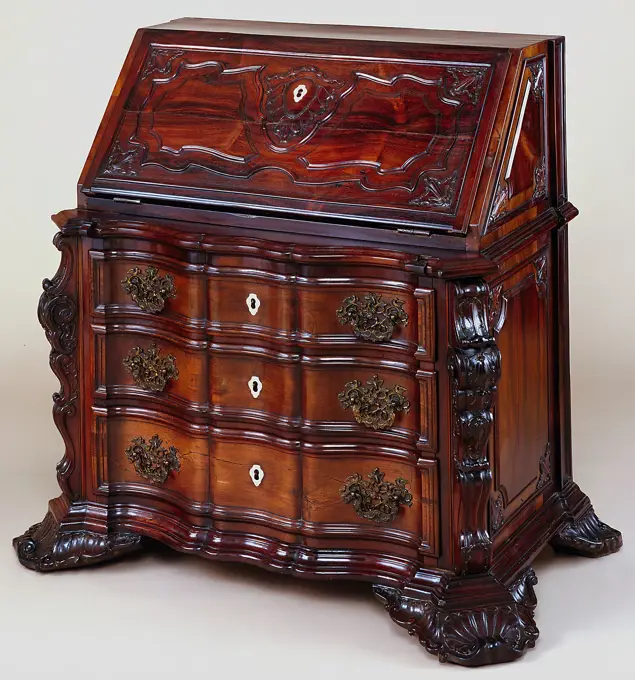
Desk, c. 1750-1780, 46 x 50 x 28 1/2 in. (116.84 x 127 x 72.39 cm), Rosewood, mahogany, brass, ivory, Brazil, 18th century
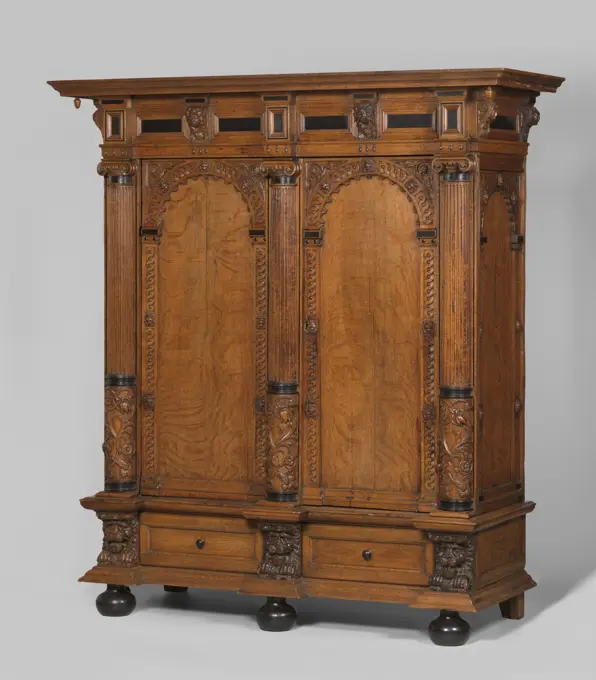
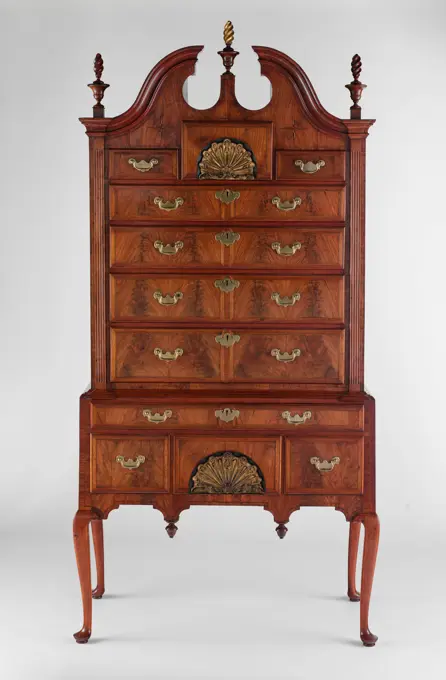
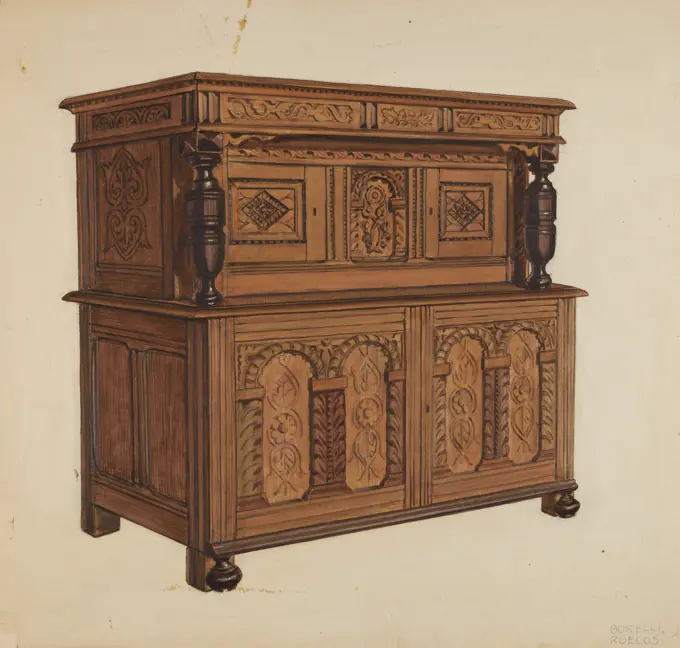
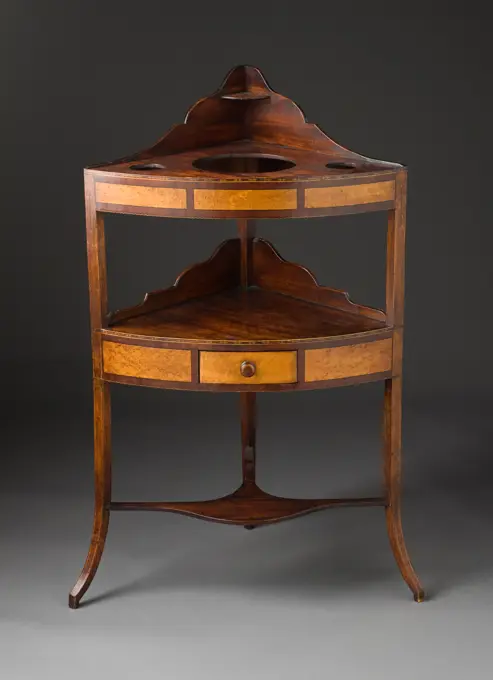
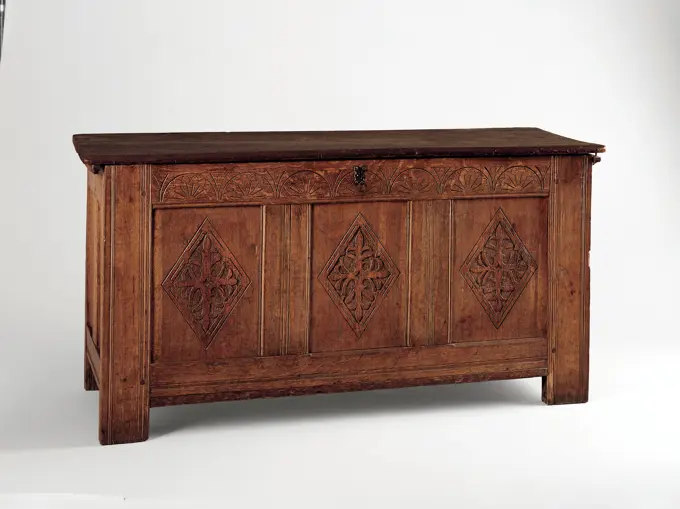
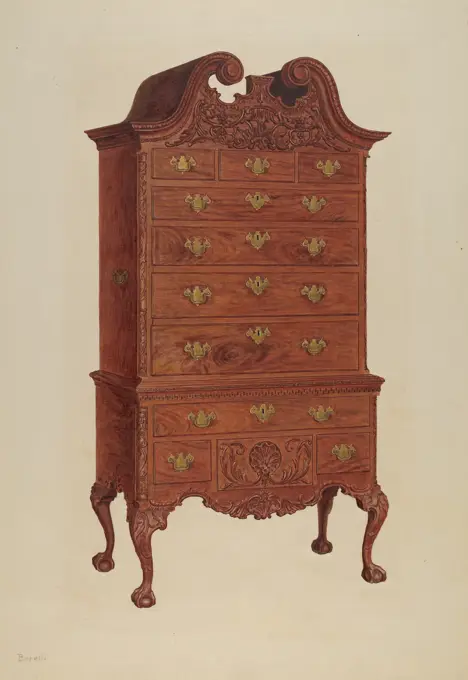
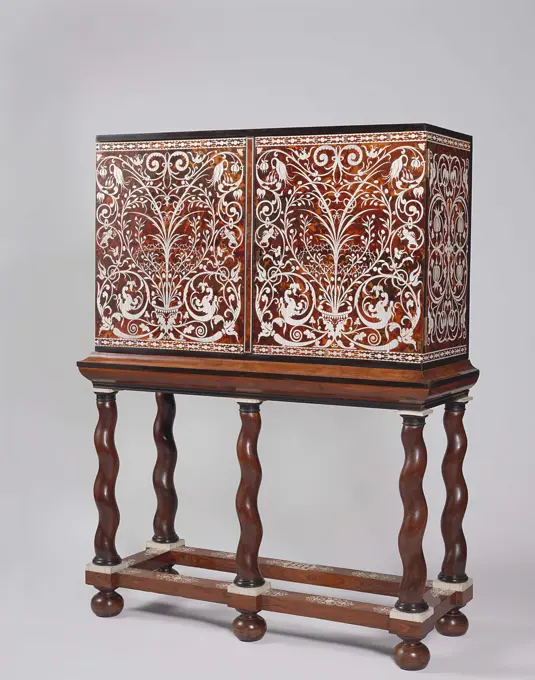
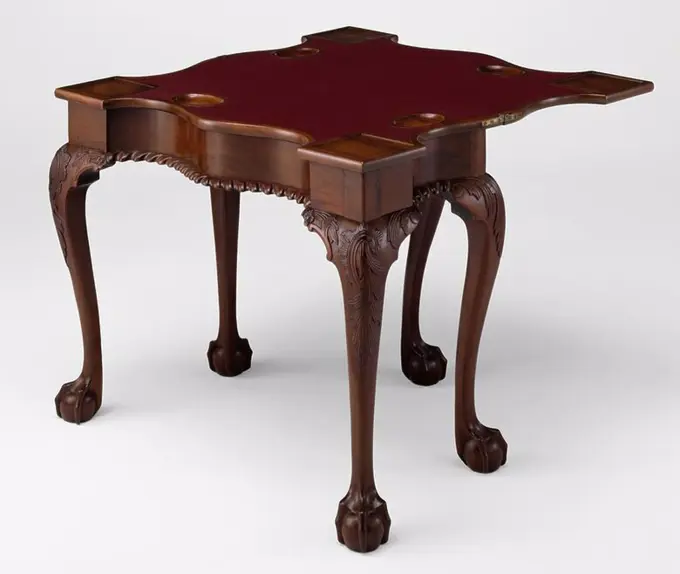
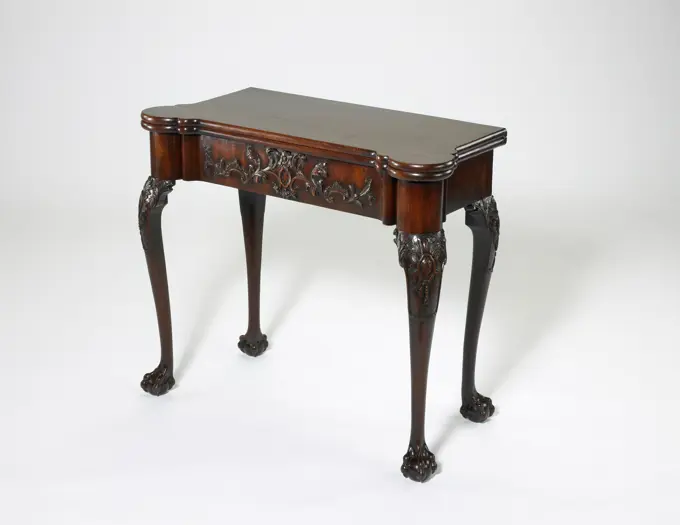
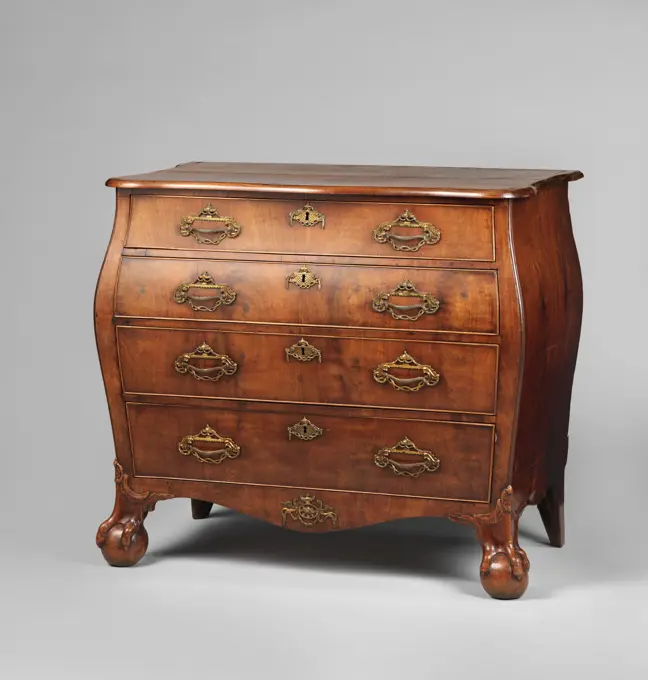
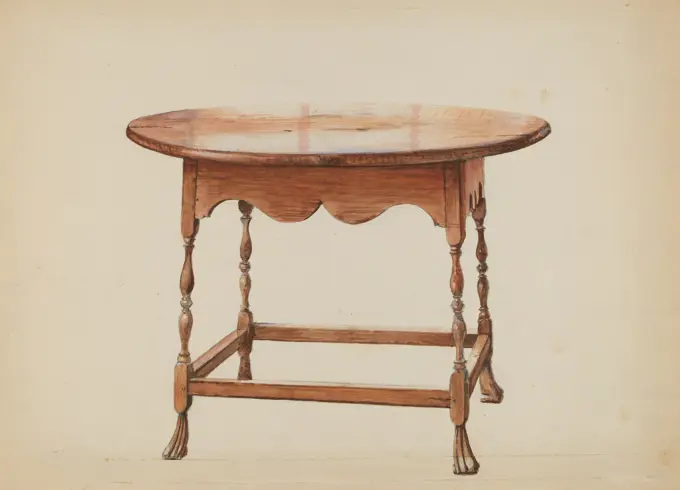
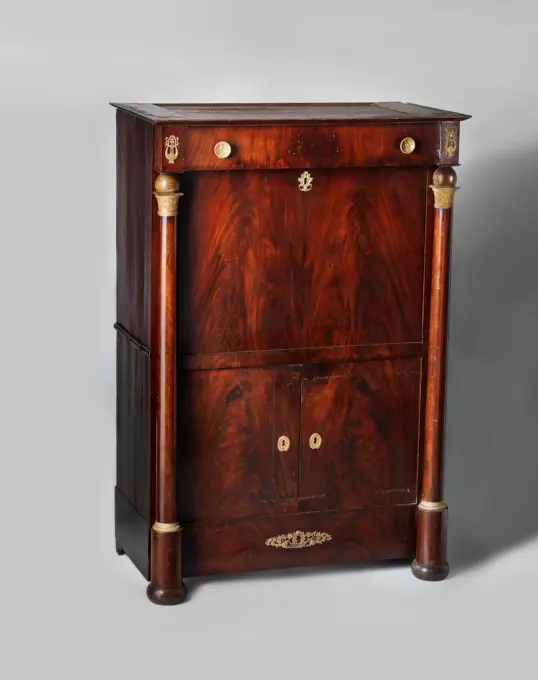
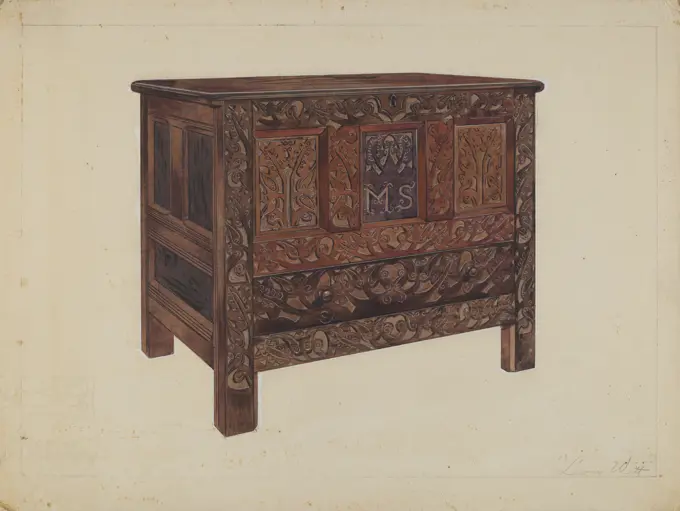
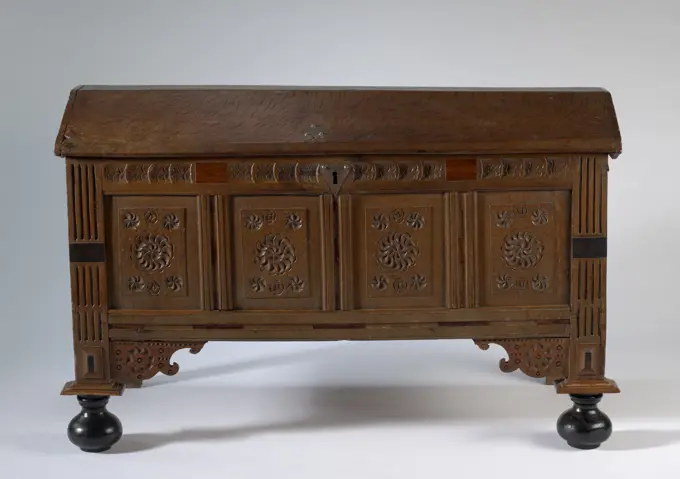
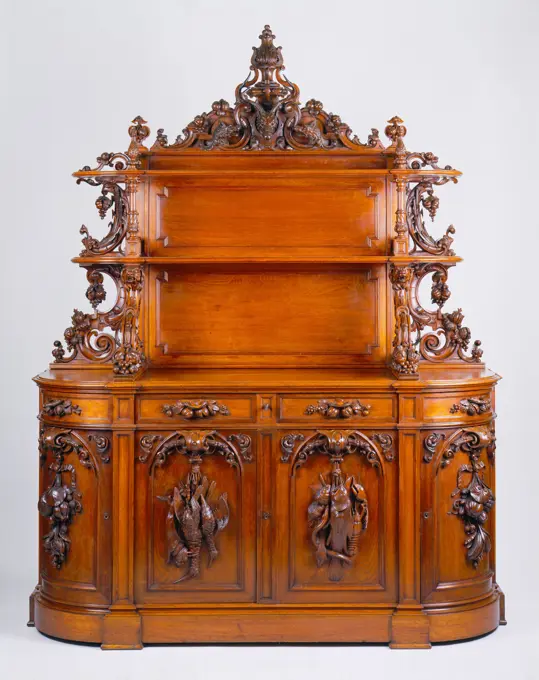
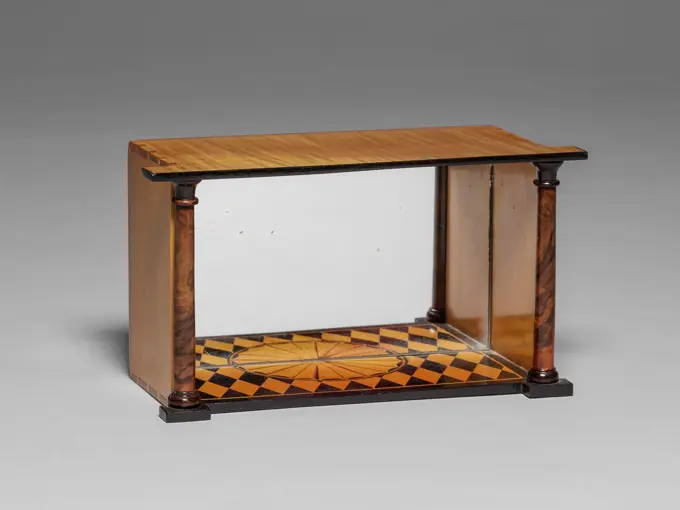
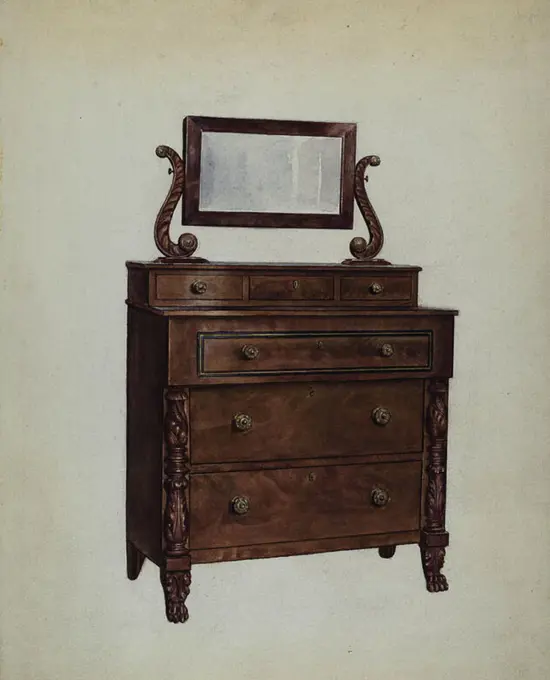
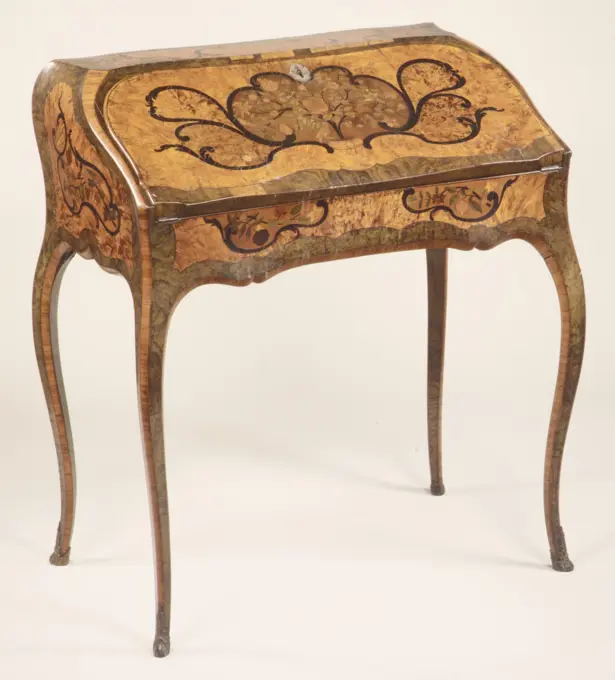
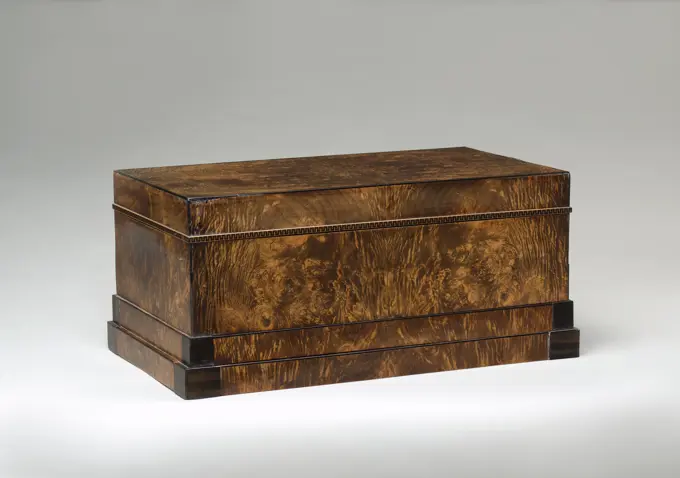
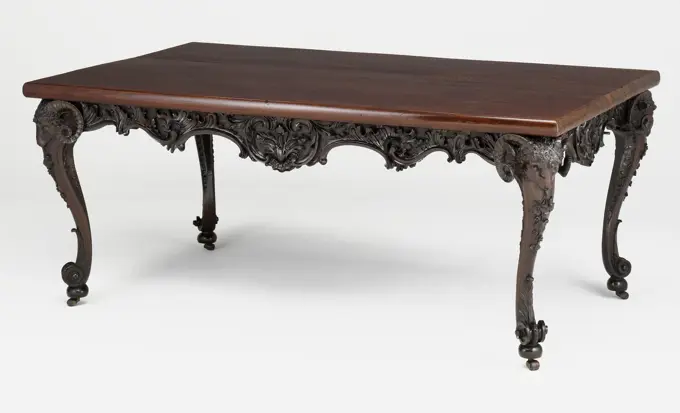
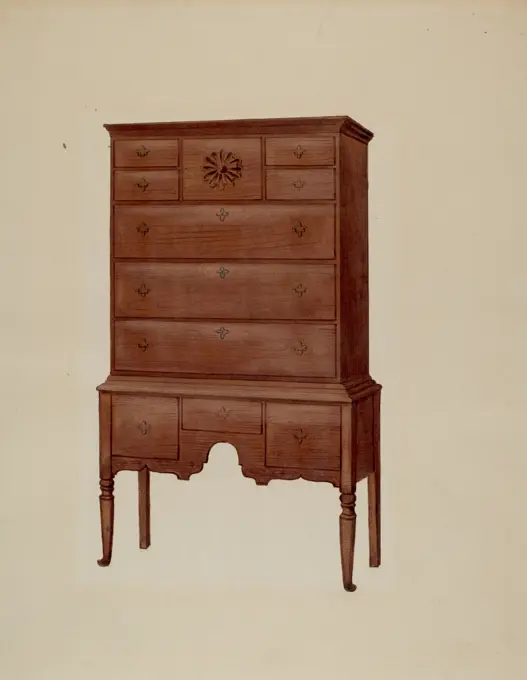
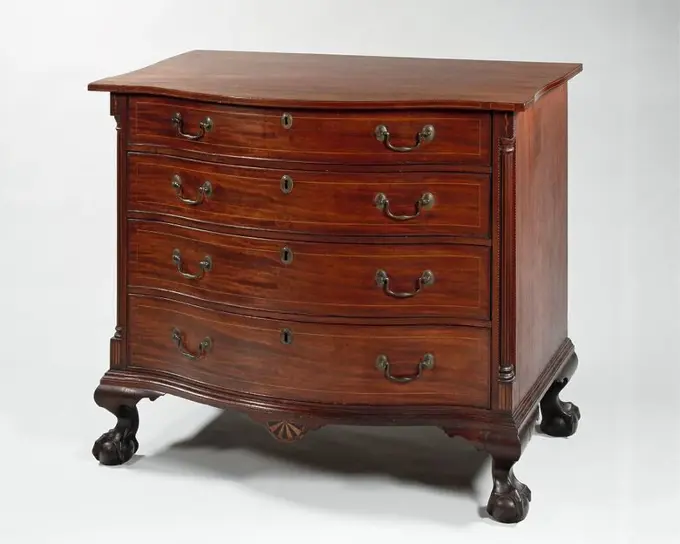
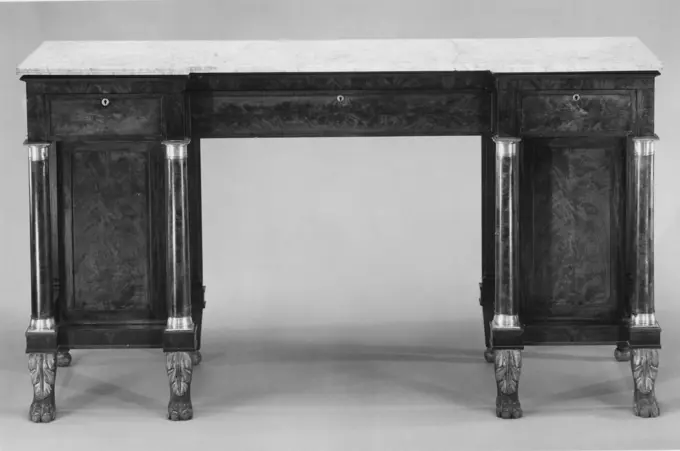
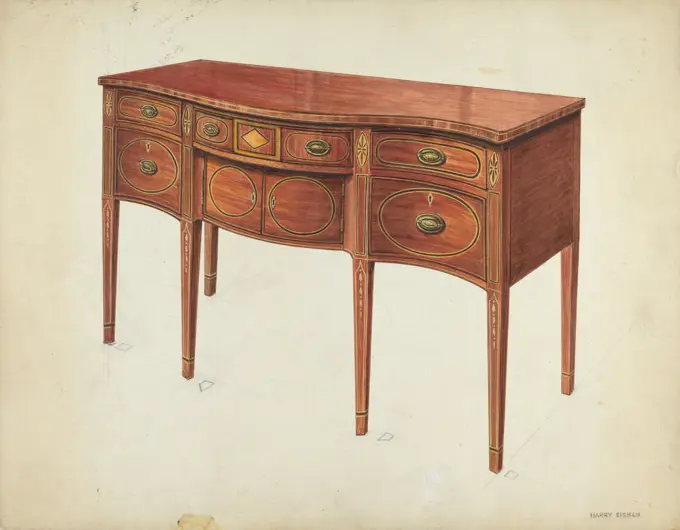
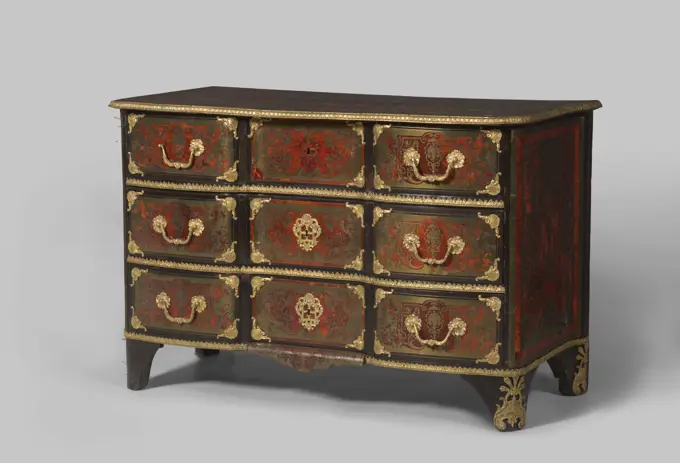
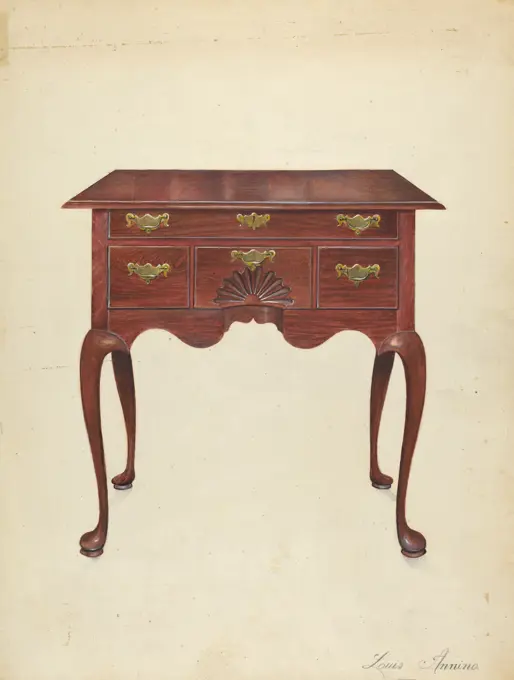
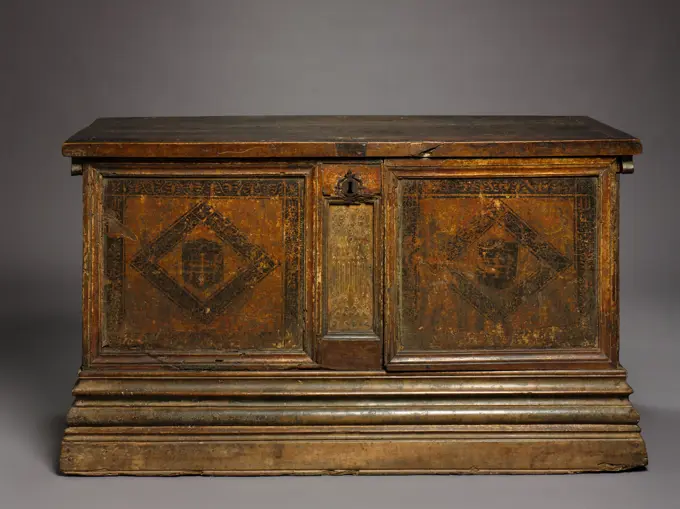
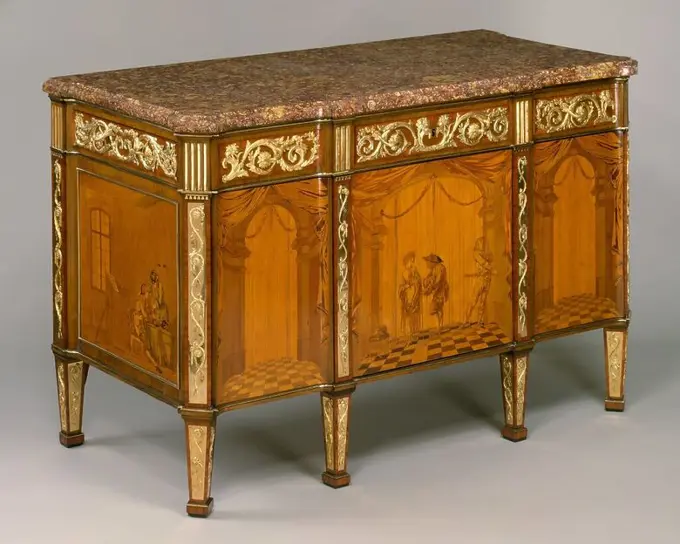
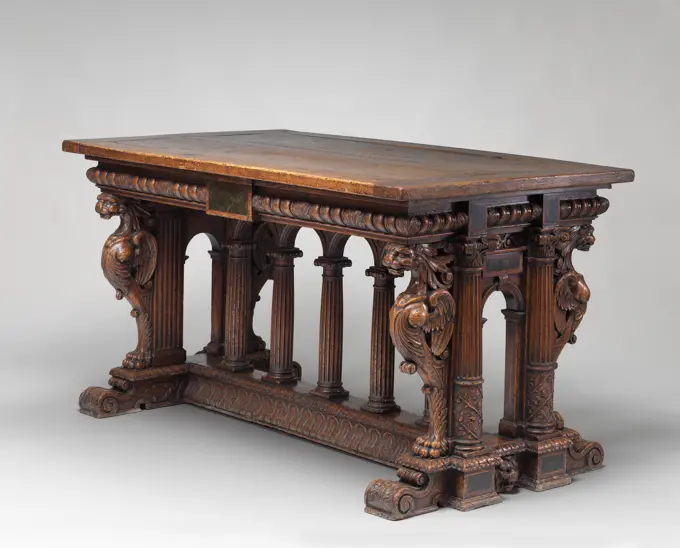
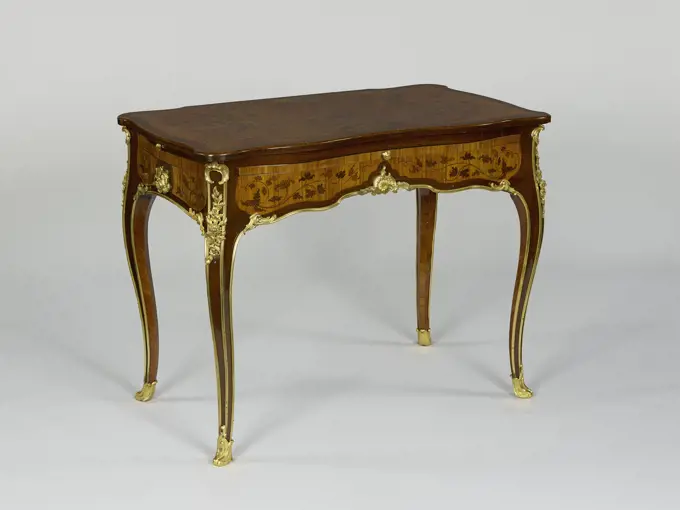
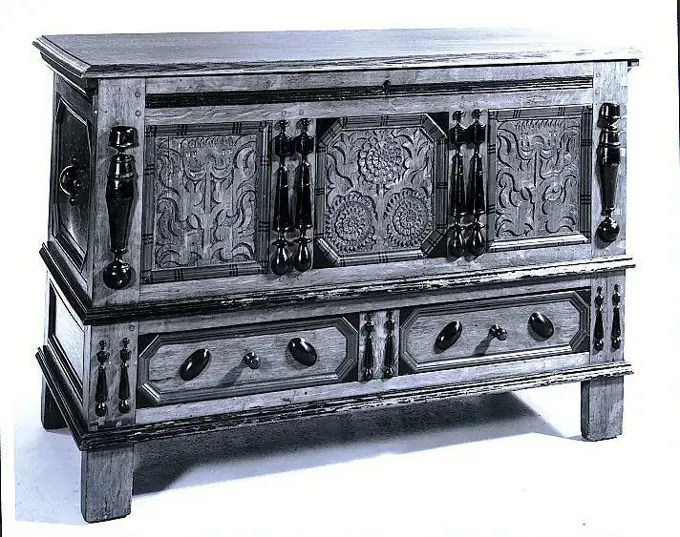
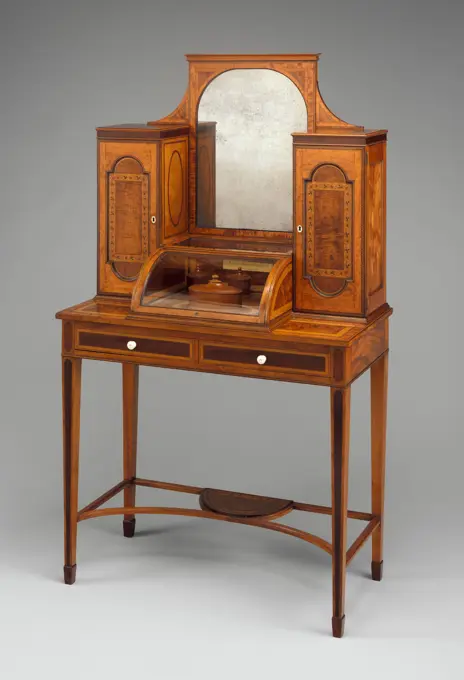
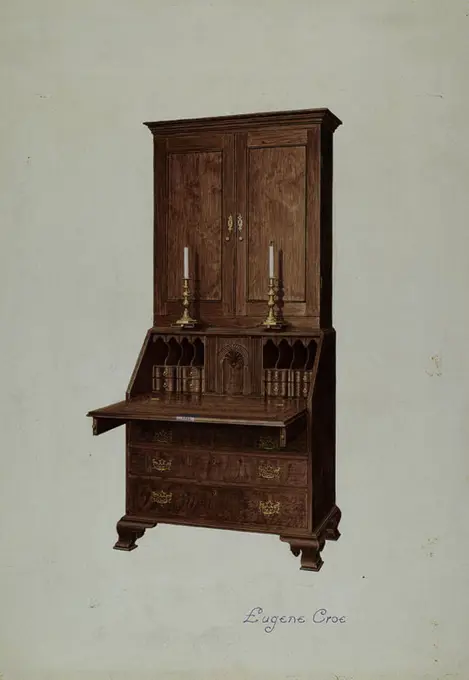
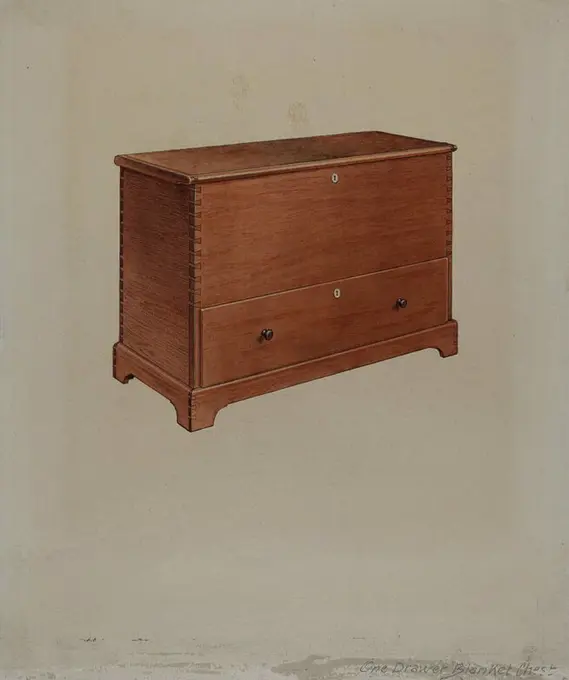
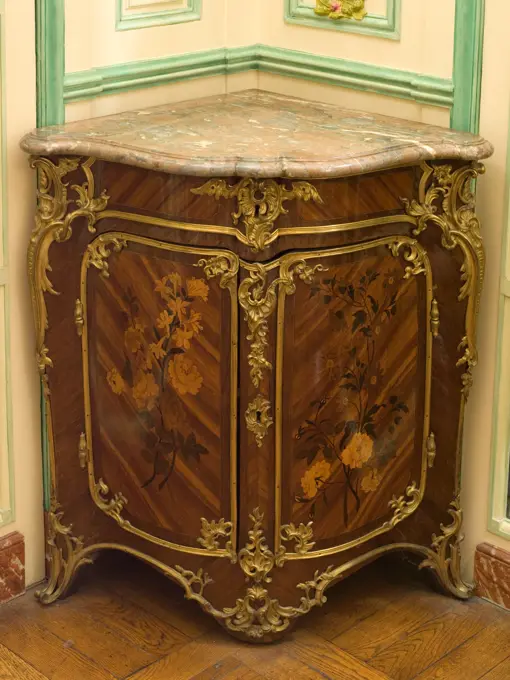
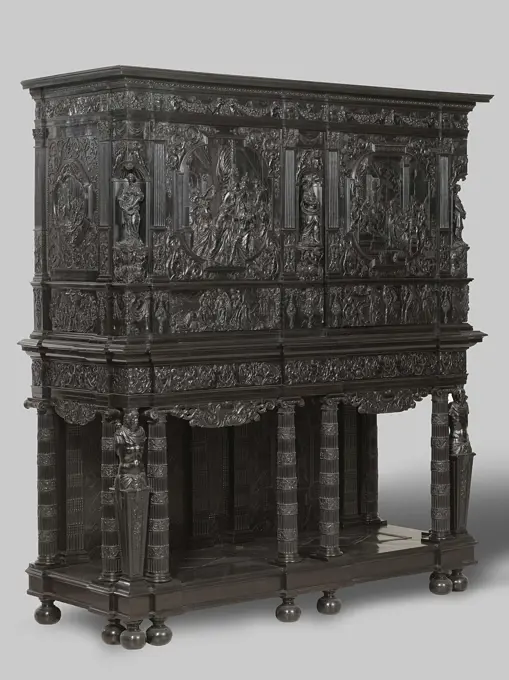
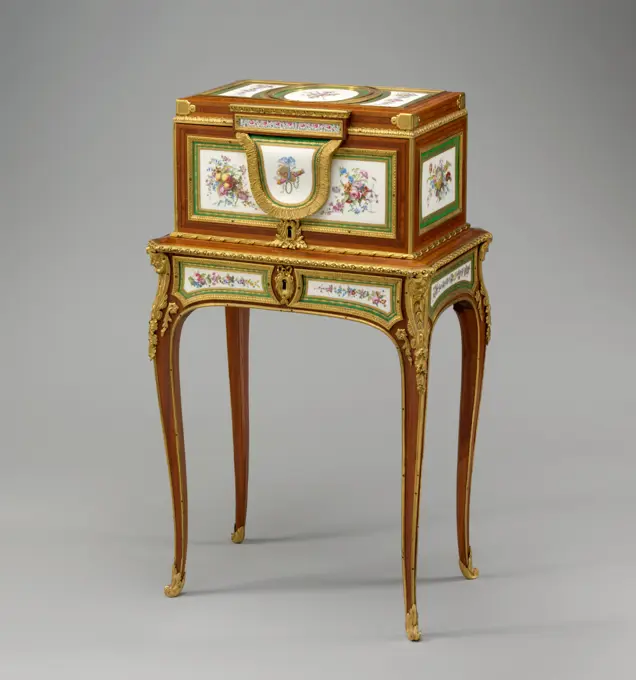
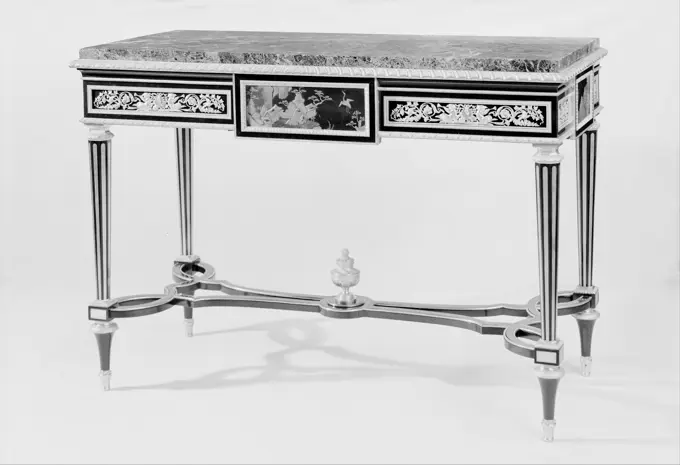
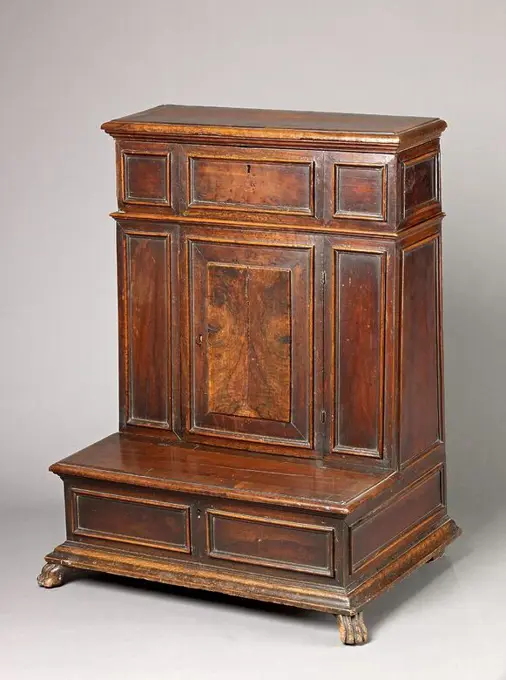
Prie Dieu (Prayer desk). Culture: Italian (). Dimensions: H. 88.3 cm, W. 65.4 cm, D. 48 cm. Date: late 19th century or early 20th century () (with earlier parts). Museum: Metropolitan Museum of Art, New York, USA.Table. American; New England. Date: 1690-1730. Dimensions: 72.7 × 135.6 × 72.7 cm (28 5/8 × 53 3/8 × 28 5/8 in.). Maple. Origin: New England. Museum: The Chicago Art Institute, Chicago, USA.Oak bar, anonymous, 1640 Oak bar decorated with ebony, from the front with three bastards, from behind with vertical rules. The basement with drawers carries cortexes on which clawed lion heads; Above Ionian half-columns, decorated at the bottom with leaf and flower vines. The rags of the doors and sides are framed with braid tire and lion heads; The you are filled with tumbles. The Frisian has deepened mirrors with guttae on the cropping, between which panels and mascarons; Opzij Consoles. Northern Netherlands wood (plant material). oak (wood). ebony (wood) Oak bar decorated with ebony, from the front with three bastards, from behind with vertical rules. The basement with drawers carries cortexes on which clawed lion heads; Above Ionian half-columns, decorated at the bottom with leaf and flower vines. The rags of the doors and sides are framed with braid tire and lion heads; The you are filled with tumbles. The Frisian has deepened mirrors with guttae on the cropping, between which paTwo -door cabinet on Padouk and Iron Houts, Anonymous, 1700 - 1749 Two -door cabinet on chassis. The Padoukhouten cabinet has a ironwood (), Profiled, cropped cornice and basement. The doors and the side styles have deepened fields with scalloped upper and bottom rules, surrounded by ebony profiles and invested with profiled panels. On the sides similar fields where all profiles are now of Padoukhout. Two shelves with scalloped fronts behind the doors. Copper batter. The non-corresponding Padoukhood chassis has cut sculpted bottom lines and S-shaped bent legs with a shell motif whose flower depends and ending in a volute above which a leaf motif. The chassis shows traces of changes in the middle. Indonesia padouk (wood). ironwood. ebony (wood) Two -door cabinet on chassis. The Padoukhouten cabinet has a ironwood (), Profiled, cropped cornice and basement. The doors and the side styles have deepened fields with scalloped upper and bottom rules, surrounded by ebony profiles and invested Chest of Drawers. Dated: c. 1938. Dimensions: overall: 41.8 x 53.1 cm (16 7/16 x 20 7/8 in.) Original IAD Object: none given. Medium: watercolor, colored pencil, and graphite on paperboard. Museum: National Gallery of Art, Washington DC. Author: Charles Squires.Chest. Dated: c. 1937. Dimensions: overall: 31.6 x 41.6 cm (12 7/16 x 16 3/8 in.) Original IAD Object: 39"high; 49"long. Medium: watercolor, colored pencil, graphite and gouache on paperboard. Museum: National Gallery of Art, Washington DC. Author: Charles Squires.Desk, c. 1750-1780, 46 x 50 x 28 1/2 in. (116.84 x 127 x 72.39 cm), Rosewood, mahogany, brass, ivory, Brazil, 18th centuryCabinet on chassis, decorated with marqueterie, on the doors two parrots who are bothered to each other on a tree stump, Anonymous, 1675 - 1700 Cabinet on walnut chassis, decorated with marqueterie. The five spent articulated legs of the chassis are connected by flat and sides scores on the front and sides. The quarter -round table rule contains a drawer with copper tractors and key plate. The two cupboard doors show within a field with dark soil a peeing parrot on a tree stump, surrounded by flowers and a butterfly. In the corners, scalloped fields with tibaries and maskarons in the corners. Ojief -shaped cornice with drawer. Great Britain wood (plant material). oak (wood). yew (wood). pine (wood). copper (metal). bone (material). ebony (wood) Cabinet on walnut chassis, decorated with marqueterie. The five spent articulated legs of the chassis are connected by flat and sides scores on the front and sides. The quarter -round table rule contains a drawer with copper tractors and key plaChest of Drawers 1730-60 American In the 1730s, Boston cabinetmakers transformed the traditional flat-top, turned-leg William and Mary-style high chest into the scroll-top, cabriole-leg Queen Anne version. The best examples of this uniquely American design, such as this high chest and its related dressing table (10.125.72), have carved and gilded shells and delicate inlaid compass stars on the pediment and case sides.. Chest of Drawers 4278Firearm rack. unknown, authorFrancis Borelli and Eleanor Ruelos, Press Cupboard, c 1936 Press CupboardÉtagere. unknown, authorPadoukhout cabinet with panels of iron wood, anonymous, 1740 - 1760 Padoukhout cabinet (or sono keling) With panels of iron wood (Ambonese wood). The cabinet rests on low s-shaped legs, ending in claw-and-ball, connected by a hurled cross. It has two doors above two drawers, all decorated with profiles and panels. The corner styles are placed overhoeks; The profiled hood is bent. Slot plate and tractors of silver. Indonesia padouk (wood). ironwood. silver (metal) Padoukhout cabinet (or sono keling) With panels of iron wood (Ambonese wood). The cabinet rests on low s-shaped legs, ending in claw-and-ball, connected by a hurled cross. It has two doors above two drawers, all decorated with profiles and panels. The corner styles are placed overhoeks; The profiled hood is bent. Slot plate and tractors of silver. Indonesia padouk (wood). ironwood. silver (metal). The commode, a low chest of drawers, became fashionable in Paris in the early 18th century. The French word commode means convenient’, and this elegant, practical type of furniture was indeed created to make life easier. This early Dutch example exhibits a mixture of influences from France, England and the Netherlands. The legs are identical to those of Dutch chairs.Console;  1835-1850 (1835-00-00-1850-00-00);Folding table ca. 1600 British. Folding table. British. ca. 1600. Oak. Woodwork-FurnitureDesk and Bookcase c 1700-1735 Boston. Pieces such as this desk and bookcase were multifunctional practical storage units used in the management of business and personal affairs. Most of the compartments on this desk have locks in order to safeguard the household possessions. The larger drawers of the desk held expensive linens and other textiles, while the small drawers on the interior of the desk section held everything from oneís personal papers, money, and jewelry to shoe buckles and snuff boxes. In a time when the modern idea of banks did not exist, a locking desk was the safest place for oneís valuables.. Walnut and white pine . Artist unknownTable with two extendable blades of coroland wood with rectangular top with scalloped sides and coated with black leather with dark red sinked midfield surrounded by stylized leaf volutes. Table of Coromandewood and leather. The rectangular loose top has scalloped sides and is inlaid with a black leather panel with a dark red-sized midfield, surrounded by stylized leaf volutes. The legs skip in a right flat cascading and resting on a volutely bobbin. Something above half is a square window, with scooped sides and decorated with a brown leather field with an eight-pointed star, filled with leaf motifs. Two extendable sheets.Tea Table c 1740-1760 Newport. Mahogany . Artist unknownIsidore Sovensky, Table, 1940 TableCorner Basin StandChest 1650-1700 American. Chest 1991Francis Borelli, Highboy, c 1938 HighboyCollector cabinet, with appearance of classicist building, glued with mahogany, anonymous, c. 1775 - c. 1800 Oak collector's cabinet glued with mahogany. The four -door cabinet has been treated as the facade of a classicist building, articulated by a colossal composite pilaster order. A portrait medallion with an acclaimed men's head has been installed in the fronton. The two middle doors wear a field, decorated with bead lists with staggered corners, around which leaf vines, as well as the medallions at the bottom, hung on a bow. The side doors wear only a garland and crossed branches above and below. Netherlands wood (plant material). oak (wood). mahogany (wood) Oak collector's cabinet glued with mahogany. The four -door cabinet has been treated as the facade of a classicist building, articulated by a colossal composite pilaster order. A portrait medallion with an acclaimed men's head has been installed in the fronton. The two middle doors wear a field, decorated with bead lists withChest of Drawers 1760-70 American. Chest of Drawers 4279Cabinet of Amalia von Solms. This cabinet was made for Amalia von Solms, widow of Stadtholder Prince Frederick Henry. The marquetryon the doors had a political significance: it alludes to a glorious future for the grandson of Amalia andFrederick Henry, Prince William III (born in 1650). Because Williams father had died shortly before his birth, the fate of the House of Orange depended on the young prince.Table resting on three legs with tabletop and intermediate sheet of red-brown spotted marble. Round table from Mahogany and Thuyahout resting on three legs. The three curved legs are inside and are roasted in vein bronze batter over the entire length. The batter showing stylized mistletoe drinks. The tabletop is made of red-brown spotted marble and caught in a wooden frame. Under the table top, between the three legs, a second sheet of red-brown spotted marble is faced in a wooden frame. The wood of both the frames and the legs is sliced in wide flowing parts.Card Table. American; New York. Date: 1755-1790. Dimensions: 69.9 × 88.3 (open) × 87.6 cm (27 1/2 × 34 3/4 × 34 1/2 in.). Mahogany with tulip poplar, white oak, and white pine. Origin: New York. Museum: The Chicago Art Institute, Chicago, USA.Cabinet;  2. PO. 19th century (1850-00-00-1900-00-00);Charles Squires, Chest with Drawer, c 1938 Chest with DrawerOffice, c. 1840 - C. 1845  Leeuwarden oak (wood).  Leeuwarden oak (wood).Table c 1885-1895 New York City. Mahogany with bronze . Herter BrothersCard table, mid 18th century, 27 3/4 x 33 x 31in. (70.5 x 83.8 x 78.7cm), Mahogany, England, 18th century. An ornamental cabinet with four doors was the showpiece of an interior. The three figures on the uppersection represent the principal Christian virtues of Faith, Hope and Charity. The two doors of the uppersection are decorated with scenes from the Old Testament story of Susanna, who resisted the advancesof two elderly men.Furniture, Anonymous, 1750 - 1775 Oak chest of chests Lijmed with mahogany. There are four drawers in the ankle curved front; The sides are also only bent. The furniture rests on four legs, of which the two front corner placed legs are formed as large claws with balls, decorated above the claws with a leaf motif. The leaf is sculpted and profiled. The bronze batter consisting of the final plates and the tractors show, among other things, vase, braid and festival motifs. Northern Netherlands wood (plant material). oak (wood). mahogany (wood). bronze (metal) Oak chest of chests Lijmed with mahogany. There are four drawers in the ankle curved front; The sides are also only bent. The furniture rests on four legs, of which the two front corner placed legs are formed as large claws with balls, decorated above the claws with a leaf motif. The leaf is sculpted and profiled. The bronze batter consisting of the final plates and the tractors show, among other things, vase, braid and festival motiHenry Moore, Table, Round Top, c 1936 Table, Round TopÉtagère, Rosewood, maple, glass mirror, brass, Table is oval half-round in shape, supported on four scroll legs. Curved stretcher with openwork crest. Shaped plinth surmounted by two shelves of graduated size with shaped profile edges, supported on pierced fretwork brackets. Back of two upper shelves fitted with mirror glass. Top of second shelf surmounted by scrollwork with central escutcheon and high relief female head. Finial above head missing. Central drawer on table front, with front panel carved with arabesques and grape clusters. Interior of drawer of maple, with rectangular brass locking device., New York, New York, USA, ca. 1855, furniture, Decorative Arts, ÉtagèreSecretary lacroix, Roger Lacroix, 1750 - 1775 Secretary, signed R. Lacroix. Model: trapezoidal. Consists of an upper and sub-part. Two-door base cabinet, on faintly curved four-sided rectangular hind legs with round corners in the light bent bent, sill on front legs. Higher upper cupboard with valve and slightly crossing light bent bent marble top. The styles without transition with the slightly waved side plates. Seizure. Decoration: Marquetterie in flower, bird and shell motif on front and side plates. Batter (bronze) in the middle of the sill; On the corners of the styles bronze lock plates. Blue-gray marble leaf with light profiling. France rosewood (wood). rosewood (wood). marble (rock). bronze (metal) Secretary, signed R. Lacroix. Model: trapezoidal. Consists of an upper and sub-part. Two-door base cabinet, on faintly curved four-sided rectangular hind legs with round corners in the light bent bent, sill on front legs. Higher upper cupboard with valve and slightly crossing light Cabinet;  1910-1939 (1910-00-00-1939-00-00);animal pawsSecretary, decorated with Mercury on a car drawn in the clouds, Anonymous, 1820 Secretary of egg and pinewood glued with mahogany. Two detached columns have been applied to basements on the corners at the front. The basement and the capital that a painted sphere carries are of gilded bronze, as well as the batter under and on the doors and the writing sheet; That of the upper drawer in the protruding Frisian, based on the columns, presents Mercury on a car drawn in the clouds. Behind the writing sheet mirrors and boards. Gray Raised Marble leaf. Northern Netherlands wood (plant material). oak (wood). spruce (wood). mahogany (wood). bronze (metal). looking glasses. marble (rock). gilding (material) gilding Secretary of egg and pinewood glued with mahogany. Two detached columns have been applied to basements on the corners at the front. The basement and the capital that a painted sphere carries are of gilded bronze, as well as the batter under and on the doors and the writing sheet; ThatLeon Witt, Chest, c 1936 ChestWall cabinet, Anonymous, 1500 - 1600 Wall cabinet (Credinzin) van Notenhout, with an immediate skirting boards, the front skirting of which is interrupted in the middle by sawn -out volutes. The cabinet has two doors with imposed panels with beveled corners in the middle, flanked by two narrow similar panels. The panels show twisted wooden buds with yellow copper cover plates and copper buttons. The towade above also has buttons. Above the drawer a profiled list of far -off cover plate with tooth list. Italy wood (plant material). walnut (hardwood). copper (metal) Wall cabinet (Credinzin) van Notenhout, with an immediate skirting boards, the front skirting of which is interrupted in the middle by sawn -out volutes. The cabinet has two doors with imposed panels with beveled corners in the middle, flanked by two narrow similar panels. The panels show twisted wooden buds with yellow copper cover plates and copper buttons. The towade above also has buttons. Above the drawer a profiled listChest, 1600s. Netherlands, 17th century. Oak; overall: 82.6 x 132.7 x 54.6 cm (32 1/2 x 52 1/4 x 21 1/2 in.).Console table. unknown, authorWriting table Willem II. Writing table with scorched legs, cross-level beams with middle under an oval. The magazine runs obliquely forwards and contains an oval copper engraving with the bust of King Willem I in gala uniform. The engraving is flanked from both sides by a lion. In the four corners of the leaf medallions: 1. L.B.: Willem I with inscription. 2. L.O.: Prince Maurits with inscription. 3. R.B.: Nicolaas I with inscription. 4. R.O.: Peter the Great. There is a lock in the mid top. On top: Coat of arms of the Nassau.Sideboard ca. 1853 Alexander Roux French This sideboard by Aleander Roux is an "etagere" type, with an upper structure of shelves meant for the display of dining ware. Sometimes dubbed "the altar of gastronomy," the form became popular in America and Eurpoe about 1850 and remained a prominent feature of dining rooms for the next quarter century. Hunt and harvest themes prevailed. Roux displayed the prototype for this piece at the 1853 Crystal Palace Exhibition in New York. Afterward, he was commissioned to make a pair of related sideboards for the Astor family--this one and its mate, which is at the Newark Museum. Listen to experts illuminate this artwork's story Listen Play or pause #3875. Sideboard Supported by Bloomberg Philanthropies We're sorry, the transcript for this audio track is not available at this time. We are working to make it available as soon as possible.. Sideboard 13475Charles Squires, Lowboy, c 1937 LowboyMirrored Partition for a Globe Work Table (Globustisch), c. 1810-1815. Austria, Vienna, early 1800s. Burl walnut veneer, mahogany, ebony, satinwood, gilt wood, painted wood; mirrored glass; overall: 11 x 20 x 8.1 cm (4 5/16 x 7 7/8 x 3 3/16 in.). Work tables resembling globes were the usual form for a lady's sewing or writing table around 1800 in Austria. Combining moving parts, secret compartments, and highly finished decoration, these tables were also a way for the cabinetmaker to show off his skill. The tripod supports and temple-like architectural quality of both the exterior and interior decoration reflect the fashionable taste for neoclassical style, or Biedermeier as it was called in Austria, where Vienna was the center of such elaborate furniture production.Chest of Drawers. Dated: 1936. Dimensions: overall: 29.3 x 22.8 cm (11 9/16 x 9 in.) Original IAD Object: none given. Medium: watercolor, colored pencil, graphite, and some heightening on paper. Museum: National Gallery of Art, Washington DC. Author: Florence Choate.Slant-top desk ca. 1760-65 Jean-François Hache (fils, called Hache l'ainé). Slant-top desk 194930Mechanical casket 1800-1810 Heinrich Gambs The design of this rectangular casket, with its double stepped base, appears to belong to the Art Deco period rather than to the time of Napoleon. The beautiful burr maple-veneered exterior encloses various mechanical devices, buttons, and springs to open or release hidden compartments and give access to secret drawers. Heinrich Gambs served as a journeyman in the workshop of David Roentgen with whom he collaborated and traveled to Russia in 1790. Gambs opened a furniture workshop in Saint Petersburg, where he made mechanical pieces that resembled the work of his well-known teacher, attracting among his select clientele the future empress Maria Feodorovna.. Mechanical casket. Russian, St. Petersburg. 1800-1810. Burr-maple, ebony and ebonized fruitwood, mahogany, birch, gold-colored silk and green baize. Woodwork-FurnitureBureau dressing table ca. 1725 British. Bureau dressing table. British. ca. 1725. Walnut, burr walnut veneer, parcel gilt, glass. Woodwork-FurnitureCenter Table 1750-1760 England. Imagine how impressive this table would have looked when fully extended and set with silver at the center of a large hall glowing with candlelight. Made in England in the mid-18th century, it has a hinged top so that it could be placed against a wall when not in use.The table is made of mahogany, which was imported to England from Central America and the West Indies. The dense and fine-grained nature of the wood made it suitable for carving in relief, as can be seen in the virtuoso carving of the tableís freize and legs. The legs have been shaped as ramsí heads with scrolling horns in high relief and swags of vines suspended from their mouths. Like goats, rams were traditionally associated with Bacchus, the Roman god of wine, and thus revelry, indicating that the table was probably intended for a dining room or banquet room.18th-century English furniture is rarely marked or labeled, even on pieces of the highest quality, like this one. Although the namesCabinet;  1815-1825 (1815-00-00-1825-00-00);Méyet, Leopold (1850-1912) - collection, Slovak Julius, souvenirs, gift (provenance), empire (style), herms (element of decor)DressingTableBiedermeier wash cabinet, chest of drawers cupboard cabinet furniture furniture interior design wood oak mahogany leg brass, Biedermeier wash cupboard top with mirror and space for lamp set storage space behind roller shutter bottom large drawer for pot and small drawer for accessories BiedermeierFred Weiss, Highboy, c 1936 HighboyTable/chest of drawers. unknown, authorShaving stand 1700-30 British. Shaving stand 7413Chest. Culture: American. Dimensions: 36 x 42 x 24 in. (91.4 x 106.7 x 61 cm). Date: 1780-90. Museum: Metropolitan Museum of Art, New York, USA.Sideboard Table ca. 1815 Attributed to Duncan Phyfe Scottish. Sideboard Table. American. ca. 1815. Mahogany, marble. Made in New York, New York, United StatesHarry Eisman, Sideboard, c 1953 SideboardFurniture, Anonymous, 1700 Commode decorated with marquetery of turtle and brass on pine and oak core. The front board is bent inwards and has three drawers, which, like the leaf, are deposited with gilded copper edges. The drawers, corners and bobbins are decorated with gold -plated copper batter. The marqueterie shows grotesken along the lines of Jean Berain. The cupboard and the front board of the drawers are from pine, the rest is of walnut. France wood (plant material). pine (wood). walnut (hardwood). brass (alloy). bronze (metal) gilding Commode decorated with marquetery of turtle and brass on pine and oak core. The front board is bent inwards and has three drawers, which, like the leaf, are deposited with gilded copper edges. The drawers, corners and bobbins are decorated with gold -plated copper batter. The marqueterie shows grotesken along the lines of Jean Berain. The cupboard and the front board of the drawers are from pine, the rest is of walnut. France wood (plant materialLouis Annino, Lowboy, c 1953 LowboyTable American Probably late 19th century, style of 1700-1730Small table. unknown, authorHutch Dresser. Dated: c. 1936. Dimensions: overall: 55.4 x 40.5 cm (21 13/16 x 15 15/16 in.) Original IAD Object: 6'6"high; 4'2"wide. See data sheet for dets.. Medium: watercolor, colored pencil, graphite, and heightening on paperboard. Museum: National Gallery of Art, Washington DC. Author: Leslie Macklem.. By shifting the back, you could use both sides of this settle. Sitting before a fire, you could alternate positions to keep your whole body warm. Under the seat is a storage space for keeping valuables safe. Settles such as these would have stood in the houses of ordinary citizens. They are the forerunners of separate chests, chairs and settees.Mahogany Desk with Bookcase Top. Dated: 1936. Dimensions: overall: 30.4 x 22.9 cm (11 15/16 x 9 in.) Original IAD Object: none given. Medium: watercolor, gouache, colored pencil, and graphite on paper. Museum: National Gallery of Art, Washington DC. Author: George Loughridge.Secretary. Dated: c. 1938. Dimensions: overall: 54.2 x 45 cm (21 5/16 x 17 11/16 in.) Original IAD Object: Approx 67"high; 37 1/8"wide, base; 20"deep, base.. Medium: watercolor, colored pencil, graphite, and heightening on paperboard. Museum: National Gallery of Art, Washington DC. Author: Ernest Busenbark.Pier Table. Culture: American. Dimensions: 6 3/4 x 12 1/2 x 19 1/8 in. (17.1 x 31.8 x 48.6 cm). Date: 1825-30. Museum: Metropolitan Museum of Art, New York, USA.Suite of Four Console Tables. Attributed to Andrea Tagliafichi (Italy, 1729-1811). Italy, Genoa, circa 1775-1790. Furnishings; Furniture. Gilt wood, marble, gilt bronze'Small Mahogany Cabinet on Stand', c1680. Artist: Unknown.Tailor's Table. Dated: 1937. Dimensions: overall: 22.7 x 27.8 cm (8 15/16 x 10 15/16 in.) Original IAD Object: 32" high; 33 1/2" deep; 67" long. Medium: watercolor, graphite, and pen and ink on paperboard. Museum: National Gallery of Art, Washington DC. Author: Winslow Rich.Gothic Marriage Chest, c. 1500-1525. Spain, Catalonia, Barcelona(), 16th century. Wood with painting and gilding; overall: 73.2 x 136.5 x 54.8 cm (28 13/16 x 53 3/4 x 21 9/16 in.).Commode à vantaux. Culture: German, Neuwied am Rhein. Decorator: Stencil drawings and stamp-cutting of marquetry Elie Gervais (1721-1791) and his workshop. Designer: Designs for figural marquetry by Januarius Zick (German, Munich before 1730-1797 Ehrenbreitstein). Dimensions: 35 1/4 x 53 1/2 x 27 1/4 in. (89.5 x 135.9 x 69.2cm). Maker: David Roentgen (German, Herrnhaag 1743-1807 Wiesbaden, master 1780); Frieze mounts attributed to Pierre Rémond (French, Paris 1747-1812 Paris). Date: ca. 1775-79 with later alterations.This important Roentgen commode, as well as another example in the Victoria and Albert Museum, London (W 51-1948), both have an illustrious provenance. Their histories may have begun in the royal apartments at Versailles. During the nineteenth century this example now at the Metropolitan Museum belonged to Baron Mayer de Rothschild, a member of the distinguished banking and art-collecting family, who kept it at Mentmore Towers, his palatial and splendidly appointed residePicnic Box, 17th century, 10 x 15 3/4 x 9 1/4 in. (25.4 x 40.01 x 23.5 cm), Huang-hua-li and brass, China, 17th centuryChest of Drawers. Dated: c. 1937. Dimensions: overall: 22.5 x 29.2 cm (8 7/8 x 11 1/2 in.). Medium: watercolor, pen and ink, and graphite on paperboard. Museum: National Gallery of Art, Washington DC. Author: Gilbert Sackerman.French 16th Century, Walnut Table with Lion Sphinxes, second half 16th century French 16th Century, Walnut Table with Lion Sphinxes, second half 16th century, walnut, Widener Collection 1942.9.373Writing Table; Bernard II van Risenburgh (French, after 1696 - about 1766, master before 1730); Paris, France; about 1755; Oak and fir veneered with tulipwood, kingwood, and amaranth; drawers of mahogany; gilt-bronze mounts; modern leather panel; 74.9 × 96.2 × 57.6 cm (29 1,2 × 37 7,8 × 22 11,16 in.)Kunstkast, Anonymous, c. 1600 - c. 1699 Kunst cabinet glued with turtle, ivory, rosewood, ebbbe and other types of wood, resting on flattened bol feet. The cabinet contains five on top of each other in the middle and twice six drawers on the left and right side. The middle drawer with arching rack has a double height. Around the pass signs with leaf and flower arrangements and Robbellists. Contrasting decorative edges have been installed between the drawers, on the corner and middle styles and leaf edge; Ivory drips hang under the leaf edge. Southern Netherlands wood (plant material). rosewood (wood). ebony (wood). horn (animal material). ivory Kunst cabinet glued with turtle, ivory, rosewood, ebbbe and other types of wood, resting on flattened bol feet. The cabinet contains five on top of each other in the middle and twice six drawers on the left and right side. The middle drawer with arching rack has a double height. Around the pass signs with leaf and flower arrangements and RobbellChestCredence (chest) mid-19th century French. Credence (chest) 460829Dressing table ca. 1790-95 Seddon, Sons and Shackleton. Dressing table 194553Secretary-desk Cabinet Top. Dated: c. 1937. Dimensions: overall: 35.5 x 24.4 cm (14 x 9 5/8 in.) Original IAD Object: Upper: 43"high; 36"wide; 10 1/2"deep; Desk: 42 3/4"high; 38"wide; 21 1/2"d.. Medium: watercolor, colored pencil, pen and ink, graphite,and heightening on paperboard. Museum: National Gallery of Art, Washington DC. Author: Eugene Croe.Low Boy. Dated: c. 1940. Dimensions: overall: 22.7 x 29.8 cm (8 15/16 x 11 3/4 in.). Medium: watercolor, graphite, and pen and ink on paperboard. Museum: National Gallery of Art, Washington DC. Author: Frank Wenger.Lady's Writing Cabinet. Dated: 1935/1942. Dimensions: overall: 29 x 22.9 cm (11 7/16 x 9 in.) Original IAD Object: 50 1/2"high; 25 3/4"wide; 22"diam.. Medium: watercolor, colored pencil, graphite, and some heightening on paperboard. Museum: National Gallery of Art, Washington DC. Author: American 20th Century.Winslow Rich, Shaker Table, 1937 Shaker TableWork Table 1815-20 American. Work Table 10005Coffer. Engraver: John Bower, w. 1809 - 1819Shaker Sugar Chest. Dated: 1935/1942. Dimensions: overall: 27.9 x 22.8 cm (11 x 9 in.). Medium: watercolor and graphite on paper. Museum: National Gallery of Art, Washington DC. Author: Victor F. Muollo and Alfred H. Smith.. Under David Roentgen, the family cabinetmaking workshop in Neuwied (Germany) became the most famous in all of Europe. Like his father Abraham, he specialized in mechanically complex furniture; even this simple table is not opened with a key, but by means of a system of hidden buttons. The tabletop has a chinoiserie scene in marquetry.Jean-Pierre Latz and Léonard Boudin. Enoignure. Satin veneer, around 1740. Paris, Carnavalet museum. The two leaves are each decorated with a marquetry bouquet. The whole is enriched with golden bronzes rockery combining patterns of plants, staples, shells and bat wings. 18th Century, Corner Cabinet, Enoignure, Flower Pattern, Furnishings, Marble, Marble, Mobilier, Floral Pattern, Satin Placing, Satin Finish, Wood Veneer, 18th century, FurnitureCabinet. During the early 17th century cabinetmakers from the Netherlands and Germany established themselves in Paris and introduced the art of veneered furniture. This involved covering inferior wood carcasses with thin layers of exotic and expensive woods. This ebonyveneered cabinet is an example of the production thatarose at that time. It features carved biblical scenes and has a richly ornamented interior.Table with rectangular leaf, on four baluster-shaped, profiled legs. Table with a rectangular mahogany leaf, the frame is made of tropical hardwood and consists of four baluster-shaped, profiled legs, connected to each other by rules at the top.Stool 1400-1500 Europe. Oak .Jewel coffer on stand (petit coffre à bijoux) ca. 1770 Coffer attributed to Martin Carlin French Nine nearly identical coffers on stands are known (three in the Museum's collection) that are either stamped or attributed to Martin Carlin. Working in Paris, this successful German cabinet maker specialized in making light and elegant pieces for a fashionable and distinguished clientele. On December 13, 1770, the marchand mercier (dealer in luxury good) Simon-Philippe Poirier (ca. 1729-1785), who had a virtual monopoly on the purchase of Sèvres plaques, delivered "a coffer of French porcelain on a green ground with floral cartouches, very richly embellished with gilt bronze, and its stand" to Madame Du Barry (1743-1793), mistress of King Louis XV. Since seven of the plaques have the date letter R for 1770 painted on their backs, it has been suggested that this may have been the one commissioned by Madame Du Barry.. Jewel coffer on stand (petit coffre à bijoux). French, Paris and Sèvres. caFrank Eiseman, Sewing Cabinet, c 1937 Sewing CabinetDresser; Weiss, Jan Bogumi (Fl. Ca 1816); 1816 (1816-00-00-1816-00-00);Egyptians, Zandbang, Henryk Franciszek (1905-1936) - collection, gift (provenance), empire (style), plant decoration, animal pawsTable ca. 1790 Attributed to Adam Weisweiler French This side table demonstrates the persistent taste for the exotic and Chinoiserie during the reign of Louis XVI, a period more typically defined by the restrained Neoclassical forms inspired by ancient Rome and Greece. Attributed to the famed Parisian cabinetmaker Adam Weisweiler, the oak table is veneered with ebony, incorporates panels of black and gold Japanese lacquer, and is set with strips of pewter and gilt-bronze mounts. It has a marble top. A small drawer is located in the frieze, and the four tapered octagonal legs are joined by an interlacing stretcher mounted with a gilt-bronze urn (possibly a replacement). The central lacquer panel located in the frieze, paired with the two gilt-bronze panels featuring fauns and trophies, demonstrates how furniture under the reign of Louis XVI combined lacquer from the Far East with classical motifs from antiquity. Seen with the museums vases chinois, a pair of vases produced around 1791