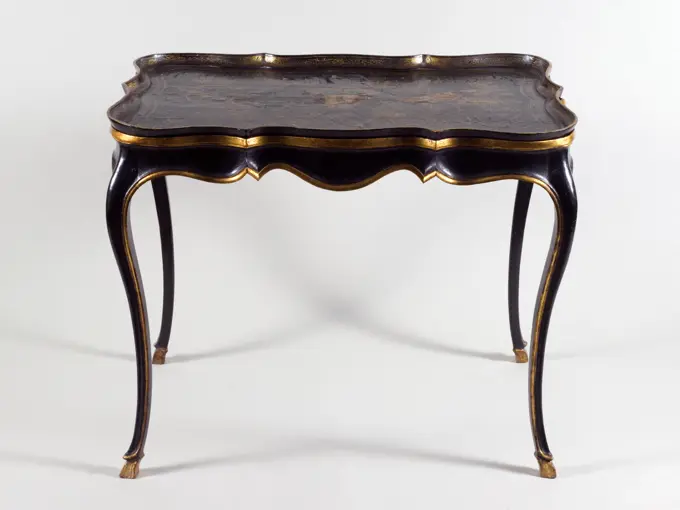
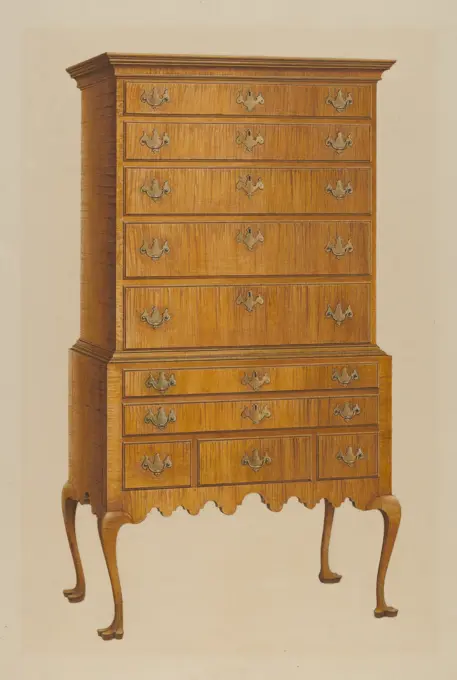
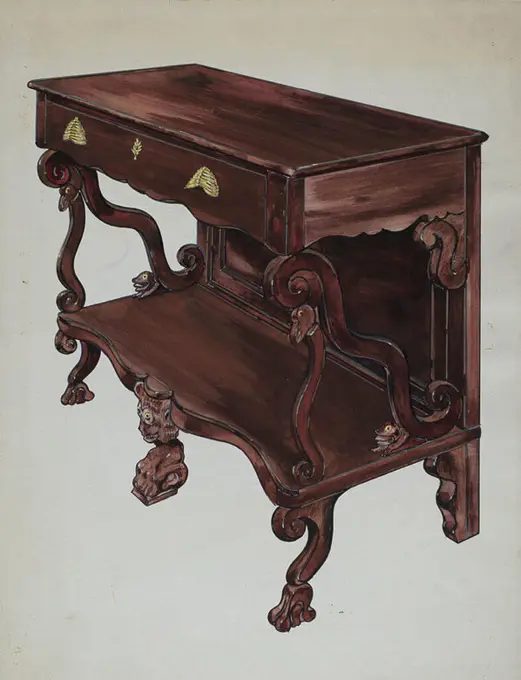
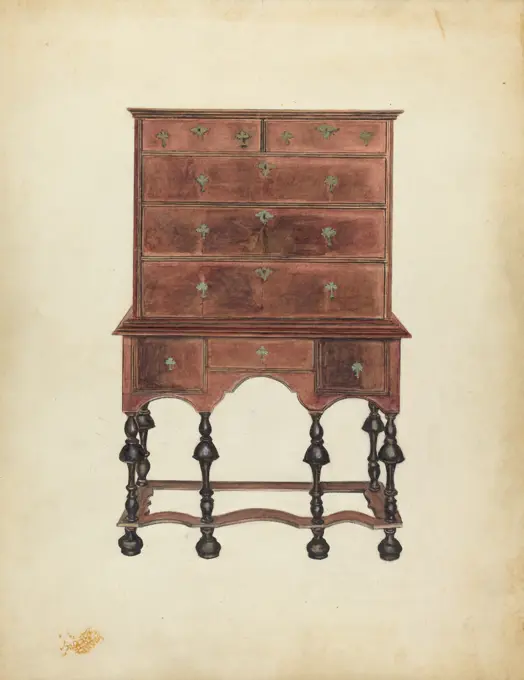
Antique Furniture Designs

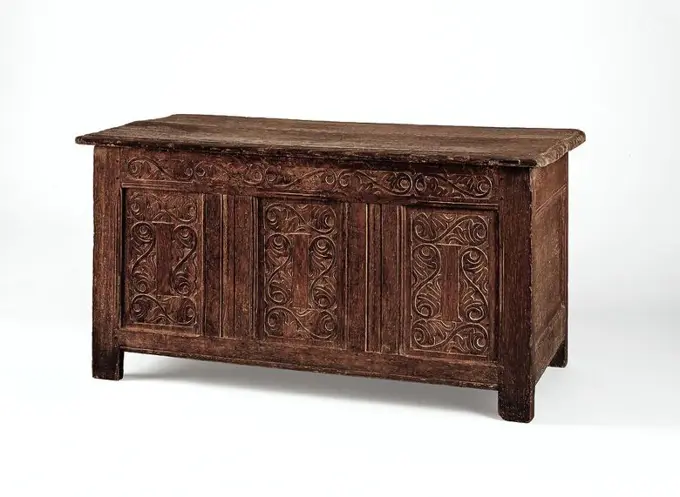
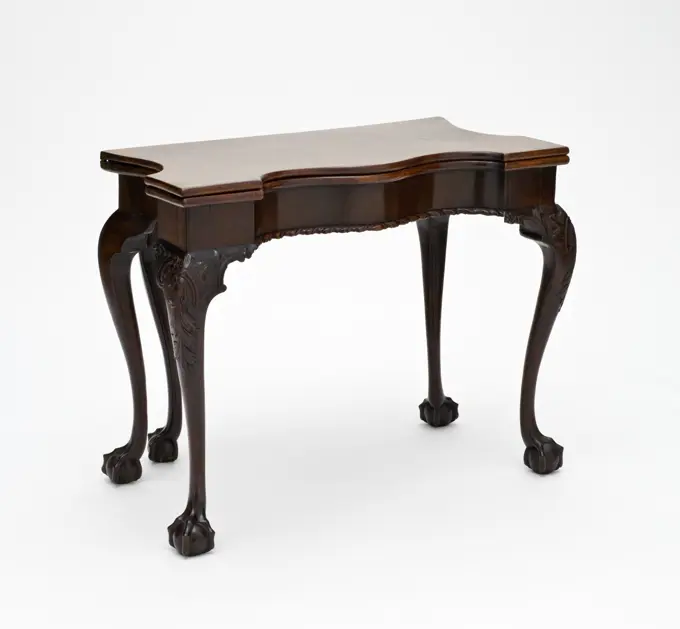
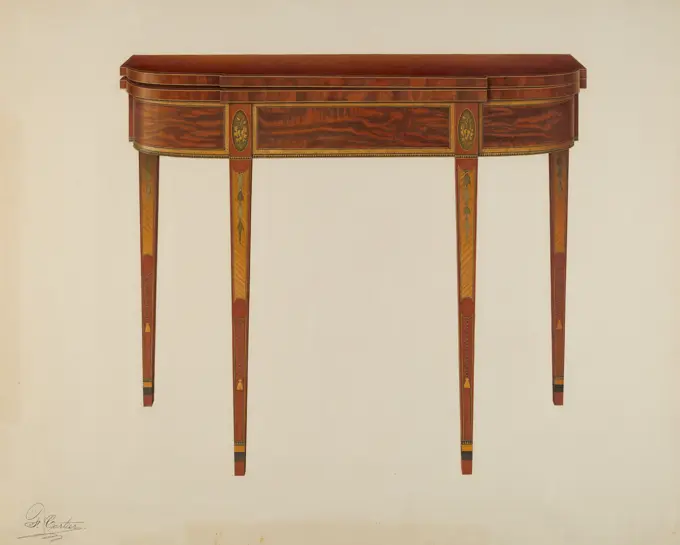
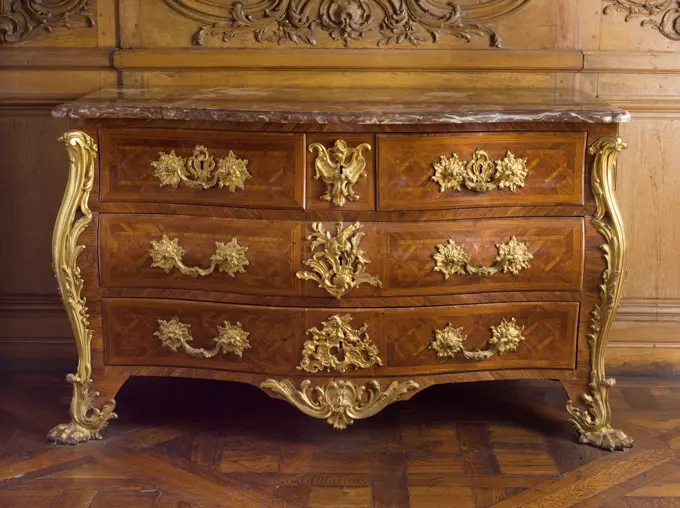
An array of beautifully crafted antique furniture pieces like cupboards, desks, and tables, showcasing intricate marquetry, elegant woodwork, and historical motifs.
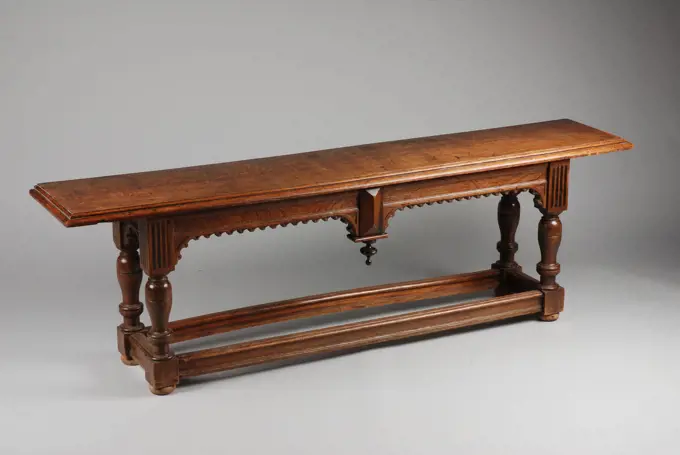
Oak renaissance bench of the Reformed Old Woman's House, bench furniture furniture interior design oak wood moore oak rosewood elmwood wood, Oak Renaissance bench with few marquetry details front with bows and twisted knob baluster legs connected by lines back without decoration Rotterdam City triangle Hoogstraat Gereformeerd Oudevrouwenhuis renaissance Elisabeth Stichting Anno 1455 Reformed Oudevrouwenhuis (St. Elisabeth Gasthuis)
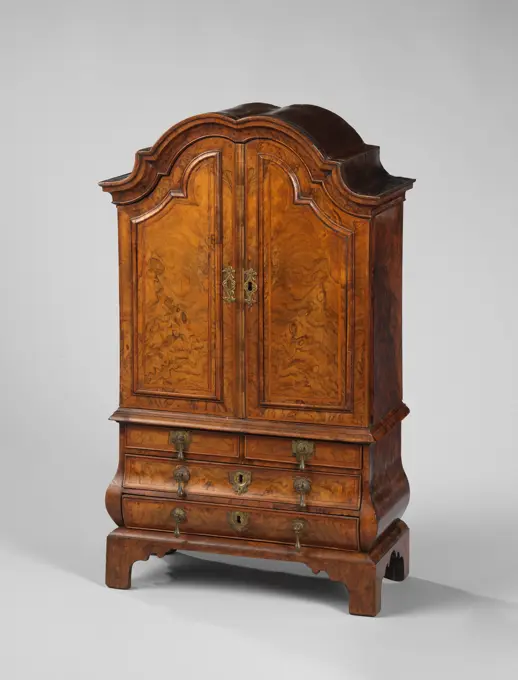
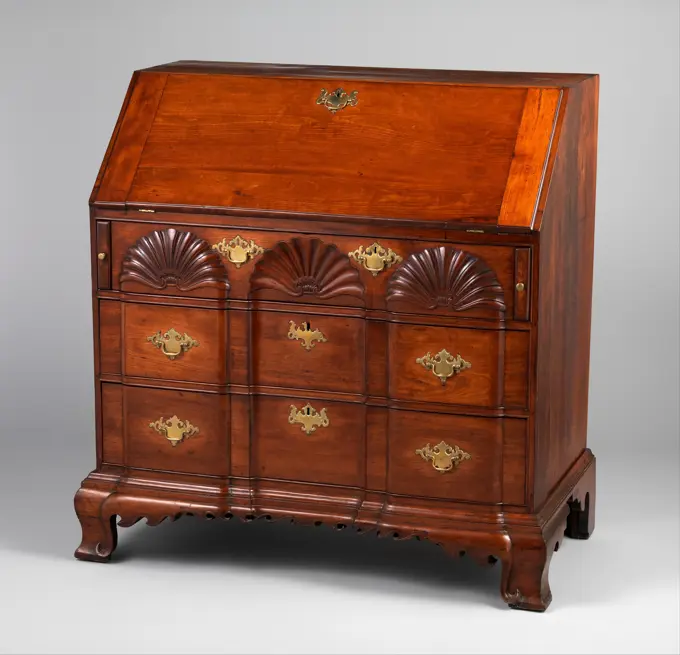
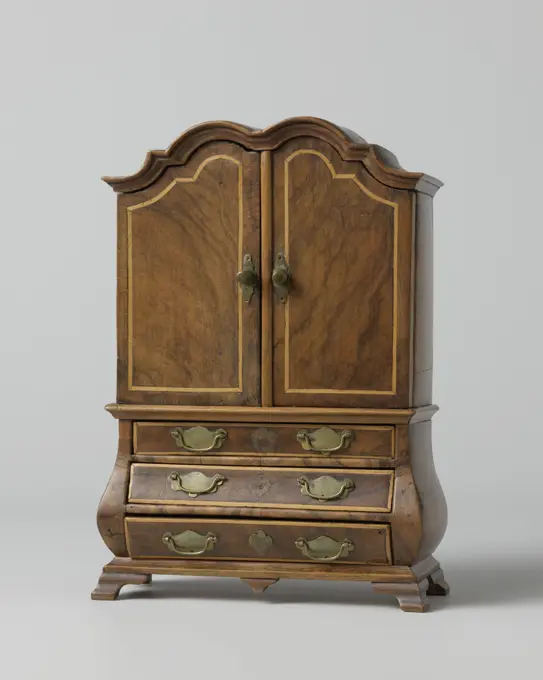
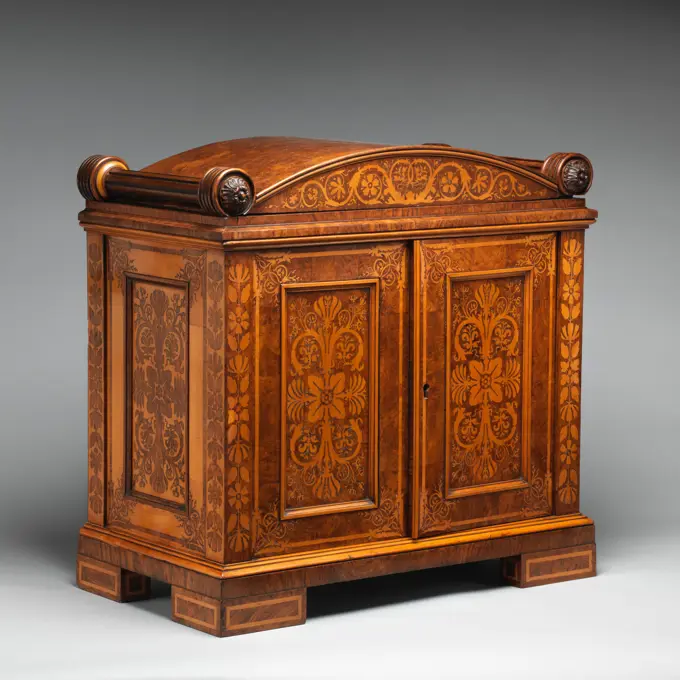
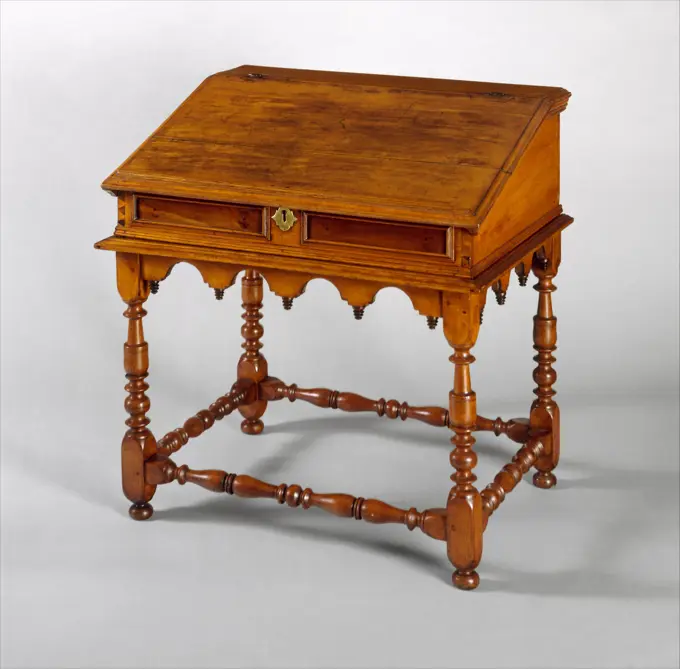
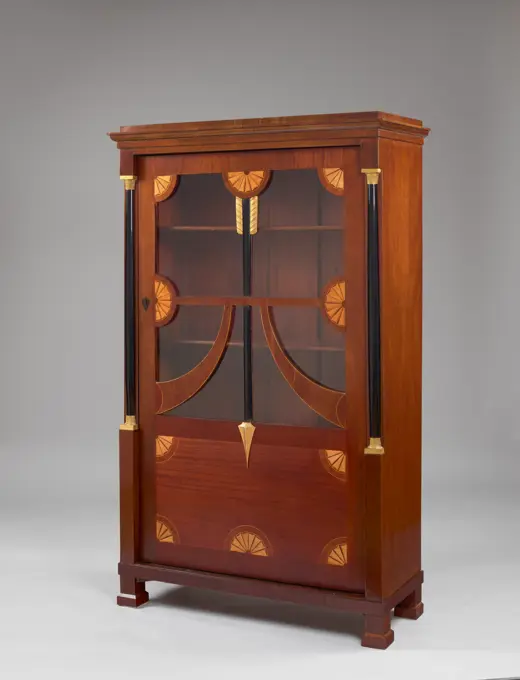
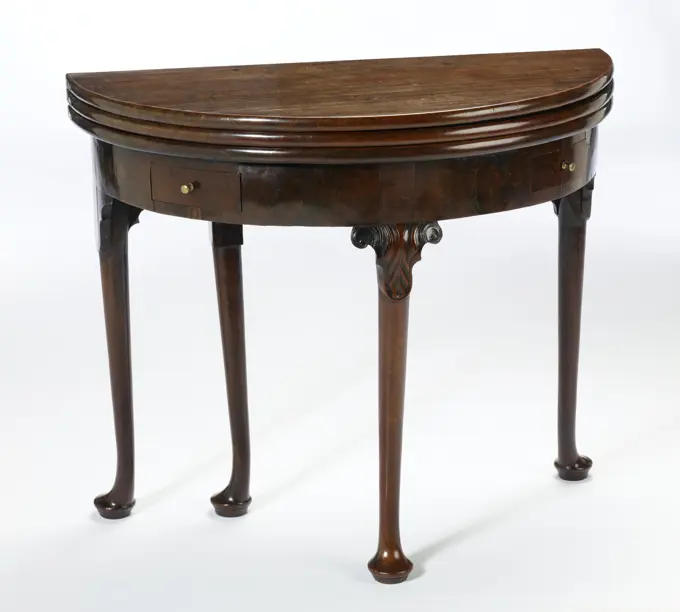
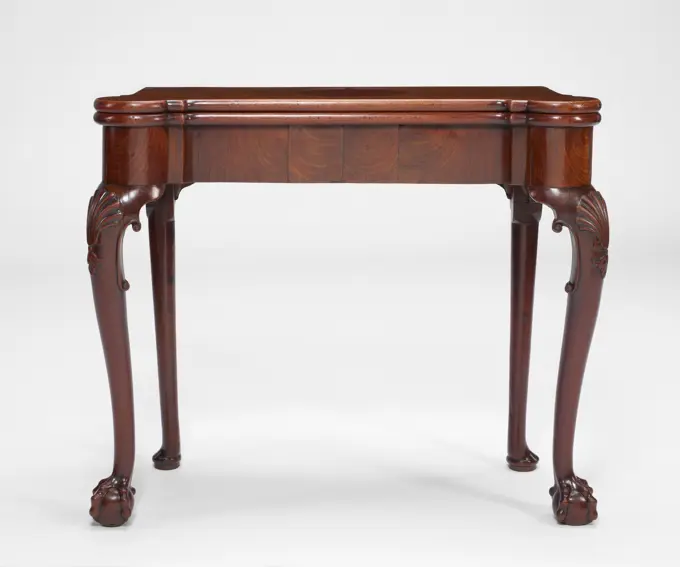
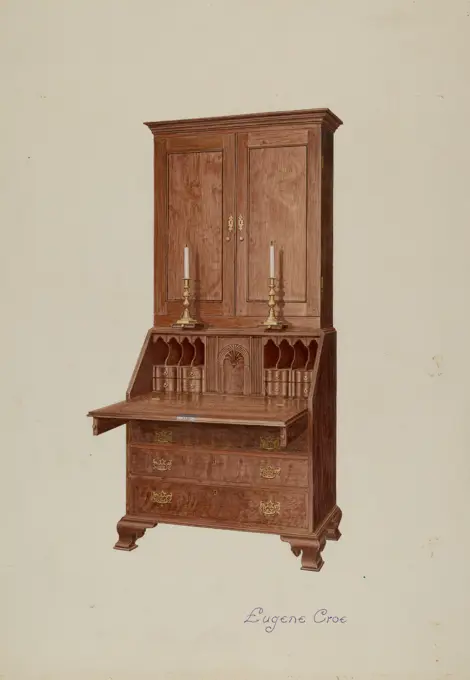
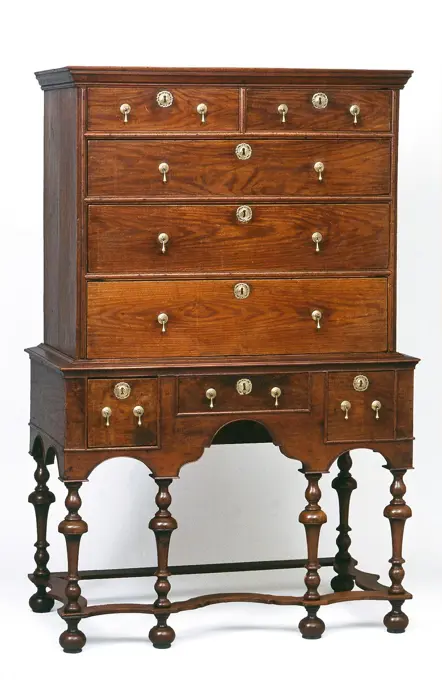
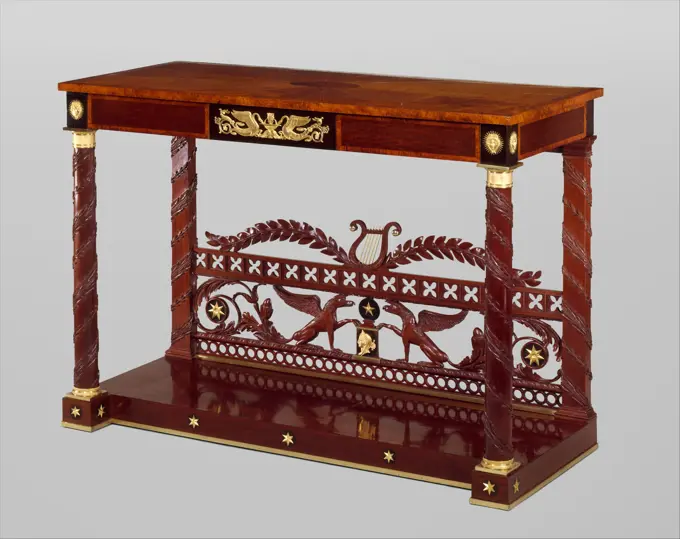
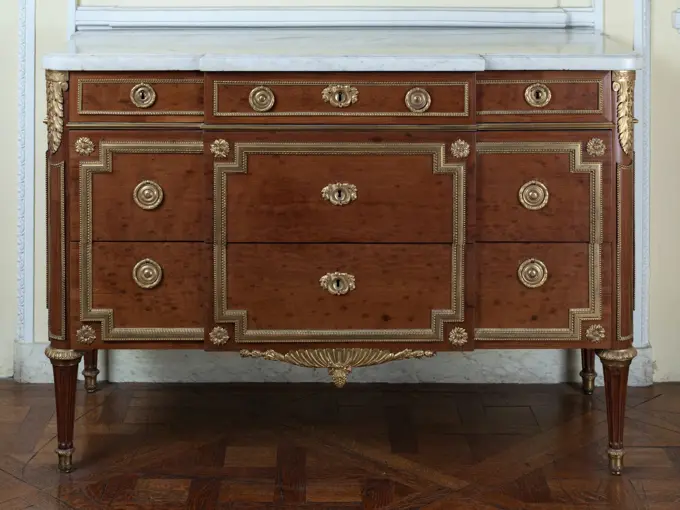
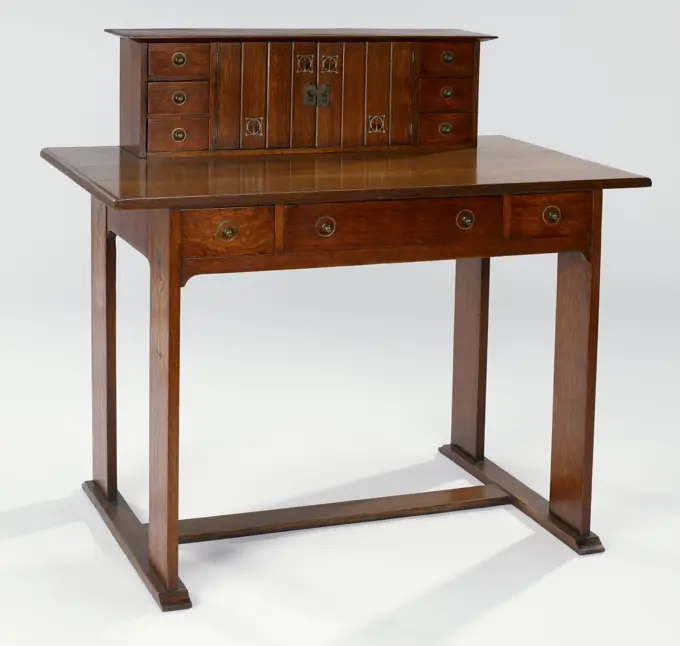
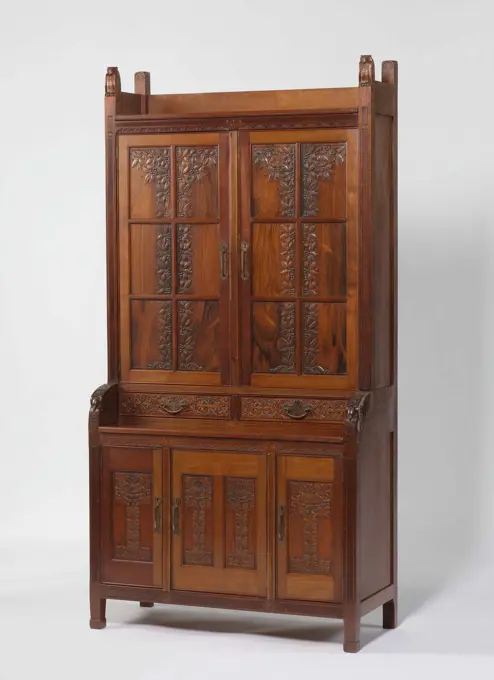
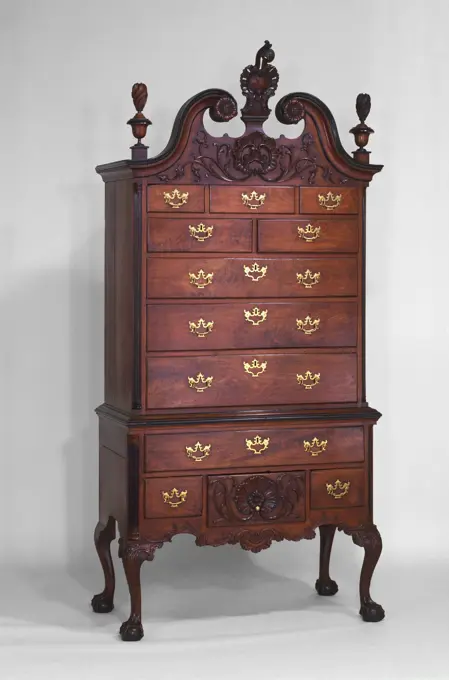
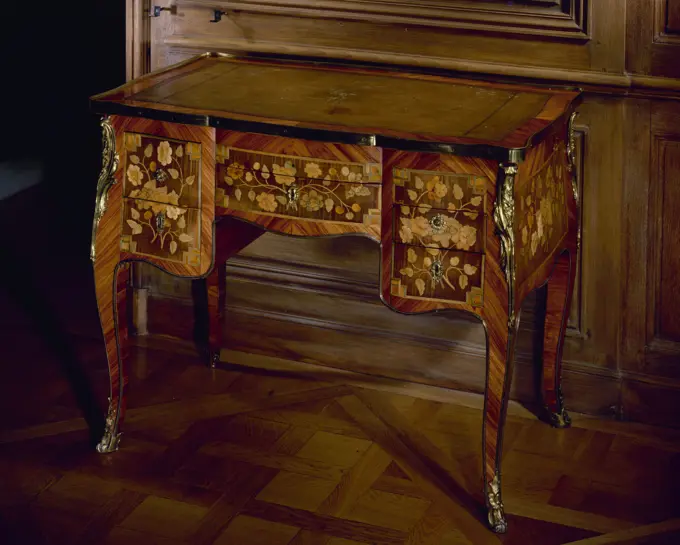
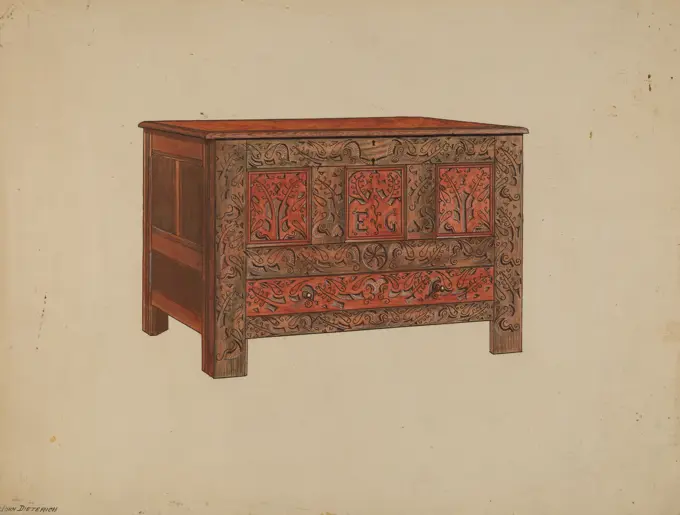
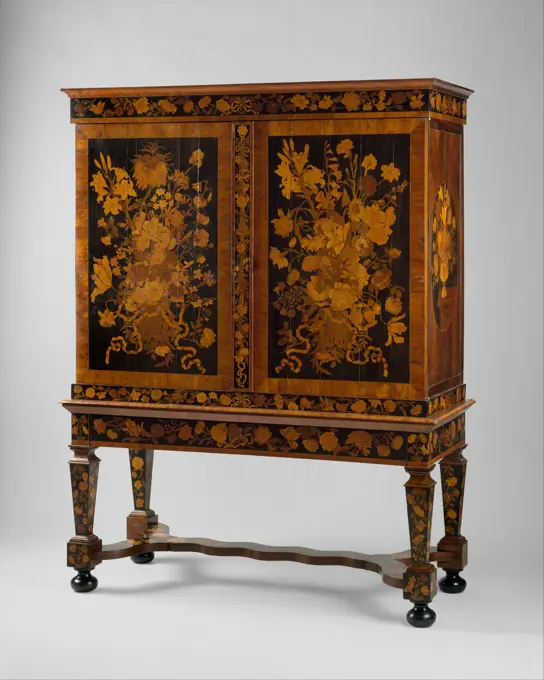
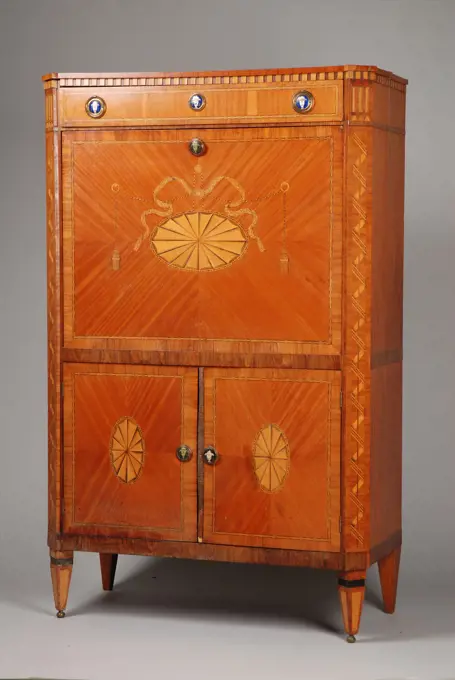
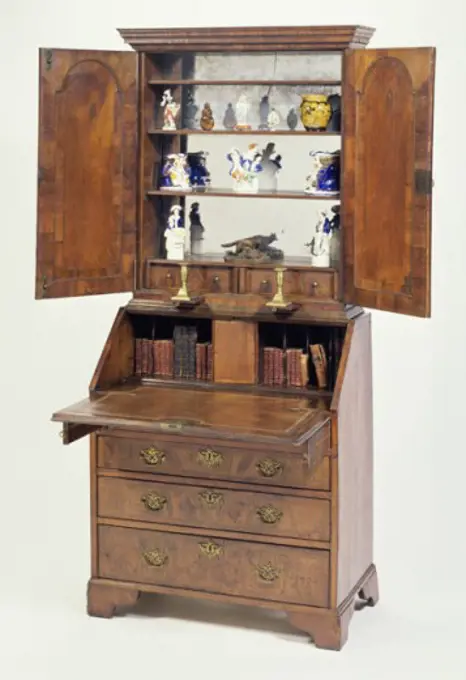
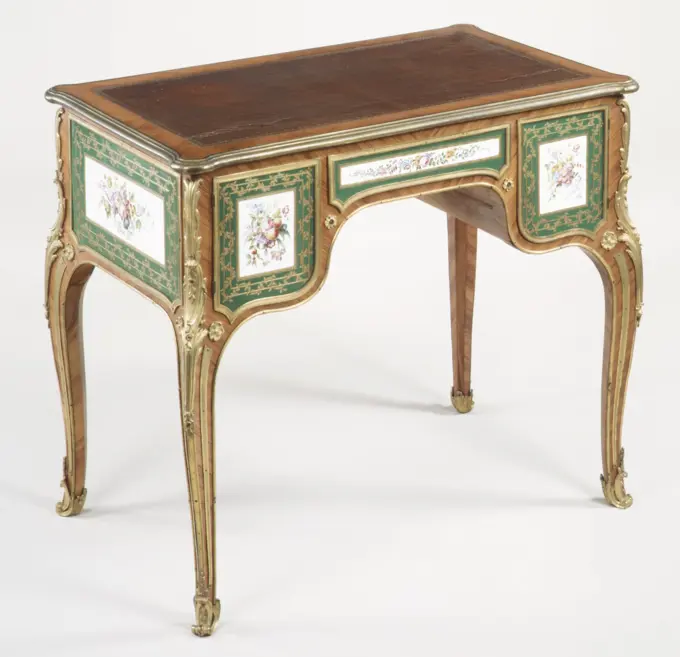
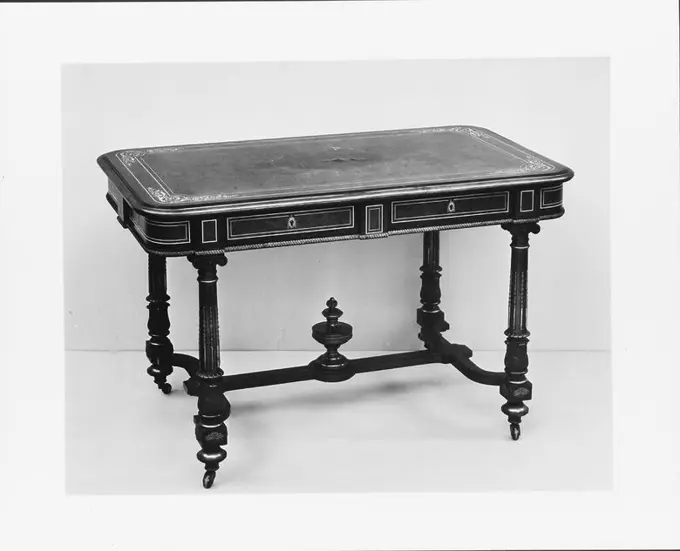
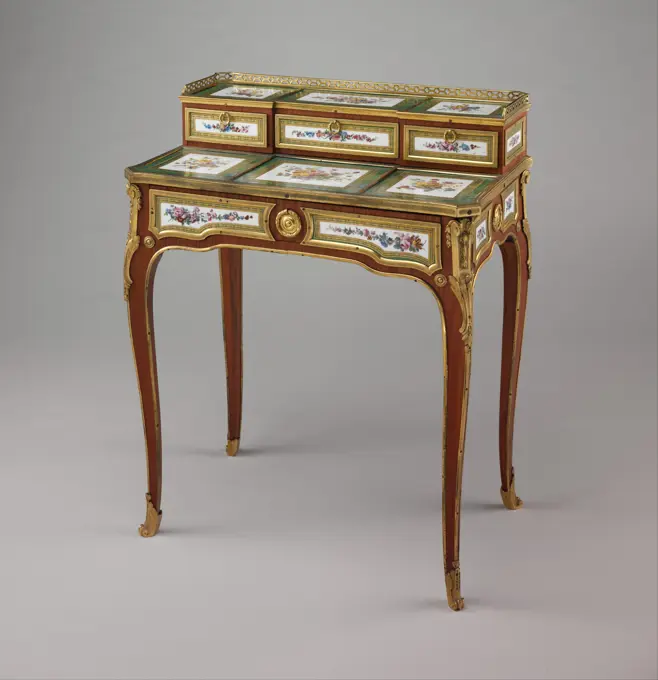
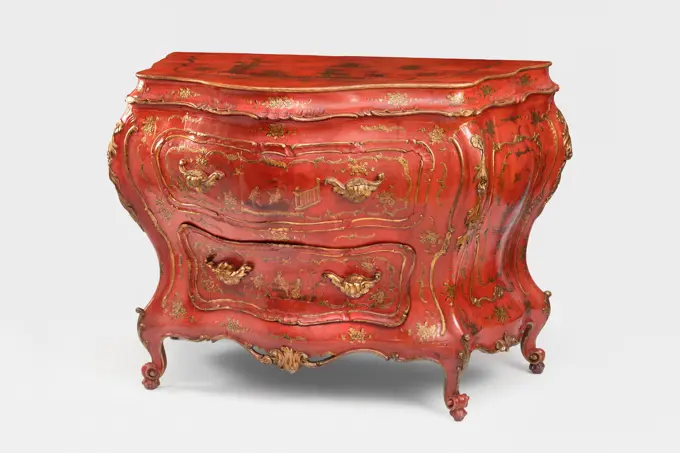
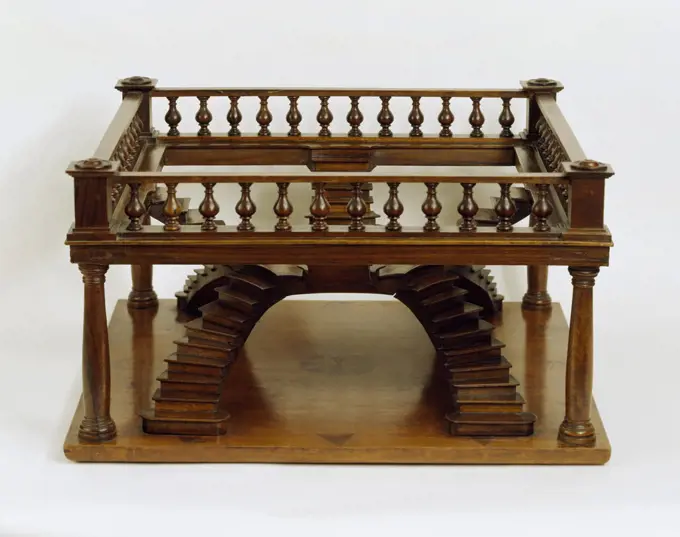
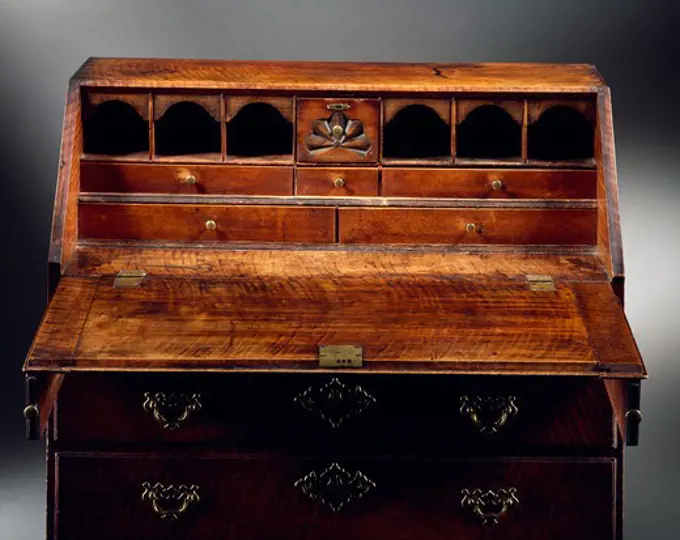
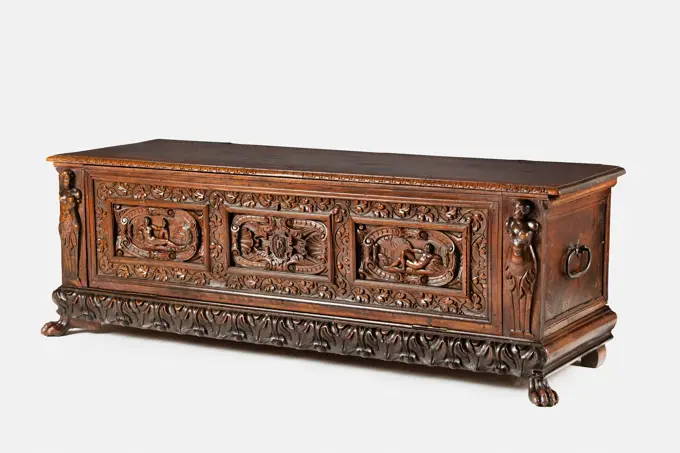
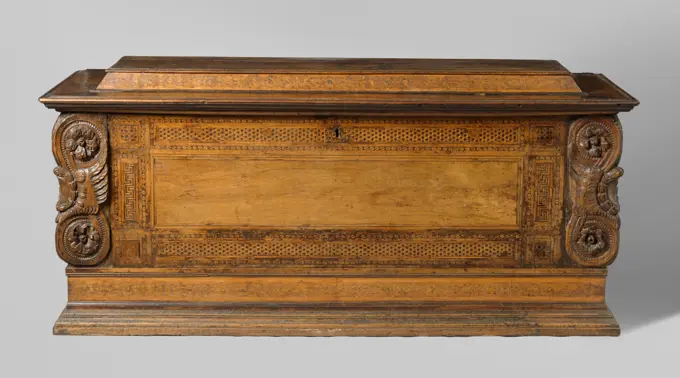
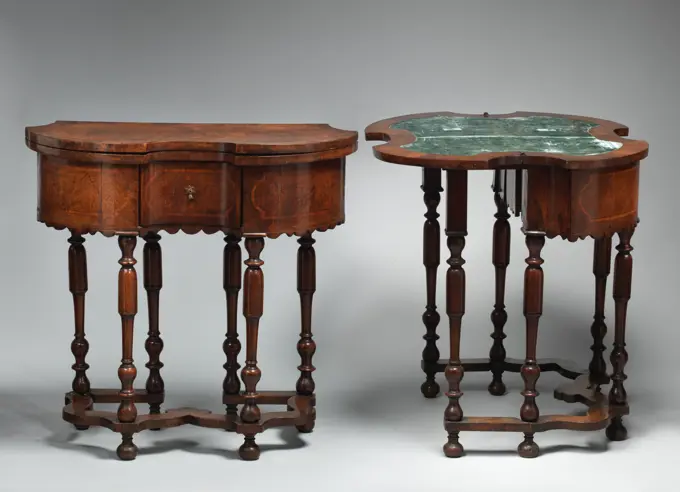
Cupboard, decorated with marqueterie and consisting of a base cabinet with two large and two small drawers and one upper cabinet with two doors., Anonymous, 1690 Cabinet decorated with Marqueterie. The base cabinet contains two large and two small drawers, surrounded by a leaf edge. The sides show out sculpted fields with a rosette, around which Acanthusbladvoluten. The drawers and the two doors and sides of the upper cabinet show fields with a shell -shaped motif in the middle, surrounded by symmetrical acanthus leaves. The scumed and circular fields on the doors are connected by a leaf edge treated as braid. Frisian with drawer, decorated with three fields. Great Britain pine (wood). olive (wood). maple (wood). rosewood (wood). rosewood (wood). kingwood (wood). boxwood. walnut (hardwood). copper (metal) Cabinet decorated with Marqueterie. The base cabinet contains two large and two small drawers, surrounded by a leaf edge. The sides show out sculpted fields with a rosette, around whiBureau with medallions of Princess Wilhelmina van Pruisen and her three children., Anonymous, 1700 - 1800 Desk with uprising with root nut wood on oak core. The base cabinet has two large and two small drawers and corrugated bottom rules. The writing sheet is tilted. The upper cabinet has two doors with rod layout with Palmhouten medallions on four of the Princess Wilhelmina van Pruisen and her three children. The hood is made up of C-Voluten and has a mahogany final piece in the middle with a palmhout medallion from Willem V, surrounded by laurel branches and bow. Northern Netherlands wood (plant material). oak (wood). boxwood. mahogany (wood). glass Desk with uprising with root nut wood on oak core. The base cabinet has two large and two small drawers and corrugated bottom rules. The writing sheet is tilted. The upper cabinet has two doors with rod layout with Palmhouten medallions on four of the Princess Wilhelmina van Pruisen and her three children. The hood is made up of C-VolutenDressingtableTable. Giuseppe Maggiolini (Italian, 1738 - 1814)Oak renaissance bench of the Reformed Old Woman's House, bench furniture furniture interior design oak wood moore oak rosewood elmwood wood, Oak Renaissance bench with few marquetry details front with bows and twisted knob baluster legs connected by lines back without decoration Rotterdam City triangle Hoogstraat Gereformeerd Oudevrouwenhuis renaissance Elisabeth Stichting Anno 1455 Reformed Oudevrouwenhuis (St. Elisabeth Gasthuis)Furniture. Cabinet in thumbnail of oak glued with carrot nut wood. The lower part is tucked and has two large and two small drawers. The upper part has two doors with profiled lists that follow the cover of the hood with scalloped and profiled cornice. Copper batter on the doors; On the loading tractors and a copper lock plate on the two large drawers. The furniture rests on a scooped foot.Slant front desk 1760-1800 American. Slant front desk 20599Cabinet, consisting of a top box with two doors and a base cabinet with three drawers, anonymous, c. 1750 Boog cabinet glued with walnut on oak core. The upper cabinet has two doors and three shelves; The base cabinet has three tile loads. Amsterdam (possibly) oak (wood). walnut (hardwood). boxwood. mahogany (wood). brass (alloy) Boog cabinet glued with walnut on oak core. The upper cabinet has two doors and three shelves; The base cabinet has three tile loads. Amsterdam (possibly) oak (wood). walnut (hardwood). boxwood. mahogany (wood). brass (alloy)ConsoleMedal cabinet ca. 1814-18 George Bullock British This cabinet was made during the Regency period in Britain (when the country was ruled by the future George IV, still then Prince of Wales and acting as regent for his father). During this period, English furniture remained much indebted to antiquity, though now rendered in a new bolder mode, translating ancient marble and bronze prototypes into wood and adapting them to modern usage. Though the most fashionable style for furniture created during this period was the Greek Revival Style, the shape of this cabinet is clearly derived from Roman marble cinerary chests. Rather than using the three-dimensional gilt-bronze or gilt-wood mounts favored by his contemporaries, Bullock decorated his furniture with flat marquetry or inlaid decoration, frequently (but not exclusively) choosing native woods as oak, holly, yew, larch and laburnum. The decoration of this cabinet is particularly rich with its première partie marquetry (on the front) and cDesk-on-frame 1690-1720 American An early inscription in Dutch inside the lid recording a business transaction points to a New York origin for this desk, which is reputed to have been found in Brooklyn in the early 1900s. The use of gumwood, a wood that found favor in New York City and environs for furniture and interior woodwork during the early decades of the eighteenth century, supports such an attribution. No comparable piece is known. The turnings appear to derive from French prototypes and the desk may have been made by a Huguenot craftsmana distinct possibility in New York around 1700.. Desk-on-frame 3161Chest. Dated: c. 1938. Dimensions: overall: 42 x 55.5 cm (16 9/16 x 21 7/8 in.) Original IAD Object: 47 3/4"long; 22"wide; 39 1/4"high. Medium: watercolor, colored pencil, pen and ink, and graphite on paperboard. Museum: National Gallery of Art, Washington DC. Author: John Dana.Library cabinet;  1. W. 19th century (1801-00-00-1825-00-00);Méyet, Leopold (1850-1912), Méyet, Leopold (1850-1912)-collection, gift (provenance), empire (style), columns, patera (ornament), arrowsCabinet, anonymous, c. 1650 - c. 1660 Oak two -door cabinet decorated with ebony, on black convex front legs and straight oak hind legs. The crown and cover list show a classicist ornament; On the Bolle Ebben Fries on the sides and in the middle oak masks. The Togen have ebben frames, interrupted by oak studs. The arches are made up of lobe pornmers with maskaron. The corner styles and medium -needed consist of pilasters with ebbs, interrupted by studs, and ionic capitals. Under leaf list. Netherlands wood (plant material). oak (wood). ebony (wood) Oak two -door cabinet decorated with ebony, on black convex front legs and straight oak hind legs. The crown and cover list show a classicist ornament; On the Bolle Ebben Fries on the sides and in the middle oak masks. The Togen have ebben frames, interrupted by oak studs. The arches are made up of lobe pornmers with maskaron. The corner styles and medium -needed consist of pilasters with ebbs, interrupted by studs, and ionic capitals. Under. Chest of wood with round curved lid, decorated with, in brown and yellow painted birds and flowers on black painted background. Lacquered red inside. Secret drawerSecretary decorated with marquetery of different types of wood, anonymous, c. 1780 Secretary glued with multiple types of wood on an oak core. The beveled corner styles at the front show a base, scanned pilaster and triglyphs. Above the valve a drawer with three fields; The midfield with rosette and the side fields with gilded copper tractors with enamelled pictures. The underlines, valve and sides show round paint panels with flowers, surrounded by a pearl edge, laurel wreath and leaf fillets. The panels hang on a drapery with bow, held by loops. Northern Netherlands wood (plant material). oak (wood). mahogany (wood). satinwood (wood). rosewood (wood). rosewood (wood). copper (metal). gilding / lacquering Secretary glued with multiple types of wood on an oak core. The beveled corner styles at the front show a base, scanned pilaster and triglyphs. Above the valve a drawer with three fields; The midfield with rosette and the side fields with gilded copper tractors with enamelled pictureCard table, 1714, 26 1/2 x 32 1/2 x 32 1/2 in. (67.3 x 82.55 x 82.55 cm), Mahogany, England, 18th centuryBox with addeddrawers.   Maker: Emery ShopsCabinet 1790 British. Cabinet. British. 1790. Satinwood. Woodwork-FurnitureAttributed to Benjamin Frothingham, Block-Front Bonnet-Top Chest on Chest, c. 1760-75, carved mahogany.Card table, c. 1730, 28 x 32 1/2 x 29in. (71.1 x 82.6 x 73.7cm), Mahogany, England, 18th centuryCabaret table. Vernis lilleul, around 1745. Paris, Carnavalet museum. Table and cabaret Furniture, cabaret table, varnish lime treePrie Dieu (Prayer desk) second half 16th century (mostly late) Italian. Prie Dieu (Prayer desk) 460631Venetian 16th Century, Square Table with Legs Carved as Winged Figures, 16th century Venetian 16th Century, Square Table with Legs Carved as Winged Figures, 16th century, walnut, pine, maple, and cast bronze, Widener Collection 1942.9.387Ferdinand Cartier, Highboy, c 1938 HighboyHarlequin Table. China, for Export Market. Date: 1770-1780. Dimensions: 75.6 × 87.6 × 41.9 cm (29 3/4 × 34 1/2 × 16 1/2 in.). Rosewood or padouk; brass mounts. Origin: China. Museum: The Chicago Art Institute, Chicago, USA.Table. Dated: c. 1936. Dimensions: overall: 35.4 x 26.2 cm (13 15/16 x 10 5/16 in.) Original IAD Object: 34 1/4"high; 43"long; 20 1/2"wide. Medium: watercolor, gouache, colored pencil, and graphite on paper. Museum: National Gallery of Art, Washington DC. Author: Sebastian Simonet.CANTERANO CATALAN. Location: PRIVATE COLLECTION. Barcelona. SPAIN.Harry Eisman, Chest of Drawers, c 1939 Chest of DrawersBureau Table 1750-90 American The block-front form was widely popular in Massachusetts, and many pieces have a history of ownership in Boston. Those similar to this examplewith horizontal proportions, Rococo brasses, and flat blockingcan be dated somewhat later than others. The pattern of the detailing on this table, a central semicircle flanked by ogee curves, was one of the most common.. Bureau Table 1044Maker Unknown , French, Small Table, c. 1770s, wood, gilded bronze, leather.Leo Drozdoff, Card Table, c 1939 Card TableTea Table. Dated: 1940. Dimensions: overall: 35.2 x 45.5 cm (13 7/8 x 17 15/16 in.) Original IAD Object: 27"high; 28"long; 23"deep. Medium: watercolor, colored pencil, and graphite on paperboard. Museum: National Gallery of Art, Washington DC. Author: Charles Henning.Eugene Croe, Secretary desk Cabinet Top, c 1937 Secretary-desk Cabinet TopThomas J Eliot, Chest of Drawers, 1936 Chest of DrawersChild's cot, Anonymous, c. 1620 - c. 1650High chest ofdrawersPier table 1810-15 Joseph B. Barry and Son This table combines French and English features to form a highly successful American type. The carved and pierced griffin panel ornament, which is more commonly found rendered in paint on fancy chairs from Philadelphia and Baltimore, is based closely upon Thomas Sheraton's "Ornament for a Frieze or Tablet," published and dated October 1791 in "The Cabinet Maker's and Upholsterer's Drawing-Book." Illustrations from this pattern book also appear on Barry's elaborate trade label, which is affixed to the underside of the top.. Pier table. American. 1810-15. Mahogany, mahogany veneer, satinwood,amboyna, pine, gilt bronze with yellow poplar. Made in Philadelphia, Pennsylvania, United StatesBuffet Van Coromandelhout, Carel Adolph Lion Cachet, 1910 Buffet of Coromandelhout on oak core, with a pink-gray-red veined leaf, caught between three higher wooden edges, with two carved birds of prey on the corners, behind which volute-shaped ornaments. Three drawers have been installed above two jalouzied doors, with wooden tractor and key plate. The corner styles are cut at the bottom of deepened relief with leaf motifs; At the top with stylized cutting, for a bird and crowned with a glued bird, aside with oval cabochon. designer: Northern NetherlandsAmsterdam wood (plant material). oak (wood). precious stone (material). marble (rock). acacia (wood). velvet (fabric weave) inlay (process) / cutting Buffet of Coromandelhout on oak core, with a pink-gray-red veined leaf, caught between three higher wooden edges, with two carved birds of prey on the corners, behind which volute-shaped ornaments. Three drawers have been installed above two jalouzied doors, with wooden tractor and key plCardtableRosewood tea stew, tea stew stew furniture interior design rosewood mahogany brass oak wood, Square with drawer brass handles and brass bowl slender cab sewer legs Rotterdam City Center Stadsdriehoek Hoogstraat Dolhuis regent Coming from the regents of the Rotterdams Dolhuis.Juanita Lantz, Drawers and Mirror, 1935 1942 Drawers and MirrorAdam Weisweiler (1744-1820) and Jean-Henri Riesener (1734-1806). "Louis XVI chest of drawers". Building: Hauna oak, conifer and mahogany; Cuba speckled mahogany veneer; gilded bronze; Carrare white marble. 18th century. Paris, Carnavalet museum. 72593-25 Mahogany, Bati, bronze Dore, Chene Hanau, Conifre, Ebenisterie, Carrare white marble, Marquetry, furniture, Cuba flies, plating, 18th century, chest of drawers, furnitureCenter Table. Designed by Walter Bryent; American, 1807-1870; Foundry: Chase Brothers & Co.; American, unknown. Date: 1852. Dimensions: 77.5 × 77.5 × 77.5 cm (30 1/2 × 30 1/2 × 30 1/2 in.). Cast iron and marble. Origin: Boston. Museum: The Chicago Art Institute, Chicago, USA.Desk, c. 1903, Craftsman Workshops of Gustav Stickley, American (Eastwood, New York), 1899-1916, 40-1/8 x 42 x 25-1/4 in. (101.9 x 106.7 x 64.1 cm), American white oak, pewter, copper, wood inlay, United States, 19th-20th century, Gustav Stickley hired Harvey Ellis in June 1903 to create illustrations of Arts and Crafts homes for his publication the Craftsman. Ellis produced imaginative drawings for possible interiors in the July and August 1903 and in January 1904, the month of his death. For these interiors Ellis depicted of furniture resembling Stickley's current production pieces made by Craftsman Workshops, as well as other pieces with European-inspired inlay.Unknown, Lowboy, c. 1770, carved curly maple.Table. unknown, creatorDesk. Dated: c. 1936. Dimensions: overall: 35.5 x 28 cm (14 x 11 in.) Original IAD Object: 48"high; 42"wide; 20"deep. Medium: watercolor, colored pencil, pen and ink, gouache, and graphite on paper. Museum: National Gallery of Art, Washington DC. Author: Fred Weiss.Roussel, Pierre (n.1723-09-28-D.1782-06-07), a convenient (common name), 1770. Placing of rosewood. Chiseled and golden bronze, pink and gray lumachelle marble. Carnavalet museum, history of Paris. The open -assembly -assembled veneers underline the three bodies of the furniture; Difference reported bronze parts adopt a decorative and architectural decorative vocabulary.Card table ca. 1810 British. Card table. British. ca. 1810. Zebrawood, ebony veneered on oak, brass, gilt bronze. Woodwork-FurnitureCenter Table c 1862 Paris. Rosewood, maple, tulip poplar, white pine, and mother-of-pearl . Joseph Cremer. Cupboard from eike, mahogany and rosewood with copper fitting. The base cabinet has a wide center door with two panels and two narrower side doors. The recessed high root cabinet has two doors with aridity distribution above two drawers. The doors show floral motifs in tree form, the drawer leafwork. Rod work on corner styles and rules. The upper angle styles end from the front in an owl and from behind in a volute. At the height of the drawers, the side walls are decorated with driving cups and wings and flowers.High Chest ofDrawersCabinet;  4. W. 18th century (1776-00-00-1800-00-00);Anonymous. Toilet transformed into an office with five drawers into oak and beech, marquetry with flowers and foliage, golden bronzes (overview, in the room, without bottom), around 1755-1760. Paris, Cognacq-Jay museum. Bronze Dore, Office, Chene, Five, Decor, Foliage, Fleur, Hetre, Marquerie, Furniture, Louis XV style, drawer, transformation, transform, 18th century, wood, furniture, toiletAnonymous, game table. Marked wood, marble, gilded bronze. Petit Palais, Museum of Fine Arts of the City of Paris.Desk, wood. Three drawers., 19th century, Decorative Arts, DeskJohn Dieterich, Chest, 1936 ChestSide Table. UnknownCabinet on stand ca. 1700-1710 Attributed to Jan van Mekeren Dutch Box-like cabinets on open stands became fashionable towards the end of the seventeenth century. Rather than on the overall shape, the attention of the cabinetmaker was lavished on exquisite marquetry decoration, especially blomwerk (floral work). The most striking floral marquetry has been attributed to Jan van Meekeren. More than two hundred flowers embellish this cabinet, several of which occur more than once, sometimes in reverse. By choosing bright yellow woods like barberry for daffodils, for instance, and by enhancing lighter woods with natural dyes, Van Mekeren achieved a rich and naturalistic palette not unlike those of contemporary flower painters.. Cabinet on stand 208523Oak Louis Seize secretaire, secretary furniture furniture interiors wood oak mahogany lemon wood maple wood enamel, Louis Seize oak secretary veneered with different types of wood on the flap and doors fan motif brass fittings with enamelled vase Louis XVI Louis XVI Louis SeizeToilet (base);  1815-1830 (1815-00-00-1830-00-00);Gifts and shopping 1945-1947, VilniusChest. Culture: American. Dimensions: 30 x 49 in. (76.2 x 124.5 cm). Date: 1650-1700. Museum: Metropolitan Museum of Art, New York, USA.Serpentine Card Table with Five Legs. United States, New York, New York City, 1760-1775. Furnishings; Furniture. Mahogany, tulip poplar, pine, and original baize liningFerdinand Cartier, Card Table, 1940 Card TableCard Table c 1835-1850 Maine. White pine . Artist unknownNicolas-Jean Marchand. Driver Tomp. Placing of Violette Bois, around 1745. Paris, Carnavalet museum. Furniture, veneer, tomb, violet, wood, dresser, furnitureBrass design fitting on colourful wooden almira , Jodhpur, Rajasthan, India Copyright: xSafatxAli/DinodiaxPhotoxSecretary/Bookcase George III Walnut  ca. 1750 Antique Furniture Chest (Germany); wood, metalDresser;  3. W. 18th century (1751-00-00-1775-00-00);Penant table with scanned legs and acanthus and draperieversing on front and side rules, anonymous, c. 1775 - c. 1800 Penant table made of oak with renewed marble leaf. The conical legs are decorated from below with leaf work. The houses above the legs have a rosette. The front and side rules have symmetrical acanthus leaf vines and a stabbed drapery at the bottom. The table was originally painted blue and white. Part of a few; See also inv.no. BK-NM-2561-B. Northern NetherlandsNetherlands wood (plant material). oak (wood). marble (rock) Penant table made of oak with renewed marble leaf. The conical legs are decorated from below with leaf work. The houses above the legs have a rosette. The front and side rules have symmetrical acanthus leaf vines and a stabbed drapery at the bottom. The table was originally painted blue and white. Part of a few; See also inv.no. BK-NM-2561-B. Northern NetherlandsNetherlands wood (plant material). oak (wood). marble (rock)Slant topdeskDesk ca. 1770 Joseph Baumhauer French This desk mounted with Sèvres porcelain plaques comes from the Hillingdon Collection, which was founded by Sir Charles Mills (1792-1880), a partner in the great firm of Glyn, Mills, Currie and Company, bankers to the British royal family. Tradition says that Sir Charles acquired the collection during a series of visits to France in the first half of the nineteenth century. Sir Charles son was created first Baron Hillingdon in 1886. In 1937, his descendants sold the collection to the well-known art dealers Duveen Brothers. Although various collectors, such as Calouste Gulbenkian and J. Paul Getty, were interested in buying the Hillingdon Collection, ultimately the majority of the artworks, including seventeen pieces of porcelain-mounted furniture, were acquired in 1947 by the cultural foundation that had been established by the American businessman and philanthropist Samuel H. Kress (1863-1955). Under the leadership of Samuels brother Rush H. KresTable. Culture: American. Dimensions: 30 3/4 x 50 x 29 in. (78.1 x 127 x 73.7 cm). Maker: Léon Marcotte (1824-1887). Date: 1860-72. Museum: Metropolitan Museum of Art, New York, USA.Small writing desk (bonheur-du-jour) ca. 1768 Martin Carlin French Madame du Barry (née Jeanne Bécu; 1743-1793) became the official mistress of Louis XV after the death of Madame de Pompadour. In 1770 she was described in less than favorable terms by Elizabeth Seymour Percy, Duchess of Northumberland (1716-1776): "She is rather of a tall, middle size, full breasted, and is pretty but not to be calld handsome.. & has a strong Look of her former profession. Her Complexion is fair & clear & her skin very smooth but her Bloom is entirely gone off.. She is lodged in parts of the Kings apartment in the Attic."[1 Madame du Barry bought luxury furnishings from the dealer Simon-Philippe Poirier for those private rooms at Versailles, including a small writing table with a raised section at the back, on November 18, 1768. It was recorded in her apartment at the palace, which she occupied until a few days before the kings death, in May 1774, and described as “a very pretty stepped table with FrShaker Table. Dated: 1937. Dimensions: overall: 27.9 x 22.8 cm (11 x 9 in.) Original IAD Object: 26 1/2" high; 30" wide; 20 1/4" deep. Medium: watercolor and graphite on paperboard. Museum: National Gallery of Art, Washington DC. Author: Winslow Rich.Cabinet. This may be the earliest-known masterpiece by Boulle, the most celebrated cabinetmaker of his time. Boulle perfected the technique of floral marquetry in various woods. The gilt-bronze armorial trophy above the middle door originally contained a portrait of Louis XIV. It was replaced with a likeness of King George I ofEngland (1660-1727).Chest of drawers. unknown, creatorWall cabinet, Franz Xaver Fortner, 1844 Wall cabinet (pipe cabinet) From oak mashed with rosewood, inlaid with red and yellow copper, tin, turtle, horn on different colored surfaces, ivory and mother -of -pearl. The rectangular cupboard has two doors and is equipped with a continued crown and a screened apron. Inlaaded with gothic arched racks in which harnesses for crossed banners and peaks on the doors, pinnacles with banners on the sides and leaf voltuties with a helmet with swords and two drums with a hat on the crowning and apron. Signed in the Marqueterie on the apron: F. Fortner Kunst Schreiner in Munich 1844. München oak (wood). rosewood (wood). ebony (wood). brass (alloy). paper. copper (metal). tin (metal). horn (animal material). ivory. mother of pearl Wall cabinet (pipe cabinet) From oak mashed with rosewood, inlaid with red and yellow copper, tin, turtle, horn on different colored surfaces, ivory and mother -of -pearl. The rectangular cupboard has two doors and is equippedPair of card tables. Culture: Dutch. Dimensions: Overall (each): 30 × 31 × 12 3/4 in. (76.2 × 78.7 × 32.4 cm). Date: ca. 1700. Museum: Metropolitan Museum of Art, New York, USA.Staircase model, walnut, mahogany, satinwood, Double staircase model in English style., Toulouse (region), France, 1850-75, models and prototypes, Decorative Arts, Staircase modelWall table, so -called "sun table" of tropical wood, anonymous, 1820 - 1849 Wall table, so -called "sun table" of tropical wood. The furniture rests on two towers, running out at the front in claw-and-ball, the rear part of the top decorated with flower motifs built up half-moons, ending in volutes. The legs are connected by a leaf with a corrugated front. Above it the dense back wall, opened with a "solar motif" consisting of rays around a semicircle with a round opening in the middle. This open -worked decoration has been supplemented with entry motives. The profiled top rests on curved consoles, decorated with half moons. Indonesia wood (plant material) Wall table, so -called "sun table" of tropical wood. The furniture rests on two towers, running out at the front in claw-and-ball, the rear part of the top decorated with flower motifs built up half-moons, ending in volutes. The legs are connected by a leaf with a corrugated front. Above it the dense back wall, opened with a "solar mChippendale Slant-Top Desk (Detail) Antique Furniture Work Table 1820-50 United Society of Believers in Christs Second Appearing (“Shakers”), Mount Lebanon, New York. Work Table 10006Chest. unknown, authorTable. unknown, creatorCassone. Casket of walnut with interior of poplar wood, decorated with intarsia in different types of wood. The coffin rests on a profiled plinth, above which a wide bond with motifs in Intarsia. The diagonally placed corner styles have the shape of S volutes and are decorated with rosettes and a hollow shield with wide wings and flower wreath. Front and sides are framed with motifs in Intarsia as well as the flat lid carrying a hollow cave on the inside.Chest of Drawers. Dated: c. 1939. Dimensions: overall: 54.8 x 62.5 cm (21 9/16 x 24 5/8 in.) Original IAD Object: 40 13/16"high; 43 5/16"wide; 18 1/16"deep.. Medium: watercolor, colored pencil, pen and ink on paperboard. Museum: National Gallery of Art, Washington DC. Author: Ferdinand Cartier.Buffet - Herter BrothersTable 1700-1730 American. Table. American. 1700-1730. Pine, maple. Made in United StatesCommode. Culture: French, Paris. Dimensions: 34 x 63 x 25 1/4 in. (86.4 x 160 x 64.1 cm). Maker: Bernard II van Risenburgh (ca. 1696-ca. 1767). Date: ca. 1740-45.Bernard van Risenburgh (active about 1730-1765), who signed this with his initials BVRV, has been described by Sir Francis Watson as "one of the great masters of the fully developed Louis XV style." Instead of marquetry, the decoration here is colorful panels from an incised Chinese lacquer screen, skillfully adapted in Van Risenburgh's workshop to the curving front and sides. Museum: Metropolitan Museum of Art, New York, USA.Cardtable.   Maker: Thomas Needham III, American, 1780-1858Table with a drawer block and bottom leaf, Piet L. Kramer, c. 1915 - c. 1925 Table of oak and pine wood resting on four round legs of black tinted without. The legs run out in rectangular corner styles. Between the styles there is a tabletop at a height of approximately 10 cm height of the ground that rests on two lines and on the top is between the styles a drawer block with two drawers that are equipped with buttons of black -tinted without. Netherlands oak (wood). pine (wood). plywood. linden. beech (wood) Table of oak and pine wood resting on four round legs of black tinted without. The legs run out in rectangular corner styles. Between the styles there is a tabletop at a height of approximately 10 cm height of the ground that rests on two lines and on the top is between the styles a drawer block with two drawers that are equipped with buttons of black -tinted without. Netherlands oak (wood). pine (wood). plywood. linden. beech (wood)Side table (one of a pair) ca. 1790 British. Side table (one of a pair). British. ca. 1790. Satinwood. Woodwork-FurnitureSchrank (cabinet), c. 1640, 101 x 84 x 28 in. (256.54 x 213.36 x 71.12 cm), Walnut with walnut veneer, Germany, 17th centuryChest ofdrawersPair of card tables ca. 1700 Dutch. Pair of card tables. Dutch. ca. 1700. Walnut, walnut veneer. Woodwork-FurnitureConsole table. Simmler, Jakub Jan (1791-1872), joinerDesk / Cabinet (Belgium); Designed by Eleanor Mabel Sarton (English, 1878-1950); various woods, mother-of-pearl, ivory, silk