Antique Furniture Designs

Elegant antique furniture pieces, including tables and chests, showcasing craftsmanship from different eras and materials like mahogany and pine.
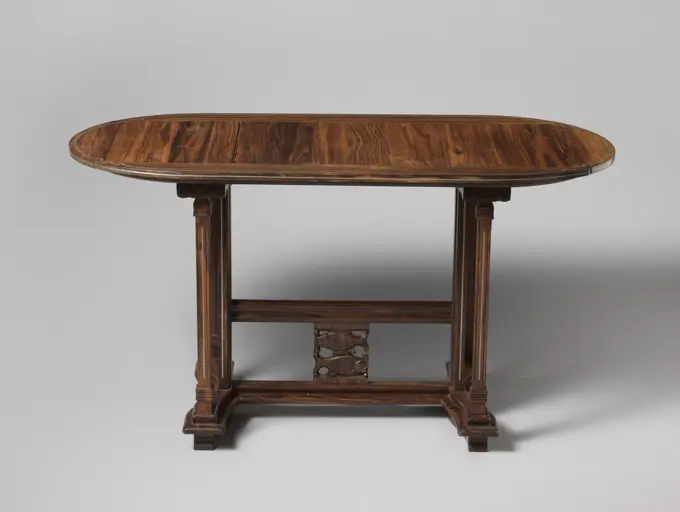
Table of Coromandewood, inlaid with pewter piping. Table of Coromandewood, inlaid with pewter piping. The treased square colonets and the wide profiled middle styles of the frame are connected by an H-shaped profiled cross with concave, on a base resting side rules. In the middle is a cutter decorative piece placed with two fish, closed with a line. A wave motif is applied under the rules below the oval leaf. The veins of the wide center web and long leaf side pieces run in the opposite direction.
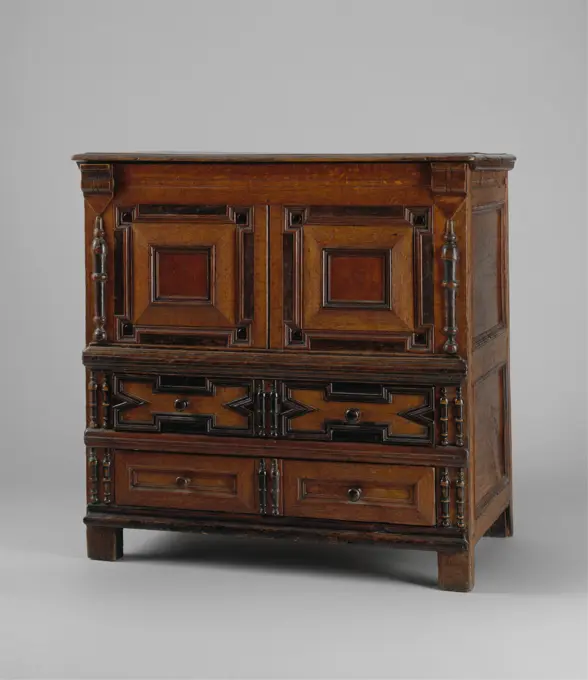
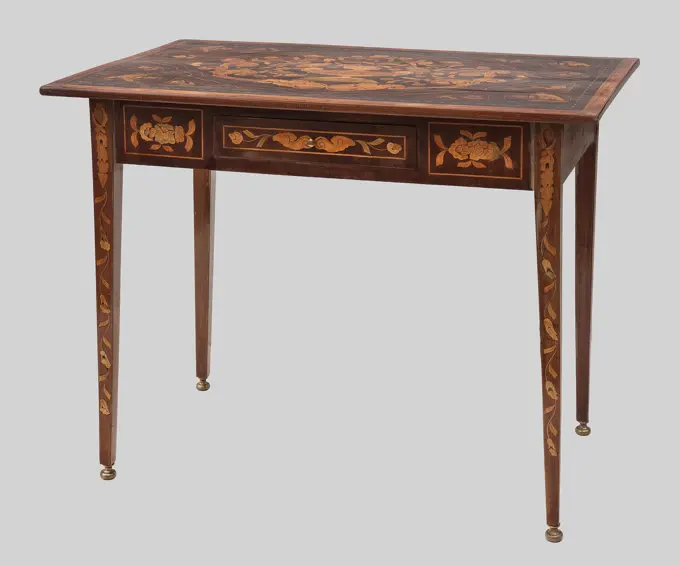
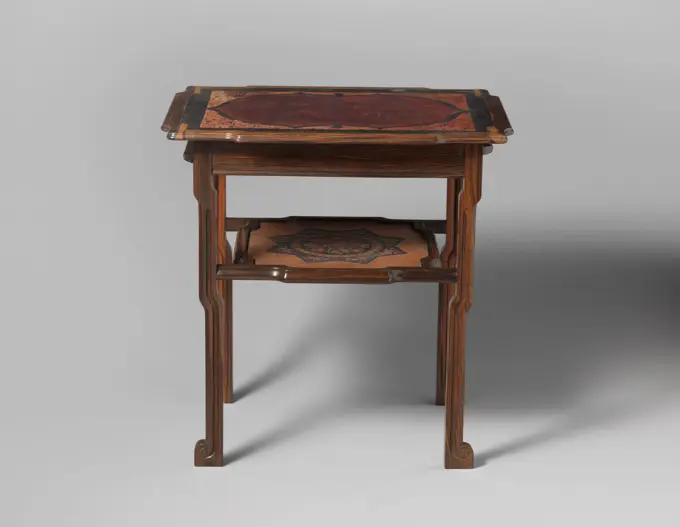
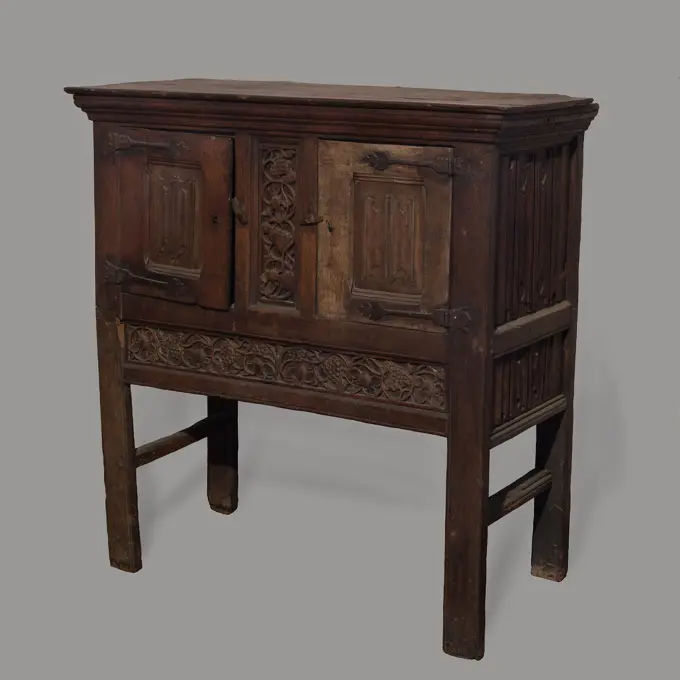
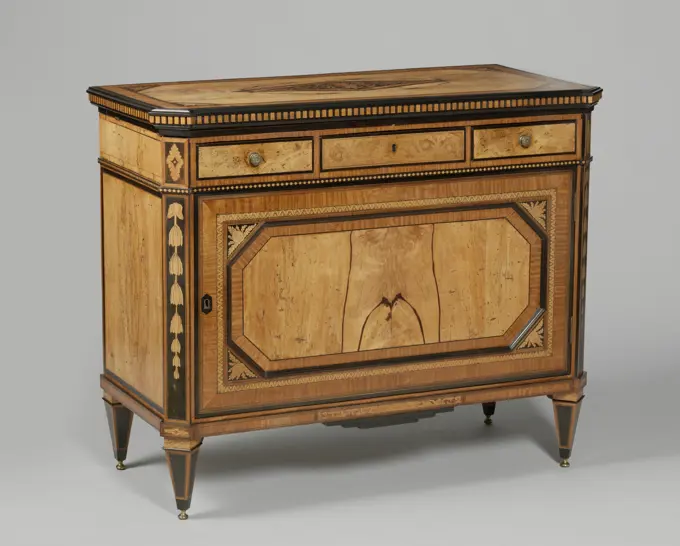
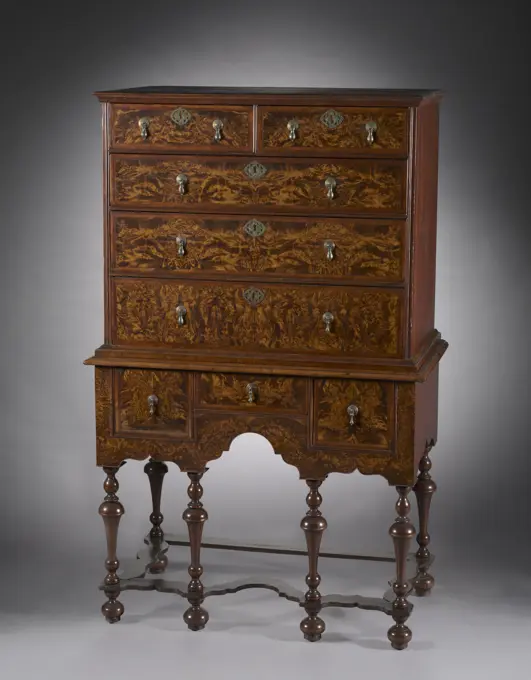
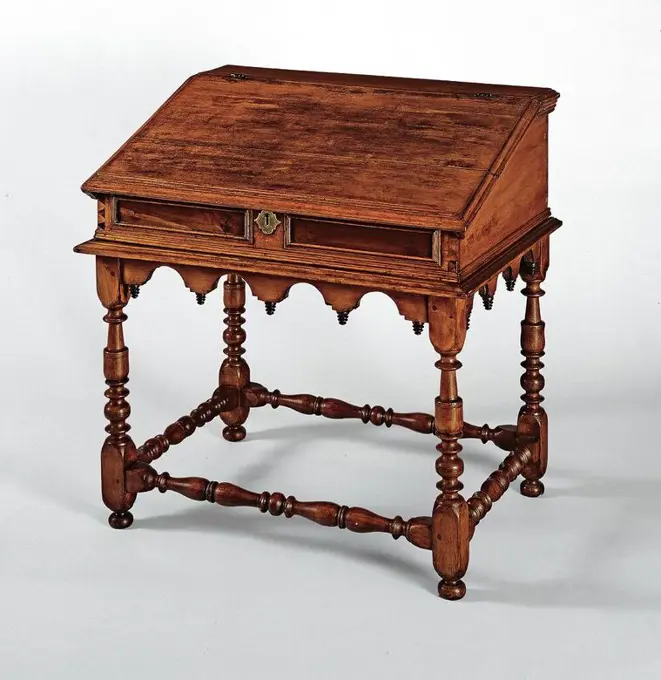
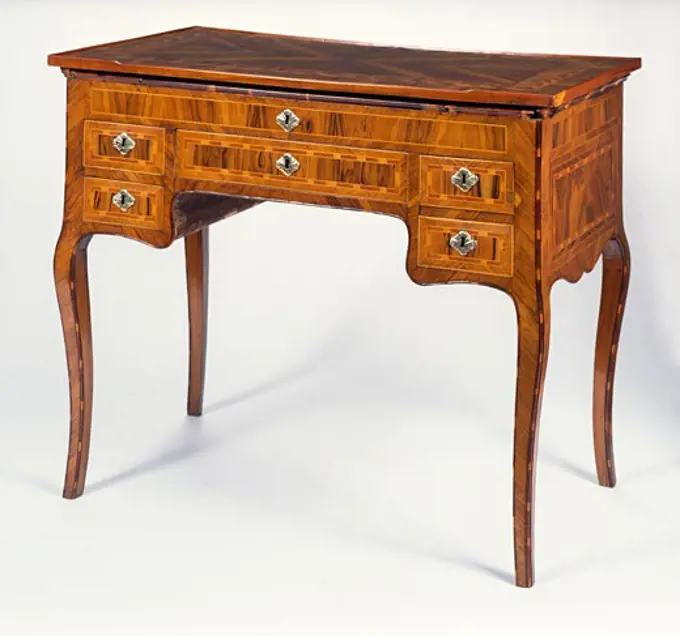
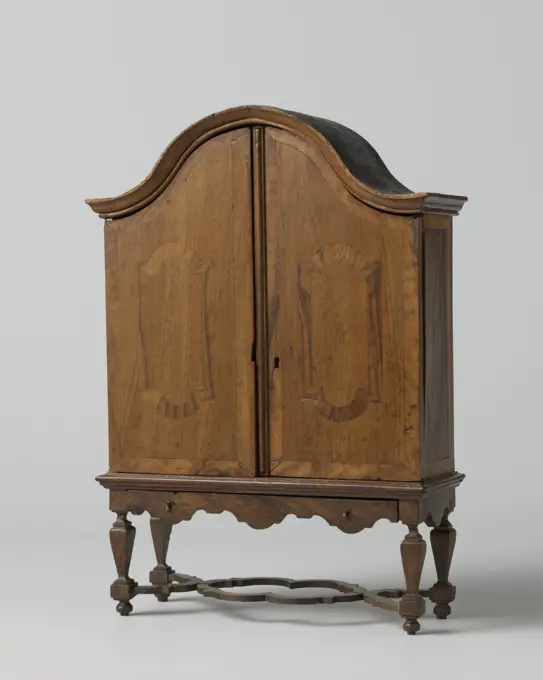
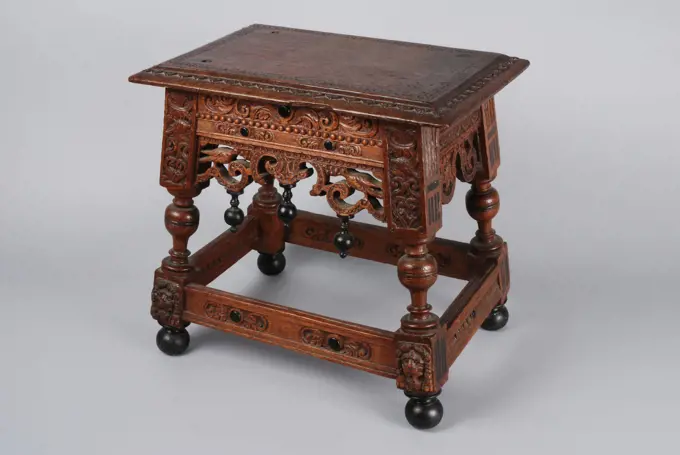
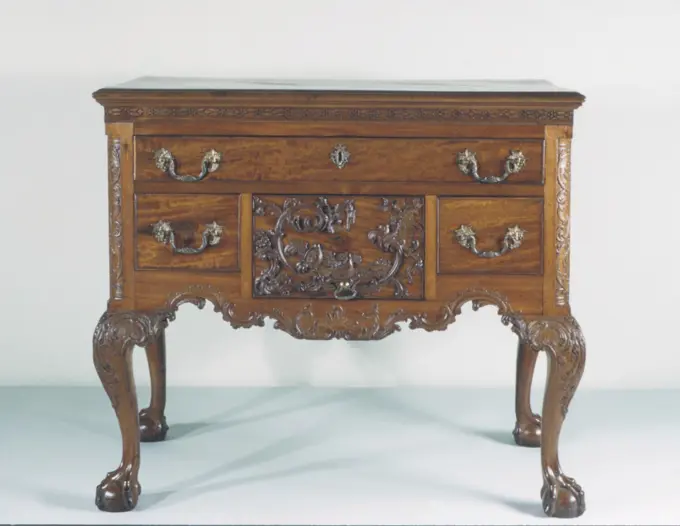
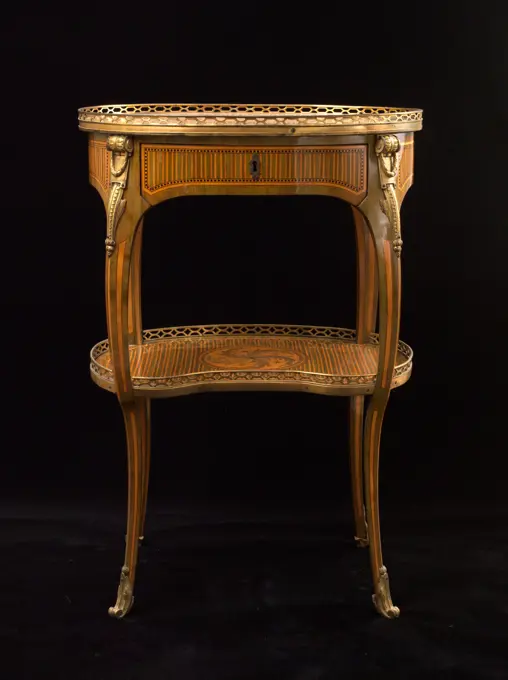
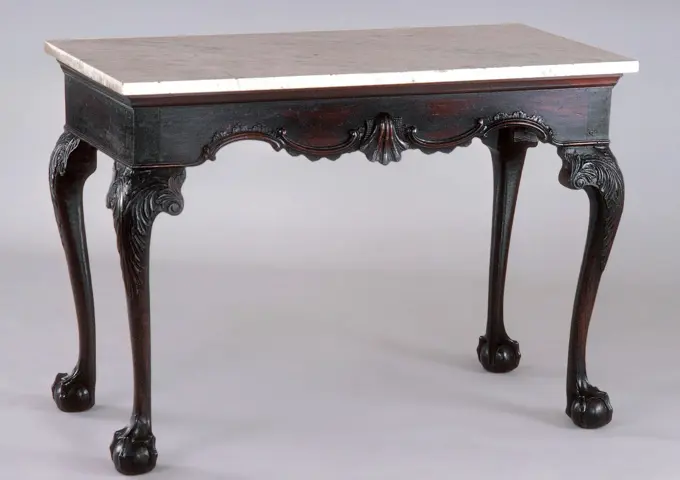
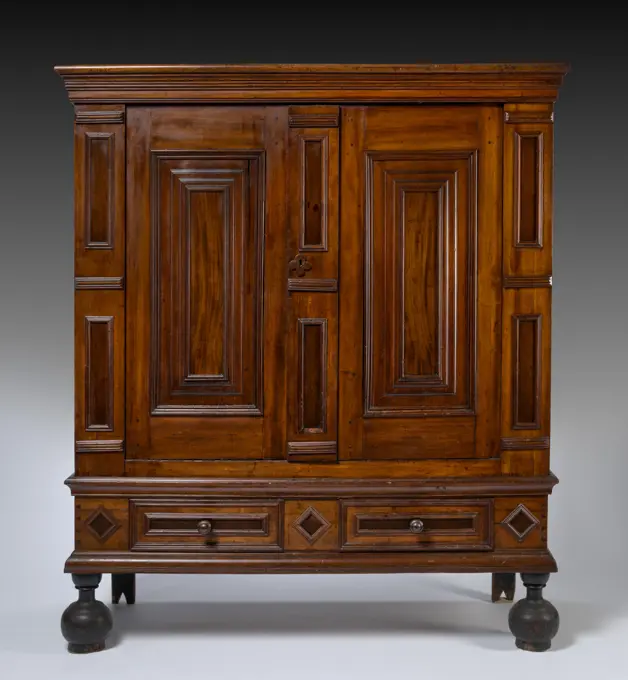
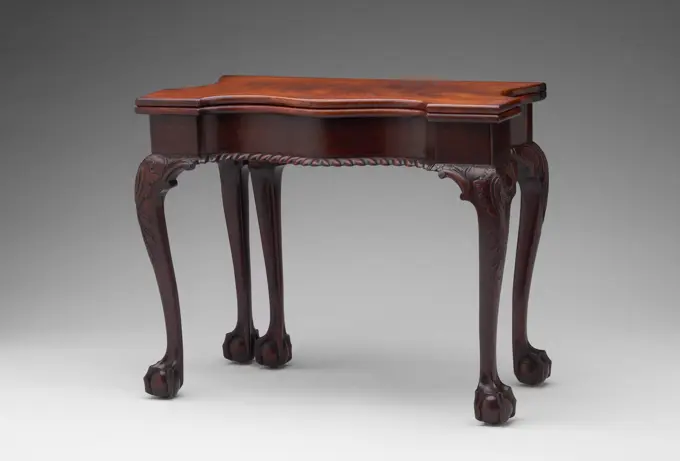
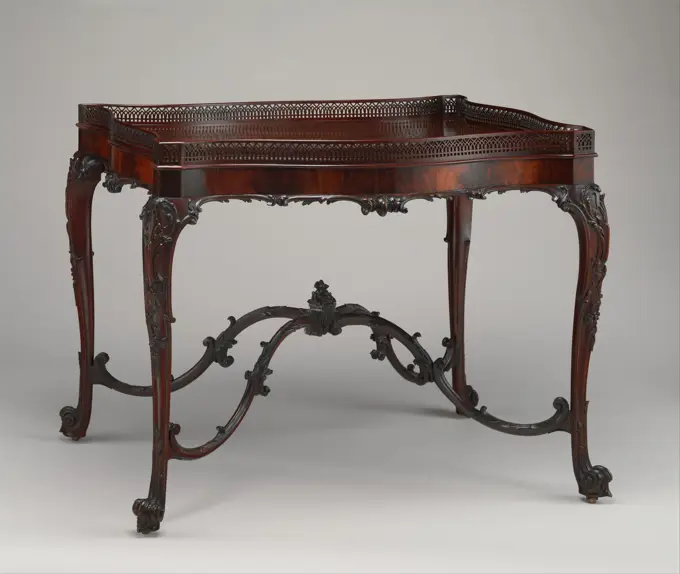
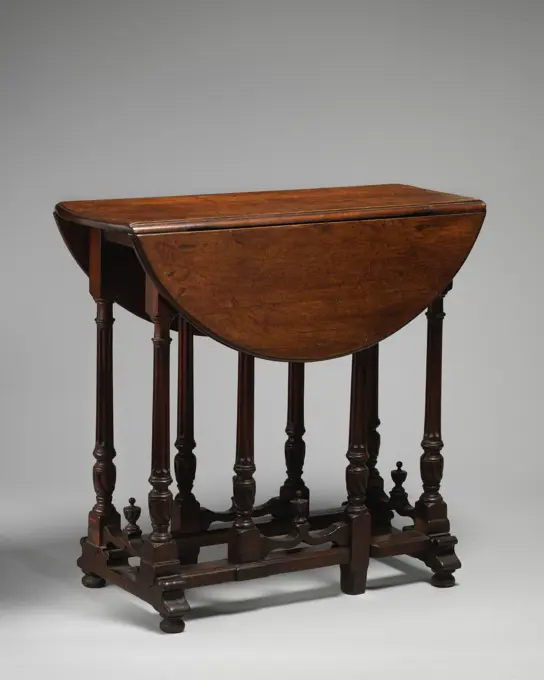
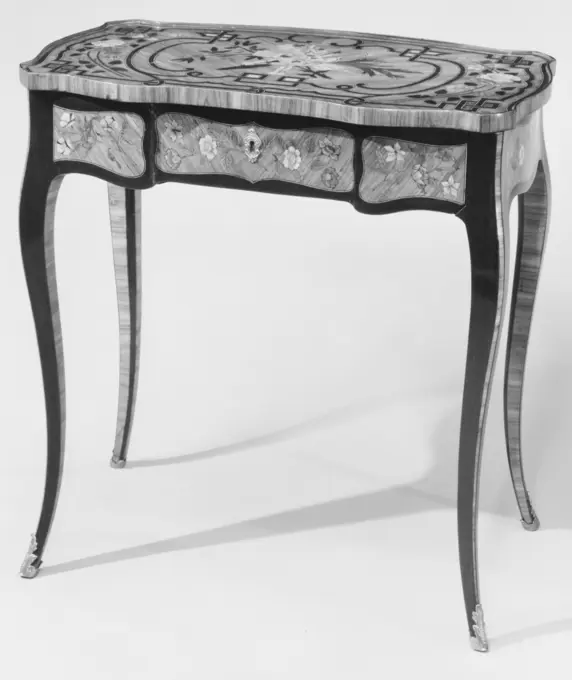
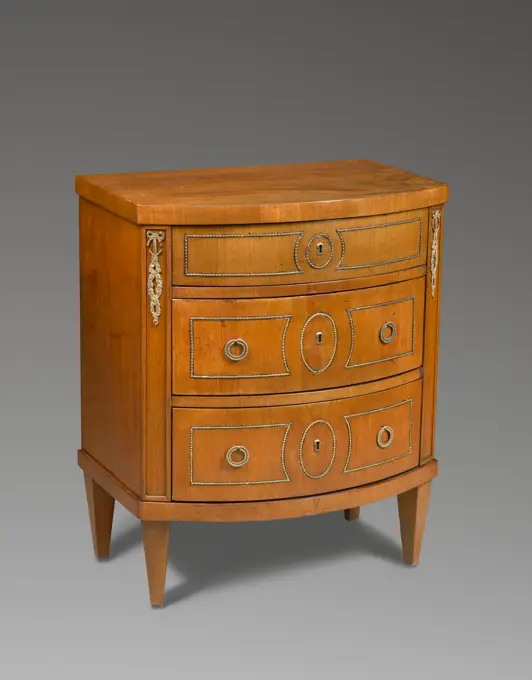
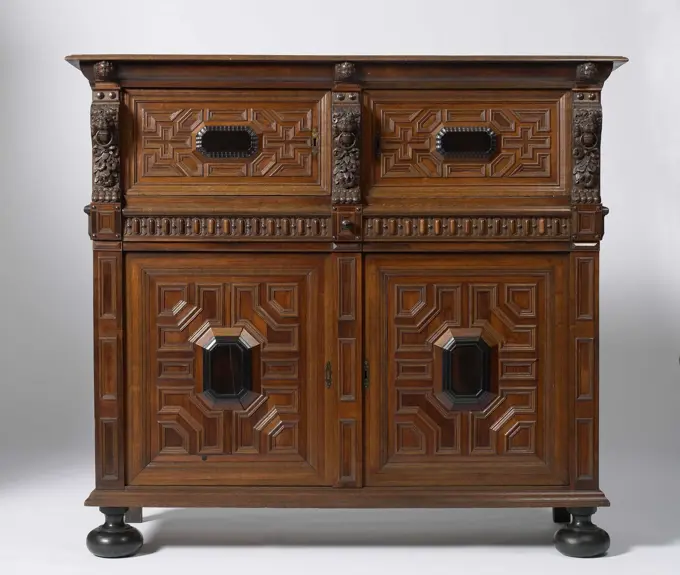
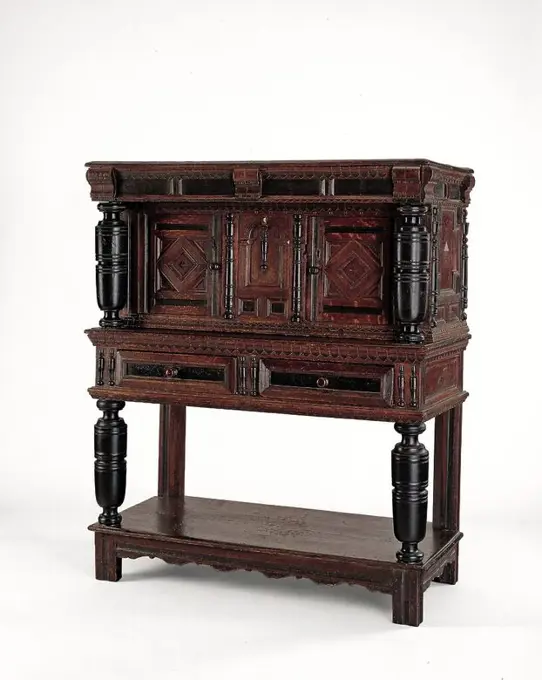
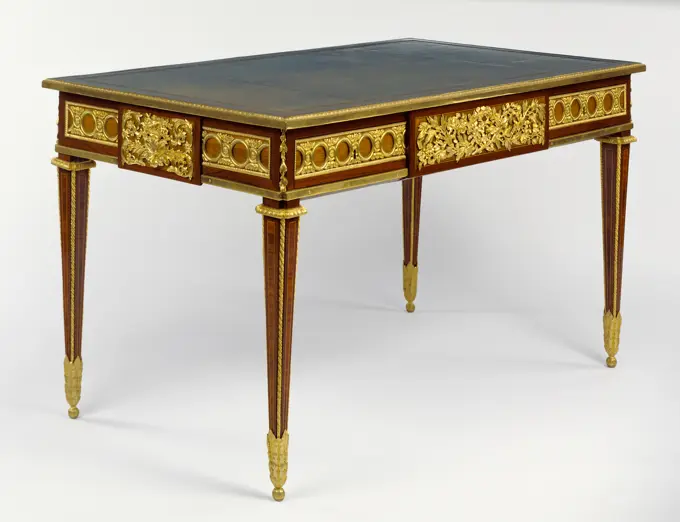
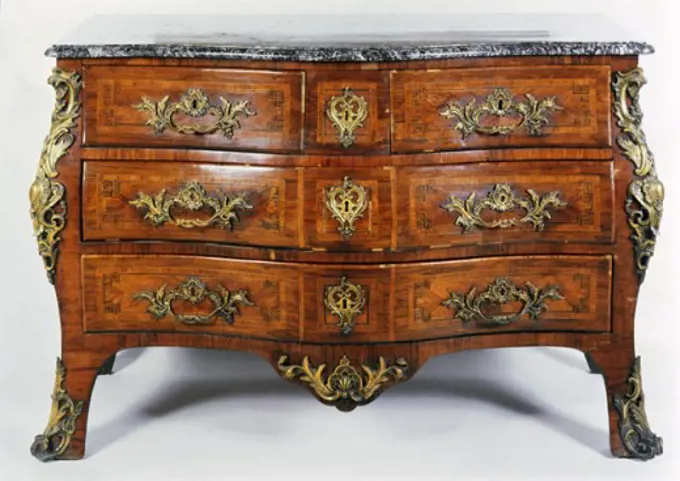
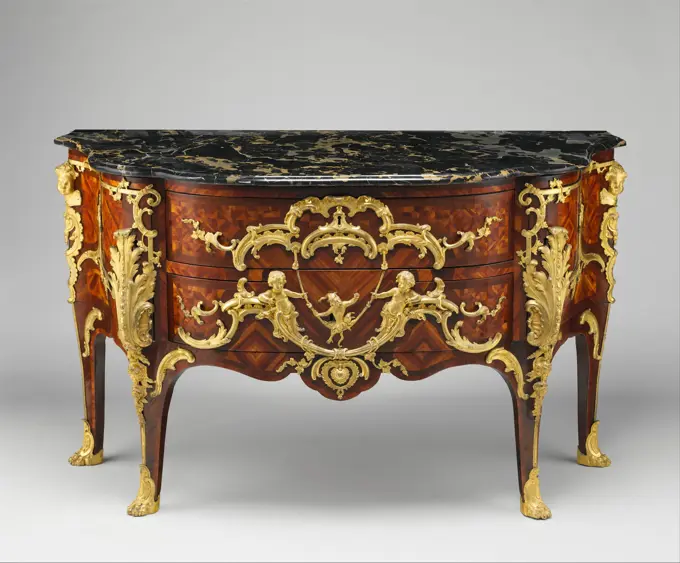
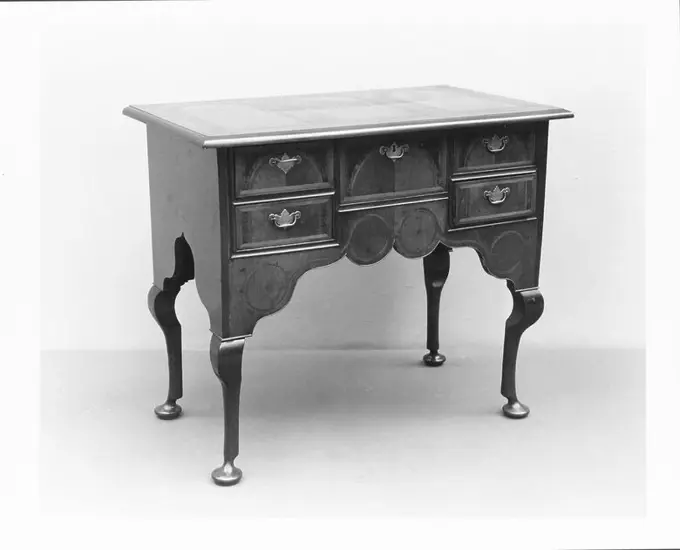
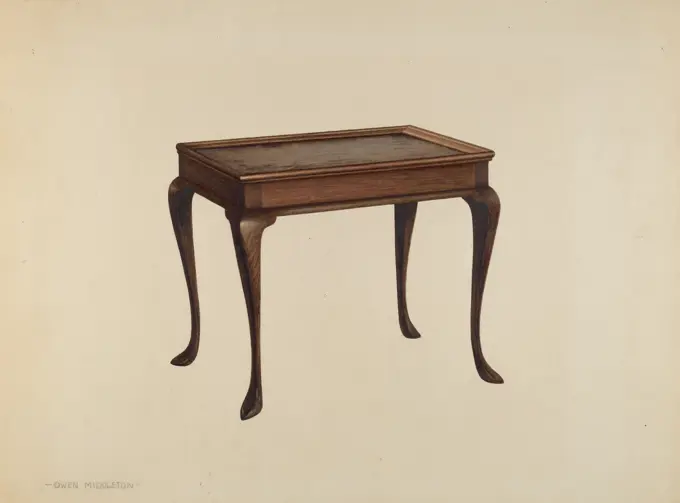
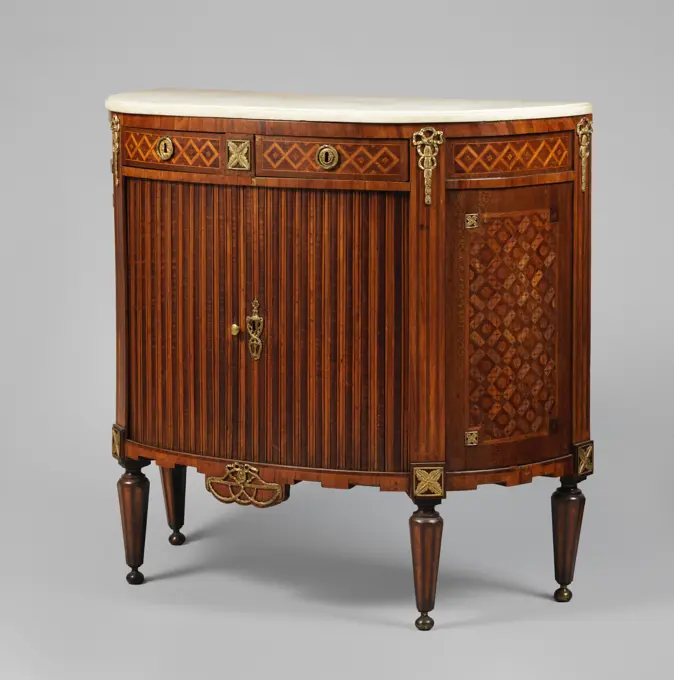
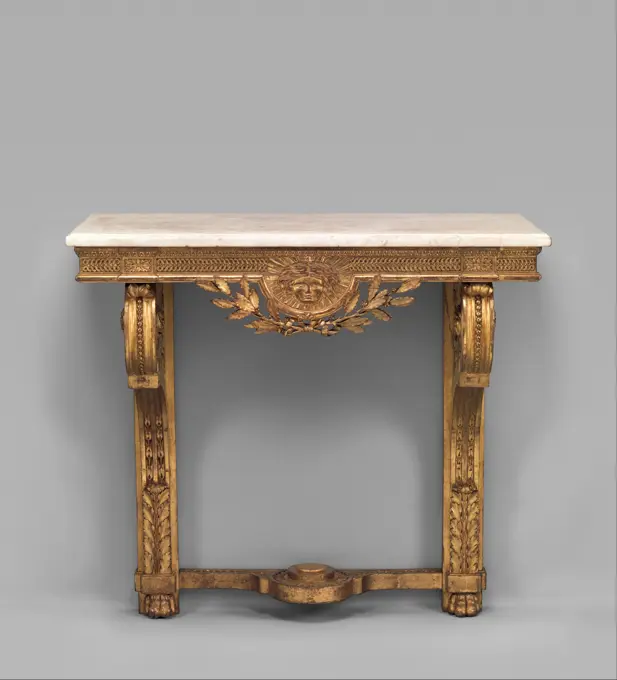
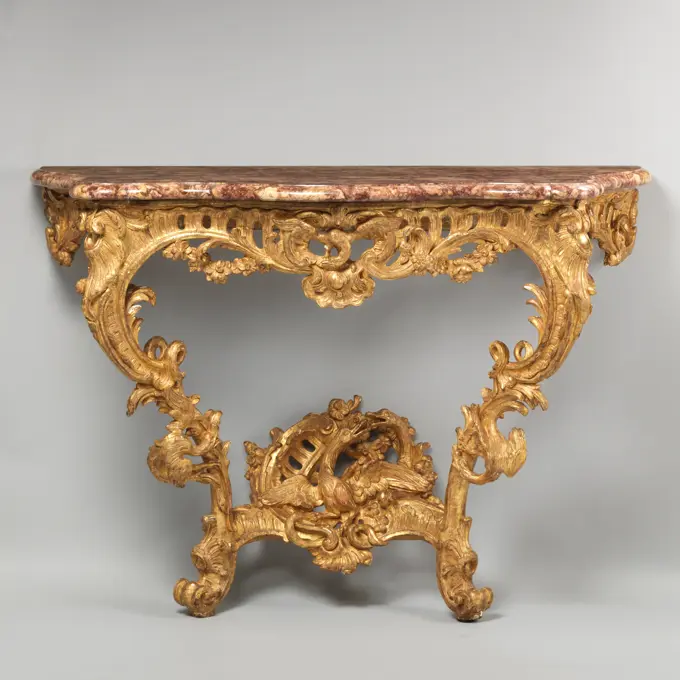
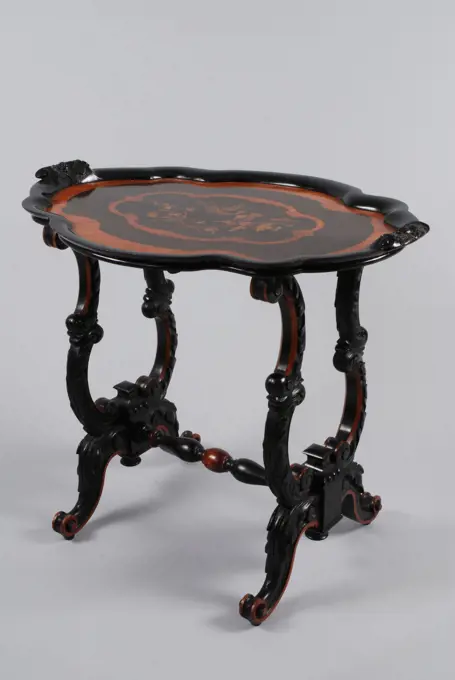
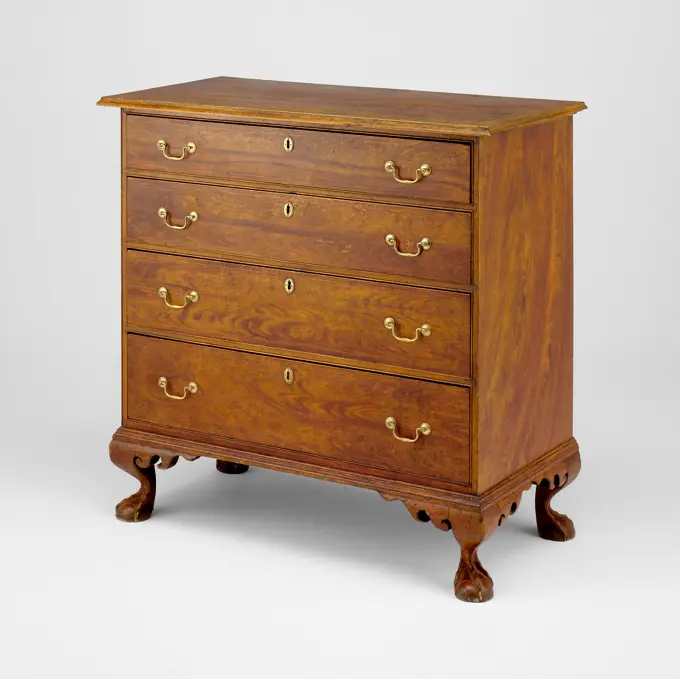
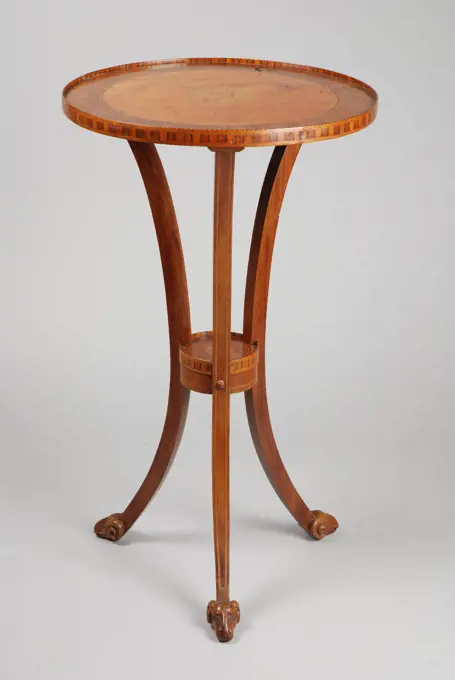
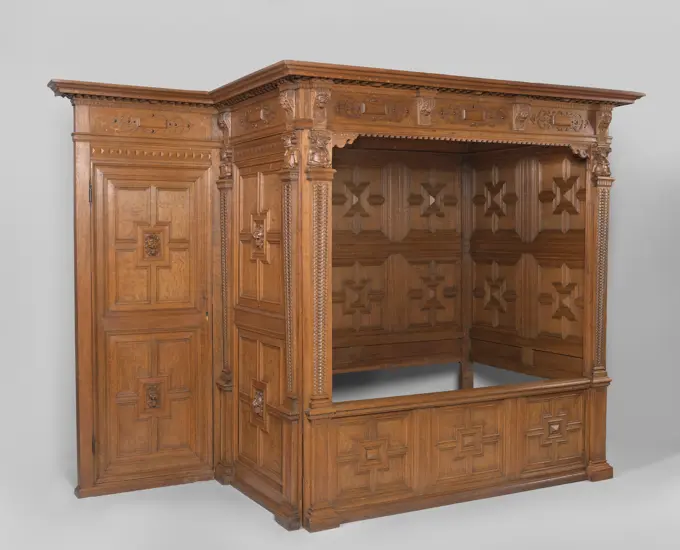
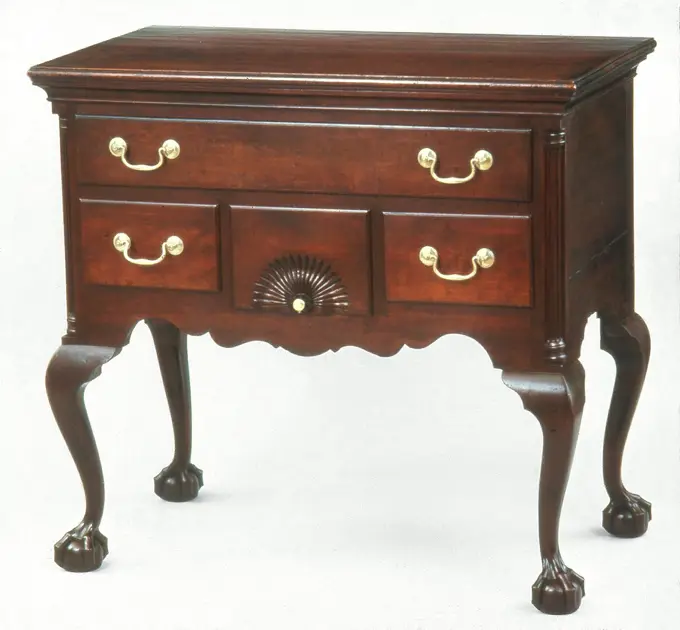
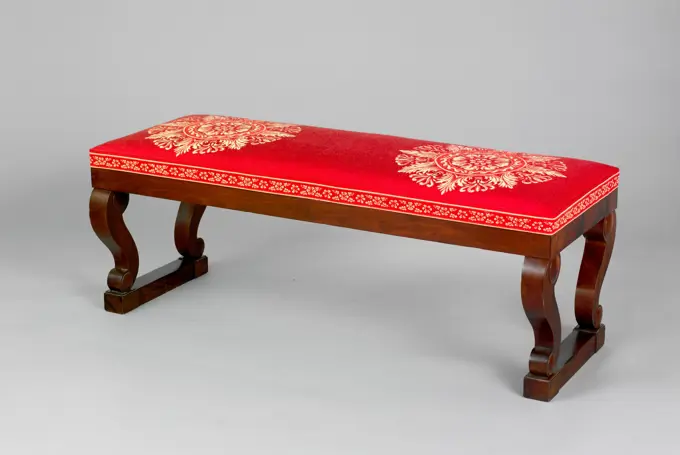
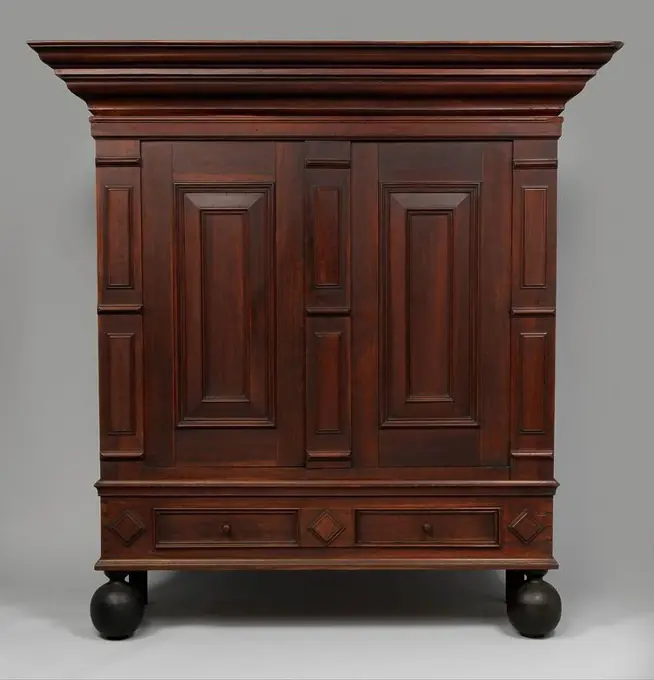
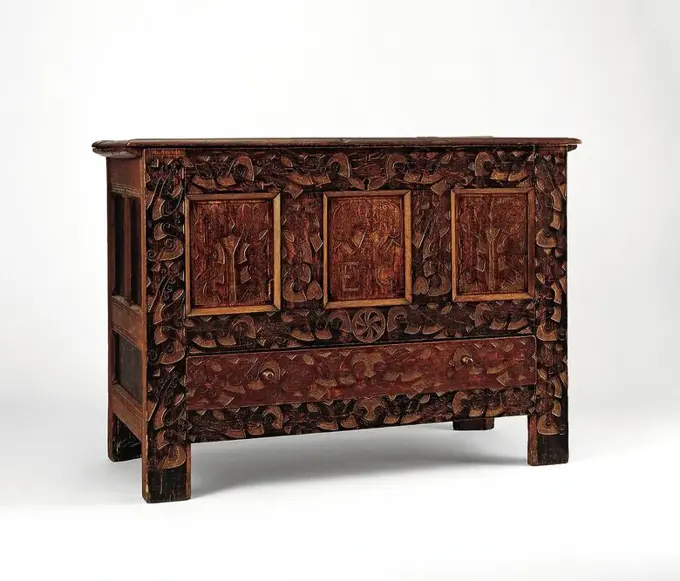
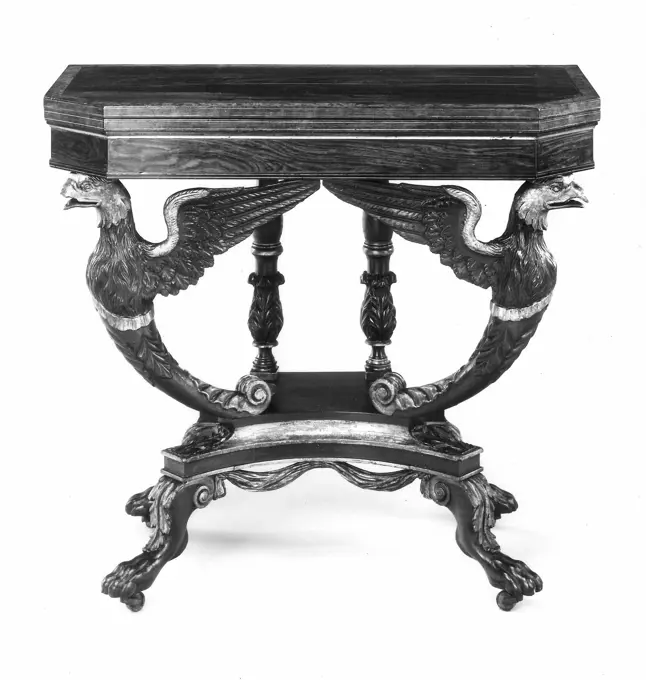
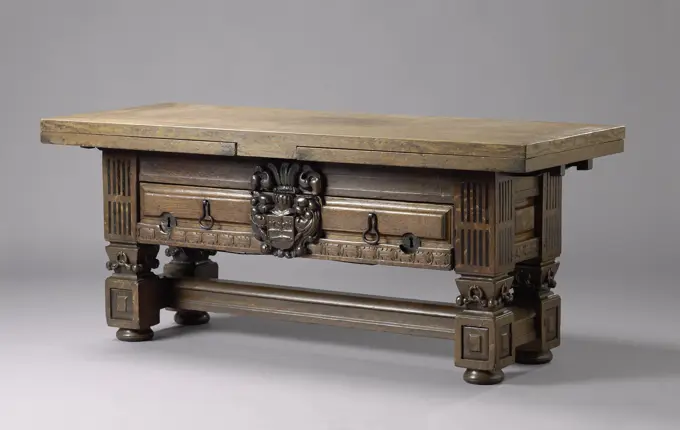
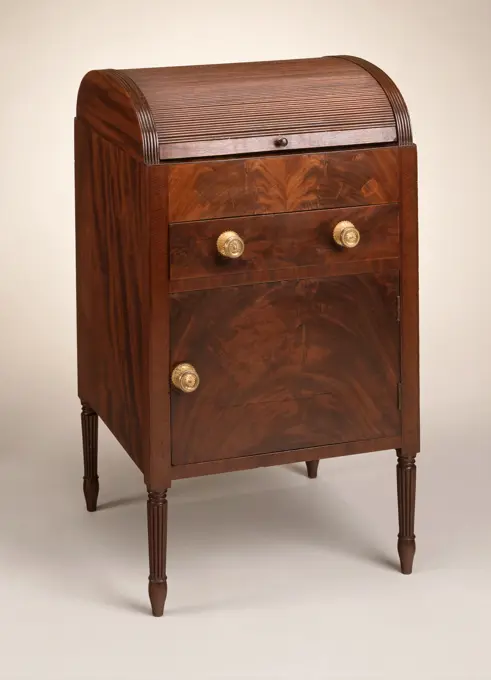
Dressing Table. American; Philadelphia, Pennsylvania. Date: 1760-1790. Dimensions: 73.8 × 88.3 × 54 cm (29 × 34 3/4 × 21 1/4 in.). Mahogany, American sweetgum, yellow pine, and Northern white cedar. Origin: Philadelphia. Museum: The Chicago Art Institute, Chicago, USA.DeskChest with drawers 1670-1700 American Most surviving joined chests with drawers from New England date to the late seventeenth century. Although the pair of large square panels at the top gives the appearance of cupboard doors, this chest actually has a lift-top opening to a deep well for storing linens and two shallower double-paneled drawers below for keeping smaller goods.. Chest with drawers 2040Dressing table 1730-60 American. Dressing table 20601Desk 1770 Henry Rust. Desk 19442Table;  End of the 18th century (1780-00-00-1800-00-00);Classicism, birds, plant ornament, vases with flowers, purchase (provenance)Table with two extendable blades of Coromandelhout with rectangular top with scalloped sides and covered with black leather with dark red brushed midfield surrounded by stylized leaf fillets, Carel Adolph Lion Cachet, c. 1920 Table of Coromandelhout and Leather. The rectangular loose top has scalloped sides and is inlaid with a black leather panel with a dark red brushed midfield, surrounded by stylized leaf voltuten. The legs jump in a straight flat step -by -step and rest on a volute -shaped bobbin. Just above half is a square window, with scalloped sides and decorated with a brown leather field with an eight -pointed star filled with leaf motifs. Two extendable sheets. Northern Netherlands wood (plant material). leather Table of Coromandelhout and Leather. The rectangular loose top has scalloped sides and is inlaid with a black leather panel with a dark red brushed midfield, surrounded by stylized leaf voltuten. The legs jump in a straight flat step -by -step and rest on a volute -sTable of Coromandewood, inlaid with pewter piping. Table of Coromandewood, inlaid with pewter piping. The treased square colonets and the wide profiled middle styles of the frame are connected by an H-shaped profiled cross with concave, on a base resting side rules. In the middle is a cutter decorative piece placed with two fish, closed with a line. A wave motif is applied under the rules below the oval leaf. The veins of the wide center web and long leaf side pieces run in the opposite direction.Cabinet French 19th century (early 16th century style) View more. Cabinet. French. 19th century (early 16th century style). Oak. Woodwork-FurnitureDrop-leaf Table. Culture: American. Dimensions: 29 1/4 x 42 3/4 x 42 3/4 in. (74.3 x 108.6 x 108.6 cm). Date: 1700-1730. Museum: Metropolitan Museum of Art, New York, USA.Card Table, c. 1820. America, Pennsylvania, Philadelphia, 19th century. Mahogany with curly maple and ebony veneers, brass mounts and inlays, gilding; overall: 75 x 90.2 x 45.1 cm (29 1/2 x 35 1/2 x 17 3/4 in.). The lyre-shaped support of this finely made card table marks it as an example of American federal furniture taking inspiration from classical antiquity for its decoration. When the top was folded closed, such tables were usually placed near a wall. Once the two halves of the top were unfolded, however, the entire upper portion of the table could be rotated until the supporting structure was again beneath the center and the enlarged surface was ready for play.Sideboard, anonymous, c. 1780 - c. 1795 Buffet glued with a tropical type of wood and other types of wood. The conical legs are placed at the front overhoeks and decorated with chalice cords. The single door shows a rectangular panel with beveled corners, framed by a wide tire and ebbenhouten profile lists; Leaf motifs in the corners. As a rule, there are three drawers. The folding leaf carries a diamond -shaped decoration, made up of leaf vines; In the corners of leaf motifs and around a profile frame and block list. Amsterdam (possibly) wood (plant material). oak (wood). satinwood (wood). maple (wood). purpleheart (wood). ebony (wood). birch (wood). brass (alloy). India ink (ink) Buffet glued with a tropical type of wood and other types of wood. The conical legs are placed at the front overhoeks and decorated with chalice cords. The single door shows a rectangular panel with beveled corners, framed by a wide tire and ebbenhouten profile lists; Leaf motifs in the corners. As a rule, tHighboy, 1700-1720. America, Massachusetts, William and Mary style, 18th century. Burled maple veneer with walnut herringbone bandings; overall: 158.4 x 94 x 52.8 cm (62 3/8 x 37 x 20 13/16 in.).Chest. Maker, possibly by: John Rockwell, American, born England, 1588-1662Maker, possibly by: John Rockwell, 1627-1673Desk-on-frame. Culture: American. Dimensions: 35 1/4 x 33 3/4 x 24 in. (89.5 x 85.7 x 61 cm). Date: 1690-1720.An early inscription in Dutch inside the lid recording a business transaction points to a New York origin for this desk, which is reputed to have been found in Brooklyn in the early 1900s. The use of gumwood, a wood that found favor in New York City and environs for furniture and interior woodwork during the early decades of the eighteenth century, supports such an attribution. No comparable piece is known. The turnings appear to derive from French prototypes and the desk may have been made by a Huguenot craftsman--a distinct possibility in New York around 1700. Museum: Metropolitan Museum of Art, New York, USA.Antique Louis XV style parquetry inlaid deskKabinet, anonymous, c. 1720 - c. 1740 Eikhout cabinet glued with walnut, with two doors and a semicircular, profiled excellent hood. The cabinet stands on a frame with drawer and rest on four baluster -shaped legs with a wavy cross connection. Amsterdam (possibly) oak (wood). fineer: walnut (hardwood). beslag: brass (alloy) Eikhout cabinet glued with walnut, with two doors and a semicircular, profiled excellent hood. The cabinet stands on a frame with drawer and rest on four baluster -shaped legs with a wavy cross connection. Amsterdam (possibly) oak (wood). fineer: walnut (hardwood). beslag: brass (alloy)Oak renaissance stool, tabouret stool furniture furniture interior design wood oak ebony pear wood, Rectangular stool standing on four baluster legs connected by rules. Between the legs under the seat carving around of birds On the houses of the legs lion heads. Ebony inlays Bulbs under the legs are added to the three hanging pegs on the open carving on the front line possibly later non-authentic addition Erasmus Foundation Parklaan Rotterdam City Center New Work renaissance Long-term loan Erasmus FoundationTable 1690-1730 New York. Cherry and sweetgum . Artist unknownReader of carrot and olive wood with drawers and on a chassis with twisted legs, anonymous, c. 1670 - c. 1685 Reader of oak, glued with nut rootwood and olive wood, resting on a chassis with twisted legs. The superstructure is equipped with a number of drawers. In a protruding part at the top, under a sloping folding shed layer, a storage space decorated with marketing space with markers with markers. Amsterdam (possibly) oak (wood). walnut (hardwood). olive (wood). padouk (wood) Reader of oak, glued with nut rootwood and olive wood, resting on a chassis with twisted legs. The superstructure is equipped with a number of drawers. In a protruding part at the top, under a sloping folding shed layer, a storage space decorated with marketing space with markers with markers. Amsterdam (possibly) oak (wood). walnut (hardwood). olive (wood). padouk (wood)Dressing Table 1762-90 American This dressing table was made en suite with a high chest (18.110.4) and doubtless in the same shop. Careful examination, however, suggests that the pieces were carved by different hands. The carving here, though superficially similar to that on the high chest, exhibits a greater depth and sense of liveliness.. Dressing Table 3428Roger Vandercruse dit Lacroix or Vandercruse Lacroix (1728-1799). "Writing table". Built in oak, walnut drawer, tinted boxwood veneer, sycomore or tinted holly, ebony, golden bronzes. Around 1770. Paris, Cognacq-Jay museum. 123782-2PiertableKast, c. 1710-1740. American, King County, NY. Various woods, wrought iron; 196.8 x 184.2 x 69.8 cm (77 1/2 x 72 1/2 x 27 1/2 in.). The earliest furniture made in America often shared similarities with works made in the country from where the settlers originated. With its bun feet, paneled surface, and broad projecting cornice, this wardrobe (kast) resembles earlier Dutch examples that come from Amsterdam and its surrounding areas. Therefore, this wardrobe was likely made by the Dutch settlers who colonized New York and New Jersey.CardTableCardtable. Maker, attributed to: Rogers and AtwoodChina table ca. 1755-60 British This table, with its exquisite carving, delicate pierced gallery, and graceful curving stretchers, is close to a design by the celebrated English cabinetmaker Thomas Chippendale (1718-1779) in his influential Gentleman and Cabinetmaker's Director (1754). Listen to experts illuminate this artwork's story Listen Play or pause #2150. China Table Supported by Bloomberg Philanthropies We're sorry, the transcript for this audio track is not available at this time. We are working to make it available as soon as possible.. China table 203826Card Table. Jean-François Oeben (French, born Germany, 1721 - 1763, master 1761)Chest. Dated: c. 1939. Medium: watercolor and graphite on paper. Museum: National Gallery of Art, Washington DC. Author: M. Rosenshield-von-Paulin.Altar TableTableGateleg table second half 18th century British. Gateleg table. British. second half 18th century. Walnut. Woodwork-FurnitureCard table, c. 1780, 28 1/2 x 34 1/2 x 35 3/4 in. (72.39 x 87.63 x 90.81 cm), Mahogany, white oak and white pine, United States, 18th centuryMusic cabinet with copper piping, anonymous, c. 1800 - c. 1849 Music box of mahogany with copper piping. Northern Netherlands (possibly) wood (plant material). oak (wood). mahogany (wood). satinwood (wood). brass (alloy) Music box of mahogany with copper piping. Northern Netherlands (possibly) wood (plant material). oak (wood). mahogany (wood). satinwood (wood). brass (alloy)Kang Table, 17th century, 11 7/8 x 38 1/2 x 22 3/4 in. (30.16 x 97.79 x 57.79 cm), Huang-hua-li hardwood, China, 17th centuryDressing table ca. 1765 Léonard Boudin. Dressing table 205094Dresser;  beginning of the 19th century (1801-00-00-1815-00-00);Wereszczakowa, Karolina (1861-1925) - collection, war loss. Cabinet, Z.G. Zeeland cupboard, from oak, decorated with rosewood. A medium-scale distributes the furniture in a lower and floor cupboard. Lion consoles are applied to the styles with copper rings and festans. The doors have cornis versions and pillows with pallisander wood mirrors. The consoles in the hood are decorated with cherubs.Table withDrawer, The primary wood, as well as the diagonal brace under the top and the drawer runners, has been identified as belonging to the family Lauraceae (laurel) and may possibly be red bay. The other secondary woods are mahogany (drawer sides and back) and baldcypress (drawer bottom), 28 3/4 × 42 15/16 × 28 7/16 in. (73 × 109.1 × 72.2cm), Made in Charleston, South Carolina, North America, American, 18thcentury, FurnitureCupboard. Culture: American. Dimensions: 58 x 49 3/4 x 23 in. (147.3 x 126.4 x 58.4 cm). Date: 1670-1700.A cupboard usually occupied the parlor or hall, where the household dined. It stored the textiles, vessels, and utensils used at mealtime. Museum: Metropolitan Museum of Art, New York, USA.Card Table ca. 1800 American. Card Table. American. ca. 1800. Mahogany, white pine, tulip poplar, maple. Made in Baltimore, Maryland, United StatesChest of Drawers. Dated: c. 1939. Dimensions: overall: 35.8 x 45.5 cm (14 1/8 x 17 15/16 in.) Original IAD Object: none given. Medium: watercolor, colored pencil, and graphite on paperboard. Museum: National Gallery of Art, Washington DC. Author: Lorenz Rothkranz.Card Table. American; Maine. Date: 1835-1850. Dimensions: 70.2 × 85.1 × 42.2 cm (27 5/8 × 33 1/2 × 16 5/8 in.). White pine. Origin: Maine. Museum: The Chicago Art Institute, Chicago, USA.Henry Moore, Tea Table, c 1936 Tea TableBureau-Ministre with cupboards at the front and back inlaid with piping of rosewood, Karel Petrus Cornelis de Bazel, c. 1894 - c. 1900 Bureau ministre of oak wood with cupboards at the front and back, closed with doors and loading above it, which flanks the open middle part. The cupboards rest on wide square feet with pissed -in piping of rosewood. The doors and drawers are caught inside a framework of panels and contain piping of rosewood, a pearl edge and a sculpted button. In the middle of each door there is a sliced rosette. On both sides of the desk there are small doors in the middle with piping of rosewood, a pearl edge and a sculpted button. Above the open middle part is a drawer both at the front and rear. The table top consists of four panels surrounded by frame work. Netherlands oak (wood). rosewood (wood) Bureau ministre of oak wood with cupboards at the front and back, closed with doors and loading above it, which flanks the open middle part. The cupboards rest on wide squEscritorio, siglo XVIII. Colección privada.Round table of black colored tropical wood with leaf of white marble and C-volute-shaped legs. Z.G. Spinnkop table, anonymous, c. 1850 - c. 1899 Round table, so -called spinnopop table, of black -colored tropical wood (djatihout) With white marble leaf. On four C-Volute-shaped legs decorated with smaller volutes, connected in the middle by a high, twisted element. Indonesia wood (plant material). marble (rock) Round table, so -called spinnopop table, of black -colored tropical wood (djatihout) With white marble leaf. On four C-Volute-shaped legs decorated with smaller volutes, connected in the middle by a high, twisted element. Indonesia wood (plant material). marble (rock)Chest ofDrawersChest, anonymous, c. 1650 - c. 1710 Chest with drawers on tropical wood chassis (Ambon Soetra) With partly imposed frames of Coromandelhout, later, black -stained chassis. The rectangular box has a room, closed through the lid, above three drawers, two next to each other above one over the entire width. Subject and drawers are separated by Coromandelhouten lists that run over the sides. Opened and engraved lock plates, tractors and handles of copper. Rectangular chassis on four reverse pear -shaped legs. A piece is missing from the lower final plate on the right. Indonesia Satinwood (Wood). Slotplaat, Trekers and Handle: Copper (Metal) Chest with drawers on tropical wood chassis (Ambon Soetra) With partly imposed frames of Coromandelhout, later, black -stained chassis. The rectangular box has a room, closed through the lid, above three drawers, two next to each other above one over the entire width. Subject and drawers are separated by Coromandelhouten lists that run over the sides. OpBureau Plat. Jean-Henri Riesener (French, 1734 - 1806, master 1768, fournisseur du garde-meuble royal 1774 - 1784)Cushion cabinet with cherubs and festons on the pillows. Pedim with two drawers, anonymous, c. 1650 - c. 1675 Cupboard, so -called cushion cabinet, glued with rosewood and ebbs on an oak core. Half columns, the capitals on the corners wear cherubs and a lion mask in the middle, the styles form. The doors have thickened pillows and show on the backs cherubs with festons. The cornice is decorated with lion masks and cherubs on the corners and in the middle with a sample mask. Above a lobe ornament with a cherub between festons. The pedestal has two drawers. The furniture rests on Bolpoten. Netherlands wood (plant material). oak (wood). rosewood (wood). ebony (wood) Cupboard, so -called cushion cabinet, glued with rosewood and ebbs on an oak core. Half columns, the capitals on the corners wear cherubs and a lion mask in the middle, the styles form. The doors have thickened pillows and show on the backs cherubs with festons. The cornice is decorated with lion masks and cherubs on the corneLouis XX Inlaid Kingwood Commode Antiques Table. unknown, creatorCoffee table. .Writing table Willem II, Anonymous, After 1839  Writing table with tormented legs, crossing beams with in the middle of an oval. The leaf runs diagonally upwards and contains an oval copper engraving with the bust of King William I in Galauniform. The engraving is flanked on both sides by a lion. In the four corners of the magazine medallions: 1. L.B.: Willem I with inscription. 2. L.O.: Prins Maurits with inscription. 3. R.B.: Nicolaas I with inscription. 4. r.o.: Peter the Great. There is a lock in the middle. On top: weapon of the Nassaus.  wood (plant material). rosewood (wood). oak (wood). rosewood (wood). brass (alloy). tin (metal) engraving  VoorschotenSecretaire with marquetery and paint panels. Secretaire with marquetery on oak core. The front legs with batter are placed overhangs. The corner styles above wear a round lacquer panel in the middle of black pipes; Upper batter. The fields on the front bear paint panels on a bow, surrounded by angular tables, fields with diamond pattern and a double, in the corners braided tire. The fields on the sides each carry two paint panels, most round. Floor cupboard with leaf; Base cabinet with doors and angular sills with paint panel. Raised edge.Bishop Hill: Tailor's Table. Dated: c. 1939. Dimensions: overall: 36 x 51.2 cm (14 3/16 x 20 3/16 in.) Original IAD Object: 44 1/4" wide; 27 3/4" deep; 29 7/8" high. Medium: watercolor, graphite, and pen and ink on paper. Museum: National Gallery of Art, Washington DC. Author: Archie Thompson.Commode ca. 1745-49 Charles Cressent One of a group of six known commodes of this model, it shows the cabinetmaker (ébéniste) Charles Cressents highly individual and very sculptural manner. Although Cressent did not sign a single piece of furniture, a considerable body of work has been attributed to him. This commode with its unusual shape matches a detailed description in the 1749 sale catalogue for one of the three auctions that Cressent, when pressed by financial difficulties, organized of his own stock and art collections. Supported on four tall legs, the front of the commode contains two drawers and each of the sides has a single door opening to a cupboard. The undulating outline of the front and sides is repeated in the marble top while the carcass is entirely covered with marquetry veneer in a fine geometric pattern known as parquetry. Particularly noteworthy are the bold and highly decorative gilt-bronze mounts which are so distinctive of Cressents work: Zephyr heads, large sPa. German Chest. Dated: 1935/1942. Dimensions: overall: 35.6 x 50.8 cm (14 x 20 in.). Medium: watercolor and graphite on paper. Museum: National Gallery of Art, Washington DC. Author: Rolland Livingstone.Pair of Chests. Attributed to Antonio Maffei (Italian (Umbrian), died 1601, active about 1554)Dressing Table. Culture: American. Dimensions: 29 3/4 x 35 1/4 x 20 3/4 in. (75.6 x 89.5 x 52.7 cm). Date: 1730-50. Museum: Metropolitan Museum of Art, New York, USA.Owen Middleton, Tea Table, 1939 Tea TableRound table of walnut. Round table of walnut, on pedestal with four drawers, on which four channeled square ionic columns are placed. Two naked care patients and two naked atlants are placed between crashes in pedestal and rule and two naked atlants, sat on a column shaft, on which degrees C-Volutes. Fruit proofs on the heads and at the rear of the columns. Understanding and uprits carry decorations, among other things, with animal and man heads on rollerwork cartouches. Floor glued in a cross motif.Anonymous, convenient that belonged to Lamartine, 1730. Oak, Amarante wood veneer, copper, chiseled and gilded bronze. Carnavalet museum, history of Paris.Childs deskServing Table 1877-80 American. Serving Table. American. 1877-80. Mahogany. Made in New York, United StatesPenant cupboard with curved walls and cylinder doors and marble top. Penant cabinet decorated with marquetery of pink, cherry and satin wood and covered with a white margin plate. The cupboard is half oval of dooring. The front has two cylinder doors; The curved walls are glued with geometric figures in rectangular fields. Two drawers in the upper spray of the front. The four conical legs have gold-plated copper feet. On the styles, side walls, doors and sills gilt copper fittings. Belonging to a different penetrift, see: BK-NM-8839.Commode ca. 1770 Charles Topino. Commode 205093Penant table with fluted legs and acanthus and draperiering at front and side rules. Penant table of oak with renovated marble top. The channeled conical legs are decorated from below with leafwork. The houses above the legs have a rosette. The front and side rules have embossed symmetrical acanthus blade drinks and a drapery put on the bottom. The table was originally painted blue and white. Part of a few; See also inv.no. BK-NM-2561-b.Cartonier with a clock; Kambly, Johann Melchior (1718-1783), Baillon, Jean Baptiste Albert (Fl. 1751-1772), Latz, Jean-Pierre (Ca 1691-1754); 1746-1753 (1746-00-00-1753-00-00);Console table ca. 1775-80 French Supported on one or two legs, console tables need to be attached to the wall for stability and are considered to be part of the interior decoration of a room. They were made by a special group of joiners, menuisiers en btiments (litt. building carpenters) responsible for the fixed elements in the interior such as paneling, pier glasses and console tables. Unlike other members of the guild, these craftsmen were not required to stamp their output and for that reason it is rarely known who created such works.These console tables are of identical design except in size. They were among the few neoclassical consoles in the model collection of woodwork, paneling and seat furniture of Maison Leys, a successful decorating business, located at the Place de la Madeleine in Paris. Since 1885 the business was directed by Georges Hoentschel who installed the collection in 1903 in a museum-like display at Boulevard Flandrin, Paris. Three years later, Hoentschel sold Console table (one of a pair) ca. 1735-40 French These side tables have richly carved supports, pierced throughout with asymmetrical shell-forms and cartouches, floral garlands, foliage, and birds and are a wonderful expression of the Rococo style. Such tables were the work of carpenters or menuisiers who were primarily involved with preparing building timbers. The decorative carvings were completed by highly-skilled carvers - neither of the craftsman signed their work and their identity remains unknown.. Console table (one of a pair). French. ca. 1735-40. Pine: carved and gilded; brocatello marble. Woodwork-FurnitureFa. Johann Diedrich Schmidt & Co. en Cord Heinrich Schmidt, Mahogany neo-rococo tea table, table furniture interior design mahogany rosewood wood, Neo-rococo mahogany tea table with carved wood partly black polished leaf inlaid with composition of branches of flowers bird and butterfly neorococoChest of Drawers c 1780-1810 New Hampshire. Working in a series of small towns in south-central New Hampshire, brothers John and Samuel Dunlap became two of the most important early cabinetmakers in the state. With a conservatism typical of rural areas, they and their patrons continued to favor Chippendale features in furniture design long after their urban contemporaries had turned to the new Federal mode. The Dunlaps combined these Chippendale elements with their own distinctive forms, developing an individual furniture style. Compared to more urban examples from Portsmouth or Boston, Dunlap pieces like this chest tend to be large, with sharply angled legs, slender ankles, and truncated ball-and-claw feet. This chest also features the Dunlapsí characteristic painted wood grain, which they used to create the illusion of more exotic wood, such as mahogany.. Soft maple, eastern white pine, faux painted wood-grain . John DunlapSideboard. Culture: American. Dimensions: 92 3/4 x 71 3/4 x 25 5/8 in. (235.6 x 182.2 x 65.1 cm). Maker: Alexander Roux (1813-1886). Date: ca. 1853.This sideboard by Aleander Roux is an "etagere" type, with an upper structure of shelves meant for the display of dining ware. Sometimes dubbed "the altar of gastronomy," the form became popular in America and Eurpoe about 1850 and remained a prominent feature of dining rooms for the next quarter century. Hunt and harvest themes prevailed. Roux displayed the prototype for this piece at the 1853 Crystal Palace Exhibition in New York. Afterward, he was commissioned to make a pair of related sideboards for the Astor family--this one and its mate, which is at the Newark Museum. Museum: Metropolitan Museum of Art, New York, USA.Guéridon, guéridon table furniture interior design mahogany ash wood satinwood boxwood ebony wood, Round veneered curved leaves between which sheet of both leaves with shell inlaid feet are ram heads.Manufactureration with Bedstede, O.A. Sky, Wall shot, side shot and panels. Manufacturing of oak, consisting of a bedstead and wall shot. The bedstead has corner styles with a plinth, on the left a hermatant, on the right a hermcaryatide. The shaft rejuvenated to the bottom shows Schubsteek. The figures appear halfwayed naked, an arm on the back, with the other their drug-beaten robe loving. On the heads resting ionic capitals, which bear the main gear. This has a frieze, divided into courses, divided into courses, within which a Moresk cartouche with ebony caps to oak pillows. The consoles were treated with shell decoration as lion's heads. The frieze is closed above with a flat edge list, which is crocked over the consoles. The ogief-shaped crown table rests on small consoles. In the porch, the upper spray (bottom of the architraph) has a healed tooth list with support pieces in the corners. The side shot has styles and head frame on the outside as at the front and two panels placed . Lobby box with a slightly convex lid. The loose foot has curved legs. In the box a sheet with five inner boxes (peak-shaped) that together follow the shape of the outside box. Black lacquer with decorations in Hiramakie with water landscape, butterflies and flowers. (Inv.no Lid: AK-NM-6137). Note: See also AK-NM-6135.Dressingtable. Maker, probably by: Eliphalet Chapin, American, 1741-1807Walnut veneered medallions cabinet, medallion cabinet cupboard cabinet furniture furniture interiors oak wood mahogany walnut brass iron felt brass wool cedar wood, Twelve walnut veneered drawers inside green drawer inside doors veneered with hardwood cedar plated brass knobs on both sides brass handle.Theestof, decorated with impeller pattern in Marqueteria .. Square tea stove of oak, glued with other types of wood. The stove with beveled corners rests on four conical legs and shows panels, which in the middle exhibits an oval fan design in Marqueteria.High chest ofdrawersBasin Stand 1815-20 American. Basin Stand 352Window Seat ca. 1837 Attributed Workshop of Duncan Phyfe Scottish In the early nineteenth century, designers and furniture makers embraced a revival of Classical prototypes from ancient Greek and Roman architecture and decorative arts, like this taboret (or stool). The curule form, or ogee-crossed stretcher base, plays on a Classical folding stool (sella curulis) often used by Roman magistrates which was popularly adapted by nineteenth-century French and English designers. Designs for taborets with curule bases appear in well-known publications from the period like Pierre de La Mésangère's Collection de Meubles et Objets de Goût (1820-1831) and the London fashion journal, Ackermans Repository of Arts.This taboret is part of an expansive suite of seating furniture attributed to the workshop of cabinetmaker Duncan Phyfe (see 66.221.1-.10 and 1972.264.1-.2). It was made to furnish the New York City townhouse, belonging to the lawyer Samuel A. Foot, located at 678 Broadway which had been Casket (coffanetto or scrigno). Culture: Italian, Venice. Dimensions: Overall (confirmed): 7 3/4 x 16 7/16 x 11 3/8 in. (19.7 x 41.8 x 28.9 cm);Height (with handle): 10 3/8 in. (26.4 cm). Date: ca. 1570-90.The dark rosewood was lacquered with a transparent varnish and decorated with a dense arabesque pattern in gold leaf, lending the casket a distinctly Ottoman flavor. It was fitted with a removable tray, and the interior space was divided into various compartments for toiletries. The removable mirror in the lid gives access to a hidden storage compartment. Museum: Metropolitan Museum of Art, New York, USA.Kast. Culture: American. Dimensions: 77 x 72 x 25 7/8 in. (195.6 x 182.9 x 65.7 cm). Date: 1740-70. Museum: Metropolitan Museum of Art, New York, USA.Cupboard. Culture: American. Dimensions: 54 1/4 x 44 x 21 1/4 in. (137.8 x 111.8 x 54 cm). Date: 1675-1700. Museum: Metropolitan Museum of Art, New York, USA.Chest-with-drawer. Culture: American. Dimensions: 33 x 46 3/4 x 20 in. (83.8 x 118.7 x 50.8 cm). Date: 1690-1710. Museum: Metropolitan Museum of Art, New York, USA.CardtableConsole Sideboard with Marble Top and Griffin Supports. United States, New York, circa 1815-1820. Furnishings; Furniture. Rosewood, ebony, marble, brass, gilt bronze, verde antique, and giltChest. unknown, authorCard table, c. 1800, 30-1/8 x 34-3/16 x 15-5/8 in. (76.5 x 86.8 x 39.7 cm), Mahogany and pine, United States, 18th-19th centuryTable, Loose Pieter, 1689 Table with frame of sculpture and gilded lindehout. The X-shaped cross rests on lion claws and wears large C-shaped volutes, ending in a ramskop and below in a volute. At the intersection there is a children's figure that, together with bonding children's figures on the Voluten, stops a fruit and flower garland. The rectangular leaf is completely covered with grotesks, executed in copper and mother -of -pearl on a stock of turtle; Because of this, a braid tape motif runs within which two family weapons. Antwerp wood (plant material). linden. gilding (material). oak (wood). brass (alloy). copper (metal). mother of pearl. tin (metal) gilding Table with frame of sculpture and gilded lindehout. The X-shaped cross rests on lion claws and wears large C-shaped volutes, ending in a ramskop and below in a volute. At the intersection there is a children's figure that, together with bonding children's figures on the Voluten, stops a fruit and flower garland. The rectanguCutlery canteen. Keeping silver knives, spoons and forks in wooden cases or canteens came into fashion during the second half of the 18th century. This particular one was designed as a miniature piece of Rococo furniture, with rich mounts like those on an expensive commode.Cellarette -Training table with the coat of arms of the city of Genemuiden, Anonymous, 1645 Table of oak, decorated with ebony. The legs have a square pedestal with a stocky vase -shaped section, on which a festoon attached to rings. They are connected by an H-shaped cross. On the corner styles, Canelure-Biezen or Canelures. The drawer has two forged iron lock plates and heart -shaped tractors. The stabbed weapon of Genemuiden is applied in the middle. The rear bears the year 1645 in Ebony. Coming from the town hall in Genemuiden. Netherlands wood (plant material). oak (wood). ebony (wood) Table of oak, decorated with ebony. The legs have a square pedestal with a stocky vase -shaped section, on which a festoon attached to rings. They are connected by an H-shaped cross. On the corner styles, Canelure-Biezen or Canelures. The drawer has two forged iron lock plates and heart -shaped tractors. The stabbed weapon of Genemuiden is applied in the middle. The rear bears the year 1645 in Ebony. Coming fromTable with an octagonal table top and resting on four bragged legs, Jacob Pieter van den Bosch, c. 1910 Mahoniehout table resting on four schuinge -plateed legs. Both halfway and at the top, the four legs are interconnected by means of an X-shaped cross. On the cross halfway through the legs, a round bottom leaves. On the cross at the top, an octagonal table top with a wide profiled border rests. The middle part of the table top is inlaid with a cross -shaped motif with studs in ebony. The rules that form the X-shaped cross under the tabletop have completed end ends that go optically in the legs. The heads of the screws and pens are visible on the rounded ends. Amsterdam mahogany (wood). ebony (wood). holly (wood) Mahoniehout table resting on four schuinge -plateed legs. Both halfway and at the top, the four legs are interconnected by means of an X-shaped cross. On the cross halfway through the legs, a round bottom leaves. On the cross at the top, an octagonal table top with a wide proTambour Dressing Table. Duncan Phyfe (possibly) (United States, New York, 1768-1854)Duncan Phyfe (attributed to) (United States, New York, 1768-1854). United States, New York City, 1795-1810. Furnishings; Furniture. Mahogany, tulip poplarBrass design fitting on antique wooden round almira, Jodhpur, Rajasthan, India Copyright: xSafatxAli/DinodiaxPhotoxCupboard. unknown, contractor