Antique Furniture Designs

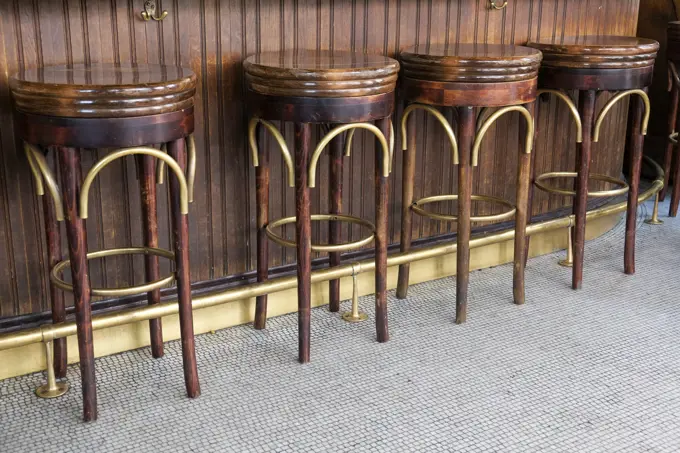
Elegant antique furniture pieces, including tables and chests, showcasing craftsmanship from different eras and materials like mahogany and pine.
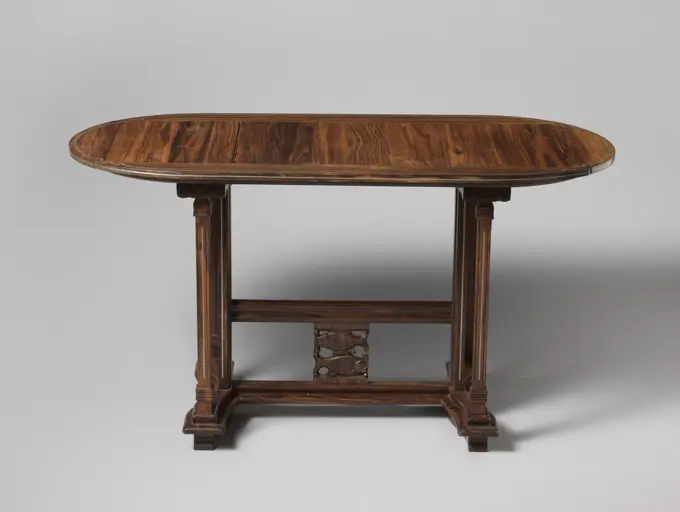
Table of Coromandewood, inlaid with pewter piping. Table of Coromandewood, inlaid with pewter piping. The treased square colonets and the wide profiled middle styles of the frame are connected by an H-shaped profiled cross with concave, on a base resting side rules. In the middle is a cutter decorative piece placed with two fish, closed with a line. A wave motif is applied under the rules below the oval leaf. The veins of the wide center web and long leaf side pieces run in the opposite direction.
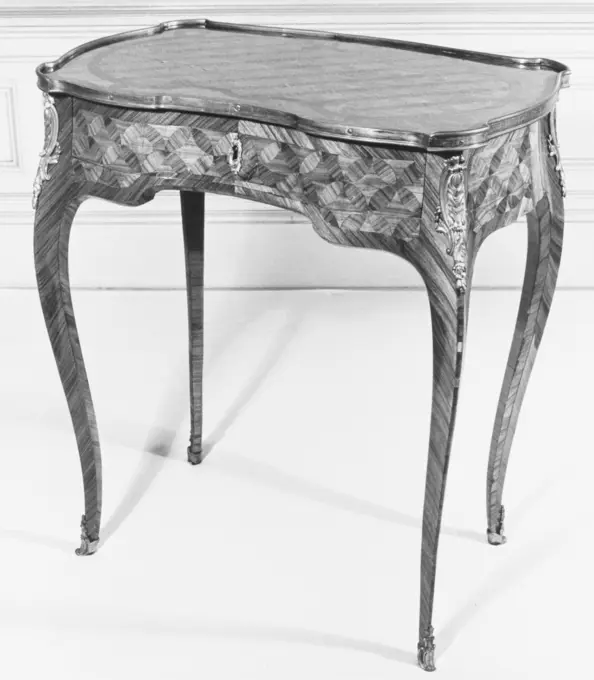
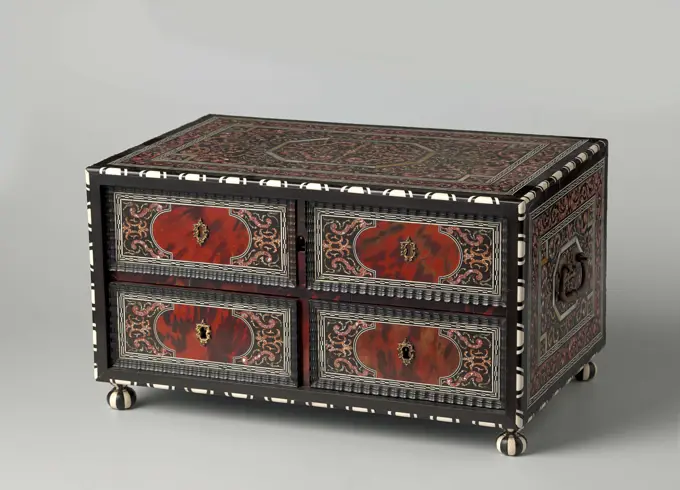
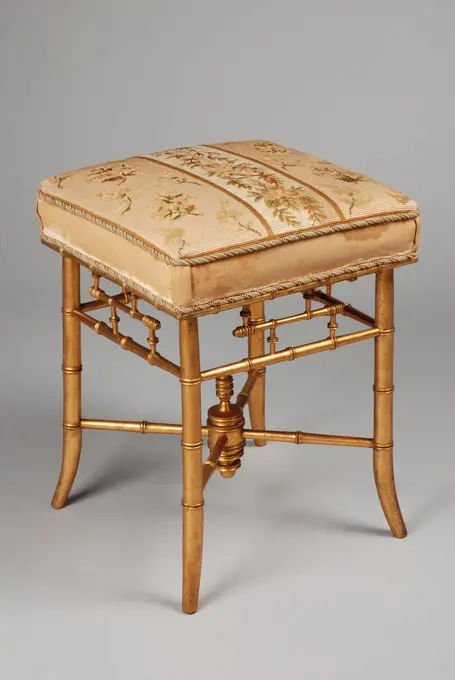
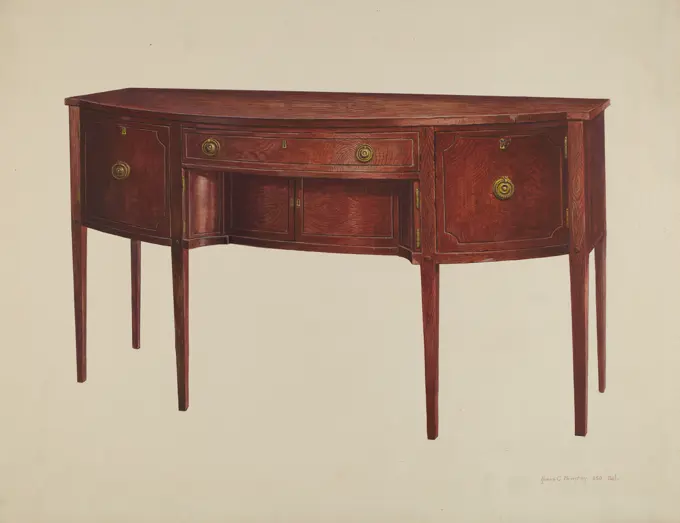
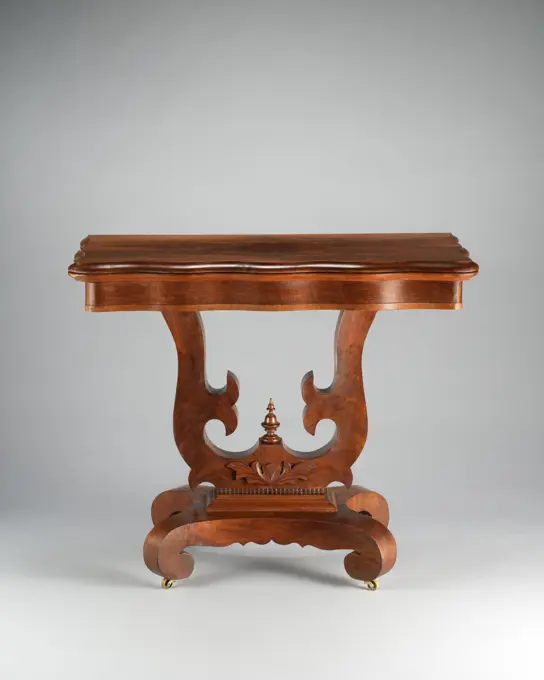
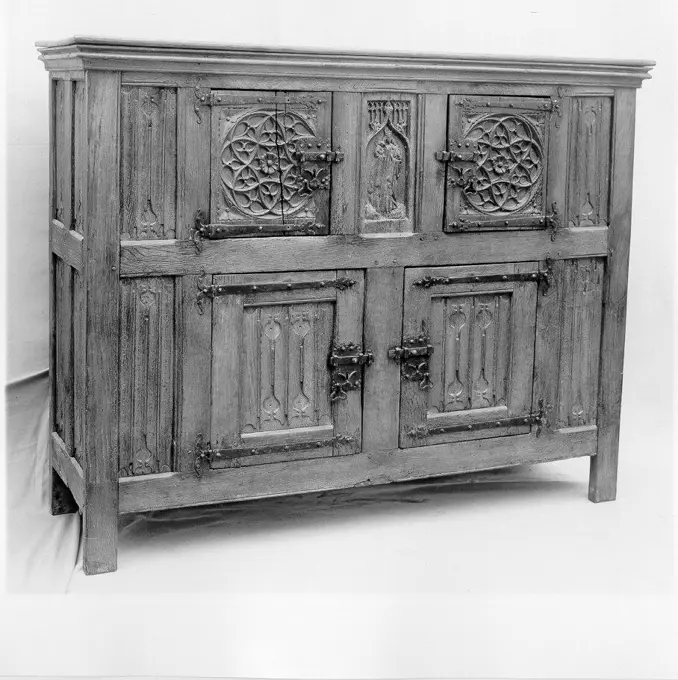
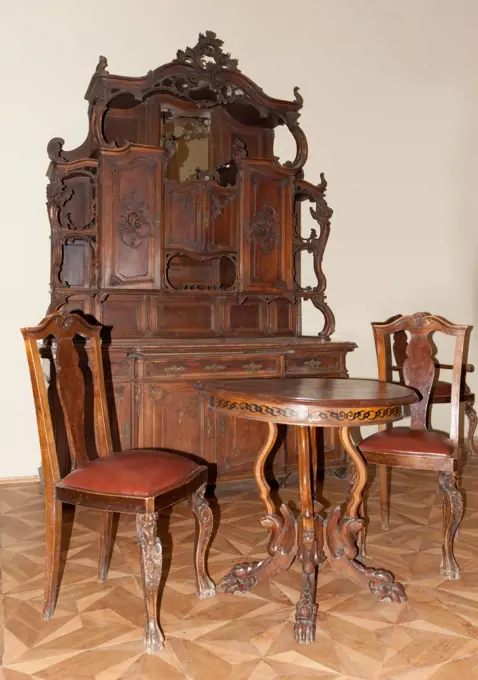
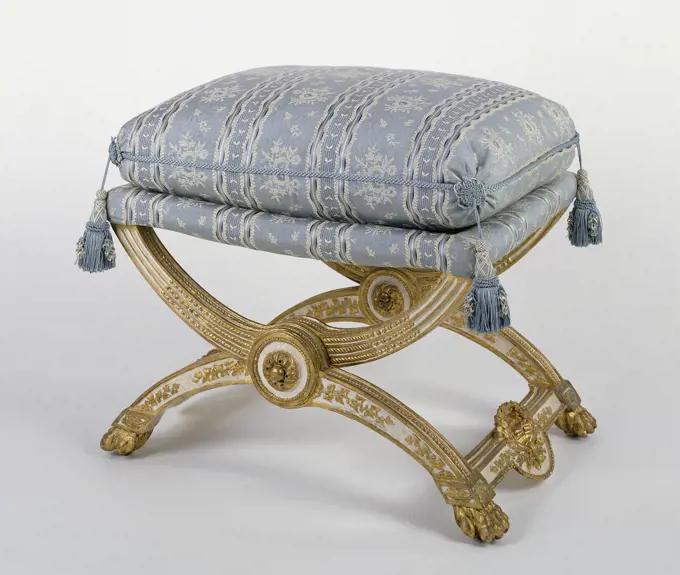
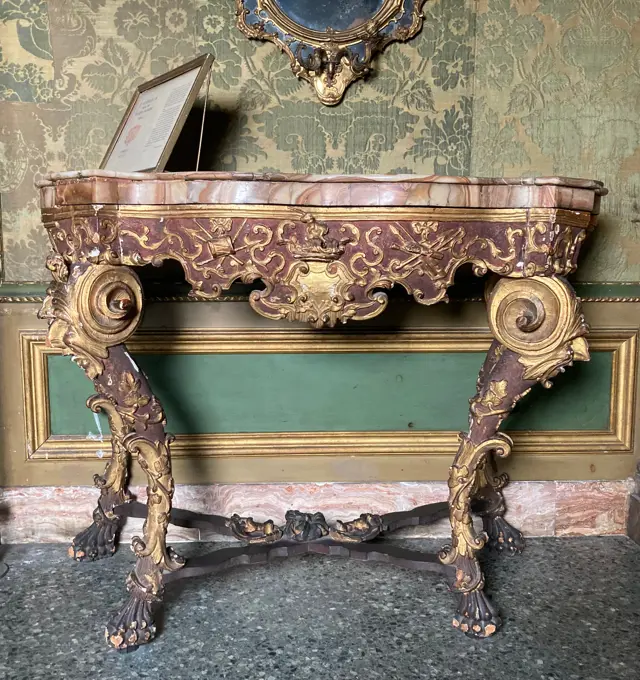
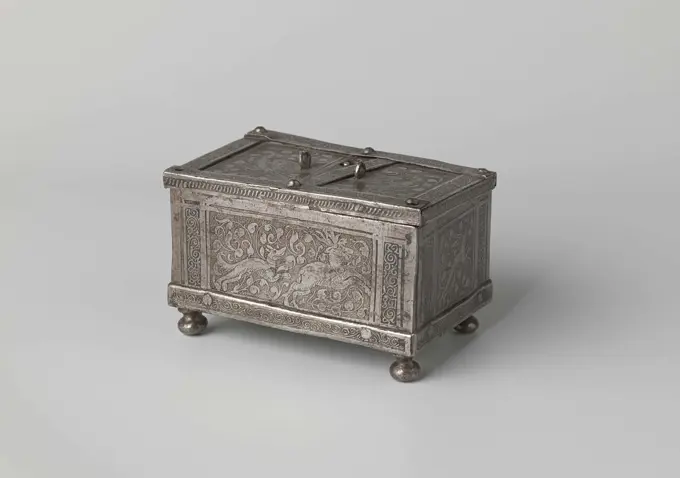
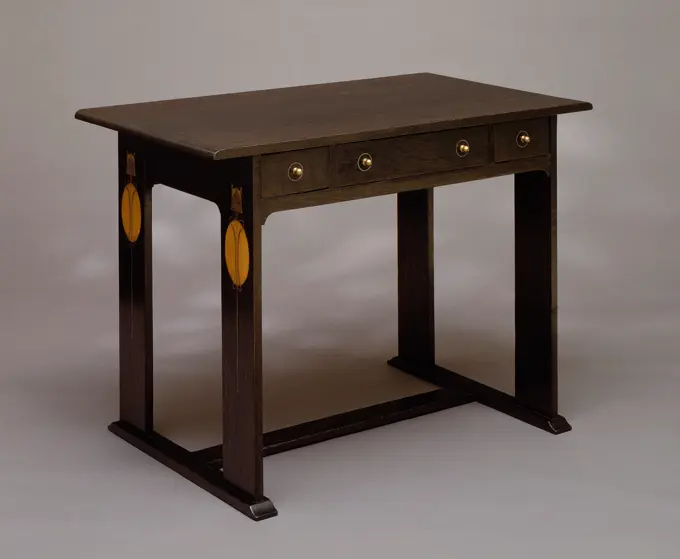
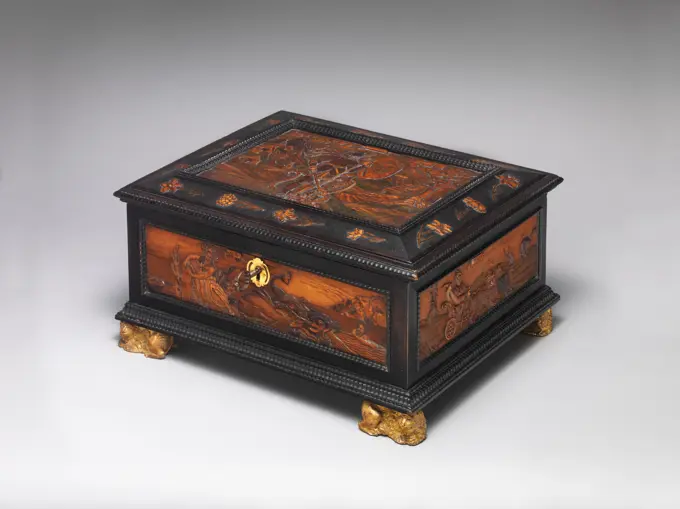
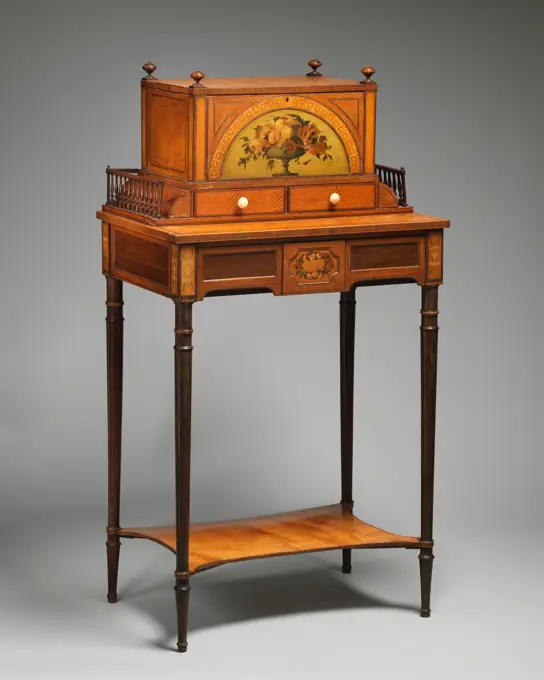
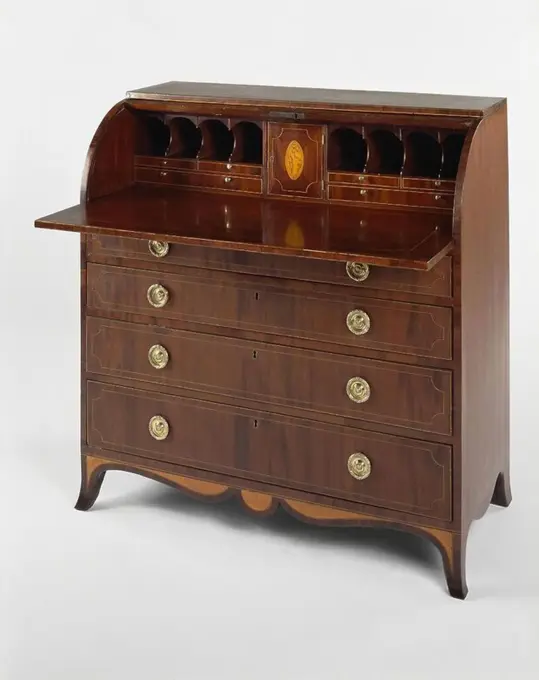
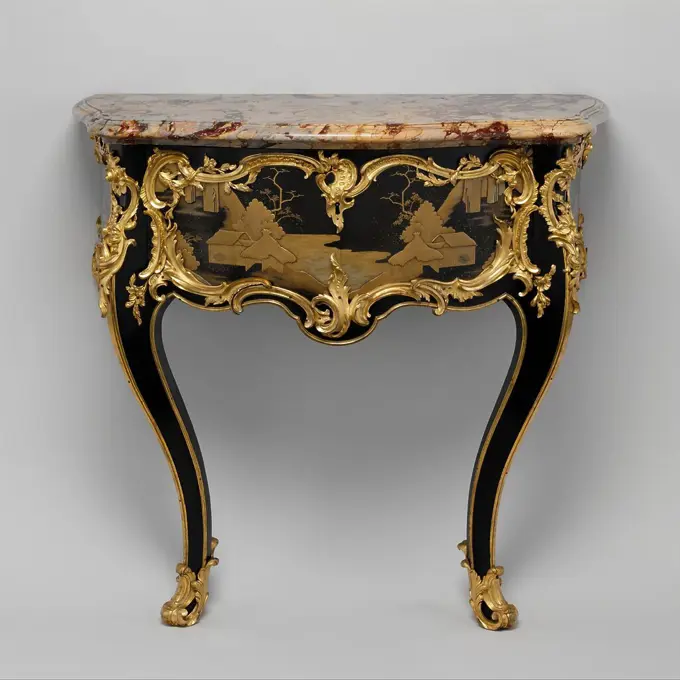
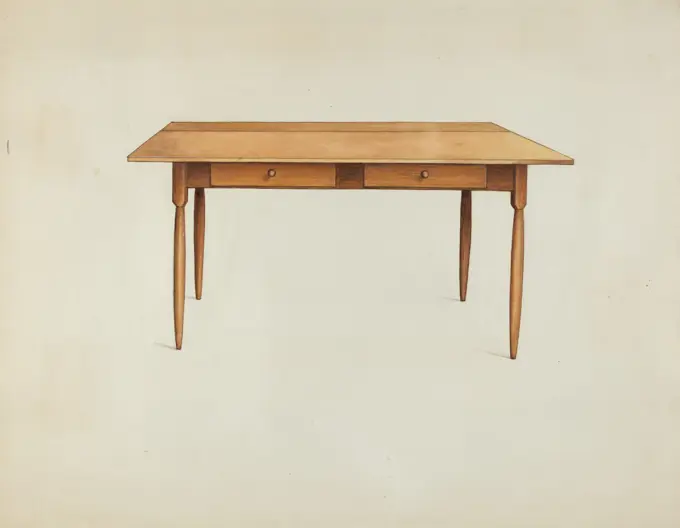
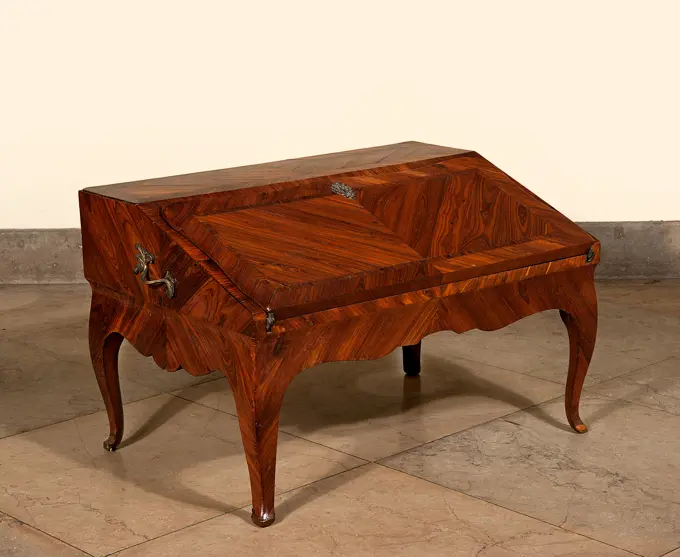
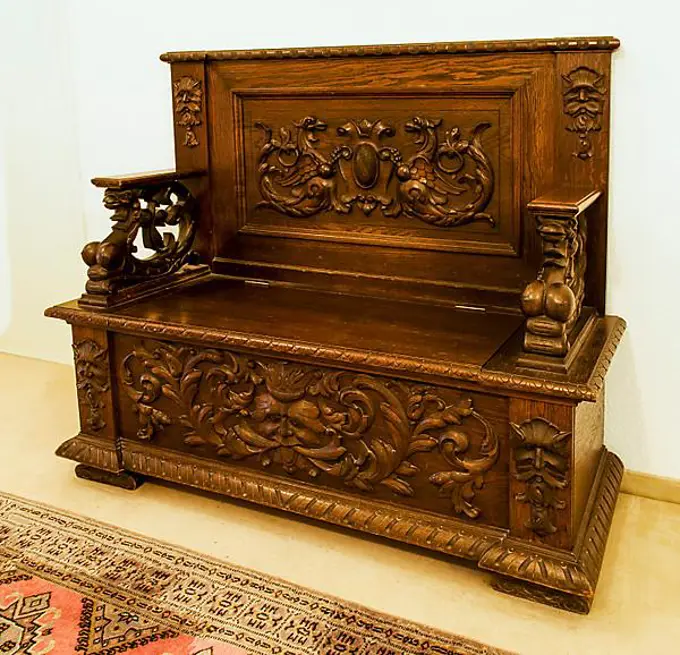
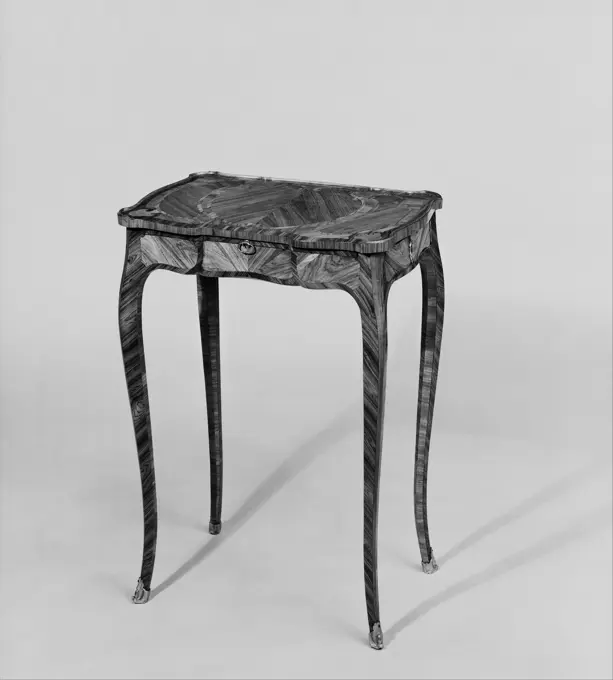
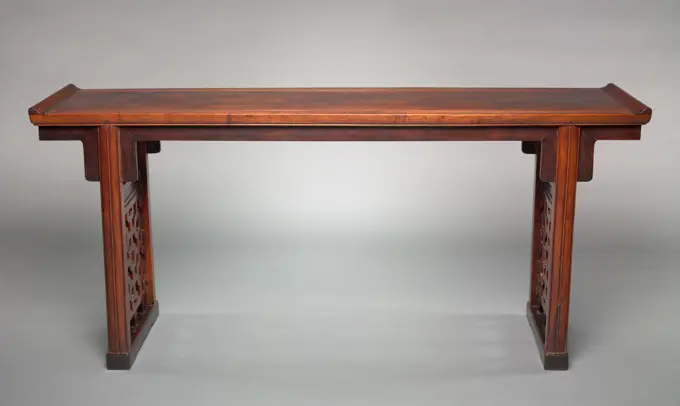
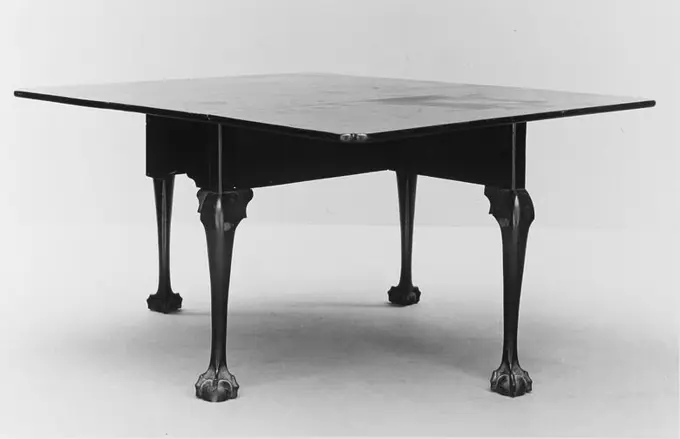
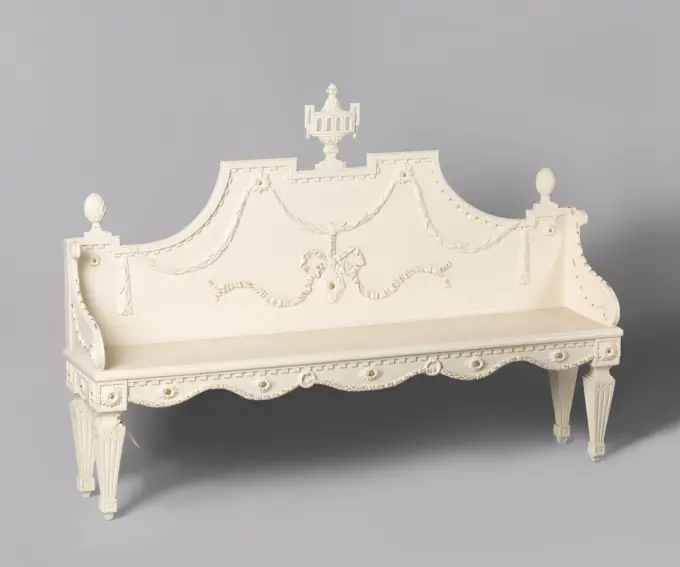
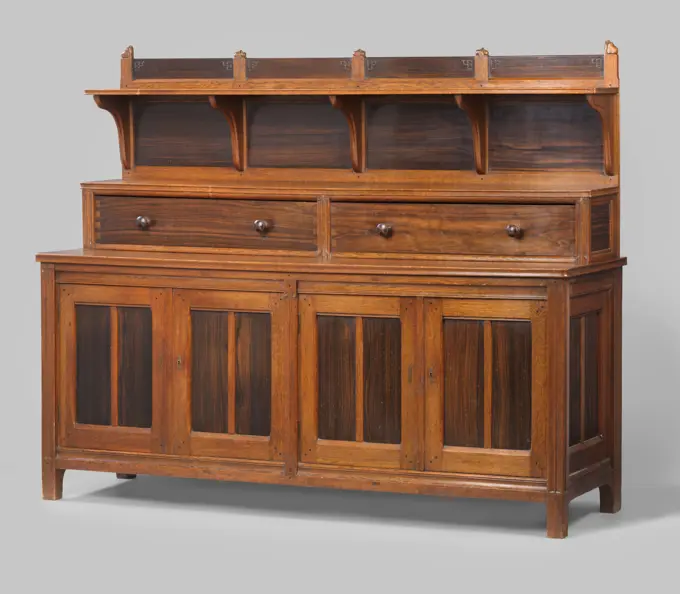
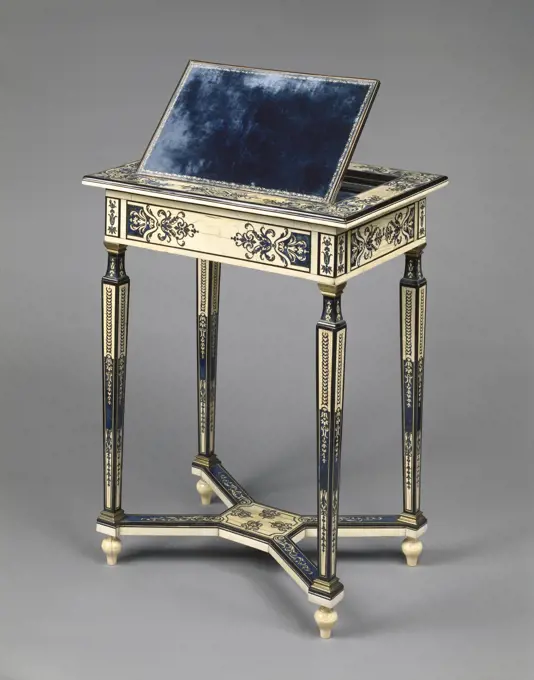
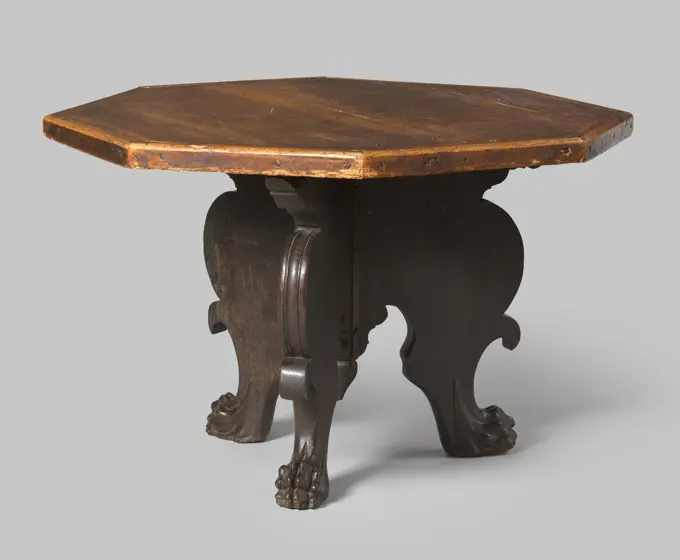
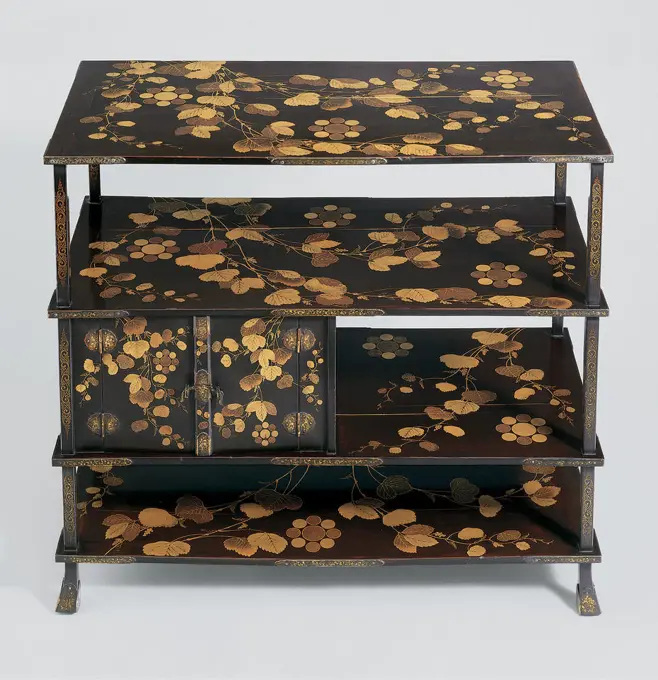
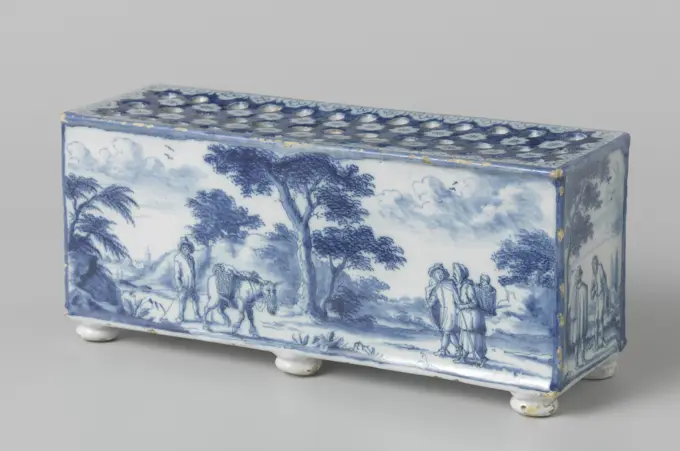
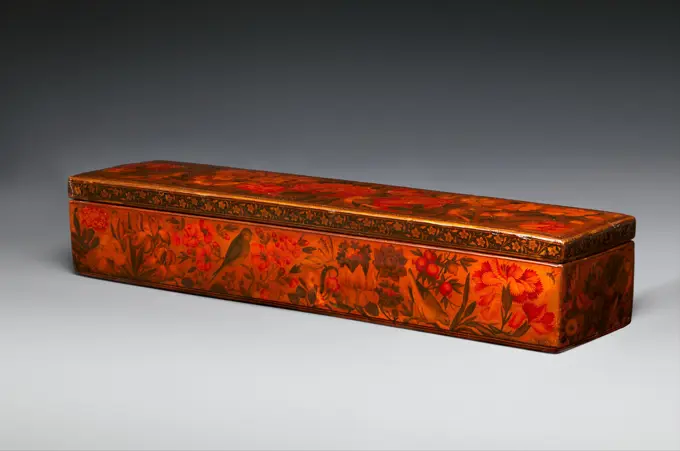
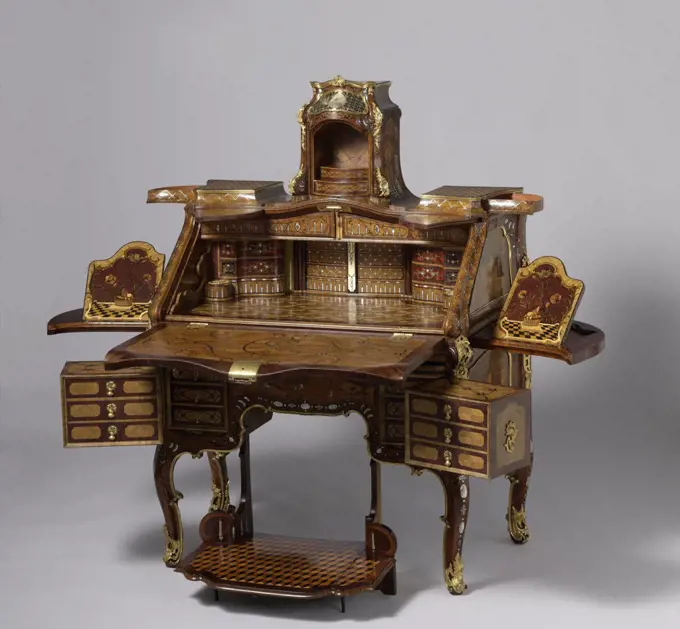
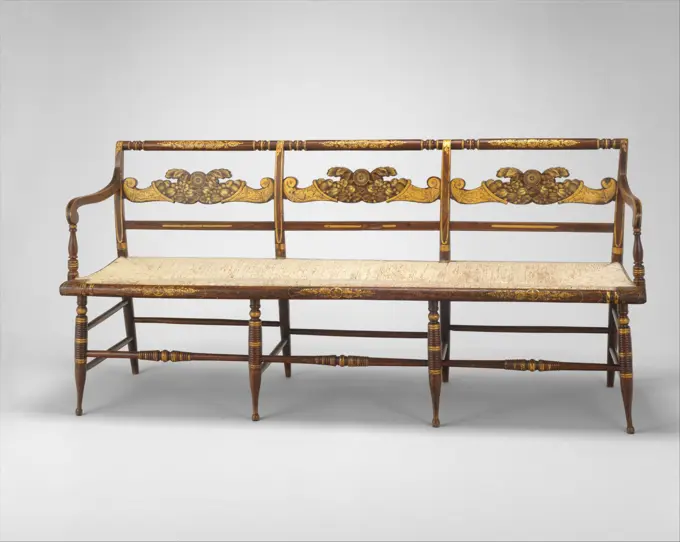
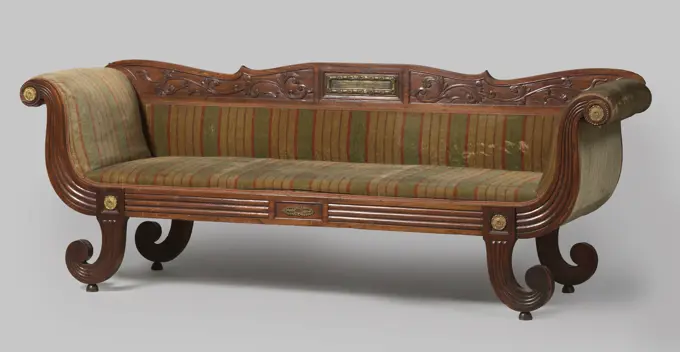
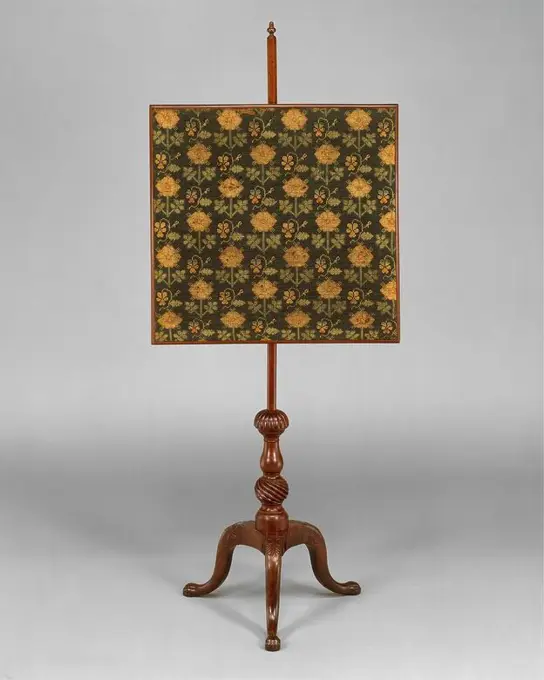
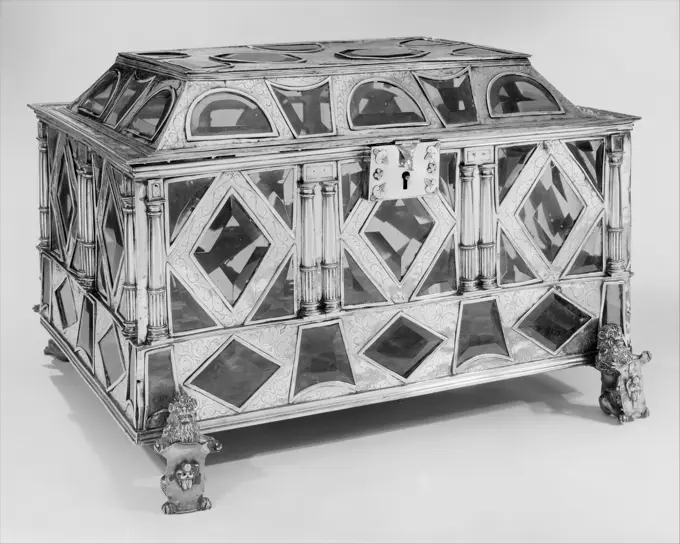
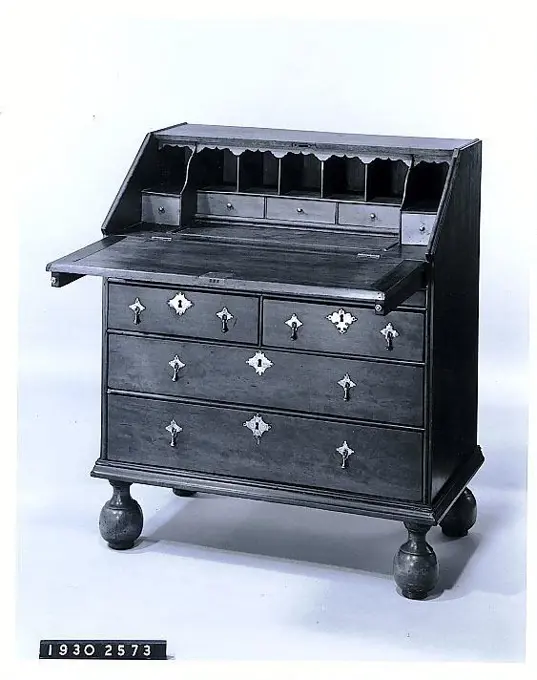
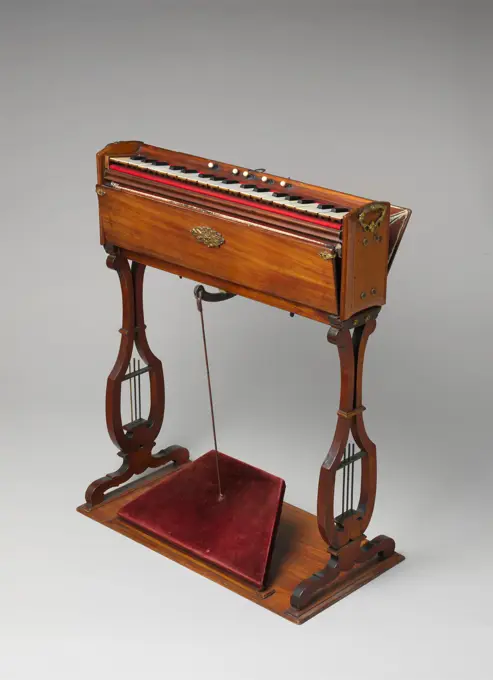
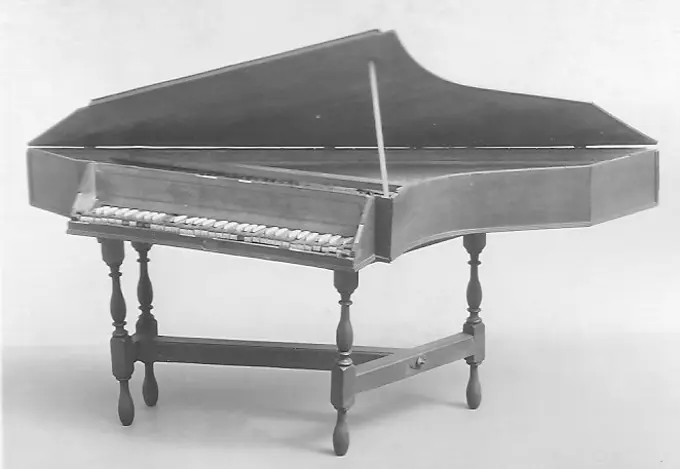
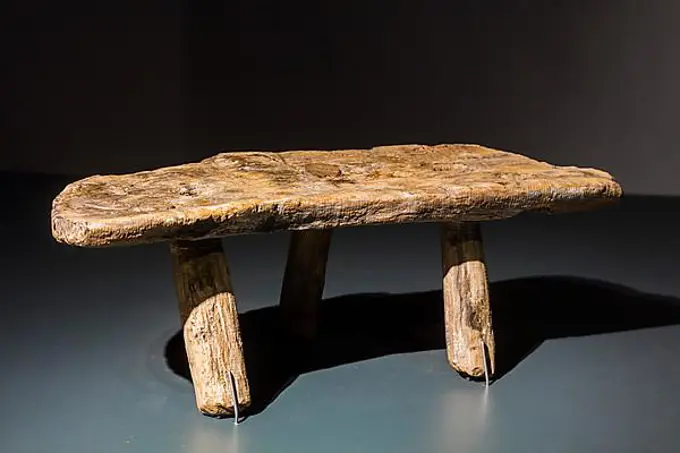
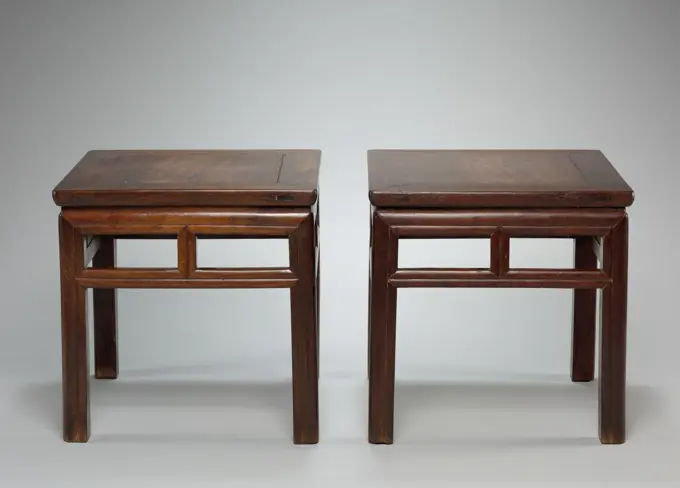
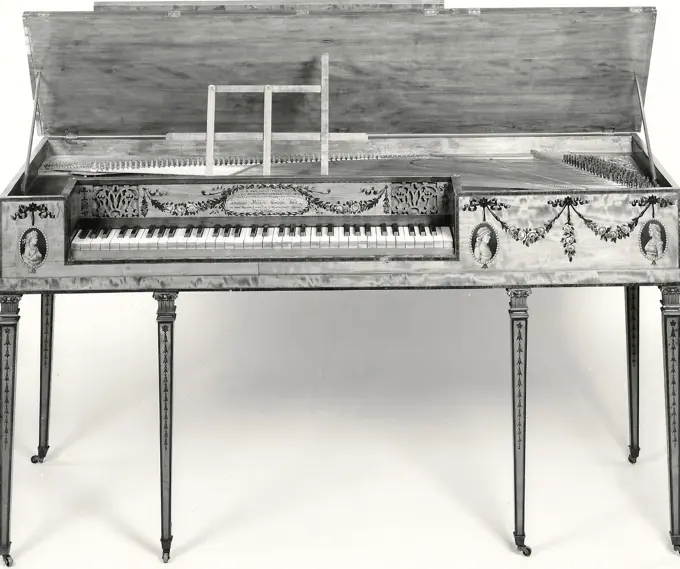
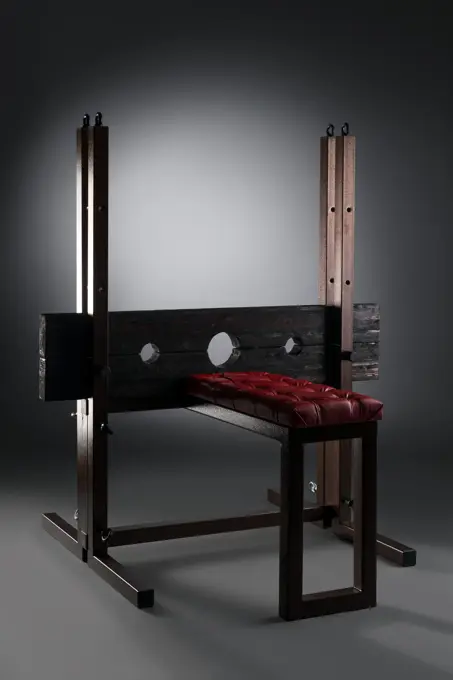
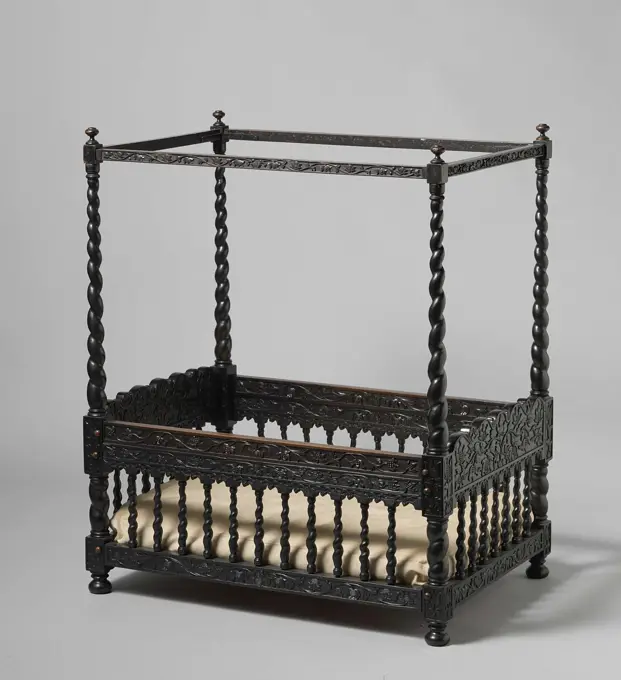
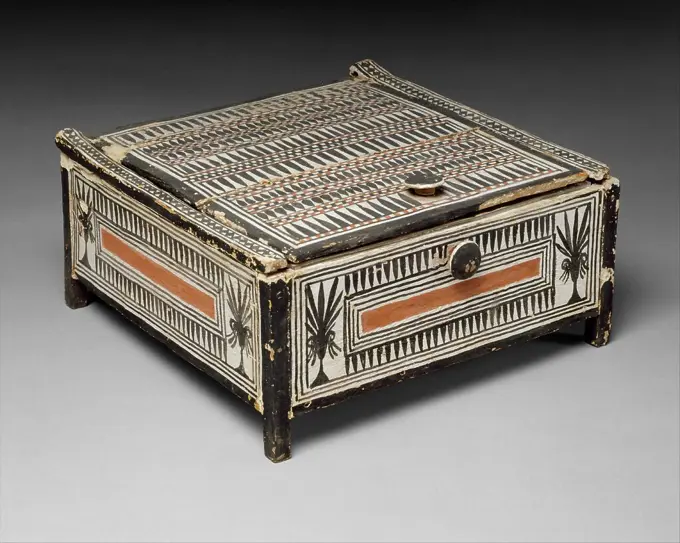
Work and writing table ca. 1761-70 Léonard Boudin French. Work and writing table. Léonard Boudin (French, 1735-1807, master 1761). ca. 1761-70. Oak veneered with tulipwood, amaranth, and sycamore; gilt-bronze mounts; leather dyed black with gold-tooled border.. Woodwork-FurnitureCasket with Musical Imagery. India, Karnataka, Mysore, Surab or Sagar, South Asia, circa 1875. Furnishings; Accessories. SandalwoodDisappearing Coin Money Box' still bank, c. 1850, 7 3/16 x 5 7/8 x 5 3/8 in. (18.26 x 14.92 x 13.65 cm), Wood, metal, United States (probably), 19th centuryPembroke Table. Dated: c. 1940. Dimensions: overall: 22.6 x 30.1 cm (8 7/8 x 11 7/8 in.). Medium: watercolor, pen and ink, and graphite on paperboard. Museum: National Gallery of Art, Washington DC. Author: Florence Choate.Secrétaire.Oblong table ca. 1765 Roger Vandercruse, called Lacroix French. Oblong table 205785Work table. unknown, contractorMusic Stand, c. 1775-1790. Canabas (French, 1715-1797). Satinwood veneer, with marquetry panel of various woods and metal candle holders; overall: 73.7 x 44.5 x 33 cm (29 x 17 1/2 x 13 in.).Coffin of ebony with four drawers, decorated with turtle, leg, mother-of-pearl and various types of wood. Coffin of ebony with three drawers of which one is divided into a number of trays. The box is in three half legs, half wooden legs. Inlaid with turtle, leg, mother-of-pearl and different types of wood. Copper key plates and gold-plated handles. Note: The key is defective.Gilded Napoleon-III stool, tabouret furniture interior design wood beech wood velvet textile gold paint, Imitation bamboo twisted beech wood lining of light pink velvet with embroided flowers on top.Amos C Brinton, Sheraton Sideboard, c 1942 Sheraton SideboardHundred;  2. PO. 19th century (1851-00-00-1900-00-00);Game Table Attributed to Thomas Day ca. 1850 View more. Game Table. American. ca. 1850. Cherry, mahogany veneer, mahogany, conifer (secondary wood). (none assigned) Caswell County, Milton, North Carolina, United StatesCupboard 15th century South Netherlandish. Cupboard 463720Stove (Model). Dated: c. 1939. Dimensions: overall: 48.5 x 35 cm (19 1/8 x 13 3/4 in.) Original IAD Object: 9 5/8" wide; 9 1/4" high. Medium: watercolor, pen and ink, and graphite on paper. Museum: National Gallery of Art, Washington DC. Author: George File.Ancient furniture. 1600-1700 years. A museum piece castle Lvov, UkraineFolding Stool; Jean-Baptiste-Claude Sené (French, 1748 - 1803 (master 1769)), Carved by Nicolas-François Vallois (French, 1738 - 1788), Originally gilded by Chatard (French), and Chaudron (French), Originally upholstered by Claude-François Capin (French, active 1763 - 1792), and possibly after a design by Gilles-Paul Cauvet (French, 1731 - 1788); Paris, France; about 1786; Gessoed, painted, and gilded beech; modern upholstery; 41.3 x 72.4 x 53.3 cm (16 1,4 x 28 1,2 x 21 in.)Console table (one of a pair) ca. 1715-25 Italian, Venice. Console table (one of a pair). Italian, Venice. ca. 1715-25. Wood, partly gilded and painted; marble. Woodwork-FurnitureWall table, Anonymous, c. 1655 - c. 1675 Table of painted walnut on four overhoeks placed S-shaped legs, decorated with acanthus leaf and lobe ornament and connected by rules. The pre-rule is partially opened and shows a double leaf and flower frame, on which in the middle a empty coat of arms. The top of the rules has two alternated C-volutes, including kidney-shaped openings. The side rules show a symmetrical lobe ornament, the rear rule is sculpted and furthermore unadorned. Netherlands wood (plant material). linden. walnut (hardwood). gilding (material) gilding Table of painted walnut on four overhoeks placed S-shaped legs, decorated with acanthus leaf and lobe ornament and connected by rules. The pre-rule is partially opened and shows a double leaf and flower frame, on which in the middle a empty coat of arms. The top of the rules has two alternated C-volutes, including kidney-shaped openings. The side rules show a symmetrical lobe ornament, the rear rule is sculpted and furthermoJewelery box of wrought iron, decorated with animals in a spankpiece. A forged iron box on four spherical legs. All sides are polished and etched, decorated animals in the middle of tide in lists with arabic. On the for a dog that hunted a deer, a dog hunts a fox on the back. On the two short a dog and a hare. On the lid two birds in the middle of a range. The edges and the bottom are decorated with Arabesken. On top of two washed rings to attach the handle. In between, a loose tire that can be shifted, including the keyhole.Table Italian and American 19th or first decade of 20th century (with earlier parts)Library Table. Gustav Stickley's Craftsman Workshop (United States, New York, Eastwood and New York City, 1899-1916)Harvey Ellis (United States, 1852-1904). United States, New York, 1903-1904. Furnishings; Furniture. Oak, lemon wood, sycamore, exotic woods, copper, pewter, brassWall table. Table of walnut with four overhoeks. S-shaped legs places, ending in volutes. The legs and rules are decorated with carving of acanthus leaf, palm branch, festans and lobe ornaments. The front line, among other things, has an eagle with spread wings and headers used to the left.Extendable rococo fire screen, fire shield fire screen furniture wood mahogany silk silver, Mahogonefinated with woven pattern with symmetrical floral pattern including silver brocade rococoCasket with allegories of the Four Elements ca. 1650 Attributed to Adam Eck. Casket with allegories of the Four Elements. Czech, Chêb (Bohemian, Eger). ca. 1650. Various soft and fruit woods, partly stained and ebonized, carved, ebonized; marbelized paper lined interior; iron mounts. Woodwork-FurnitureLazio Roma Rome Museo degli Strumenti Musicali16. Hutzel, Max 1960-1990 German-born photographer and scholar Max Hutzel (1911-1988) photographed in Italy from the early 1960s until his death. The result of this project, referred to by Hutzel as Foto Arte Minore, is thorough documentation of art historical development in Italy up to the 18th century, including objects of the Etruscans and the Romans, as well as early Medieval, Romanesque, Gothic, Renaissance and Baroque monuments. Images are organized by geographic region in Italy, then by province, city, site complex and monument.Writing cabinet ca. 1790 British. Writing cabinet. British. ca. 1790. Satinwood-veneer, inlaid with other woods, painted decoration. Woodwork-FurnitureStandCylinder Desk. John Bankston; American, 1754-1814; Richard Lawson; English, 1749-1803; Baltimore, Maryland. Date: 1785-1793. Dimensions: 112.3 × 107.2 × 52.3 cm (44 1/4 × 42 1/4 × 20 5/8 in.). Mahogany, mahogany and satinwood veneers, and tulip wood. Origin: Baltimore. Museum: The Chicago Art Institute, Chicago, USA.Side table (commode en console). Culture: French, Paris. Dimensions: H. 35-1/2 in. (90.2 cm.), W. 37-1/2 in. (95.3 cm.), D. 21 in. (53.3 cm.). Maker: Bernard II van Risenburgh (ca. 1696-ca. 1767). Date: ca. 1755-60.Fitted with one drawer in its frieze, this sophisticated piece is a combination of a console table--designed to be placed against a wall--and a commode--a chest of drawers--as is clearly illustrated by its French name, commode en console. Only a few such tables are known today, and they appear to have been fashionable for but a short period during the middle of the eighteenth century; five were recorded in the account book of the marchand-mercier Lazare Duvaux between December 1753 and February 1757. The most expensive of them, mounted with lacquer and decorated with gilt bronze, was sold on May 13, 1756, for 1,150 livres.1 Since no other example with lacquer is known to exist, this entry in Duvaux's book may describe the Museum's table--but very little else can be said abouRay Holden, Shaker Kitchen Table, c 1936 Shaker Kitchen TablePortable writing table. unknown, creatorAntique bench, chest, rich carvings, antique Italian Renaissance style, walnut, circa 1870-1880, dragon and lion motifs. GermanySmall rectangular table ca. 1765 Léonard Boudin. Small rectangular table 205795Upright cabinet piano. Leszczyński, Antoni (post 1780-1830), piano builderDrop-leaf Dining Table 1750-90 American. Drop-leaf Dining Table 3170Shaker Cabinet. Dated: 1935/1942. Dimensions: overall: 33.2 x 24 cm (13 1/16 x 9 7/16 in.). Medium: watercolor, graphite, and colored pencil on paperboard. Museum: National Gallery of Art, Washington DC. Author: George V. Vezolles.Stand Shaped Like A Miniature Table With Flowering Plants. Standard of porcelain in the shape of a miniature table, painted on biscuit in blue, green, yellow, eggplant and black. On the leaf a rock with flowering plants, magnolia and prunus, and a bird surrounded by a band with zigzag pattern; the edge with curlwork and a band with meander motif; The legs with a wood grain motif. Email sur biscuit with famille verte colors.Altar Table, 1368-1644. China, Ming dynasty (1368-1644). Rosewood (huanghuali); overall: 84.5 x 184.2 x 41.3 cm (33 1/4 x 72 1/2 x 16 1/4 in.).Drop-leaf Dining Table. Culture: American. Dimensions: 28 x 53 1/4 x 48 3/8 in. (71.1 x 135.3 x 122.9 cm). Date: 1750-90. Museum: Metropolitan Museum of Art, New York, USA.Night stand with toilet seat. unknown, creatorBox 1789 United States. Wood . Artist unknownGangbank, anonymous, 1780 Gang bank of white painted pine on four conical -canling legs with houses that wear rosettes. The sitting rule is corrugated on the bottom and shows a stabbed chalice edge, hung on rings, above which rosettes and toothlist. The dense backrest is decorated with a bayer wreath, hung on four points, of which a strict ribbon with rosette depends in the middle. The scalloped upper rule shows a vase in the middle and pine cones on the corners. Dense S-Volute-shaped side railings. Northern Netherlands wood (plant material). pine (wood). paint (coating) Gang bank of white painted pine on four conical -canling legs with houses that wear rosettes. The sitting rule is corrugated on the bottom and shows a stabbed chalice edge, hung on rings, above which rosettes and toothlist. The dense backrest is decorated with a bayer wreath, hung on four points, of which a strict ribbon with rosette depends in the middle. The scalloped upper rule shows a vase in the middle and pine coPier Table. Dated: 1936. Dimensions: overall: 23.3 x 30 cm (9 3/16 x 11 13/16 in.) Original IAD Object: 32 3/4" x 50 1/4" x 25 1/2". Medium: watercolor, colored pencil, pen and ink, and graphite on paperboard. Museum: National Gallery of Art, Washington DC. Author: John Dieterich.unknown (unknown), Tammiarkku, not dating, oak, special category: furnitureHigh Chest with Scrolled Pediment and Shell CarvingBuffet with recurring superstructure in which two drawers and a shelf, decorated with carving of fruits and stylized leaf work, Theo Nieuwenhuis, Kunsthandel E.J. Van Wisselingh, 1915 Buffet of Eike and Coromandelhout. The substructure is closed by two double doors. These doors are divided into two panels of Coromandelhout by a middle style. The recovering superstructure has two high wide drawers and a shelf. This shelf rests on five supports, above these supports are short styles above the shelf decorated with fruits. The rear wall between these styles carries a decoration of stylized leaves in the corners. Amsterdam wood (plant material). oak (wood). textile materials Buffet of Eike and Coromandelhout. The substructure is closed by two double doors. These doors are divided into two panels of Coromandelhout by a middle style. The recovering superstructure has two high wide drawers and a shelf. This shelf rests on five supports, above these supports are short styles above the shelf decReading and Writing Table; Paris, France; about 1670 - 1675; Oak veneered with ivory, blue-painted horn, ebony, rosewood, and amaranth, with drawer of walnut; gilt-bronze moldings; brass; iron; modern velvet; 63.5 x 48.5 x 35.5 cm (25 x 19 1,8 x 14 in.)Piano. Small pianos, rectangular or shaped like a spinet, were already known before the widespread production of grand piano. They were also invented independently of the grand piano even though grand pianos were appreciated in select musical contexts throughout the 18th century, for instance by the Medici. Many early German pianos of a small size, including this one, had tiny, bare wooden hammer heads.Victor F Muollo and Alfred H Smith, Shaker Blanket Box, 1935 1942 Shaker Blanket BoxSofa. Maker, possibly by: Duncan Phyfe, American, 1768-1854Table with leaves, black lacquered, with landscape in gold. A table of black lacquered look with round leaf, on which light and dark-colored oriental scene with landscape, houses and two figures (imitation paint); Wide STUNNAM ON COMPUT ON Drieet, supporting three vertically placed discs.Table, 1560-1600.  Chestnut-framed table with top of cut and polished inlaid polychrome marble and hardstones, including lapis lazuli, agate and chalcedony using technique known as pietra duraSideboard. unknown, author, Manufacture nationale de porcelaine de Sevres (1756-), factoryTafel, anonymous, c. 1500 - c. 1600 Nutenhout table with octagonal leaves on three flat sawn -off cheeks, which are placed with a ray and pure an angle of 120 degrees in relation to the middle style. The cheeks bear profiled rules, are s-shaped to the fronts and end in lion claws with volutes. The middle style ends in a dripper. Tuscan wood (plant material). walnut (hardwood) Nutenhout table with octagonal leaves on three flat sawn -off cheeks, which are placed with a ray and pure an angle of 120 degrees in relation to the middle style. The cheeks bear profiled rules, are s-shaped to the fronts and end in lion claws with volutes. The middle style ends in a dripper. Tuscan wood (plant material). walnut (hardwood)COSTURERO CON APLICACIONES DE METAL DORADO Y PORCELANA - 1840. Author: KÖNIGLICHE PORZELLAN. Location: MUSEE D'ARTS DECORATIFS. MADRID. SPAIN.Stool. unknown, authorCabinet with Drawers. Dated: c. 1937. Dimensions: overall: 28.3 x 23.1 cm (11 1/8 x 9 1/8 in.). Medium: watercolor, graphite, and pen and ink on paperboard. Museum: National Gallery of Art, Washington DC. Author: Irving I. Smith.Small Painting Table (qiaotouan), late 16th-ealy 17th century, 34 3/8 x 37 x 12 3/4in. (87.3 x 94 x 32.4cm), Huang hua-li, China, 16th-17th centuryShelf for Cosmetic Boxes (Kurodana) with Wild Grapevine and Family Crest first half of the 17th century Japan This piece of four-shelved furniture was part of a high-ranking brides trousseau (typically, the dowry included a stand with three shelves). The kurodana was used for the display and storage of cosmetic boxes and toiletries, including the utensils necessary for tooth blackening (haguro), the sign of a married woman. This examples black-lacquer surface features a pattern of wild grapevines and the nine-circle or star crest (kuy? mon), which might be associated with the Hosokawa family. Its flat, repeated maki-e decoration closely resembles K?daiji lacquers prepared in Kyoto in the Momoyama period (1573-1615) to suit the taste of the warlord Toyotomi Hideyoshi. K?daiji wares and those produced around the same time as export furniture for the Western market, until the 1630s, are strongly connected, as exemplified by the abstract geometric patterns (nanban karakusa) on this shelfModel or a windlass. Model of a roasting pill in a wooden frame that represents two decks. The cheeks with two servants each form the roasting wave, continuously to the lower deck. On the inside of the cheeks, a rewards is applied, which is driven on each side between cheeks and ship walls with a swelling; The stalk can be set in two positions, according to the two speeds of the wheelchair. The drum has four holes for wind trees on each side; The starboard half of the drum is equipped for rope with four wooden dialing, which is on port for necklace and has four metal dialing. In the middle is a two-pall strut, which grasp into the gear portion of the drum to prevent the fallback. Scale 1:10 (according to Obeen).Twenty oak footstools kneeling benches, footstool furniture interior design oak wood, Six in the dark wash Simple construction rectangular sheet two cheeks connected by line on each bench LKCupboard, Herman Doomer, c. 1635 - c. 1645 Oak and ebbenhouten cabinet glued with multiple materials. The four doors of the lower and back-standing upper cabinet show deepened fields with pillows. The doors and the shellnis of the upper cabinet are separated by hermatlants. In the middle there is a drawer with Ramskop. The bottom line with drawer shows civil to be tropped. On the corners, Corintic separate columns that wear a main frame with decorated cortions. Inserted pearl flowers on the doors, columns and hermsches.  wood (plant material). oak (wood). ebony (wood). rosewood (wood). mother of pearl. ivory Oak and ebbenhouten cabinet glued with multiple materials. The four doors of the lower and back-standing upper cabinet show deepened fields with pillows. The doors and the shellnis of the upper cabinet are separated by hermatlants. In the middle there is a drawer with Ramskop. The bottom line with drawer shows civil to be tropped. On the corners, Corintic separate columns that wearChicorée' style buffet, c. 1902, Louis Majorelle, French, 1859-1926, 100 1/2 x 88 1/2 x 22 in. (255.27 x 224.79 x 55.88 cm), Black walnut, France, Art NouveauBed, 1700s. Attributed to Georges Jacob (French, 1739-1814). Gilded wood and embroidered satin; overall: 213.4 cm (84 in.); part 1: 163.2 x 147.3 cm (64 1/4 x 58 in.); part 2: 132.7 x 147.3 cm (52 1/4 x 58 in.).Pair of Flower Holders, De Greek A, After Adrianus Kocx, c. 1690 - c. 1700 Elongated flower holder from Faïence. Delft . Elongated flower holder from Faïence. Delft .Cabinet (France); ebony, ebonized wood; ivory; 180.5 x 171.0 x 49.8 cm (71 1/16 x 67 5/16 x 19 5/8 in. ); 1971-11-1-a/iLacquer Pen Box probably 1793-94 Muhammad Sadiq. Lacquer Pen Box. Muhammad Sadiq (Iranian, active 1740-90s). probably 1793-94. Papier-maché; painted and lacquered. Country of Origin Iran. LacquerDesk, Abraham Roentgen, c. 1758 - c. 1760Brass netting wooden box , Jodhpur, Rajasthan, India Copyright: xSafatxAli/DinodiaxPhotoxArtist, glued with ebb and turtle. Open the cabinet shows ten drawers around a space bordered with Tuscan colonets with a floor of Ebben and ivory. Three drawers behind this room., Anonymous, 1600 - 1650 Kunst cabinet luminated with ebbs and turtle (partly on a red lower layer) on an oak core. The two doors show corner decorations within which turtle mirrors, as well as the sides. The cushion -shaped hood contains a room with slider. Open the cupboard shows ten drawers around a space covered with mirrors, space suffered by Tuscan Colonets, the floor of which is inlaid with Ebben and ivory. There are three drawers behind this room. All drawers are decorated with turtle and Robbellists. Southern Netherlands wood (plant material). oak (wood). ebony (wood). ivory. glass Kunst cabinet luminated with ebbs and turtle (partly on a red lower layer) on an oak core. The two doors show corner decorations within which turtle mirrors, as well as the sides. The cushion -shaped hood contains a room wiWash Chest. Dated: 1935/1942. Dimensions: overall: 27.7 x 20.9 cm (10 7/8 x 8 1/4 in.). Medium: watercolor and graphite on paperboard. Museum: National Gallery of Art, Washington DC. Author: Alfred H. Smith.Brush Holder with Bamboo and Landscape Design, 1800s. Korea, Joseon dynasty (1392-1910). Carved bamboo; overall: 10.1 x 9 cm (4 x 3 9/16 in.).Settee 1825-30 Attributed to Lambert Hitchcock. Settee 7398DeskEva Perry, Dough Mixer, c 1941 Dough MixerChest of Drawers isolated with clipping path. Chest of DrawersCanapé of Padoukhout with brass batter and with green -red striped upholstery, anonymous, 1825 - 1849 Canapé of Padoukhout with brass batter and with green-red striped velvet covered seat, back and walls. The Canapé rests on four bent out, volute -shaped legs on buttons. The sitting rule shows houses above the legs and continues in volute -shaped side styles. The back has a wide upper sill with a scalloped top. The front legs, the sitting rule and the side styles are ribbed at the front; All legs have a ribbed outside. The sill of the back is decorated with stabbed leaf vines and has a rectangular deepened field in the middle on which a fittings decorated with flowers. The houses of the sitting rule and the ends of the side styles are mounted with rosettes; In the middle of the sitting rule an oval seizure on a rectangular deepened field. Indonesia padouk (wood). brass (alloy). velvet (fabric weave) Canapé of Padoukhout with brass batter and with green-red striped velvet covered seat, Firescreen. Culture: American. Dimensions: 55 1/2 x 22 1/2 x 17 in. (141 x 57.2 x 43.2 cm). Maker: Attributed to John Townsend (1732-1809). Date: 1760-90. Museum: Metropolitan Museum of Art, New York, USA.Reliquary casket early 17th century Italian, probably Venice. Reliquary casket. Italian, probably Venice. early 17th century. Silver gilt, glass, enamel on gold. Metalwork-Silver In CombinationSlant topdeskReed Organ (Physharmonica) ca. 1860 Attributed to Alexander-François Debain French The physharmonica is a small version of the melodicon and harmonium. Designed in Vienna in 1821 by Anton Haeckl, the physharmonica stood in many parlors by the end of the nineteenth century. This example is attributed to the French builder Alexander Debain based on its similarities with other instruments by him (including Met example 1986.101). Debain was a builder of reed keyboard instruments including accordions, harmoniums, and physharmonicas. Technical description: Small rectangular mahogany chest with short ivory and ebony f-f3 keyboard on (narrow) top edge, single-fold wedge bellows on back, double-fold wedge reservoir on front, keys operate pallet valves on bellows side, admitting wind through internal duct to brass pressure reeds on reservoir side of chest; top 2 octaves have 2 sets of unison reeds, 1 set controlled by ivory stop knob above keyboard; 4 other stops open swell and exhaust valve; beRobert Stewart, Knee hole Desk, c 1937 Knee-hole DeskTable to hold a chest, early 1700s. China, Qing dynasty (1644-1911). Rosewood (huanghuali); overall: 28.6 x 50.8 cm (11 1/4 x 20 in.).Bentside Spinet ca. 1700 Thomas Hitchcock British Technical description: Case with mitered tail, of walnut walls and front of name board veneered with satinwood, with dark stringing; walnut lid appears altered, may not be original; stand with four turned legs and stretchers; GG-g3, ebony naturals with ivory arcades, skunktail accidentals of an ebony fillet surrounded by ivory sides, key frame was originally two-rail frame with overhead dip rail, keys guided by vertical pins that fit into slots in the rear of key levers; jacks of pear on fruitwood, bristle springs, quill plectra; box register built of shaped blocks; jacks and key levers have small lead weights that may be original; no rose in soundboard. (Douglas Maple 1983). Bentside Spinet 500560MiBERZ - Museum of Medieval MiningPair of Stools, 1700-25. China, Qing dynasty (1644-1911). Chicken-wing wood (jichimu); overall: 48.3 x 48.3 x 48.3 cm (19 x 19 x 19 in.).Florence Choate, Pembroke Table, 1936 Pembroke TableSquare Piano 1790-1800 John Preston The Preston's were music publishers and instrument makers in London. John Preston founded the firm in the mid 1770s and was joined by his son Thomas Preston around 1789. This is the only known instrument to bear John Preston's name. It is beautifully made with a case of satinwood in the style of furniture maker George Hepplewhite. It is unusually decorated with painted floral garlands and antique busts in beaded ovals. The painting is in the style of Angelica Kauffman, a Swiss Neoclassical painter who had a succesful career in London. Technical description: Rectangular satinwood Hepplewhite case with narrow rosewood edging and ebony and holly striping painted outside with floral garlands and other elements including (on the sides) antique busts in beaded ovals and (on the lid) 2 beaded ovals flanking a central rectangular panel surmounted by griffons flanking an urn, the ovals and central panel depicting women and boys playing a variety of classical Soft bench with stocks for BDSM session Soft bench with red leather and wooden pillory for kinky BDSM session located against gray background ,model released, Symbolfoto Copyright: xZoonar.com/AndreyxGuryanovx 15054865 ,model released, Symbolfoto ,property releasedChilds cot. Ebony furniture with large floral motifs in relief was all the fashion in Batavia in the second half of the seventeenth century. At first these pieces were made in India and imported to Batavia. Later, they were also made in Batavia, often by Indian woodcarvers. The shape of the bed, with its four posts, is European. An insect net was draped over the rail.Cosmetic Box from the tomb of Sennedjem. Dimensions: H. 16 cm (6 5/16 in); w. 33 cm (13 in); d. 33 cm (13 in). Dynasty: Dynasty 19. Reign: reign of Ramesses II. Date: ca. 1279-1213 B.C..The lid of this box, which is attached at the back with horizontal pivots, opens to reveal four compartments for cosmetics. The box could be secured by winding a piece of twine around the two knobs at the front. Its elaborate decoration was intended to imitate more expensive boxes inlaid with ebony, ivory, and perhaps cedar or mahogany. The box is from the tomb of Sennedjem, who was an artist living in the time of Ramesses II. Other objects in the collection that were discovered in the same tomb are numbered 86.1.1-86.1.29. Museum: Metropolitan Museum of Art, New York, USA.Model of An Apparatus for Cleaning Ships under water. Model of a basket-shaped framework with four small wheels on one side.London, England, Great Britain. British pub from the 1930's