Antique Furniture Pieces

A selection of elegant, vintage furniture including chests and tables, highlighting rich woods, intricate carvings, and stylish designs typical of past eras.
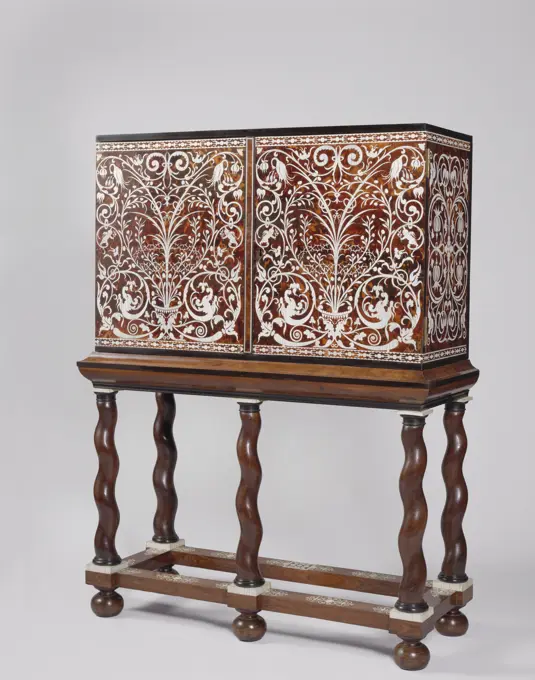
Cabinet of Amalia from Solms, c. 1652 - c. 1657 Cabinet, completely covered with turtle and ivory with the monogram of Amalia van Solms (1602-1675) and Frederik Hendrik (1584-1647). The rectangular cabinet has two doors, behind which an interior with ten drawers and a small door in the middle. The doors show a turtle on the front at the front, in which various symbols are incorporated, such as a heart of orange branches, a thorns, samples and snakes, angels and pelicans who open the breast to feed their young. The same pattern in turtle is applied to ivory on the inside of the doors. The sides and top show a pattern of stylized flower vines, in ivory on turtle on the sides and vice versa on the top. On the drawer front, the crowned monogram Havo, for Hendrik and Amalia van Oranje, is placed under a canopy, placed behind a balustrade with bins with orange trees. The monogram is located in a column architecture with a checkered floor, with left and right perspectives through open doors.
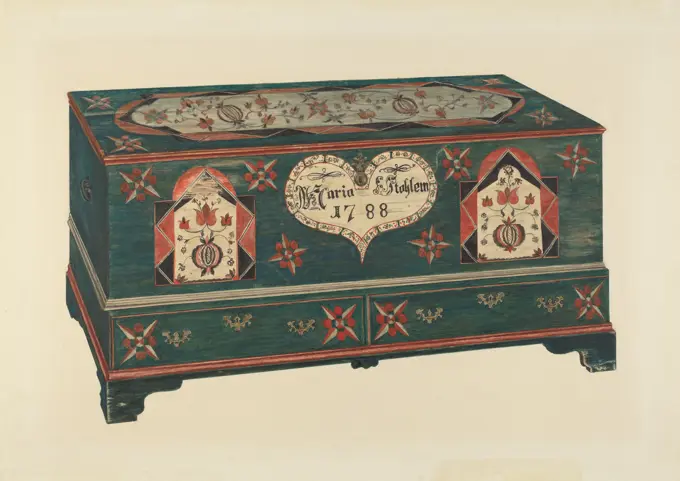
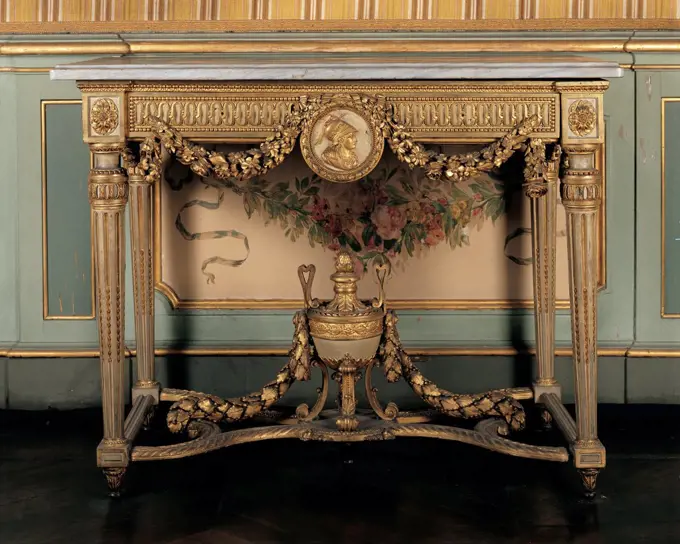
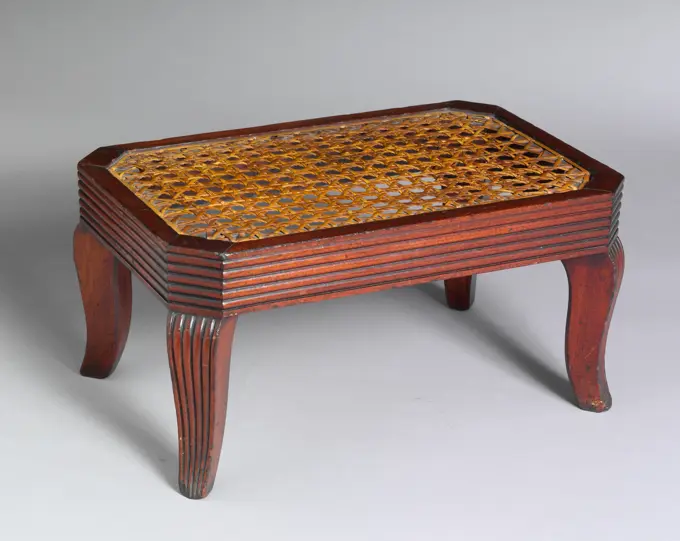
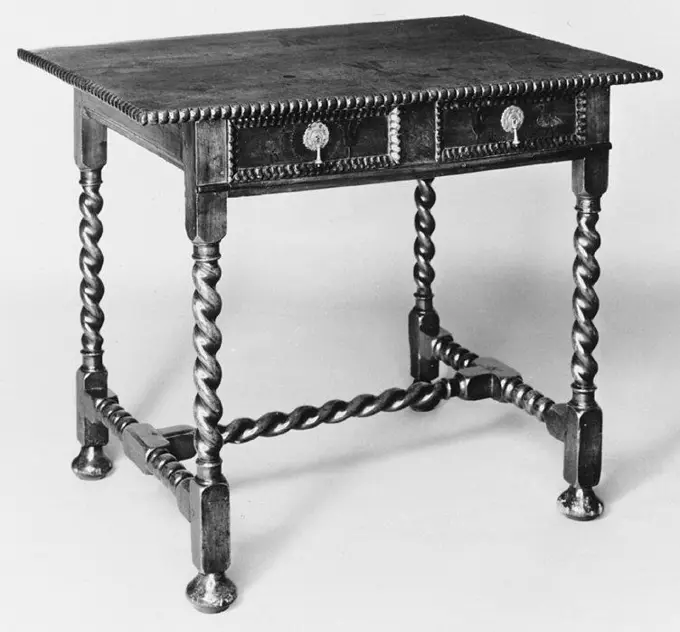
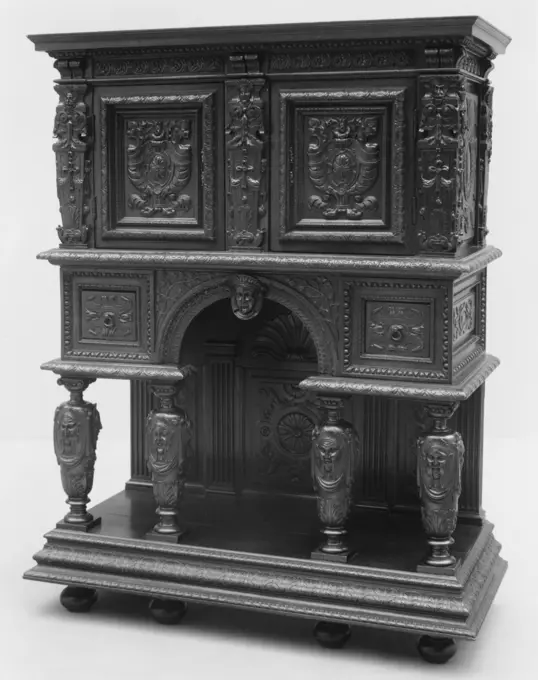
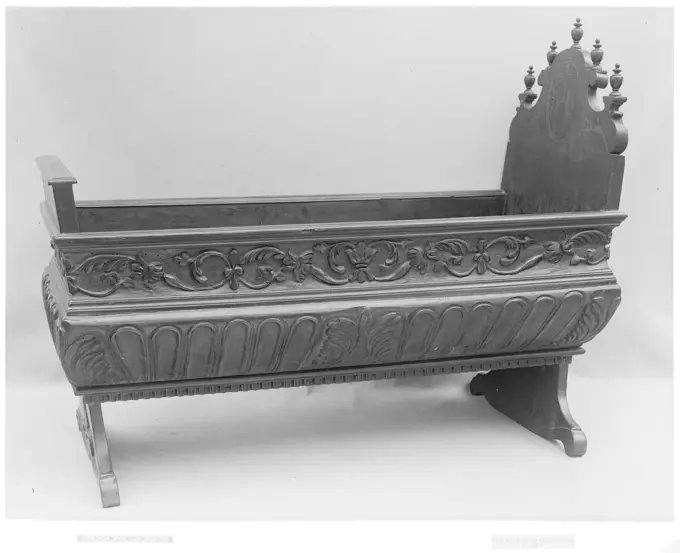
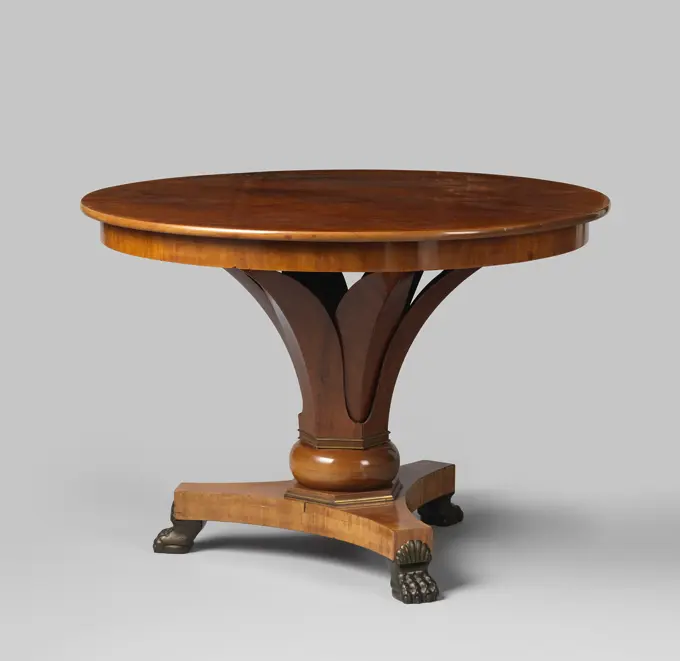
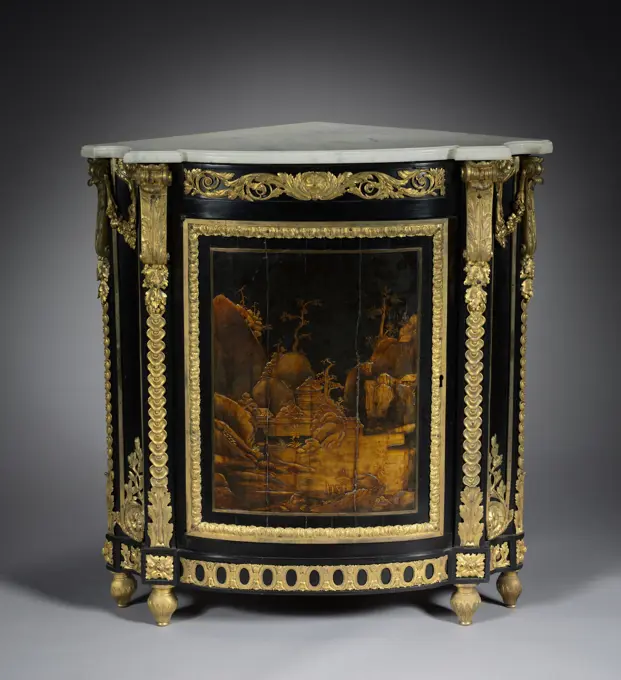
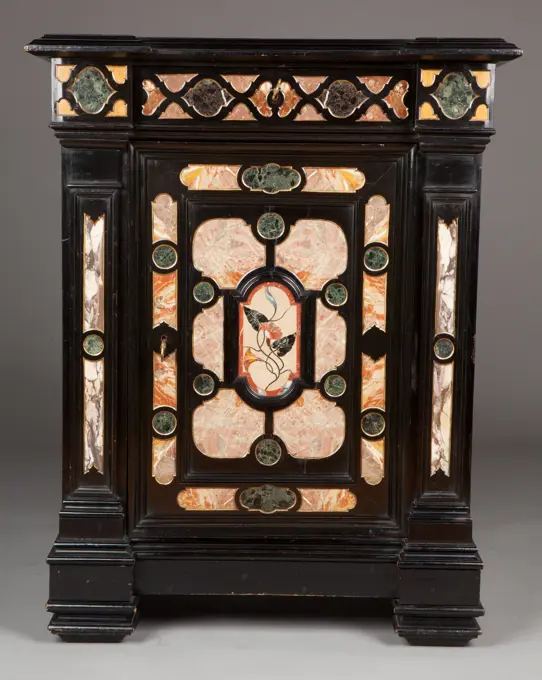
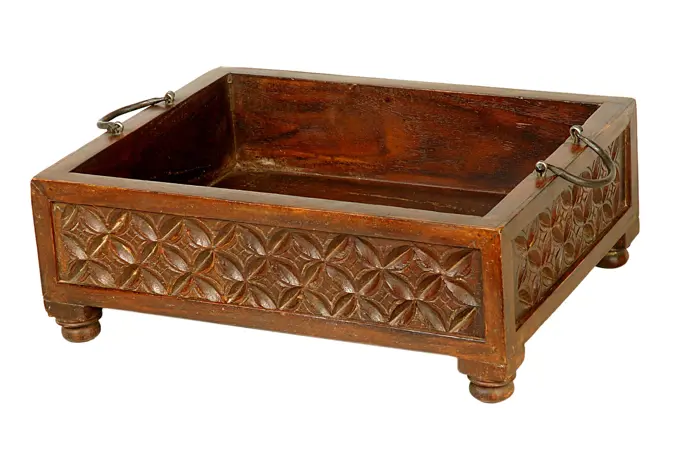
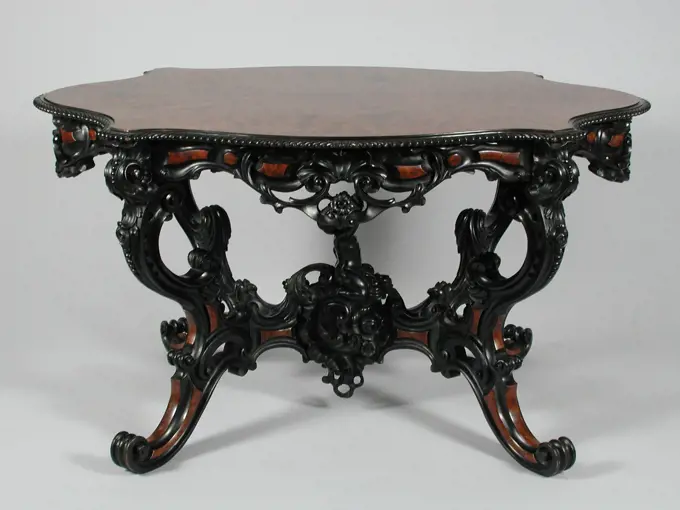
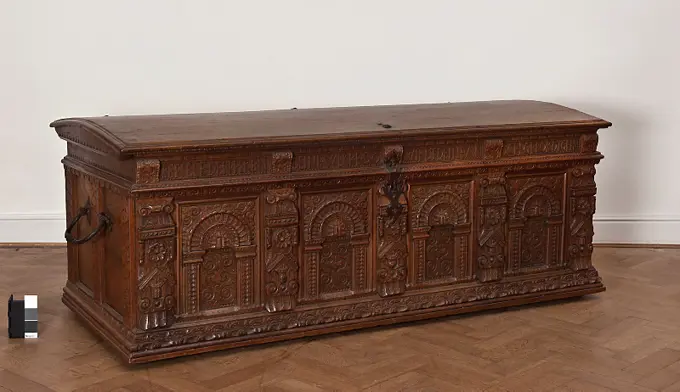
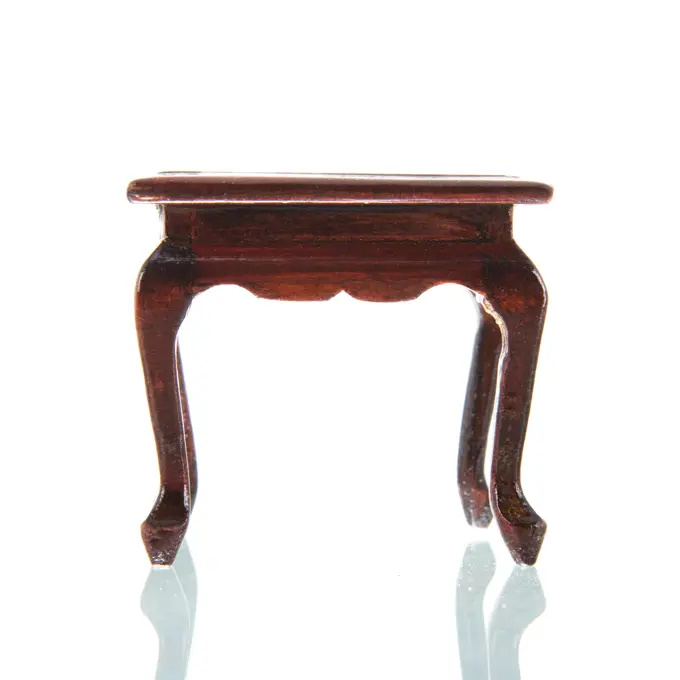
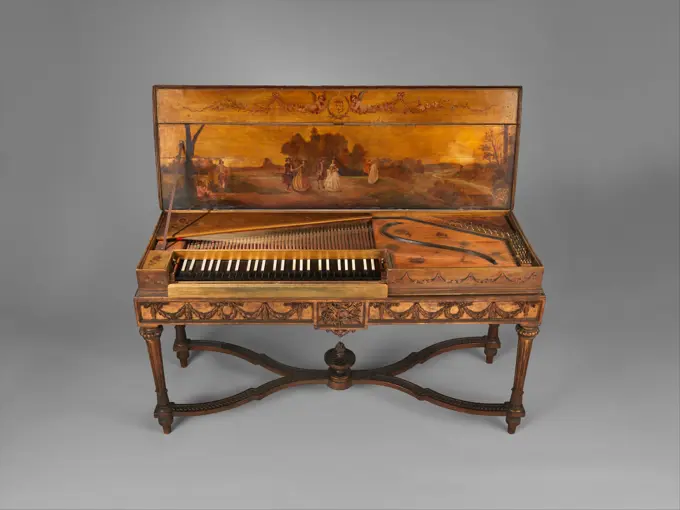
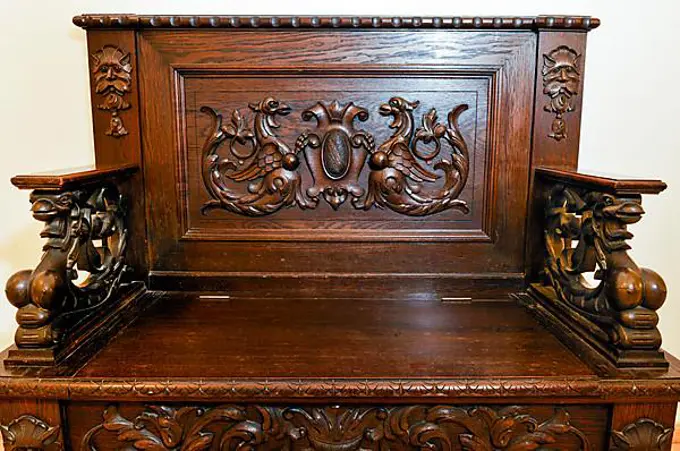
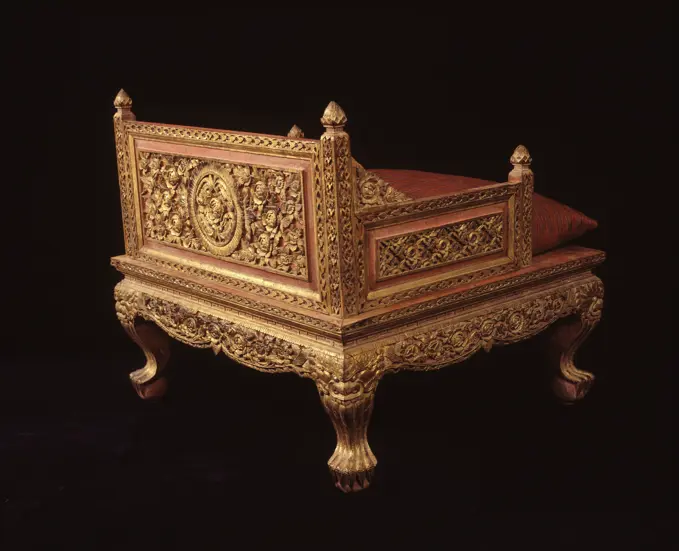
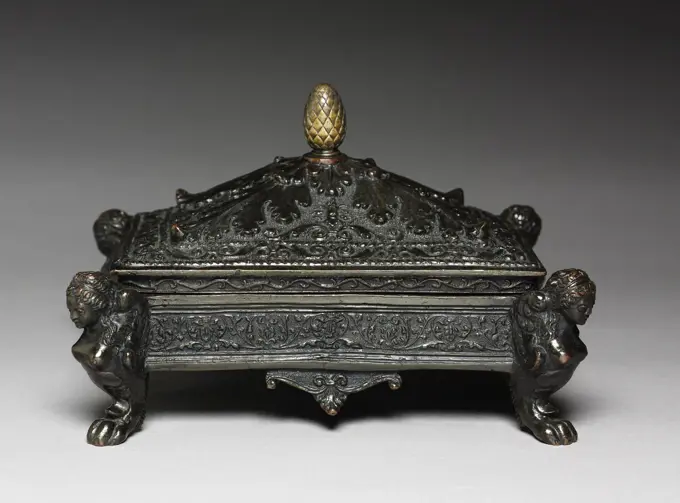
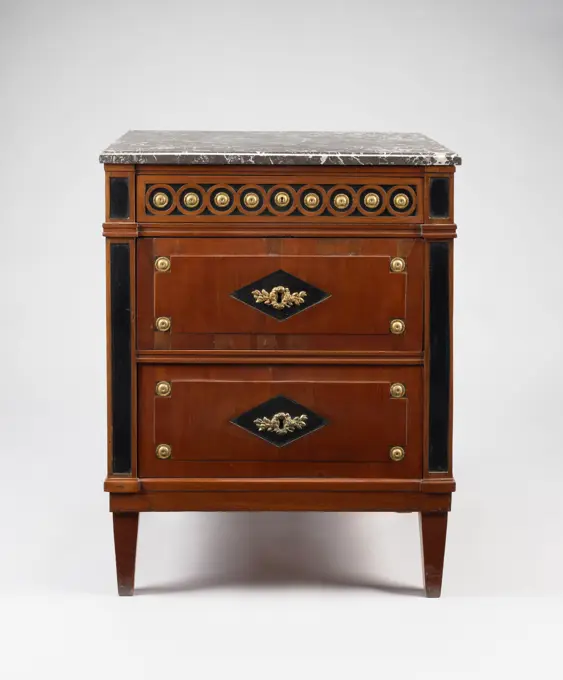
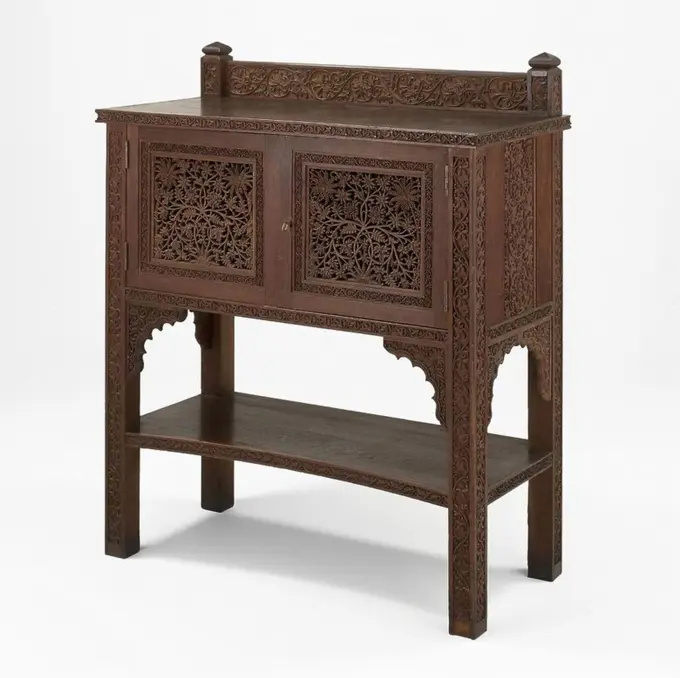
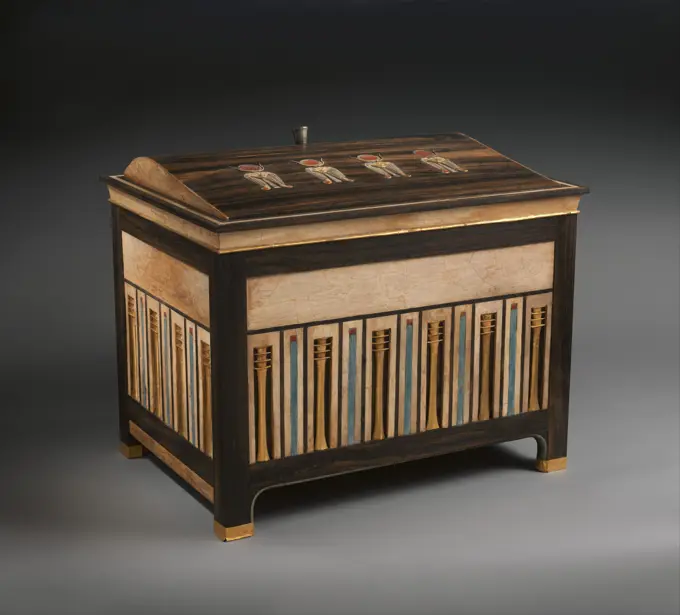
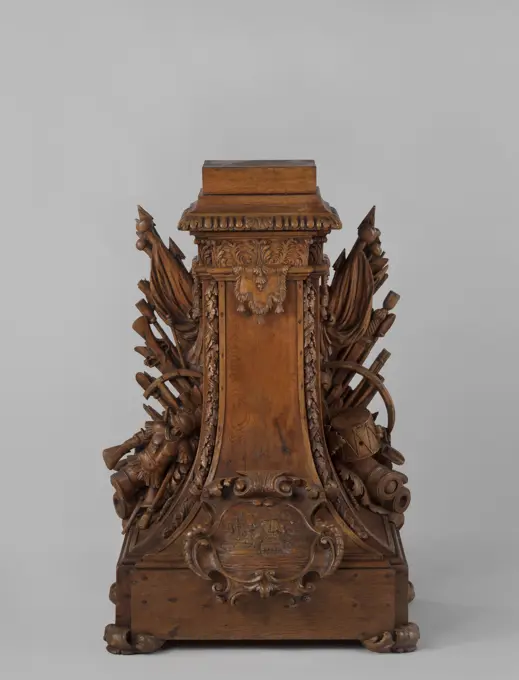
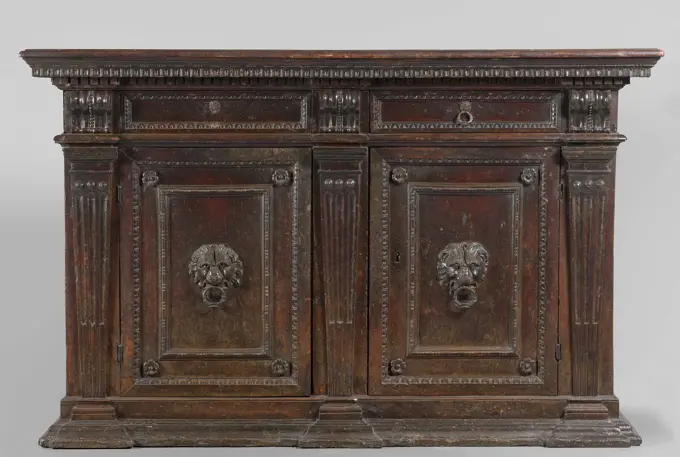
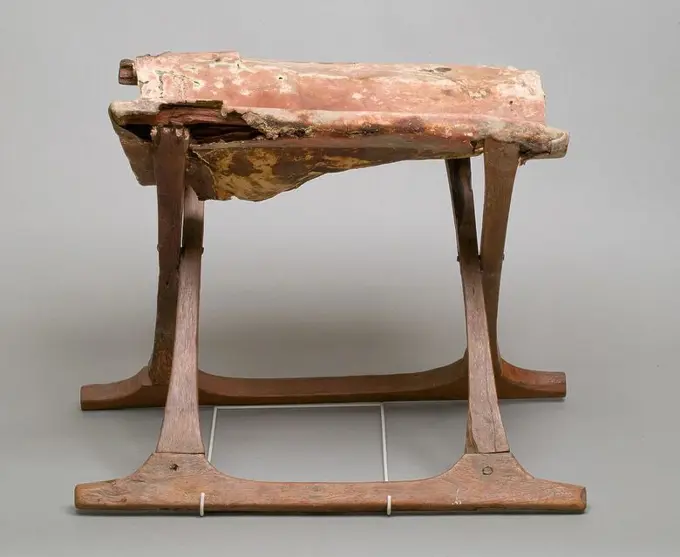
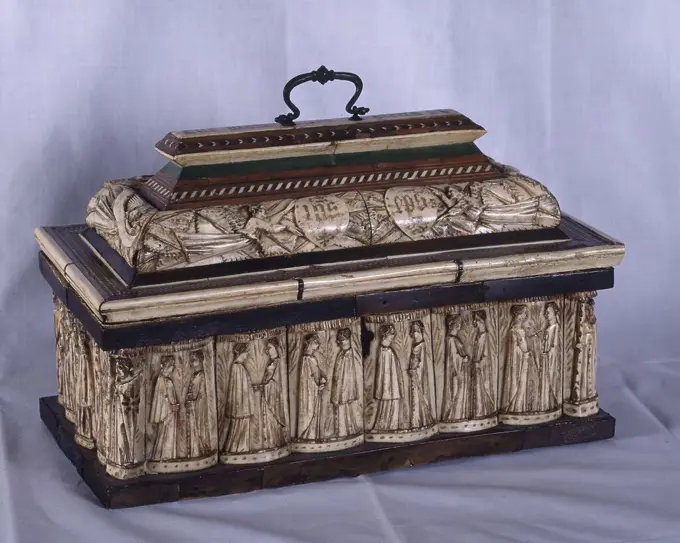
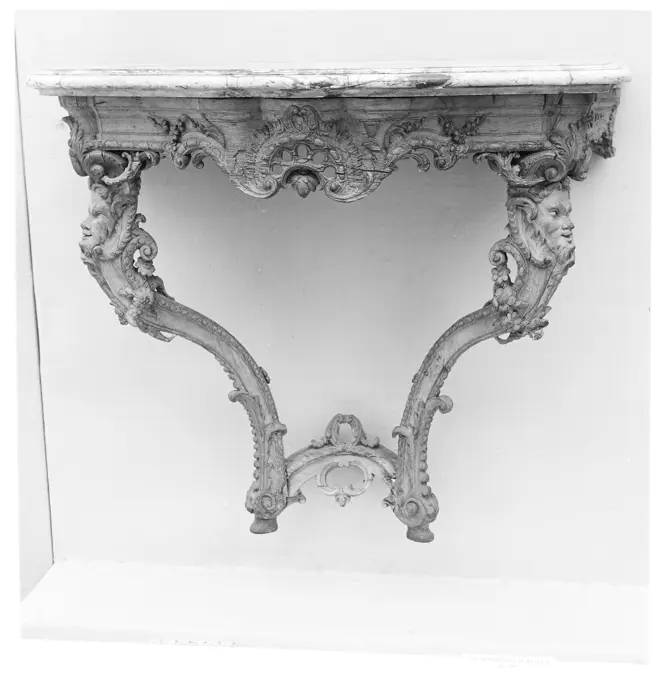
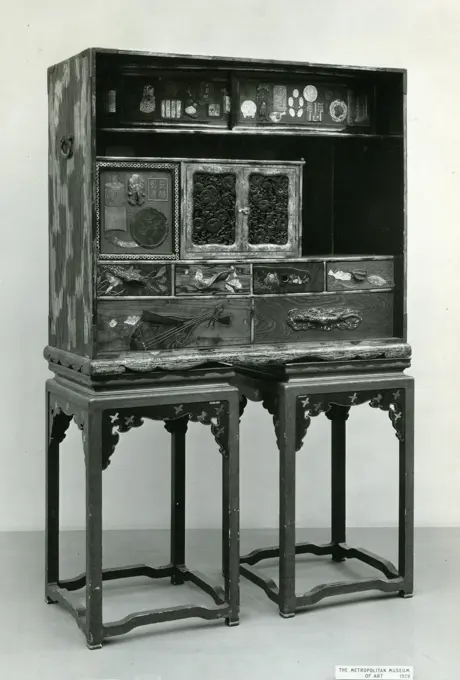
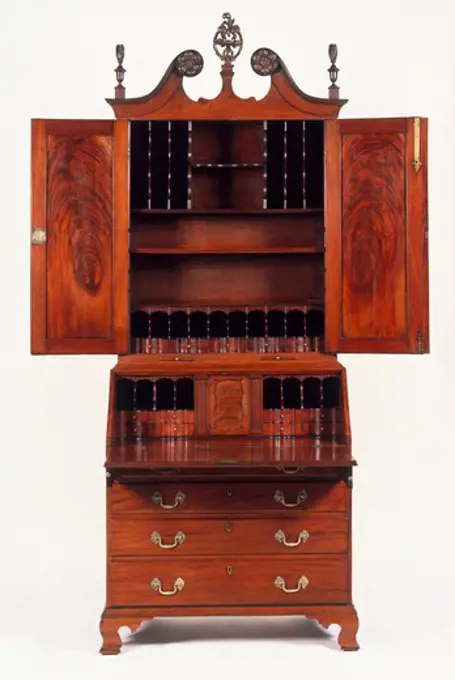
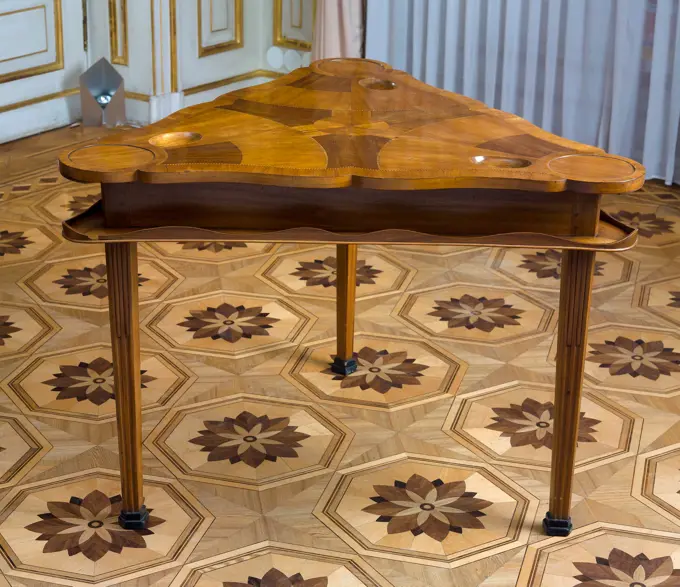
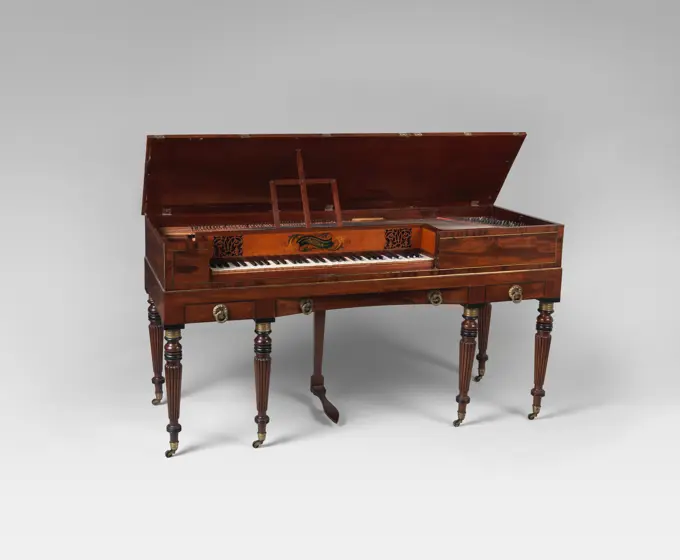
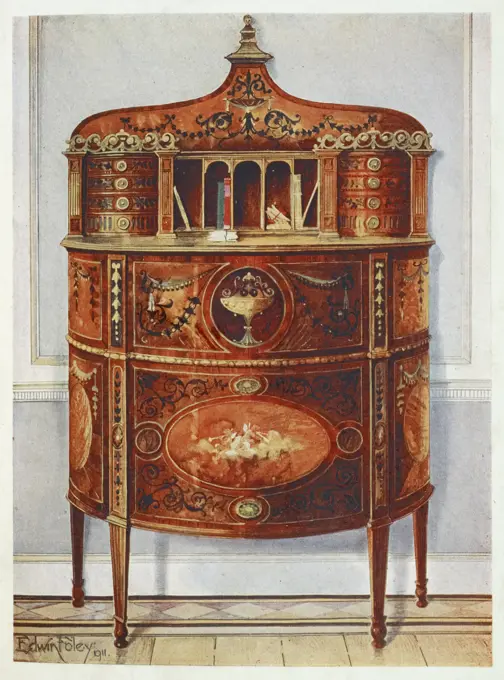
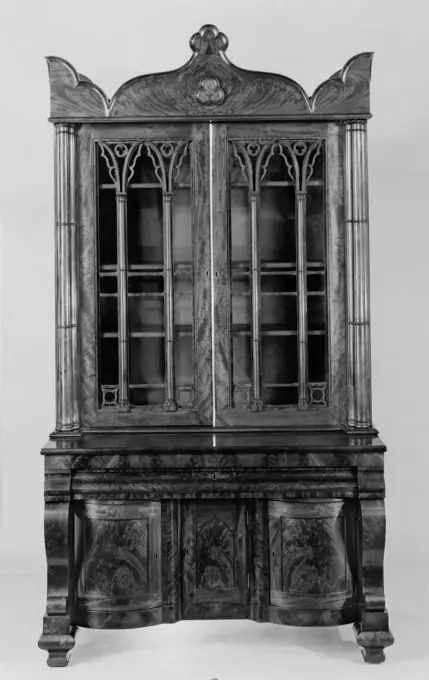
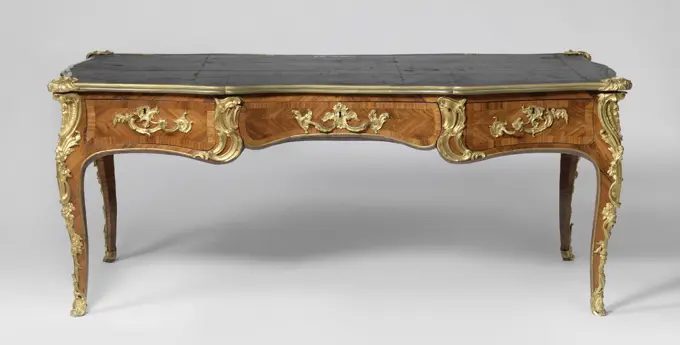
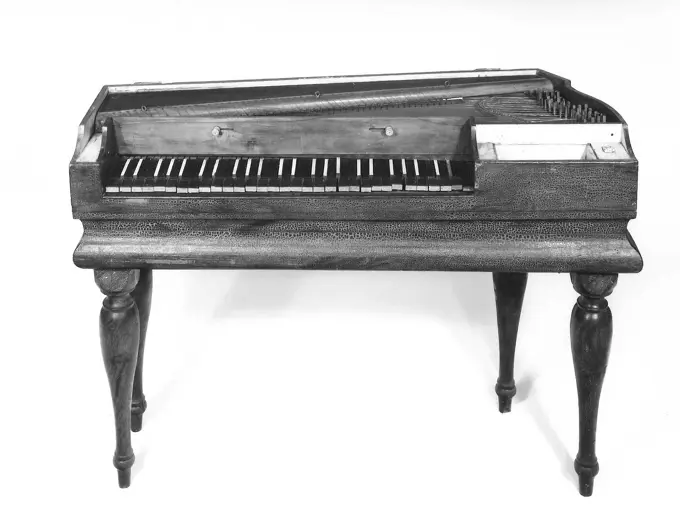
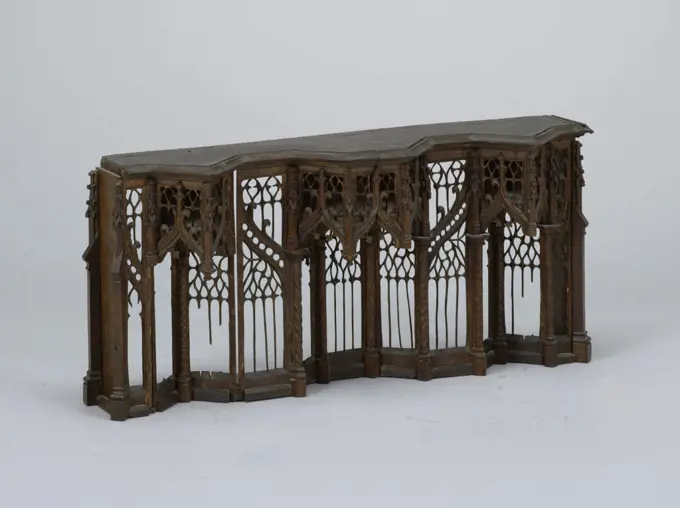
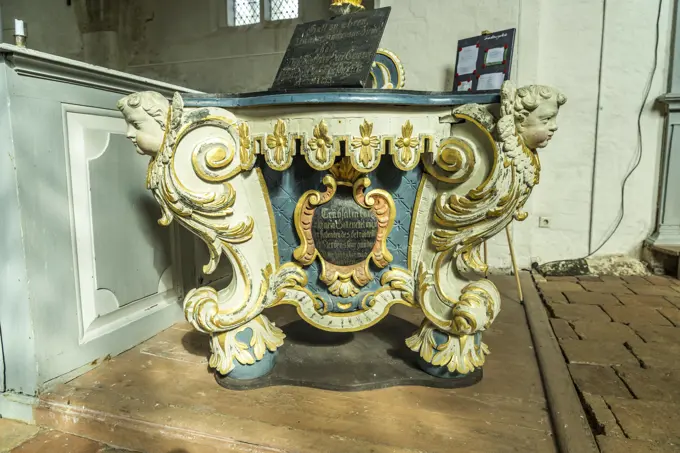
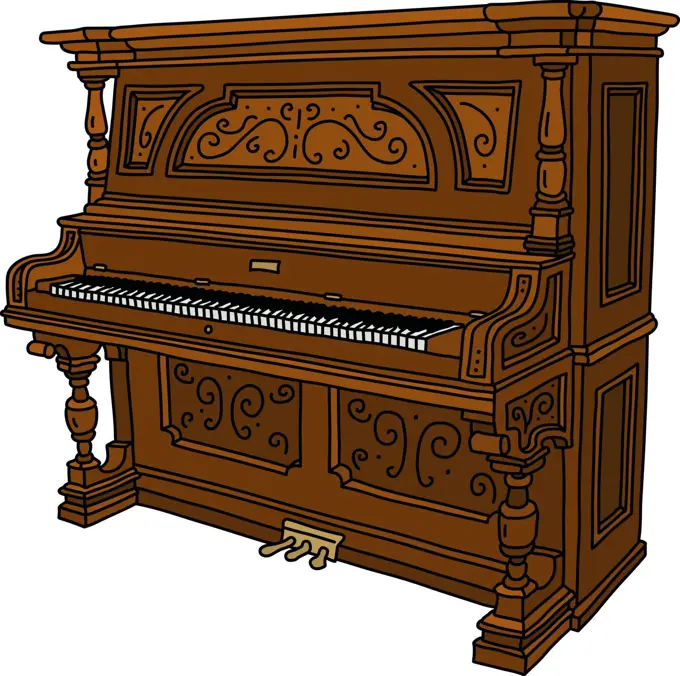
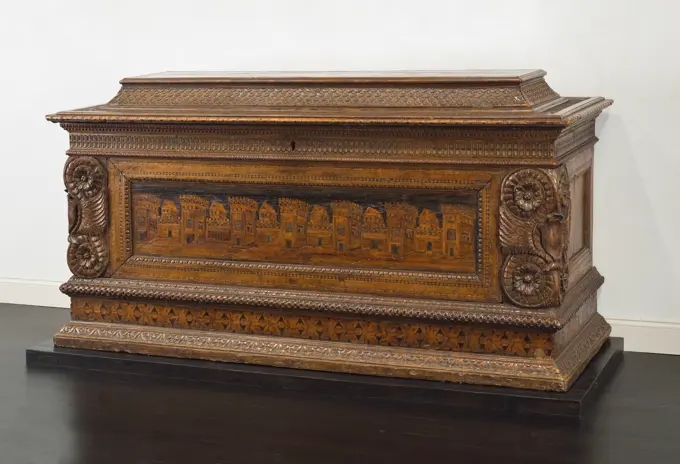
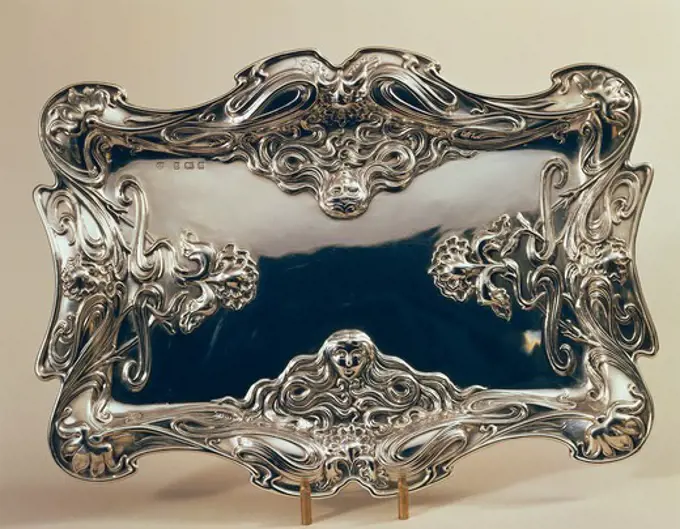
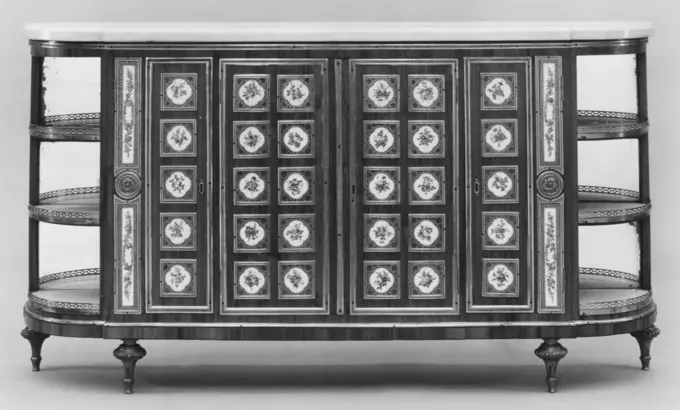
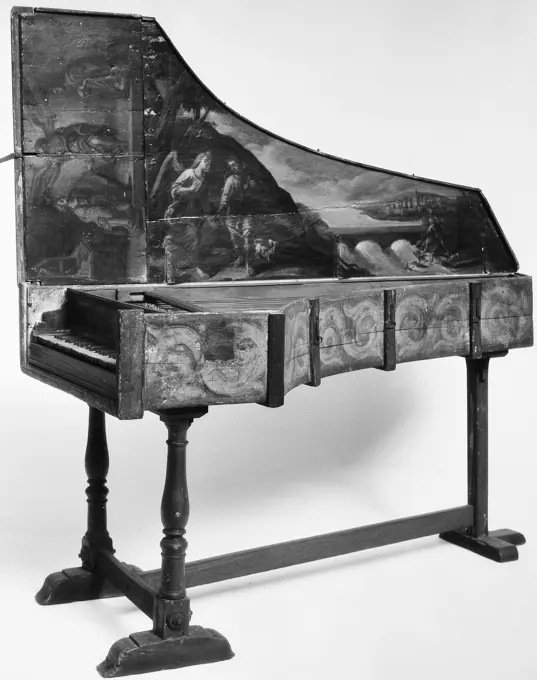
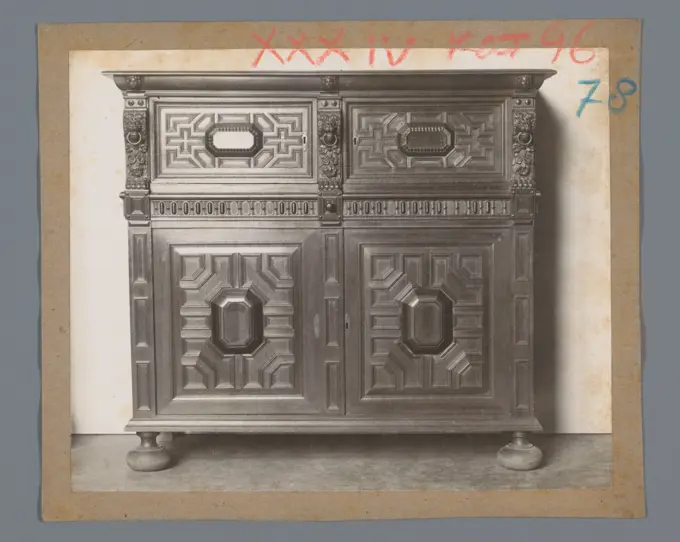
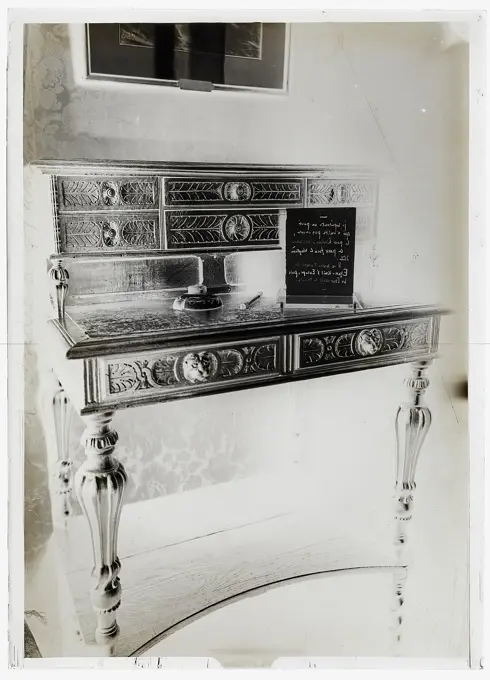
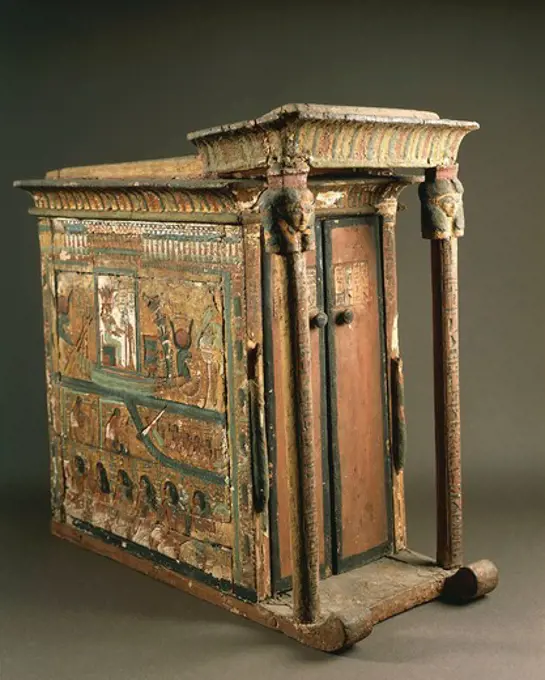
Commode and two cupboards. These three pieces of furniture were made in the French style, which was emulated in all large Dutch cities in the third quarter of the 17th century. This is evident from their form, the marquetry ornamentation, the gilded mounts and the marble tops. The marquetry vases are taken from French prints and the mounts were probably cast from French examples. This ensemble is exceptionally elaborate by Dutch standards.Cabinet or Double Hutch probably 19th or 20th century (15th century style) British. Cabinet or Double Hutch. British. probably 19th or 20th century (15th century style). Oak. Woodwork-FurnitureFootstool 1810-20 Attributed to Duncan Phyfe Scottish. Footstool 3794Table late 17th century British. Table 203806Cabinet 19th century Style of Hugues Sambin French. Cabinet. Style of Hugues Sambin (French, Gray ca. 1520-1601 Dijon). French. 19th century. Walnut. Woodwork-FurnitureLibraryBookcaseHenry Moore, Table, c 1936 TableSecrétaire. Jacques Dubois (French, 1694 - 1763, master 1742)Cradle 16th-17th century Italian, Florence. Cradle. Italian, Florence. 16th-17th century. Wood. Woodwork-FurnitureSecretaryDrop-leaf Pembroke Table ca. 1800 American. Drop-leaf Pembroke Table 5576Pedestal Table. England; After a Design Published by Thomas Hope; English, born Netherlands, 1769-1831. Date: 1805-1815. Dimensions: 72.4 × 106.7 × 105.4 cm (28 1/2 × 42 × 41 1/2 in.). Mahogany with ebony and metal inlays, gilt bronze mounts. Origin: England. Museum: The Chicago Art Institute, Chicago, USA.ARMARIO - SIGLO XVI. Location: AYUNTAMIENTO. HUESCA. SPAIN.Table on four conical -canling legs. With extendable leaf and drawer, Anonymous, 1785 - 1800 Table with oak chassis and a, with mahogany and black tarpaulin, loved, extendable leaf. The furniture rests on four conical -canling legs. In the top line there is a drawer decorated with copper batter. Northern Netherlands wood (plant material). oak (wood). spruce (wood). mahogany (wood). copper (metal). sailcloth Table with oak chassis and a, with mahogany and black tarpaulin, loved, extendable leaf. The furniture rests on four conical -canling legs. In the top line there is a drawer decorated with copper batter. Northern Netherlands wood (plant material). oak (wood). spruce (wood). mahogany (wood). copper (metal). sailclothCenter Table. Made by the Firm of Josef Danhauser (father and son, 1804-1838); Josef Danhauser, Sr. (Austrian, 1780-1829) and Josef Danhauser, Jr. (Austrian, 1805-1845); Vienna, Austria. Date: 1815-1825. Dimensions: 75 × 126 cm (29 1/2 × 49 1/2 in.). Cherrywood and metal. Origin: Vienna. Museum: The Chicago Art Institute, USA. Author: Josef Ulrich Danhauser.Table, round, from mahogany, resting on a hexagonal, bottom of bronze profiles feet consisting of a chalice of six lancet-shaped leaves. Completely rest on a triangular pedestal with concave sides, on claw legs .. Round table of mahogany resting on a hexagonal, at the bottom of bronze profiles provided, foot consisting of a chalice of six lancet-shaped leaves. This foot rests on a triangular pedestal with concave sides on claw legs. A shell-shaped decoration is applied above these legs. A related, but richer performed in 1817 was supplied by Pieter Paulus Horrix to the Queen.Corner Cabinet, c. 1765-1770. René Dubois (French, 1737-1798). Ebony veneer, Japanese lacquer, gilt bronze mounts; overall: 88 x 82.9 cm (34 5/8 x 32 5/8 in.).Box.Piano Boisselot, 1850-1855. Siglo XIX. Museo Maricel del Mar, Sitges. Barcelona.Piano.   Maker: Adam Geib, American, 1780-1849  Maker: William Geib, American, 1793-1860Venetian furniture suit cabinetClothespressIron design fitting on antique wooden open box, Jodhpur, Rajasthan, India Copyright: xSafatxAli/DinodiaxPhotoxLouis XVI style console;  19th century (1801-00-00-1900-00-00);Fa. Johann Diedrich Schmidt & Co. en Cord Heinrich Schmidt, Neo-rococo table, coffee table table furniture interior design wood mahogany amboyna root, Neo-rococo table of black polished mahogany amboyna carrot veneer four intersecting legs with grapes eating putto leaf veneered with mirrored amboyna scalloped edge Rotterdam City center Cool Schiedamsesingel neorococo Supposedly delivered to the couple Polak-Rosenthal in front of their house Schiedamsesingel 143 Rotterdam.Pa. German Chest. Dated: c. 1939. Dimensions: overall: 34.5 x 48.8 cm (13 9/16 x 19 3/16 in.) Original IAD Object: 26" high; 50" long; 22" wide. Medium: watercolor and graphite on paper. Museum: National Gallery of Art, Washington DC. Author: Carl Strehlau.Chest. unknown, authorQueen ann style furniture Queen ann style table isolated over white background Copyright: xZoonar.com/IvonnexWierinkx 16417457Clavichord 1763 Attributed to Christian Kintzing German This instrument is one of two known harpsichords made by Kintzing, who also worked with the cabinetmaker David Roentgen. It has an unusual feature that uses a second separate row of tangents that are activated by knobs on either side of the keyboard. When engaged, these tangent raise the strings and stay in contact with them. When the keys tangents are played the sound of the strings is prolonged. This feature is known as a pantalon stop and was inspired by the popularity of the hammered dulcimer and the famous eighteenth century virtuoso Pantaleon Hebenstreit. Clavichords were built as far back as the early fifteenth century, and perhaps earlier. This most personal, simplest, and quietest of European keyboard instruments was the perfect vehicle for music pedagogy, keyboard practice, and composition throughout its 400-year history. The action of the clavichord is relatively simple: the finger depresses a key which, working as a leTable, 14th-17th century, 5 3/16 x 11 3/16 x 5 in. (13.18 x 28.42 x 12.7 cm), Glazed earthenware, China, 14th-17th centuryAntique bench, chest, rich carvings, antique Italian Renaissance style, walnut, circa 1870-1880, dragon and lion motifs. GermanyMonk´s chair, Thailand, Southeast Asia, AsiaWriting Casket, c. 1525. Workshop of Severo da Ravenna (Italian, c.1496-c.1543). Bronze; overall: 16 x 21.3 x 14 cm (6 5/16 x 8 3/8 x 5 1/2 in.). The interior is divided into four compartments for storing writing implements and sand for blotting.Dresser;  End of the 18th century (1780-00-00-1800-00-00);Server. Designed by Lockwood de Forest; American, 1850-1932; Designed and assembled in New York; Wood carved in Ahmedabad, India. Date: 1880-1890. Dimensions: 119.4 × 48.3 × 99.7 cm (47 × 19 × 39 1/4 in.). Carved teakwood, ash or oak. Origin: New York City. Museum: The Chicago Art Institute, Chicago, USA.Jewelry chest of Sithathoryunet ca. 1887-1813 B.C. Middle Kingdom Because the original wood of Sithathoryunets boxes had decayed, they were reconstructed in the Metropolitan Museum based on the detailed notes of the excavator Guy Brunton. The gold djed pillars on the sides are symbols of the funerary god Osiris as well as the word for stability. The emblems on the lid belong to Hathor, the goddess of beauty, making them appropriate symbols for a cosmetic box.. Jewelry chest of Sithathoryunet 545520Painted cabinet Illustrating The Story of the Prodigal Son. Art cabinet glued with ebony on an oak core. The doors wear cornnis lists, as well as the sides. There is a storage space in the deck. Iron handles on the sides. Opened the cupboard shows a medium portie of Tuscan colonets and a head frame with silver balusters. Four drawers of the porch, one above and below it. The inside of the doors, the drawers, the porch door and the hood are painted with scenes derived from the parable of the lost son.American 20th Century, Dower Chest, 1935 1942 Dower ChestBase at Buste van Lieutenant Admiral Isaac Sweers, Anonymous, After 1698 - c. 1700 Bent to the top of the sides with weapon trophies, a cartouche with sea battle on the front and a lambrequin, hanging under the 'capital' of the base that is decorated with acanthus leaves. On the corners of the pedestal are hanging bunches of oak leaves and acorns; The whole stands up on curly acanthus leaves like feet. The Hague (possibly) spruce (wood). oak (wood) cutting Bent to the top of the sides with weapon trophies, a cartouche with sea battle on the front and a lambrequin, hanging under the 'capital' of the base that is decorated with acanthus leaves. On the corners of the pedestal are hanging bunches of oak leaves and acorns; The whole stands up on curly acanthus leaves like feet. The Hague (possibly) spruce (wood). oak (wood) cuttingTable (Knee Hole). Dated: 1935/1942. Dimensions: overall: 30.2 x 22.9 cm (11 7/8 x 9 in.). Medium: watercolor, pen and ink, and graphite on paperboard. Museum: National Gallery of Art, Washington DC. Author: Filippo Porreca.Window Bench 1815-20 American. Window Bench. American. 1815-20. Rosewood, mahogany. Made in New York, New York, United StatesConsole Table (One of a pair). Italy, Tuscany, circa 1780. Furnishings; Furniture. Wood, gilt, marbleWorktableSection, Chest; wood, joined and carved. Low wardrobe of walnut with interior of poplar wood. The styles wear rejuvenating pilasters, resting on volutes, and have been awarded a cartouche with coat of arms of the miner bettis with shell and draperies. The doors have a wooden disk with bronze button in the middle. Tuscan columns are on the corners. The head frame with two drawers in decorated with cartouches and consoles. The cupboard stands on lion claws that include half spheres. The incertainty sides have support pieces.Folding stool. Dimensions: H. 35.7 cm (14 1/16 in); w. 31.5 cm (12 3/8 in); d. 37.7 cm (14 13/16 in). Dynasty: Dynasty 11-13. Date: ca. 2030-1640 B.C.. Museum: Metropolitan Museum of Art, New York, USA.Floral Safe (National Safe)' still bank, c. 1882, Kyser & Rex Company, Philadelphia, c. 1879-1898, 4 5/8 x 4 1/4 x 4 1/4 in. (11.75 x 10.8 x 10.8 cm), Iron, pigment, 19th centuryCajonera.Siglo XIX. Colección Privada.Chest ofDrawersMusic cabinet and piano with a relic of St Cecilia. Pierre Cuypers, the Rijksmuseum architect, designed these pieces of furniture as engagement and wedding presents for his second wife. The Gothic Revival style and the reliquary on the piano express their deep-rooted Catholicism. The images on the piano case - the Annunciationand scenes from the life of St Cecilia, patron saint of music - allude to the difficult choice of Cuypers wife between marriage and a musical career.ARQUETA DE MARFIL. Location: MONASTERIO-INTERIOR. GUADALUPE. CACERES. SPAIN.Console table first quarter 18th century French. Console table. French. first quarter 18th century. Carved and gilded oak, marble. Woodwork-FurnitureCabinet 1663-1747 Ogawa Haritsu (Ritsu) Japanese. Cabinet. Ogawa Haritsu (Ritsu) (Japanese, 1663-1747). Japan. 1663-1747. Lacquered wood. FurnitureAntique Chippendale mahogany secretary bookcase, circa 1760Game table. unknown, creator. High-quality lacquerware comprises dozens of thin layers of lacquer. Together they create a rich black background, which contrasts beautifully with the gold. The leaves of the curving peony branches on the drawer front are made of gold leaf. The book stand features pine trees on the coast of the Sumiyoshi District. This was the legendary home of the god of poetry - an appropriate theme for a lectern.Overmantel: Landscape with Wayside Crosses ca. 1761 American. Overmantel: Landscape with Wayside Crosses 9986Tobacco Box 1750-1760 Germany. Padauk, palisandre, rosewood, lead, and silk . Abraham RoentgenTable;  approx. 1770 (1765-00-00-1775-00-00);Console table. Culture: French. Dimensions: Overall: 25 1/4 × 33 1/2 × 10 5/8 in. (64.1 × 85.1 × 27 cm). Date: 18th century. Museum: Metropolitan Museum of Art, New York, USA.Tabouret. unknown, authorDesk. Dated: 1935/1942. Dimensions: overall: 22.8 x 27.9 cm (9 x 11 in.) Original IAD Object: none given. Medium: watercolor, colored pencil, and graphite on paperboard. Museum: National Gallery of Art, Washington DC. Author: David S. De Vault.Square Piano 1814 Babcock, Appleton and Babcock Alpheus Babcock was a Boston piano maker who later moved to Philadelphia. He is most famous for his invention of a cast iron frame for his square piano, which he patented in 1825. The cast iron frame would become the standard for pianos of all types and sizes. Alpheus established his first company in 1809 along with his brother Lewis. In 1811, he partnered with the builder Thomas Appleton, who is best known for his pipe organs, including an example from 1830 that is also in the collection of The Metropolitan Museum. This beautiful example comes from the period of the partnership of the Babcock brothers with Appleton, predating the invention of the cast iron frame. Technical description: This square piano has a rectangular body with stained mahogany veneer and six screw-on reeded legs, four in the front and two in the rear. The keyboard is to the left of the center of the instrument and there are the compass is five and a half octaves (FF-Circle of Duncan Phyfe, Grecian Sofa, c. 1810, mahogany, upholstery, brass.Furniture around the turn of the century 1900, Inlaid and painted satinwood writing-desk cabinet, ormolu mounted (1911) .high resolution rendering of a vintage commodePiano, anonymous, c. 1770 - c. 1775 Piano with pedals that are moved with the knee. Southern Germany (possibly) cherry (wood). oak (wood). softwood. ebony (wood). ivory. brass (alloy). iron (metal). leather Piano with pedals that are moved with the knee. Southern Germany (possibly) cherry (wood). oak (wood). softwood. ebony (wood). ivory. brass (alloy). iron (metal). leatherRECLINATORIO DE ISABEL II CON BRONCE Y PORCELANA DE SEVRES.Painter Van Satijnhout, Anonymous, 1780 - 1795 Satin wood painting box, with four screw-in legs with black and gold lacquer panels (landscape) and three small red lacquers. Louis XVI style. Loose, rectangular, wooden part with grid of metal wire and some pieces of textile. Netherlands oak (wood). elm (wood). mahogany (wood). satinwood (wood). maple (wood). purpleheart (wood). rosewood (wood). lacquer (coating) Satin wood painting box, with four screw-in legs with black and gold lacquer panels (landscape) and three small red lacquers. Louis XVI style. Loose, rectangular, wooden part with grid of metal wire and some pieces of textile. Netherlands oak (wood). elm (wood). mahogany (wood). satinwood (wood). maple (wood). purpleheart (wood). rosewood (wood). lacquer (coating)Table cabinet (1715) in the Victoria and Albert Museum in central London in the United Kingdom.Bookcase 1835-50 American The overlay of Gothic tracery, trefoils, and cluster columns on this otherwise classical bookcase reveals the emerging interest in the Gothic Revival style in New York beginning in the mid-1830s. The lower section, with its scroll support, door arrangement, and ogee-molded drawer, follows the design of a sideboard illustrated in the New York cabinetmaker Joseph Meekss broadside advertisement of 1833.. Bookcase 559. .Writing table, Jacques Dubois (attributed to), c. 1745 Writing table decorated with marquetery of rose wood on oak core and gilded bronze. The S-shaped legs placed overhoek turn into the scalloped rules, on the front and back divided into three fields and decorated with herringbone motif. The tractors, the rules and legs bear fittings with rocaille motifs; Flower branches on the legs. A gilded bronze edge with corner pieces in rocaille motifs runs around the leaf, with black leather; Another border along the inside of the legs and bottom of the rules. Paris wood (plant material). oak (wood). softwood. kingwood (wood). rosewood (wood). bronze (metal). leather gilding Writing table decorated with marquetery of rose wood on oak core and gilded bronze. The S-shaped legs placed overhoek turn into the scalloped rules, on the front and back divided into three fields and decorated with herringbone motif. The tractors, the rules and legs bear fittings with rocaille motifs; Flower branches on thNeo-gothic bookcase. Neo-gothic bookcase, inlaid with an embroidered panel.Neo-Gothic bookcase (chassis), Anonymous, c. 1835 - c. 1845 Chassis of a neo-gothic bookcase. Netherlands Mahogany (Wood). Glass. Embroidery: Silk embroidering Chassis of a neo-gothic bookcase. Netherlands Mahogany (Wood). Glass. Embroidery: Silk embroideringSquare Piano ca. 1790 Attributed to Johann Matthäus Schmahl German The shape of the case of this piano is made to resemble a harp lying on its side. Mozart supposedly carried a piano like this for practicing on his travels. Schmahl referred to this type of instrument as a liegende harfe, or harp piano. This type of instrument was probably made to imitate the hammered dulcimers that were popular at the time, especially the type known as pantalons, made famous by the virtuoso player Hebenstreit Pantaleone. There are two knobs over the keyboard, one controls a mute and the other interposes leather tabs between the hammers and strings. By using these two stops together, the instrument has a more familiar piano sounding tone. Each of the surviving instruments of this form is of a different design, indicating that Schmahl was building them one at a time and not in batches. These utilitarian instruments typify provincial workmanship in southern Germany, outside the mainstream of development.TModel for a Rood Screen, Carved, gilt and polychrome (traces) oak, wrought iron, Gothic style with columns, openwork, and pointed arches., England, 1530-50, models and prototypes, Decorative Arts, Model for a Rood ScreenSide table (commode servante or commode desserte) ca. 1790 Jean Henri Riesener French Known in French as a commode servante or commode desserte, this type of side table appears to have been born out of an increasing desire for privacy during the eighteenth century. Clean plates and the dessert course would be placed on the marble shelves, allowing the owner and his guests to dine without the presence of servants.Stamped by Jean-Henri Riesener, this sideboard is one of several closely related pieces. The mahogany serves as a beautiful background for the giltbronze mounts in the form of almost lacelike ivy tendrils spiraling up the slender legs and scrolling foliage on the drawer fronts. Printed labels pasted underneath the table indicate that it was formerly at the Anichkov Palace in Saint Petersburg, where it is thought to have belonged to Empress Maria Feodorovna (1847-1928). As wife and later dowager empress of Alexander III (1845-1894), she lived in the palace from about 1866, the yBureau;  XXW. (1901-00-00-2000-00-00);Pair of commodes ca. 1767-70 François Rübestuck. Pair of commodes 204667Antique wooden almira, Jodhpur, Rajasthan, India Copyright: xSafatxAli/DinodiaxPhotoxCheval glass (psyché) early 19th century French. Cheval glass (psyché) 194573Hemelerrobe in wooden chair, Gerard Valck, 1700  Hemelerrobe in a wooden chair. The chair has four legs, under a round -profiled leaf with a short wooden axle in the middle in which a slit, in which copper grade arc that sits around the sphere falls. At the top of the legs a horizontal wooden circle where the ball is half on top and on which a calendar, now almost unreadable, is stuck. The figures of the star images on the Globe are completely drawn up and colored. On the bottom half a praise against Lotharius Zum-Bach. Inscription. Dated. Gesig. Amsterdam wood (plant material). linden. oak (wood). gypsum. paper. copper (metal) casting / striking (metalworking) / forging / printingPianoforte, Erard Frères, 1808 Wing piano in Empirestyle, made of mahogany with gold -plated bronze and a winch -shaped voice in the pedals. musical instrument maker: Parispainter: France spruce (wood). mahogany (wood). ivory. ebony (wood). brass (alloy). glass. bronze (metal). gilding (material) gilding Wing piano in Empirestyle, made of mahogany with gold -plated bronze and a winch -shaped voice in the pedals. musical instrument maker: Parispainter: France spruce (wood). mahogany (wood). ivory. ebony (wood). brass (alloy). glass. bronze (metal). gilding (material) gildingBaptiSmal Font St Katharinen Batharinen BaTharinen Font in the Interior of St Katharinen Church in Trent, Ruehen Iceland, Mecklenburg Vorpommern, Germany St Catherine S Church Interior, Trent, Ruegen Island, Mecklenburg Vorpommern, GermanyDesk, by Naples workmanship, 1817, 19th Century, wood veneered mahogany, gilded applications. Italy, Campania, Caserta, Royal Palace. Whole artwork. Desk wood decorations gold winged lion leonine protome paw lion wings.Mirror, Carved mahogany and mahogany veneered carved gessoed and gilt pine, silvered glass., Carved and gilded vertical frame, double arch at top with centered tall pyramid of assymetrical foliage carved a jour and tall curved leaf forms at each corner which flow into serpentine curves and then join straight sides; flowers entwined around straight sides; bottom raid duplicates curve at top rail and has assymetrical group of foliage carved at center. Mirror made in two pieces., England, ca. 1755, furniture, Decorative Arts, MirrorThe historical brown pianinoCassone. Workshop of Domenico del Tasso (possibly) (Italy, Florence, circa 1440-1508). Italy, circa 1500. Furnishings; Furniture. Walnut with intarsia of various woodsSilversmith's art, Great Britain, 20th century. Williams (B'ham) Ltd. Pastry tray, Birmingham, 1907.Decorative urn on a wooden deskPortable Altar of Countess Gertrude, shortly after 1038. Germany, Lower Saxony, Romanesque period, 11th century. Gold, cloisonné enamel, porphyry, gems, pearls, niello, wood core; overall: 10.5 x 27.5 x 21 cm (4 1/8 x 10 13/16 x 8 1/4 in.).Cabinet plaques 1761-65, cabinet ca. 1822 Porcelain plaques by Sèvres Manufactory French This cabinet mounted with 34 Sèvres porcelain plaques comes from the Hillingdon Collection, which was founded by Sir Charles Mills (1792-1880), a partner in the great firm of Glyn, Mills, Currie and Company, bankers to the British royal family. Tradition says that Sir Charles acquired the collection during a series of visits to France in the first half of the nineteenth century. Sir Charles son was created first Baron Hillingdon in 1886. In 1937, his descendants sold the collection to the well-known art dealers Duveen Brothers. Although various collectors, such as Calouste Gulbenkian and J. Paul Getty, were interested in buying the Hillingdon Collection, ultimately the majority of the artworks, including seventeen pieces of porcelain-mounted furniture, were acquired in 1947 by the cultural foundation that had been established by the American businessman and philanthropist Samuel H. Kress (1863-195Table for OneHarpsichord 16th or 17th century Italian The painting on the inside of the lid features a scene of Tobias and the Angel.Technical description: Inner-outer case construction, inner case possibly made of cedar, soundboard may be cedar (or spruce or fir), outer case of painted deal, on stand with three legs and stretchers (the rear leg is square and not turned like the other two, not original); C/E-c3, 2x8', box guides now fixed in place, at some point were movable by knobs or wires extending through the cheek (probably not original); naturals of an unidentified light brown wood (may be replacements), brown wooden arcades over a parchment trefoil design, accidentals of black-stained hardwood with ebony plates; three rail keyframe, keys guided by wooden slips in rack; possibly original jacks made of pearwood, with brass leaf springs and quill plectra; pierced parchment rose in soundboard. (Douglas Maple 1983). Harpsichord 501790Zeeland cabinet decorated with lion consoles with copper rings and festons, c. 1875 - c. 1900 photograph  Rijksmuseum Amsterdam photographic support  ornamental cupboard. lion's head ~ ornamentWooden case Retro style wooden case with clipping path Copyright: xZoonar.com/Baloncicix 7285740Wall table, by Piedmont Work, 18th Century, Unknow. Italy, Piemonte, Turin, Royal Palace. Whole artwork. Wall table console table rinceaux volutes decoration.Anonymous, table by Victor Hugo (dummy title). Houses of Victor Hugo Paris - Guernsey.Egypt, Deir el-Medina, Tabernacle with straight portico and two columns with capital in a form of Hathors head, and cyma molding cornice, dedicated to the Triad of Elephantine (constituted by Khnum, Satis and Anuket), made by Kasa, small painted wood model, nineteenth dynasty