Antique Furniture Pieces

A selection of elegant, vintage furniture including chests and tables, highlighting rich woods, intricate carvings, and stylish designs typical of past eras.
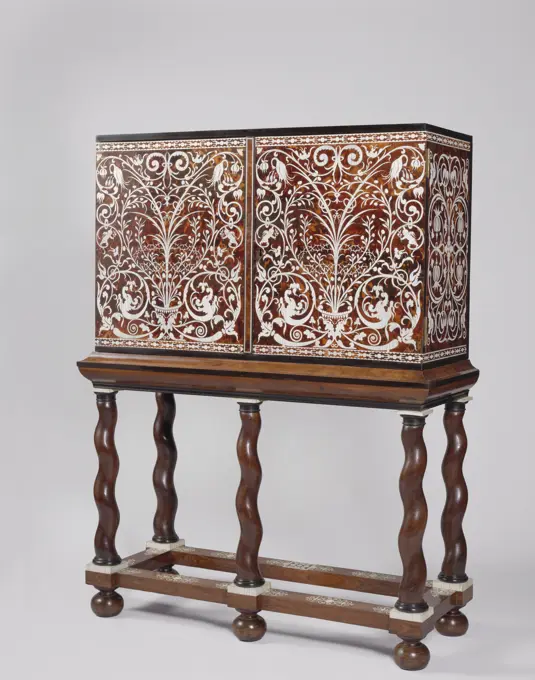
Cabinet of Amalia from Solms, c. 1652 - c. 1657 Cabinet, completely covered with turtle and ivory with the monogram of Amalia van Solms (1602-1675) and Frederik Hendrik (1584-1647). The rectangular cabinet has two doors, behind which an interior with ten drawers and a small door in the middle. The doors show a turtle on the front at the front, in which various symbols are incorporated, such as a heart of orange branches, a thorns, samples and snakes, angels and pelicans who open the breast to feed their young. The same pattern in turtle is applied to ivory on the inside of the doors. The sides and top show a pattern of stylized flower vines, in ivory on turtle on the sides and vice versa on the top. On the drawer front, the crowned monogram Havo, for Hendrik and Amalia van Oranje, is placed under a canopy, placed behind a balustrade with bins with orange trees. The monogram is located in a column architecture with a checkered floor, with left and right perspectives through open doors.
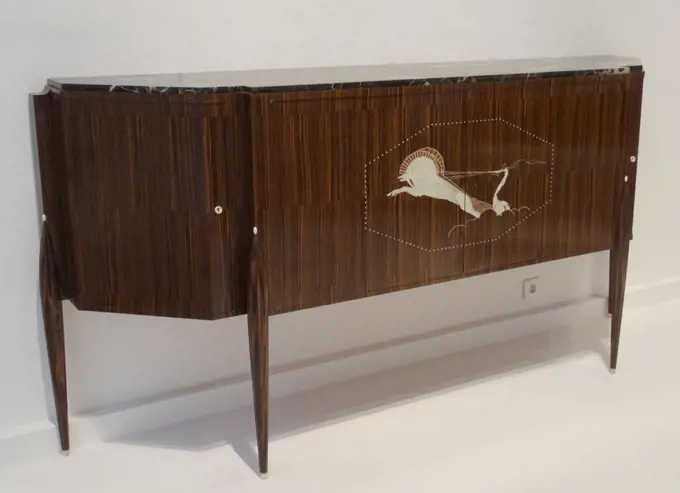
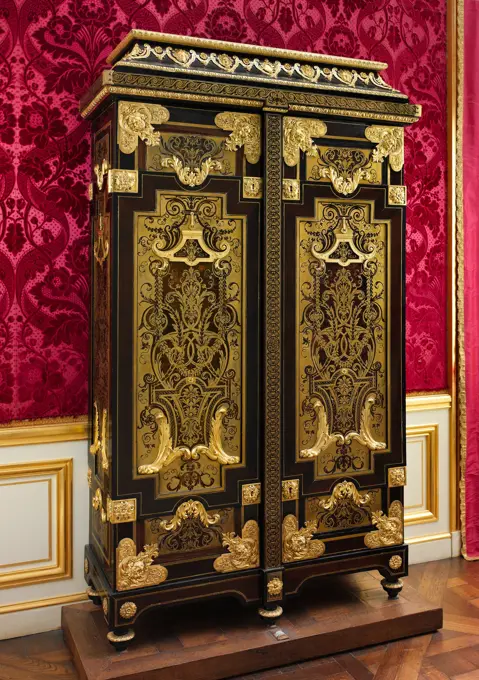
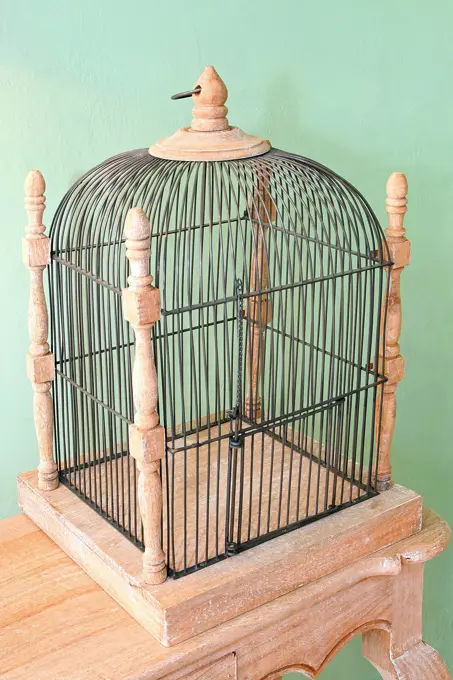
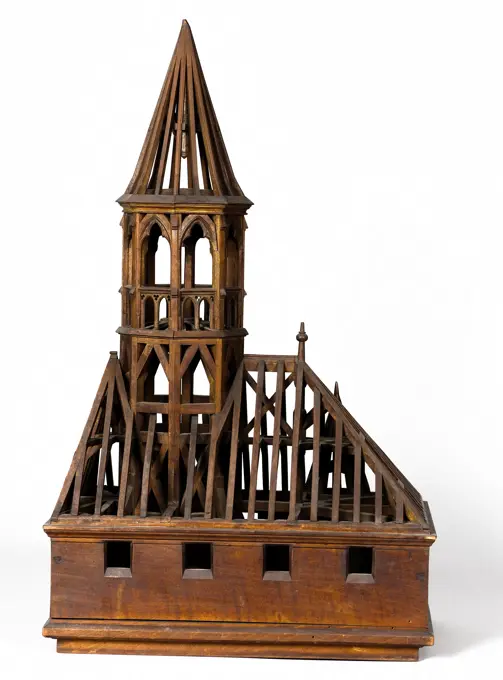
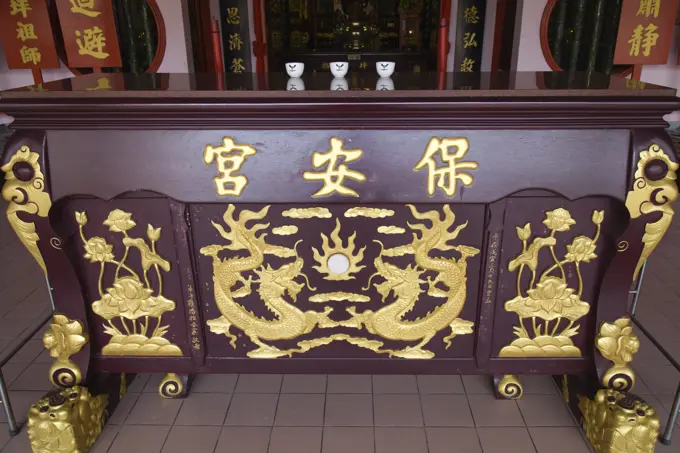
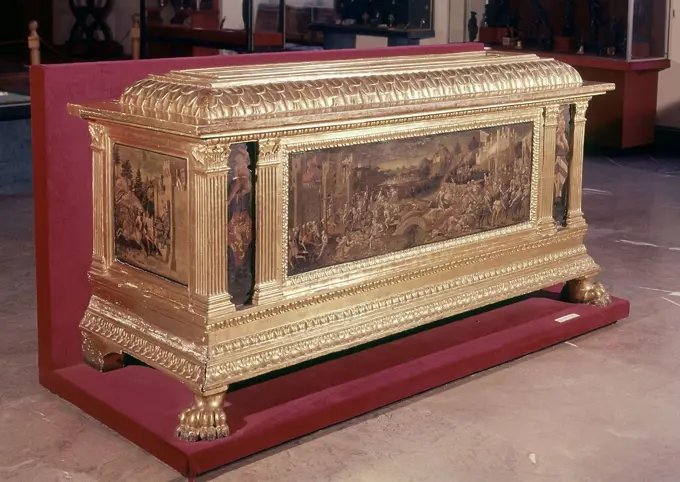
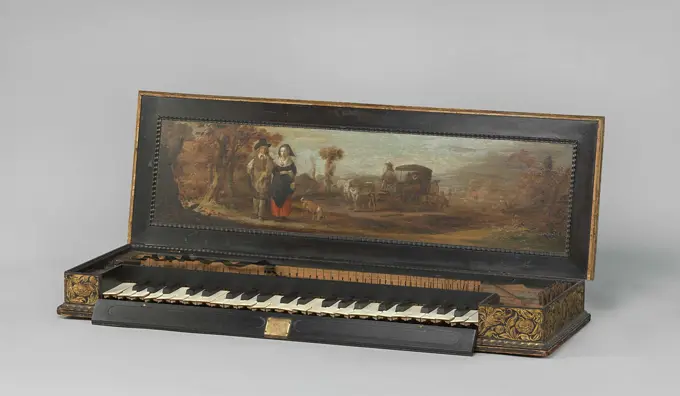
Glass display case, Anonymous, 1800 - 1900 Mirror glass display case of the Ebony medal cabinet with mirror glass in the form of the facade of the Mauritshuis in The Hague. Northern NetherlandsNetherlands looking glasses Mirror glass display case of the Ebony medal cabinet with mirror glass in the form of the facade of the Mauritshuis in The Hague. Northern NetherlandsNetherlands looking glassesDesserte dite meuble au char Sideboard with an ivory inlay 1921. By Jacques-Emile Ruhlmann. mile-Jacques Ruhlmann (28 August 1879 ñ 15 November 1933), his first names often seen reversed as Jacques-mile, was a renowned French designer of furniture and interiors, epitomising for many the glamour of the French Art Deco style of the 1920s.Cabinet ca. 1700 Attributed to André Charles Boulle French In 1688 the Parisian cabinetmaker Auburtin Gaudron, who worked for the French court after the death of Pierre Gole (ca. 1620-1684), delivered for Louis XIV's apartment at the Chteau de Marly a "large and beautiful cabinet with architectural bronze mounts and marquetry of copper and ebony with amaranth."1 Such armoires (closed cabinets or wardrobes) were ostentatious parade objects intended to stand grandly in a public room. The above description of the marquetry on Gaudron's armoire and of his piece's architectural form document that at this time André-Charles Boulle was not the only maker of these cabinets, for success has always sparked imitation in the competitive Parisian artistic environment. Nonetheless, the products of Boulle's workshop are distinguished from those of his competitors by sculptural details of unusual quality applied to the carcase structure. Boulle's furniture bears some of the best gilt-bronze ornamenBirdcage Close up shot of vintage style birdcage Copyright: xZoonar.com/Baloncicix 14290213Joseph-Louis Duke. "Frame of the clock tower of the courthouse". Natural wood. 1843-1856. Paris, Carnavalet museum. 71738-14 Natural wood, frame, model, courthouse, clock towerMalaysia, Melaka, Malacca, Poh Onn Kong, chinese temple,ARCON FLORENTINO S XVI. Location: MUSEO ARQUEOLOGICO NACIONAL-COLECCION. MADRID. SPAIN.Clavichord.In the clavichord each string is struck by a small piece of metal called a tangent. Its touch-sensitive action allows great expressiveness in playing, although its small size and softness of sound make it unsuitable for large-scale public performance. Nevertheless, the clavichord was an ideal home practice instrument for keyboard players, especially organists, and a perfect tool for composers.