Antique Glass and Bronze Vases

An assortment of distinctive vases made from glass and bronze, featuring intricate designs and various historical styles, showcasing rich colors and textures.
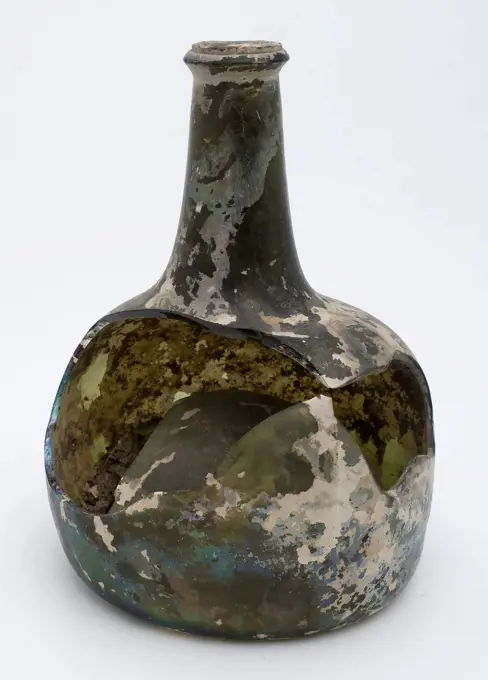
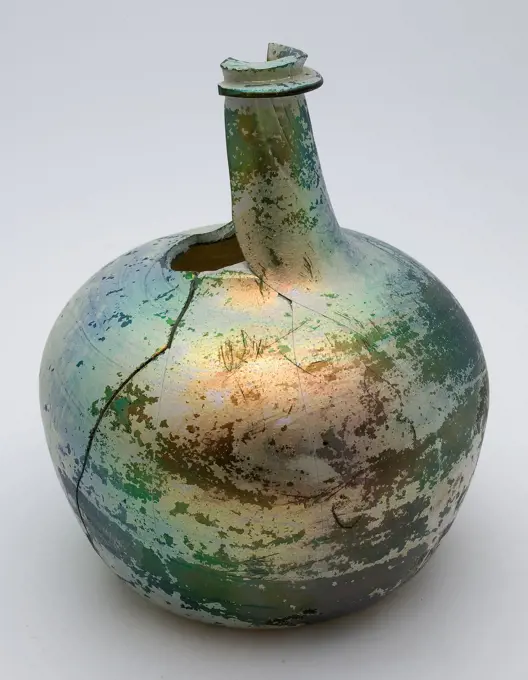
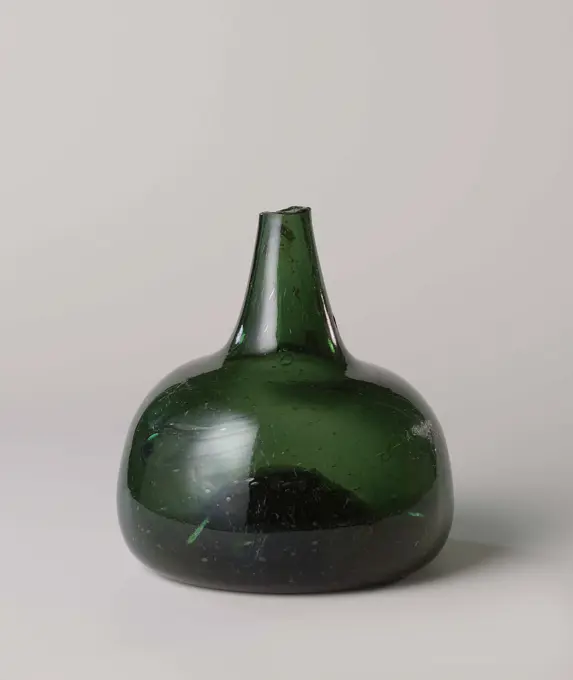
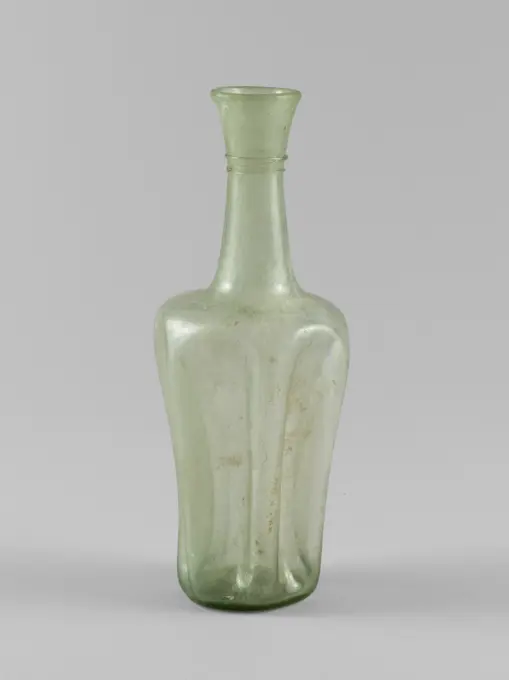
Cylindrical bottle, straight sided onion, belly bottle bottle holder soil find glass, free blown and shaped glass application Circular bottle in clear green glass straight sided onion. Pontil mark under raised bottom. Almost cylindrical body with large shards missing (are in bottle) to convex shoulders and rejuvenated (5.0 - 2.9 cm) neck with round sharp glass wire (small chip) and flattened lip archeology Rotterdam Old Plantation packing Soil discovery Old Plantation 1956 .
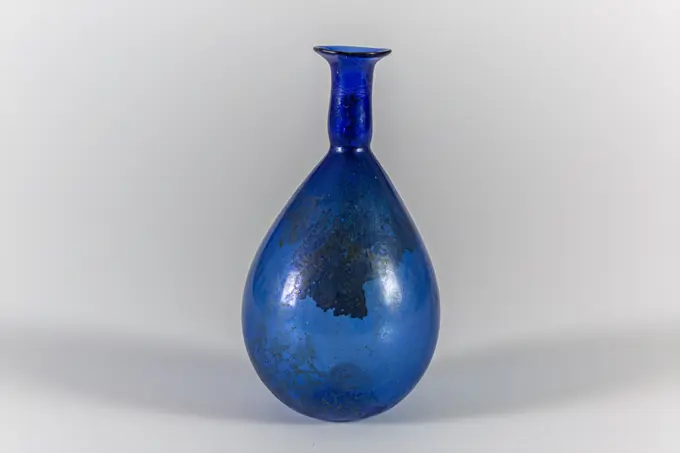
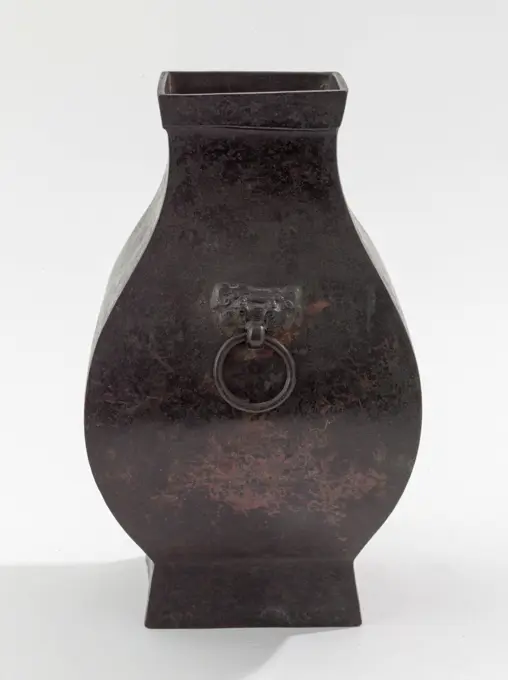
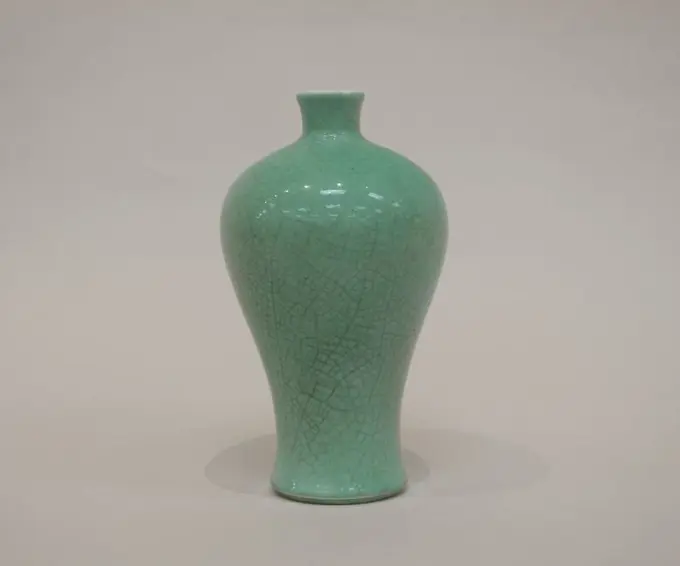
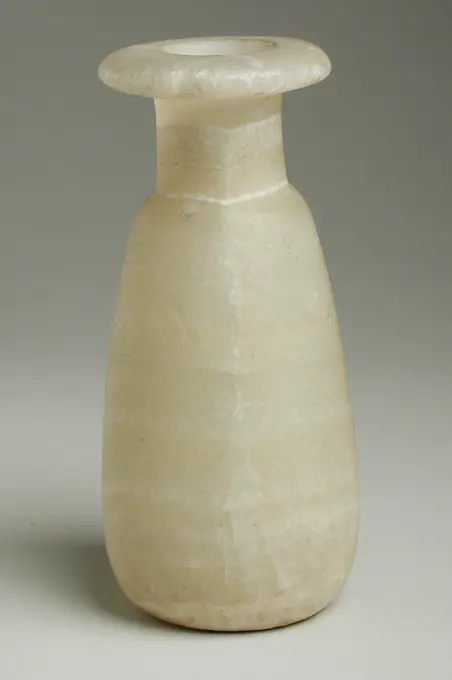
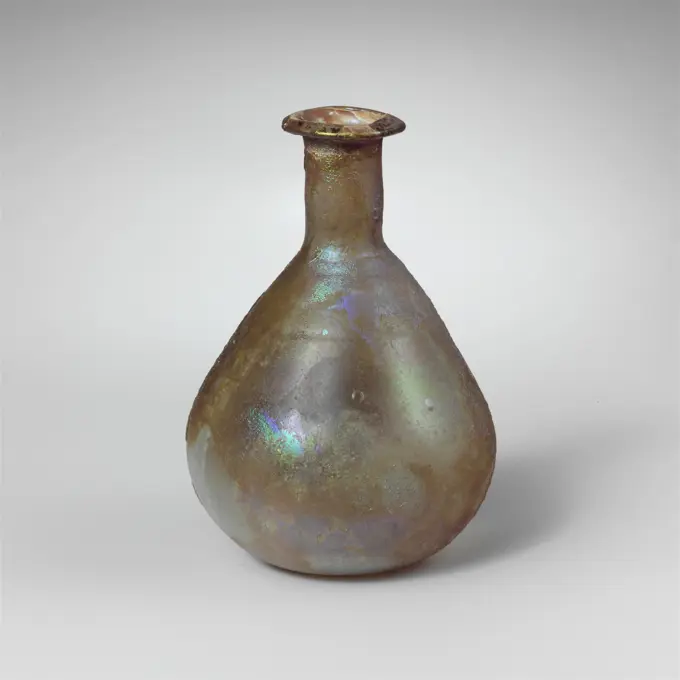
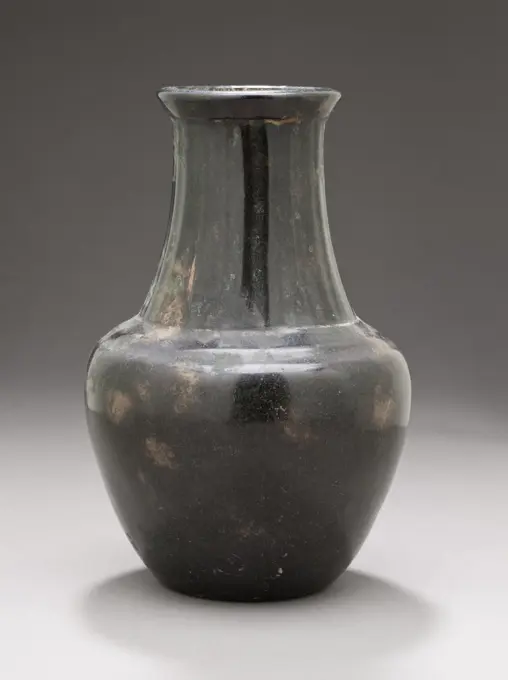
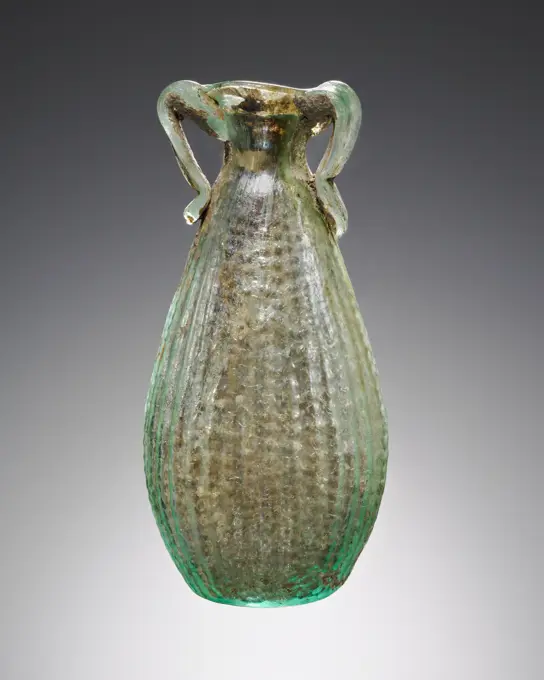
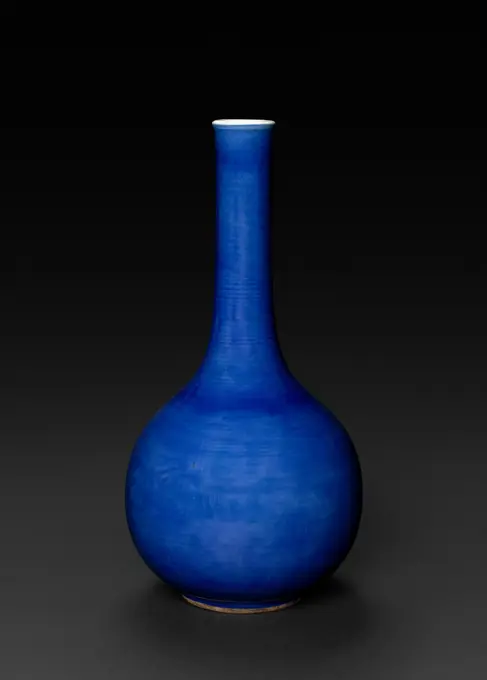
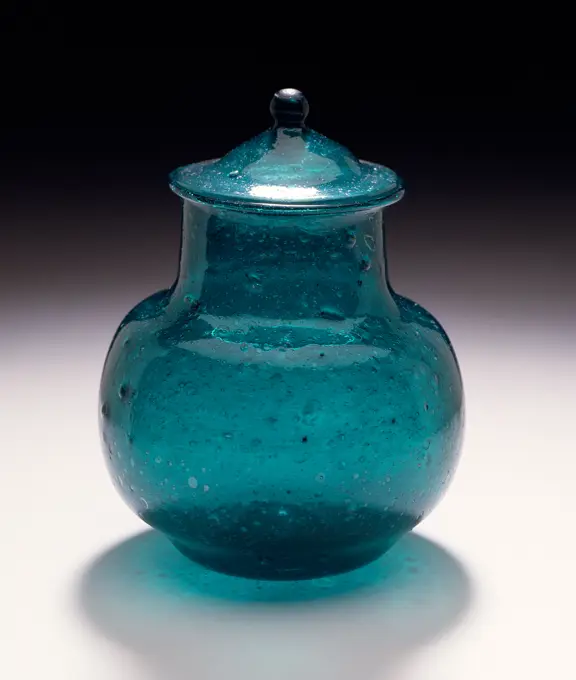
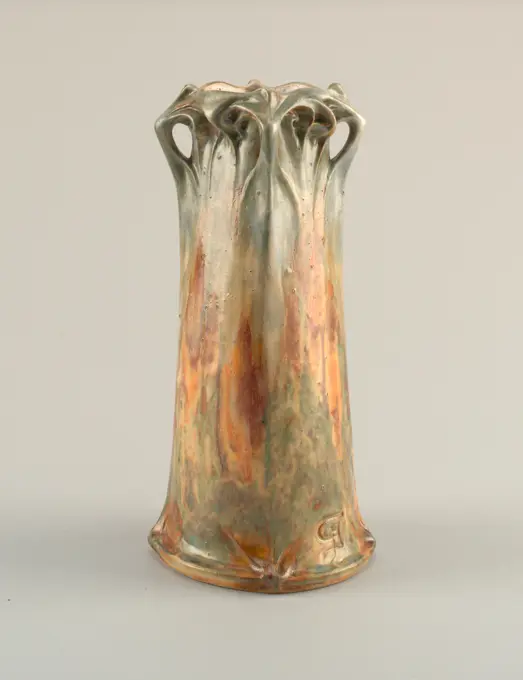
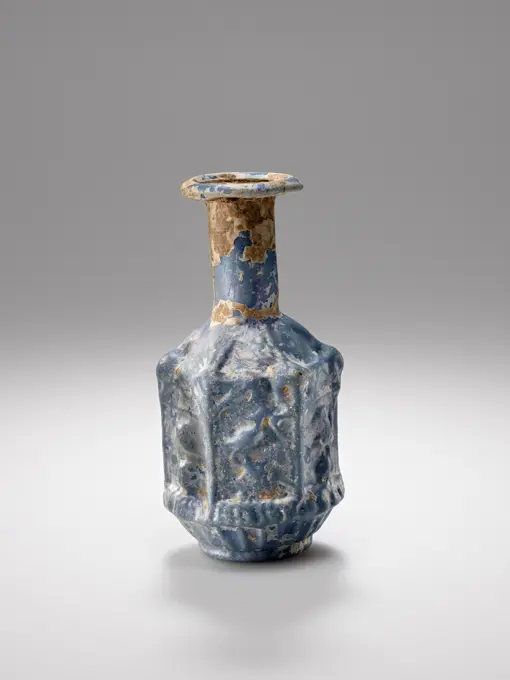
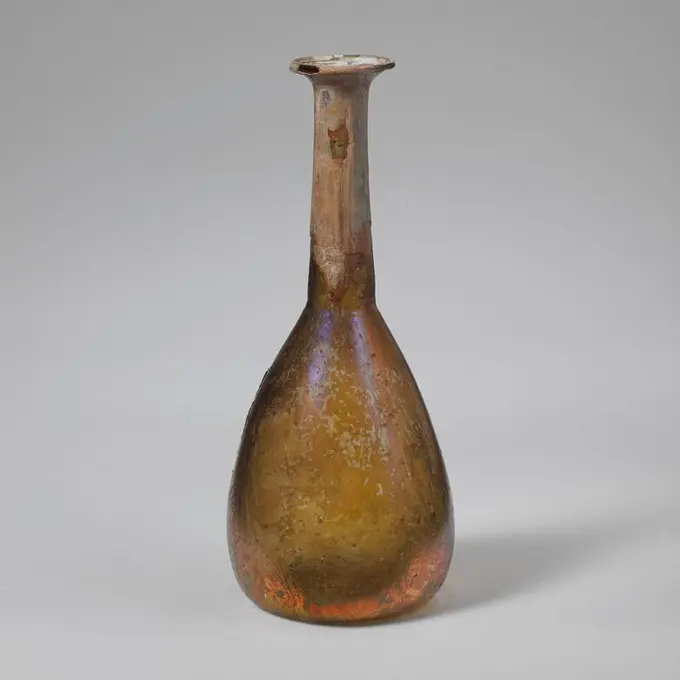
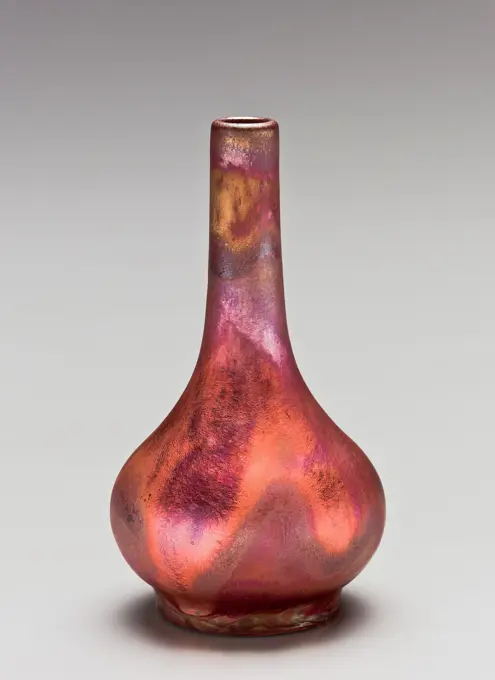
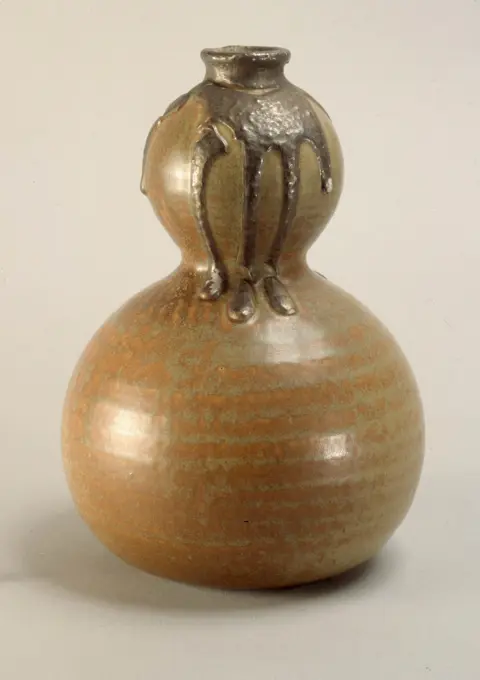
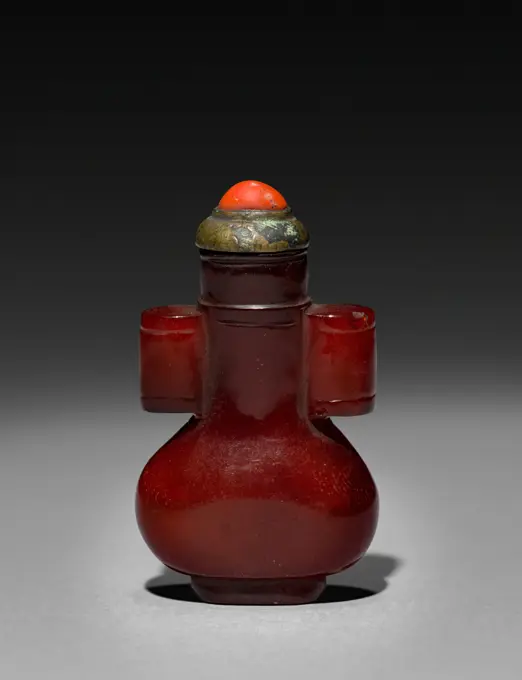
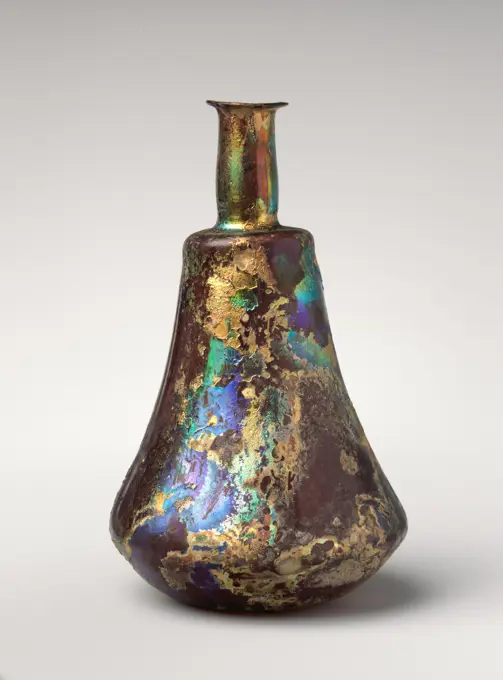
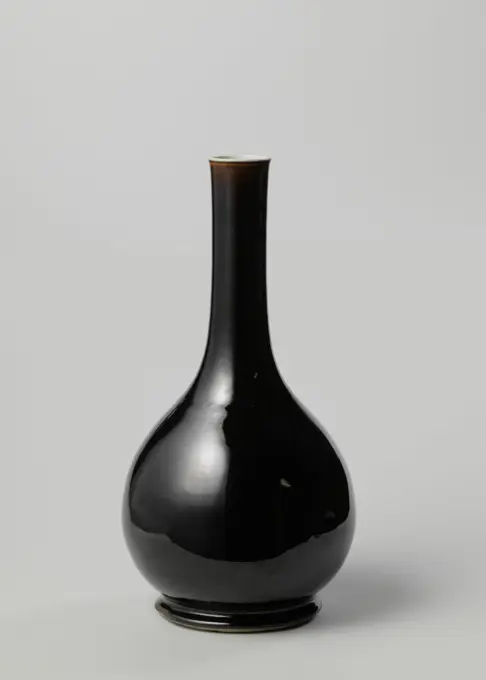
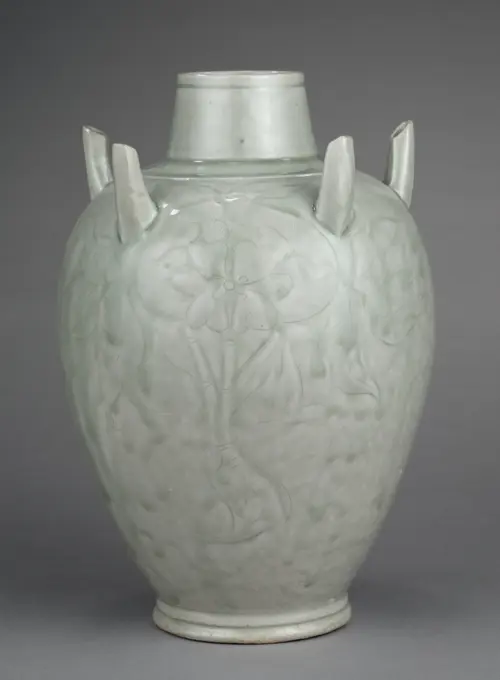
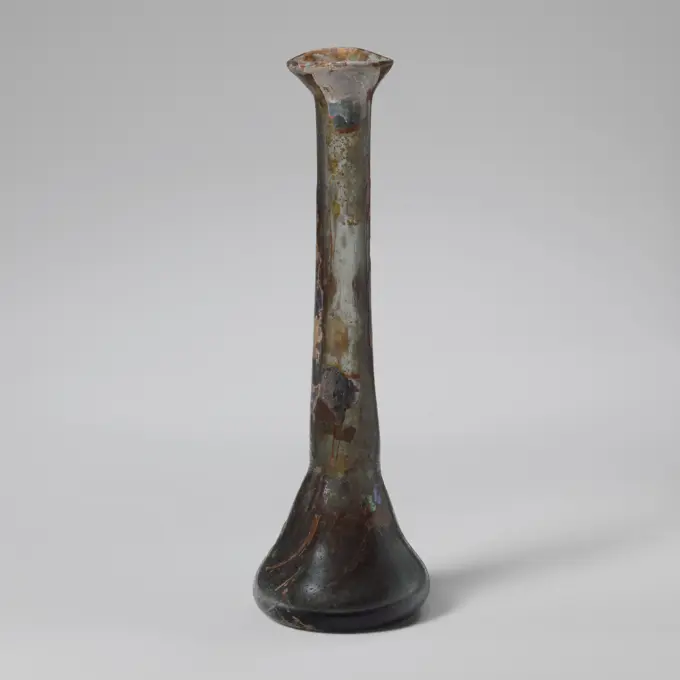
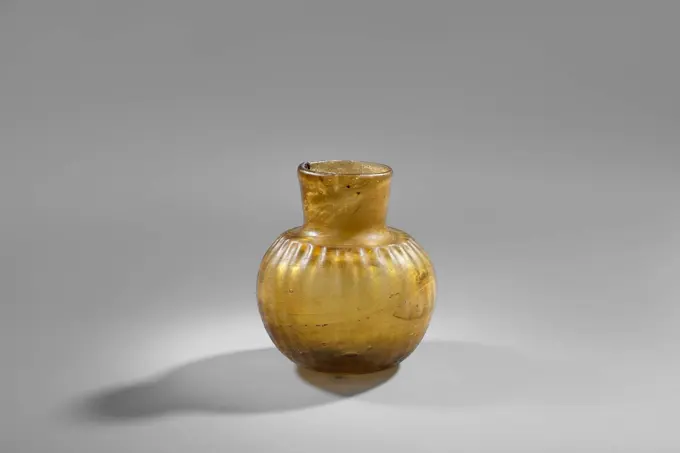
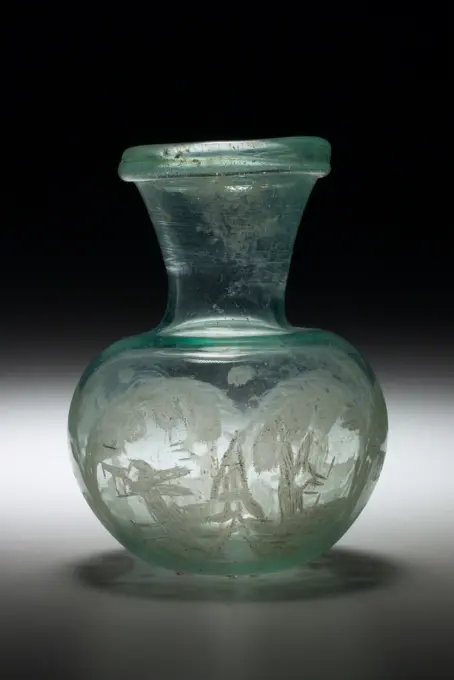
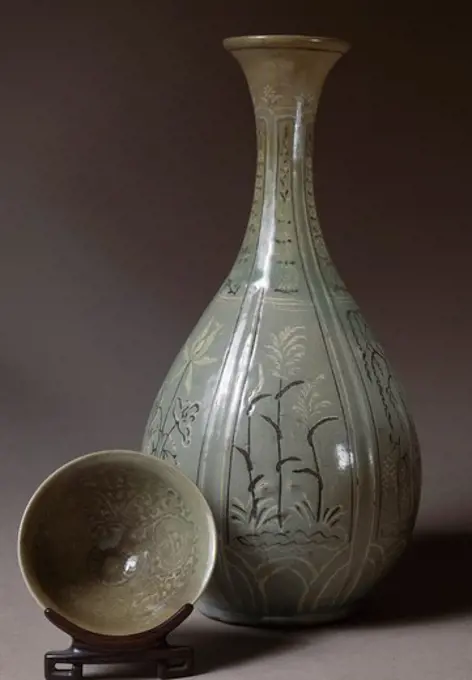
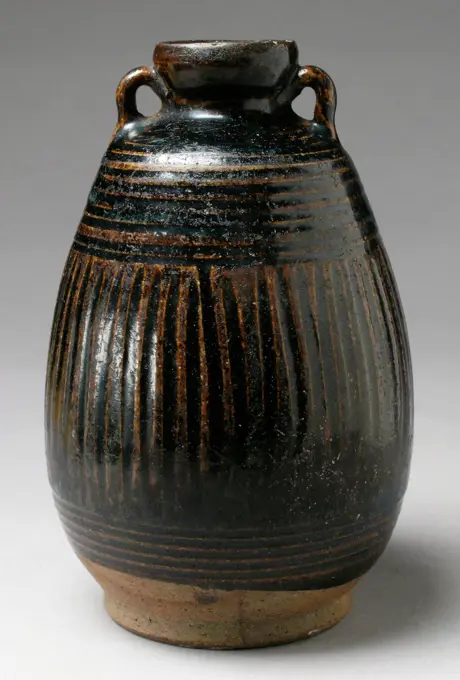
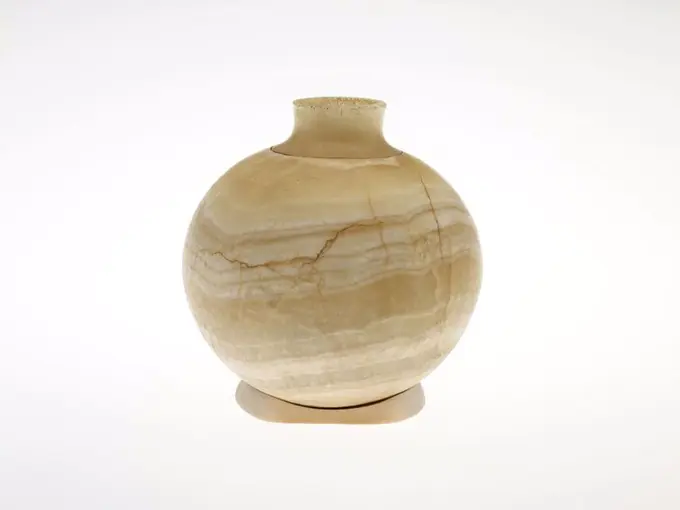
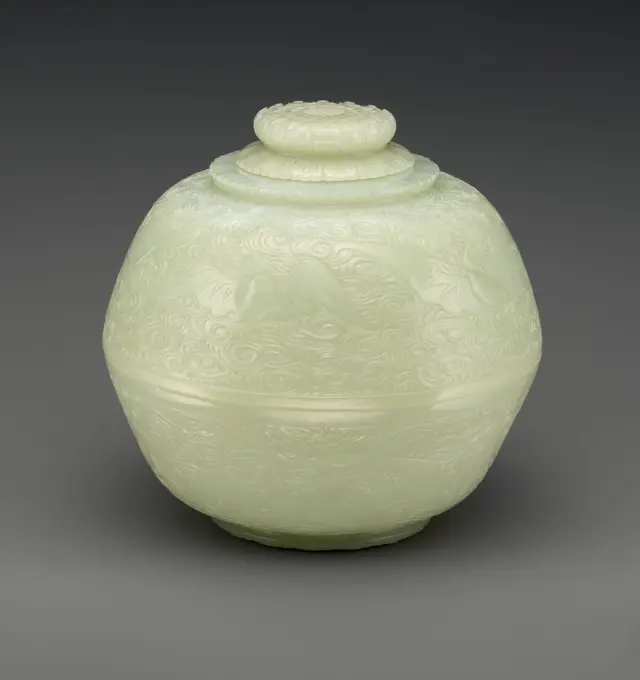
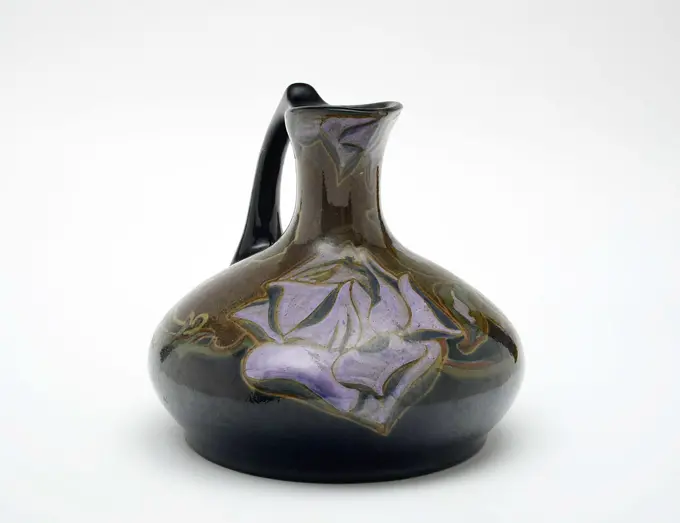
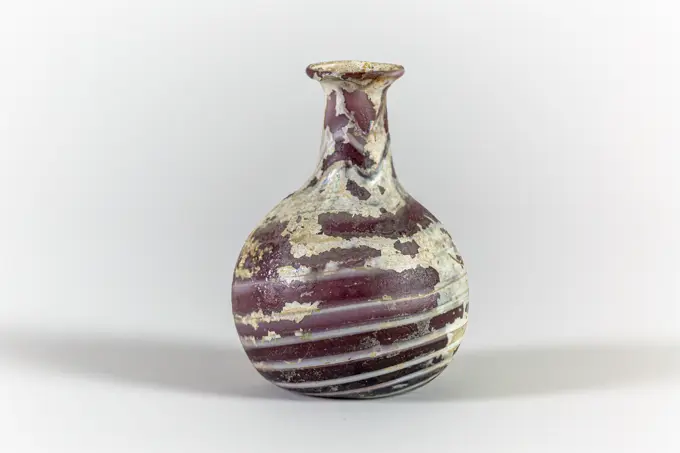
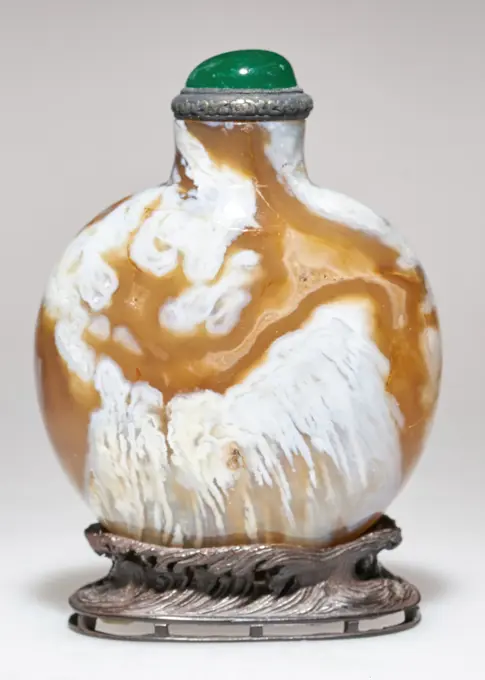
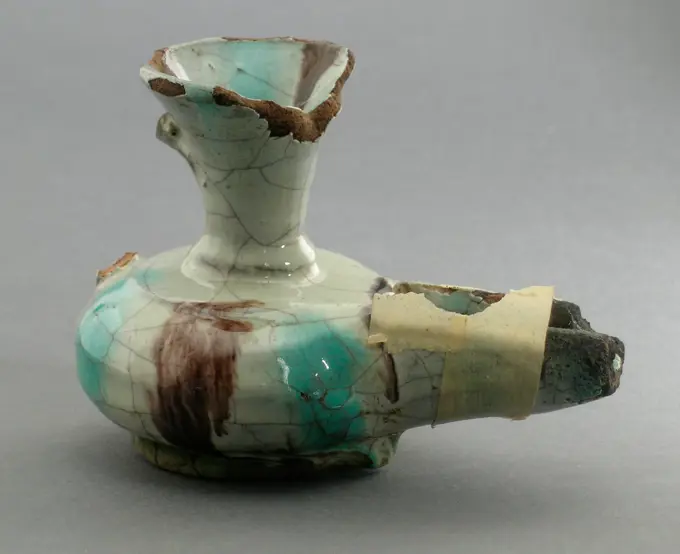
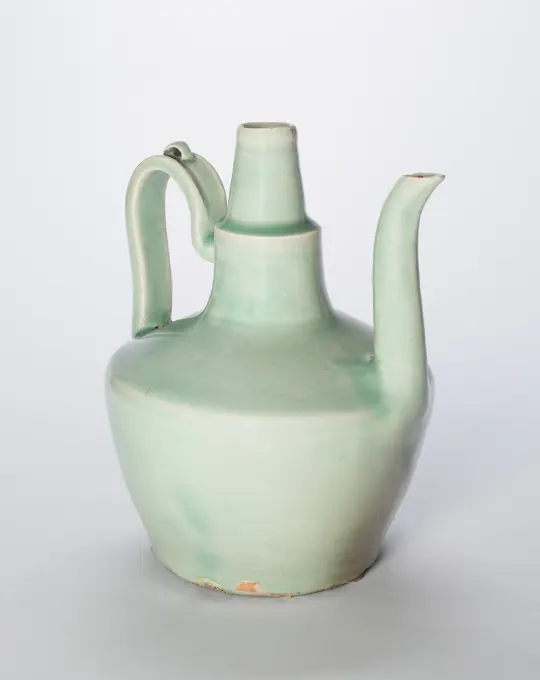
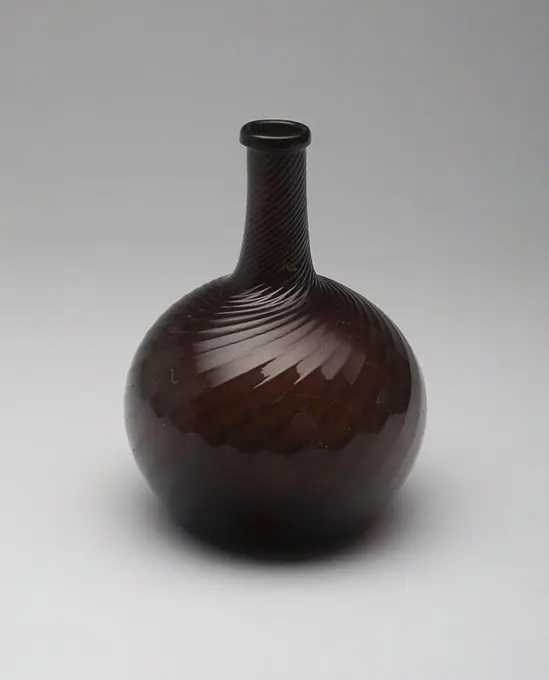
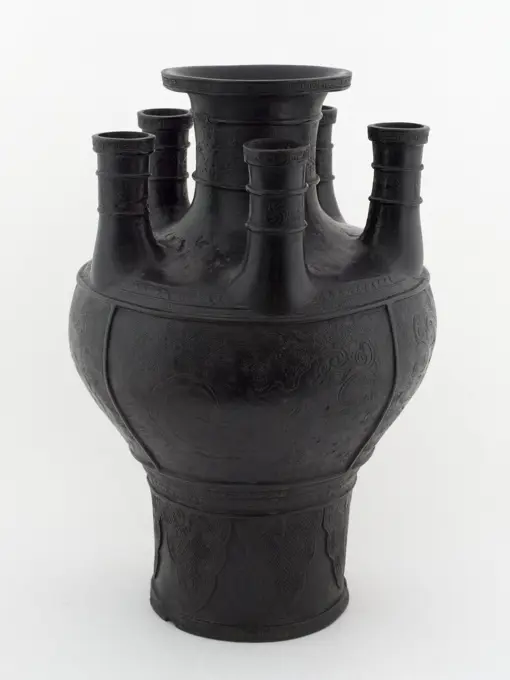
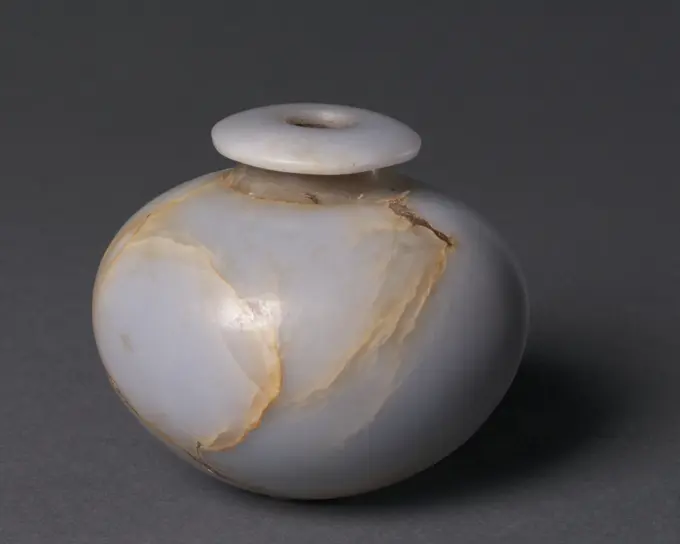
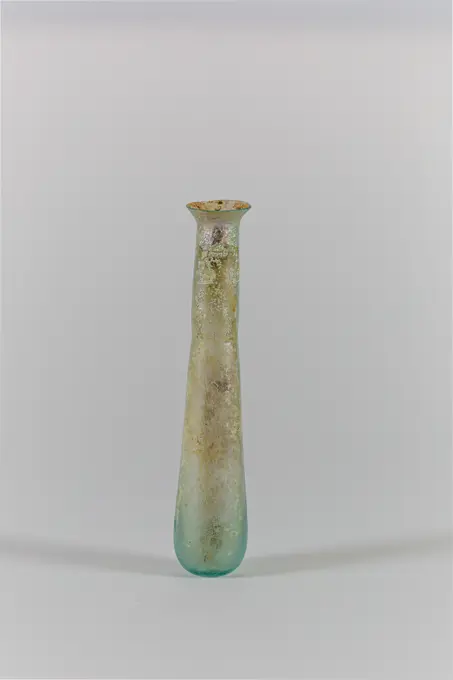
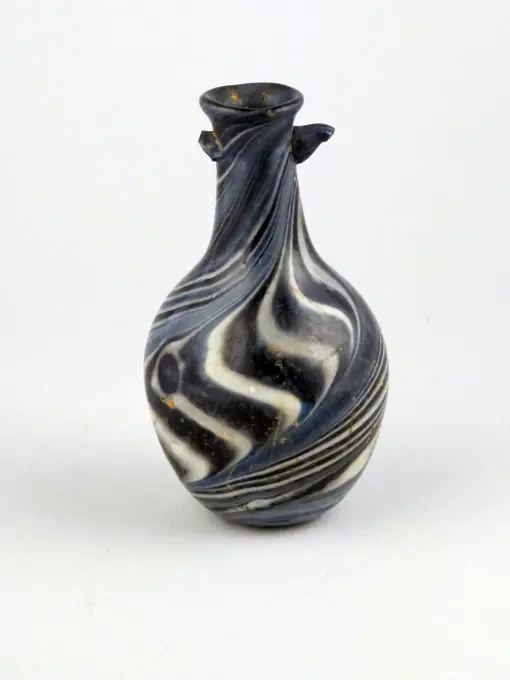
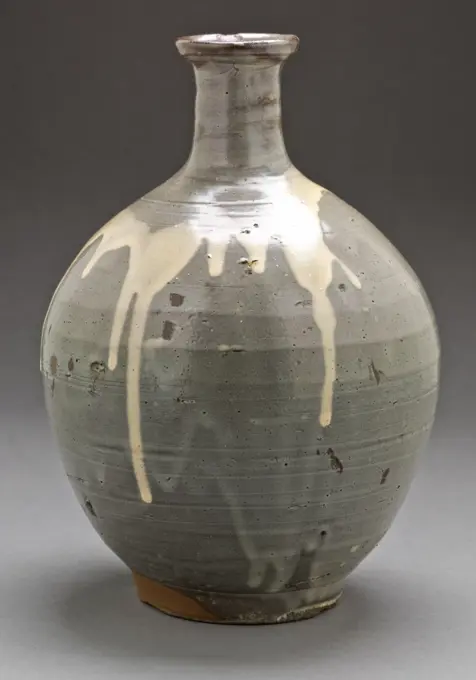
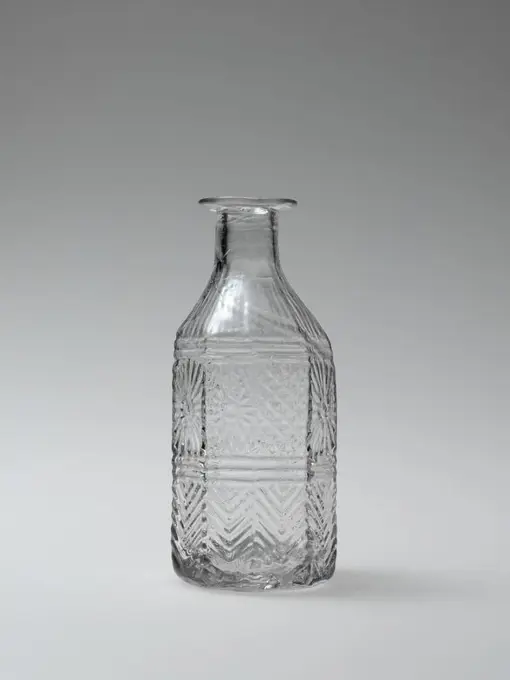
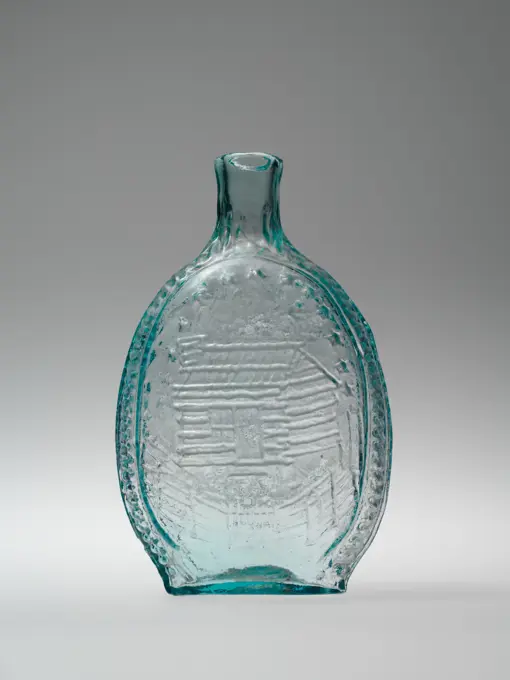
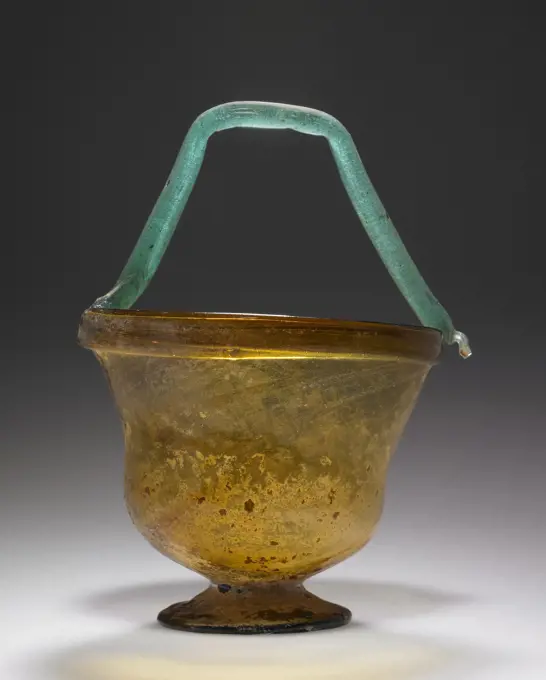
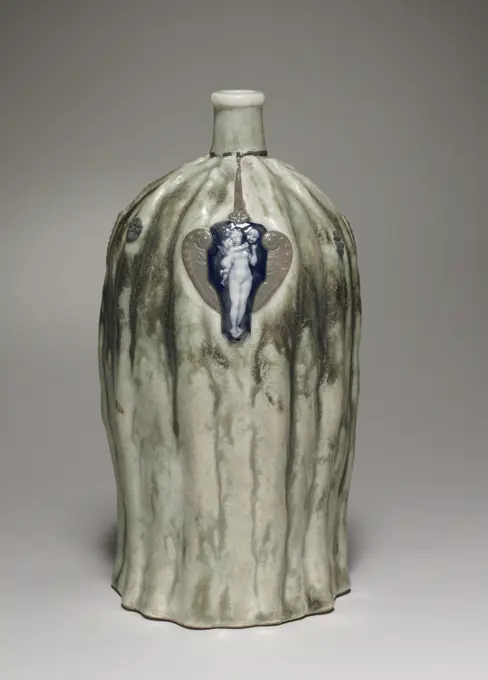
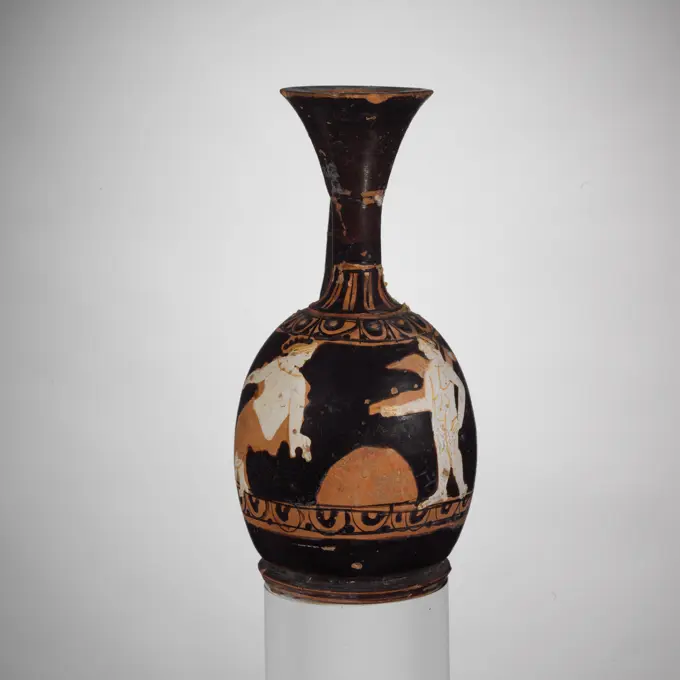
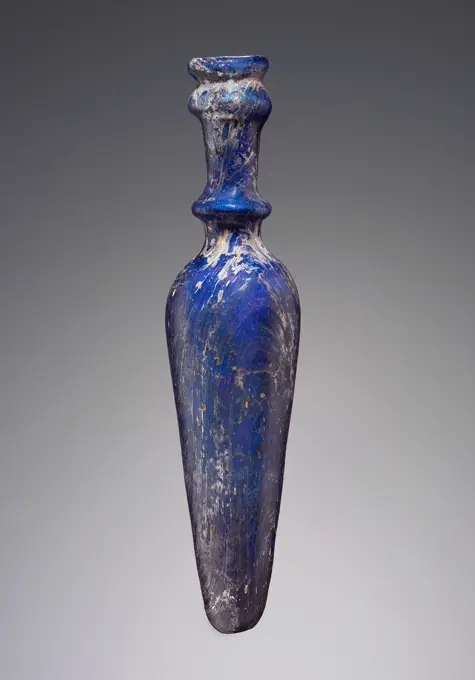
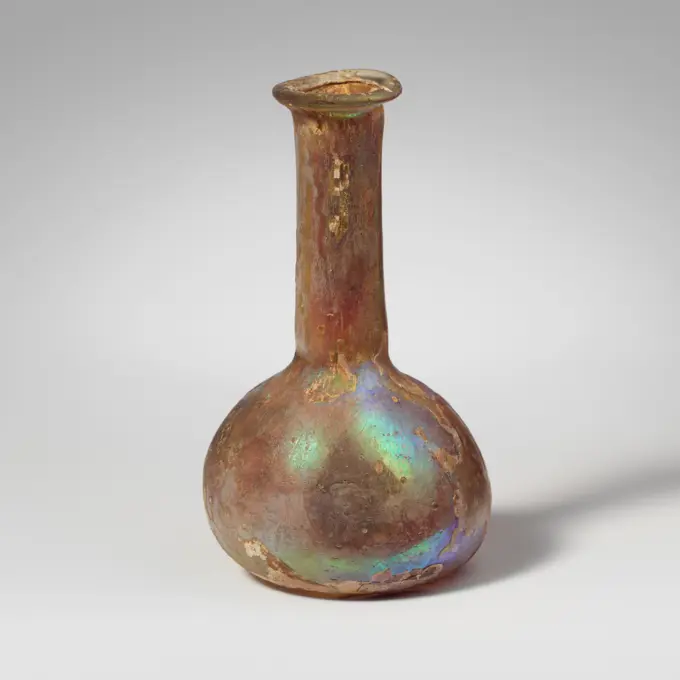
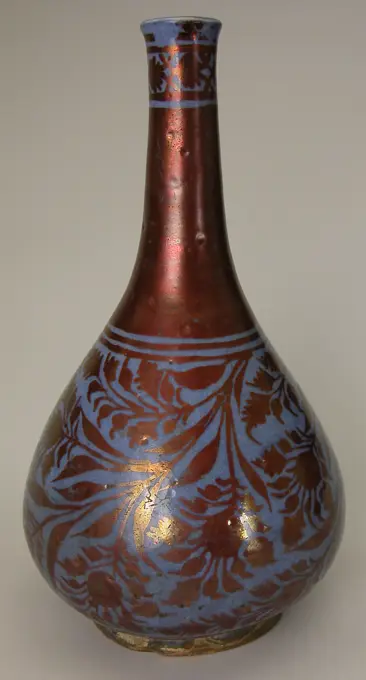
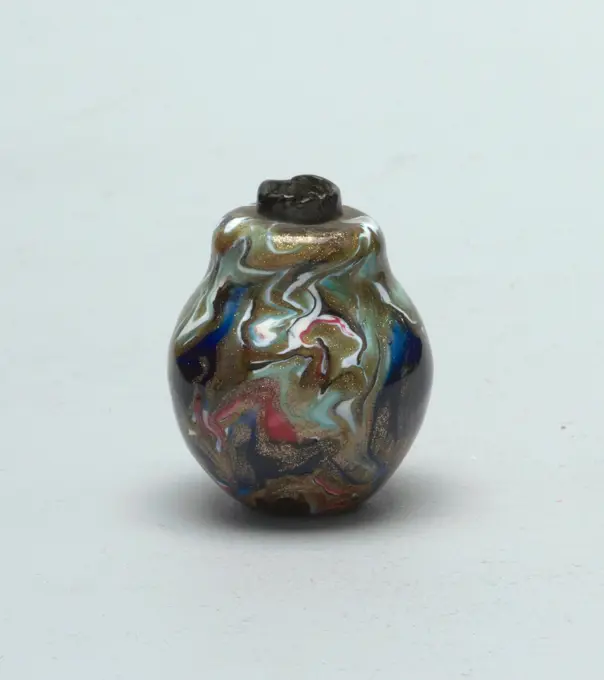
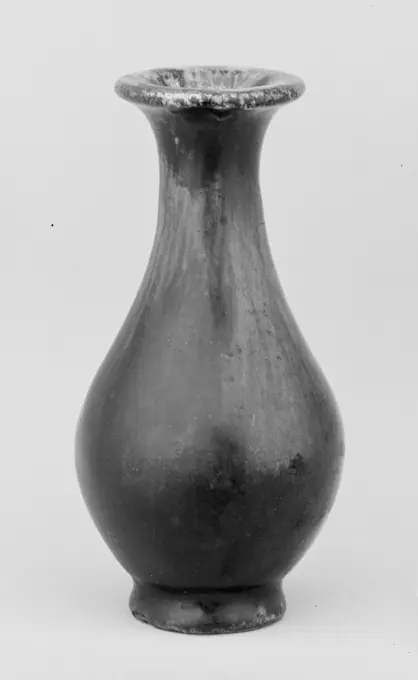
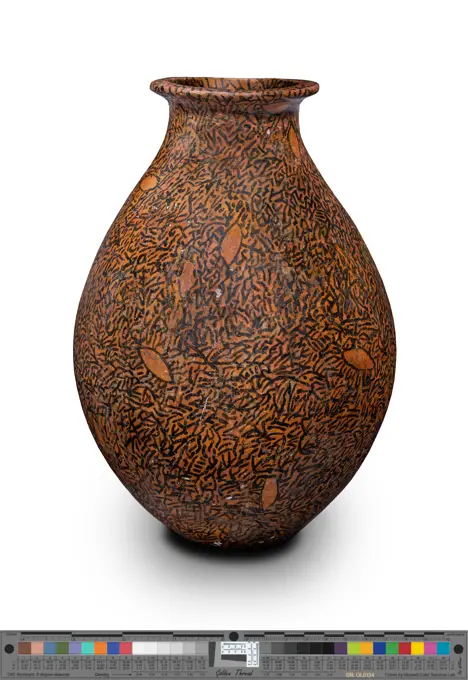
Bottle. Culture: China. Dimensions: H. 6 in. (15.2 cm). Date: first half of the 19th century. Museum: Metropolitan Museum of Art, New York, USA.Glass perfume bottle 1st century A.D. Roman Translucent cobalt blue.Uneven, everted rim, with rounded lip; slender, cylindrical neck, with tooled horizontal indent around base; piriform body; small, concave bottom.Intact; some pinprick bubbles; dulling and faint iridescence on exterior, patches of weathering on interior.. Glass perfume bottle. Roman. 1st century A.D.. Glass; blown. Early Imperial. GlassCylindrical bottle, straight sided onion, belly bottle bottle holder soil find glass, free blown and shaped glass application Circular bottle in clear green glass straight sided onion. Pontil mark under raised bottom. Almost cylindrical body with large shards missing (are in bottle) to convex shoulders and rejuvenated (5.0 - 2.9 cm) neck with round sharp glass wire (small chip) and flattened lip archeology Rotterdam Old Plantation packing Soil discovery Old Plantation 1956 .Vase lei. Bronze. Chine. Par musée musée malée. Ring, Chinese art, bronze, lei vaseGlass perfume bottle 3rd century A.D. Roman Colorless with blue green tinge.Plain, rounded rim; flaring mouth; cylindrical neck, expanding downward and tooled in around base; elongated conical body with convex sides; flat bottom.Intact; some bubbles; dulling, with patches of pitting and iridescent weathering.. Glass perfume bottle 239640Bottle vase early 18th century China. Bottle vase 46930Vase. Culture: China. Dimensions: H. 9 1/2 in. (24.1 cm); W. 4 3/4 in. (12.1 cm); Diam. of rim: 1 1/2 in. (3.8 cm); Diam. of foot: 3 1/8 in. (7.9 cm). Museum: Metropolitan Museum of Art, New York, USA.Jar. Egypt, New Kingdom, 18th or 19th Dynasty (circa 1550 - 1196 BCE). Furnishings; Serviceware. CalciteSake Bottle. Japan, late 18th-19th century. Ceramics. Stoneware iron glaze and white slip trail, possibly Iwami wareGlass perfume bottle 1st century A.D. Roman Colorless with pale blue green tinge.Rim folded out, over, and in, with beveled upper surface; slightly flaring mouth; cylindrical neck, slightly tooled in around base; broad, ovoid body; small, slight concave bottom.Horizontal tooled indent around upper part of body.Intact; pinprick and a few larger bubbles; deep pitting and brilliant iridescent weathering on exterior, limy encrustation and creamy brown weathering on interior.. Glass perfume bottle 244678Snuff Bottle, 1875-1925, 2 3/4 x 1 7/8in. (7 x 4.8cm), Agate, glass, ChinaPocket Bottle. Culture: American. Dimensions: H. 5 1/4 in. (13.3 cm). Date: ca. 1820. Museum: Metropolitan Museum of Art, New York, USA.Vase, 1723-1735. China, Jiangxi province, Jingdezhen kilns, Qing dynasty (1644-1911), Yongzheng reign (1722-1735). Porcelain; overall: 20.4 cm (8 1/16 in.).Flower Vase, c. 1893-1914. Seifū Yohei III (Japanese, 1851-1914). Porecelain with green glaze; height: 35.5 cm (14 in.); diameter: 16.5 cm (6 1/2 in.).Vase first half of the 19th century China. Vase 45915Butelka, na spodzie sygnatura "FRON". warsztat Frontinusa, Galia, workshopBottle. Roman; Levant or Syria. Date: 101 AD-400 AD. Dimensions: H. 7.6 cm (3 in.); diam. 8.6 cm (3 3/8 in.). Glass, blown technique. Origin: Syria. Museum: The Chicago Art Institute, Chicago, USA. Author: ANCIENT ROMAN.Vase. Bronze. Chine. Par musée musée malée. 70003-19 Handle, Chinese art, bronze, extended shape, decorative motif, animal head, vaseVase. Iran, Sasanian period (225-650 A.D.). Furnishings; Accessories. High-tin bronzeBasket Amphoriskos. Workshop of the Floating Handles (Roman)Vase in the Shape of an Ancient Bronze Vessel 1700-1899 China. Celadon-glazed porcelain .Vase 1893 Designed by Louis Comfort Tiffany American. Vase 9396Two fragments of round-bellied bottle, belly bottle bottle holder soil find glass , free blown and shaped Two fragments of bottom and body of part of neck and lip of bellied bottle english onion in clear green glass. Pontil mark under raised (2.5 cm) bottom. Round body to convex shoulders in which fragment completely connects Rejuvenated (5-2,5cm) neck imposed all round sharp glass thread and flat lip missing half archeology packagingGlass jug 1st-2nd century A.D. Roman Translucent green with blue tinge; handle in same color.Collared rim, folded over, down, round, and up, with a slight flaring outer lip, pressed back onto top of mouth in front of handle; cylindrical neck, expanding slightly downwards, with tooling indent at base around top of body; squat globular body; thick, pushed-in bottom, forming high dome on interior, with central pontil scar; broad, 3-ribbed handle applied to upper body, drawn up vertically, then turned in horizontally and trailed on to underside of rim and top half of neck.Complete but one crack in rim and inside of mouth; pinprick and larger bubbles, with many bubbles and some black impurities in handle; slight encrustation and weathering on exterior, patches of encrustation and iridescent weathering on interior.. Glass jug. Roman. 1st-2nd century A.D.. Glass; blown. Early to Mid Imperial. GlassGlass perfume bottle 2nd-3rd century A.D. Roman Colorless with blue green tinge.Rim folded out, over, and in, flattened on top and into sides of mouth; cylindrical neck, tapering downwards; bulbous body, expanding downwards; flat bottom.Brokwn on body with large hole in side; bubbles and blowing striations; deep pitting and brilliant iridescence, with small patches of thick creamy weathering.. Glass perfume bottle 244625Bottle Vase, 1662-1722. China, Qing dynasty (1644-1911), Kangxi reign (1662-1722). Porcelain; overall: 43.8 cm (17 1/4 in.).VaseBottle with spherical body. Deeply inserted soul, narrowing spherical body through rounded shoulders passing into a highly tapered neck.Jar with Lid. India, Gujarat, Kapadwanj, circa 1750-1800. Furnishings; Serviceware. Peacock blue glassGlass flask 4th-6th century A.D. Roman, Syrian Translucent pale green; trails and pontil pad in translucent turquoise blue.Slightly thickened, rounded, vertical rim; slender funnel-shaped neck; elongated piriform body; splayed, tubular foot, made by folding; small, convex bottom with central hollow containing pontil pad; four handles applied as long vertical trails, evenly spaced around body, drawn up to top of body, then tooled out into three vertical loops, and trailed off on neck towards rim.On neck, single trail applied as a round pad below rim and wound round in an irregular spiral ten times; handles applied over spiral trail, with long trails decorated with tooled notches.Intact; few bubbles; dulling, soil encrusted root marks covering body, and patches of iridescent weathering on handles.. Glass flask 256745Vase de Cerny, from the Hôtel Guimard, Paris, France Vase; Designed by Hector Guimard ((French, 1867-1942)); Manufactured by Sèvres Porcelain Manufactory (France); France; stonewareFlask. UnknownSake Bottle in the Form of a Tea Whisk. Japan, Edo period, 1615-1868, 18th century. Ceramics. Tsuboya ware; stoneware with brown glazeBottle. Culture: China. Dimensions: H. 13 1/2 in. (34.3 cm). Museum: Metropolitan Museum of Art, New York, USA.Glass perfume bottle. Culture: Roman. Dimensions: 4 15/16in. (12.5cm)Other: 2 1/16 in. (5.2 cm)Diam. of rim: 15/16 in. (2.4 cm). Date: 1st century A.D..Colorless with green tinge.Rim folded out, over, and in; flaring mouth; cylindrical neck expanding downward, with slight tooling around base; elongated piriform body with convex sides; concave bottom.Intact; many bubbles; deep weathering and pitting; brilliant iridescence. Museum: Metropolitan Museum of Art, New York, USA.Vase ca. 1885-89 Chelsea Keramic Art Works Steeped in ceramics from birth, Hugh C. Robertson pursued his craft with fierce devotion and a passion for experimentation. From a family of trained English ceramists, he honed his skills in New Jersey before settling in Massachusetts as one of the founders of Chelsea Keramic Art Works and later, Dedham Pottery. Robertsons lifelong explorations in glazes, particularly their color and texture, make him one of the key figures of American art pottery at the turn of the twentieth century.During the 1880s Robertson increasingly turned his attention to developing new glaze formulas and clay bodies. In the middle of the decade he became obsessed with the highly coveted yet elusive sang-de-boeuf, or oxblood, glaze, a quest that became the hallmark of his later career. This richly colored blood-red glaze is traditionally created from a copper-based formula and fired in a kiln, which when wet straw and other materials are introduced, deprives the atmosDepression bottle. Gallo-Roman time. Blown glass. Paris, Carnavalet museum. Depression bottle, Gallo-Roman, Gallo-Roman time, container, breath, archeological vestigeJean Carriès (1855-1894). "Gourd". Enameled sandstone. Museum of Fine Arts of the City of Paris, Petit Palais. 24201-19 Ceramic, gourd, gres emailleJar with lion-head ornaments 18th century China. Jar with lion-head ornaments. China. 18th century. Porcelain with crackled green glaze (Jingdezhen ware), gilt bronze mounts. Qing dynasty (1644-1911). CeramicsSnuff Bottle, 1644-1911. China, Qing dynasty (1644-1911). Glass; overall: 5.4 cm (2 1/8 in.).Glass perfume bottle 1st century A.D. Roman Translucent purple.Thin, everted rim; slender cylindrical neck, with slightly bulging profile and tooled indent around base; horizontal shoulder, with rounded edge; carinated body, with side to long, upper body tapering downward and lower side curving in sharply; concave bottom.Body intact, but half of rim missing, with weathered edges; some bubbles; severe pitting and brilliant iridescence.. Glass perfume bottle. Roman. 1st century A.D.. Glass; blown. Early Imperial. GlassBottle; unknown eastern workshop; III-IV century (201-00-00-400-00-00);Pear-shaped bottle with a dark brown glaze, anonymous, c. 1850 - c. 1899 Pear -shaped vase of porcelain, covered with a monochrome dark brown glaze. White glazed within the foot ring; marked on the underside with the six-character brand of Emperor Kangxi in a double circle. Monochrome. China porcelain. glaze. cobalt (mineral) painting / vitrification Pear -shaped vase of porcelain, covered with a monochrome dark brown glaze. White glazed within the foot ring; marked on the underside with the six-character brand of Emperor Kangxi in a double circle. Monochrome. China porcelain. glaze. cobalt (mineral) painting / vitrificationVase with Peonies and Five Spouts, 900s-1000s. China, Zhejiang province, Hangzhou, Southern Song dynasty (1127-1279). Green-glazed porcelaneous stoneware with incised decoration, Yue ware; diameter: 16.2 cm (6 3/8 in.); overall: 26.4 cm (10 3/8 in.).Glass perfume bottle 2nd-3rd century A.D. Roman Translucent blue green.Uneven rounded rim; flaring mouth; long, cylindrical neck, expanding downward and tooled in around base; squat, conical body; slightly concave bottom. Thick, heavy glass, especially on bottom.Intact; pinprick bubbles; patches of pitting and iridescent weathering.. Glass perfume bottle 239645Bottle. unknown, craftsmanBottle with Animals andPlantsAryballos Shaped LekythosCeladon vase decorated with an inlay and a tea cup showing stylized peonies (flower) decoration in northern celadon, China. Chinese Civilisation, Yuan Dynasty, 13th century.Bottle with Two Shoulder Lugs. Thailand, Sawankhalok, circa 1400-1600. Furnishings; Accessories. Wheel-thrown stoneware with cream slip, incised and applied decoration, and brown glazeVessel. Egyptian. Date: 3050 BC-2630 BC. Dimensions: 10.1 × 8.9 × 8.9 cm (4 × 3 1/2 × 3 1/2 in.). Alabaster. Origin: Egypt. Museum: The Chicago Art Institute, Chicago, USA. Author: Ancient Egyptian.Bowl and cover China. Bowl and cover. China. Nephrite, white with very light greenish tint. Qing dynasty (1644-1911), Qianlong period (1736-95). JadeBottle; unknown eastern workshop; I-II century (1-00-00-200-00-00);Jug. Gift 1961 from the estate of Mrs. Lorenzen, HamburgPheasant-Head Ewer, 10th-11th century, 13 1/8 x 6 7/8 in. (33.34 x 17.46 cm), Guangzhou ware Porcelaneous stoneware with clear glaze over modeled and carved decor, China, 10th-11th century, Tall vases with rilled necks and simple phoenix heads positioned under a flared mouth have been excavated from Liao territory in north China. This type, however, with its relatively strong modeling, long neck, and squat ewer form is associated with Guangdong province in extreme south China. The hard bodied, creamy-white glazed ware often incorporated incised or modeled ornamentation of an exotic bird. The unperforated beak of the bird does not act as a spout, suggesting that the vessel may have functioned as a vase rather than a ewer or possibly it was intended only as a non-functional bural vessel simulating the shape of a ewer.Glass perfume bottle 1st century A.D. Roman Translucent purple, with opaque white trails.Rounded and partially folded rim; flaring mouth; cylindrical neck, expanding downwards; globular body; concave bottom.Striped mosaic pattern of applied double trail wound round in a spiral on a purple ground.Intact; pitting, dulling, iridescence, and whitish weathering.. Glass perfume bottle. Roman. 1st century A.D.. Glass; blown and trailed. Early Imperial. GlassWaterlens, anonymous, c. 1700 - c. 1800 High, Concave base with stored edge, spherical body, transferred to a looped neck with a bent edge. Europe glass glassblowing High, Concave base with stored edge, spherical body, transferred to a looped neck with a bent edge. Europe glass glassblowingSnuff Bottle, 1850-1925, H.2-1/2 x W.2 in., Macaroni agate, glass, ChinaOil Lamp. Egypt, 12th century. Ceramics. Earthenware, glazedEwer 1100-1135 Korea. Celadon-glazed stoneware with gold repair .Bottle. Artist Unknown; Probably Ohio. Date: 1835-1845. Dimensions: 15.9 × 14 × 14 cm (6 1/4 × 5 1/2 × 5 1/2 in.). Pattern-molded blown glass. Origin: Midwest. Museum: The Chicago Art Institute, Chicago, USA.Bottle;  VIII-X century (701-00-00-1000-00-00);Semerau -Siemianowski, Władysław - collection, bottles, gift (provenance), art of IslamStirrup, Anonymous, 1775 - 1825 One of a few (cf.Mak 155b). Lacquer over metal with a decor of stylized waves, ships and aquatic plants in gold and silver. Japan metal. lacquer (coating) One of a few (cf.Mak 155b). Lacquer over metal with a decor of stylized waves, ships and aquatic plants in gold and silver. Japan metal. lacquer (coating)Vase. Bronze. Chine. Par musée musée malée. 70625-16 Chinese art, bronze, vaseCosmetic Vessel, c. 1980-1901 BC. Egypt, Middle Kingdom, Dynasty 12. Anhydrite; diameter: 7 cm (2 3/4 in.); overall: 6.8 cm (2 11/16 in.).Glass perfume bottle mid-1st-early 2nd century A.D. Roman Translucent light blue with green tinge.Flaring, uneven rim; cylindrical neck with tooled horizontal indent around base; tubular, conical body, 2/3 of total height, curving in to small, thick, flattened bottom.Intact; many bubbles and blowing striations; pitting, dulling, and iridescence on exterior, patches of soil encrustation and weathering on interior.. Glass perfume bottle. Roman. mid-1st-early 2nd century A.D.. Glass; blown. Imperial. GlassEwer probably 18th-19th century. Ewer 447075Glass mosaic perfume bottle early 1st century A.D. Roman Translucent cobalt blue, with marvered trails in opaque white; handles in same colors.Flaring, rounded rim; neck expanding downward to sloping shoulder; bulbous body with side tapering downward; small concave bottom; two handles applied to top of neck and drawn outward, with no trace of attachment on shoulder or body.Trails cover entire vessel with thick swirls on bottom and, on body, bands of fine parallel lines alternating with thick S-shaped trails; a large blue dot appears on one of the S-shaped trails.Cracked around bottom and lower body; most of both handles missing; pitting of surface bubbles, many surfaces scratches, and small areas of brown encrustation, especially around inside of neck.. Glass mosaic perfume bottle. Roman. early 1st century A.D.. Glass; blown and trailed. Early Imperial. GlassSake Bottle. Japan, Edo period (11615-1868), first half 18th century. Ceramics. Hizen ware, Takeo or Ureshino type; stoneware with white slip and iron glazeBottle. Culture: American. Dimensions: H. 4 1/16 in. (10.3 cm); Diam. 1 5/8 in. (4.1 cm). Maker: Probably Boston & Sandwich Glass Company (American, 1825-1888, Sandwich, Massachusetts). Date: 1825-40. Museum: Metropolitan Museum of Art, New York, USA.Terracotta squat lekythos (oil flask). Culture: Greek, Attic. Dimensions: H. 8 1/16 in. (20.5 cm). Date: 5th century B.C..No decoration. Museum: Metropolitan Museum of Art, New York, USA.. Flat foot. Funnel-shaped, slightly vaulted body, short neck with a cutting edge. Decoration with stripes and stains in brown and gray, irisering. Marked with the Diamant Leerdam Unica C J Lanoooy C 287.Piggy Bank' still bank, 20th century, 3 x 4 3/8 x 2 1/2 in. (7.62 x 11.11 x 6.35 cm), Glass, United States, 20th centuryPitcher. Byzantine; Eastern Mediterranean. Date: 401 AD-600 AD. Dimensions: 13.7 × 6.6 × 4.9 cm (5 3/8 × 2 5/8 × 1 7/8 in.). Glass, mold-blown technique. Origin: Syria. Museum: The Chicago Art Institute, Chicago, USA.Vase Josef Schreiber & NephewBottle China. Bottle 45998Vase China. Vase 48482Toilet Bottle. Boston and Sandwich Glass Factory (United States, Massachusetts, Sandwich, 1825-1888). United States, circa 1830s. Furnishings; Accessories. GlassFigured flask ca. 1840 American. Figured flask. American. ca. 1840. Blown-molded glass. Probably made in Pittsburgh, Pennsylvania, United StatesWater pipe base. unknown, craftsmanPendant, vase 4th-5th century Egyptian possibly. Pendant, vase 479635Glass jug. Culture: Roman. Dimensions: H.: 4 1/8 in. (10.5 cm)Diam.: 1 5/8 x 2 13/16 x 1 1/2 in. (4.1 x 7.1 x 3.8 cm). Date: 3rd-4th century A.D..Small jug.Translucent light blue green; handle, foot ring, and trail in same color.Uneven rim folded over and into flaring mouth; cylindrical neck, expanding downwards; biconical body; low, applied foot ring; flat bottom, with pontil scar; three-ribbed strap handle, attached to upper body with long downward claws, drawn up, round, and in, folded down and up, and attached to underside of mouth and edge of rim over trail, with projecting hollow loop.One thicker trail wound horizontally slightly more than once around underside of mouth, then wound nearly twice down in a spiral on top of neck.Complete, but crack extending from rim down mouth; many bubbles, some large and elongated, with streaky black impurities in rim and mouth; faint weathering and iridescence on exterior, patches of creamy brown weathering and brilliant iridescence on intBowl with Handle; Eastern Mediterranean; 3rd - 4th century; Glass; 16 x 11.5 cm (6 5,16 x 4 1,2 in.)TRONCONNIC CANNER bottle. Glass. II-III century. Paris, Carnavalet museum. 51542-3 Gallo-Roman time, bottle, Gallo-Roman, Trunconnical Cans, GlassVase, c. 1900. Sèvres Porcelain Factory (French, est. 1756), Taxile Maximin Doat (French, 1851-1939). Porcelain; overall: 24.6 x 13.4 cm (9 11/16 x 5 1/4 in.).Terracotta squat lekythos (oil jar) early 4th century B.C. Greek, Attic Seated woman and Eros on either side of a moundThe seated woman may be Aphrodite. The scene has been connected with rites celebrated for the goddess.. Terracotta squat lekythos (oil jar). Greek, Attic. early 4th century B.C.. Terracotta; red-figure. Late Classical. VasesCornflower Bead ca. 1390-1353 B.C. New Kingdom. Cornflower Bead. ca. 1390-1353 B.C.. Faience. New Kingdom. From Egypt, Upper Egypt, Thebes, Malqata, Palace of Amenhotep III, MMA excavations, 1910-11. Dynasty 18Decanter with Stopper. United States, 1815-1840. Furnishings; Serviceware. Mold-blown glassFlask. UnknownSmall vase. unknown, craftsmanGlass perfume bottle 2nd-3rd century A.D. Roman Colorless.Uneven, rounded rim, folded out, over, and in; cylindrical neck, expanding slightly near base, and tooling marks around base; squat, bulbous body; flat bottom with rounded edge.Intact; many bubbles and blowing striations; deep pitting and brilliant iridescent weathering.. Glass perfume bottle 239673. Inserted soul. Bol-shaped body, long slim neck with imposed ring around the neck. ON BOOD Calligraped inscription: Is it life at Den Dis, there is no wine and is On the bottom of the bottle: someone's tongue out of wine It must be written in the wine. Around the pulpilever signed: Willem van Heemskerk æs 75 3/4 A °. 1688.Bottle 1587-1628. Bottle 454766Toilet Bottle; glassGlass perfume bottle with opaque white trail. Culture: Roman. Dimensions: H.: 6 1/8 in. (15.6 cm). Date: 1st century A.D..Translucent cobalt blue; trail in opaque white.Outsplayed, rounded rim; short neck, joining imperceptibly with ovoid body, drawn out into a rounded, solid point.A single unmarvered trail applied at bottom and wound round in a spiral at least 32 times, ending on neck, fine on neck and body but thicker and in high relief around pointed bottom.Intact, except for large chip in rim with weathered edges, upper part of trail missing; pinprick bubbles and blowing striations; dulling, creamy white weathering, and iridescence. Museum: Metropolitan Museum of Art, New York, USA.Vase 17th century Japan. Vase. Japan. 17th century. Clay covered with a transparent glaze, splashed with green (Kyoto ware). Momoyama (1573-1615) or Edo period (1615-1868). CeramicsVase. Egypt, New Kingdom, 1550-1070 BCE. Furnishings; Accessories. Ceramic, gesso, pigmentsGlass lid Roman 1st-2nd century CE Translucent blue-green.Fire-polished, inverted rim, with thick, bulging fold above; concave shoulder; neck conical on lower half, cylindrical but expanding downwards on upper half; hollow knob at top, made by folding out, down, and in, forming beveled upper surface around small opening.Intact; some pinprick and large bubbles, and blowing striations; dulling, soil encrustation, and faint iridescent weathering.The lid must have belonged to a glass cinerary urn. Lids such as this with a perforated knob have also been described as libation funnels since examples have been found with the lid pointing down into the urn so that libations could be poured over the ashes of the deceased. View more. Glass lid. Roman. 1st-2nd century CE. Glass; blown. Imperial. GlassVase (USA); Produced by Tiffany Glass and Decorating Company; Design Director: Louis Comfort Tiffany (American, 1848-1933); glass; Overall: 17.6 x 11.3 cm (6 15/16 x 4 7/16 in.)Can with painting Clematis Jackmanni, company Wed. N.S.A. Brantjes and Co., 1895 - 1904 Can in the form of a vase with wide and flattened body and long neck and large handle. Polychrome painting with Clematis Jackmanni. Dark purple and brown ornaments and brown band along the foot edge on the neck. Purmerend earthenware Can in the form of a vase with wide and flattened body and long neck and large handle. Polychrome painting with Clematis Jackmanni. Dark purple and brown ornaments and brown band along the foot edge on the neck. Purmerend earthenware