Antique Glass and Bronze Vases

An assortment of distinctive vases made from glass and bronze, featuring intricate designs and various historical styles, showcasing rich colors and textures.
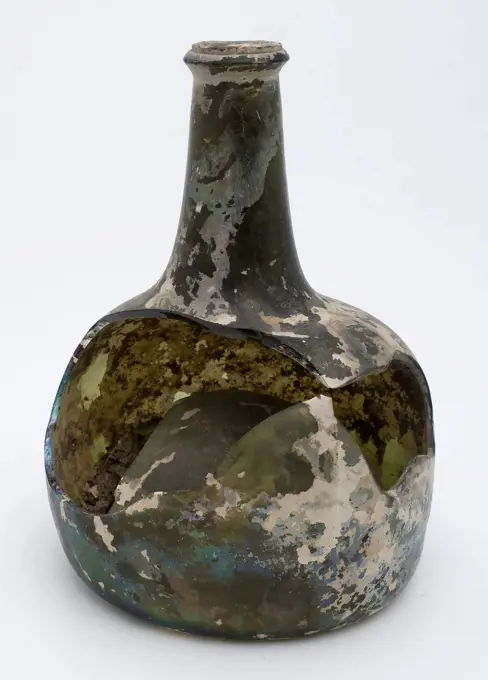
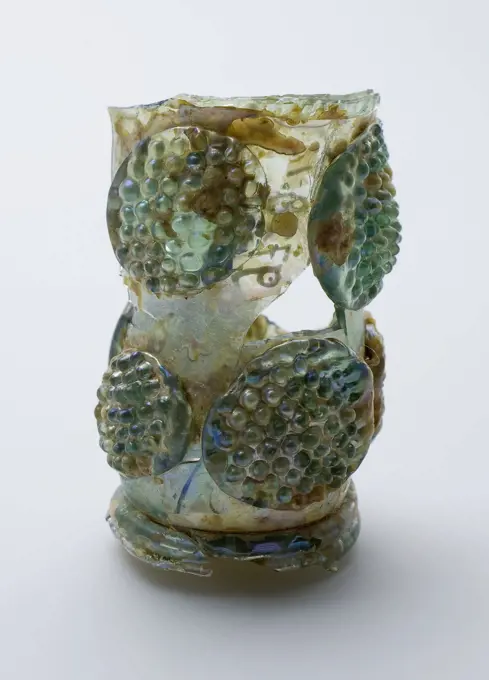
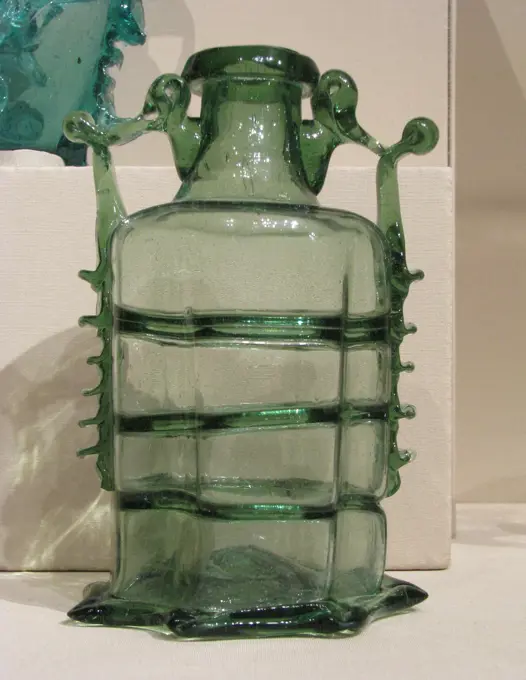
Cylindrical bottle, straight sided onion, belly bottle bottle holder soil find glass, free blown and shaped glass application Circular bottle in clear green glass straight sided onion. Pontil mark under raised bottom. Almost cylindrical body with large shards missing (are in bottle) to convex shoulders and rejuvenated (5.0 - 2.9 cm) neck with round sharp glass wire (small chip) and flattened lip archeology Rotterdam Old Plantation packing Soil discovery Old Plantation 1956 .
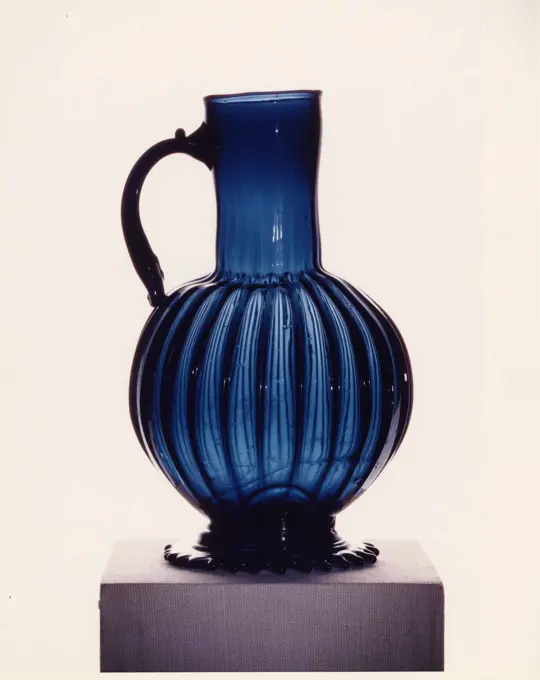
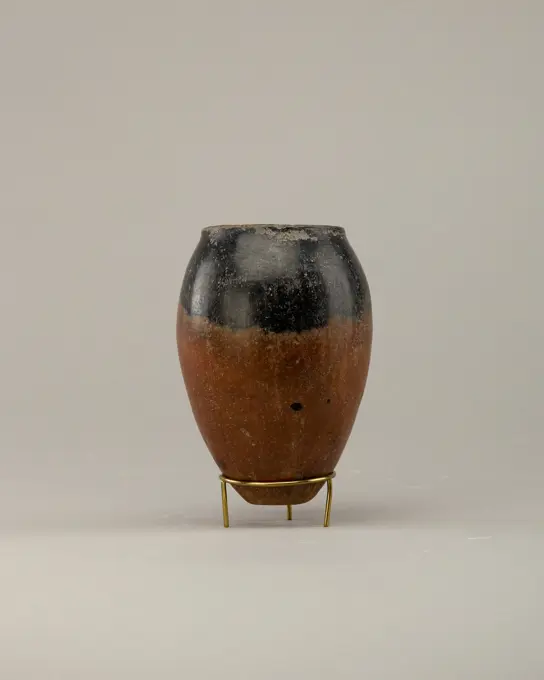
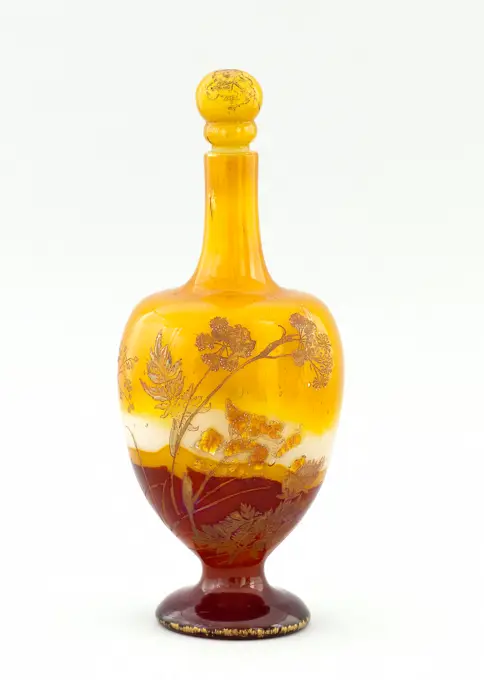
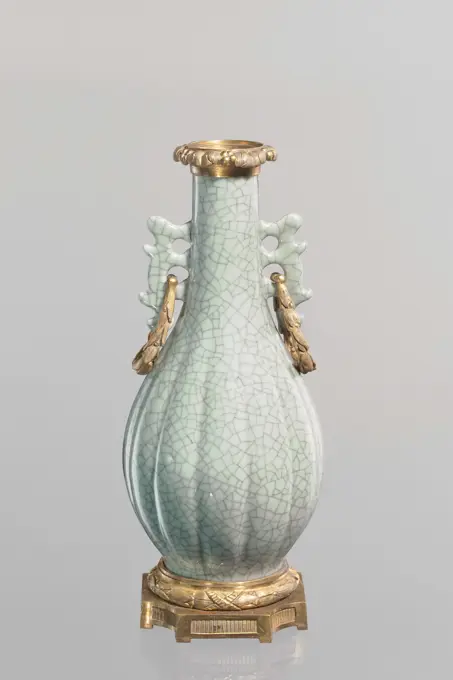
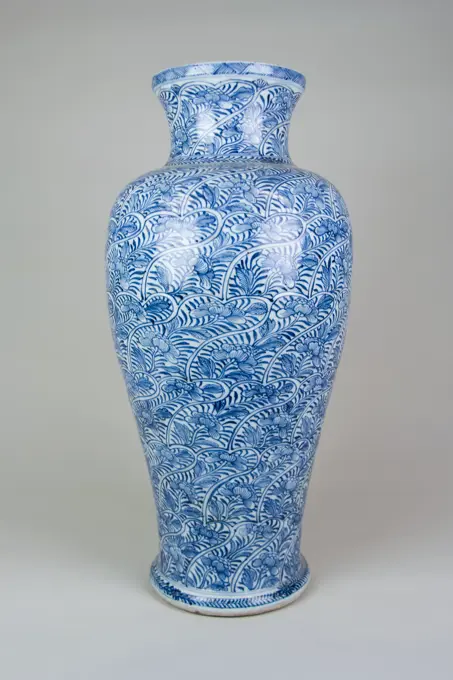
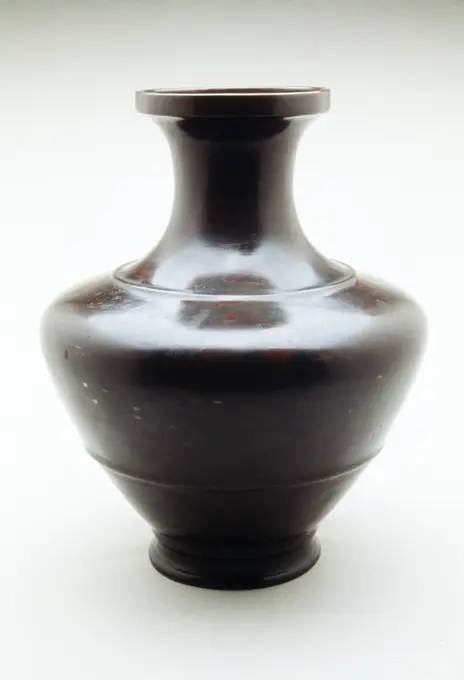
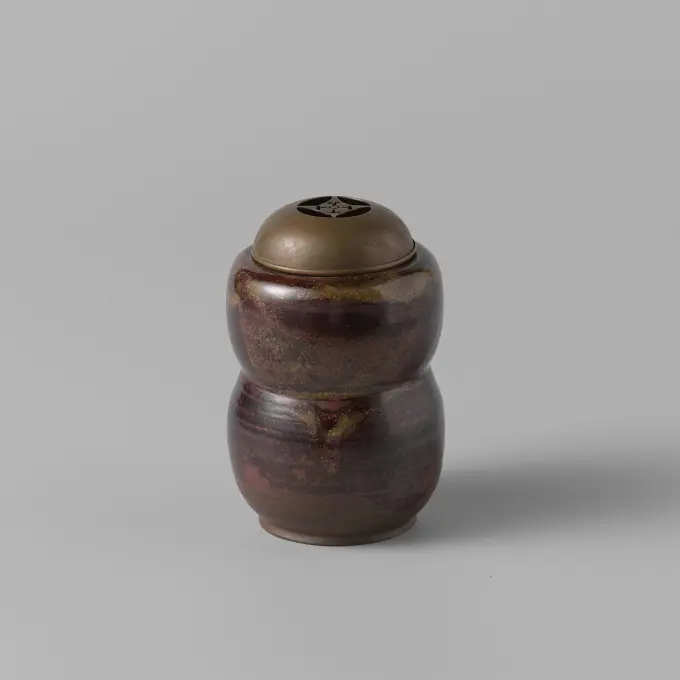
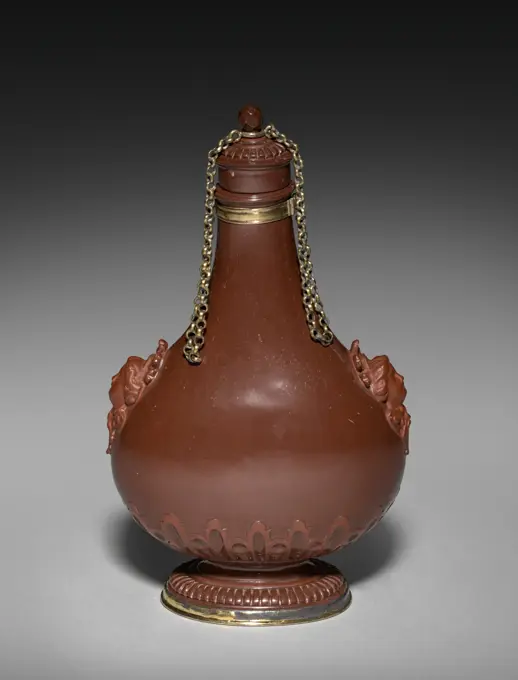
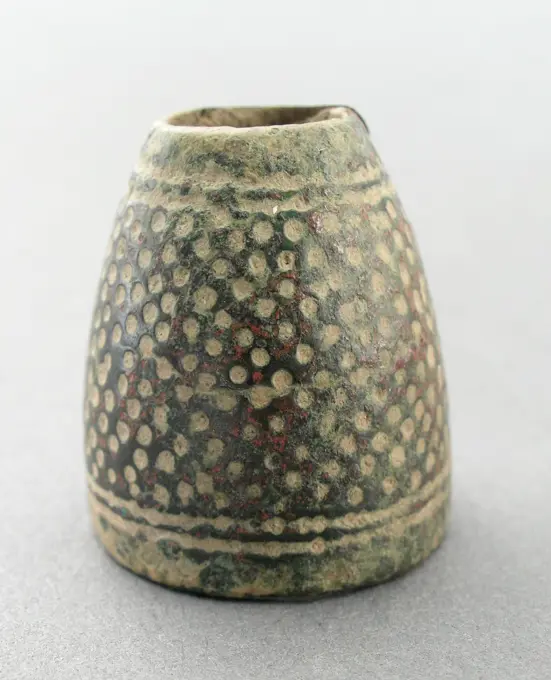
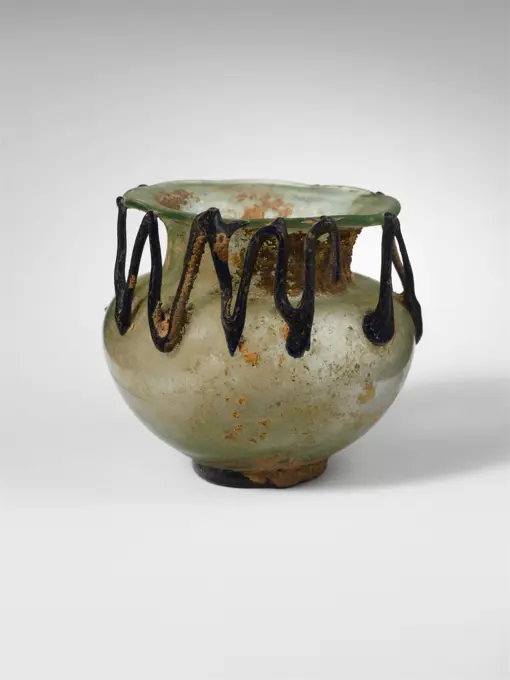
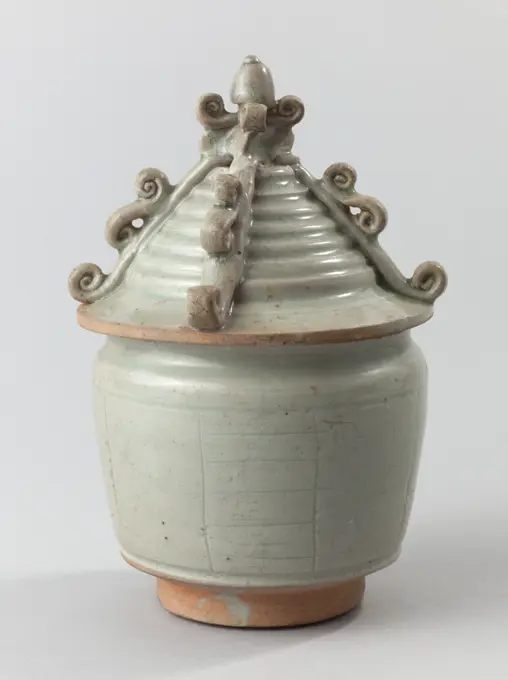
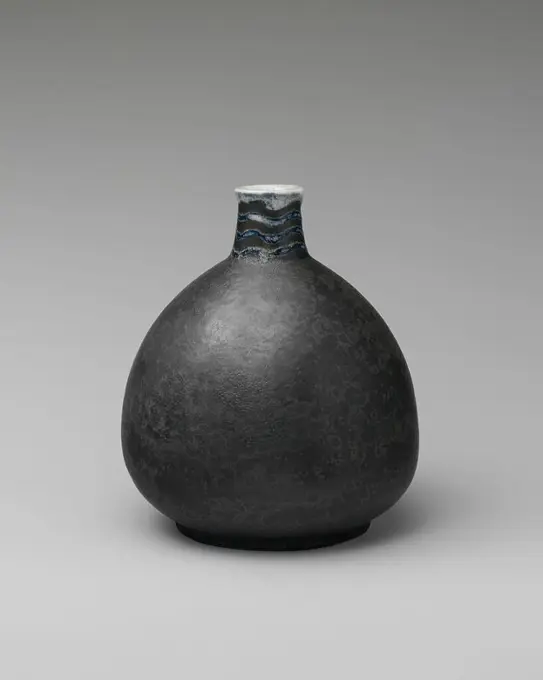
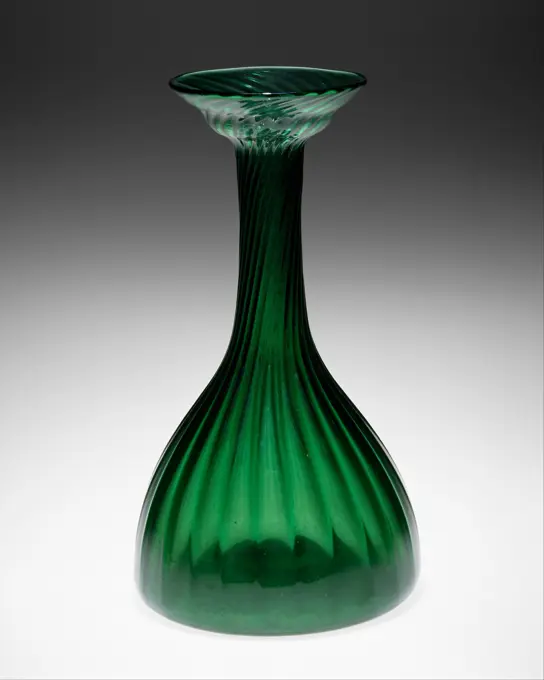
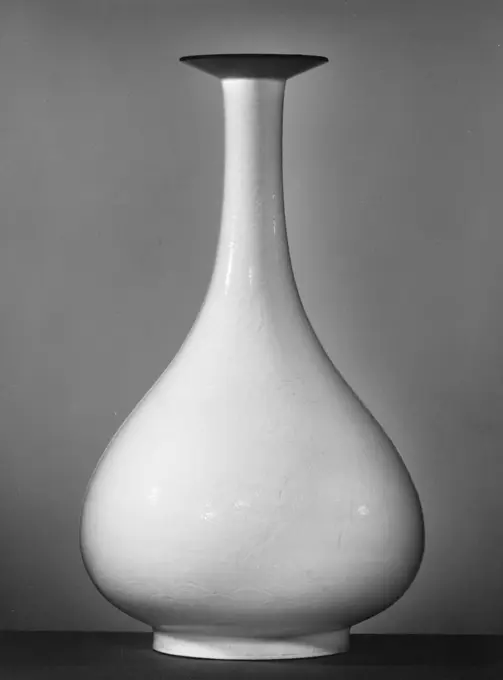
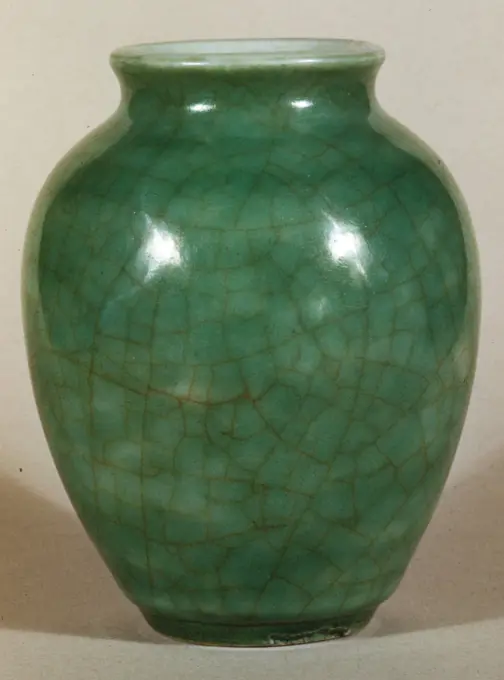
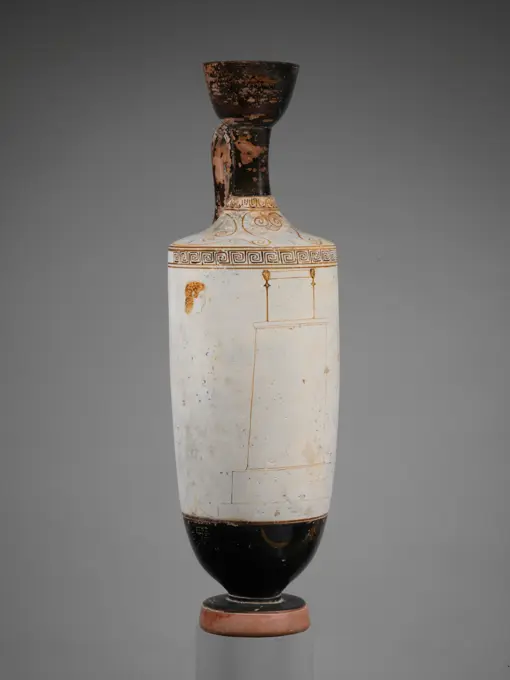
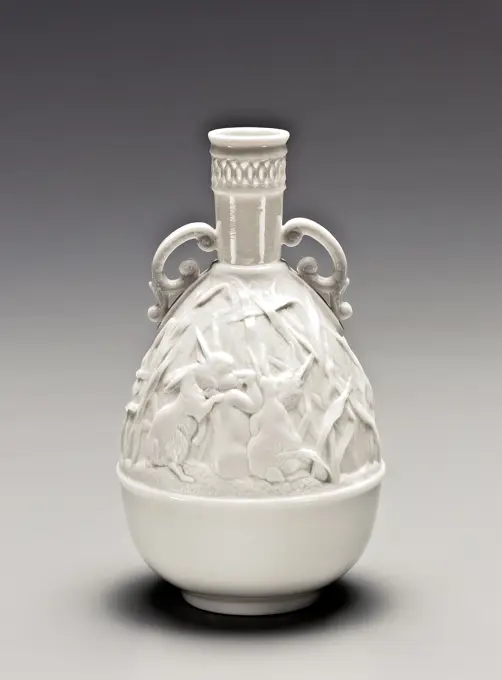
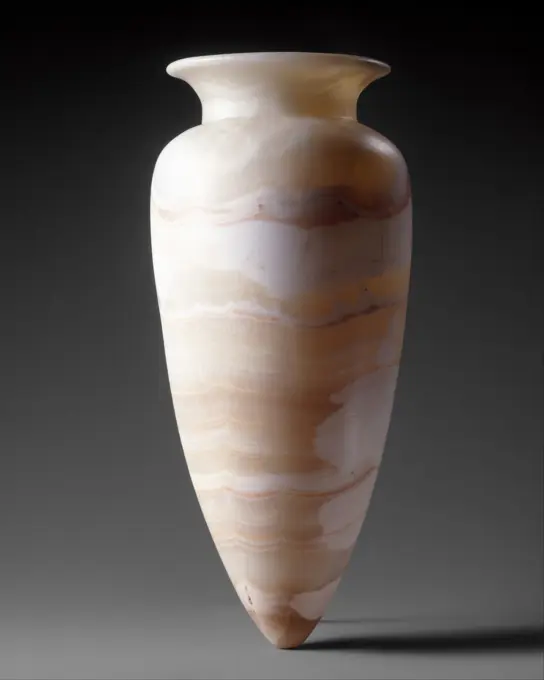
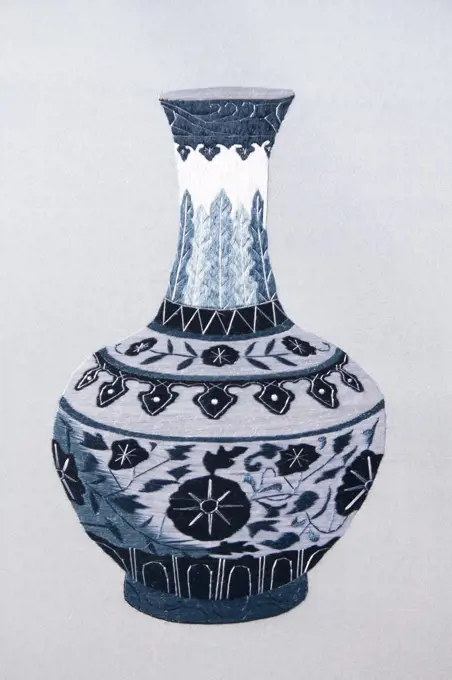
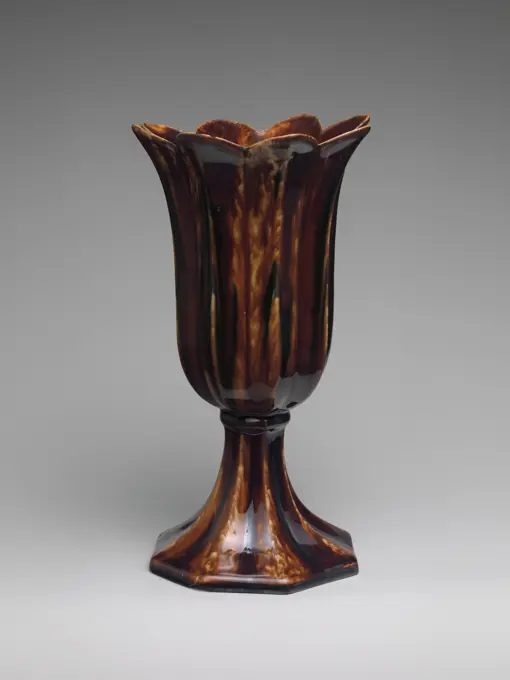
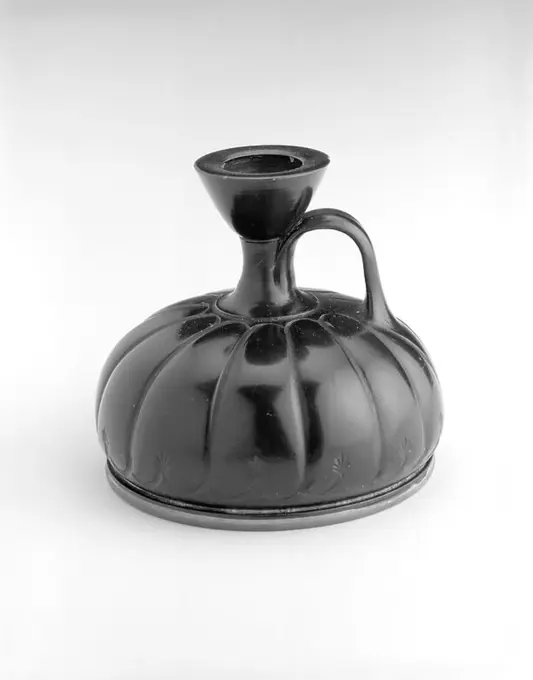
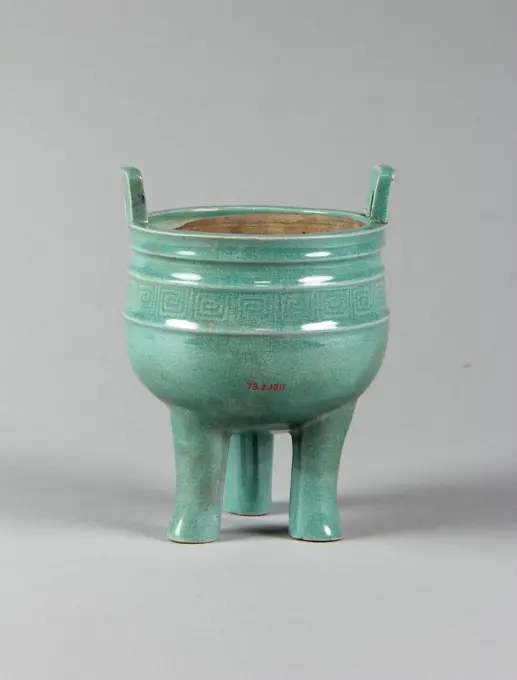
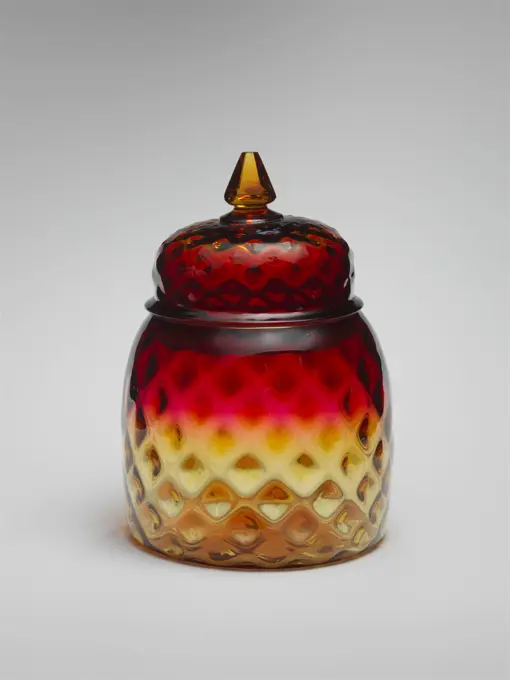
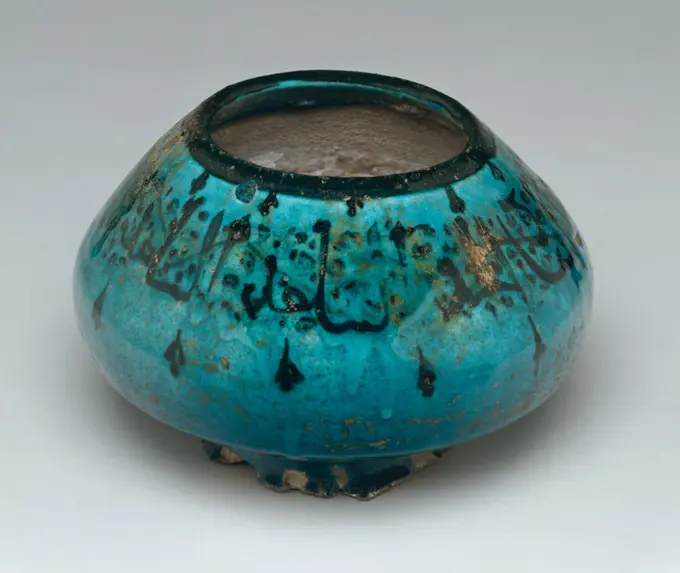
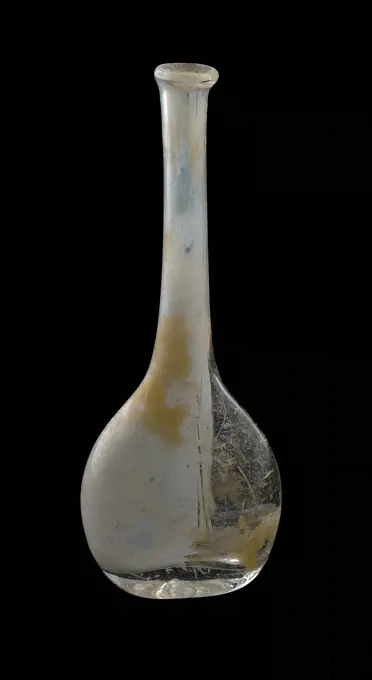
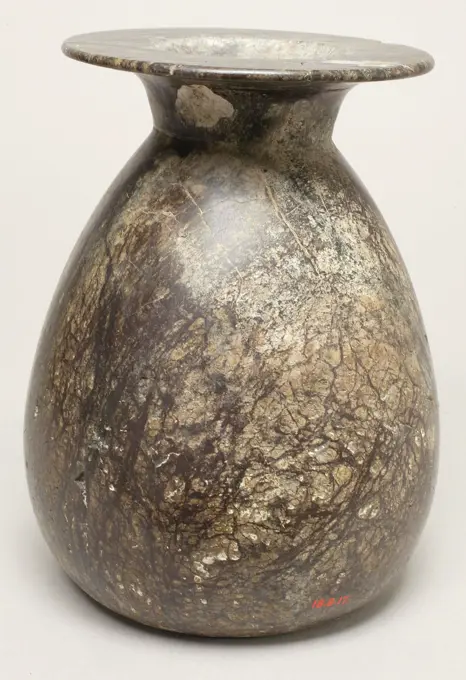
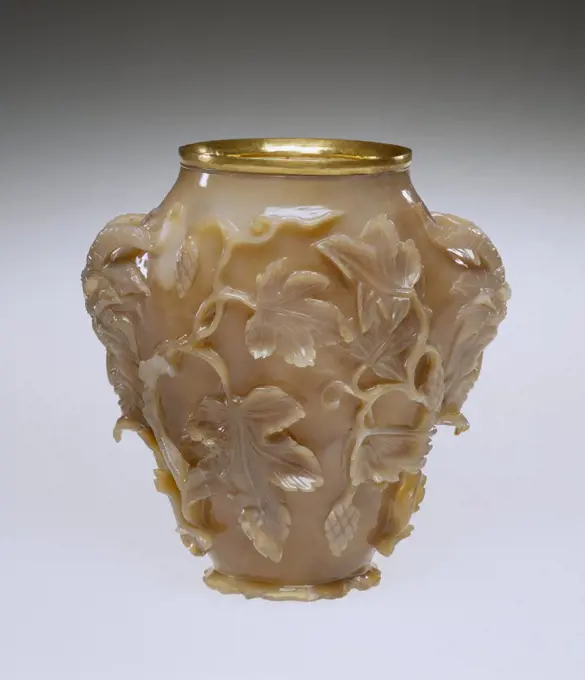
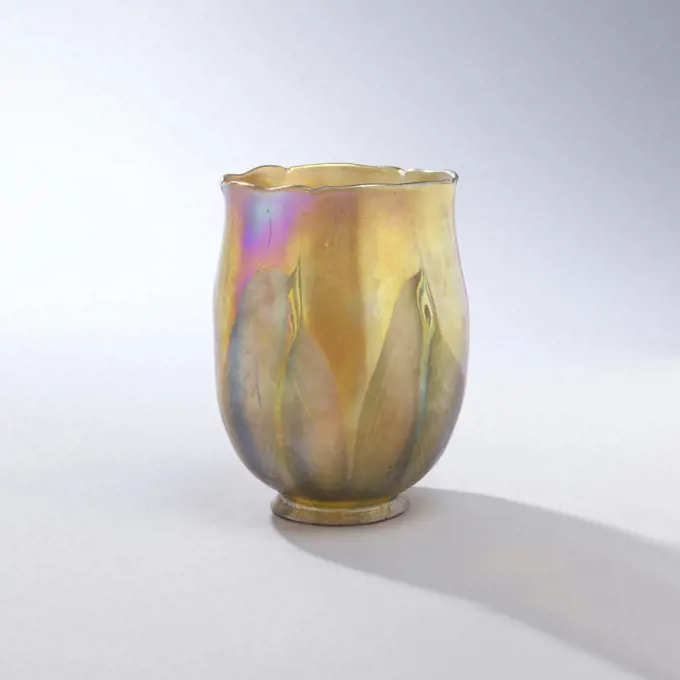
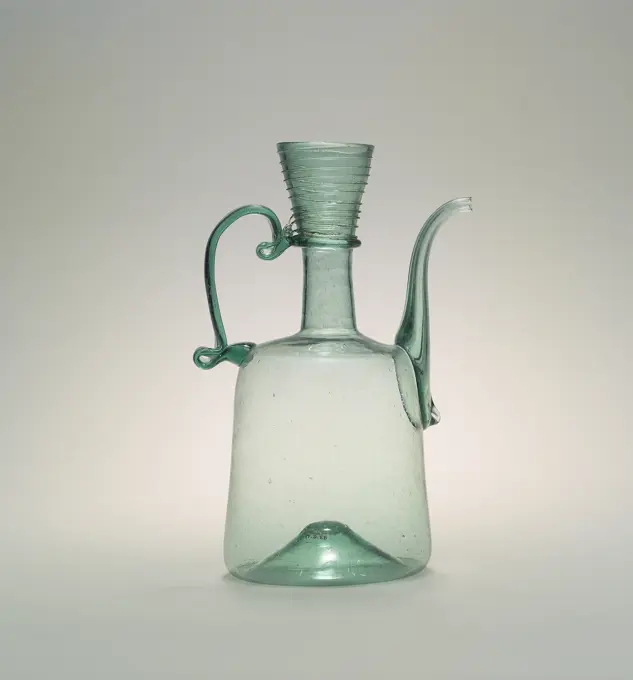
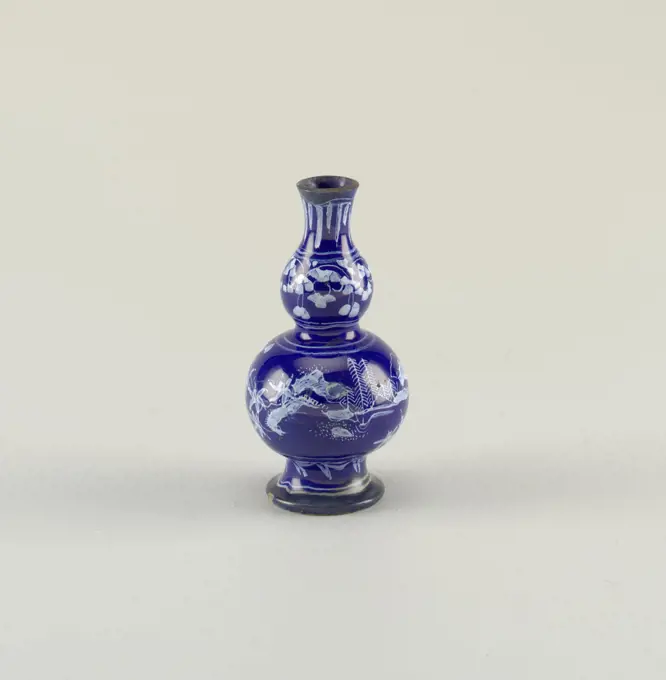
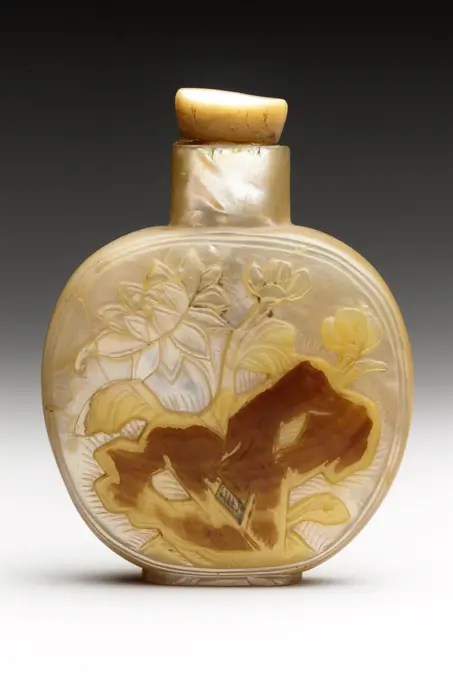
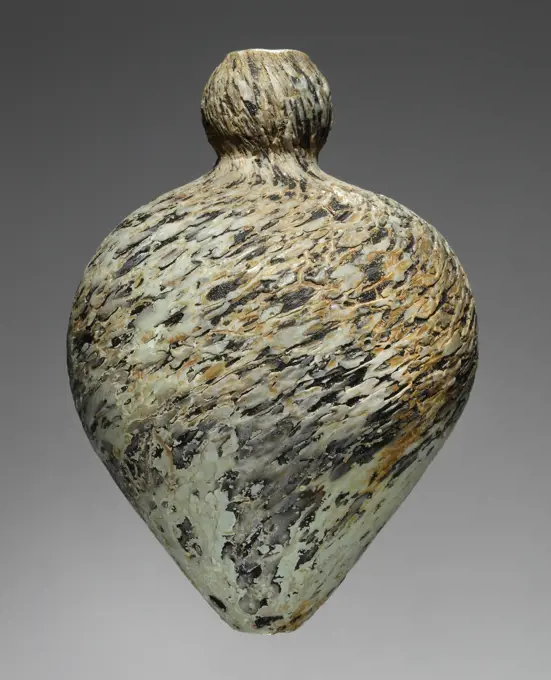
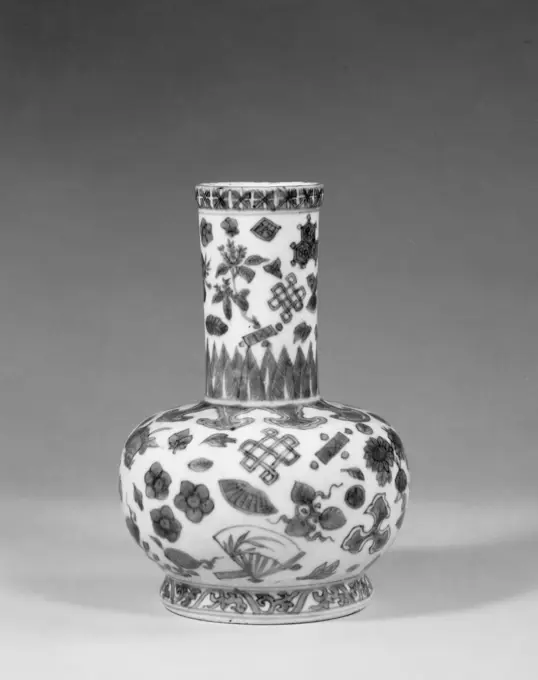
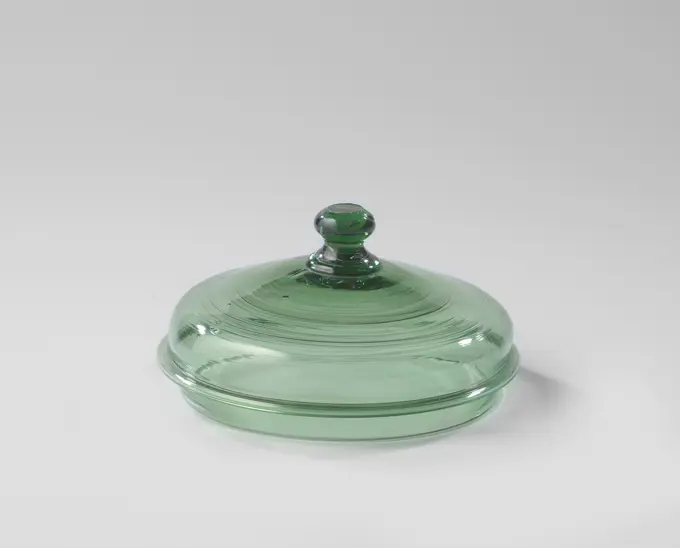
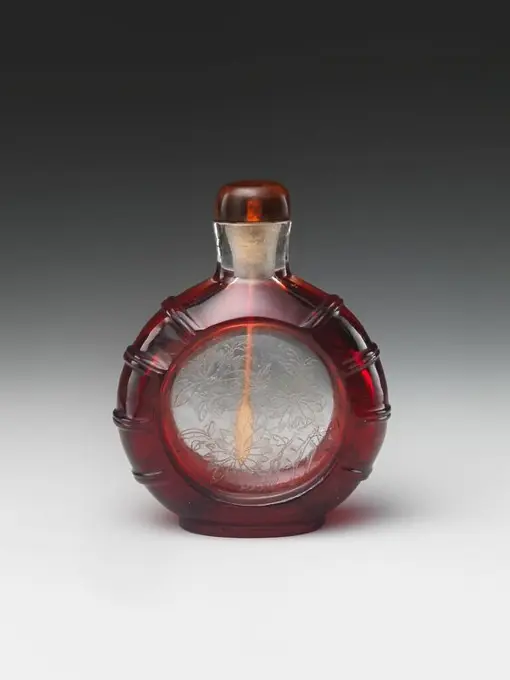
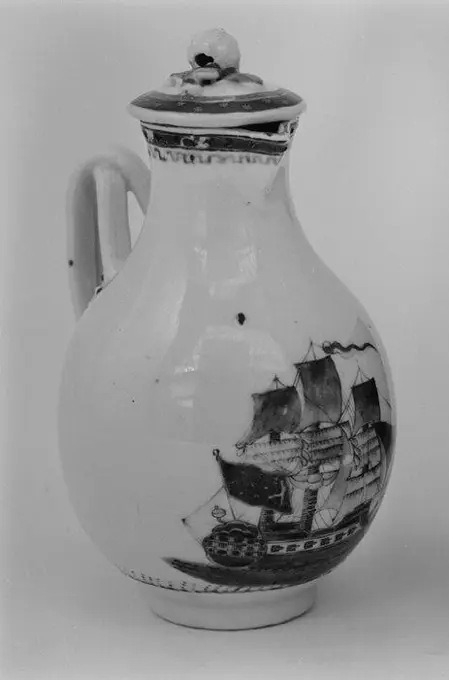
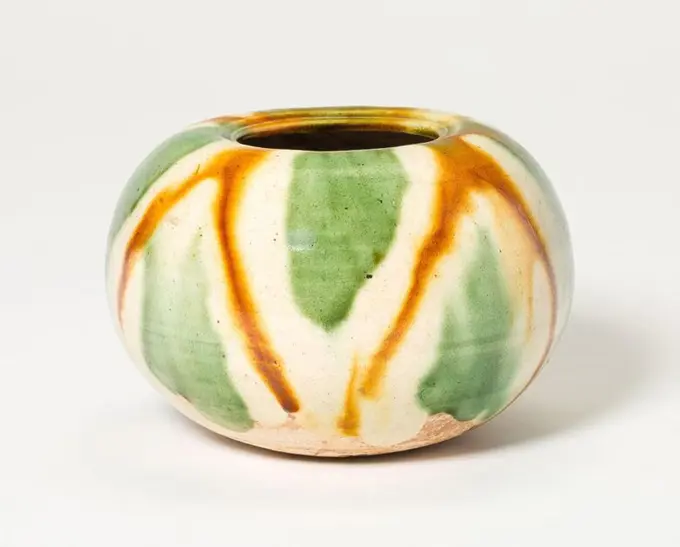
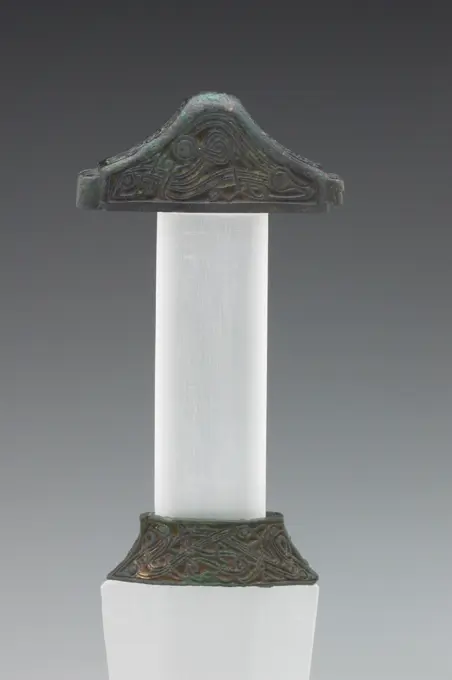
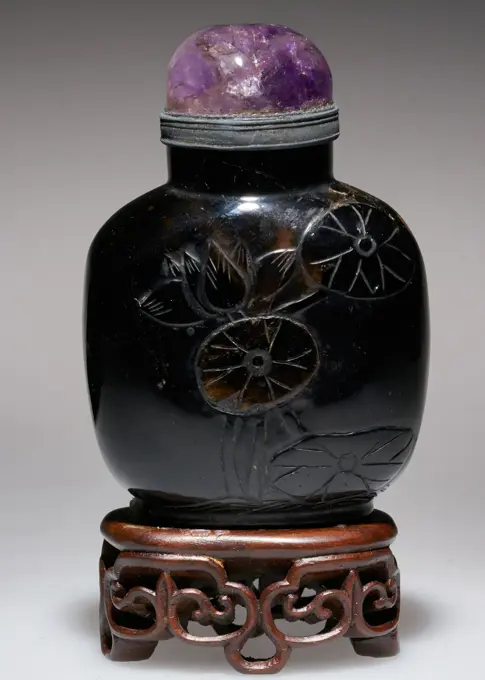
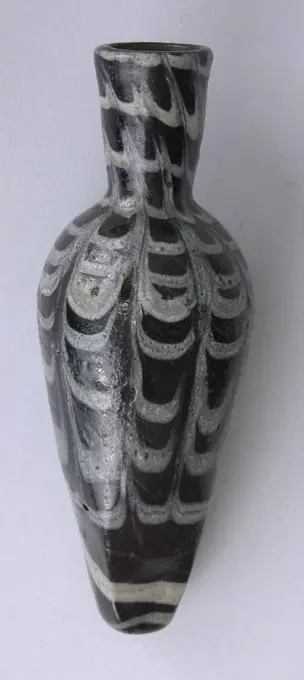
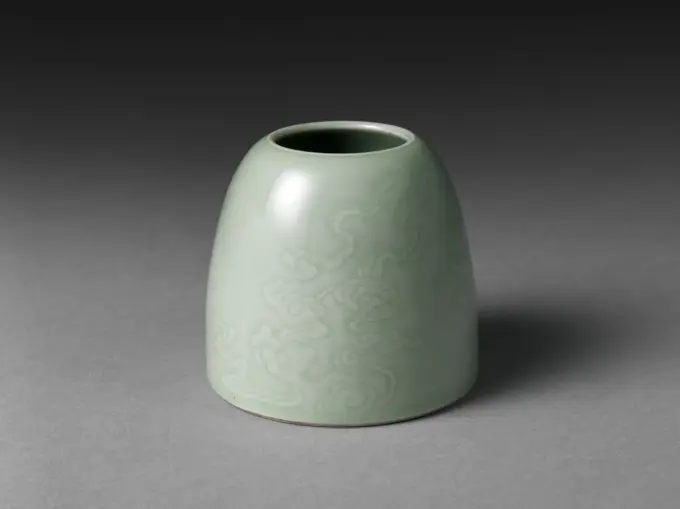
Water Jar with Swirling Clouds 1713-22 China. Water Jar with Swirling Clouds. China. 1713-22. Porcelain with incised decoration under celadon glaze (Jingdezhen ware). Qing dynasty (1644-1911), Kangxi mark and period (1622-1722). CeramicsJug possibly early 16th century; probably late 19th century Northern European (probably Bohemia or Germany). Jug. Northern European (probably Bohemia or Germany). possibly early 16th century; probably late 19th century. Transparent dark blue nonlead glass. Blown, pattern molded, trailed.. GlassBlack-topped red ware jar ca. 3650-3500 B.C. Predynastic, Naqada II. Black-topped red ware jar. ca. 3650-3500 B.C.. Pottery. Predynastic, Naqada II. From Egypt, Northern Upper Egypt, Abadiya, Cemetery B, Tomb B146, EEF excavations 1898-99Jar with SixteenHandles, 4th-5th century A.D., Free-blown glass with trailed handles, transparent light green, 16.6 × 9.9 cm (6 9/16 × 3 7/8in.), Eastern Mediterranean,Roman, Containers -GlassTall vase with a crackled cream-colored glaze, anonymous, c. 1700 - c. 1799 High, slender vase of stoneware (Dong-Khe-Good/Yiangnan thing), with a cylindrical body, slightly outwards, round shoulder. Cream -colored, crackled glaze. Neck cut off and sanded. Monochrome. China stoneware. glaze vitrification High, slender vase of stoneware (Dong-Khe-Good/Yiangnan thing), with a cylindrical body, slightly outwards, round shoulder. Cream -colored, crackled glaze. Neck cut off and sanded. Monochrome. China stoneware. glaze vitrificationJar with lid 15th-16th century Korea The elegance of this jar and its lid exemplifies the aesthetic of undecorated white porcelain that was popular in 15th-16th century Joseon. In its balanced proportions and subtle design features on the lid with a bud-shaped knob, this porcelain reflects the refined sensibilities associated with the new ruling ideology of Neo-Confucianism of the Joseon dynasty (1392-1910). Porcelain was adopted as imperial ware in the 15th century and, in the 1460s, the royal court formed and managed a group of kilns called bunwon, which produced porcelain for court use. These pure white vessels were used as special tableware and also as ceremonial and even burial wares. This type of jar was used to store food or alcohol.. Jar with lid. Korea. 15th-16th century. Porcelain with transparent glaze. Joseon dynasty (1392-1910). CeramicsBottle. Culture: American. Dimensions: H. 8 in. (20.3 cm). Date: 1815-45. Museum: Metropolitan Museum of Art, New York, USA.Emile Gallé (1846-1904). Bottle. Vase Bursaire.Vers 1900. Glass. Museum of Fine Arts of the City of Paris, Petit Palais. 55424-17 Art Nouveau, bottle, flower, stem, Bursaire vase, serious glassVase. unknown, craftsmanVase with floral patterns late 17th-early 18th century China. Vase with floral patterns. China. late 17th-early 18th century. Porcelain painted in underglaze cobalt blue (Jingdezhen ware). Qing dynasty (1644-1911), Kangxi period (1662-1722). CeramicsGlobular vessel, early 19th century, 20in. (50.8cm), Bronze, lacquered wood stand, China, 19th centuryInsence burner with a metal cover, anonymous, c. 1600 - c. 1868 Metal lid of incense burner from Steengoed. The lid is opened at the top. Japan Stoneware. Glaze. lid: Metal vitrification Metal lid of incense burner from Steengoed. The lid is opened at the top. Japan Stoneware. Glaze. lid: Metal vitrificationPilgrim Bottle, c. 1715. Meissen Porcelain Factory (German). Polished red stoneware, silver-gilt mounts; overall: 15.9 x 9.6 cm (6 1/4 x 3 3/4 in.). About 1708, as a by-product of his efforts to produce porcelain, Böttger developed a fine red stoneware, so hard that it could be polished on a lapidary's wheel--as was the body of this small bottle. Red stoneware was part of the usual production of the Meissen factory during its first decade.Thimble. Spain, 1000-1250. Metal. BronzeGlass jar 4th century A.D. Roman Translucent blue green; trail and foot ring in dark cobalt blue.Horizontal, rounded rim; broad outsplayed mouth; concave cylindrical neck; bulbous body; solid applied foot ring; flat bottom, with traces of pontil mark.Trail wound round from left to right in zigzag between outer edge of shoulder and rim, forming openwork collar.Body intact, but slightly more than half of trail missing; some pinprick bubbles; dulling, some patches of limy soil encrustation, whitish weathering, and iridescence.. Glass jar 245327Grenier. Qingbai couvertship. Par musée musée malée. 78846-1Vase. Designer: Adelaide Alsop Robineau (American, Middletown, Connecticut, 1865-1929 Syracuse, New York). Dimensions: H. 6-3/4 inches(17.1 cm.). Date: 1926. Museum: Metropolitan Museum of Art, New York, USA.Clutha vase ca. 1890 Christopher Dresser British, Scottish Reacting against the fashion for cut glass, a style that denied the molten nature of the material, John Ruskin, Charles Locke Eastlake, William Morris, and Christopher Dresser called for reform in glass production. The reformers looked to ancient glass from Rome, Egypt, and the Islamic world, as well as Venetian glass from the fourteenth and fifteenth centuries as appropriate ideals for emulation. The movement toward ancient and early Venetian glass quickly gained popularity, since it also appealed to revivalists and antiquarian collectors.The green glass of this vase demonstrates Dresser's appreciation for glass as an artistic medium as well as its fluid qualities. The ornamental aspects of the vase are found in its coloring and ribbed spiraling pattern, elements that are integrated into the material and form. Air bubbles, streaks of colors, and other irregularities were intentional, as they emphasized the organic nature of glBottleVase late 18th-early 19th century China. Vase 46871Bottle with Dragons first half of the 18th century China In the eighteenth century, the kilns at Jingdezhen began to make porcelains of a different material. Known as huashi, or "slippery stone," this expensive material, often called soft paste, was used to make thin vessels that frequently were decorated with incised or raised designs under glaze. While the reasons for its introduction remain unclear, soft paste is easily carvable, and its use would have thus been akin to contemporaneous interests in the manipulation of other materials such as ivory and bamboo.. Bottle with Dragons 47866Snuff Bottle, 17th-19th century, 2 7/8 x 2 1/8in. (7.3 x 5.4cm), Glass, China, 17th-19th centuryEgg Form Vase, 16th-17th century, 4 11/16in. (11.9cm), Porcelain, China, 16th-17th centuryFlask c 1822-1840 Philadelphia. Glass . Kensington Glass WorksSilversmith's Art, Italy 19th century. Murano glass silver plated vase. Le Argenterie d'Italia Manufacture.Terracotta lekythos (oil flask) ca. 440-430 B.C. Attributed to the Thanatos Painter Woman and girl at a tombThe young woman at right is bringing an alabastron (perfume vase) and a fillet. The added color of her garments is lost. The woman at left may be her mistress, and may be deceased. The stool on top of the grave monument cannot surely be explained.. Terracotta lekythos (oil flask). Greek, Attic. ca. 440-430 B.C.. Terracotta; white-ground. Classical. VasesBottle second half 17th century. Bottle 444495Vase ca. 1892 Ceramic Art Company, Trenton, New Jersey. Vase. American. ca. 1892. Porcelain. Made in Trenton, New Jersey, United StatesLarge high-shouldered jar ca. 2500-2400 B.C. Old Kingdom This tall jar reveals the artist's sensitive use of the range of color and the translucency inherent in the stone.. Large high-shouldered jar 543888COlorful ceramic pomegranate close up cut isolated. COlorful ceramic pomegranate close up isolatedCovered vase 20th century China. Covered vase. China. 20th century. Jade. JadeBottle with narrow elongated neck, adapted to put in a separate stand or a vessel with sand. unknown, craftsmanWater Pot with DragonMedallionsChinese silk embroidery depicting a blue traditional vase, Baisha, Yunnan Province, ChinaCelery Dish 1849-58 Lyman, Fenton & Co.. Celery Dish 1489Vase probably 18th-19th century. Vase. probably 18th-19th century. Applied glass. Attributed to Iran. GlassSquat Lekythos (Oil Jar). Greek; Elis. Date: 430 BC-410 BC. Dimensions: 7.9 × 9.8 × 9.8 cm (3 1/8 × 3 7/8 × 3 7/8 in.). Terra-cotta, black-glaze technique with impressed decoration. Origin: Greece. Museum: The Chicago Art Institute, Chicago, USA. Author: ANCIENT GREEK.PitcherSwan-Neck Bottle (Ashkdan) probably 18th-19th century. Swan-Neck Bottle (Ashkdan). probably 18th-19th century. Glass; mold blown, applied; tooled on the pontil. Attributed to Iran. GlassMaker, attributed to: Henry William Stiegel, American, 1729-1785, Maker, attributed to: John Frederick Amelung, American, born Germany, 1741-1798, Salt or BonnetGlass, Mold-blown glass, 2 15/16 × 2 3/8 in. (7.46 × 6.03cm), Possibly made in Manheim, Pennsylvaniaor possibly made in New Bremen, Maryland, American, 18thcentury, Containers -GlassTripod incense burner first half 19th century China. Tripod incense burner. China. first half 19th century. Porcelain with crackled green glaze (Jingdezhen ware). Qing dynasty (1644-1911). CeramicsJar China. Jar 46011Vase with flat body, decorated with red piping. Vase of porcelain, with flattened body and long slim neck, the underside of the body and the upper part of the neck decorated in red with running piping around all around. The inside of the mouth edge and the foot are decorated with a wide red band. Mounted with: scepter in underglazing blue and in red with rich apple and k.p.m., continue with 25/85 and m in red, egray Z and an unclear annual letter.Snuff Bottle, 17th-19th century, 2 3/4 x 2in. (7 x 5.1cm), Glass, China, 17th-19th centuryCovered jar 1883-88 New England Glass Company Patented in 1883, the shaded ware called Amberina was made from amber-colored glass to which a small amount of soluble gold had been added. After this piece had been shaped and cooled, one end of it was reheated, causing it to turn ruby red.. Covered jar 2409Chinese, Snuff Bottle, porcelain.Vase with floral scrolls late 17th-early 18th century China. Vase with floral scrolls. China. late 17th-early 18th century. Porcelain painted with gold pigment (Jingdezhen ware). Qing dynasty (1644-1911), Kangxi period (1662-1722). CeramicsBowl 13th century. Bowl 450579Miniature (toy) Bottle, bottle holder soil find glass cork, free blown Miniature (toy) Bottle in clear yellow glass (shaft & globe shape). Stowed bottom. Round belly that has received three-sided shape through impressions. Long cylindrical neck archeology toysFragment of part of foot, bottom and stem of roemer, roemer wineglass drinking glass drinking utensils tableware holder soil find glass forest glass, handblown glass application Fragment of part foot bottom and stem of stem in clear green glass (forest glass). Base made from all-round narrow glass wire, parts of three windings remain Pontil mark under slightly raised soil. Cylindrical at the top open trunk with two rows of four large blackberry buds, one of which is damaged in the bottom row and two of the upper row are missing. At transition from trunk to calyx ribbed flat glass wire of which 2 cm remains archeology Laurenskerk City Triangle Rotterdam Soil discovery restoration Laurenskerk (1952 -1968): sacristy 1st layer in discharge to the outside.Small bottle with oval body and long neck, bottle holder soil find glass, free blown Small bottle with long neck and oval flat body in clear colorless glass. Lightly raised soil with pontilark White irisation archeology Capelle aan den IJssel packaging transporting storage Soil discovery: Capelle aan de IJssel House at Capelle cesspits N and Z.Cylindrical (wine) bottle, clock model, bottle holder soil found glass, free blown and molded in mold blown glass application Cylindrical (wine) bottle in clear green glass bell model. Pontil mark under wide upset bottom Straight body to convex shoulders and slightly rejuvenated neck with round irregularly flattened glass wire and sloppy flattened sloping lip archeology packagePiriform Stone Jar ca. 1479-1425 B.C. New Kingdom. Piriform Stone Jar 547567Dish andLidVase, 20th century, Unknown Japanese, 9 1/2 x 5 3/4 in. (24.1 x 14.61 cm), Stoneware, glaze, Japan, 20th centuryVase and son socle en bois. Porcelaining to couvert brunzetée. Par musée musée malée. 78838-4 Asian art, container, vaseVase; Jagmin, Stanis AW (1875-1961); beginning of the 15th century (1900-00-00-1920-00-00);Vase by Byzantine Master, agate, gold, circa 400, USA, Baltimore, Walters Art Museum, 18x18, 3Alabastron. Egypt, 26th Dynasty (664 - 525 BCE). Furnishings; Serviceware. CalcitePilgrim bottle (one of a pair) 1823/24 William Elliott These bottles (see mate 2016.710.2) are early nineteenth century copies of a pair of Baroque vessels made in 1690. Though the form is derived from seventeenth-century wine bottles, these examples were only intended to be used as part of a grand display in the dining room. In the early nineteenth century, the appreciation of antique silver was novel, and these are early examples of the antiquarian taste.. Pilgrim bottle (one of a pair). British, London. 1823/24. Gilt silver, cork. Metalwork-SilverEwer with Handle. Iran, no date. Furnishings; Serviceware. SilverBottle; unknown eastern workshop; III-IV century AD (290-00-00-310-00-00);Bottle 301 CE-600 CE Mediterranean Region. Glass, blown technique . Ancient MediterraneanGlass alabastron (perfume bottle). Culture: Greek, Eastern Mediterranean. Dimensions: 3 5/8 × 1 9/16 × 1 1/8 in. (9.3 × 3.9 × 2.9 cm)Diam. of rim: 1 3/16 in. (3 cm). Date: 5th century B.C..Opaque dark red brown, appearing black, with handles in same color; trails in opaque yellow and turquoise blue.Broad horizontal rim-disk with beveled edge; short cylindrical neck, tapering upwards; narrow rounded shoulder; straight-sided cylindrical body, tapering upwards; convex bottom; two large vertical ring handles with knobbed tails, applied over trail decoration; one longer than the other.Intermingled yellow and turquoise blue trails attached at edge of rim-disk; a large yellow trail applied unevenly to neck together with a turquoise trail, overlaid on the yellow; both wound in a close-set spiral around body to bottom; yellow trail ending in a swirl on bottom; one small unmarvered blob of red brown on side near handle.Intact, except for one small chip in underside of rim-disk; some deep weBottle with Dragon and Clouds. Korea, Korean, Joseon dynasty (1392-1910), 18th century. Furnishings; Accessories. Wheel-thrown porcelain with blue painted decoration under clear glazeFive lamp shades, Louis Comfort Tiffany, (American, 1848-1933), Favrile glass, (a) Flower bud form glass shade for sconce. Over-all iridescent finish with green, yellow, orange tones predominating. Green veined, pointed leaf forms rise from base. Out-curving lip with five indentations giving lip slightly lobed outline. (b, c, d, and e) Same basic shapes, colors, free forms of leaves varying slightly. Color variation most noticeable in (c) where color is darker., USA, 1907, glasswares, Decorative Arts, Five lamp shadesLithyalin Beaker 1825-1835 Bohemia. Glass; marbled opaque red, blown and gilded . Friedrich EgermannBeaker or Cup 201 CE-400 CE Syria. Initially affordable only among the wealthy, glass was used in ancient Rome as containers for oils, perfume, and tablewares. The variety of glass-making techniques reveals the changing tastes and fashions over the centuries. During the 1st century A.D., cast glass was a novel form that was a luxury for the Roman household, but by the end of the century, the innovation of blown glass allowed for less labor-intensive and less expensive production, which meant people of lesser means could afford it. Blown glass became so popular it nearly supplanted ceramic and even bronze wares in the home.. Glass, blown technique technique . Ancient RomanWine vessel 18th century Spanish. Wine vessel. Spanish. 18th century. Glass. GlassDecanter And Stopper (Ireland); glassVase. Culture: American. Designer: Designed by Louis Comfort Tiffany (American, New York 1848-1933 New York). Dimensions: H. 10 3/8 in. (26.4 cm). Maker: Tiffany Furnaces. Date: ca. 1904. Museum: Metropolitan Museum of Art, New York, USA.Belly bottle, storage bottle bottle bottle holder soil find glass, bottom with residual glass of blowpipe Body with convex ascending wall to convex shoulders and rejuvenated, neck with imposed all-round sharp glass thread with chip and flattened lip of which half is missing archeology packagingKohl Jar with Lid 1985 BCE-1773 BCE Egypt. Kohl is the modern name for the dark eyeliner worn by the Egyptians. The powdered cosmetic was stored in small, lidded jars. In the Middle Kingdom, the preferred shape was the squat jar with a wide, flat rim.. Egyptian alabaster . Ancient Egyptian. Pottery vase, polychrhouse painted with the decor 'twins'. Signature with: RAM, Arnhem, painting mark, Dec. Twins, 14 (in black); and engrade: 14.Pottery, c. 1900-1930, 5 3/4 x 5 1/8 x 5 1/8 in. (14.61 x 13.02 x 13.02 cm), Ceramic, pigment, United States, 20th centuryEwer 19th century By the beginning of the sixteen century, Venice had become a leading producer and exporter of fine glass wares and many such products became fashionable in Persia. These styles and techniques influenced local production, and factories were created in Shiraz producing wares that rivaled the imports from abroad. Like most Qajar-period glass vessels, this ewer is monochromatic with an elegant profile and minimal surface ornamentation. Applied trails on the cup-like mouth of the vessel spiral down the narrower cylindrical neck. The finely shaped spout and handle contribute to the objects graceful silhouette, their delicate nature suggesting that this ewer would have been only used on special occasions, or as a ceremonial object.. Ewer. 19th century. Glass, green; blown, applied handle and spout. Attributed to Iran. GlassVase. Culture: China. Dimensions: H. 12 1/2 in. (31.8 cm). Museum: Metropolitan Museum of Art, New York, USA.Gourd Vase, Tin-glazed earthenware with cobalt decoration, Gourd-shaped vase of dark buff clay, decorated in the bleu-persan” style, with very loose white decoration on a cobalt glue ground. Sponging at top., Nevers or St. Omer, France, mid-18th century, ceramics, Decorative Arts, vase, vaseStorage Jar. Eastern Mediterranean, Roman, 2nd century B.C. - 3rd century A.D.. Furnishings; Serviceware. CeramicSnuff Bottle (Biyanhu) with Rock and Flowers. China, Chinese, Qing dynasty, Qianlong period, 1736-1795. Tools and Equipment; bottles. Carved mother-of-pearl, with stopperDark Blue Marbled Flask (); Roman Empire; perhaps late 1st century; Glass; 12 x 8.2 cm (4 3,4 x 3 1,4 in.)Miniature Bottle. Culture: China. Dimensions: H. 4 in. (10.2 cm). Museum: Metropolitan Museum of Art, New York, USA.Vase Before 1645 China. Vase 50027Lid with button, anonymous, c. 1400 - c. 1950 Lid with button. unknown glass Lid with button. unknown glassBottle 17th century Spanish. Bottle. Spanish. 17th century. Glass. Glassceramic jug isolated on white with clipping pathFragment of anAryballosPair of vases British 19th century View more. Pair of vases. British. 19th century. Lustreware. Ceramics-PotteryJug 6th-7th century Syrian. Jug 468556Snuff Bottle with Floral Design. Culture: China. Dimensions: H. 2 7/8 in. (7.3 cm); W. 2 1/8 in. (5.4 cm); D. 1 1/8 in. (2.9 cm). Date: late 18th century. Museum: Metropolitan Museum of Art, New York, USA.Hot milk jug late 18th century Chinese, possibly for American market. Hot milk jug 201299Wine bottle mid-19th century Japan The glassware known as chalcedony was developed in Renaissance Venice. Production ceased in the eighteenth century, only to be revived in the mid-nineteenth century. These examples of chalcedony glassware reveal skill and artistry equal to that of European makers, although they were produced only shortly after the technique was introduced into Japan in the mid-1800s.. Wine bottle. Japan. mid-19th century. Glass. Edo period (1615-1868). GlassScent Bottle 1835-1855 Bohemia. Glass; cut and colored with metal mounts .Melon-Shaped Jar. China. Date: 618 AD-907 AD. Dimensions: H. 5.5 cm (2 3/16 in.); diam. 8.2 cm (3 1/4 in.). Earthenware with three-color (sancai) lead glazes. Origin: China. Museum: The Chicago Art Institute, Chicago, USA.Dagger Pommel andGuardMythological Beaker. UnknownSnuff Bottle, 17th-19th century, 3 3/8 x 2 3/8in. (8.6 x 6cm), Crystal, amethyst, China, 17th-19th centuryBottle 10th-11th century. Bottle 448359Terracotta indented beaker mid-2nd-early 3rd century A.D. Roman Similar vessels, known as Moselkeramik, were also made in Trier, and it is sometimes difficult to distinguish between them. Such vessels were popular drinking cups in the northern provinces, perhaps used more for beer or mead than for wine.. Terracotta indented beaker 250099Fragment of toilet jar ca. 1981-1640 B.C. Middle Kingdom. Fragment of toilet jar 556892