Antique Glass and Bronze Vases

An assortment of distinctive vases made from glass and bronze, featuring intricate designs and various historical styles, showcasing rich colors and textures.
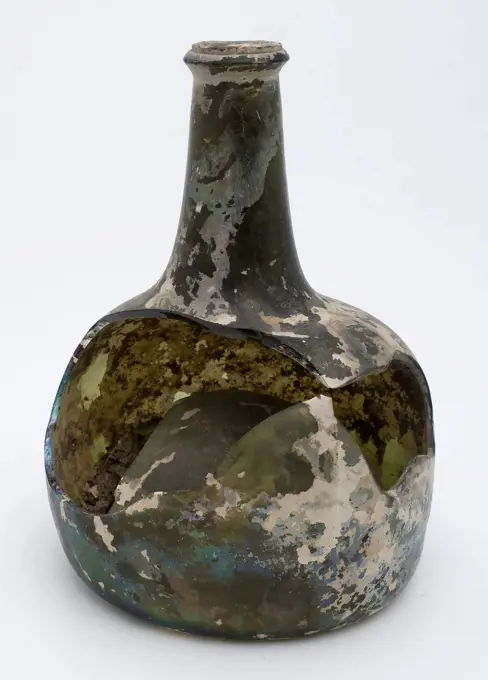
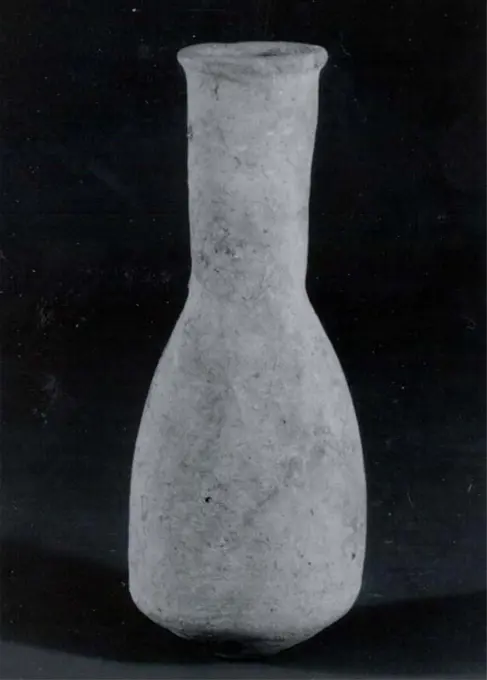
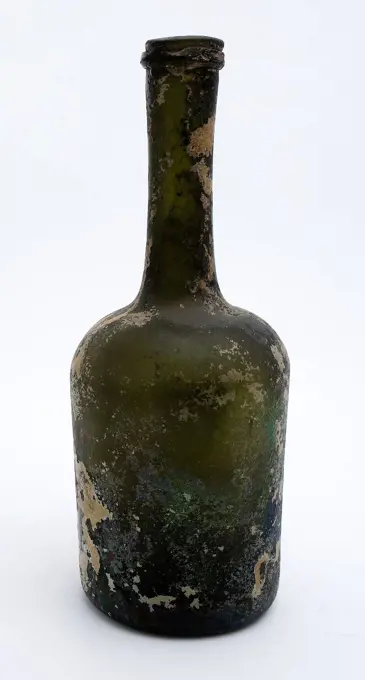
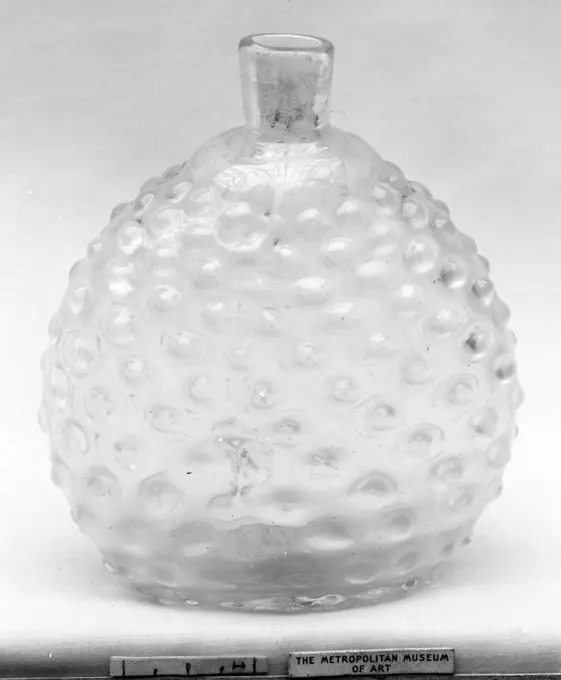
Cylindrical bottle, straight sided onion, belly bottle bottle holder soil find glass, free blown and shaped glass application Circular bottle in clear green glass straight sided onion. Pontil mark under raised bottom. Almost cylindrical body with large shards missing (are in bottle) to convex shoulders and rejuvenated (5.0 - 2.9 cm) neck with round sharp glass wire (small chip) and flattened lip archeology Rotterdam Old Plantation packing Soil discovery Old Plantation 1956 .
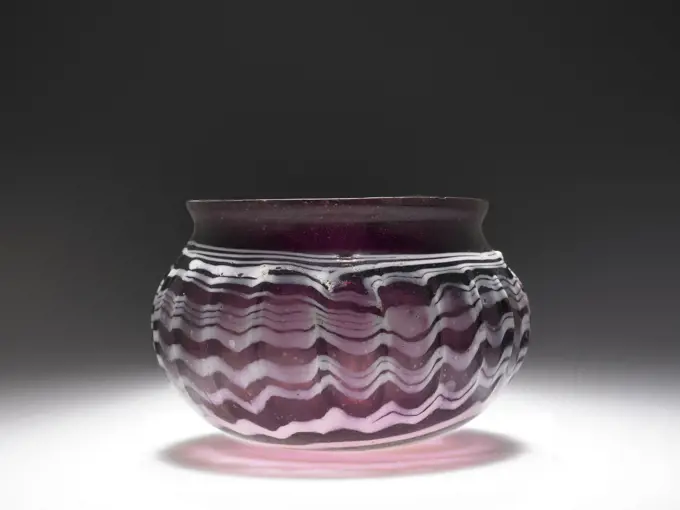
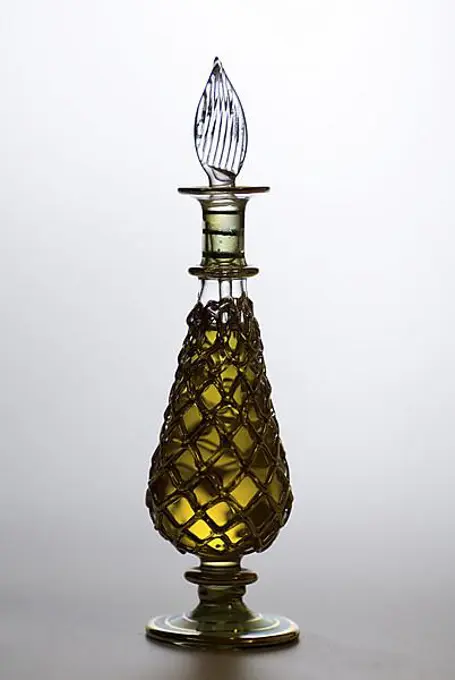
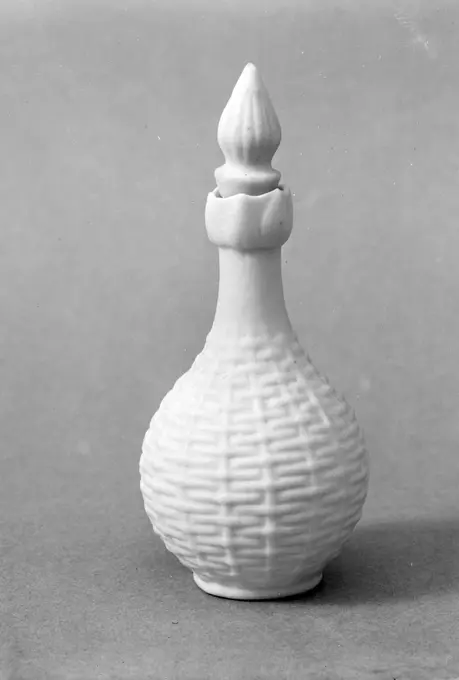
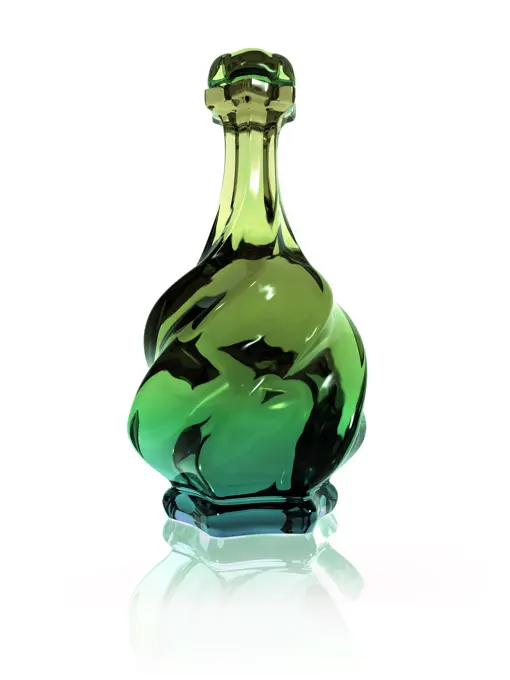
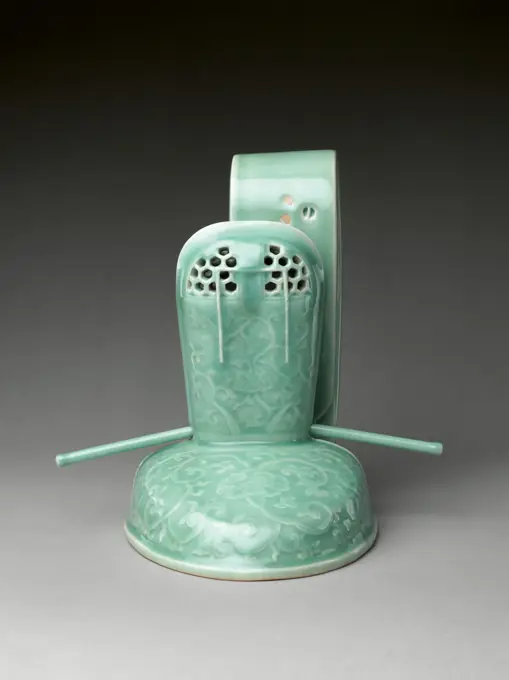
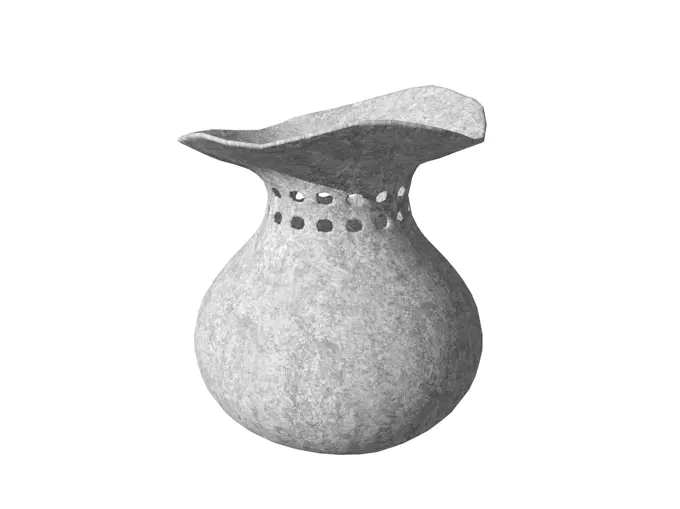
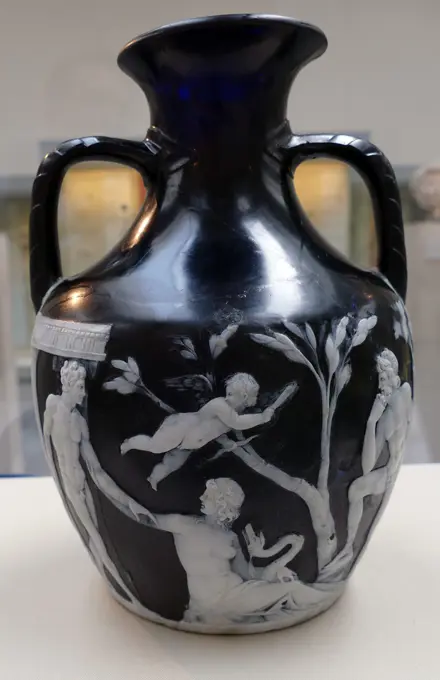
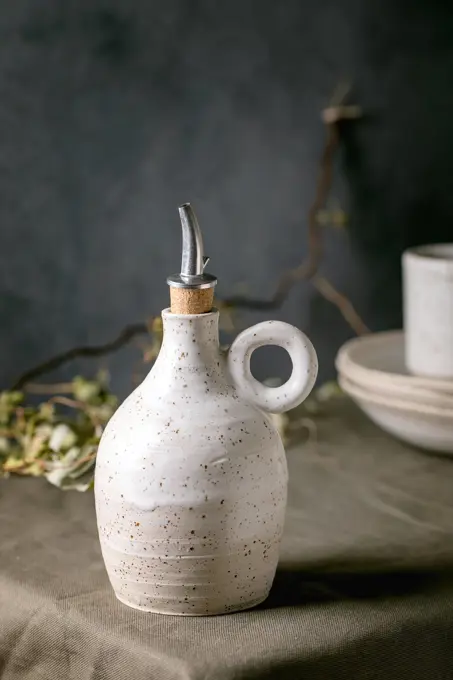
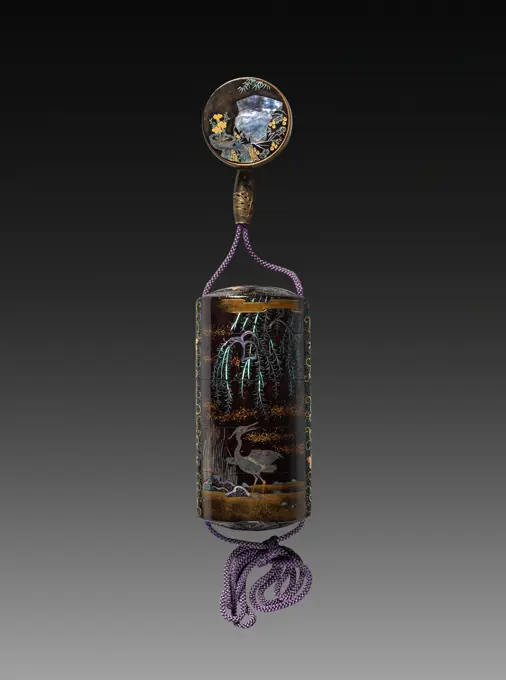
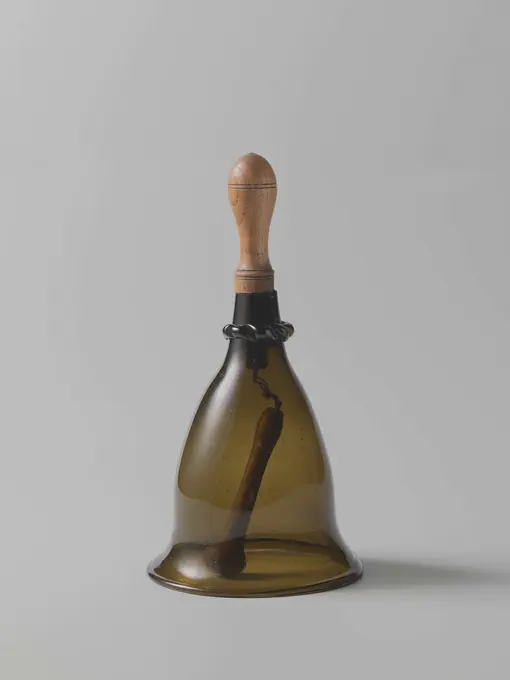
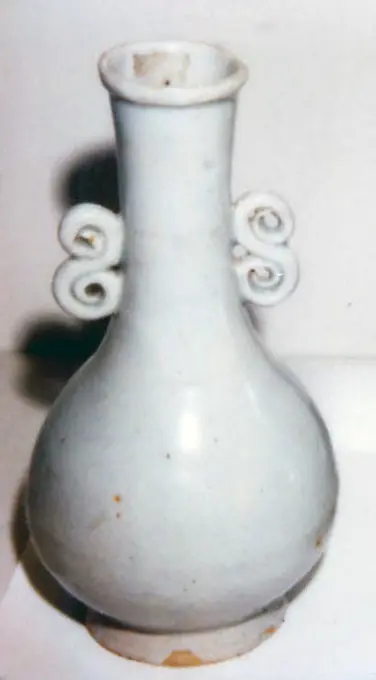
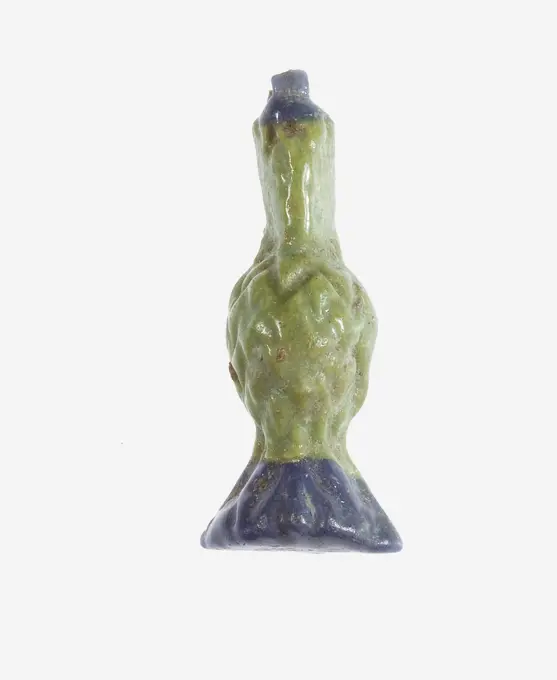
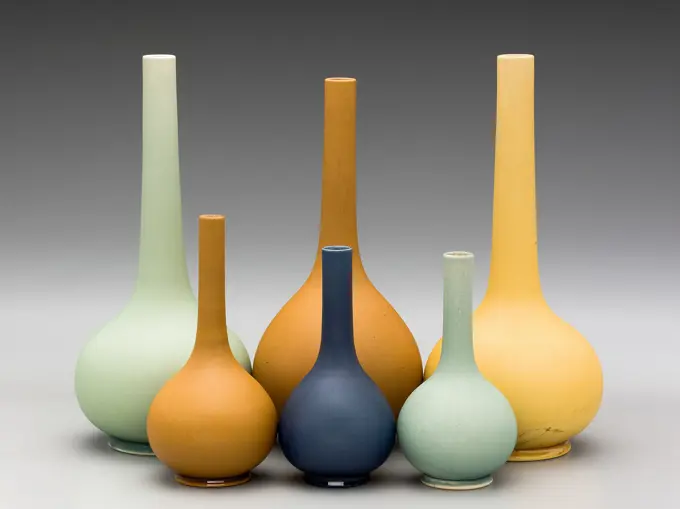
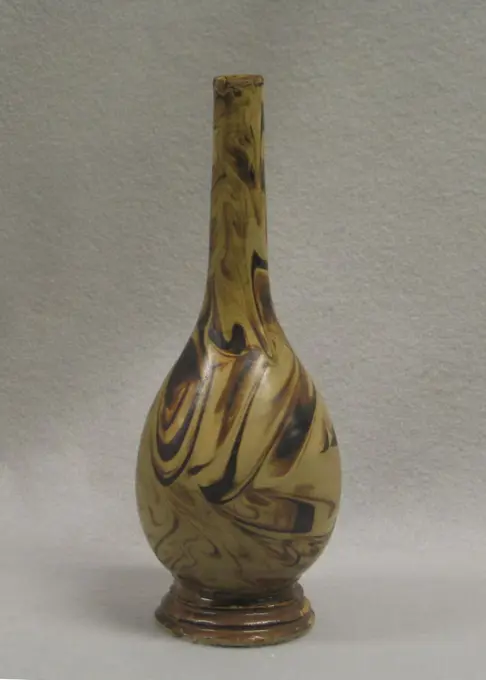
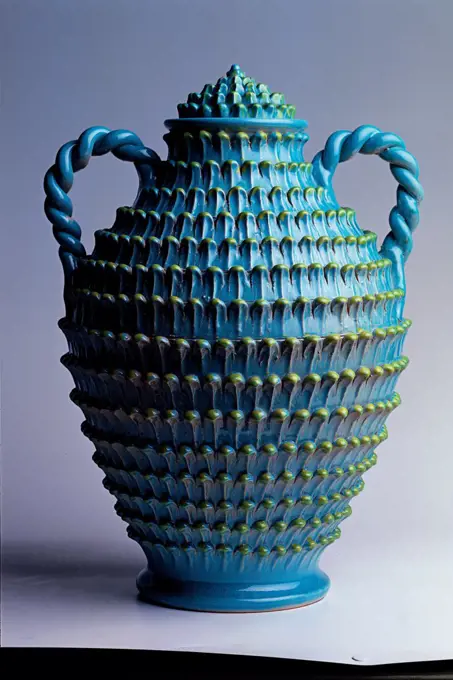
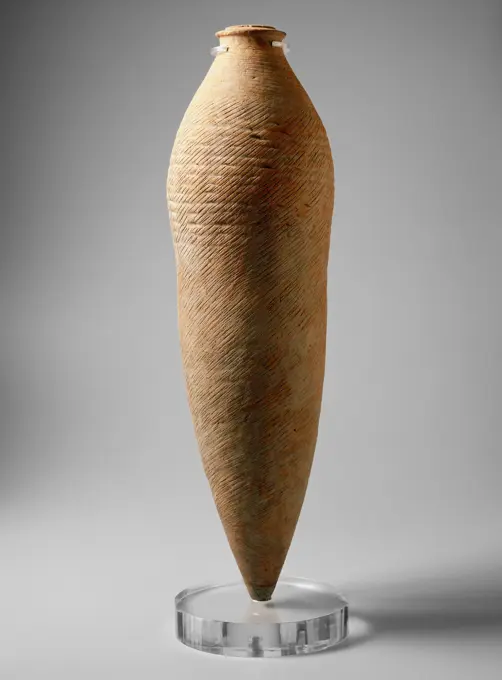
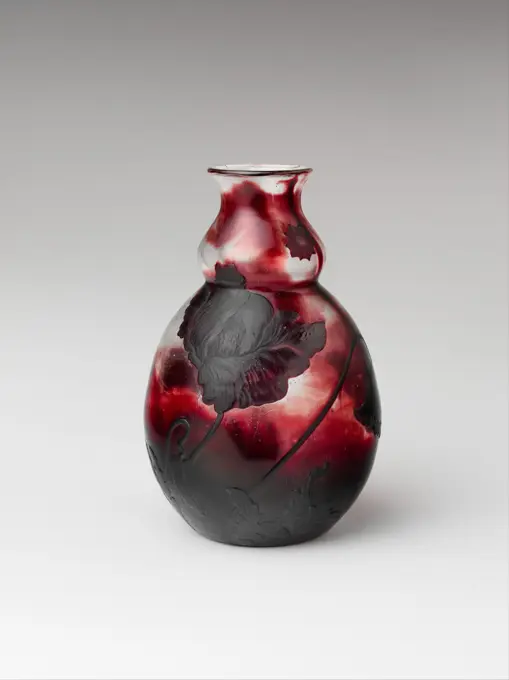
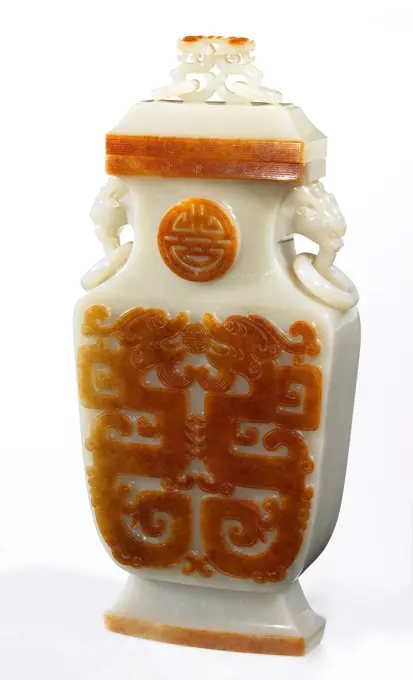
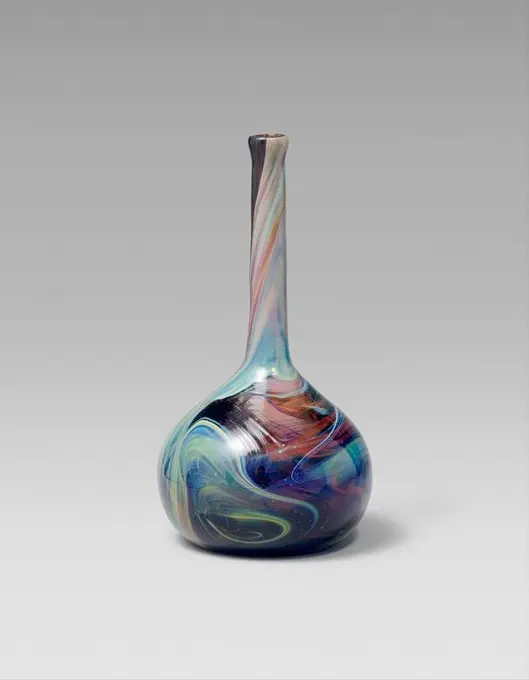
Vase. Culture: American. Designer: Designed by Louis Comfort Tiffany (American, New York 1848-1933 New York). Dimensions: H. 5 5/8 in. (14.3 cm). Maker: Tiffany Glass and Decorating Company (American, 1892-1902). Date: 1893-96.The diminutive vase, with its marbleized hues of blues, purples, greens, and reds, is among the earliest documented examples of Tiffany's work in blown glass. The large, irregular bowl gives the appearance of hot glowing lava while still in its molten state. Museum: Metropolitan Museum of Art, New York, USA.Nautilus shell cut from mother-of-pearl with floral drinks. Nautilus shell decorated with floral drinks carved from the cloak and from the thickness to the navel dollar dolphins. Nautilus shell detached from the (separately saved) not original foot. Northern Netherlands, second half of the 17th century. Signed CBF. A holder of silver belongs to the shell.Vase 19th century Japan. Vase 60497Fragmentary can of earthenware with lead glaze, anonymous, c. 1735 - c. 1760 Fragmentary can of earthenware with lead glaze. The KAN is decorated with applian flower and leaf ornaments in white-baking Engobe. Just like BK-1979-23-A and BK-1979-23-B, the excerpt is a soil find from Noord-Holland. Staffordshire earthenware. lead glaze   North Holland Fragmentary can of earthenware with lead glaze. The KAN is decorated with applian flower and leaf ornaments in white-baking Engobe. Just like BK-1979-23-A and BK-1979-23-B, the excerpt is a soil find from Noord-Holland. Staffordshire earthenware. lead glaze   North HollandCippus o kształcie szyszki pinii. unknown, authorRippenschale Bowl; Eastern Mediterranean, Italy; second half of 1st century B.C; Glass; 6.5 x 8.1 cm (2 9,16 x 3 3,16 in.)Vases ""Colletti"", by Ludovico de Santillana, 1961, 20th Century, glass. Italy, Piemonte, Turin, private collection. Whole artwork. Vases design.Asian perfume bottleInscribed Bottle with Dionysos and MythologicalFiguresJARRO DE CERAMICA DE GRES. Author: ANTONI CUMELLA (1913-1985). Location: MUSEO DE CERAMICA-CERAMICA CONTEMPORANEA. Barcelona. SPAIN.Fragment of bottom and wall of oil lamp, oil lamp light illuminant soil find glass, hand-blown Fragment of oil lamp in clear green glass. Pontil mark under slightly raised bottom of thick glass. Cylindrical wall runs outwards (after approximately 5.0 cm) from archeology Stadscentrum Stadsdriehoek Rotterdam Laurenskerk Soil discovery restoration Laurenskerk (1952-1968): sacristy 1st layer in discharge to the outside.Pendant, vase 4th-5th century Egyptian possibly. Pendant, vase 479636Goblet (Roemer) early 17th century Dutch or German. Goblet (Roemer). Dutch or German. early 17th century. Glass. GlassBannerstone 3000-2000 B.C. Archaic. Bannerstone. Archaic. 3000-2000 B.C.. Ferruginous quartz. United States, Illinois. Stone-ImplementsDecanter -Flask; Eastern Mediterranean; 2nd - 3rd century; Glass; 9.5 x 11 cm (3 3,4 x 4 5,16 in.)Milk Pot 1845 Andrew Ellicott Warner. Milk Pot 4396Unguentarium ca. 1st century A.D. Nabataean. Unguentarium. Nabataean. ca. 1st century A.D.. Ceramic. Nabataean. From Levant, PetraClay jars isolated on the white backgroundFlask; Roman Empire; 1st century; Glass; 15.3 x 3 cm (6 x 1 3,16 in.)Pi-tong. Ceramic. Paris, Cernuschi museum. Tricolor drips in a dark tone. Crockery, Decorative Object, Decorative object, Pi-Tong, Crockery, VaseSprinkler. Dimensions: H. 13 in. (33 cm)Max. diam. 3 15/16 in. (10 cm). Date: probably 18th-19th century.Like most Qajar-period glass vessels, this sprinkler is monochromatic with an elegant profile and minimal surface ornamentation. Characterized by a bulbous body and very high, narrow neck this form was one of the most common in late-medieval Persian glass. The small tapered mouth was used to sprinkle fragrant water infused with rose petals and other perfumes. A trail has been applied along the neck in a spiral, and applied goffered bands adorn the four delicate handles of the vessel. The elegant silhouette emphasizes its lightness and fragility. Museum: Metropolitan Museum of Art, New York, USA.Glass Vase by E. Galle, c1846-1903, (1903). Artist: Emile GallePerfume Bottle 1830-70 American. Perfume Bottle. American. 1830-70. Parian porcelain. Probably made in Bennington, Vermont, United StatesCylindrical bottle, bottle holder bottomfound glass, free blown and shaped glass application Cylindrical bottle in clear green glass. Pontil mark under slightly raised soil. Cylindrical body to straight shoulders and extended to relatively long (9.0 cm) neck with imposed all-round flat glass wire and flared inclined lip archingVASIJA OVAL DE TENERIFE. Location: ARCHAEOLOGICAL MUSEUM. SANTA CRUZ DE TENERIFE. TENERIFFA. SPAIN.Twisted potion bottle Illustration of a twisted glass bottle containing a magic potion Copyright: xZoonar.com/PaulxFleetx 2088725Maselnica Krosno Economic Huta, Kosia Ski, JanVase (Denmark); Designed by Arnold Krog (Danish, 1856 - 1931); Decorated by Valdemar Engelhardt (Danish, 1869 - 1915); Manufactured by Royal Copenhagen Porcelain Manufactory (Denmark); porcelain, crystalline glazesEwer (Iran); dark blue glass with opaque enamel colorsVase(Maebyong) with Lotus Sprays and Cloud Scrolls 1099-1199 Korea. Stoneware with celadon glaze and carved and incised decoration .Pledge segment;  1841 (1800-00-00-1899-00-00);Abdullazad Mirza Baba, collection, Krakow, so -called REPWINDING ACTION - collection, ceramics, Islam art, MNW collection, stands, trays, so -called recovery, purchaseBase; jade with hardstone baseMiniature Vase with Wire Strands and Variegated Materials 618 CE-907 CE China. Earthenware with three-color (sancai) lead glazes .Stone mortarVase (USA); Manufactured by Rookwood Pottery (United States); Decorated by Laura E Lindeman; hand-painted and glazed earthenwareRing bottle 17th century French, Cantal (La Margéride). Ring bottle. French, Cantal (La Margéride). 17th century. Glass. GlassAlabastron. UnknownSicilian ware, Frederick S. Shirley, British, 1841 - 1908, Mt. Washington Glassworks, Blown glass with enamel and gilding, 1878-1894, glasswares, Decorative Arts, Vase, VaseVase with marine life 1882 Thomas J. Wheatley Many of the Cincinnati potters and decorators of the late 1870s and early 1880s were skilled practitioners of the French technique of barbotine, or painting with colored slips under the glaze. Another aspect of barbotine decoration was introducing applied elements of flowers, or in this exceptional example, marine life. Thomas J. Wheatley demonstrated an affinity for Japanese art that aligned with French ceramics in the 1880s. Known primarily for his barbotine, this vase and a small numbers in this mode, reflect the influence of Asia in their motifs and inspiration, as well as demonstrating his reverence for the French sixteenth-century pottery of Bernard Palissy. Palissy, a prominent figure in all histories of ceramics, is often considered the father of modern ceramic art. Wheatleys distinctive vase drew upon the Renaissance masters work in portraying sea life realistically and in high relief. It literally pulsates with life as the fish,Amulet - filar dżed. unknown, authorIncense Burner in the Shape of a Courtiers Hat with Scrolling Peonies ca. 1690-1750 Japan The complex form of this incense burner is based on the Heian-period courtier hat (kanmuri) that was part of the formal court dress (sokutai) of aristocrats. The black-lacquered hat has a low, flat cap, a tall knob at the back for the topknot, two crossbars attached to the two sides of the knob to stabilize the hat, and a long, flat tail in the back. With the ubiquitous appearance of courtiers hats in Genji painting and the numerous references to incense in the tale, it was an ingenious idea to create an incense burner in the kanmuri shape. Nabeshima-type celadon vessels were covered with a thick layer or two of glaze, creating elegant high-quality wares, enriched here by relief peonies and scrolling vines that decorate the censers body.. Incense Burner in the Shape of a Courtiers Hat with Scrolling Peonies 62720Drinking glass in light green glass with rounded rim and wall decorated with vertical depressions, House of the Indian Statuette, Pompeii, Campania, Italy. Roman civilisation, 1st century AD.Snuff Bottle, 1780-1825, 2 7/8 x 1 5/8in. (7.3 x 4.1cm), Glass, coral, jade, China, Qing dynastyGraue Ceramic Vase Graue Ceramic VaseThe Portland Vase, a Roman cameo glass vase, which is dated to between AD 1 and AD 25, served as an inspiration to many glass and porcelain makers from about the beginning of the 18th century onwards. It is first recorded in Rome in 1600-1601, and since 1810 has been in the British Museum in London.Vase with flowers late 17th-early 18th century China. Vase with flowers. China. late 17th-early 18th century. Porcelain with black glaze and trace of gilt decoration (Jingdezhen ware). Qing dynasty (1644-1911), Kangxi period (1662-1722). CeramicsWhite speckled craftsmanship ceramic bottle for olive oil -specified craftsmanship ceramic bottle for olive oilInro, 1700s. Japan, Edo period (1615-1868). Somada lacquer; overall: 9.9 x 4.8 cm (3 7/8 x 1 7/8 in.).Bottle with the weapon of Prince Maurits. High gray jug or bottle of stoneware. Square of shape and with a pewter screw lid and ring. On one of the sides the weapon of Prince Maurits with inscription. Further decorated in blue with a lion head on every corner of the shoulder.Scallop-Shaped Covered Bowl with a Leaf-Shaped Stand with Dragon. Cover bowl with bottom dish of porcelain, covered with a monochrome turquoise, blue glaze. The bowl is on three legs, has a large ear in the shape of a shell and a flat lid with a shell-shaped button. The leaf-shaped dish with ingrangle veins and a flying, four-skylight dragon in relief. Monochromes.Table bubble of brush green glass with wooden handle. Table bubble with bell-shaped body with folded edge, at the top a pinched ring. Handle and clapper from Iepenhout.Vase (one of a pair) 14th century China. Vase (one of a pair). China. 14th century. Porcelain with blue-white glaze (Qingbai ware). Yuan dynasty (1271-1368). CeramicsCornflower Bead ca. 1390-1353 B.C. New Kingdom. Cornflower Bead. ca. 1390-1353 B.C.. Faience. New Kingdom. From Egypt, Upper Egypt, Thebes, Malqata, Palace of Amenhotep III, MMA excavations, 1910-11. Dynasty 18Vase ca. 1882-89 Chelsea Keramic Art Works. Vase. American. ca. 1882-89. Stoneware. Made in Chelsea, Massachusetts, United StatesCover for an Argus Compote, c. 1865. Bakewell, Pears and Company (American). Glass; overall: 46.4 x 25.7 cm (18 1/4 x 10 1/8 in.).Vase 18th century China. Vase. China. 18th century. Porcelain with copper red glaze (Jingdezhen ware). Qing dynasty (1644-1911). CeramicsVase. Culture: American. Designer: Designed by Louis Comfort Tiffany (American, New York 1848-1933 New York). Dimensions: 3 13/16 x 3 1/2 in. (9.7 cm). Maker: Tiffany Furnaces. Date: ca. 1905.This object forms part of a group of glass vessels and enamel containers Louis Comfort Tiffany loaned to the Museum in 1925 that were later given to the Museum by the Tiffany Foundation in 1951 (51.121.1-.44). Tiffany originally chose this group of objects to show examples of form, technique, and color that were not represented in the 1896 Havemeyer gift (96.17.9-.56). The mark on the underside of this vase "A - coll" indicates that this object was once part of Tiffany's private collection. Less than 250 objects are so marked. This vase, with its ingenious use of millefiore canes assembled, fused, and incorporated into a bubble of glass, resembles agate. This appearance is furthered by the thickness of the vases and their cut facets. Museum: Metropolitan Museum of Art, New York, USA.Flask 17th century Italian, Venice (Murano) During the Renaissance, Venetian glassmakers, working on the island of Murano, were celebrated across Europe for their fine and sparkling work. Called cristallo” emulating the clarity of rock crystal, in the hands of the most skilled glassblowers the medium could be delightfully manipulated, variously stretched paper-thin flat, or playfully twisted, or blown into molds with spectacular patterns.. Flask. Italian, Venice (Murano). 17th century. Glass. GlassVase 12th-13th century China. Vase. China. 12th-13th century. Stoneware with marbled slip decoration (Cizhou type ware). Jin dynasty (1115-1234). CeramicsMeasuring Device; wood, yewFrench vase of the School of Nancy, by Unknown, 1921 - 1923, 20th Century, Unknow. Italy, Lombardy, Gardone Riviera, Brescia, The Vittoriale. Whole artwork. Light blue: azure vase twisted handles lid flakes.Covered Sugar Bowl 1780-1820 American or British. Covered Sugar Bowl 2482brown vase with dry wood isolated on whiteBottle 17th century Spanish. Bottle. Spanish. 17th century. Glass. GlassCANTARO DE CUELLO CORTO Y BOCA ANCHA CON DOS ASAS - BARRO ROJO SIN VIDRIAR - SIGLO XX. Location: ALFARERIA. FUENTES DE EBRO. Saragossa Zaragoza. SPAIN.Snuff Bottle with Design of Parcel Wrapper late 18th century China. Snuff Bottle with Design of Parcel Wrapper. China. late 18th century. Porcelain with overglaze enamel colors. Qing dynasty (1644-1911). Snuff Bottlesgeorgian ceramic pottery pitcher and bottle georgian ceramic pottery pitcher and bottle isolated on white background Copyright: xZoonar.com/ValeryxVoennyyx 5660451moroccan ceramic vase with mosaic ornament moroccan ceramic pottery vase with mosaic ornament isolated on white background Copyright: xZoonar.com/ValeryxVoennyyx 5660670Ewer probably 18th-19th century. Ewer 443111Hot green tea in glass teapot on white background Hot green tea in glass teapot on white background. Copyright: xZoonar.com/BUTENKOVxALEKSEYx 14727817Vase. Culture: American. Dimensions: 13 1/4 in., 8lb., 7 3/4 in. (33.7 cm, 19.7 cm). Manufacturer: Marblehead Pottery (1904-36). Date: 1915-20.Marblehead Pottery grew out of a widespread movement that engaged craft enterprises as beneficial to patients suffering from nervous disorders. In 1905 Dr. Henry J. Hall established such a clinic in Marblehead, Massachusetts. The scenic seacoast village of Marblehead, with its tranquility, views of the ocean, and salt air was deemed well suited for Hall's sanatorium. Jessie Luther, a painter, weaver, and potter from Rhode Island who had experience in teaching therapeutic crafts, supervised the different craft enterprises of textiles, wood, and ceramics. Shortly thereafter, Hall hired Alfred University-trained Arthur E. Baggs to lead the clay-working operations. The idea of a therapeutic workshop for convalescing patients, however, was soon short-lived, and after about a year the pottery became a separate entity. As Hall acknowledged, the techniBall, 18th-19th century, 6 3/4 x 5 1/2 x 5 1/2in. (17.1 x 14 x 14cm), Glass, United States, 18th-19th centuryVase with cover. Culture: Japan. Dimensions: H. (with cover) 36 1/4 in. (92.1 cm). Date: 18th century. Museum: Metropolitan Museum of Art, New York, USA.Cricket Container, 5 1/2 x 1 7/8 x 1 7/8 in. (13.97 x 4.76 x 4.76 cm) (overall), Gourd, ivory, tortoise shell, gilt, ChinaGreen glass pitcher in shop window , Pitchers. Edmund L. Mitchell CollectionBottle assortment Legumes Bottle full with assortment legumes isolated over white background Copyright: xZoonar.com/IvonnexWierinkx 8075049Bumper glass late 17th century German The hollows in the side are for a person's fingers to grip when heavy glass is filled with ale or beer.. Bumper glass. German. late 17th century. Glass. GlassHat ca. 1850 American. Hat 169846Vase ca. 1877-79 Charles Volkmar. Vase. American. ca. 1877-79. Earthenware. Made in Paris, FranceThe black rook. Wooden chess pieces isolated on a white backgroundThumb Ring, 1800s-1900s. China, 19th-20th century. Green and white jade; diameter: 3.1 cm (1 1/4 in.); overall: 2.6 cm (1 in.).Storage Bottle, 5000-4000 BCE, 31 1/8 x 8 7/8 in. (79.06 x 22.54 cm), Banpo type Earthenware with striated markings, China, 50th-40th century BCE, This long slender water vessel was created in northwest China in the Yangshao period. It was used to retrieve and store water from local rivers. The long pointed end could be used to anchor the jar along the stream in mud or in a hole dug into dirt when carried away. Some examples have been found in sites associated with Neolithic burial rituals.Inkstand 1830-40 Probably Boston & Sandwich Glass Company. Inkstand. 1830-40. Pressed and blown-molded glass, pewter. Probably made in Sandwich, Massachusetts, United StatesStem fragment of glass roemer decorated with six bramble buds, pontil brand, roemer drinking glass drinking utensils tableware holder soil find glass, free blown Stem of glass rummer Hollow base decorated with blackberry burrs still six pieces present Toothed glass wire on the transition from trunk to calyx. The foot is made up of wound glass wire. Pontil mark. Green tinted glass archeology Valckensteyn Poortugaal Albrandswaard drinking wine serving serve up Soil discovery: castle Valckensteyn in Poortugaal now Albrandswaard 1961-1962.Vase 1896 Emile Gallé French. Vase 487484Covered Vase, 18th century, 11 5/8 in. (29.53 cm), White and brown jade in vertical strata, China, 18th century, This vase is considered one of the most striking examples of two-color jade in existence. The artist has used the natural colors of the vertical strata to great advantage in depicting the paired dragons and the circular shou, or longevity, symbol that appears in brown against the white background. The rear of the vessel, though carved with identical motifs, is entirely white. The practice of highlighting aspects of a work by carving in accordance with existing color variations was already prevalent by the Song dynasty (960-1280). The technical mastery of Qing artisans and the greater variety of jade available allowed them to produce spectacular objects like this. Keeping with eighteenth century taste, the vessel shape in this instance is vaguely antiquated. Although based on a type of ancient storage jar, this vase presents the stylized and decorative paired dragons, animal Antiquarian glass bottle for liquid products. It was used the last centuries