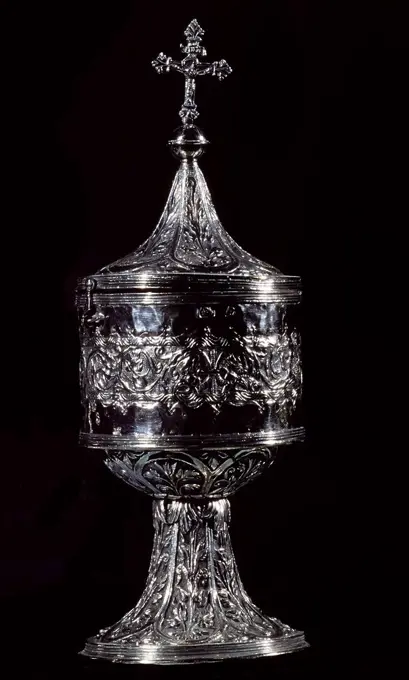
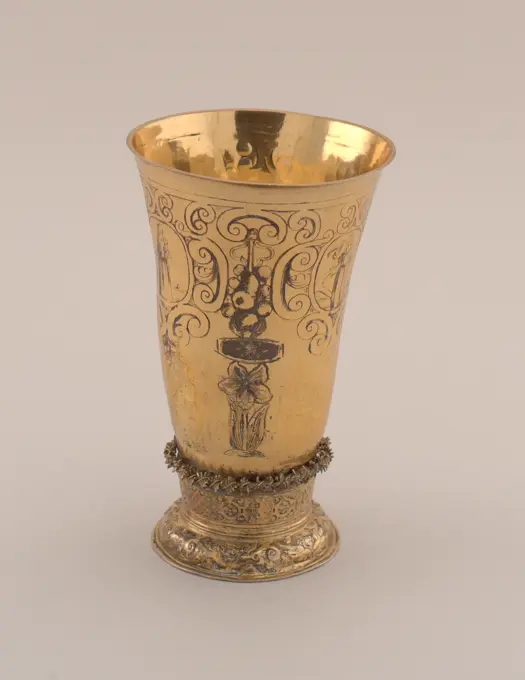
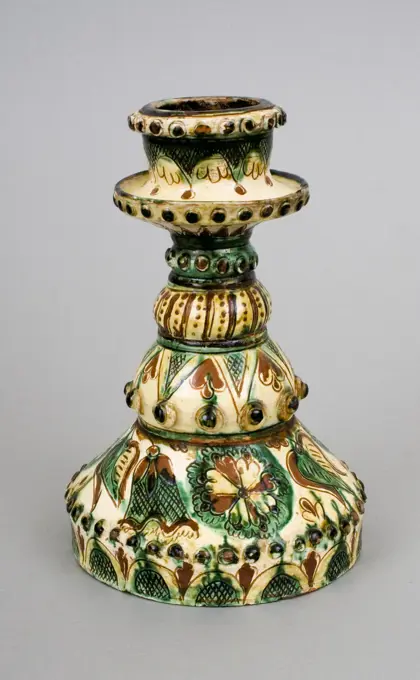
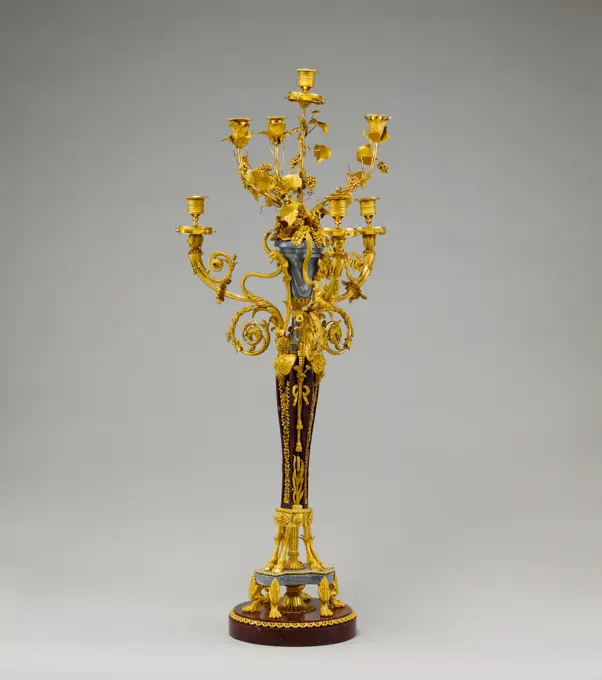
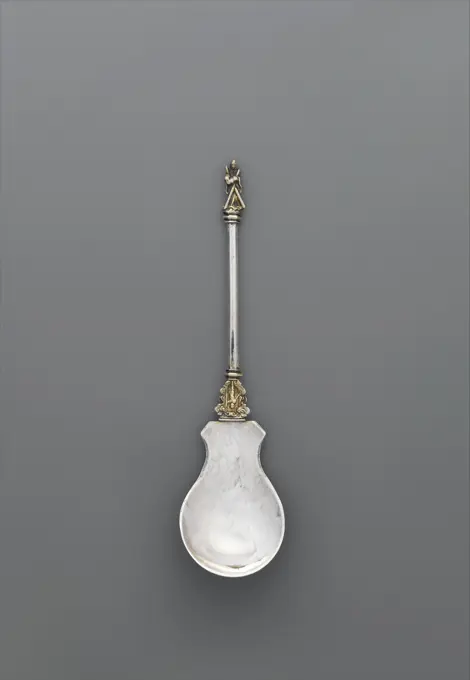
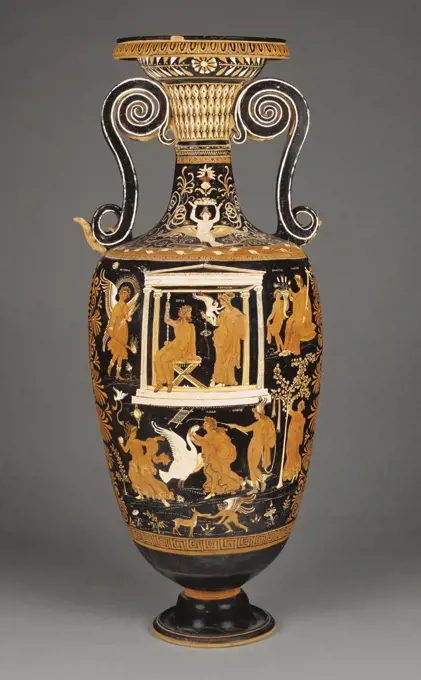
Antique Glass and Candle Holders

Elegant antique glassware and candle holders featuring intricate designs, showcasing craftsmanship from different eras, perfect for decorative or collectible purposes.
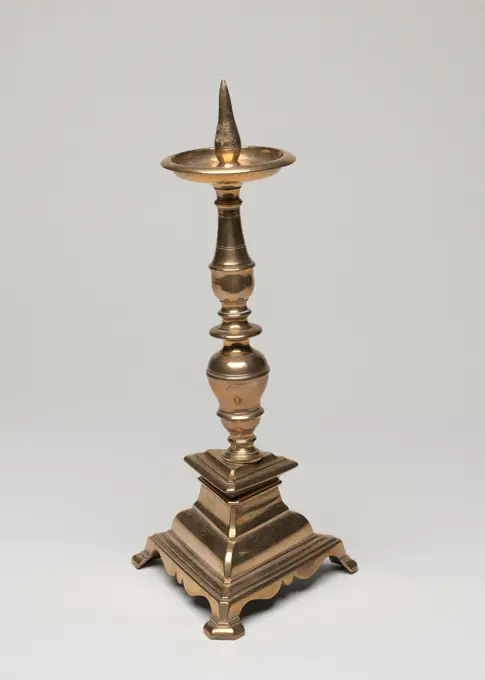
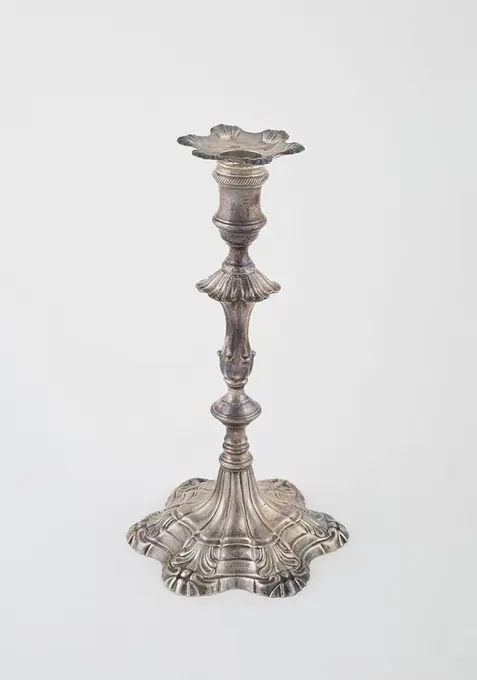
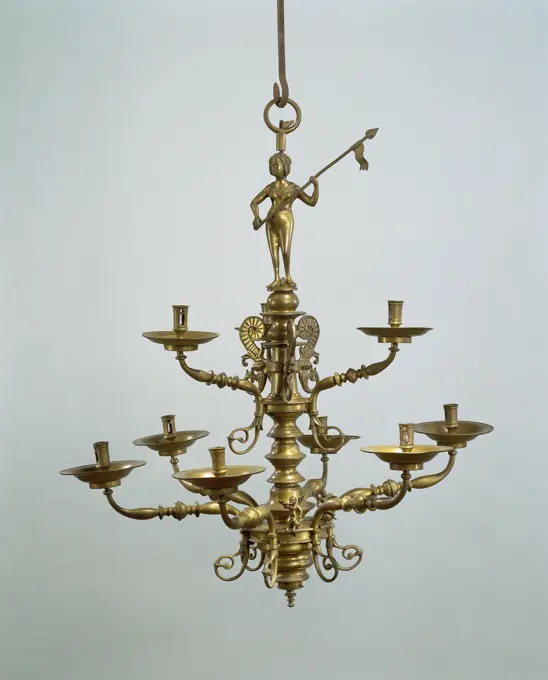
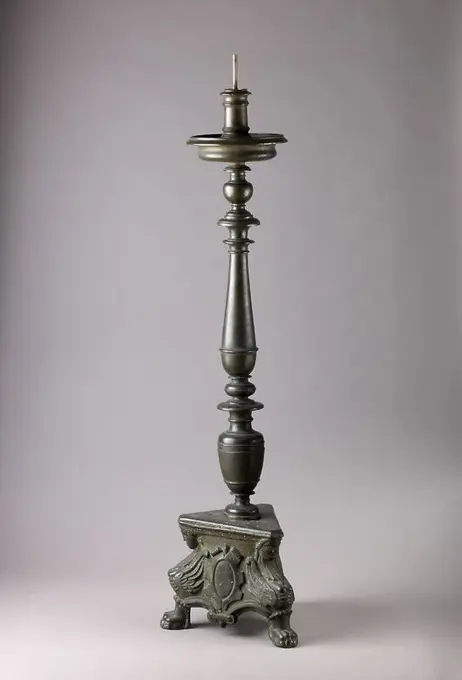
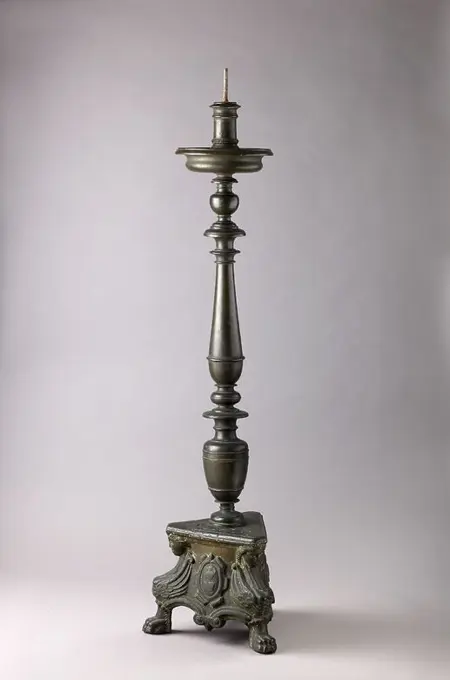
Candlestick, one of a pair, 17th century, 11 1/2 x 4 1/2 x 5 5/8in. (29.2 x 11.4 x 14.3cm), Brass, Italy, 17th century
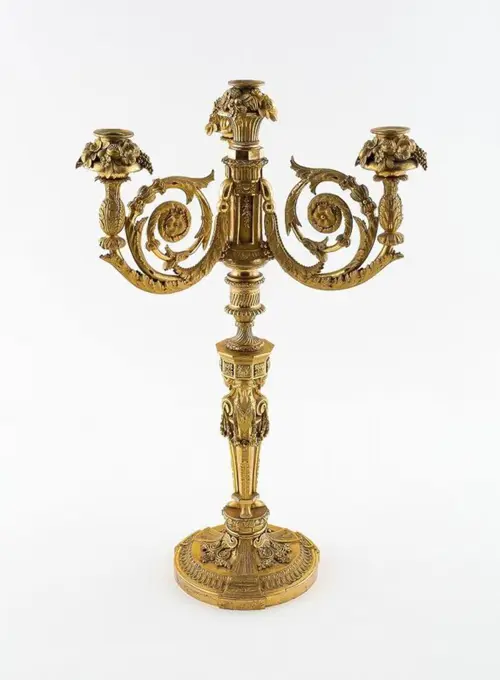
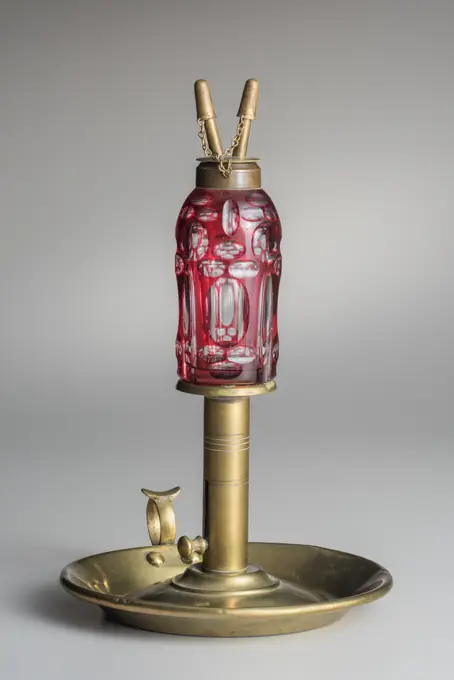
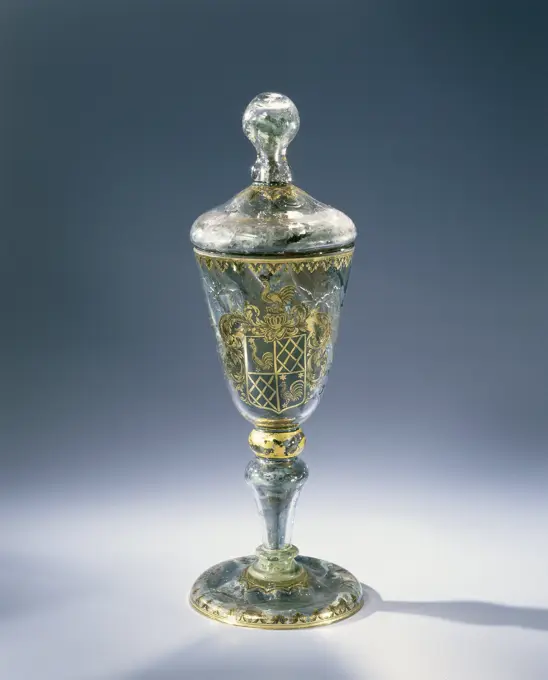
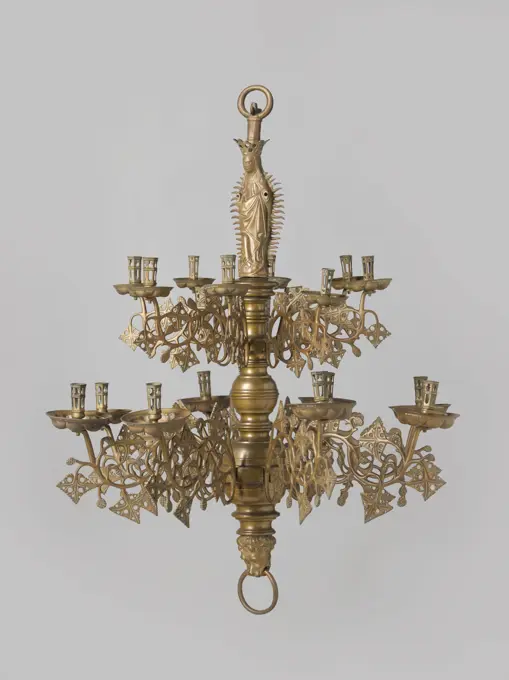
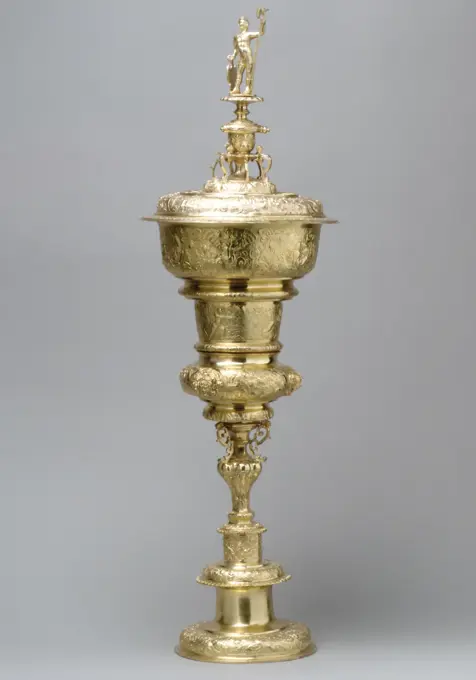
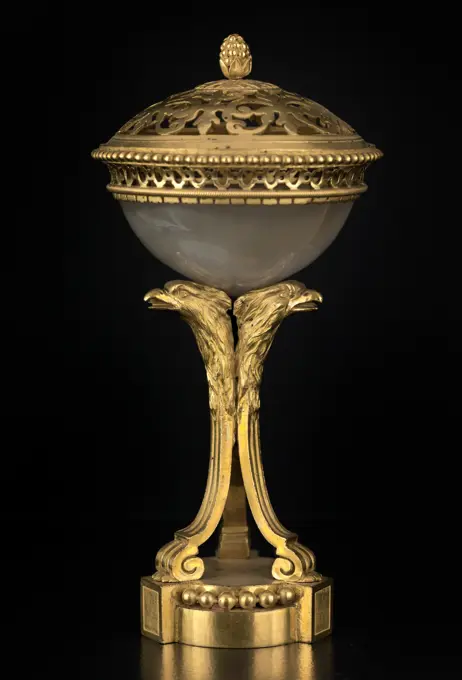
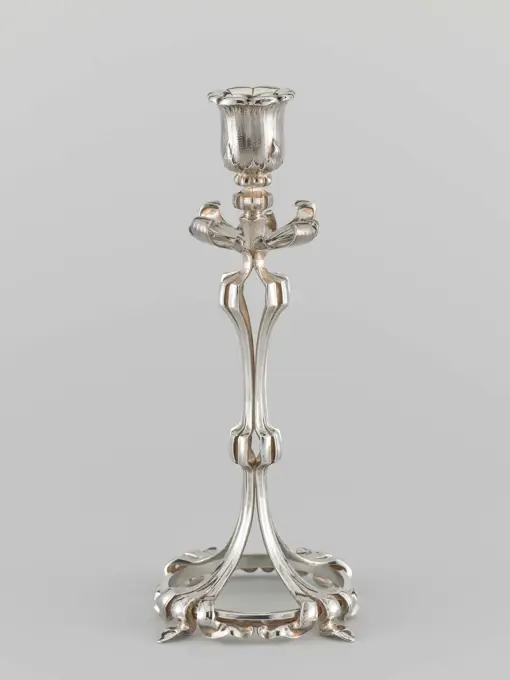
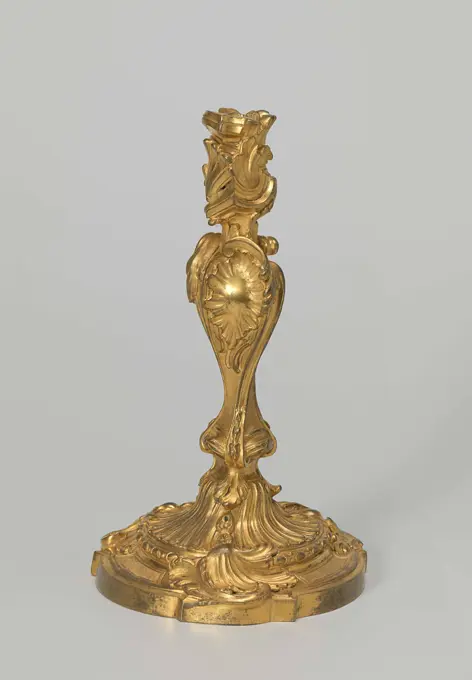
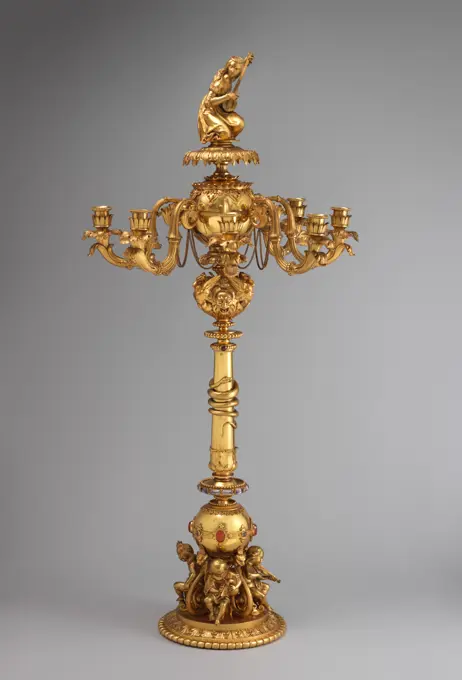
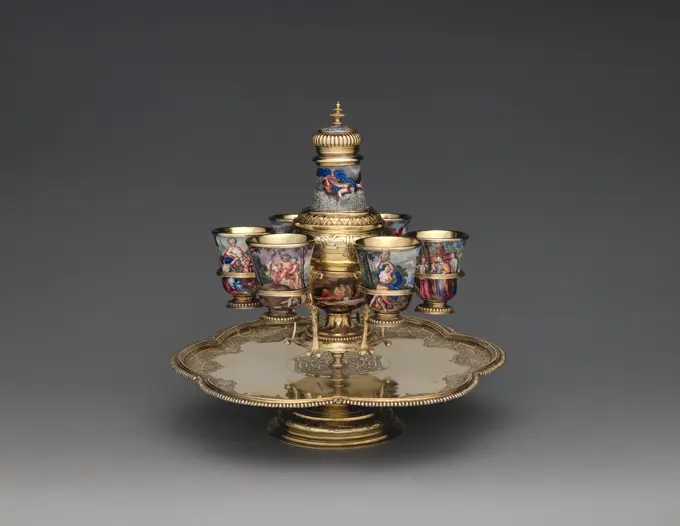
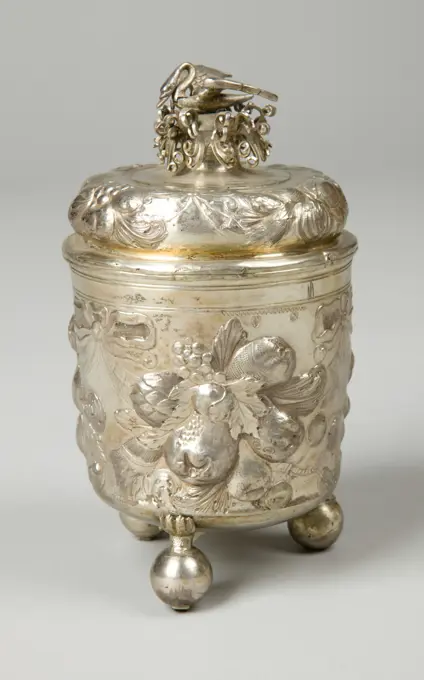
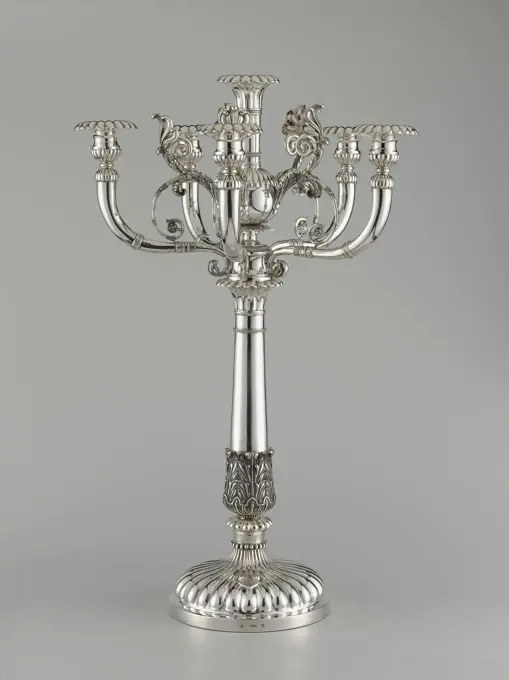
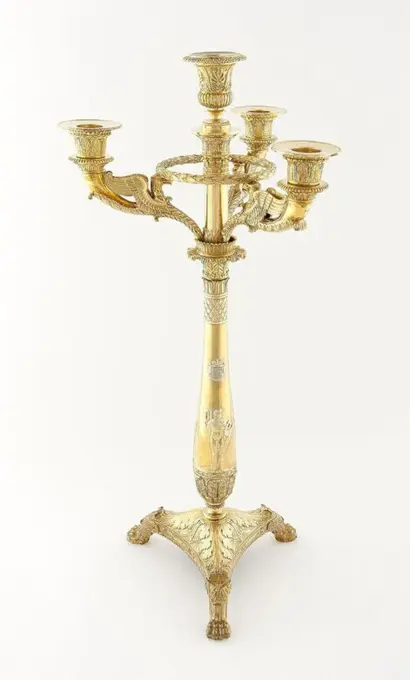
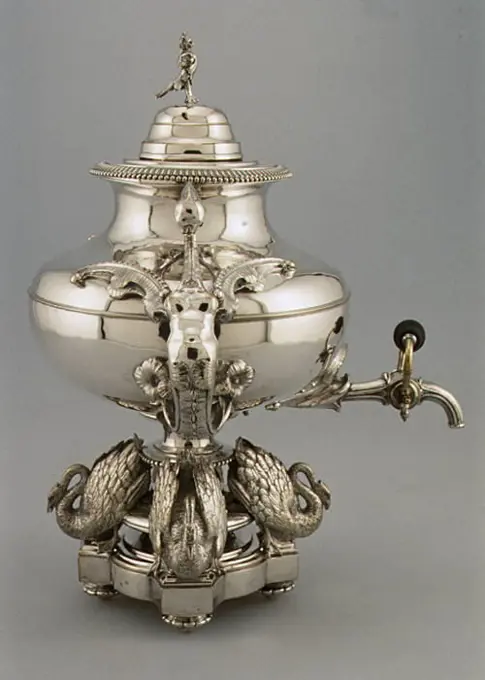
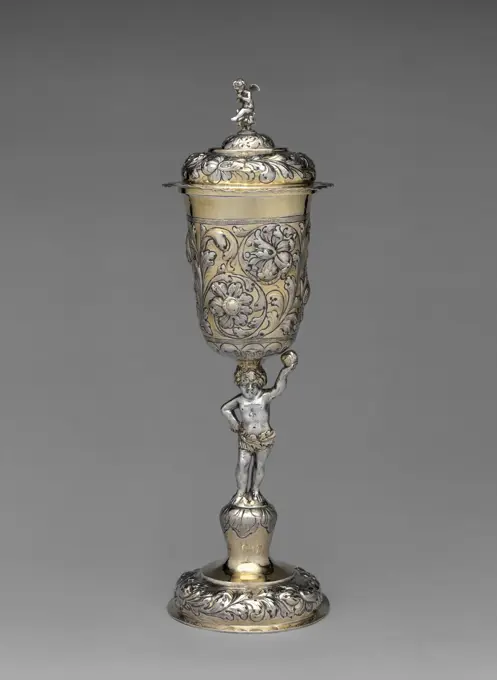
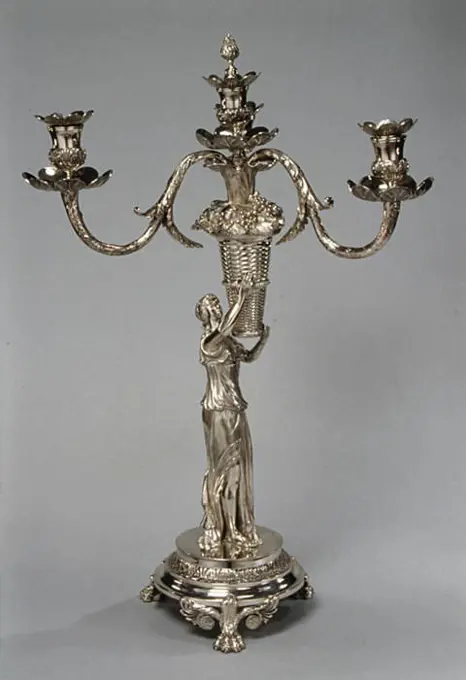
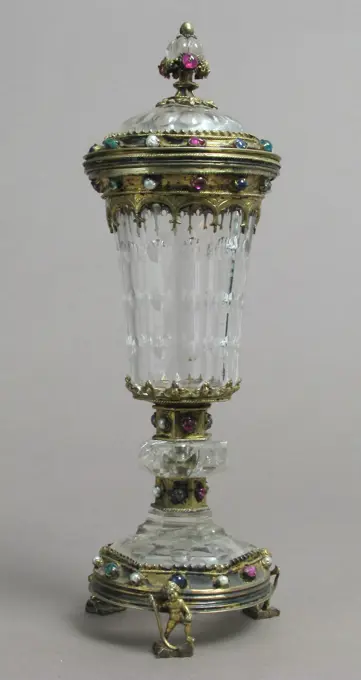
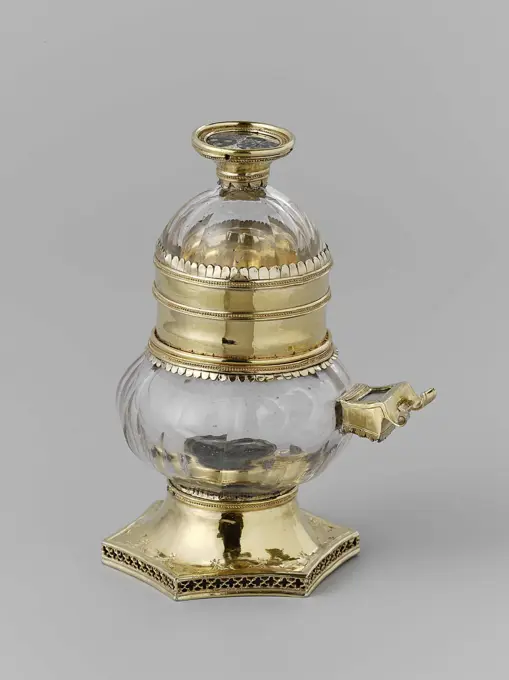
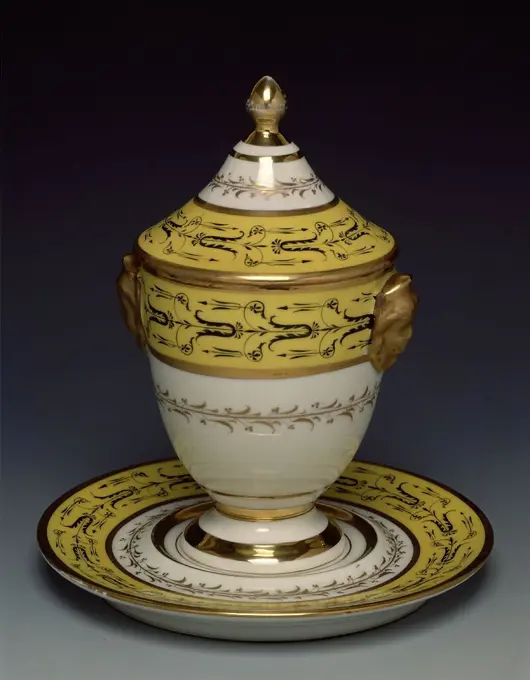
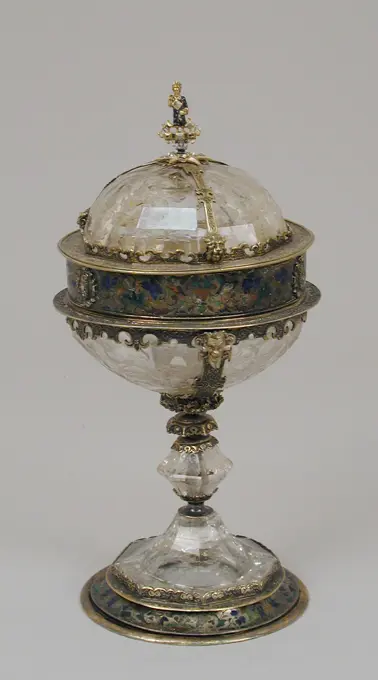
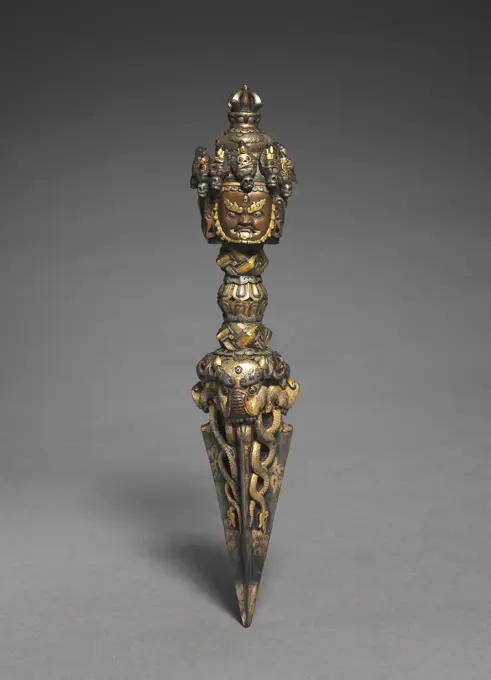
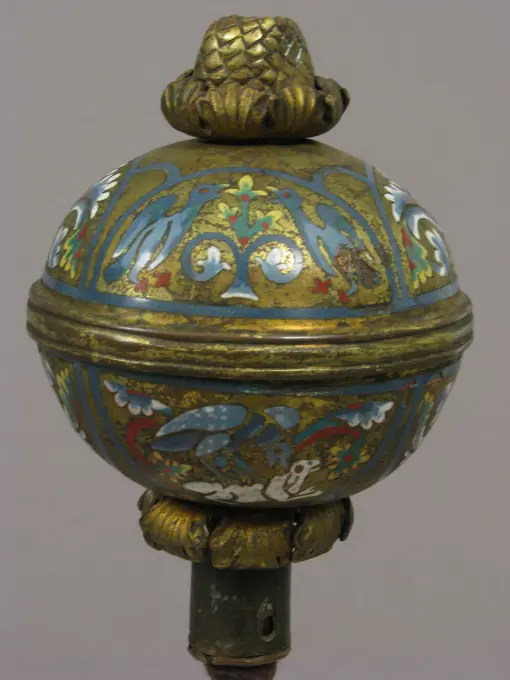
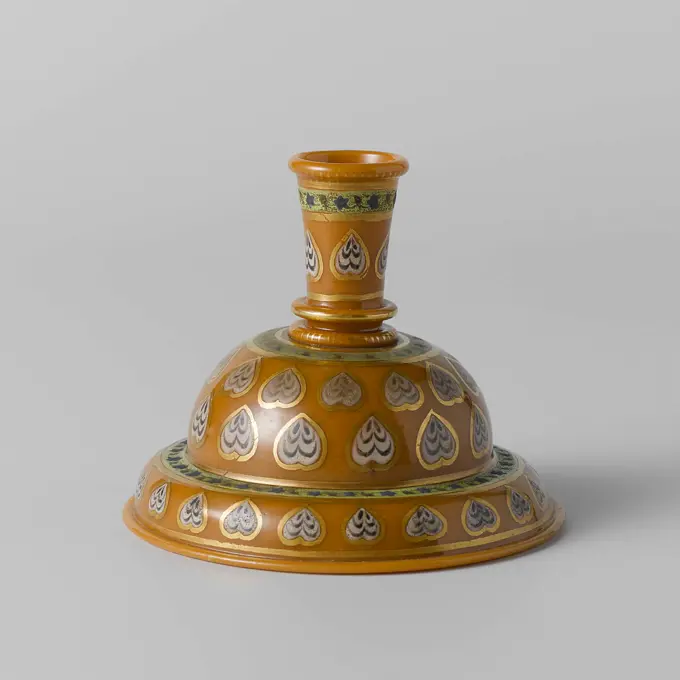
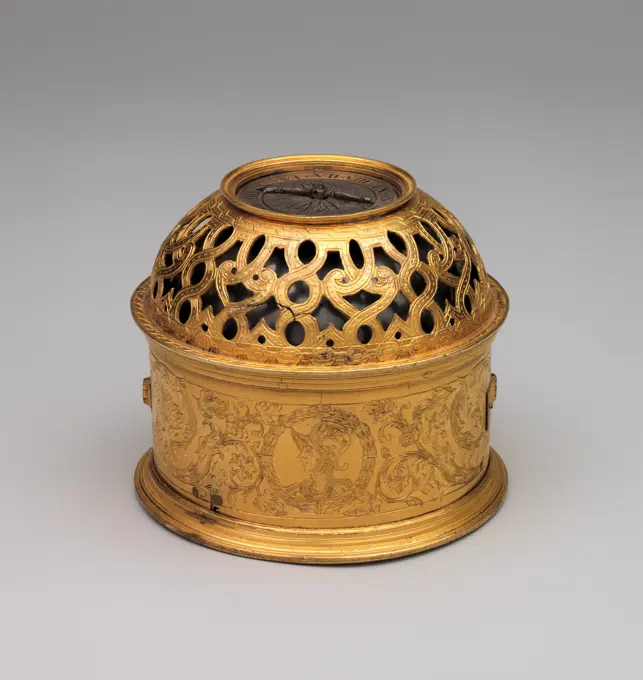
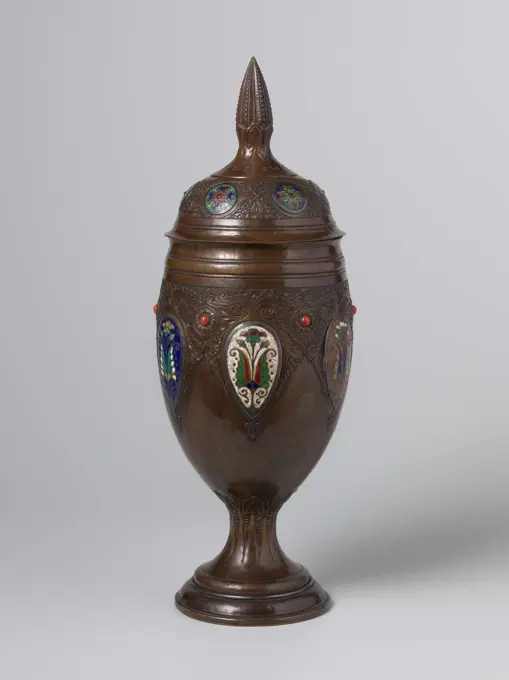
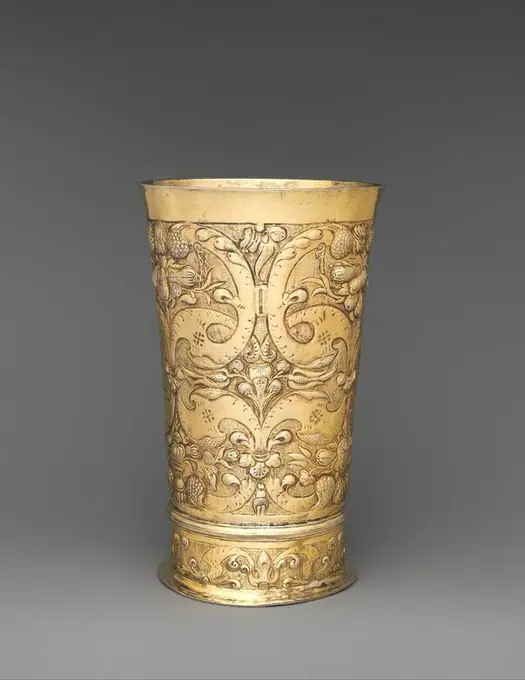
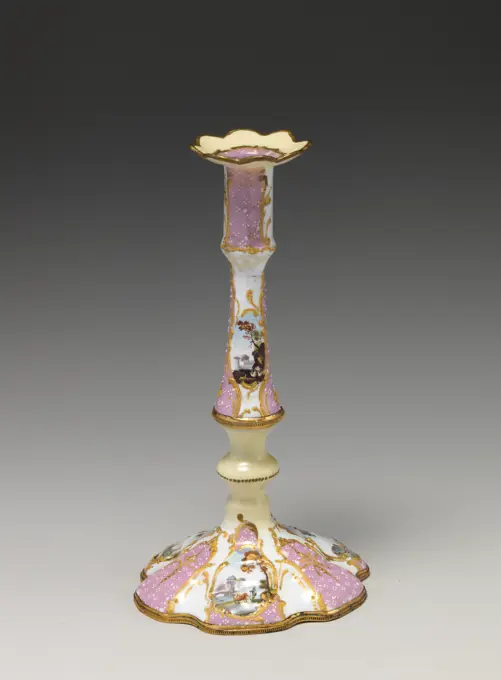
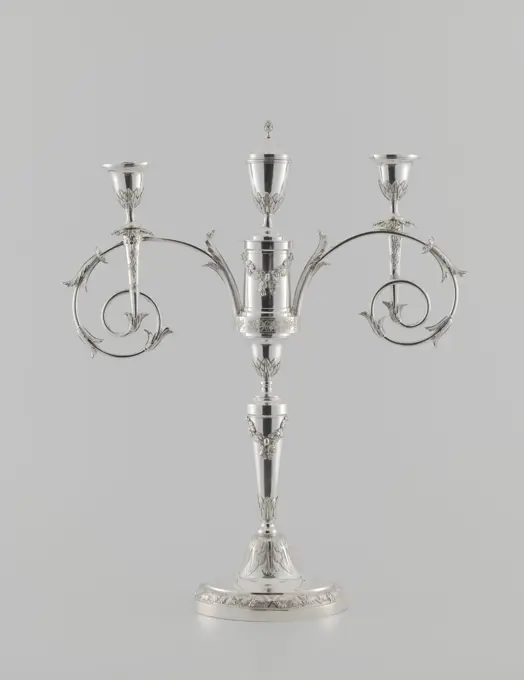
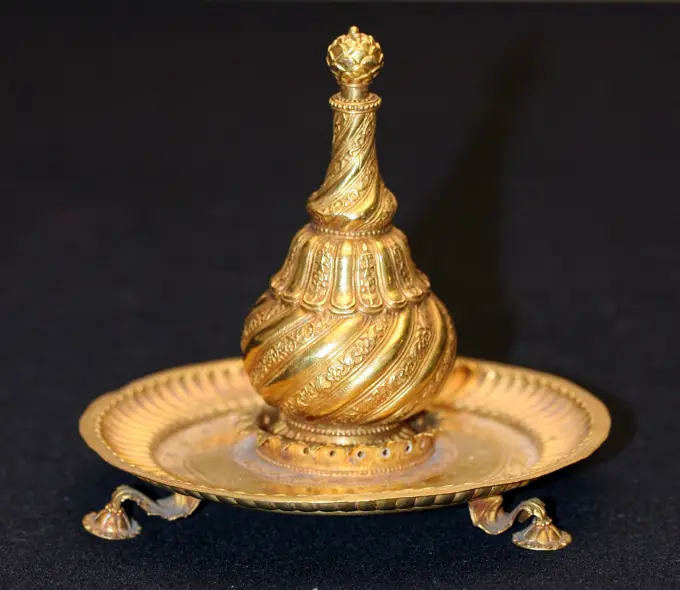
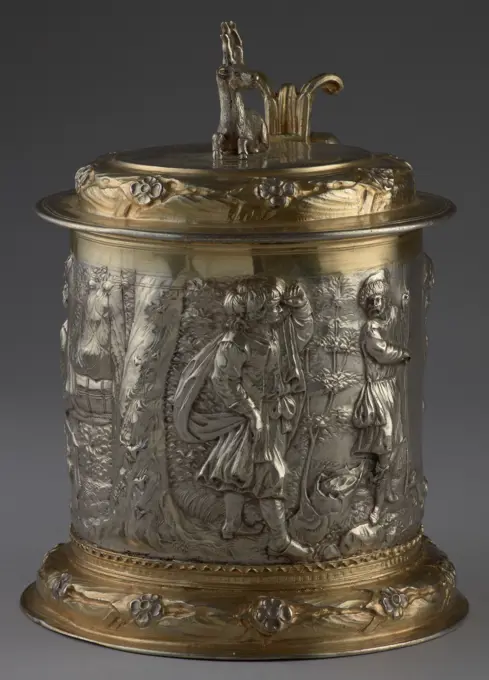
Jar with lid, with a hunting scene, anonymous, c. 1850 - c. 1875 Flat, octagonal, faceted foot. Facet cut, baluster -shaped tribe. Funnel -shaped, rounded and faceted chalice at the bottom. Facet cut, vaulted lid with overhanging edge and a facet cut, baluster -shaped button, ending in a point. On the chalice in gold a hunting scene with a hunter with gun. On the foot and the lid a deer, a stork and a dog between rocaille ornament. The facets on foot, trunk and button with gold. Bohemia glass glassblowing / grinding / gilding Flat, octagonal, faceted foot. Facet cut, baluster -shaped tribe. Funnel -shaped, rounded and faceted chalice at the bottom. Facet cut, vaulted lid with overhanging edge and a facet cut, baluster -shaped button, ending in a point. On the chalice in gold a hunting scene with a hunter with gun. On the foot and the lid a deer, a stork and a dog between rocaille ornament. The facets on foot, trunk and button with gold. Bohemia glass glassblowing / grinding / gildingCandlestick; Fraget, Józef (Warsaw; Silver and Plated Products Factory; 1824-1945); before 1868 (1860-00-00-1870-00-00);Cock lid, Anonymous, 1590 - 1610 Lid of rock crystal with gilded silver frame. Southern Germany silver (metal). gilding Lid of rock crystal with gilded silver frame. Southern Germany silver (metal). gildingPair of Candelabra. In the manner of Pierre Gouthière; French, 1732-1813/14. Date: 1784-1794. Dimensions: H. 64.1 cm (25 1/4 in.). Bronze gilt. Origin: France. Museum: The Chicago Art Institute, Chicago, USA.Chalice mid-17th century Mexican. Chalice 197089possibly New England Glass Works, Peg Lamp, c. 1848-65, red and colorless glass, brass.Sugar Caster (one of a pair) (sucrier à poudre). Simon Gallien (French, died 1757, master 1714)Candlestick, one of a pair, 17th century, 11 1/2 x 4 1/2 x 5 5/8in. (29.2 x 11.4 x 14.3cm), Brass, Italy, 17th centuryDouble -walled cup with lid, with the weapon of the De Haen family, Anonymous, c. 1720 Light vaulted base, double cuff under a hollow, baluster -shaped trunk, above which a hollow flattened nodus under a funnel -shaped, rounded chalice at the bottom. Light vaulted lid with a hollow curved button. The foot, chalice and lid double-walled and between the walls painted in blue-gray in a marble motif. The bottom of the foot, inside of the chalice and the bottom of the lid from the inside gilded. Married the hollow trunk, nodus and button from the lid from the inside. The cuff on the outside marbled, the nodus on the outside gilded. Along the foot edge, the transition from foot to cuff and the edge of the chalice gilded and engraved palmets. On the chalice in gold the weapon of the Amsterdam merchant family De Haen, surrounded by foliage and awarded by a closed sight with a rooster as a helmet sign. The weapon: 1 and 4 a rooster desired to left and three stars and 2 and 3 slats. Kit edges onSilversmith's Art, Great Britain 19th century. Silver centerpiece with frozen silver baskets, Victorian style.Arm with candle holder of candle crown of two heights, each with eight arms, 1525 - 1550 Candle arm belonging to a candle crown of two heights with maria figure at the top. The arm is bent twice and is decorated with nine grape bunches and five vine leaves. The round fat catcher is decorated at the bottom with six round lobes. The candle holder is six -flared, opened, placed on a double hollow -round -profiled pedestal, transferring to a protruding with thread. This is the seventh arm of the bottom ring, numbered with 7 round points. The candle holder is unnumbered. Southern Netherlands brass (alloy) casting Candle arm belonging to a candle crown of two heights with maria figure at the top. The arm is bent twice and is decorated with nine grape bunches and five vine leaves. The round fat catcher is decorated at the bottom with six round lobes. The candle holder is six -flared, opened, placed on a double hollow -round -profiled pedestal, transferring to a protruding with thread. This isArm with candle holder of candle crown of two heights, each with eight arms, 1525 - 1550 Candle arm belonging to a candle crown of two heights with maria figure at the top. The arm is bent twice and is decorated with four grapes bunches and five vine leaves. The round fat catcher is decorated at the bottom with six round lobes. The candle holder is six -flared, open, on a single hollow -rounded pedestal, transferring to a protruding with thread. This is the seventh arm of the upper ring, numbered with 7 round points. The candle holder is unnumbered. Southern Netherlands brass (alloy) casting Candle arm belonging to a candle crown of two heights with maria figure at the top. The arm is bent twice and is decorated with four grapes bunches and five vine leaves. The round fat catcher is decorated at the bottom with six round lobes. The candle holder is six -flared, open, on a single hollow -rounded pedestal, transferring to a protruding with thread. This is the seventh arm of the upper rinStanding cup with cover (Hanap) 19th century, after 17th century original British, after Polish original This electrotype is after a seventeenth-century original a treasure of the Kremlin, Moscow, at the time of reproduction.. Standing cup with cover (Hanap) 186656Liqueur Glass, c. 1890-1900. Germany, Late 19th- Early 20th century. Blown glass; gold enamelling; diameter of base: 19.7 x 7.6 cm (7 3/4 x 3 in.).Anonymous. Vase mounted. Marble, gilded bronze, 1775-1785. Paris, Cognacq-Jay museum. 78927-10 Eagle, bronze gilded, lid, gilding, marble, bronze frame, decorative object, bird, tripod, three feet, vase monte, 18th 18th 18th 18th 18th 18th 18Standing candlestick, 15th century, Goldsmith's art and textile art from the 16th to the 20th century, St., Sankt, Saint. Two candlesticks (see also BK-1990-6-a), almost identical. Stem made up of four series of three tanks that turn into the underside to curl the open foot ring and act as feet. Just above the footrest, the tendrils together flow into a nodus that is at half height of the trunk, to split into groups of two again. This schedule is repeated in a second larger nodus, which is located under the top of the trunk. From this the branches open like curling petals, from which the candle holder move as a tulip-like chalice.Cup decorated with flowers of tulip and poppies; Biermann, Johann Jacob (Fl. 1653-); around 1680 (1675-00-00-1685-00-00);baroque (style), flowers, poppies, tulipsCandlestickTri -headed rotation clock; Tasha (fl. 1820-1838); Ca 1823 (1821-00-00-1825-00-00);Candlestick of gold-plated bronze with twisted trunk and candle holder, decorated with volute and leaf-shaped Rocaille ornaments .. Candlestick of gold-plated bronze. The base, the twisted strain and candle holder are decorated with volute and leaf-shaped Rocaille ornaments. See also: BK-NM-12286-A.Candelabrum with woman playing guitar (one of a pair) 1834-39 Aimé Chenavard These tall and impressive candelabra were part of an important centerpiece commissioned by Ferdinand-Philippe, duc dOrléans, in 1834. Delivered to the Palais des Tuileries, the royal residence in Paris, on April 20, 1839, they would have decorated the dining table together with other gilded bronze and stone-mounted pieces. The main element of this centerpiece, or surtout de table, were naturalistic animal combat and hunting groups created in bronze by the sculptor Antoine-Louis Barye. The entire table decoration was sold after Ferdinand Philippes untimely death in 1842 and widely dispersed.. Candelabrum with woman playing guitar (one of a pair). Figures by Jean-Jacques Feuchère (French, Paris 1807-1852 Paris). French, Paris. 1834-39. Gilt bronze; rock crystal, carnelian. Metalwork-Gilt BronzeTwo candelabra, 1842 Silver candelabar with round foot and a tribe rejuvenating upwards. Six arms bent outwards, which are grouped around a sphere. The foot and candle holders are decorated with Godrons. Leaf motifs and tiflines have been applied around the trunk and the crown. The tenders run out in a Greek palmet. On the foot the driven alliance weapon von Nagell from Gartrop-van Nagell van Ampsen. The Hague silver (metal) casting Silver candelabar with round foot and a tribe rejuvenating upwards. Six arms bent outwards, which are grouped around a sphere. The foot and candle holders are decorated with Godrons. Leaf motifs and tiflines have been applied around the trunk and the crown. The tenders run out in a Greek palmet. On the foot the driven alliance weapon von Nagell from Gartrop-van Nagell van Ampsen. The Hague silver (metal) castingTassel, Medium: wood core, silk, linen, metallic thread, Tassel with a skirt of white silk partly covered by trellis of metallic thread. The cord which runs through the tassel carries seven ornaments, each one of wood covered with silk and metallic thread in a chevron pattern and one with knots. Wooden core covered with white linen plain cloth., Spain, 18th century, trimmings, TasselCandlestick, Johannes Grill, 1652 candlestick Silver candlestick. The round, lobed foot, is decorated with driven lobe ornaments. Amsterdam silver (metal)  auricular ornament, lobe style ~ ornamentSilver lantern, possibly from a synagogue in Suriname. Silver lantern or lamp formed by four columns or pillars (one manco) carrying a silver roof on the top and a similar container for the lamp oil on the underside. The oil was probably in a pewter inside bowl to protect the silver container. The columns have small pear-shaped buttons with a thread at both ends. This makes it possible to put the lamp in and apart. At the top of the columns, just below the roof, there are eyes for the attachment of a wind glazing that had to prevent the flame from deaf. At the view to the roof of the lantern, the lamp could be hung. For the fourth missing column, a replica has been made based on the three remaining columns. Such lamps were used as lighting in churches and synagogues. Specimens are also known that were used to burn the eternal light in the synagogue. These lamps often have an inscription in memory of a person. The appearance of the lamp indicates manufacture in the Netherlands. It is noReliquary. Culture: Italian. Dimensions: Overall: 14 15/16 x 5 1/2 in. (38 x 13.9 cm). Date: 16th century. Museum: Metropolitan Museum of Art, New York, USA.Beaker with Cover. German; Nuremburg or Augsburg. Date: 1490-1510. Dimensions: H: 41.9 cm (16 1/2 in.). Parcel-gilt silver. Origin: Germany. Museum: The Chicago Art Institute, Chicago, USA."Four Seasons" enamel liqueur service ca. 1710 Elias Adam The goldsmith Elias Adam was a leading specialist in mounting miniature-like enameled ensembles. He worked several times with Johann Jacob Priester I, arguably the best enamel artist of his time in Southern Germany. The precious mounts augment the sumptuous nature of the enamels, which are based on engravings by Jean-Baptiste de Poilly (1669-1728) after paintings by Pierre Mignard (1612-1695). Mignards Four Seasons series, now destroyed, was created in 1686-1691 for the Galerie dApollon at the Chteau Saint-Cloud. The enameller managed to elegantly condense several mythological scenes from the monumental ceiling paintings, transforming them into a minute table ornament. Probably rarely used for drinking, the items were likely carefully handled to explore its delicate depictions.. "Four Seasons" enamel liqueur service. Enamels based on copper engravings by Jean-Baptiste de Poilly (French, 1669-1728). German, Augsburg. ca. 1710.Galvanoplastic reproduction of a jar decorated with tape work, maskons and email.galvanoplastic reproduction of a jar decorated with tape work, maskons and leaf work surrounded by three tires with email; Three panels on the wall and three panels on the lid contain biblical scenes in low relief. Gilded. With lid (BK-NM-5317-2).Bowl with IIdBedstead leg. Culture: French. Dimensions: Overall: 40 × 5 1/8 in. (101.6 × 13 cm). Date: 18th century. Museum: Metropolitan Museum of Art, New York, USA.Five-pronged Vajra Bell (Gokorei), early 1300s. Japan, Kamakura period (1185-1333). Gilt bronze; height: 16.7 cm (6 9/16 in.); diameter: 7.5 cm (2 15/16 in.). The five prongs of this bell symbolize the Buddhist Five Perfections”—generosity, morality, patience, perseverance, and concentration. The mouth of the bell symbolizes the Sixth Perfection” of wisdom. The bell was used in Japanese Esoteric Buddhist rituals along with vajra pestles, or kong?sho.Candlestick 1765-1766 Italy. This magnificent altar set, made by the Roman Rococo goldsmith Leandro Gagliardi, is comprised of statuettes of four apostlesóSaints Andrew, John, Peter, and Paul; four candlesticks; a crucifix; and three frames to hold cards indicating the part of the Mass being performed. The altar set was made for Flavio Chigi (1711ñ1771) and bears the Chigi and Albani coats of arms. It might have been intended for use in the family chapel of the Palazzo Chigi in the Piazza Colonna, Rome.. Gilt bronze . Leandro GagliardiSeal 1600-1699 Germany. Bronze gilt .. Kandodelaber of silver with round foot and a rejuvenating trunk. Six to the outside bent arms, which are grouped around a sphere. The foot and candle holders are decorated with godreways. Leaf motifs and tubs are arranged around the trunk and the crowning award. The tendrils walk out in a Greek Palmet. At the foot the driven alliance weapon von nagell of Gartrop-van Nagell of Ampsen.Standing salt. Culture: British, London. Dimensions: Height: 10 in. (25.4 cm). Date: 1581/82.The finial and its supporting structure may not be original. Museum: Metropolitan Museum of Art, New York, USA.Four Light Candelabrum (one of a pair). Martin-Guillaume Biennais; French, 1764-1843; Paris, France. Date: 1809-1819. Dimensions: H. 54.6 cm (21 1/2 in.). Silver-gilt, repoussé, cast, applied and chased decoration, gilt bronze. Origin: Paris. Museum: The Chicago Art Institute, Chicago, USA.Louis Tassin. "Cup". Money. 1809-1814. Museum of Fine Arts of the City of Paris, Petit Palais. 74382-11 Money, silverware, gobletStanding Cup 1607 London. Silver gilt .Standing Covered Filigrana Cup. UnknownTea urn 1845 Silversmith P. B., Paris. Tea urn 207774Standing cup with cover ca. 1700 Stephanus Weltzer II On top of the lid sits winged Cupid, the god of love, who may have played with his well-known (but here lost) attribute, an arrow. The stem statuette in the form of a boy holding up an apple could refer to Adam and the biblical story of the expulsion from Paradise. Seen together, Cupid, the apple, and the abundance of flowers and foliage signify vanity and the passing of earthly pleasure. Until recently, the only works by Stephanus Weltzer II that were known are two chalices in ecclesiastical treasuries.LiteratureImportant English and Continental Silver. Sale cat., Sothebys, New York, October 19, 1995, n.p., no. 260.ReferencesElemér K?szeghy. Magyarországi ötvösjegyek a középkortól 1867-ig / Merkzeichen der Goldschmiede Ungarns vom Mittelalter bis 1867. Budapest, 1936, no. 256 [makers mark.Sculptural stems were highly fashionable during the Baroque period to embellish display pieces. See, for example, Erdély régi m?vészeti emlékeBowl. Tiffany and Company; American, founded 1837; New York, New York. Date: 1883. Dimensions: 21.6 × 26 cm (8 1/2 × 10 1/4 in.); 1913.7 grams. Silver gilt. Origin: New York City. Museum: The Chicago Art Institute, Chicago, USA. Author: Tiffany and Company.Pair of three-light candelabra 1808-9 William Pitts British. Pair of three-light candelabra 207697Covered Cup 15th century German Rock crystal was valued most highly throughout history for its hardness and brilliant clarity. In the Middle Ages is was viewed by the Church as a symbol of unblemished purity, and thus a most appropriate material for containers of holy relics and for other ecclesiastical vessels. For kings, princes, and other high-placed persons, drinking vessels made of cut and highly-polished rock crystal and decorated with precious metals and jewels had great appeal. Various locations in Central and Western Europe have been suggested as fourteenth- and fifteenth- century centers for the cutting of crystals, including Paris, Burgundy, Prague, Nuremberg, Venice, and Freiburg im Breisgau. Rock-crystal vessels cut with a pattern of concave roundels, such as this beaker, are usually considered to be of French workmanship. The cut rock-crystal cup of the beaker is believed to be French; however, its bejeweled mounting is thought to have been executed not in France or BurguTiered Centerpiece 1800-1899 Italy. Lead-glazed earthenware (creamware) with silver lustre decoration .Candlestick; silverVase KorzecArgand Lamp 1835-40 Attributed to Messenger Company. Argand Lamp. 1835-40. Bronze, gilt brass. Made in London, EnglandPair of Candelabra 1757-1758 London. Silver, cast and chased . James PaltroVase, Jan van Logteren, 1737  Amsterdam marble (rock)  Amsterdam marble (rock)Late Gothic chalice. Stos, Florian (fl. 1513-1540), goldsmithGarden Vase. This vase, one of a set of two, is from Enghuizen Estate near Lochem. During the Second World War this 19th-century country house was used as a military hospital, and torn down shortly thereafter. The vases will have originally come from an older country manor. They are made of marble from the famous Carrara quarries in Italy and have two handles in the shape of female busts.Close-up of a perfume bottleFlakon with a cork;  KON. XVIIIW. (1785-00-00-1790-00-00);. The lid can also be used as a cup, hence the name double cup’.. Small arm of candles wreath.Candlestick. Probably Ebenezer Coker; English, 1738-1783; London, England. Date: 1762-1763. Dimensions: H. 25.4 cm (10 in.). Silver. Origin: London. Museum: The Chicago Art Institute, Chicago, USA.Pepper spreader, oval vase -shaped body with a filet edge along the top. Vaulted lid with litter. Entirely on the right foot. Soil with three holes, one with thread, anonymous, 1800 - 1825 Oval vase -shaped pepper spreader of silver. The broadening body rests on a right -wing foot. Body and foot on sides slightly raised. Vaulted lid with litter. A traffic jam along the top edge body. In the bottom of the bottom three round openings, the middle one is larger and has a thread. The Netherlands First quarter of the 19th century. Opm.: Presumably part of the oil and vinegar set on which spreader by means of thread could be attached. Netherlands (possibly) silver (metal) Oval vase -shaped pepper spreader of silver. The broadening body rests on a right -wing foot. Body and foot on sides slightly raised. Vaulted lid with litter. A traffic jam along the top edge body. In the bottom of the bottom three round openings, the middle one is larger and has a thread. The Netherlands First quarter of thCandlestick, Pricket. Culture: South Netherlandish. Dimensions: Overall: 15 5/16 x 6 5/16 in. (38.9 x 16.1 cm). Date: 15th century. Museum: Metropolitan Museum of Art, New York, USA.PLATO Y JARRA. Location: PRIVATE COLLECTION. MADRID. SPAIN.. Large arm with the accompanying fat catcher and holder. The labeled arm has a bol and hollow-profiled nodus in the middle and thickened a little on either side. At the trunk she walks out in spiral curls. It goes outwards in the screw ends of iron, on which the candle holder can be attached. The round fat catcher has lowered edges. The round in each other's extended openwork holders have holronde feet, which are screwed on the arms.Cup with cover ca. 1580-1600 Anton Schweinberger. Cup with cover 193518Purba, 1403-24. Sino-Tibetan, Yongle period (1403-1424). Metal alloys with gold and silver; overall: 27 x 6 cm (10 5/8 x 2 3/8 in.).PIXIDE DE MANERU-PLATA-S XVI. Location: CATEDRAL-MUSEO DIOCESANO. Pamplona. NAVARRA. SPAIN.Beaker (Holland); silver giltCandlestick Bachmiński, Aleksander (1820 1882)Pair of seven-light candelabra (candélabres or girandoles) ca. 1790 French Candelabra became more and more elaborate during the course of the eighteenth century and were frequently cast of gilt bronze. Monumental in size, this pair meant to hold seven candles is very complex in its design. Arranged in two tiers of three branches and with an additional arm at the top, the model incorporates two sets of animal feet as its support, lions paws and goats hooves. The stem is surmounted by female term figures, possibly maenads, and the scrolling branches on the lower tier each terminate in a jesters head, with a tambourine serving as drip pan. In addition, eagles heads and coiling snakes surround a marble vase topped with fruits and flowers, which supports the four upper branches. Vine leaves and bunches of grapes are entwined around three of the candle arms, while the upper one is shaped like a thyrsus, the staff associated with Bacchus. The selection of bronze ornaments is unusual, and Spherical knop late 12th century German. Spherical knop 464327 German, Spherical knop, late 12th century, Champlev enamel, copper-gilt, Overall: 5 3/8 x 3 11/16 in. (13.7 x 9.4 cm). The Metropolitan Museum of Art, New York. Gift of J. Pierpont Morgan, 1917 (17.190.347)Cup - Nautilus;  2. PO The 17th century (1651-00-00-1700-00-00);Baroque (style), woman, shell (shape), men, purchase (provenance)Beaker. China. Date: 1600 BC-1050 BC. Dimensions: H. 28.3 cm (11 1/8 in.); diam. at mouth: 15.9 cm (6 1/4 in.); diam. at base: 8.9 cm (3 1/2 in.). Bronze. Origin: China. Museum: The Chicago Art Institute, Chicago, USA.Tobacco cup from a water pipe. Cup for glowing carps from a water pipe.Table clock 1580-85 Movement by Bartholomew Newsam Bartholomew Newsam is the earliest known native English maker of small domestic clocks, yet his few surviving works are remarkably similar to French clocks. In this example, the cylindrical gilded-brass case contours to the shape of the movement contained inside: the perforated dome of the upper section follows the form of an interior bell. The leather and gilded-brass outer case, which protected the clock during travel, has a special opening at the top for easy access to the dial.. Table clock 194107Cup with cover 1576-84 Eberwein Kessmann. Cup with cover 193549. Tomak, silver and email bowl. On jar and lid decorated with six enamelled silver shields. Signed in the foot: G. H.Lantman Me Fecit 1911.Miniature nutmeg grater 1698-99 H.V., London. Miniature nutmeg grater. British, London. 1698-99. Silver. Metalwork-Silver-MiniatureMortar. Unknown maker, ItalianGoblet, c. 1900, attributed to Émile Gallé, French, 1846-1904, 7 1/8 x 4 1/4 x 4 1/4 in. (18.1 x 10.8 x 10.8 cm), Glass, France, 19th-20th centuryBridal Cup, c. 1600. Germany, Nuremburg(), 17th century. Silver; overall: 27.4 cm (10 13/16 in.); container: 14 cm (5 1/2 in.).Covered Marriage Goblet. Germany, Saxony, circa 1743. Furnishings; Serviceware. Free-blown, cut and engraved glassFooted beaker. Culture: Hungarian, Fogaras. Dimensions: Overall: 9 7/16 x 5 11/16 in. (24 x 14.5 cm). Date: ca. 1670.This substantial beaker could hold large quantities of wine. The polished scrolls and fruit clusters that project from a matte ground evoke a feeling of abundance that reflects the beaker's lavish function. Similar auricular (literally "ear-shaped") scrollwork can be seen on the lidded example to the left. This beaker may also originally have had a cover. An auricular-style scrollwork ornament, which originated in the Netherlands in the early seventeenth century (Antje-Maria van Graevenitz. Das niederlndische Ohrmuschelornament. Bamberg, 1973), similar to that decorating this voluminous beaker can be seen on a lidded example from the collection, acc. no. 2010.110.38.LiteratureFine European Silver. Sale cat., Sotheby's, Geneva, November 14, 1988, p. 32, no. 73.Judit H. Kolba. Hungarian Silver: The Nicolas M. Salgo Collection. London, 1996, p. 75,Reliquary Monstrance with a Tooth of Saint John the Baptist. Weddeghe Velstede (German, active 1432-73); container: Egyptian. Date: 1433. Dimensions: 45.1 cm (17 3/4 in.). Silver gilt and rock crystal. Origin: Germany. Museum: The Chicago Art Institute, USA. Author: Weddeghe Velstede.Pair of models of perfume burners. Culture: French. Dimensions: Height (each): 10 1/2 in. (26.7 cm). Date: 18th century. Museum: Metropolitan Museum of Art, New York, USA.Candlestick with legs with stylized animal heads. The object consists of a foot and a strain that can be diced and turned into one whole. The round base, which is decorated with three double grooved rings, has a raised middle and a raised edge. He stands on three legs, which are equipped with stylized animal heads. The strain that has been protected at the bottom and decorated with a knot, retains its hexagonal form more or more to the top.Perfume burner. Attributed to Pierre-Philippe Thomire (French, 1751 - 1843, master 1772)Taperstick (one of a pair) 1760-65 British, South Staffordshire. Taperstick (one of a pair). British, South Staffordshire. 1760-65. Enamel on copper. Enamels-PaintedSilver candlestick, Francois Marcus Simons, 1803 Candlestick with foot consisting of 5 parts and a bobèche. Marked and dated. The Hague silver (metal) casting Candlestick with foot consisting of 5 parts and a bobèche. Marked and dated. The Hague silver (metal) castingSmall cup with a lid. Kotlina Jeleniogórska (ośrodek rytownictwa ; ca 1600- ), creator, Weiberberge (huta szkła ; post 1702-ante 1754), creator, Weissbach (huta szkła ; 1617-ante 1754), creatorPerfume Bottle (Attardan) and Tray 1701-1900 India. Gold .Design for a Chalice with Lid. Artist: Anonymous, French, 19th century. Dimensions: sheet: 10 3/16 x 6 15/16 in. (25.8 x 17.7 cm). Date: 19th century. Museum: Metropolitan Museum of Art, New York, USA.Spoon 16th-17th century possibly Hungarian The cast finial of this spoon depicts Saint Andrew, recognizable by his attribute, a cross in the shape of an X. This motif suggests that the spoon was part of a set of thirteen with representations of the twelve apostles and either Christ or the Madonna and Child. Beginning in the fifteenth century, such sets became popular as ostentatious christening gifts.Wolfram Koeppe 2015. Spoon. possibly Hungarian. 16th-17th century. Silver. Metalwork-SilverAnonymous / 'Large vessel with a jade and silver-gilt cover'. 1684 - 1687. Silver-gilt, Nephrite. Museum: Museo del Prado, Madrid, España.Apulian Red-Figure Loutrophoros; Attributed to Painter of Louvre MNB 1148, Greek (Apulian), active 350 - 330 B.C.; South Italy, Apulia, Europe; about 330 B.C.; Terracotta; Object: H: 90.2 x Diam. (rim): 26 cm (35 1/2 x 10 1/4 in.)Candelabra (pair with .1384). Culture: Italian, Venice (). Dimensions: H. 123.2 cm. Date: 19th century, in late cinquecento Venetian style. Museum: Metropolitan Museum of Art, New York, USA.Pedestal. Culture: British. Dimensions: Height: 46 7/8 in. (119.1 cm). Maker: Attributed to Thomas How (British, active 1710-33). Date: ca. 1725-35. Museum: Metropolitan Museum of Art, New York, USA.Candelabra (pair with .1385). Culture: Italian, Venice (). Dimensions: H. 123.2 cm. Date: 19th century, in late cinquecento Venetian style. Museum: Metropolitan Museum of Art, New York, USA.RELICARIO DE SAN GENARO REALIZADO EN CRISTAL DE ROCA - SIGLO XVII. Location: CONVENTO DE LAS CLARISAS / MUSEO DE ARTE SACRO. MONFORTE DE LEMOS. LUGO. SPANIEN.A mug with the presentation of the meeting of Isaac and Rebecca Clausen, Benedikt (1644 1709)Incense burner. Culture: Northern Italian, probably Padua. Dimensions: Overall (confirmed): 13 1/2 × 8 5/16 × 6 7/8 in. (34.3 × 21.1 × 17.5 cm). Date: ca. 1530-40.Ancient authors mentioned the sanitary benefits of fumigation and the widespread ceremonial use of incense in the rites of various religions in many parts of the then-known world. The form of this incense burner seems to have been inspired by classical Roman funerary monuments or altars. Its sculptural body supports a container with arched openings for the release of fragrant smoke, crowned by a flamelike finial representing eternal fire. As sensuous appreciation for pleasant perfumes grew, their often-exotic origins sparked the curiosity of Europeans. Incense might have improved the intellectually stimulating ambience of a Kunstkammer, thus enhancing the visual appreciation of the variety of objects displayed therein.The incense burner is decorated with images of satyrs and sphinxes. Satyrs symbolized the mythological worl