Antique Glass and Candle Holders

Elegant antique glassware and candle holders featuring intricate designs, showcasing craftsmanship from different eras, perfect for decorative or collectible purposes.
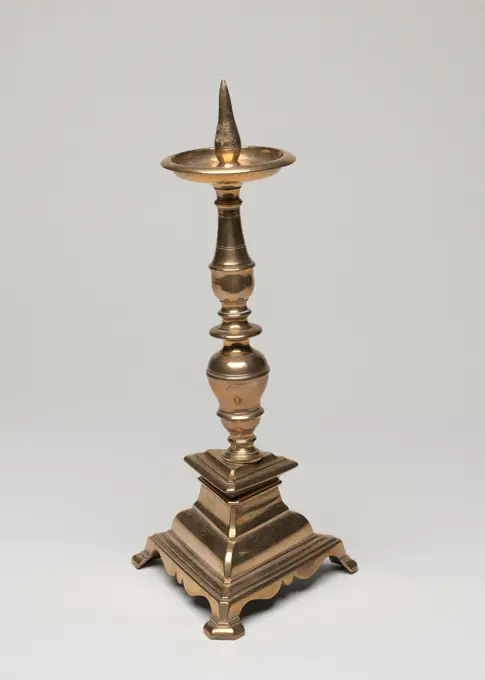
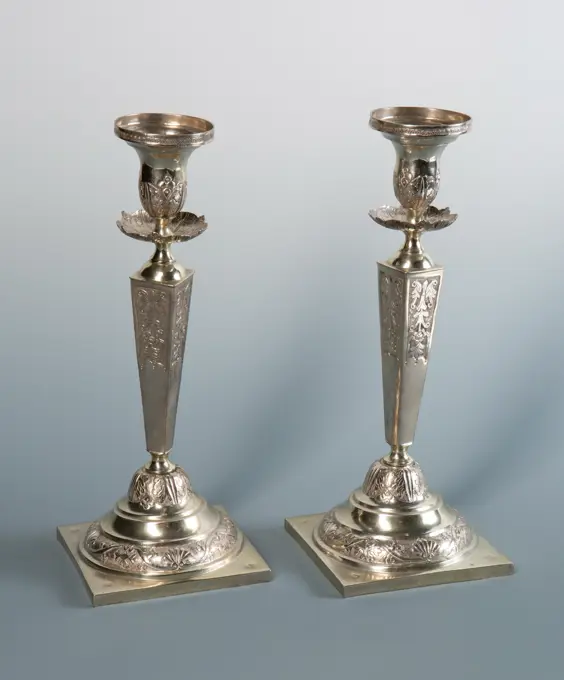
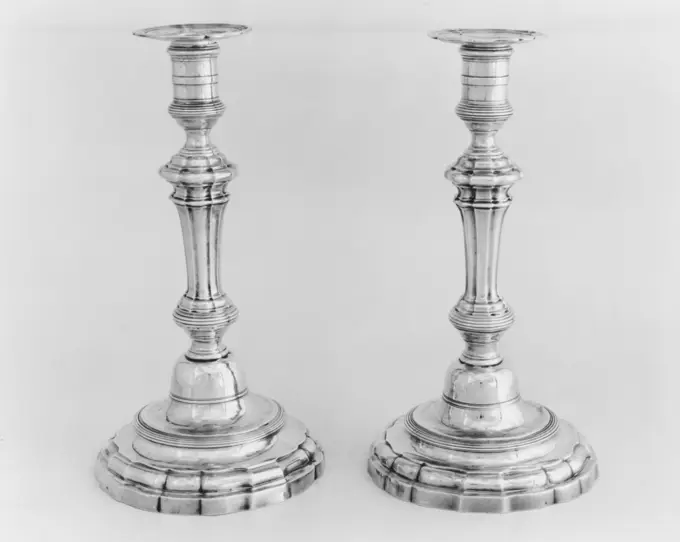
Candlestick, one of a pair, 17th century, 11 1/2 x 4 1/2 x 5 5/8in. (29.2 x 11.4 x 14.3cm), Brass, Italy, 17th century
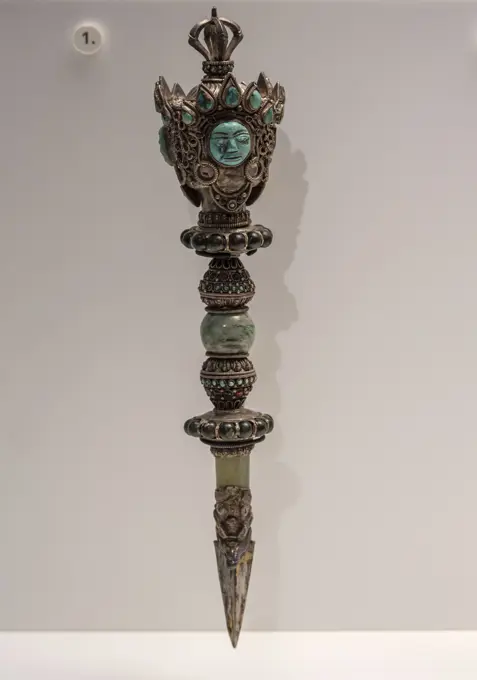
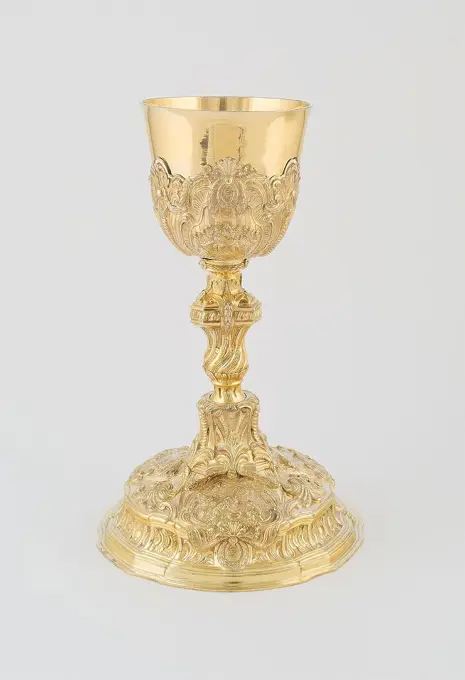
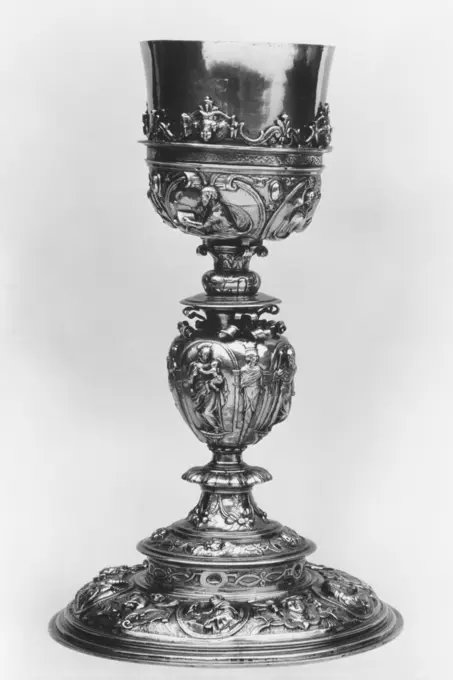
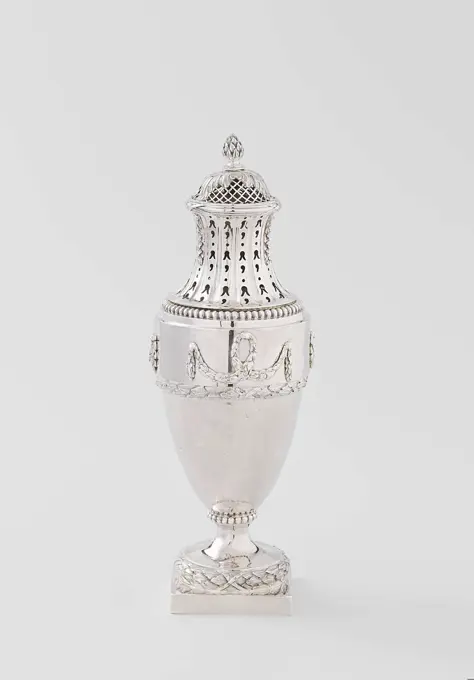
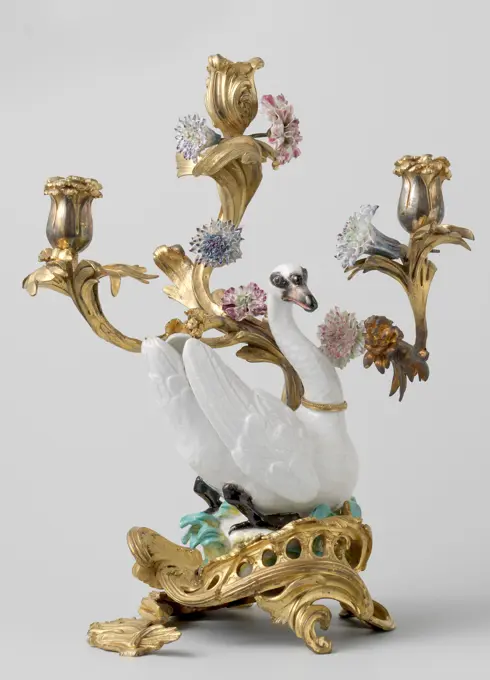
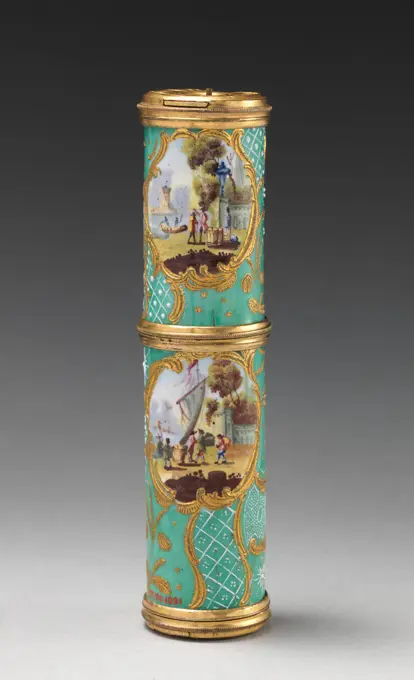
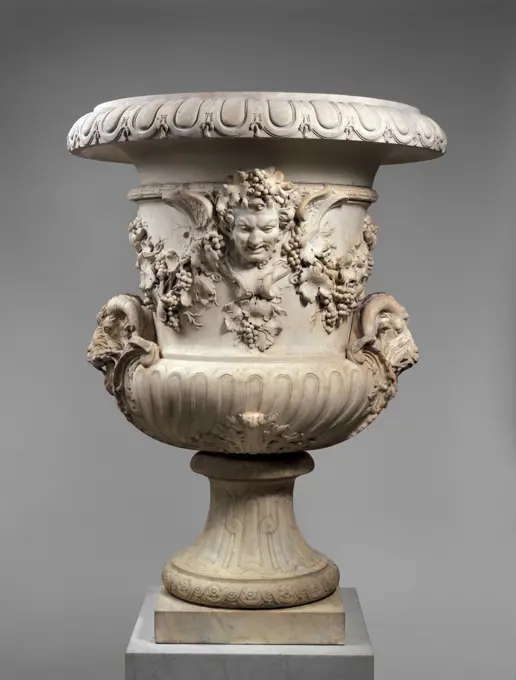
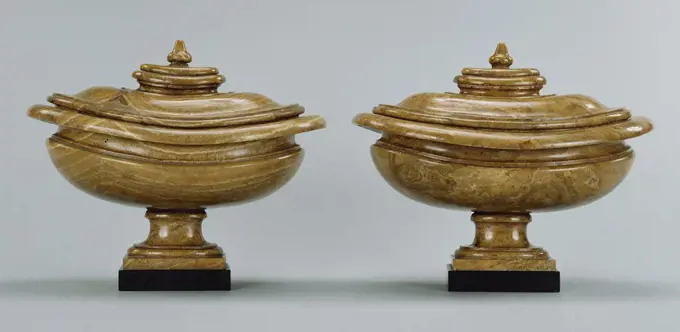
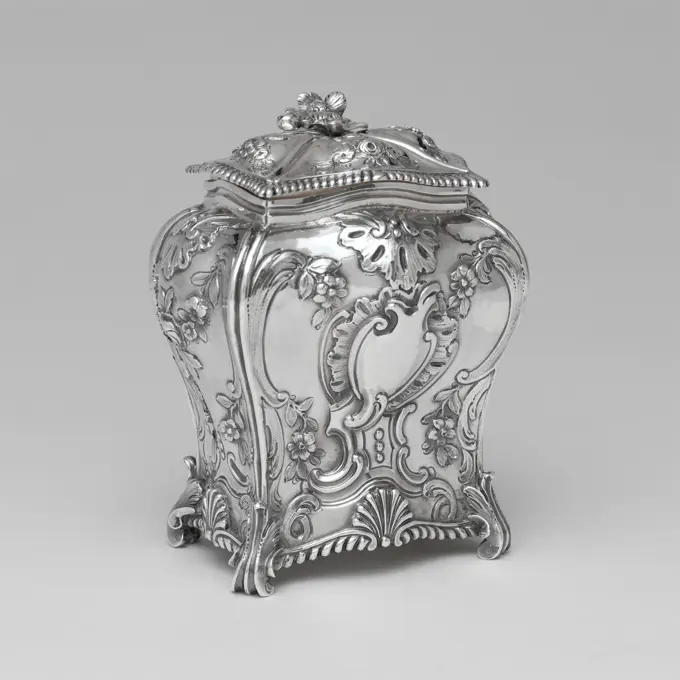
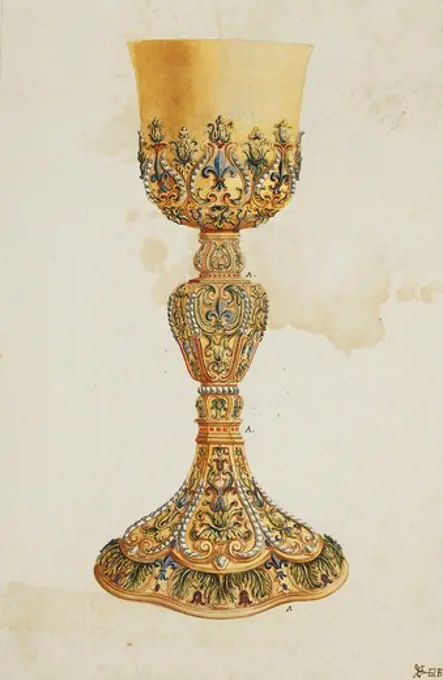
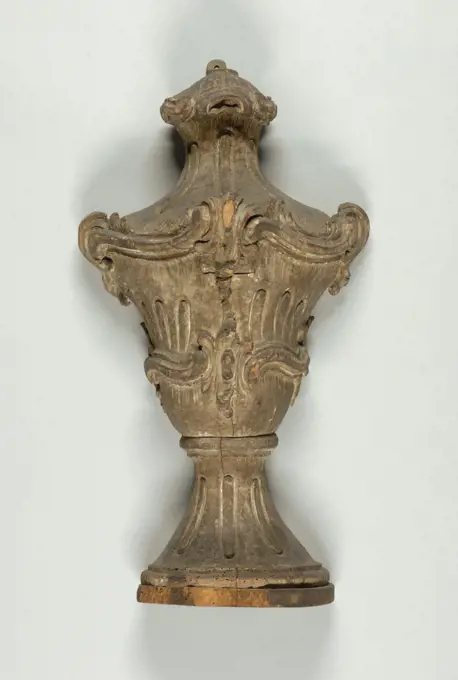
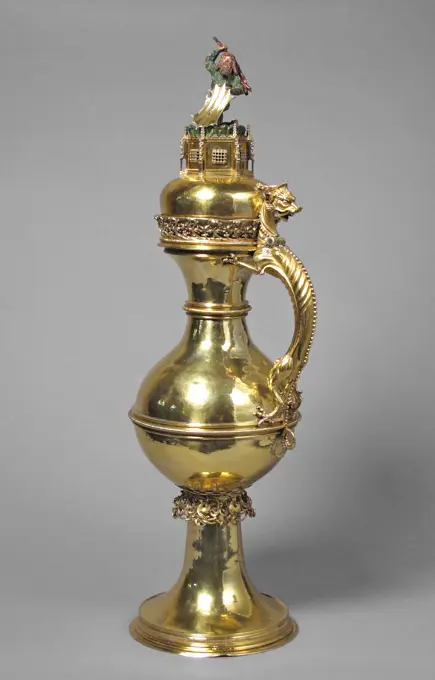
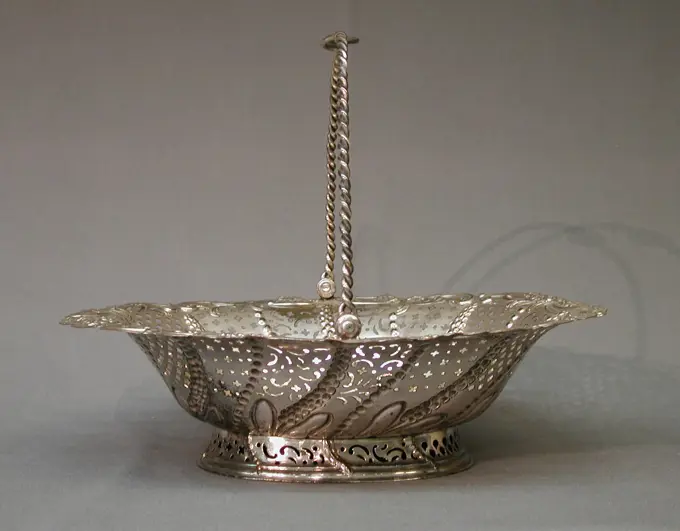
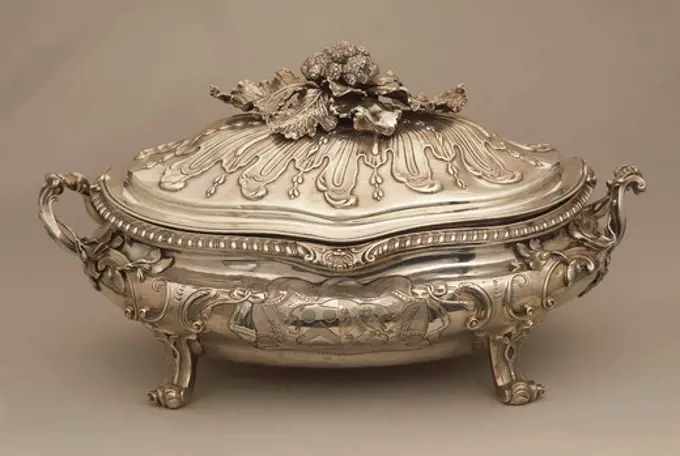
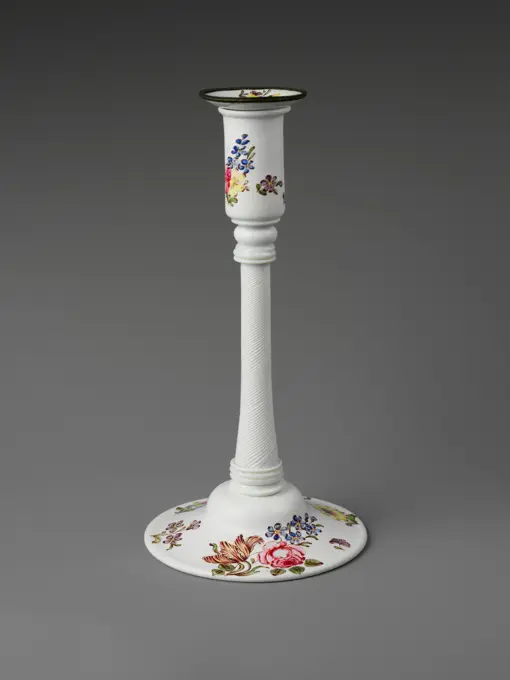
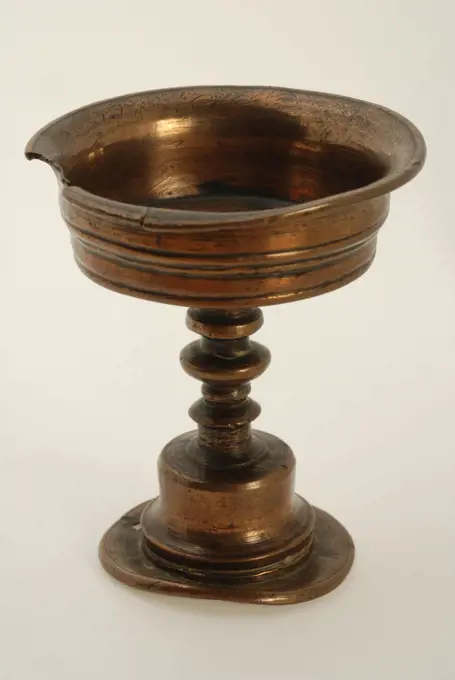
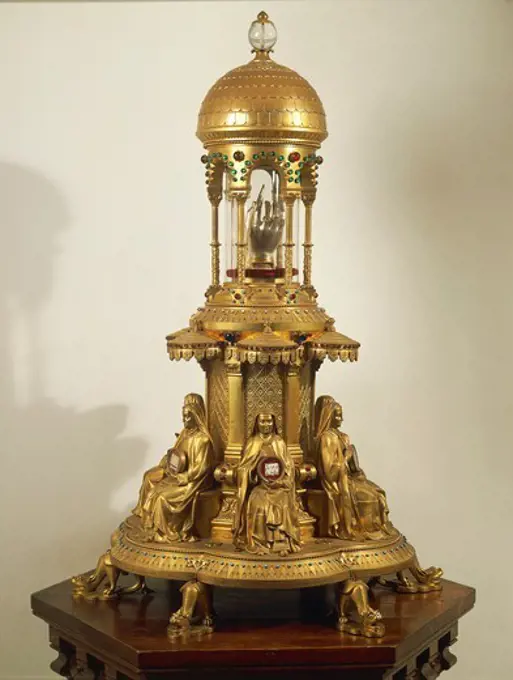
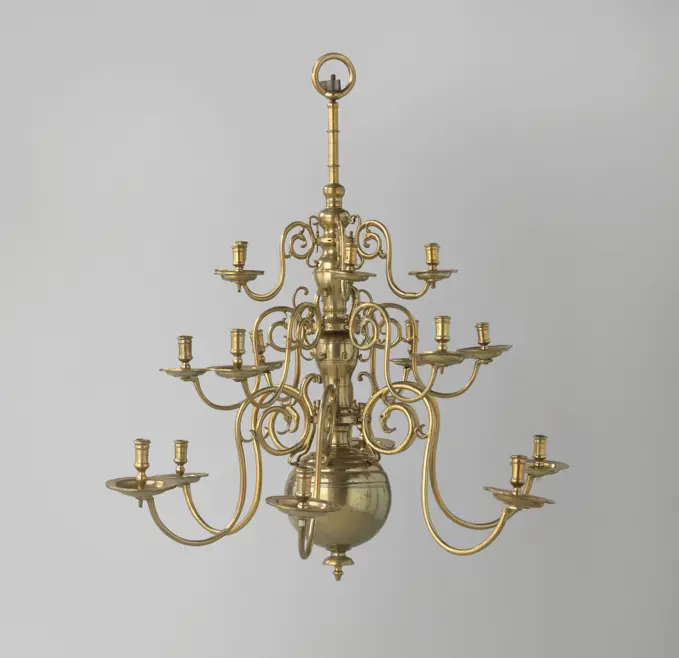
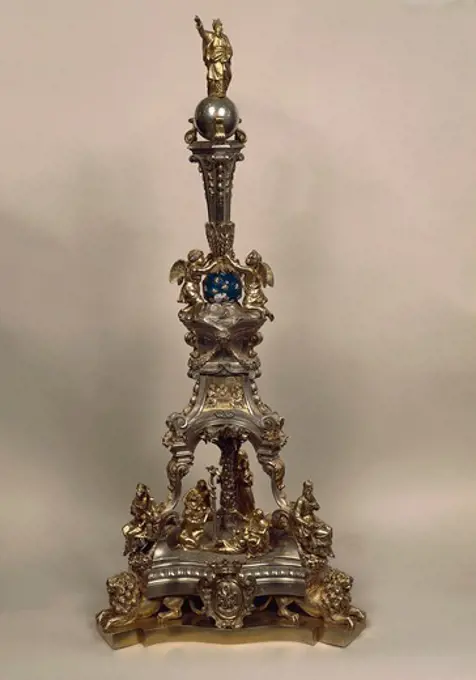
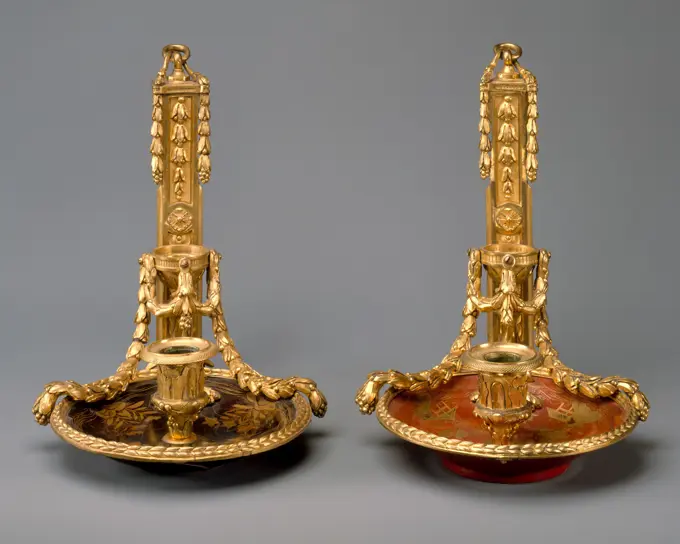
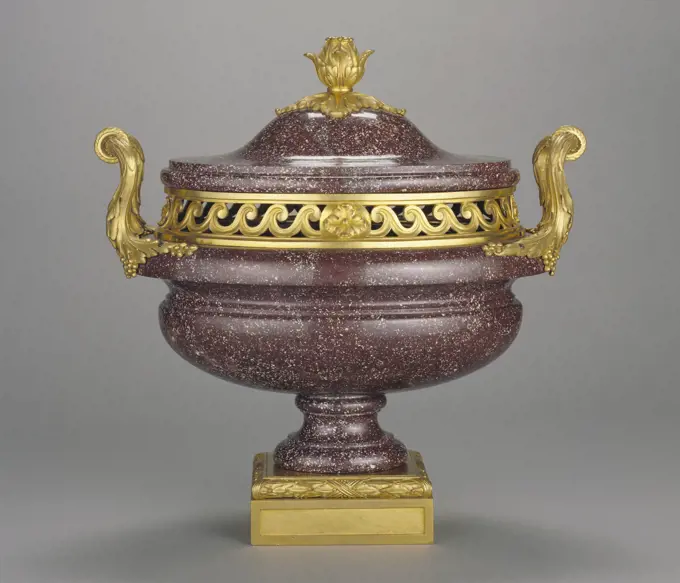
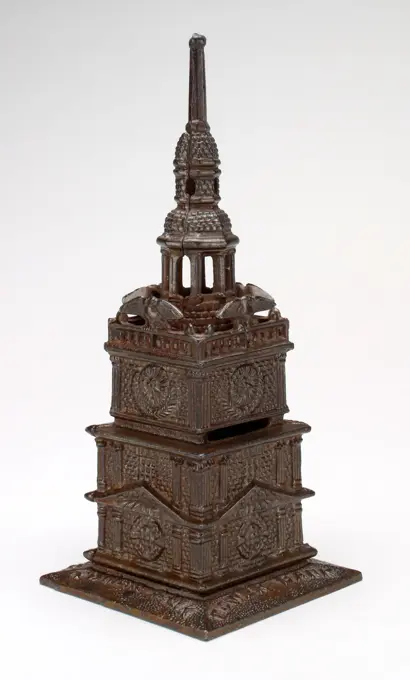
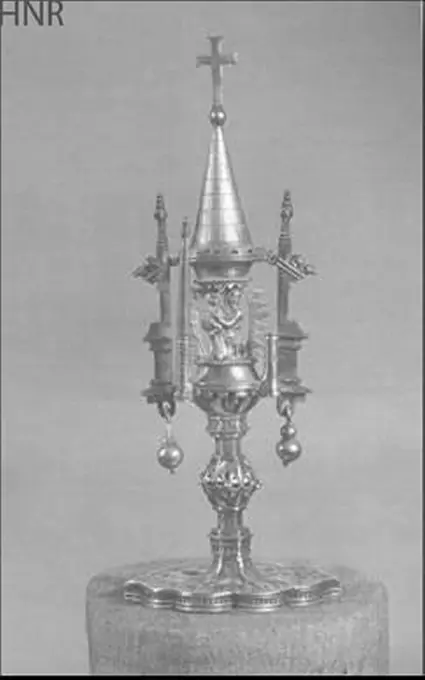
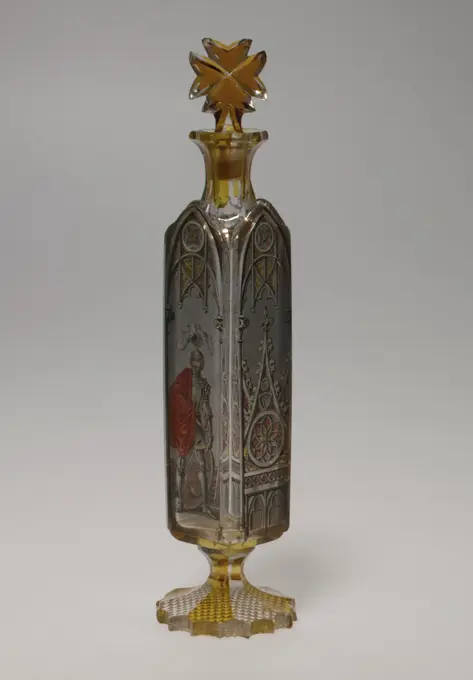
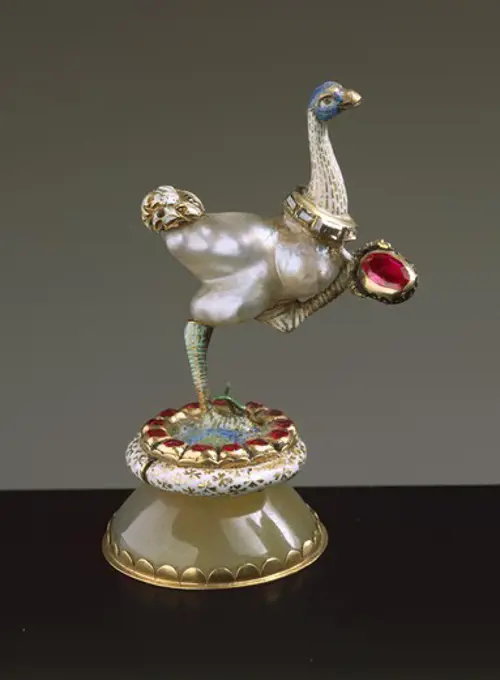
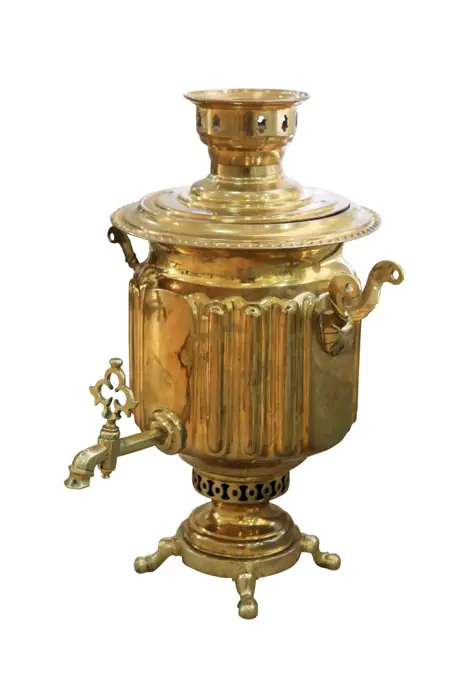
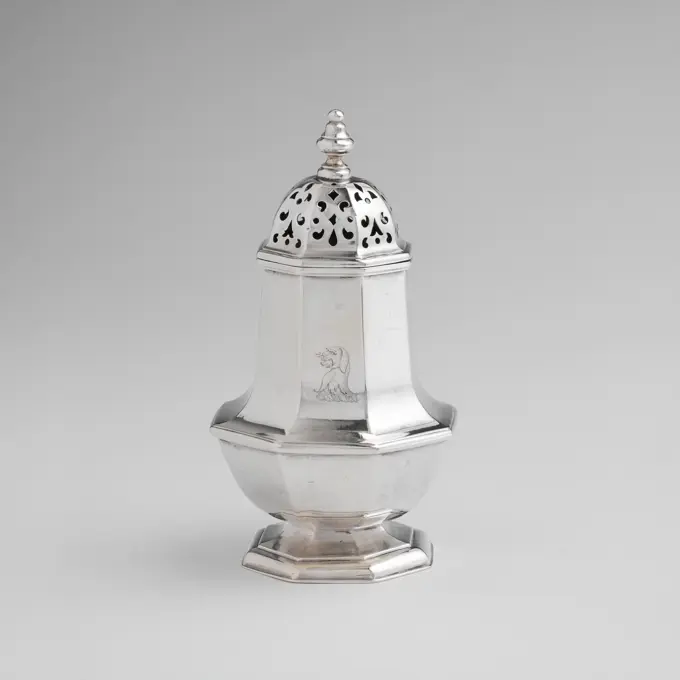
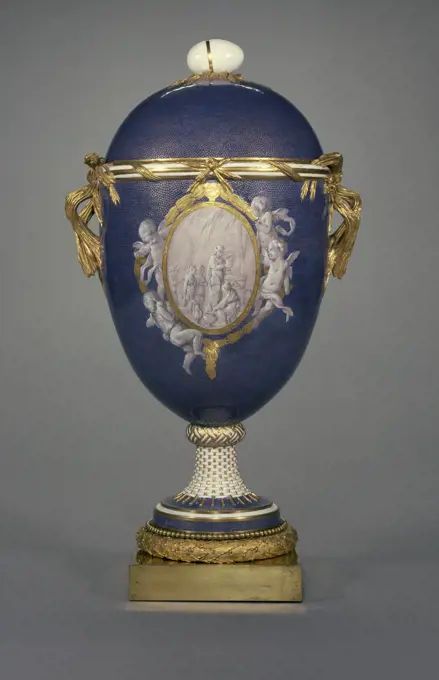
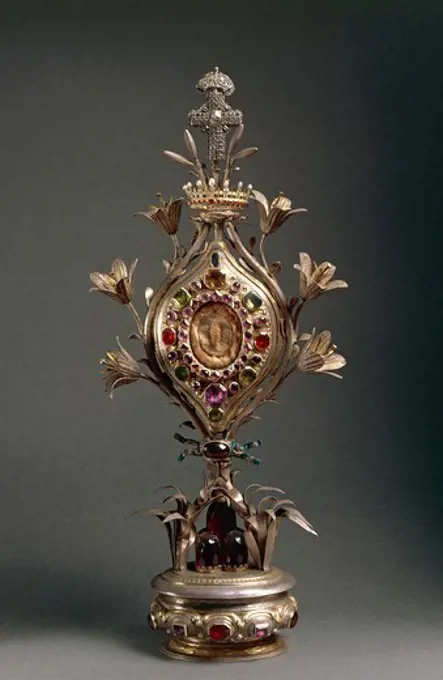
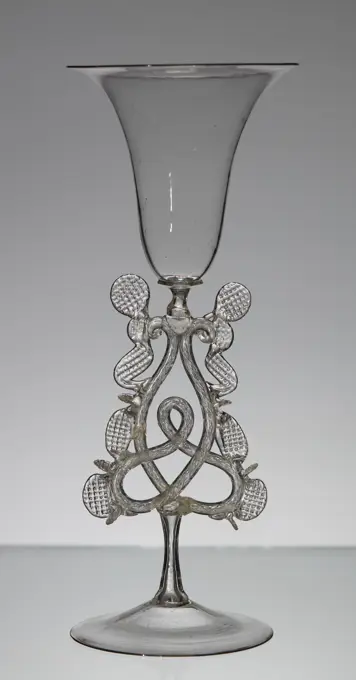
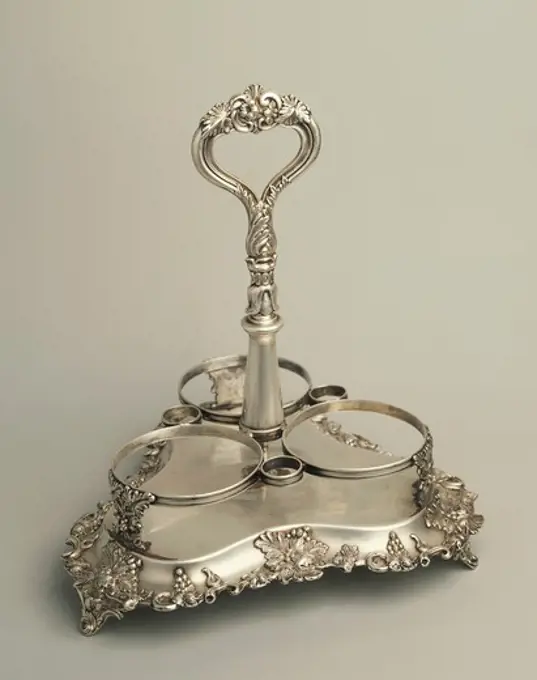
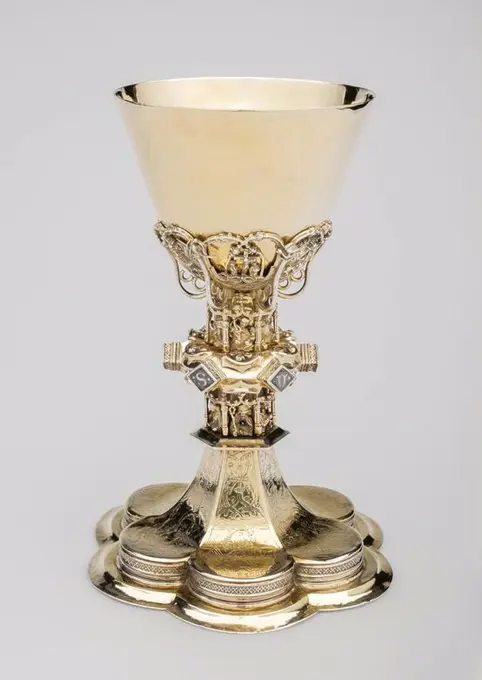
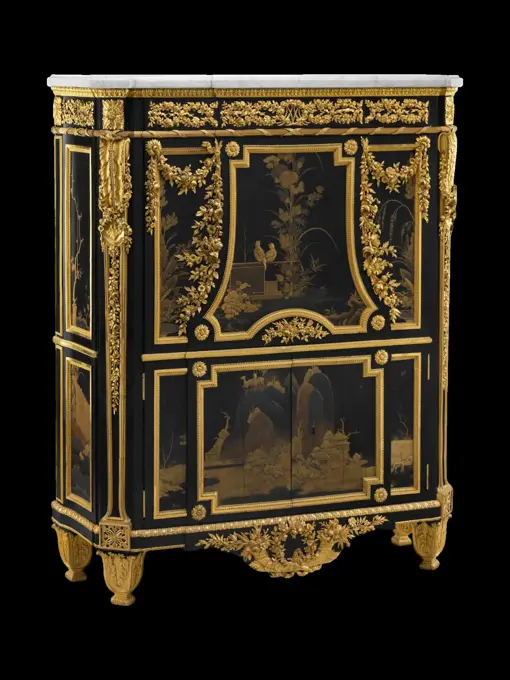
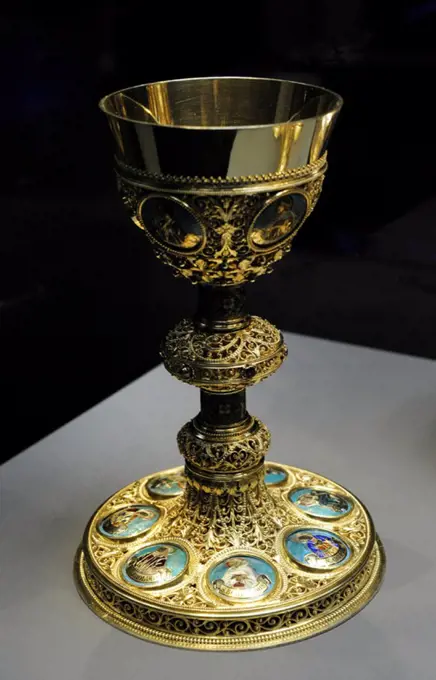
Monstrance, 1854-1874. Designer: John Francis Bentley. Manufacturer: Hart & SonGoblet 1835-45 Bohemian. Goblet 207896Ritualdolch Ritual dagger, phurba, Tibet, 19th century, embossed bronze, inlaid turquoise and jade, MuEC, Barcelona, Catalonia, Spain LicenseRF Copyright: xZoonar.com/Tolox 23171386Chalice. Prague, Czech Republic. Date: 1755-1765. Dimensions: H. 30.5 cm (12 in.). Silver gilt. Origin: Hungary. Museum: The Chicago Art Institute, FLORENCIA, USA.Chalice 1569 Spanish, Córdoba The chalice is used to hold wine during the celebration of the Mass. The hallmark indicates that it may be the work of Juan Rodriguez de Cabra or of Juan Rodriguez de Luque, both silversmiths in the second half of the sixteenth century. The scrolled cartouches that surround the Virgin and Child, the four Evangelists, and other saints were Mannerist decorative devices that originated in Italy.. Chalice 189284 Spanish, Crdoba, Chalice, 1569, Silver gilt, Height: 11 in. (27.9 cm). The Metropolitan Museum of Art, New York. Rogers Fund, 1907 (07.198a)Can with performances of the planets, Bartel Jamnitzer (attributed to), c. 1581 Can of gilded silver. The neck is formed from a female breast image and the pour from a palm -shaped increase in her hairstyle. The egg -shaped barrel is surrounded by a profile along the neck and under the shoulder. At the front is a women's mask and a men's head under the start of the ear. The barrel and round foot, separated by a crack collar, are covered with elevated rolling work and fruit bundles against a rusted soil. On the shoulder, four lying oval cartouches have been added with the four winds, presented by Putti. Being in the barrel, separated by Mascaron's four standing roller cartouches: three with pairs of gods: Jupiter and Mars, Apollo and Venus and Mercury and Diana, while the fourth Saturn is displayed while devouring his child. Pearl edges surround the spout and the high ear, which also sprouts a bearded head. Under the foot, a counterfeit, uncomfortable plate, on which in engraving, withiArm of a candle crown in three heights, Anonymous, 1717 chandelier The S-shaped arm is equipped with a ridge on the tribe side to secure it with a pin in the stand ring. At the trunk, the arm is decorated at the end and to the center with two stylized dolphin heads and with curls, the shape of which is derived from the lobe ornament. To the outside, the arm ends in a thickening, in which a hole provided with a thread is applied to attach the candle holder to the fat catcher. The arm is cast using the same model as the other arms of the wreath. The candle holder is cylinder -shaped with profiled excellent edge and with a baluster foot, which turns into a threaded end, in which the center hole at the bottom. The fat catcher is deepened twice at the top towards the center. At the bottom it is profiled around the hole in the somewhat spherical center and the edge is ribbed. The fat catcher has been cast using the same model as the other fat catchers of this wreath. The pin is equipped withPricket Candlestick with Birds, Vines, and Leaves. Culture: German. Dimensions: Overall: 7 5/16 x 3 15/16 in. (18.6 x 10 cm). Date: 1175-1200. Museum: Metropolitan Museum of Art, New York, USA.. The shape and the decoration of these sugar casters are derived from vases from Classical antiquity. The holes through which the sugar was sprinkled are cleverly incorporated into the ornamentation of the cap. The sugar was sprinkled over fruit and desserts.Brons frame, Anonymous, c. 1750 The swan is placed in a gilded bronze frame in Rococo style, in the form of a three-armed candeletry, to which flowers of porcelain in blue, pink, green and violet are attached. maker: Parisporcelain company: MeissenMeissenporcelain company: Vincennesporcelain company: Sèvres porcelain. bronze (metal) gilding The swan is placed in a gilded bronze frame in Rococo style, in the form of a three-armed candeletry, to which flowers of porcelain in blue, pink, green and violet are attached. maker: Parisporcelain company: MeissenMeissenporcelain company: Vincennesporcelain company: Sèvres porcelain. bronze (metal) gildingCandlestick.  Maker: Henry Hopper, American, active 1842-47Vanity bottle 18th century British, Staffordshire. Vanity bottle. British, Staffordshire. 18th century. Enameled copper. Enamels-PaintedPair of candlesticks, Jan van Cloon (attributed to), before 1730 Silver candlestick, on a square foot. Decorated with leaf Appliqué and openwork rank motifs. Square trunk and fat catchers. Batavia silver (metal) Silver candlestick, on a square foot. Decorated with leaf Appliqué and openwork rank motifs. Square trunk and fat catchers. Batavia silver (metal)Candlestick, painted multi-colored with a kakiemon decor. Octagonal candlestick from painted porcelain. The candlestick has a vaulted foot and a profiled, baluster-shaped strain. The painting consists of spreader flowers and on the edge twice the tiger for bamboo motif and twice a crane. The candlestick is noticed.Autumn (one of a pair) 1745-47 Nicholas Sébastien Adam the Younger French This vase, along with its mate by Jean-Baptiste Pigalle, was part of a set of four designed for the royal Chteau de Choisy by the architect Ange-Jacques Gabriel. None of the vases, however, was ever sent to Choisy. The Museum's pair was given by Louis XV to the marquis de Marigny, the marquise de Pompadour's brother, who placed them in his own chteau at Ménars, where they remained until the beginning of this century. The other pair, decorated with the attributes of Spring, was made by Jacques Verbeckt and is divided between the Musée du Louvre in Paris and the chteau at Malmaison.. Autumn (one of a pair) 204620Pair of lidded alabaster vases; Unknown; Italy, Europe; early 17th century; Golden alabaster (alabastro dorato) with paragone marble bases; Various, see extensionsWatch Stand; wood, carved and gildedChandelier, Anonymous, c. 1700 - c. 1800Marble pyxis (box) late 5th-early 4th century B.C. Greek Greek marble-working of the Classical period is generally associated with architecture and monumental sculpture. This vase is remarkable for its precision and delicacy. It is likely that it was orginally painted.. Marble pyxis (box) 255613'Tasse a La Reine', 1889. Artist: UnknownTea Caddy 1762-63 Emick Romer Norwegian This tea caddy was part of Judith Crommelin Verplancks trousseau. It is one of several London-made silver tea wares owned by Judith and her merchant husband, Samuel Verplanck.. Tea Caddy 8262Plateau; Hunt & Roskell (London; company Z Otnicz; Fl. 1822-1965), Hunt, John Samuel (1785-1865); 1853/54 (1853-00-00-1854-00-00);Candlestick 1770-1800. Candlestick. 1770-1800. BrassA Chalice in the Treasury of St. Peter's, Rome. Italian Circle of John Talman (1677-1726). Black chalk and watercolour. 37.4 x 25.2cm.Urn, wood, carved, France, ca. 1740, Decorative Arts, UrnCRUCIFIJO DE PLATA Y NACAR. Location: MUSEE D'ARTS DECORATIFS. MADRID. SPANIEN.Possibly Boston and Sandwich Glass Works, Decanter and Stopper, c. 1820-40, colorless lead glass.Bouquet carrier of silver and painted Meissen Porcelain, Meissener Porzellan Manufaktur, c. 1730 Silver bouquet carrier with a handle of painted porcelain. The painting consists of the weapons of Adriaan Boogaert van Beloys and his wife Elisabeth Adriana Backer. Float porcelain. silver (metal) Silver bouquet carrier with a handle of painted porcelain. The painting consists of the weapons of Adriaan Boogaert van Beloys and his wife Elisabeth Adriana Backer. Float porcelain. silver (metal)Ewer German late 15th century These ewers have long been thought to be the pair mentioned in the 1526 and 1585 inventories of the Teutonic Knights. Both are unmarked, and the attribution to Nuremberg is based on stylistic comparisons, such as that of the small cast figures against the buttresses to similar examples by the Nuremberg goldsmith Sebastian Lindenast the Elder. The enameled and painted wild men, reminiscent of those in Albrecht Dürer's compositions, are heraldic supporters but may also be understood as symbols of virility and procreation. View more Listen to experts illuminate this artwork's story #47. Ewer 0:00 RWSkip backwards ten seconds. FWSkip forwards ten seconds. 0:00 Your browser doesn't support HTML5 audio. Here is a link to download the audio instead. View Transcript. Ewer. German. late 15th century. Silver gilt, enamel, and paint. Made in probably Nuremberg, Germany. Metalwork-SilverCake basket ca. 1765 Tudor and Leader. Cake basket. British, Sheffield. ca. 1765. Sheffield plate. Metalwork-SilverplateVase, Manufactuur Oud-Loosdrecht, c. 1778 - c. 1782 vase Vase with rams heads and lid of porcelain, painted in beet red with four putti on one side on one side in a landscape near a bird cage with two birds in front, on the other four putti in a landscape with a sheep (); On the lid two soils with, among other things, musical instruments and a basket with roses. Around the round foot a leaf wreath, under the putti scenes a band with braid work, around the ramskoppen a laurel wreath and along the lid button godrons, all in relief and decorated in green and gold. On the square plinth leaf guirlandes in gold. Gold pisses along the different edges. The rams heads are decorated in gold. Loosdrecht porcelain. Round, high lid of silver. Dome-shaped and in the middle ascending and awarded by a pineapple as a button.PAREJA DE OBELISCOS DEPORCELANA DEL BUEN RETIRO INV.19531-19532. Location: MUSEE D'ARTS DECORATIFS. MADRID. SPAIN.Pair of Girandoles. UnknownCovered Vase Vase; Designed by Theodorus Adriaan Christiaan Colenbrander (Dutch, 1841 - 1930); Produced by Rozenburg Pottery and Porcelain Factory (Netherlands); Netherlands; earthenwareSilversmith's Art, Great Britain 18th century. Silver tureen decorated with volutes and vegetable motifs.Candlestick 1760-70 Possibly Michael Edkins. Candlestick 1314Anonymous / 'Case for a globular vessel of emerald green agate with ornate mounts and numerous precious stones'. 1690 - 1711. Leather, Wood, Fabric. Museum: Museo del Prado, Madrid, España.Small salt barrel on round base, with three knots in the trunk, salt bar tableware bronze metal, cast bronze salt vessel bronze. Large foot short column decorated with buttons or disks. Given the finish and shape, this is salty salt service serving seasoning nutrition condimentMicroscope. Culture: French, Paris. Dimensions: Gr. H. 24-1/4 in. (61.6 cm); Gr. W. and D. 10-3/4 in. (27.3 cm). Maker: Optical elements by Claude-Siméon Passemant (1702-1769). Date: ca. 1750.Qualifying both as a work of art and as a scientific instrument, this compound microscope exemplifies the intermingling of artistic and scientific interests during the mid-eighteenth century. The microscope contains three convex lenses in its inner cylinder, which fits into a wooden tube covered with blue green shagreen (sharkskin). In order to look through the microscope, the ornamental finial cap of gilt bronze needs to be unscrewed. Passemant, ingénieur du roi, provided the optical elements of the microscope, but it is not known who made the beautiful gilt-bronze tripod stand. This instrument may have been made for Louis XV; a series of prints depicting scientific instruments from the royal collection at the chteau de la Muette includes three views of a microscope similar to this one. Museum:Stool (Italy); Designed by Carlo Bugatti (Italian, 1856 - 1940); ebonized wood, rosewood, walnut, white metal kanji, bone, stamped brass, vellumGoldsmith's art, 17th century. Reliquary of Saint Teresa of Avila containing one of the Saint's finger.Table Lamp Table Lamp; Designed by William Arthur Smith Benson (English, 1854 - 1924); Made by James Powell & Sons (United Kingdom); Manufactured by W.A.S. Benson Ltd. (United Kingdom); England; mold-blown soda glass, brass, copper, wood (base), metal, wireTwo candlesticksA vessel for the skeleton;  approx. 1600 (1595-00-00-1605-00-00);Pair of candlesticks 1751-52 Possibly Claude Roysard. Pair of candlesticks 205717Arm with candle holder of candle crown of three heights, c. 1675 - c. 1725 Candle belonging to a brass candle crown of three heights. The S-shaped arm has a curl and turns outside into the flat thickening with a screw hole. The candle holder is secured with the fat catcher. The fat catcher is ribbed at the bottom of the opening and also has two grooved rings and a single grooved ring once. The cylindrical candle holder, who has a profiled excellent edge, two grooved rings and a thickening, turns into a baluster. This is the sixth arm of the middle stand ring, unnumbered. The pin, to attach the arm to the stand ring, has a round button on top. Southern Netherlands (possibly) brass (alloy) casting Candle belonging to a brass candle crown of three heights. The S-shaped arm has a curl and turns outside into the flat thickening with a screw hole. The candle holder is secured with the fat catcher. The fat catcher is ribbed at the bottom of the opening and also has two grooved rings and a sinConsole table. unknown, authorGlobe Work Table (Globustisch), c. 1810-15. Austria, Vienna, early 1800s. Burl walnut veneer, mahogany, ebony, satinwood, gilt wood, painted wood; mirrored glass; metal; overall: 90.2 x 45.5 cm (35 1/2 x 17 15/16 in.). Work tables resembling globes were the usual form for a lady's sewing or writing table around 1800 in Austria. Combining moving parts, secret compartments, and highly finished decoration, these tables were also a way for the cabinetmaker to show off his skill. The tripod supports and temple-like architectural quality of both the exterior and interior decoration reflect the fashionable taste for neoclassical style, or Biedermeier as it was called in Austria, where Vienna was the center of such elaborate furniture production.Pair of candlesticks 1757-59 François Thomas Germain French. Pair of candlesticks 200250Silversmith's Art, France 19th century. Silver piece with Tales of Moses, Neobaroque style.Pair of candlesticks ca. 1770-80 French These chamber candlesticks were designed to be suspended from a hook, hung over a standign screen, or placed on a table. Both are formed of two lacquer dishesone of black and gold, the other of red and goldelaborately mounted with gilt bronze. The cup-shaped receptacles on the verticle handles originally contained candle extinguishers. The neoclassical design, combining pendent husks, rosettes, overlapping piasters, and draped festoons of berried laurel leaves, is closely related to the style of Jean-Charles Delafosse (1734-1791), a Parisian architect and ornamental artist who executed numerous sets of designs for furniture, metalwork, vases, trophies, and cartouches.[Bill Rieder, 1984. Pair of candlesticks. French. ca. 1770-80. Japanese lacquer, gilt-bronze. Metalwork-Gilt BronzeGOLLETE HIRSCH CON 8 CARAS Y PALMETAS DISIMETRICAS Y "SEBQA" - SIGLO XIV - NAZARI. Location: ALHAMBRA-MUSEO-CERAMICA. GRANADA. SPAIN.Betel-Leaf Container (Pandan) 1801-1900 India. Silver .Table clockWork table. unknown, authorLamp 1850-60 Possibly Boston & Sandwich Glass Company. Lamp 5452Lidded Bowl; Egypt; about 1770; Egyptian porphyry and gilt bronze mounts; 40.6 x 41.9 x 24.1 cm (16 x 16 1,2 x 9 1,2 in.)Bell, anonymous, c. 700 - c. 800 Call, along the edge of Lotus Leaves, a relief band with eight antefixes, connected by Garlandes on a middle tire. Middle Java bronze (metal) Call, along the edge of Lotus Leaves, a relief band with eight antefixes, connected by Garlandes on a middle tire. Middle Java bronze (metal)Tower Bank' still bank, c. 1902-1911, John Harper & Company, Ltd., English, Willenhall, Staffordshire, England, 1790-1980s, 9 1/4 x 4 3/4 x 4 3/4 in. (23.5 x 12.07 x 12.07 cm), Iron, pigment, 19th-20th centurySilversmith's art, Italy, 18th century. Silver centerpiece with flower shaped decorationPatera with amber pumps;  after. XVII century (1601-00-00-1700-00-00);Miniature ostensorium with Madonna in beams. Miniature ostensorium. In the middle a cast madonna image surrounded by a ray wreath, standing under a tower striker serving and flanked by two support bears in addition to two pinnacles (one top missing). The whole rests on a strain with a nodus in the middle, in which openwork rosettes. The oval, scalloped foot is decorated with six driven palmets. In the Pinnacles the initials: "E (or f) .d.c." And "AO 83".Caster ca. 1780 Nathaniel Helme. Caster 1467Bottle with stopper ca. 1845 Feodor Kehrer. Bottle with stopper 196046Goldsmith's art, Flanders, 16th century. Enamelled gold mounted baroque pearl jewel in the form of an ostrich set with diamonds and rubies, 55x32 mm.Traditional Moroccan lamp isolated with clipping path included Traditional Moroccan lamp isolated with clipping path included Copyright: xZoonar.com/Baloncicix 7333322Reliquary Chasse. Culture: British. Dimensions: Overall: 7 x 10 x 4 1/2in. (17.8 x 25.4 x 11.4cm). Date: 1207-13.Incised on the panels of this chasse is a series of bust-length figures within medallions. Represented on one lid panel is Christ flanked by Saints Peter and Paul, and on the other, the Virgin flanked by Saints Ursula and Cordula. On the front panel are Saints Elphege and Thomas Becket (both with martyrs' palms), Dunstan, and Anselm, all canonized archbishops of Canterbury. On the back panel are Saints Blaise and Augustine. The end panels depict sainted English kings Edmund and Edward the Confessor. The choice of saints suggests that the chasse was made for Christ Church, Canterbury, a foundation rich in relics and, therefore, a full calendar of feast days. The saints represented here were mentioned in the early thirteenth-century calendar, or their relics were listed in the early fourteenth-century inventory. When the original gilding was intact, the medallions were more lStupa Reliquary 801 CE-1000 Burma. Gold repoussÈ .Old Russian samovar on white background, isolated.
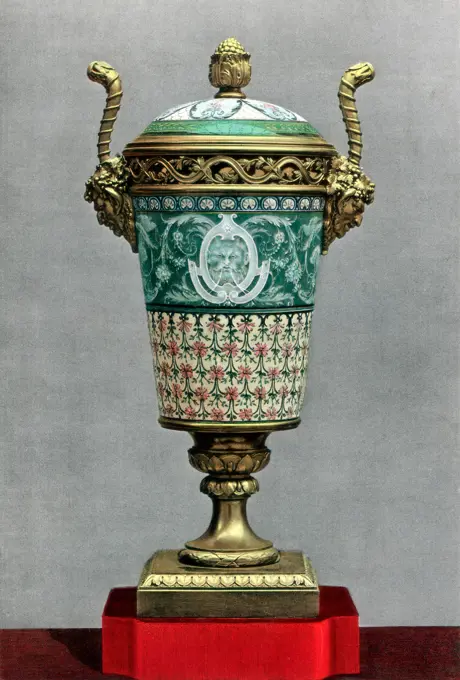
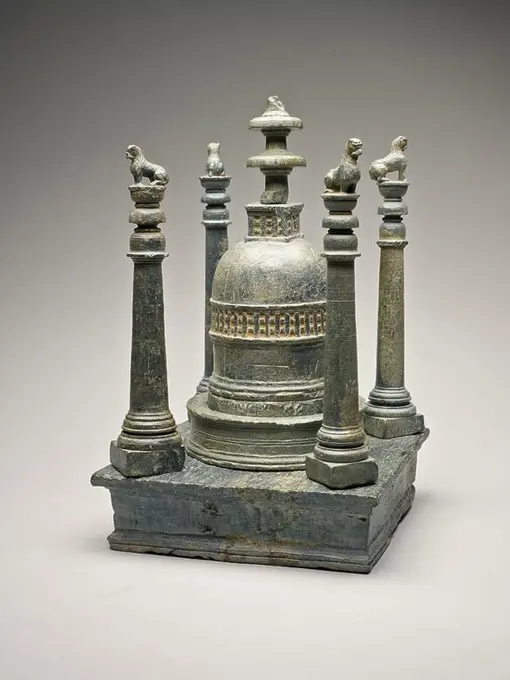
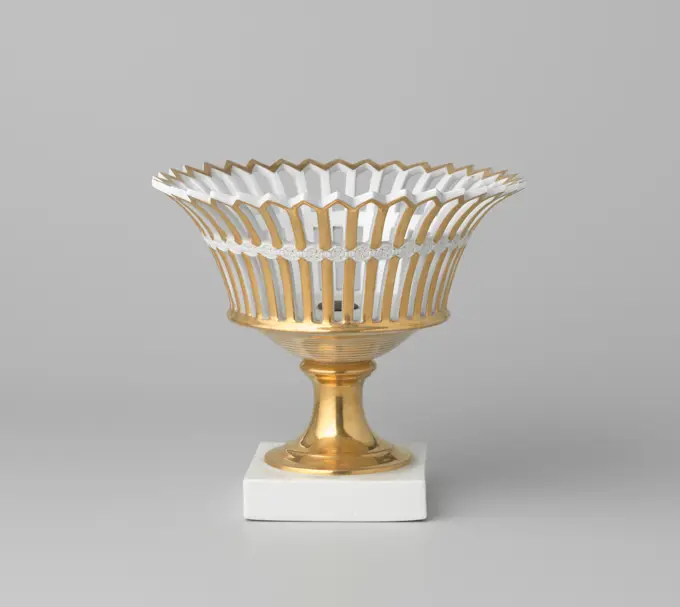
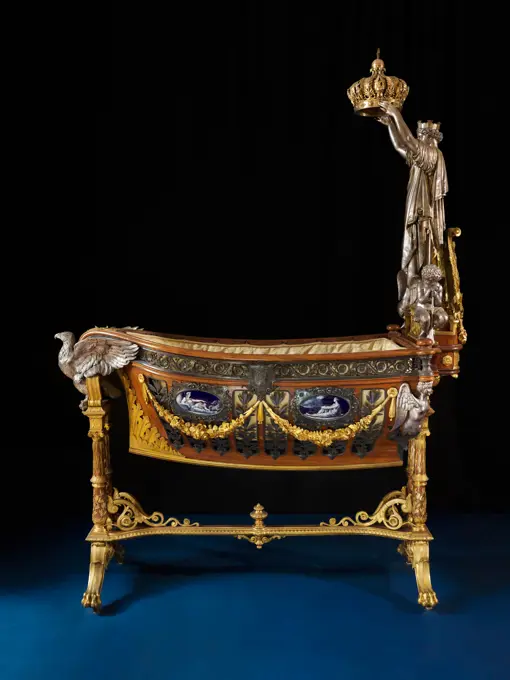
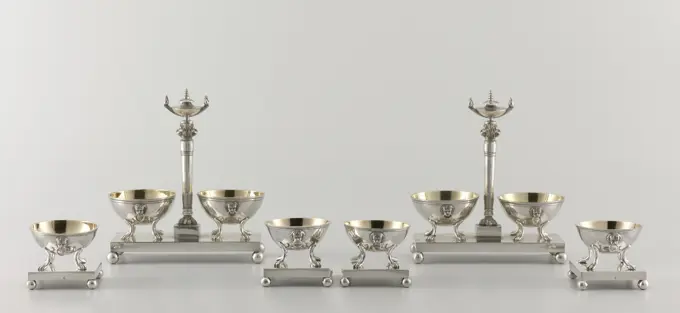
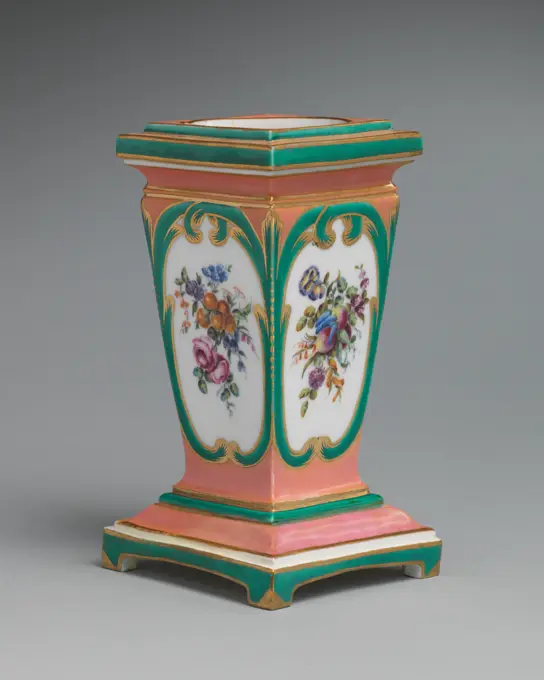
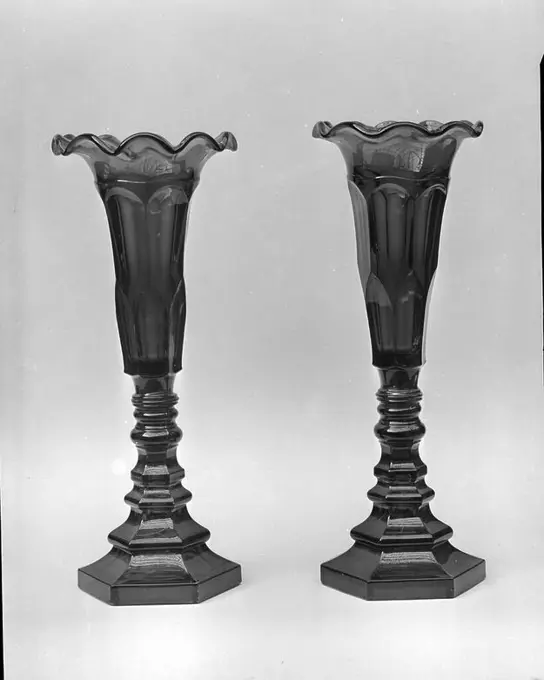
Caster ca. 1735 Knight Leverett. Caster 1472Lidded vase (with reserve scene of a female figure); Painting attributed to Jean-Baptiste-Etienne Genest (French, active 1752 - 1789), Sèvres Manufactory (French, 1756 - present); Sèvres, France; 1768 - 1769; Soft-paste porcelain, bleu Fallot ground color, grisaille enamel decoration, and gilding; gilt-bronze mounts; 45.1 x 24.1 x 19.1 cm (17 3,4 x 9 1,2 x 7 1,2 in.)Pair of Lidded Bowls. UnknownPedestal. Culture: American. Dimensions: H. 36 1/2 in. (92.7 cm). Date: ca. 1875. Museum: Metropolitan Museum of Art, New York, USA.Cup Retrifteryer, Johan Godlieb (17.. 18 ..)Stupa Reliquary. Present-day Pakistan; Ancient region of Gandhara. Date: 195 AD-205 AD. Dimensions: 30.5 × 19.7 × 19.1 cm (12 × 7 3/4 × 7 1/2 in.). Phyllite. Origin: Gandhara. Museum: The Chicago Art Institute, Chicago, USA.Vase on stand. Artist: Enameler: Charles Lepec (French, Paris 1830-after 1888). Culture: French, Paris. Dimensions: Overall (confirmed): 12 9/16 x 10 x 7 7/8 in. (31.9 x 25.4 x 20 cm). Date: ca. 1867.This vase on stand was exhibited in the Universal Exhibition of 1867 in Paris, where it was one of more than twenty works executed by the enamellist Charles Lepec. The form of the vase was inspired by Italian Renaissance metalwork, but both its densely patterned decoration and its palette are typical of nineteenth-century taste. The vase on stand was originally owned by Alfred Morrison (1821-1897), one of the greatest English collectors of his day. Museum: Metropolitan Museum of Art, New York, USA.Goldsmith's art, Italy, 17th century. Reliquary of Saint Anthony with diamond cross.Candlestick Van Tin, J. van Giessen (attributed to), c. 1750 - c. 1800 Tin candlestick. The square base is accolade shaped at the bottom. It contains a square base with an open worked Frisian, with a bust in the middle of a rocaille ornament on each side. The Cylindrian tribe has a profiled band on the bottom half. At the top the candlestick runs slightly and is decorated with profiled tires. Heusden tin (metal) casting Tin candlestick. The square base is accolade shaped at the bottom. It contains a square base with an open worked Frisian, with a bust in the middle of a rocaille ornament on each side. The Cylindrian tribe has a profiled band on the bottom half. At the top the candlestick runs slightly and is decorated with profiled tires. Heusden tin (metal) castingPie de relicario, siglo XIV, Catedral de Tortosa.Przeszo Przyszoci unknownPair of Girandoles; about 1730; Gilt bronze; rock crystal;Flower pyramid of faienceBust of Pope Gregory XIV, attributed to Sebastiano Torrigiani, 1590 - 1591Silversmith's Art, England beginning of 20th century. Embossed, sheffield plate bottle rack, decorated with vine-branches.Chalice. German; possibly Saxony. Date: 1500-1520. Dimensions: Height 24.5 cm (9 11/16 in.). Silver gilt and enamel. Origin: Germany. Museum: The Chicago Art Institute, Chicago, USA.Fruit shell, cut-away and gold-plated. Fruit shell from porcelain, open and plated.Bust of Pope Gregory XIV, Sebastiano Torrigiani (attributed to), 1590 - 1591 Pope Gregorius XIV wears a beard and is depicted in full ornate, with tiara and choir hood. The statue is cut under the shoulders, runs to the bottom and turns into a cherub with spread wings, which rests on a cartouche with inscription, including a profiled around pedestal. On the narrow side surfaces a cherub with two pairs of wings; On the cartouche the inscription: GRE-XIV. Ribbons hang over the shoulders from the Tiara. About the Albe de choir hood, held together by an Agrafe, with aurifrisiae, on which representations of saints: probably two popes and the half figures of Peter and Paulus. Rome bronze (metal) Pope Gregorius XIV wears a beard and is depicted in full ornate, with tiara and choir hood. The statue is cut under the shoulders, runs to the bottom and turns into a cherub with spread wings, which rests on a cartouche with inscription, including a profiled around pedestal. On the narrow side surfacGuillaume Grohé (1808-1885), cabinetmaker, Emile Froment-Meurice (1837-1913), goldsmith, after drawings by Victor Baltard (1805-1874). "Cradle of the Imperial Prince Louis-Napoleon (1856-1879)". Rosewood, vermeil, silver, enamels. 1856. Paris, Carnavalet museum. 99218-1 Aigle, apparatus, silver, cradle, rosewood, crown, gilding, email, prince imperial, second empire, vermeil, 19th XIX 19th 19th 19th 19. Originally two little pans hung on long cords from the ends of the lower crosspiece: one for the precious objects to be weighed, and the other for the weights. The counterweight is connected with a cord to the hinge at the top via the little wheel at the bottom of the stem. By sliding the counterweight closer to the foot of the scales, the balance can be adjusted, allowing different metals andprecious stones to be weighed.One of four salt vessels, Francois Marcus Simons, 1803 Semi-spheres on four claw legs, standing on a square plate, which rests on four ball-shaped claw legs. The container is gilded on the inside. Marked and dated. The Hague silver (metal) casting Semi-spheres on four claw legs, standing on a square plate, which rests on four ball-shaped claw legs. The container is gilded on the inside. Marked and dated. The Hague silver (metal) castingOne of four salt vessels, Francois Marcus Simons, 1803 Semi-spheres on four claw legs, standing on a square plate, which rests on four ball-shaped claw legs. The container is gilded on the inside. Marked and dated. The Hague silver (metal) casting Semi-spheres on four claw legs, standing on a square plate, which rests on four ball-shaped claw legs. The container is gilded on the inside. Marked and dated. The Hague silver (metal) castingClock, wood, lacquer, gilding, Japan, 18th century, timepieces & measuring devices, Decorative Arts, ClockPedestal vase and bulb pot (piédestal en gaine) (one of a pair) 1759-60 Sèvres Manufactory French. Pedestal vase and bulb pot (piédestal en gaine) (one of a pair). French, Sèvres. 1759-60. Soft-paste porcelain. Ceramics-PorcelainVase. Culture: American. Dimensions: H. 11 3/4 in. (29.8 cm). Date: 1830-70. Museum: Metropolitan Museum of Art, New York, USA.Jean-Henri Riesener Sekretär mit Hängefront - 1783 Französisch Neoklassisch Jean-Henri Riesener Sekretär mit Hängefront - 1783 Französisch Neoklassisch LicenseRF Copyright: xZoonar.com/GallóxGusztávx 23397587Gold-plated silver chalice with precious stones. By the goldsmith Johan Hamers, Tilburg, 1897. Museum Catharijneconvent. Utrecht. Netherlands.Vase 1830-70 American. Vase. American. 1830-70. Pressed amethyst glass. Made in Sandwich, Massachusetts, United StatesBronze rod tripod. Culture: Cypriot. Dimensions: H. 14 3/4 in. (37.5 cm)diameter of rim 9 3/4 in. (24.8 cm). Date: ca. 1250-1050 B.C..Bronze tripods and other vessel stands from Cyprus represent some of the finest metalwork produced in the eastern Mediterranean at the end of the Late Bronze Age. Some were cast in one piece; others, such as this one, were composed of pieces cast or worked separately and fastened together by means of hard-soldering. The decoration shows a blend of Mycenaean Greek and Near Eastern elements. The stands themselves have a wide distribution, having been found on Cyprus, Crete, and the Cyclades, as well as in mainland Greece, Sardinia, and Italy. Ancient repairs to this stand's rim are one indication that it was a valuable, treasured item that may have been passed from one generation to another. Museum: Metropolitan Museum of Art, New York, USA.Four candlesticks, Cornelis Hendrik Bömcke (attributed to), 1783 - 1784 The candlesticks are round in diameter. The profiled foot, which is decorated with phases and a pearl edge, rests on the right -wing base. Above it, a vaulted, scanned section rises, which gradually turns into the trunk and which is crowned by a series of profiles, the most important of which is decorated with phases. This rests the cube -shaped nodus that shows a rosette on each side and that carries the top of the scanned trunk, crowned by a smooth band with four round heads. The two scanned parts of the trunk are decorated with bay heads hanging on two nail heads. The loose fat catcher is surrounded by a pearl edge. Amsterdam silver (metal) The candlesticks are round in diameter. The profiled foot, which is decorated with phases and a pearl edge, rests on the right -wing base. Above it, a vaulted, scanned section rises, which gradually turns into the trunk and which is crowned by a series of profiles, the most i