Antique Glass and Candle Holders

Elegant antique glassware and candle holders featuring intricate designs, showcasing craftsmanship from different eras, perfect for decorative or collectible purposes.
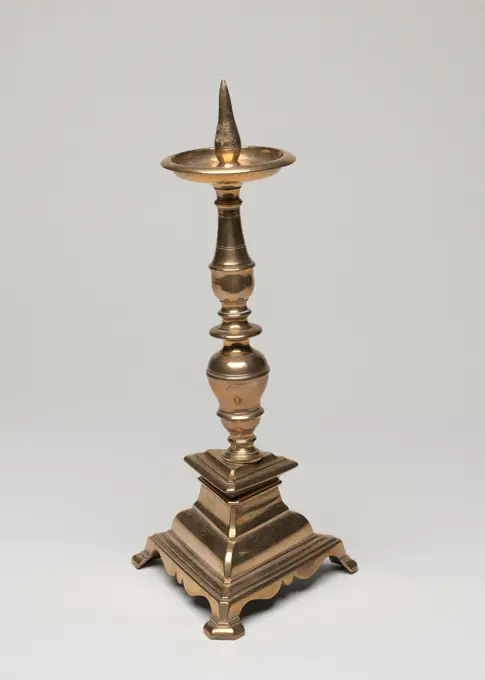
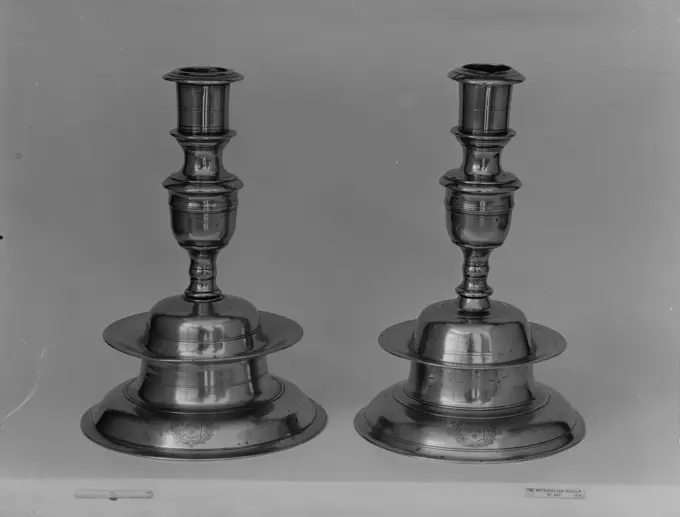
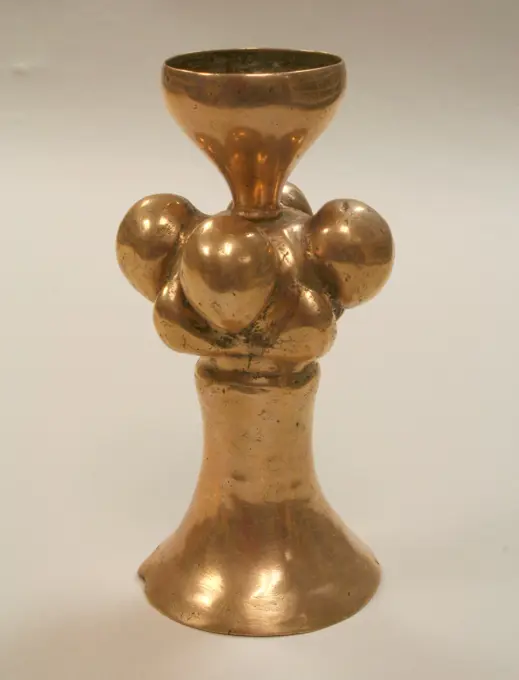
Candlestick, one of a pair, 17th century, 11 1/2 x 4 1/2 x 5 5/8in. (29.2 x 11.4 x 14.3cm), Brass, Italy, 17th century
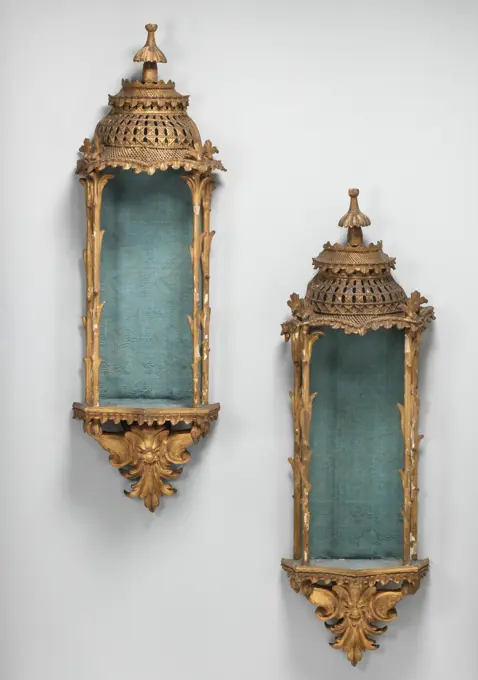
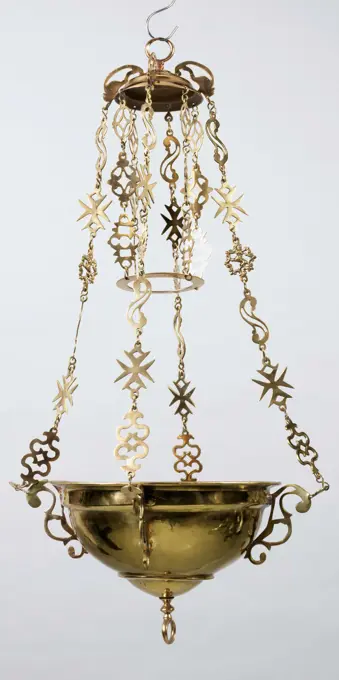
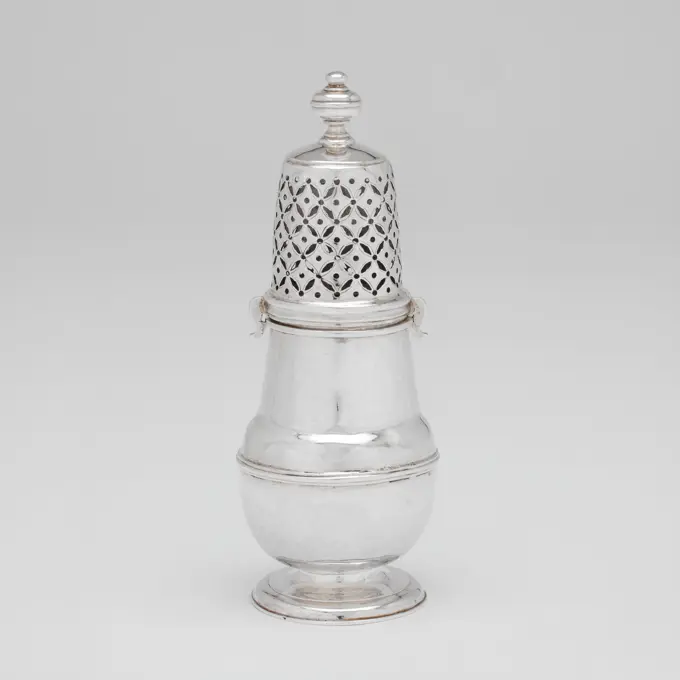
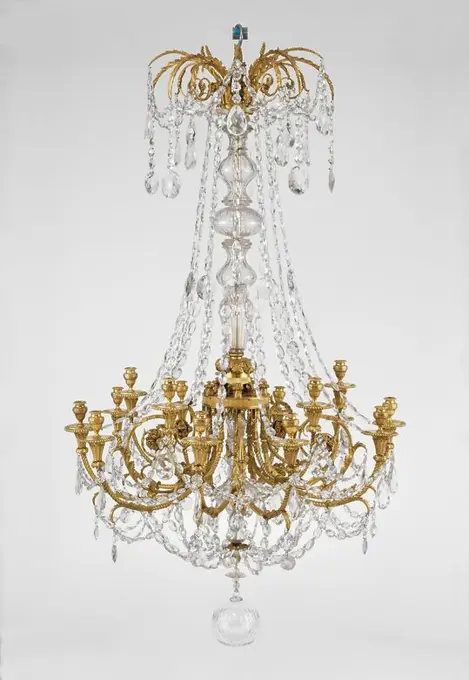
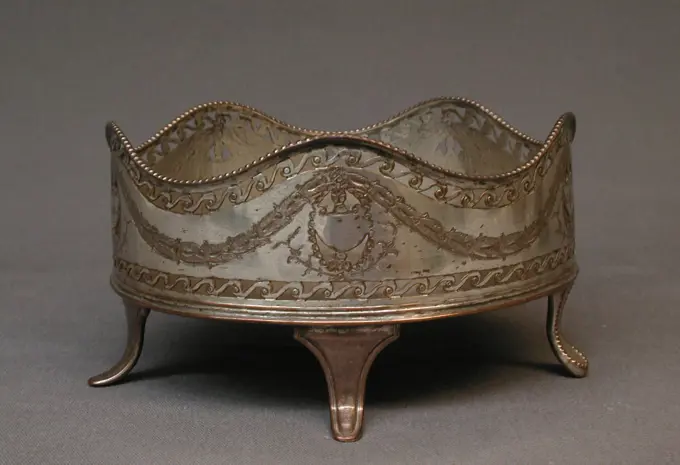
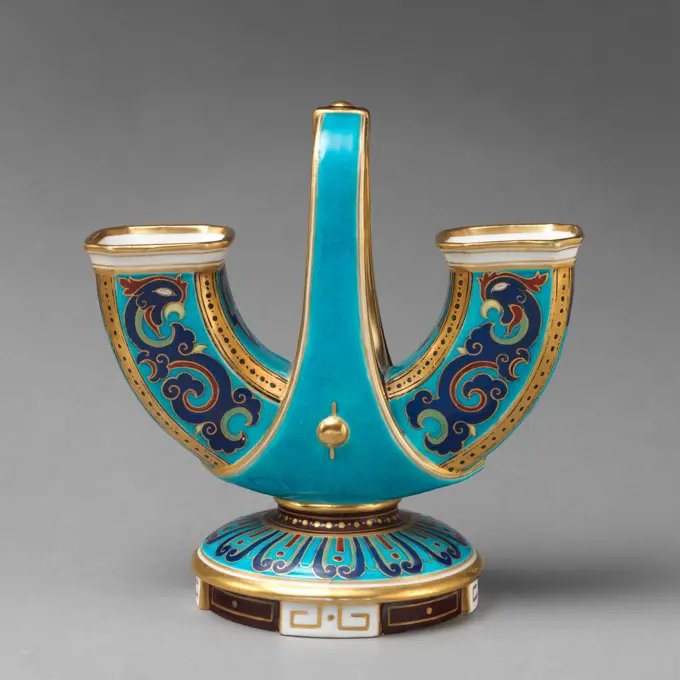
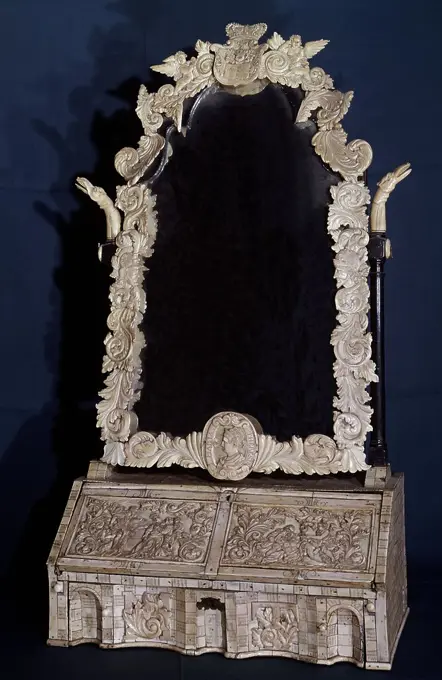
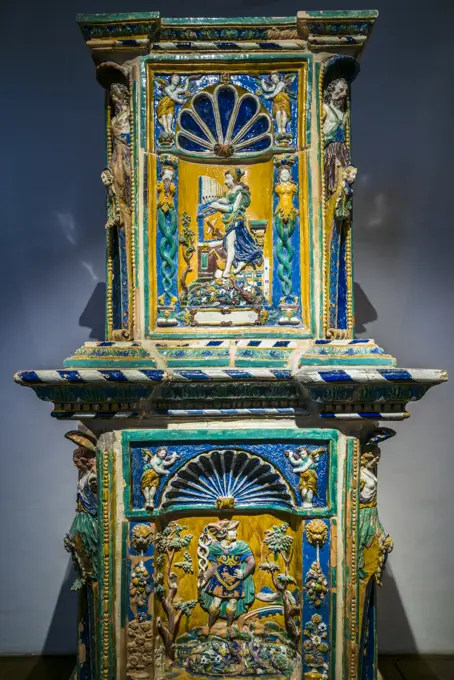
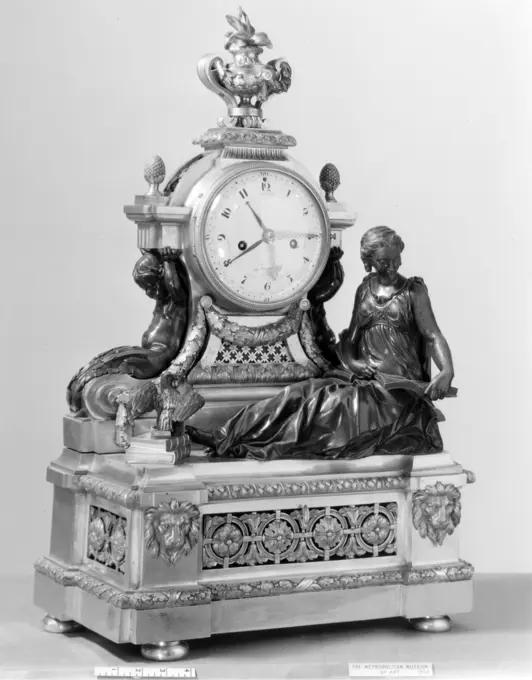
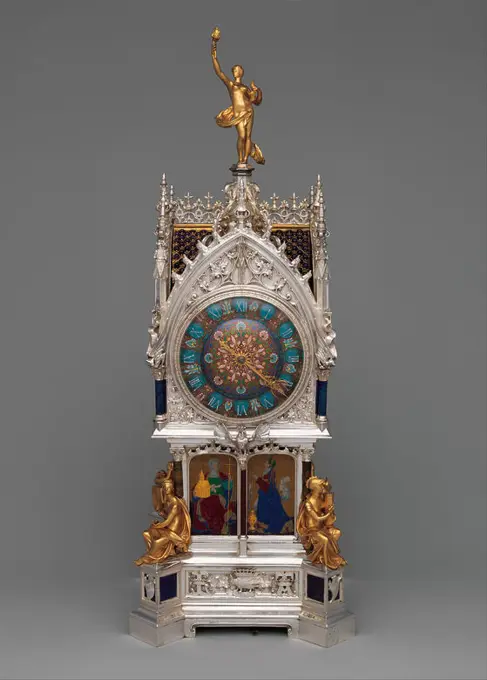
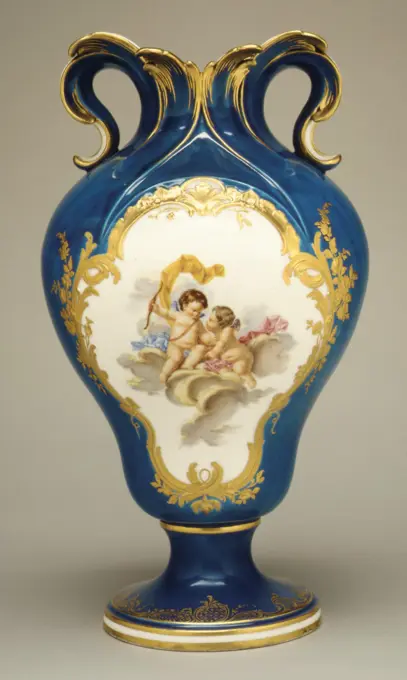
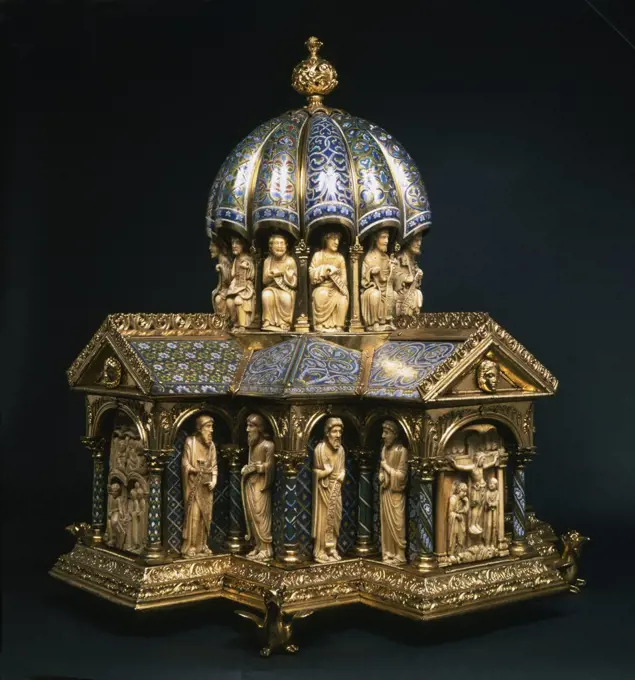
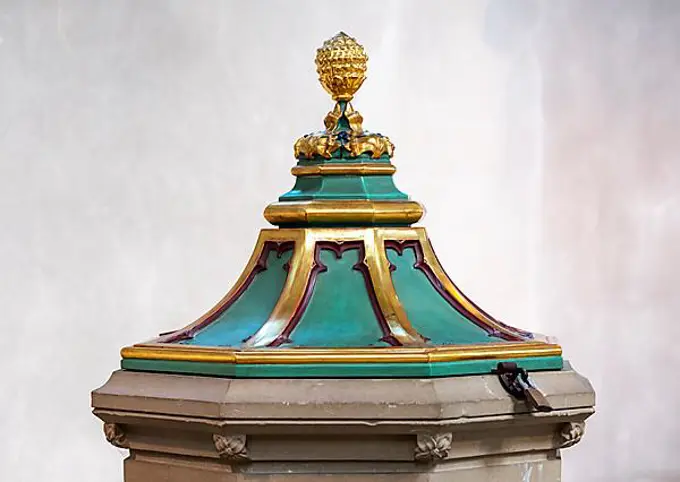
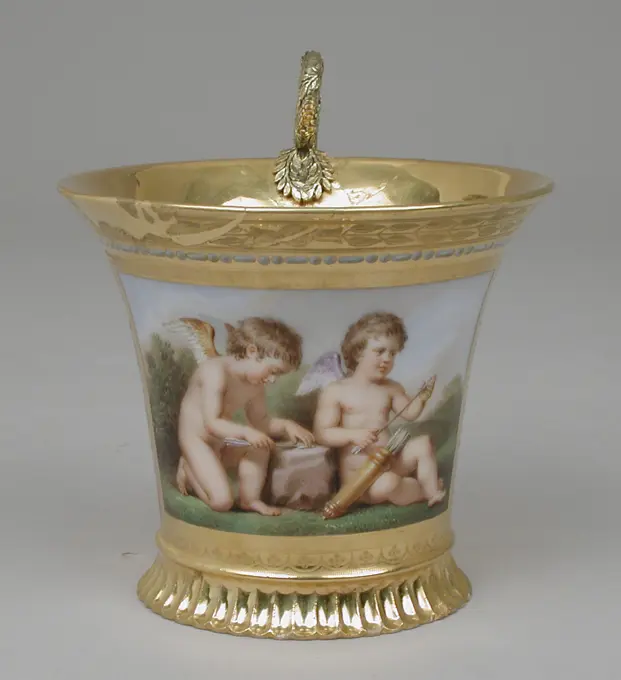
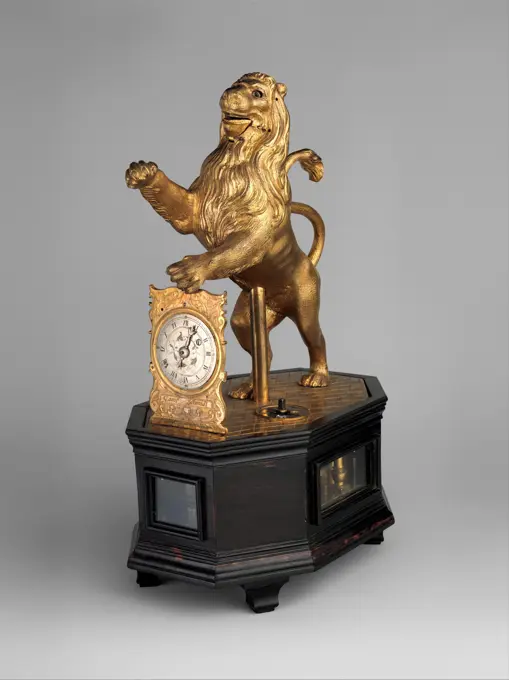
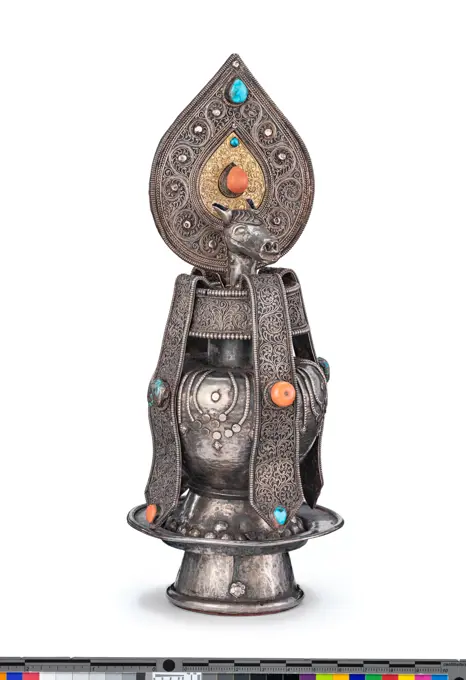
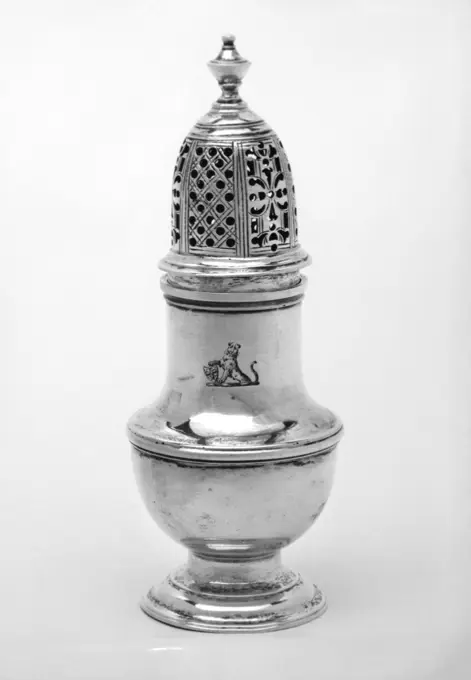
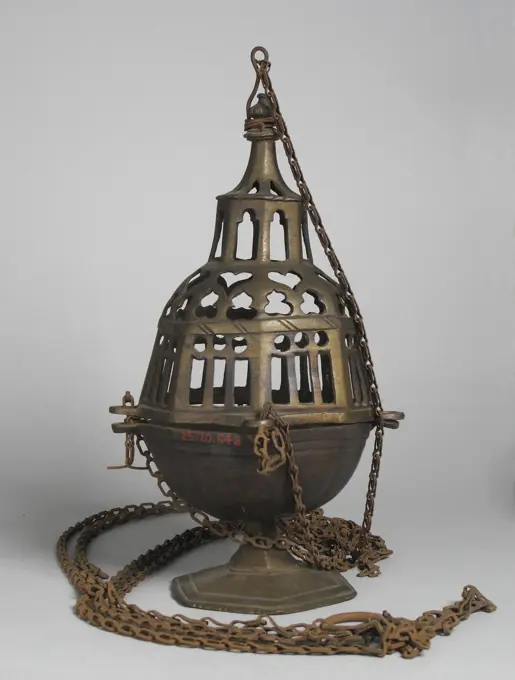
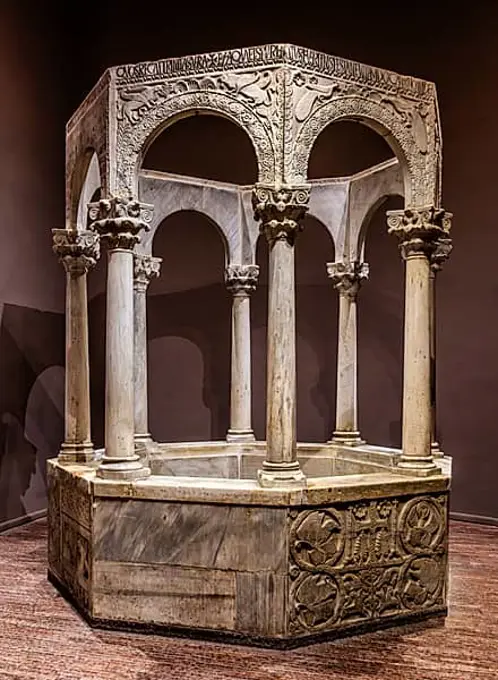
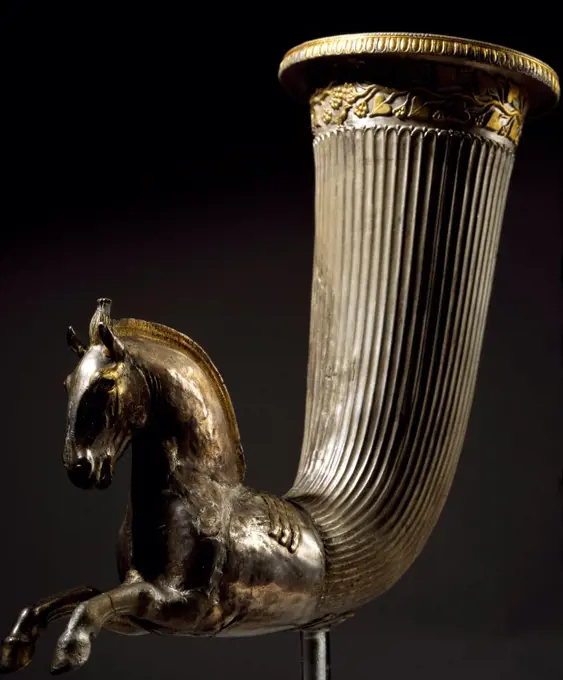
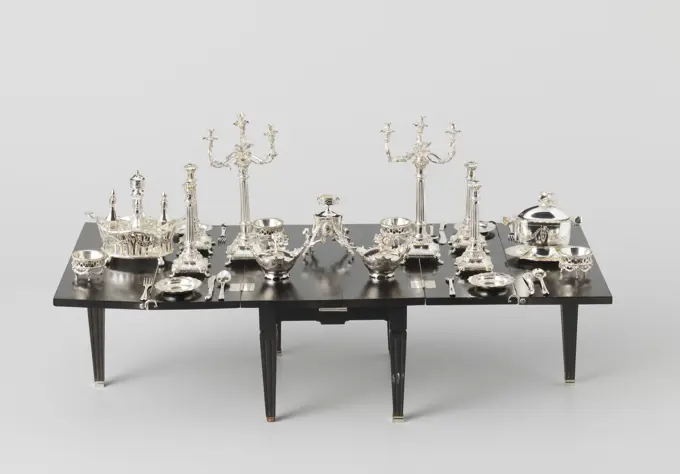
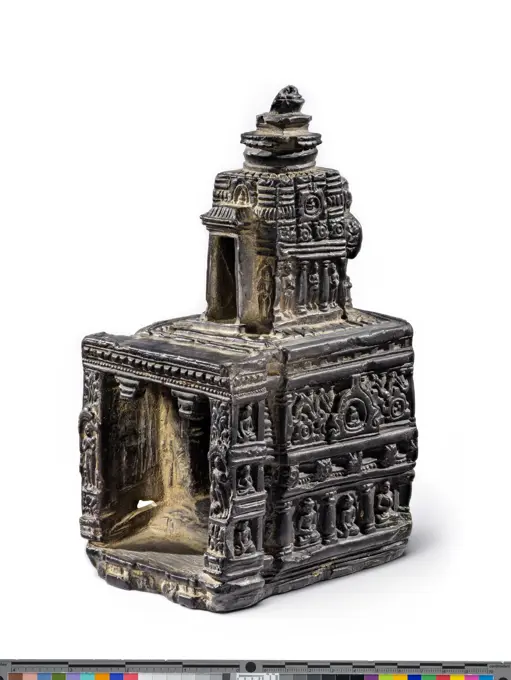
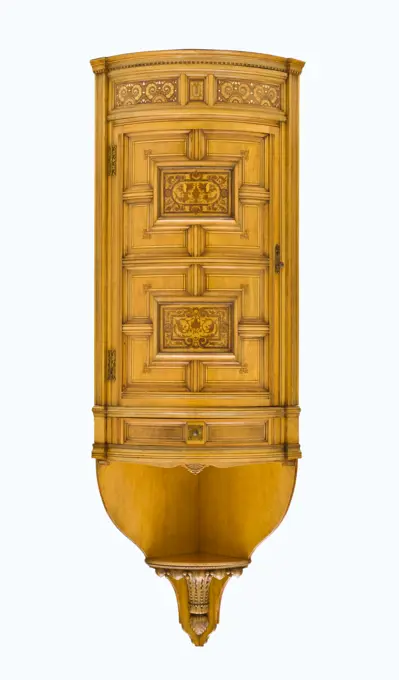
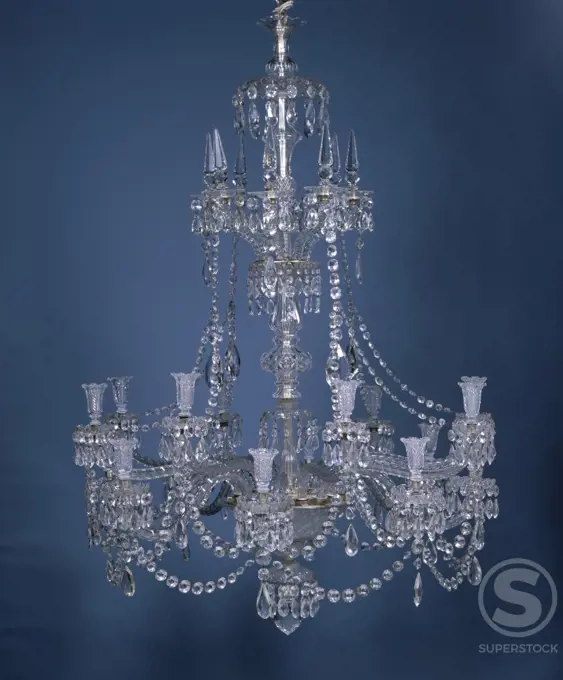
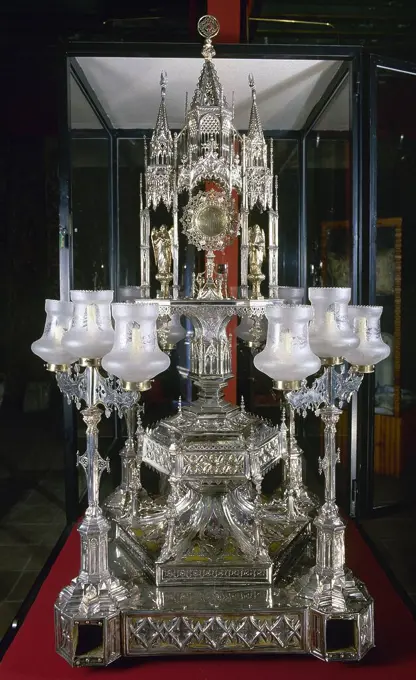
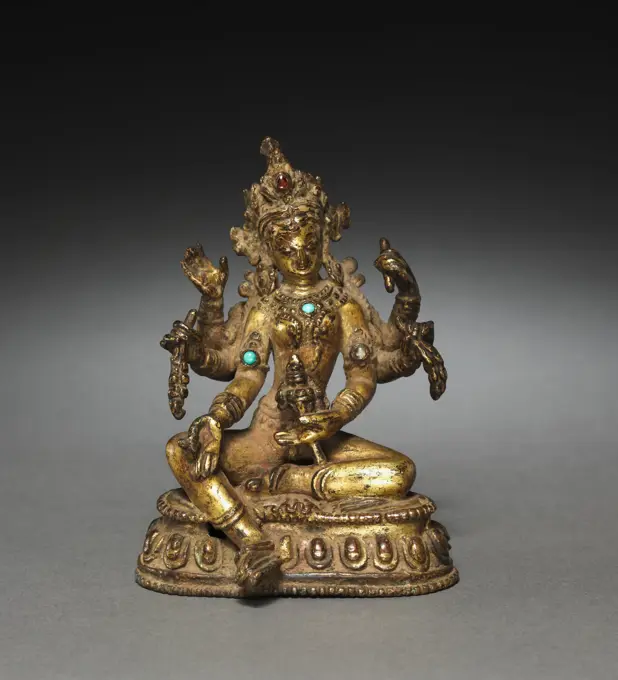
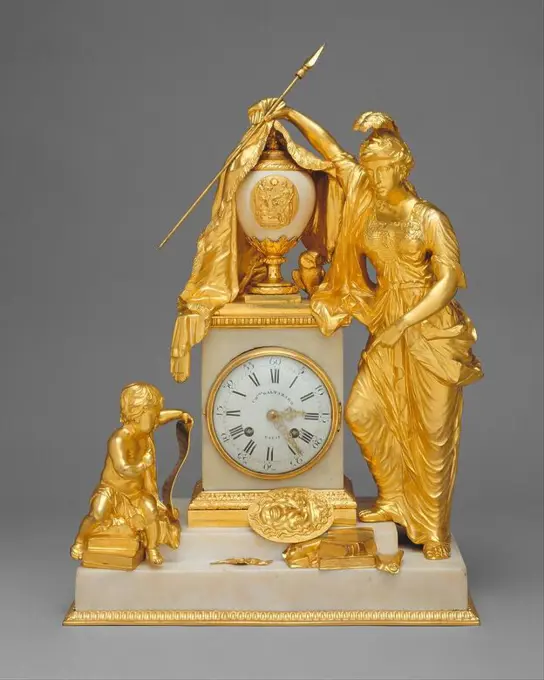
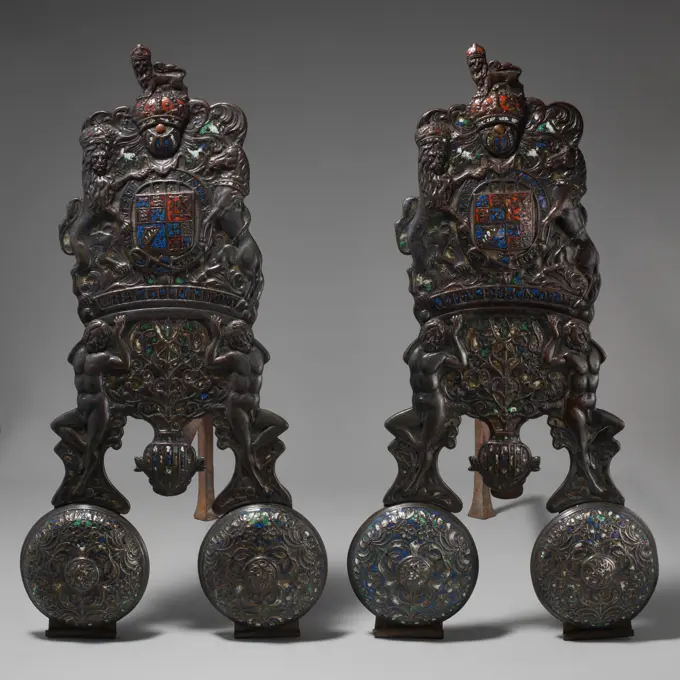
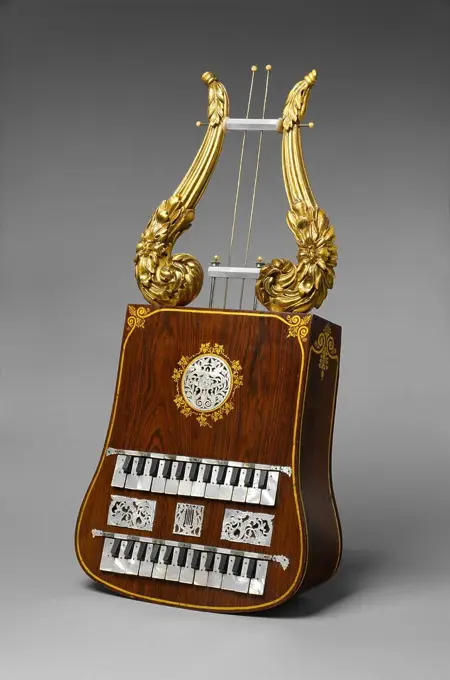
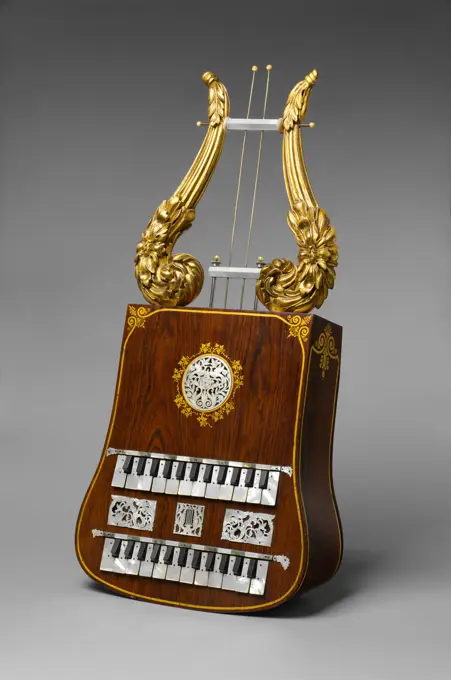
Miniature pedestal table with inlaid chessboard Indian 19th century View more. Miniature pedestal table with inlaid chessboard. Indian. 19th century. Ivory, horn, wood. Chess SetsAnonymous / 'Case for small agate and cornelian cup'. 1670 - 1700. Wood, Metal, Silk, Velvet. Museum: Museo del Prado, Madrid, España.Ampoule with relic liquid in the German Blade Museum, crowning St CatherineTwo-poor candlestick with a men's and a female figure, anonymous, c. 1850 - c. 1900 The candlestick is composed of the following eight parts, of which only the first two are removable: the foot, the trunk, the two figures, the two fat catchers and the two candle holders. The trunk screwed into the foot is fixed with a nut. The thread, which was mounted in the trunk with tin or lead, has released there. The round -profiled foot turns into a holon section, which narrows upwards and that is closed by a collar. The two diamond -shaped arms of the trunk are turned at the bottom of each other and caught there in a hexagonal base and a hexagonal capital. They end in hexagonal pedestals for the two standing figures. The woman carries a long -dressed, whose skirt with her right hand holds, but her feet are not clearly indicated. In her left hand she carries the clocked fat catcher and the candle holder. The decolleted V-neck and the hems of the overclock are trimmed with fur, without granulatioPair of hanging niches ca. 1750-55 British. Pair of hanging niches. British. ca. 1750-55. Carved and gilded wood, composition, and caning. Woodwork-FurnitureAttic Calcidian bronze crested helmet, from tomb of the Contrada Gaudo at Paestum, Campania region, ItalyRELICARIO - SIGLO XVII. Location: CONVENTO DE LAS CLARISAS / MUSEO DE ARTE SACRO. MONFORTE DE LEMOS. LUGO. SPANIEN.Altar Lamp (Italy); brassCaster ca. 1735 Adrian Bancker Although eighteenth-century American silver casters were often made in sets for sugar and spices, almost no complete sets have survived. This caster is part of a set of three (1972.233.1a,b -.3a,b) made by Adrian Bancker, a prominent New York silversmith. It is almost identical to a set now in the Museum of the City of New York.. Caster 1479Candlestick -Chasse 13th century French. Chasse 464322Lower Mesopotamia, Iraq, Cylinder from the Royal tomb of Ur, gold, quartz and glass pasteCandlestick 1630-70. Candlestick. 1630-70. Brass. Made in EnglandFifteen-light chandelier. Culture: French. Dimensions: H. 5 ft. 5 in. (165.1 cm); Diam. 3 ft. 2 in. (96.5 cm). Date: ca. 1790. Museum: Metropolitan Museum of Art, New York, USA.Coaster ca. 1785 British. Coaster 191277Candlestick BrothersU-shaped vase with handle (one of a pair) 1869 Minton(s) Minton was the most important ceramics factory during the Victorian period and began exhibiting products at the first Great Exhibition of 1851. Founded in 1793 by Thomas Minton at Stoke-on-Trent, the firm initially specialized in transferware pottery before expanding under the ownership of Thomass son Herbert Minton, beginning in 1836. Under the ownership of Colin Minton Campbell, who succeeded his uncle in 1858, the factory became recognized as a specialist producer of Aesthetics movement porcelain, which were inspired by a rich array of exotic and eclectic decorative motifs.. U-shaped vase with handle (one of a pair). British, Stoke-on-Trent, Staffordshire. 1869. Bone china. Ceramics-PorcelainCenterpiece of a tin salt barrel. Centerpiece of a tin salt barrel. A cavity for salt or herbs at the top. There are traces of silver suspension visible. Together with a lower and center piece, forms a salt barrel.Stop bottle belonging to the oil and vinegar set consisting of two bottles and a stray bus in Spuntovale Holder, Fa. Diemont, 1803 Bottle of colorless glass, decorated in various sharpening, intended for oil or vinegar. The upper part of the bottle is contained in a silver frame that is decorated with a pearl edge between profile edges. At the bottom, the frame at the front and rear ends in a point, at the top front and rear in a snee -shaped spout. The bottle has a drop -shaped, facet pattern. Amsterdam silver (metal). glass Bottle of colorless glass, decorated in various sharpening, intended for oil or vinegar. The upper part of the bottle is contained in a silver frame that is decorated with a pearl edge between profile edges. At the bottom, the frame at the front and rear ends in a point, at the top front and rear in a snee -shaped spout. The bottle has a drop -shaped, facet pattern. Amsterdam silver (metal). glassTOCADOR DE MARFIL. Location: PRIVATE COLLECTION. MADRID. SPAIN.Austria, Salzburg, Hohensalzburg Castle, decorative room heater (Editorial Use Only)Tea-table, by Turin Work, 1800 - 1825, 19th Century, legno impiallacciato di palissandro, in parte intagliato e dorat. Italy, Piemonte, Aglie, Turin, Castle. Whole artwork. Tea-table tripod furniture furnishings interior: fittings design legs shaped as lions' paws: animal flowers carvings gilt: gilding wood gold decoration top colors.Cornelius Christoffels, Candlestick, 1940 CandlestickNeck of Poporo (Lime Container) 300 B.C.-A.D. 700 Early Quimbaya This metal object is the neck (cuello in Spanish) of a larger container, a poporo (or juror in the Guajiro languge, Kuetand-tuky in Páez, and yoburo in Arhuaco).1 For many centuries, people in the Andes have used poporos for holding lime powder, and this is an early example of one component of these objects. This neck likely would have been attached to poporo made of a gourd. To join the two parts, a person could have used pitch, a viscous and elastic substance that can be derived from different organic materials (Plazas 2016, 266). Other examples of necks may have been attached by threading cord through perforations in the metal and joining this cord to the poporo body in some way. The neck consists of three registers and is symmetric on its vertical axis and partially symmetric on its horizontal. The bottom register, however, is taller and its greatest width is noticeably greater than that of the top register. In thisClock ca. 1765 Clockmaker: Joseph Charles Paul Bertrand. Clock 196532'The Regalia. - 5', c1911. '1. Salt-spoon; 2. and 3. State Salt-cellars; 4. Sacramental Flagon; 5. State Salt-cellar'. 'The Golden Salt-cellar of State is of pure gold, richly adorned with jewels, and grotesque figures in chased-work. Its form is castellated, and it has hence been called a "model of the White Tower", to which, however, it bears a very slight resemblance: the receptacles for the salt are formed by the removal of the tops of the turrets'. From "The Portrait Book of Our Kings and Queens 1066-1911", edited by T. Leman Hare. T. C. & E. C. Jack, London &amCandlestick. Makers: Matthew Boulton & John FothergillTable clock with calendar. Artist: Sculpture by Léon Chédeville (died 1883). Culture: French, Paris. Designer: Case and enamel design by the Firm of Lucien Falize (French, Paris 1839-1897 Paris); in partnership with Germain Bapst (French, Paris 1853-1921 Paris). Dimensions: Overall: 18 1/2 × 7 × 7 in. (47 × 17.8 × 17.8 cm). Maker: Clockmaker: Firm of Le Roy et Fils (1828-1898). Date: 1881.This clock was made for the great English collector Alfred Morrison; the designer, Lucien Falize, later proudly displayed it in the 1889 Paris Exposition Universelle. The historical revival case has the form of a late Gothic tower, decorated elaborately with sculptural and architectural motifs. Its craftsmanship confirmed Falize's reputation as an enameler and a jeweler. The clock's movement is by Le Roy et Fils, a Paris firm with a London branch that held a Royal Warrant from Queen Victoria. Museum: Metropolitan Museum of Art, New York, USA.Old golden samovar isolated on a white backgroundAscot Cup 1825-1826 London. The racecourse on Ascot Heath, in Berkshire, England, was established in 1711, and the Royal Meeting, a nearly weeklong series of horse races held there in the summer, remains one of the major events of the British social calendar. This trophy cup may be associated with the 1827 running of the prestigious Gold Cup race. It was made by Paul Storr, one of the premier English silversmiths of the day.The Ascot Cup was modeled after a very large marble vase from the 2nd century A.D. that was found in pieces in a swamp near Hadrianís Villa in Tivoli, northeast of Rome, in the 1770s. Because it soon entered the collection of George Greville, 2nd Earl of Warwick, it became known as the Warwick Vase. Many copies of the original vase were made in the following years in iron, bronze, porcelain, and silver, including a version by Paul Storr that is also in the Art Instituteís collection. For the Ascot Cup, Storr altered some of the wine-related imagery of the original, Zaar Carl (1849-1924), table attachment. Monthly competition May 1877 (05.1877): View of the double shell; Half basic sketch. Pencil watercolored on paper, 70.3 x 66.6 cm (including scan edges) Zaar Carl  (1849-1924): Tafelaufsatz. Monatskonkurrenz Mai 1877Vase (vase à oreilles) (one of a pair) 1758 Sèvres Manufactory French It was common for each model of vase to be produced in variety of sizes; the vase à oreilles was made in six sizes, of which this pair (see also 58.75.113) represents the largest. Factory records suggest that the pair may have cost 1720 livres, a sum equivalent to the annual salary of a lower-level professional worker.. Vase (vase à oreilles) (one of a pair). French, Sèvres. 1758. Soft-paste porcelain. Ceramics-PorcelainEltenberg Reliquary - Rhine Valley. Late 12th century.White stars on a red and blue striped background. Seamless Pattern. Vector Illustration. 4th of July, memorial day. For cards, banners, posters, flyer, party, packaging, wrapping paper, fabric design. White stars on a red and blue striped backgroundLid of the baptismal font in Altenberg Cathedral (also Bergischer Dom), former monastery church of Altenberg Abbey, built by the Cistercians since 1133, since 1857 simultaneous church for the Protestant and Catholic churches, Odenthal, North Rhine-Westphalia, Germany, EuropeCup (tasse Jasmin), part of Breakfast Service (déjeuner) 1813 Sèvres Manufactory French This breakfast service (56.29.1-.8) was presented by Napoleon I to Princess Auguste-Amélie, wife of his stepson Eugène Beauharnais, on New Year's Day of 1814. The overall theme of the decoration was described in the factory records as the "loves of amors and nymphs," and the title given to the scene on the tray was "Accused Nymphs Appearing before the Tribunal of Love.". Cup (tasse Jasmin), part of Breakfast Service (déjeuner). French, Sèvres. 1813. Hard-paste porcelain, silver gilt. Ceramics-Porcelain. Bowl with silver foot and glass shell. Foot fully decorated with motifs that have to do with the sea. The base ridden by a belt and a cable is designed as a water. The tribe consisting of an anchor that has wound up a water-spging fish. The glass matted chalice is shaped as a nautilus shell.Automaton clock in the form of a lion ca. 1620-35 Clockmaker: Karl Schmidt The rampant lion, an animal with strong heraldic connotations, must have been a successful model for several types of automata, to judge from the number of surviving examples. The eyes and mouth of this automaton are set in motion when the clock strikes the hour. The piece was in use long enough to have been fitted with a short pendulum sometime after its invention in the second half of the seventeenth century.. Automaton clock in the form of a lion. German, Augsburg. ca. 1620-35. Case: gilded brass and gilded silver on a base of ebony, and ebony veneered on fruitwood; Dial: silvered brass; Movement: iron and brass. HorologyCrown belonging to Ethiopian emperor. National Museum. Addis Ababa. Ethiopia, Africa.John Sutton, Set of Three Casters, 1700/1701, silver.Goldsmith's art, Italy, 17th century. Gilded bronze and precious stones urn.Torah shield from the Great Synagogue, Amsterdam. 1683.Vase of Immortality with the Head of a Wind-Horse and the Precious Jewel. Tibet (by a Newar artist), 18th-early 19th century. Furnishings; Accessories. Silver and silver filigree, gold and gold filigree; inset with coral and turquoisePair of casters 1740-41 Samuel Wood. Pair of casters 197401Call belonging to ink set. Silver ink set. The leaf is straight on the back and at the front. The inkwell and sand spreader are melon. The pear-shaped table bubble is applied between the two melons.Pair of pedestals (gaînes) 18th century Style of André Charles Boulle French. Pair of pedestals (gaînes) 194939. Wall table made of gold-plated lion wood with Europe on the bull in relief.Showcase with metal objects: an atlas figure, a cup on a foot and a rider on horseback; Halls of arts and crafts July 1962 ..Double Column 13th-14th century French. Double Column. French. 13th-14th century. Marble. Sculpture-ArchitecturalEid Mubarak lantern isolated on a white background. 3D illustration eid Mubarak lantern isolated on white background. 3D illustrationCenser 16th century () French () or South Netherlandish (). Censer. French () or South Netherlandish (). 16th century (). Brass. Metalwork-BrassArqueta con incrustaciones. Siglo XVI. M.A.D.B.Clock tower, 17th century, Bronze and Iron, 34 x 17 cm, Inv. 2051. Location: MUSEO LAZARO GALDIANO-COLECCION. MADRID. SPANIEN.Baptismal font of Callixtus, Museo Cristiano with masterpieces of Lombard sculpture, Cividale del Friuli, city with historical treasures, UNESCO World Heritage Site, Friuli, Italy, Cividale del Friuli, Friuli, Italy, EuropeSintra, Portugal. National Palace. Official rare Royal State Bed from the 1600'sSilver rhython protome in the shape of a galloping horse and with decoration on the neck, from the Borovo Treasure, Ruse Region, Bulgaria. Goldsmith art. Thracian Civilization, 4th Century BC.Mandarin Ivory Figurine Chinese ArtEpiphany, Anonymous, c. 1700 - c. 1750 Epiphany group on a sea lobby. The plate is on three bol legs. The group consists of three figures with crowns on the head. One of the figures holds a pole, to which an eight -pointed star is attached. The star can be turned around by a cord that holds one of the other figures. There is a putto on top of the pole. The letters C a B are scratched in the image. The image is not marked. Netherlands silver (metal) Epiphany group on a sea lobby. The plate is on three bol legs. The group consists of three figures with crowns on the head. One of the figures holds a pole, to which an eight -pointed star is attached. The star can be turned around by a cord that holds one of the other figures. There is a putto on top of the pole. The letters C a B are scratched in the image. The image is not marked. Netherlands silver (metal)Candlestick, Anonymous, 1782 Candlestick on square foot. The foot has beveled corners and stands on four claw legs. The trunk has the shape of a scanning column with a capital. The candlestick is marked: stk. = Amsterdam, Jrl. = X (1782) and an unknown Mastert sign. Amsterdam silver (metal) Candlestick on square foot. The foot has beveled corners and stands on four claw legs. The trunk has the shape of a scanning column with a capital. The candlestick is marked: stk. = Amsterdam, Jrl. = X (1782) and an unknown Mastert sign. Amsterdam silver (metal)Ancient column pillar replica on a white gradation backgroundVotive Model of the Mahabodhi Temple, Bodh Gaya, India. India, Bihar (), Gaya District, circa 11th century. Architecture; Architectural Models. Black schistBodhisattva Manjushri: Lord of Wisdom, 1000s-1100s. East India, Bengal. Bronze with gilding and inlay of semiprecious stones; overall: 31.2 cm (12 5/16 in.); part 1: 6.5 x 15.5 x 11.9 cm (2 9/16 x 6 1/8 x 4 11/16 in.); part 2: 41.9 x 15.2 cm (16 1/2 x 6 in.); part 3: 16.5 x 8.5 cm (6 1/2 x 3 3/8 in.).Hanging Corner Cabinet. Bruce Talbert (Scotland, active Scotland and England, 1838-1881)Collinson & Lock (England, London, 1870-1897). England, circa 1875. Furnishings; Furniture. Satinwood, various other exotic wood inlays, ivory, brassDragonfly Lamp (model numbers 1462 (shade), 225 (base)) Lamp; Designed by Clara Driscoll (American, 1861 - 1933); Design Director: Louis Comfort Tiffany (American, 1848-1933); Produced by Tiffany and Co. (United States); USA; stained glass, lead, brass, gilt bronzeStill-Life, Court dignitaries mandarin travel hats with silver tip, semiprecious stones and rock crystal, nineteenth century, detail.Turkish Coffee on a white backgroundEnglish Crystal Chandelier The Imperial Orb decorated with precious stones. Dated 12th CenturyOstensory silver, 1867. Object made by the sons Francisco d'Assis. From Lleida Cathedral. The Capitular Museum. Spain. Catalonia. Lleida.Clock shaped as Easter egg by Kulibin, Ivan Petrovich (1735-1818) / State Hermitage, St. Petersburg / 1764-1767 / Russia / Objects / Applied ArtsSeated Vasudhara, c 1300s . Nepal, 14th century (). Brass or bronze; turquoise; overall: 10.2 x 7.6 cm (4 x 3 in.).Minerva clock. Culture: British. Dimensions: Overall: 19 × 13 × 8 1/4 in. (48.3 × 33 × 21 cm). Maker: Case maker: Matthew Boulton (British, Birmingham 1728-1809 Birmingham); Movement: Theodore Rodel (recorded 1840) (Paris, France); and Vincenti et Cie (1831-1890) (Paris, France); Clockmaker: Henri-Charles Baltazard (recorded 1717-72) or; Clockmaker: Louis-Charles Baltazard (recorded 1761-83). Date: ca. 1770.The clock shows Minerva unveiling a vase with an oval medallion depicting Prudence making libations at the shrine of Time. The design for the case is found in Boulton's Pattern Book. The movement by Theodore Rodel (recorded 1840) and Vincenti et Cie (recorded 1831-90) is a replacement for the original and was probably sold in Paris about 1840. Museum: Metropolitan Museum of Art, New York, USA.Pair of andirons 20th century, style of ca. 1660-85 British. Pair of andirons. British. 20th century, style of ca. 1660-85. Enamel on brass. Metalwork-BrassCUSTODIA EN BRONCE DORADO S XVII. Location: CONVENTO DE SAN CLEMENTE-MUSEO. Toledo. SPAIN.Apollo Lyre. Culture: American. Dimensions: H. 82.8 cm (32-3/4 in.), Greatest W. 39.2 cm (15-1/2 in.), D. 11.7 cm (4-3/4 in.). Date: 1848-53.This instrument, the only known example of its kind, was probably inspired by the melophone, which a French player presented in a concert in New York in 1841. The upward-pointing handles produce pressure and suction to sound a diatonic scale, as in an accordion or harmonica. Museum: Metropolitan Museum of Art, New York, USA.Apollo Lyre 1848-53 American This instrument, the only known example of its kind, was probably inspired by the melophone, which a French player presented in a concert in New York in 1841. The upward-pointing handles produce pressure and suction to sound a diatonic scale, as in an accordion or harmonica.. Apollo Lyre 502678sconce with candles isolated on white backgroundOriental vintage light lantern and dates fruits on white background. Arabic holidays decoration. Selective focusTea set ceremony on carpet. Tea set ceremonyCustody, cast embossed silver with a chamfer and crystals, 1670, Huesca Diocesan Museum, Aragon community, Spain.A gold throne in stockholm palace, stockholm swedenCandlestick, one of a pair, c. 1780, 12 1/8 x 5 3/8 x 5 3/8 in. (30.8 x 13.65 x 13.65 cm), Gilt bronze, France, Louis XVI