Antique Glass Bottles and Jars

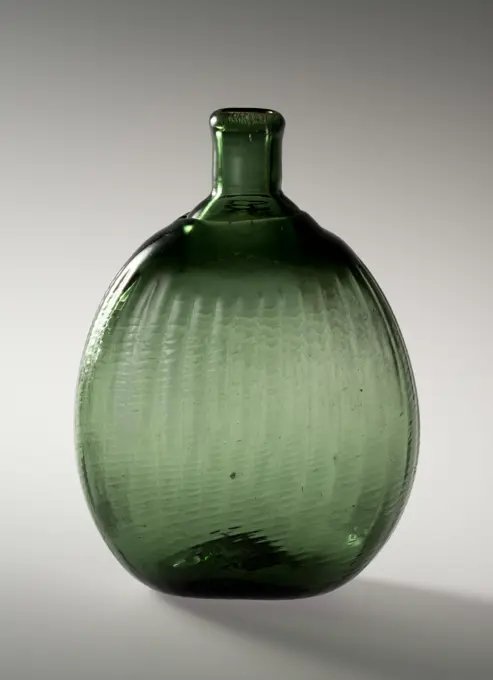
Various historical glass bottles and jars from different eras, showcasing unique shapes and colors, highlighting craftsmanship and ancient artifacts.

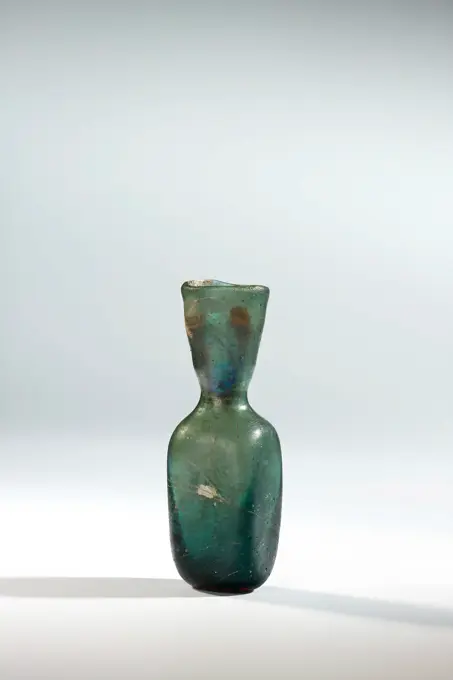
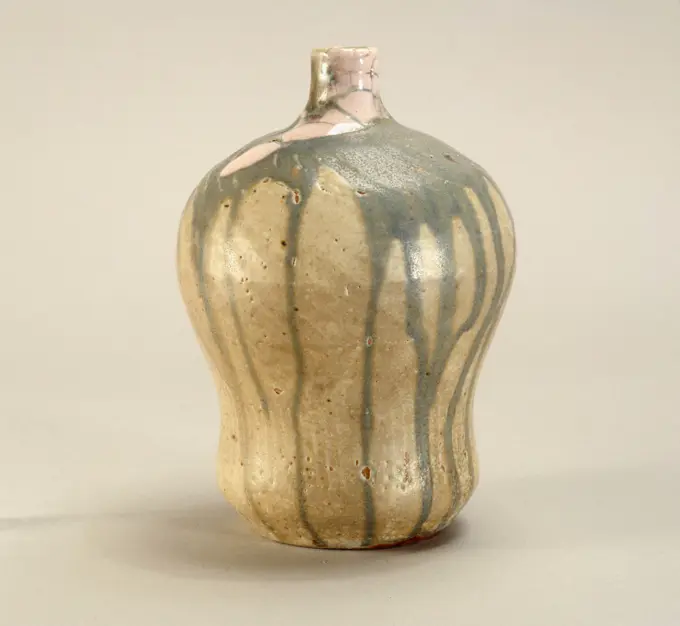
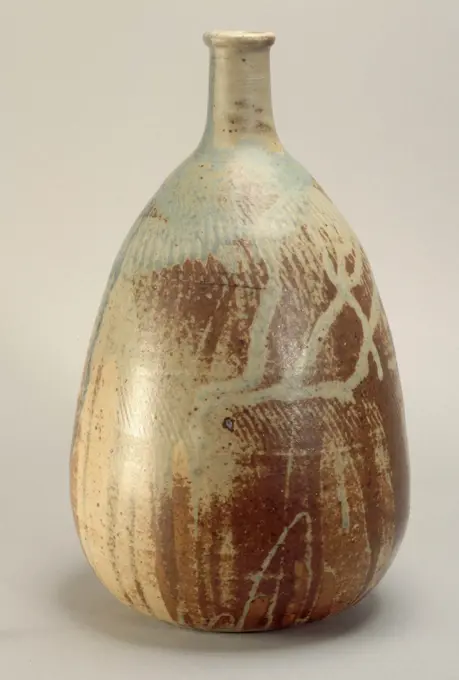
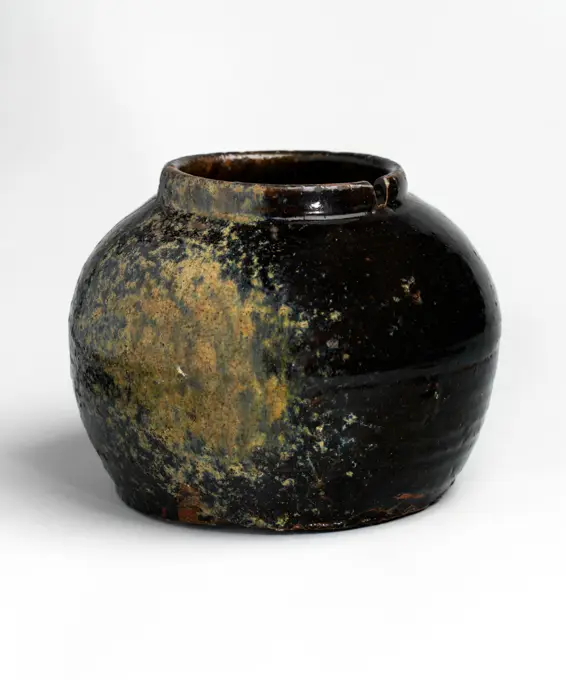
(Wide-bottomed bottle), Unknown Japanese, 7 13/16 x 7 7/8 x 7 7/8 in. (19.84 x 20 x 20 cm), Glazed ceramic, metal, Japan
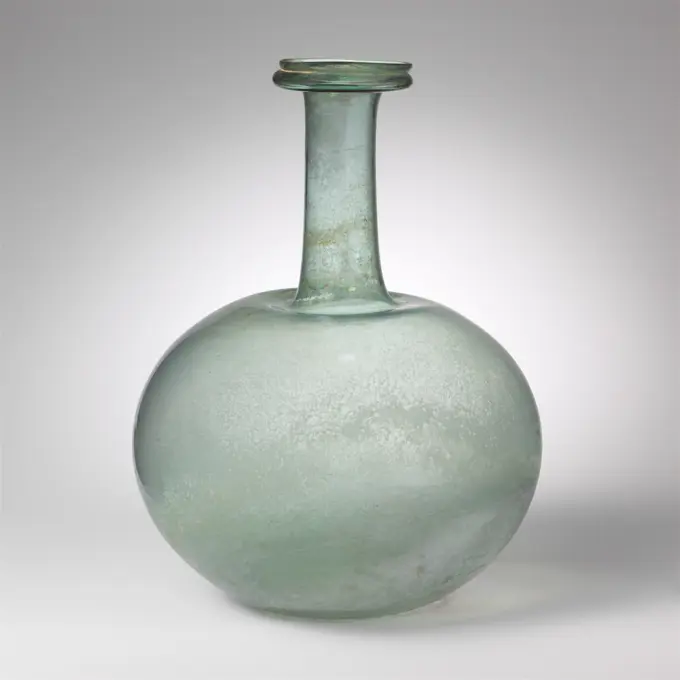
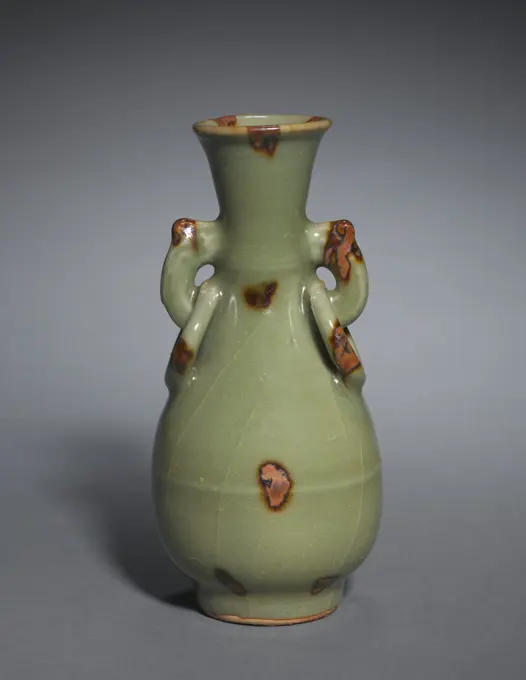
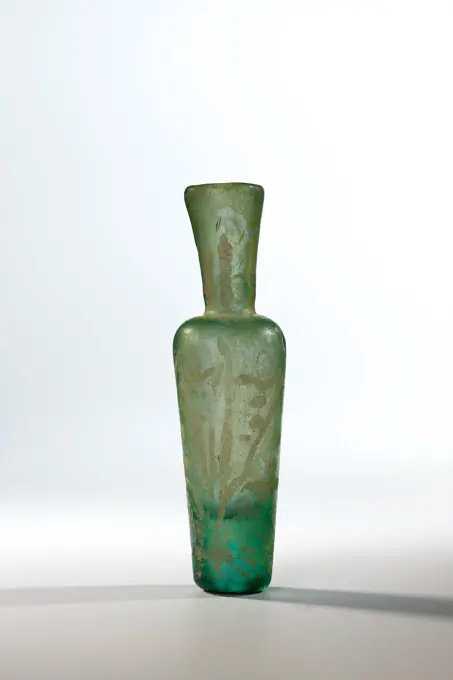
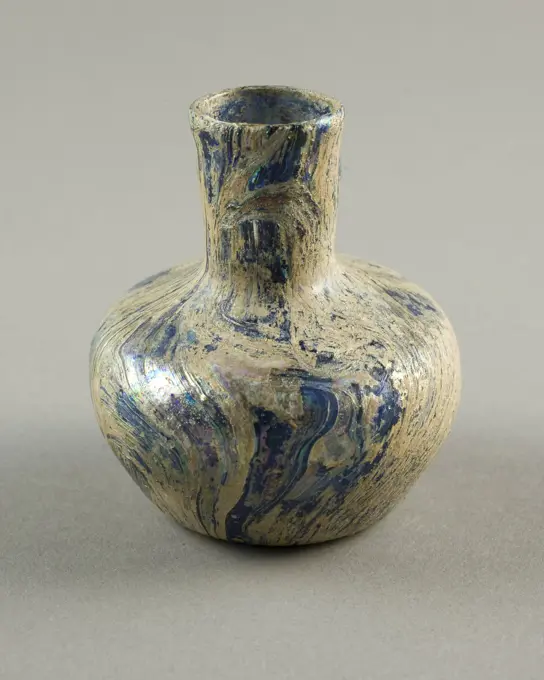
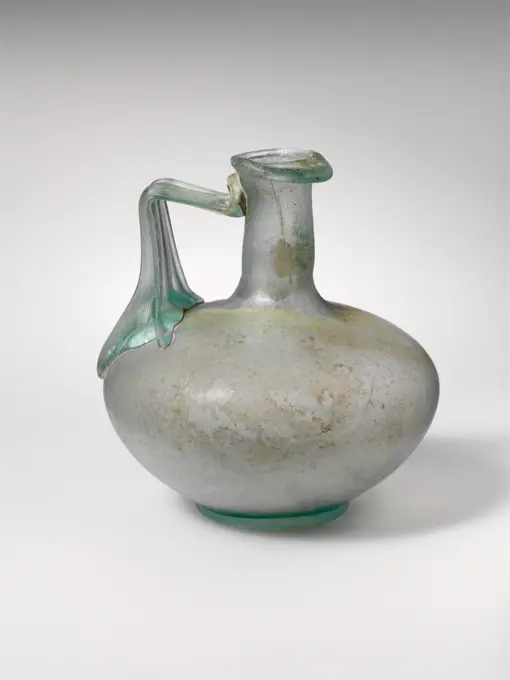
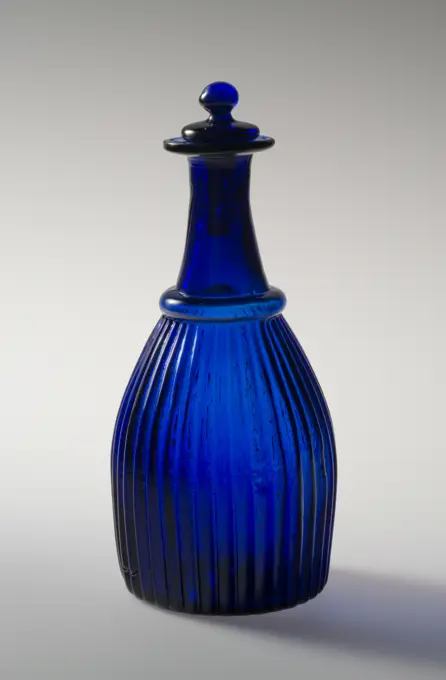
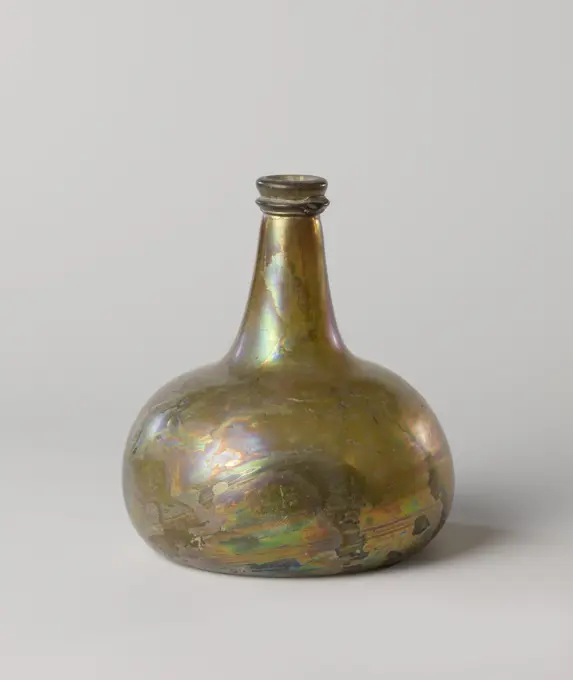
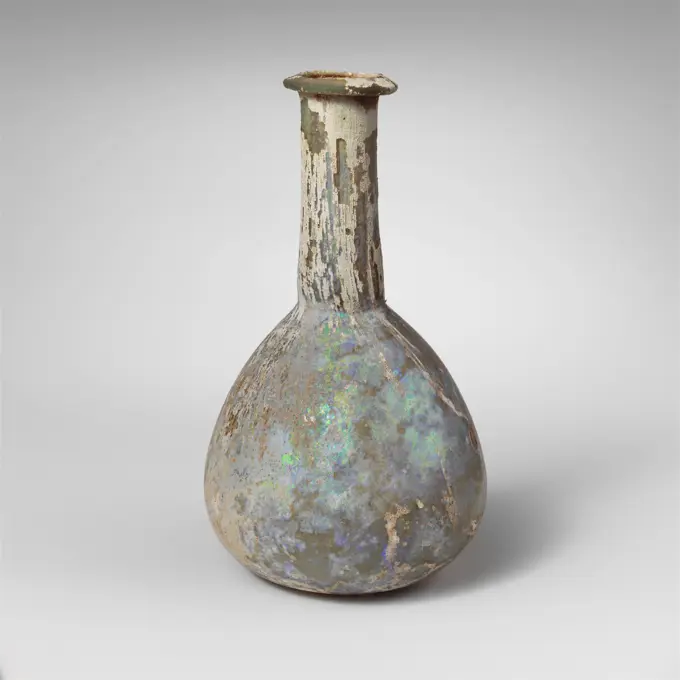
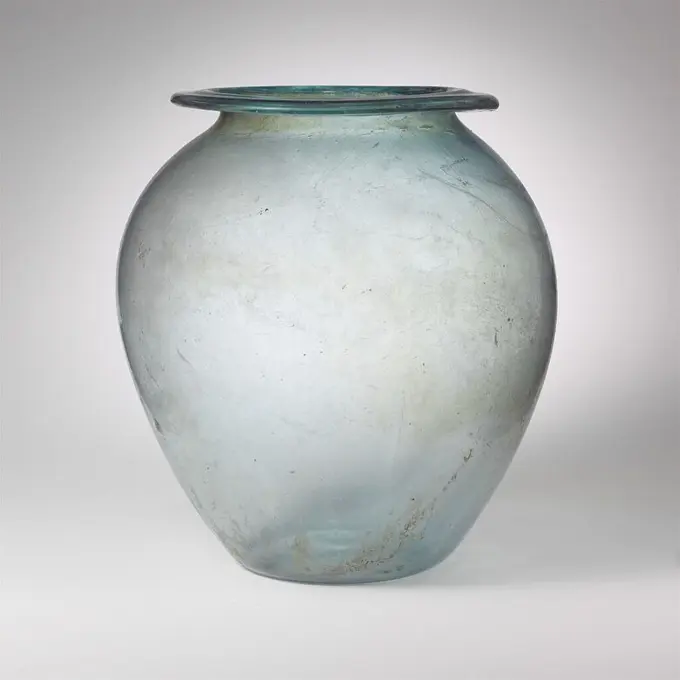
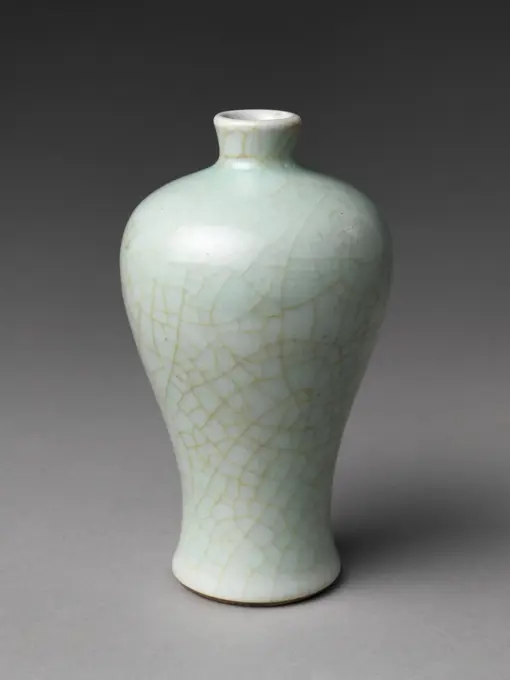
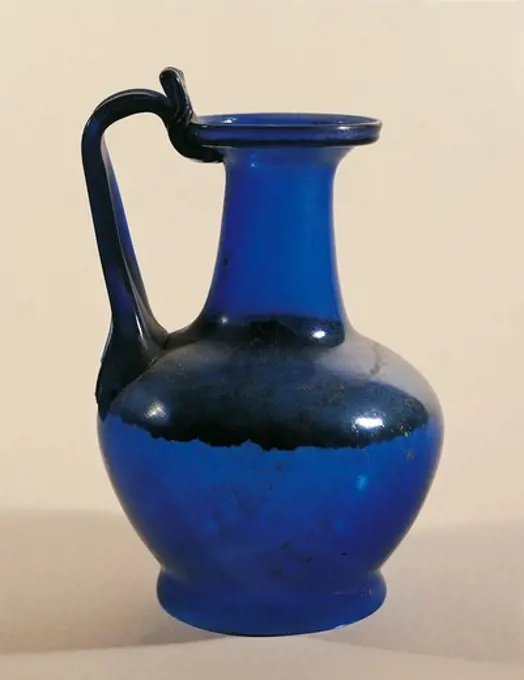
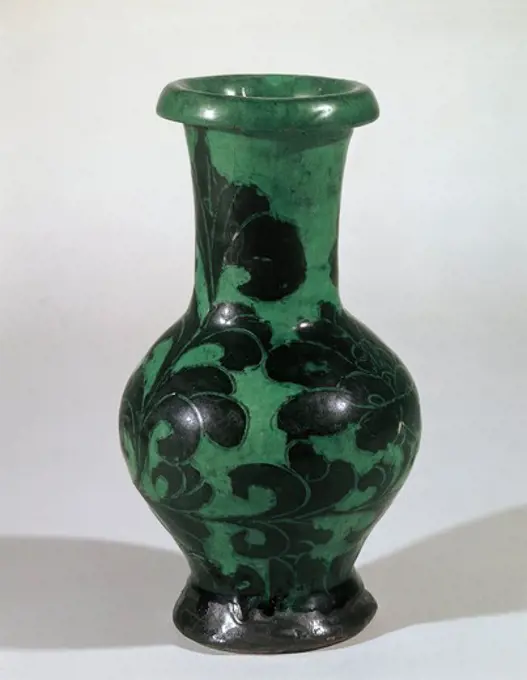
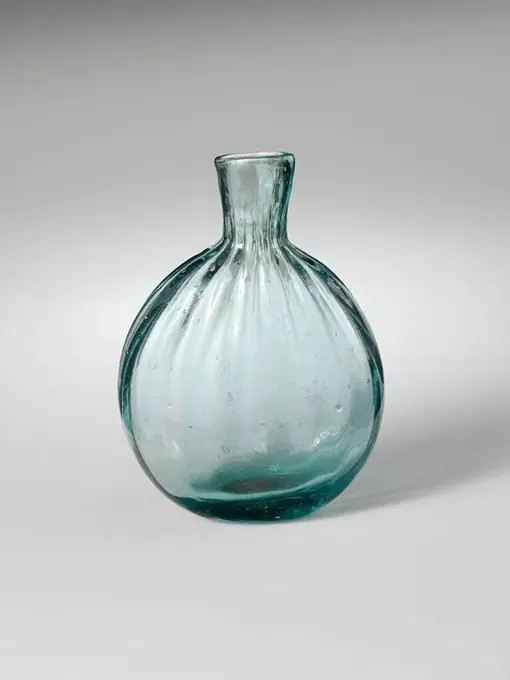
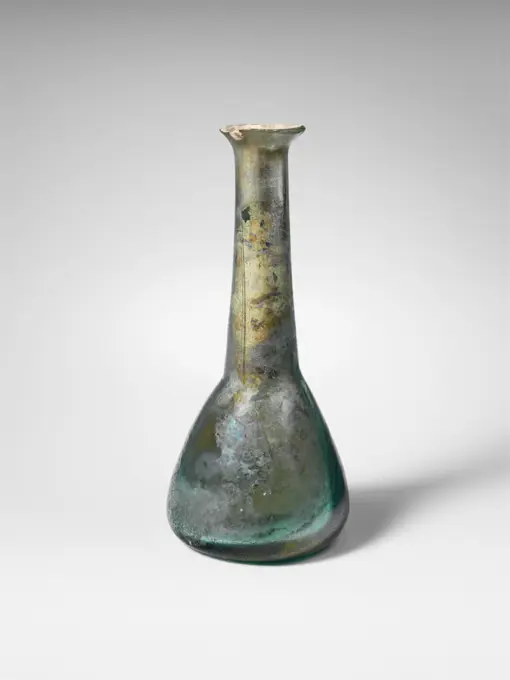
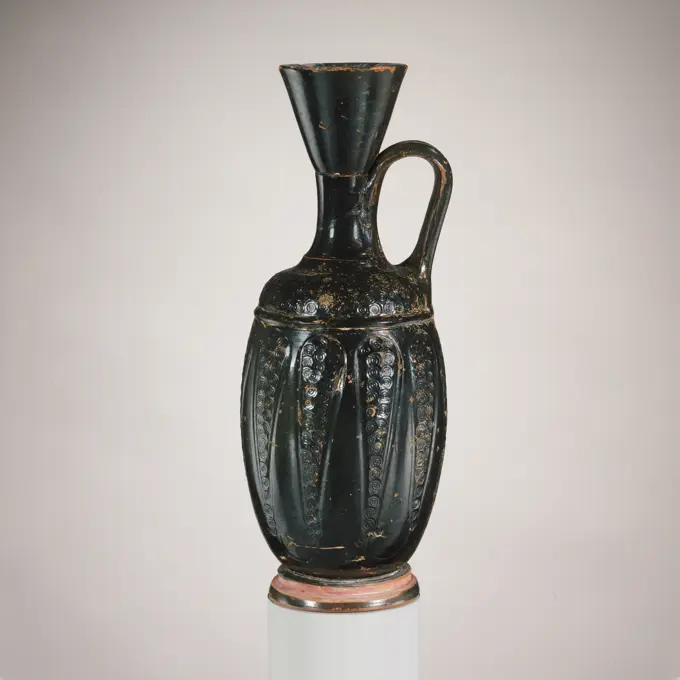
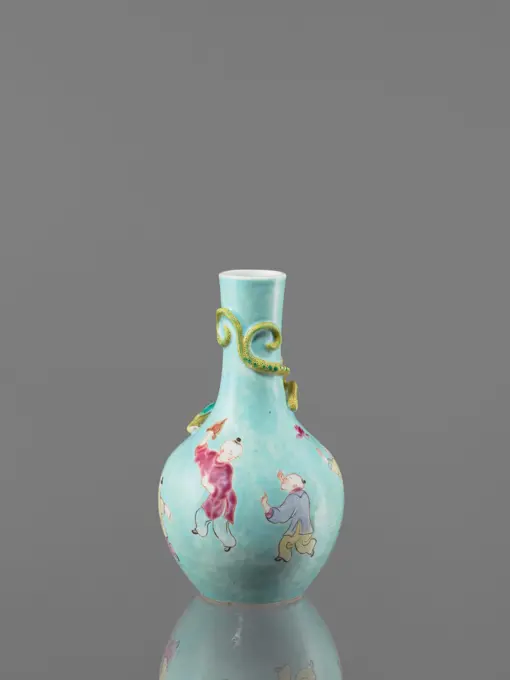
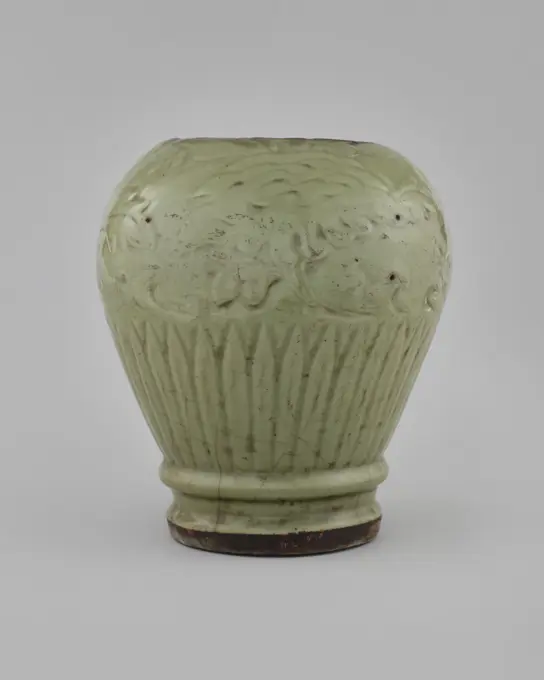
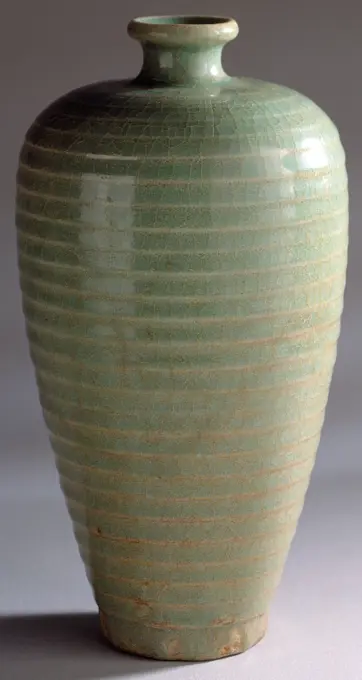
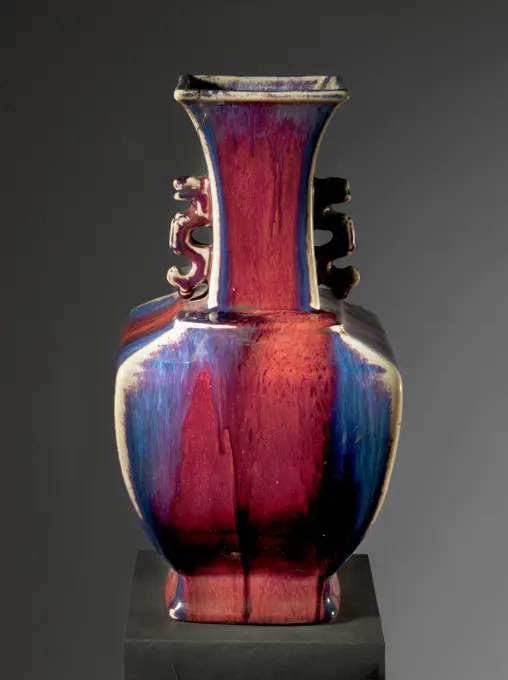
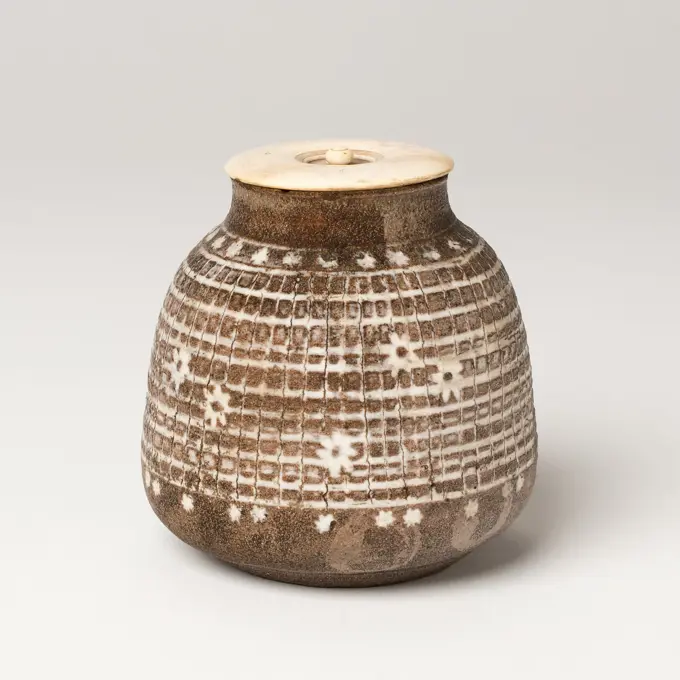
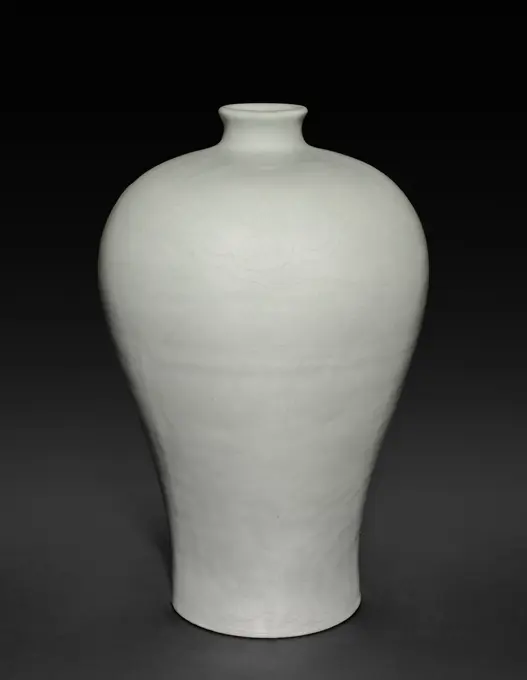
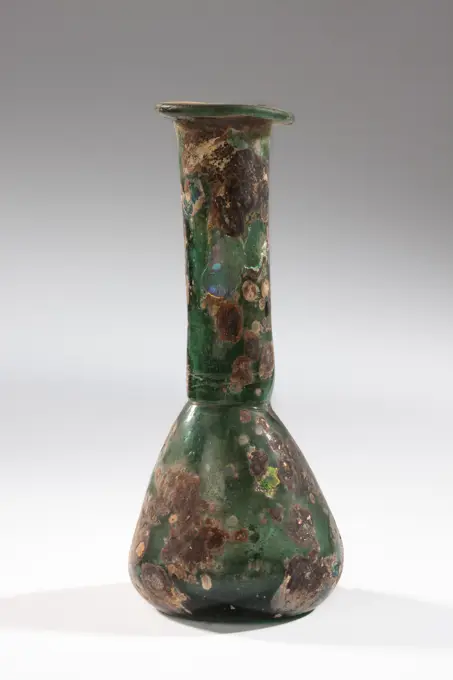
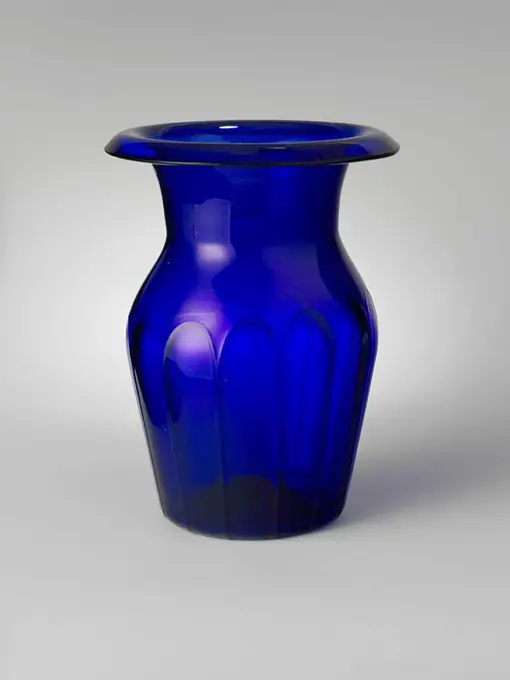
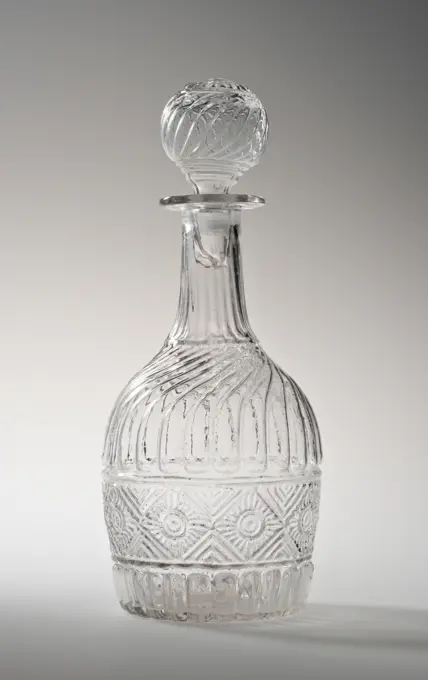
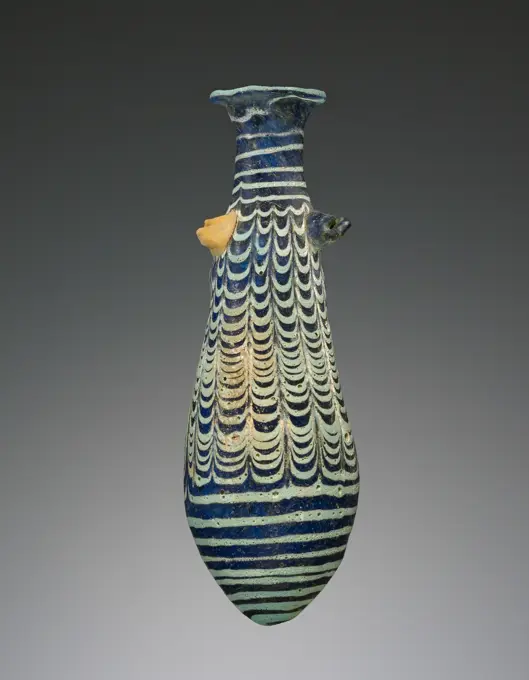
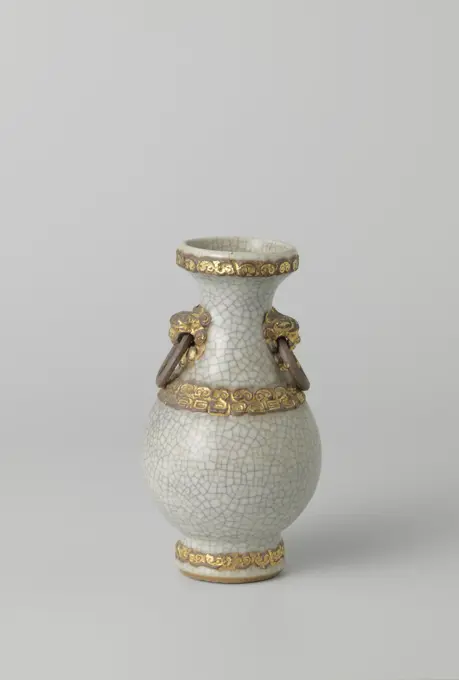
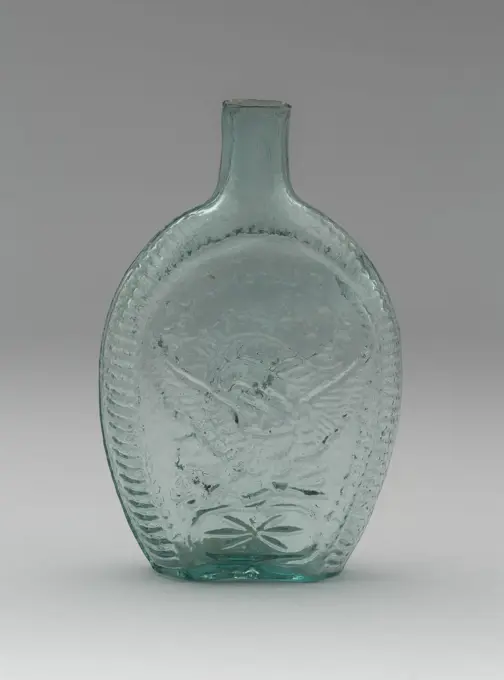
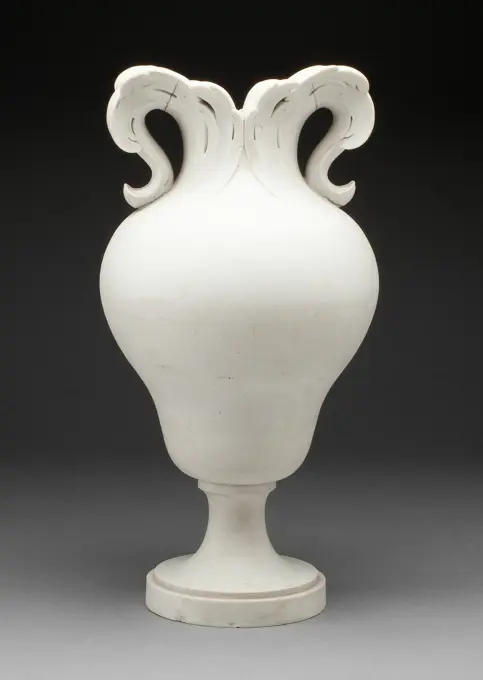
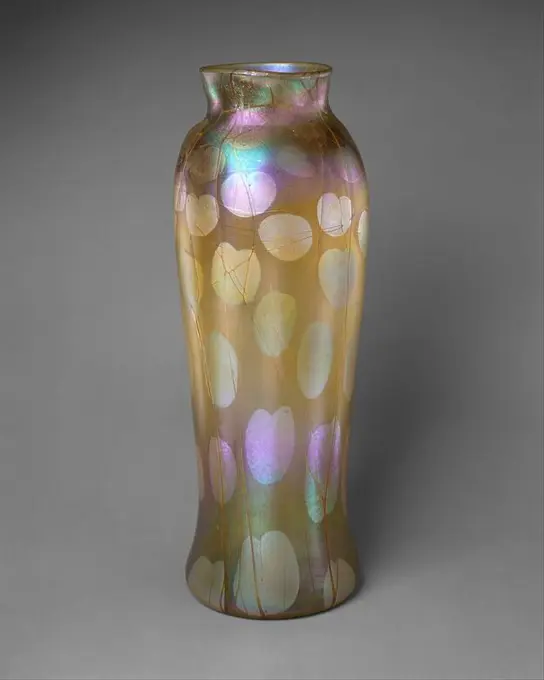
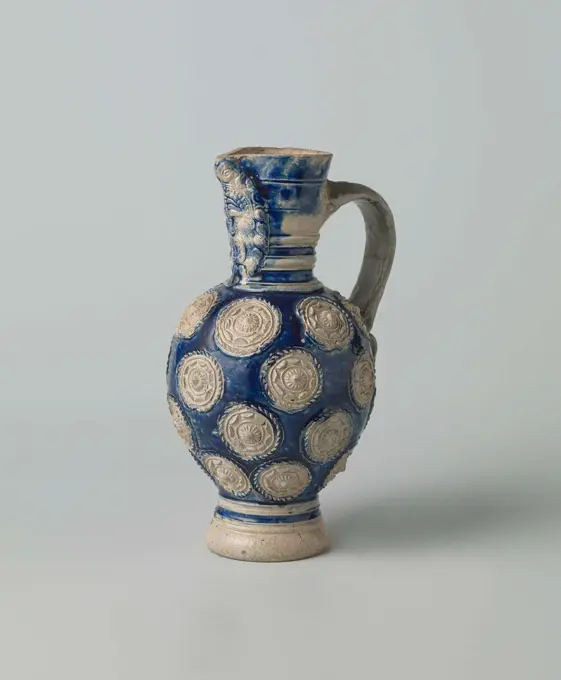
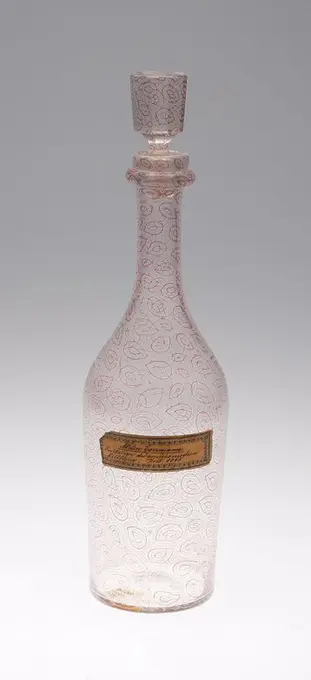
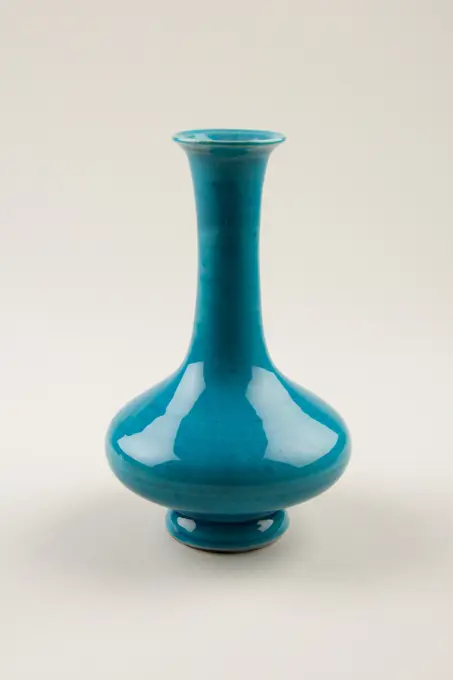
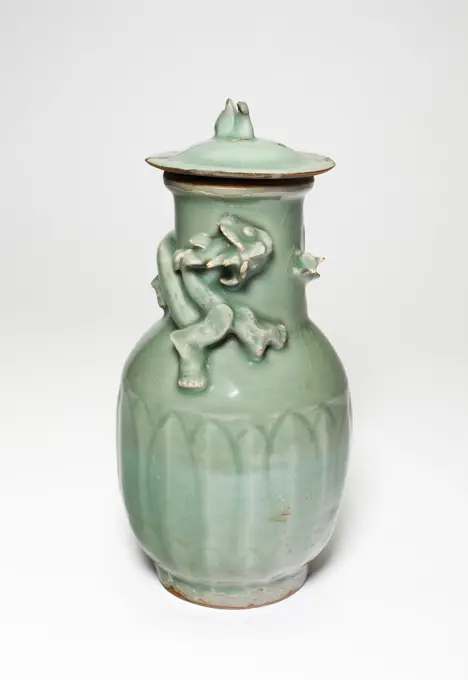
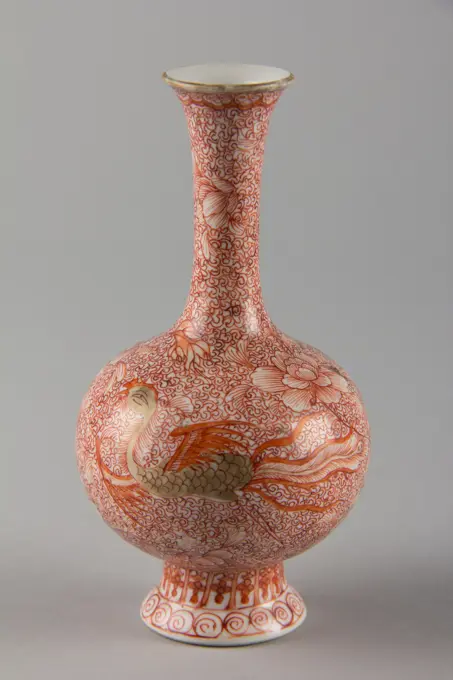
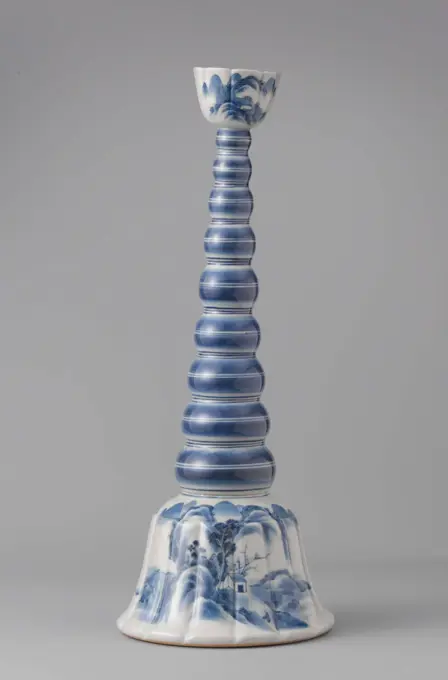
Bottle. unknown, craftsmanGlass globular bottle 4th century A.D. Roman Translucent blue green.Rounded, slightly outsplayed, vertical rim, with hollow horizontal flange below, made by folding; slender cylindrical neck, expanding downwards; pushed-in shoulder; broad globular body; concave bottom.Intact; few bubbles; creamy weathering and iridescence.Large, globular, with long neck, colored blown glass.. Glass globular bottle 249373Jar 700 CE-750 CE China. Slip-coated earthenware with green lead glaze .Bottle Vase with Ornamental Ring Handles: Longquan Ware, 14th Century. China, Zhejiang province, Yuan dynasty (1271-1368). Glazed porcelain with molded decoration and iron spots; diameter: 7.6 cm (3 in.); overall: 16.2 cm (6 3/8 in.).Bottle. unknown, craftsmanBottleJar. China. Date: 700 AD-750 AD. Dimensions: H. 19.8 cm (7 13/16 in.); diam. 22.4 cm (8 13/16 in.). Slip-coated earthenware with green lead glaze. Origin: China. Museum: The Chicago Art Institute, Chicago, USA.(Wide-bottomed bottle), Unknown Japanese, 7 13/16 x 7 7/8 x 7 7/8 in. (19.84 x 20 x 20 cm), Glazed ceramic, metal, JapanMeiping vase on the base;  XVII/18th century (1662-00-00-1722-00-00);Bottle 1 CE-300 CE Mediterranean Region. Glass . IslamicJean Carriès (1855-1894). "Small depression pot". Enameled sandstone. Museum of Fine Arts of the City of Paris, Petit Palais. 24204-1 Ceramic, depression, gres emaille, small potVase with gusted green glass splinters and golden irisering. Flat soil, curved, diagonally modeled body, finished in a trial edge. Green givested glass splinters; Gold colored irisering.Bottle, anonymous, 1683 Soul inserted. Spherical body under a slender neck, why a drip ring has been laid. On the body, Italian letters are called 'looking for Peace serves.' And at the bottom of the soil 'Gedenk, my child, God's favor keeps Stede, Alwaer Men seriously tries after peace' and Leiden around the pontil brand 'Willem van Heemskerk.e 70 AO 1683.'. glassblower: Low CountriesLeiden glass glassblowing Soul inserted. Spherical body under a slender neck, why a drip ring has been laid. On the body, Italian letters are called 'looking for Peace serves.' And at the bottom of the soil 'Gedenk, my child, God's favor keeps Stede, Alwaer Men seriously tries after peace' and Leiden around the pontil brand 'Willem van Heemskerk.e 70 AO 1683.'. glassblower: Low CountriesLeiden glass glassblowingVase (USA); Manufactured by Steuben Glass Works (United States); blown, iridized, and tooled glass; Overall: 35 x 21 x 15 cm (13 3/4 x 8 1/4 x 5 7/8 in.)Glass jug 1st-2nd century A.D. Roman Translucent blue green; handle in same color.Irregular rim, folded out, round, and in, with a partial beveled outer lip; cylindrical neck; squat bulbous body; solid low base ring; undulating bottom with central kick; two-ribbed strap handle attached to upper body with two splayed arms at sides and ribs extending vertically downwards, drawn up and out, then turned in at an acute angle, and pressed on to top of neck.Intact; pinprick bubbles, elongated in neck, and blowing striations; dulling, pitting, and faint iridescence on exterior, one large patch of creamy weathering on interior.. Glass jug 245270Glass perfume bottle. Culture: Roman. Dimensions: 5 3/16 in. (13.1 cm)Other: 3 5/16 in. (8.4 cm)Diam. of rim: 1 1/2 in. (3.8 cm). Date: 1st-2nd century A.D..Translucent pale blue green.Rim folded out, over, and in, with beveled upper surface and rounded lip around mouth; cylindrical neck, expanding downward and slightly tooled in around base; broad, piriform body; convex bottom, slightly flattened at center. Fairly thick and heavy glass.Intact; many pinprick bubbles; deeply pitted and weathered, with brilliant iridescence on most of surface. Museum: Metropolitan Museum of Art, New York, USA.Maker Unknown, Cologne Bottle or Cruet and Stopper, c. 1820-c. 1840, cobalt blue glass.Ovoid Bottle. China. Date: 600 AD-650 AD. Dimensions: H. 24.1 cm (9 1/2 in.); diam. 11.4 cm (4 1/2 in.). Slip-coated and glazed stoneware. Origin: China. Museum: The Chicago Art Institute, Chicago, USA.Cylinder Mędrek, Andrzej (born in 1962)Glass perfume bottle 1st-2nd century A.D. Roman Colorless.Rim folded out, over, and in; broad mouth; cylindrical neck with slight bulge towards bottom and tooling around base; elongated piriform body with almost straight sides; concave bottom.Intact; some bubbles; deep weathering and pitting; brilliant iridescence.. Glass perfume bottle 239631Bottle with spherical body, anonymous, c. 1700 Insented soul, slightly flattened spherical body, transfersing to a short, tapered neck with a high -ranking ring. Northwest Europe glass glassblowing Insented soul, slightly flattened spherical body, transfersing to a short, tapered neck with a high -ranking ring. Northwest Europe glass glassblowingGlass flask 3rd-4th century A.D. Roman Colorless with bluish green tinge, with same color ribs.Plain rounded, slightly thickened rim; funnel-shaped mouth; short, cylindrical neck, expanding downward; bulbous body; kick in bottom.Ten slanting, vertical ribs, placed unevenly around body, one extending on to neck.Intact; some large and pinprick bubbles; several black, protruding inclusions; pitting, iridescence, and patches of enamel-like weathering.. Glass flask 239614Maker Unknown, Pocket Bottle, c. 1800-1825, dark green glass.Jar. Roman; Levant or Syria. Date: 301 AD-500 AD. Dimensions: H. 7.6 cm (3 in.); diam. 9.5 cm (3 3/4 in.). Glass, blown technique. Origin: Syria. Museum: The Chicago Art Institute, Chicago, USA. Author: ANCIENT ROMAN.Bottle probably 18th-19th century. Bottle. probably 18th-19th century. Glass; mold blown; tooled on the pontil. Attributed to Iran or Turkey. GlassFigured flask. Culture: American. Dimensions: H. 5 1/2 in. (14 cm). Manufacturer: Probably Coventry Glass Works (1813-1850) or; Keene Glass Works (1815-41). Date: 1824-40. Museum: Metropolitan Museum of Art, New York, USA.Bottle. Roman. Date: 201 AD-300 AD. Dimensions: 13.6 × 6.6 × 6.6 cm (5 3/8 × 2 5/8 × 2 5/8 in.). Glass, mold-blown techinique. Origin: Syria. Museum: The Chicago Art Institute, FLORENCIA, USA. Author: ANCIENT ROMAN.Jar 13th century. Jar 445983Bottle 1760-70 British. Bottle 622Bottle-Shaped Vase, 1736-95. China, Qing Dynasty (1644-1911), Qianlong reign (1736-95). Porcelain; overall: 14.2 cm (5 9/16 in.).Tea jar 18th century Japan. Tea jar. Japan. 18th century. Clay covered with a beautiful glaze; ivory cover (Takatori ware). Edo period (1615-1868). CeramicsJean Carriès (1855-1894). "Large bottle". Enameled sandstone. Museum of Fine Arts of the City of Paris, Petit Palais. 24203-9 Ceramic, large bottle, Gres emailleTea caddy with a brown black glaze, anonymous, c. 1700 - c. 1850 Dust bar or Chare of stoneware with an ivory lid, partly covered with a brown -black glaze. The lower part of the bus is unglazed. Old label on the bottom with 'W634'; Old label on the inside with 'kinkwazan'. Kinkazan. Japan stoneware. glaze. deksel: ivory vitrification Dust bar or Chare of stoneware with an ivory lid, partly covered with a brown -black glaze. The lower part of the bus is unglazed. Old label on the bottom with 'W634'; Old label on the inside with 'kinkwazan'. Kinkazan. Japan stoneware. glaze. deksel: ivory vitrificationGlass perfume bottle 1st-2nd century A.D. Roman Colorless.Rim folded out, over, and in, with beveled upper surface; cylindrical neck with tooled indent around base; ovoid body; slightly convx bottom.Intact; pinprick and elongated bubbles, and blowing striations; dulling, pitting, iridescence, and whitish weathering, with some soil encrustation on interior.. Glass perfume bottle. Roman. 1st-2nd century A.D.. Glass; blown. Early to Mid Imperial. GlassJar. Thailand, Sawankhalok, 15th-16th century. Furnishings; Serviceware. Stoneware with celadon glazeVase with four ribs on the body and a light blue, silver-spotted glaze. Vase of stoneware, plastically decorated at the foot, with four ribs on the body, walking out at the shoulder in plastic ornaments. Completely covered with a light blue silver-spotted glaze. Unnoticed.Glass cinerary urn (olla). Culture: Roman. Dimensions: H.: 9 1/2 in. (24.1 cm)Diam.: 8 3/4 in. (22.2 cm). Date: mid-1st-2nd century A.D..Translucent blue green.Broad, tubular rim, folded out, down, and in, forming uneven upper surface; tall ovoid body; shallow concave bottom.Intact; pinprick and some larger bubbles, with glassy and gritty inclusions; faint dulling and iridescent weathering. Museum: Metropolitan Museum of Art, New York, USA.Vase in Meiping Shape 18th century China Celadon, or green-glazed, ceramics were made throughout China from the tenth to the fourteenth century, and were used both domestically and for trade. The color of the glaze on this vase, and the dramatic pattern of cracks in the surface, allude to the style and taste of earlier periods, particularly works commissioned for the court.. Vase in Meiping Shape. China. 18th century. Porcelain with celadon glaze (Jingdezhen ware). Qing dynasty (1644-1911). CeramicsVase (USA); Designed by Jacques Sicard (French, 1865-1923); Made by Weller Pottery; Made for S.A. Weller Theatre; glazed and lustered earthenwareVase (USA); Manufactured by Niloak; stonewareItaly, Light blue glass cruet from the necropolis of AtesteVase from Tseu-TcheouWine bottle with wine from the wreck of the East Indians' t Vliegend Hart ,, 1700 - 1735 wine Uivid wine bottle of green glass filled with red (port) wine and closed with cork. The final wire has disappeared. Netherlands glass. wineHexagonal Bottle with PlantMotifsBottle. Culture: American. Dimensions: H. 3 3/8 in. (8.6 cm). Date: 1800-1830. Museum: Metropolitan Museum of Art, New York, USA.Vase. Designer: Pierre-Adrien Dalpayrat (French, Limoges 1844-1910 Limoges). Dimensions: H. 8-1/2 in. (21.6 cm). Date: 1897. Museum: Metropolitan Museum of Art, New York, USA.Glass perfume bottle 1st century A.D. Roman Translucent blue green.Flaring, uneven rim, with beveled lip; cylindrical neck expanding downwards with tooling marks around base; conical body; thick concave bottom.Intact; pinprick and larger bubbles, and blowing striations; slight pitting and faint iridescence on exterior; thick encrusted weathering and brilliant iridescence on interior.. Glass perfume bottle. Roman. 1st century A.D.. Glass; blown. Early Imperial. GlassTerracotta lekythos (oil flask) 4th century B.C. Greek, Boeotian Stamped patterns.. Terracotta lekythos (oil flask) 254276 Greek, Boeotian, Terracotta lekythos (oil flask), 4th century B.C., Terracotta, H. 6 1/8 in. (15.6 cm). The Metropolitan Museum of Art, New York. Rogers Fund, 1941 (41.162.104)Sake Bottle with Poured Glaze. Japan, Meiji period, 1868-1912, 19th century. Ceramics. Narushima ware; stoneware with iron and rice straw ash glazesBottle. This bottle is engraved with shepherds and shepherdesses.Jar. Ancient Mediterranean. Date: 401 AD-500 AD. Dimensions: H. 8.6 cm (3 3/8 in.); diam. 8 cm (3 1/8 in.). Glass, blown technique. Origin: Mediterranean Region. Museum: The Chicago Art Institute, FLORENCIA, USA.Vase China. Vase 46954Vase ca. 1550-1295 B.C. New Kingdom. Vase 546254Vase with decoration of flowering plum tree branches on a cobalt background unknownWide-mouthed Oil Jar (kayatsubo), c. 1750, Unknown Japanese, 6 1/8 × 7 15/16 × 8 in. (15.56 × 20.16 × 20.32 cm), Tanba ware; stoneware with natural ash glaze, Japan, 18th century, Kaya tree oil was used both in Buddhist ritual and for cooking. It comes from the seeds of the kaya tree (Torreya nucifera), which is native to southern Japan and parts of the Korean peninsula. The oil was often stored in short, wide-mouth jars like this one. Older oil jars are occasionally repurposed as rustic utensils for the tea ceremony.Urn. Roman. Date: 50 AD-200 AD. Dimensions: a (urn): 33.3 × 19 × 19 cm (13 1/8 × 7 1/5 × 7 1/5 in)b (lid): 30.4 × 10.1 × 10 cm (12 × 4 × 3.96 in). Glass, blown technique. Origin: Roman Empire. Museum: The Chicago Art Institute, Chicago, USA. Author: ANCIENT ROMAN.Cypriote Vase; Produced by Tiffany and Co. (United States); Design Director: Louis Comfort Tiffany (American, 1848-1933); USA; blown glassBottle, Glass, Pale blue-green, iridescent squat, oblate body; trumpet-shaped neck flaring to circular mouth with molded lip., Roman Empire, probably Syria, 1st-4th century, figures, Decorative Arts, BottleRibbed tank (common name). Cernuschi Museum, Asia Museum of Asia in the city of Paris.Vase. unknown, craftsmanVase. Culture: China. Dimensions: H. 19 in. (48.3 cm). Museum: Metropolitan Museum of Art, New York, USA.Bottle with figures in a Landscape, Floral Scrolls and Tulip Motifs. Bottle of porcelain with pear-shaped body and spreading neck, painted in underglaze blue. A continuous performance with people in a landscape on the abdomen. On the shoulder a bond with flower drinks. The neck with three times a tulip motif. Arita, blue-white.Bottle, anonymous, c. 1675 - c. 1700 Flat, ribbed stand ring. Inserted soul with pontil brand. Cleased spherical body with vertical ribs. Short neck, around which a drip ring has been laid. Between the ribs there are two shepherds and two shepherds on both sides of the bottle, surrounded by flower and leaf vines. A flower edge on the neck. glassblower: Low CountriesRotterdam glass glassblowing Flat, ribbed stand ring. Inserted soul with pontil brand. Cleased spherical body with vertical ribs. Short neck, around which a drip ring has been laid. Between the ribs there are two shepherds and two shepherds on both sides of the bottle, surrounded by flower and leaf vines. A flower edge on the neck. glassblower: Low CountriesRotterdam glass glassblowingDouble balustral vase. .Flask. UnknownVase (usual name). Sandstone, celadon, molded decor. Cernuschi Museum, Asia Museum of Asia in the city of Paris.VesselPrunus Vase (Meiping) with Horizontal Ribs. China, Zhejiang or Jiangxi Province, Late Southern Song dynasty, about 1200-1279. Furnishings; Accessories. Longquan ware, wheel-thrown stoneware with green glazeVase. Red covered porcelain animated with blue drips. Paris, Cernuschi museum. 78837-22 Asian art, Chinese art, porcelain, container, vase. Gray can of stoneware with pewter lid. A palm-shaped decoration on the bullet-shaped belly. In the middle of the belly a medallion containing the crowned letters gr and the year 1724.Glass perfume bottle 2nd-3rd century A.D. Roman Candlestick unguentarium.Colorless with pale greenish tinge and purple streaks.Rim folded out, over and in; flaring mouth; cylindrical neck, expanding downwards, with indent around base; undulating bulbous body, expanding downwards; convexbottom.Intact; pinprick, elongated, and some larger bubbles; black impurities in rim; faint iridescence on exterior; small patches of soil encrustation and thin whitish weathering on interior.. Glass perfume bottle 244623Vase with fisherman in a landscape late 18th century China. Vase with fisherman in a landscape 50900Vase of stoneware, painted with fish. Vase of stoneware, painted among other things in silver and gold luster with fish in whose, on red fond. Above the foot edge signed M. Alexandre. Marked with: Clement Massier Golfe-Juan A.M. With luster, inserted Clement Golfe Juan am and rebuild 2.Vase with Lily Decoration, N.V. Haagsche Plateel Factory Rozenburg, 1900 Lid belonging to a vase (a) of porcelain. The lid is asymmetrical and shows two openings lying one above the other. The multi -colored painting, in green, yellow and red, consists of lilies, which cover a large part of the vase in an ornamental ranking. The Hague porcelain Lid belonging to a vase (a) of porcelain. The lid is asymmetrical and shows two openings lying one above the other. The multi -colored painting, in green, yellow and red, consists of lilies, which cover a large part of the vase in an ornamental ranking. The Hague porcelainTea Caddy (Cha-ire) 1799-1899 Mishima. Glazed stoneware with ivory lid .Vase of earthenware, decorated in relief with clover in dark green and red on a light green stock, barrel kanern, c. 1900 Vase of earthenware, decorated in relief, in sludge technique, with clover in dark green and red on a light green stock. Maker: Canern Designer: Karlsruhe earthenware Vase of earthenware, decorated in relief, in sludge technique, with clover in dark green and red on a light green stock. Maker: Canern Designer: Karlsruhe earthenwareJar, 618-906, Dia.3-1/2 in., Stoneware with dripped cobalt blue glaze, China, 7th-10th centuryMeiping Vase with Cloud Collars and Peony Sprays, 1403-24. China, Jiangxi province, Jingdezhen kilns, Ming dynasty (1368-1644), Yongle period (1403-1424). Porcelain with incised decoration and white glaze; diameter: 20.3 cm (8 in.); overall: 32.1 cm (12 5/8 in.). This beautiful vase, called a meiping, is a testimony to the extremely high standards demanded for imperial white porcelain of the Yongle period. It is exquisitely potted and subtly decorated with "hidden decoration" (anhua) incised into the body. The clear glaze over the white body has a luster and purity; the white color radiates with a soft glow like melting snow, described by the Chinese connoisseurs as tianbai, or "sweetwhite." Tianbai wares were produced for use in imperial offerings and have always been considered a great achievement of the Yongle period.Vial;  IV-IX century () (301-00-00-900-00-00);Arabic (culture), Islam (culture), Islamic artVase. Culture: American. Dimensions: H. 8 in. (20.3 cm). Date: 1800-1830. Museum: Metropolitan Museum of Art, New York, USA.Maker Unknown, Decanter and Stopper, c. 1825-40, colorless lead glass.Alabastron. UnknownMeiping Vase early 15th century China. Meiping Vase. China. early 15th century. Porcelain with dark blue glaze. Ming dynasty (1368-1644). CeramicsTerracotta oinochoe (jug). Culture: Etruscan. Dimensions: H. 6 15/16 in. (17.6 cm). Date: 4th-3rd century B.C..The vertical handle ends in a satyr's head. Museum: Metropolitan Museum of Art, New York, USA.Pear-shaped vase with monster heads and gilded bands with ruyi motif, anonymous, c. 1750 - c. 1799 Pear -shaped vase of porcelain with flared neck and upright edge, covered with a monochrome crawls gray glaze and on biscuit gold. A monster head with ring on both sides on the shoulder; Around the foot, shoulder and neck a band with Ruyi motif, decoration in gilded biscuit. Gilding flake. Monochrome. China porcelain. glaze. gold (metal) gilding / vitrification Pear -shaped vase of porcelain with flared neck and upright edge, covered with a monochrome crawls gray glaze and on biscuit gold. A monster head with ring on both sides on the shoulder; Around the foot, shoulder and neck a band with Ruyi motif, decoration in gilded biscuit. Gilding flake. Monochrome. China porcelain. glaze. gold (metal) gilding / vitrificationBottle late 18th-early 19th century British, probably Nailsea. Bottle. British, probably Nailsea. late 18th-early 19th century. Glass. GlassFlask c 1831-1840 Hammonton. Glass . Coffin & Hay Glassworks (Manufacturer)Vase China. Vase. China. Porcelain. Qing dynasty (1644-1911), Kangxi period (1662-1722). CeramicsVase Designed 1750-1760 Sèvres. Unglazed soft-paste porcelain (biscuit) . Manufacture nationale de Sèvres (Manufacturer)Jug. Culture: Italian. Dimensions: Overall: 8 1/4 x 6 3/8 in. (21 x 16.2 cm). Date: 15th century. Museum: Metropolitan Museum of Art, New York, USA.Vase, Painted glass, Translucent glass vase, pale, slightly greenish blue. On out-flaring rim of foot, bulbous body, narrowing to long wide neck with slightly out- flaring lip. Decorated with bandings, linear patterns, dots, in gold and lavender-gray., North India Or Persia, 17th-18th century, glasswares, Decorative Arts, vase, vaseVase. Culture: American. Designer: Designed by Louis Comfort Tiffany (American, New York 1848-1933 New York). Dimensions: H. 22 in. (55.9 cm). Maker: Tiffany Glass and Decorating Company (American, 1892-1902). Date: ca. 1900.This large-scale, baluster-shaped, golden iridescent vase with a lily-pad design was displayed in Tiffany's award-winning exhibit at the Paris Exposition Universelle of 1900. His participation in this fair was a triumph, gaining him international renown and clientele. Critics raved about his art glass in particular. The size, shape, color, and texture of the vase, which was later owned by Tiffany's sister, make it a remarkable example of Tiffany's best work. Museum: Metropolitan Museum of Art, New York, USA.Figured flask. Culture: American. Dimensions: H. 6 5/8 in. (16.8 cm). Manufacturer: White Glass Works (1815-51). Date: 1822-38. Museum: Metropolitan Museum of Art, New York, USA.Can with egg-shaped belly, decorated with roles placed in rows. Can be from stoneware. The narrow neck is irrigated. Under the small spout a pressed lion mask. The egg-shaped belly is strewn with roles placed in rows of roles of flat relieves, uncoloured on blue ground.Carafe. Bohemia, Czech Republic. Date: 1845. Dimensions: 31.9 × 8.4 cm (12 9/16 × 3 5/16 in.). Glass; red and white enamels. Origin: Bohemia. Museum: The Chicago Art Institute, Chicago, USA.Bottle China. Bottle 46959Vase with Lizard 960 CE-1279 China. Celadon-glazed stoneware and underglaze molded decoration .Flask. Roman. Date: 201 AD-400 AD. Dimensions: 16.1 × 5.7 × 5.8 cm (6 3/8 × 2 1/4 × 2 1/4 in.). Glass, blown technique. Origin: Syria. Museum: The Chicago Art Institute, Chicago, USA. Author: ANCIENT ROMAN.Vase with phoenix China 18th century. Candlestick of porcelain with conical stem with nine annular thickenings, bell-shaped base with a ribbed wall and a cup-shaped candle holder with ribbed wall and lobed edge. Painted in underglaze blue. The annular nodules with blue tires. The foot and cup with a continuous river landscape with pavilions, trees, rocks and boats on the water. On the top of the foot a deepened circle where the upper part of the candlestick is placed. Foot and stem are glued together. Blue White.