Antique Glass Bottles and Jars

Various historical glass bottles and jars from different eras, showcasing unique shapes and colors, highlighting craftsmanship and ancient artifacts.

(Wide-bottomed bottle), Unknown Japanese, 7 13/16 x 7 7/8 x 7 7/8 in. (19.84 x 20 x 20 cm), Glazed ceramic, metal, Japan
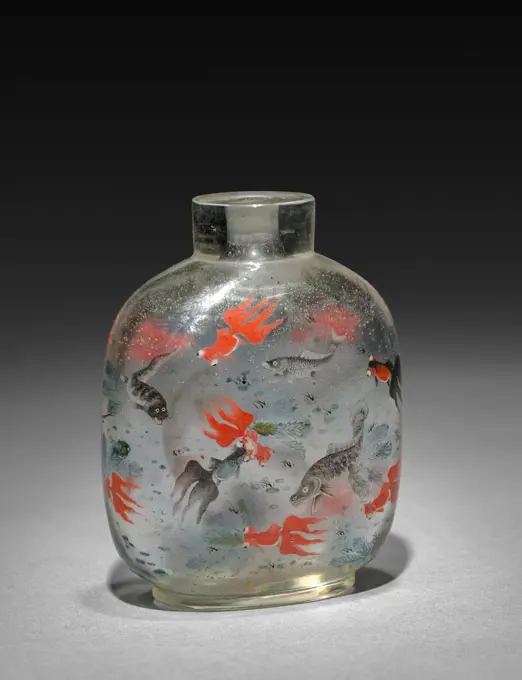
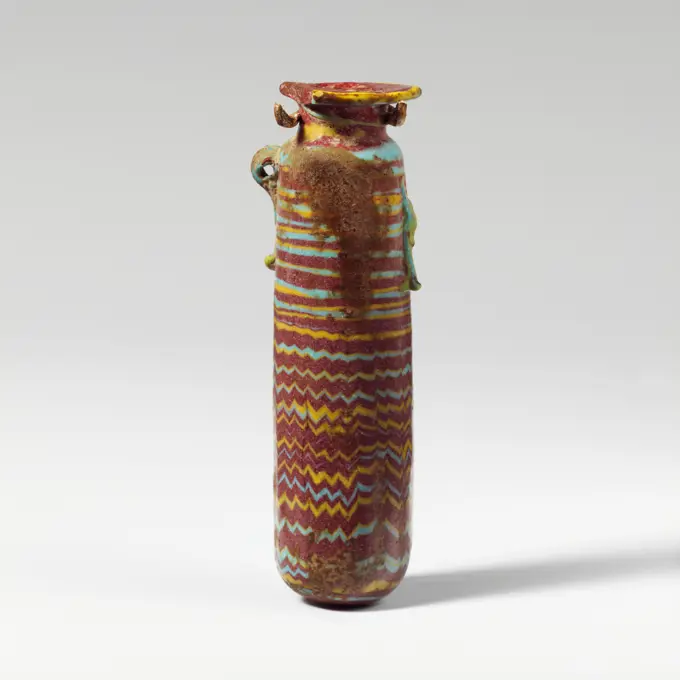
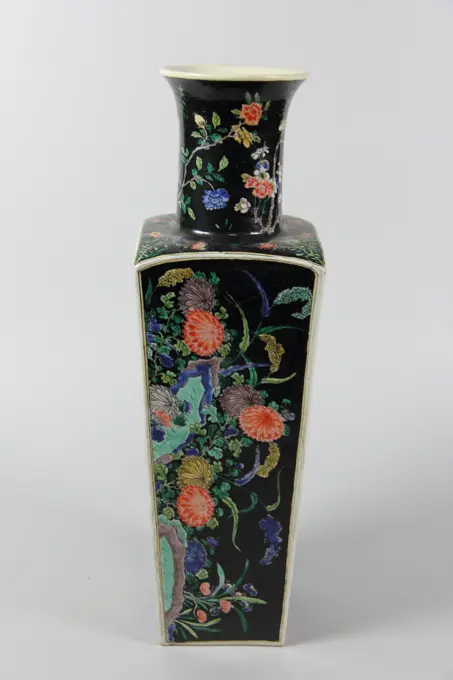
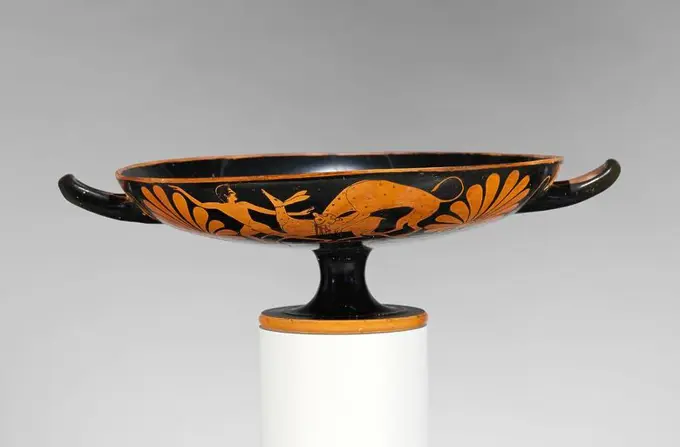
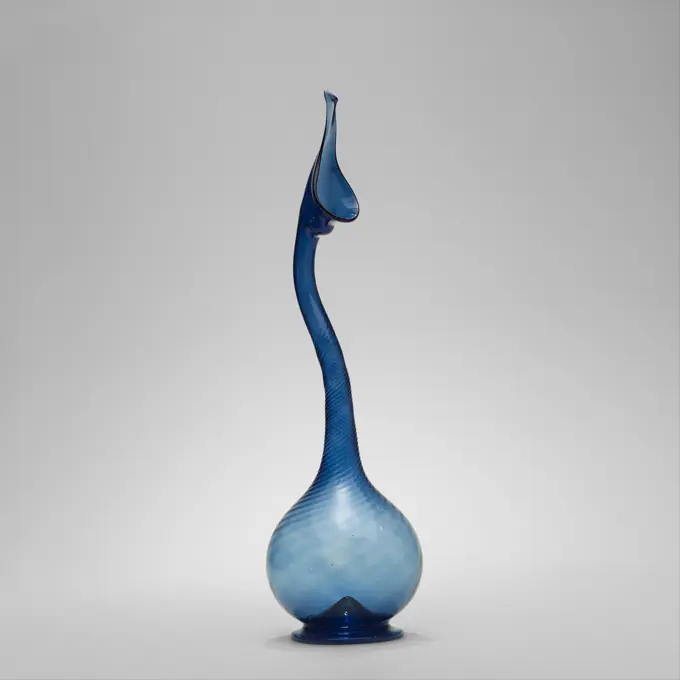
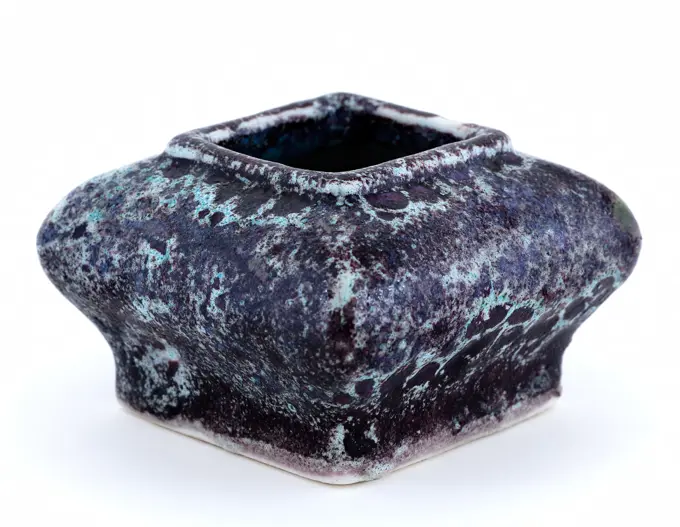
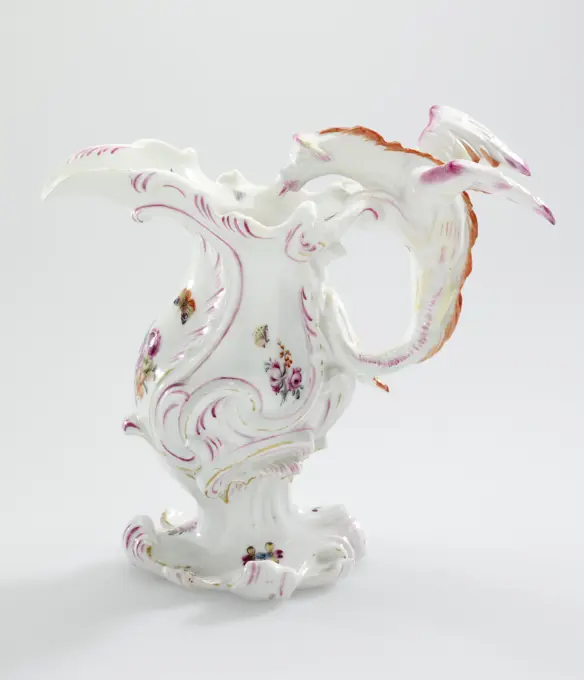
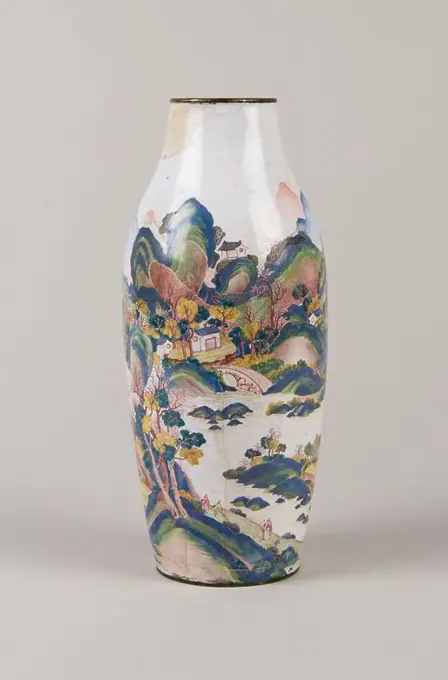
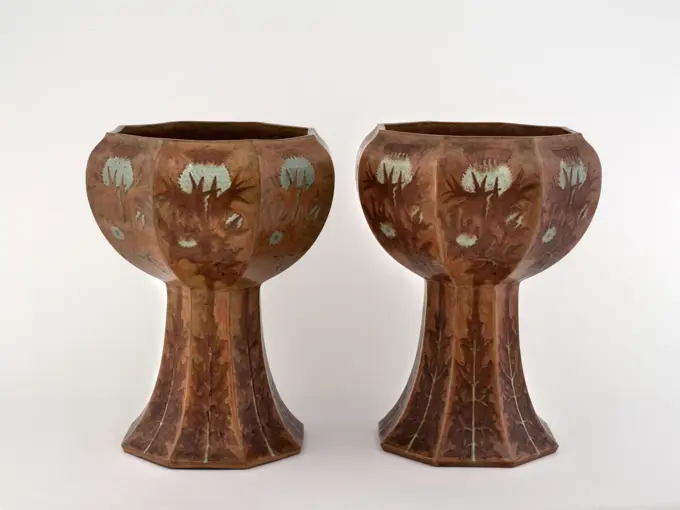
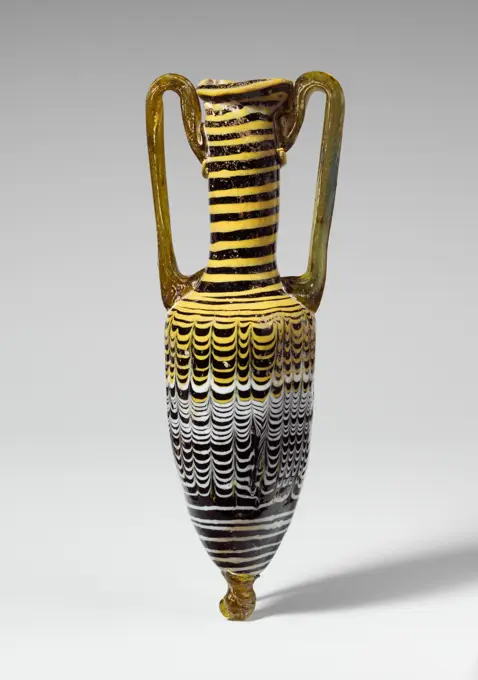
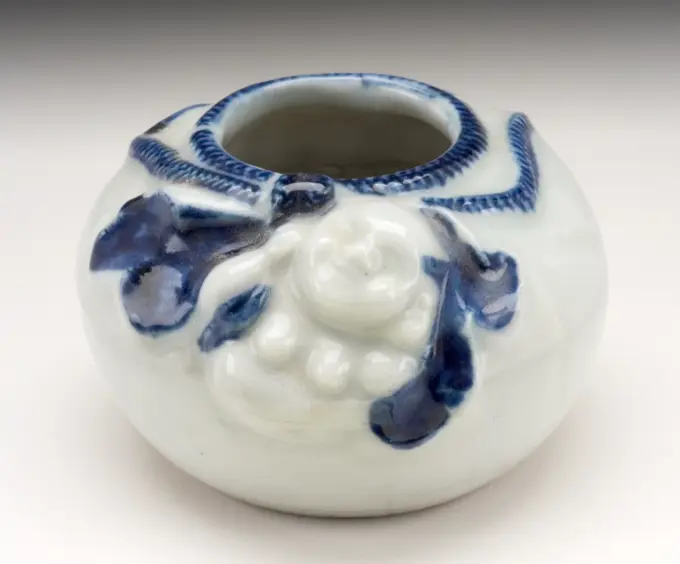
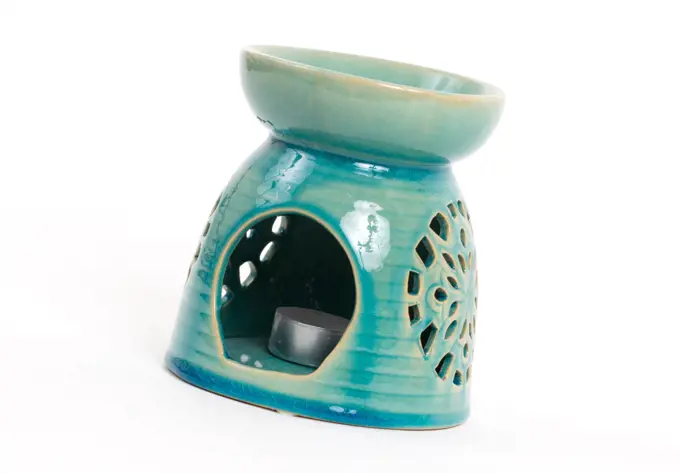
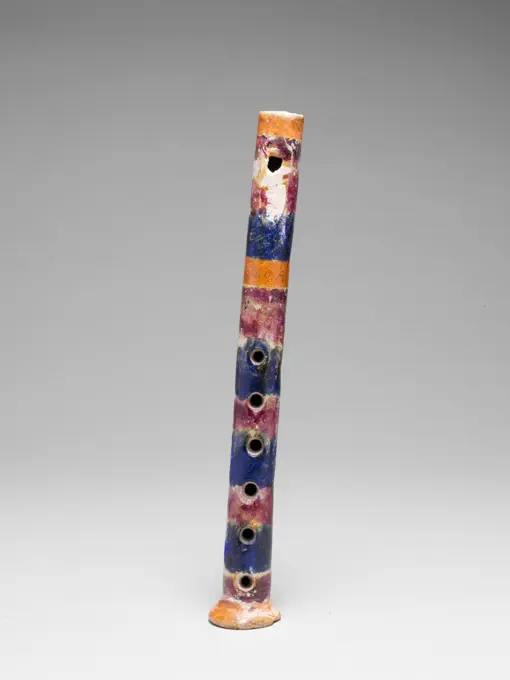
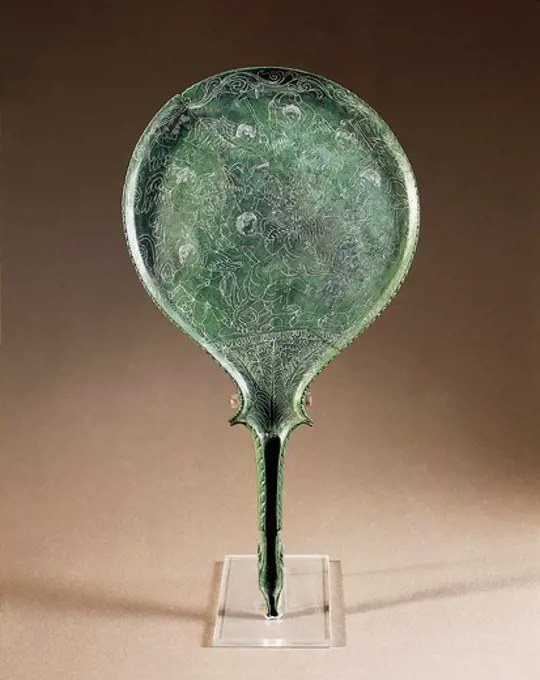
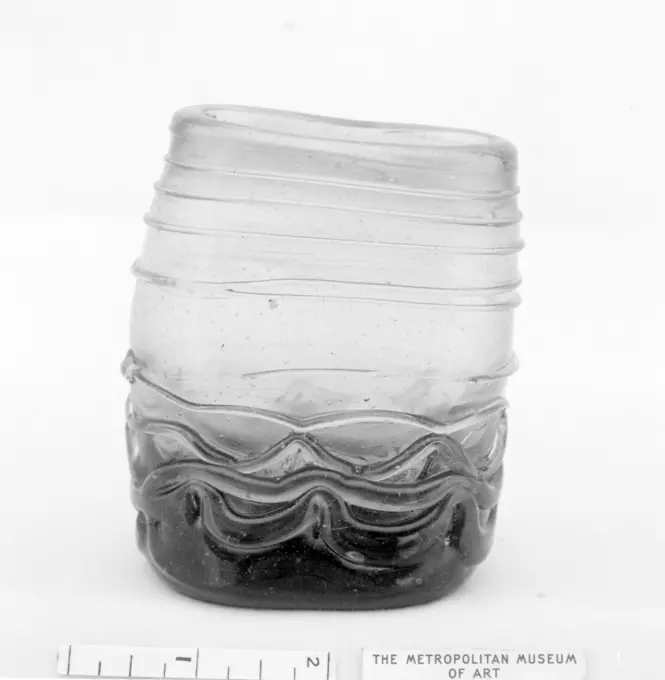
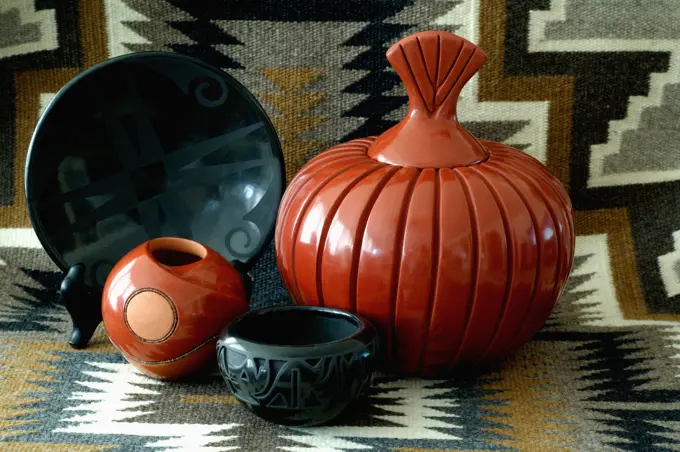
Spicy Vegetable GarlicSnuff Bottle with Stopper, 1736-95. China, Qing Dynasty (1644-1911), Qianlong reign (1736-95). Glass; with cover: 8.6 cm (3 3/8 in.).Glass alabastron (perfume bottle) late 6th-5th century B.C. Greek, Eastern Mediterranean Opaque red brown, with handles in a mixture of opaque turquoise blue and opaque yellow; trails in opaque yellow and opaque turquoise blue.Uneven horizontal rim-disk; cylindrical neck; narrow rounded shoulder; straight-sided cylindrical body, tapering upwards; convex bottom; two large vertical ring handles with knobbed tails, applied over trail decoration; one higher than the other.A mixed turquoise blue and yellow trail attached at edge of rim-disk; another yellow trail applied to neck together with a turquoise blue trail, overlaid on the yellow; both wound in a spiral around upper body, tooled into a close-set zigzag pattern with alternate upward and downward strokes;both ending in swirls on bottom.Body intact, but almost half of rim-disk missing and most of one handle; slight dulling and pitting, and patches of brown enamel-like weathering.. Glass alabastron (perfume bottle) 250023Square vase with scenes of four seasons 19th century China. Square vase with scenes of four seasons. China. 19th century. Porcelain painted in polychrome enamels over a black ground (Jingdezhen ware, famille noire). Qing dynasty (1644-1911). CeramicsWhistle ca. 1840-50 Adam Ownhouse. Whistle 9810Cup on tall base. unknown, craftsmanRed Vase. circa 1880-1890. Copper bodied, Cloisonné enamelled vase. The red is from transparent red enamel which covers the surface. From Nagoya, Japan. By an artist named Hayashi Kodenji.Terracotta kylix (drinking cup). Culture: Greek, Attic. Dimensions: H. 4 15/16 in. (12.6 cm); diameter 13 1/16 in. (33.1 cm); width with handles 16 9/16 in. (42 cm). Date: ca. 510 B.C..Interior, youth with keras (drinking horn)Exterior, obverse, panther attacking fawn, and youth;reverse, athletes and trainerThe inclusion of the panther felling a fawn in the iconography of this cup is noteworthy; the youth running away makes the animal encounter very immediate. The representation may have something to do with prowess and cowardice. Museum: Metropolitan Museum of Art, New York, USA.Swan-Neck Glass Bottle 19th century Long-necked bottles are among the few types of glass vessels produced in Iran after the seventeenth century, as local production was gradually being replaced by European imports. Pieces dating from this period, influenced by Venetian models, are typically very graceful in shape, this "swan-neck" bottle being an accomplished example. Nineteenth-century works also bear a minimum of surface decoration; the most common form is a mold-blown pattern of fine twisted ribs, such as on this piece. It is unclear how bottles of this shape were used, though sometimes they are known as ashkdans and were supposedly for collecting the tears of wives whose husbands were away at war.. Swan-Neck Glass Bottle. 19th century. Glass, blue; dip-molded, blown, folded foot. Attributed to Iran. GlassGlass decorated with the motif of lines and fruits;  I-II century (1-00-00-200-00-00);Ernest Chaplet (1835-1909). Inkwell. Flammed porcelain. 1909. Museum of Fine Arts of the City of Paris, Petit Palais. 60193-9 Inkwell, flame porcelainBlue Bottle Vase, 1736-95. China, Qing dynasty (1644-1911), Qianlong mark and reign (1736-95). Porcelain; overall: 55 cm (21 5/8 in.).Ewer, c. 1760, Vauxhall China Works, Lambeth, England, c. 1751-1764, 6 1/2 x 8 x 4 3/4 in. (16.51 x 20.32 x 12.07 cm), Porcelain, England, 18th century, With objects such as this ewer, the short-lived Vauxhall porcelain factory of London satisfied the keen appetite for frilled porcelain in the Rococo style. As a center of craftsmanship, fashion, and government, with a port for shipping and an established retail and wholesale system, London had become an important hub of porcelain manufacturing. London distributors bought prized cargoes of Chinese export porcelain and also domestic-made goods for this lucrative market.Pitcher ca. 1885 British, probably. Pitcher. British, probably. ca. 1885. Blown satin pink and orange glass. Probably made in West Midlands, EnglandVase. Culture: China. Dimensions: H. 10 in. (25.4 cm); Diam. 4 1/4 in. (10.8 cm). Date: 18th century. Museum: Metropolitan Museum of Art, New York, USA.Manufacture of Sèvres. "Chinon Cup". Porcelain. 1902. Museum of Fine Arts of the City of Paris, Petit Palais. 76270-17 Chinon cut, decoration, sevres manufacture, porcelainMinature meiping vase 19th century China. Minature meiping vase. China. 19th century. Porcelain with brown glaze (Jingdezhen ware). Qing dynasty (1644-1911). CeramicsGlass amphoriskos (perfume bottle) 2nd-mid-1st century B.C. Greek Translucent yellow green, appearing black; one handle and base-knob in yellow brown, the other handle in yellow green with blue tinge; trails in opaque yellow and opaque white.Inward-sloping oval rim-disk, with uneven tooling indent underneath; tall cylindrical neck, tapering downwards; sloping shoulder; elongated piriform body; globular but misshapen base-knob; two rod handles applied in pads across shoulder over trail decoration, drawn up and slightly out to above rim, then looped in and down; one attached to neck below rim, the other in a double loop to top of neck and underside of rim-disk.Yellow trail applied around lip of rim and then wound in a spiral around neck and shoulder to body, then tooled into a festoon pattern with twenty-seven irregular upward strokes on upper third of body; a thick white trail added over bottom of yellow and also tooled into the same festoon pattern around middle of body and continuing Dalpayrat, Pierre-Adrien (n.1844-04-14-D.1910-08-10), colo-shaped vase with high turning collar (main title). Shiny red flaming sandstone. Petit Palais, Museum of Fine Arts of the City of Paris.Jean Carriès (1855-1894). "Anse bucket". Enameled sandstone. Museum of Fine Arts of the City of Paris, Petit Palais. 24205-20 Handle, ceramic, gres emaille, bucketGlobular belly jug, glass jugs and bottles from the 1st-3rd century, Museo Archeologico Concordiese with finds from the Roman period, medieval old town, Portogruaro, Veneto, Friuli, Italy, Portogruaro, Veneto, Italy, EuropeJarlet in Form of Hotei with His Treasure Bag. Japan, first half 19th century. Ceramics. Hirado Mikawachi ware; porcelain with underglaze blueJARRA SIN VIDRIAR CON PLATO Y TAPA Y DECORACION "ENCHINADA". Location: ALFARERIA. CECLAVIN. CACERES. SPAIN.Vase China. Vase. China. Porcelain decorated with famille rose enamels on white glazed background. Qing dynasty (1644-1911), Qianlong period (1736-95). CeramicsSnuff Bottle with Old Man Carrying a Boy late 18th century China. Snuff Bottle with Old Man Carrying a Boy 41375Brandy Decanter 1801-1811 England. Glass with gilding .Vase after 1885 American. Vase 9513Candle in oil burner, isoalted on whiteArt Deco Lamp, 1925-1930, 7 3/8 x 7 1/4 in. (18.73 x 18.42 cm) (base), Glass, Czechoslovakia, 20th centuryPottery Flute 19th century Mexican. Pottery Flute. Mexican. 19th century. clay. Mexico. Aerophone-Whistle Flute-recorderamphoraBronze mirror, back side engraved with Cupids and lionKhokhloma colorfull russian khokhloma isolated on a white background Copyright: xZoonar.com/VladxPodkhlebnikx 479615Snuff Bottle late 18th-early 19th century China. Snuff Bottle 41387CANTARO BOTIJA SIN VIDRIAR-CAPACIDAD 21 LITROS-CERAMICA NEGRA. Location: ALFARERIA. Lerida. SPAIN.Roman civilization.. Glass, containers and polychrome tubes in glassEwer with Sailing-Ship Design early 17th century The lateen-rigged ships here are painted in a loose, almost freehand style on a green ground popular in seventeenth-century wares. The ubiquitous cloudlike motifs that drift between the ships also appear on many animal jugs and tankards.. Ewer with Sailing-Ship Design 447070Amphoriskos. Unknowntwo ceramic vases isolated on white background. 3d illustrationVase decorated with bamboo, white porcelain, Korea. Korean Civilisation.Pitcher c 1890-1900 Pennsylvania. Earthenware . Artist unknownJar 18th century Spanish. Jar. Spanish. 18th century. Glass. GlassSet of ancient vase hand drawn ink sketch. Engraved style vector illustrationSouthwest, American Indian handicrafts. San Ildefonso & Santa Clara pottery. Black plate by famous potter, Maria Martinez. Navajo Two Grey-Hills blanket.