Antique Glass Vessels

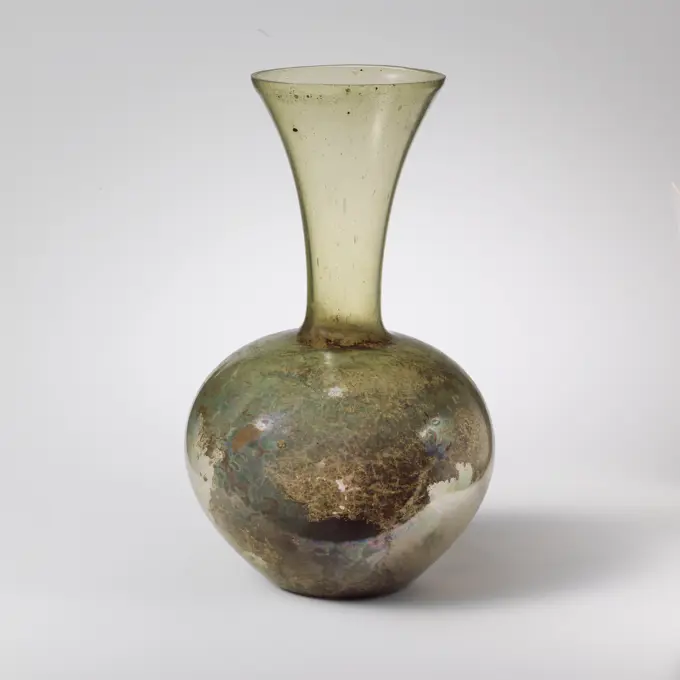
Historical glass jars from various eras, featuring intricate designs and textures. The collection showcases ancient craftsmanship with unique shapes and decorations.

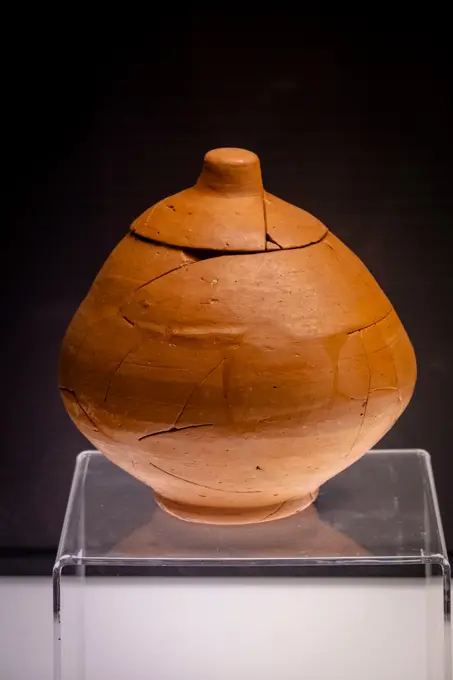
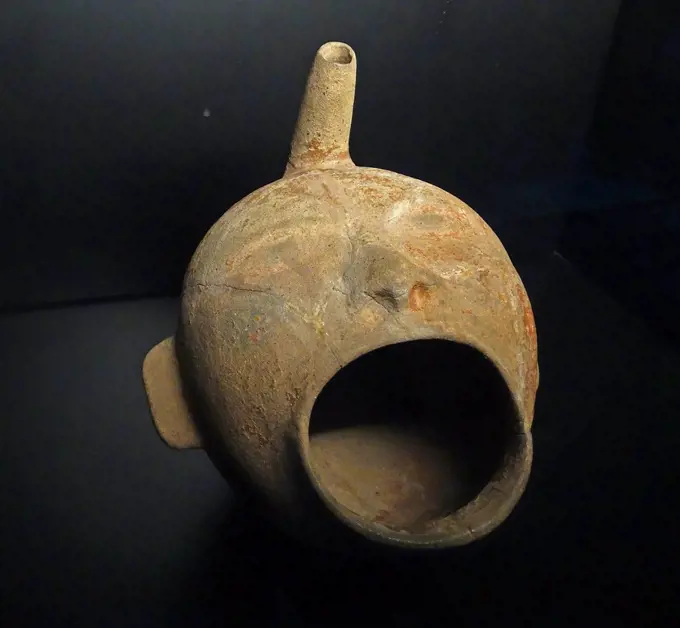
Pottery drinking breaker, drinking bowl, ball model with small neck opening, drinking cup drinking utensils holder earth discovery ceramics earthenware glaze lead glaze, hand turned glazed baked Pottery drinking breaker drinking bulb model with small neck opening Drip-shaped and ending in point cup can not be dropped. Internally glazed archeology indigenous pottery drink room wine beer
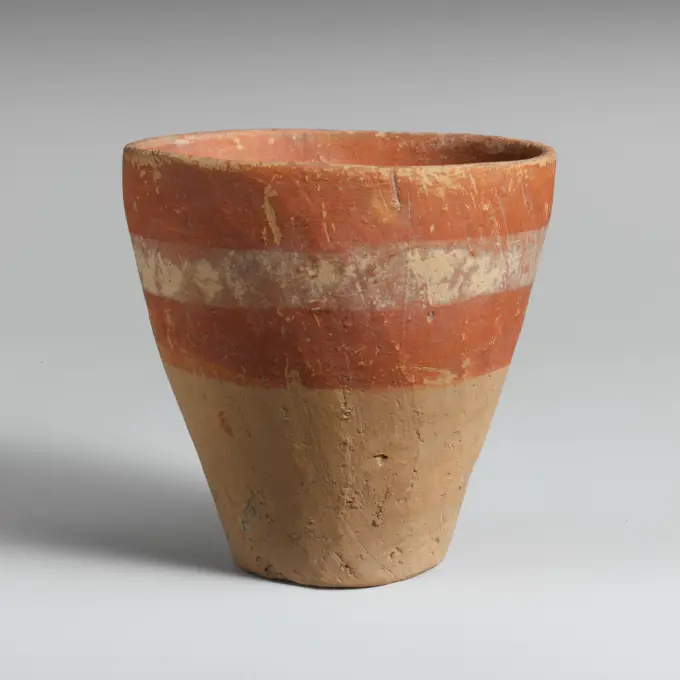
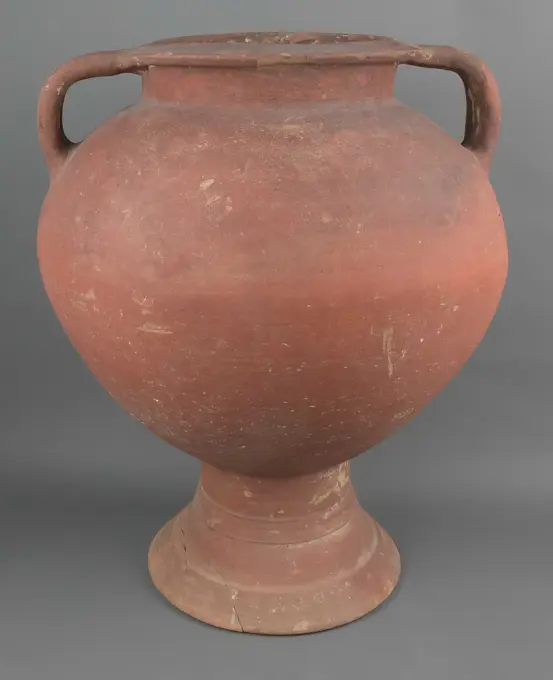
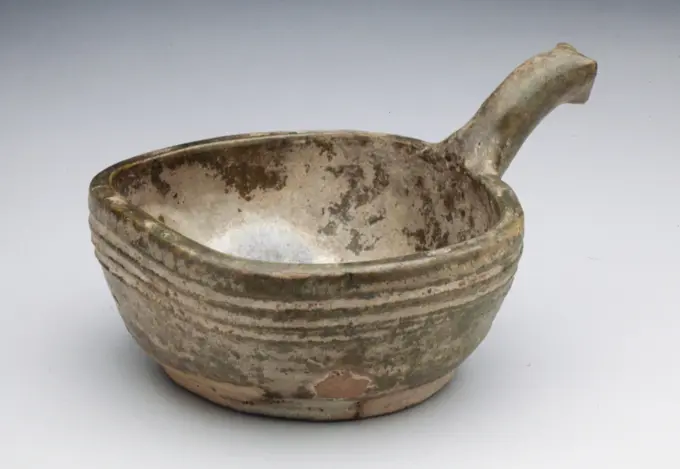
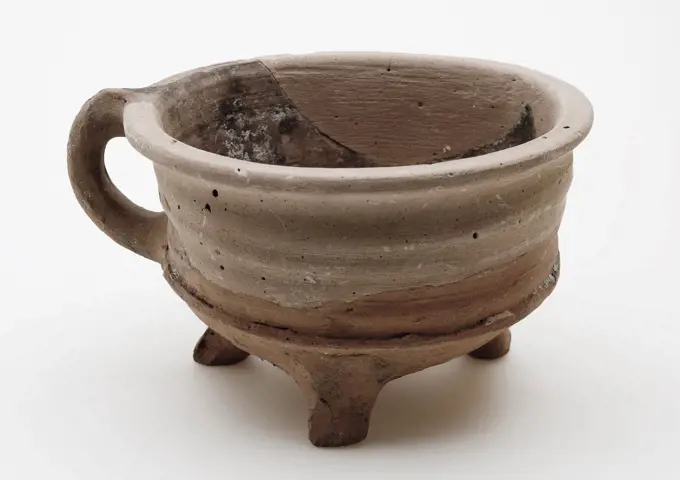
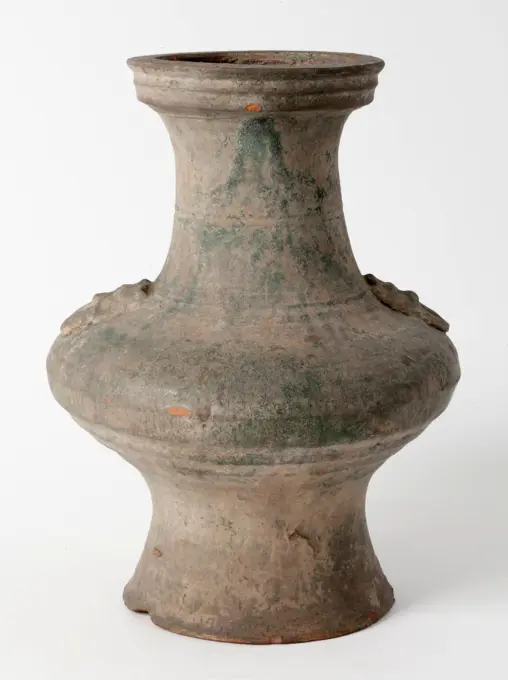
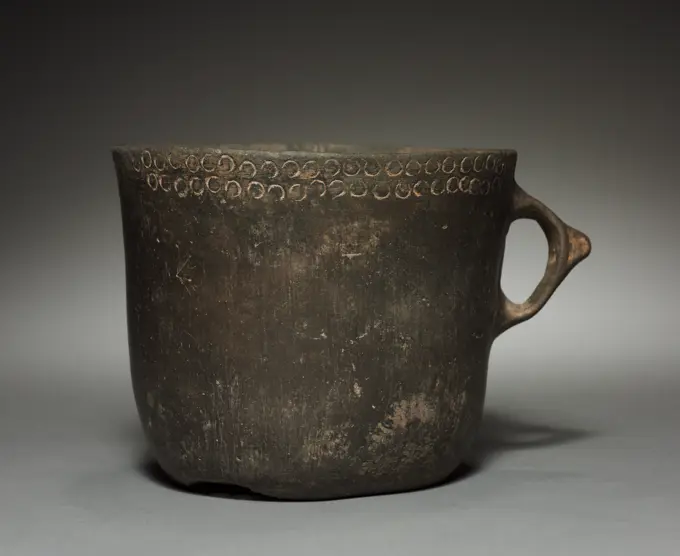
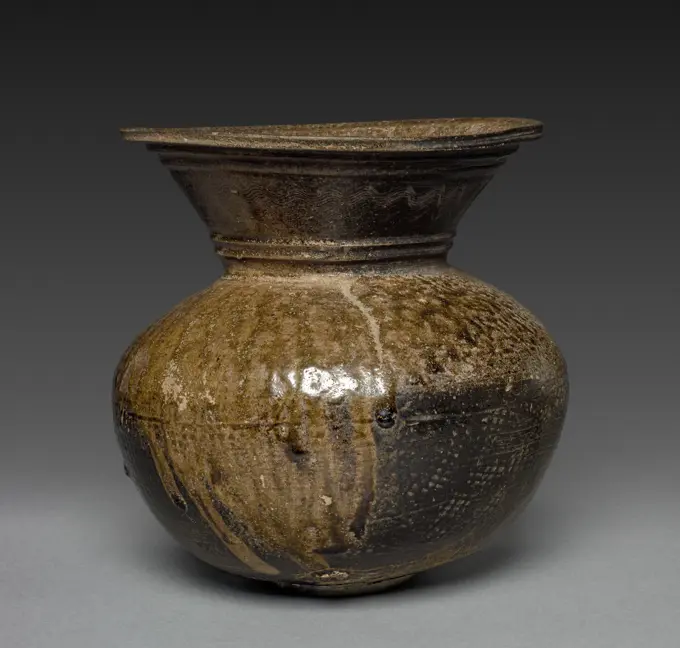
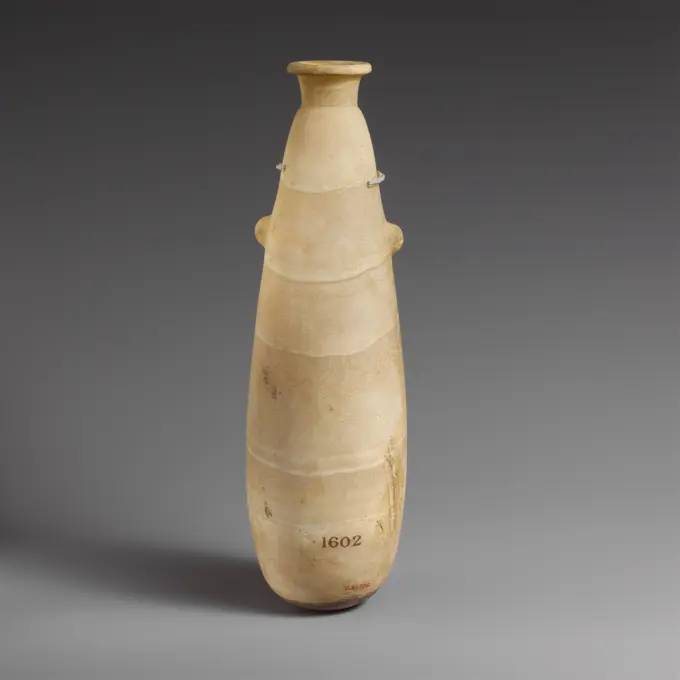
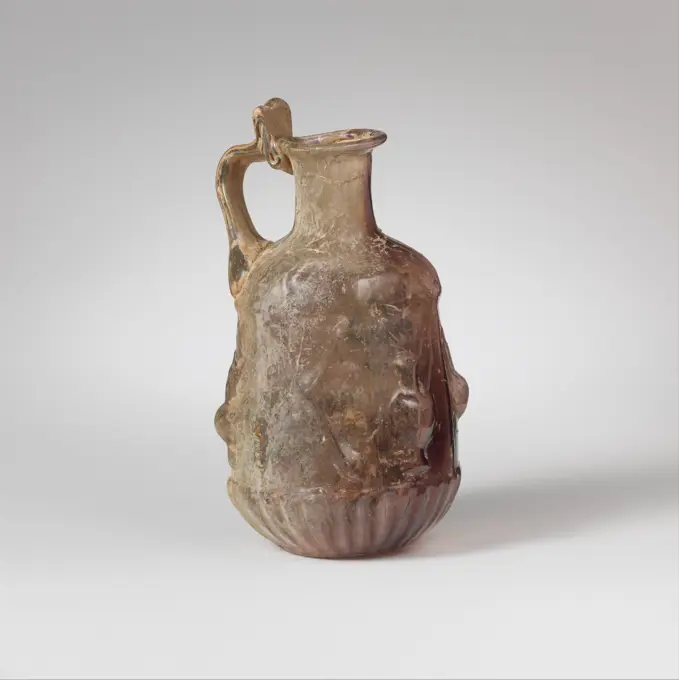
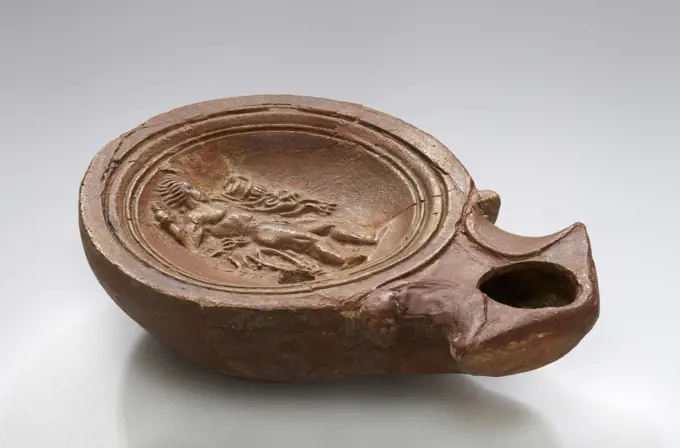
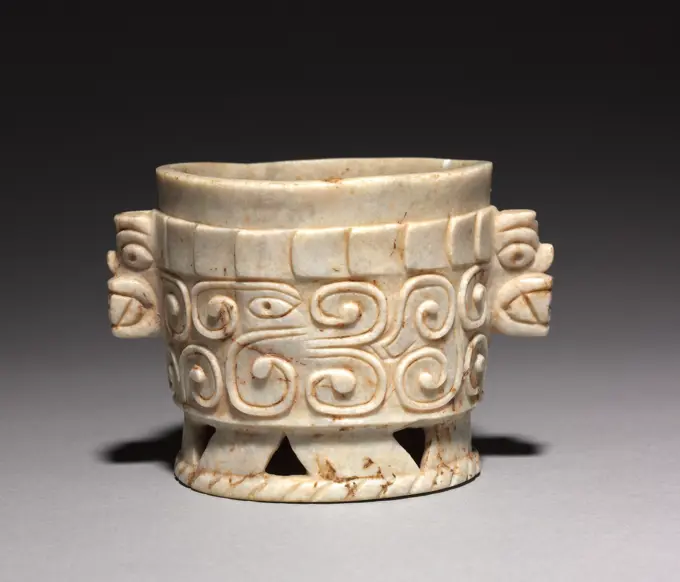
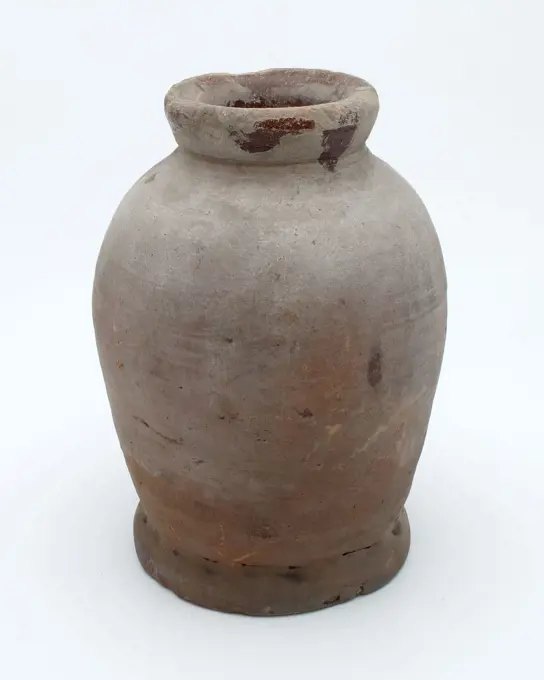
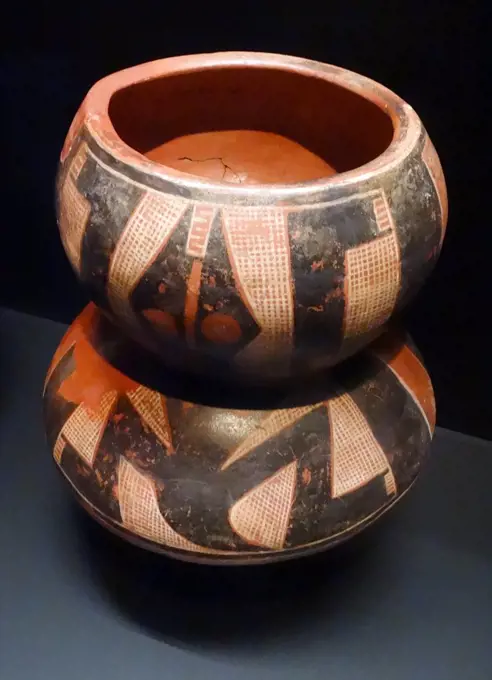
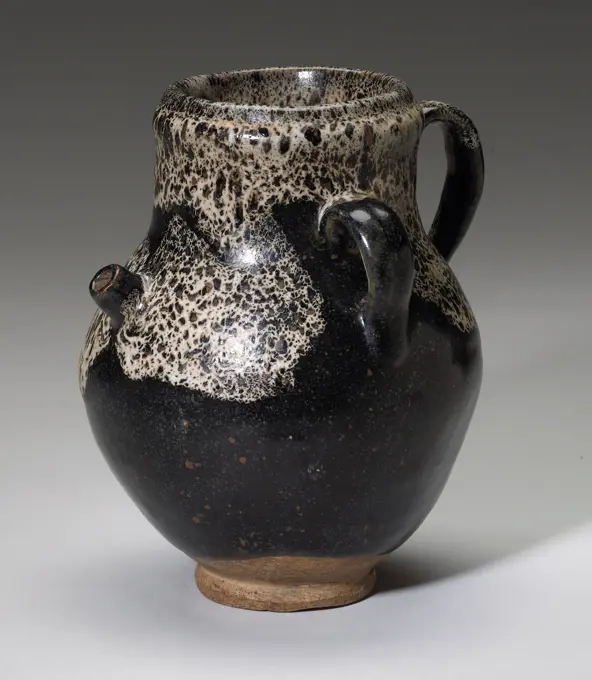
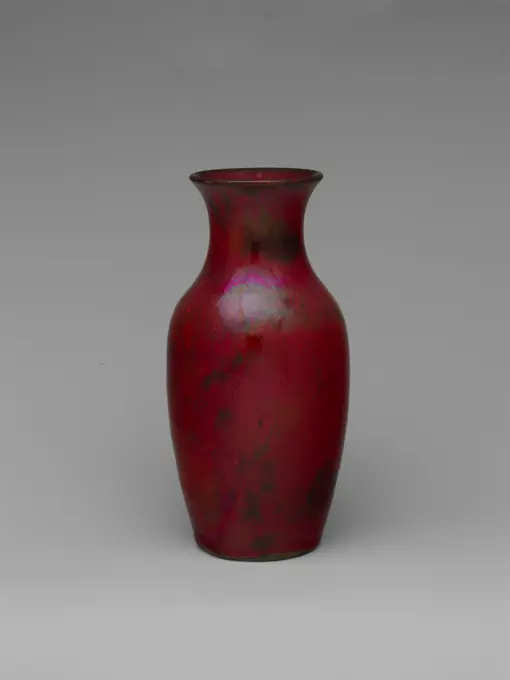
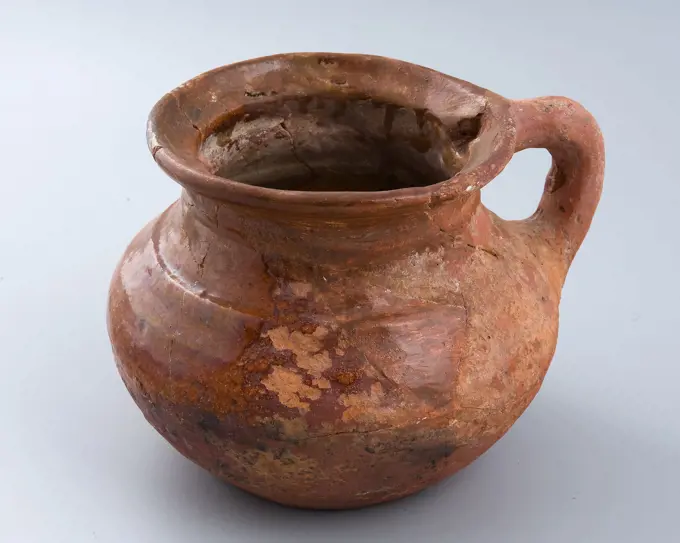
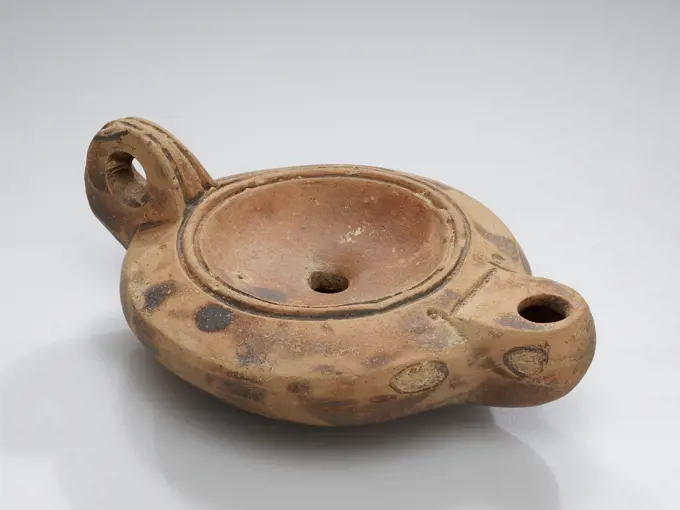
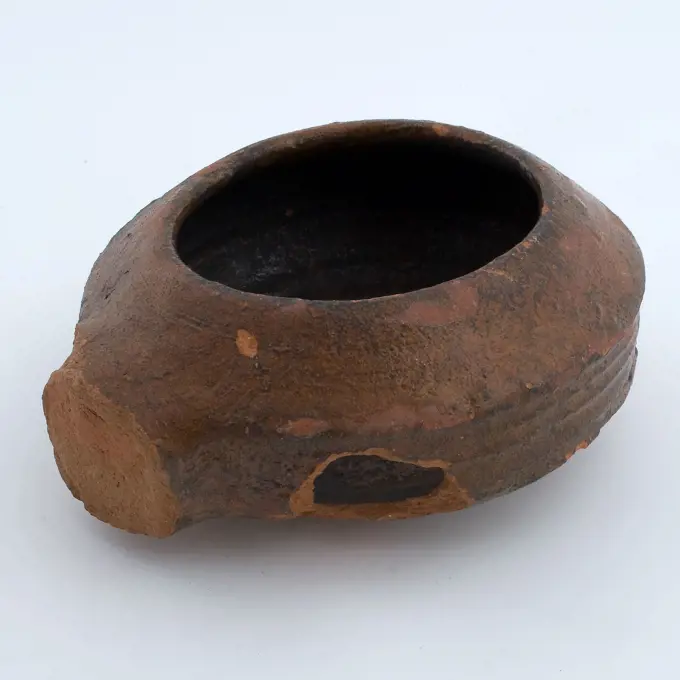
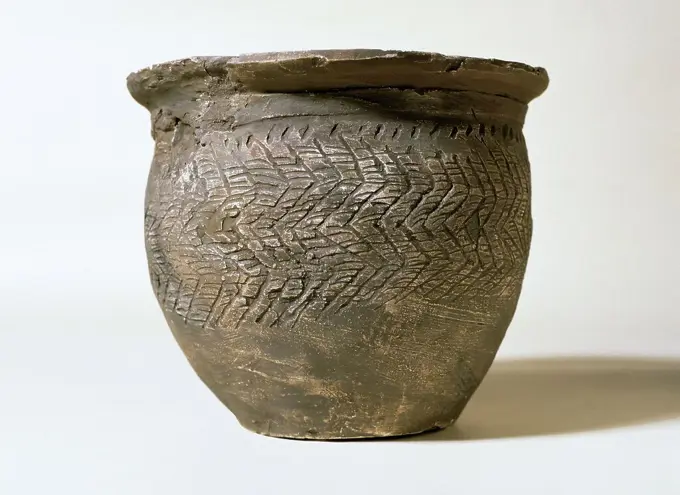
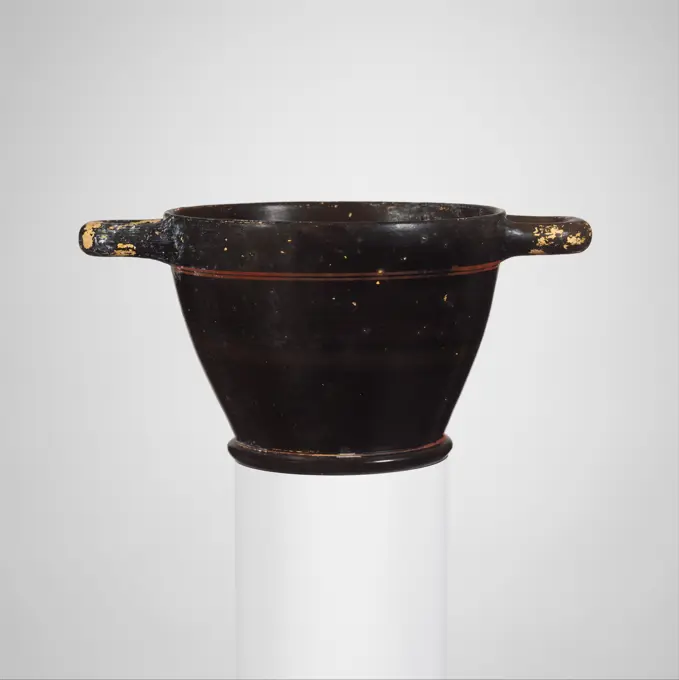
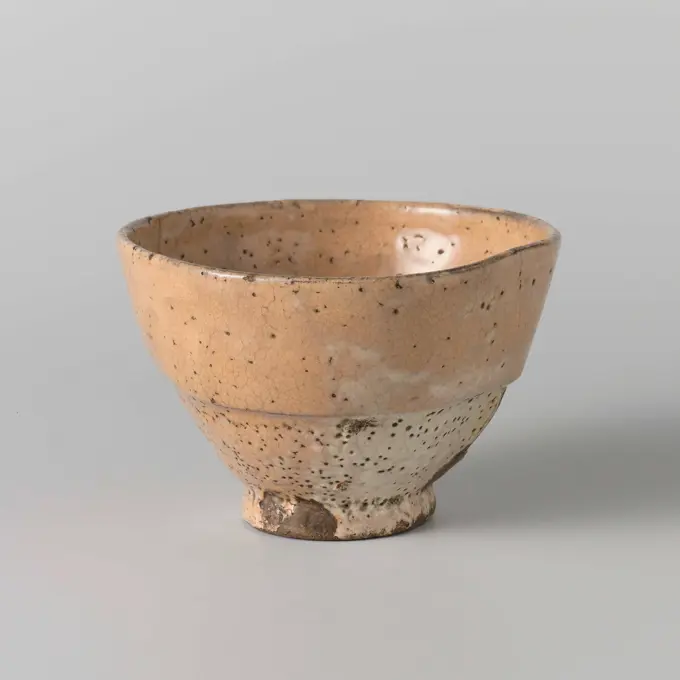
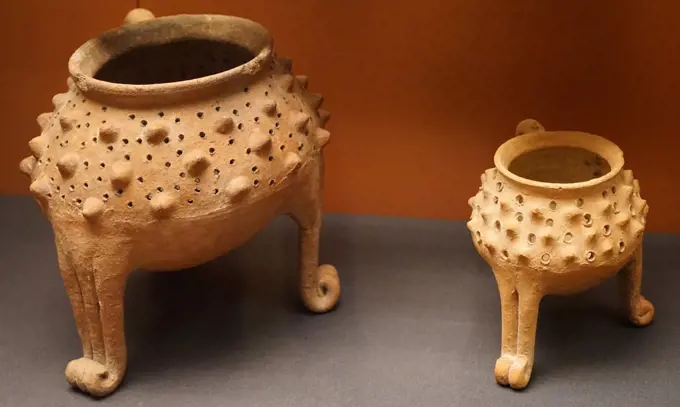
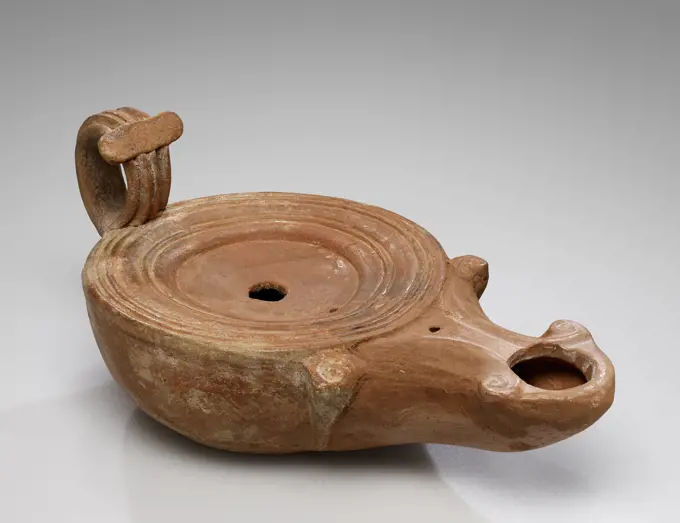
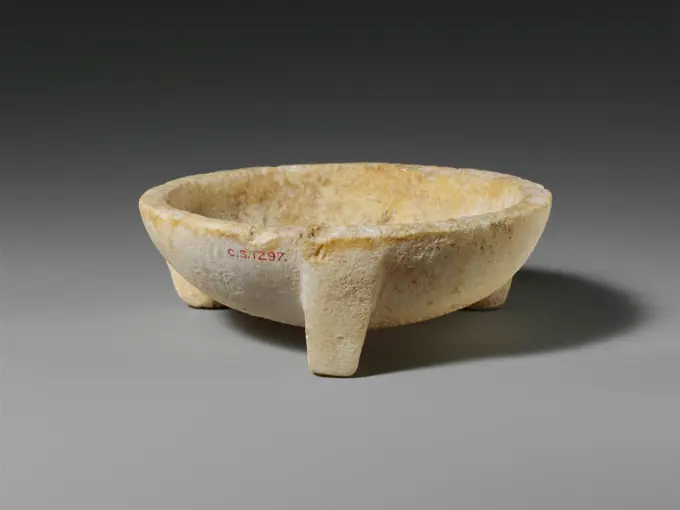
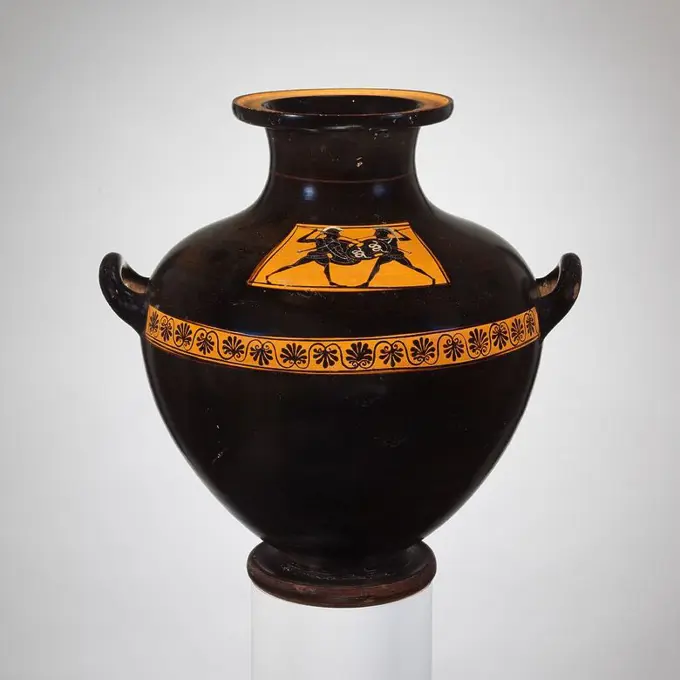
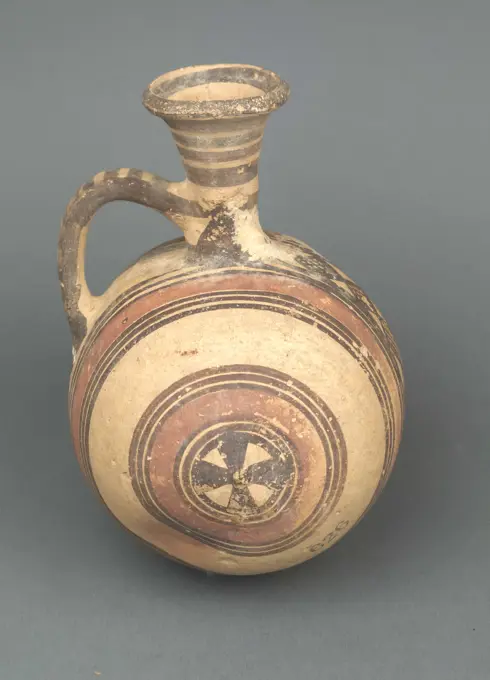
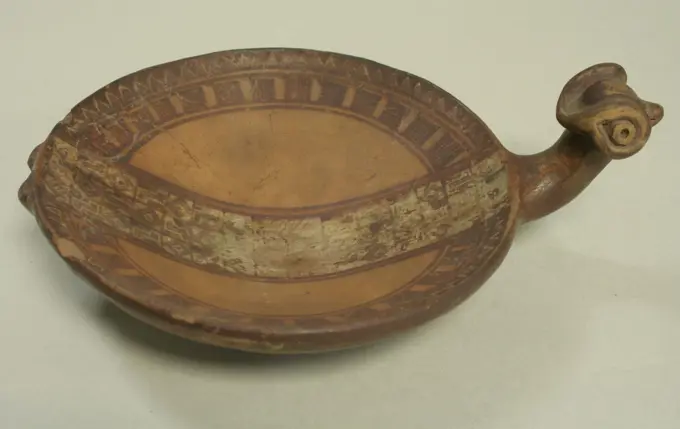
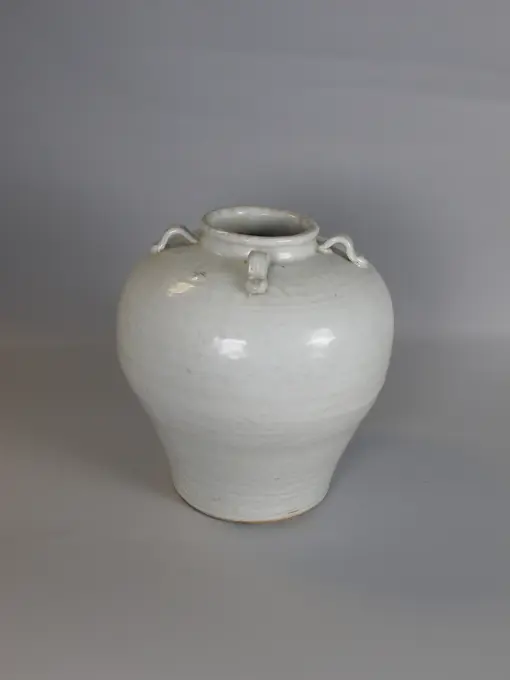
Jar of Ahmose-Nefertari New Kingdom ca. 1525-1504 B.C. View more. Jar of Ahmose-Nefertari. ca. 1525-1504 B.C.. Travertine (Egyptian alabaster). New Kingdom. From Egypt, Upper Egypt, Thebes, Dra Abu el-Naga, Tomb AN-B, Carnarvon/Carter excavations. Dynasty 18Terracotta tumbler ca. 2100-1950 B.C. Minoan Drinking cups are the most common shape of pottery from the Middle Minoan I period.. Terracotta tumbler. Minoan. ca. 2100-1950 B.C.. Terracotta. Middle Minoan IA. VasesAmphora 750-600 B.C. Cypriot. Amphora. Cypriot. 750-600 B.C.. Terracotta. Cypro-Archaic I. VasesVase, 20th century, 12 1/8 x 8-3/4 x 8-3/4 in. (30.8 x 22.2 x 22.2 cm), Ceramic, Democratic Republic of the Congo, 20th centuryLadle-form Bowl, 1st-2nd century, 3 3/4 x 6 3/4 x 6 3/4 in. (9.53 x 17.15 x 17.15 cm), Earthenware with green glaze, China, 1st-2nd centuryPottery test, round model, unglazed, with sausage ear, on three legs, fire test test stove soil find ceramic pottery, bowl d 7.0 hand-turned baked On three legs with one vertical sausage-shaped ear. Rotations on the body. Completely unglazed. Orange red shard Restoration is carried out with colored plaster bursts in plaster supplement archeology Rotterdam City triangle Schielandshuis indigenous pottery cooking heating food preparation kitchen Soil discovery: Schielandshuis during restoration 1982.Vase Hu ". Terracotta with green lead glaze. Han dynasty (206 BC-220 AD). Paris, Cernuschi museum. Chinese art, Chinese ceramic, container, han dynasty, han time, container, terracotta, humFurniture support: lion's leg. Culture: Old Assyrian Trading Colony. Dimensions: 5.47 x 2.99 in. (13.89 x 7.59 cm). Date: ca. 18th century B.C..This piece is one of several furniture elements, carved in the form of lion legs, probably found at the site of a palace at Acemhöyük in central Anatolia. The massive size of the upper part of the leg suggests this represents the animal's rear leg. Extended claws are visible in the form of inverted triangles, with one hooked claw in side view. Like the other pieces of this type in the Metropolitan Museum's collection (36.70.5, 36.70.7), this leg sits on a base with horizontal grooves. The reddish staining of this piece indicates that iron oxides are present on the surface, although it is not known whether this was a deliberate decorative treatment, or a result of contact with the soil in which the piece was buried. The legs were most likely carved out of hippopotamus incisors, as the ends of the pulp cavities are preserved in the upper parts. Drinking Vessel with Handle, c. 600. Argentina, Cienga Culture, early 7th Century. Earthenware; diameter: 16 cm (6 5/16 in.); overall: 12.8 x 20 cm (5 1/16 x 7 7/8 in.).Lipsanoteca Lipsanoteca, chest to keep relics, year one thousand thirty-eight, cathedral church of Girona, Girona art museum, Girona, Catalonia, Spain Copyright: xZoonar.com/Tolox 22282902Bacin ceramic bisque, slip on the front and two handles. Diameter 22, 5 cm Height 33 cms Width 19 cms (14 th CE ) - Medieval period from the archaeological site of the " calle Santiago " in Alcala de Henares - " Burgo de Santiuste Museum" . (Madrid). SPAIN.Ewer, 800s. China, Hunan province, Tang dynasty (618-907). Stoneware with olive-green glaze and ironbrown splashes, Changsha ware; overall: 29.2 x 19.8 cm (11 1/2 x 7 13/16 in.); diameter of rim: 10.3 cm (4 1/16 in.).Jar with Combed Design, 400s-500s. Japan, Kofun period (c. AD 300-710). Stoneware with natural ash glaze, impressed and tooled patterns (Sue ware); diameter: 20 cm (7 7/8 in.); overall: 20.5 cm (8 1/16 in.); diameter of rim: 18.4 cm (7 1/4 in.).Alabaster alabastron (perfume vase) 6th-4th century B.C. Cypriot The slender alabastron has two vertical lugs and a convex lip.. Alabaster alabastron (perfume vase) 244000Ewer 9th-10th century. Ewer 449748Roman Museum. Cologne. Germany.Glass hexagonal jug 1st century A.D. Roman Colorless with translucent purple streak from rim to bottom, with colorless handle.Tubular rim, folded out, round, and into mouth; concave cylindrical neck; sloping, rounded shoulder; straight-sided hexagonal body, expanding downward; convex undercurve; flat circular bottom; strap handle attached in two large ribs to shoulder and top edge of body above division between panels 5 and 6 (below), drawn up and slightly out, then curved in, and pressed on to top of neck and underside of rim, with projecting flattened thumb rest above.On shoulder, frieze of indistinct downturned tongues; on body, six rectangular panels, with vertical raised edges, containing objects associated with the Dionysiac cult: 1. crossed, double-ended thyrsi; 2. a footed jug with spout to left and high handle to right; 3. a footed amphora with high handles; 4. a syrinx (pan pipes); 5. a circular object with central protruding boss (a phiale mesomphalos or, perhaps, a cymbal);Lamp, North Africa; 1st - 4th century; Terracotta; 3 x 7.2 x 10 cm (1 3,16 x 2 13,16 x 3 15,16 in.)Ring-Base Vessel, c. 600-1000. Honduras, Maya, Ulúa Valley, 7th-10th Century. Marble; overall: 9.5 x 13.5 x 10.1 cm (3 3/4 x 5 5/16 x 4 in.).Pottery pot on stand, baluster shape, used in the sugar industry, sugar pot pot holder soil find ceramic earthenware glaze lead glaze, hand turned glazed baked Pottery pot on stand. Baluster shape with round shoulder and narrow neck opening. Thick neck edge with wear on the inside of the earthenware funnel that has stood on the pot. Blurred turnings. Red shard internal glazed Here sugar cones were made archeology indigenous earthenware sugar confectionery sugar industryPottery pot on stand, baluster shape, used in the sugar industry, sugar bowl pot holder soil find ceramic earthenware glaze lead glaze, hand turned glazed baked Pottery pot on stand baluster shape with round shoulder and narrow neck opening. Thick and round neck edge obliquely outstretched Red shard internally glazed Stand ring coarsely greased old modeling work still partly visible. Here sugar cones were made archeology indigenous earthenware sugar confectionery sugar industry"GERRA" CANTARO DE DOS ASAS - S XX ARTE POPULAR -. Location: ALFARERIA. MARRATXI-PORTOL. MALLORCA. SPAIN.Hollow-Legged Tripod (Li Ding), late 900 BC. China, Shaanxi province, Xi'an,, Western Zhou dynasty (c. 1046-771 BC). Bronze; diameter: 27.7 cm (10 7/8 in.); overall: 23 cm (9 1/16 in.).pre-Colombian terracotta jar from EcuadorEwer, 618-907, 7 x 5 1/4 in. (17.8 x 13.34 cm), Glazed earthenware, China, 7th-10th centuryVase ca. 1884-89 Manufactured by Chelsea Keramic Art Works This striking red vase from the Chelsea Keramic Art Works demonstrates the firms highly experimental "sang de boeuf" or "oxblood" glaze. The mottled red and black glaze has a slight iridescence and pronounced textured surface, similar to that of an orange peel. Such vibrant red glazes, often found on simple forms, were inspired by Asian porcelains, widely accessible to an American market for the first time in the late nineteenth century.. Vase 16579Pottery chamber pot with hooked bandoor and vaulted bottom with soul, pot holder sanitary earthenware ceramic earthenware glaze lead glaze, hand-turned glazed baked Pottery chamber pot with curved bottom. Red shard internal entirely glazed exterior only on the edge and shoulder. Hook-shaped bandoor arched neck projecting belly On the attachment of the ear pit in the top edge. Coarse twisted feathers on the shoulder. Gray attack on the inside Restoration is color-repainted archeology underground pit Rotterdam City Triangle Groenendaal indigenous earthenware night bed room hygiene disposal Soil discovery: underground pit Groenendaal waste well at 1.37 12 meters to 2 meters NAP. Found 1975-09-29.Lamp, Asia Minor; 1st - 4th century; Terracotta; 3.1 x 7.1 x 10 cm (1 1,4 x 2 13,16 x 3 15,16 in.)Red-Slip Pyriform Jug. Unknownbell-shaped container of marine type, Tres Montes, Bardenas Reales, bronze age, Navarra,Spain.VASIJA DE DOS ASAS - S XX ARTE POPULAR. Location: ALFARERIA. LA BISBAL. GERONA. SPAIN.Cauldron ca. 7th century B.C. Cypriot. Cauldron 244512Storage Jar from Mohenjo Daro. Indus Valley civilisation. c. 2500 BC PAKISTAN.Fragment earthenware twin bowl, narrowed neck opening, container holder earth discovery ceramics earthenware glaze lead glaze, hand-turned glazed fried Half twin bowl without handle or handle Vaulted bottom narrowed neck opening Along the side wall rotating braces Red shard. Internal fully glazed on the underside sparsely glazed archeology Rotterdam City Triangle Groenendaal underground pit indigenous earthenware archaeological find in the soil Rotterdam underground pit Groenendaal (from canal dredger) 1976-09-20.Prehistory. Metal Age. Iron Age. Pot. Gray terracota. 7th-6th century BC. From Turo de les Mentides, near Manlleu, Catalonia. Episcopal Museum of Vic. Catalonia, Spain.Terracotta skyphos (deep drinking cup) early 5th century B.C. Greek, Corinthian Although Attica stood in the forefront of the production of fine pottery, it was by no means alone. This skyphos represents a type known in Corinth from the second quarter of the sixth century B.C.. Terracotta skyphos (deep drinking cup) 254606 Greek, Corinthian, Terracotta skyphos (deep drinking cup), early 5th century B.C., Terracotta, H. x width 3 7/8 x 8 in. (9.9 x 20.3 cm); diameter 5 5/16 in. (13.5 cm). The Metropolitan Museum of Art, New York. Gift of Dietrich von Bothmer, 1948 (48.136.1)urna cineraria, Necrópolis de Carratiermes, siglo IV-II a. C. museo del Yacimiento arqueológico de Tiermes, Soria, comunidad autónoma de Castilla y Le.... Tea bowl of stoneware, partly covered with a rosé creamy glaze. The lower part of the bowl is unglazed. A golden lacquer repair in the wall. Shino.Fragment stoneware mug or bowl on slightly pinched stand ring, cup bowl pot holder can be found on the floor ceramic stoneware, hand-turned glazed fried Fragment stoneware cup or bowl on slightly pinched stand ring cylindrical model with narrowing above the stand archaeology Rotterdam rail tunnel indigenous pottery import drinking room table Soil discovery, Rotterdam rail tunnel.JARRA CON DECORACION INCISA EN FORMA DE CIRCULO. Location: ALFARERIA. ARROYO DE LA LUZ. CACERES. SPAIN.Vase. Dated: c. 1940. Dimensions: overall: 36.7 x 29.2 cm (14 7/16 x 11 1/2 in.) Original IAD Object: 10" High 8" Wide. Medium: watercolor and graphite on paperboard. Museum: National Gallery of Art, Washington DC. Author: John Tarantino.Glass bottle 4th century A.D. Roman Translucent light green.Slightly uneven rim, cracked off and ground; funnel-shaped neck; broad, globular body, tapering downwards; concave bottom.Decorated with bands of faint wheel-abraded horizontal lines: one immediately below rim, four more bands on upper body.Intact; many pinprick and a few large bubbles, and blowing striations, with some black inclusions in neck; faint dulling and iridescence on exterior, large patches of soil encrustation, weathering, and brilliant iridescence on interior.Bottle with flaring mouth and long neck.. Glass bottle 245220agadir medina vase agadir city morocco medina landmark arab wood vase Copyright: xZoonar.com/tudorxantonelxadrianx 7381328BIBERON GRIEGO. Location: MUSEO ARQUEOLOGICO NACIONAL-COLECCION. MADRID. SPAIN.Ring 1070-712 B.C. Egyptian This collection of largely ethnographic jewelry includes examples from cultures in South America, North America, Europe, Asia, and Africa and dates from the Pre-Columbian period to the twentieth century. Owned by renowned art collector and fashion enthusiast Muriel Kallis Newman, the collection represents her knowledge and appreciation of a wide range of jewelry design and making traditions. Numerous items in her collection are composite artifacts made from various cultures and time periods reappropriated as modern jewelry creations by or for Muriel. It is important to note that Newman wore many of the pieces in the collection, interpreting them to suit and express her own singular, often avant-garde style.. Ring 141731VASO OMEYA JUAGUETEADO RECUBIERTO DE ENGALBA Y PINTADA CON DEDO - SIGLO X. Location: MUSEO ARQUEOLOGICO NACIONAL-COLECCION. MADRID. SPAIN.Mycenaean pottery brazier, from Ialysos, Rhodes. Dated 1200 BCBowl;  around 2686- 2181 BC ; Old PADeposit of the University of Warsaw from 1937-1939, Egyptian ceramics, Polish-French excavations in Edfu (Egypt)Vessel. Findings from the Mycenaean Fountain. 1225-1190 BC. Acropolis Museum. Athens. Greece.Bottle (common name). Enameled covered sandstone. Cernuschi Museum, Asia Museum of Asia in the city of Paris.JARRAS PUNICAS CON DECORACION-S V A C-EBUSITANA 65. Location: MUSEO ARQUEOLOGICO / MUSEO DE PUIG DES MOLINS. IBIZA. SPAIN.Dish;  Medium Pa (-2055-00-00--1650-00-00);Collection of ancient Egypt, Polish-French excavations in Edfu (Egypt)Terracotta Hadra hydria (water jar). Culture: Greek, Egypt, Alexandria-Hadra. Dimensions: Overall: 15 x 11 in. (38.1 x 27.9 cm). Date: 3rd century B.C..On the neck and body, red and blue fillets. Museum: Metropolitan Museum of Art, New York, USA.Vase, c. 3000-2500 BC. China, Gansu province, Neolithic period. Earthenware with slip coating and painted decoration; diameter of mouth: 14 cm (5 1/2 in.); overall: 20.4 cm (8 1/16 in.).Covered Ewer, 4th century BCE, 7 7/8 x 7 1/8 in. (20 x 18.1 cm) (a: ewer)1 x 3 5/8 in. (2.54 x 9.21 cm) (b: lid), Stoneware with impressed and applied decor under a light yellow-green glaze, China, 4th century BCE, This stoneware vessel is a relatively direct imitation of a type of bronze wine ewer called hu. The ceramic served as a substitute in the tomb for contemporary objects made of more precious materials like bronze and lacquer. Works made expressly for entombment with the dead are known as ming qi in China. Generally, these wares were unsuitable for daily use. A wide variety of bronze shapes including ding tripods, basins, hu storage jars, bells, weights, and ewers like this one were produced during the Warring States period (475-221 BCE).Jar 12th century. Jar 452853ANFORA ROMANA. Location: MUSEO ARQUEOLOGICO NACIONAL-COLECCION. MADRID. SPAIN.Jar, 19th century, 11 1/2 x 7 3/4 in. (29.2 x 19.69 cm), Earthenware, Democratic Republic of Congo, 19th centuryOwl-shaped Lime Jar, 1st century BCE - 1st century CE, 4 7/8 x 4 3/4 x 4 3/4 in. (12.38 x 12.07 x 12.07 cm), Glazed ceramic, brown ware, Khmer, 1st century BCE - 1st century CEMortero de Olot, siglo XIX. Museu Català de les Arts i Tradicions Populars.Lamp. UnknownBowl with Pouring Lip. Culture: Maya. Dimensions: H x W: 4 3/8 x 4 7/8in. (11.1 x 12.4cm). Date: 5th-6th century. Museum: Metropolitan Museum of Art, New York, USA.Bowl. Honduras, Ulúa Valley, Maya, 600-1000 CE. Stone. MarbleOld crock. Old, cracked clay pot isolated on white backgroundHoly Water Font, late 1400s. Southern France, late 15th century. Marble; overall: 31.5 x 52.7 x 46.4 cm (12 3/8 x 20 3/4 x 18 1/4 in.).Bowl;  around 2055 1650 BC ; Medium Pa (-2055-00-00--1650-00-00);ARTE ETNICO. SIGLO XX. RECIPIENTE PARA AGUA (1920). ZUNI PUEBLO. Museo de Arte de Denver. Estado de Colorado. Estados Unidos.Glass bowl. Culture: Roman. Dimensions: H.: 2 1/4 in. (5.7 cm)Diam.: 3 3/4 in. (9.5 cm). Date: 3rd century A.D..Colorless.Knocked-off vertical rim with slight bulge below; hemispherical body; slightly flattened bottom.Wheel-cut decoration in two registers on side, with lower extending across bottom: upper register comprises eight round shallow facets, each surrounded by a circular groove, interspersed with stylized columns made up of a vertical thin groove and oval facets at top and bottom; lower register comprises six round shallow facets interspersed with hanging swags topped by oval facets and with vertical grooves below, forming a star-like pattern around a round shallow facet surrounded by a circular groove on bottom.Intact; few bubbles but blowing striations; dulling, slight pitting on bottom, iridescence, and creamy brown weathering.The linear and facet-cut decoration on this glass bowl resembles the patterns found on Roman silver plate, notably on some bowls in the ChaourLazio Viterbo Tarquinia Palazzo Vitelleschi27. Hutzel, Max 1960-1990 Exterior views of Palazzo and museum as well as interior courtyard views and interior views of vaulting. 15th cent. gothic architecture (1436-39, 1460-90). Inside palazzo is the Cappella gentilizia, 15th century, and the antecappella, with frescoes of the story of Lucrezia alternating with the cardinal virtues. Antiquities: Phoenician: faience. Etruscan: sarcophagi; pottery; bronze implements (weapons, vessels, mirrors, candelabra). Gold jewelry. Terracotta masks, statuettes and votive objects. Roman: marble statues, bronze vessels, pottery. Object Notes: Hutzel photo campaign dates: February 15, 1984 and November 9, 1985. It appears that there may have been another campaign for which there are no notes. Palazzo Vitelleschi houses the Museo Nazionale Tarquiniese, antiquities prints are located in antiquities section. Only a few of the antiquities prints are matched to negatives. However, the NNP numbers follow the higJuglet 750-480 B.C. Cypriot Angular shoulder, horizontal bands and concentric circles.. Juglet. Cypriot. 750-480 B.C.. Terracotta. Cypro-Archaic I-II. VasesPrehistory, China, Neolithic. Polychrome terracotta vase. From Tsinghai.tea caddy with a brown black glaze, Toshiro (possibly), Toshiro (possibly), c. 1400 - c. 1950 Dust bar or Chare of stoneware with an ivory lid, partly covered with a brown -black glaze. The lower part of the bus is unglazed. Old label on the bottom with 'W580'. SETO. Japan stoneware. glaze. deksel: ivory vitrification Dust bar or Chare of stoneware with an ivory lid, partly covered with a brown -black glaze. The lower part of the bus is unglazed. Old label on the bottom with 'W580'. SETO. Japan stoneware. glaze. deksel: ivory vitrificationPhoenix-Headed Ewer, 1000s. China, possibly Guangdong province, Xicun, Northern Song dynasty (960-1127). Porcelain with pale greenish-white glaze; overall: 38.7 cm (15 1/4 in.).Sprinkler Flask; Unknown; Eastern Mediterranean; 3rd - 4th century; Glass; Object: H:  9.4 cm (H:  3 11/16 in.)Wavy-handled jar ca. 3850-2960 B.C. Predynastic Period. Wavy-handled jar. ca. 3850-2960 B.C.. Pottery. Predynastic Period. From Egypt, Northern Upper Egypt, Samayna, Cemetery H, Tomb H39, EEF excavations 1898-99VASIJA ROMANA. Location: ARCHAEOLOGICAL MUSEUM. Denia. Alicante. SPAIN.CERAMICA GUANCHE. Location: ARCHAEOLOGICAL MUSEUM. LAS PALMAS. GRAN CANARIA. SPAIN.Cylinder with two strokes, bottle, cup, kitchen pot, dish; Unknown Night -Tamanian workshop; 1. PO. 3 thousand BC ; Early period of D Azira III (-3000-00-00--2501-00-00), 2. PO. 3 thousand BC ; Early period D Azira IV (-2500-00-00--2001-00-00), 1. PO. 3 thousand BC ; Early period D Azira III (-3000-00-00--2501-00-00);Al-Jazezira (geographical land in northern Mesopotamia), bottle (vessel), kitchen pots, metallic ware, dishes, non-colored vessels, two-vegetable dishes, clay dishes, spherical dishes, oils for oils and ointments, dishes with a bow, early Dżazira III period (appro Mediterranean archeology at the University of Warsaw, pottery signsLamp, South Anatolia, Anatolia; 1st century B.C. - 4th century A.D; Terracotta; 4.8 x 10.5 x 19 cm (1 7,8 x 4 1,8 x 7 1,2 in.)Alabaster mortar ca. 1200-1050 B.C. Cypriot Mortars such as this were more often made of steatite or andesite. They would have been used with a pestle for the grinding of pigments, medicines, or spices.. Alabaster mortar 244019Bell 5th-8th century. Bell 449185Terracotta hydria: kalpis (water jar). Culture: Greek, Attic. Dimensions: H. 13 in. (33 cm). Date: ca. 510 B.C..On the shoulder, two warriors in combatThe shape and the glossy black glaze contribute decisively to the elegance and power of the hydria. The combat on the shoulder, probably deliberately anonymous, evokes a heroic encounter from the epic cycle of poems concerning the Trojan War of which only the Iliad and the Odyssey survive. The palmette ornament in the handle zone represents a motif popular with red-figure vase-painters of the generation contemporary with Euphronios. Museum: Metropolitan Museum of Art, New York, USA.Jug, barrel-shaped 950-850 B.C. Cypriot Bands, lozenges, and on each end a maltese cross.. Jug, barrel-shaped. Cypriot. 950-850 B.C.. Terracotta. Cypro-Geometric II. Vasescinerària urn cinerària urn, 30 BC-150 AD, Archaeological Museum of Ibiza and Formentera, Spain Copyright: xZoonar.com/Tolox 23005226Flask 101 CE-300 CE Syria. Glass, blown technique . Ancient RomanStone Vase from the Mesoamerica period from Guatemala. Dated 600 ADOvoid Jar. China. Date: 700 AD-799 AD. Dimensions: H. 19.1 cm (7 1/2 in.); diam. 19.8 cm (7 13/16 in.). Stoneware with creamy white glaze. Origin: China. Museum: The Chicago Art Institute, Chicago, USA.Bowl with Cross Decoration 19th century Japan. Bowl with Cross Decoration 62665Dish with Bird Head 15th-16th century Inca. Dish with Bird Head 313204funerary equipment, Monographic Museum of Pollentia, Alcudia, Mallorca, Balearic Islands, Spain.Iranian poterry. 2nd millenium BC. Iran. Near East. The State Hermitage Museum. Saint Petersburg. Russia.Bowlaged earthen water jar in thai house. Gray blue tuikan with pewter lid. The foot is in part in a pewter edge. Three large, oval medallions have been printed on the abdomen. In between two medallions placed above each other. Weapons are shown in the large medallions. In the four small medallions the fall.Glass perfume bottle. Culture: Roman. Dimensions: 3 in. (7.6 cm)Diameter: 1 1/4 x 11/16 in. (3.2 x 1.7 cm). Date: 1st century A.D..Translucent pale blue.Rim folded out, down, and in, with jagged inner lip; cylindrical neck, tooled in around base; sloping shoulder; cylindrical body, with convex sides; rounded bottom, concave at center.Intact; pinprick bubbles, blowing striations, and a few glassy inclusions; dulling and faint iridescence on exterior; patches of creamy weathering and iridecence on interior. Museum: Metropolitan Museum of Art, New York, USA.Cosmetic VesselUnguentarium ca. 1st century A.D. Nabataean. Unguentarium 325897Jar with four lugs 16th century China. Jar with four lugs 46017Double Spout Bottle 2nd century B.C.-A.D. 1st century Topará. Double Spout Bottle 308465Sprinkler Flask; Unknown; Eastern Mediterranean; 3rd - 4th century; Glass; Object: H:  13.5 cm (H:  5 5/16 in.)