Antique Glass Vessels

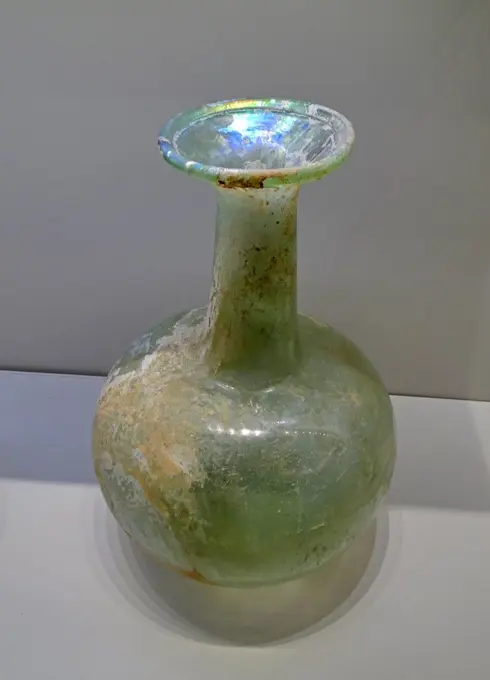
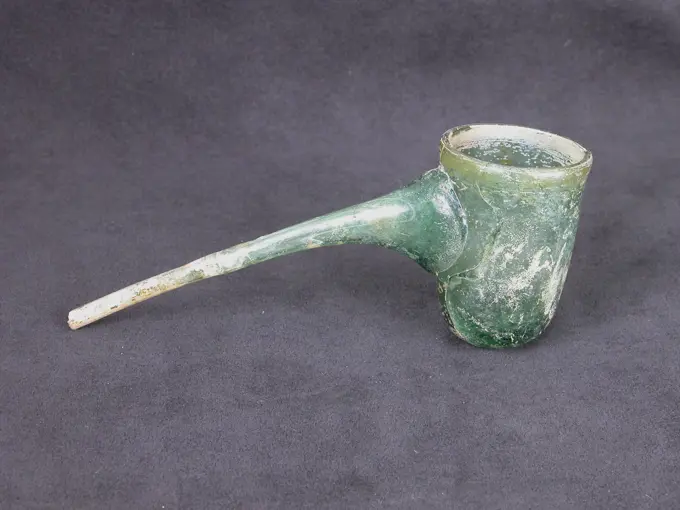
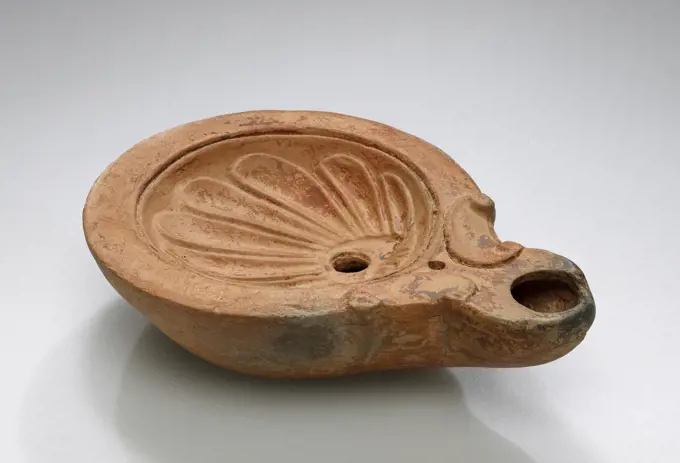
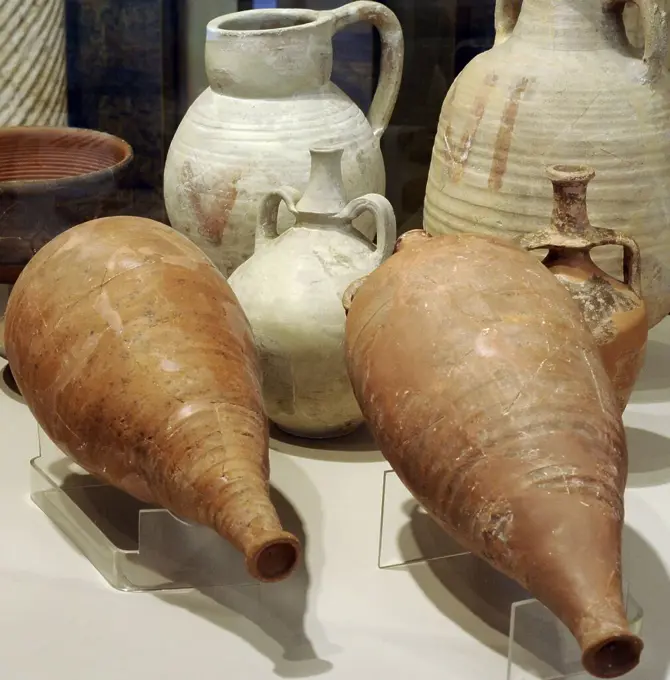
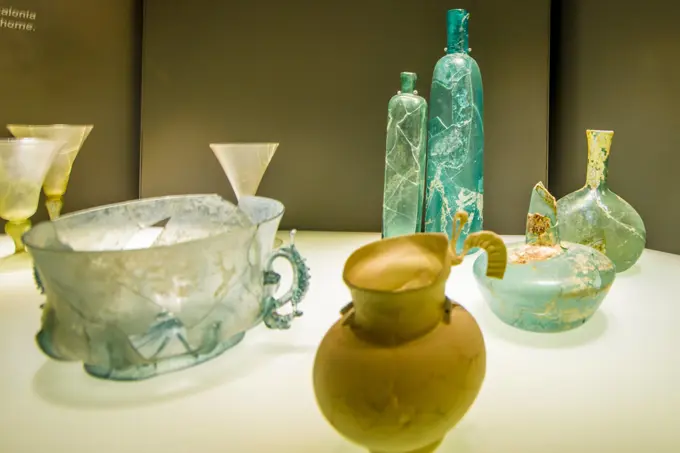
Historical glass jars from various eras, featuring intricate designs and textures. The collection showcases ancient craftsmanship with unique shapes and decorations.

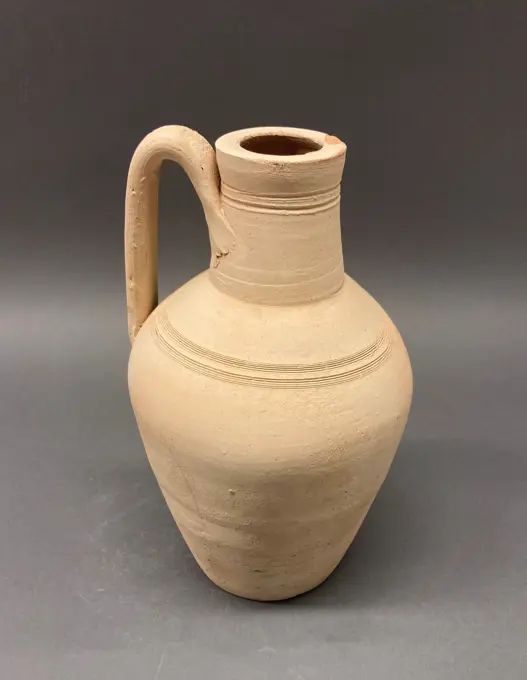
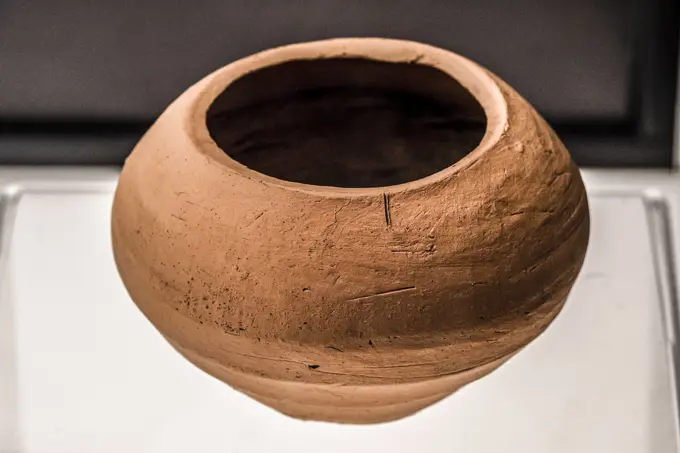
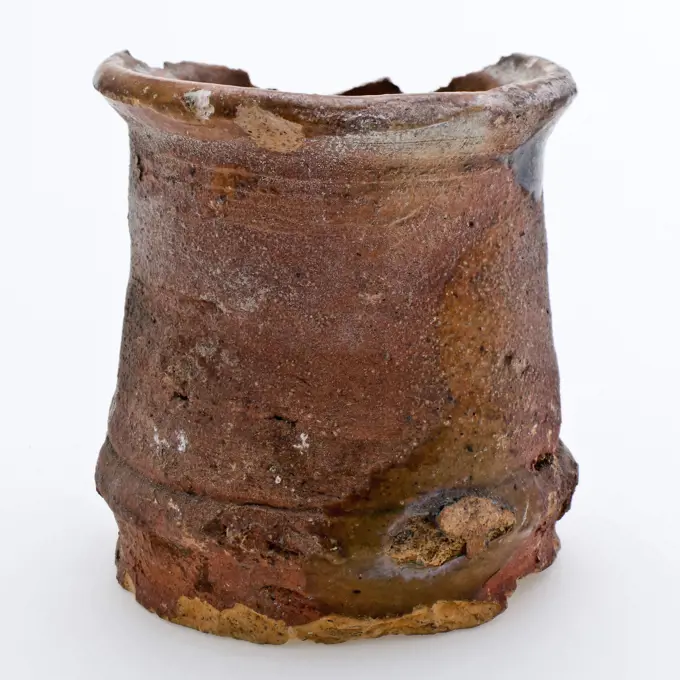
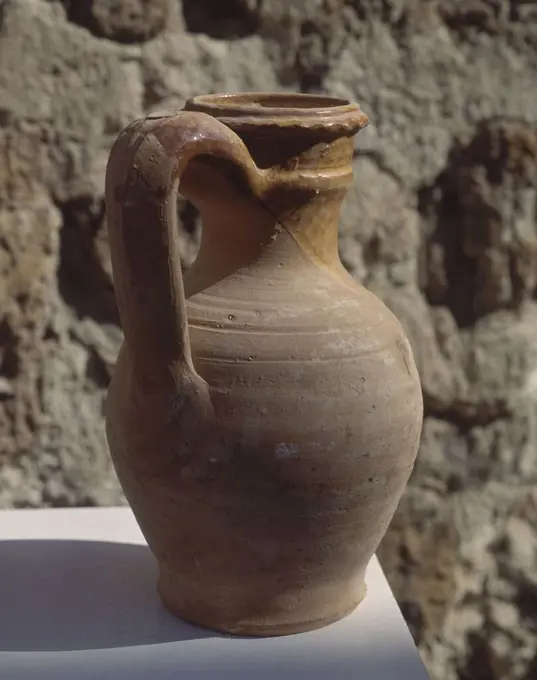
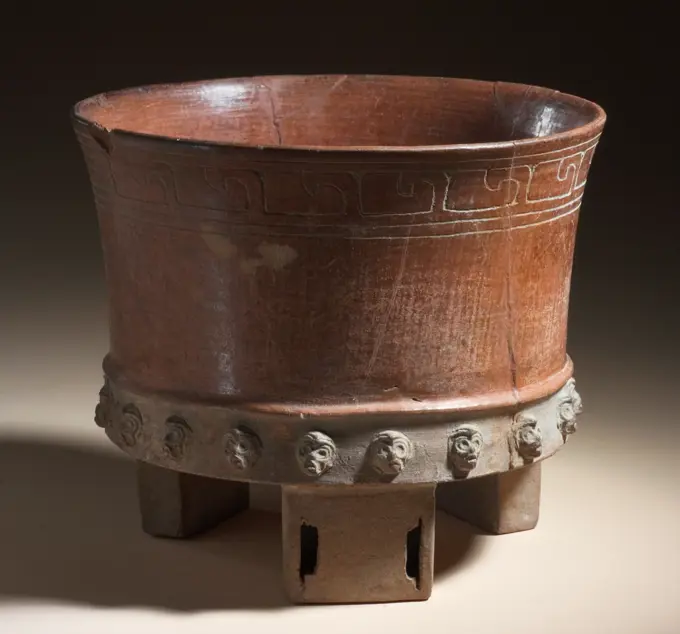
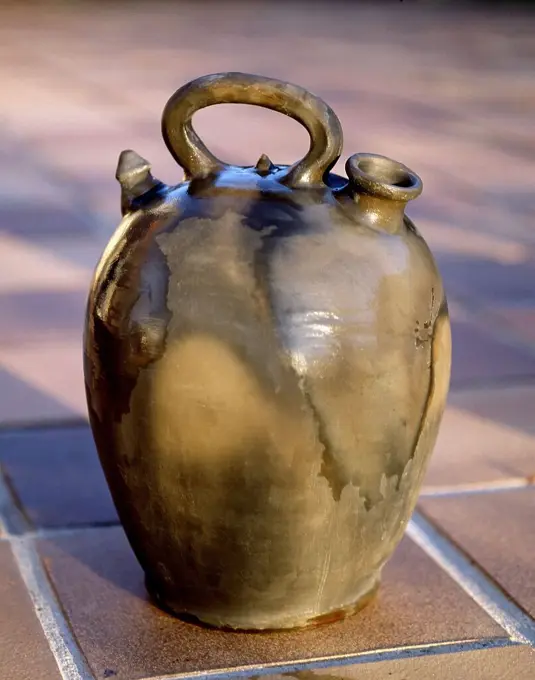
Pottery drinking breaker, drinking bowl, ball model with small neck opening, drinking cup drinking utensils holder earth discovery ceramics earthenware glaze lead glaze, hand turned glazed baked Pottery drinking breaker drinking bulb model with small neck opening Drip-shaped and ending in point cup can not be dropped. Internally glazed archeology indigenous pottery drink room wine beer
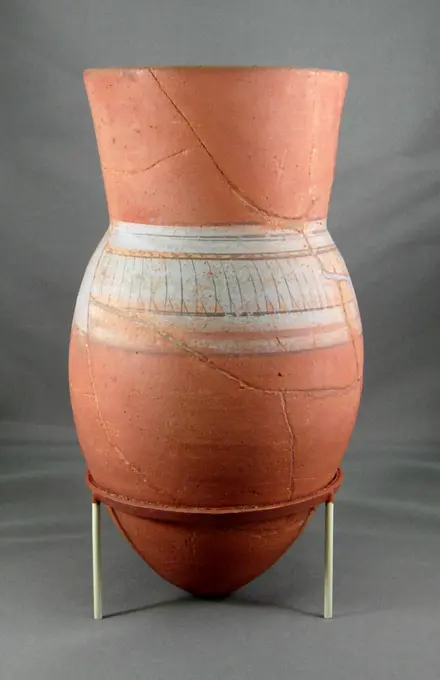
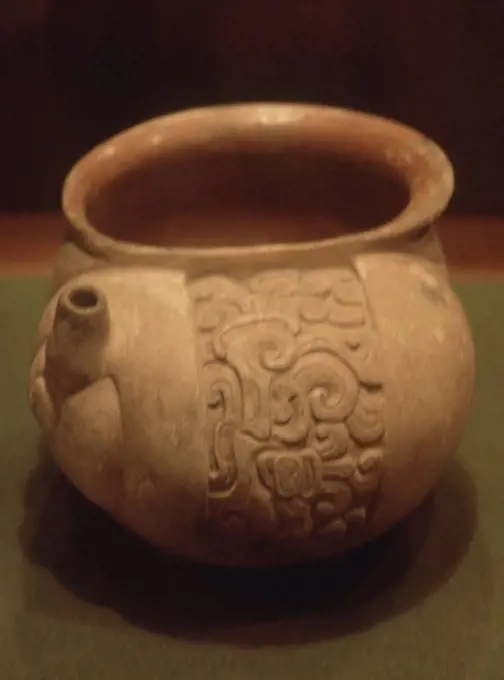
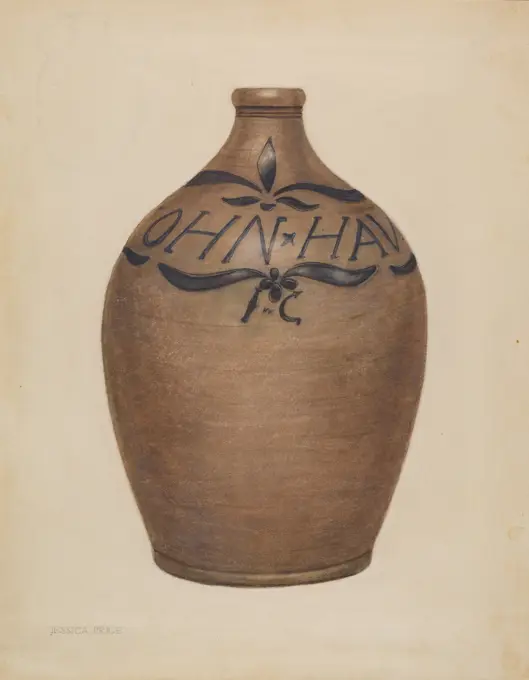
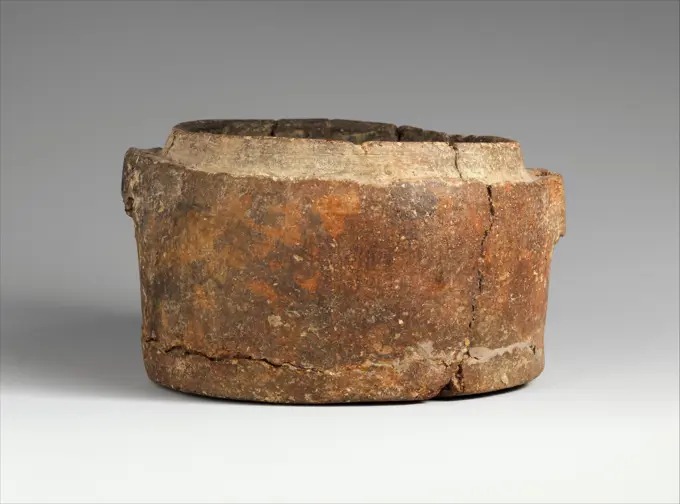
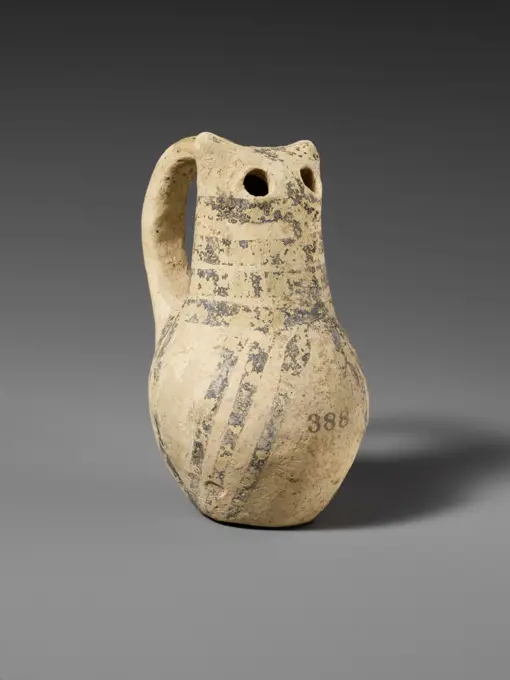
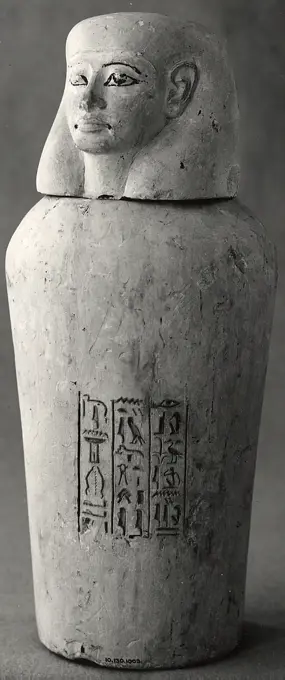
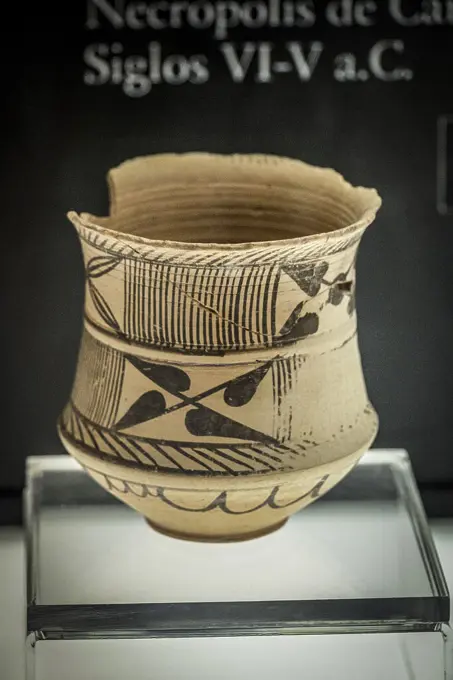
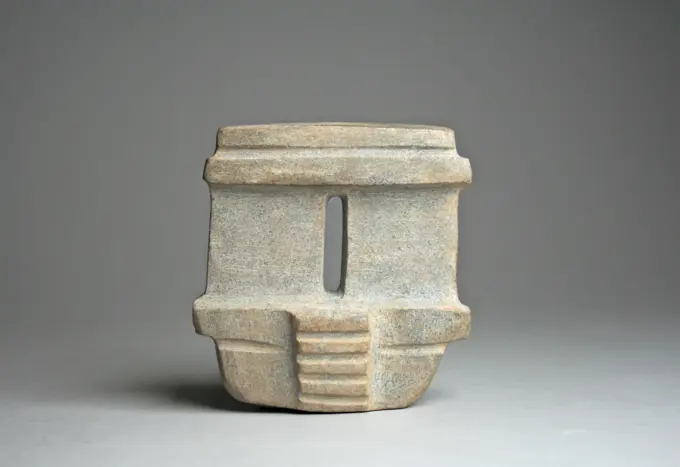
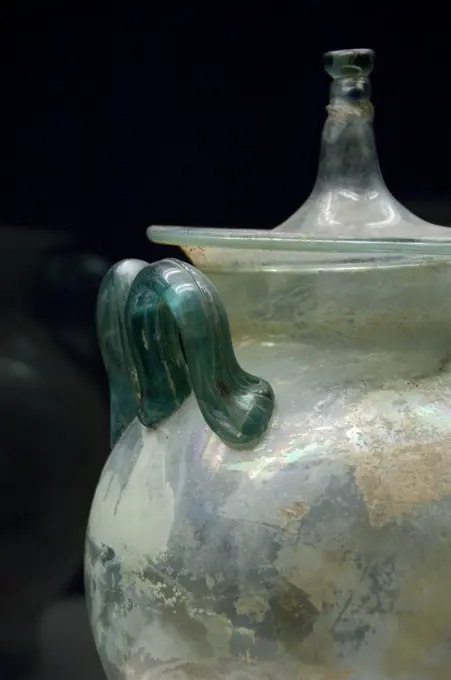
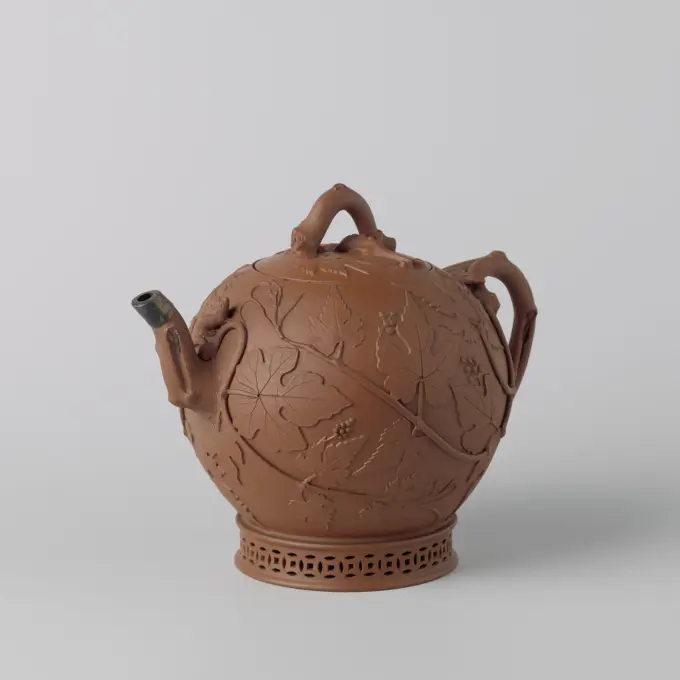
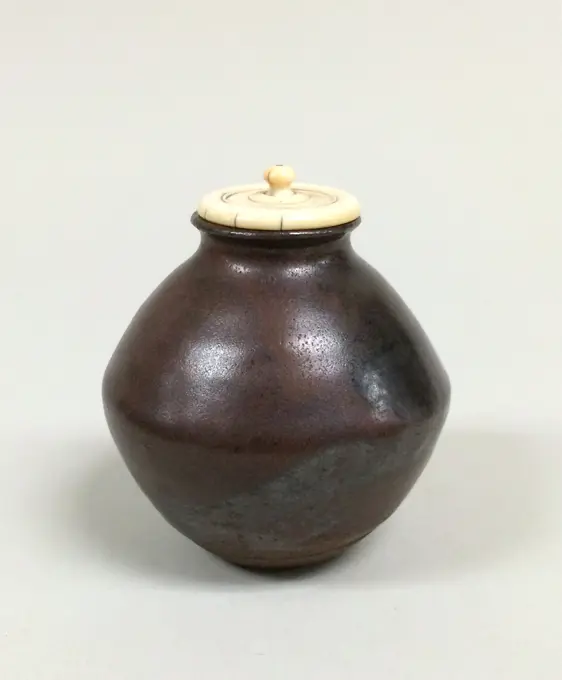
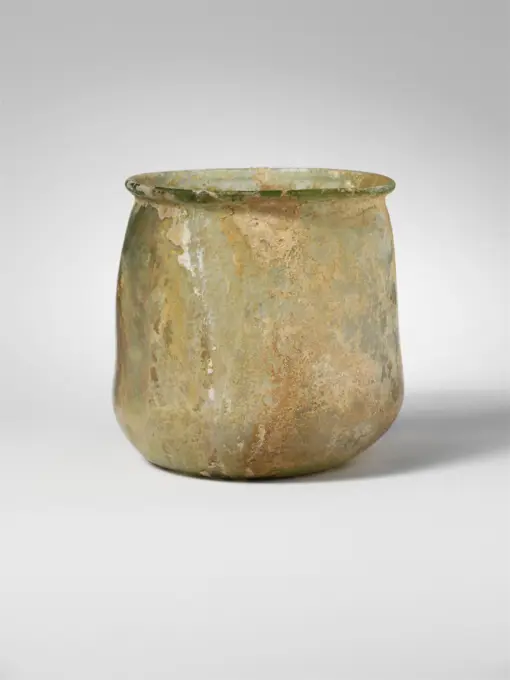
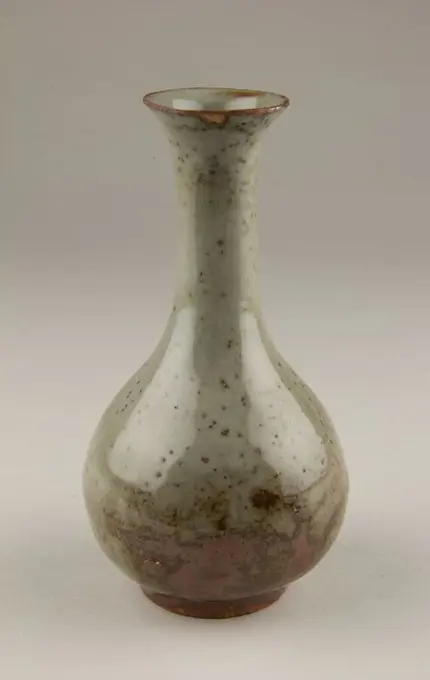
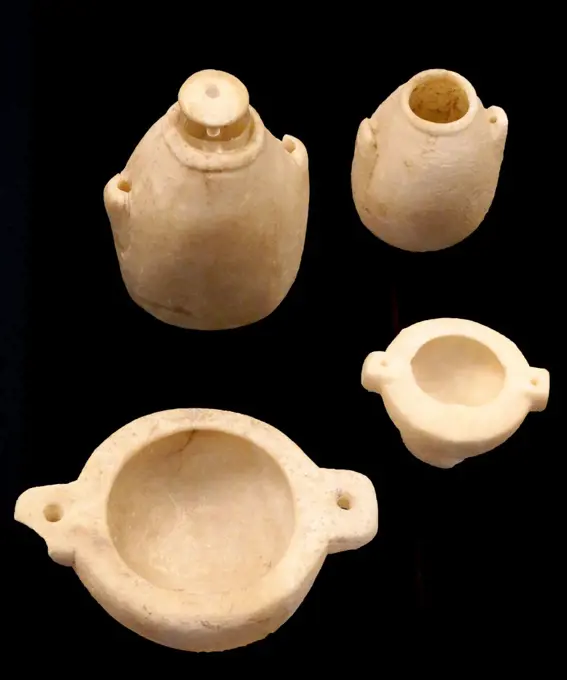
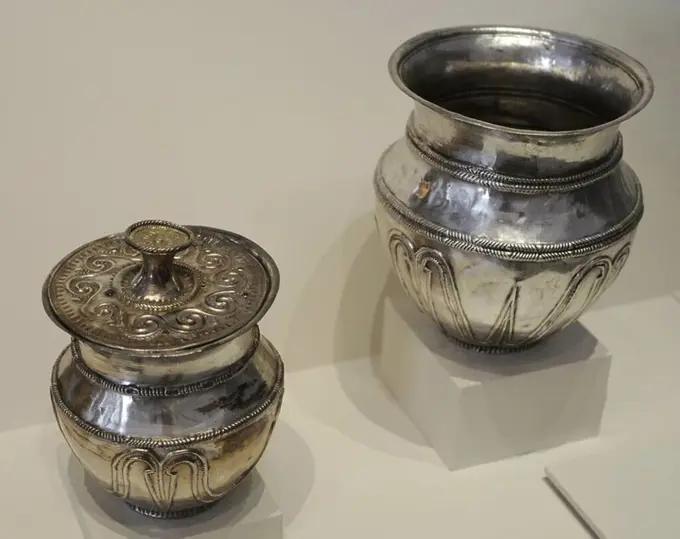
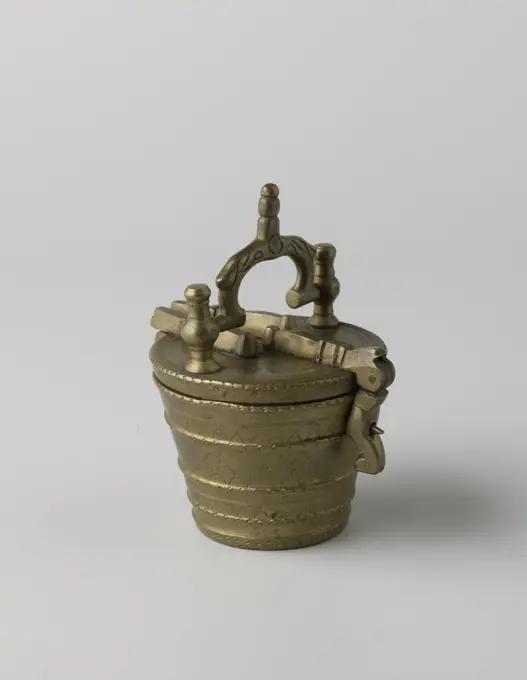
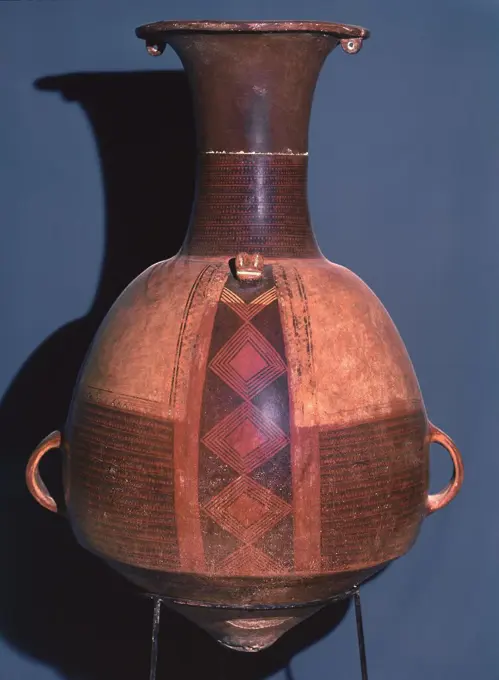
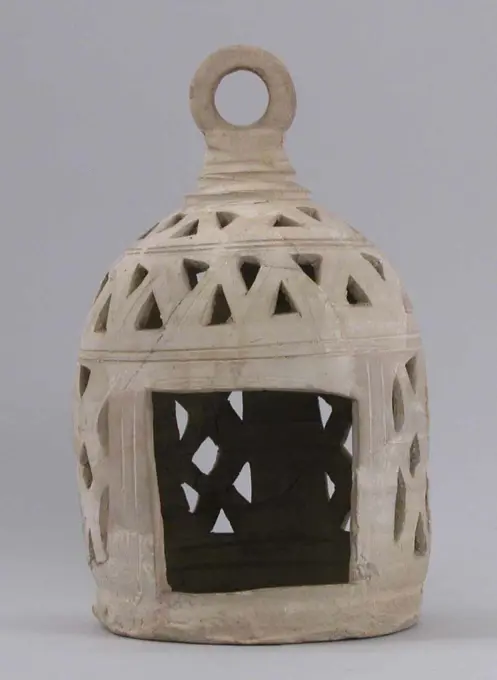
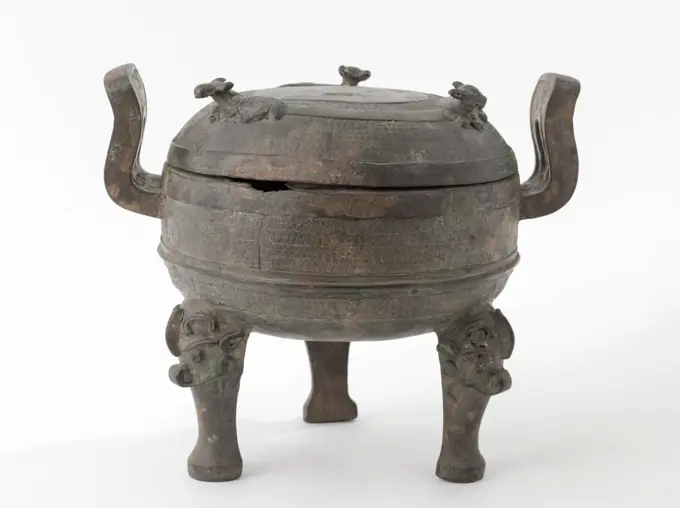
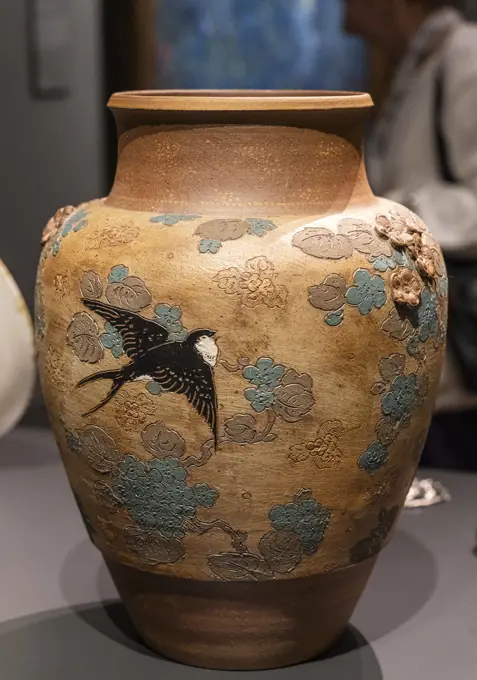
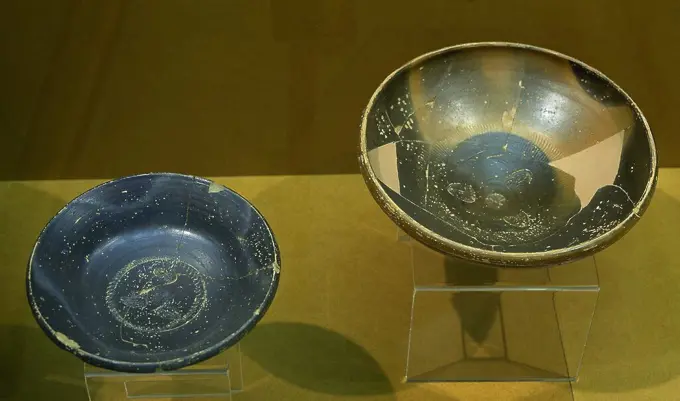
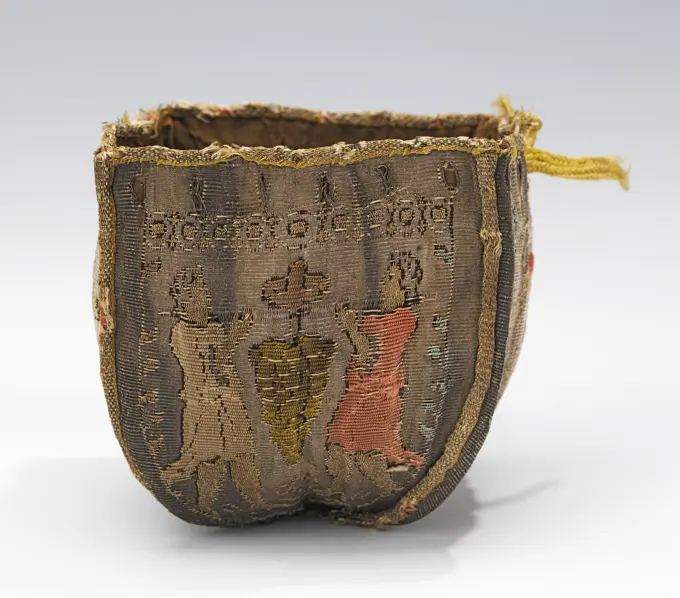
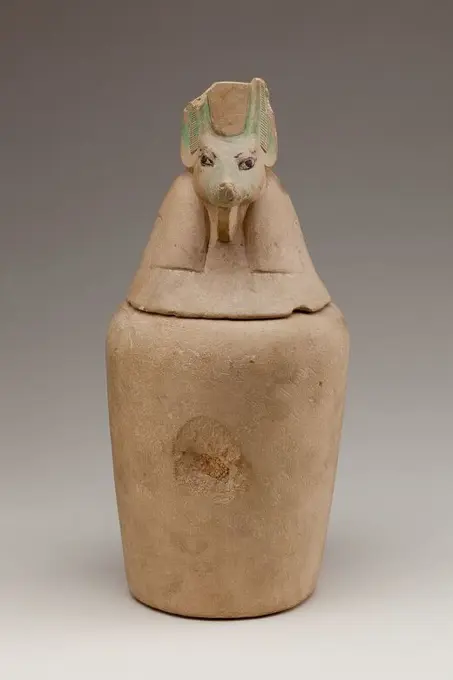
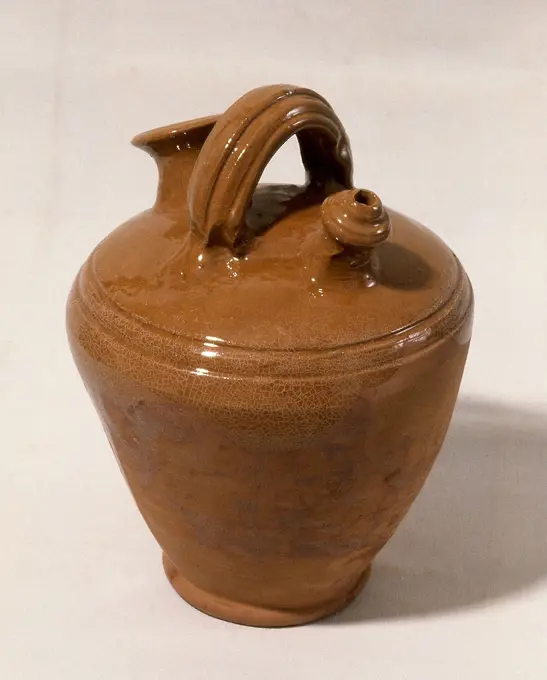
Ewer, 8th-9th century, 10 13/16 x 8 1/8 x 8 1/8 in. (27.46 x 20.64 x 20.64 cm), Dongguan ware (Changsha region) Stoneware with appliqué decor under celadon and brown glazes, China, 8th-9th centuryEwer 10th-11th century This ceramic ewer was excavated at the site of Tepe Madrasa in Nishapur.Nishapur was a vital city in the early and middle Islamic periods, located along one of the main trajectories that connected Iran and West Asia Islamic lands with Central Asia and China. These itineraries are often referred by the term Silk routes but were in fact crucial to the movement of constellations of materials and objects, as well as people and ideas. The diverse population of Nishapur and its surroundings, from the better-researched elite groups of merchants, land-owning aristocracy, and literates, to the less-known artisans, farmers, miners, and servants, were instrumental in adapting global cultural trends to create their own distinctive visual languages. This is seen in the material remains of everyday life in medieval Nishapur - from pots and pans to lighting devices, inkwells, textiles and trimmings, jewelry, games and toys, talismanic devices, weapons, coins, and architectural Lamp ca. 1981-1640 B.C. Middle Kingdom. Lamp. ca. 1981-1640 B.C.. Pottery. Middle Kingdom. From Egypt, Memphite Region, Lisht North, Cemetery, MMA excavations, 1906-07. Dynasty 12-13Aschenurne Aschenurne Copyright: xZoonar.com/BartomeuxBalaguerxRotgerx 23057683Pottery ointment jar, conical model, red shard, internally glazed, ointment jar pot holder soil find ceramic earthenware glaze lead glaze, hand turned glazed baked Pottery ointment conical model red shard internal glazed Slanted inwardly directed little top edge. Expansion of the boiler above the standing surface at the bottom of the boiler pronounced ring. Stand surface. Rotary beads coarsely finished archeology health care indigenous pottery pharmacy store sell craftANFORA PUNICA-TIPO MAÑA A-EBUSITANA-FORMA DE LOSANGE-IV A C. Location: MUSEO ARQUEOLOGICO / MUSEO DE PUIG DES MOLINS. IBIZA. SPAIN.Painted Jar from Tutankhamun's Embalming Cache ca. 1336-1327 B.C. New Kingdom. Painted Jar from Tutankhamun's Embalming Cache. ca. 1336-1327 B.C.. Pottery, pigment. New Kingdom. From Egypt, Upper Egypt, Thebes, Valley of the Kings, Embalming Cache of Tutankhamun (KV 54), Davis/Ayrton excavations, 1907-08. Dynasty 18CANTARILLO DE CUELLO ANCHO Y GRAN ASA - VIDRIADO TIPO BABERO. Location: ALFARERIA. SPAIN.CUENCO EN BARRO - CULTURA OLMECA. Location: MUSEO DE LA VENTA. VILLAHERMOSA. CIUDAD DE MEXICO.Old clay jug isolated on white background. Teapot of stoneware with a pear-shaped body, three small paws around the foot and the handle perpendicular to the spout, covered with a beige glaze and painted under the glaze with a white sludge, brown and green. A landscape with a rider on the abdomen, to which a servant. A tree on the other side. A chip in the handle.MORTERO NAZARI. Nº INV. 3102. MUSULMAN. (EXPOSICION :ARTE ISLAMICO ESPAÑOL)(DEPOSITO: COLECCION FERRIS).Stone Plummet () 5th century B.C.-A.D. 4th century Bahia. Stone Plummet () 314192Jessica Price, Jug, c 1938 JugTerracotta box of a pyxis (small box) ca. 3000-2800 B.C. Cycladic With verical pierced lugs on either side and a profiled lip to hold a lid in place.. Terracotta box of a pyxis (small box) 632258CUEVA PINTADA DE GALDAR: RESTOS Y PIEZAS DE CERAMICA. VASIJAS Y FIGURAS. GALDAR, GRAN CANARIA, ESPAÑA.Tripod Vessel with Moldmade Heads. Mexico, Teotihuacan, Teotihuacan, 300-600 CE. Ceramics. Slip-painted ceramicCup;  4th century (301-00-00-400-00-00);Collection of ancient art, scenes.gal.lec.Handmade pot in Conical style. Dated 620 BCCylindrical Vessel 2nd century B.C.-A.D. 3rd century Colima. Cylindrical Vessel 313314JARRA MORA ORDINARIA - CON DOS ASAS. Location: ALFARERIA. LA RAMBLA. CORDOBA. SPAIN.CANTARO CON DECORACION INCISA CUELLO CORTO Y UNA SOLA ASA - ARTE POPULAR. Location: ALFARERIA. NAVALCARNERO. MADRID. SPAIN.Terracotta rattle () 1600-1450 B.C. Cypriot Handle, bird-like face and bands of black paint.. Terracotta rattle () 240392HORNILLO O ANAFE - CERAMICA PARA FUEGO. Location: ALFARERIA. ARROYO DE LA LUZ. CACERES. SPAIN.Italy, Lazio, Bisenzio, Detail of Etruscan-Corinthian oenochoe (or oinochoe, wine jug) with painted inscription by the Vulcente School, circa 600 B.C.Canopic jar of princess Any ca. 1550-1295 B.C. New Kingdom. Canopic jar of princess Any 543952Lamp; North Africa, Tunisia; 2nd - 3rd century; Terracotta; 10.7 x 3 x 7.5 cm (4 3,16 x 1 3,16 x 2 15,16 in.)Bottle 5th-3rd century B.C. Paracas. Bottle 308304CAMPANA DE COBRE CON INSCRIPCION CUFICA. Nº INV. 2901. (ALTURA 31,6 CM. ANCHO 25,8 CM) MUSULMAN. (EXPOSICION :ARTE ISLAMICO ESPAÑOL)(DEPOSITO: MUSEO DE HUELVA).Urn with lid, from the Aachener street, Cologne (Germany) and urn, from Cologne, Germany. Crystal. Roman-Germanic Museum. Cologne. Germany.Scoop J.F. artistic products Chick ZakopanePainted ceramic vessel of indigenous tradition, Carratiermes Necropolis, 1st century BC - 1st century AD, Tiermes Archaeological Site Museum, Soria, autonomous community of Castilla y León, Spain.Stone Temple Model 1st-8th century Mezcala. Stone Temple Model 317526Germany, Cologne (aka Koln). Roman Germanic Museum. Display of ancient Roman glass.CANTARO CON DOS ASAS Y DECORACION LINEAL DE DEDO EN INCISA DE TEJA. Location: ALFARERIA. CULLAR DE BAZA. GRANADA. SPAIN.Teapot with grapevines and squirrels, anonymous, c. 1675 - c. 1699 Teapot of red stoneware on a high, openwork base and the curved spout, C-shaped ear and lid button in the shape of knots branches. The wall is covered with grape vines and three squirrels in relief: one above the spout and two at the ear. The lid with leaf vines. The spout has a silver frame. Yixing. China Stoneware. frame: Silver (Metal) Teapot of red stoneware on a high, openwork base and the curved spout, C-shaped ear and lid button in the shape of knots branches. The wall is covered with grape vines and three squirrels in relief: one above the spout and two at the ear. The lid with leaf vines. The spout has a silver frame. Yixing. China Stoneware. frame: Silver (Metal)Three Fire Pots, anonymous, 1550 - 1700 fire pot Fire or stink pots of earthenware with three ears. Netherlands earthenware. glaze   VeereCup Wasyl S.GLIGAMiniature Cup 3rd-8th century Teotihuacan. Miniature Cup 316877Pre-Columbian art. Pre-Incan. Cashaloma Culture. Anthropomorphic ceramic vessel. 1o x 8,5 cm (diameter). From Ecuador. Private collection.Glass pyxis with lid. Culture: Roman. Dimensions: Height: 3 1/16 in. (7.8 cm)Diameter (.a): 2 7/16 in. × 1 15/16 in. × 1 5/16 in. (6.1 × 5 × 3.4 cm)Height (.a): 2 1/2 in. (6.3 cm)Height (.b): 15/16 in. (2.4 cm)Diameter: 2 3/16 × 2 3/8 in. (5.6 × 6.1 cm). Date: 1st half of 1st century A.D..Opaque white. Box: vertical rim with inward sloping edge; slightly convex cylindrical neck; octagonal sides with pronounced moldings above and below (the upper edge of the former acts as a ledge on which the lid sits); undercurve to base and slightly concave bottom.Lid: uneven vertical rim; plain cylindrical collar above, curving out to molding; sloping shoulder; flat top.On box, eight panels around sides decorated with four repeated designs: 1, a spoked circle below a triangular pediment; 2, a palmette below a rounded arch; 3, a circle with central dot within a lozenge; and 4, a lotus flower on a stem below a rounded arch; panels separated by vertical raised lines, decorated on the moldings aLazio Viterbo Viterbo Museo Civico14. Hutzel, Max 1960-1990 Views of paintings (Middle Ages through 18th c.), frescoes, a tabernacle, coffin, sculpture reliefs, portal fragments, busts, sculpture, tapestry found in the Pinacoteca, Second floor gallery and Second floor cloister sequences. Antiquities: Many views of Etruscan and Roman fragments, sculpture, sarcophagi, pottery, masks, jewelry and other objects found in the Storeroom sequence (inventory numbers on back of prints), and the Cloister, Second floor Cloister, Valle Giulia, Sala Romana and Sala Etrusca sequences. General Notes: There are eight separate numerical sequences for this location. The cloister as an architectural structure, rather than museum site, is documented in the record and file for S. Maria della Verita, Cloister, all views of which are stored in Medieval core collection. Five views from the Museo Civico Second floor cloister sequence are stored in Medieval. German-born photographer and scholar Max Hutzel (1911-Architectural ModelHUCHA O ALCANCIA DE BARRO SIN VIDRIAR-CERAMICA POPULAR S XX. Location: ALFARERIA. LA RAMBLA. CORDOBA. SPAIN.Tea jar with cover ca. 1745 Japan. Tea jar with cover. Japan. ca. 1745. Pottery (Satsuma ware). Edo period (1615-1868). CeramicsGlass cup 2nd-3rd century A.D. Roman Translucent pale blue green.Thickened, everted rim, with rounded lip; undulating side to body, expanding downwards, then curving in to flat bottom with small kick at center.Intact; a few bubbles; some brilliant iridescence on exterior but most of surfaces covered with limy encrustation and weathering.. Glass cup. Roman. 2nd-3rd century A.D.. Glass; blown. Imperial. GlassLime Container in the Shape of a Drum 500 B.C.-A.D. 300 Indonesia. Lime Container in the Shape of a Drum. Indonesia. 500 B.C.-A.D. 300. Bronze. Bronze and Iron Age period. MetalworkVase. Culture: China. Dimensions: H. 5 3/4 in. (14.6 cm); W. 3 in. (7.6 cm). Museum: Metropolitan Museum of Art, New York, USA.Roman multi-coloured glass vessels found in Israel 1st Century ADAlabaster vessels (1250-1150 BC) Although termed alabaster’ (calcium carbonate) these locally made pieces are of gypsum which is calcium sulphate. at the end of the 13th century BC, from Tell es-Saidiyeh, EgyptTreasure of Chao de Lamas. Vases. Silver. Iron Age II. 300-101 BC (Concealment early 1st century BC). Lusitanian style. Chao de Lamas, Miranda do Corvo (Coimbra, Portugal). National Archaeological Museum. Madrid. Spain.Closing weight of 4 Dutch Troois Pond, Christoph Jobst Rothenberger (Attributed to), c. 1800 The object consists of seventeen parts: the ten weights, the container and the lid (which form the house), a hinge, a closing bracket, two handle, the handle. The center point can be seen at the container, the lid and the weights. Baking and lid have narrow punched ribs. The intervening surfaces have, among other things, grooved rings, punched triangles and a punched arches of decorations. Hinge, closing bracket and handle rates are sounded. Two dragon heads can be recognized in the handle, which is provided at the top of a button. The following characters have been taken on the lid: a French lily, a Statenleeuw with the letters SGN, the number 4, a rooster and the calibration letter T. In the bottom of the bin, the number 2, a French lily, a Statenleeuw with illegible letters , the calibration letters B (printing letter) YV (writing letters). At the bottom the calibration letters Tan and the cARIBALO - CERAMICA PERUANA CON DECORACION GEOMETRICA - CULTURA INCA - S XV Y XVI DC. Location: MUSEO DE AMERICA-COLECCION. MADRID. SPAIN.Model Ointment Jar from a Foundation Deposit. Dimensions: H. 5 cm (1 15/16 in.). Dynasty: Dynasty 18. Reign: Joint reign of Hatshepsut and Thutmose III. Date: ca. 1479-1458 B.C.. Museum: Metropolitan Museum of Art, New York, USA.Terracotta plank-shaped figurine ca. 1900-1800 B.C. Cypriot This is a classic example of the "developed" plank-shaped figurine, with an elliptical body and neck and rounded shoulders. The decoration on the back is similar to that on the front. The figurine once wore earrings of metal or thread.. Terracotta plank-shaped figurine. Cypriot. ca. 1900-1800 B.C.. Terracotta; hand-made. Middle Cypriot I. TerracottasTwo Handled Jar - Stoneware. Dated: c. 1939. Dimensions: overall: 30.5 x 26.2 cm (12 x 10 5/16 in.) Original IAD Object: 10" High. Medium: watercolor, colored pencil, and gouache on paper. Museum: National Gallery of Art, Washington DC. Author: Philip Smith.Hispano-Arabic bowl, rock crystal and relief decoration, twelfth century, Church of Sant Vicenç de Besalú, Girona art museum, Girona, Catalonia, Spain.Teabowl with a red, green and cream glaze, anonymous, anonymous, c. 1800 - c. 1899 Theekom of stoneware covered with a red, green and cream -colored glaze. On the outer wall an unidentified, Ingrift Signature. Kyoyaki. Japan stoneware. glaze engraving / vitrification Theekom of stoneware covered with a red, green and cream -colored glaze. On the outer wall an unidentified, Ingrift Signature. Kyoyaki. Japan stoneware. glaze engraving / vitrificationLantern 9th-10th century. Lantern 449735Three gilded wooden model containers inscribed with the name of Ramses II. Dated 1213 BCARTE ISLAMICO. ESPAÑA. JARRITA DE CERAMICA hispano-árabe. Decorada en color verde y manganeso, con dibujo de soga trenzada. Excavaciones de El Pla s'Almatà, que es donde se establecieron los árabes cuando llegaron a tierras catalanas, cerca de Balaguer (provincia de Lleida), en los años 713-715. Museo Comarcal de La Noguera. Balaguer. Provincia de Lleida. Cataluña.thin-walled glass, necropolis of the wheels, Padilla de Duero, Roman Hispania, Valladolid Museum, Community of Castile and Leon, Spain.Ting vase. Bronze. China. Paris, Cernuschi museum. Anse, Chinese art, bronze, cover, tripod, three feet, ting vaseRoman Blown Glass 1st century A.D.BOTIJO PARA AGUA - CERAMICA VERDE Y SEMIVIDRIADA. Location: ALFARERIA. GERONA. SPAIN.Spherical vessel; Unknown Night -Tamanian workshop; approx. 2600 2350 BC ; Early period D Azira III (-2600-00-00--2350-00-00);CERAMICA DE SELVA DEL CAMPO. Location: EXTERIOR. SPAIN.Vase Vase, Ernest Chaplet, 1885-1886, Amsterdam, Netherlands Copyright: xZoonar.com/BartomeuxBalaguerxRotgerx 21627769little japanese vaseUSA, Arizona, Scottsdale. Decorated Native-American pottery jugs.Iberian art. Plate and cup in black varnish, 3rd century BC. From Moli de l'Espigol site (Municipality of Tornabous). Province of Lleida. Catalonia. Spain. Regional Museum of l'Urgell-Tarrega.Pre_Columbian vessel from the Mochica culture, Peru, South AmericaPurse fourth quarter 17th century probably French. Purse 156864Very old style metal ewer water jar in viewHistorical artefacts, exhibits, Archaeological Museum in the former Order of St John Hospital, 15th c., Old Town, Rhodes Town, Greece, EuropeJar with Floral Design late 19th-early 20th century Korea. Jar with Floral Design 36454Alembic 9th-11th century This type of object has been found at several other early Islamic sites and was probably used for medicinal bleeding.. Alembic 449405Lamp, North Africa; 1st - 4th century; Terracotta; 2.2 x 7 x 9.5 cm (7,8 x 2 3,4 x 3 3,4 in.)Indian traditional clay jar on floorFragment of a Situla. UnknownFragment of a Situla. UnknownA vessel with rhythm decoration under the neck;  around 2055-1650 BC ; Average state (-2060-00-00--1650-00-00);TIBOR JAPONES S XIX. Location: PALACIO TOPKAPI-MUSEO. ISTANBUL. TURQUIA.Cooking pot. The grape has been poured into two halves. The two ears are located in the middle of each half. The hull is ball-shaped. The transition from hull to neck is fluid. The lip edge is more or less round. The object is on three legs, which have a little or more round on one side straight cross-section, and that are provided with feet. The rectangular ears are applied to the hull and precisely below the lip edge. There is a wrought iron handle attached that has a round diameter. Two legs are bent.Ceramics of everyday use. 1st-4th century AD. Various ceramic vessels (jars, pots, dishes,) recovered in various sectors of the village. National Archaeological Museum. Tarragona. Spain.CANTARO DE DOS ASAS - S XX. Location: ALFARERIA. SPAIN.Ceramic worksVessel for ritual ablutions (quarter)Artifacts at the El Born Cultural and Memorial Centre archeological site and museum, Barcelona, Spain. McPMDF McP_MDF_Barcelona559 *** artifacts AT The El Born Cultural and Memorial Centre Archeological Site and museum, Barcelona, Spain McPMDF McP MDF Barcelona559 McPMDFCanopic Jar Representing the Deity Duamutef. Dimensions: H. 31 cm (12 3/16 in); diam. 13.5 cm (5 5/16 in). Dynasty: Dynasty 18-20. Date: ca. 1550-1070 B.C..Canopic jars were made to hold the internal organs that were removed during mummification. This canopic jar, with its falcon-headed lid, probably held the stomach and was under the protection of the god Duamutef, one of the Four Sons of Horus. The other three jars of the set are 12.183.1a-c. Museum: Metropolitan Museum of Art, New York, USA.Ban Chiang prehistoric pottery, Suan Pakkad Museum collection, Bangkok Thailand, Southeast Asia, AsiaBOTIJO VIDRIADO - CERAMICA PARA AGUA. Location: ALFARERIA. VALL DE UXO. Castellón. SPAIN.JARRAS CERAMICA DE TALAVERA S XVIII. Location: CONVENTO DE SAN CLEMENTE-MUSEO. Toledo. SPAIN.Roman art. Bronze banqueting ware. National Roman Museum. Palazzo Altemps. Rome. Italy.