Antique Glassware and Candlesticks

Showcases exquisite antique glassware and candlesticks, featuring intricate designs and historical styles, perfect for highlighting elegance and craftsmanship.

Jar with lid, with a hunting scene, anonymous, c. 1850 - c. 1875 Flat, octagonal, faceted foot. Facet cut, baluster -shaped tribe. Funnel -shaped, rounded and faceted chalice at the bottom. Vaulted, faceted lid with overhanging edge and a facet cut, baluster -shaped button, ending in a point. On the chalice, in Neo-Louis XV style, in gold a hunting scene with a hunter with a shot duck. On the foot and the lid a deer, a stork and a dog surrounded by rocaille ornament. The facets on foot, trunk and button with gold. Bohemia glass glassblowing / grinding / gilding Flat, octagonal, faceted foot. Facet cut, baluster -shaped tribe. Funnel -shaped, rounded and faceted chalice at the bottom. Vaulted, faceted lid with overhanging edge and a facet cut, baluster -shaped button, ending in a point. On the chalice, in Neo-Louis XV style, in gold a hunting scene with a hunter with a shot duck. On the foot and the lid a deer, a stork and a dog surrounded by rocaille ornament. The facets on foot, trunk
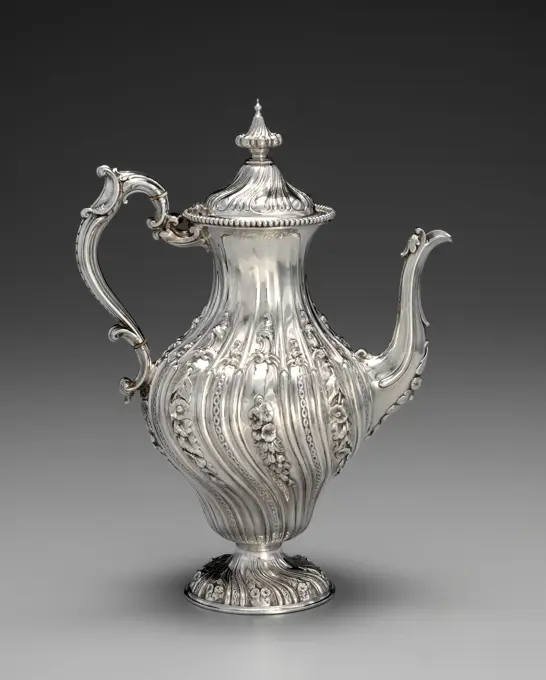
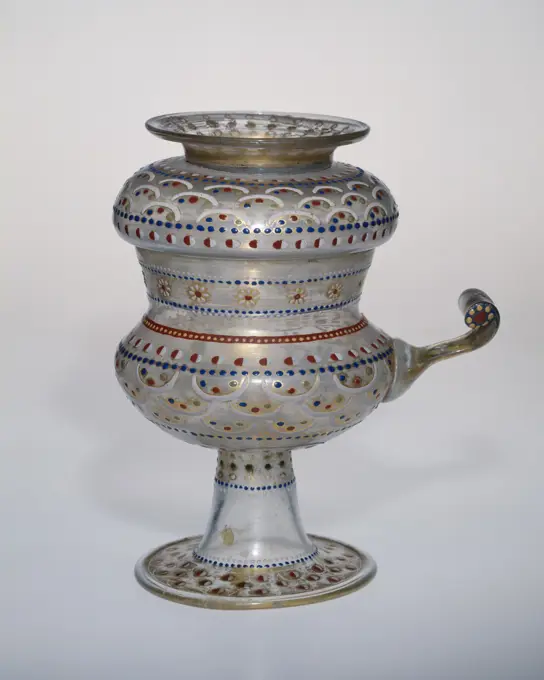
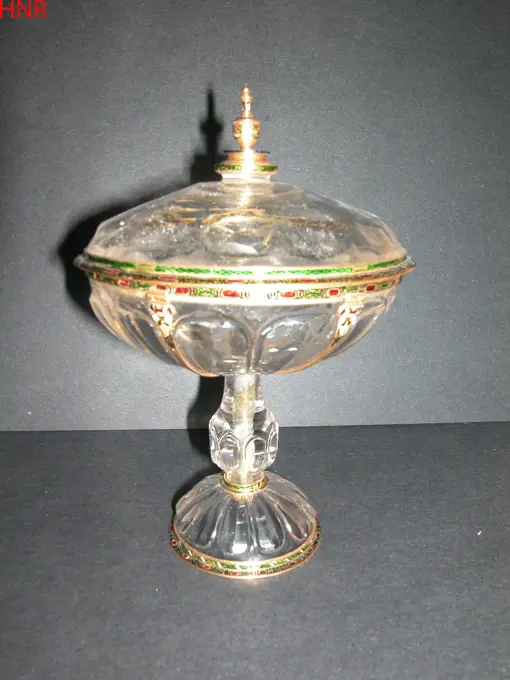
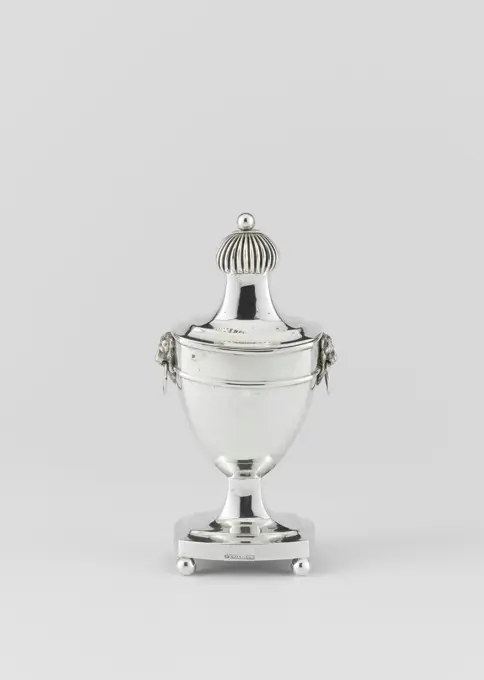
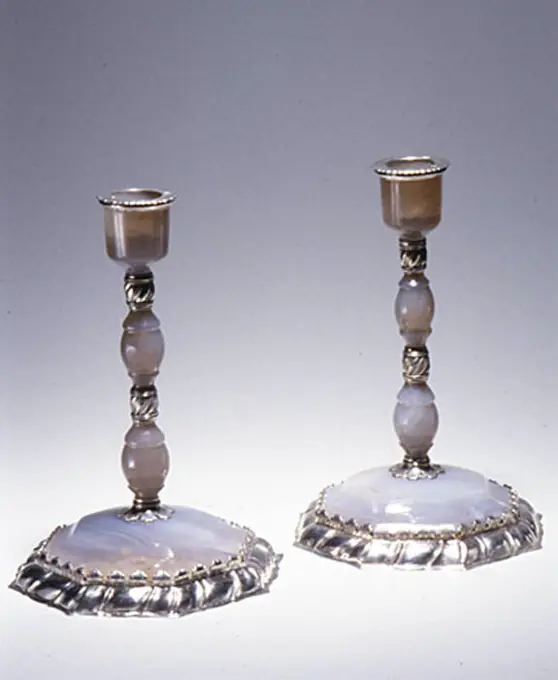
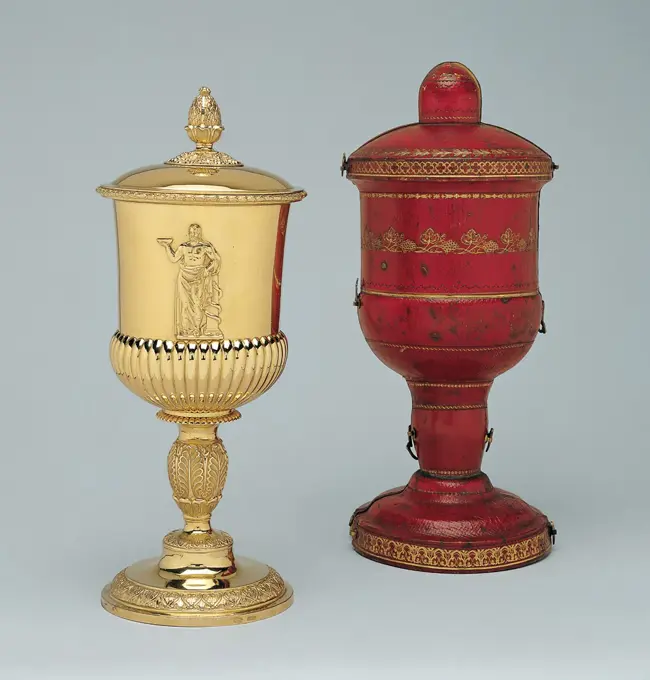
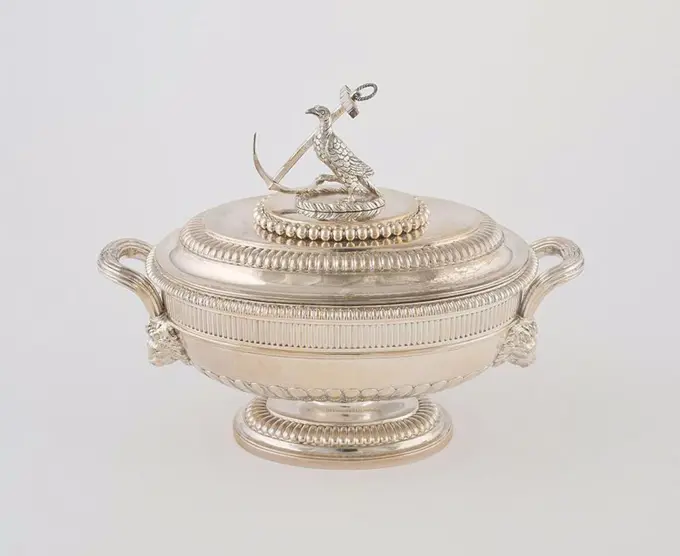
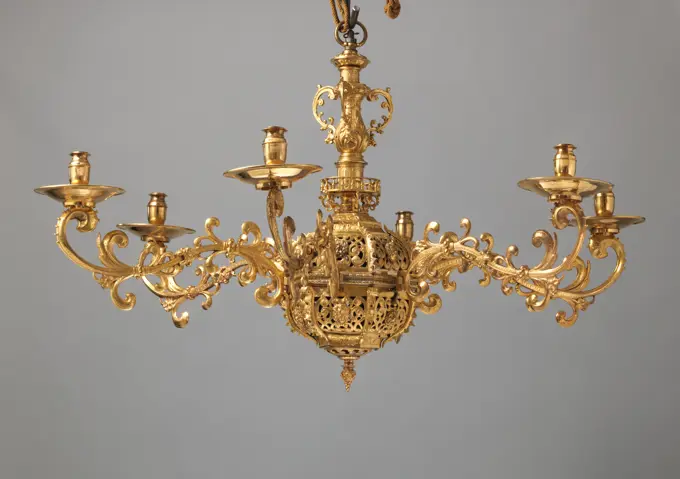
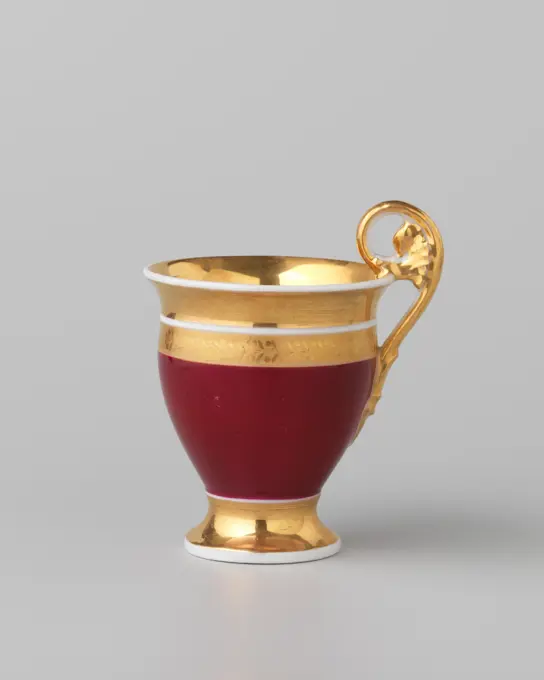
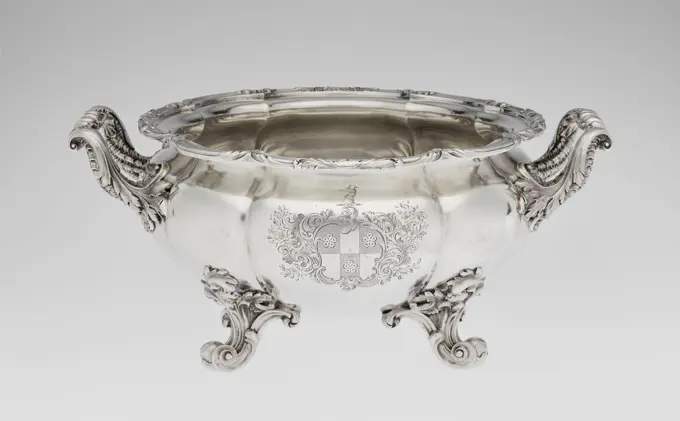
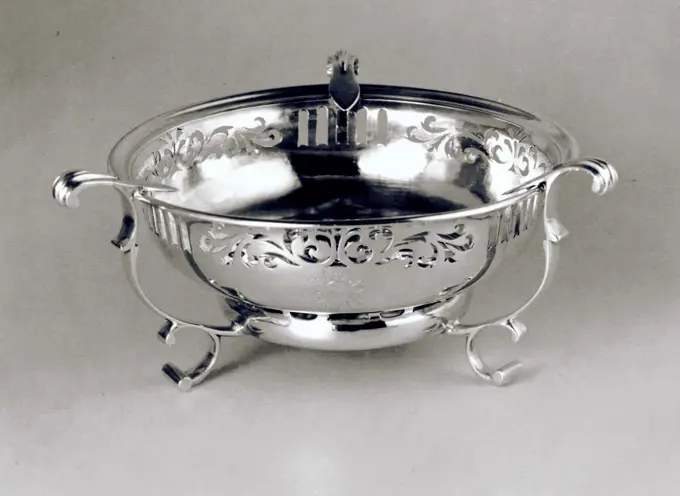
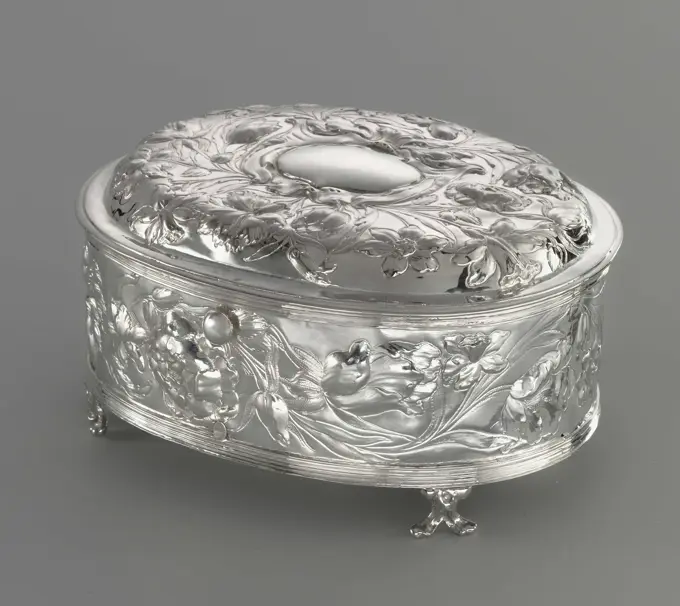
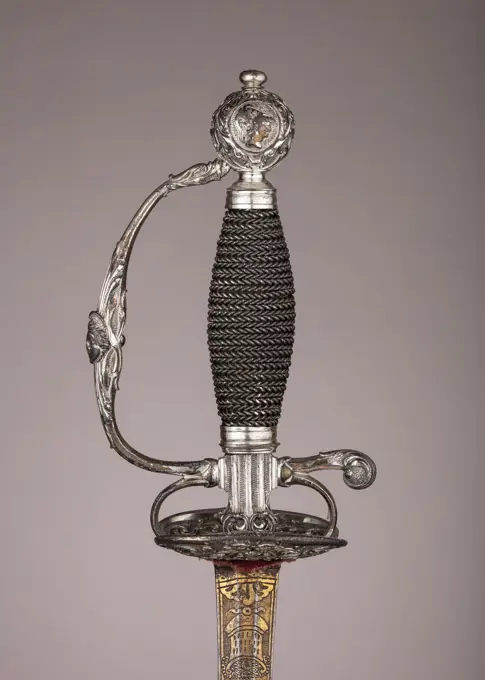
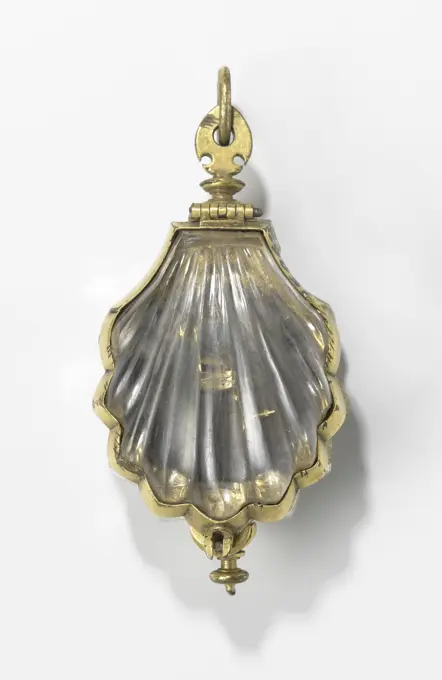
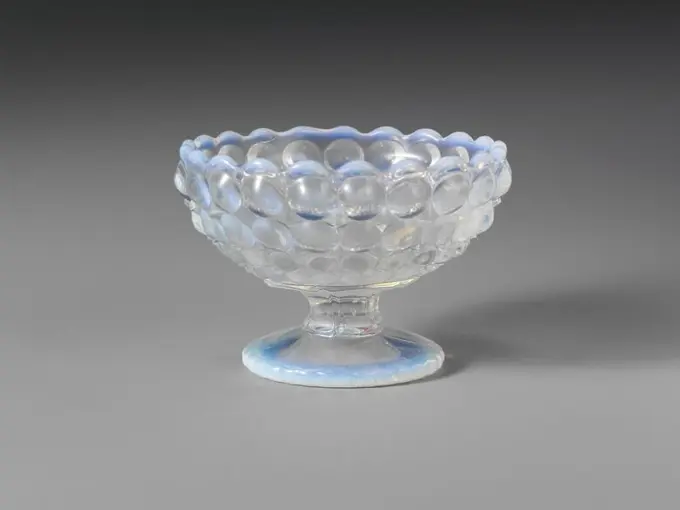
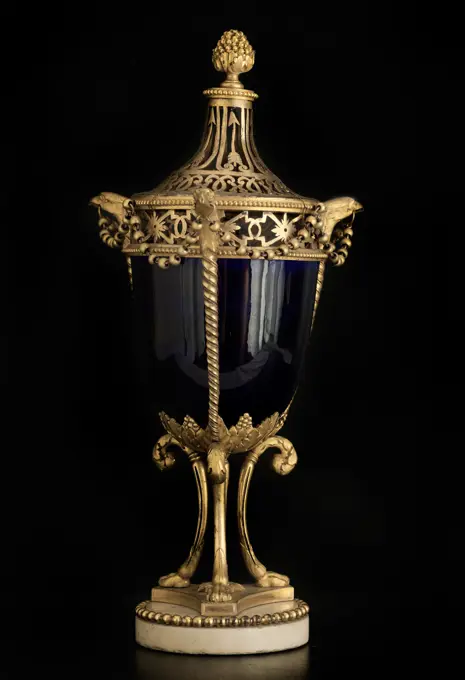
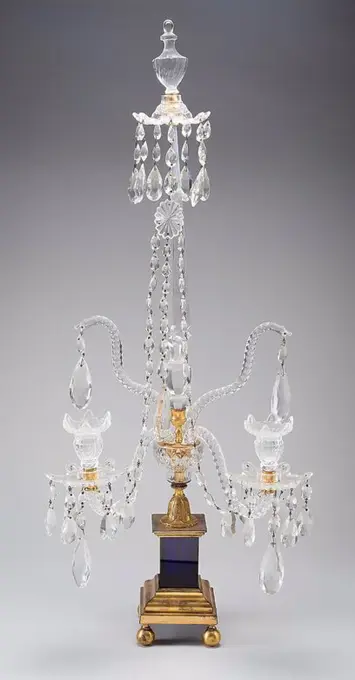
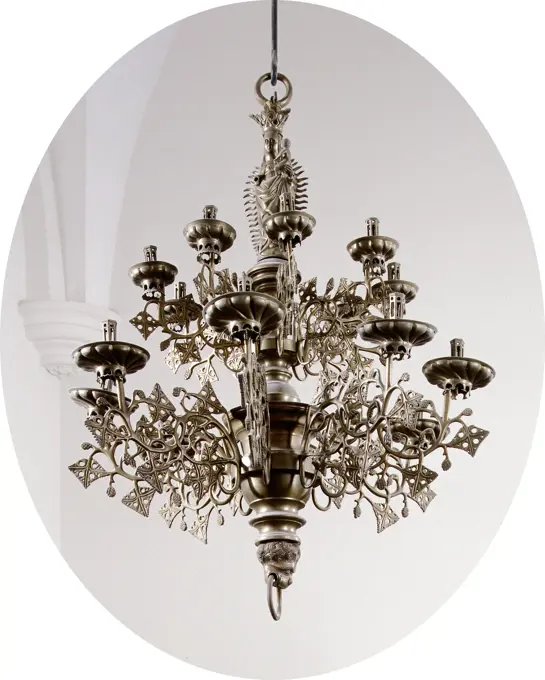
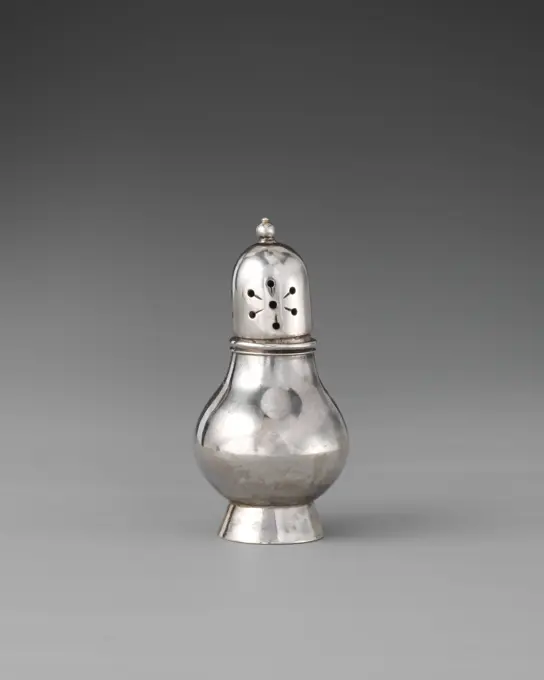
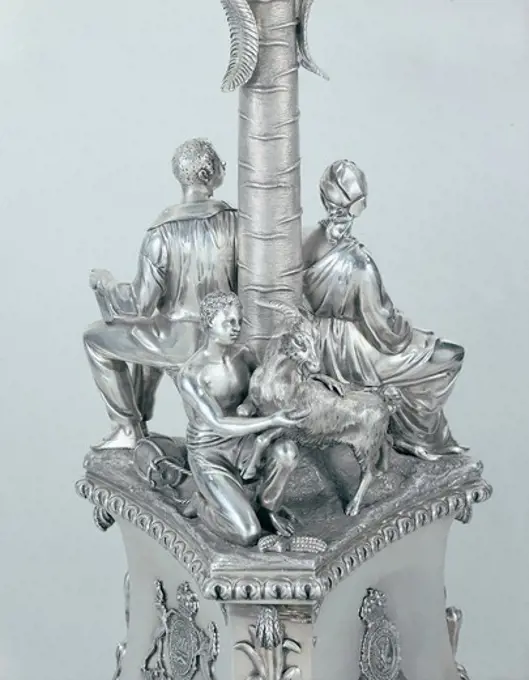
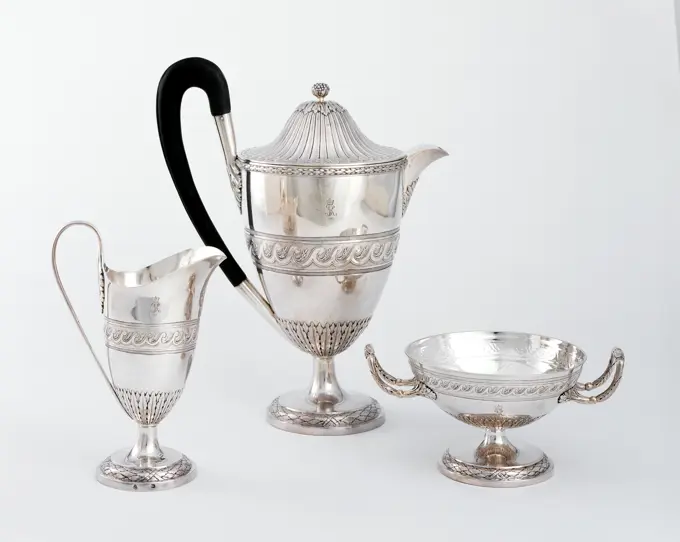
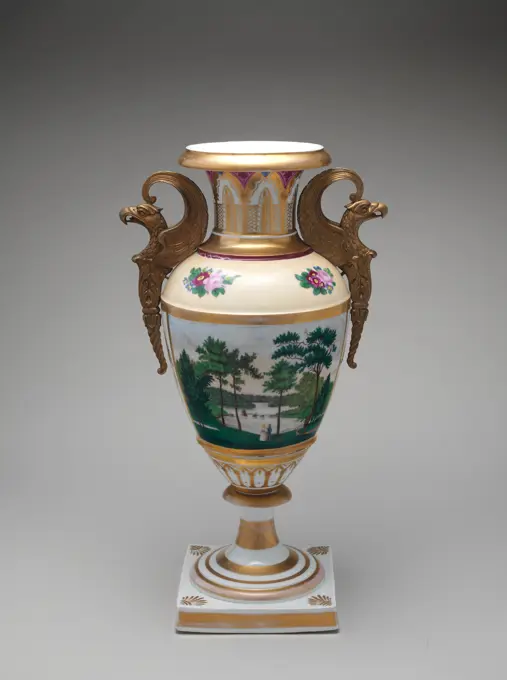
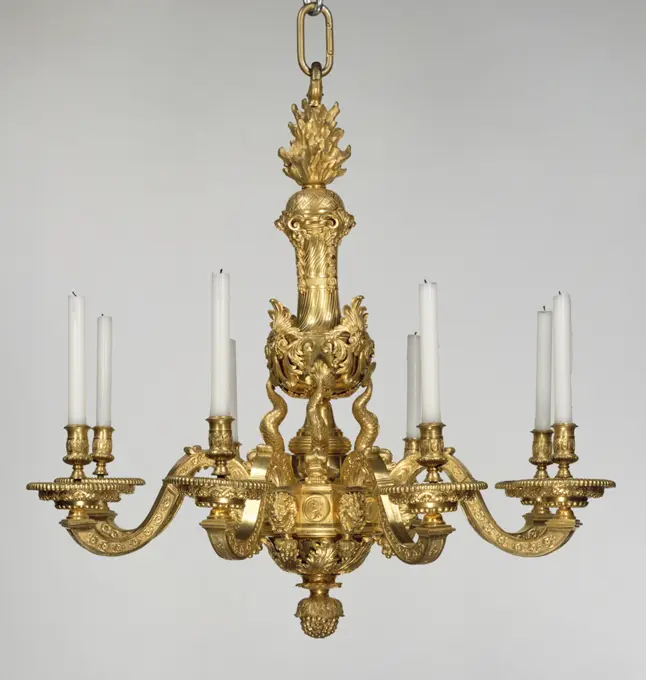
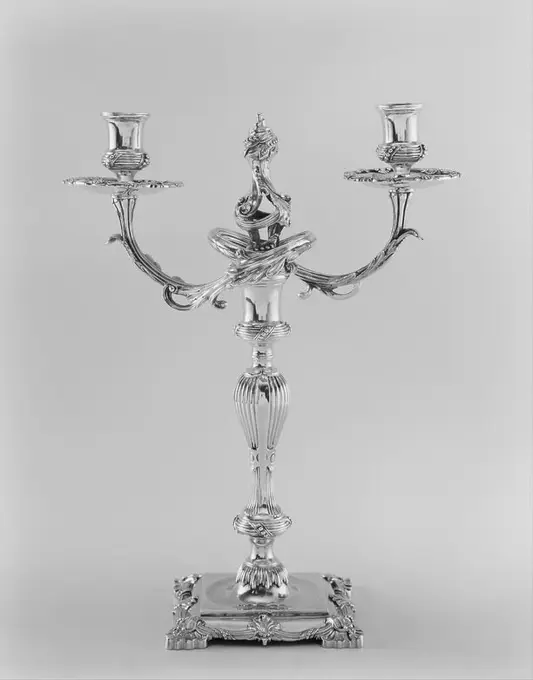
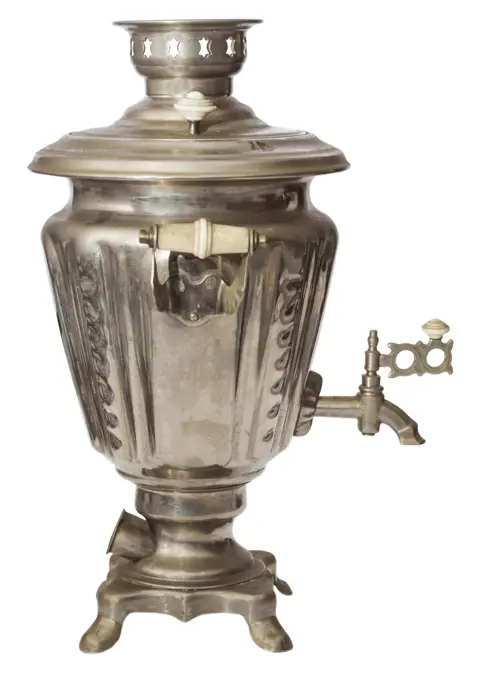
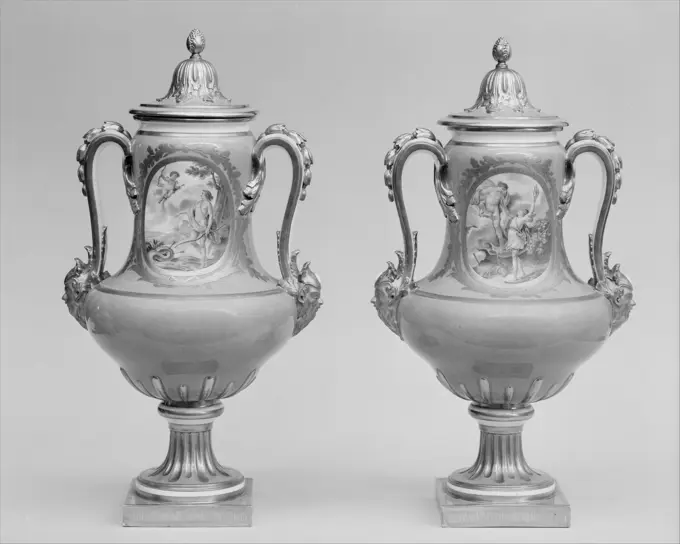
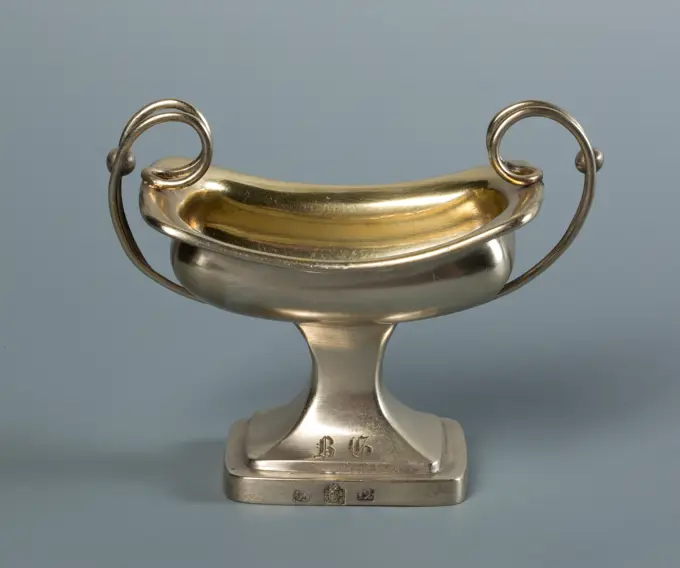
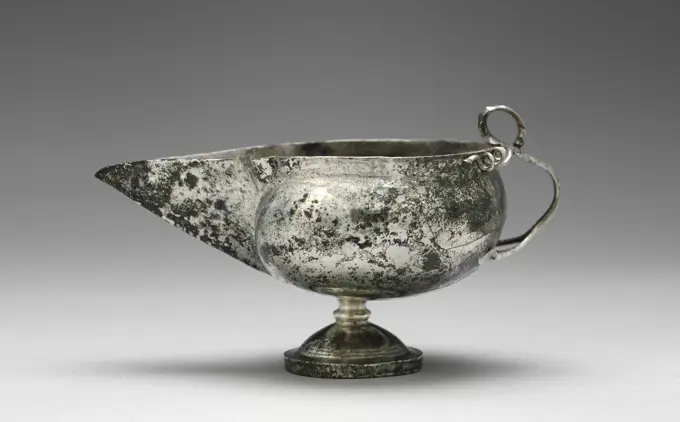
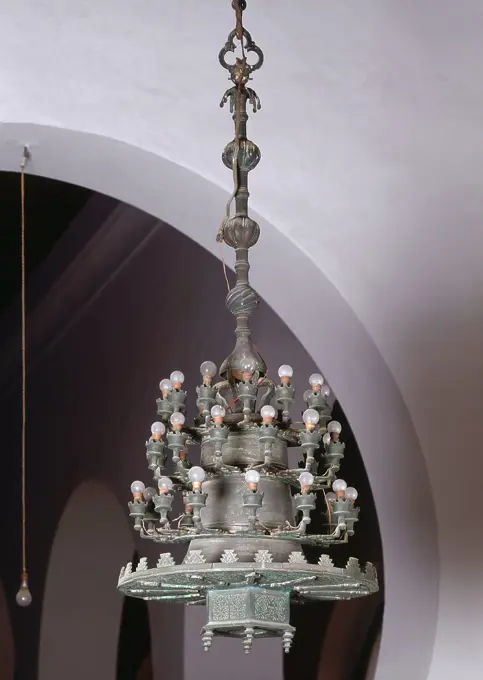
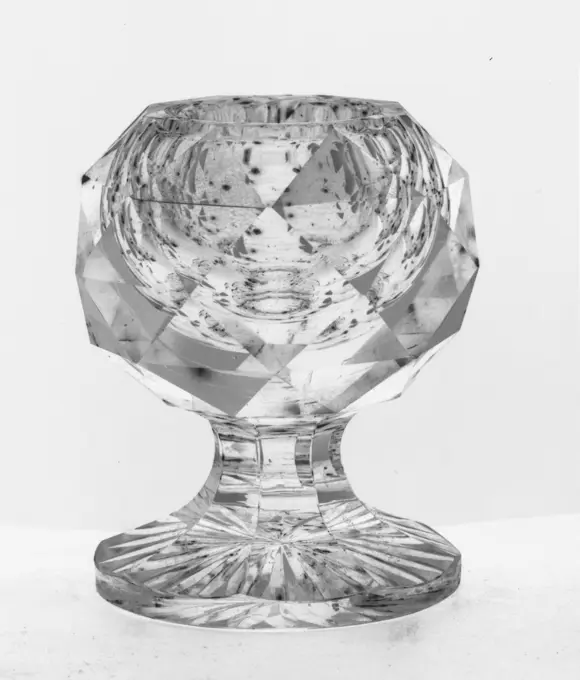
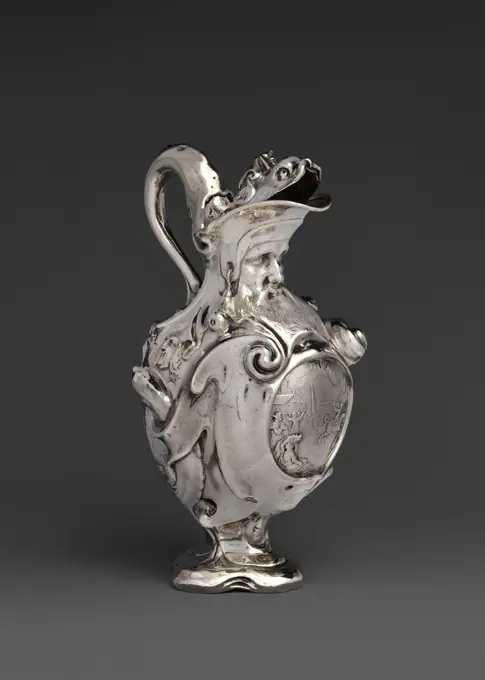
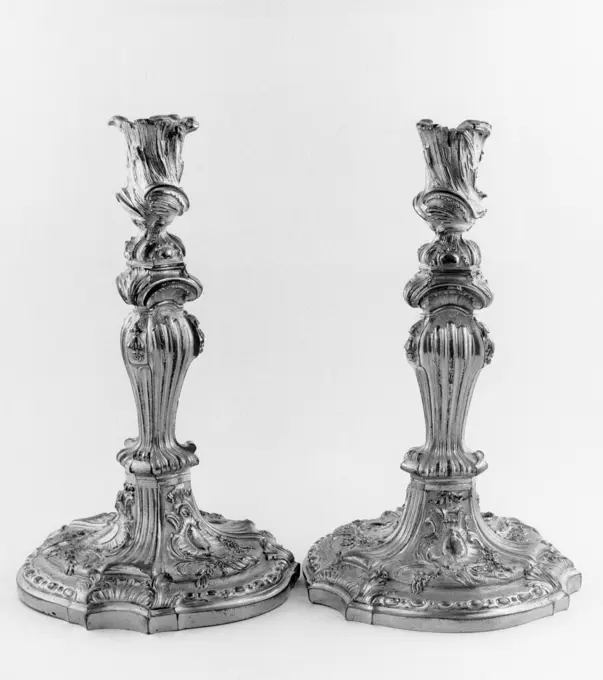
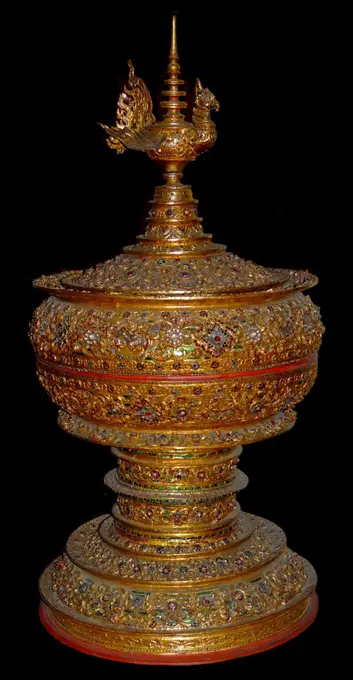
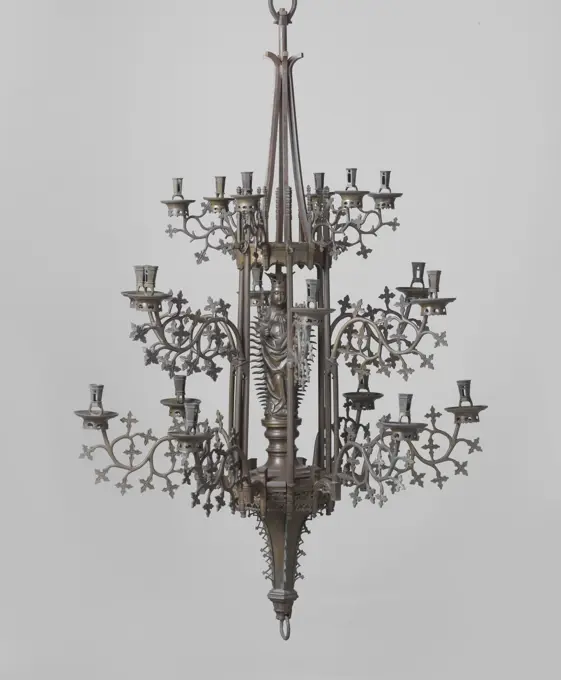
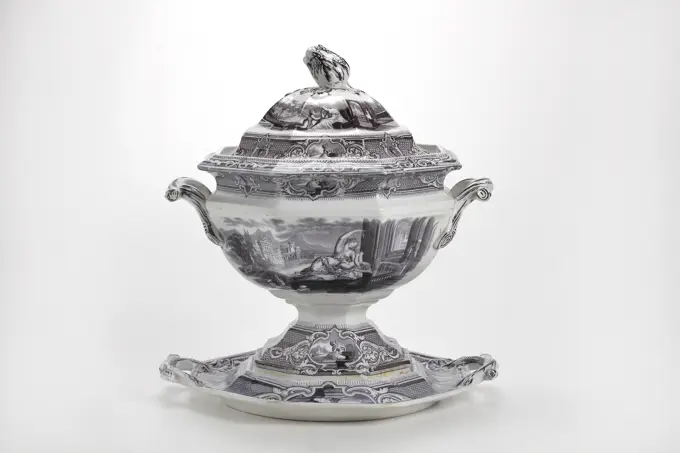
Tureen set - Joseph Clementson, 1839-1864 Joseph Clementson, 1839-1864jarra de agua del siglo XVI. Museum: VICTORIA AND ALBERT MUSEUM, NAPOLES, UK.Pair of candlesticks Possibly Claude Roysard 1751-52 In the era before gas lighting and electricity, candles played a principal role in illuminating the interior of a house. The number of candles lit was an indication of the wealth and status of the owner: beeswax candles burned clean and smelt pleasant and were quite expensive compared to those made of tallow. In late seventeenth-century France, a change in dining habits had a significant effect on the production of silver candlesticks. Entertainment was increasingly orientated towards the evening; the use of domestic space changed and as a result, elegant lighting became an important part of the decoration of interiors. Made in Rennes in 1751-52, this pair of candlesticks has elaborate decoration deriving from widely available design and pattern books which proliferated during the late seventeenth century and well into the eighteenth century. Despite their mid-eighteenth-century date, the prevailing Rococo taste fashionable in Paris Sauce Dish 1870-90 Adams and Company. Sauce Dish. American. 1870-90. Pressed yellow glass. Made in Pittsburgh, Pennsylvania, United StatesNeo-Rococo Coffee Pot, c. 1850. Elkington & Co. (British). Silver and ivory; overall: 32 x 23.8 x 15.4 cm (12 5/8 x 9 3/8 x 6 1/16 in.).Double cup (Doppelscheuer) late 19th century Façon de venise, Germany or Silesia (possibly Petersdorf). Double cup (Doppelscheuer). Façon de venise, Germany or Silesia (possibly Petersdorf). late 19th century. Colorless (slightly gray) nonlead glass. Blown, enameled, gilt.. Glass. Silver water kettle, from bottom wide ending, decorated with knerring and leaf motifs, spout with bird head, originally two curved uprights for handle, loose lid with button.Lid of a jar. Vaulted lid with a faceted, pear-shaped button on three discs and a flat button. A engraved ornament on the lid.Silversmith: Hendrik van der Star, Brandy bowl, brandy bowl bowl crockery holder dolls toy relaxation medium miniature model silver, Lobster bowl with two openwork handles. master mark: star drink play home interior fakeIncense burner, porcelain factory The Hague, 1777 - 1790 Incense burner, consisting of a ribbed jar on three legs decorated with rocaille volutes and leaves in relief. The jar is decorated with multicolored stripes. Not marked. The Hague porcelain Incense burner, consisting of a ribbed jar on three legs decorated with rocaille volutes and leaves in relief. The jar is decorated with multicolored stripes. Not marked. The Hague porcelainChandelier. Culture: South Netherlandish. Dimensions: 18 1/2 × 16 7/16 in. (47 × 41.8 cm). Date: mid-15th century. Museum: Metropolitan Museum of Art, New York, USA.Arm of a candle crown in three heights, Anonymous, 1625 - 1650 The arm is provided with a ridge on the tribe side, in which a hole is applied to secure them with a pin in the stand rings. The S-shaped arm has the shape of a hose with a tail-wrinkled tail and outside a lifted head with a round button on it, in which the hole provided with a thread is applied to confirm the candle holders with the fat catchers. The arm is cast using the same model as the other arms of the wreath. The round candle holder is vase -shaped with a profiled rib. At the top she has two holid profile, and a protruding edge and at the bottom of a foot consisting of two holy -round profiles. The foot runs out in a rejuvenating screw end with a center hole. The convex fat catcher is smooth at the top and has fish bladder -like godrons and a rib at the bottom. The fat catcher is cast using the same model as the other fat catchers of the wreath. The pins are decorated with convex buttons. This is the fourth arm of thLidded dish. Breisgau was the centre of German hardstone carving. From the mid-16th century, mostly objects with relatively simple decoration were made there.Arm with candle holder of candle crown of two heights with eight arms each, c. 1525 - c. 1550 Candle arm belonging to a candle crown of two heights with maria figure at the top. The arm is bent twice and is decorated with nine grape bunches and five vine leaves. The round fat catcher is decorated with fish bladder motifs at the bottom and has an excellent edge of cross flowers towards the middle, which masks the placement on the arm. The candle holder is six -flat, opened, placed on three vertical styles, transferring to a threaded protrusion. This is the second arm of the bottom ring, numbered with 3 round points. The candle holder is unnumbered. Southern Netherlands brass (alloy) casting  Barneveld Candle arm belonging to a candle crown of two heights with maria figure at the top. The arm is bent twice and is decorated with nine grape bunches and five vine leaves. The round fat catcher is decorated with fish bladder motifs at the bottom and has an excellent edge of cross flowers towaEgg glass; Chamberlain & Co (England; Porcelain Factory; 1788-1852); 1811-40 (1840-00-00-1845-00-00);Strooibus, 1821 Silver spreading bus. The urn -shaped pot rests on a square pedestal on four bol legs. The sides are decorated with lion heads. Amsterdam silver (metal) Silver spreading bus. The urn -shaped pot rests on a square pedestal on four bol legs. The sides are decorated with lion heads. Amsterdam silver (metal)Cup, painted with Chinese style figures, Meissener Porzellan Manufaktur, c. 1730 Cup of painted porcelain. The cup is painted on both sides in gold with a scene with Chinese style figures on a console. The cup is not marked. porcelain company: MeissenAugsburg porcelain Cup of painted porcelain. The cup is painted on both sides in gold with a scene with Chinese style figures on a console. The cup is not marked. porcelain company: MeissenAugsburg porcelainCandlestick with octagonal base (one of a pair) 1757-63 Georg Schäffer. Candlestick with octagonal base (one of a pair) 206174Small vase with a cover. Rue de la Fontaine-au-Roi (La Courtille), factory, Paryż, factoryCup with cover with a leather case 1822-30 Franz Hubert Doreck Doreck arrived in Mannheim in 1821 from Brunn, Austria. A label in the traveling case of our cup states that he established a workshop as goldsmith and jeweler in the town's center, at "No. 5 / in der breiten Strasse." Here, the master took a simple Neoclassical barrel form and enlivened it with a playful contrast of decorative details and surface effects, such as the light-catching gadroons. The perfectly preserved cup may have been a present to a physician, as indicated by the applied reliefs of Hygeia, the Greek goddess of health, and her father, Asclepius, the god of medicine and healing. It is part of a long evolution of presentation cups from ancient times to the sport and racing trophies of today. The vessel's outline is distinctly German and conveys the elegance of inventions by Karl Friedrich Schinkel (1781-1841), the most influential architect and designer in early nineteenth-century Germany. Other features, howevSauce Tureen and Cover from the Hood Service. Paul Storr; English, 1771-1844; London, England. Date: 1807-1808. Dimensions: 17.8 × 22.9 × 13 cm (7 × 9 × 5 1/8 in.). Sterling silver. Origin: England. Museum: The Chicago Art Institute, Chicago, USA.Six-branch chandelier ca. 1580-1600 German, Augsburg Made in glimmering gilded bronze, this dynamic six-branched chandelier is more than it seems; the hexagonal sphere is hinged, and can be opened for the placement of incense or scented oil. Once lit, the scent emanating from these fragrant materials would have escaped through the balls openwork sides, and gently descended upon the rooms occupants to overwhelm their senses with its heady perfume. Paired with the light of the flickering flames reflecting in the smooth gilded bronze of the drip plates, the hazy, sweet-smelling smoke would have certainly created an impressive effect. The chandeliers intimate scale suggests that it was placed in a private residence, where incense and fragranced oils were used to stimulate entertainments and to cleanse the air of harmful vapors. No comparable chandeliers combining a lighting fixture and incense or scented oil burner survive from this period, and the style of the piece has more in common Cup, purple red fond with golden piping and ear. Cup of porcelain, part of a coffee set, with purple red fond and golden piping and ear. On top of a broad golden trim in which engraved leaf drink. No brand.Punch vase; STORR, PAUL (1771-1844), STORR & Mortimer (London; company Z 1831/32 (1831-00-00-1832-00-00);John Potwine, Chafing Dish, c. 1735, silver.. The oval box with vaulted, hinged lid rests on three paws built from soft ornaments. Pofiled edges run along top and top of the box. The lid has a flat, smooth edge that goes something over the box. On the lid there is an empty shield framed by week ornament. The entire lid has been driven with flowers: from middle front clockwise a garden animation, a trumpetnarcis, a garden anemone, a rose and a tulip, a poetsennarcis, a rose, a lily, an iris, an incomparabilis (daffodil), a tulip, two roses , a trumpetnarcis, a garden anemone and a tulip. The wall of the box is also driven with flowers: a rose, a garden anemone, a garden animation with poetsennarcis, a trumpetnarcis, a tulip, a white lily, a tulip, a garden anemone, a lily, a poetsennarcis, a rose, a small trumpetnarcis And a large rose with button.Chalice early 20th century (original dated 12th century) Spanish. Chalice 463082COPON-PLATA DORADA-1560-80. Author: H ONATE (S XVI). Location: MARIENKIRCHE. TAFALLA. NAVARRA. SPAIN.Smallsword ca. 1730 German, possibly Augsburg By the early seventeenth century, the rapier, a long slender thrusting sword, began to dominate as the gentlemans weapon of choice. During the course of the century, however, as civilian fencing techniques became more specialized and refined, the rapier developed into a lighter, trimmed-down weapon known by about 1700 as the smallsword. Smallswords, often richly decorated, remained an integral part of a gentlemans wardrobe until the wearing of swords in civilian settings went out of fashion at the end of the eighteenth century, at which time pistols were replacing swords as arms most frequently used in personal duels. The majority of smallsword hilts are made of silver or steel, but many also employ a wide variety of luxurious materials, such as gold, porcelain, and enamel. At their best, smallswords combine the crafts of swordsmith, cutler, and jeweler to create an elegant weapon that was also a wearable work of art.. Smallsword. German,Egg glass; Chamberlain & Co (England; Porcelain Factory; 1788-1852); 1811-40 (1840-00-00-1845-00-00);Shell-shaped Watch, Guillaume Nourrisson, c. 1650 - c. 1660 Watch in a shell -shaped cupboard from rock crystal. The silver dial has invested, Roman figures. clockmaker: Lyonjeweler: France (possibly) silver (metal) inlay (process) / gilding Watch in a shell -shaped cupboard from rock crystal. The silver dial has invested, Roman figures. clockmaker: Lyonjeweler: France (possibly) silver (metal) inlay (process) / gildingFooted Dish. Culture: American. Dimensions: H. 2 5/8 in. (6.7 cm); Diam. 3 3/4 in. (9.5 cm). Maker: Richards and Hartley Flint Glass Co. (ca. 1870-1890). Date: ca. 1888. Museum: Metropolitan Museum of Art, New York, USA.Vase with landscapes, musical instruments and guirlandes in relief, anonymous, c. 1800 vase Vase of porcelain with a spreading foot and trumpet -shaped edge, painted on the glaze in cream and gold. The lower part of the outside wall is covered with a cream -colored glaze with cartouches and medallions on it. Here a landscape, musical instruments and a Roman soldier are engraved. The upper part is covered with gold, in which a zigzag pattern and musical instruments are engraved. It is saved two large, imposed garlands in Biscuit. The foot is covered with gold. France porcelain. glaze. gold (metal) painting / gilding / vitrificationTable bubble, bell-shaped, with garlands and a wreath of bay leaves along the edge. The bell-shaped bubble is connected to the baluster-shaped stem by a layer of cylindrical component. This is awarded by a pear-shaped button, separated from the stem by a stretched portion. Along the lower edge of the bell a slightly deepened laurel wreath, in three places bound with ribbons and always halfway through a scoop in a circle. The bubble is decorated with three equal imposed flower garlands, hung on rings of which a straight pendulum always depends. The stem is decorated at the top with a garland from laurel leaves, seemingly suspended in three places to nails of which straight garlands depend. The button is caught in a double leaf. The bell has a silver clapper.Manufacture of Sèvres, bronzes attributed to Pierre-Philippe Thomire (1751-1843), Parisian bronzier. Vase mounted. Porcelain, gilded bronze, 1780-1790. Paris, Cognacq-Jay museum. 79737-23 Decorative art, blue, bronze gilded, lid, gilding, manufacture of sevres, foot, porcelain, tripod, vase, 18th 18th 18th 18th 18th 18th 18 centurySilversmith: Jacobus Schalkwijk, Silver sugar bowl with lid, sugar bowl holder silver, cast Rounded rectangular model outer edge foot and top edge of body corded out; pincushion-shaped body on constricted foot with ascending profile edge constricted short neck terminating in practically flat pivoting upper edge, flat arched lid with applied large molded fruit bud resting on leaflet, bottom underside (debossed) servingSugar bowl Janety, Marc Étienne (1738 1820). Candlestick of gold-plated buyer and email champlevé. The triangular base rests on three feet. Figures and ornaments are saved against a blue fond on the surfaces of the base. In the middle a circle with a man, fighting with a lion respectively; A noble woman on horseback with huntalk or a love couple. The trunk is divided by three nodi. The bottom with swans, the other with tendrils. Enamelled fat catcher.Miniature chandelier. Culture: Dutch, Amsterdam. Dimensions: 4 5/16 × 4 5/16 in. (11 × 11 cm). Date: ca. 1720. Museum: Metropolitan Museum of Art, New York, USA.Anonymous. "Small box in the shape of a column surmounted by a vase with lid". Porcelain. Paris, Museum of Romantic Life. PORCELAINCaster.  Maker: Benjamin Hiller, American, 1688-1745Flask, anonymous, 1868 The bottle consists of a spherical vase, contained in a network of eight vertical and three horizontal threads. On four of the intersections of the vertical and the bottom and the top wire and on all eight the intersections of the vertical and the middle wire are oval cabochons, inlaid with gemstone, mounted. The vertical threads end at the bottom in whimsical roots that are attached to a vaulted band with a serrated top edge, which encloses the underside of the vase. The foot is made up of a wide flat edge and an indented, straight section, on which the Gothic letters william.burges.me.me.ff.mdccclxviii have been saved in blue email. The vertical threads end at the top in three three -leaf floral motifs attached to a wide tire that encloses the top edge of the vase. Eight oval cabochons, inlaid with gemstone, mounted on top and bottom, are limited by an imposed wire. Above a tire has been imposed with a repetitive pattern from Fleur de Lys under a wire. The convArm of a candle crown in three heights, Anonymous, 1717 chandelier The S-shaped arm is equipped with a ridge on the tribe side to secure it with a pin in the stand ring. At the trunk, the arm is decorated at the end and to the center with two stylized dolphin heads and with curls, the shape of which is derived from the lobe ornament. To the outside, the arm ends in a thickening, in which a hole provided with a thread is applied to attach the candle holder to the fat catcher. The arm is cast using the same model as the other arms of the wreath. The candle holder is cylinder -shaped with profiled excellent edge and with a baluster foot, which turns into a threaded end, in which the center hole at the bottom. The fat catcher is deepened once at the top to the middle. At the bottom it is profiled around the hole in the somewhat spherical center and the edge is ribbed. The fat catcher has been cast using the same model as the other fat catchers of this wreath. The pin is equipped with a vasThree-Arm Candelabrum, one of a pair, 1784, Matthew Boulton Plate Co., Sheffield, England, 1759-1842, 26 x 14 1/4 x 14 1/4in. (66 x 36.2 x 36.2cm), Sheffield plate, England, 18th centuryCandlestick ca. 1780 Russian, Moscow. Candlestick 231012Tea Urn, Company Bennewitz a Zone, 1828 The rectangular bowl (B) with rounded corners rests on four round, convex, vertically ribbed legs with vaulted, rejuvenating upper areas that are attached to the base. It is made up of a right -wing base, a concave part, a globe open -up part and a constricted part, above it a convex vertically ribbed edge, to which two eyes are attached, and a straight, raised, openwork wall. The openwork part of the Komfoor shows S-shaped curves and in the middle of each side and on the corners of palmets. The crowning wall is opened on the front and rear with similar motifs. A burner with a Lonthouder is attached to the center of the base of gushed wood. The boiler (a) rests on a right -wing base, which fits over the raised wall of the bowl and is open in exactly the same way. Two brackets close in the eyes of the grain. The boiler has a vaulted, rejuvenating foot. A vertically ribbed edge runs along the top. The vaulted, widening barrel is crowned by a straigTerracotta calyx-krater (bowl for mixing wine and water) 4th century B.C. Greek, Attic A laurel wreath circles the bowl.. Terracotta calyx-krater (bowl for mixing wine and water) 245616Table fountain 19th century, after 17th century original British, after German, Augsburg original This electrotype is after a seventeenth-century original in the Kremlin, Moscow, at the time of reproduction.. Table fountain 186524Candelabrum. Culture: British. Designer: Augustus Welby Northmore Pugin (British, London 1812-1852 Ramsgate). Dimensions: Height: 33 in. (83.8 cm). Manufacturer: Attributed to John Hardman & Co. (British). Date: ca. 1850.This monumental candelabrum exemplifies the designs of Augustus Welby Northmore Pugun (1812-1852), who was the leading exponent of the Gothic Revival style in England. Pugin's work is central to the transformation in British design that began in the mid-nineteenth century. He admired what he saw as the honesty and purity of medieval art, and deplored the meaningless repetition of historical motifs. Pugin coined the phrase "Brumagen Gothic," referring to "those inexhaustible mines of bad taste, Birmingham." He designed fittings of all kinds including furniture, textiles and stained glass for church interiors, private homes and government buildings (most famously the House of Lords.) This candelabrum is related to the model he produced for the Palace of Westminster. MuseSalver (Ireland); glassInkwell  the base Berlin (KPM)Paul de Lamerie, Spoon Tray, 1734/35, silver.Candelabra. England. Date: 1780-1800. Dimensions: H. 85.1 cm (33 1/2 in.). Glass; colorless and dark blue, blown and cut, gilded bronze. Origin: England. Museum: The Chicago Art Institute, Chicago, USA.Candle crown of two heights with eight arms and Maria with child, Anonymous, c. 1525 - c. 1550 The object consists of an iron rod and an iron split pin and the following cast parts of brass: the hanging ring, the maria figure with the crown crowned on her head and its riveted left hand with the Christkind, the trunk, on which there is a bulb -round plate at the top of the cover plate for covering plate Graased, and at the bottom of an iron eye with two cams (so that the rod must be stabbed), the lion's head with the tensile ring, the collar, twice eight arms with the corresponding fat catchers and candle holders. The more or less eight -flat round hanging ring turns at the bottom into an eight -flat hollow pipe. The maria figure placed on the crescent moon is surrounded by a jet wreath. Her rug and cloak are decorated with punched stars. The hair reaches the back to the waist. The crown is composed of five fleurons. The hollow and bulb-rounded trunk has a flattened spherical shape decoURNA DE JUEVES SANTO - CRISTAL-ORO-AGATA - PROCEDENTE DE ITALIA. Location: ESCUELAS MENORES-MUSEO UNIVERSITARIO. SALAMANCA. SPAIN.Miniature caster with cover 1720-23 David Clayton British Listen to experts illuminate this artwork's story Listen Play or pause #413. Retail Value. High and Low Supported by Bloomberg Philanthropies We're sorry, the transcript for this audio track is not available at this time. We are working to make it available as soon as possible.. Miniature caster with cover. David Clayton (British, active 1689). British, London. 1720-23. Silver, glass. Metalwork-Silver-Miniature. Candle arm belonging to a candle wreath of two heights with maria figure at the top. The arm is bent twice and is decorated with four grape fees and five winger leaves. The round fat catcher is decorated at the bottom with fishing blozen motifs and has a downward edge of cross flowers in the middle, which masks the placement on the arm. The candle holder is sixted, opened, placed on three vertical styles, overtreen in a thread protrusion. This is the second arm of the upper ring, numbered with 2 round points. The candle holder is numbered with 2 shallow points.Merchandise, anonymous, c. 1590 - c. 1596 candlestick Candlestick, four -part consisting of a wide -ranging circular foot decorated with egg frame, a flat fat bowl decorated with egg list, a baluster -shaped shaft above which a disc -shaped knot and a cylindrical candle holder with two round leakage holes. House candlestick. Netherlands tin (metal) casting  Nova Zembla. Saving HuysAndiron, one of a pair, 17th century, 19 3/4 x 21 3/4in., 35.3lb. (50.2 x 55.2cm, 16kg), Brass, Netherlands, 17th centuryCandlestick from brass, anonymous, c. 1500 - c. 1550 The object is composed of two parts: the foot and the trunk with the candle holder. These are cast and turned. The foot, which runs slightly at the edge, can serve as a fat catcher. He increases strongly towards the middle, where the trunk has been raised and carefully turned. The trunk is decorated with a baluster between two knots and turns into a profiled almost cylindrical candle holder with rectangular holes in the wall, which lies in each other's. Foot and trunk are decorated with shill. The holder shows casting galls and is damaged. France brass (alloy) casting The object is composed of two parts: the foot and the trunk with the candle holder. These are cast and turned. The foot, which runs slightly at the edge, can serve as a fat catcher. He increases strongly towards the middle, where the trunk has been raised and carefully turned. The trunk is decorated with a baluster between two knots and turns into a profiled almost cyliSilversmith's Art, Great Britain 19th century. Silver six-branched candlestick, Victorian style. Detail: group of figures. .Candlestick BrothersCan from Berg crystal with gold -plated silver frame to Hans Holbein de.j. VAT is stretched and slanted, with an S -shaped spout and curved ear, decorated with acanthus leaves that end in a dragon's head, anonymous, 1500 - 1550 Can from rock crystal, with gold -plated silver frame. The stretched crystal barrel is slanted. The long S-shaped spout, as well as the bent ear are formed by acanthus leaves and end in a dragon's head. The frame is to Hans Holbein d. J. Great Britain (possibly) silver (metal). gilding Can from rock crystal, with gold -plated silver frame. The stretched crystal barrel is slanted. The long S-shaped spout, as well as the bent ear are formed by acanthus leaves and end in a dragon's head. The frame is to Hans Holbein d. J. Great Britain (possibly) silver (metal). gildingCoffee Service with Monogram of King George IV. Gustav Friedrich Gerich (Germany, Augsburg, 1726-1808). Germany, Augsburg, circa 1790. Furnishings; Serviceware. SilverMaker's mark WF in shaped surround, possibly for William Frend, Pair of Wine Cups, 1619/20, silver gilt.Vase with cover (vase B de 1780) (one of a pair). Culture: French, Sèvres. Decorator: Gilded by Henri-François Vincent (active 1753-1806); Attributed to Charles-Eloi Asselin (active 1765-1804). Dimensions: Height: 15 1/2 in. (39.4 cm). Factory: Sèvres Manufactory (French, 1740-present). Date: 1782.This decorative urn is painted with the Metamorphosis of Daphne on the front and with trophies of love on the reverse. Although the object is made of porcelain, the decorative treatment of the lid, handles, foot, and base is clearly inspired by gilt-bronze models. The husk motifs and, especially, the bearded satyr masks of the scroll handles are gilded, partly burnished, and partly matted, just like gilt-bronze mounts. Museum: Metropolitan Museum of Art, New York, USA.Candlestick ca. 1760. Candlestick. ca. 1760. Brass. Made in EnglandAttic Black-Figure Band Cup. UnknownVase 1828-36 Tucker Factory This vase is among the most ambitious ceramics made in this nations early republic era. Referencing sumptuous metal-mounted French porcelains of the period, it features elaborate gilded and polychrome enamel decoration. Each side is embellished with a different view of Philadelphia, taken from print sources. On one side, is Sedgely Park, designed by distinguished architect Benjamin Henry Latrobe and the country seat of Philadelphia merchant James Fisher. It is considered to be the earliest Gothic Revival house in America. On the opposite side is the view from Springland, the country estate on the Delaware River of the artist and landscape architect William Birch. Birch was the primary proponent of the English picturesque landscape, of which he considered his own Springland, the epitome. Thus, the views celebrate quite consciously a particular moment in this nations history—and —Americas most noted architect, and most noted landscape architect.. Vase 2135Chandelier. Attributed to André-Charles Boulle (French, 1642 - 1732, master before 1666)Silver holder of oil and vinegar, Wijnand Warneke (attributed to), 1767 Silver holder of oil and vinegar. The soil has a round vaulted elevation in the middle, crowned by a leaf -shaped, profiled button. He rests on four leaf -shaped legs. The equal, openwork walls are mounted on the two rounded ends, in which the bottles fit. They are above a profiled bottom edge of C-Voluten with rocailles that form cartouches. The cartouches on front and rear sides contain flowers; In that at the ends, a leaf of the same model as the legs is attached. The walls are connected to the top by tough ribbons that turn to the front and back into C-shaped, branchy ears that grab the bottom. A spiral and three volutes rise from the center of the bows. The volutes turn into three wide -losing tree branches with birds, which together form the cylindrical wall of the Peperbus holder. The round, flat bottom of that holder is attached to the inside of the branches. The holder belonged to an oil and vinegar with tPair of candlesticks. Culture: Austrian, Vienna. Dimensions: Height (each): 6 3/8 in. (16.2 cm). Factory: Vienna. Factory director: Du Paquier period (1718-1744). Date: 1730-35.The design of these candlesticks, with a baluster-shaped stem rising from a low domed base, was one of the most common in earlyeighteenth-century Europe and was taken from examples in silver. It is unclear whether the two candlesticks were made as part of a table or toilet service or to accompany a desk set. Few porcelain candlesticks survive, largely because of the fragility of the medium. Museum: Metropolitan Museum of Art, New York, USA.Pair of candelabra. Culture: British, London. Dimensions: Height (each): 9 1/2 in. (24.1 cm); Height (with arms): 14 in. (35.6 cm). Maker: John Carter II (active 1768-1777). Date: 1771-72. Museum: Metropolitan Museum of Art, New York, USA.Traditional old Russian samovar on white backgroundVase with cover (vase B de 1780) (one of a pair) 1782 Sèvres Manufactory French. Vase with cover (vase B de 1780) (one of a pair). French, Sèvres. 1782. Soft-paste porcelain. Ceramics-Porcelain. The round candlesticks have a vaulted foot with a deep-top side, in which a square nut is sunk. The tribe is screwed in this. The strain is made up of a balluster caught between diabolo and printed spherical elements. The candle holder is diabolo-shaped.Salt cellar Nitsch, Leonard (1835 1866)Covered Bowl for Preserves 1695-1730 France. Glass; mold blown .Spouted Pitcher, AD 300-600. Byzantium, Syria, early Byzantine period, 4th century-7th century. Silver; diameter: 5.8 cm (2 5/16 in.); overall: 10.8 x 18.8 cm (4 1/4 x 7 3/8 in.).LAMPARA DE LA MEZQUITA QARAWIYYIN - PERIODO ALMOHADE - SIGLO XII/XIII - ALEACION EN COBRE. Location: MEZQUITA QARAWIYYIN. FEZ.Four-light candelabrum (one of a pair) modeled ca. 1845, cast probably 1864-75 Antoine-Louis Barye French. Four-light candelabrum (one of a pair) 236756Pair of candelabra ca. 1775 French. Pair of candelabra. French. ca. 1775. Marble, gilded and painted bronze. Metalwork-Gilt BronzeOil lamp, Anonymous, 1735 Oil lamp or snot nose. On a reverse cylindrical base with a straight back is a cylindrical holder with a bearing eye and a flat spout. In the holder is a cylindrical jug with a spout and a lid with a button. The oil lamp is marked: stk. = Amsterdam, Mt. = Foot 373 and a letter W (reinorn Woerden). Amsterdam silver (metal) Oil lamp or snot nose. On a reverse cylindrical base with a straight back is a cylindrical holder with a bearing eye and a flat spout. In the holder is a cylindrical jug with a spout and a lid with a button. The oil lamp is marked: stk. = Amsterdam, Mt. = Foot 373 and a letter W (reinorn Woerden). Amsterdam silver (metal)Saltcellar ca. 1893 Mount Washington Glass Company. Saltcellar. American. ca. 1893. Cut blown glass. Made in New Bedford, Massachusetts, United StatesEwer with scenes depicting the legend of Marcus Curtius 1619 Adam van Vianen I The astonishing design of this unique ewer begs for close examination. It is an exemplary manifestation of the bizarre Auricular style fashionable in the Netherlands in the early seventeenth century. The organic and fluid forms, characteristic of this style, are reminiscent of the inner ear, hence its name. Human masks, fish, slugs and dragons emerge from what resembles the thickening flow of molten lava. Adam van Vianen, a silversmith celebrated for the virtuosity of his creations, signed and dated the vessel which was depicted by Willem Kalf in a mid-seventeenth century still life, perpetuating the fame of its maker, as a sculptor in in precious metal.. Ewer with scenes depicting the legend of Marcus Curtius. Dutch, Utrecht. 1619. Silver. Metalwork-SilverSilversmith's art, Italy, 17th century. Giovan Domenico Vinaccia (1625-1695), Silver centerpiece with flower shaped decoration, 1671.Close-up of an ink well, EnglandCleopatra Vases, 1771. Ormolu mounted, with pale Derbyshire fluorspar or 'Blue John'.. Makers: Boulton & Fothergill.. During the second half of the eighteenth century ornamental vases were very popular, in some cases sets of up to seven vases were produced to be placed together on a chimneypiece. Boulton was one of the first manufacturers to seize on the commercial opportunities created by the craze for the 'antique taste', or neo-classicism as we now refer to it, which flourished in the 1760s. The small size of this candle vase made it ideal for use on a side table or a part of a garniture on a chimneypiece and satisfied the eighteenth century craze for vase ornaments.. No explanation for this candle vase's name 'Cleopatra vase' has been found.Two Candlestands, anonymous, c. 1685 - c. 1700 furniture Torchère from Gilded Lindenhout. The foot consists of three rays -placed broken volutes, decorated with standing Acanthus leaf and covered by three lambrequins. In the middle part of the three -sided, openwork shaft, which plays upwards, a bell cord hangs; On the sides there are three consoles decorated with a grinding list decorated with Acanthusblad, which carry the upper part of the shaft upwards upwards. The round, chalice -shaped light holder is covered flat. BK-14302-A. Paris wood (plant material). linden. gilding (material). walnut (hardwood) gildingUnknown, Pair Candlesticks, c. 1740, bronze.Komfoor of silver on three legs on wooden leaf. Komfoor of silver on three legs with copper inner container on wooden leaf. Round, deep container, top bent with pearl edge. The claws have a shield-shaped approach, around which a pearl edge. Brand Amersfoort or Gouda Climbing lion, master sign D.S.Circular Bowl and Cover, c. 1740-1750, Philip Syng, Jr., American (born Ireland), American (born Ireland), 1703 - 1789, 5 x 6 1/4 x 6 1/4 in. (12.7 x 15.88 x 15.88 cm), Silver, United States, 18th century, In 1949 this bowl was given to James Ford Bell by his business associates at General Mills in celebration of his 70th birthday. The silversmith who made the bowl, Philip Syng, is perhaps best known today as the maker of the inkwell used to sign the Declaration of Independence.Lidded offering vessels, Burma, probably from Mandalay (the Burmese capital). 19th century. Such excellent examples almost certainly reflect royal patronage.Composite Zischägge (Helmet) Made 1610-1630 Flanders. Steel, iron, and leather .Candle of candle crown, c. 1475 - c. 1485 Candle arm belonging to a candle crown of three heights with Maria Chapel in the middle. The arm is bent twice and has eleven leaves. The fat catcher rests at the end, which has a vertical serrated edge with cruciferous motifs on the underside. The candle holder is six-flagged with a perforated side on the front and back and has a vertical ring-shaped lower piece. This is the sixth arm of the middle ring (center of the bars), numbered with 6 dots. Southern Netherlands brass (alloy) casting Candle arm belonging to a candle crown of three heights with Maria Chapel in the middle. The arm is bent twice and has eleven leaves. The fat catcher rests at the end, which has a vertical serrated edge with cruciferous motifs on the underside. The candle holder is six-flagged with a perforated side on the front and back and has a vertical ring-shaped lower piece. This is the sixth arm of the middle ring (center of the bars), numbered with 6 dots. Southern NeKandelaar van Messing, Anonymous, 1600 - 1700 The object, which is cast in one whole, has a round feet, a somewhat sphere and baluster-shaped tribe, a round fat catcher and a candle pin profiled at the starter. Inside, the round hollow stem is marked by four grooves at the same distance, serving to provide the lathe. The object shows small differences with candlestick BK-NM-2289-A. Northern Netherlands (possibly) brass (alloy) casting The object, which is cast in one whole, has a round feet, a somewhat sphere and baluster-shaped tribe, a round fat catcher and a candle pin profiled at the starter. Inside, the round hollow stem is marked by four grooves at the same distance, serving to provide the lathe. The object shows small differences with candlestick BK-NM-2289-A. Northern Netherlands (possibly) brass (alloy) castingPair of Vases; Painting attributed to Jean-Baptiste-Etienne Genest (French, active 1752 - 1789), Sèvres Manufactory (French, 1756 - present); 1768 - 1769; Soft-paste porcelain, bleu Fallot ground color, grisaille enamel decoration, and gilding; gilt-bronze mounts;Salt (Ireland); glassMemorials dedicated to King Louis Napoleon. In a gold-plated list and rear glass a memorial at light blue fond: a vase, excessive decorated with war attributes, medallions and plant motifs, with black foot, in a niche with a shield with freedom seaside and right a shield with anchor. Above the NIS a opened book, which crowned shield with the combined coat of arms of the Netherlands and the French imperial, flanked left and right through oval shields, with the initials of Lodewijk Napoleon, and on the right E. de Beauharnais.