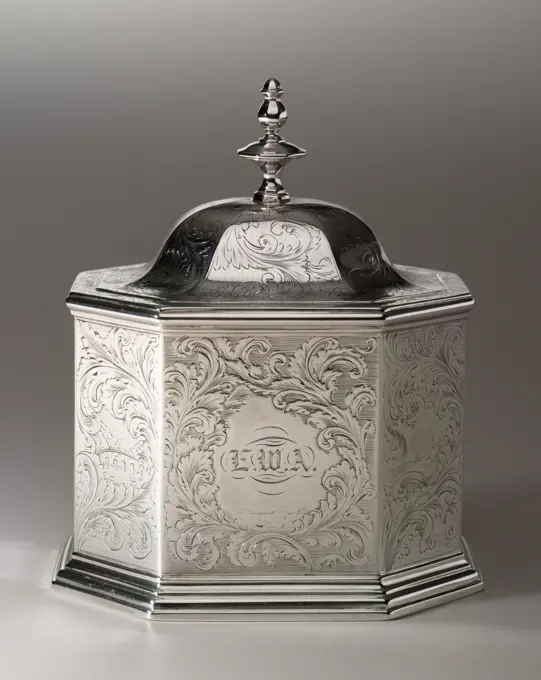
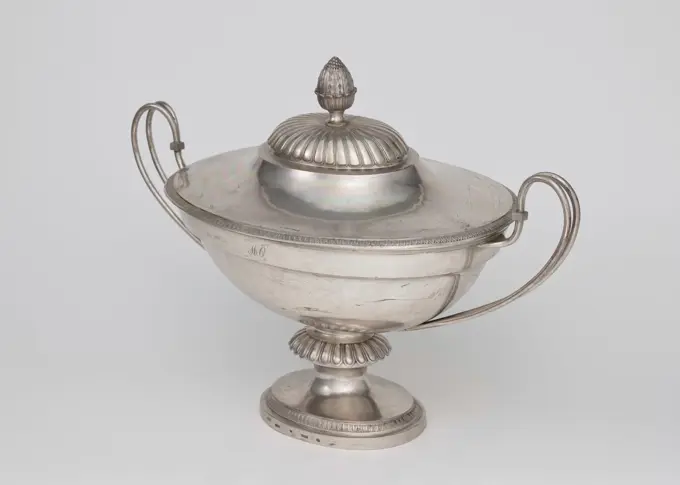
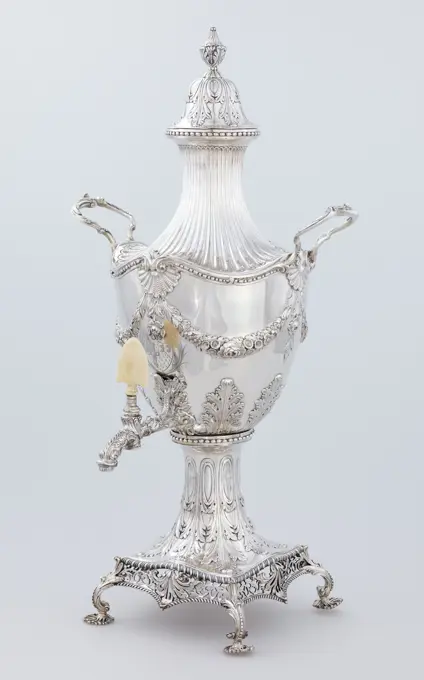
Antique Glassware and Silver Decor

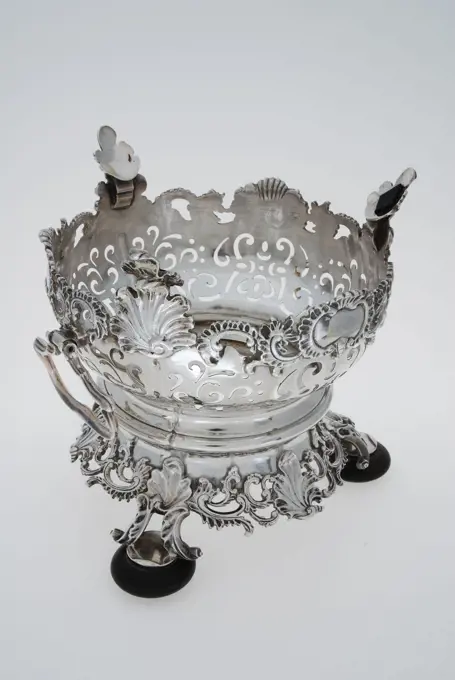
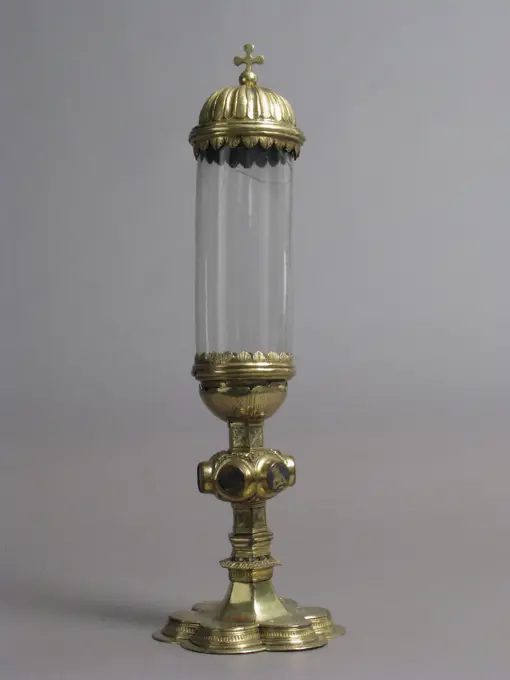
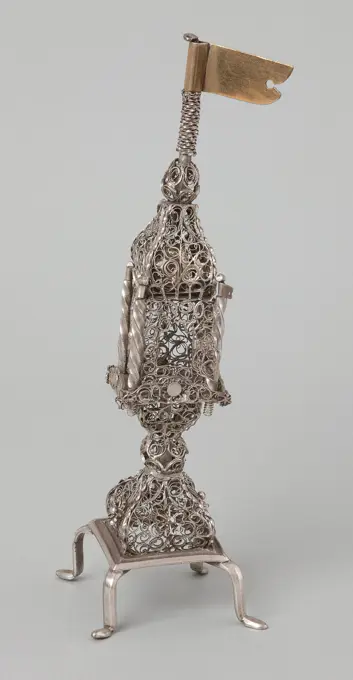
A collection of ornate glass and silver objects, featuring detailed hunting scenes, intricate faceting, and elegant designs, showcasing craftsmanship from Bohemia, c. 1725-1875.

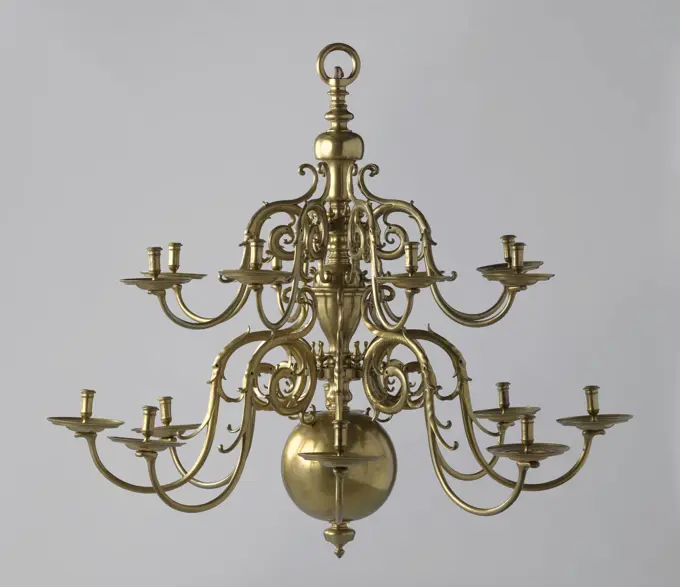
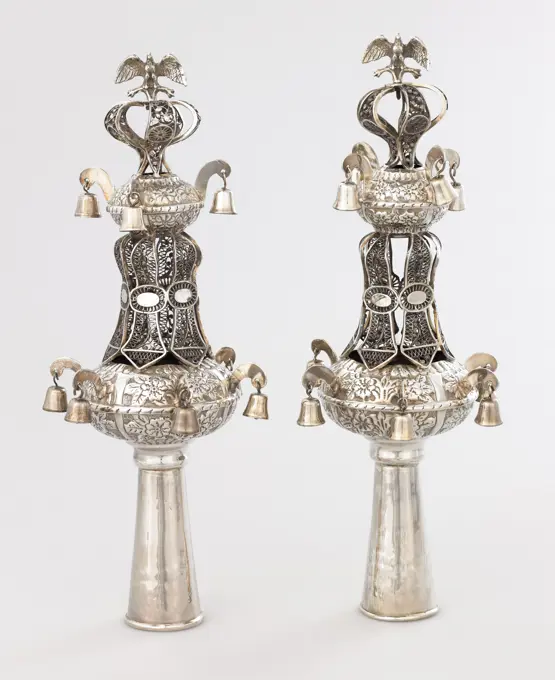
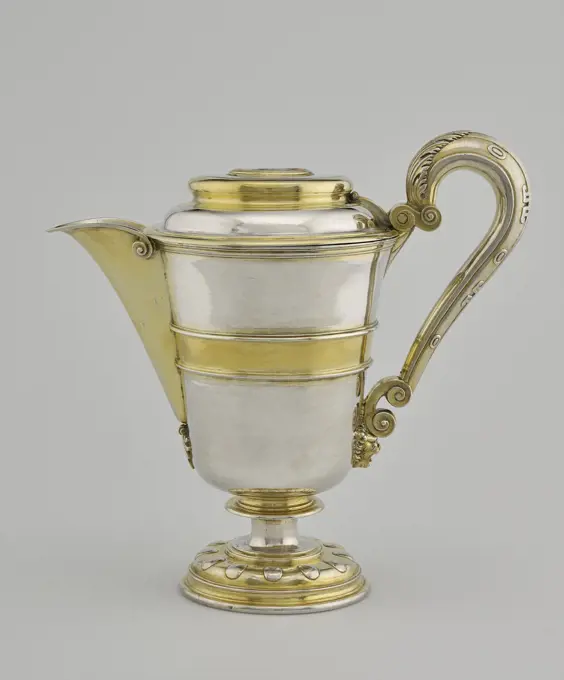
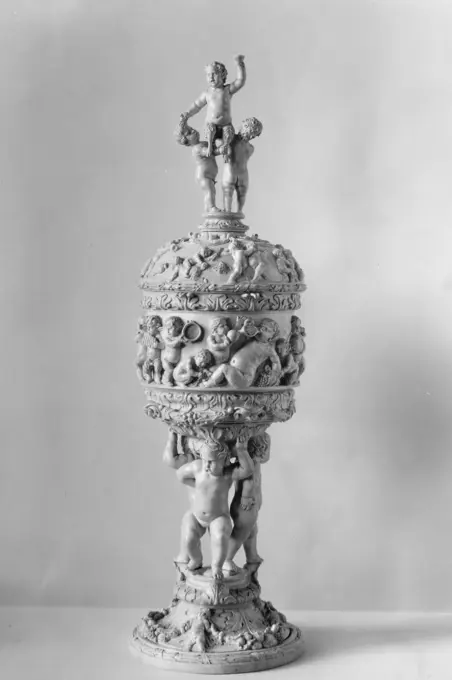
Silver handbell with pine cone as bud, handbell sound silver, mold poured bell-shaped bell with claw baluster shaped fluted stem pine cone as button inside bell (smashed) communication sound meal fake
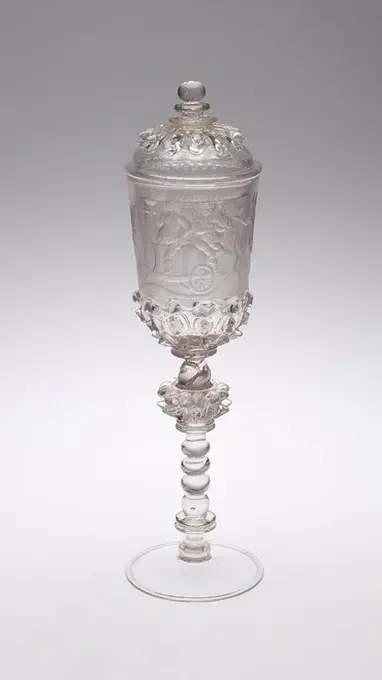
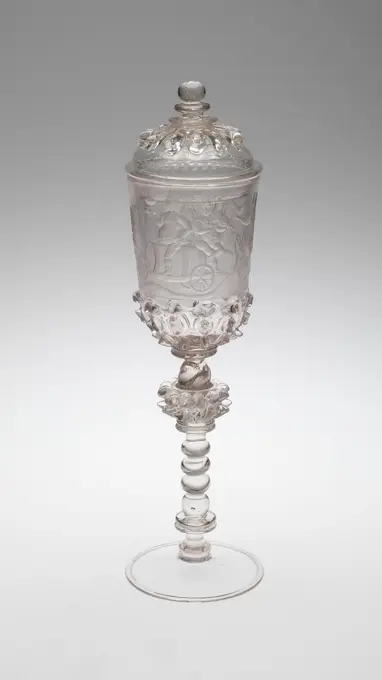
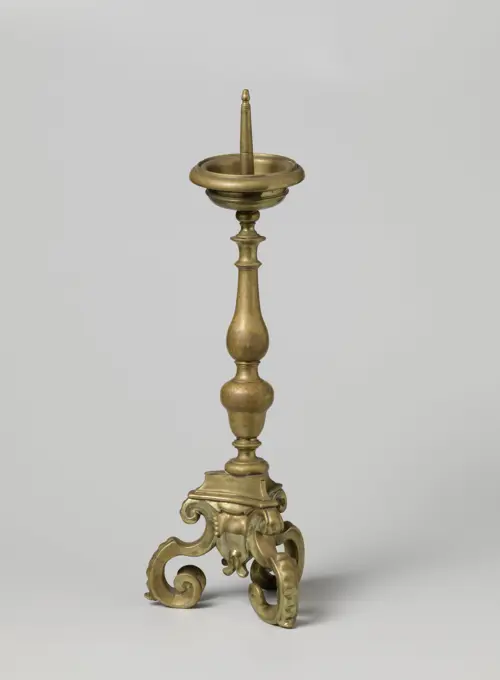
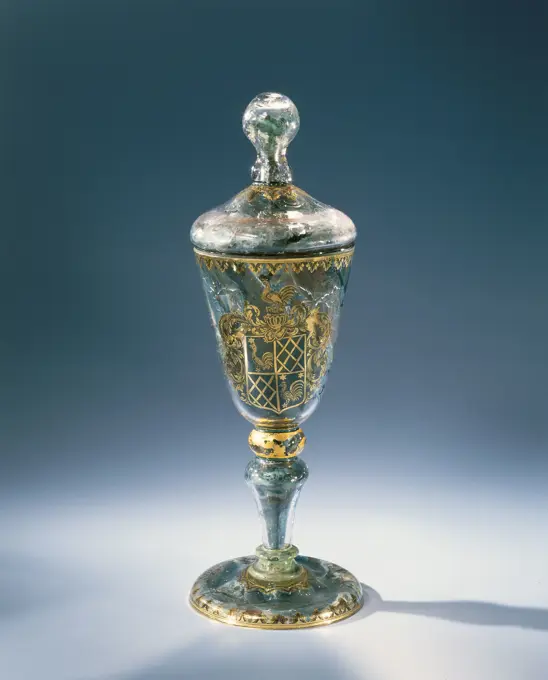
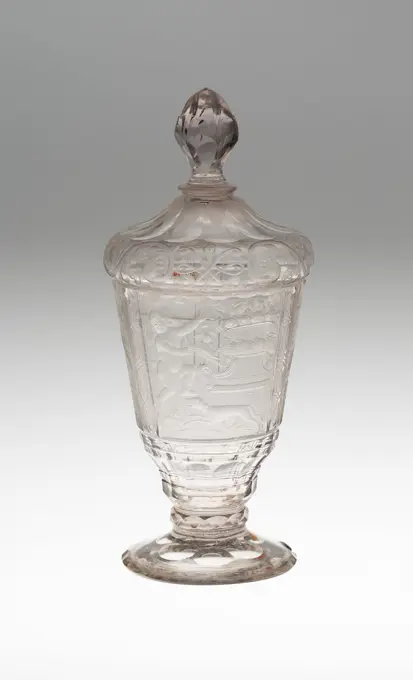
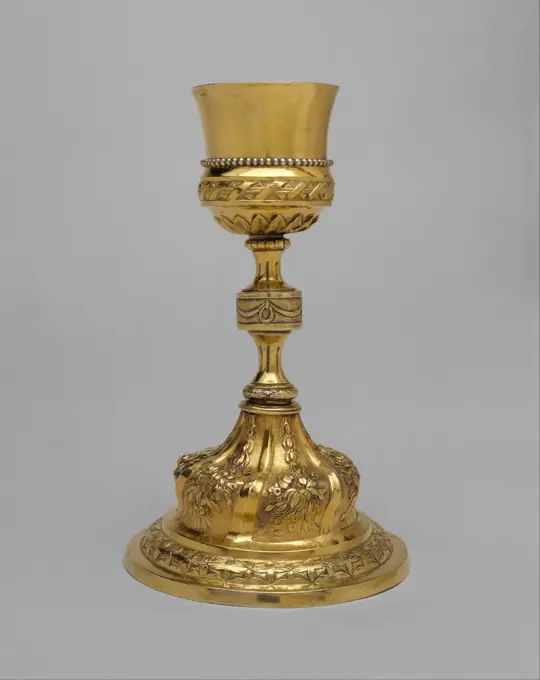
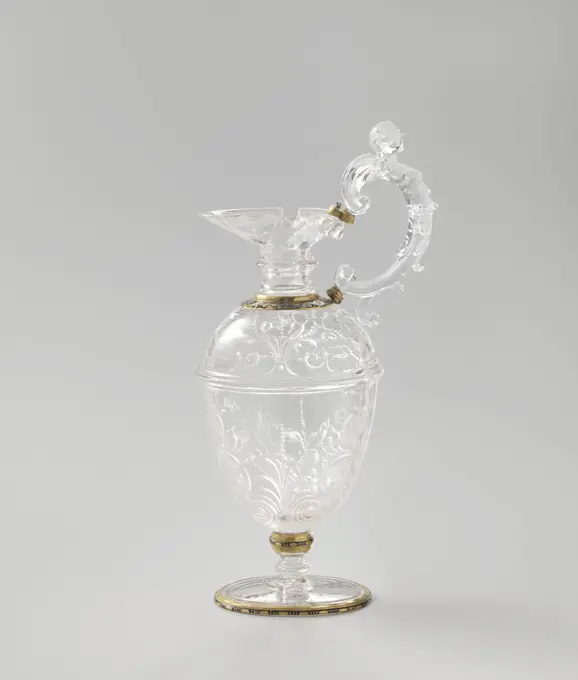
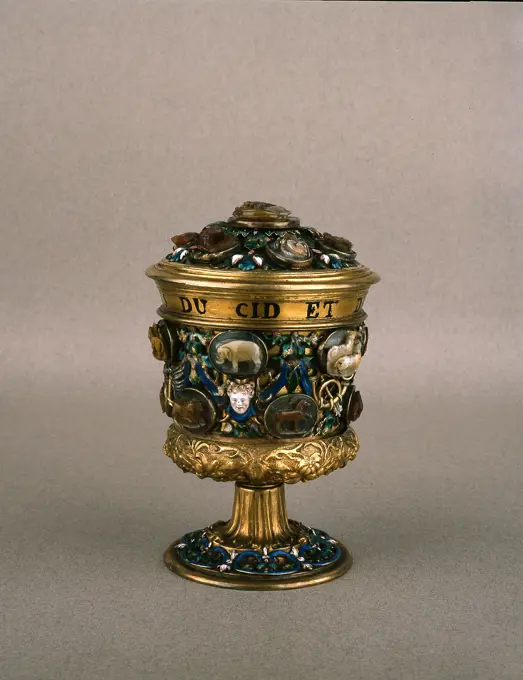
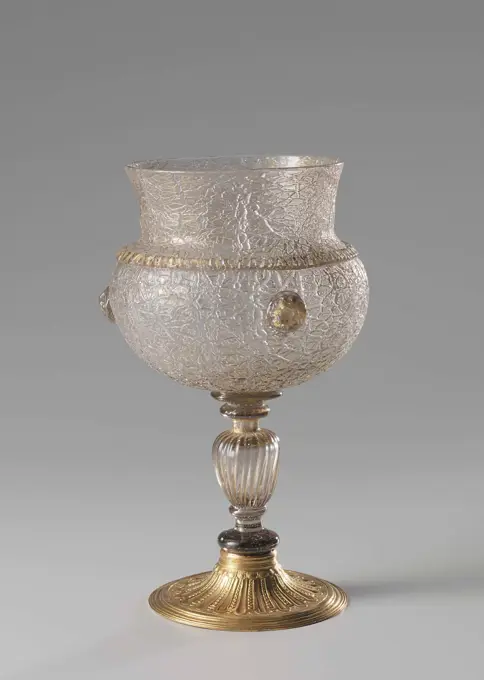
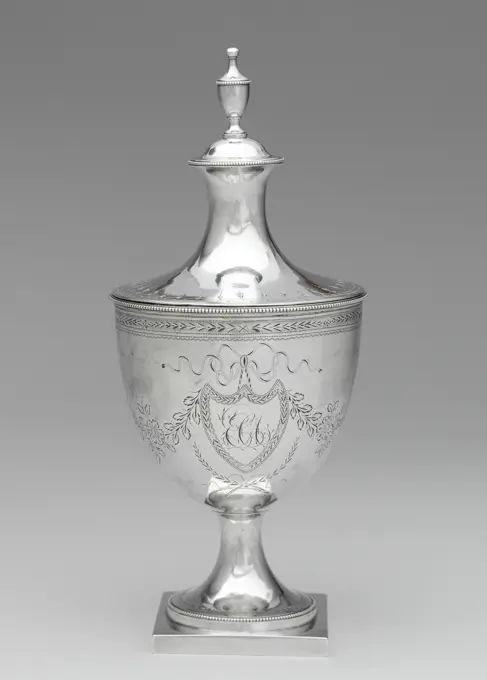
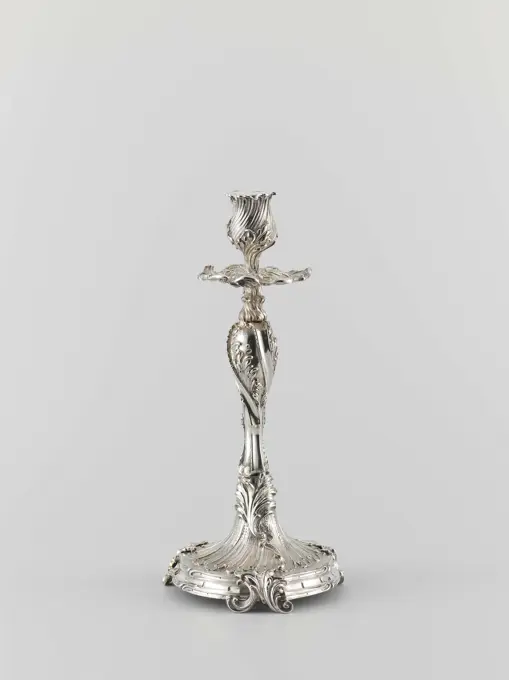
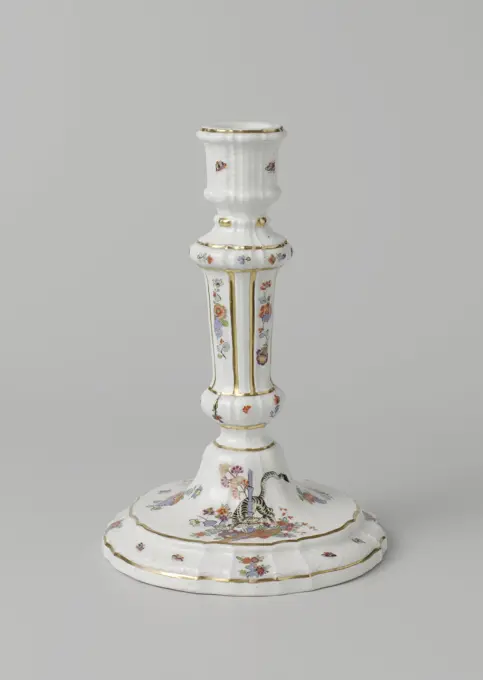
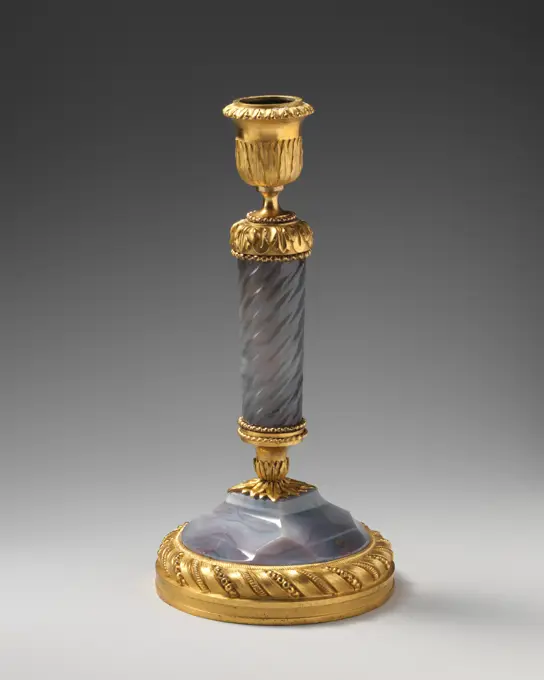
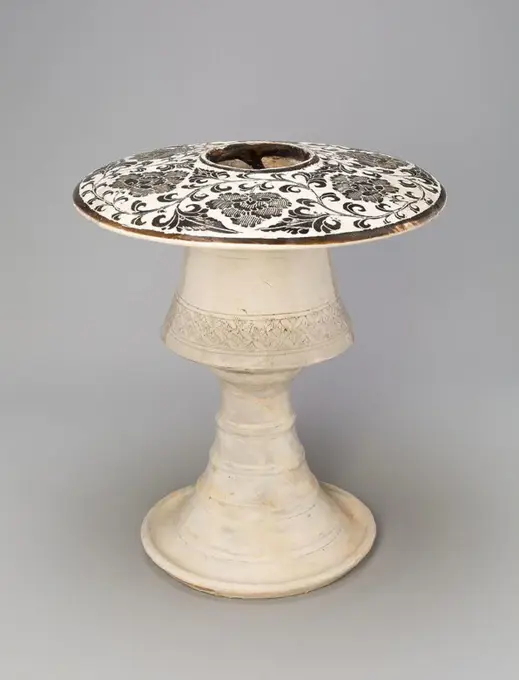
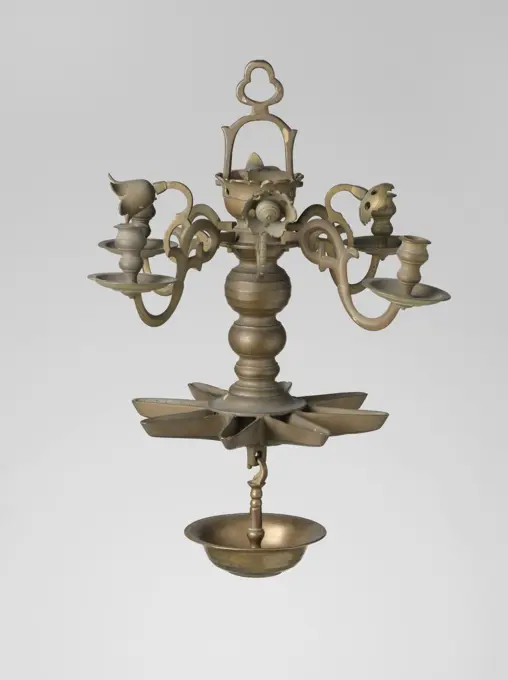
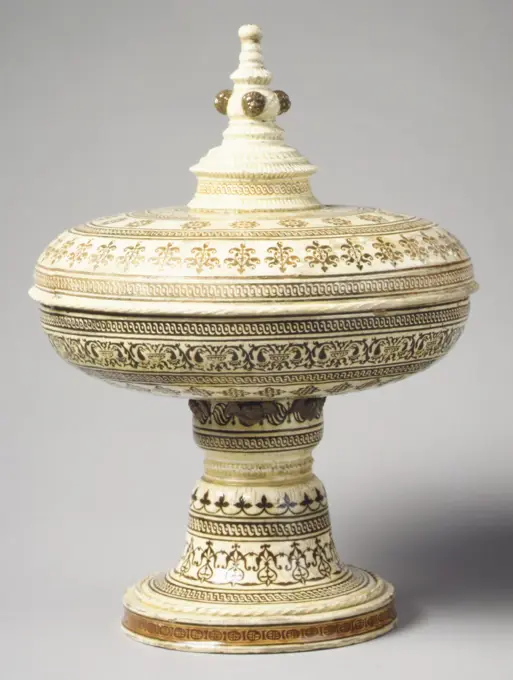
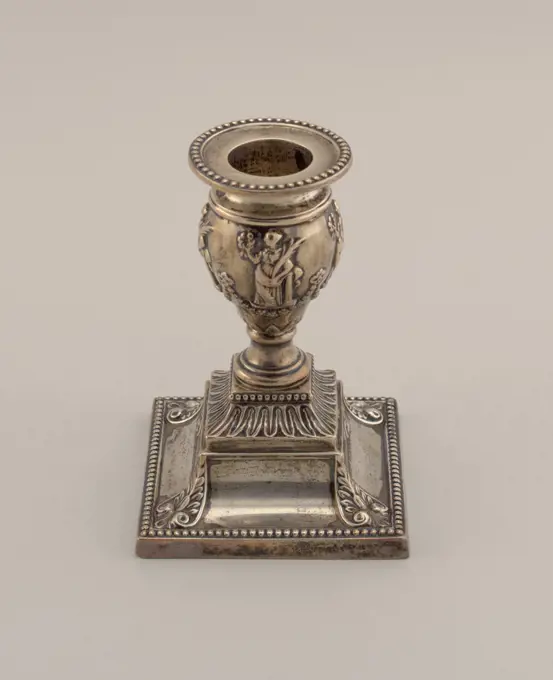
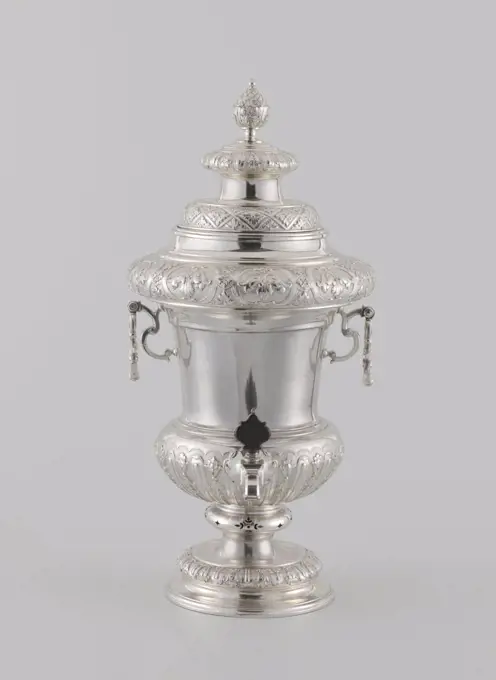
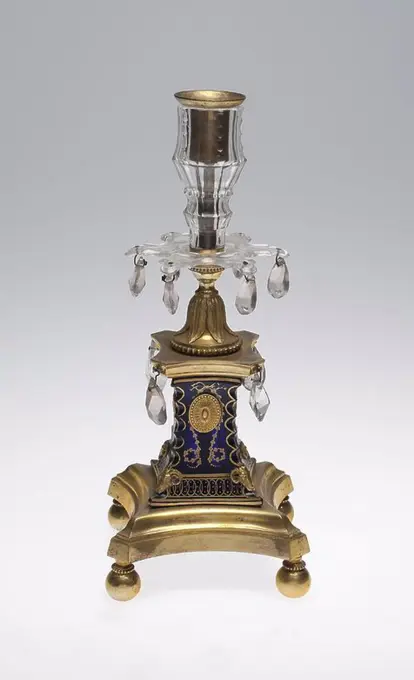
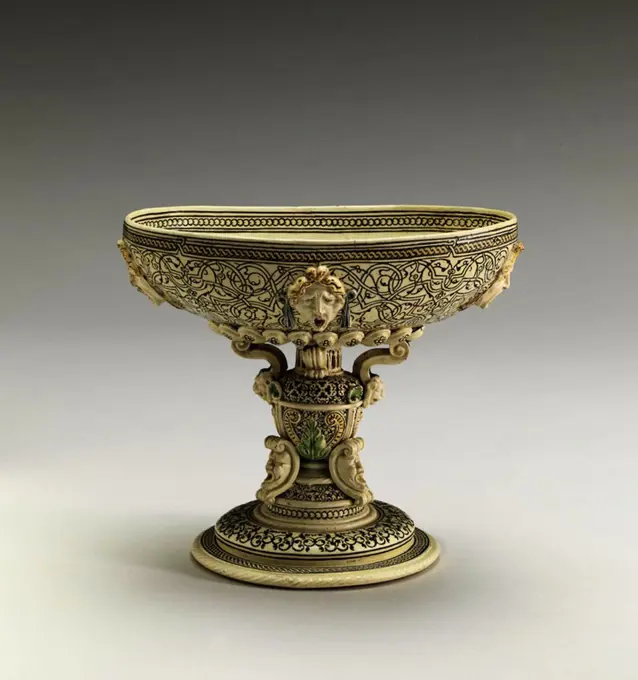
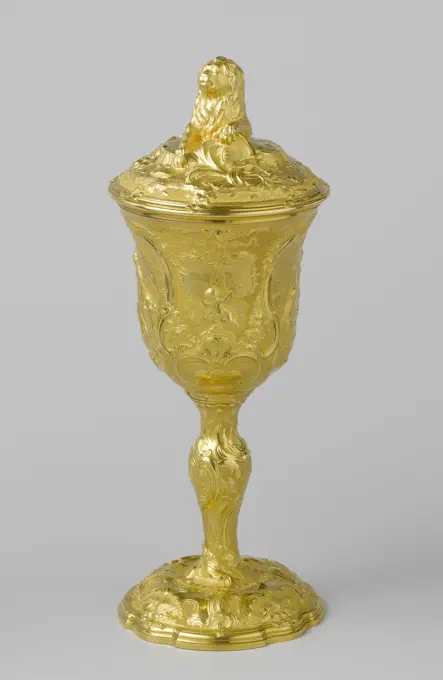
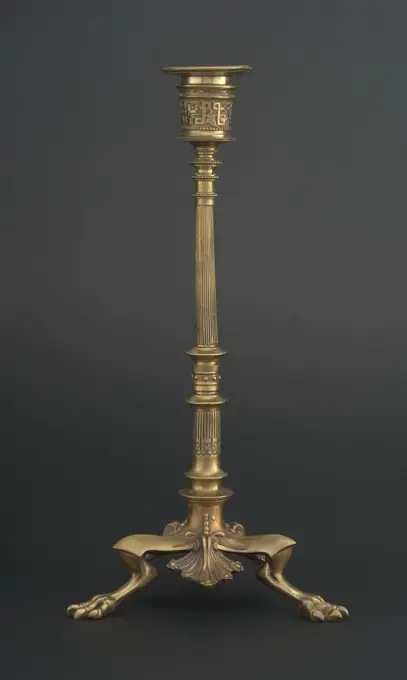
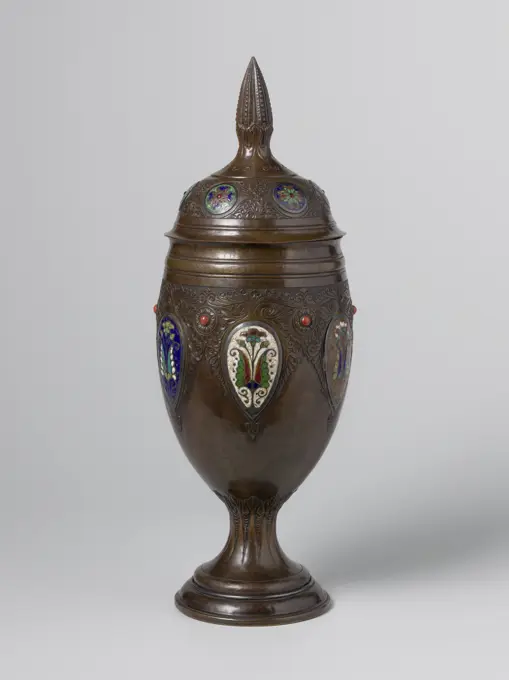
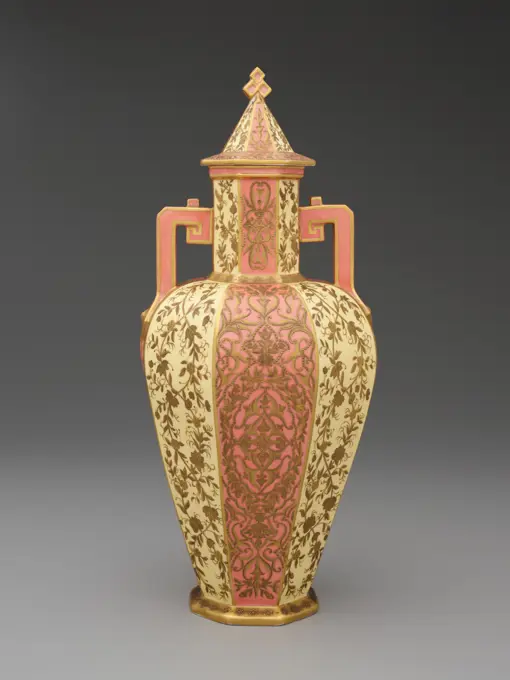
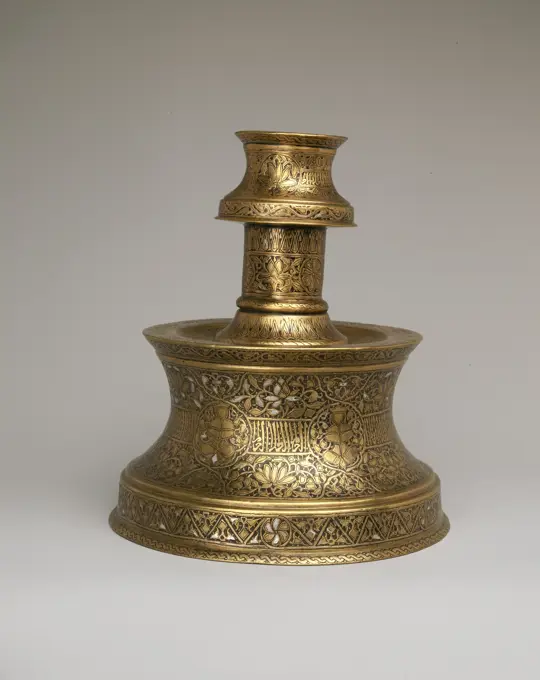
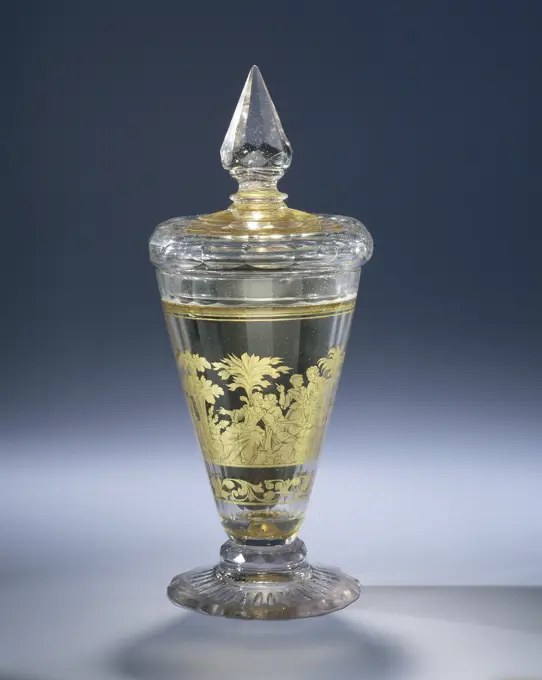
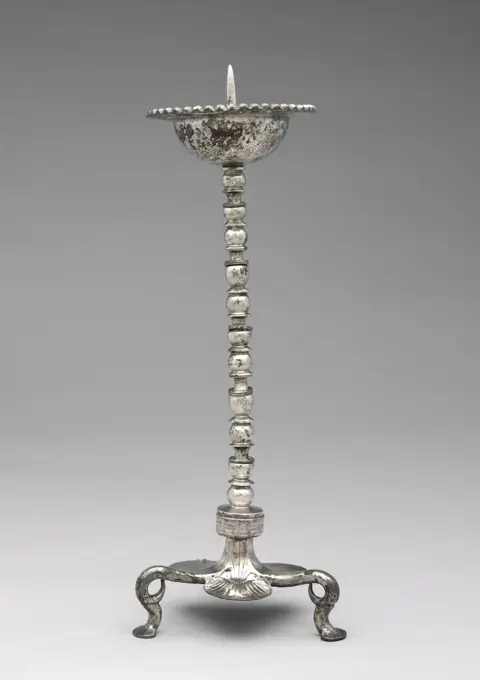
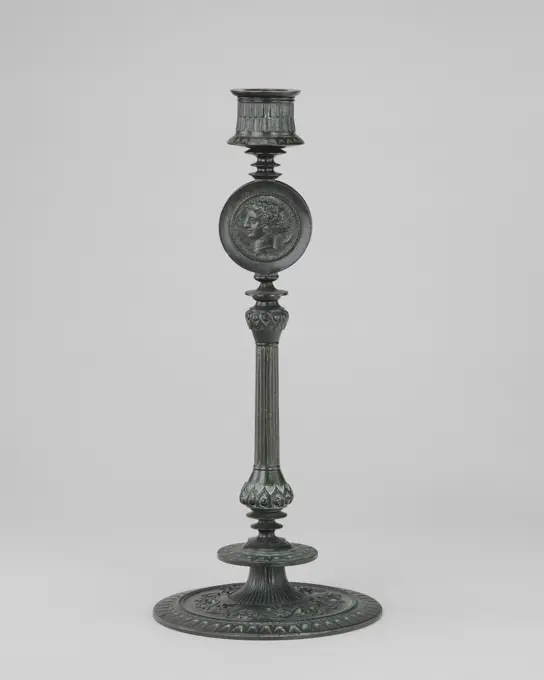
Jar with a hunting scene, anonymous, c. 1850 - c. 1875 Flat, octagonal, faceted foot. Facet cut, baluster -shaped tribe. Funnel -shaped, rounded and faceted chalice at the bottom. On the chalice in gold a hunting scene with a hunter with gun. On the foot a deer, a stork and a dog between rocaille ornament. The facets on foot, trunk and button with gold. Bohemia glass glassblowing / grinding / gilding Flat, octagonal, faceted foot. Facet cut, baluster -shaped tribe. Funnel -shaped, rounded and faceted chalice at the bottom. On the chalice in gold a hunting scene with a hunter with gun. On the foot a deer, a stork and a dog between rocaille ornament. The facets on foot, trunk and button with gold. Bohemia glass glassblowing / grinding / gildingCovered Goblet (Pokal). Bohemia, Czech Republic. Date: 1725-1735. Dimensions: 34.3 × 8.9 cm (13 9/16 × 3 7/16 in.). Glass. Origin: Bohemia. Museum: The Chicago Art Institute, Chicago, USA.Covered Goblet (Pokal) 1725-1735 Bohemia. Glass .. Candlestick consisting of a square foot and a round trunk, candle holder and separate fat catcher. Signature and dated.. Drinking bowl on foot, completely plated. A baluster trunk rises from a vaulted foot with raised center, which carries the round dish with a separate cover plate. In the scale, surrounded by a leaf wreath, a driven relief in which the pure and impure love have been proposed allegorically (see below). Different yacht performances are engraved in the edge. On the cover plate, in gear, masks on rollerwork cartouches between fruit roses. For the nodus and around the sections above and below, three detached volutes each. In relief in the nodus of fruit festivoes and lion masks. The curvature of the profiled foot, which is surrounded by three godrinklists and from above is closed by a ribbed, half sphere, is decorated with four lying women's figures between cherubs and leaf garlands.Bokaal, anonymous, c. 1800 - in or before 1885 Vaulted foot with turned around. Balus -shaped, hollow trunk with a disk and a knot set with four Braamnoppen. Klock -shaped chalice with a glass wire and a smooth thread imposed in a chain motif. England glass glassblowing Vaulted foot with turned around. Balus -shaped, hollow trunk with a disk and a knot set with four Braamnoppen. Klock -shaped chalice with a glass wire and a smooth thread imposed in a chain motif. England glass glassblowingThree-Part Garniture 1845-1855 Bristol. Glass .Candlestick; Fraget, Józef (Warsaw; Silver and Plated Products Factory; 1824-1945); before 1868 (1860-00-00-1870-00-00);Silver handbell with pine cone as bud, handbell sound silver, mold poured bell-shaped bell with claw baluster shaped fluted stem pine cone as button inside bell (smashed) communication sound meal fakeCALIZ-PLATA SOBREDORADA-S XVI. Author: H ONATE (S XVI). Location: IGLESIA DE SANTA MARIA LA REAL. OLITE. NAVARRA. SPAIN.Candlestick with foot in lobe style, anonymous, c. 1650 - c. 1700 Foot, trunk, fat catcher and pin are cast separately. The triangular in tabstyle is made up of three S-Voluten, which are connected by three cartouches, and which carry the triangular basis for the trunk. This consists of a vase and a baluster. The profiled fat catcher has a rib in the middle of the strongly protruding edge. The candle pin decorated with grooved rings is carefully profiled at the foot and ends in a acorn at the top. The candlestick is weighted inside at the bottom to give more firmness. With a later incorrect restoration, the lower part of the candle pin on the trunk is attached under the fat catcher, making this candlestick a little higher. Low Countries brass (alloy) casting Foot, trunk, fat catcher and pin are cast separately. The triangular in tabstyle is made up of three S-Voluten, which are connected by three cartouches, and which carry the triangular basis for the trunk. This consists of a vase anJar with lid, crowned with a crown, anonymous, c. 1800 - in or before 1885 Vaulted foot with turned around. Balus -shaped, hollow trunk with a disk and a knot set with four Braamnoppen. Klock -shaped chalice with a glass wire and a smooth thread imposed in a chain motif. Vaulted lid with overhanging edge. The button in the form of a crown with four brackets. England glass glassblowing Vaulted foot with turned around. Balus -shaped, hollow trunk with a disk and a knot set with four Braamnoppen. Klock -shaped chalice with a glass wire and a smooth thread imposed in a chain motif. Vaulted lid with overhanging edge. The button in the form of a crown with four brackets. England glass glassblowingDouble -walled cup, with the coat of arms of the De Haen family, Anonymous, c. 1720 Light vaulted base, double cuff under a hollow, baluster -shaped trunk, above which a hollow flattened nodus under a funnel -shaped, rounded chalice at the bottom. Light vaulted lid with a hollow curved button. The foot, chalice and lid double-walled and between the walls painted in blue-gray in a marble motif. The bottom of the foot, inside of the chalice and the bottom of the lid from the inside gilded. Married the hollow trunk, nodus and button from the lid from the inside. The cuff on the outside marbled, the nodus on the outside gilded. Along the foot edge, the transition from foot to cuff and the edge of the chalice gilt and engraved palmets. On the chalice in gold the weapon of the Amsterdam merchant family De Haen, surrounded by foliage and awarded by a closed sight with a rooster as a helmet sign. The weapon: 1 and 4 a rooster desired to left and three stars and 2 and 3 slats. Kit edges on the Candlestick of brass .. The candlestick has been compiled from two parts: the foot and the burned tribe with the candle holder. In the container an iron plate is applied to the inside to secure the candle properly. The candlestick has a severe shape from foot to holder. The trunk is baluster-shaped. The holder is vase-shaped.Candlestick (one of a set of eight). Culture: British, London. Dimensions: Overall (confirmed): 11 9/16 x 6 1/4 x 6 1/4 in., 36 oz. 6 dwt. (29.4 x 15.9 x 15.9 cm, 1130g). Maker: John Romer (British, b. ca. 1715). Date: 1768/69. Museum: Metropolitan Museum of Art, New York, USA.Covered Goblet (Pokal) 1725-1735 Bohemia. Double-walled glass with gold leaf decoration .Goblet with Cover 1715-1730 Schleswig. Glass .Chalice late 18th century Assayer: Antonio Forcada y la Plaza. Chalice 197423Candlestick, Peter Alberts (attributed to), 1672 Silver candlestick. The sea lobby, curved foot flows into the trunk, which is twisted above the nodus. At the foot, festons, connected by a rest of lobe ornament. The Nodus and Stam are decorated with driven flowers and tendrils. The loose fat catcher is unadorned. Zwolle silver (metal) Silver candlestick. The sea lobby, curved foot flows into the trunk, which is twisted above the nodus. At the foot, festons, connected by a rest of lobe ornament. The Nodus and Stam are decorated with driven flowers and tendrils. The loose fat catcher is unadorned. Zwolle silver (metal)Candlestick - Inconnu / UnknownEwer, anonymous, c. 1600 - c. 1615 Can be made of rock crystal in a frame of gold and translucid email. Palmettes and tifles are sharpened on the egg -shaped barrel. The high -ranking ear is formed by a female, winged Herm. Malib frame: Gold (Metal). frame: Can be made of rock crystal in a frame of gold and translucid email. Palmettes and tifles are sharpened on the egg -shaped barrel. The high -ranking ear is formed by a female, winged Herm. Malib frame: Gold (Metal). frame:Candlestick 19th century, after ca. 1550 original Franchi and Son This electrotype is after a sixteenth-century original (ca. 1550) in the Victoria and Albert Museum, London, at the time of reproduction.. Candlestick 185857ReliquaryCart of ice glass. Snar of ice glass, on foot of gold-plated metal. Hollow, ribbed baluster-shaped strain. Plated spherical body and a little bent neck. Three bramnops are applied to the body, a ribbed wire on the shoulder. Remnants of gildings on the trunk, the studs and the thread around the shoulder. The gold-plated metal base was added in the 19th century.Covered sugar bowl 1790-1800 William W. Gilbert In the years following the American Revolution silversmiths favored such classical shapes as the covered urn and the inverted helmet, here represented by this sugar bowl and its matched creampot (23.80.20). Each of these objects is finely engraved below its beaded lip with bright­cut geometric borders and wrigglework and on its body with floral festoons and a bow­tied shield­shaped medallion engraved with an interlaced monogram. The bow­tied ribbons are particularly distinctive, their twists and turns carefully shaded and their ends precisely frayed. Although only the creampot is marked, the ornamental beading and identical bright­cut engraving confirm that they were intended as mates. The original owner of this sugar bowl is not known.. Covered sugar bowl 2504. Candlestick of silver. The six-spectant, vaulted foot runs into the strain, which is taught above the nodus. At the foot festivals, connected by a rest of lobe ornament. The nodus and trunk are decorated with driven flowers and tendrils. The loose fat catcher is unfiled.Sugar Bowl 1790-1800 Daniel Van Voorhis. Sugar Bowl 2528Arm with candle holder of candle crown of two heights, each with eight arms, 1525 - 1550 Candle arm belonging to a candle crown of two heights with maria figure at the top. The arm is bent twice and is decorated with four grapes bunches and five vine leaves. The round fat catcher is decorated at the bottom with six round lobes. The candle holder is six -flat, opened, placed on three vertical styles, transferring to a threaded protrusion. This is the first arm of the upper ring, numbered with 1 round point. The candle holder is unnumbered. Southern Netherlands brass (alloy) casting Candle arm belonging to a candle crown of two heights with maria figure at the top. The arm is bent twice and is decorated with four grapes bunches and five vine leaves. The round fat catcher is decorated at the bottom with six round lobes. The candle holder is six -flat, opened, placed on three vertical styles, transferring to a threaded protrusion. This is the first arm of the upper ring, numbered with 1 roArm with candle holder of candle crown of two heights, each with eight arms, 1525 - 1550 Candle arm belonging to a candle crown of two heights with maria figure at the top. The arm is bent twice and is decorated with four grapes bunches and five vine leaves. The round fat catcher is decorated at the bottom with six round lobes. The candle holder is six -flat, opened, placed on three vertical styles, transferring to a threaded protrusion. This is the first arm of the upper ring, numbered with 4 round points. The candle holder is unnumbered. Southern Netherlands brass (alloy) casting Candle arm belonging to a candle crown of two heights with maria figure at the top. The arm is bent twice and is decorated with four grapes bunches and five vine leaves. The round fat catcher is decorated at the bottom with six round lobes. The candle holder is six -flat, opened, placed on three vertical styles, transferring to a threaded protrusion. This is the first arm of the upper ring, numbered with 4 r. Candlestick of silver, part of an ensembleCandlestick, multicolored painted with a kakiemon decor, meissener porzellan manufaktur, c. 1740 - c. 1745 Candlestick of painted porcelain. The candlestick has a round, scalloped foot with a profiled trunk with two nodes. The 'Altbrandenstein' pattern is painted on the candle holder and the foot edge. On the foot, a tiger is painted around a bamboo stalk in flowers. The candlestick is marked. Float porcelain Candlestick of painted porcelain. The candlestick has a round, scalloped foot with a profiled trunk with two nodes. The 'Altbrandenstein' pattern is painted on the candle holder and the foot edge. On the foot, a tiger is painted around a bamboo stalk in flowers. The candlestick is marked. Float porcelainKettle, Anonymous, c. 1704 - c. 1734. The design of these candlesticks, with a cubic knob with rosettes in the middle of the stem, is derived from Parisian models. Similar candlesticks were made in various European centres, but the quality of these Amsterdam examples comes very close to that of the silver produced in Paris.Pot on legs, with a side pattern, anonymous, c. 1690 - c. 1710 Pot, cylindrical, standing on three spherical, ribbed legs. The lower edge with a smooth thread. S-shaped ears with pinched combs. Box are engraved in a side pattern with the diamond. Venice glass glassblowing Pot, cylindrical, standing on three spherical, ribbed legs. The lower edge with a smooth thread. S-shaped ears with pinched combs. Box are engraved in a side pattern with the diamond. Venice glass glassblowingGoblet with Cover. Germany, Zechlin. Date: 1735-1745. Dimensions: 24 × 8.7 cm (9 7/16 × 3 7/16 in.). Glass; engraved and gilt decoration. Origin: Flecken Zechlin. Museum: The Chicago Art Institute, Chicago, USA.Inner box a small (B and C) Oval Terrine in Louis XVI-style, Philippus Priee, 1773 Inner box of a small (B and C) oval terrine in Louis XVI style. Middelburg silver (metal) Inner box of a small (B and C) oval terrine in Louis XVI style. Middelburg silver (metal)Pricket Candlestick. Northern European. Date: 1475-1500. Dimensions: H: 22.9 cm (9 in.). Brass. Origin: Northern Europe. Museum: The Chicago Art Institute, Chicago, USA.Sinumbra lamp. Culture: American. Dimensions: 18 1/8 × 6 5/8 in. (46 × 16.8 cm)Other (without shade): 12 7/8 × 5 1/8 in. (32.7 × 13 cm)Base: 3 3/4 × 3 3/4 in. (9.5 × 9.5 cm). Maker: William Carleton (1797-1876). Date: ca. 1835. Museum: Metropolitan Museum of Art, New York, USA.Candlestick (one of a pair) ca. 1775-1790 probably French Since ancient times, cut and polished chalcedony was very much sought after and used for jewelry and precious objects. The semi-transparent stone was believed to have apotropaic powers. It is possible that the facetted pieces used in the present examples have been re-cut from older objects to create these stylish neo-classical objects.. Candlestick (one of a pair). probably French. ca. 1775-1790. Pale blue chalcedony, gilt bronzeIncense Burner with Peony Scroll. China. Date: 1050-1127. Dimensions: H. 32.1 cm (12 5/8 in.); diam. 27.8 cm (10 15/16 in.). Cizhou ware; stoneware, slip-coated with underglaze sgraffito decoration and overglaze painting in iron brown. Origin: China. Museum: The Chicago Art Institute, Chicago, USA.Chalice and Paten 1639 London. Silver .Arm with candle crown candle holder, Anonymous, 1795 - 1800 The S-shaped arm has a curl at the end at the tribe side and turns outside into a thickening with screw hole. The candle holder is secured with the fat catcher. The round holder has a hol round pedestal, narrows upwards and then has an excellent edge. The fat catcher has a grooved ring at the top. This is the second arm, unnumbered. Amsterdam brass (alloy) casting The S-shaped arm has a curl at the end at the tribe side and turns outside into a thickening with screw hole. The candle holder is secured with the fat catcher. The round holder has a hol round pedestal, narrows upwards and then has an excellent edge. The fat catcher has a grooved ring at the top. This is the second arm, unnumbered. Amsterdam brass (alloy) castingSierelement van sabbathlamp, unknown, 1700 - 1800 Sabbath lamp ornamental arm. The S-shaped arm ends towards the trunk in a curl. To the outside, it turns into a wider part, in which the wide openwork flower is screwed with a large, round -profiled core. This is the second arm, numbered with 2 round points. Nuremberg brass (alloy) casting Sabbath lamp ornamental arm. The S-shaped arm ends towards the trunk in a curl. To the outside, it turns into a wider part, in which the wide openwork flower is screwed with a large, round -profiled core. This is the second arm, numbered with 2 round points. Nuremberg brass (alloy) castingSweetmeat dish, Jean-Baptiste-Claude Odiot, French, 1763 - 1850, Odiot, French, founded 1690, glass, silver, gold, Oval glass bowl, exterior cut with all-over diaper pattern; smooth interior. Bowl stands on flared foot in gilt silver, decorated with blossoms and elongated petals, resting on rectangular footed stand with four lions feet; sides with foliage motifs., Paris, France, 1825-1838, metalwork, Decorative Arts, Sweetmeat dishTazza with cover ca. 1550-55, with later restorations French, Saint-Porchaire or Paris As their different color schemes suggest, the cup and cover did not originally form a set. The foot and the stems lower section, beneath the ring of white zigzags in relief, are modern replacements. Near the lip of the cup is a band with a flowering vase-and-bird motif. The shield of the powerful Montmorency-Laval family appears on the interior.[Jeffrey H. Munger, 2011. Tazza with cover 194246Candlestick, silver, London, England, 1878-1879, metalwork, Decorative Arts, CandlestickCasting Bottle 1850-1900 Europe. Gold, rock crystal, enamels, rubies, emeralds, and pearls .Candlestick 1700-1800. Candlestick. 1700-1800. BrassTaps pitcher in the form of a garden vase, Andele Andeles, 1729Candelabra. England. Date: 1780-1800. Dimensions: H. 31.4 cm (12 3/8 in.). Clear and blue glass, gilding and bronze mounts. Origin: England. Museum: The Chicago Art Institute, Chicago, USA.Caster 1731-32 British, London. Caster 197402Standing cup with cover ca. 1755 German, Silesia. Standing cup with cover. German, Silesia. ca. 1755. Glass. GlassCup on high foot with the royal arms of France crowned. Dated: c. 1540/1560. Dimensions: overall (height by length of bowl excluding masks): 13.6 × 15.4 cm (5 3/8 × 6 1/16 in.). Medium: lead-glazed fine earthenware. Museum: National Gallery of Art, Washington DC. Author: French 16th Century, probably Saint-Porchaire (Deux-Sevres), or Paris region.Silversmith: Douwe Eysma, Large silver chafing dish for large kettles, fully decorated, partly cut-away, three-knot, partly wooden legs, stovetop kitchen utensils silver wood, sawn cast Round chafing dish on three button-shaped wooden legs two open handles underside (smashed) food prepare cookingChalice. The foot of the round go-kke has a rectile basis. It is constructed from a concave elemental part above which a vaulted coiled part. Along the underside of the vaulted portion and around its narrowest point, cable edges, in opposite directions. The egg-shaped nod, of which the lower part is decorated with graces, rest on a profiled, rejuvenating base; Above there is a rinse section, articulated by a cable rim, once again a cable edge, flanked by profiles, then a concavely tapered portion on which the curved cuppa rests. The lower part of the cuppa is caught in a counter cuppa, decorated with graces above which an open-worked gallery of pointed arches, closed on the top by a fillet edge. The cuppa is plated on the inside. A cross is engraved on the foot.Reliquary 16th century Italian. Reliquary 464176Jar with lid, made for the couple Johan van Borssele van der Hoge and Anna Margaretha Elisabeth Coninck, Louis Métayer, 1754 Cup with lid, of gold. Vaulted foot with scalloped edge. Balus -shaped tribe. Concave funnel -shaped chalice. Vaulted profiled lid, with a button in the shape of a lion. Foot, trunk, chalice and lid are decorated with volutes and rocailles. Two cartouches with allegorical representations on the chalice. In the first cartouche, Minerva accompanies a child to the temple under the watchful eye of godlets and the diligence. In the second cartouche, a wedding ceremony is performed in the presence of Juno and Venus. Between the cartouches in his weapons of the couple Jonker Johan van der Hoge (1707-1764) and Anna Margaretha Elisabeth Coninck (1733-) And the weapons of the couple mr. Wilhem van Citters (1685-1758) and Maria Kien (1694-1753) depicted, stopped by Engelen. The lid button represents a lion rising from the water with the Zeeland arms spell Luctor et Emergo. Balsamine Judge, JanClaterr in the lion's Apach;  19th century (1801-00-00-1900-00-00);Bokaal with lid with six enamelled shields, G.H. Lantman, 1911 The round object consists of a cup, which has been beaten from one tombet plate with the bottom in the foot, and a lid. Under the football floor, a stolen edge of Tombak is mounted with two bolts. Six enamelled silver shields are soldered on a jar and lid. The cup is signed in the foot at the bottom. G. H. Lantman / ME / Fecit / 1911. On the inside of the lid the label with the printed text 'Pour l'Extosition A Paris 1925 Section Néerlandaise' and in ink 'VIII 489'. The cup is made up of a foot, a trunk and a tub, which merge into each other. The transition from the trunk to De Kuip has a driven stylized ornament, which is formed by a twelve times repeated motif, with a leafed leaf at the top. On the wall of De Kuip, six silver shields have been soldered with a vegetative decoration executed in Cloisonné-Techniek, consisting of a flower chalice and two buttons placed on stems as well as two leaves against a white, blue or rCovered Vase 1884 England. Bone china, enamel, and gilding .Candlestick (USA); copper, silver plateCandlestick with Repeating Seated Figure, Inscription, and Flowers second half 14th century The socket is decorated with a zigzag band interrupted by oval medallions. The central register shows peonies interspersed among large lobed medallions of seated figures and elongated panels containing Arabic inscriptions.. Candlestick with Repeating Seated Figure, Inscription, and Flowers. second half 14th century. Brass; cast, engraved, and originally inlaid with silver. Attributed to Iran or Central Asia. MetalMessingleuchter, Messing, Messingfuß, Halbedelmetall, Kupferlegierung, McPKST McP_WAL_2024_001147 *** Brass chandelier, Brass, Brass base, Semi-precious metal, Copper alloy, McPKST McP Wal 2024 001147 McPKSTCup on foot with a lid of Zwischengoldglas, with a garden with a fountain with water -spying dolphin, anonymous, c. 1720 - c. 1740 Light conical foot with cut decoration. Facetted disk, multi -Time faceted, conical chalice. In facets of cut lid with pointed, also faceted button. On the chalice, above a stylized edge leaves, in leaf gold and engraving, a fountain with a water -breathing dolphin for a balustrade with garden vases, a gallant scene and a Chinese garden wall with a basket of flowers. In the lid a medallion of windows surrounded by a stylized leaf vank. A kit edge approx. 1 cm below the edge of the chalice and around the medallion. Bohemia glass glassblowing / grinding Light conical foot with cut decoration. Facetted disk, multi -Time faceted, conical chalice. In facets of cut lid with pointed, also faceted button. On the chalice, above a stylized edge leaves, in leaf gold and engraving, a fountain with a water -breathing dolphin for a balustrade with garden vases, a gallantCandlestick And Drip Pan (England); cut blown glass. The ewer and basin were part of a toilet service that King Charles III of Spain gave Marie Louise of Parma, who married his eldest son in 1765. These are the only parts of the service that have been preserved. The ewer was used to pour water into the basin for the ladys toilet.Lid of a large HUMPEN. Vaulted lid with two nodi and solid button. Painted in red, white, yellow, blue and green emails with leaf and flower ornaments.Goblet with Cover. Germany, Schleswig. Date: 1715-1730. Dimensions: 21 x 8.4 cm (8 1/4 x 3 5/16 in.). Glass. Origin: Schleswig. Museum: The Chicago Art Institute, Chicago, USA.Spouted Jar with Satyr Heads; Roman Empire; 400-600; Gilded silver; 37.9 × 15 × 8.8 cm (14 15,16 × 5 7,8 × 3 7,16 in.)Italian 16th Century, Walnut Stool (Sgabello), Carved and Gilded, c 1540 1560 Italian 16th Century, Walnut Stool (Sgabello), Carved and Gilded, c. 1540/1560, gilded walnut, Widener Collection 1942.9.362Ciborium 18th century Portuguese. Ciborium 191910Two -mouth vase; Chlebnikow (Moscow and St. Petersburg; Wytwórnia Z Otnicz; 1840-1918); The ninth of the nineteenth century (1890-00-00-1899-00-00);Foundation Jakub Ksawery Count. Potocki (1934-) - collections, Potocki, Jakub Ksawery (1863-1934) - collection, gift (provenance), geometric (ornament), flowers (vessel), flowers (ornament), testamentary recording of Jakub Ksawery PotockiEwer, 1883. Manufactured by Elkington & CoStand, late 300s. Byzantium, Syria, early Byzantine period, late 4th century. Silver; overall: 42.6 x 16 cm (16 3/4 x 6 5/16 in.). Numerous oil lamps of various shapes and sizes have survived from the late Roman and early Byzantine periods. Most served a basic utilitarian function and were plainly fashioned from clay or bronze. However, a few more elaborate examples, such as this one, have survived in silver. Embellished with an elegant horse-head handle, this lamp was made to fit on the nearby stand, thus offering its owner flexibility of function.Candlestick with challenge trunk and eight-pubic foot. The candlestick is composed of the following parts of plate driven: the foot, the nod, the strain, the fat catcher and the candle pin. Two profiled rings are located over and bottom of the trunk. The free flat nodus is placed on the wide, vaulted, with eight lobes, the fairly flat nodes, the decoration of which matches that of the foot. The trunk has been taught. The fat catcher has the shape of an eight-leaved rosette. The candlestick has a hole on the edge of the foot and above an opening in the nodus.Bliżej KulturyCandlestick (England); brassAntoine Louis Barye, Candlestick, Greek Style with Antique Medallions, model nd, cast c 1865 1874 Candlestick, Greek Style with Antique MedallionsLidded goblet, anonymous, c. 1725 - c. 1750 Cup with lid, trunk with four knots. On the chalice sharpened within very rich ornament work The monogram: RSCVG. The monogram is not identified. The lid with rich decoration. glassblower: EnglandNorthern Netherlands glass glassblowing Cup with lid, trunk with four knots. On the chalice sharpened within very rich ornament work The monogram: RSCVG. The monogram is not identified. The lid with rich decoration. glassblower: EnglandNorthern Netherlands glass glassblowingCALIZ RENACIMIENTO. Location: CATEDRAL. Tuy. Pontevedra. SPAIN.Candlestick with figures of caryatids and putti. Artist: Italian , Venice (). Culture: Italian, Venice (). Dimensions: H. 67 cm (excluding pricket).. Date: 19th century.The eclectic and inconsistent style of this candlestick with figures of caryatids and putti, including Renaissancestyle elements (the top section and dripping pan) as well as later motifs (the cannelured column and praying angels), the fake coat of arms, and the superficial chemical patina, point to a nineteenth-century date. The monogram SB on one of the escutcheons could be a playful reference to the name of the caster, possibly S. Bitti. Museum: Metropolitan Museum of Art, New York, USA.Arm with candle crown candle crown of two heights, Anonymous, 1650 Candle belonging to a brass candle crown of two heights. The S-shaped arm has a curl at the start, halfway through a dolphin head and turns outside into the flat thickening with a screw hole. The candle holder is secured with the fat catcher. The fat catcher is ribbed at the bottom of the opening and has one down and a slightly excellent edge. The Cylindrian candle holder has a profiled and an excellent edge, two grooved rings, a rib and a profiled narrower bottom piece, which turns into a protrusion with a thread with a center hole. The pin to attach the arm is cone -shaped with a round button on top. The Vetvanger has closed a close one, which indicates that the candle crown has ever been elected. This is the first arm of the upper position ring, numbered with the number 2. Amsterdam (possibly) brass (alloy) casting Candle belonging to a brass candle crown of two heights. The S-shaped arm has a curl at the start, halfTribe of candle crown of two heights, Anonymous, 1650 The upper strain, decorated with grooved rings, is spherical at the top, then turns into a position ring with openings for the eight arms. They are marked with the numbers a up to and including eight left to the left of the opening. At the opening marked with the number three, the figure has been hit again on the right side. The stand ring has closed, round holes, which indicate that the candle crown has ever been elected. Amsterdam (possibly) brass (alloy) casting The upper strain, decorated with grooved rings, is spherical at the top, then turns into a position ring with openings for the eight arms. They are marked with the numbers a up to and including eight left to the left of the opening. At the opening marked with the number three, the figure has been hit again on the right side. The stand ring has closed, round holes, which indicate that the candle crown has ever been elected. Amsterdam (possibly) brass (alloy) castingSilver Tureen (a), lid (b) pair with 1975.1.2560a-c 1749 Etienne-Jacques Marcq French. Silver Tureen (a), lid (b) pair with 1975.1.2560a-c 462598Rimmonim (Torah finials) (one of a pair), early 20th century, 15-1/2 x 5 x 6-3/4 in. (39.4 x 12.7 x 17.1 cm), Silver, Russia (probably), 20th centuryGoblet, Cast gilt bronze, Cast gilt bronze goblet with artichoke pattern on exterior; thick foot with letters; stem is plant-like., New York, NY, USA, 1907, metalwork, Decorative Arts, GobletVase with cover (vase de coté de Paris) (one of a pair). Culture: French, Sèvres. Decorator: Pictorial decoration attributed to Jean-Louis Morin (French, active 1754-87); Decoration of trophies attributed to Nicholas Petit (Petit l'aîne) (active 1756-1806); Probably gilded by Étienne-Henry Le Guay (French, active 1748-49, 1751-97). Dimensions: Height: 13 in. (33 cm). Factory: Sèvres Manufactory (French, 1740-present). Modeler: Pierre-Adrien Paris (French, 1747-1819). Date: ca. 1775. Museum: Metropolitan Museum of Art, New York, USA.Ewer (aiguière) ca. 1800 Pierre Joseph Jacques Tiberghien. Ewer (aiguière) 236063Vase. Bronze. Cernuschi Museum, Asia Museum of Asia in the city of Paris.Ewer; Abraham Pfleger I (German, died 1605, active from 1558); Augsburg, Germany; 1583; Partially gilt silver with enameled plaques and engraving; 25.1 cm (9 7,8 in.)Cup 17th century Possibly by Lukas Faydherbe See 24.80.85 for an ivory relief by Faydherbe, Cupids in Bacchanalian Scene.. Cup. Flemish. 17th century. Ivory. Sculpture-MiniaturePair of Wall Lights. Philippe Caffieri (French, 1714 - 1774, master 1743)Wooden ring chestnut cheese, porcelinfabriek aan den Amstel, c. 1810  Wooden ring chestnut cheese between Cuppa and bin, gold painted. Netherlands wood (plant material)Obadiah Rich, Tea Canister, 1845, silver.TESORO - PIEZA. Location: CATEDRAL-INTERIOR. Toledo. SPAIN.Soup vase. Malcz, Karol (1797-1867), goldsmithTea urn, 1771, Charles Wright, British, English, active c. 1754-1790, 25in. (63.5cm), Silver, England, George IIIKadzielnica (kôro);  nineteenth century (1885-00-00-1899-00-00);Seven parts of a candle wreath. Parts of a candle wreath: a rod, a locking pin, a small (fill) ring, a hanging eye, a large sphere and two arm holders.