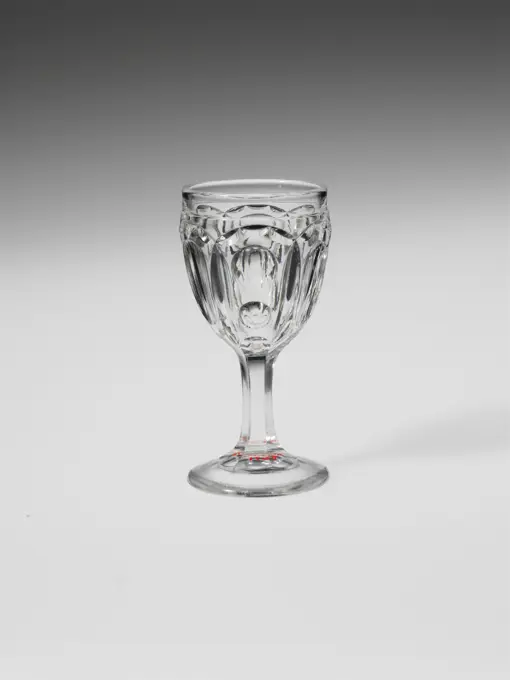
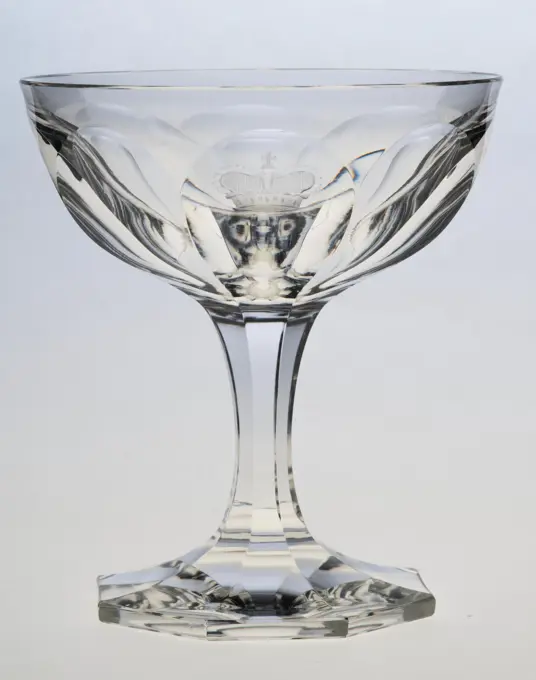
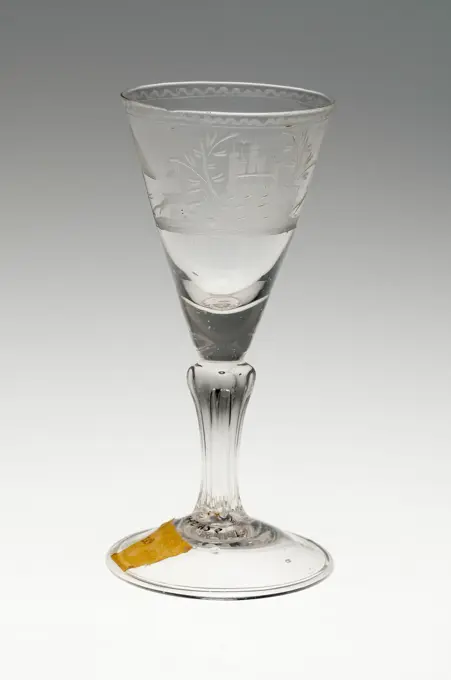
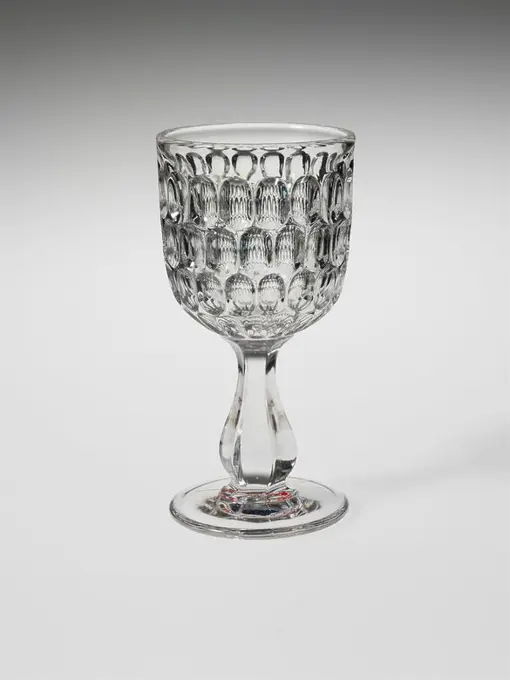
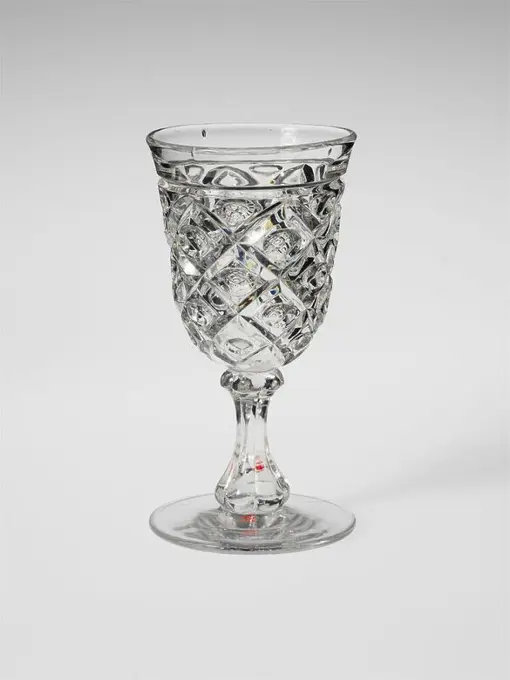
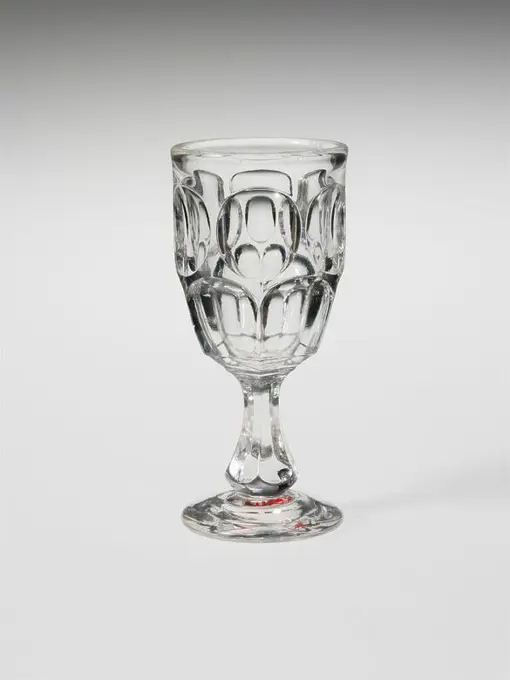
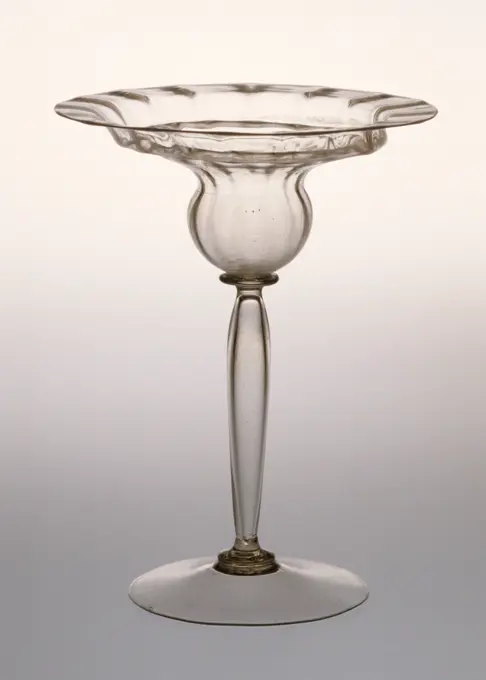
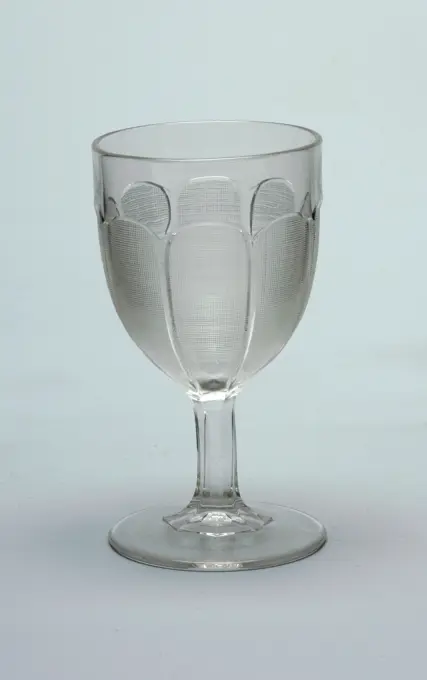
Antique Glassware Collection

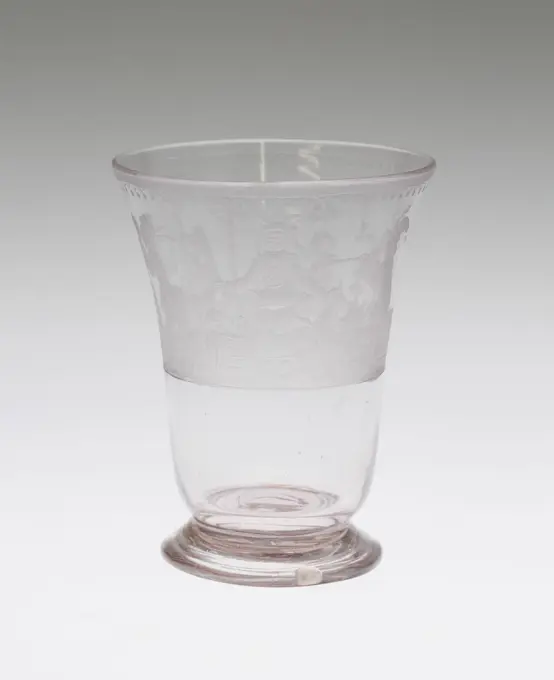
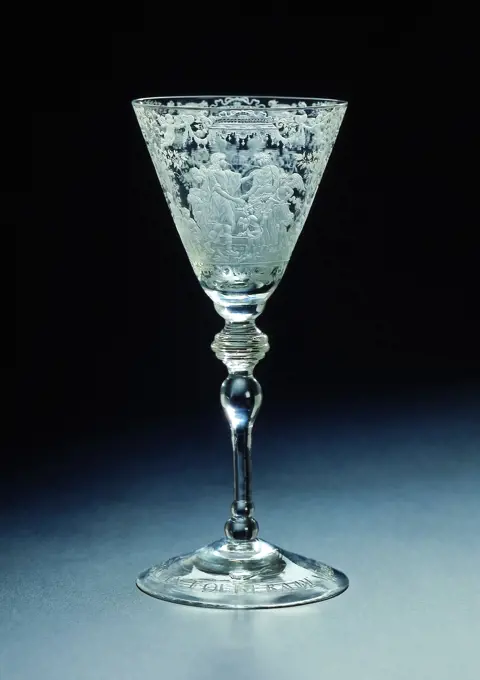
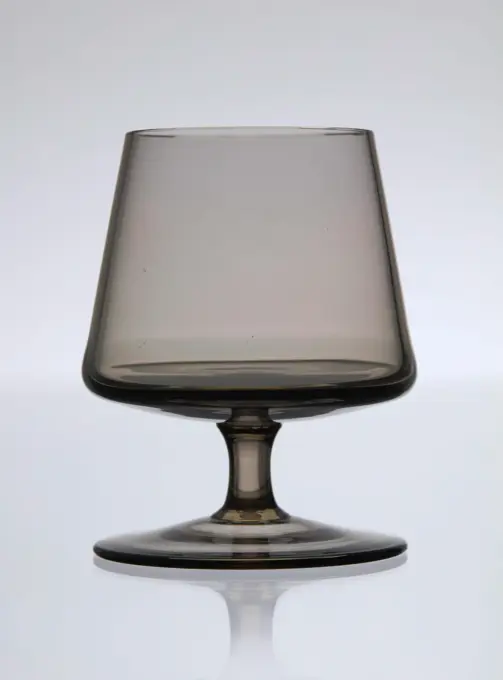
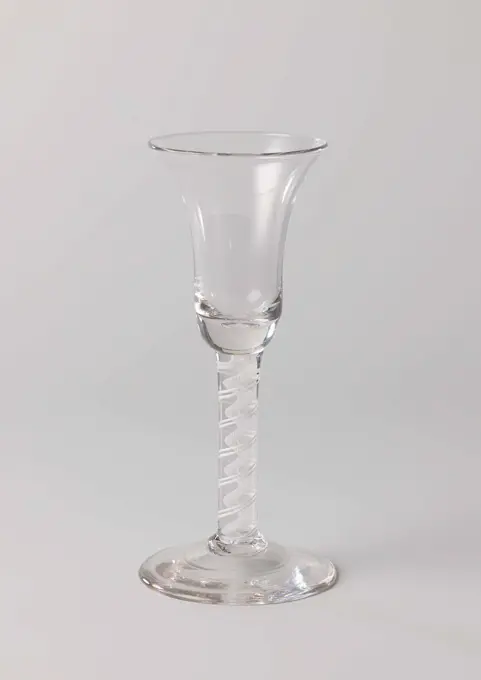
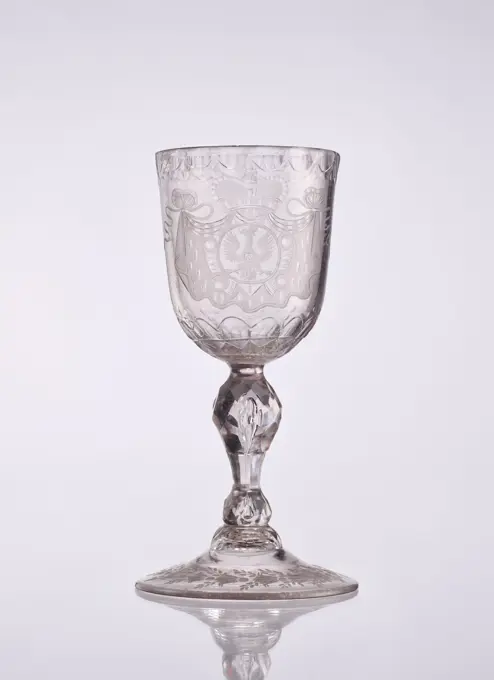
Elegant vintage glassware featuring intricate designs, including wine glasses and chalices from the 18th century, depicted with clarity and detail.

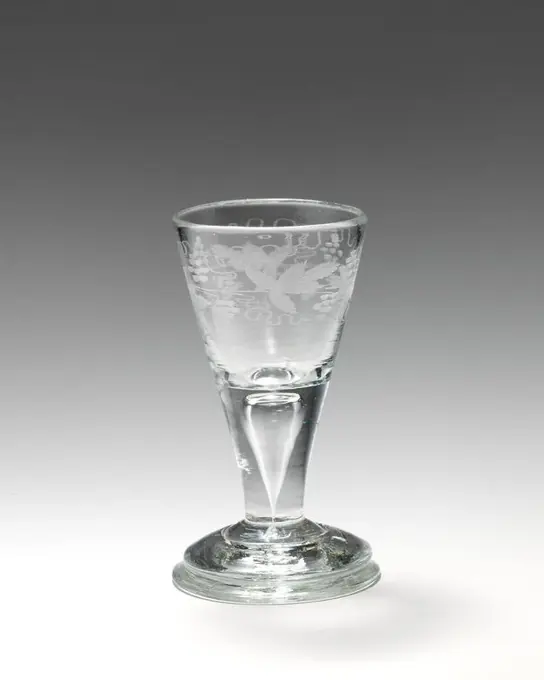
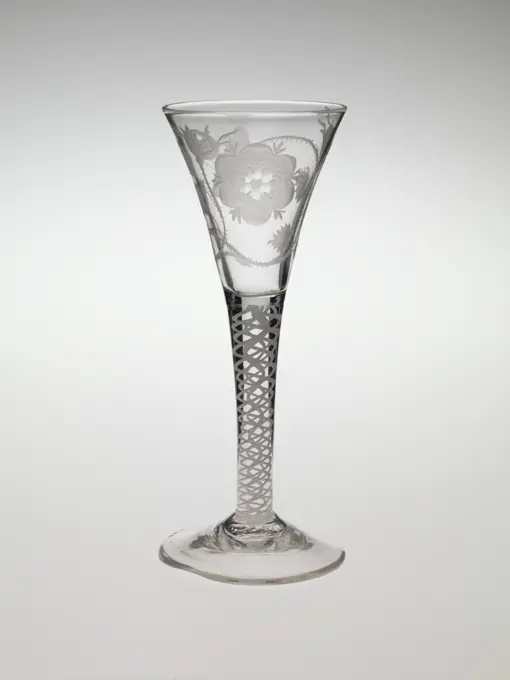
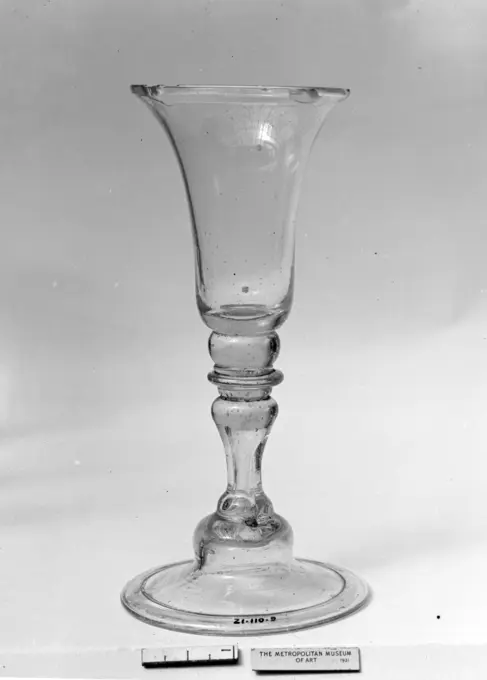
Wine glass, 18th century, 6 3/4 x 3 x 3 in. (17.15 x 7.62 x 7.62 cm), Glass, England, 18th century
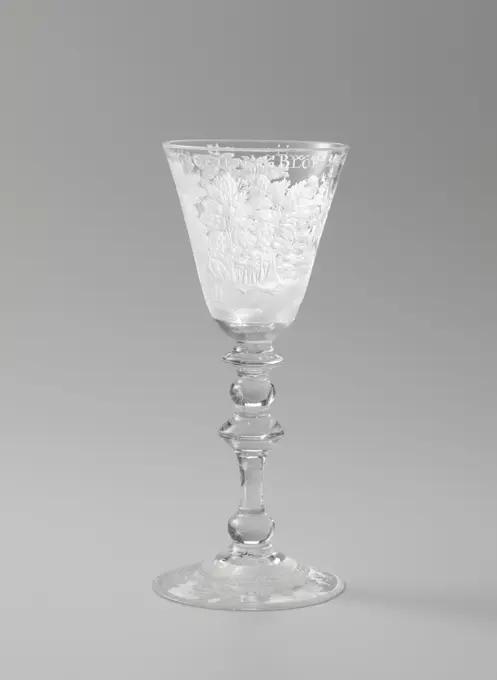
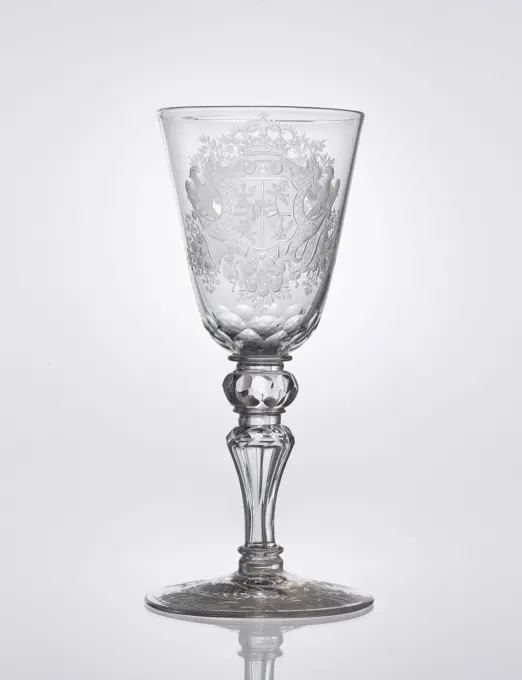
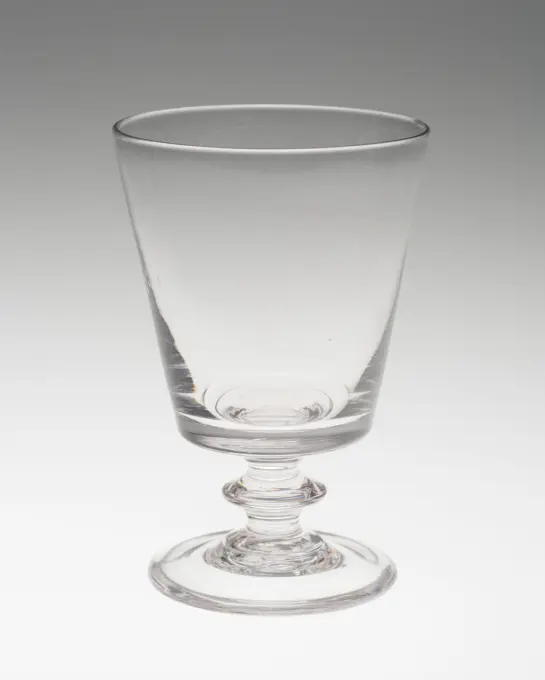
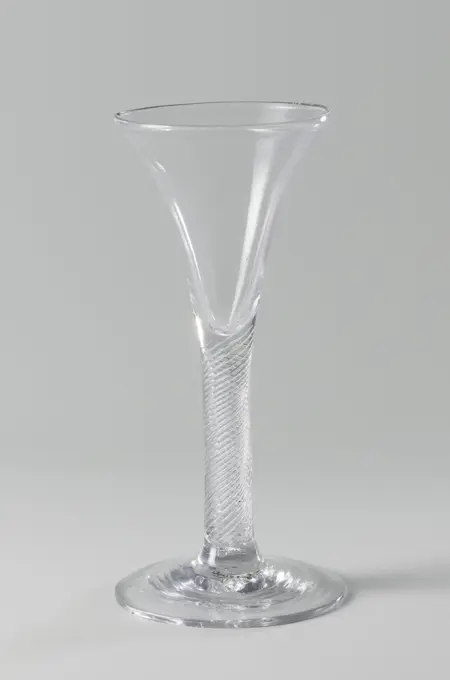
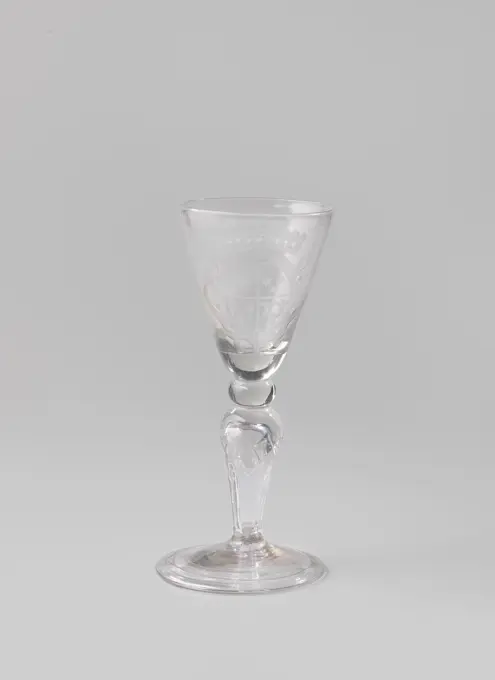
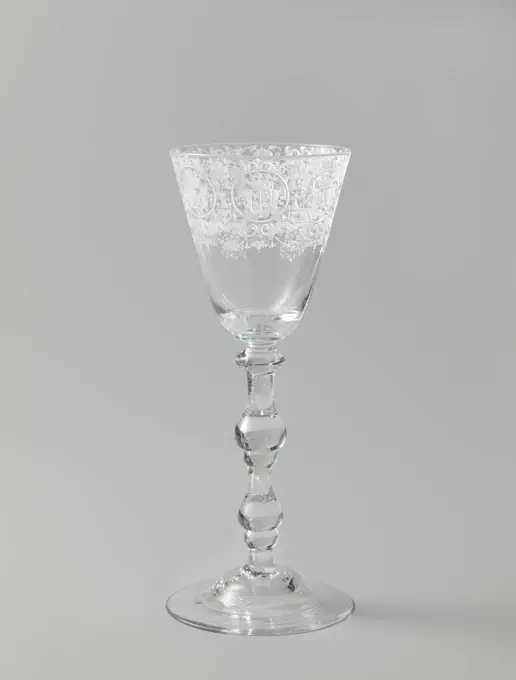
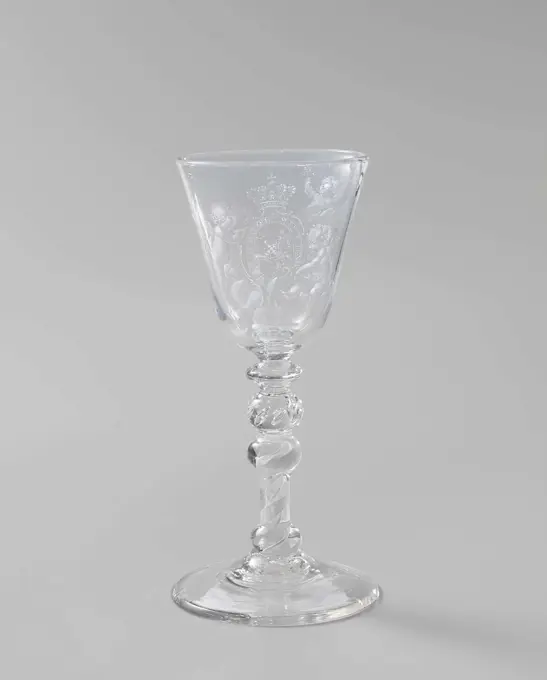
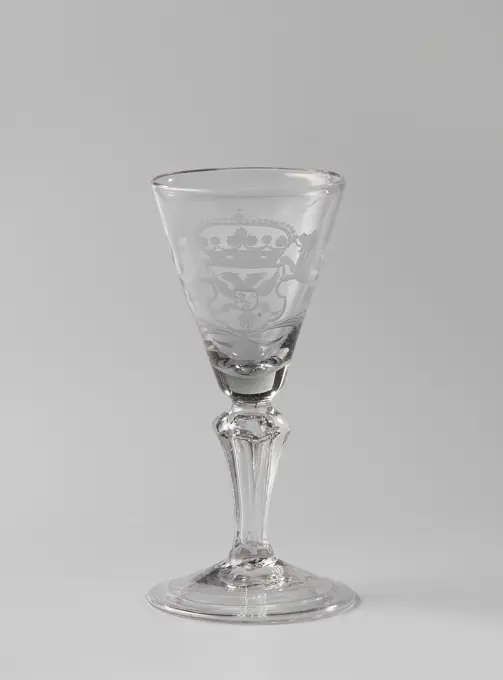
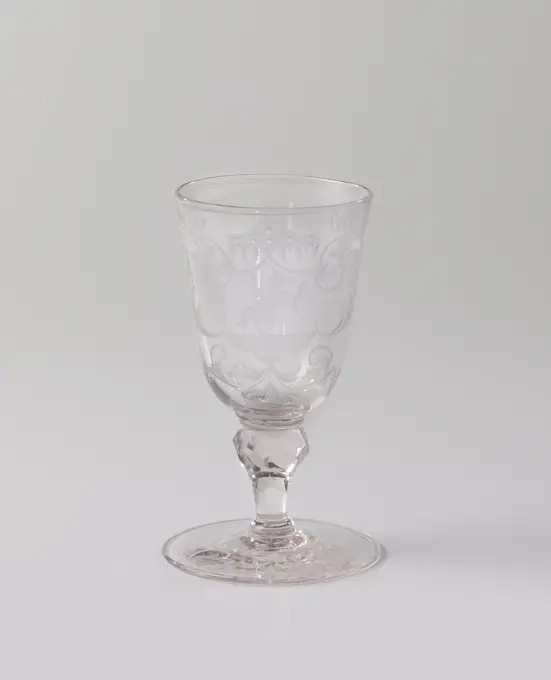
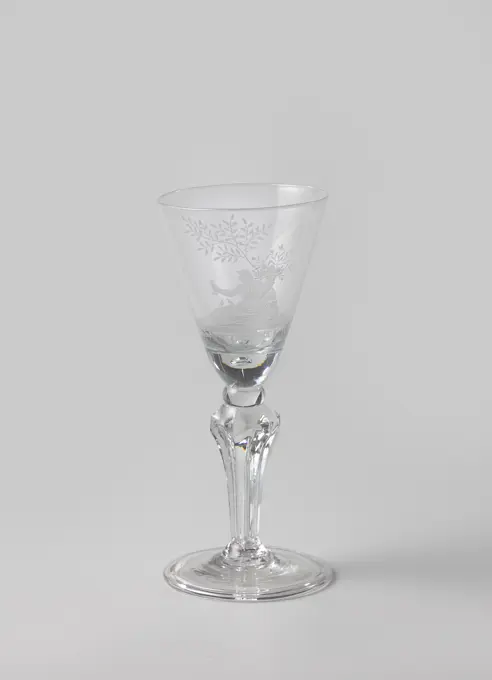
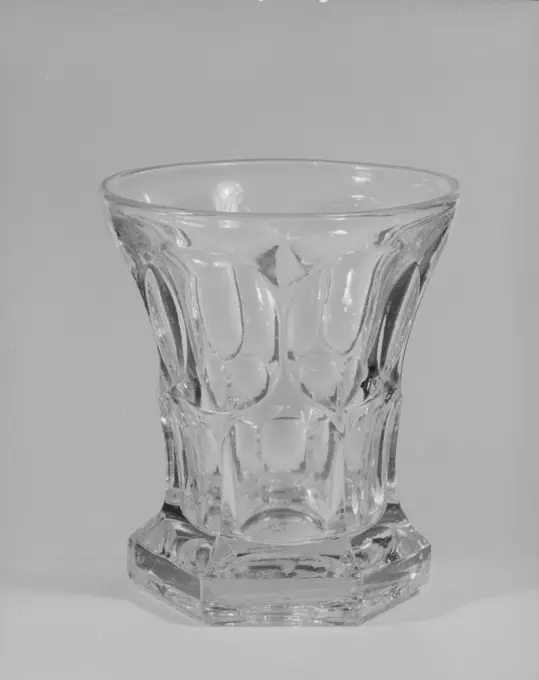
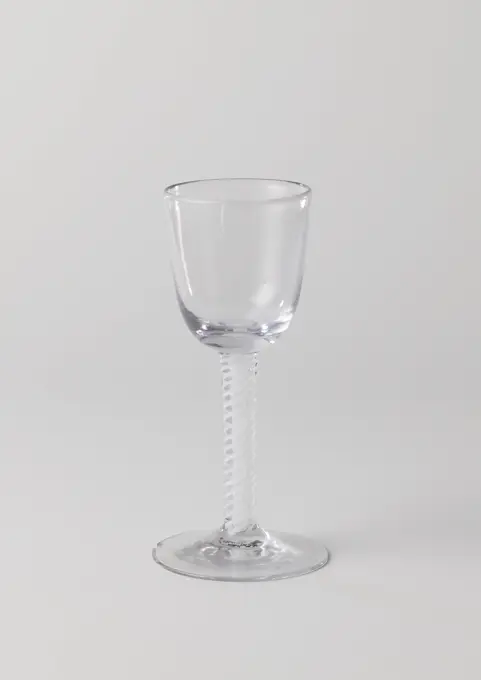
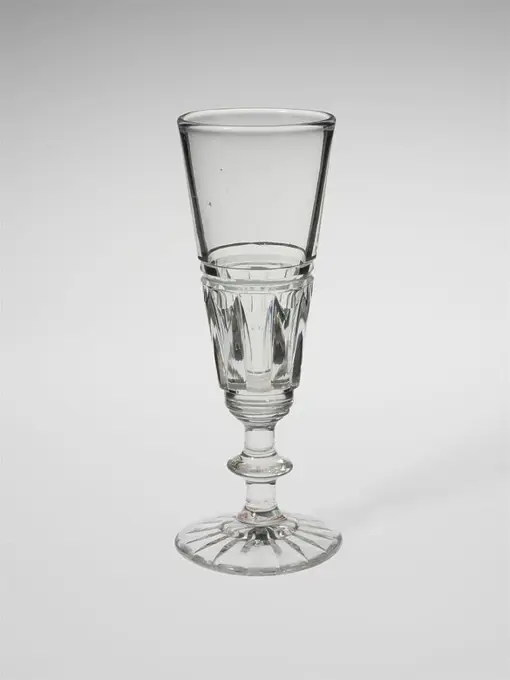
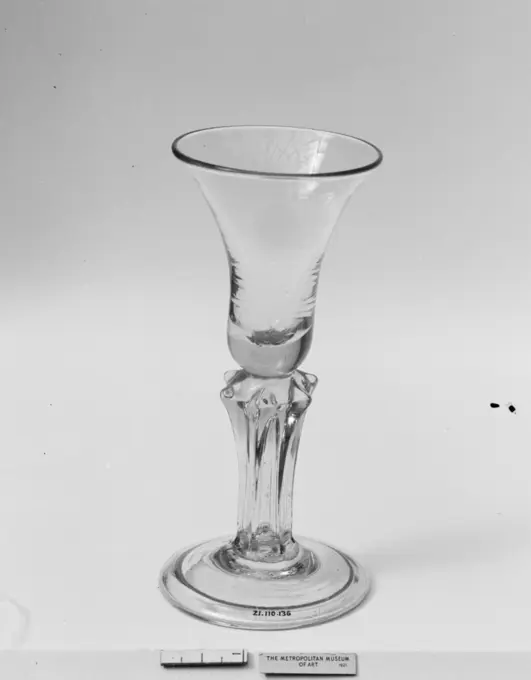
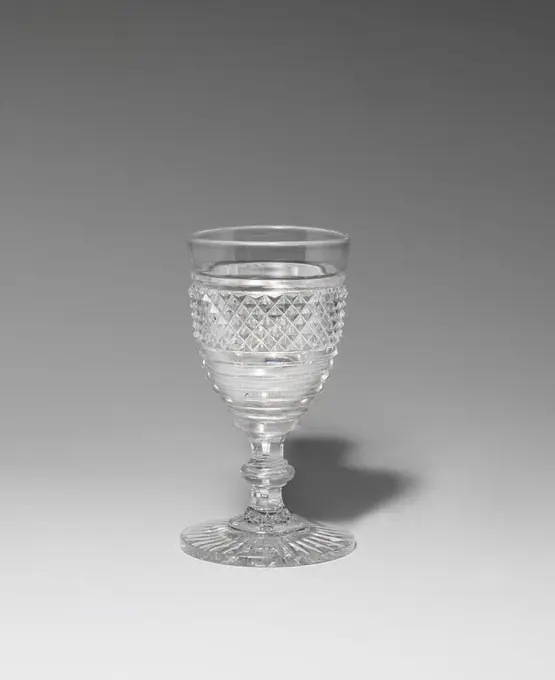
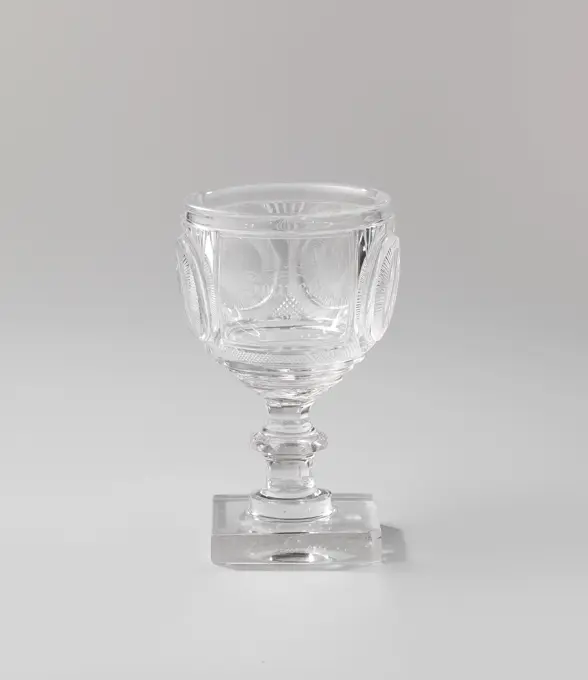
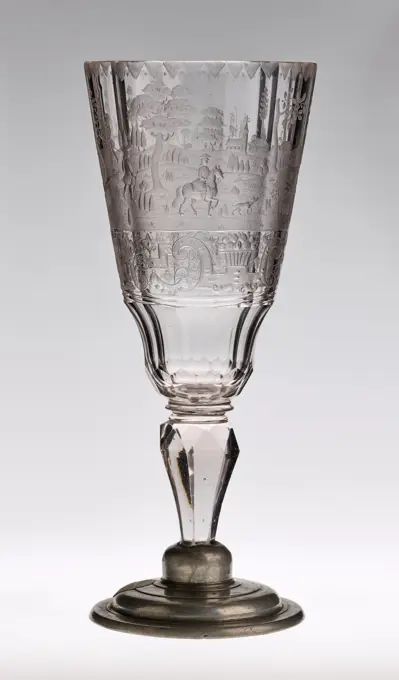
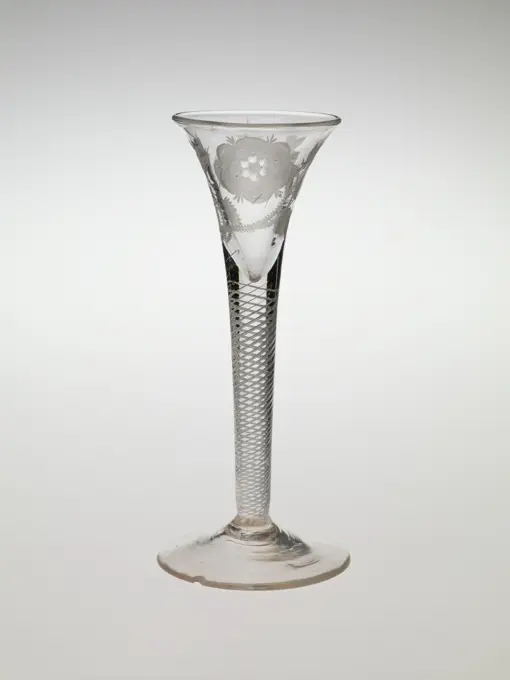
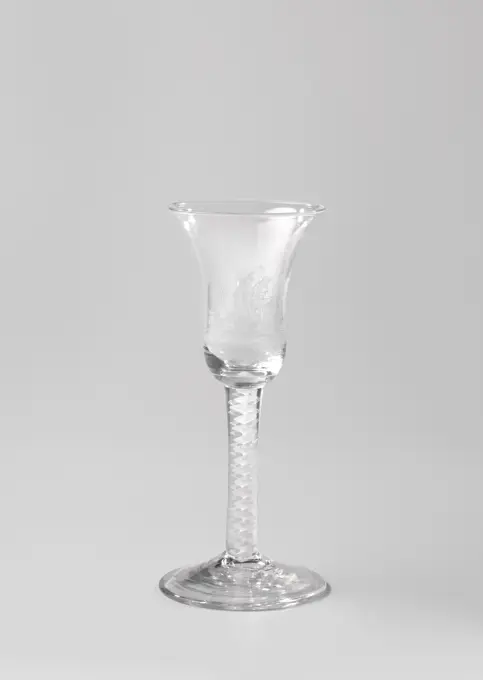
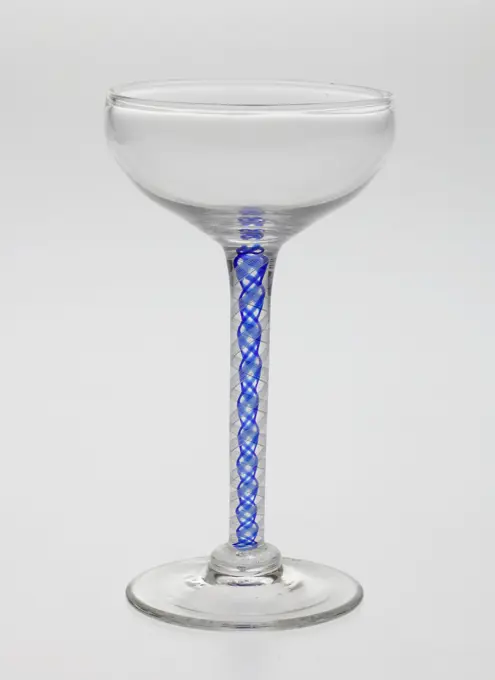
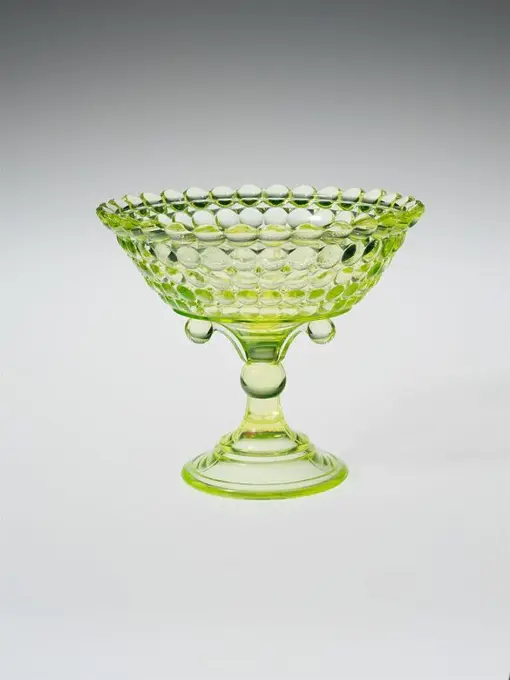
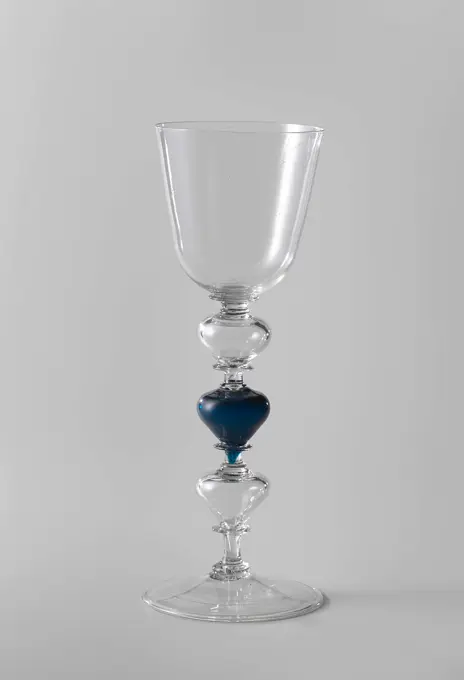
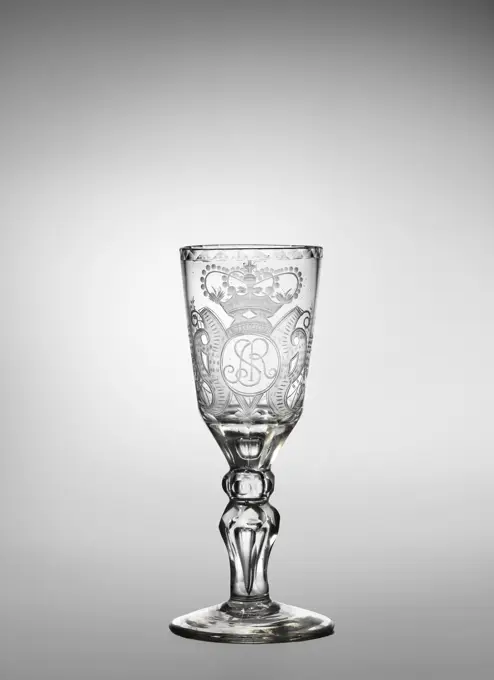
Wineglass. Culture: probably British. Dimensions: Height: 4 3/4 in. (12.1 cm). Date: 18th century. Museum: Metropolitan Museum of Art, New York, USA.Wine glass, 18th century, 6 3/4 x 3 x 3 in. (17.15 x 7.62 x 7.62 cm), Glass, England, 18th centurySlinger glass with bell-shaped chalice. Slinger glass with conical foot and a ballustroid tribe. In the trunk opask white garland around white network spiral. Bell-shaped chalice.Bokaal with the weapon of Anna van Hannover, Anonymous, c. 1735 - c. 1750 goblet Cup of clear, colorless glass with conical foot. Hexagonal stam with ringenn and a button. On the conical chalice in Radgravure the crowned weapon of Anna van Hannover (1709-1759). glassblower: EnglandNorthern Netherlands glass glassblowingKelkglas with funnel-shaped chalice. Kelkglas with conical foot with a hollow beaten edge. On a cuff a low cylinder-shaped strain through in a high, funnel-shaped, slightly flared chalice.Chalice glass with the house intermediate area and the inscription: 't Growing and blooming intermediate district, anonymous, c. 1750 - c. 1775 Conical foot. Balus -shaped strain buttons. Conical chalice with rounded soil. On the chalice, surrounded by trees, a house with four windows and a Dutch facade, a vase on a pedestal. At the end of the driveway an open fence with beehorfs on the pillars. On the pillars the name intermediate district. To the left of the gate, a arbor, right, in a forest with rabbits, a shepherd with a staff and two dogs. Along the mouth edge: 't grow and bloom from intermediate district. A continuous leaf branch and a band with stars on the foot. glassblower: NetherlandsNorthern Netherlands glass glassblowing Conical foot. Balus -shaped strain buttons. Conical chalice with rounded soil. On the chalice, surrounded by trees, a house with four windows and a Dutch facade, a vase on a pedestal. At the end of the driveway an open fence with beehorfs on the pillars. OnCup; Dresden (glassworks; 1699-Post 1756); around 1740 (1730-00-00-1740-00-00);Czesław (Fl. Ca 1957) - collection, Domaradzki, Lubomirski (family), Maria Józefa (Queen of Poland - 1699-1757), coats of arms, monograms, rulers, purchase (provenance)Wine glass with a ship. translation of inscription: The safe arrival of our friendsRummer 1805-1825 England. Glass .Slinger glass with trumpet -shaped chalice, anonymous, c. 1750 - c. 1775 Slinger glass with conical foot and slightly flared trunk. Multiple air spiral in the trunk. Stam continuous in trumpet -shaped chalice. England glass glassblowing Slinger glass with conical foot and slightly flared trunk. Multiple air spiral in the trunk. Stam continuous in trumpet -shaped chalice. England glass glassblowingChalip glass with crowned weapon of the Verstege family, Anonymous, c. 1725 - c. 1750 Konian foot. Hexagonal stam bblained in shape and with diamond pattern on the shoulder. Funnel -shaped chalice with rounded bottom. On the chalice, in a round shield surrounded by a cartouche, the crowned weapon of the Zutphen family Verstege. glassblower: France (possibly)Northern Netherlands glass glassblowing Konian foot. Hexagonal stam bblained in shape and with diamond pattern on the shoulder. Funnel -shaped chalice with rounded bottom. On the chalice, in a round shield surrounded by a cartouche, the crowned weapon of the Zutphen family Verstege. glassblower: France (possibly)Northern Netherlands glass glassblowingWine glass. This glass consists of three distinct parts: foot, stem and bowl. They form a sturdy, classical shape, which is clearly related to that of silver vessels from the same period. The bowl is engraved with the coats of arms of the seven provinces of the Dutch Republic.. Conical foot. Baluster-shaped strain with a white spiral around a double white spiral, three knots, one with a wreath inserted air bubbles. Conical, rugged on the bottom. On the chalice the coat of arms of Stadholder Prince Willem V (1748-1806) in an oval coat of arms of Rococo volutes with the order of the garter and the text Honi is qiu mal y pense. Two putti shield racks on clouds. A third putto is flying right behind the shield, a sprig of loving.Wineglass with Jacobite emblems ca. 1745 British. Wineglass with Jacobite emblems 194725Cordial Glass 1865-70 New England Glass Company. Cordial Glass 2264Chalice glass with a three-mast and the VOC monogram, anonymous, c. 1750 - c. 1775 Chalice glass made of clear, colorless glass. Conical foot. The baluster -shaped trunk with three nodes. The chalice is clock -shaped. On the chalice, in a crowned coat of arms with a cartouche consisting of rolling and palm branches, the monogram of the VOC. A three -mast on the other side. glassblower: Low CountriesNorthern Netherlands glass glassblowing Chalice glass made of clear, colorless glass. Conical foot. The baluster -shaped trunk with three nodes. The chalice is clock -shaped. On the chalice, in a crowned coat of arms with a cartouche consisting of rolling and palm branches, the monogram of the VOC. A three -mast on the other side. glassblower: Low CountriesNorthern Netherlands glass glassblowingNo. 104 White Wine Glass; Designed by Ludwig Lobmeyr (Austrian, 1829 - 1917); Manufactured by J. & L. Lobmeyr GmbH (Austria); Austria; mouth-blown crystal, cut and polishedCup;  1920-39 (1920-00-00-1939-00-00);Bokaal with a rider next to a prancing horse and a deer yacht, Anonymous, c. 1725 - c. 1750 Cup of clear, colorless glass. Facet cut, conical foot. Facet cut, baluster -shaped trunk with three knots. Bell -shaped chalice with facet cut, rounded soil. On the chalice a continuous landscape with trees, birds, in the background a deer yacht, and two houses. In the foreground a lawn with a rider who holds a prancing horse with the left hand at the reins. The man keeps a whip in the right hand. Along the mouth rim a band of polished circles. Germany glass glassblowing Cup of clear, colorless glass. Facet cut, conical foot. Facet cut, baluster -shaped trunk with three knots. Bell -shaped chalice with facet cut, rounded soil. On the chalice a continuous landscape with trees, birds, in the background a deer yacht, and two houses. In the foreground a lawn with a rider who holds a prancing horse with the left hand at the reins. The man keeps a whip in the right hand. Along the mouth rim a band ofKelkglas with the arms of the Beuningen family. Kelkglas of clear, colorless glass. Flat foot. The twisted, baluster-shaped strain has a red spiral, a bubble and three mereses. The trumpet-shaped chalice has a rounded bottom. On the chalice, in a cartouche consisting of volutes with matted surfaces with dots and circles, surrounded by leafwork, is an oval medallion with the crowned family crest of beuningen, flanked by two branches that are tied to each other at the bottom. Along the mouth edge a band with symmetrical leafwork and flower branches and two pigeons between a cartel edge and a stylized branch with leaves. The foot is trimmed with a band consisting of matted half ovals.Lid with the inscription, anonymous, c. 1670 - c. 1700 On the lid the calligraphy inscription: Lang live in Vreug '. glassblower: Low CountriesNorthern Netherlands glass glassblowing On the lid the calligraphy inscription: Lang live in Vreug '. glassblower: Low CountriesNorthern Netherlands glass glassblowingWineglass. Culture: British. Dimensions: Height: 5 1/4 in. (13.3 cm). Date: first half 18th century. Museum: Metropolitan Museum of Art, New York, USA.Wine Glass 1745-1755 Germany. Glass .Ale Glass 1775-1785 England. GlassBowl with a seated hunter. Vaulted foot with beaten edge. Baluster trunk with three buttons and a lowered air bubble. On the conical chalice a seated hunter, trees and a house.Kelkglas with an allegory on the trade. Konian foot with pontital brand. The stem made up of a double baluster with rows inserted air bubbles. Funnel-shaped chalice with rounded bottom. An allegory on trade has been engraved on the chalice, proposed by a bust of a winged Mercury over a Rococo with leaf refuel. To the right of the voluntaries a river mouth with merchandise in the form of a bale and a ton. On the other side of the river in it a villagescape with a church tower and mills.Champagne Glass. Culture: American. Dimensions: H. 5 1/16 in. (12.9 cm). Maker: Bakewell, Pears and Company (1836-1882). Date: 1850-70. Museum: Metropolitan Museum of Art, New York, USA.Kelkglas with the weapon of Nijmegen. Kelkglas with Baluster Stem with facets (cast). On the chalice the crowned weapon of Nijmegen between two lions.Goblet. Mythological amorous couples are portrayed on the bowl of this goblet: Apollo and Daphne, Diana and Endymion, and Leda and Jupiter. These depictions are virtually identical to ones on a dish signed by the famous Milanese lapidary Francesco Tortorino. He was employed byEmperor Maximilian II in 1569.Jar with a dancing Chinese, Anonymous, c. 1725 - c. 1750 Flat. Facetted baluster tribe. Conical chalice with rounded soil. On the chalice a representation of a dancing Chinese under a canopy and the inscription: Lüstig IHR Brieder. Bohemia glass glassblowing Flat. Facetted baluster tribe. Conical chalice with rounded soil. On the chalice a representation of a dancing Chinese under a canopy and the inscription: Lüstig IHR Brieder. Bohemia glass glassblowingChalice glass with an ornament edge, anonymous, c. 1725 - c. 1775 Chalice glass with polygonal baluster tribe in which an elongated bubble. Chalice with uncut facets above which an edge with sharpened lace. Bohemia glass glassblowing Chalice glass with polygonal baluster tribe in which an elongated bubble. Chalice with uncut facets above which an edge with sharpened lace. Bohemia glass glassblowingNo. 132 Champagne Flute; Designed by Professor Josef Storck (Austria, 1830 - 1902); Manufactured by J. & L. Lobmeyr GmbH (Austria), Meyr's Neffen, Adolf; Austria; mouth-blown crystal, facet-cut and polishedKelkglas with the Dutch Virgin and the inscription: Pax Optima Rerum. Kelkglas with conical foot. Hexagonal in shape blown strain with a button. Conical chalice with massive soil. A inserted air bubble in the soil. At the chalice an engraved representation of the Dutch virgin and the inscription: Pax Optima Rerum.Kelkglas with the arms of the Beuningen family. Kelkglas of clear, colorless glass. Flat foot. The twisted, baluster-shaped strain has a red spiral, a bubble and three mereses. The trumpet-shaped chalice has a rounded bottom. On the chalice, in a cartouche consisting of volutes with matted surfaces with dots and circles, surrounded by leafwork, is an oval medallion with the crowned family crest of beuningen, flanked by two branches that are tied to each other at the bottom. Along the mouth edge a band with symmetrical leafwork and flower branches and two pigeons between a cartel edge and a stylized branch with leaves. The foot is trimmed with a band consisting of matted half ovals.Tumbler 1830-70 American With the development of new formulas and techniques, glass-pressing technology had improved markedly by the late 1840s. By this time, pressed tablewares were being produced in large matching sets and innumerable forms. During the mid-1850s, colorless glass and simple geometric patterns dominated. Catering to the demand for moderately-priced dining wares, the glass industry in the United States expanded widely, and numerous factories supplied less expensive pressed glassware to the growing market. At the Exhibition of the Industry of All Nations at New Yorks Crystal Palace in 1853, for example, the New England Glass Company exhibited 130 pieces of one design, "consisting of bowls, tumblers, champagnes, wines, and jelly glasses." This object belongs to one such service. Although the glass manufactory is not known, the glassware is very typical of the large services that were very popular with Americas middle class in the nineteenth century.. Tumbler. American. Chalice glass with trumpet -shaped chalice, anonymous, c. 1650 - c. 1700 Flat base with turned around. The trunk made up of a hollow, four -lobby baluster and two discs. Trumpet -shaped chalice. Low Countries glass glassblowing Flat base with turned around. The trunk made up of a hollow, four -lobby baluster and two discs. Trumpet -shaped chalice. Low Countries glass glassblowingWine Glass 1725-1735 Germany. Glass .Slinger glass with conical chalice, anonymous, c. 1750 - c. 1775 Slinger glass with conical foot and straight trunk. In the trunk, white spirals around white network spiral. Conical chalice with rounded soil. England glass glassblowing Slinger glass with conical foot and straight trunk. In the trunk, white spirals around white network spiral. Conical chalice with rounded soil. England glass glassblowing. Two men drink to each other, beneath an inscription that translates as A Little Drink to Friendship’.Champagne Glass. Culture: American. Dimensions: H. 6 5/8 in. (16.8 cm); Diam. 2 9/16 in. (6.5 cm). Date: 1830-40. Museum: Metropolitan Museum of Art, New York, USA.Wine glass with three music-making boys, anonymous, c. 1775 - c. 1798 Conical foot. Broadening, in facet -ground tribe, transferring to a curved chalice. On the chalice, in a landscape with trees, three music -making putti, who play a mandolin, a triangel and a flute respectively. On the downside a banderolle with the text: Harmoniæ. glassblower: EnglandNorthern Netherlands glass grinding / glassblowing Conical foot. Broadening, in facet -ground tribe, transferring to a curved chalice. On the chalice, in a landscape with trees, three music -making putti, who play a mandolin, a triangel and a flute respectively. On the downside a banderolle with the text: Harmoniæ. glassblower: EnglandNorthern Netherlands glass grinding / glassblowingWineglass ca. 1720 British. Wineglass. British. ca. 1720. Glass. GlassClaret. Culture: American. Dimensions: 4 5/16 in. (11 cm). Maker: Pellatt & Green. Date: 1818.William Bayard (1761-1826) commissioned this table service (2008.594.1-.53) in 1818 for his daughter Harriet (1799-1875) and her husband Stephen Van Rensselaer IV (1789-1868) from Pellatt & Green, London's premier glasshouse. The fine lead glass and deep Regency cutting would have created a brilliant sparkle in their candlelit dining room, in Albany, New York. The set originally included dozens of drinking glasses, for claret, ale, and champagne, as well as decanters, wine coolers, tumblers, and finger glasses, all "elegantly cut in diamonds & Rings" according to the surviving bill of sale (2008.594.54a,b). In addition to its elegance and quality, the service is extremely rare in it's documentation to the specific American family who owned it and to the English glasshouse that made it. Museum: Metropolitan Museum of Art, New York, USA.Wine Glass 1795-1805 England. Glass .CupTwisted stem glass with a wedding scene, anonymous, 1796 Konical foot with pontil brand. The trunk made up of a baluster and two nodi. A double white sling in the baluster. Funnel -shaped chalice rounded at the bottom. On the chalice are depicted a man and a woman who reach each other over an altar with a burning heart on it. Above the performance a jet wreath from which God pays out a horn of abundance. Under the altar two lovebirds, a torch, a bundle of arrows and a bow. Next to the man a rose and next to the woman a lily. The following poem is on the downside: 'This is how God's blessing flows from the clouds; On you. ; There love your heart,; And really altar your hand. ; Unit, they once again off; A real, so tender,; The listening of your name, the; fame from 't Faderland'; The show and poem are separated by two flower clusters hung on a bow and a ring, in which two lovebirds, a torch and a arrow sleeve are incorporated. The signature and the year 'A. Hoevenaar, Fecit 1796 '. GlasChalip glass on square base, with the inscription: Citadelle d'Anvers 15 Avril 1831, Val Saint Lambert (attributed to), 1831  Thick, square, smooth foot with the text: 'Citadelle d'Anvers 15 Avril 1831'. Facetted trunk with a disk. Spherical chalice, in which four ovale and one square medallion are sharpened, in which engraved: 'Souvenir. / De W. E. V. B '. BelgiumLow Countries glass grinding / glassblowing  Antwerp. Citadel of Antwerp (19th century)Wineglass first half 18th century German, Silesia or Bohemian. Wineglass. German, Silesia or Bohemian. first half 18th century. Glass. GlassWine Glass 1760-1770 England. Glass .Cup;  1920-39 (1920-00-00-1939-00-00);Cup; Weissbach (Huta Szk A; 1617-1754), Weiberge (Huta Szk 1730-1750 (1730-00-00-1750-00-00);Chalip glass with an obelisk and a face on the Brasemermeer near Rijnsaterwoude, Anonymous, 1765 Vaulted foot. Baluster tribe with buttons and a disc. Conical chalice with solid soil and air bubbles. On the chalice the face on the Braassemermeer, with inscription: 'Iehova Geeve Altoos Lord Steenis Langen Tijt - Rijnsaterwoud's wife lots of good in d'delight mdcclxi'. Furthermore, the weapons of Rijnsaterwoude and Steenis. glassblower: Low CountriesNorthern Netherlands glass glassblowing  Rijnsaterwoude. Braassemermeer Vaulted foot. Baluster tribe with buttons and a disc. Conical chalice with solid soil and air bubbles. On the chalice the face on the Braassemermeer, with inscription: 'Iehova Geeve Altoos Lord Steenis Langen Tijt - Rijnsaterwoud's wife lots of good in d'delight mdcclxi'. Furthermore, the weapons of Rijnsaterwoude and Steenis. glassblower: Low CountriesNorthern Netherlands glass glassblowing  Rijnsaterwoude. BraassemermeerChalip glass with Hebrew inscription, Daniël H. de Castro, c. 1850 - c. 1863 Hexagonal base with faceted soil. Stam consisting of a faceted button with a bubble. On the slightly conical chalice, Hebrew inscriptions are engraved between flower and leaf ornaments. Grape bunches engraved under the flower and leaf ornaments. Amsterdam glass grinding / glassblowing Hexagonal base with faceted soil. Stam consisting of a faceted button with a bubble. On the slightly conical chalice, Hebrew inscriptions are engraved between flower and leaf ornaments. Grape bunches engraved under the flower and leaf ornaments. Amsterdam glass grinding / glassblowingWineglass with Jacobite emblems ca. 1745 British. Wineglass with Jacobite emblems 195165Wineglass. Culture: American. Dimensions: H. 4 15/16 in. (12.5 cm); Diam. 2 1/2 in. (6.4 cm). Date: 1810-30. Museum: Metropolitan Museum of Art, New York, USA.Drinking Glass. Italy, Venice, circa 1550-1650. Furnishings; Serviceware. GlassGlass; Unfolded author, indefinite Lona Huta; XVII/18th century (1680-00-00-1710-00-00);Goblet 1870-80 Boston & Sandwich Glass Company. Goblet. American. 1870-80. Pressed glass. Made in Sandwich, Massachusetts, United StatesSlingerlas on the coal trade, Anonymous, c. 1750 - c. 1775 Konical foot with pontil brand. Straight trunk with a double white pendulum. Bell -shaped chalice. Events are depicted on the chalice, which relate to the coal trade: Three workmen scoops the coal of a coal mountain, three other measures the coal and they put them in baskets. Two people are watching. A ship is depicted in the background. Above the performance is the inscription 'Lang Blouyt & Grouyd de Hoopderkole'. glassblower: EnglandNorthern Netherlands glass glassblowing Konical foot with pontil brand. Straight trunk with a double white pendulum. Bell -shaped chalice. Events are depicted on the chalice, which relate to the coal trade: Three workmen scoops the coal of a coal mountain, three other measures the coal and they put them in baskets. Two people are watching. A ship is depicted in the background. Above the performance is the inscription 'Lang Blouyt & Grouyd de Hoopderkole'. glassblower: EnglandNorthern Netherlands Goblet. Culture: American. Dimensions: Dimensions unavailable. Date: 1850-60.With the development of new formulas and techniques, glass-pressing technology had improved markedly by the late 1840s. By this time, pressed tablewares were being produced in large matching sets and innumerable forms. During the mid-1850s, colorless glass and simple geometric patterns dominated. Catering to the demand for moderately-priced dining wares, the glass industry in the United States expanded widely, and numerous factories supplied less expensive pressed glassware to the growing market. At the Exhibition of the Industry of All Nations at New York's Crystal Palace in 1853, for example, the New England Glass Company exhibited 130 pieces of one design, "consisting of bowls, tumblers, champagnes, wines, and jelly glasses." This object belongs to one such service. Although the glass manufactory is not known, the glassware is very typical of the large services that were very popular with America's middle Goblet 1815-1835 England. Glass .Cordial. Culture: American. Dimensions: H. 3 5/16 in. (8.4 cm). Date: 1830-70.With the development of new formulas and techniques, glass-pressing technology had improved markedly by the late 1840s. By this time, pressed tablewares were being produced in large matching sets and innumerable forms. During the mid-1850s, colorless glass and simple geometric patterns dominated. Catering to the demand for moderately-priced dining wares, the glass industry in the United States expanded widely, and numerous factories supplied less expensive pressed glassware to the growing market. At the Exhibition of the Industry of All Nations at New York's Crystal Palace in 1853, for example, the New England Glass Company exhibited 130 pieces of one design, "consisting of bowls, tumblers, champagnes, wines, and jelly glasses." This object belongs to one such service. Although the glass manufactory is not known, the glassware is very typical of the large services that were very popular with America's middleCup; Non -like Lona Huta; 2. W. 18th century (1725-00-00-1750-00-00);Goblet. Naliboki (huta szkła ; 1722-1862), glass worksDrinking Glass. Italy, Venice, circa 1550-1650. Furnishings; Serviceware. GlassAllianced armorials of Saxe-Weissenfels and Brandenburg ca. 1720 Engraved by G. E. Kunckel The engraved decoration on this cup links it to Duchess Sophie von Saxe-Weissenfels (1684-1752) and George William, Margrave of Brandenburg-Bayreuth (1678-1726), who were married in 1699.. Allianced armorials of Saxe-Weissenfels and Brandenburg 195834Tumbler, 18th century, 5 3/4 x 4 3/4 x 4 3/4in. (14.6 x 12.1 x 12.1cm), Glass, Germany, 18th centuryKelkglas with the new church in Amsterdam. Vaulted foot. The baluster-shaped strain has three knots and a bond with air bubbles. The conical chalice has a rounded soil. On the chalice a continuous extend from the new church in Amsterdam and a meadow with cows and a farmer with a horse-drawn team. In the background the sea with a three-master. Along the mouth edge, above the performance, the text: T. ' Welvaaren van Land. And church. Signed on the foot: Jacob Sang, Inv. ET FEC: Amsterdam, 1760.Glass;  1920-39 (1920-00-00-1939-00-00);No. 2 Beer Tumbler; Designed by Josef Lobmeyr Senior; Manufactured by J. & L. Lobmeyr GmbH (Austria); Austria; mouth-blown crystal, faceted and relief-prismatic-cut and polishedBerkmeier with two rows of flat studs, anonymous, c. 1625 - c. 1675 Berkmeier with inserted bottom on conical, spun from a wire. The light convex chalice blown as a whole with the trunk, which is occupied with two rows of large flat studs. The transition from the chalice to the trunk indicated by a smooth thread. Low Countries glass glassblowing Berkmeier with inserted bottom on conical, spun from a wire. The light convex chalice blown as a whole with the trunk, which is occupied with two rows of large flat studs. The transition from the chalice to the trunk indicated by a smooth thread. Low Countries glass glassblowingGlassGlass; glass; Overall: 15 x 8.4 cm diameter (5 7/8 x 3 5/16 in.)Kelkglas with an ornament edge. Kelkglas on a thin trunk with three buttons. Along the celk border a very fine bordure of ornaments and flowers.Empty glass for cognac isolated on a white backgroundGaming Goblet with Glass Dice. Probably Bohemia, Czech Republic. Date: 1675-1699. Dimensions: 32.5 × 9.2 cm (12 13/16 × 3 5/8 in.). Glass; blown with wheel engraved decoration. Origin: Bohemia. Museum: The Chicago Art Institute, Chicago, USA.Goblet, Salviati & Co., c. 1875 Bokaal with low foot, optically blown into twisted ribs, turned around. Balus -shaped, hollow trunk, blown in a motif of Leeuwemaskers and rosettes with garlands under a border. Funnel -shaped chalice rounded at the bottom, optically blown into ribbed ribs. The glass mass of the foot and trunk runs from clear colorless to white-blue opaque glass. Venice glass glassblowing Bokaal with low foot, optically blown into twisted ribs, turned around. Balus -shaped, hollow trunk, blown in a motif of Leeuwemaskers and rosettes with garlands under a border. Funnel -shaped chalice rounded at the bottom, optically blown into ribbed ribs. The glass mass of the foot and trunk runs from clear colorless to white-blue opaque glass. Venice glass glassblowingSlinger glass with conical chalice, anonymous, c. 1750 - c. 1775 Slinger glass with conical foot and straight trunk. In the trunk, white spirals around white network spiral. Conical chalice with rounded soil. England glass glassblowing Slinger glass with conical foot and straight trunk. In the trunk, white spirals around white network spiral. Conical chalice with rounded soil. England glass glassblowingGlass goblet. Culture: Roman. Dimensions: Height: 3 1/8 in. (8 cm)Diam. of rim: 2 13/16 in. (7.1 cm)Diam. of foot: 1 11/16 in. (4.3 cm). Date: 4th-6th century A.D..Translucent light blue.Rounded and thickened rim with slight inward lip; funnel-shaped body with slightly concave sides, then turned in horizontally to applied solid stem; tooled out, splayed, circular foot; concave bottom with pontil scar at center.Intact; some pinprick and larger bubbles; dulling and faint iridescent weathering. Museum: Metropolitan Museum of Art, New York, USA.Roemer with remains of a flute man and a bacchant, anonymous, c. 1600 Large Roemer with stand ring pulled out of drops. Inserted soil. The trunk, set with four rows of close together placed thorn tops as a whole blown with the egg -shaped chalice. The transition from the trunk to the chalice indicated by a smooth thread. On the chalice of a performance in gold remains; You can still see a flute man and the head of a Bacchant. Germany glass glassblowing / gilding Large Roemer with stand ring pulled out of drops. Inserted soil. The trunk, set with four rows of close together placed thorn tops as a whole blown with the egg -shaped chalice. The transition from the trunk to the chalice indicated by a smooth thread. On the chalice of a performance in gold remains; You can still see a flute man and the head of a Bacchant. Germany glass glassblowing / gildingWineglass ca. 1750 Dutch or Flemish. Wineglass. Dutch or Flemish. ca. 1750. Glass. GlassGlass; Single Germans, Netherlands; 1696 (1696-00-00-1696-00-00);symbolic scenesChampagne glass - Tiffany Glass Company Tiffany Glass CompanyBeaker 1715-1725 Germany. Glass .Glass; Lobmeyr, J. & L. (Vienna; 1823-); 1920-39 (1920-00-00-1939-00-00);Wineglass 1700-1750 Dutch or Flemish. Wineglass. Dutch or Flemish. 1700-1750. Glass. GlassGoblet. Germany, Kassel; Attributed to Franz Gonderlach (German, c. 1663-1726). Date: 1715-1725. Dimensions: 14.9 x 10 cm (5 7/8 x 3 15/16 in.). Glass. Origin: Kassel. Museum: The Chicago Art Institute, Chicago, USA. Author: Franz Gondelach.meester van het Vingerhoedglas (engraving), Goblet engraved on the occasion of the marriage Herman Vingerhoed and Maria 's Graafweg, wine glass drinking glass drinkware tableware holder glass lead glass, gram free blown and formed radgraving polishing goblet wineglass wedding glass in clear colorless lead glass. Pontil mark under round hollow ascending foot, top engraved with two branches attached by ribbon and COÊUNT IN FOEDERA DEXTRAE :. On two stacked convex knots, massive narrow reverse balustersteam (light baluster) with marbled baluster knot to five barrel-shaped flat knots to round knot. Bottom narrow rounded funnel-shaped chalice with fire-rounded edge COEUNT IN. FOEDERA DEXTRAE: (the right hands come together in covenant) heraldry marriage Herman Vingerhoedt Maria 's Graafweg 1729 serving drinking remindGlass Zbigniew Horbowy, Huta Glasswoman SzczytnaSlinger glass with bell-shaped chalice. Slinger glass with conical foot and straight trunk. In the stem opaak white garlands around winding network spiral. Clock-shaped chaliceChampagne Flute. E. Bakalowits & Söhne (Austria, Vienna, active 1845-circa 1914)Koloman Moser (Austria, 1868-1918, active 1910-1928). Austria, designed 1899-1900. Furnishings; Serviceware. Clear mold-blown glassFoot and trunk of a chalice glass (with justice and the inscription: Justitia.), Anonymous, c. 1725 - c. 1750 Conical foot. Slim baluster tribe with buttons. The corresponding chalice has been lost. Netherlands glass Conical foot. Slim baluster tribe with buttons. The corresponding chalice has been lost. Netherlands glassCup; Naliboki (glassworks; 1722-1862); 1740-1750 (1740-00-00-1750-00-00);herbyCandlestick (one of a pair) ca. 1780 British This candlestick is one of a pair with 24.132.9.. Candlestick (one of a pair). British. ca. 1780. Glass. GlassChalip glass with a performance of merchants, anonymous, c. 1775 - In or Before 1798 Conical foot. Broadening, facet -cut trunk, transferring to a curved chalice. On the chalice, in a landscape with trees, Mercury, the god of trade, sitting on a square pedestal with his attributes; A winged helmet, the winged sandals, a herauten staff, and a sealed letter. Two barrels next to him. Three merchant ships in the background. Above the performance, in irregular letters, the merchants. Under the foot the name: J: G: Smeyser. glassblower: EnglandNorthern Netherlands glass grinding / glassblowing Conical foot. Broadening, facet -cut trunk, transferring to a curved chalice. On the chalice, in a landscape with trees, Mercury, the god of trade, sitting on a square pedestal with his attributes; A winged helmet, the winged sandals, a herauten staff, and a sealed letter. Two barrels next to him. Three merchant ships in the background. Above the performance, in irregular letters, the merchants. Under Compote. Culture: American. Dimensions: H. 4 3/4 in. (12.1 cm); Diam. 5 1/2 in. (14 cm). Maker: Adams and Company. Date: 1870-90. Museum: Metropolitan Museum of Art, New York, USA.Wine Glass 1860-70 New England Glass Company. Wine Glass. American. 1860-70. Pressed glass. Made in East Cambridge, Massachusetts, United StatesCup with three hollow Baluster. Flat foot with beaten edge. The stem made up of three hollow balusters, the middle of blue glass, and four discs. Funnel-shaped, rugged on the bottom.Glass Zbigniew Horbowy, Huta Glasswoman SzczytnaGoblet. unknown, glass works