Antique Glassware Collection

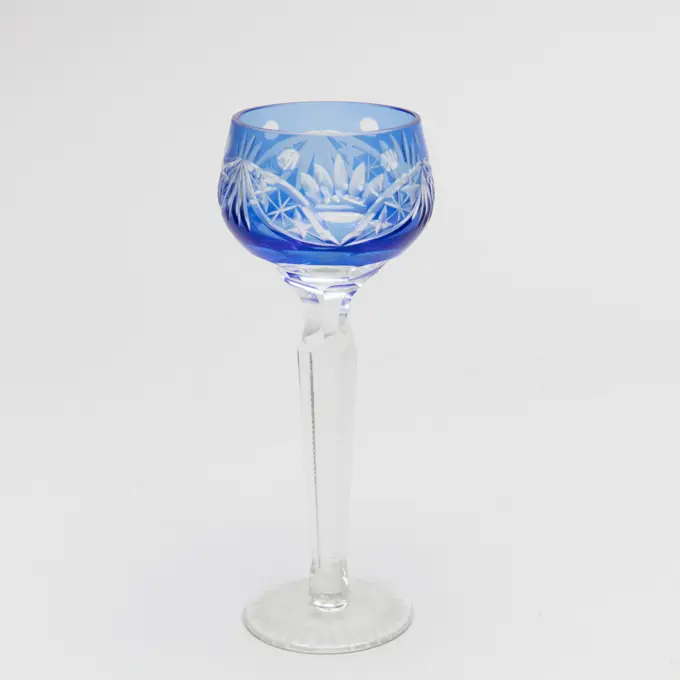
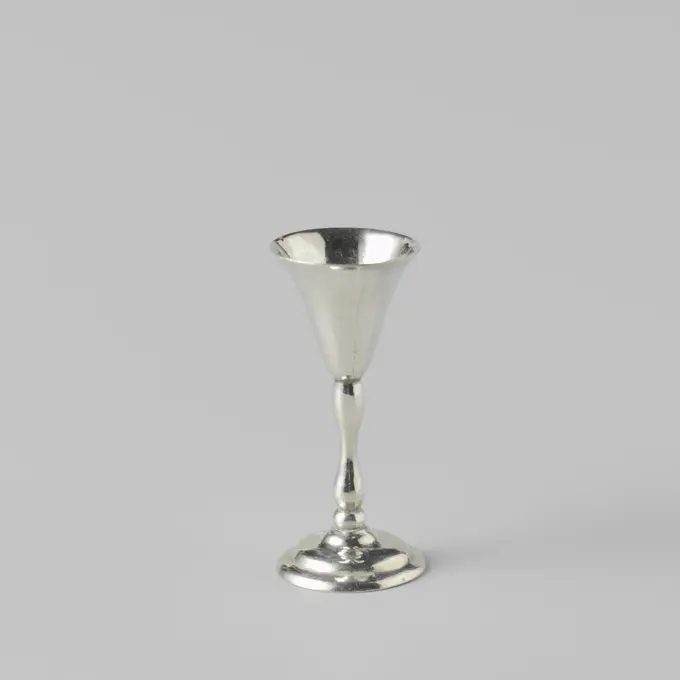
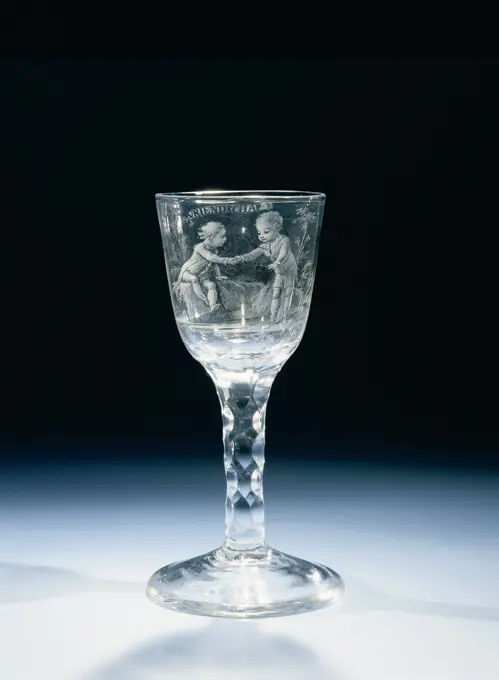
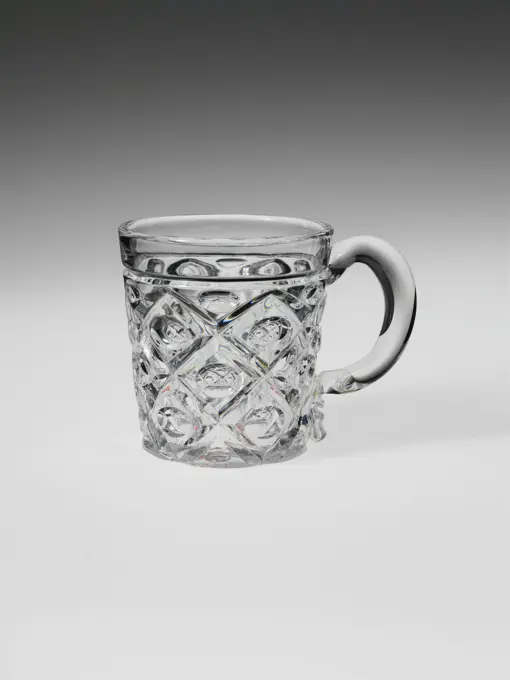
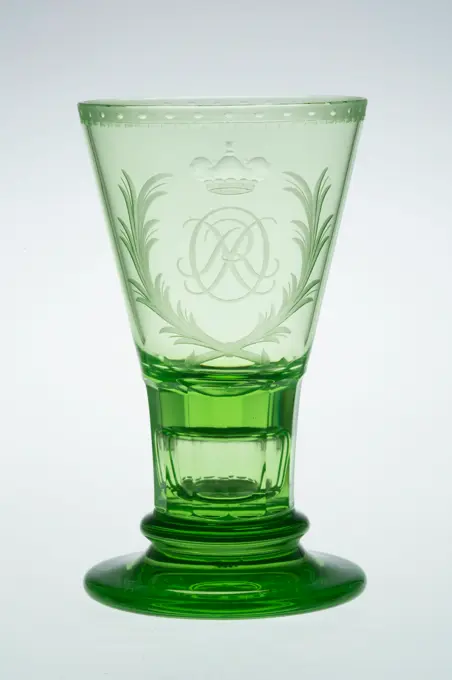
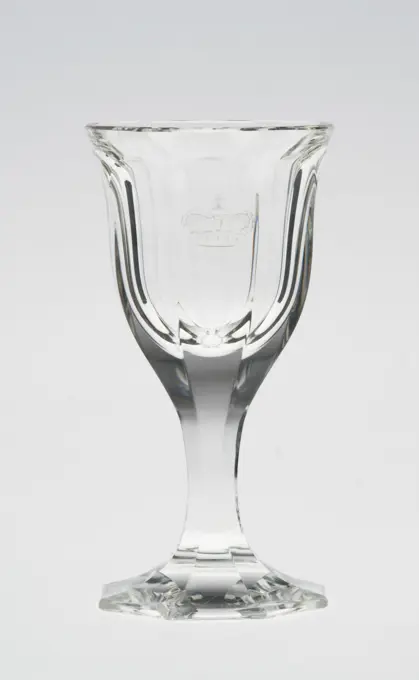
Elegant vintage glassware featuring intricate designs, including wine glasses and chalices from the 18th century, depicted with clarity and detail.

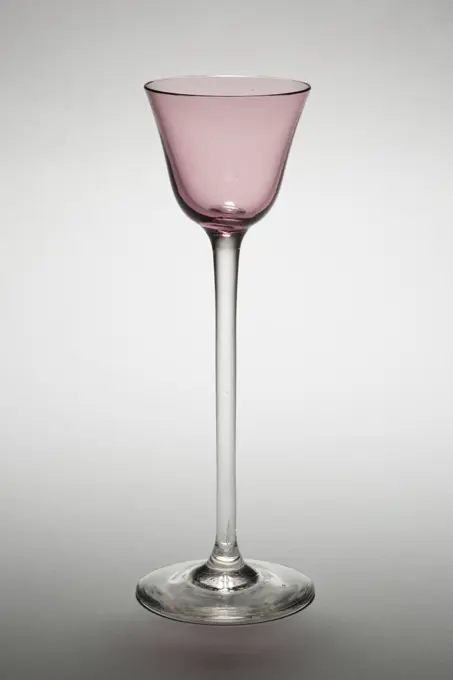
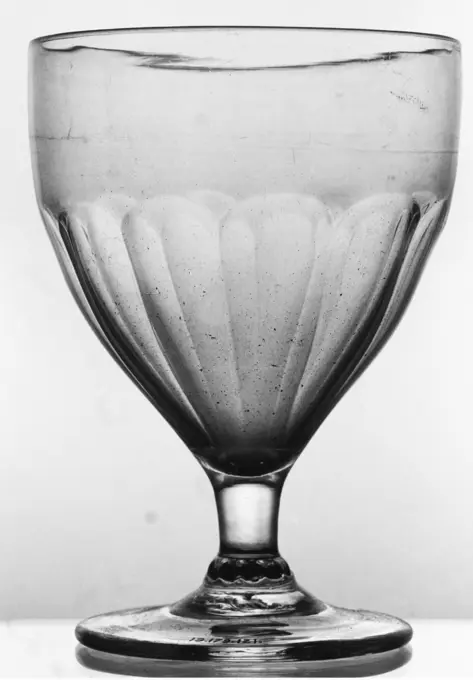
Wine glass, 18th century, 6 3/4 x 3 x 3 in. (17.15 x 7.62 x 7.62 cm), Glass, England, 18th century
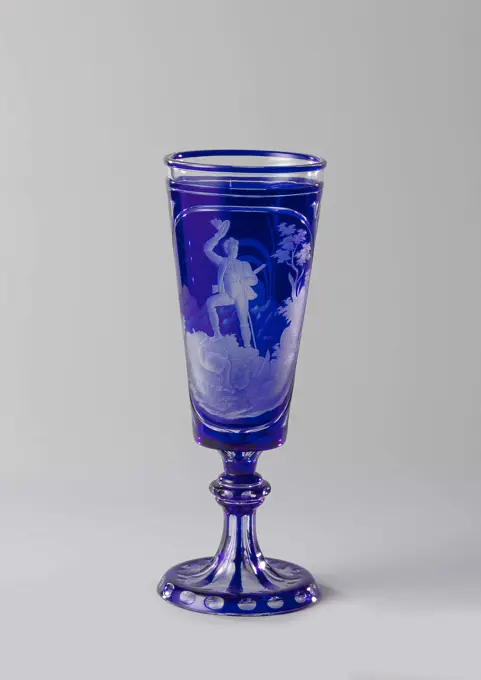
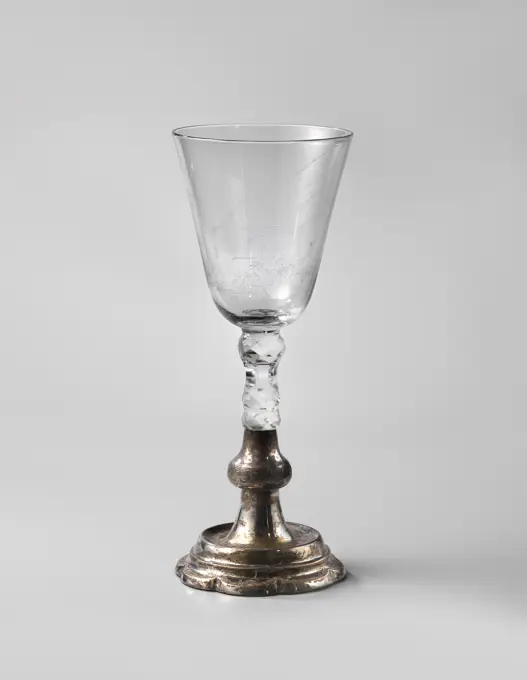
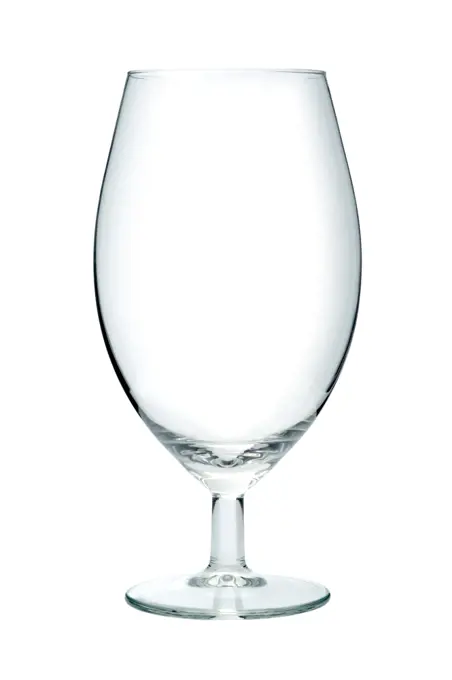
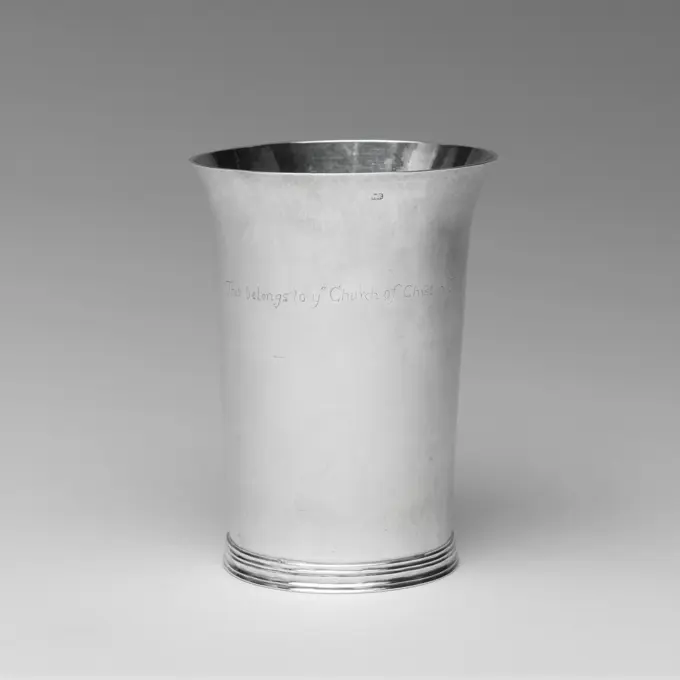
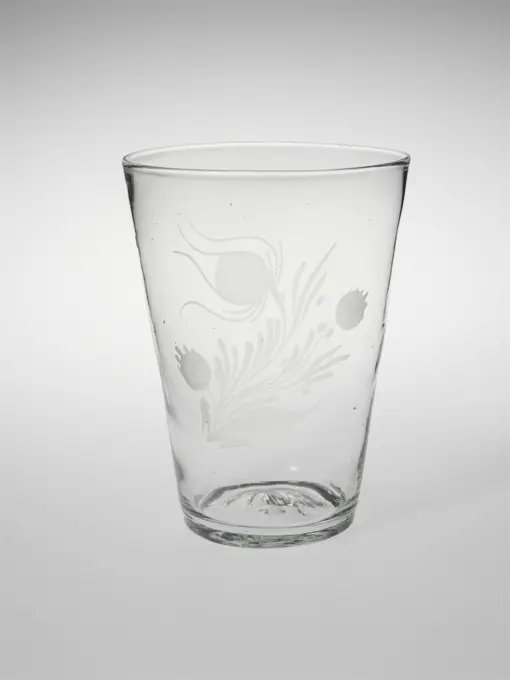
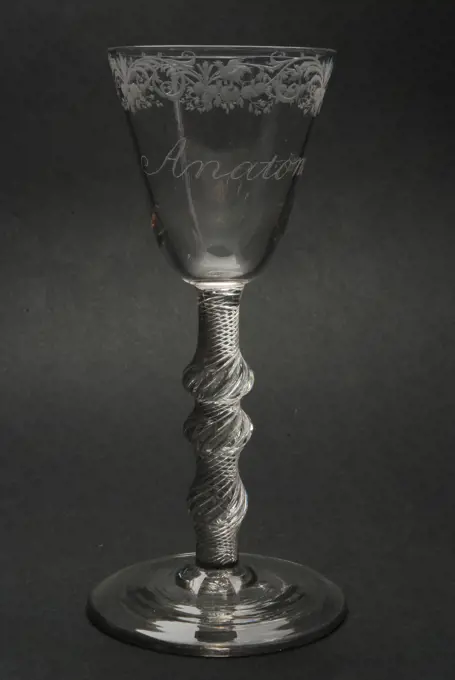
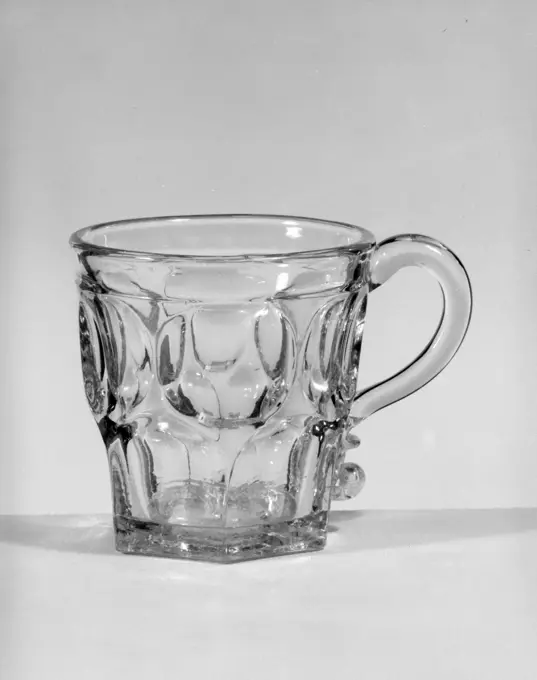
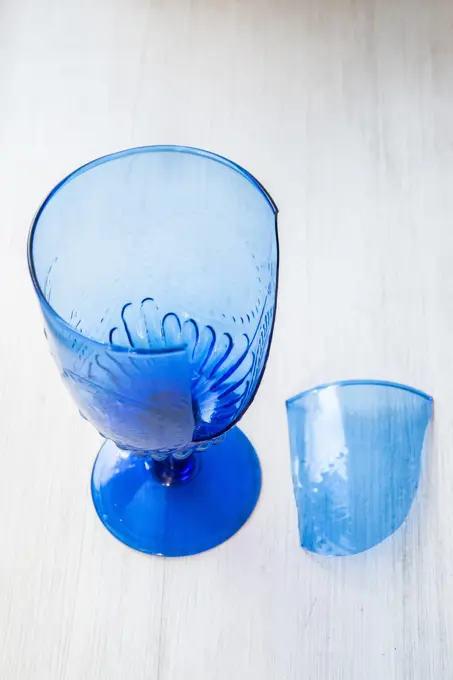
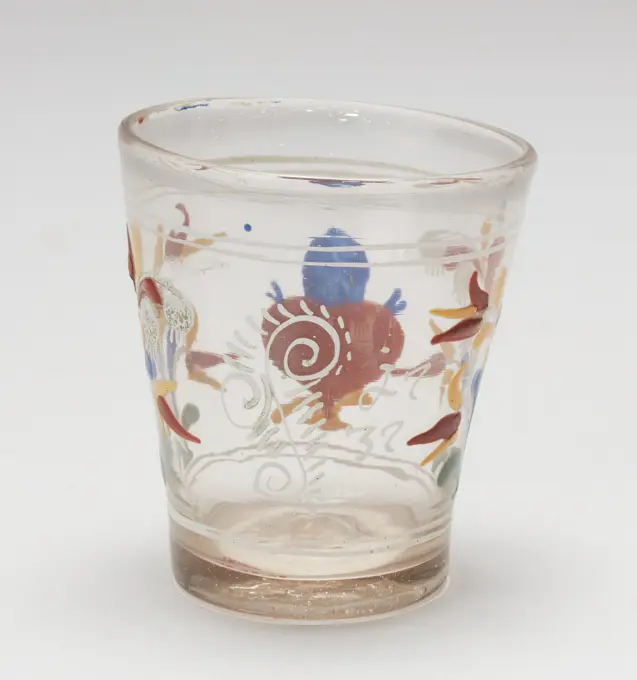
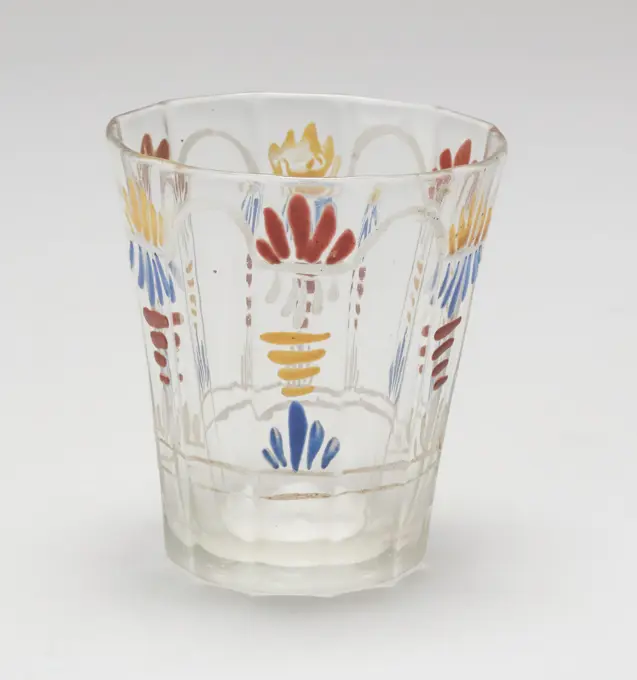
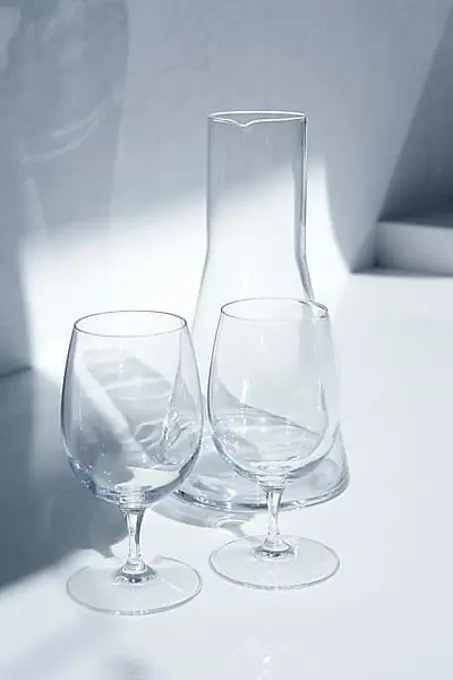
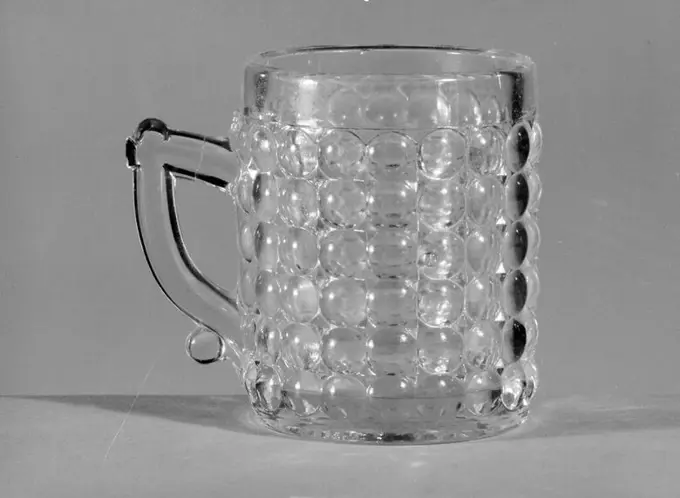
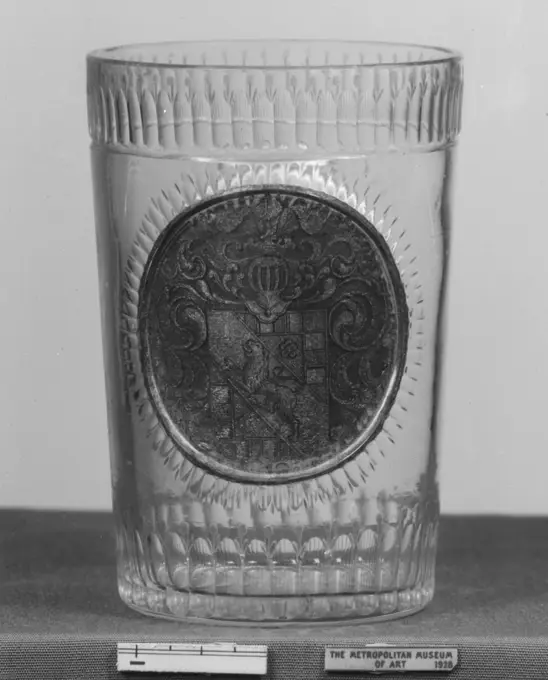
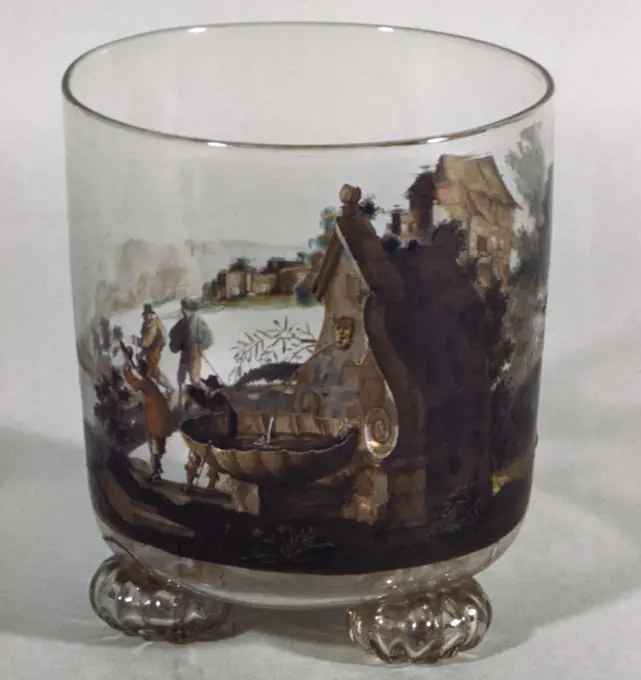
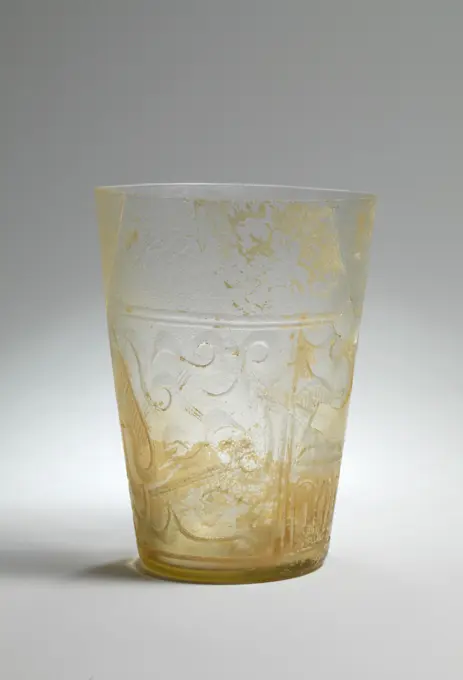
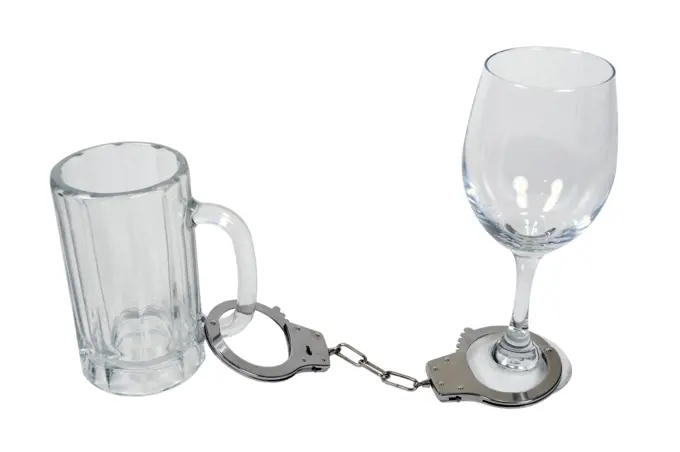
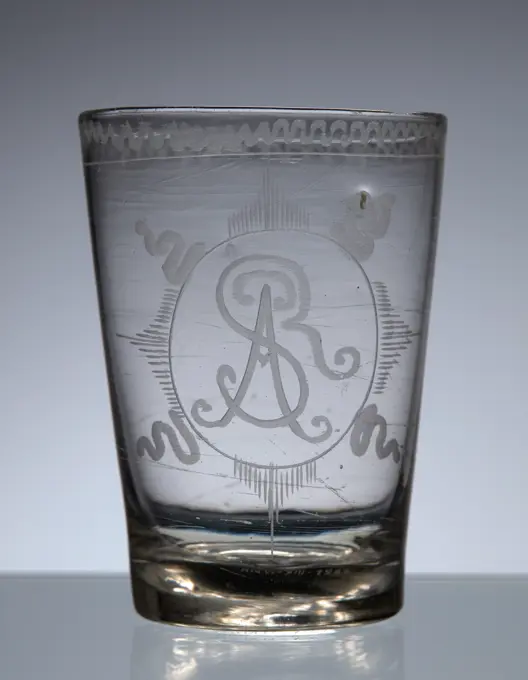
Glass; Lobmeyr, J. & L. (Vienna; 1823-); 1920-39 (1920-00-00-1939-00-00);glass, Glass, Medium Heavy glass. Plain tumbler shape with straight-flaring sides. Lower side divided into two nearly equal bands, the lower cut to form a polygonal based of thirteen sides, the upper of shallow diamond cutting with flattened tops. Above a double incised ring is a band of short vertical blazes. Upper two-fifths of tumbler is plain. Base is heavy, and underside has a shallow circular depression., Waterford (), Ireland, 1820-30, glasswares, Decorative Arts, glassGlass Lausitzer glassworksFlip glass, 1765-1780, 5 1/2 x 4 1/8 in. (14 x 10.5 cm), White flint glass, cracked, United States, 18th centuryJar with a hunter with a shot deer. Vaulted foot, undervantage into a tribe with a composite nodus. High, funnel-shaped chalice. Überfang of cobalt blue glass, slow on the foot in a motif of ovals and stylized leaves. On the chalice, an oval medallion in Überfangreliefschnitt has engraved a show with a hunter in a mountain landscape with a shot deer on his feet. A shrink lens on the reverse side.COPAS DE CRISTAL.Kelkglas with a representation of a boy and a girl with an opened bird cage. Vaulted, hollow foot of silver, with lobed edge, engraved in neo-rococo motifs. Half of the strain also of silver with a button engraved with tendrils. The glass part of the strain is baluster-shaped and facet cut. Conical, rugged on the bottom. On the chalice a boy and a girl in front of an outstanding bird cage. A bird is on the cage under a banderole with the text: Aurea Libertas. On both sides trees.Tumbler 1770-1830 American. Tumbler 9012Empty beer glass, isolated on a white backgroundBeaker Moody Russell American ca. 1715 This beaker was recorded in 1913 as one of a set of six belonging to the First Congregational Church in Truro, Massachusetts, founded in 1711. The beakers, although of similar shape and height, are stamped with the marks of three different silversmiths. One other from this group is also in The Met's collection (see 33.120.119).Glass;  1920-39 (1920-00-00-1939-00-00);Water glass, 18th-19th century, 3 5/8 x 2 3/4 x 2 3/4in. (9.2 x 7 x 7cm), Glass, United States, 18th-19th centuryGlass;  19th century (1801-00-00-1900-00-00);Glass; Non -like Lona Huta; 1. PO. 18th century (1700-00-00-1750-00-00);Chalice glass with a face on Rijnsaterwoude, Anonymous, c. 1768 - c. 1769 Vaulted foot. Baluster tribe with buttons and a disc. Conical chalice with solid soil and air bubbles. On the chalice a village view above which a banderole with: 'Rijnsaterwoude'. glassblower: NetherlandsNorthern Netherlands glass glassblowing  Rijnsaterwoude Vaulted foot. Baluster tribe with buttons and a disc. Conical chalice with solid soil and air bubbles. On the chalice a village view above which a banderole with: 'Rijnsaterwoude'. glassblower: NetherlandsNorthern Netherlands glass glassblowing  RijnsaterwoudeGlass; Lobmeyr, J. & L. (Vienna; 1823-); 1920-39 (1920-00-00-1939-00-00);Lidded goblet, anonymous, c. 1650 - c. 1700 Flat base with turned around. The trunk made up of two hollow, ribbed nodi with a blue wing on both sides. Conical chalice, optically blown in windows. Vaulted lid with a double edge blown in the same motif. The button made up of a hollow, ribbed nodus, two discs and two balls of blue glass with a blue wing on both sides, similar to that of the trunk. Netherlands glass glassblowing Flat base with turned around. The trunk made up of two hollow, ribbed nodi with a blue wing on both sides. Conical chalice, optically blown in windows. Vaulted lid with a double edge blown in the same motif. The button made up of a hollow, ribbed nodus, two discs and two balls of blue glass with a blue wing on both sides, similar to that of the trunk. Netherlands glass glassblowingTumbler 1770-1820. Tumbler. 1770-1820. Glass with engraved decoration. Made in Bohemia, Czech Republic. Conical foot. Baluster-shaped strain with tranch-shaped bubble, four knots, one with a bubble. Conical, rugged on the bottom. On the chalice a galloping horse to the left. At the hooves of the hind legs a substrate of plants. Signed on the right below: Frans Greenwood FECIT: 1722.Empty red wine glass on the white reflective table Chalice glass engraved with Anatomia, wine glass drinking glass drinkware tableware holder glass lead glass, gram free blown and formed radgraving polishing diamond engraving Chalice wineglass in clear colorless lead glass from the period 1740-1750 Pontil mark under concave light ascending foot Mounted massive balustere with three knots and continuous air coils. Funnel shaped chalice with rounded bottom Centered on the wall diamond engraved inscription: Anatomia. from the period 1800-1820 Anatomia. (diamond engraving middle calyx) marriage heyday surgery handicraft serving drinkFooted Beaker with Bacchanale. Germany, Bohemia or Silesia, circa 1870-1890. Furnishings; Serviceware. Glass, silverPunch Glass 1830-70 American With the development of new formulas and techniques, glass-pressing technology had improved markedly by the late 1840s. By this time, pressed tablewares were being produced in large matching sets and innumerable forms. During the mid-1850s, colorless glass and simple geometric patterns dominated. Catering to the demand for moderately-priced dining wares, the glass industry in the United States expanded widely, and numerous factories supplied less expensive pressed glassware to the growing market. At the Exhibition of the Industry of All Nations at New Yorks Crystal Palace in 1853, for example, the New England Glass Company exhibited 130 pieces of one design, "consisting of bowls, tumblers, champagnes, wines, and jelly glasses." This object belongs to one such service. Although the glass manufactory is not known, the glassware is very typical of the large services that were very popular with Americas middle class in the nineteenth century.. Punch Glass. AmGlassGlass; Lobmeyr, J. & L. (Vienna; 1823-); 1920-39 (1920-00-00-1939-00-00);Drinkglas, anonymous, c. 1725 - c. 1775 Funnel -shaped drinking glass on a high baluster -shaped trunk. The foot is round and vaulted. The drinking glass is equal to five other copies (BK-NM-1177-181-B-III, BK-NM-11177-181-IV, BK-NM-11177-B-V, BK-NM-11177-181-B -VII, BK-NM-11177-181-B-VIII). The drinking glasses are on a tray (BK-NM-11177-181-B-I) with a gift jug (BK-NM-1177-181-II). The tray is on a folding table (BK-NM-11177-A). Netherlands silver (metal) Funnel -shaped drinking glass on a high baluster -shaped trunk. The foot is round and vaulted. The drinking glass is equal to five other copies (BK-NM-1177-181-B-III, BK-NM-11177-181-IV, BK-NM-11177-B-V, BK-NM-11177-181-B -VII, BK-NM-11177-181-B-VIII). The drinking glasses are on a tray (BK-NM-11177-181-B-I) with a gift jug (BK-NM-1177-181-II). The tray is on a folding table (BK-NM-11177-A). Netherlands silver (metal)Sweetmeat glass, from a set of four, c. 1830, 4 1/8 x 2 3/8 x 2 3/8 in. (10.48 x 6.03 x 6.03 cm), Cut glass, France (), 19th centuryCzarka;  1. PO. 20th century (1901-00-00-1950-00-00);Glass of shot drink isolated on a white background. Glass on a white backgroundBokaal with lid of Zwischengoldglas, with a fox hunt and a hare hunt, anonymous, c. 1720 - c. 1740 Flat base with turned around, cut at the bottom with oval, interspersed with a double line. Double cuff, faceted, baluster -shaped tribe with a also faceted nodus between two sliders. Funnel -shaped, frequently faceted chalice rounded at the bottom. Facetted lid with a button made up of a faceted nodus and a cone. In the bottom of the chalice a gilded medallion with windows surrounded by a border palmets. On the chalice, under a band with festons and leaf work a fox hunt with two hunters, a hare hunt with a hunter on horseback and a hunter on foot, and two horsemen and a lady on horseback, accompanied by a servant. At the top, the performance is closed with an Akanthus leaves. The medallion in the soil repeats itself in the lid. Bohemia glass glassblowing / grinding Flat base with turned around, cut at the bottom with oval, interspersed with a double line. Double cuff, faceted, baluster -Empty glass isolated on a white background                                    Tumbler. United States, circa 1765-1790. Furnishings; Serviceware. GlassGlass;  19th century (1801-00-00-1900-00-00);Chalip glass with a performance of friendship, Anonymous, c. 1775 - In or Before 1798 Conical foot. Broadening, facet -cut strain, transferring to a funnel -shaped chalice with a rounded underside. On the chalice, in a landscape with trees, two boys who shake hands. The left boy is on an elevation. Above the show a banderolle with the text: friendship. glassblower: EnglandNorthern Netherlands glass grinding / glassblowing Conical foot. Broadening, facet -cut strain, transferring to a funnel -shaped chalice with a rounded underside. On the chalice, in a landscape with trees, two boys who shake hands. The left boy is on an elevation. Above the show a banderolle with the text: friendship. glassblower: EnglandNorthern Netherlands glass grinding / glassblowingWhiskey Mug 1850-60 American With the development of new formulas and techniques, glass-pressing technology had improved markedly by the late 1840s. By this time, pressed tablewares were being produced in large matching sets and innumerable forms. During the mid-1850s, colorless glass and simple geometric patterns dominated. Catering to the demand for moderately-priced dining wares, the glass industry in the United States expanded widely, and numerous factories supplied less expensive pressed glassware to the growing market. At the Exhibition of the Industry of All Nations at New Yorks Crystal Palace in 1853, for example, the New England Glass Company exhibited 130 pieces of one design, "consisting of bowls, tumblers, champagnes, wines, and jelly glasses." This object belongs to one such service. Although the glass manufactory is not known, the glassware is very typical of the large services that were very popular with Americas middle class in the nineteenth century.. Whiskey Mug 97 set of glasses isolated on white backgroundGlass;  around 1840 (1830-00-00-1850-00-00);Kelkglas on a square base, with the inscription: souvenir de la citadelle d 'anvers. Faceted, vaulted foot on thick, square, smooth base. Back to top Faceted trunk overtoring in facets in an egg-shaped chalice with a smooth mouth edge. The chalice ground with a band circles between two diamond grinding tires. In a square medallion in diamond engraving The inscription: 'Souvenir / the La Citadelle / d' Anvers 18 10/27 30 'and the initials' P v d de c l'. With Image Of The Military Willem Order. (Iron Cross)Twelve glasses with the figure of Louis-Philippe ". Cristal. Paris, Museum of romantic life. Threatening art, crown, crystal, royal emblem, dishes, glassGlass; Lobmeyr, J. & L. (Vienna; 1823-); 1920-39 (1920-00-00-1939-00-00);Cup on legs with the inscription: Oootmoed Stut Toorn, Anonymous, 1679 Cylindrical cup with inserted soul, standing on three convex legs. The bottom edge finished with a smooth, set thread. On the body, in Roman round letters, it is calligraphy "Oote Moed Stut Toorn." And on the bottom around the pontil brand 'Willem van Heemskerk in 1679'. glassblower: Low CountriesLeiden glass glassblowing Cylindrical cup with inserted soul, standing on three convex legs. The bottom edge finished with a smooth, set thread. On the body, in Roman round letters, it is calligraphy "Oote Moed Stut Toorn." And on the bottom around the pontil brand 'Willem van Heemskerk in 1679'. glassblower: Low CountriesLeiden glass glassblowingGoblet 1725-1775 Bohemia. Glass .Beaker. William B. Heyer; American, 1776-1828; New York, NY. Date: 1816. Dimensions: 9.9 × 7.7 cm (3 7/8 × 3 in.). Silver. Origin: United States. Museum: The Chicago Art Institute, Chicago, USA.Glass; Lobmeyr, J. & L. (Vienna; 1823-); 1920-39 (1920-00-00-1939-00-00);Pulque Beaker 1775-1825 Spanish. Pulque Beaker. Spanish. 1775-1825. Flint. Made in SpainGlass Lobmeyer J.&L.Goblet 1870-90 Challinor, Taylor and Company. Goblet 4126Flute glass. Flowers were a popular subject during the last quarter of the 17th century. They were engraved on glass, but also featured on many other objects, such as silverware and tapestry table covers.Zerbrochenes blaues Glas in zwei Teile Broken blue glass on a white wooden background. Two pieces. Copyright: xZoonar.com/AleksandarxVarbenovx 22817265Mug 18th century. Mug 5284Compoteer and six chains Glassworks HydrangeaBeaker 1744 German. Beaker. German. 1744. Glass. GlassGlass for martini. Empty, it is isolated on a white backgroundGlass of drinking water isolated on a white background. Glass on a white backgroundWineglass ca. 1860-75 Dr. Antonio Salviati Company. Wineglass. Italian, Venice (Murano). ca. 1860-75. Glass. GlassRummer ca. 1800 British, probably. Rummer 6909Glass;  1920-39 (1920-00-00-1939-00-00);Glass; Lobmeyr, J. & L. (Vienna; 1823-); 1920-39 (1920-00-00-1939-00-00);Small Beaker, 1737, 2 3/4 x 2 1/2 x 2 1/2 in. (7 x 6.35 x 6.35 cm), Glass, enamel, Switzerland, 18th centurySmall twelve-sided Beaker, 18th century, 3 x 2 5/8 x 2 5/8 in. (7.6 x 6.67 x 6.67 cm), Glass, enamel, Switzerland, 18th centuryWater glass and bottle with transparent shadows in white kitchenRealistic transparent and isolated whiskey tulip glass. Alcohol drink glass vector icon illustration. Vector realistic transparent and isolated whiskey tulip glass. Alcohol drink glass icon illustrationMug. Culture: American. Dimensions: 2 5/8" high, 2 3/16" diameter (6.7 x 4.6 cm). Maker: Adams and Company. Date: 1870-90. Museum: Metropolitan Museum of Art, New York, USA.wasserglas,h2o,trinkglas,trinkgläser,wassergläser,wasser ** water,h2o 4yz-fspBeaker ca. 1785-90 Johann Joseph Mildner. Beaker. Austrian, Gutenbrunn. ca. 1785-90. Glass. GlassWine glassEmpty whiskey glass icon. Realistic illustration of empty whiskey glass vector icon for web design isolated on white background. Empty whiskey glass icon, realistic styleRoemer with a poem to Constantijn Huygens, Anonymous, Anna Roemers Visscher, 1619Glass of cold mineral water with ice cubes Glass of cold mineral water with ice cubes on white background Copyright: xZoonar.com/TANYA_Rx 3249755Beaker 1664 Johann Schaper German The bedraggled wayfarers in a landscape recall engravings by Jacques Callot (1592/3-1635), depicting the suffering and dislocations caused by the Thirty Years' War (1618-48).. Beaker. Johann Schaper (German, 1621-1670). German, Nuremberg. 1664. Glass, painted. GlassBeaker with Relief Decoration 10th century The beaker was the most common glass object found in the Nishapur excavations. This example, decorated in an intermediate style between high-relief and linear-cut glass, includes large palmettes surrounded by leaves and other vegetal motifs.. Beaker with Relief Decoration. 10th century. Glass, colorless; blown, cut. Attributed to Iran. Excavated in Iran, Nishapur. GlassHandcuffs made of metal with mechanical clasp attached to a beer mug and wine glass - path includedPrzeszo Przyszoci Huta Uarzecko NalibockieToy skull in wine glass