Antique Japanese Artifacts

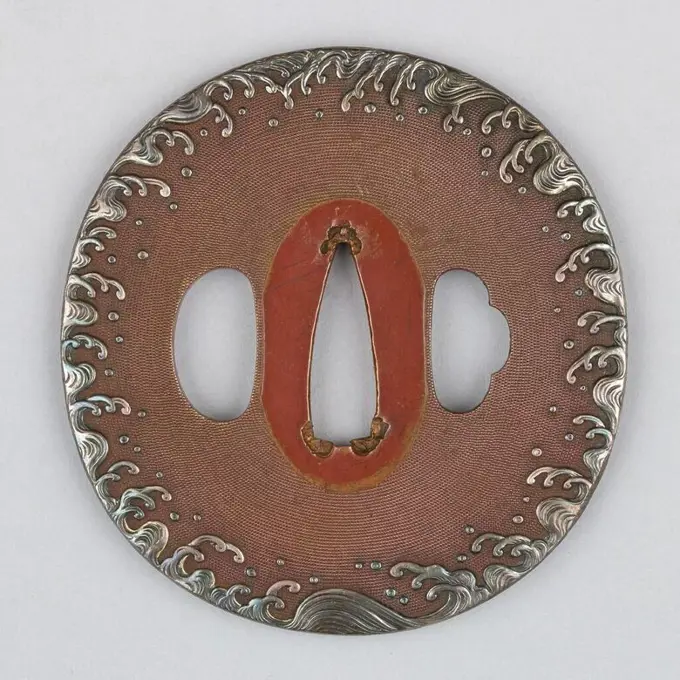
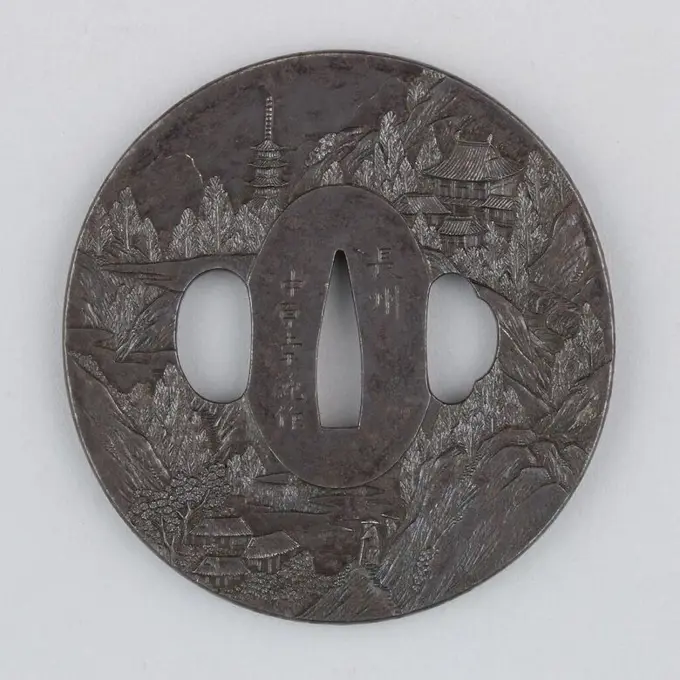
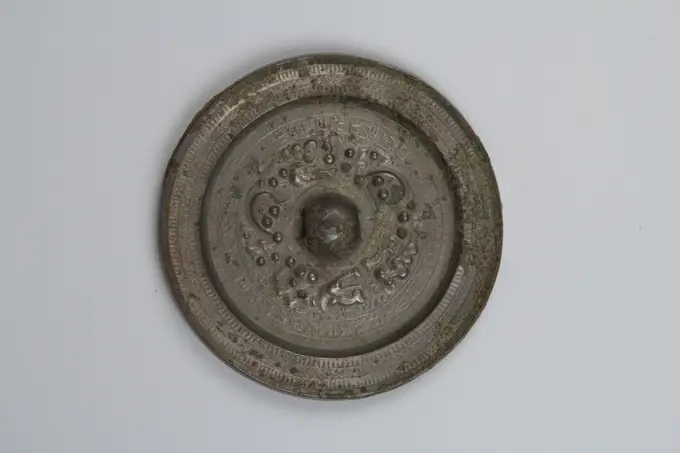
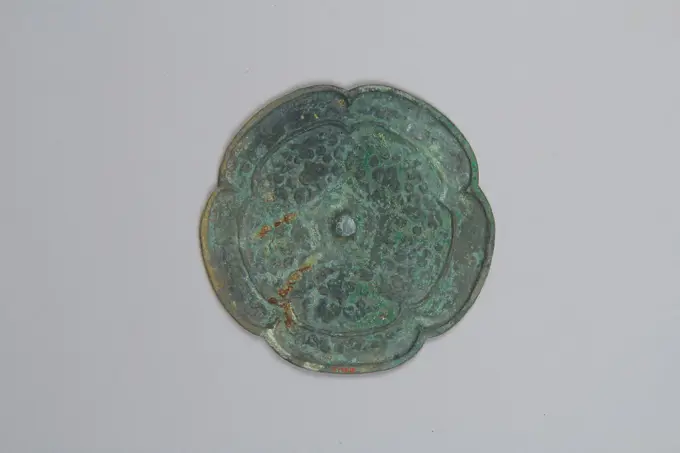
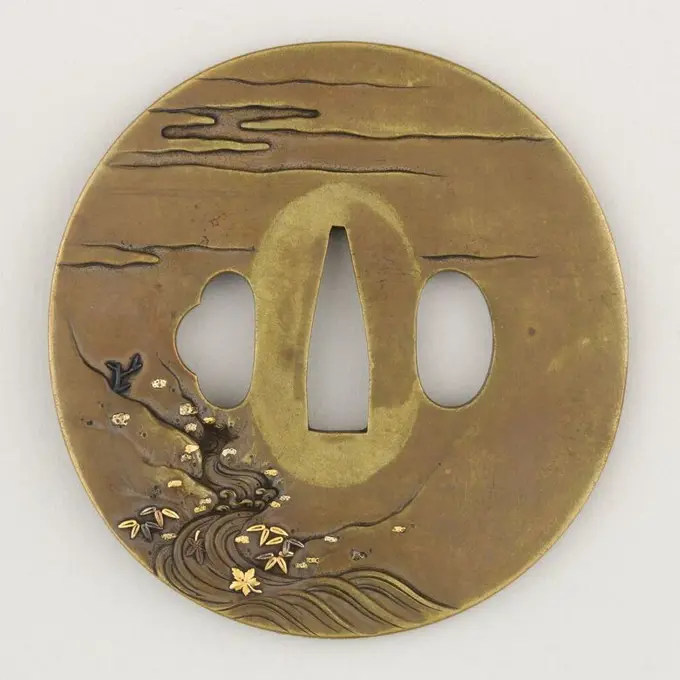
Intricate Japanese sword guards and mirrors featuring detailed designs. The pieces showcase historical craftsmanship in dark and bronze tones.

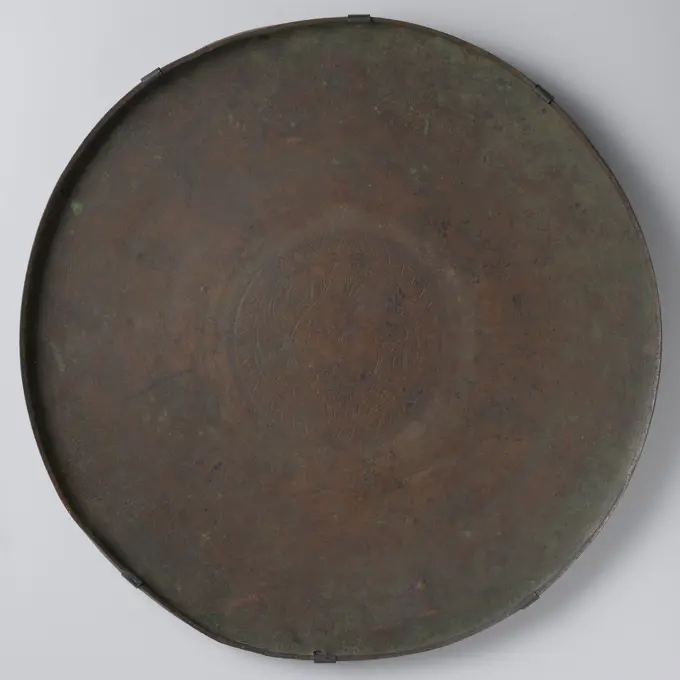
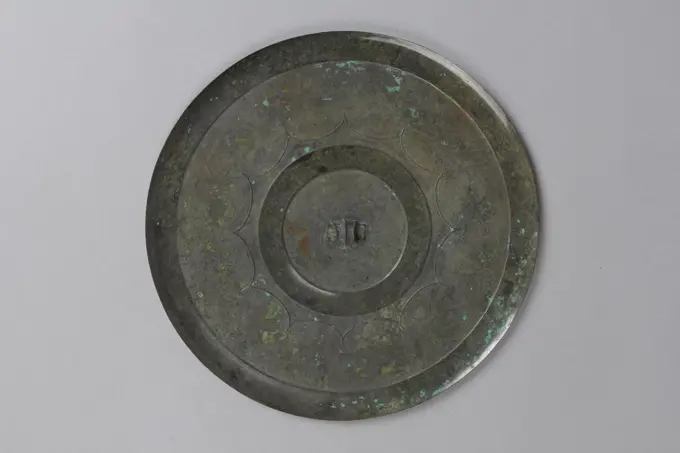
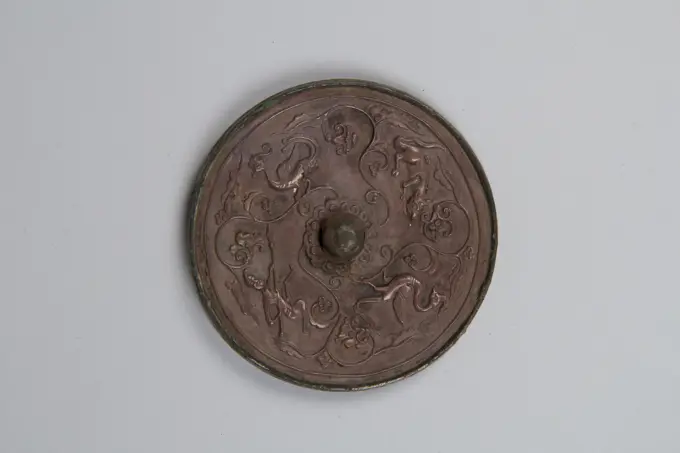
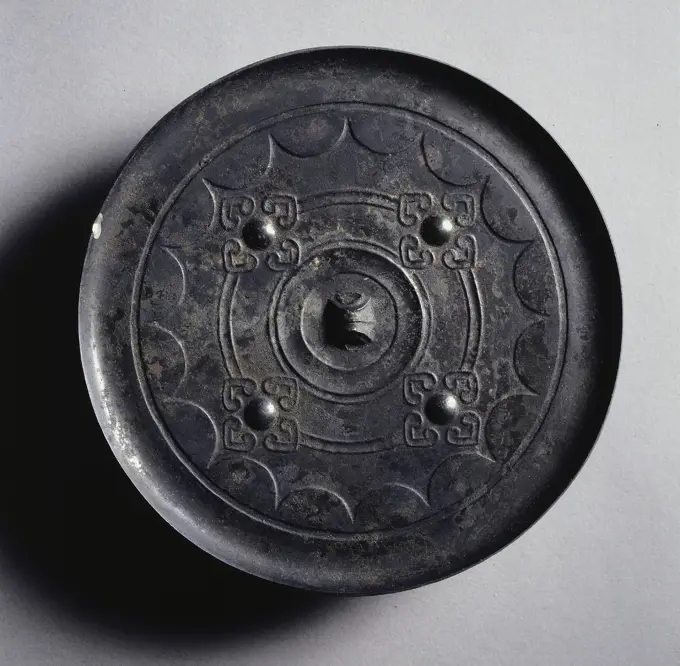
Mirror. Bronze. Cernuschi Museum, Asia Museum of Asia in the city of Paris.
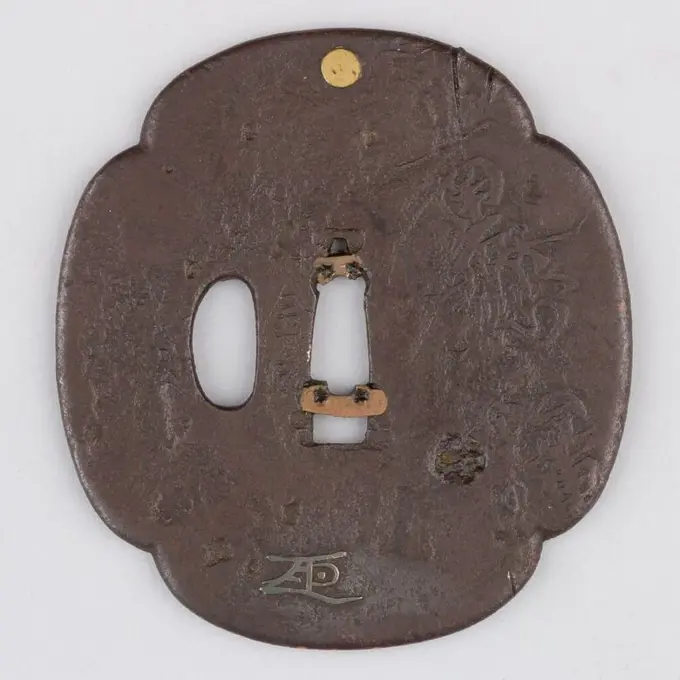
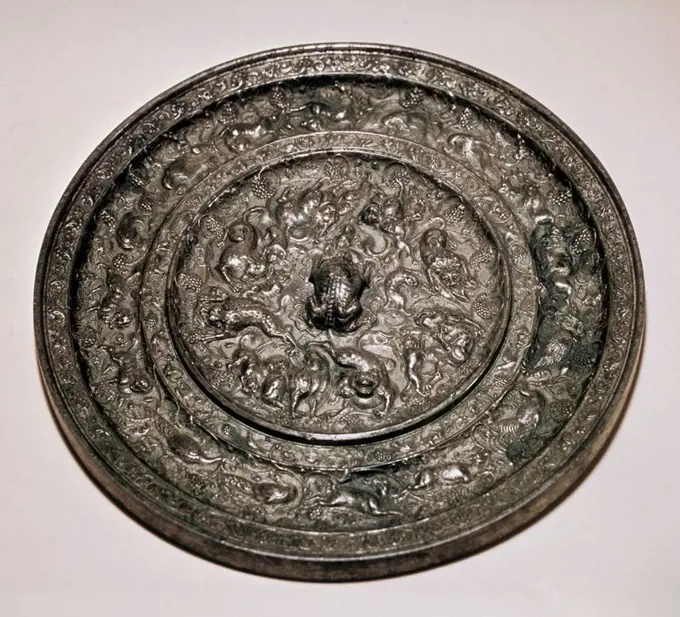
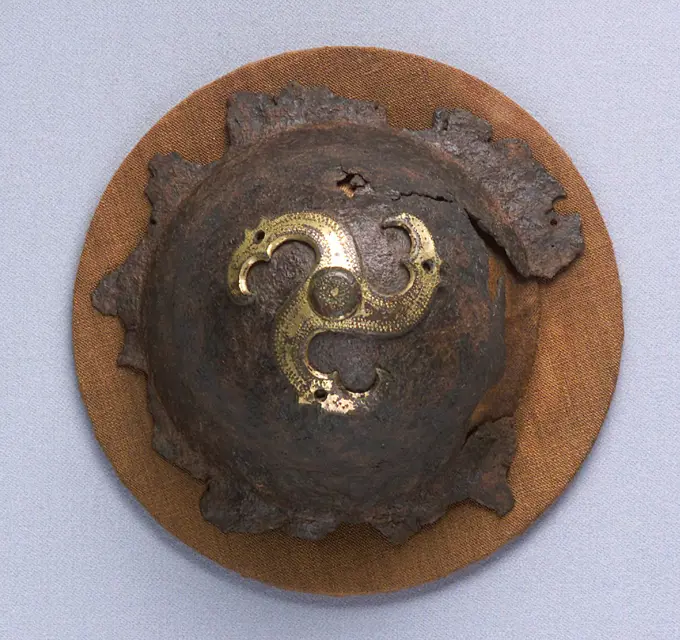
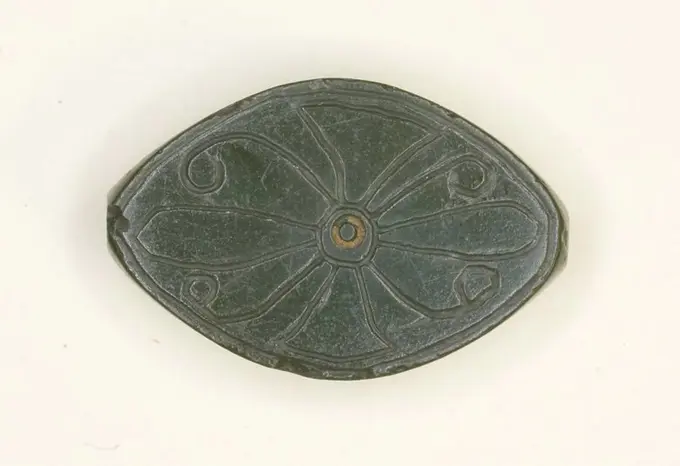
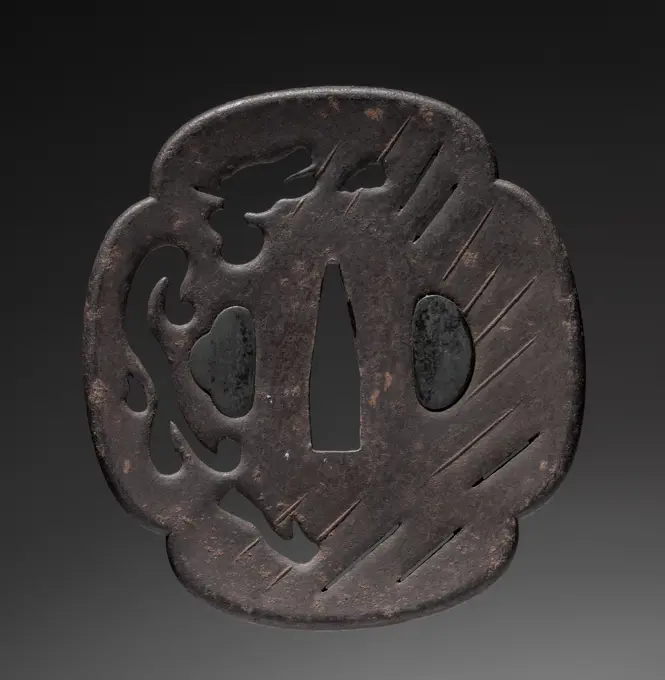
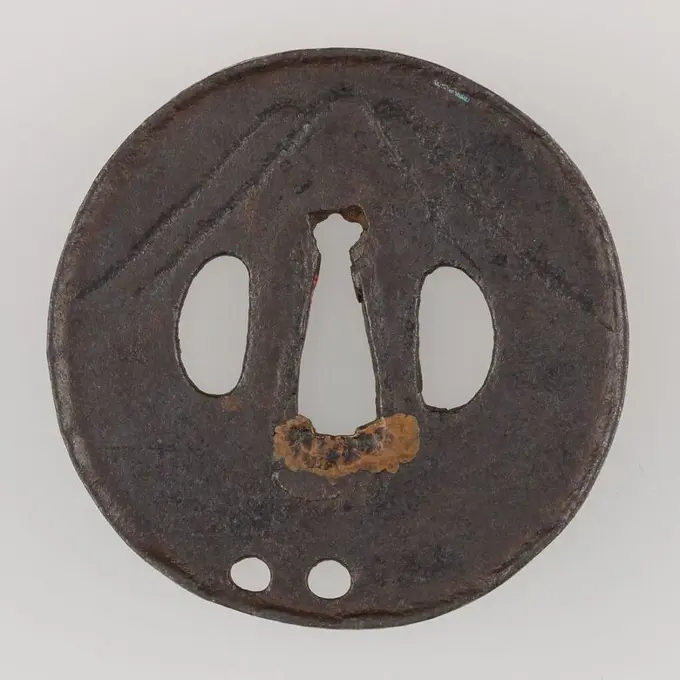
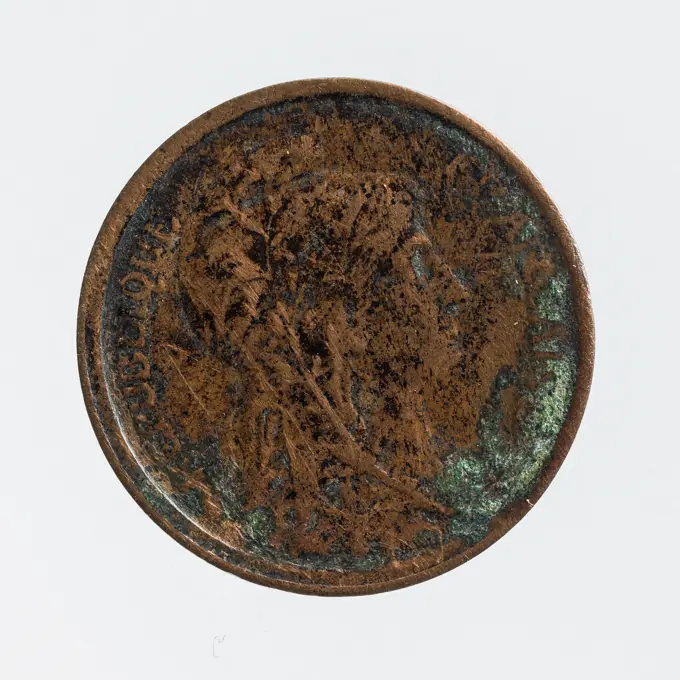
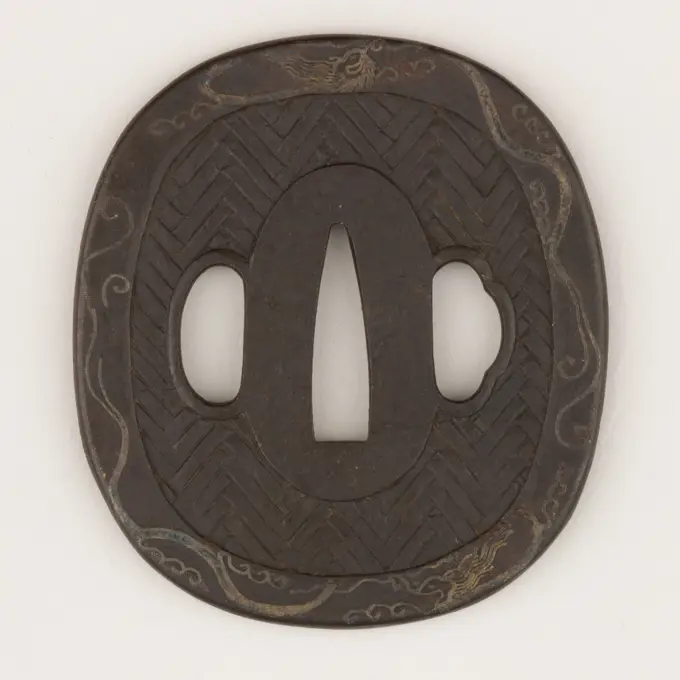
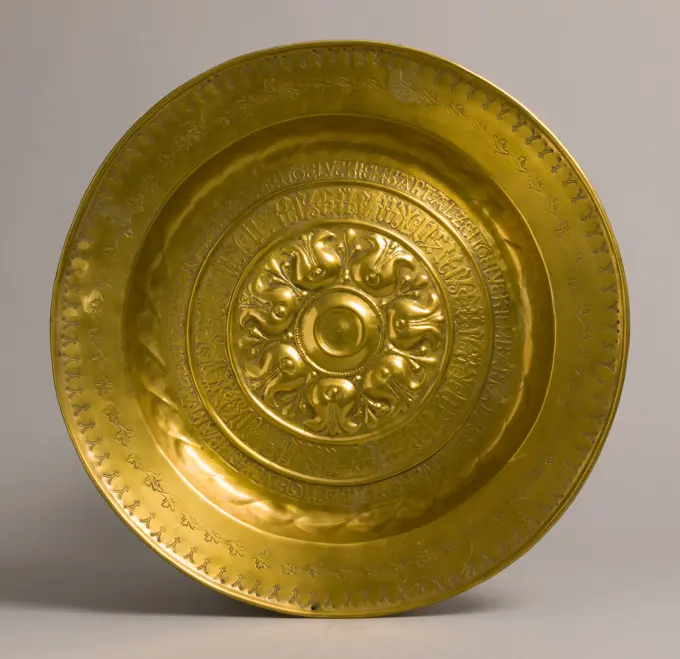
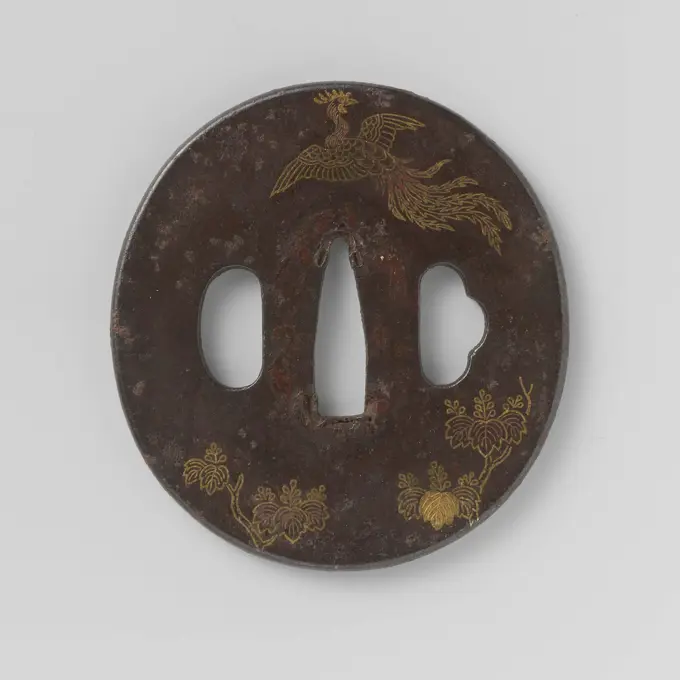
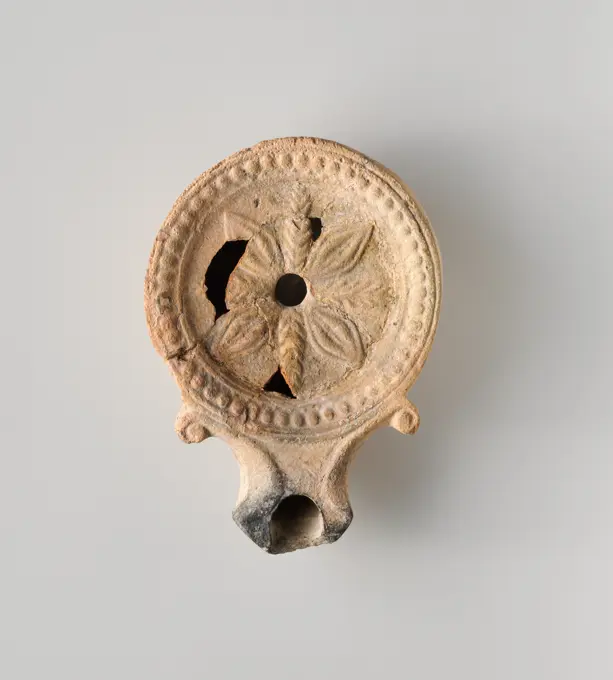
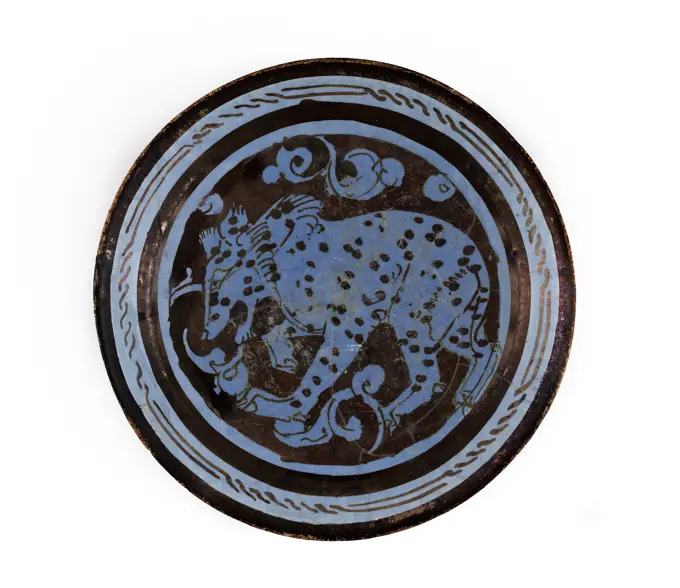
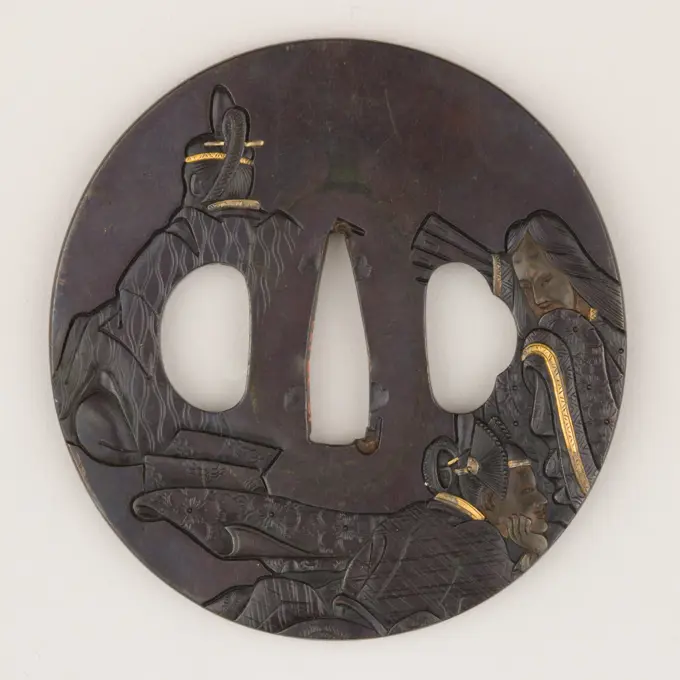
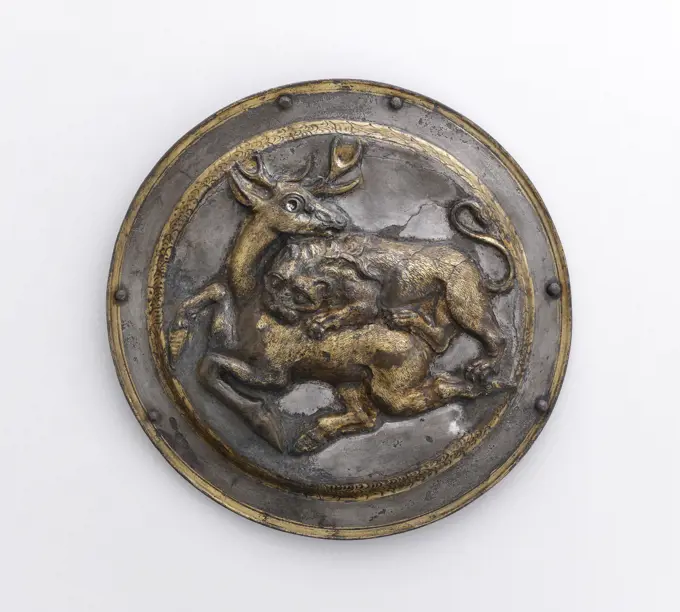
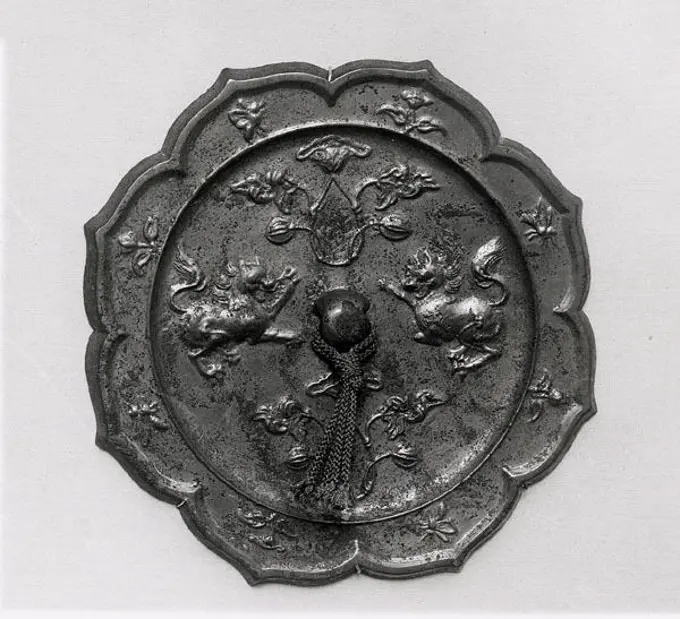
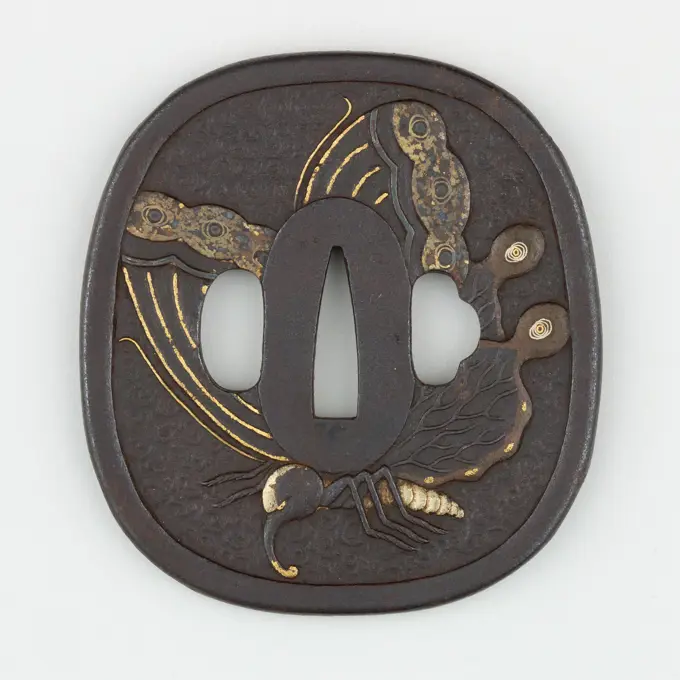
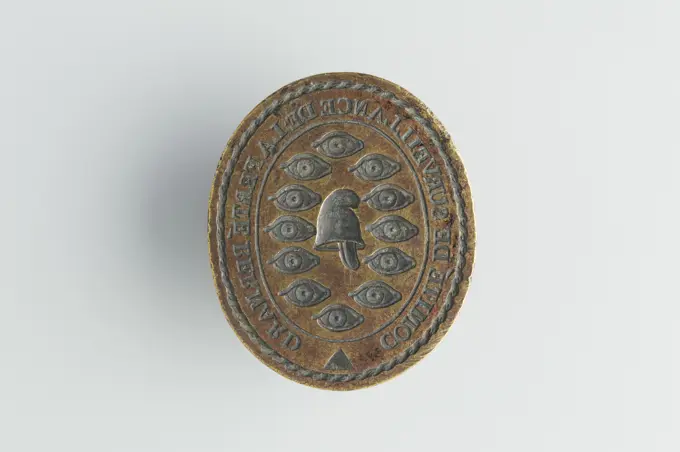
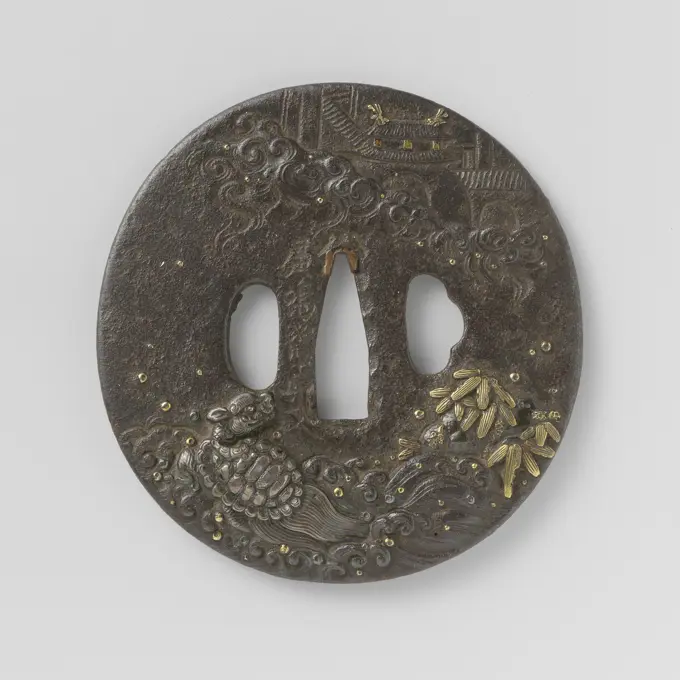
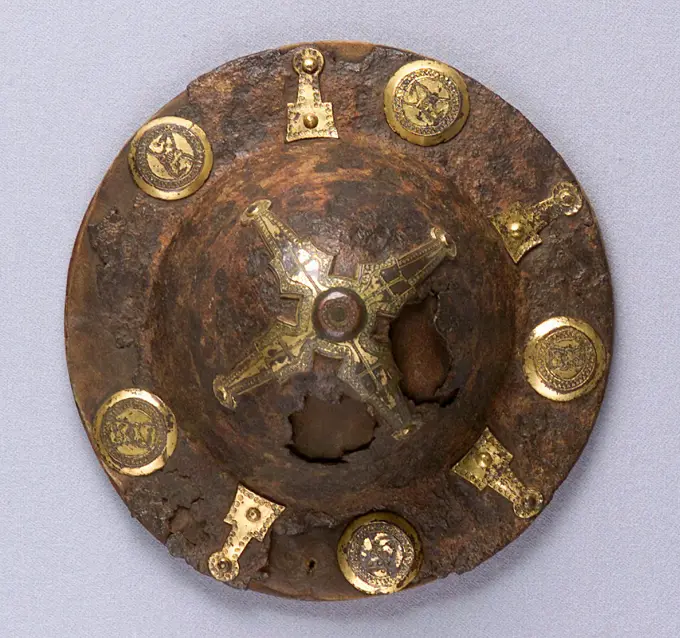
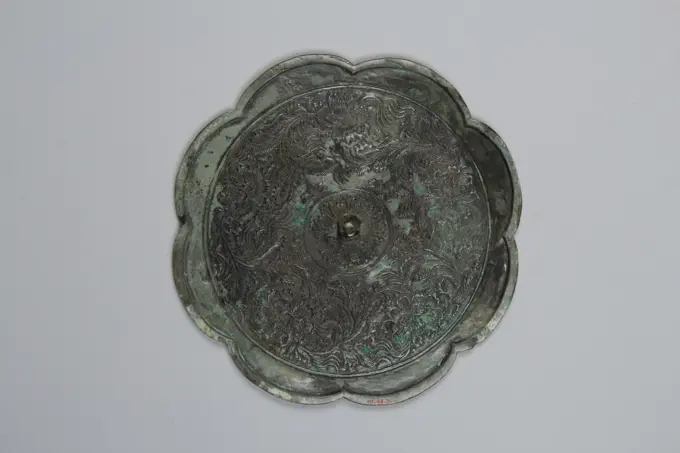
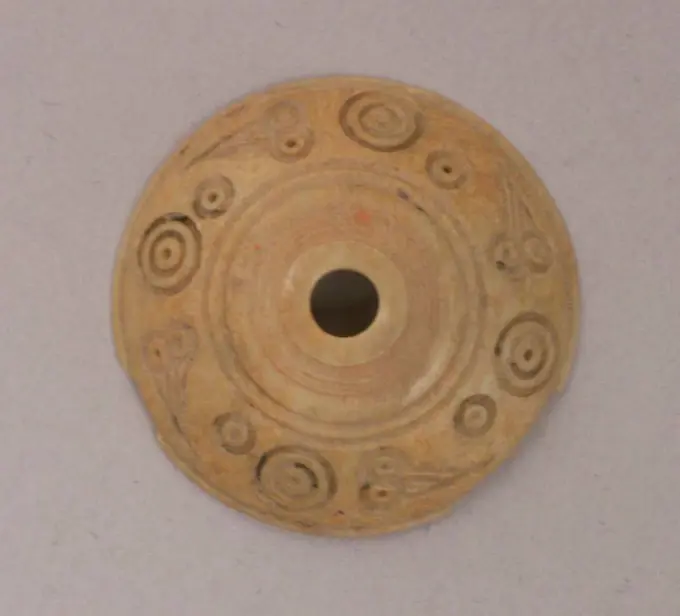
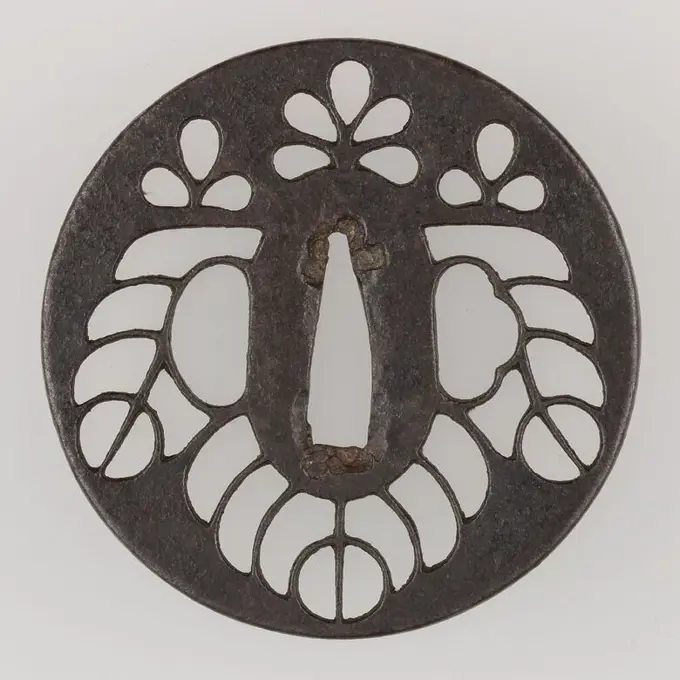
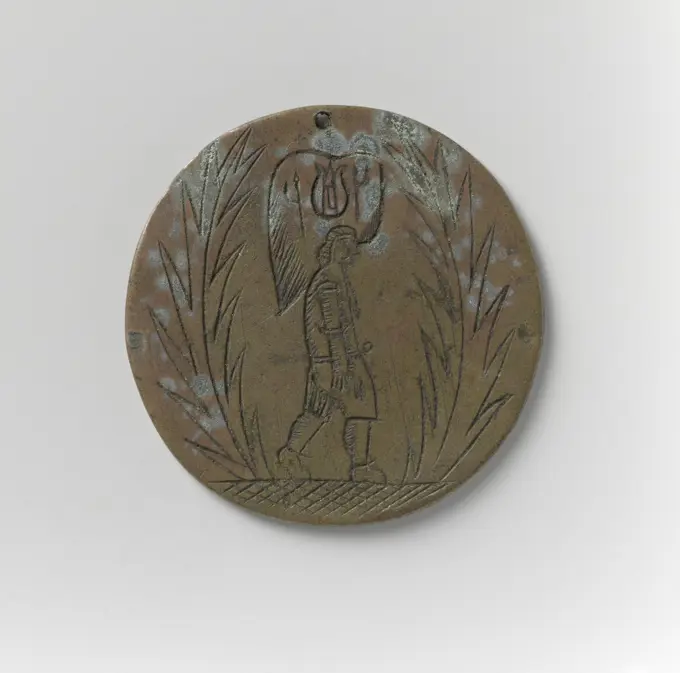
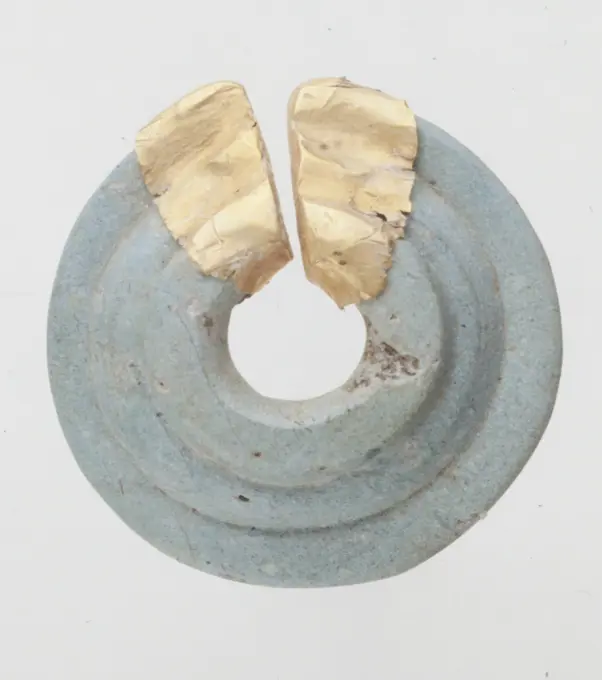
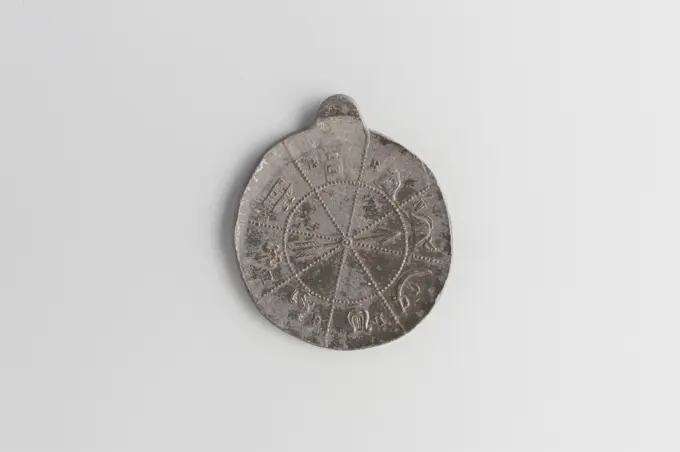
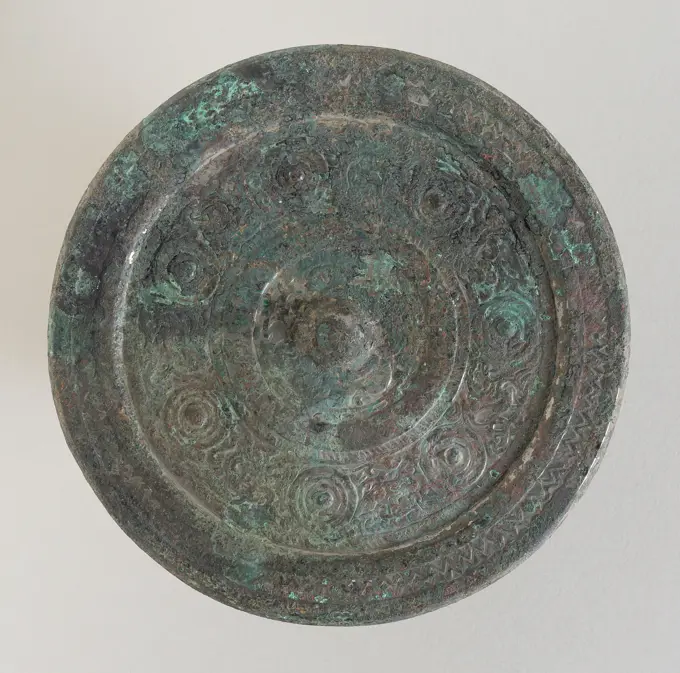
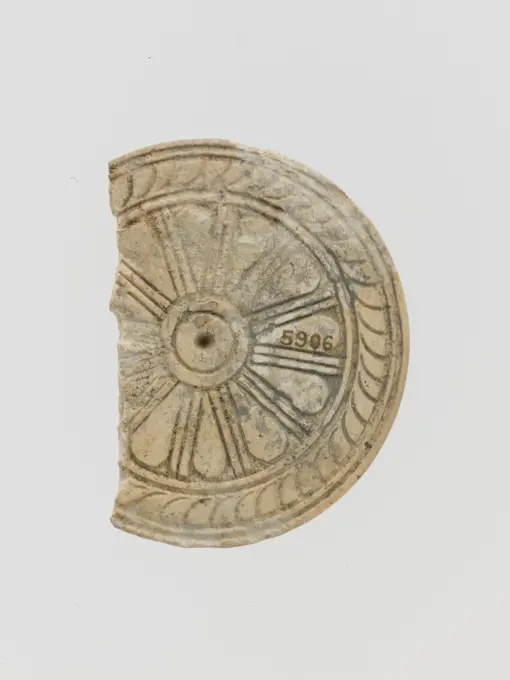
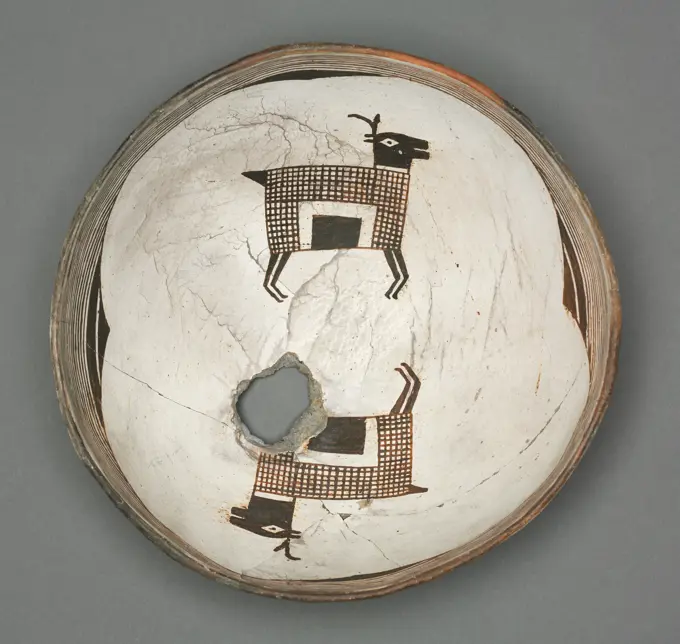
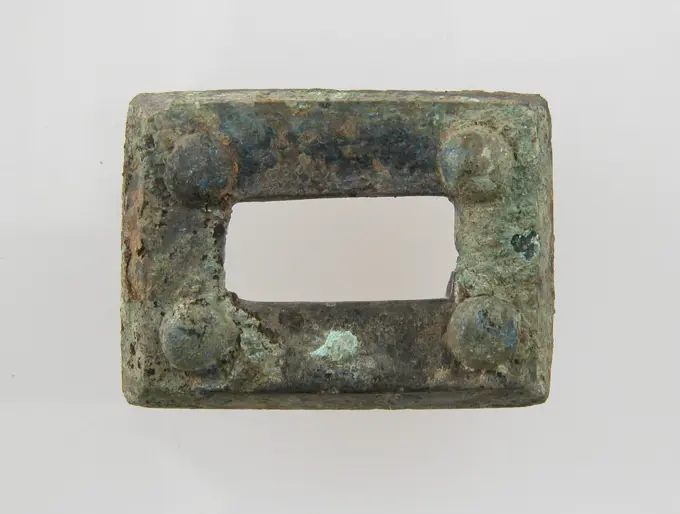
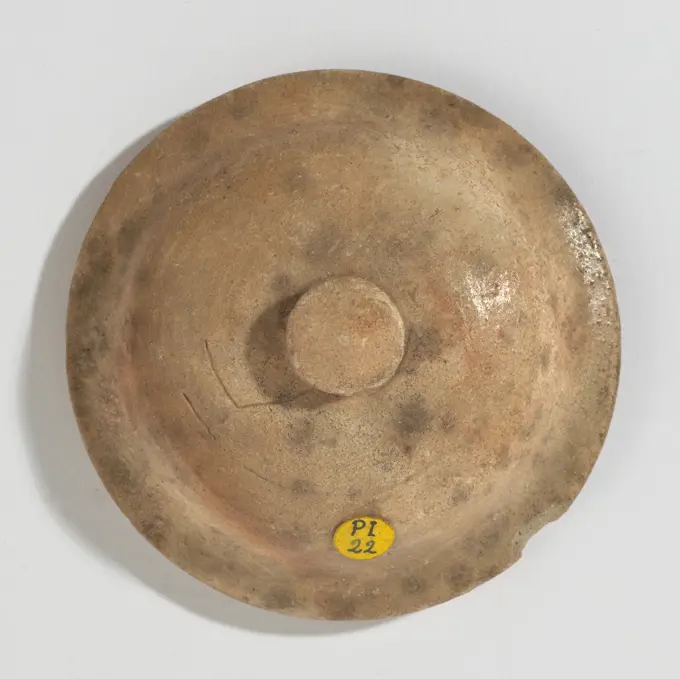
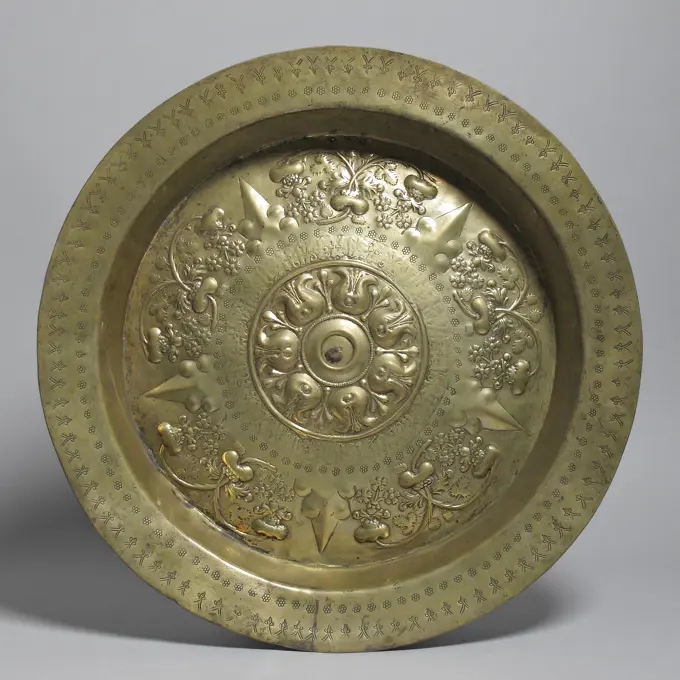
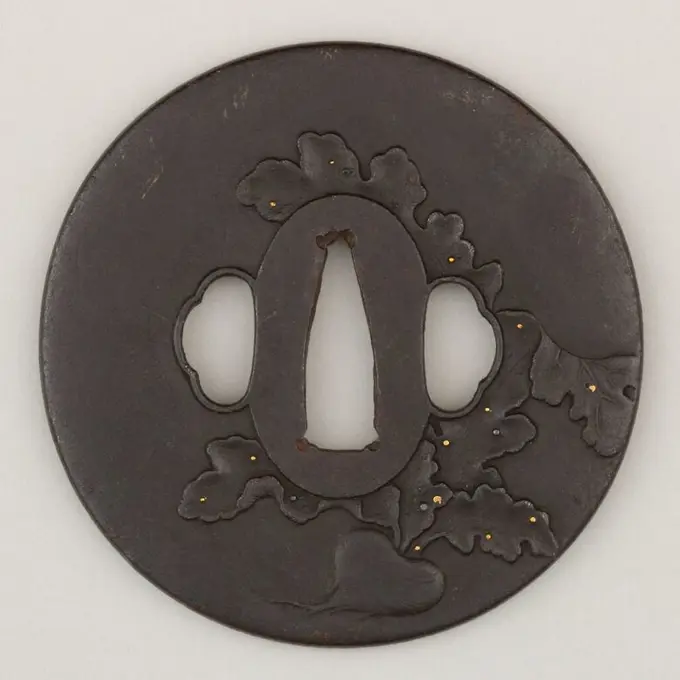
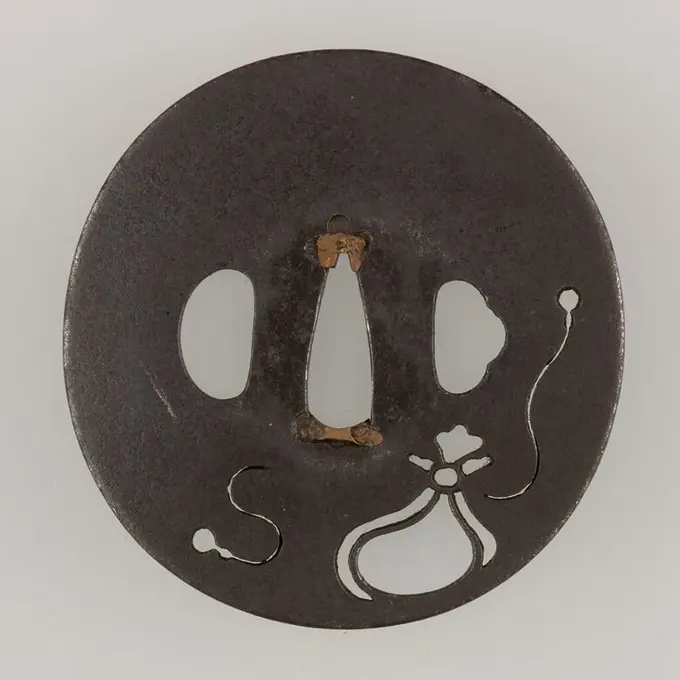
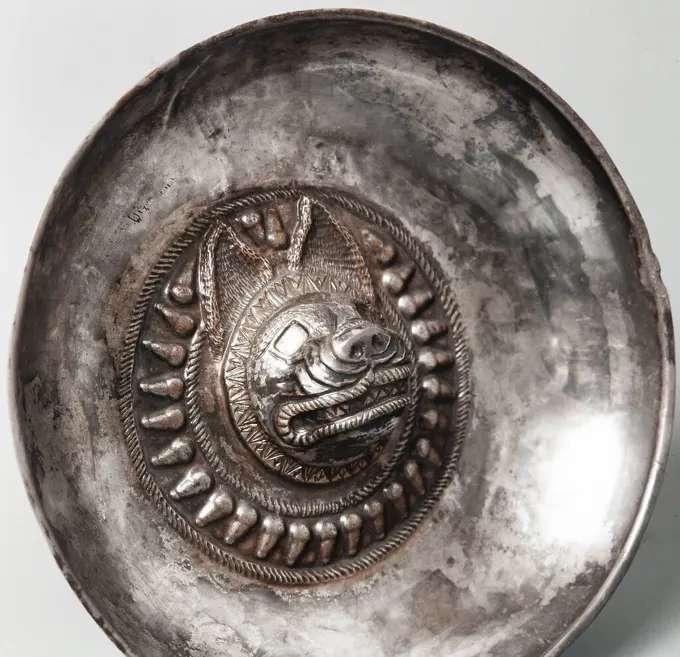
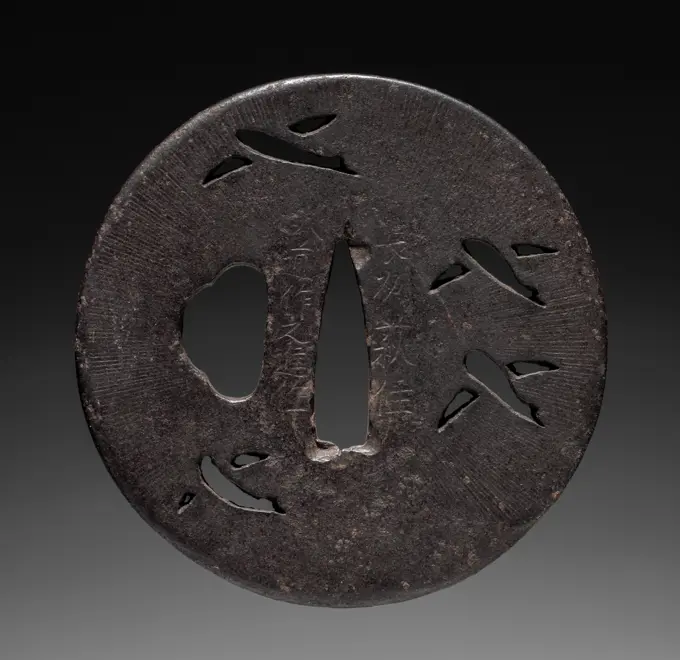
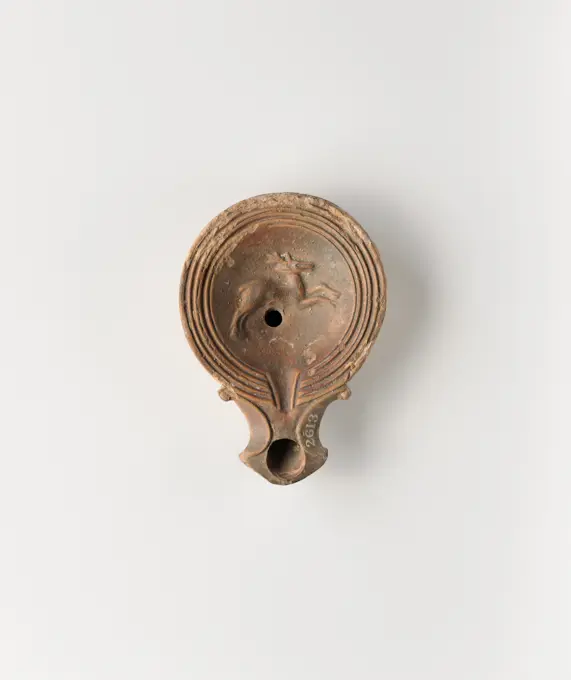
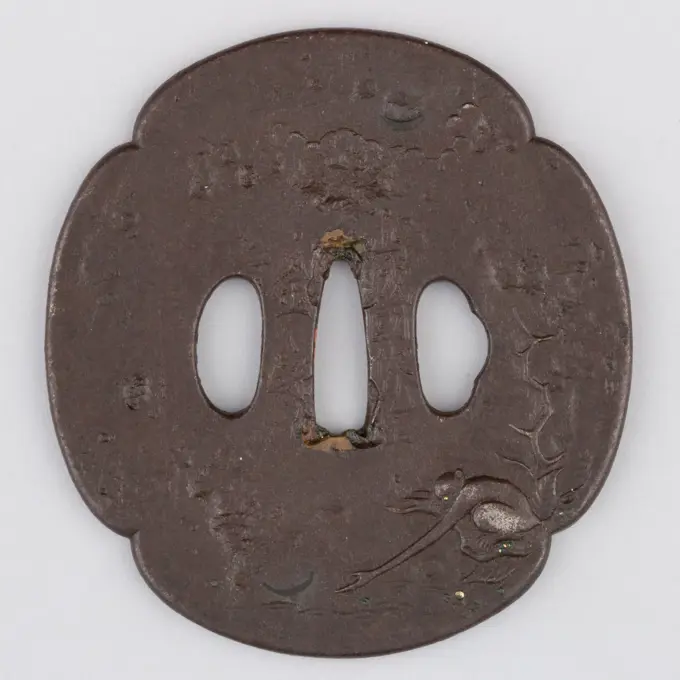
Sword Guard (Tsuba) ca. 1615-1868 Japanese A tsuba is a sword guard and part of a sword mounting. It is mounted between the swords blade and grip to protect the users hands.. Sword Guard (Tsuba) 33451Mirror. Bronze. Cernuschi Museum, Asia Museum of Asia in the city of Paris.Sword Guard (Tsuba). Culture: Japanese. Dimensions: H. 3 1/4 in. (8.3 cm); W. 3 in. (7.6 cm); thickness 3/16 in. (0.5 cm); Wt. 4.4 oz. (124.7 g). Date: ca. 1615-1868. Museum: Metropolitan Museum of Art, New York, USA.. .*ESPEJO CON ANIMALES ACUATICOS Y UVAS. Author: KATORI KAIJUU. Location: TESORO NACIONAL. TOKYO. JAPAN.Halles and Paris markets: Beaumont Ainé, Ancien Diet HALLES AND MARKETS OF PARIS: Beaumont Ainé, Ancient Regime . Bronze.Sword Guard (Tsuba). Culture: Japanese. Dimensions: H. 3 3/4 in. (9.5 cm); W. 4 3/8 in. (11.1 cm). Date: 18th century-early 19th century. Museum: Metropolitan Museum of Art, New York, USA.Shield Boss (Umbo) 7th century Western European, Langobardic Shield bosses were attached to the center of a circular wooden shield. This example, and another also in the Metropolitan Museum's collection (acc. no. 1984.184.2) are thought to have been made in northern Italy, the heart of the Langobardic Kingdom from the late sixth to the mid-eighth century. The majority of surviving Langobardic shield bosses are made of plain iron. Some, like these examples, are more richly decorated with engraved appliqués of gilt bronze. The bird-headed spiral is an older symbol derived from the Langobards' pre-Christian past.. Shield Boss (Umbo). Western European, Langobardic. 7th century. Iron, copper alloy, gold. Metalwork-IronCowroid: Floral Motif. Egyptian. Date: 1550 BC-1069 BC. Dimensions: 1.9 × 1.3 × 0.6 cm (3/4 × 1/2 × 1/4 in.). Steatite. Origin: Egypt. Museum: The Chicago Art Institute, Chicago, USA. Author: Ancient Egyptian.Hand guard, anonymous, 1600 - 1900 Round tsuba with in relief (Marubori) Shiba Onko who frees a friend from a huge sake pot, while other boys watch; Details in silver and copper and gold Nunome-Zogan. Japan iron (metal). gold (metal). silver (metal). copper (metal) Round tsuba with in relief (Marubori) Shiba Onko who frees a friend from a huge sake pot, while other boys watch; Details in silver and copper and gold Nunome-Zogan. Japan iron (metal). gold (metal). silver (metal). copper (metal)Dish with fish blowing, ranking and flowers, anonymous, 1500 - 1550 In the flat of the dish, which has the center point in the middle, punched with the help of stamp shapes: a rosette built from fish blowing, an edge of grunts, ranking with leaves and rosettes on shaded surface (in four parts), as well as an ornament edge (the motif repeated five times). Furthermore, a punched ornament of rosettes in the middle and cross flowers along the edge is applied to the board. This edge has been beaten for iron wire. A hanging ring was installed at the back in a later time. The center point has become a small opening. Neurenberg (possibly) brass (alloy). casting / engraving In the flat of the dish, which has the center point in the middle, punched with the help of stamp shapes: a rosette built from fish blowing, an edge of grunts, ranking with leaves and rosettes on shaded surface (in four parts), as well as an ornament edge (the motif repeated five times). Furthermore, a punched ornament of roSword Guard (Tsuba), c. 1615-1868. Japan, possibly Edo period (1615-1868). Iron; diameter: 8 cm (3 1/8 in.).Talam, Anonymous, 800 - 1000 Talam, sacrificial sheet, bronze, in the middle a horn shell whose shape has merged into a vegetative ornament. Indonesia bronze (metal) Talam, sacrificial sheet, bronze, in the middle a horn shell whose shape has merged into a vegetative ornament. Indonesia bronze (metal)Targe (Shield) Made 1560-1620 Italy. Steel, brass, paint, oil gilding, leather, and wool .Sword Guard (Tsuba). Culture: Japanese. Dimensions: Diam. 3 in. (7.6 cm); thickness 3/16 in. (0.5 cm); Wt. 3.9 oz. (110.6 g). Date: 18th century. Museum: Metropolitan Museum of Art, New York, USA.Sword Guard (Tsuba). Culture: Japanese. Dimensions: H. 2 7/16 in. (6.2 cm); W. 2 1/4 in. (5.7 cm). Date: 17th century. Museum: Metropolitan Museum of Art, New York, USA.Exhibit of 1 cent bronze of the Third Republic, 1914 Marcel Daniel-Dupuis (1849-1899). Piece of 1 centive bronze of the Third Republic, 1914. Bronze. 1914.Sword Guard (Tsuba) ca. 1615-1868 Japanese A tsuba is a sword guard and part of a sword mounting. It is mounted between the swords blade and grip to protect the users hands.. Sword Guard (Tsuba) 25775Sword Guard (Tsuba). Culture: Japanese. Dimensions: 2 13/16 in. x 2 5/8 in. (7.1 x 6.7 cm). Date: 16th-19th century. Museum: Metropolitan Museum of Art, New York, USA.False Coin, Władysław Jagiełło (1386 1434), Kwartalnik Mały (Ternar); 1399/1400 unknownBag of light blue silk, with silver thread embroidered, letters C P above which a crown, surrounded by ornaments, anonymous, c. 1700 - c. 1800 Bag of light blue silk, with silver wire embroidered. Letters C P above which a crown, surrounded by ornaments. Lined with linen. Netherlands (possibly) whole: Silk. Decoration: Silver thread. LEAR: LINEN (MATERIAL) embroidering Bag of light blue silk, with silver wire embroidered. Letters C P above which a crown, surrounded by ornaments. Lined with linen. Netherlands (possibly) whole: Silk. Decoration: Silver thread. LEAR: LINEN (MATERIAL) embroideringLombard account token, XIII-15th century Anonymous. "Lombard account token, 13th-15th century". Copper. 1200-1400.Miniature Votive Mirror. Culture: China. Dimensions: Diam. 1 1/2 in. (3.8 cm). Museum: Metropolitan Museum of Art, New York, USA.Dish early 16th century German. Dish. German. early 16th century. Brass. Made in Nuremberg, Germany. Metalwork-Brass. Oval Tsuba with open-worked show embossed from church blossoms on rafts; details inlaid in gold (Nunome-Zogan); Signed "Sunagawa Shohakudo Masayoshi".Sword Guard (Tsuba). Culture: Japanese. Dimensions: H. 3 in. (7.6 cm); W. 2 7/8 in. (7.3 cm); thickness 3/16 in. (0.5 cm); Wt. 5.7 oz. (161.6 g). Date: late 18th-early 19th century. Museum: Metropolitan Museum of Art, New York, USA.Mirror Japan. Mirror. Japan. Bronze. Kamakura period (1185-1333). MirrorsMirror Back. Culture: Veracruz. Dimensions: H. 6 in. (15.2 cm). Date: 7th-10th century.The scrolls and interlaces that frame this stone plaque are characteristic of the art of Veracruz. Possibly a back support for a mirror, the plaque has a drilled hole (for suspension) at its top edge. Such mirrors served as costume elements connoting the high rank or authority of the wearer. They perhaps served a ceremonial function as well. The image depicts the profile of a young man with a small bead beneath his nose that may refer to speech. A net cap with a prominent knot is over the hair, a large earflare with a tooth- or claw-shaped pendant adorns the ear, and a three-tiered beaded collar is around the neck. Along the jaw line, protruding out from his chin, there is a scroll resembling a beard, the extension of which pictorially balances the nose of the figure. The lively, free-flowing scrollwork at the edge of the plaque contrasts with the rigid geometric elements of the image. This combined Disc (bi). China. Date: 300 BC-100 BC. Dimensions: Diam. 25.6 cm (10 1/16 in.); thickness 0.6 cm (1/4 in.). Jade. Origin: China. Museum: The Chicago Art Institute, Chicago, USA.Mirror with geometric patterns and stylized animals, anonymous, -100 - 100 Wide raised edge; In the center there is a heavy button with a rosette of four leaves underneath. The whole is bordered by a circle. The mirror is decorated with protruding points, arabesks, myth animals, band work, etc. The patina is clear green and pastel blue. China bronze (metal) Wide raised edge; In the center there is a heavy button with a rosette of four leaves underneath. The whole is bordered by a circle. The mirror is decorated with protruding points, arabesks, myth animals, band work, etc. The patina is clear green and pastel blue. China bronze (metal)Sword Guard (Tsuba). Culture: Japanese. Dimensions: H. 2 15/16 in. (7.5 cm); W. 2 3/4 in. (7 cm); thickness 3/16 in. (0.5 cm); Wt. 4.9 oz. (138.9 g). Date: 18th century. Museum: Metropolitan Museum of Art, New York, USA.Mirror China. Mirror. China. Bronze and silver. Han dynasty (206 B.C.-A.D. 220) or later copy. MirrorsMirror. Culture: Korea. Dimensions: Diam. 4 in. (10.2 cm). Museum: Metropolitan Museum of Art, New York, USA.Scale with three salamanders or lizards on the edge. The driven scale has a wide edge, on which a driven decoration is embossed, consisting of a salamander or lizard surrounded by a stylized sheet with three buttons or fruits. This motif is repeated three times. The surface of this decoration has been nuanced with different punch stamps. An eye is soldered at the rear to attach to the wall.. Oval Tsuba with a Phoenix and Paulownia branches at the front in flat inlay; At the rear a Paulownia branch.Terracotta oil lamp 1st century B.C.-1st century A.D. Roman Loeschcke Type 1A. Mold-made. Discus: a rosette with four large petals, interspersed with leafy fronds; a single filling hole at center, with a band of raised dots within two circles at edge. Volutes flanking angular nozzle, with a large wick hole. Raised base ring, and a flat base.Broken and repaired, with one hole in body, three holes in discus, and chip in front edge of nozzle. Sooting around nozzle. Pink clay.. Terracotta oil lamp. Roman. 1st century B.C.-1st century A.D.. Terracotta. Early Imperial. TerracottasCarnavalet Museum, Medals CollectionPrinting Block (USA); wood, metalPlate. Iran, 12th century. Ceramics. Fritware, luster-painted over a blue glazeSword Guard (Tsuba), c. 1615-1868. Japan, possibly Edo period (1615-1868). diameter: 8.6 cm (3 3/8 in.).Carnavalet Museum, Medals CollectionSword Guard (Tsuba) late 18th century Japanese A tsuba is a sword guard and part of a sword mounting. It is mounted between the swords blade and grip to protect the users hands.. Sword Guard (Tsuba) 25650Hand guard, anonymous, 1700 - 1900 Oval tsuba for a dagger with medallions with flowers and plants on both sides in Nunome-Zogan. Japan iron (metal). gold (metal). silver (metal) Oval tsuba for a dagger with medallions with flowers and plants on both sides in Nunome-Zogan. Japan iron (metal). gold (metal). silver (metal)Bowl No decoration.. Bowl. Silver. Gold and SilverPhalera with Relief of Lion Attacking a Stag; Parthia; 2nd century B.C; Silver with gilding; 9 × 12.6 cm (3 9,16 × 4 15,16 in.)Mirror with fantastic animals amid grape vines 7th-8th century China. Mirror with fantastic animals amid grape vines. China. 7th-8th century. Bronze, silver patina. Tang dynasty (618-907). MirrorsMirror with lions and flowers 8th-9th century China. Mirror with lions and flowers 49585Sword Guard (Tsuba) With the Motif of Chrysanthemums and Butterfly (と蝶図鐔) 19th century Japanese The motif area inside of the raised rim of this tsuba is engraved in an arabesque pattern (karakusa). The obverse is decorated with the relief of a large swallowtail butterfly (Japanese: ageha-chō, 揚羽蝶) which is decorated in various precious metals. The reverse shows chrysanthemums whose flowers are inlaid in copper, gold, and shibuichi. Parts of the leaves and the dewdrops are highlighted in gold.. Sword Guard (Tsuba) With the Motif of Chrysanthemums and Butterfly (と蝶図鐔) 25683Project Graly-Manzag 2013-2016 Carnavalet Museum, Medals CollectionHand Guard, Kositai Razi (Possibly), 1700 - 1800 Almost round tsuba with a representation of a turtle with a long tail in the water at buildings in Iroe-Taka-Zogan and relief; Signed "Komeisai chokuzui". Japan iron (metal). gold (metal). silver (metal) Almost round tsuba with a representation of a turtle with a long tail in the water at buildings in Iroe-Taka-Zogan and relief; Signed "Komeisai chokuzui". Japan iron (metal). gold (metal). silver (metal)Shield Boss (Umbo) Western European, Langobardic 7th century Shield bosses were attached to the center of a circular wooden shield. This example, and another also in the Metropolitan Museum's collection (acc. no. 1984.184.1) are thought to have been made in northern Italy, the heart of the Langobardic Kingdom from the late sixth to the mid-eighth century. The majority of surviving Langobardic shield bosses are made of plain iron. Some, like these examples, are more richly decorated with engraved appliqués of gilt bronze. The crosses and fish that decorate this boss suggest that its owner was a Christian.Bowl with Geometric Design (Four- Part Pinwheel), c 1000- 1150. Southwest, Mogollan, Mimbres, Pre-Contact Period, 11th-12th century. Ceramic; overall: 8.5 x 19 cm (3 3/8 x 7 1/2 in.).Dish. Culture: German. Dimensions: Overall: 16 1/8 x 1 9/16 in. (41 x 4 cm). Date: early 16th century. Museum: Metropolitan Museum of Art, New York, USA.Mirror decorated with flowers first half of the 12th century Korea. Mirror decorated with flowers. Korea. first half of the 12th century. Bronze and silver. Goryeo dynasty (918-1392). MirrorsButton or Bead 9th-10th century The dot-in-circle motif recalls designs presumed to be of magical significance, most likely an abstract eye to ward off the evil-eye, which serves an apotropaic function. Easily reproduced with a tool and visible in many cultures and times, this symbol may have lost its meaning, and become simply a decorative pattern, or may have one that we have not yet discovered.. Button or Bead 450028Sword Guard (Tsuba) ca. 1615-1868 Japanese A tsuba is a sword guard and part of a sword mounting. It is mounted between the swords blade and grip to protect the users hands.. Sword Guard (Tsuba) 34447Mirror with twelve-point design 3rd century B.C. China. Mirror with twelve-point design. China. 3rd century B.C.. Bronze. Eastern Zhou dynasty, Warring States period (475-221 B.C.). MirrorsMirror China. Mirror. China. Bronze. Tang dynasty (618-907). MirrorsSword Guard (Tsuba). Culture: Japanese. Dimensions: Diam. 3 in. (7.6 cm); thickness 3/16 in. (0.5 cm); Wt. 3 oz. (85 g). Date: 18th century. Museum: Metropolitan Museum of Art, New York, USA.Korenichtermansgilde van Amsterdam, Jacob Jacobs the Deen's gild pendancy. Brass medal. Front: corn lighter. Downside: inscription. Oval tsuba with decoration of a Chinese lion at rocks, the back with fast-flowing water along a rocky party.Mirror with Quatrefoils and Linked Arcs, 100s BC. China, Western Han dynasty (202 BC-AD 9). Bronze; diameter: 14 cm (5 1/2 in.); overall: 0.6 cm (1/4 in.); rim: 0.6 cm (1/4 in.).Korendragers and Storters Guild of Amsterdam, Gildepenning van Frans Maas van Haarlem, Anonymous, 1710 medal Brass medal with hole in it; V.Z: to the right man with a burden on head inside blower. Reverse: Inscription Amsterdam brass (alloy) engraving  Amsterdam. HaarlemBliżej Kultury unknownSword Guard (Tsuba). Culture: Japanese. Dimensions: H. 3 1/8 in. (7.9 cm); W. 3 1/16 in. (7.8 cm); thickness 1/4 in. (0.6 cm); Wt. 6.2 oz. (175.7 g). Date: early 19th century. Museum: Metropolitan Museum of Art, New York, USA.Button from the wreck of the East Indians Hollandia, Anonymous, 1700 - in or before 1743 button Knoop. (1) flat, relieved decoration, flower-head motif (1.5d, 0.2t), key-shank broken Netherlands copper (metal)   SecondSpindle Whorl, 700s - 900s. Iran, early Islamic period, 8th - 10th century. Bone, incised; overall: 0.6 x 1.6 x 1.6 cm (1/4 x 5/8 x 5/8 in.).Sword Guard (Tsuba) early 17th century Japanese A tsuba is a sword guard and part of a sword mounting. It is mounted between the swords blade and grip to protect the users hands.. Sword Guard (Tsuba) 35200Shield (Dhàl). Culture: Indian. Dimensions: Diam. 18 in. (45.7 cm); D. 5 in. (12.7 cm); Wt. 1 lb. 15.2 oz. (884.5 g). Date: 19th century. Museum: Metropolitan Museum of Art, New York, USA.Lidded Box (ekpoki). Culture: Edo peoples. Dimensions: D. 3 3/4 x Diam. 18 in. (9.5 x 45.7 cm). Date: 16th-19th century. Museum: Metropolitan Museum of Art, New York, USA.Nose Ring, 7th-12th century, 1 11/16 in. (4.29 cm) (Diam.), Gold and stone, Panama, Pre-ColumbianGrahal-Manzara. Carnavalet 2013-2016 collection sites. Numismatics. Right of lottery wheel whose sections are decorated with the symbol of political parties and the initial of candidates for the December 1848 election.Mirror (Jing) with Concentric Circles. China, Eastern Han dynasty, 25-220. Furnishings; Accessories. Cast bronzeRosja, Anna Ivanovna (1730 1740), Denga; 1737Ivory disk with rosette ca. 1600-1050 B.C. Cypriot Ivory was imported to Cyprus from the Near East or Egypt. The rosette was a popular decorative motif originally inspired by designs on Syrian and Phoenician minor arts and textiles.. Ivory disk with rosette. Cypriot. ca. 1600-1050 B.C.. Ivory. Late Bronze AgeBowl with Two Pronghorn Antelope, c 1000-1150. Southwest, Mogollan, Mimbres, Pre-Contact Period, 11th-12th century. Ceramic; overall: 11.6 x 27.4 cm (4 9/16 x 10 13/16 in.).Rectangular Plaque 500-700 Frankish. Rectangular Plaque 465524 Frankish, Rectangular Plaque, 500700, Copper alloy, Overall: 1 x 3/4 x 5/16 in. (2.5 x 1.9 x 0.8 cm). The Metropolitan Museum of Art, New York. Gift of J. Pierpont Morgan, 1917 (17.193.205)Pelvis with the Lamb of God. In the flat of the pelvis, a representation is punched from the Lamb of Gods (John 1, 29-36) using a stamp form. This is surrounded by a punched edge of stylized leaf ornament and driven fish blow. There is also a border of stylized leaf ornament on the edge. The hanging ring on the back and the hole in the edge are arranged later.Sword Guard (Tsuba) ca. 1615-1868 Japanese A tsuba is a sword guard and part of a sword mounting. It is mounted between the swords blade and grip to protect the users hands.. Sword Guard (Tsuba) 33474Sword Guard (Tsuba) 18th century Japanese A tsuba is a sword guard and part of a sword mounting. It is mounted between the swords blade and grip to protect the users hands.. Sword Guard (Tsuba) 30061Campania Napoli Naples S. Lorenzo Maggiore99. Hutzel, Max 1960-1990 Medieval: Sculpture, architecture, architectural sculpture (including Roman spolia) 13-14th century Chapter house; sarcophagi, gravestones; wall painting. Fragment of mosaic; sculptural fragments in the Sala Capitolare. Post-medieval: Architecture, architectural sculpture, ceiling painting fresco cycle; prints depicting Venice c. 1845 (4), sculpture; life-size creche figures dressed in original Neapolitan costume Church restored in 1882, 1926, 1944; excavations under the transept undertaken between 1958-1962, and in the cloister in 1976, have revealed remains of a Roman macellum (market), street, and the paleochristian basilica of the 6th c. AD. Antiquities: Pottery: black-glazed, archaic banded, domestic wares, bucchero; architectural terracottas, statuettes, lamps, sculpture fragments Object Notes: 3 color negatives with no prints at the end. General Notes: Most objects/paintings/frescoes unidentified. Three batches Independalating Club, 1848 "(Registered Title)) Medal. Independalating Club. Copper, 1848.Paul-Marcel Dammann (1885-1939). "Paris" (reverse). Bronze. Museum of Fine Arts of the City of Paris, Petit Palais. 72083-3 Bronze, medal, numismatics, reverseDoorplate fastener knobbed post, Steel-plated wrought iron, Circular flat mount, pierced geometrically to form eight angular repeats. Nail heads are rounded, on square shanks., Spain, ca. 1550-1700, metalwork, Decorative Arts, Doorplate fastener knobbed postOctafoil Mirror with Hunters and Prey, late 600s-early 700s. China, Tang dynasty (618-907). Bronze; diameter: 20 cm (7 7/8 in.).Packer button cover. Terracotta, cream glaze. Provenance: Vietnam. Paris, Cernuschi museum. 79859-3 Lid, archeological object, dishesSword Guard (Tsuba) 18th century Japanese A tsuba is a sword guard and part of a sword mounting. It is mounted between the swords blade and grip to protect the users hands.. Sword Guard (Tsuba) 642387Quadrilobed Mirror with Wan Symbol, 700s-800s. China, Tang dynasty (618-907). Bronze; overall: 0.9 x 14.3 cm (3/8 x 5 5/8 in.); rim: 0.4 cm (3/16 in.).Charger ca. 1475-1500 German. Charger. German. ca. 1475-1500. Copper alloy. Metalwork-Copper alloyRectangular Applique, Anonymous, c. -1030 - c. -490 Rectangular Applique, Van Geel -Gray Jade with finely engraved arabesks bordered by double lines, here and there in relief. China jade (rock) Rectangular Applique, Van Geel -Gray Jade with finely engraved arabesks bordered by double lines, here and there in relief. China jade (rock)Sword Guard (Tsuba) 18th century Japanese A tsuba is a sword guard and part of a sword mounting. It is mounted between the swords blade and grip to protect the users hands.. Sword Guard (Tsuba) 29543Antique chinese coin in macro Macro image of an antique chinese coin with a square hole in the center isolated against white Copyright: xZoonar.com/StevexHeapx 2738370Bowl 9th-12th century Mimbres About a thousand years ago, the peoples of the Mimbres Valley of New Mexico produced many ceramic vessels decorated with sophisticated painted images of birds, animals, and men, and combinations thereof. Done primarily in black on a more-or-less white ground, the Mimbres images are noteworthy for their spontaneity and individuality. No other group of Southwestern peoples decorated ceramic vessels in a similar manner. While many Mimbres bowls feature geometric patternsthe common regional mode of embellishmentthe figurative and narrative imagery is unique to the peoples of the Mimbres Valley in the early centuries of the second millennium A.D. The pairing of figures is much favored. Deer, antelope, rabbits, and mountain sheepthe latter seen in the bowl hereare most frequently depicted in this manner. The bowls have largely been discovered in subfloor burials, customarily only one to a burial, where they were placed over the face of the deceased. Many areOpenwork Belt Fitting with Serpent Design 500-700 Frankish. Openwork Belt Fitting with Serpent Design 465782A plate with two applications depicting fish and a stamp of L. Gelius Quadratus in the feet;  after. 1st century AD (1-00-00-50-00-00);Sword Guard (Tsuba). Culture: Japanese. Dimensions: Diam. 3 3/16 in. (8.1 cm); thickness 3/16 in. (0.5 cm); Wt. 6.5 oz. (184.3 g). Date: early 17th century. Museum: Metropolitan Museum of Art, New York, USA.Sword Guard (Tsuba). Culture: Japanese. Dimensions: H. 3 in. (7.6 cm); W. 2 7/8 in. (7.3 cm); thickness 3/16 in. (0.5 cm); Wt. 3.7 oz. (104.9 g). Date: late 18th-early 19th century. Museum: Metropolitan Museum of Art, New York, USA.Tivissa Treasury (Castellet de Banyoles). Silver patera with presentation of the head of a wolf. Culture Iberica (400-300 BC.).Sword Guard, mid-1700s. Japan, Edo period (1615-1868). Iron; diameter: 7.7 cm (3 1/16 in.).Terracotta oil lamp 1st century B.C.-1st century A.D. Roman Loeschcke Type 1A. Mold-made. Discus: stag springing to right; a single filling hole below his body, with a broad band of lines and grooves at edge, interrupted at front by a funnel-shaped channel. Volutes flanking angular nozzle. Raised base ring, and uneven base.Complete, but some areas of surface chipping, especially on underside of body.. Terracotta oil lamp. Roman. 1st century B.C.-1st century A.D.. Terracotta. Early Imperial. Terracottas