Antique Japanese Artifacts

Intricate Japanese sword guards and mirrors featuring detailed designs. The pieces showcase historical craftsmanship in dark and bronze tones.

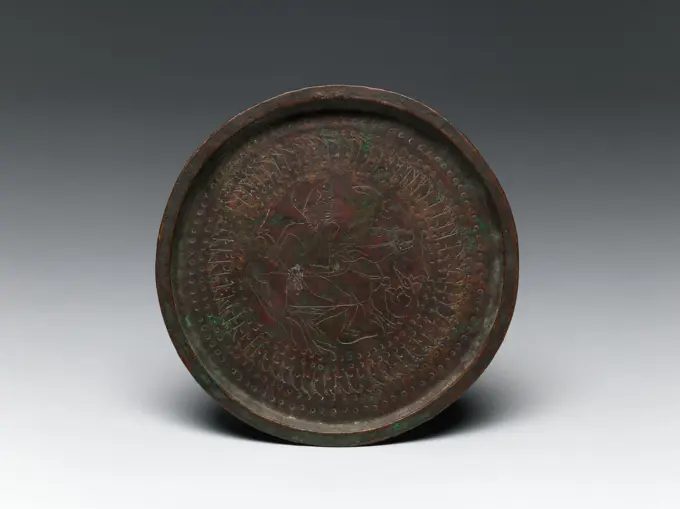
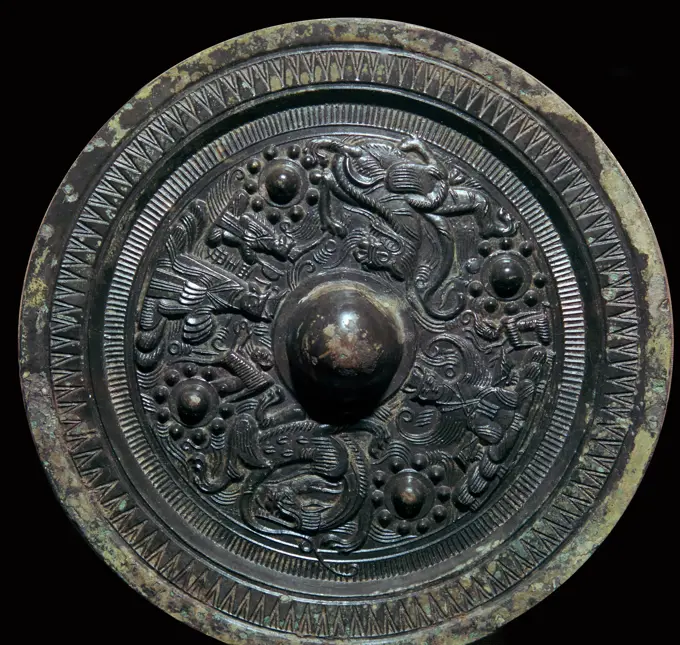
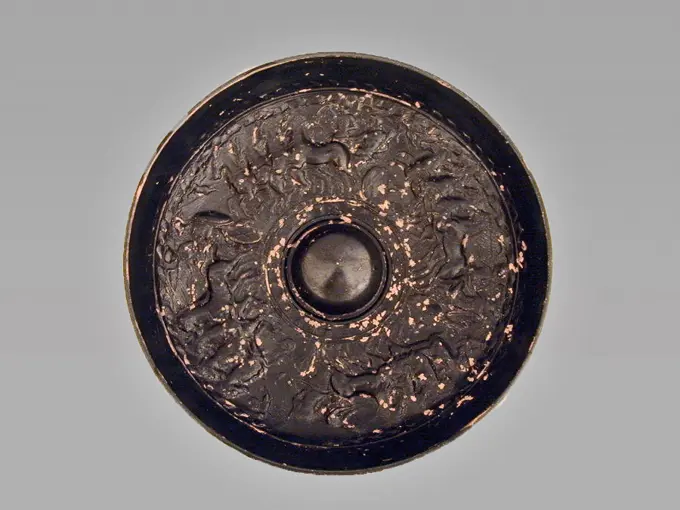
Mirror. Bronze. Cernuschi Museum, Asia Museum of Asia in the city of Paris.
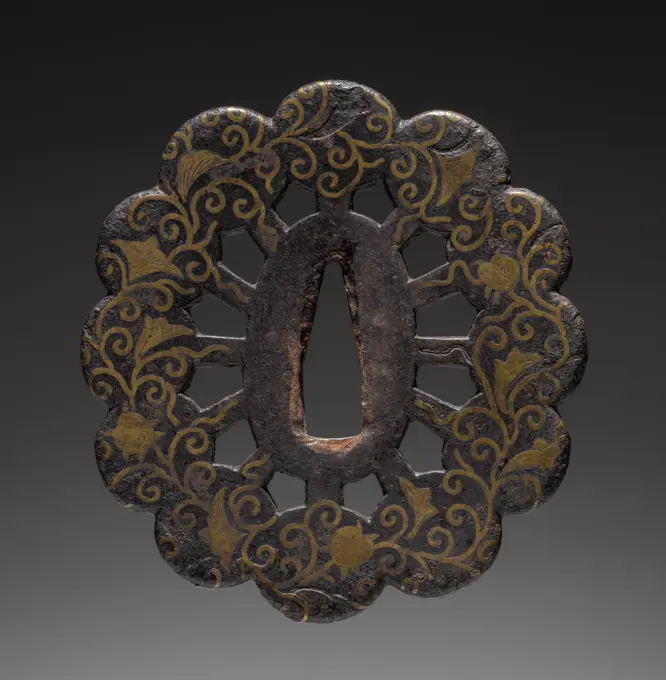
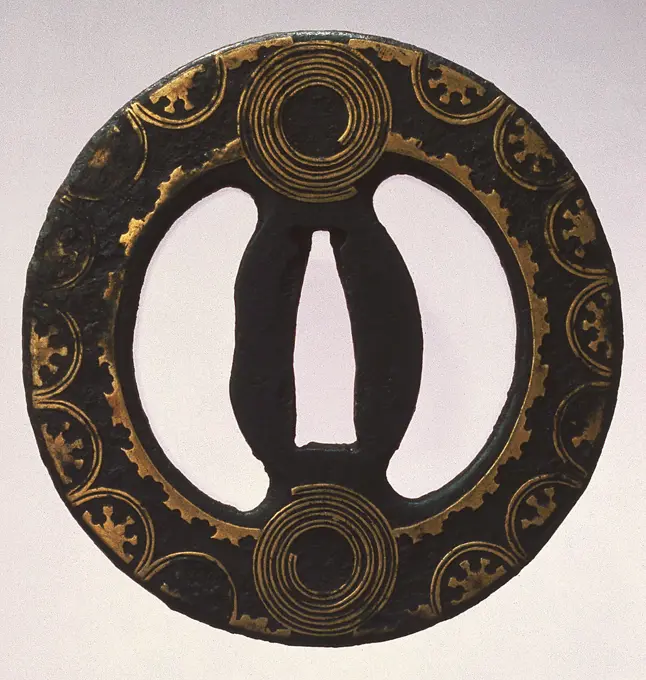
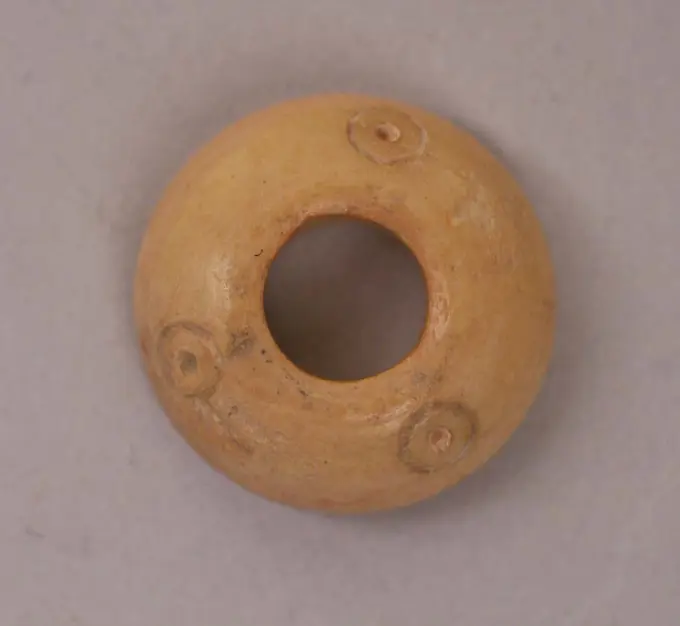
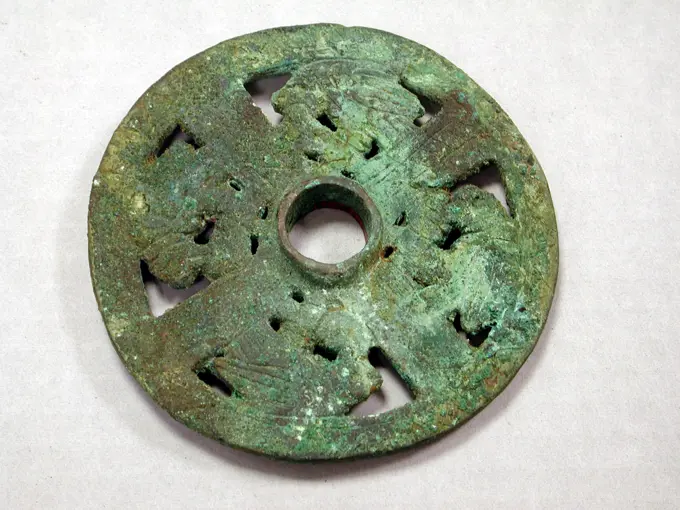
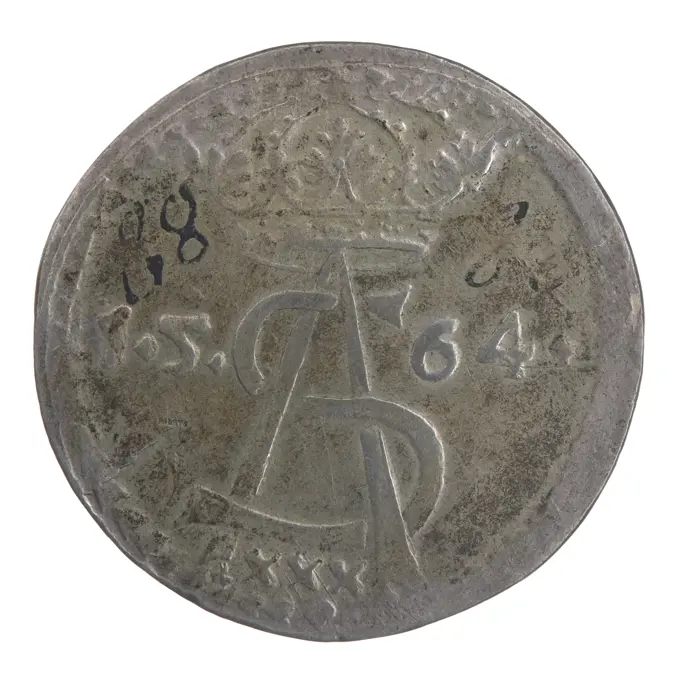
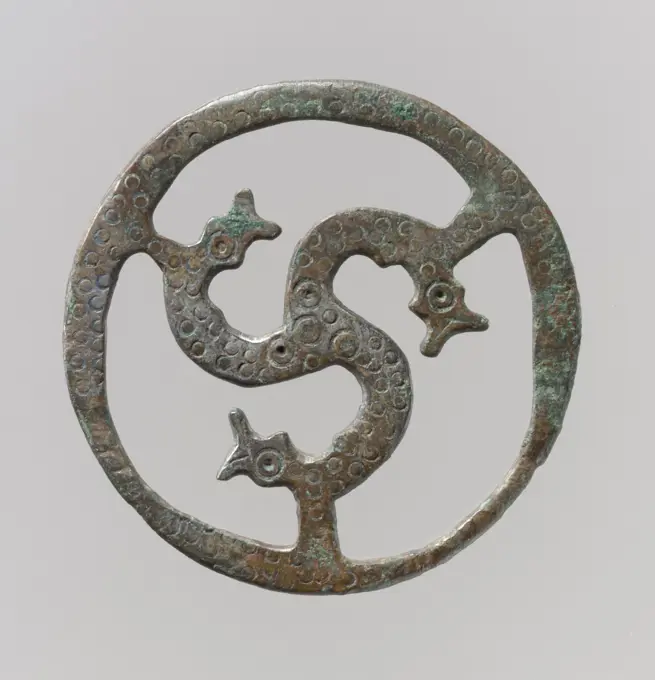
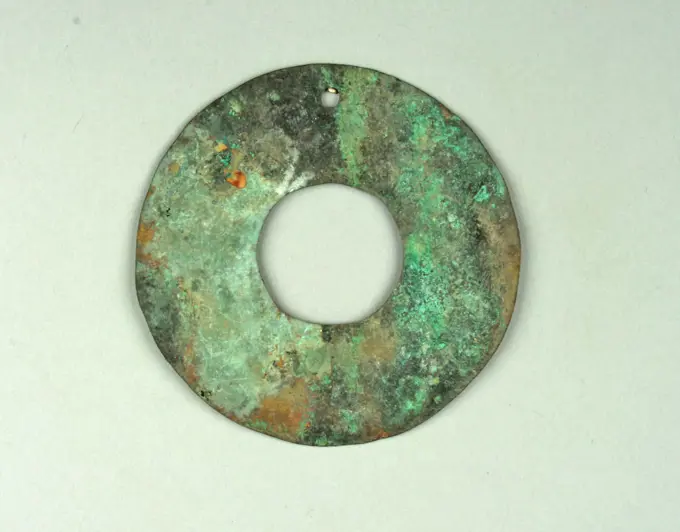
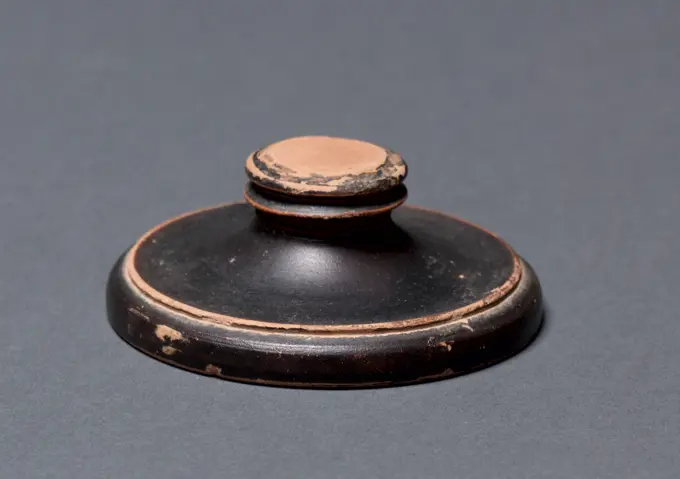
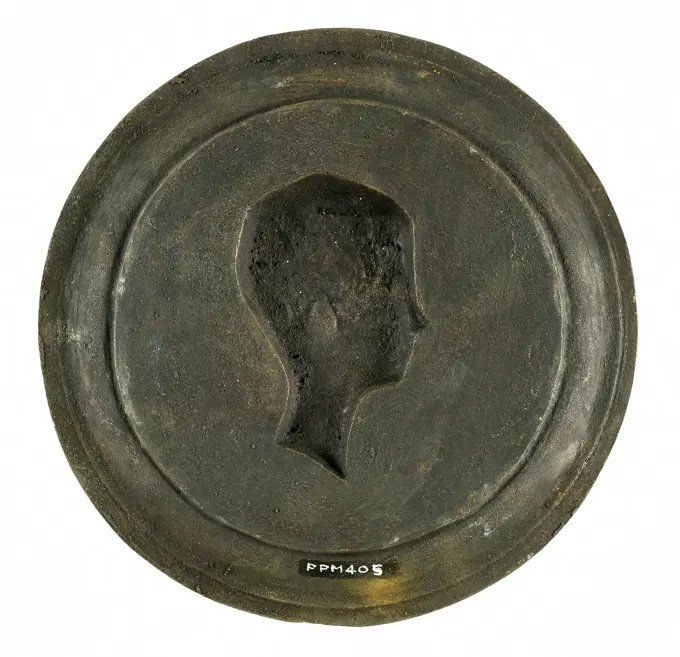
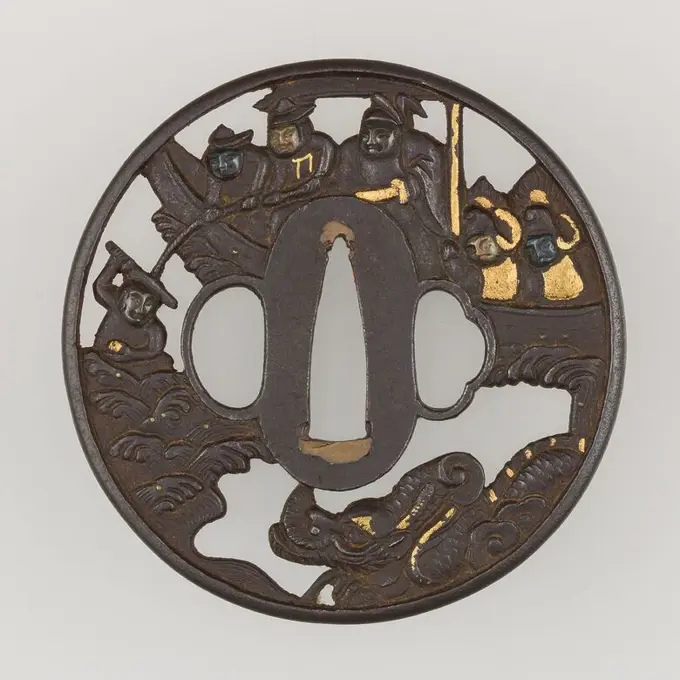
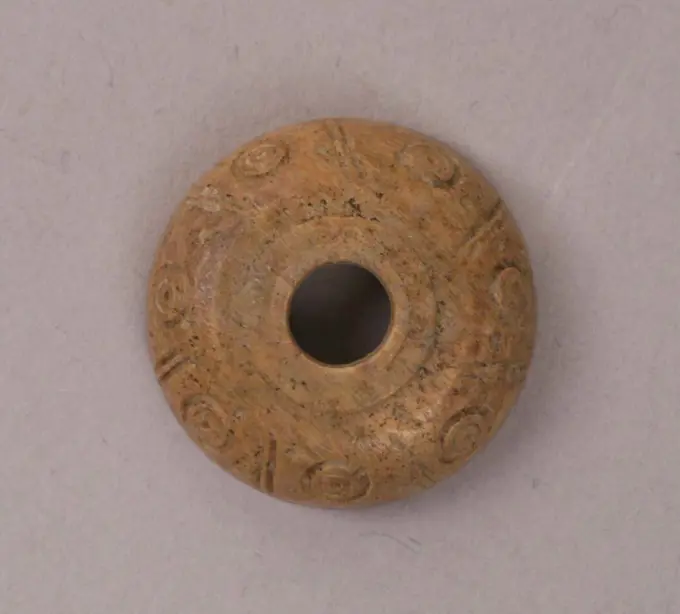
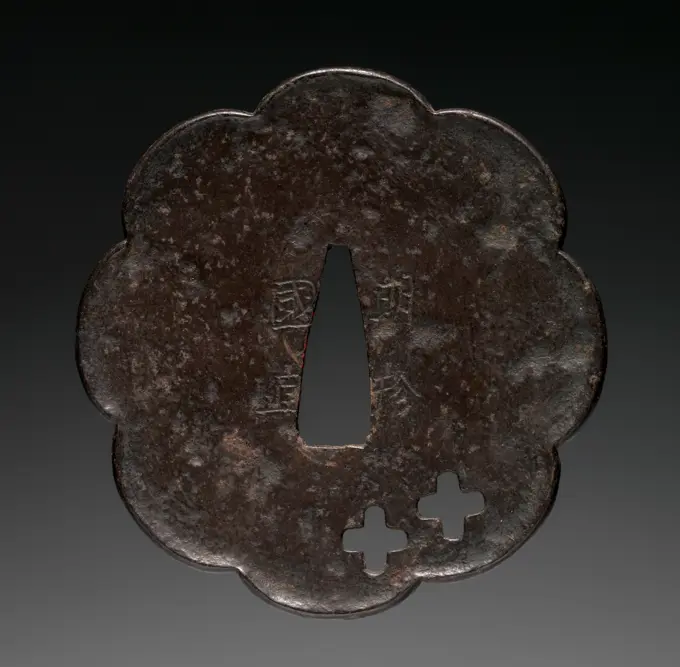
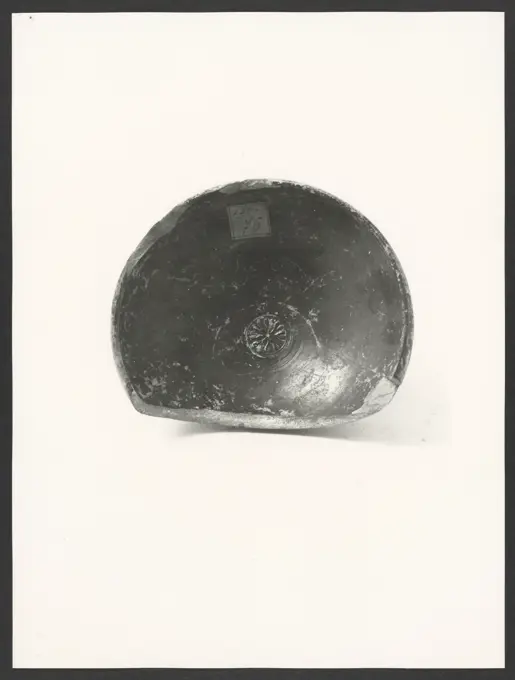
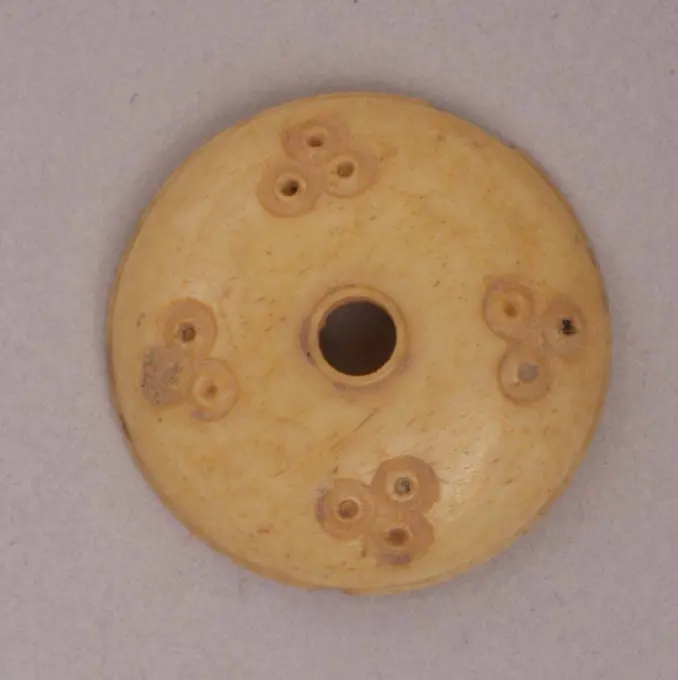
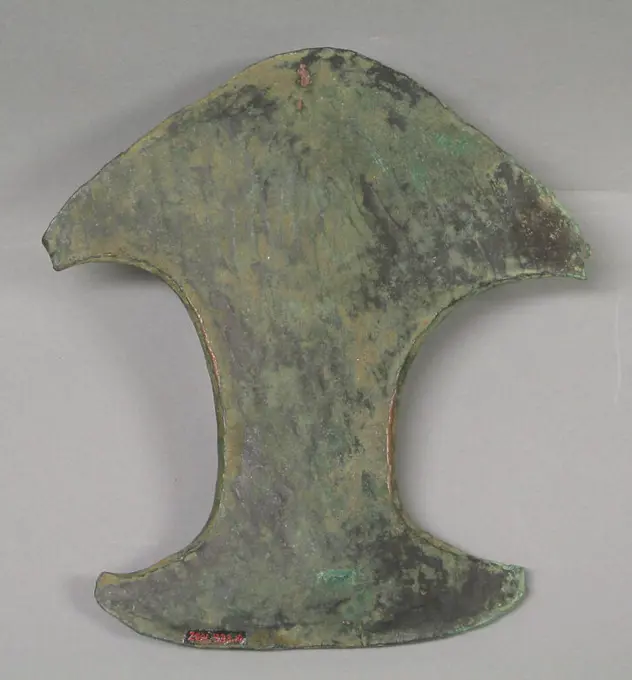
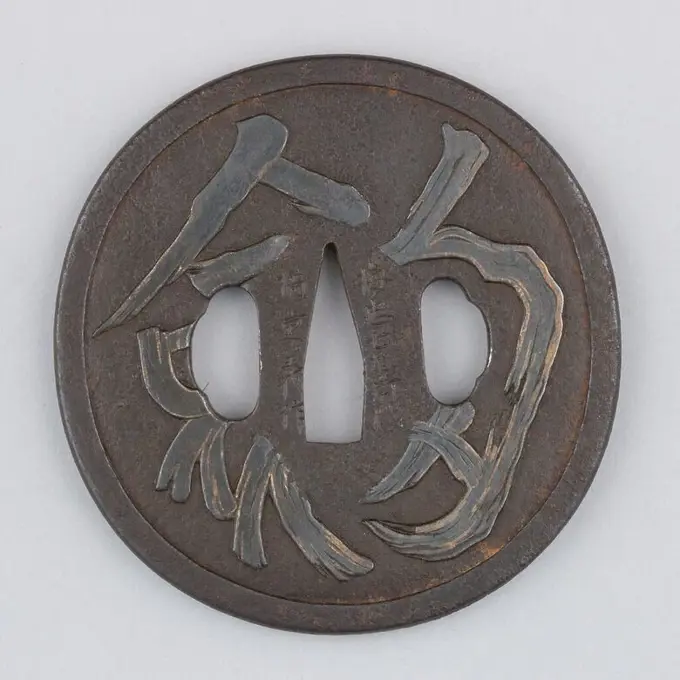
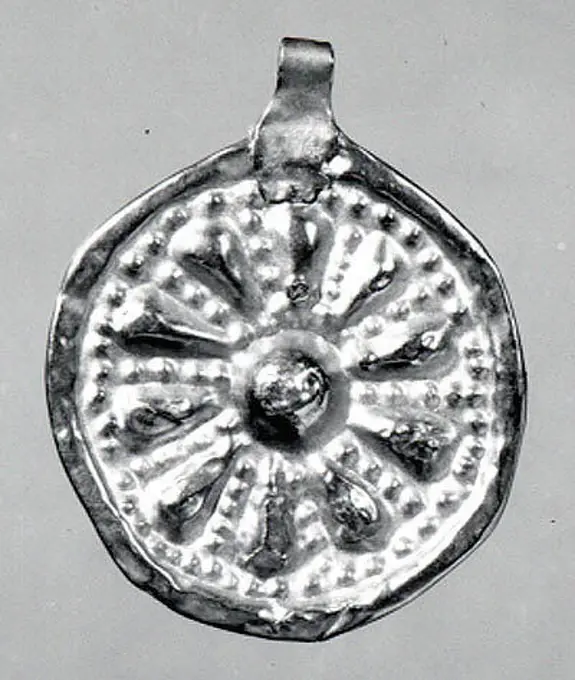
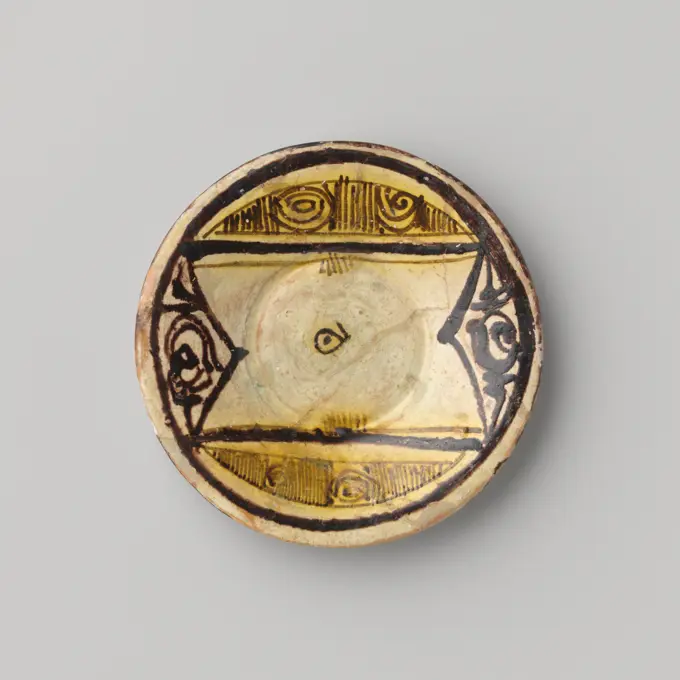
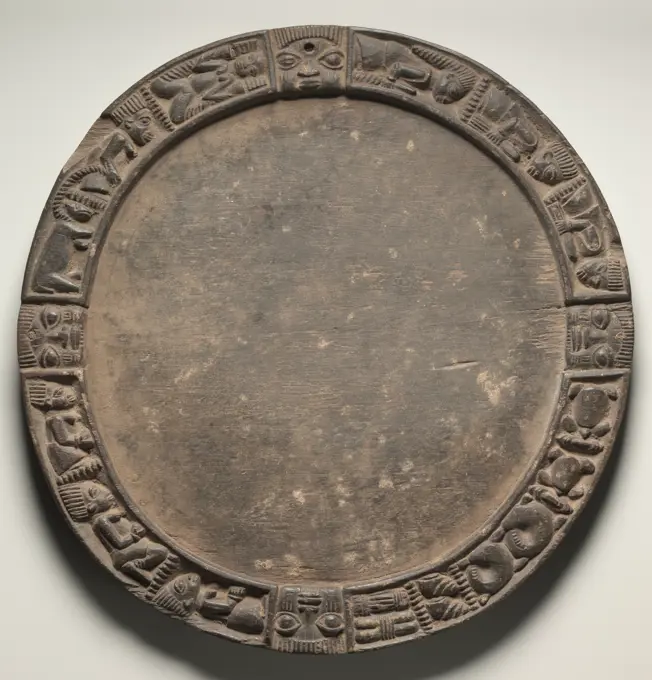
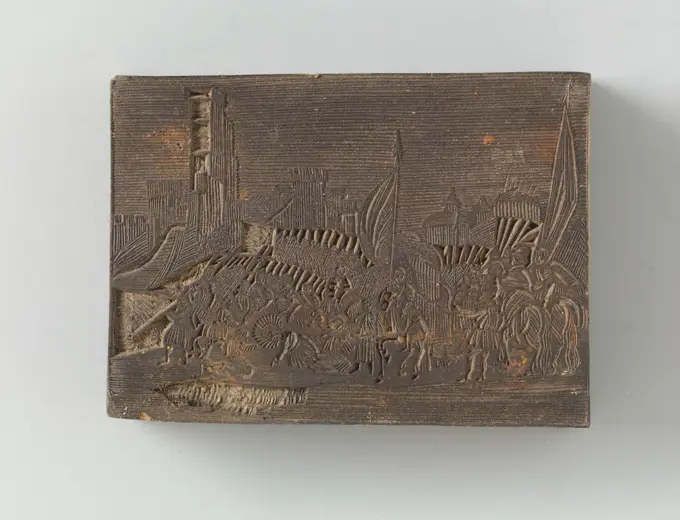
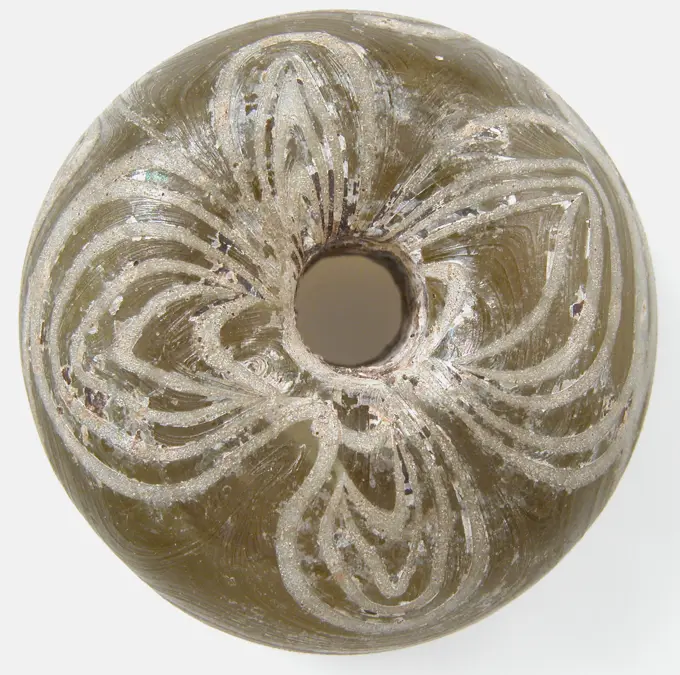
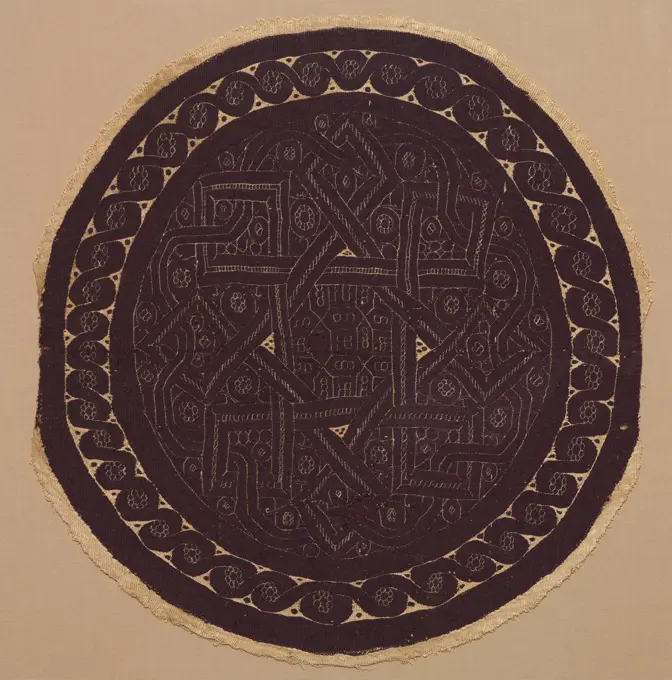
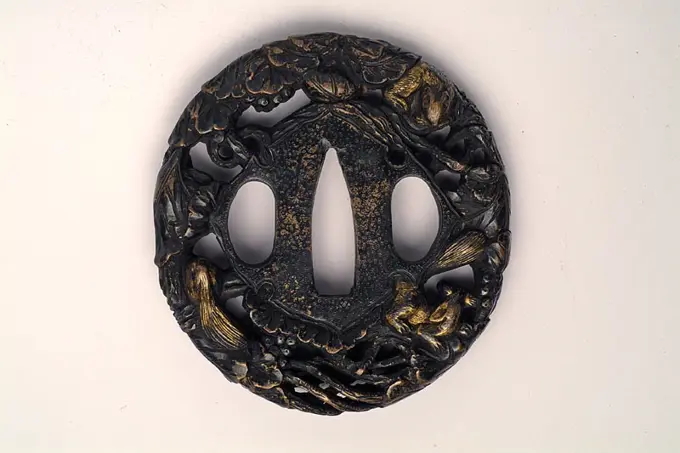
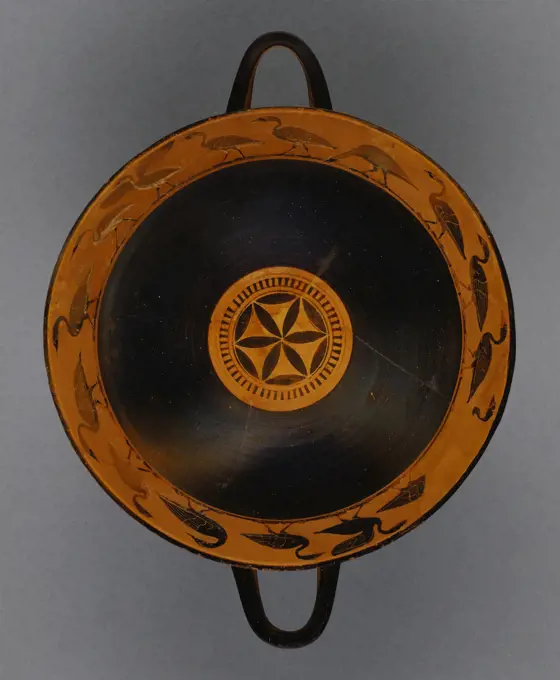
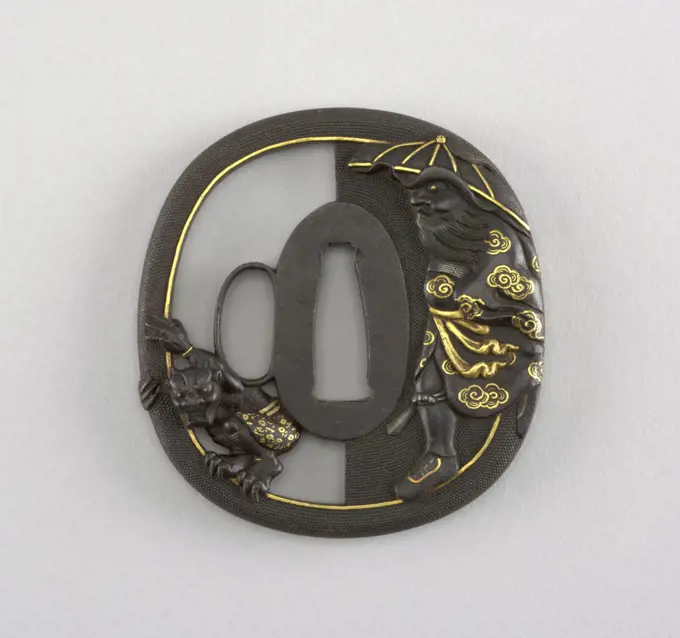
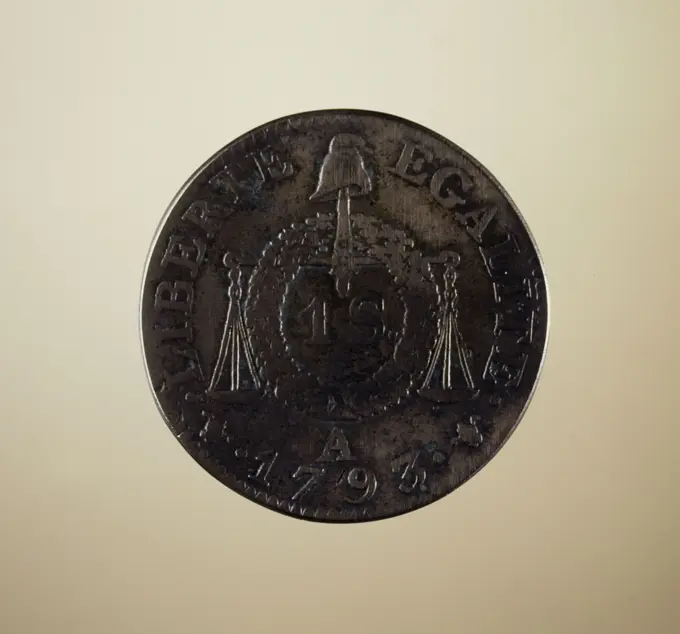
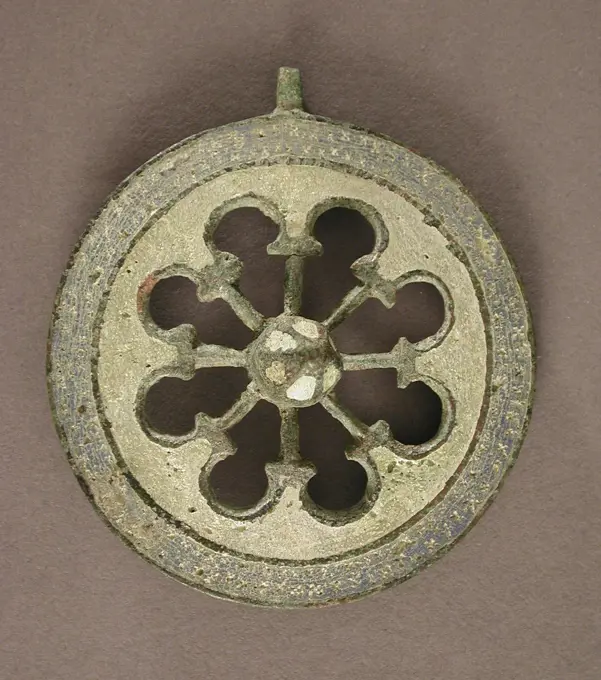
Offering Tray (Talam) 10th-14th century Indonesia. Offering Tray (Talam). Indonesia. 10th-14th century. Bronze. Metalwork. Handle of mirror. Two-sided editors, representations of 'Asceet' and 'man and woman'.Sword Guard (Tsuba), c. 1615-1868. Japan, possibly Edo period (1615-1868). Iron; diameter: 8.6 cm (3 3/8 in.).Anonymous, naval officer button (attributed title), 1925. Metal. General Leclerc Museum of the Liberation of Paris - Jean Moulin Museum.Bell, Probably for a Horse Harness ca. 3rd century Japanese. Bell, Probably for a Horse Harness. Japanese. ca. 3rd century. Bronze. Miscellaneous-Buckles & Ornamentsesterce; Marek Aureliusz (121-180; Roman emperor 161-180); 161-180 (161-00-00-180-00-00);Twenty -one Stuiver, imitation of an emergency coin from Kampen, beaten during the siege, made by Karl Wilhelm Becker, Karl Wilhelm Becker, 1815 - 1825 coin. siege coin. copy Unilateral, rectangular emergency coin with beveled corners. Front: five stamps: rectangular stamp with inscription; Thinking around four: above, left and right: castle; Below: eagle. Reverse: Blanco Offenbach am Main silver (metal) striking (metalworking)  MatchTsuba (Japan); material: tetsu surface: deku-boku shape: naga maruCarnavalet Museum, Medals CollectionCarnavalet museum, tokens collectionButton or Bead 9th-10th century The dot-in-circle motif recalls designs presumed to be of magical significance, most likely an abstract eye to ward off the evil-eye, which serves an apotropaic function. Easily reproduced with a tool and visible in many cultures and times, this symbol may have lost its meaning, and become simply a decorative pattern, or may have one that we have not yet discovered.. Button or Bead 449992Mace Head 2nd-8th century Moche. Mace Head 315478Bowl. Iran, Sasanian period, circa 225-650 A. D.. Furnishings; Serviceware. High-tin bronzeLithuanian Thaler (later) Fa Zygmunt II August (King of Poland; 1544-1572), Majnert, Józef (1813-1879); 1564/before 1879 (1564-00-00-1564-00-00);Openwork Belt Fitting 7th century () Frankish Openwork plaques were hung from a belt by a strap. Such useful objects as combs, keys, or amulets would then be suspended from the plaque by chains or strings. The patterns on these belt fittings ranged from architectural motifs to human figures to abstract designs.. Openwork Belt Fitting 465218 Frankish, Openwork Belt Fitting, 7th century (), Copper alloy, tinned surface, Overall: 2 5/16 x 1/16 in. (5.9 x 0.2 cm). The Metropolitan Museum of Art, New York. Gift of J. Pierpont Morgan, 1917 (17.192.159)Loop.Chinese bronze mirror with figures of the Taoist gods, 2nd century. Artist: Unknown1 penny; Beiki, Jakub (1772-1827), Fryderyk August and Wettin (King of Saxony; 1806-1827); 1812 (1812-00-00-1812-00-00);Plate; presumably Egypt; 3rd - 4th century; Glass; 4.5 x 23 cm (1 3,4 x 9 1,16 in.)Coin Weight 11th century. Coin Weight 453530Rectangular Plaque middle of the 6th century Frankish. Rectangular Plaque 465569 Frankish, Rectangular Plaque, middle of the 6th century, Copper alloy, Overall: 1 1/16 x 7/8 x 1/4 in. (2.7 x 2.3 x 0.7 cm). The Metropolitan Museum of Art, New York. Gift of J. Pierpont Morgan, 1917 (17.193.245)house vintage flower wall decoration architecture detailKuipers and wine-leaving guild of Amsterdam, Gildeping of Hendrik van Veen, Master Kuiper. Brass medal. Front: drawbar and passer within a bran wreath. Downside: inscriptionSword Guard (Tsuba) ca. 1615-1868 Japanese A tsuba is a sword guard and part of a sword mounting. It is mounted between the swords blade and grip to protect the users hands.. Sword Guard (Tsuba) 25751Round Plaque 3rd century B.C.-A.D. 2nd century Vicús. Round Plaque 315586Cylindrical Box withCoverMarriage of Willem Frederik George Lodewijk, Erfprins der Nederlanden and Anna Paulowna, Grand Prin of Russia in St. Petersburg, Leonhard Posch, 1816  Plaquette on wear eye. Front: breastpiece woman to the right; Below that: signature. Reverse: inscription: "Anna Paulowna, Kronprinzess der Niederlande". Berlin iron (metal) casting  Sint-PetersburgHand guard, anonymous, 1600 - 1699 Almost round, lobed tsuba in the form of a chrysanthemum with 32 leaves whose sides are completely covered with copper wire; In the middle on both sides a round copper plate. Japan iron (metal). copper (metal) Almost round, lobed tsuba in the form of a chrysanthemum with 32 leaves whose sides are completely covered with copper wire; In the middle on both sides a round copper plate. Japan iron (metal). copper (metal)Spindle Whorl 9th-15th century Mexican. Spindle Whorl 315828Foot of a Red-Figure Oinochoe (Wine Jug), 300s BC. South Italian (Campanian). Ceramic; diameter: 6.4 cm (2 1/2 in.); overall: 2.5 cm (1 in.).Decorative Door Boss And Nail; wrought ironBox Mirror. UnknownRod. Medal. The Duke of Aumale. Metal, bronze, 19th century. Museum of Fine Arts of the City of Paris, Petit Palais. 58756-7 Avers, bronze, duke, child, medal, metal, numero inventory, numismatics, profile, portrait, 19th centuryFragment of Bottle 13th-14th century. Fragment of Bottle 442930Bowl with Geometic Design (Two-part Pinwheel), c 1000-1150. Southwest, Mogollan, Mimbres, Pre-Contact Period,11th-12th century. Ceramic; diameter: 12.7 x 26.7 cm (5 x 10 1/2 in.).Stone wheel, 3D rendering Stone wheel, 3D rendering isolated on white background Copyright: xZoonar.com/natatravelx 22901540Jelec (Tsuba);  XVII-XVIII century (1601-00-00-1800-00-00);Platter, ca. 1740; brassDish, 235. Italy, Roman, 3rd century. Gold and glass; diameter: 25.8 cm (10 3/16 in.); overall: 4.6 cm (1 13/16 in.).Planets-manager. Cornalet Collection Sites 2013-2016. Numismatic.Mirror Japan. Mirror. Japan. Bronze. Nanbokuch period (1336-92). MirrorsHearing stone with a flower or fruitguirle, anonymous, c. 1575 - c. 1600 Hearing stone with a rectangular cartouche containing a flower or fruitguirle. Southern Netherlands earthenware Hearing stone with a rectangular cartouche containing a flower or fruitguirle. Southern Netherlands earthenwarePlate and Nail 15th-16th century European. Plate and Nail. European. 15th-16th century. Iron. Metalwork-IronSword Guard (Tsuba). Culture: Japanese. Dimensions: Diam. 3 1/4 in. (8.3 cm); thickness 1/4 in. (0.6 cm); Wt. 4.6 oz. (130.4 g). Date: late 18th-early 19th century. Museum: Metropolitan Museum of Art, New York, USA.Unattributed Trebizond Coin. UnknownTSUBA TYPE KINKO  Field Kon Kunichika, UTAGAWA (1835 1900)Double Sprial Fibula. Greece, circa 1050-700 B.C.. Jewelry and Adornments; pins. BronzeEngageante, double, from white nettle cloth, anonymous, c. 1775 - c. 1800 Engageante, double, from white nettle cloth, decorated in white with flowers and sities in Doorstop and Fils-Tiré work. Probably Dutch work. West-Europa canvas. buckram Engageante, double, from white nettle cloth, decorated in white with flowers and sities in Doorstop and Fils-Tiré work. Probably Dutch work. West-Europa canvas. buckramBoss and Nail 15th-16th century European. Boss and Nail. European. 15th-16th century. Iron. Metalwork-IronButton or Bead 9th-10th century This object was excavated at Nishapur.Nishapur was a vital city in the early and middle Islamic periods, located along one of the main trajectories that connected Iran and West Asia Islamic lands with Central Asia and China. These itineraries are often referred to by the term Silk routes’ but were in fact crucial to the movement of constellations of materials and objects, as well as people and ideas. The diverse population of Nishapur and its surroundings, from the better-researched elite groups of merchants, land-owning aristocracy, and literates, to the less-known artisans, farmers, miners, and servants, were instrumental in adapting global cultural trends to create their own distinctive visual languages. This is seen in the material remains of everyday life in medieval Nishapur - from pots and pans to lighting devices, inkwells, textiles and trimmings, jewelry, games and toys, talismanic devices, weapons, coins, and architectural fragments.Nishapur lSword Guard, mid-1700s. Japan, Edo period (1615-1868). Iron (Myochin type); diameter: 8 cm (3 1/8 in.).Sword Guard (Tsuba) Japanese 18th century A tsuba is a sword guard and part of a sword mounting. It is mounted between the swords blade and grip to protect the users hands.Lazio Viterbo Viterbo Museo Civico83. Hutzel, Max 1960-1990 Views of paintings (Middle Ages through 18th c.), frescoes, a tabernacle, coffin, sculpture reliefs, portal fragments, busts, sculpture, tapestry found in the Pinacoteca, Second floor gallery and Second floor cloister sequences. Antiquities: Many views of Etruscan and Roman fragments, sculpture, sarcophagi, pottery, masks, jewelry and other objects found in the Storeroom sequence (inventory numbers on back of prints), and the Cloister, Second floor Cloister, Valle Giulia, Sala Romana and Sala Etrusca sequences. General Notes: There are eight separate numerical sequences for this location. The cloister as an architectural structure, rather than museum site, is documented in the record and file for S. Maria della Verita, Cloister, all views of which are stored in Medieval core collection. Five views from the Museo Civico Second floor cloister sequence are stored in Medieval. German-born photographer and scholar Max Hutzel (1911-Bliżej Kultury unknown, Dassier, JeanButton or Bead 9th-10th century The dot-in-circle motif recalls designs presumed to be of magical significance, most likely an abstract eye to ward off the evil-eye, which serves an apotropaic function. Easily reproduced with a tool and visible in many cultures and times, this symbol may have lost its meaning, and become simply a decorative pattern, or may have one that we have not yet discovered.. Button or Bead 449261City of Amsterdam, District 6, Penning that gave the right to rye bread at a price of eight and a half penny, Anonymous, 1662  Silver square shower. Front: in round stamp: crowned coat of arms, flanked by two lions within the round of pearl edge; Above that: year. Reverse: in round stamp: number 6 above letter W in round pearl edge. Amsterdam silver (metal) casting / engraving  AmsterdamWine buyer guild of Nijmegen, Gildepenning van Christoffel van den Bergh, Anonymous, 1750 medal Brass leaf -shaped medal with hole on the right side and scalloped edge. Front: grape trosy flanked by letters W and g surrounded by vines on which grape bunches hang. Reverse: inscription inside decorative edge. Nijmegen brass (alloy) engraving  NijmegenDish early 16th century German. Dish 467535Eccentric Anthropomorph. Culture: India. Dimensions: 8 7/16 x 7 3/4 in. (21.4 x 19.7 cm). Date: 1500-1000 B.C..These anthropomorphic figures, harpoons, ax blades (celts), and antennae swords were cast and hammered from unalloyed copper. They may be dated to 1500 to 1000 B.C. Given that pure copper is a relatively soft metal and most of the objects show little or no signs of wear, it seems likely that their function was largely dedicatory. Hoards of such objects have been found across north India, the greatest concentration being in Uttar Pradesh. The findspots suggest they were ritually deposited in rivers or marshes, though several related antennae swords were recorded in late Indus Valley civilization (ca. 1500 B.C.) burials at Sanauli. Museum: Metropolitan Museum of Art, New York, USA.Brooch -Terracotta phiale (libation bowl) 3rd century B.C. Greek, South Italian, Campanian, Calenian The scene represented in relief on these two phialai derives from a late fifth century B.C. prototype, probably of silver. It represents the apotheosis of Herakles, who appears in a four-horse chariot drawn by a winged Nike and accompanied by the chariots of Athena, Ares, and Dionysos.Rogers Fund, 1923 (23.160.12). Terracotta phiale (libation bowl). Greek, South Italian, Campanian, Calenian. 3rd century B.C.. Terracotta; black-glaze. Hellenistic. VasesBowl 13th century. Bowl. 13th century. Stonepaste; slip painted under transparent glaze; incised. Made in Iran, Kashan. CeramicsHenri Allouard (1844-1929). Medal avec. Wedding room. Silver plated. Nineteenth century. Museum of Fine Arts of the City of Paris, Petit Palais. 58768-2 Avers, medal, argente metar, inventory number, numismatics, 19th centurySword Guard (Tsuba). Culture: Japanese. Dimensions: Diam. 3 1/4 in. (8.3 cm); thickness 3/16 in. (0.5 cm); Wt. 6.6 oz. (187.1 g). Date: ca. 1650. Museum: Metropolitan Museum of Art, New York, USA.Sword Guard (Tsuba). Culture: Japanese. Dimensions: H. 3 1/8 in. (7.9 cm); W. 3 in. (7.6 cm); thickness 5/16 in. (0.8 cm); Wt. 5.6 oz. (158.8 g). Date: ca. 1615-1868. Museum: Metropolitan Museum of Art, New York, USA.Panel 14th-15th century. Panel 445067Brooch -Rosette pendant ca. 9th century B.C. Iran This circular shaped pendant is decorated with a repoussé design of a rosette with ten petals and small circles. There is a loop for attachment at the top. It is one of the thousands of artifacts of terracotta, bronze, iron, gold, silver, and ivory which were recovered from monumental buildings at the site of Hasanlu in northwestern Iran. Hasanlu is best known for its early first-millennium B.C. occupation. At that time, it was a major local center of commerce and artistic production with close ties to other political and creative centers of the Near East. In 1957, the University Museum of the University of Pennsylvania initiated large-scale excavations at the site with the Iranian Archaeological Service. The Metropolitan Museum of Art co-sponsored the excavations from 1959 to 1977 and received a share of the finds. Many of these objects are now on display in the Museum. Hasanlu was settled from the sixth millennium B.C. through the Achaemenid Dish with an hourglass-shaped panel, scrolls and lines, anonymous, c. 900 - c. 999 Earthenware dish decorated with a hourglass -shaped cartouche in a black -mangan sludge in a medallion surrounded by curl and shabby on Engobe of white sludge, with local yellow lead glaze. Nishapur earthenware. glaze painting / vitrification Earthenware dish decorated with a hourglass -shaped cartouche in a black -mangan sludge in a medallion surrounded by curl and shabby on Engobe of white sludge, with local yellow lead glaze. Nishapur earthenware. glaze painting / vitrificationDivination Tray (ọpọ́n Ifá), 1900s. Africa, West Africa, Nigeria, Yorùbá-style maker. Wood; diameter: 42 cm (16 9/16 in.); overall: 3.2 cm (1 1/4 in.).Bible illustrations, c. 1550 - c. 1699    wood (plant material)Korenmolenaarsgilde van Amsterdam, Gildenning by J. van der Craats. Copper medal. Front: Korenmolen with flag in top. Downside: inscriptionCircular Bead 500-600 Frankish Beads from Frankish necklaces exhibit a stunning variety of patterns, colors, and forms. Though the beads seen here were made in the seventh century, the particular combination in which they were strung together is a creation of the late nineteenth century, when the beads were first found in graves.. Circular Bead. Frankish. 500-600. Glass. Glass-BeadsRoundel from a Curtain, 300s. Egypt, Byzantine period, 4th-5th century. Plain weave ground with tapestry weave and supplementary weft wrapping; undyed linen and dyed wool; overall: 45.2 x 47.7 cm (17 13/16 x 18 3/4 in.); mounted: 64.1 x 64.1 x 2.5 cm (25 1/4 x 25 1/4 x 1 in.). This roundel, which originally decorated a curtain, displays a perfectly interlaced knot that was believed to provide protection from harm. Two interlacing squares form an eight-pointed star whose points are connected by an undulating strand. An extra linen weft forms the entire knot pattern on the rich purple wool ground.Sword Guard (Tsuba) possibly 17th century Japanese A tsuba is a sword guard and part of a sword mounting. It is mounted between the swords blade and grip to protect the users hands.. Sword Guard (Tsuba) 35203Sword Guard (Tsuba). Culture: Japanese. Dimensions: H. 2 7/8 in. (7.3 cm); W. 2 3/4 in. (7 cm); thickness 3/16 in. (0.5 cm); Wt. 3.9 oz. (110.6 g). Date: 18th century. Museum: Metropolitan Museum of Art, New York, USA.One of two Phalerae. UnknownTsuba (maru gata) in the Sochin School style. unknown, craftsmanPanel 14th-15th century. Panel 445113Sword Guard, late 1700s. Japan, Edo period (1615-1868). Bronze; overall: 5.4 x 6.4 cm (2 1/8 x 2 1/2 in.).False coin, IIthuanian shilIIng, John II Casimir (1649 1668)Sword Guard (Tsuba). Culture: Japanese. Dimensions: H. 3 7/16 in. (8.7 cm); W. 3 3/16 in. (8.1 cm); thickness 3/16 in. (0.5 cm); Wt. 5.1 oz. (144.6 g). Date: ca. 1615-1868. Museum: Metropolitan Museum of Art, New York, USA.Wine Cup with Waterbirds; Attributed to the Osborne House Painter (Greek, active about 550 - 525 B.C.); Ionia (present-day western Turkey); about 550 B.C; Terracotta; 8.9 × 18.7 × 14.3 cm (3 1,2 × 7 3,8 × 5 5,8 in.)Slit Cylinder (jue) 700 BCE-500 BCE China. Jade .Rusted weathered metal disc isolated over white backgroundPlaque for Miss Cleaves, Boston Schools. , Birds. The Massachusetts WPA Federal Art Project Photograph CollectionSpindle Whorl 10th-early 16th century Mexican. Spindle Whorl. Mexican. 10th-early 16th century. Ceramic. Mexico, Mesoamerica. Ceramics-ImplementsTsuba, Iron, gold, This iron tsuba is nade (oval) in shape and has a maru mimi (round outer rim) with nanako (a punched pattern of dots). Sukashi (openwork) and iroyo takabori (high relief carving) show a scene with Shoki, the demon queller, and the demon Oni. Gilded details., At the center is the nakago-ana, an opening through which the sword passes. Surrounding this is the seppadai, a flat oval area that is migaki (burnished). At the left is a hitsu (opening) in the hangetsu-kei (half moon) shape., Japan, 19th century, metalwork, Decorative Arts, TsubaSoil test before signature, 1793 Augustin Dupr� (1748-1833). Soil test before signature, 1793. Paris, Carnavalet museum.Disk Brooch 100-300 Roman Millefiore enameling was widely popular in Gaul, where it was often used to decorate disk brooches and vessels. In this technique, the artist fuses together glass rods of different colors. The multicolored rods are then cut into cross sections, which are placed in a metal base and heated sufficiently for them to adhere. The result is an intricate pattern of flowers and checkerboards. Disk Brooch. Roman. 100-300. Copper alloy, millefiori enamel. Made in Probably Gaul. Enamels-ChamplevéCap Crown And Border (France); linen, straw; 1950-10-4-a,bRod. Medal. The Duke of Aumale. Plaster. Nineteenth century. Museum of Fine Arts of the City of Paris, Petit Palais. 58760-15 Medal, inventory number, numismatics, plaster, reverse, 19th centuryTen Stuiver, emergency coin from Amsterdam, beaten during the siege from the silver of the Nieuwe Kerk, Anonymous, 1578 - 1631 coin. siege coin Unilateral, diamond -shaped emergency coin with hole in it. Front: three stamps above each other; from bottom to top: mint masters piece on this point pierced: presumably letters P and G; city coat of arms: crowned coat of arms, left still part of number 5, to the right of 7 visible, to the right of Kroon: number 0 visible; year above mark 10. Downside: Blanco Amsterdam silver (metal) striking (metalworking)  AmsterdamTwelve emergency coins from Dutch cities, Balthasar Wijntgens, 1578 coin. siege coin Unilateral, diamond -shaped emergency coin, with very irregular edges. Front: Crowned eagle Inside Covering and Round Pearl Edge. Reverse: Blanco Deventer silver (metal) striking (metalworking)  DeventerBronze Schijf from V.O.C. ship De 'Witte Leeuw', Before 1613  Bronze round disk or wheel with a round hole and 6 spokes in the middle. Presumably intended for the great coverage and the Kardeelblok of the East Indians De Witte Leeuw. With this heavy hoist, the large RA, to which the mainsail was attached, could be lifted or lowered.  bronze (metal)   Sint-HelenaSword Guard (Tsuba) ca. 1615-1868 Japanese A tsuba is a sword guard and part of a sword mounting. It is mounted between the swords blade and grip to protect the users hands.. Sword Guard (Tsuba) 34374Sword Guard (Tsuba) Japanese ca. 1615-1868 A tsuba is a sword guard and part of a sword mounting. It is mounted between the swords blade and grip to protect the users hands.Sword Guard (Tsuba) 17th century Japanese A tsuba is a sword guard and part of a sword mounting. It is mounted between the swords blade and grip to protect the users hands.. Sword Guard (Tsuba) 30025Stemmed dish from Central Italy. Dated 300 BCEmilia-Romagna Ferrara Ferrara Museo Civico di Schifanoia94. Hutzel, Max 1960-1990 General Notes: INCOMPLETE RECORD--NEGATIVES PROCESSED, PRINTS FILED German-born photographer and scholar Max Hutzel (1911-1988) photographed in Italy from the early 1960s until his death. The result of this project, referred to by Hutzel as Foto Arte Minore, is thorough documentation of art historical development in Italy up to the 18th century, including objects of the Etruscans and the Romans, as well as early Medieval, Romanesque, Gothic, Renaissance and Baroque monuments. Images are organized by geographic region in Italy, then by province, city, site complex and monument.