Antique Japanese Ceramics

Elegant bowls, jars, and dishes from Japan and Germany, highlighting traditional craftsmanship and intricate decorative details.

Jar 1840 Japan. Jar. Japan. 1840. Porcelain decorated in blue under the glaze (Arita ware, Imari type). Edo period (1615-1868). Ceramics
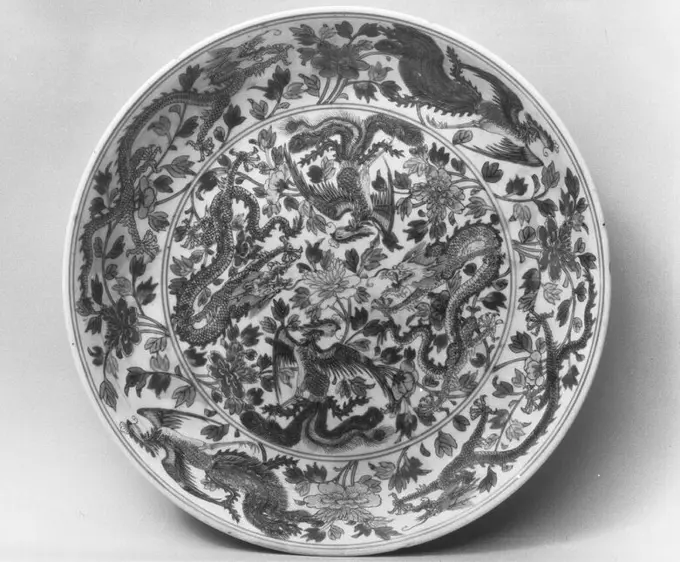
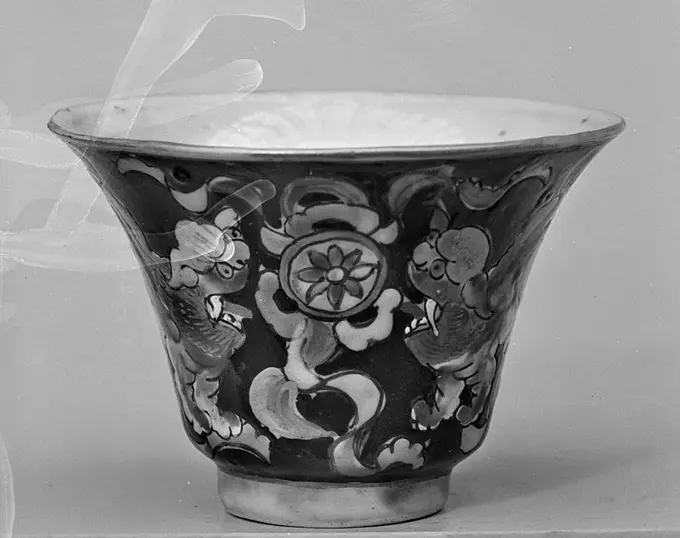
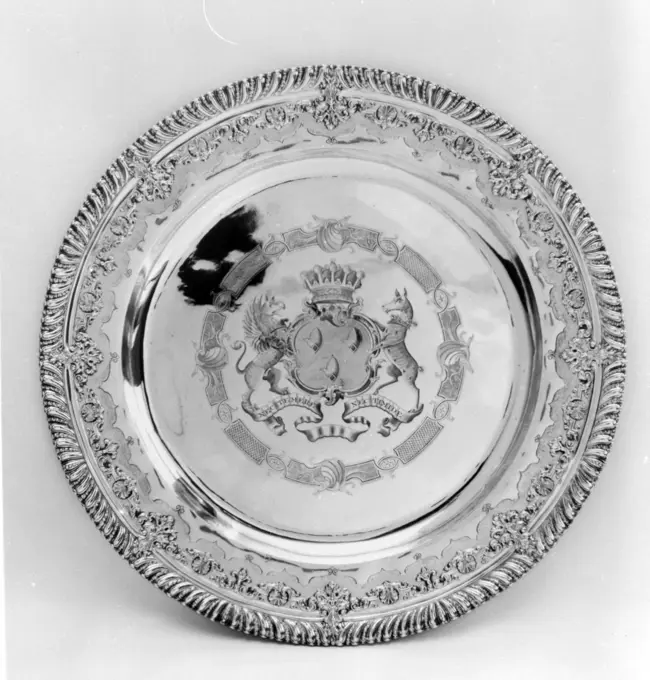
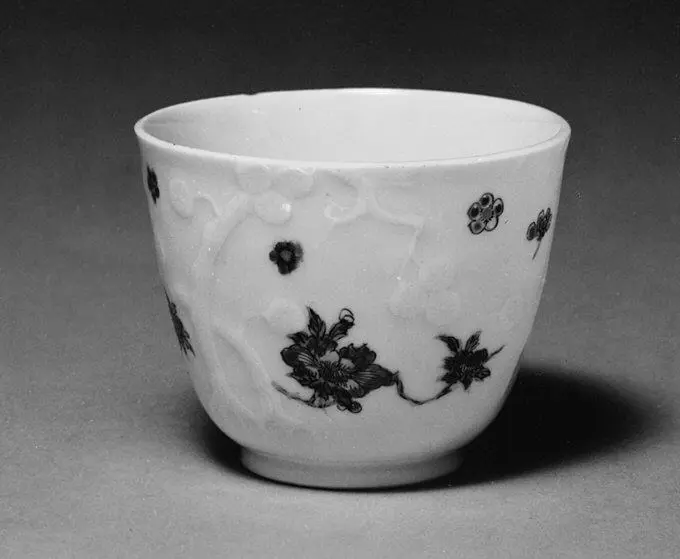
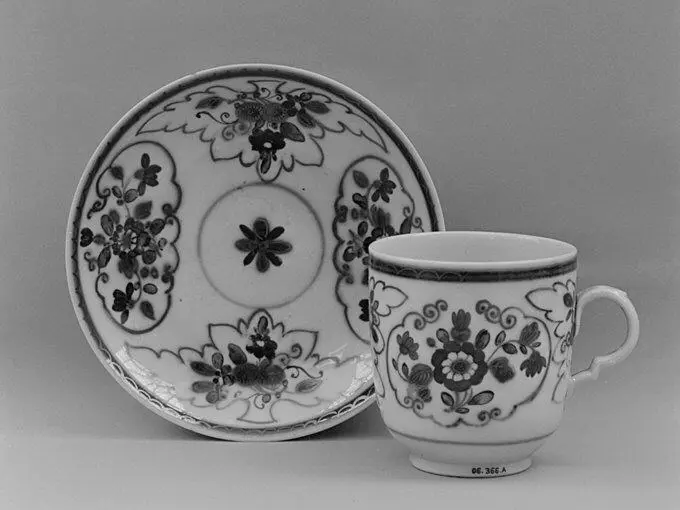
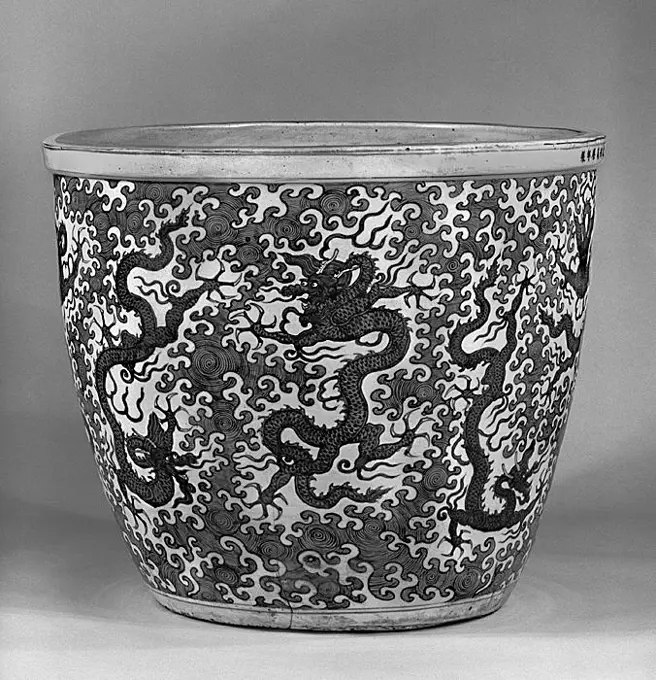
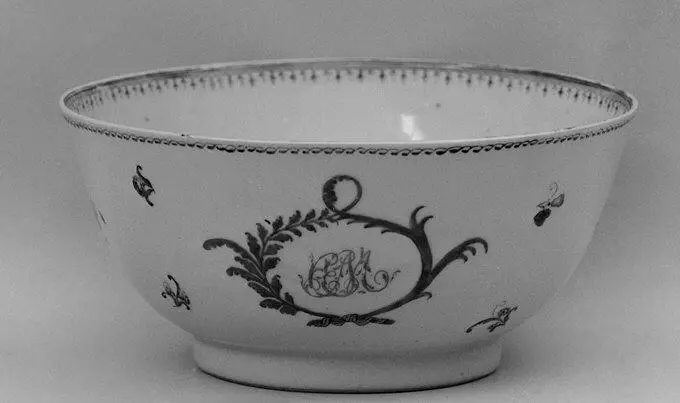
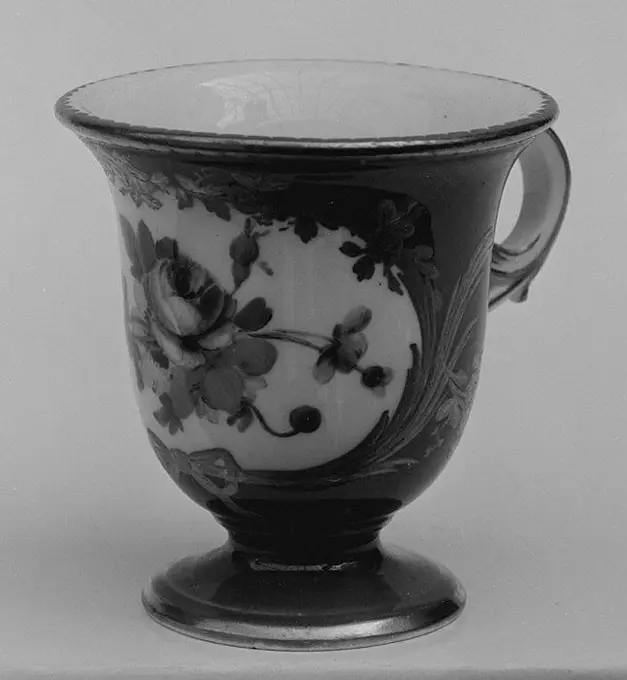
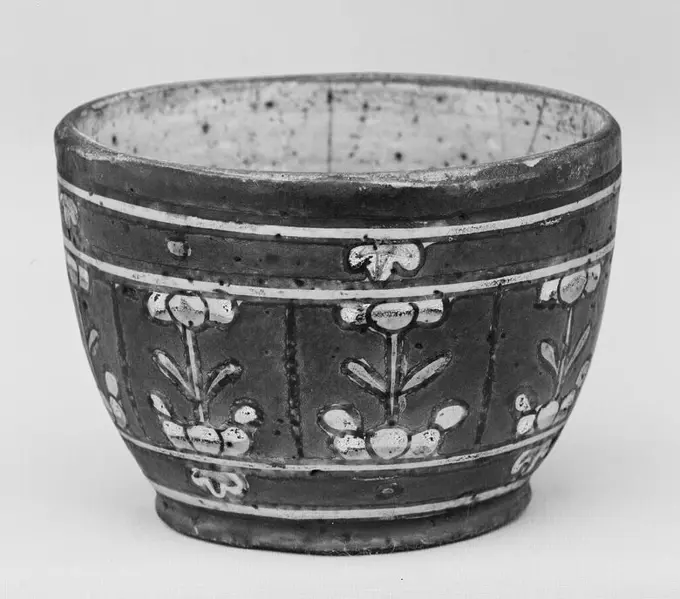
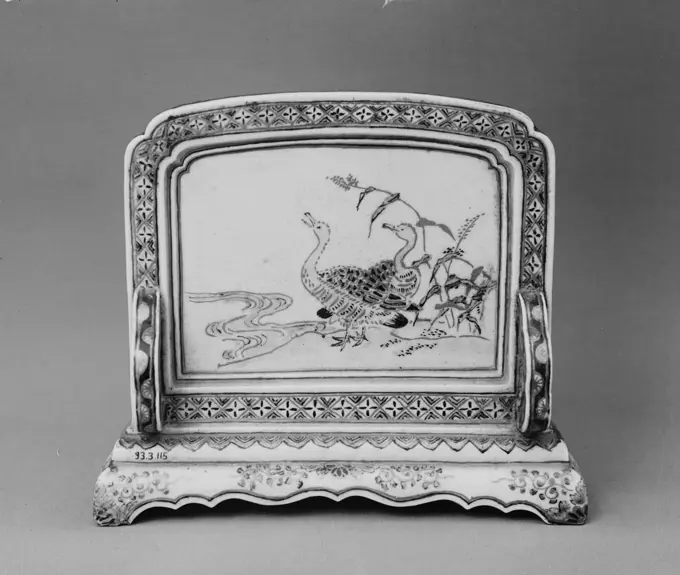
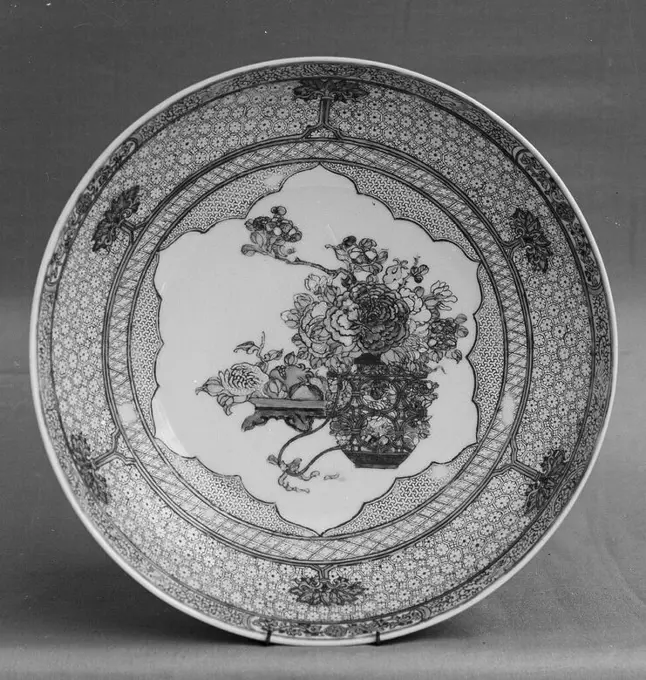
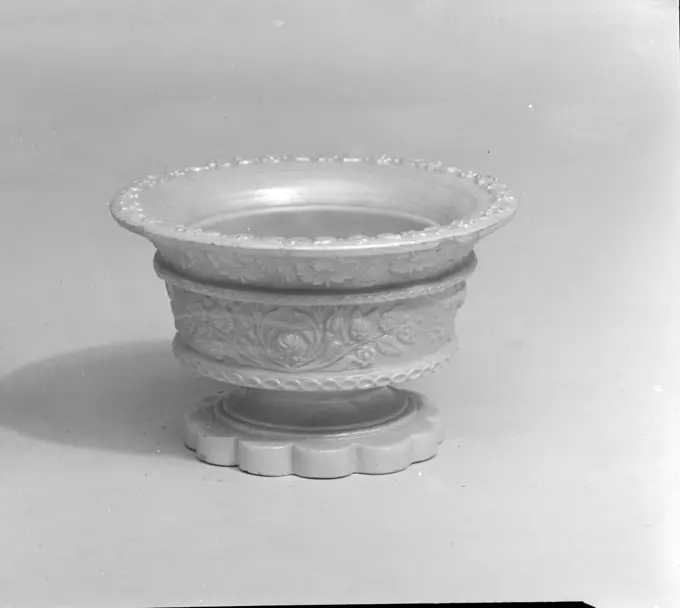
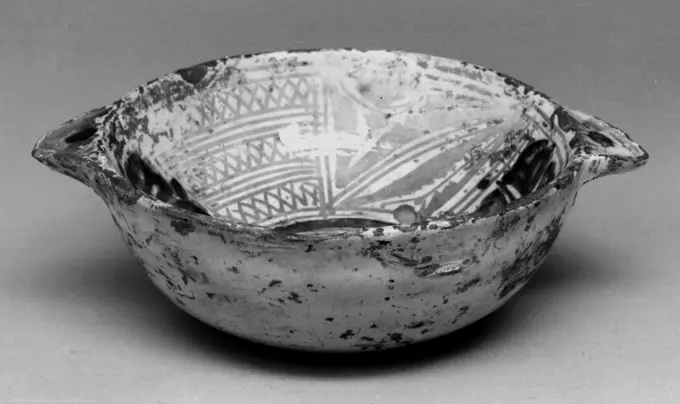
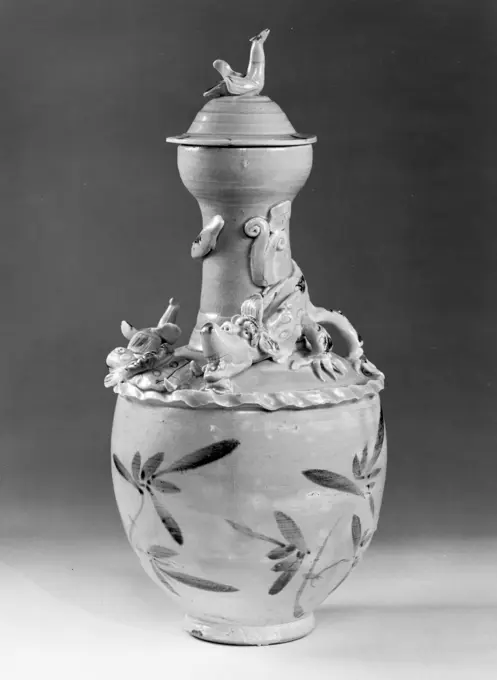
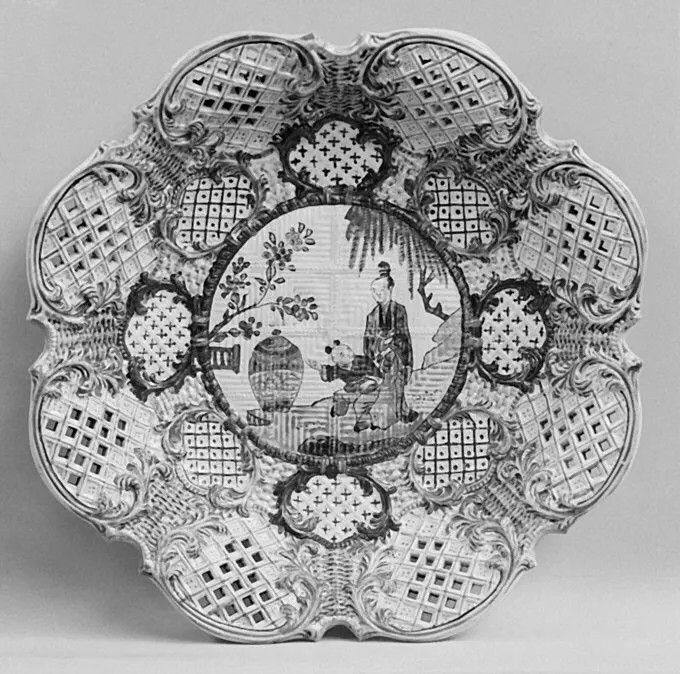
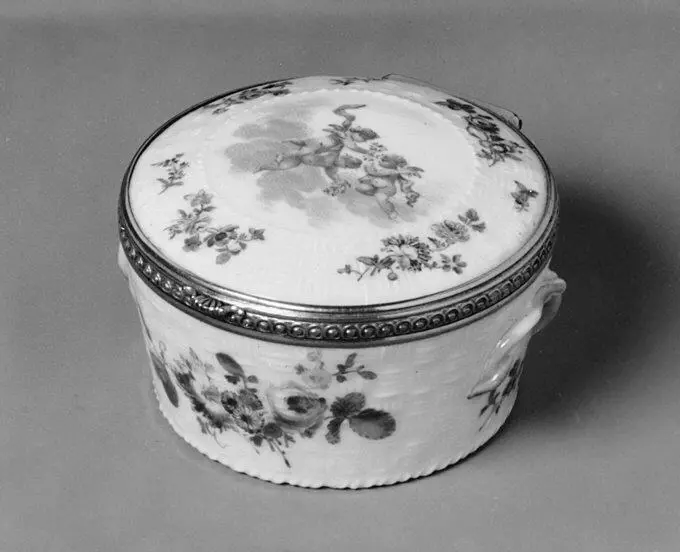
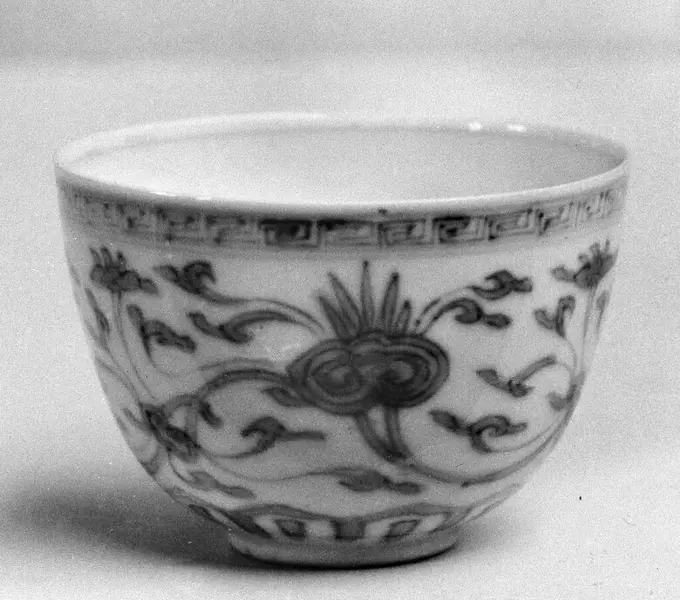
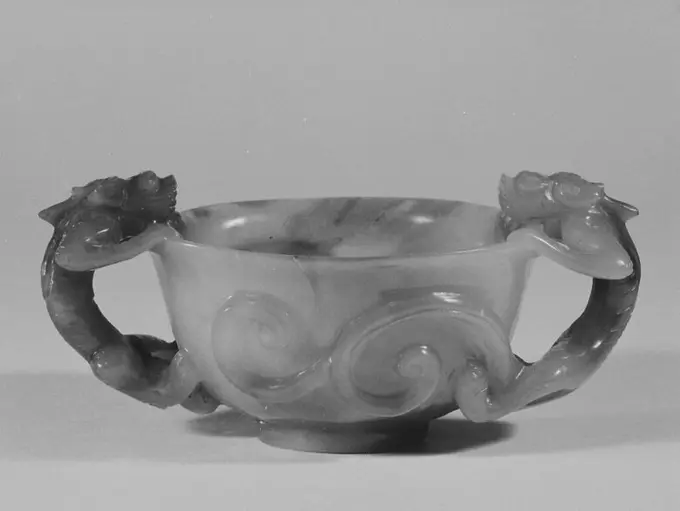
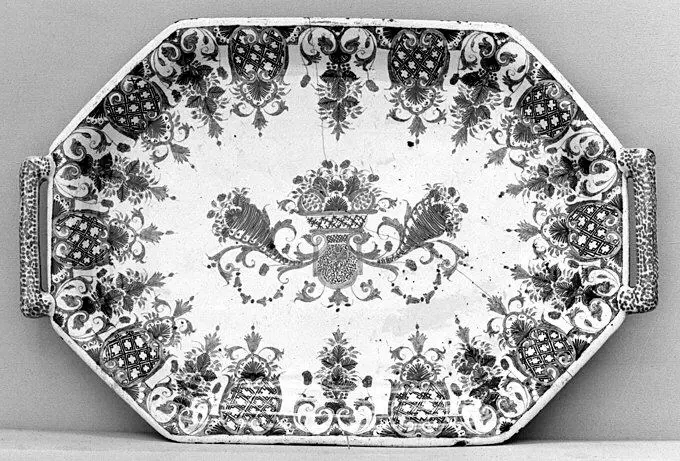
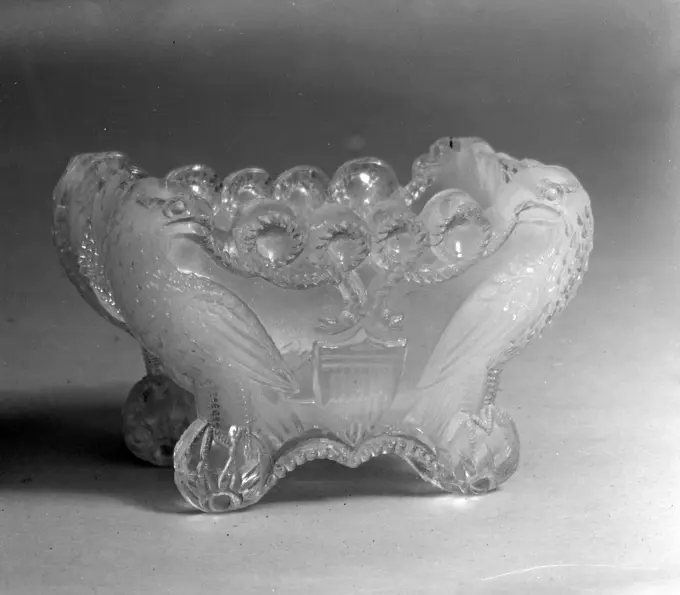
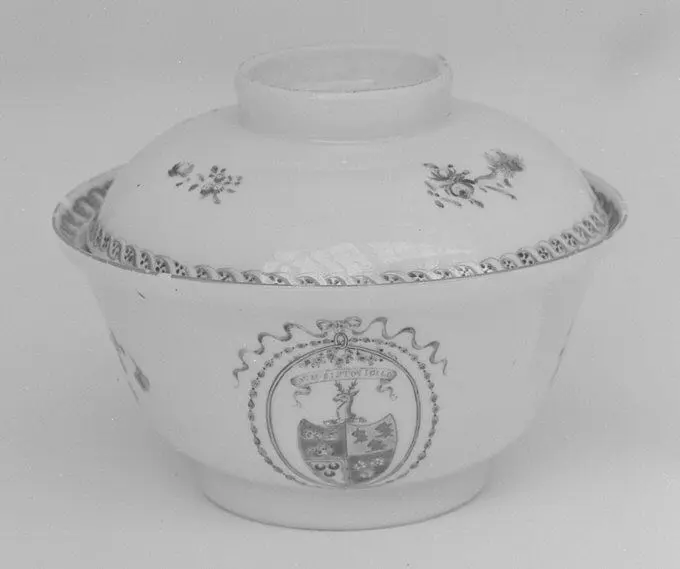
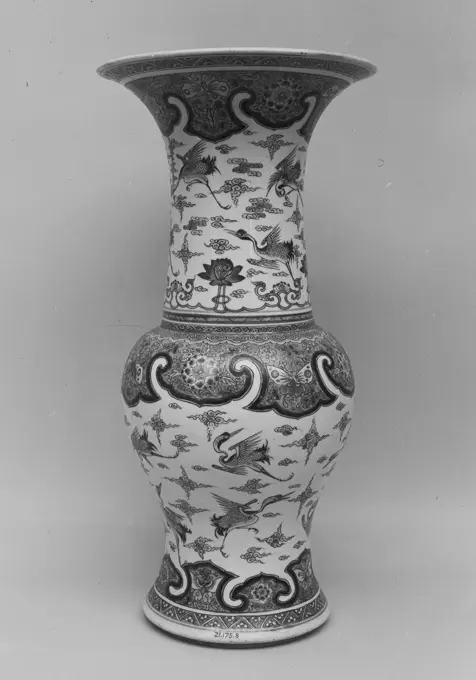
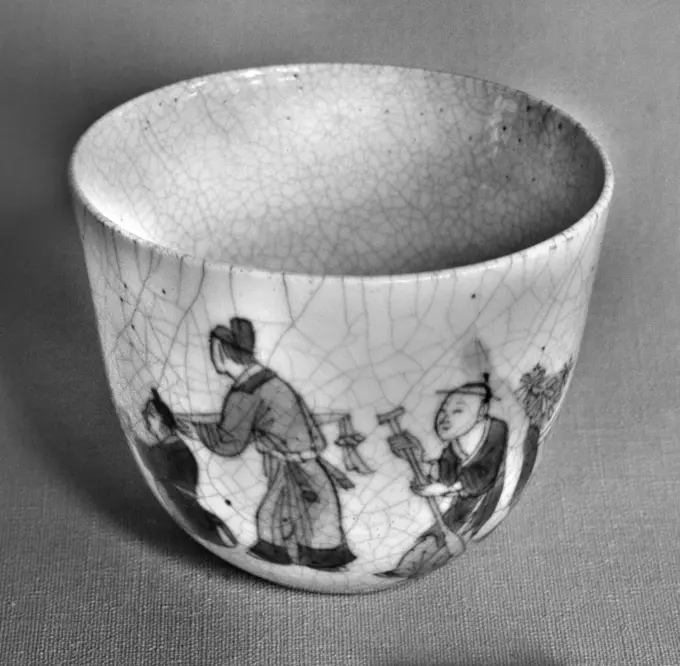
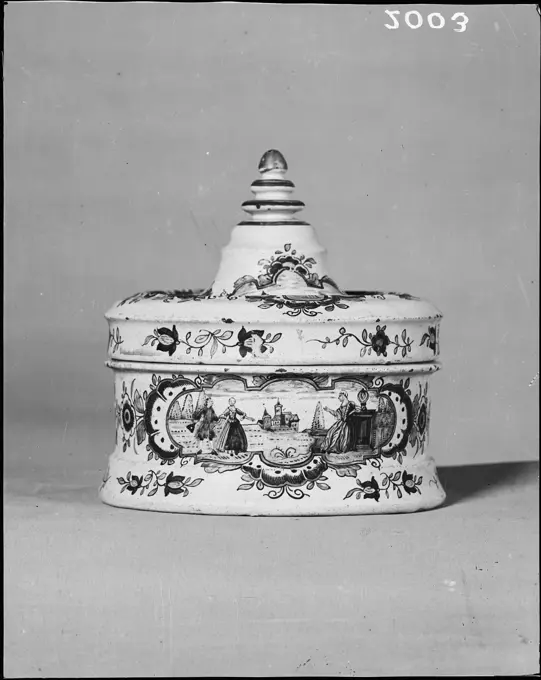
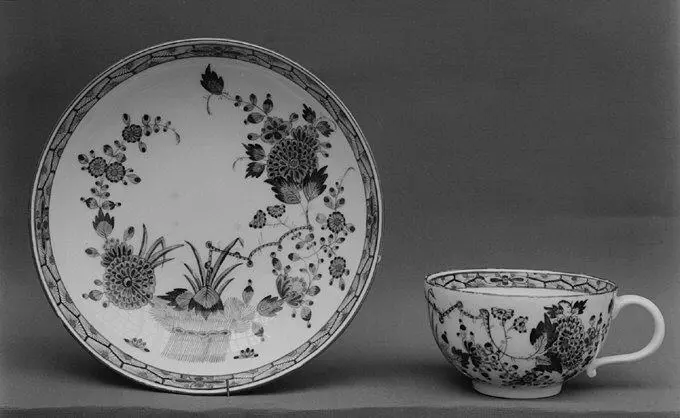
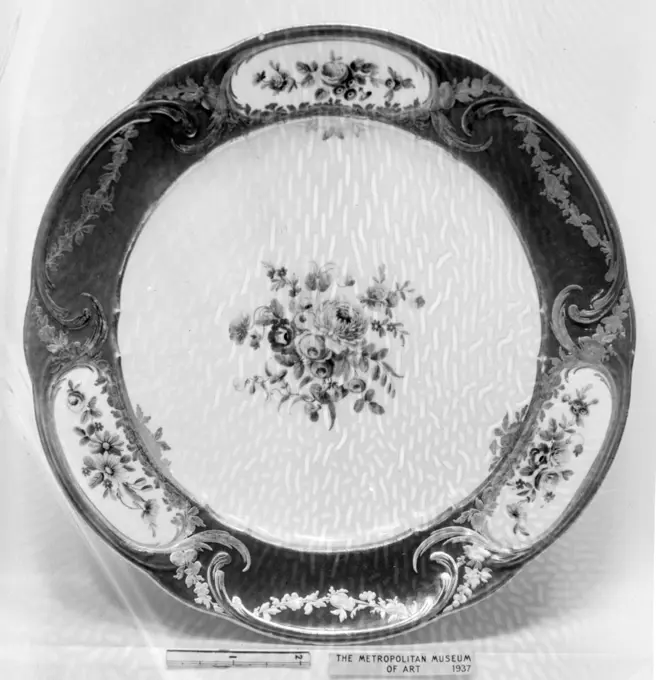
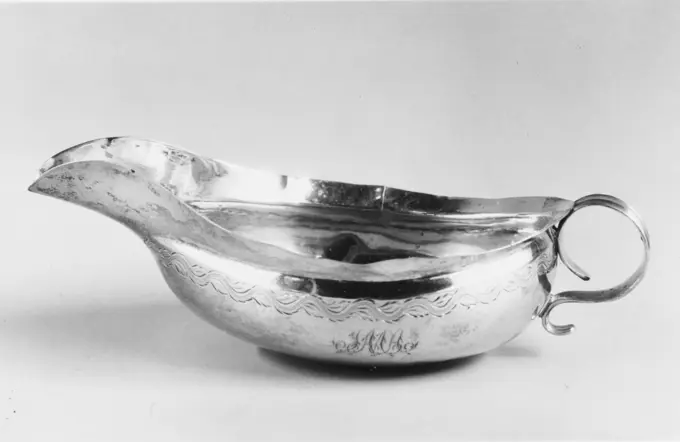
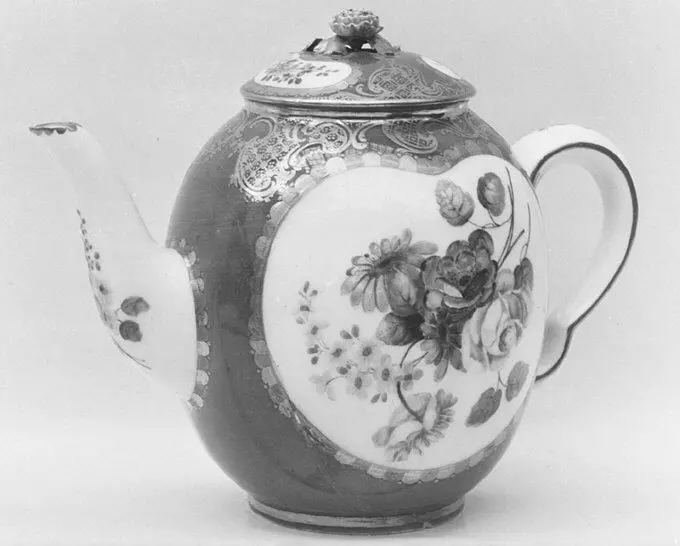
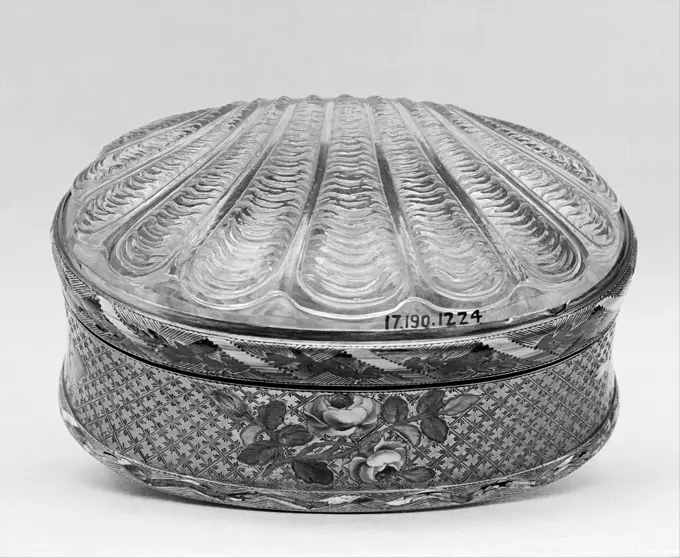
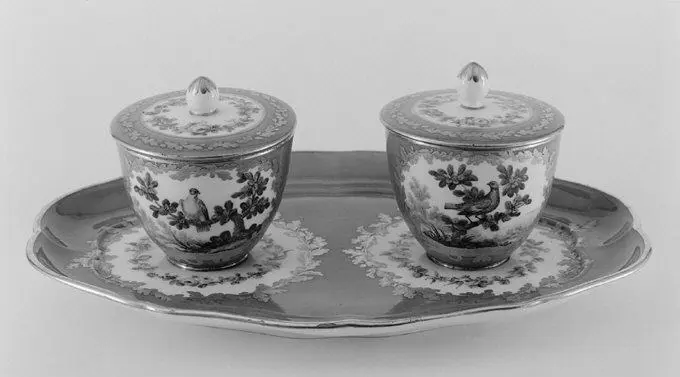
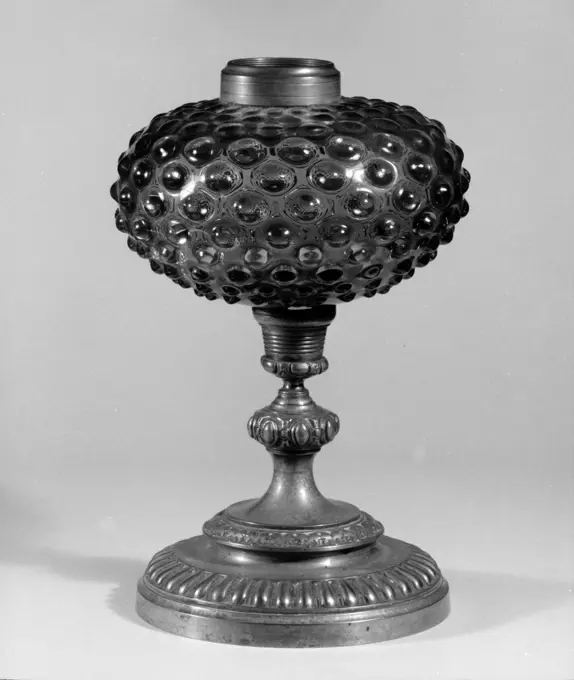
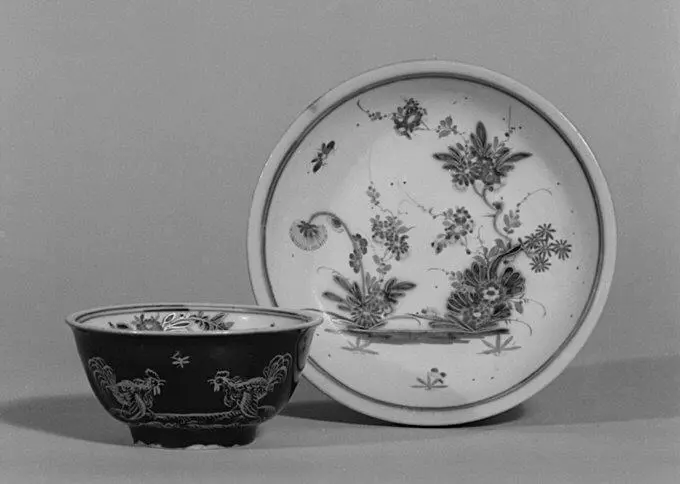
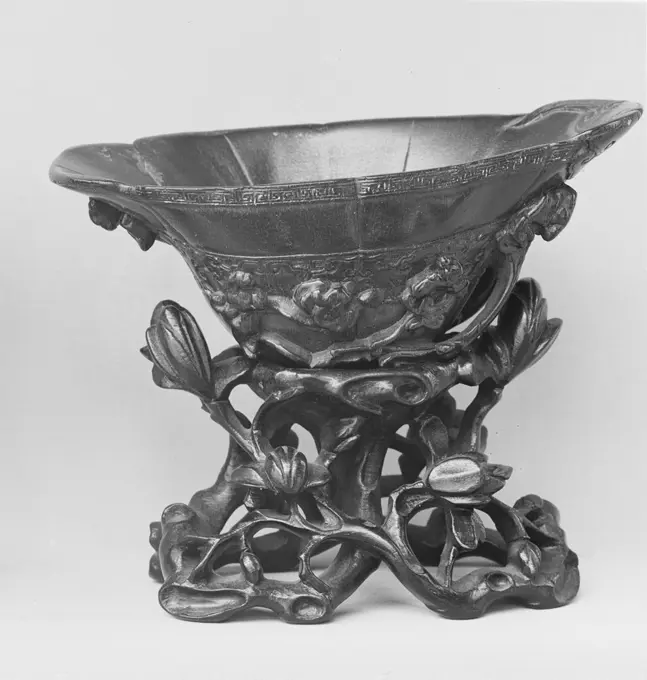
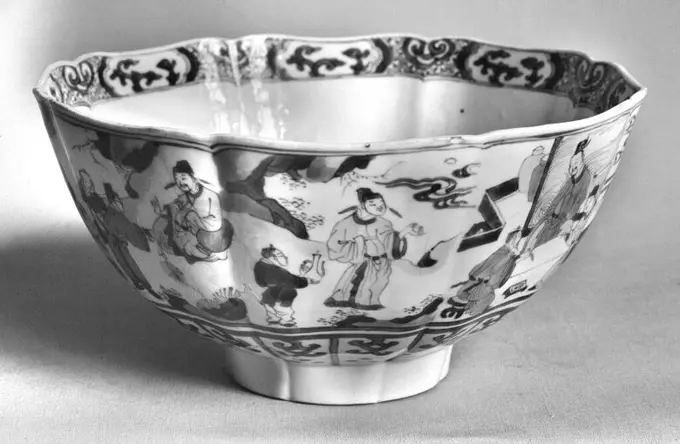
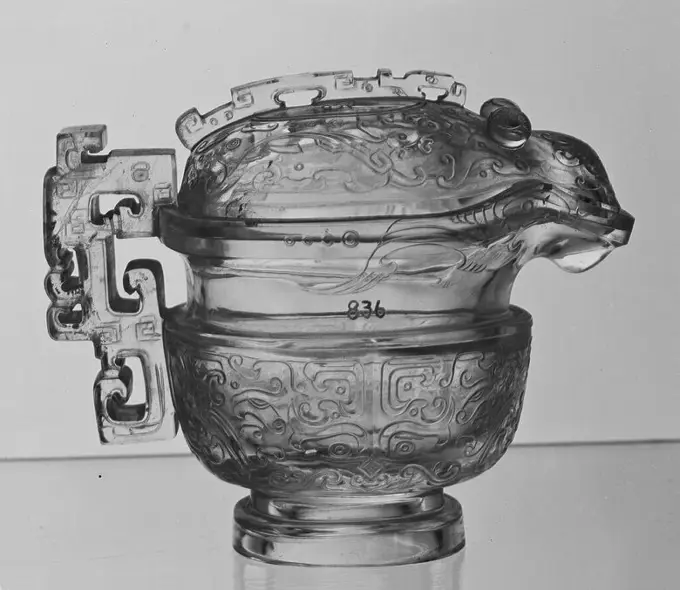
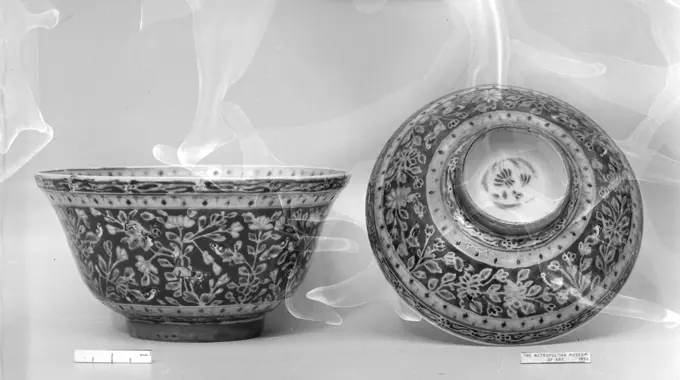
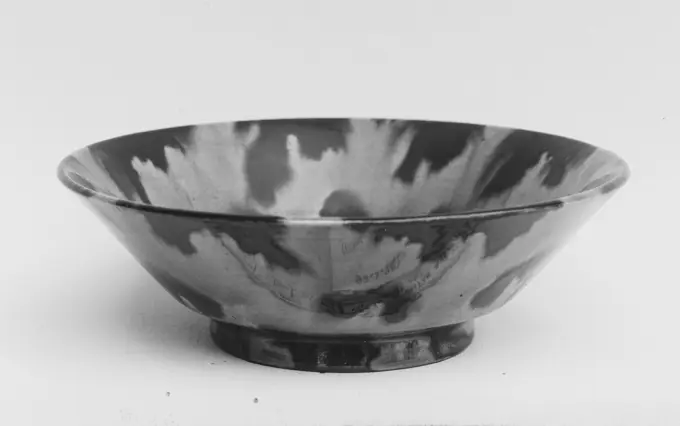
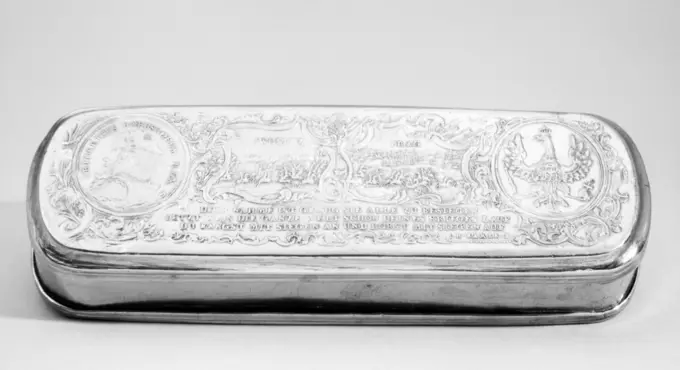
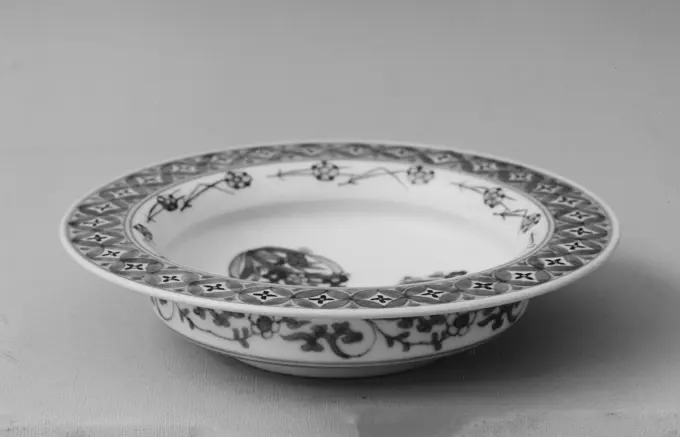
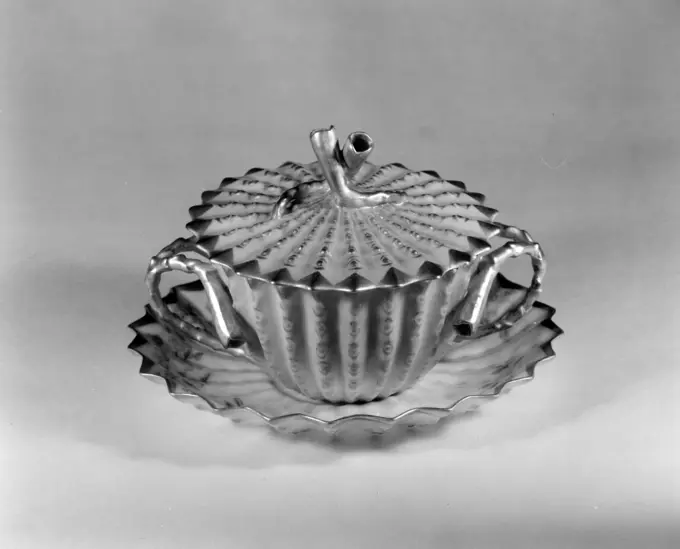
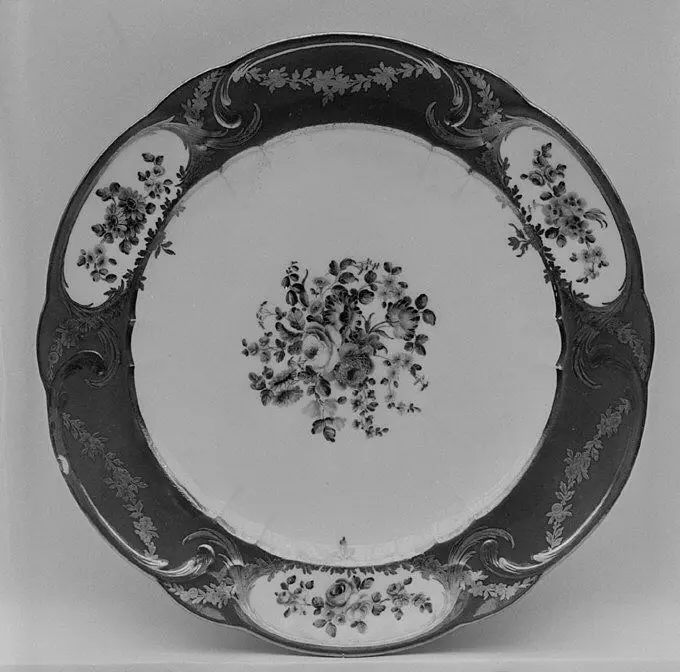
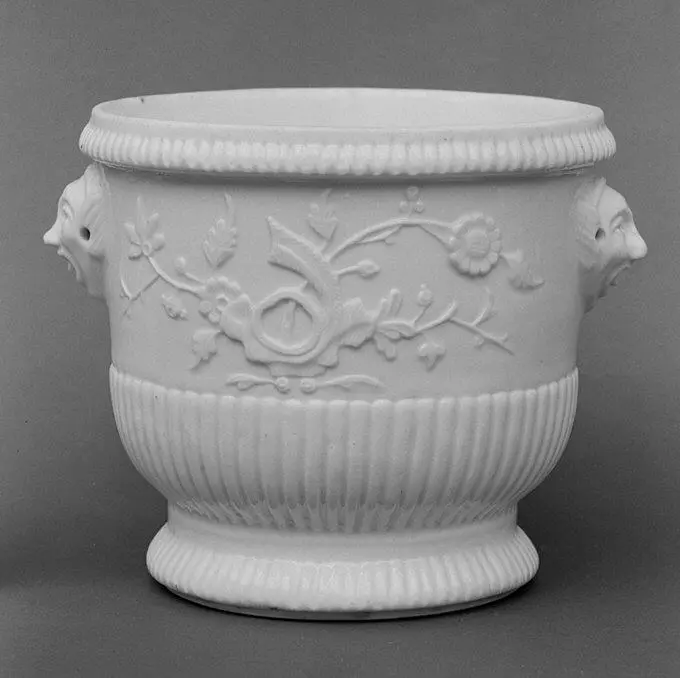
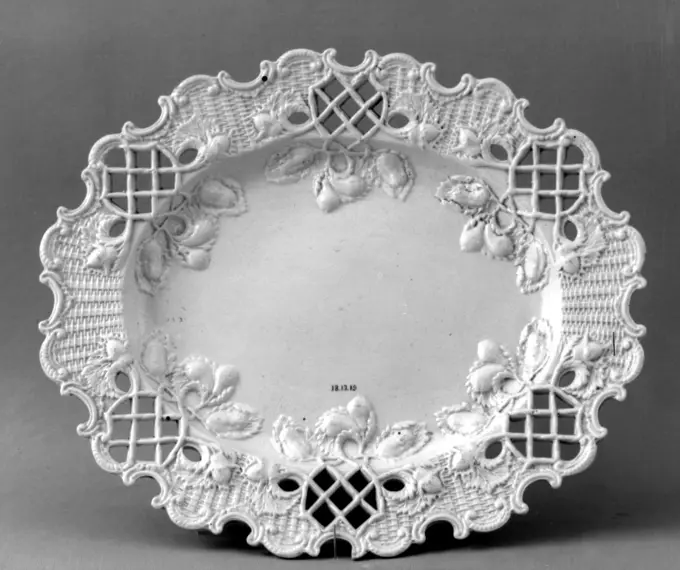
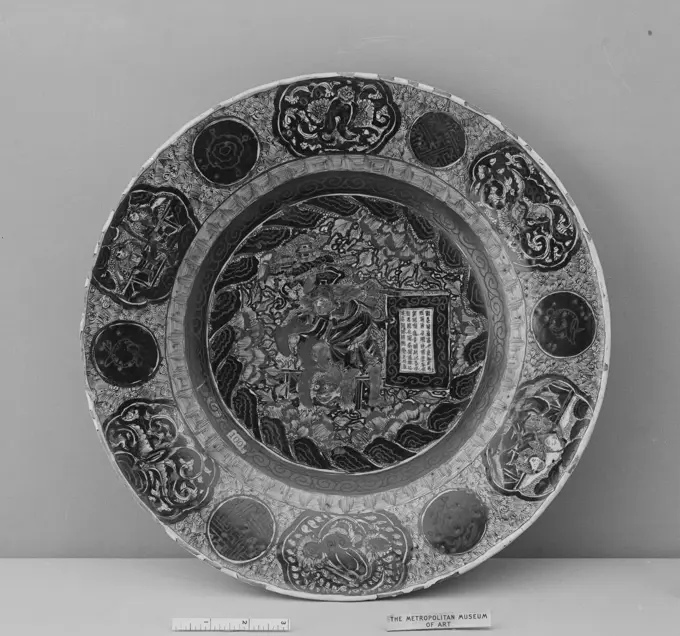
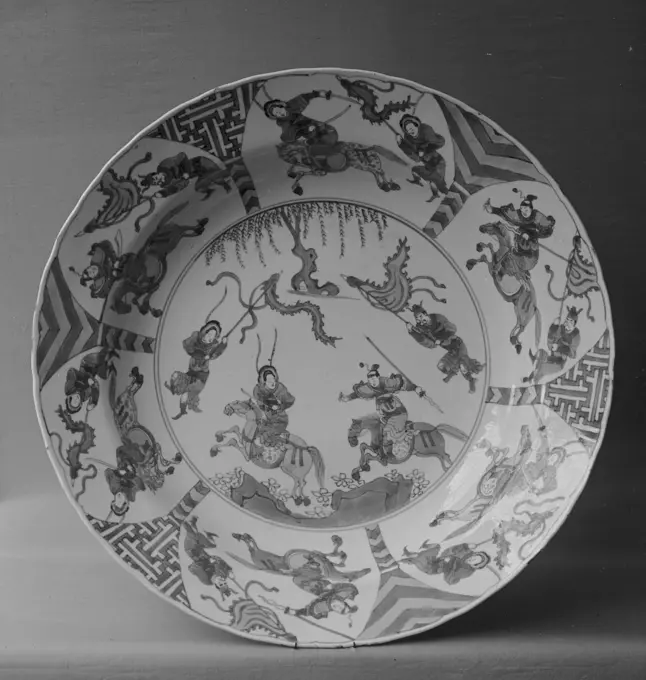
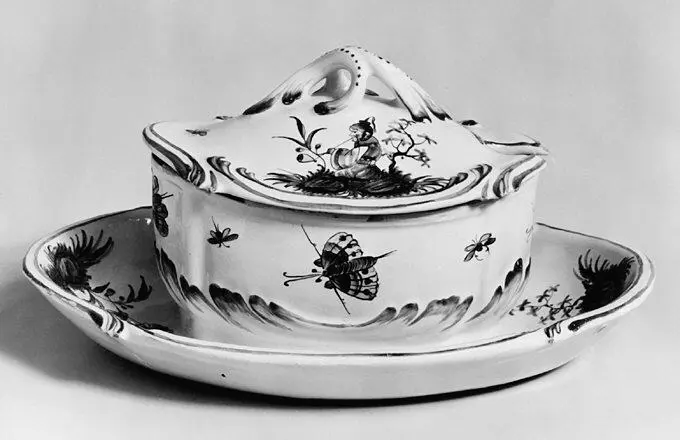
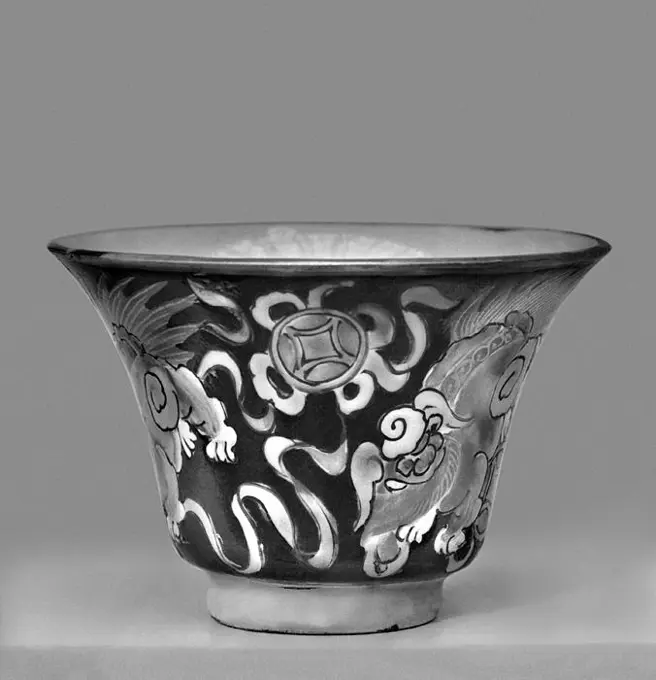
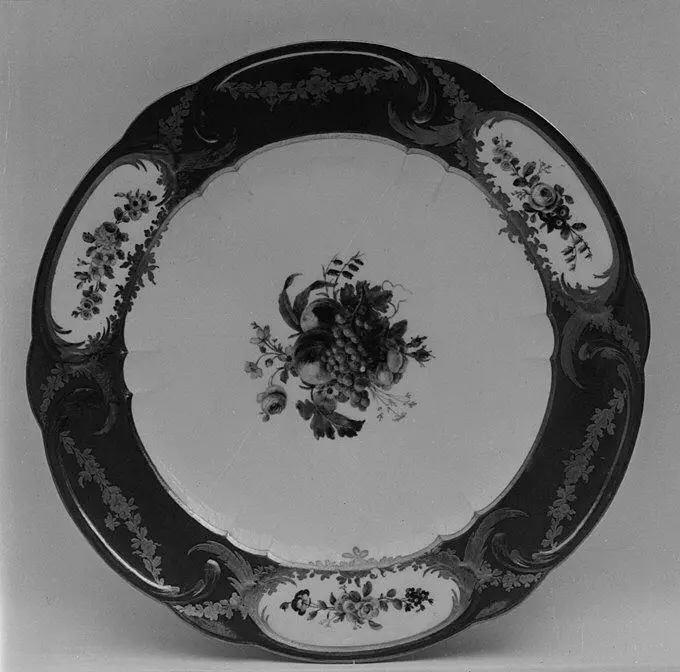
Bowl ca. 1700 Japan. Bowl 52414Jar 1840 Japan. Jar. Japan. 1840. Porcelain decorated in blue under the glaze (Arita ware, Imari type). Edo period (1615-1868). CeramicsPlate ca. 1745 Meissen Manufactory German. Plate 199223Bowl 1737 Dutch, Leeuwarden. Bowl. Dutch, Leeuwarden. 1737. Silver. Metalwork-SilverDish. Culture: China. Dimensions: H. 1 3/4 in. (4.4 cm); Diam. 9 7/8 in. (25.1 cm). Museum: Metropolitan Museum of Art, New York, USA.Cup with lions 19th century China. Cup with lions 46292Charger 1731-32 Paul de Lamerie British. Charger. British, London. 1731-32. Silver gilt. Metalwork-SilverBowl (part of a service) 1770-85 Chinese, for British market. Bowl (part of a service) 201137Teabowl 18th century possibly Japanese The gift of the Hans Syz Collection in 1995 endowed the Museum with nearly three hundred examples of European and Asian ceramics meticulously acquired by Swiss-born collector Dr. Syz (1894-1991) to chart the migration of models and patterns from East to West. Documenting a continuous process of influence and adaptation, these pieces provide a discriminating review of the nuances of stylistic change resulting from three centuries of trade.. Teabowl 208350Cup and saucer second half 18th century Doccia Porcelain Manufactory Italian. Cup and saucer 189006 Factory: Doccia manufactory, Cup and saucer, second half 18th century, Hard-paste porcelain, Height (cup .366a): 2 3/4 in. (7 cm); Diameter (saucer .366b): 5 in. (12.7 cm). The Metropolitan Museum of Art, New York. Rogers Fund, 1906 (06.366a, b)Jar China. Jar. China. Porcelain. Ming dynasty (1368-1644), Wanli period (1573-1620). CeramicsBowl ca. 1775-80 Chinese, probably for European market. Bowl 195540Ice cream cup (tasse à glace) (one of thirty-one) (part of a service) 1780 Sèvres Manufactory French. Ice cream cup (tasse à glace) (one of thirty-one) (part of a service) 197872Cup. Culture: Japan. Dimensions: H. 2 1/2 in. (6.4 cm); Diam. of rim 3 1/2 in. (8.9 cm); Diam. of foot 2 3/8 in. (6 cm). Date: 18th century. Museum: Metropolitan Museum of Art, New York, USA.Jar with animals and flowers late 17th-early 18th century China. Jar with animals and flowers. China. late 17th-early 18th century. Porcelain painted in overglaze polychrome enamels (Jingdezhen ware), wooden cover and stand. Qing dynasty (1644-1911), Kangxi period (1662-1722). CeramicsSpoon Holder 1850-70 American With the development of new formulas and techniques, glass-pressing technology had improved markedly by the late 1840s. By this time, pressed tablewares were being produced in large matching sets and innumerable forms. During the mid-1850s, colorless glass and simple geometric patterns dominated. Catering to the demand for moderately-priced dining wares, the glass industry in the United States expanded widely, and numerous factories supplied less expensive pressed glassware to the growing market. At the Exhibition of the Industry of All Nations at New Yorks Crystal Palace in 1853, for example, the New England Glass Company exhibited 130 pieces of one design, "consisting of bowls, tumblers, champagnes, wines, and jelly glasses." This object belongs to one such service. Although the glass manufactory is not known, the glassware is very typical of the large services that were very popular with Americas middle class in the nineteenth century.. Spoon Holder. Bowl. Culture: China. Dimensions: H. 2 in. (5.1 cm); Diam. 2 5/8 in. (6.7 cm). Date: late 18th-first half of the 19th century. Museum: Metropolitan Museum of Art, New York, USA.Table screen 1810 Japan. Table screen. Japan. 1810. Paste covered with crackled glaze and decorated in polychrome enamels and gold (Satsuma ware). Edo period (1615-1868). CeramicsPlate. Culture: China. Dimensions: Diam. 6 1/4 in. (15.9 cm). Date: ca. 1730-50. Museum: Metropolitan Museum of Art, New York, USA.Salt ca. 1830 American. Salt. American. ca. 1830. Lacy pressed blue opaque glass. Made in Massachusetts, United StatesSèvres Porcelain Manufactory, Covered Cup and Socketed Saucer, 1787, soft-paste porcelain.Sauceboat ca. 1760-65 Worcester factory. Sauceboat 205153Cup and Silver Mounted Cover 18th century Japan. Cup and Silver Mounted Cover. Japan. 18th century. White, crackled porcelain cup decorated with blue under the glaze, iron red and gold; the cover of white porcelain, similarly decorated. Edo period (1615-1868). CeramicsSoup plate (part of a service) late 18th-early 19th century Chinese, for American market. Soup plate (part of a service) 201121Scudella second half 15th century Spanish, Valencia Tin-glazed earthenware, of which lusterware is one type, was developed in the Middle East in the ninth and tenth centuries to imitate the porcelains produced in China. The opaque white glaze concealed the clay body, which could range from pale buff to brick red, allowing for brilliant effects created by painting the white surface with metal oxides that fired to a range of colors. This technique, as well as the use of metallic lusteran iridescent, coppery painted glazespread throughout the Muslim world, arriving among the potters of Valencia in the thirteenth century. The so-called Hispano-Moresque lusterware, with its fusion of Islamic and Gothic styles and motifs, often in shaped imitating those of metal vessels, was treasured by the elite in Spain during the fifteenth century and exported to the courts of Europe. The Valencian industry declined in the late sixteenth century, as colorful Italian Renaissance maiolica gained in populCovered Jar China. Covered Jar 49915Pierced dish ca. 1760 British, Staffordshire. Pierced dish 197608Dish with "Hundred Antiques" late 17th-early 18th century China. Dish with "Hundred Antiques". China. late 17th-early 18th century. Porcelain painted in overglaze polychrome enamels (Jingdezhen ware). Qing dynasty (1644-1911), Kangxi period (1662-1722). CeramicsHurricane Shade ca. 1825 American. Hurricane Shade 4412Cup with two animal-head handles 19th century China. Cup with two animal-head handles. China. 19th century. Stoneware with Jun-type glaze (Yixing ware). Qing dynasty (1644-1911). CeramicsSnuffbox ca. 1775 Royal Porcelain Manufactory Danish. Snuffbox. possibly Danish, Copenhagen. ca. 1775. Hard-paste porcelain, gilt-metal. Royal Porcelain Manufactory (Danish, 1775-present) (). Ceramics-PorcelainCup. Culture: China. Dimensions: H. 1 1/2 in. (3.8 cm); Diam. 2 1/8 in. (5.4 cm). Museum: Metropolitan Museum of Art, New York, USA.Coupe. Culture: China. Dimensions: H. 1 13/16 in. (4.6 cm); Gr. W. 4 3/16 in. (10.6 cm). Date: late 19th century. Museum: Metropolitan Museum of Art, New York, USA.Creamer with cover (part of a service) 1750-70 Chinese, possibly for Dutch market. Creamer with cover (part of a service) 201219Plateau (Banette) ca. 1705-20 French, Rouen Faience, or tin-glazed and enameled earthenware, first emerged in France during the sixteenth century, reaching widespread usage among elite patrons during the seventeenth and early eighteenth centuries, prior to the establishment of soft-paste porcelain factories. Although characterized as more provincial in style than porcelain, French faience was used at the court of Louis XIV as part of elaborate meals and displays, with large-scale vessels incorporated into the Baroque garden designs of Versailles. Earlier examples of French faience attest to the strong influence of maiolica artists from Italy. Later works demonstrate the ways in which cities such as Nevers, Rouen, Lyon, Moustiers, and Marseille developed innovative vessel shapes and decorative motifs prized among collectors throughout Europe. While faience can be created from a wide mixture of clays, it is foremost distinguished by the milky opaque white color achieved by the addition oSalt 1830-40 Probably Boston & Sandwich Glass Company. Salt. American. 1830-40. Lacy pressed opalescent glass. Made in Sandwich, Massachusetts, United StatesSugar bowl with cover (part of a service) 1770-85 Chinese, for British market. Sugar bowl with cover (part of a service) 201206Vase China. Vase. China. Porcelain. Qing dynasty (1644-1911), Kangxi period (1662-1722). CeramicsPlate ca. 1700-1720 De Metaale Pot Factory Dutch. Plate 190728Cup with story of Li Bai and poem China late 17th-early 18th century View more. Cup with story of Li Bai and poem. China. late 17th-early 18th century. Soft-paste porcelain painted in underglaze cobalt blue (Jingdezhen ware). Qing dynasty (1644-1911), Kangxi period (1662-1722). CeramicsDish (part of a set second quarter 18th century German, Bayreuth. Dish (part of a set. German, Bayreuth. second quarter 18th century. Earthenware, silver. Ceramics-PotteryVase 18th century China. Vase 40619Terracotta kylix: band-cup (drinking cup). Culture: Greek, Attic. Dimensions: H. 5 in. (12.7 cm)diameter 8 1/8 in. (20.6 cm). Date: ca. 560-550 B.C..Obverse and reverse, cockfightIn the treatment of shapes as well as decoration, Attic vase-painting offers an endless array of permutations. Here the cockfight appears on a band-cup, which would have been used at a symposium (drinking party). This artist uses less detail than Tleson, for instance, yet he effectively characterized the birds' bulk and their eager heads. Museum: Metropolitan Museum of Art, New York, USA.Tobacco box with cover second half 18th century Dutch, Delft. Tobacco box with cover. Dutch, Delft. second half 18th century. Tin-glazed earthenware. Ceramics-PotterySnuff Bottle China. Snuff Bottle 41697Saucer 1774-1814 Meissen Manufactory German. Saucer 188749 Factory: Meissen Manufactory, German, 1710present, Factory director: Marcolini Period, 17741814, Saucer, 17741814, Hard-paste porcelain, Diameter: 5 1/4 in. (13.3 cm). The Metropolitan Museum of Art, New York. Gift of Alfred Duane Pell, 1902 (02.6.249)Plate (part of a service) 1765 Sèvres Manufactory French. Plate (part of a service). French, Sèvres. 1765. Hard-paste porcelain. Ceramics-PorcelainPap Boat ca. 1810 William Thomson. Pap Boat. American. ca. 1810. Silver. Made in New York, New York, United StatesCup 1785-1805 Chinese. Cup. Chinese. 1785-1805. Porcelain. Made in ChinaCoffee cup (part of a service) ca. 1780-85 Meissen Manufactory German. Coffee cup (part of a service) 209379Bowl 1750 Japan. Bowl. Japan. 1750. White porcelain decorated with blue under the glaze, polychrome enamels (Arita ware). Edo period (1615-1868). CeramicsLantern (one of a pair) China. Lantern (one of a pair) 51039Cup (one of six) (part of a set) 1820-30 French. Cup (one of six) (part of a set) 187815 French, Cup (one of six) (part of a set), 182030, Hard-paste porcelain, Height: 3 1/2 in. (8.9 cm). The Metropolitan Museum of Art, New York. Gift of Henry G. Marquand, 1894 (94.4.302)Standing cup with cover 1755-65 German, Silesia. Standing cup with cover. German, Silesia. 1755-65. Glass. GlassTeapot (part of a service) 1759-60 Sèvres Manufactory French Small tea services, often intended for just two people, were produced in large quantities at the Sèvres factory. Both the number of surviving services and the factory's extensive archives indicate that tea wares were not only popular but also an important source of revenue for the factory. This set (37.20.5-.9) is missing its sugar bowl and a cup and saucer, but it is notable nevertheless for its lavish gilding.Jeffrey H. Munger, 2006. Teapot (part of a service) 197830Covered jar with landscape and flowers 18th century China. Covered jar with landscape and flowers. China. 18th century. Porcelain painted in overglaze polychrome enamels (Jingdezhen ware). Qing dynasty (1644-1911). CeramicsPair of Stem Cups. Culture: China. Dimensions: Each: H. 4 1/2 in. (11.4 cm). Museum: Metropolitan Museum of Art, New York, USA.Caddy spoon 1803-4 Samuel Pemberton. Caddy spoon 188205 Maker: Samuel Pemberton, Caddy spoon, 18034, Silver, Length: 3 3/8 in. (8.6 cm). The Metropolitan Museum of Art, New York. Gift of Mrs. Samuel P. Avery, 1897 (97.2.181)Snuffbox 1750-56, base and lid later replacements Jean Ducrollay In eighteenth-century Europe, Paris led the production of high-quality luxury goods. Parisian goldsmiths made a wide range of small, personal articles such as snuffboxes; étuis to hold sealing wax, tweezers, or utensils for sewing; souvenirs, which contained thin ivory tablets for note taking; and shuttles for knotting lace. Gold snuffboxes and boxes decorated with portrait miniatures were prized and frequently given as royal gifts, often to ambassadors or members of the court in lieu of cash payments for their services. Coveted and admired, these boxes were produced from a variety of materials. The best were skillfully made of gold and embellished with diamonds, enameled decoration, lacquer, and other luxurious materials. By the middle of the century, the taking of snuff had become an entrenched social ritual, and the snuffbox, too, had become an important social prop. Snuffboxes were considered highly fashionable accessPerfume Bottle 1830-70 American. Perfume Bottle. American. 1830-70. Parian porcelain. Probably made in Bennington, Vermont, United StatesStand with jam pots (plateau à deux pots de confiture) (one of a pair) (part of a service) ca. 1771-72 Sèvres Manufactory French The table services produced at Sèvres in the eighteenth century were highly prized and extremely expensive. They were not only purchased by the Crown and members of the aristocracy but also given by the king as diplomatic gifts to foreign courts and visiting dignitaries, and the esteem in which they were held did much to enhance the factorys prestige and fortunes. Because the number of pieces composing a service was very large, the cost was enormous, but this did not deter many courtiers from ordering a dinner or dessert service, or both.One of the most celebrated services produced at Sèvres was delivered to Louis-René-Édouard, prince de Rohan-Guémenée (1734-1803), on September 7, 1772. All of the pieces were decorated with the rich turquoise ground color known as bleu céleste and with birds encircled by an elaborate gilt wreath of oak leaves and acorns. ManSnuff Bottle China. Snuff Bottle 41699Hobnail Lamp Probably Hobbs, Brockunier and Company American after 1888 View more. Hobnail Lamp. American. after 1888. Pressed glass. Made in Wheeling, West Virginia, United StatesWine Pot China. Wine Pot. China. Porcelain decorated with green, red, blue, and black enamels on the biscuit; some gilding on lid. Qing dynasty (1644-1911), Kangxi period (1662-1722). CeramicsCup and saucer ca. 1730 Meissen Manufactory German. Cup and saucer 205944Cup 18th century China. Cup 41878Bowl. Culture: China. Dimensions: H. 4 1/2 in. (11.4 cm); Diam. 8 1/2 in. (21.6 cm). Museum: Metropolitan Museum of Art, New York, USA.Bowl China. Bowl. China. Porcelain. Qing dynasty (1644-1911). CeramicsPlate (assiette à palmes) (1 of 102) (part of a service) 1780 Sèvres Manufactory French. Plate (assiette à palmes) (1 of 102) (part of a service) 197964Sacrificial Vessel with Cover. Culture: China. Dimensions: H. 4 7/8 in. (12.4 cm); W. 6 1/8 in. (15.6 cm). Date: 18th century. Museum: Metropolitan Museum of Art, New York, USA.Saucer 1800-1830 British. Saucer. British. 1800-1830. Earthenware, spatterware. Possibly made in Staffordshire, EnglandIncense box 1830 Japan. Incense box. Japan. 1830. Faience; the whole surface pitted and the decoration in low relief, colored enamels (Kyoto ware). Edo period (1615-1868). CeramicsCovered bowl with floral pattern 19th century China. Covered bowl with floral pattern. China. 19th century. Porcelain painted in overglaze polychrome enamels (Bencharong ware for Thai market)". Qing dynasty (1644-1911). CeramicsHobnail Lamp after 1888 Probably Hobbs, Brockunier and Company. Hobnail Lamp. American. after 1888. Pressed glass. Made in Wheeling, West Virginia, United StatesBowl 1800 Japan. Bowl. Japan. 1800. Porcelaneous ware covered with a crackled glaze and blotches (Satsuma ware, Bekko de). Edo period (1615-1868). CeramicsPorringer. Culture: Flemish or Dutch. Dimensions: Diameter: 6 in. (15.2 cm). Date: 17th century. Museum: Metropolitan Museum of Art, New York, USA.Tobacco box second half 18th century I. H. Hamer. Tobacco box 201984Dish 1750 Japan. Dish. Japan. 1750. White porcelain decorated with blue under the glaze, colored enamels and gold (Nabeshima ware). Edo period (1615-1868). CeramicsCovered Cup and Saucer 1901 Willets Manufacturing Company. Covered Cup and Saucer. American. 1901. Porcelain. Made in Trenton, New Jersey, United StatesDish ca. 1825 British (American market). Dish. British (American market). ca. 1825. Earthenware, gaudy dutch. Made in Staffordshire, EnglandPlate (Assiette à palmes) (1 of 102) (part of a service) 1772 Sèvres Manufactory French. Plate (Assiette à palmes) (1 of 102) (part of a service) 197959Bottle cooler (seau à demi-bouteille) (one of a pair) ca. 1720-40 Saint-Cloud factory. Bottle cooler (seau à demi-bouteille) (one of a pair) 201725Incense Burner 19th century Japan. Incense Burner 62746Stand ca. 1760 British, Staffordshire. Stand. British, Staffordshire. ca. 1760. Salt-glazed stoneware. Ceramics-PotteryInkstand Chinese, for European market 1750-70 View more. Inkstand. Chinese, for European market. 1750-70. Hard-paste porcelain. Ceramics-Porcelain-ExportBowl 18th century Japan. Bowl. Japan. 18th century. Pottery with designs in underglaze blue and white, overglaze red (Kyoto ware). Edo period (1615-1868). CeramicsSnuffbox ca. 1740 Meissen Manufactory German. Snuffbox. German, Meissen. ca. 1740. Hard-paste porcelain, gold. Ceramics-PorcelainDish Japan. Dish. Japan. Ceramic with glaze. CeramicsPlate late 17th-early 18th century China. Plate. China. late 17th-early 18th century. Porcelain painted in underglaze blue. Qing dynasty (1644-1911), Kangxi period (1662-1722). CeramicsSoup plate 1838 Sèvres Manufactory French. Soup plate. French, Sèvres. 1838. Hard-paste porcelain. Ceramics-PorcelainCovered Box. Culture: China. Dimensions: H. 1 3/4 in. (4.4 cm); Diam. 2 3/8 in. (6 cm). Date: late 18th-19th century. Museum: Metropolitan Museum of Art, New York, USA.Pair of vases early 18th century Dutch, Delft. Pair of vases 200760Tureen with covered stand ca. 1780-85 Factory of Charles Loyal Faience, or tin-glazed and enameled earthenware, first emerged in France during the sixteenth century, reaching widespread usage among elite patrons during the seventeenth and early eighteenth centuries, prior to the establishment of soft-paste porcelain factories. Although characterized as more provincial in style than porcelain, French faience was used at the court of Louis XIV as part of elaborate meals and displays, with large-scale vessels incorporated into the Baroque garden designs of Versailles. Earlier examples of French faience attest to the strong influence of maiolica artists from Italy. Later works demonstrate the ways in which cities such as Nevers, Rouen, Lyon, Moustiers, and Marseille developed innovative vessel shapes and decorative motifs prized among collectors throughout Europe. While faience can be created from a wide mixture of clays, it is foremost distinguished by the milky opaque white color achieveMug 1740-60 British (American market). Mug. British (American market). 1740-60. Stoneware. Made in Staffordshire, EnglandBrush holder with narrative scene late 17th-early 18th century China. Brush holder with narrative scene 46759Covered Wine Pot 19th century China. Covered Wine Pot. China. 19th century. Painted enamel. Qing dynasty (1644-1911). EnamelsCovered Jar. Culture: China. Dimensions: H. 18 in. (45.7 cm). Museum: Metropolitan Museum of Art, New York, USA.Tumbler 1770-1820. Tumbler 9004Cup late 18th-19th century China. Cup. China. late 18th-19th century. Porcelain painted in overglaze polychrome enamels. Qing dynasty (1644-1911). CeramicsPlate (assiette à palmes) (1 of 102) (part of a service) 1780 Sèvres Manufactory French. Plate (assiette à palmes) (1 of 102) (part of a service) 197915