Antique Japanese Ceramics

Elegant bowls, jars, and dishes from Japan and Germany, highlighting traditional craftsmanship and intricate decorative details.

Jar 1840 Japan. Jar. Japan. 1840. Porcelain decorated in blue under the glaze (Arita ware, Imari type). Edo period (1615-1868). Ceramics
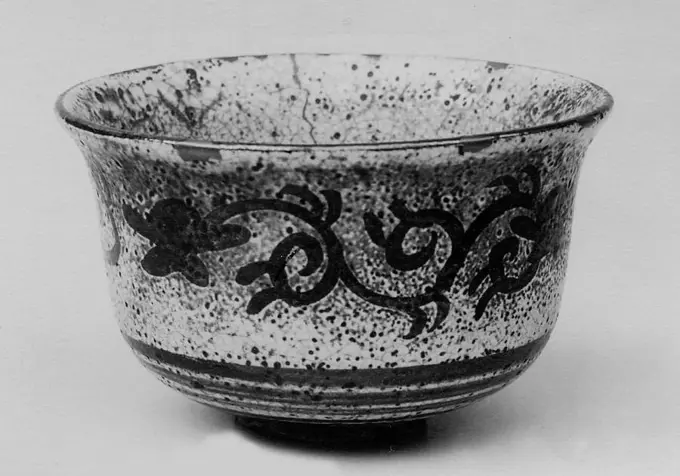
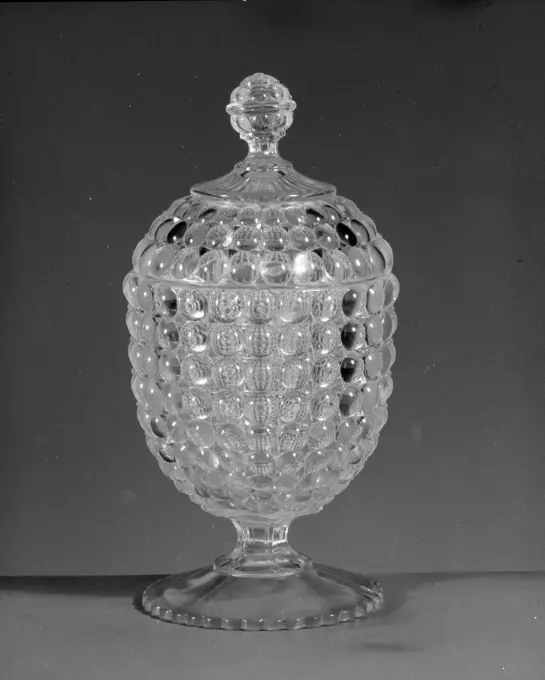
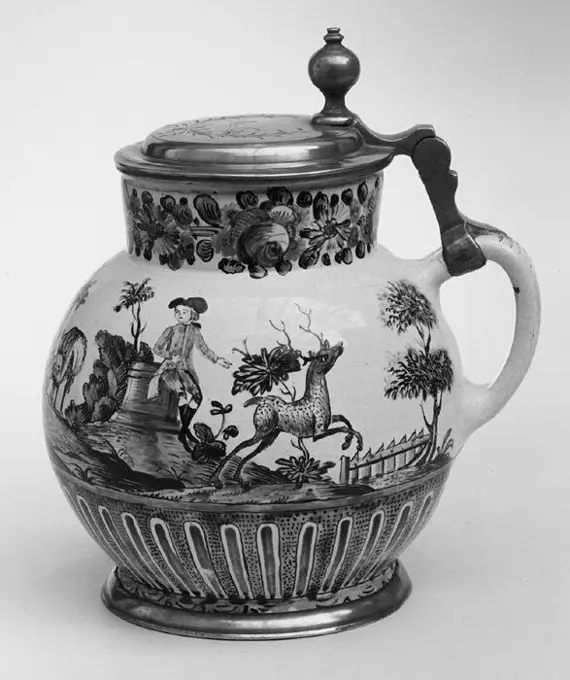
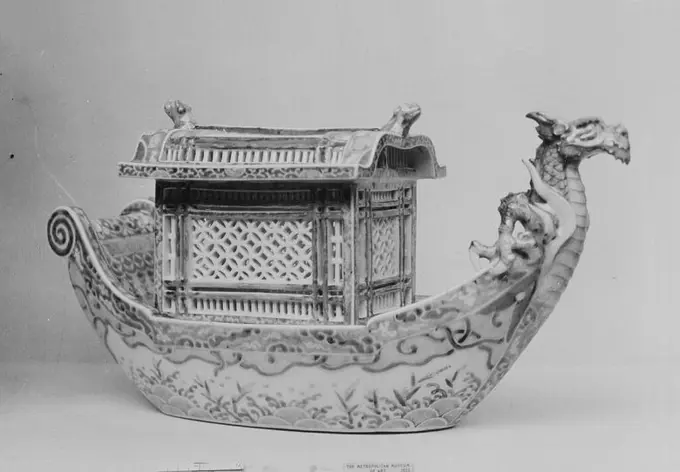
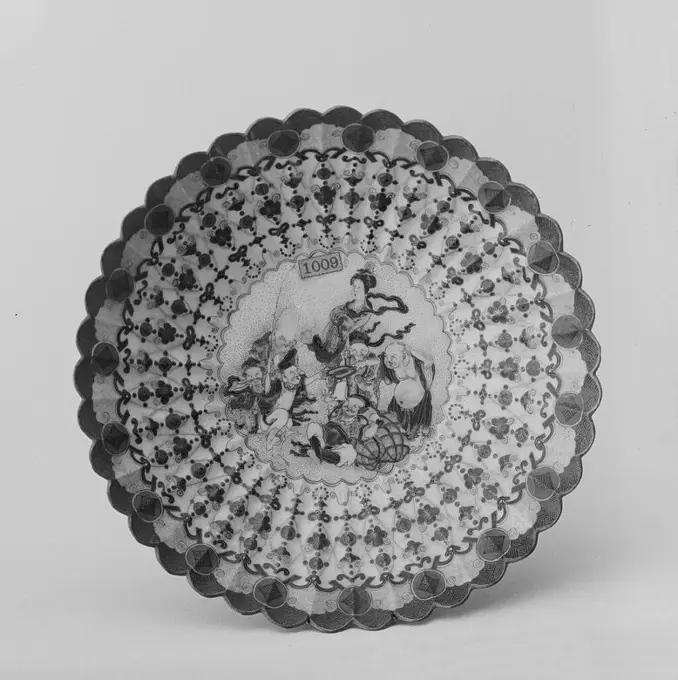
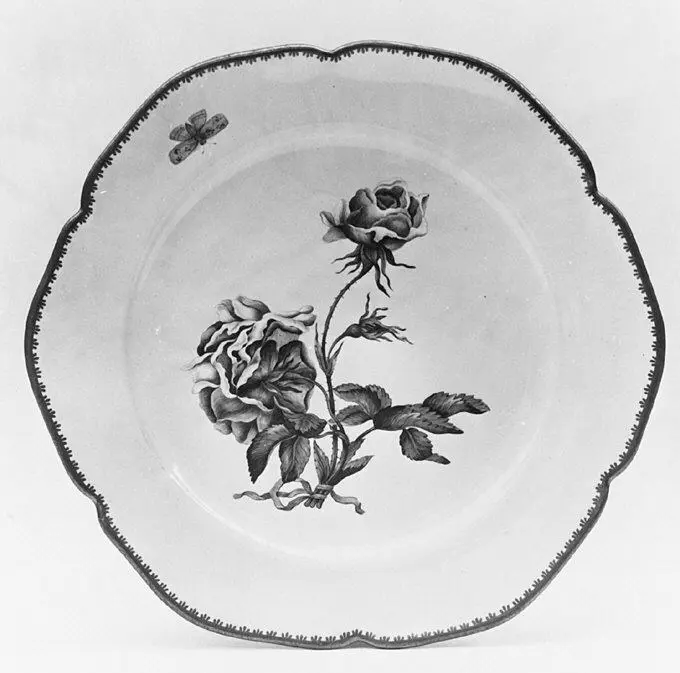
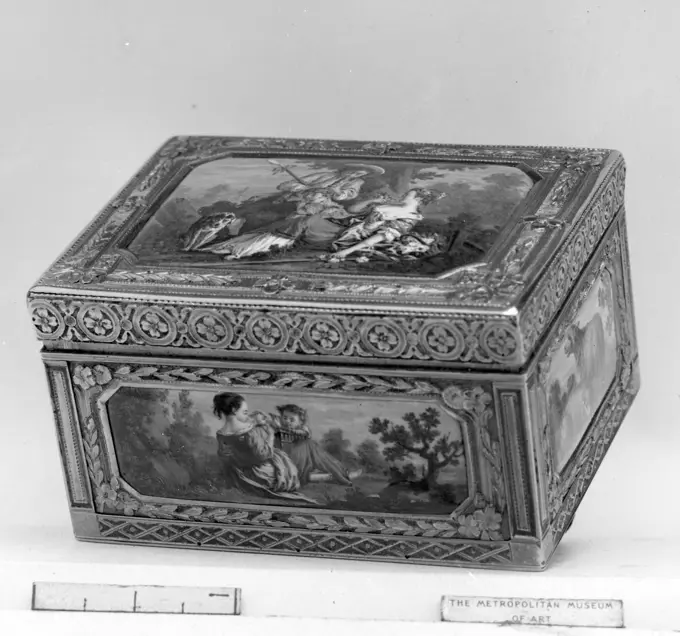
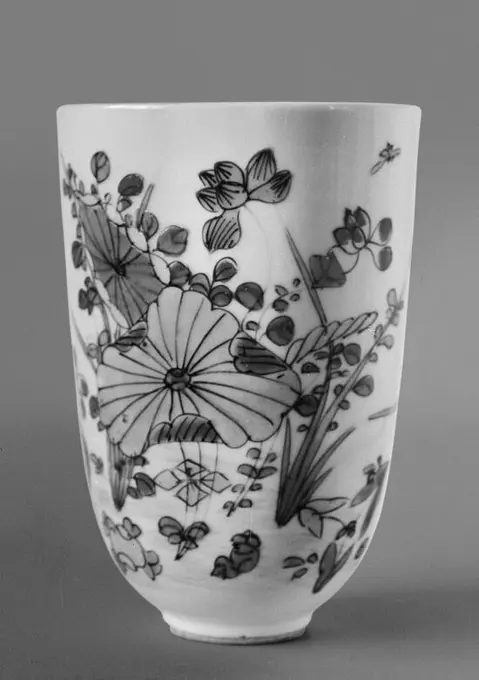
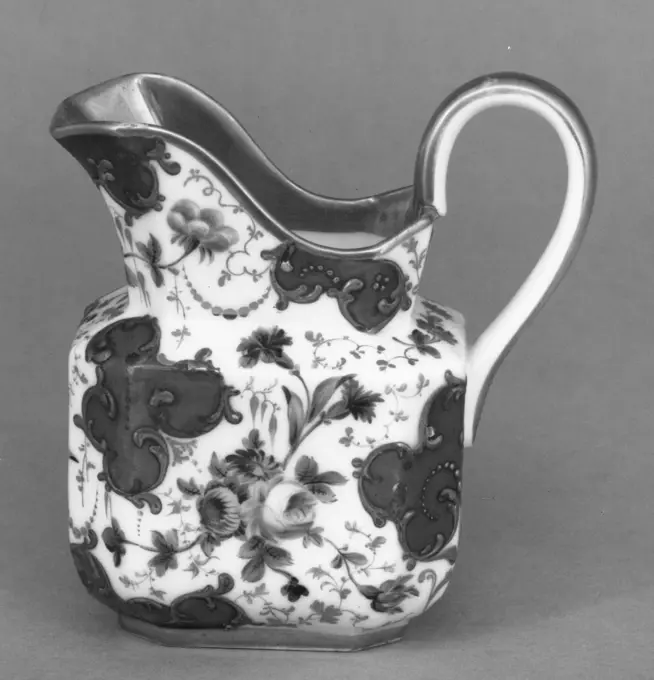
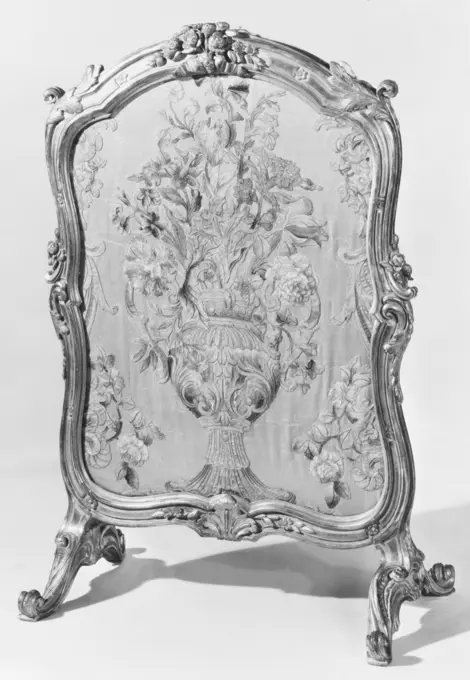
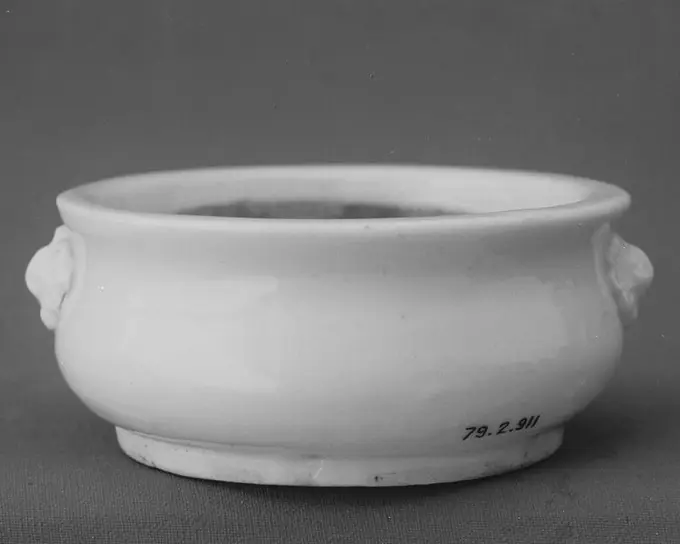
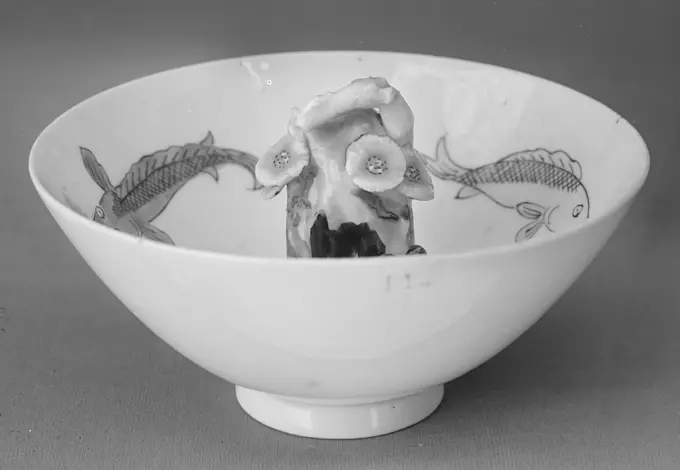
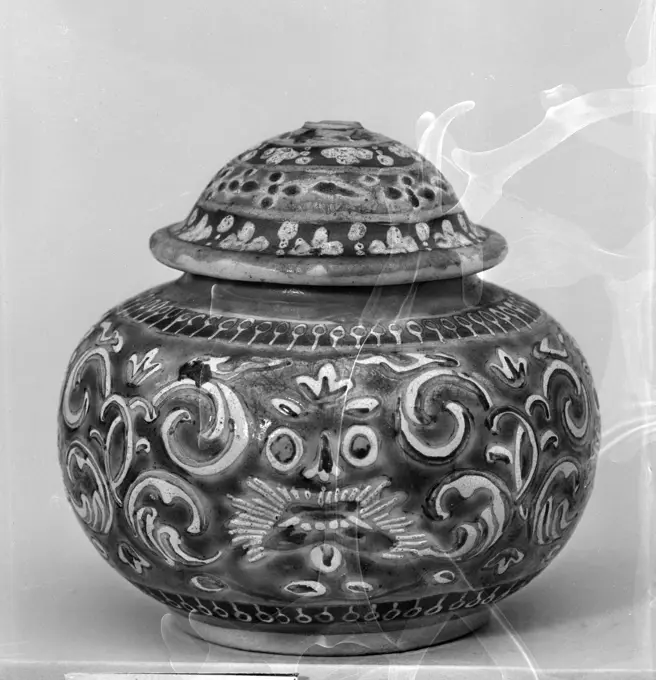
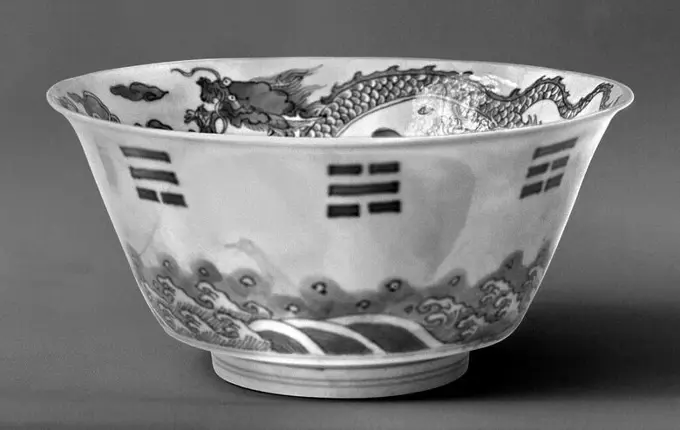
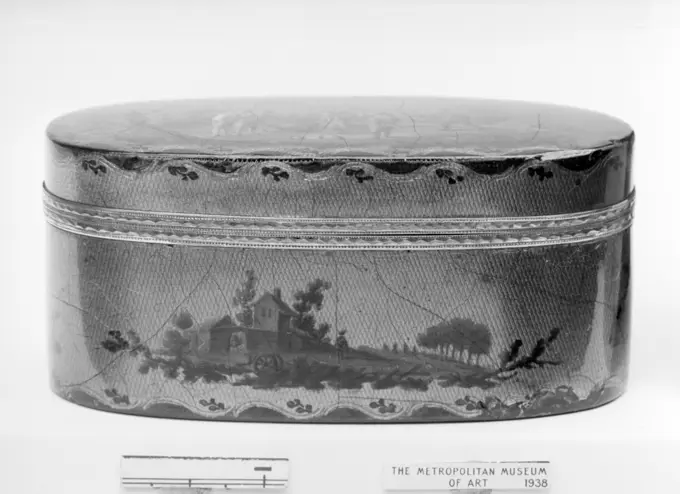
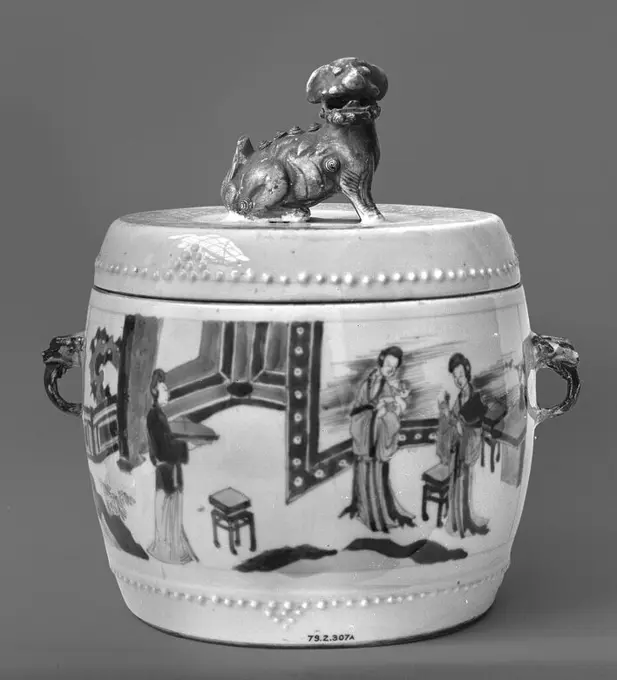
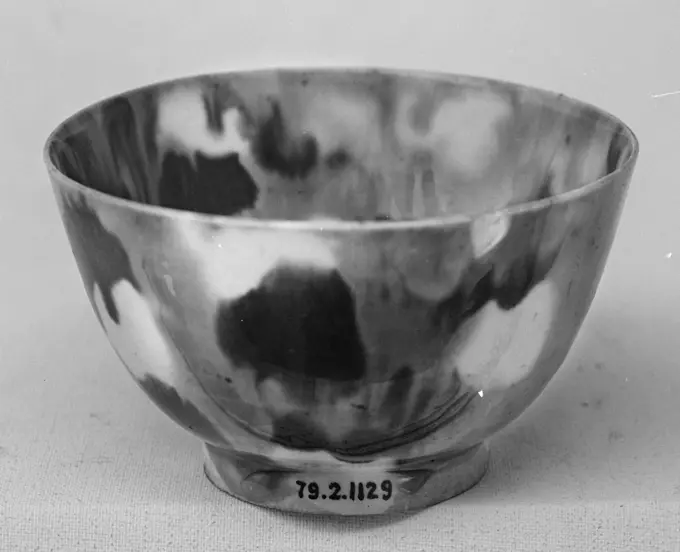
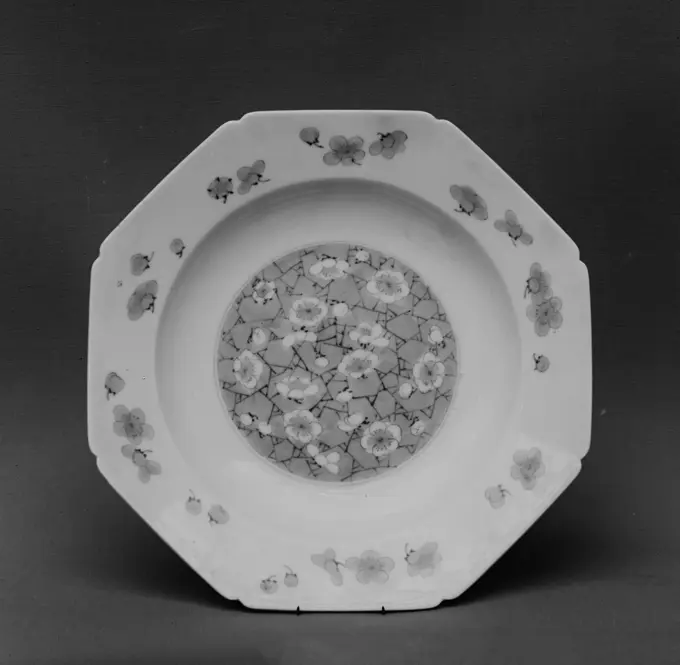
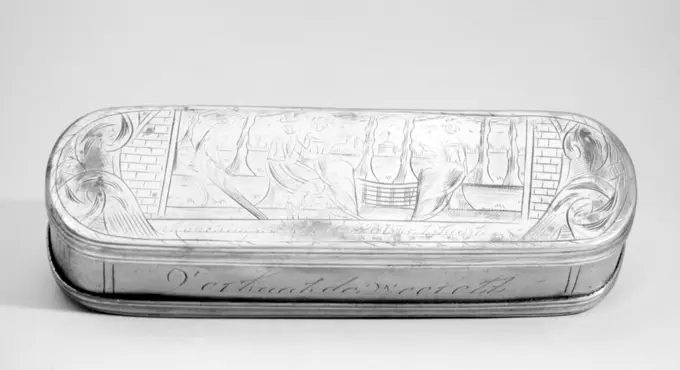
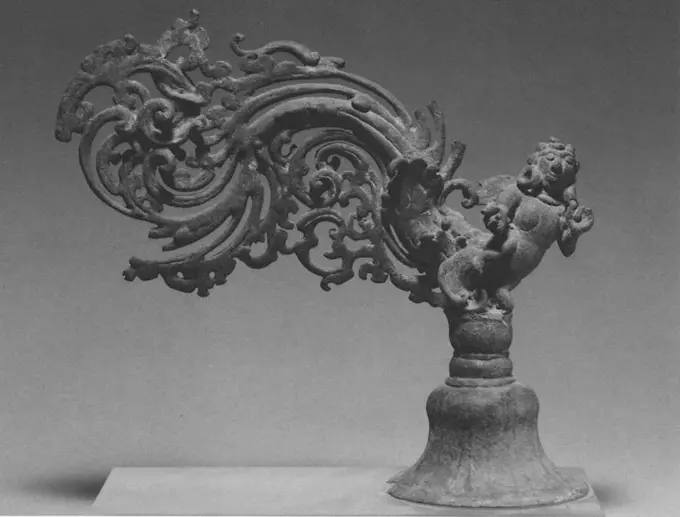
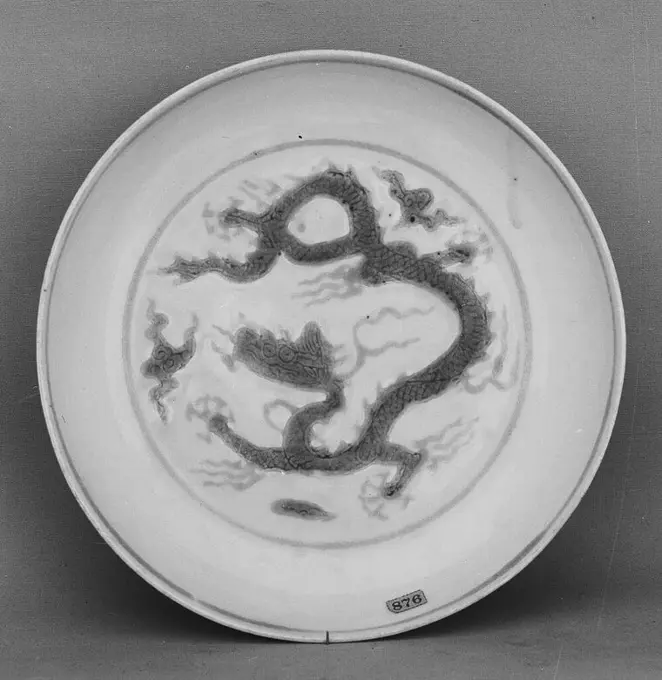
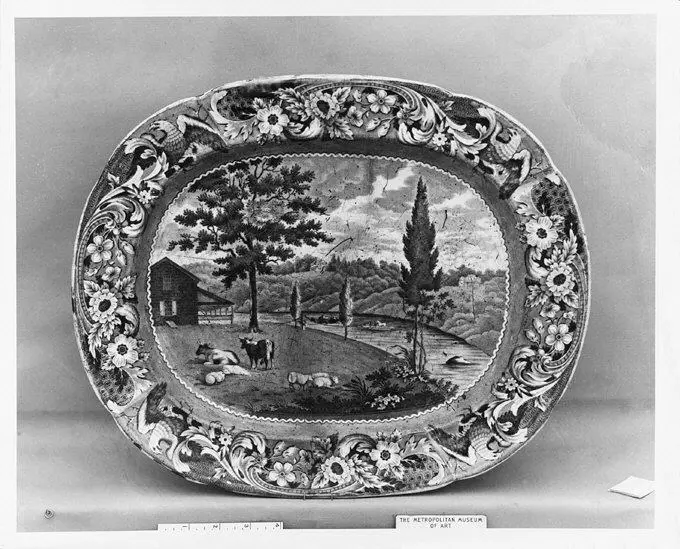
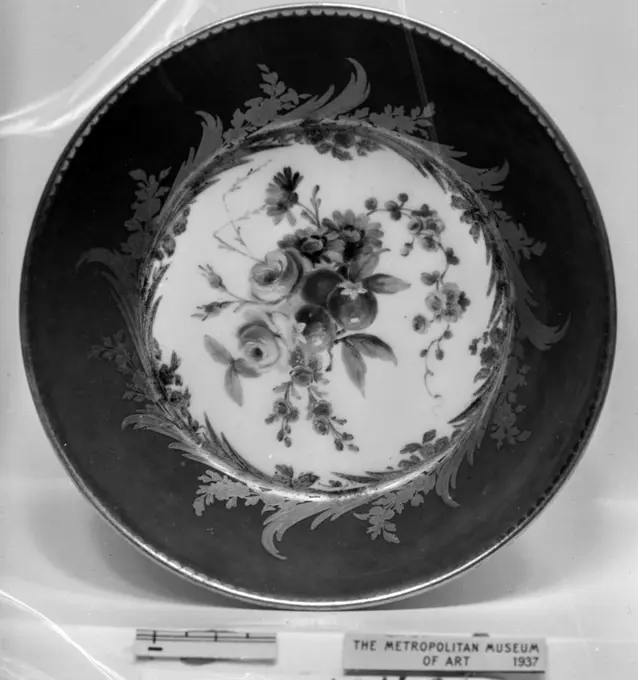
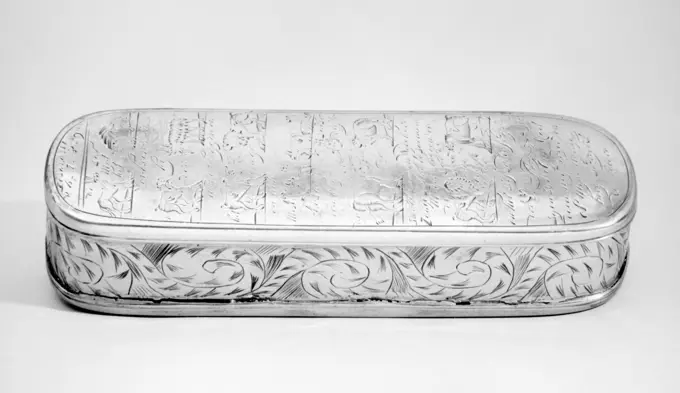
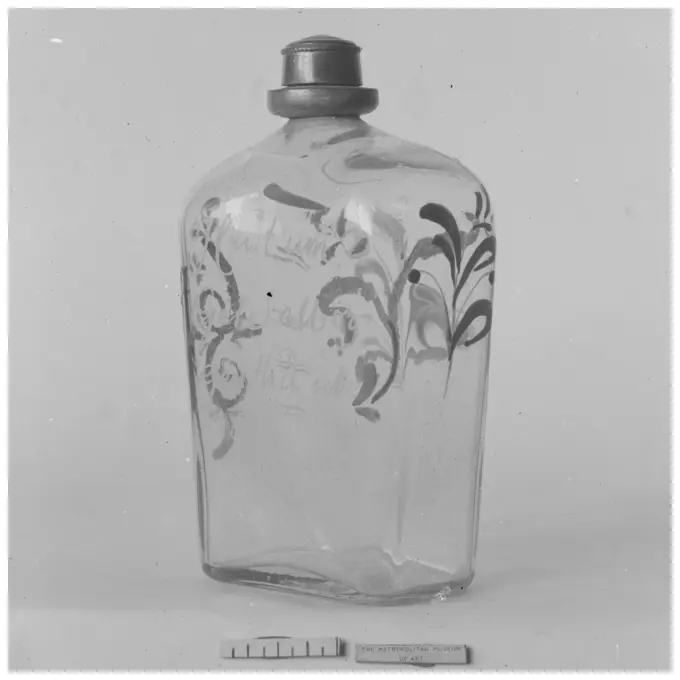
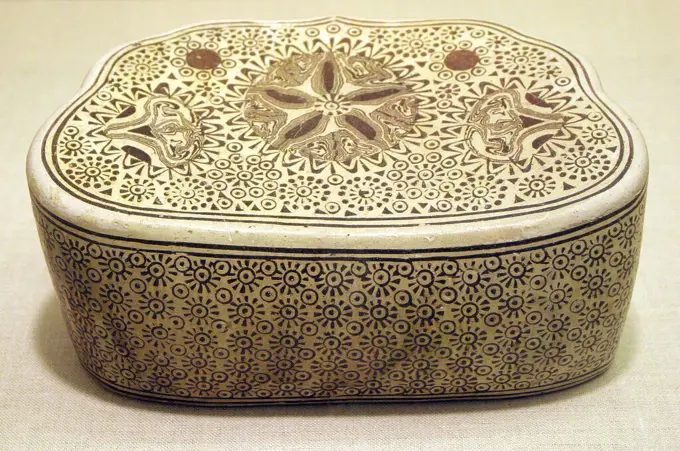
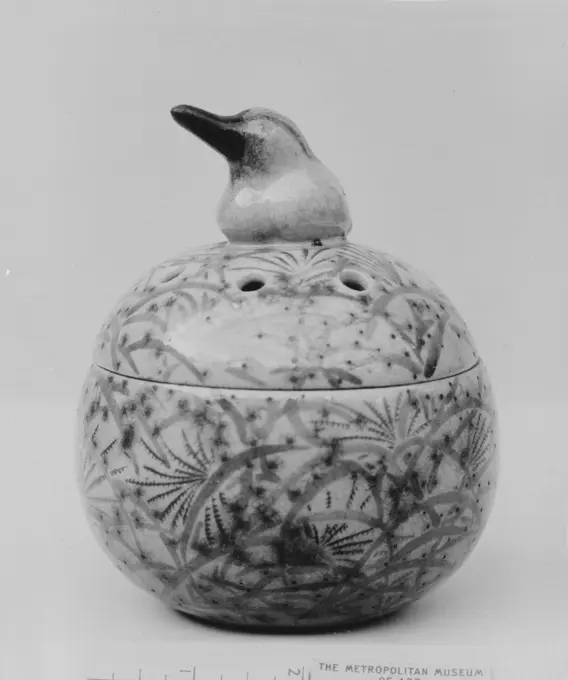
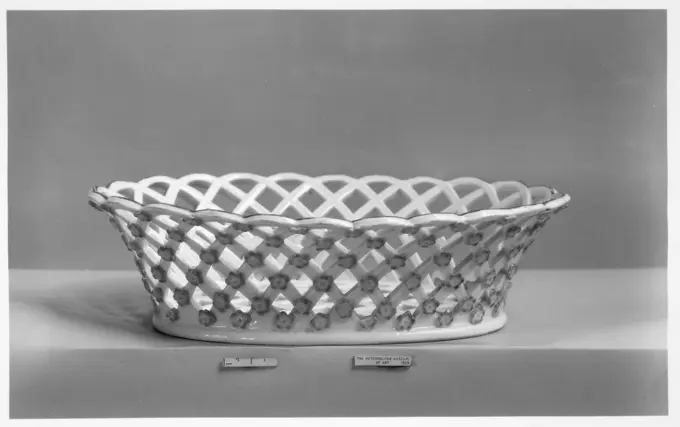
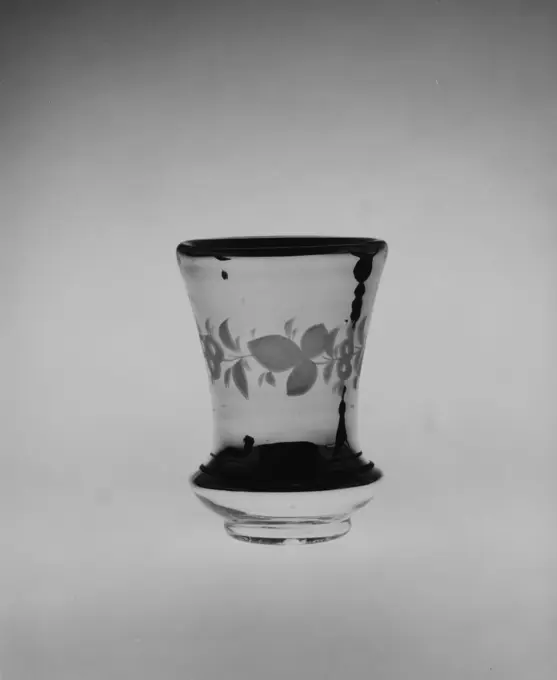
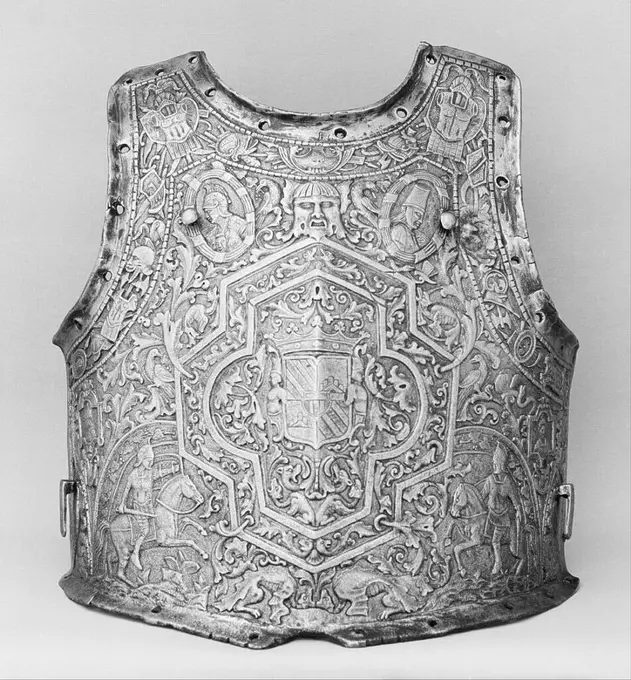
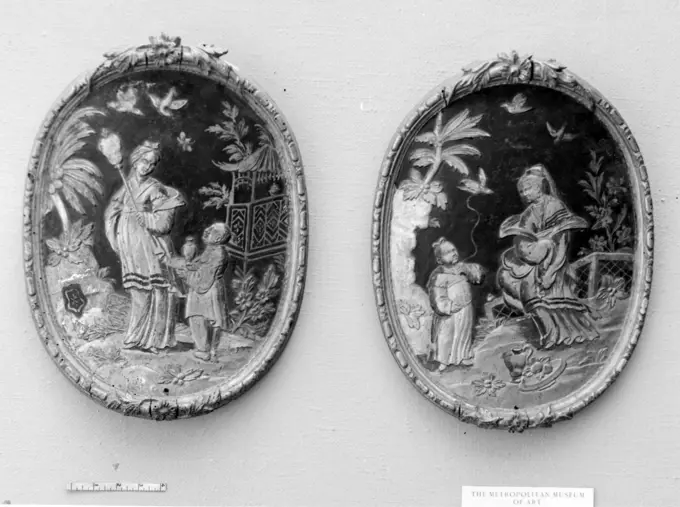
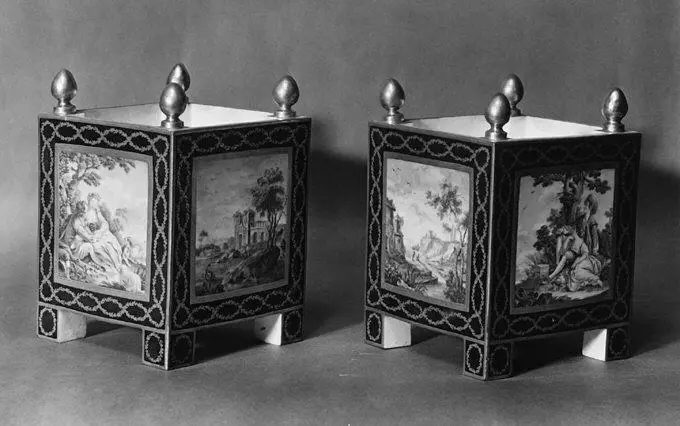
Sèvres Porcelain Manufactory, Plate, 1822, hard-paste porcelain.Bowl. Culture: China. Dimensions: 3 1/8 x 7 in. (7.9 x 17.8 cm). Museum: Metropolitan Museum of Art, New York, USA.Teabowl ca. 1820 Japan. Teabowl 63178Snuff Bottle 18th century China. Snuff Bottle 41728Plate early 19th century Chinese, probably for American market. Plate 201058Sugar Bowl ca. 1888 Richards and Hartley Flint Glass Co.. Sugar Bowl. American. ca. 1888. Pressed colorless and opalescent glass. Made in Tarentum, Pennsylvania, United StatesTankard 18th century Southern German. Tankard 206673Bowl 19th century Nin'ami Dhachi (Takahashi Dhachi II) Japanese. Bowl. Nin'ami Dhachi (Takahashi Dhachi II) (Japanese, 1783-1855). Japan. 19th century. Clay partly covered with glaze; reserves forming patterns having slip dots in the center, covered with a transparent glaze (Kyoto ware). Edo (1615-1868) or Meiji period (1868-1912). CeramicsCenser in form of a Pleasure Boat. Culture: Japan. Dimensions: H. 8 1/2 in. (21.6 cm); w. 6 3/4 in. (17.1 cm); L. 16 in. (40.6 cm). Date: 1830. Museum: Metropolitan Museum of Art, New York, USA.Crocus pot 1750-70 Chinese, for European, possibly French, market. Crocus pot 201077Vase China. Vase. China. Porcelain. Qing dynasty (1644-1911), Kangxi period (1662-1722). CeramicsDish. Culture: Japan. Dimensions: H. 1 7/8 in. (4.8 cm); Diam. 8 3/8 in. (21.3 cm). Date: 19th century. Museum: Metropolitan Museum of Art, New York, USA.Plate ca. 1750 Period of Paul Hannong Faience, or tin-glazed and enameled earthenware, first emerged in France during the sixteenth century, reaching widespread usage among elite patrons during the seventeenth and early eighteenth centuries, prior to the establishment of soft-paste porcelain factories. Although characterized as more provincial in style than porcelain, French faience was used at the court of Louis XIV as part of elaborate meals and displays, with large-scale vessels incorporated into the Baroque garden designs of Versailles. Earlier examples of French faience attest to the strong influence of maiolica artists from Italy. Later works demonstrate the ways in which cities such as Nevers, Rouen, Lyon, Moustiers, and Marseille developed innovative vessel shapes and decorative motifs prized among collectors throughout Europe. While faience can be created from a wide mixture of clays, it is foremost distinguished by the milky opaque white color achieved by the addition of tin Plate ca. 1831-ca. 1835 Job & John Jackson. Plate. British (American market). ca. 1831-ca. 1835. Earthenware, transfer-printed. Made in Staffordshire, EnglandMugCup Plate ca. 1830-ca. 1864 William Adams & Sons British. Cup Plate. British (American market). ca. 1830-ca. 1864. Earthenware, transfer-printed. Made in Staffordshire, Stoke-on-Trent, EnglandSnuffbox ca. 1762 Jean Marie Tiron (called Tiron de Nanteuil) French In eighteenth-century Europe, Paris led the production of high-quality luxury goods. Parisian goldsmiths made a wide range of small, personal articles such as snuffboxes; étuis to hold sealing wax, tweezers, or utensils for sewing; souvenirs, which contained thin ivory tablets for note taking; and shuttles for knotting lace. Gold snuffboxes and boxes decorated with portrait miniatures were prized and frequently given as royal gifts, often to ambassadors or members of the court in lieu of cash payments for their services. Coveted and admired, these boxes were produced from a variety of materials. The best were skillfully made of gold and embellished with diamonds, enameled decoration, lacquer, and other luxurious materials. By the middle of the century, the taking of snuff had become an entrenched social ritual, and the snuffbox, too, had become an important social prop. Snuffboxes were considered highly fashionable acCup. Culture: China. Dimensions: H. 4 3/8 in. (11.1 cm); Diam. 2 7/8 in. (7.3 cm). Museum: Metropolitan Museum of Art, New York, USA.Meiping vase with floral scrolls early 18th century China. Meiping vase with floral scrolls 45912Mirror with Dragon Arabesques. China; probably from Hunan province. Date: 299 BC-100 BC. Dimensions: Diam. 16 cm (6 5/16 in.); Thickness: 0.5 cm (3/8 in.). Bronze. Origin: China. Museum: The Chicago Art Institute, Chicago, USA.Cup and saucer ca. 1780 Nymphenburg Porcelain Manufactory. Cup and saucer 199289Bottle with Floral Decoration 12th-13th century China. Bottle with Floral Decoration. China. 12th-13th century. Glazed stoneware with incised and cut decoration (Cizhou-type ware). Xixia dynasty (1032-1227). CeramicsTankard (Stein) 18th century German, Westerwald German stoneware tankards were brought to America in large numbers on Dutch fur-trading ships. Shards of these popular vessels have been uncovered at seventeenth century sites in New York and New England.. Tankard (Stein) 191353Noah Teller Mold maker: Paulus Öham the younger early 17th centuryHot Water Plate 1800-1830 Chinese. Hot Water Plate. Chinese. 1800-1830. Porcelain. Made in ChinaDish. Culture: China. Dimensions: Diam. 13 in. (33 cm). Museum: Metropolitan Museum of Art, New York, USA.Pedestal. Culture: Japan. Dimensions: H. 6 1/4 in. (15.9 cm). Date: early 19th century. Museum: Metropolitan Museum of Art, New York, USA.Saucer (one of six) (part of a set) 1820-30 French. Saucer (one of six) (part of a set) 187820 French, Saucer (one of six) (part of a set), 182030, Hard-paste porcelain, Diameter: 4 7/8 in. (12.4 cm). The Metropolitan Museum of Art, New York. Gift of Henry G. Marquand, 1894 (94.4.307)Cup and saucer ca. 1765 Meissen Manufactory German. Cup and saucer 199249Probably Fontainebleau, factory of Jacob Petit, Cream Pitcher, c. 1840, hard-paste porcelain.Bowl 18th century Spanish or Italian, Venice (Murano). Bowl. Spanish or Italian, Venice (Murano). 18th century. Glass. GlassBowl 16th century or later China. Bowl 49223Plate 19th century James and Ralph Clews British. Plate 192984Punch Bowl 1785-1800 Chinese. Punch Bowl. Chinese. 1785-1800. Porcelain. Made in ChinaFire screen ca. 1750-60 Jean-Baptiste I Tilliard French During the Middle-Ages and the Renaissance, screens were put in front of fireplace as protection against the heat. Initially in wicker, more luxurious materials were used during the modern age when such screens became part of a room decoration. This fire screen is made of carved and gilded beech wood. Its serpentine outline, moldings, scrolls and floral motifs are symptomatic of the rocaille style used during Louis XVs reign.The mark TILLIARD is stamped beneath the lower rail. It is difficult, however, to attribute this stamp with certainty to a particular member of the Tilliard family since Jean-Baptiste I and his son Jacques-Jean-Baptiste worked together and used the same stamp. Nevertheless, as this fire screen appears to date between 1750 and 1760, it was probably made by the father since he was then the active head of the family workshop. Called "Aux Armes de France", the workshop was located in the rue de Cléry and had the Dish 1830-45 American. Dish 3243Incense Burner. Culture: China. Dimensions: H. 1 1/2 in. (3.8 cm); W. 3 1/2 in. (8.9 cm). Date: 17th century. Museum: Metropolitan Museum of Art, New York, USA."Trick" Bowl first half of the 19th century China. "Trick" Bowl. China. first half of the 19th century. Porcelain with relief projection, painted in overglaze polychrome enamels. Qing dynasty (1644-1911). CeramicsCovered jar with animal masks 19th century China. Covered jar with animal masks. China. 19th century. Porcelain painted in overglaze polychrome enamels (Bencharong ware for Thai market ). Qing dynasty (1644-1911). CeramicsBowl. Culture: China. Dimensions: H. 3 in. (7.6 cm); Diam. 6 1/8 in. (15.6 cm). Date: late 18th-first half of the 19th century. Museum: Metropolitan Museum of Art, New York, USA.Pair of saltcellars 1755-56 British, London. Pair of saltcellars 192143Plate ca. 1818-ca. 1846 Enoch Wood & Sons British. Plate. British (American market). ca. 1818-ca. 1846. Earthenware, transfer-printed. Made in Staffordshire, Stoke-on-Trent, EnglandTray 1800-1900 William Gale and Son. Tray. American. 1800-1900. Silver. Made in New York, New York, United StatesSnuffbox third quarter 18th century French In eighteenth-century Europe, Paris led the production of high-quality luxury goods. Parisian goldsmiths made a wide range of small, personal articles such as snuffboxes; étuis to hold sealing wax, tweezers, or utensils for sewing; souvenirs, which contained thin ivory tablets for note taking; and shuttles for knotting lace. Gold snuffboxes and boxes decorated with portrait miniatures were prized and frequently given as royal gifts, often to ambassadors or members of the court in lieu of cash payments for their services. Coveted and admired, these boxes were produced from a variety of materials. The best were skillfully made of gold and embellished with diamonds, enameled decoration, lacquer, and other luxurious materials. By the middle of the century, the taking of snuff had become an entrenched social ritual, and the snuffbox, too, had become an important social prop. Snuffboxes were considered highly fashionable accessories, with some merchPlate (part of a set) ca. 1660-90 Dutch, Delft The legends inscribed in the well of these plates (1977.22.5-.10) make one continuous verse. When read in numerical sequence, the inscription is: "Clean plates and napkins/ tablecloths without stains/ full glasses and fine flutes/ make the stomach open/ but the mistress of the house who is joyful/ makes the real happiness of the table".. Plate (part of a set). Dutch, Delft. ca. 1660-90. Tin-glazed earthenware. Ceramics-PotteryWine bottle. Culture: Japan. Dimensions: H. 7 3/4 in. (19.7 cm); Diam. 9 1/4 in. (23.5 cm). Date: 18th century. Museum: Metropolitan Museum of Art, New York, USA.Large dish of Moustiers faience, blue decor, vintage engraving. Large dish of Moustiers faience, blue decor, vintage engraved illustration. Magasin Pittoresque 1875. Copyright: xZoonar.com/PatrickxGuenettex 10679705Covered Tureen. Culture: China. Dimensions: H. 8 7/8 in. (22.5 cm); W. 7 in. (17.8 cm). Date: late 17th-early 18th century. Museum: Metropolitan Museum of Art, New York, USA.Kęty  reliquary of St. Jan Kante in the parish church. unknownTeapot ca. 1723-25 Meissen Manufactory German. Teapot 199153Sconce 1795-1815. Sconce. 1795-1815. Silver plate on copper. Possibly made in South Yorkshire, Sheffield, EnglandCup early 18th century China. Cup 46802Plate 1760 Japan. Plate. Japan. 1760. White porcelain decorated with blue under the glaze (Hirado ware). Edo period (1615-1868). CeramicsTobacco box 18th century Dutch The box is oblong with rounded ends. The illustration on the lid is framed by parts of brick walls and leaf scrolls. Two women and a man seated beneath trees are watching a large bird. Inscribed below: Ik soen mijn soete lief op her lant (I kiss my sweetheart in the country).The underside shows a scene, similarly framed, of a couple walking along the waterside. A bird is depicted in the foreground and sailing vessels in the background. Inscribed below: En ik soen se aen een klaere waterkant (And I kiss her at the clear waterside).Rims are lined and edges molded. The ends and back have geometrical ornament. The front side is inscribed: Verlaat de weerelt (Leave the world). This phrase is said to be frequently found on tobacco boxes: see Van der Linden, "Les boîtes en cuivres," p. 203.. Tobacco box 201983Covered bowl with floral pattern 19th century China. Covered bowl with floral pattern. China. 19th century. Porcelain painted in overglaze polychrome enamels (Bencharong ware for Thai market). Qing dynasty (1644-1911). CeramicsSnuffbox ca. 1755 Meissen Manufactory German. Snuffbox 207212Plate ca. 1828-ca. 1846 Enoch Wood & Sons British. Plate 6227Saltcellar 1870-90 Challinor, Taylor and Company. Saltcellar. American. 1870-90. Pressed purple marble glass. Made in Tarentum, Pennsylvania, United StatesTray of wine cup. Culture: China. Dimensions: H. 8 1/8 in. (20.6 cm); W. 6 in. (15.2 cm); D. 3/8 in. (1 cm). Museum: Metropolitan Museum of Art, New York, USA.Saltcellar 16th century German. Saltcellar 192119Basket 1880-90. Basket. 1880-90. Pressed purple marble glass. Made in EnglandCup 1820 Japan. Cup 52458Painted wall cabinet with representation Prince EugensPunch bowl 1744 Chinese, for British market. Punch bowl 197456Fan ca. 1780-90 French. Fan 209959Pitcher 1800-1830 British (American market). Pitcher. British (American market). 1800-1830. Earthenware, spatterware. Made in Staffordshire, EnglandFinial with a Kinnari ca. 9th century Indonesia (Java). Finial with a Kinnari 37418Kurfursten humpen second half 17th century German. Kurfursten humpen. German. second half 17th century. Glass. GlassDish. Culture: China. Dimensions: Diam. 8 7/8 in. (22.5 cm). Museum: Metropolitan Museum of Art, New York, USA.Plate ca. 1822-ca. 1836 Joseph Stubbs. Plate 6201Repeating watch early 19th century Swiss. Repeating watch. Swiss. early 19th century. Gold. HorologyFlute. Huta Kryształowa (huta szkła; 1717/1718- ca 1794), glass worksSaltcellar ca. 1835 American. Saltcellar. American. ca. 1835. Lacy pressed opaque blue glass. Made in New England, United StatesBowl with landscape and geometric patterns 18th century China. Bowl with landscape and geometric patterns. China. 18th century. Porcelain painted in overglaze polychrome enamels (Jingdezhen ware). Qing dynasty (1644-1911). CeramicsSaucer (one of nine) (part of a service) 1787 Sèvres Manufactory French. Saucer (one of nine) (part of a service). French, Sèvres. 1787. Soft-paste porcelain. Ceramics-PorcelainTobacco box 18th century Dutch An oblong box with rounded ends. The lid is engraved with a rebus in which small animals and figures interlace with the text of Isaiah II:6-9. Inscribed: Iesaias II, v 6-7-8-9 / De wolf sal met het schaap verkeeren en de panter bij den bok nederleggen en her kalf en de ionge leeuw en het rnest vee te saemen salse een klijn jongen drijve de koe en de berin sulle saemen wijde hare ionge sulle te saemen needer leggen en de Ieeuw sal stroo eten gelijk de rund en her stof sal de spijse der allerlaagste sijn sij en sulle geen qaat doen nog verderven op mijn hijlige berg spreekt de here (The wolf shall dwell with the Iamb, and the panther shall lie down with the goat; and the calf and the young lion and the fatling together; and a little child shall lead them; and the cow and the bear shall feed; their young ones shall lie down together; and the lion shall eat straw like the ox; and dust shall be the food for theBottle 1827 German. Bottle. German. 1827. Clear glass; metal screw top. GlassCloud-Shaped Pillow. China. Date: 950 AD-999 AD. Dimensions: Diam. 23.7 cm (9 3/8 in.). Cizhou ware; stoneware, slip-coated with underglaze marbled, inlaid, and impressed decoration. Origin: China. Museum: The Chicago Art Institute, USA.Censer with Kingfisher Knob 1820 Eiraku Hozen. Censer with Kingfisher Knob. Eiraku Hozen (Japanese, 1795-1854). Japan. 1820. Faience with enamels (Kyoto ware). Edo period (1615-1868). CeramicsDish late 18th century Meissen Manufactory German. Dish 194978Dish. Culture: Japan. Dimensions: L. 11 in. (27.9 cm). Date: 18th century. Museum: Metropolitan Museum of Art, New York, USA.Tumbler 1855-75. Tumbler 9030Dish with Chrysanthemum Plant China. Dish with Chrysanthemum Plant. China. Nephrite, mottled olive-green white and other colors. Qing dynasty (1644-1911), Qianlong period (1736-95). JadePair of glass coolers after 1787 Tournai. Pair of glass coolers 200858Dish.  Maker: Boston and Sandwich Glass Works, American, 1826-88Box with cover 19th century China. Box with cover. China. 19th century. Ivory. Qing dynasty (1644-1911). IvoriesBreastplate. Culture: Italian, possibly Savoy. Dimensions: H. 15 3/4 in. (40 cm); W. 14 1/8 in. (35.9 cm); D. 6 1/4 in. (15.9 cm); Wt. 11 lb. 5.7 oz. (5151.1 g). Date: ca. 1650. Museum: Metropolitan Museum of Art, New York, USA.Openwork basket. Ćmielów (fabryka fajansu i porcelany ; 1804-), factoryTumbler 18th century European. Tumbler. European. 18th century. Glass. GlassPair of medallions first half 18th century French. Pair of medallions. French. first half 18th century. Carved, painted and gilded wood. WoodworkFlower pots (caisses carrés) 1771 Sèvres Manufactory French Works of art by the French artist François Boucher (1703-1770), who held the prestigious title of first painter to the king, served as a highly popular source of inspiration for artists working in a variety of media in the middle decades of the eighteenth century. Prints made after paintings by Boucher were widely circulated and provided artists with compositions that could be faithfully reproduced in smaller scale or adapted to three-dimensional porcelain sculpture. Works by Boucher served as the source not only for the painted scenes on vases and snuffboxes, but also for the porcelain figures which were listed as "Enfants Boucher" (Boucher Children) in the factorys sales ledgers.. Flower pots (caisses carrés) 199394Dish (piatto) ca. 1540 Italian, Deruta. Dish (piatto). Italian, Deruta. ca. 1540. Maiolica (tin-glazed earthenware). Ceramics-PotteryChair seat cover mid-18th century British. Chair seat cover 221886Cup (one of a pair) China. Cup (one of a pair) 50480Saltcellar ca. 1830 American. Saltcellar. American. ca. 1830. Lacy pressed glass. Made in New England, United StatesBeaker ca. 1800-1820 Possibly decorated by J. G. Bühler. Beaker. German. ca. 1800-1820. Glass. GlassMaker's Mark SB, Teapot, c. 1770, silver.