Antique Japanese Sword Guards

A selection of historical Japanese tsubas, each featuring unique designs and textures, showcasing traditional craftsmanship from various centuries.

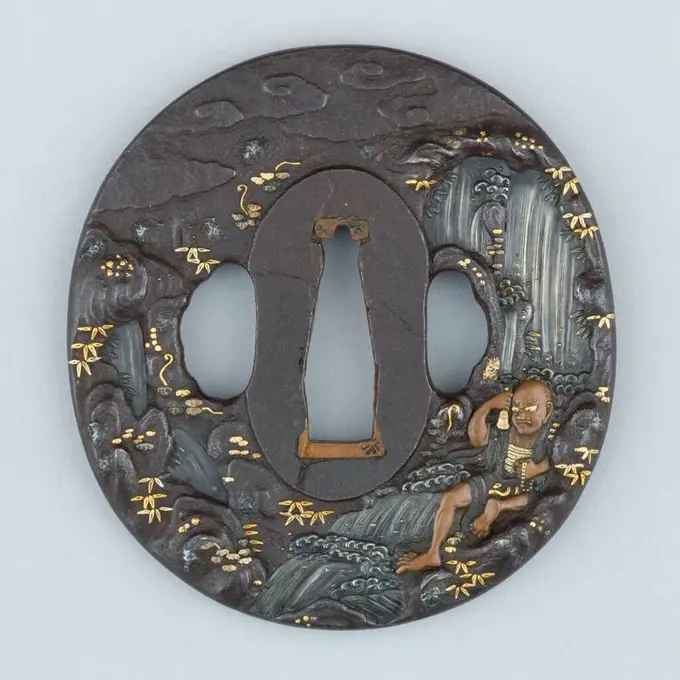
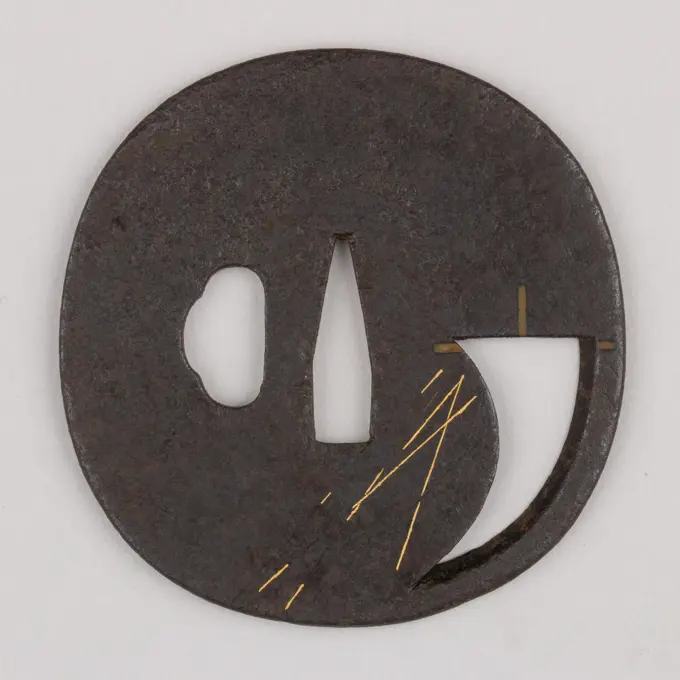
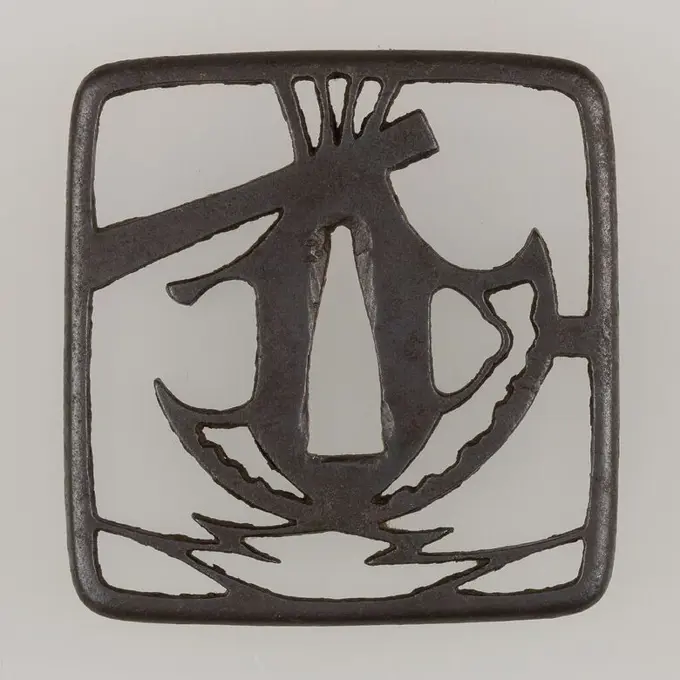
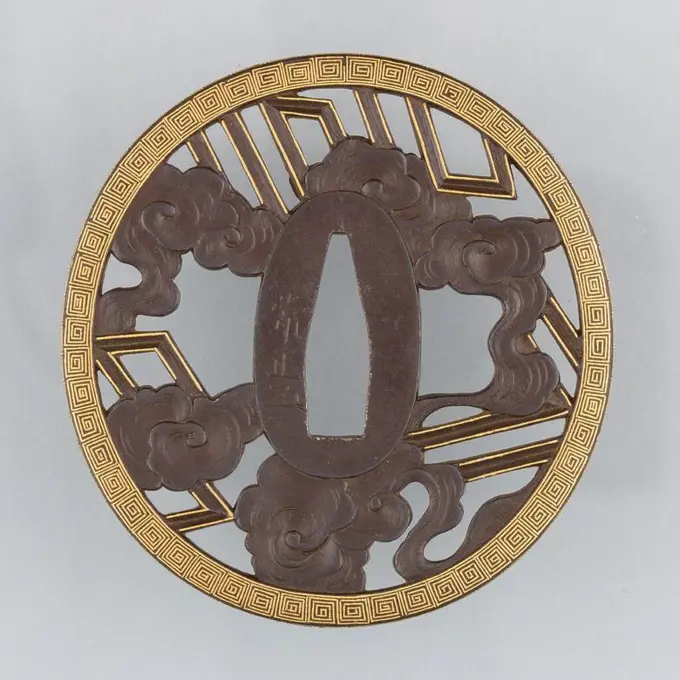
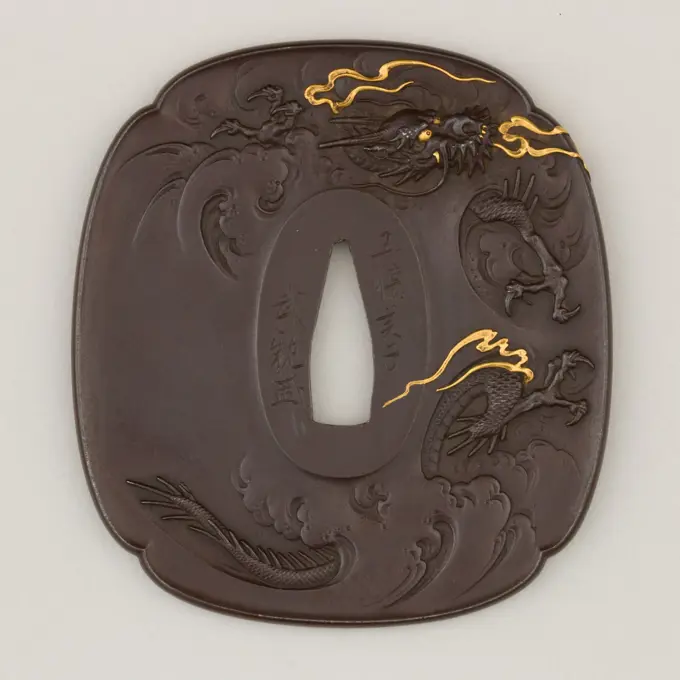
Sword Guard (Tsuba) ca. 1615-1868 Japanese A tsuba is a sword guard and part of a sword mounting. It is mounted between the swords blade and grip to protect the users hands.. Sword Guard (Tsuba) 34486
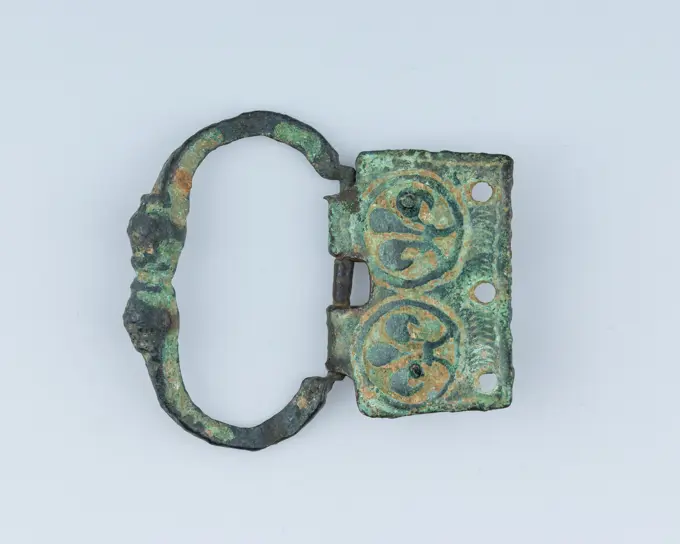
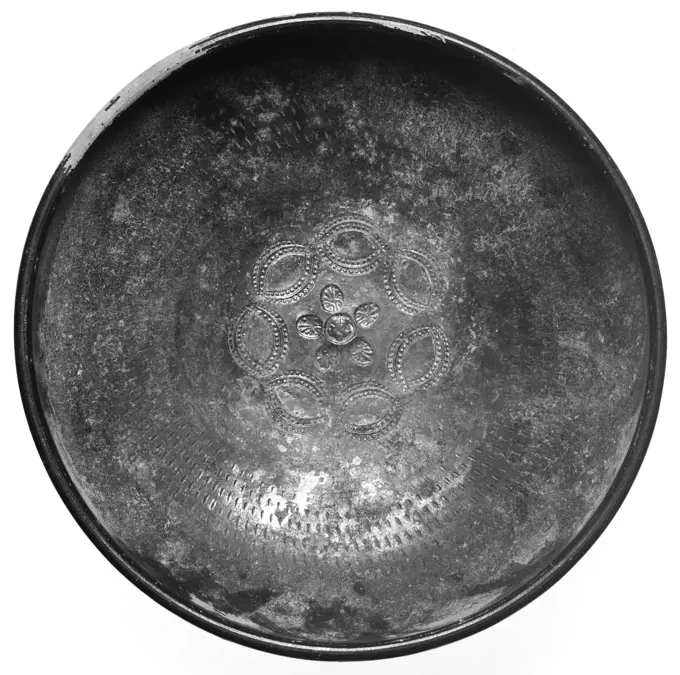
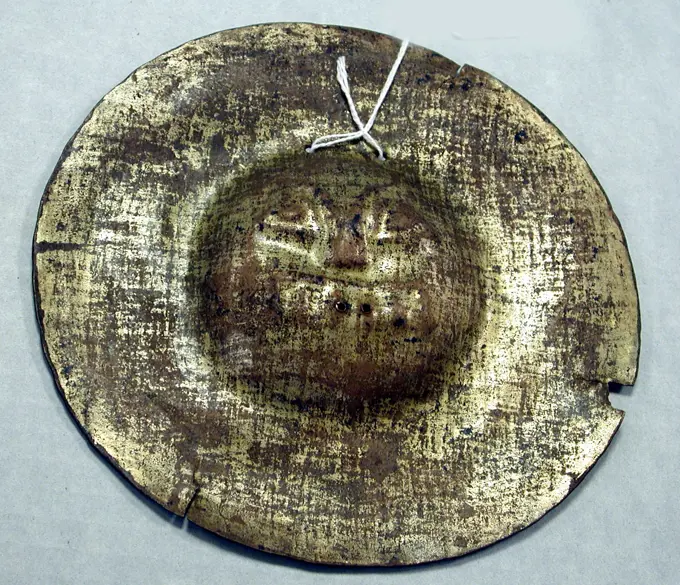
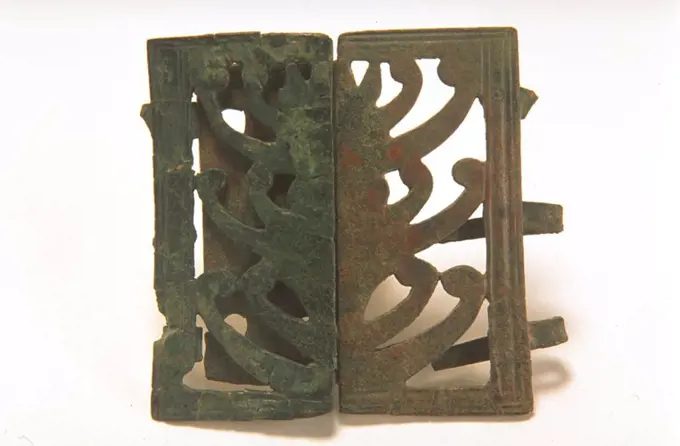
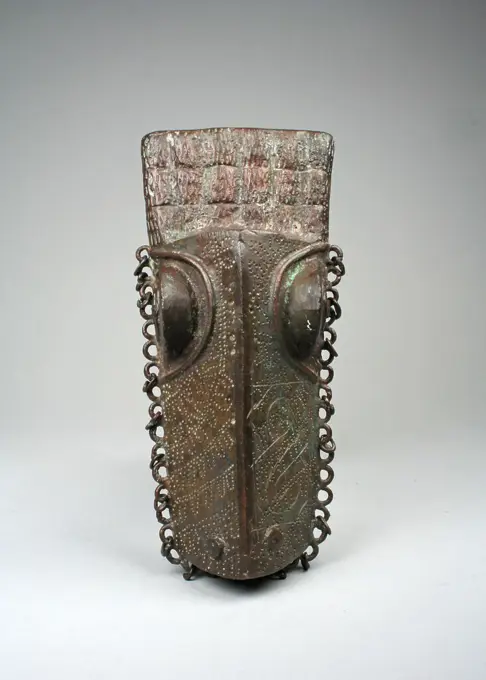
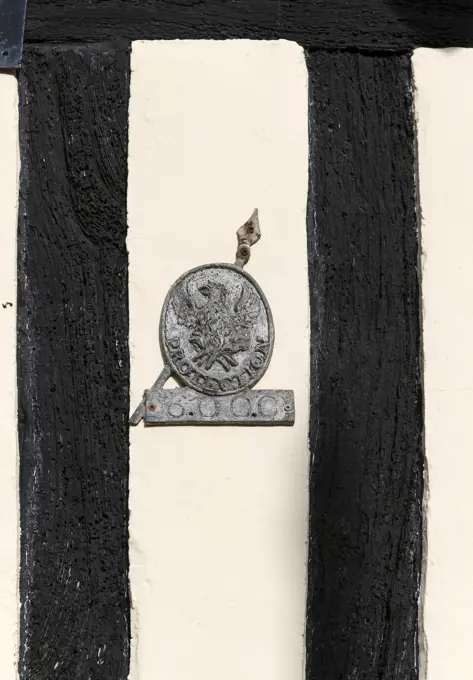
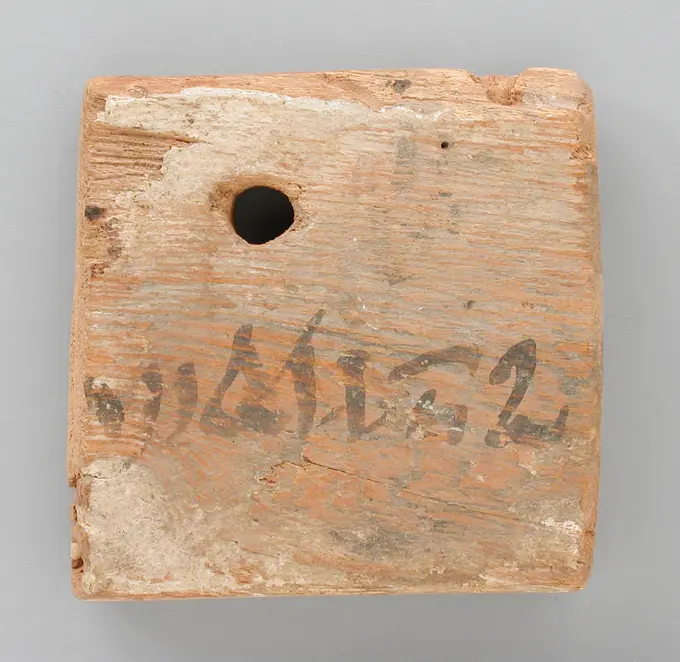
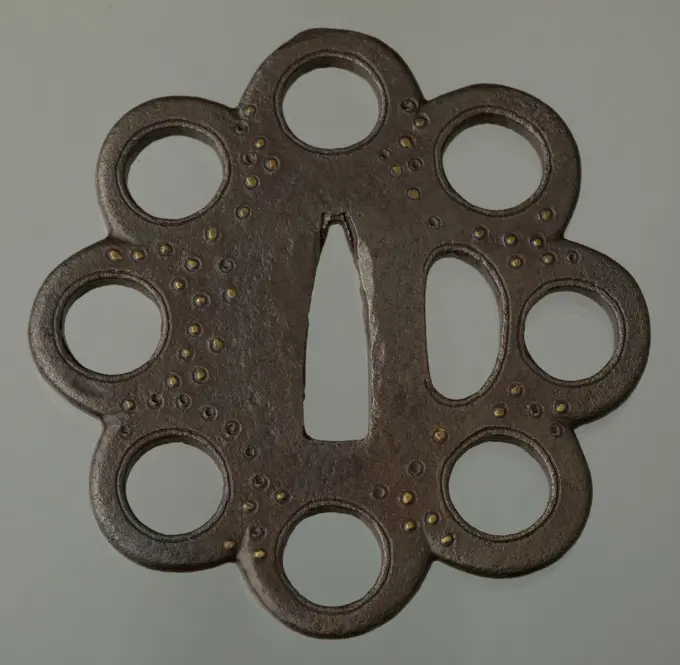
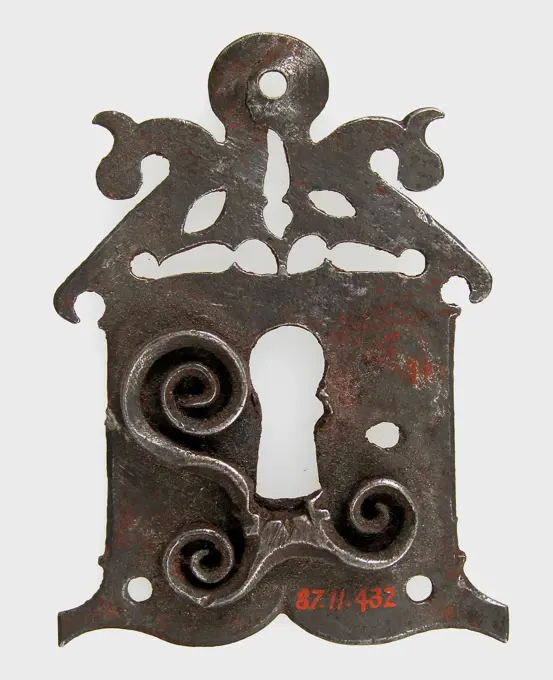
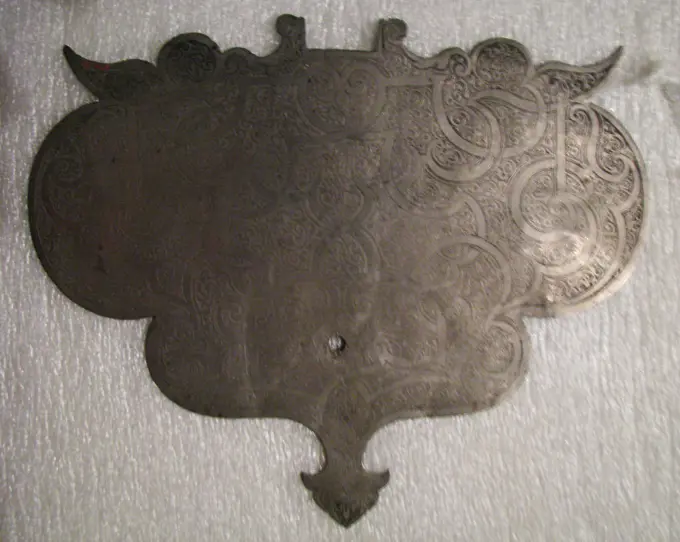
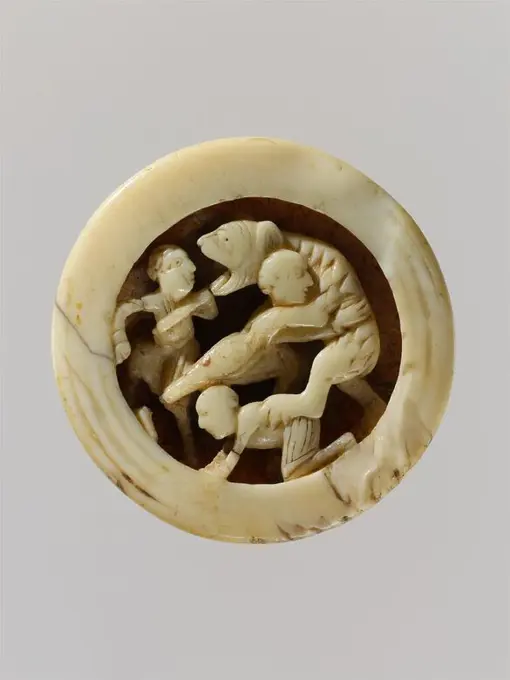
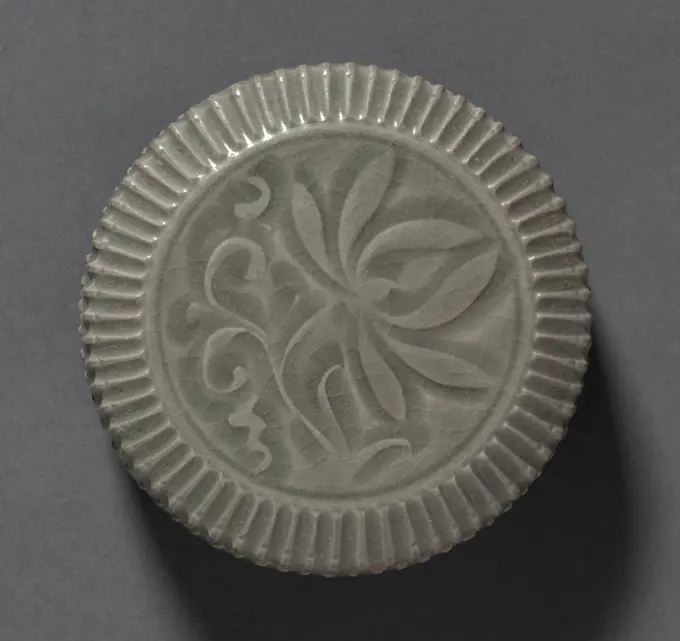
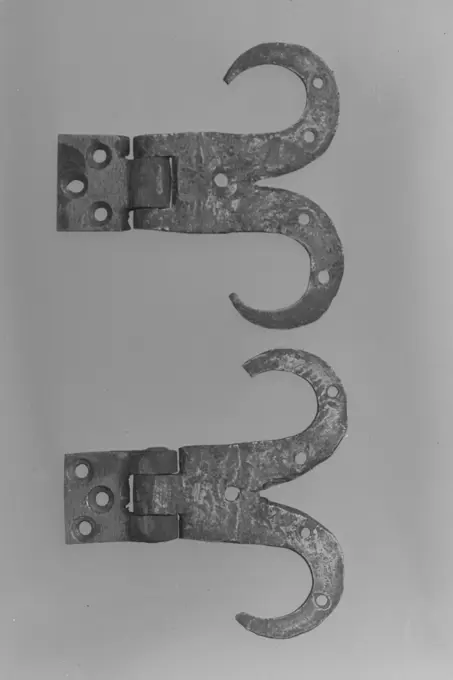
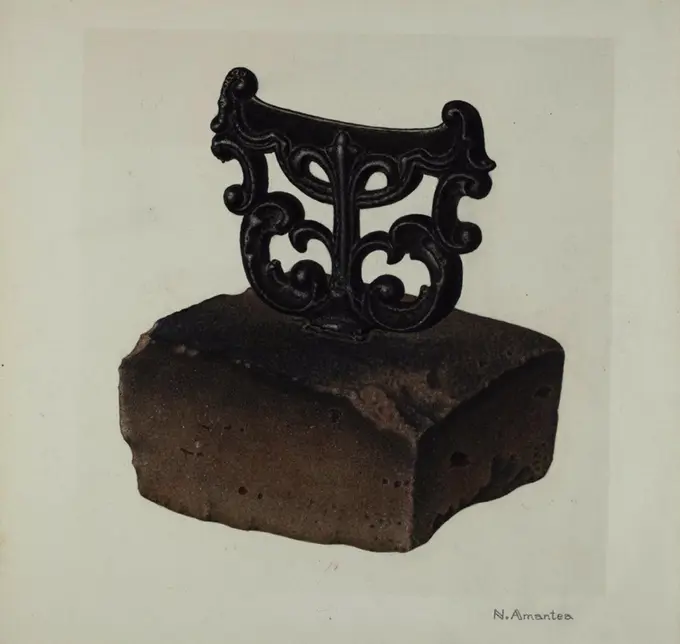
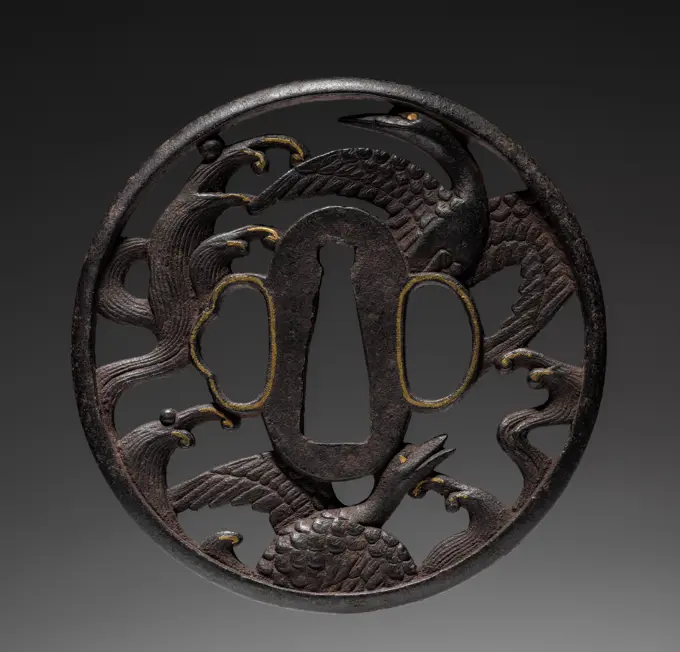
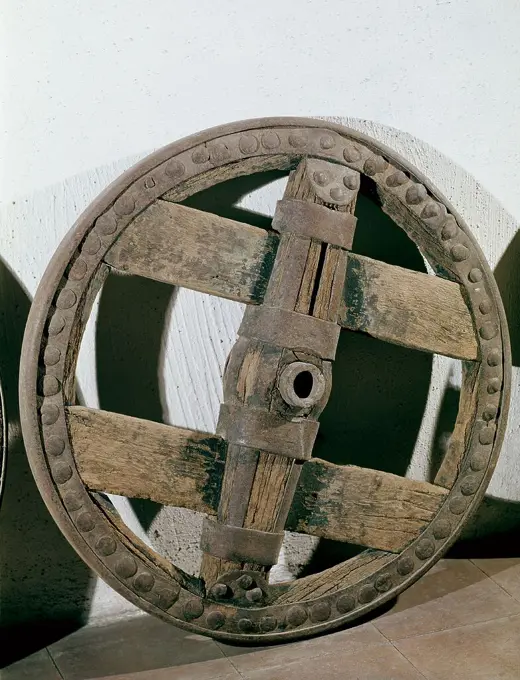
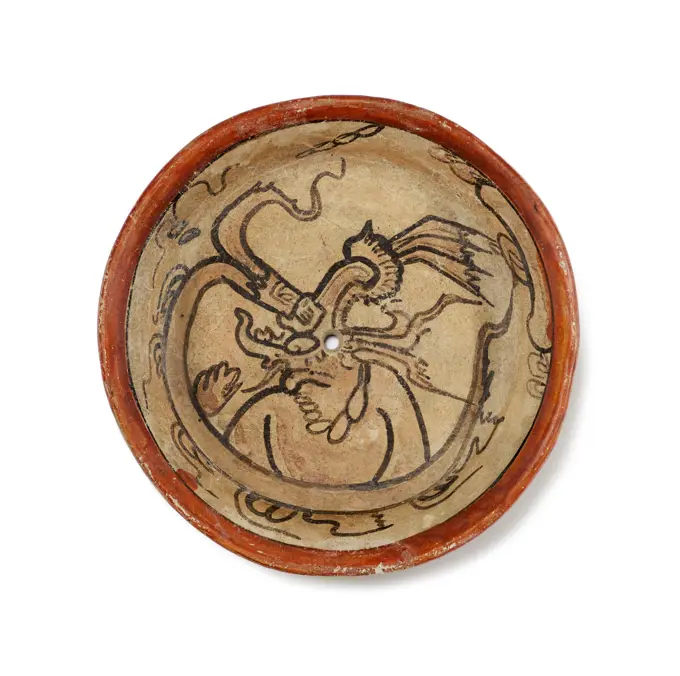
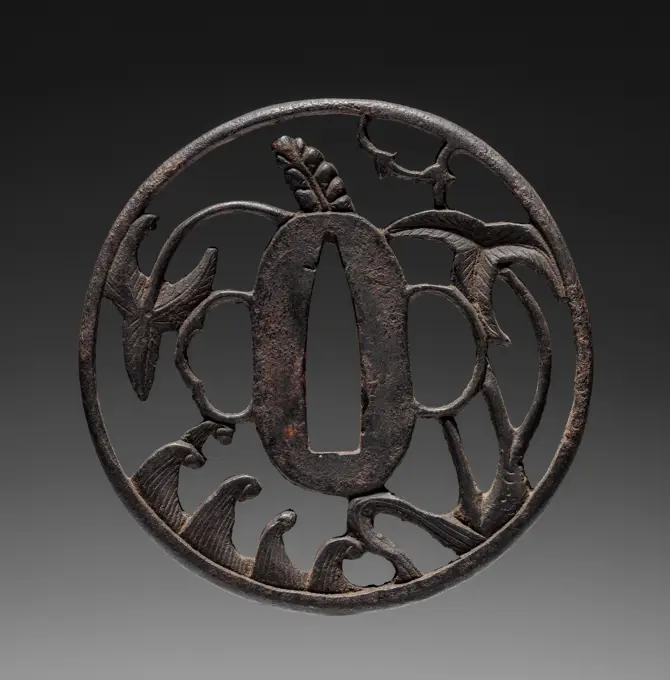
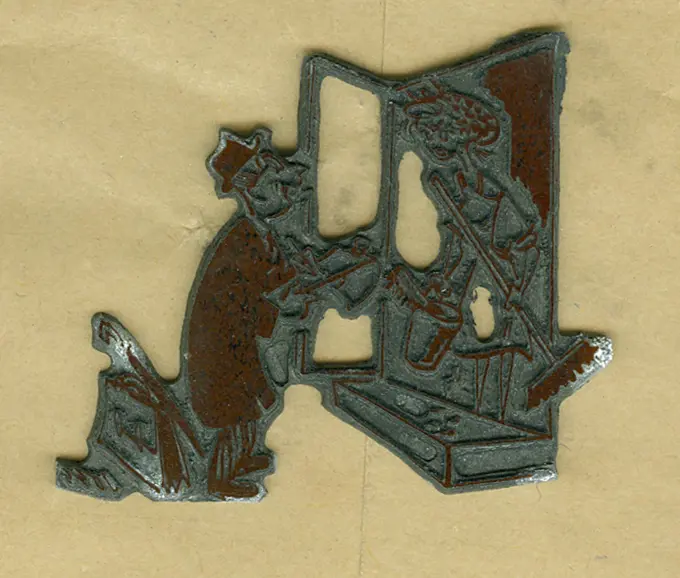
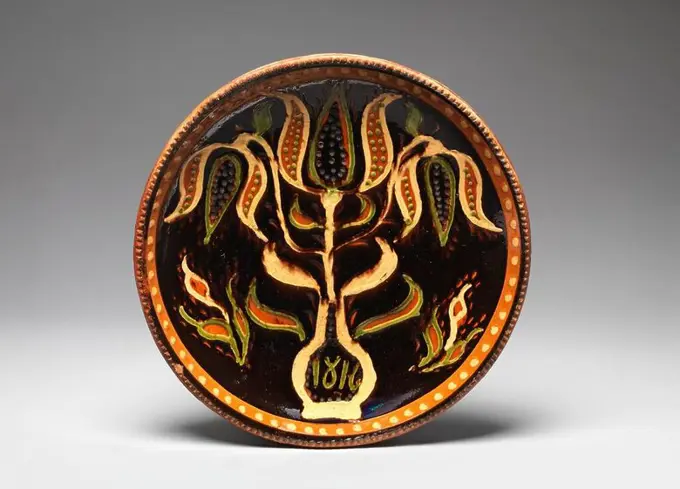
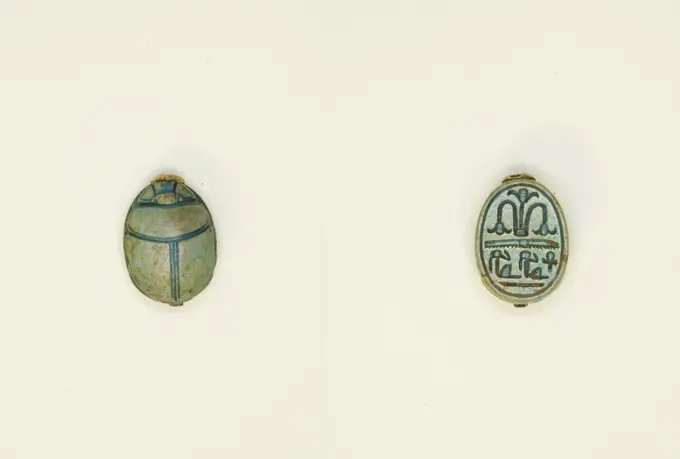
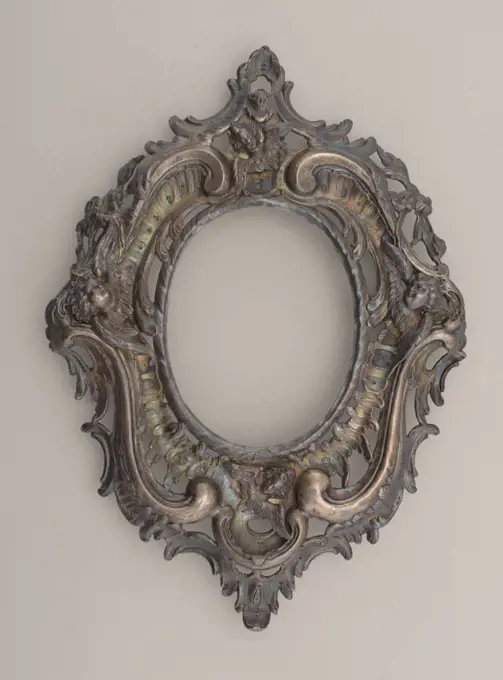
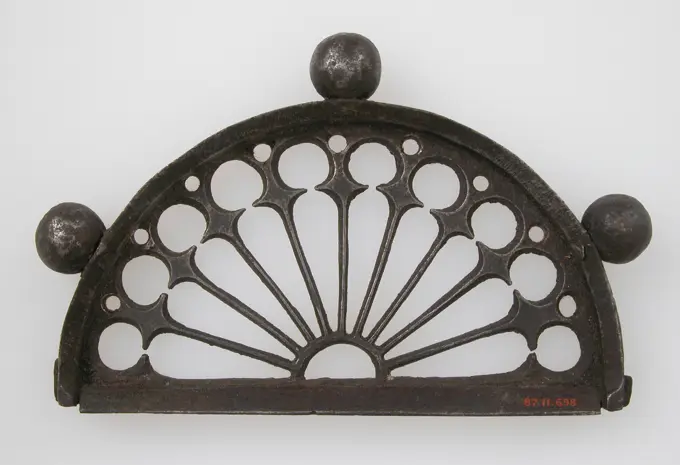
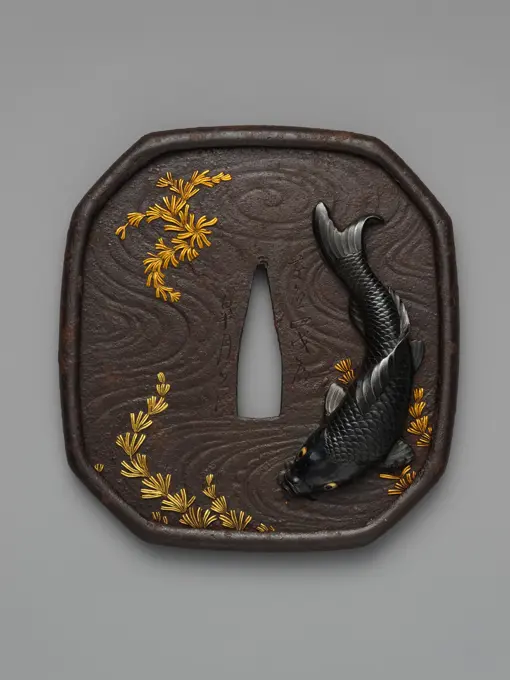
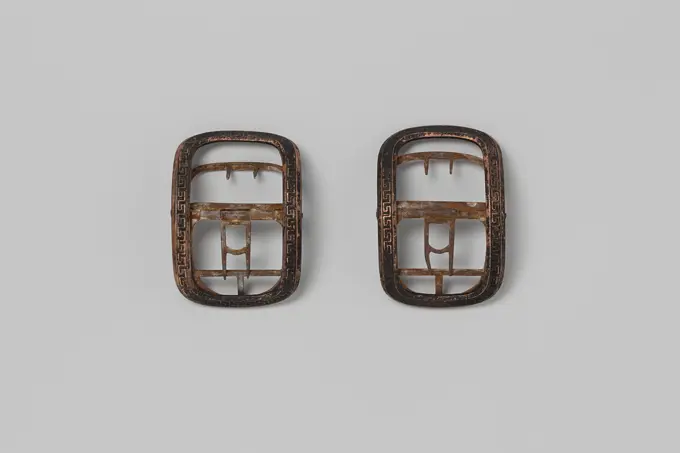
Hand guard, anonymous, 1600 - 1699 Ten -lobbish tsuba, the lobes of which decrease up and below in size; slightly upwards on the edge; engraved tants with flowers in wire insert (Suji-Zogan) at the front; At the rear two dragons and a flaming jewel in the midst of clouds. Japan iron (metal). brass (alloy). copper (metal) Ten -lobbish tsuba, the lobes of which decrease up and below in size; slightly upwards on the edge; engraved tants with flowers in wire insert (Suji-Zogan) at the front; At the rear two dragons and a flaming jewel in the midst of clouds. Japan iron (metal). brass (alloy). copper (metal)Hand guard, anonymous, 1600 - 1900 Mokko-shaped tsuba with butterflies stylized on both sides in email cloisonné in the midst of ranks; On one side also images of mon. Japan iron (metal). copper (metal). Mokko-shaped tsuba with butterflies stylized on both sides in email cloisonné in the midst of ranks; On one side also images of mon. Japan iron (metal). copper (metal).Sword Guard (Tsuba). Culture: Japanese. Dimensions: H. 2 7/8 in. (7.3 cm); W. 2 3/4 in. (7 cm); thickness 5/16 in. (0.8 cm); Wt. 5.2 oz. (147.4 g). Date: mid-19th century. Museum: Metropolitan Museum of Art, New York, USA.Brooch -The Twelve Dragon Guests Hu Xingju Chinese. The Twelve Dragon Guests 41789Buckle 13th century French. Buckle. French. 13th century. Bronze, patina. Miscellaneous-Buckles & OrnamentLeather fitting, belt tongue or belt fitting, ornamental fittings fittings clothing accessories clothing floor found tin metal, cast Rectangular piece of metal with two holes to which rectangular piece of double fittings with an inlet and two holes archeology Rotterdam rail tunnel dress belt wear adorn clothing Soil discovery: trajectory Rotterdam rail tunnel.Sword Guard (Tsuba) ca. 1860 Japanese A tsuba is a sword guard and part of a sword mounting. It is mounted between the swords blade and grip to protect the users hands.. Sword Guard (Tsuba) 30027Campanian Black Bowl; Campania, South Italy, Europe; 323 - 31 B.C; Terracotta; 6.5 x 17.6 cm (2 9,16 x 6 15,16 in.)Sword Guard (Tsuba) ca. 1615-1868 Japanese A tsuba is a sword guard and part of a sword mounting. It is mounted between the swords blade and grip to protect the users hands.. Sword Guard (Tsuba) 33440. Round Tsuba with a giant with wasabyo in his hand at the front in Ire Takazogan; At the rear in Hira-Zogan and Sumi-Zogan a landscape with Fuji; Signed "Shuno Hogen Nobuyoshi".Slot, anonymous, 1400 - 1500 A lock. Gothic. A lock. Gothic.Horse Trapping 14th-15th century Catalan. Horse Trapping. Catalan. 14th-15th century. Copper alloy, gilding. Made in Catalonia, Spain. Metalwork-Copper alloyPierre Roche (1855-1922). "Tribute to you". Medal. 1916. Museum of Fine Arts of the City of Paris, Petit Palais. Back, Great War, War 1418, 1914-1918 war, medal, first world war, backDisk Ornament A.D. 600-1533 Manteño Huancavilca Technical note: Optical microscopy and XRF conducted in 2017. This metal disk, possibly a pectoral, belongs to the corpus of artifacts often referred to as tincullpas described by Verneau and Rivet (1912, 299-306) and Jijón y Caamaño (1920). This disk shows a mammalian face in high relief at its center and flat undecorated edges around the outside. While these faces tend to be identified as feline (see Ugalde 2009), Rodríguez (1992, 82-83) has drawn attention to certain features as indicators of a kinkajou (Potos flavus). In this case, the face includes two semi-circular eyes, a nose whose bridge begins above the eyes, and a rectangular mouth with four teeth. The two central teeth have perforations, which may have secured a long movable tongue attached with staples (cf. Jijón y Caamaño 1920, pl. 6, no. 5). There are two more holes, perhaps for suspension near the top of the disk. The disk was made from hammered sheet, worked by repoussé aBROCHE DEL AJUAR DE LA TUMBA 11. TARTESICO EDAD DEL HIERRO. (DEPOSITO: MUSEO ARQUEOLOGICO NACIONAL).Waist Pendant: Crocodile Head. Culture: Edo peoples. Dimensions: Height 7-1/2 in.. Date: 16th-19th century. Museum: Metropolitan Museum of Art, New York, USA.Amulet of a Plummet 664 BCE-332 BCE Egypt. Hematite . Ancient EgyptianProtection insurance firemark on house, Wickham Market, Suffolk, England, UKLabel with Hieratic Inscription. Egypt, late Ramesside Period-Third Intermediate Period (1100-711 BCE). Tablets. WoodSword Guard (Tsuba) 18th century Japanese A tsuba is a sword guard and part of a sword mounting. It is mounted between the swords blade and grip to protect the users hands.. Sword Guard (Tsuba) 26294Dragon-headed Stand, 1200s. Northern Iraq or Syria, Zangid (1127-1251) or Ayyubid period (1171-1260). Cast brass inlaid with silver; overall: 7.2 x 19.2 cm (2 13/16 x 7 9/16 in.). Themes of hunting and combat are evoked by this stand with gaping dragon heads and figures armed with swords and spears.Wyczóczów, Leon; Laszczka, Konstanty (1865-1956); 1921 (1921-00-00-1921-00-00);Laszczka, Konstanty (1865-1965), Wyczółkowski, Leon (1852-1936), Zyblikiewicz, Mikołaj (1823-1887), plaquets, secession (style)Sculpture model, anonymous, 1800 - 1900 Sculpture model: cutting, test model or example of a strict ribbon that holds some branches together. Cutting van Lindenhout, on pine plank. Netherlands linden. pine (wood) cutting / gluing Sculpture model: cutting, test model or example of a strict ribbon that holds some branches together. Cutting van Lindenhout, on pine plank. Netherlands linden. pine (wood) cutting / gluingVinaigrette with Harbor Scene 1846-1847 Birmingham. Silver and silver gilt .Grahal-Manzara. Carnavalet 2013-2016 collection sites. Numismatics.The Madame B Album Made 1870-1879 France. Albumen prints with watercolor (in album) . Marie-Blanche Hennelle FournierCDK unknown, school oninSword Guard (Tsuba). Culture: Japanese. Dimensions: H. 2 3/4 in. (7 cm); W. 2 5/8 in. (6.7 cm); thickness 1/4 in. (0.6 cm); Wt. 3.4 oz. (96.4 g). Date: late 18th-early 19th century. Museum: Metropolitan Museum of Art, New York, USA.Door Knocker late 16th century Spanish. Door Knocker 466304Escutcheon plate 15th-16th century German. Escutcheon plate 468812Inside lock plate ca. 1600 German, Augsburg. Inside lock plate 186864 German, Augsburg, Inside lock plate, ca. 1600, Iron, 7 x 8 1/2 in. (17.8 x 21.6 cm). The Metropolitan Museum of Art, New York. Gift of Henry G. Marquand, 1887 (87.11.98)Keyhole Escutcheon (USA); brassOld iron isolated on white backgroundPadlockBliżej Kultury Reinemer & Spiegel Vienna VIIWine Cup with a Dancing Reveler; Ambrosios Painter (Greek (Attic), active 510 - 500 B.C.); Athens, Greece; about 510 B.C; Terracotta; 11.2 × 35.5 × 27.5 cm (4 7,16 × 14 × 10 13,16 in.)Girdle ornament China. Girdle ornament 43082Sword Guard (Tsuba). Culture: Japanese. Dimensions: H. 2 15/16 in. (7.5 cm); W. 2 7/8 in. (9.8 cm); thickness 5/16 in. (0.8 cm); Wt. 5.5 oz. (155.9 g). Date: ca. 1615-1868. Museum: Metropolitan Museum of Art, New York, USA.Game Piece with Menelaus and Companions Battling Proteus. Culture: North French. Dimensions: Overall: 2 3/8 x 11/16 in. (6 x 1.7 cm). Date: ca. 1125-50.Objects related to the games of tables and chess were among Salgo's favorite items. Such games were predecessors of modern backgammon and widespread in Medieval Europe. Surviving ivory game pieces are rare, and this is the only known piece from a thirty-piece set. These unusual objects often depict sophisticated narrative and allegorical subjects. This carving may show a scene from the Odyssey, when King Menelaus drives a spear into the open jaws of the sea-god Proteus, transformed into a lioness or bearlike creature. Nearly 500 game pieces, along with game boards and boxes from various periods were donated by Ambassador Salgo to the Bayerisches Nationalmuseum in Munich. Museum: Metropolitan Museum of Art, New York, USA.Fragments (Spain); iron and gilt on upper surfaceSilver buckle, oval, unadorned, with two hinged teeth, c. 1908 - c. 1909 Buckle of silver, oval, unadorned, with two hinged teeth, marked. Manchester whole: Silver (Metal) forging Buckle of silver, oval, unadorned, with two hinged teeth, marked. Manchester whole: Silver (Metal) forgingCovered Box with Carved Floral Design: Yaozhou Ware (lid), 1100s. China, Shanxi province, Northern Song dynasty (960-1127). Glazed stoneware; diameter: 10.7 cm (4 3/16 in.); overall: 5.2 cm (2 1/16 in.).Sword Guard (Tsuba) 17th century Japanese A tsuba is a sword guard and part of a sword mounting. It is mounted between the swords blade and grip to protect the users hands.. Sword Guard (Tsuba) 26293Hinge 1700-1800 American. Hinge 4320Isolated objects: one very old wooden waggon wheel on white background. Old waggon wheelFoot Scraper. Dated: c. 1940. Dimensions: overall: 28.3 x 29.6 cm (11 1/8 x 11 5/8 in.). Medium: watercolor, graphite, and pen and ink on paperboard. Museum: National Gallery of Art, Washington DC. Author: Nicholas Amantea.Footstool. Dated: c. 1941. Dimensions: overall: 24.6 x 35.5 cm (9 11/16 x 14 in.) Original IAD Object: 18"long; 9"high. Medium: watercolor, colored pencil, and graphite on paperboard. Museum: National Gallery of Art, Washington DC. Author: Jack Williamson.Collar mirror emblem branch of service regiment infantry Menno van Coehoorn. from 1963 Menno van CoehoornItaly, Altino, Bricklayer square, measurement instrument from the necropolis of AltinoSword Guard (Tsuba) with Geese and Waves, c. 1615-1868. Japan, possibly Edo period (1615-1868). Iron; diameter: 8 cm (3 1/8 in.).Model for a decorative element of a chatelaine, anonymous, c. 1750 - c. 1775 The model driven out of plate for a mold is equipped with rococo ornament and flowers. Amsterdam copper (metal) The model driven out of plate for a mold is equipped with rococo ornament and flowers. Amsterdam copper (metal)Plate 15th century or later European. Plate 468897Attachment. UnknownRUEDA DE CARRO- HIERRO Y MADERA. Location: MUSEO DEL PUEBLO ESPAÑOL. MADRID. SPANIEN.Sword Guard (Tsuba) ca. 1615-1868 Japanese A tsuba is a sword guard and part of a sword mounting. It is mounted between the swords blade and grip to protect the users hands.. Sword Guard (Tsuba) 34501Sword Guard (Tsuba) ca. 1615-1868 Japanese A tsuba is a sword guard and part of a sword mounting. It is mounted between the swords blade and grip to protect the users hands.. Sword Guard (Tsuba) 33444Brooch made following the liberation of the Netherlands on 5 May 1945. Brooch made following the liberation of the Netherlands on May 5, 1945. The wooden brooch is painted with 2 crossed flags, with the left an orange flag and on the right the red white blue flag .The paint from the orange flag is partially peeled. At the top, between the flag sticks, a V is painted with orange, referring to the word freedom. At the bottom, the suggestion has been aroused with vegetation, possibly as a symbol for a new beginning. A simple pin is applied to the rear and the date 5 May 1945 with ink.Codex-Style Plate with K'awiilPortrait of Isaac van Goudoever, Colonel van de Schutterij in Amsterdam, Anonymous, 1787 history medal Silver bust on white metal. Dischanging: Van Goudoever Anno 1787  silver (metal). metalBrooch made in response to the liberation of the Netherlands on May 5, 1945, 1945 brooch Brooch made in response to the liberation of the Netherlands on May 5, 1945. The wooden brooch was painted with 2 crossed flagsticks, with an orange flag on the left and the red white blue flag on the right. The paint of the orange flag has partially peeled off. At the top, in between the flagsticks, is a V painted with Orange, referring to the word freedom. At the bottom, the suggestion of Groeing is made with green, possibly as a symbol for a new beginning. A simple pin has been applied to the back and the date 5 May 1945 with ink. Netherlands broche: wood (plant material) painting  NetherlandsLoop.Croze Plane 1600-1699 France. Hardwood .Sword Guard, c. 1800. Japan, Edo period (1615-1868). Iron (Choshu type); diameter: 7.7 cm (3 1/16 in.).Lead block used to print a cartoon in a newspaper. Circa1940-1948 and who does your housework madamNose Ornament, 18th-20th century, 4-5/16 x 2-7/8 x 1/16 in. (11.0 x 7.3 x 0.2 cm), Tortoise shell, Solomon Islands, 18th-20th centuryDragon Pendant 400 BCE-200 BCE China. Jade .Bilder von dreidimensionalen Fraktalen Bilder von dreidimensionalen Fraktalen Copyright: xZoonar.com/Dr.xNorbertxLangex 13537409Slot plat, c. 1400 - c. 1950 A final plate. Gothic.  iron (metal) A final plate. Gothic.  iron (metal)Decorative Door Boss And Nail; wrought iron; a) H x diam.: 4 × 7 cm (1 9/16 × 2 3/4 in.) b) H x diam.: 8.8 × 1.4 cm (3 7/16 × 9/16 in.)Mirror with Pair of Cranes in Chrysanthemum Pattern, 1392-1573. Japan, Muromachi period (1392-1573). Bronze; diameter: 11.2 cm (4 7/16 in.).Double cut with two plates, anonymous A Vertind Double Cut, with two plates. A Vertind Double Cut, with two plates.Panel 13th-14th century. Panel 445122Glass Fragment 15th century European. Glass Fragment. European. 15th century. Pot metal glass. Glass-StainedLead wreath. Culture: Greek, Laconian. Dimensions: Diameter: 5/8 in. (1.7 cm). Date: 6th-5th century B.C..Small flat votive figurines of cast lead have been found in great quantities at the ancient sanctuaries of Laconia; over one hundred thousand, dating from the seventh century B.C. to the Classical period, were dedicated to the goddess Artemis Orthia in Sparta. Museum: Metropolitan Museum of Art, New York, USA.Comb, 20th century, 7 9/16 x 2 11/16 x 5/16 in. (19.21 x 6.83 x 0.79 cm), Wood, 20th centurySlit Ring (jue) 4000 BCE-2000 BCE China. Jade .Bowl Etruscan ca. 550-500 BCE Shallow bowl with ring base.Plate. Culture: American. Dimensions: Diam. 9 1/2 in. (24.1 cm). Maker: Attributed to Solomon Grimm (1787-1847). Date: 1816. Museum: Metropolitan Museum of Art, New York, USA.Scarab Floral Motif 2055 BCE-1550 BCE Egypt. Glazed steatite . Ancient EgyptianBack pillar fragment (), Aten and Akhenaten named ca. 1353-1336 B.C. New Kingdom, Amarna Period. Back pillar fragment (), Aten and Akhenaten named 549664Sword Guard (Tsuba). Culture: Japanese. Dimensions: H. 3 in. (7.6 cm); W. 2 7/8 in. (7.3 cm); thickness 1/8 in. (0.3 cm); Wt. 3.6 oz. (102.1 g). Date: ca. 1800. Museum: Metropolitan Museum of Art, New York, USA.Frame, Repoussé and applied silver, Oval frame repoussé scroll work and for applied winged cherubs at top bottom, lef and right. Four long screws that attach cerubs to frame project from reverse., Probably Italy, ca. 1740, metalwork, Decorative Arts, FrameFanlight () 16th century German. Fanlight () 468887Fragment of glazed dish, anonymous, 1500 - 1699 fragment Fragment of a green glazed dish. Note: Dug up in Arnhem. Northern Netherlands earthenwareHanger for a fireplace. A copper hanger for a fireplace.Tibetan Buddhist tingsha cymbals isolated on whiteBrooch van Zilver and Agate, c. 1939 - c. 1942 Round brooch made of hammered silver and a white cabochon cut agate (white chalcedone) with a hook closure. Netherlands silver (metal). agate (chalcedony) grinding / hammering Round brooch made of hammered silver and a white cabochon cut agate (white chalcedone) with a hook closure. Netherlands silver (metal). agate (chalcedony) grinding / hammeringSword Guard (Tsuba) with the Carp and Seaweed Motif () dated 1868 (Kei 4, 5th month) Kansai One side of the plate is engraved to resemble running water, the side onto which a large shakud carp has been inlaid via suemon-zgan, and seaweed via kinzgan. The reverse has a polished finish and shows at the bottom left a yellow water-lily (khone) and towards the right the name of artist, Kansai, in prominent seal script characters highlighted in gold nunome-zgan. The rim is undercut and interpreted as dote-mimi. According to tradition, Kansai (, 1841-1918) was a student of the eighth and last master of the Iwamoto () School.. Sword Guard (Tsuba) with the Carp and Seaweed Motif (). Japanese. dated 1868 (Kei 4, 5th month). Iron, gold, copper-gold alloy (shakud). Sword Furniture-TsubaCampania Napoli Naples S. Lorenzo Maggiore01. Hutzel, Max 1960-1990 Medieval: Sculpture, architecture, architectural sculpture (including Roman spolia) 13-14th century Chapter house; sarcophagi, gravestones; wall painting. Fragment of mosaic; sculptural fragments in the Sala Capitolare. Post-medieval: Architecture, architectural sculpture, ceiling painting fresco cycle; prints depicting Venice c. 1845 (4), sculpture; life-size creche figures dressed in original Neapolitan costume Church restored in 1882, 1926, 1944; excavations under the transept undertaken between 1958-1962, and in the cloister in 1976, have revealed remains of a Roman macellum (market), street, and the paleochristian basilica of the 6th c. AD. Antiquities: Pottery: black-glazed, archaic banded, domestic wares, bucchero; architectural terracottas, statuettes, lamps, sculpture fragments Object Notes: 3 color negatives with no prints at the end. General Notes: Most objects/paintings/frescoes unidentified. Three batches Gealterter Metallbuchstabe T 3D Aged metal letterpress Letter T 3D rendering illustration isolated on white background Copyright: xZoonar.com/MilicxDjurovicx 22691482pectoral of precious metal pectoral of precious metal, museum of the central square, Chichicastenango, municipality of the department of El Quiché, Guatemala, Central America Copyright: xZoonar.com/BartomeuxBalaguerxRotgerx 22071499A plate Economic Huta Z BkowiceShaker Box. Dated: 1941. Dimensions: overall: 35.8 x 42.9 cm (14 1/8 x 16 7/8 in.). Medium: watercolor and graphite on paper. Museum: National Gallery of Art, Washington DC. Author: Peter Antonelli.Bliżej Kultury Raszka, Jan (1871 1945)Square chicken drinking trough or chick stone, delineated by wavy rim, trough holder ceramic earthenware glaze lead glaze, in form hand-made glazed baked Chick-stone Flat trough of heavy and solid earthenware with nine bowl-shaped holes. Corrugated outer edge Four finger impressions around the center hole Red shard Top and sides lead glazing Sides slanted cut indigenous pottery poultry chicken chick farmer farmSword Guard (Tsuba) mid-19th century Japanese A tsuba is a sword guard and part of a sword mounting. It is mounted between the swords blade and grip to protect the users hands.. Sword Guard (Tsuba) 34955Rectangular and curved shoe buckle of gold-plated copper, decorated with a meander, embossed on a black fond. Rectangular and curved shoe buckle of gold-plated copper, decorated with a meander, embossed on a black fond.Button, Glass, rhinestone, copper, brass, Button is circular and flat on top, domed on underside and faceted. a: hole for shank which is now missing., 19th century, costume & accessories, Decorative Arts, Button