Antique Japanese Sword Guards

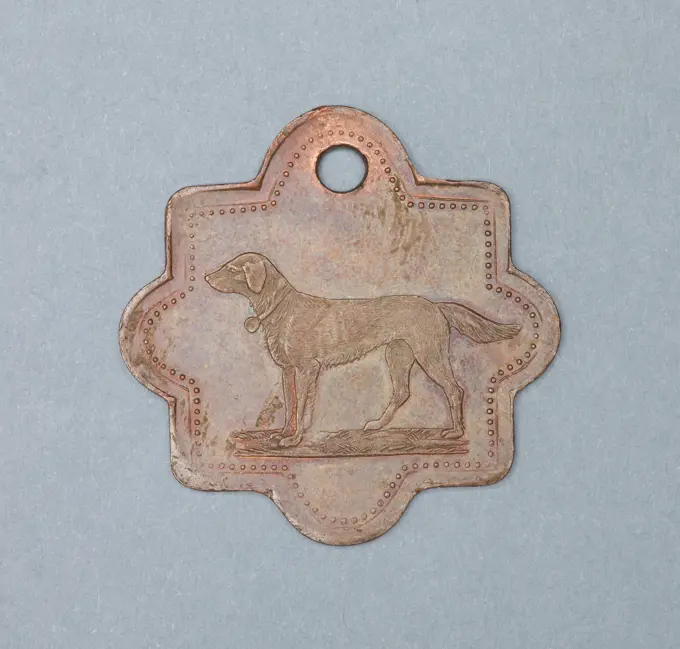
A selection of historical Japanese tsubas, each featuring unique designs and textures, showcasing traditional craftsmanship from various centuries.

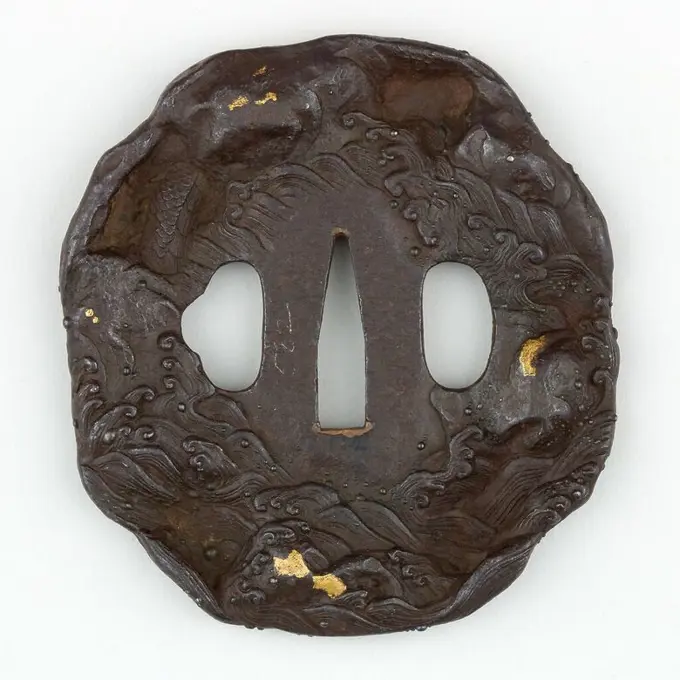
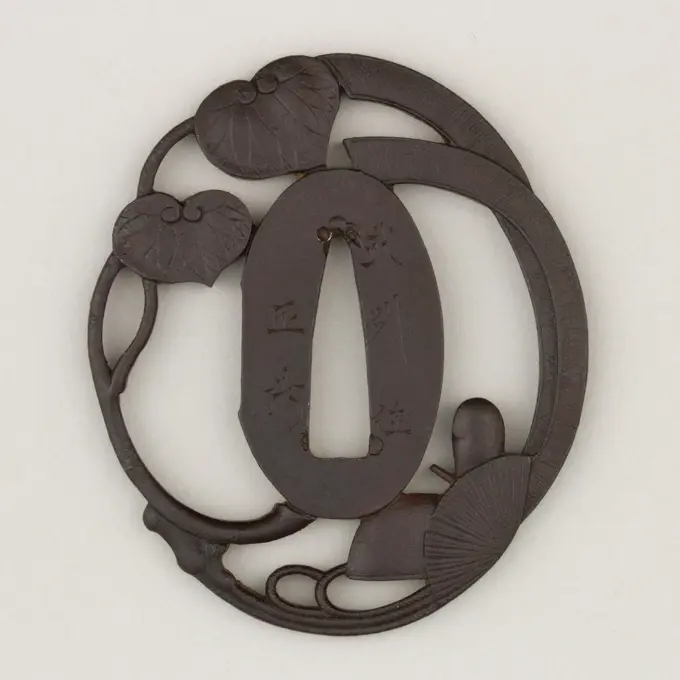
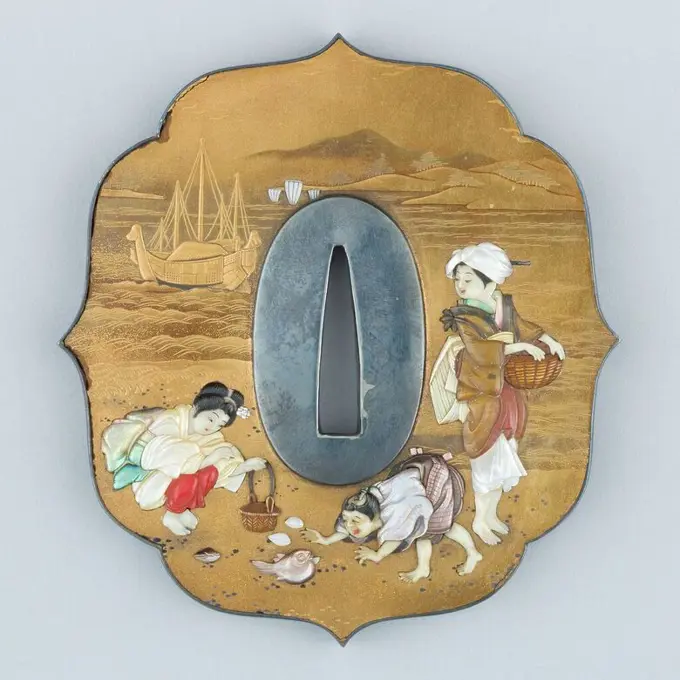
Sword Guard (Tsuba) ca. 1615-1868 Japanese A tsuba is a sword guard and part of a sword mounting. It is mounted between the swords blade and grip to protect the users hands.. Sword Guard (Tsuba) 34486
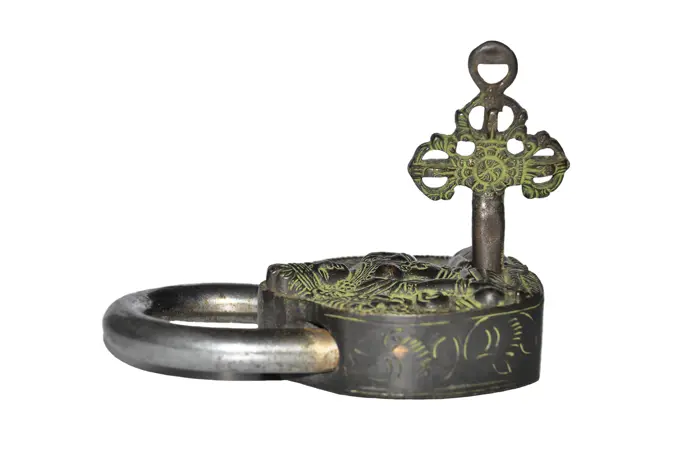
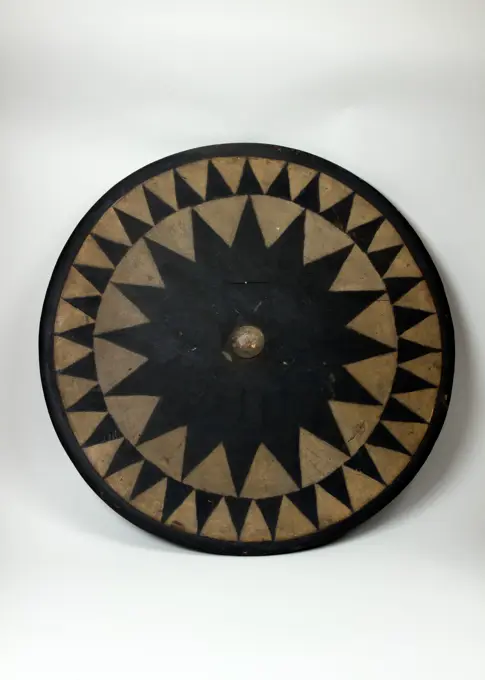
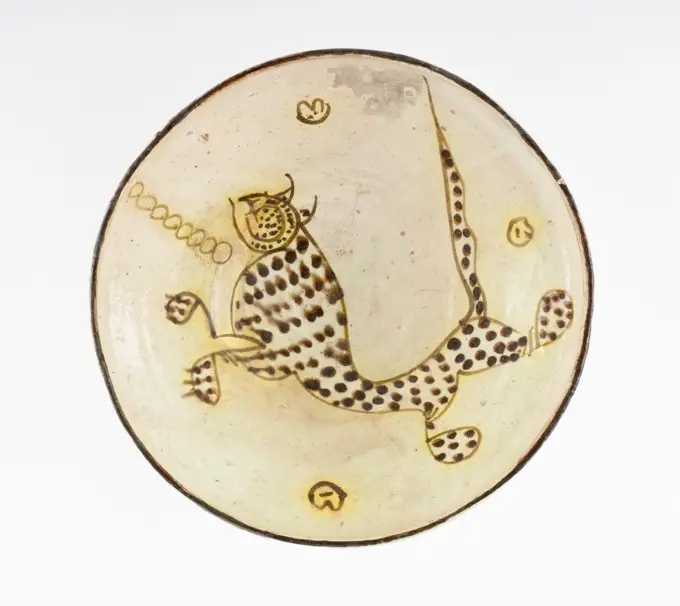
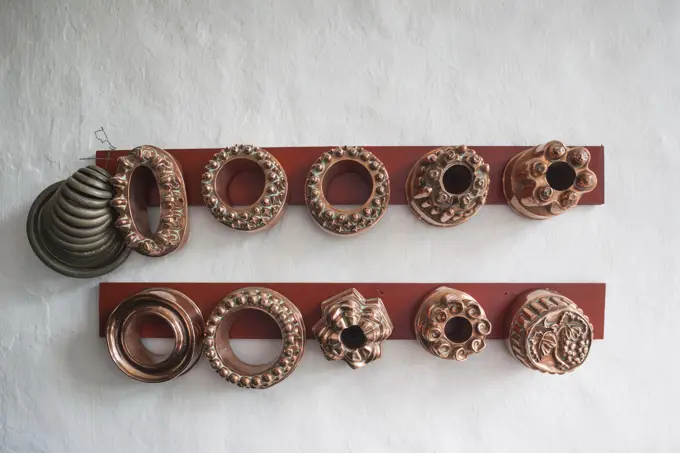
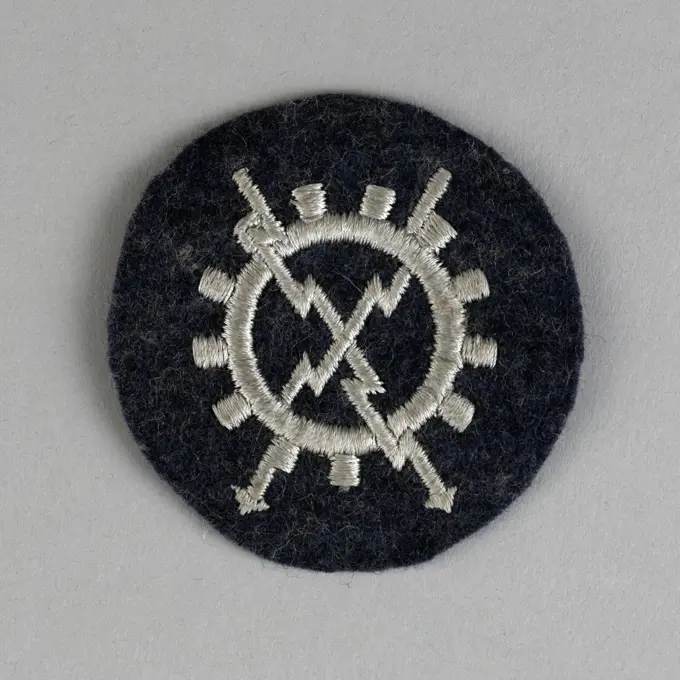
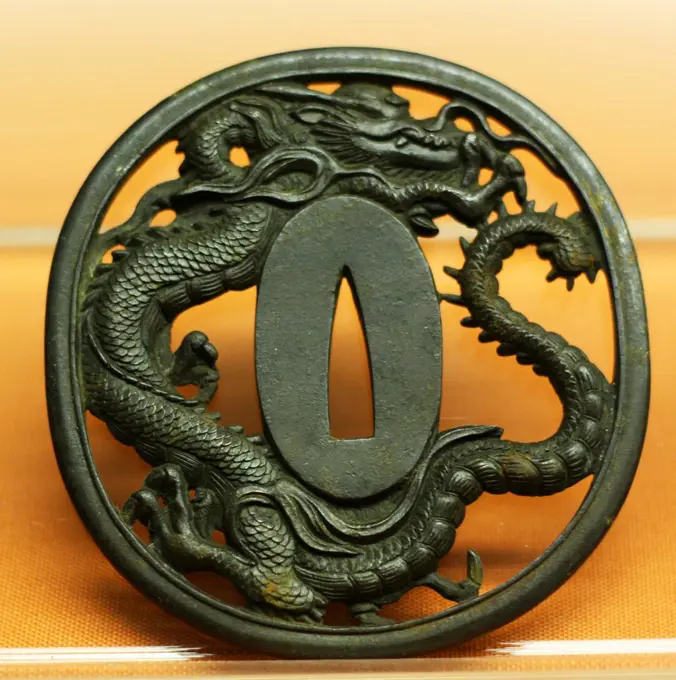
BOCHOŃSKA SIGN OF PSA fees No. 49Ancient Chinese coins dating from 200B.C.Antikes Schloss - Iron lock Antikes Schloss - Iron lock Copyright: xZoonar.com/lantapixx 6577281Shield 18th-19th century Philippine, Moro. Shield. Philippine, Moro. 18th-19th century. Wood, polychromy. ShieldsBowl. Iran or Turkestan, Nishapur or Samarqand, 10th century. Ceramics. Earthenware, white slip, slip-painted in yellow-staining blackDenmark, Jutland, Auning, Gammel Estrup manor house, food moldsFragment; wood, carvedWar 1939-1945. Luftwaffe specialty badge. General Leclerc Museum of Hauteclocque and the Liberation of Paris, Jean Moulin Museum. 75312-23 German army, Air Army, Eclair, War 1939-1945 39-45, IIIeme 3rd 3rd Reich, Insigne, Military badge, distinctive mark, object, Dentee wheel, Second World War, Symbol, Third ReichSword Guard (Tsuba). Culture: Japanese. Dimensions: H. 3 3/8 in. (8.6 cm); W. 3 1/16 in. (7.8 cm); thickness 1/4 in. (0.6 cm); Wt. 4.6 oz. (130.4 g). Date: ca. 1615-1868. Museum: Metropolitan Museum of Art, New York, USA.Sword Guard (Tsuba) 18th century Japanese A tsuba is a sword guard and part of a sword mounting. It is mounted between the swords blade and grip to protect the users hands.. Sword Guard (Tsuba) 34949Textile cosmetic mask with gold for the face on a white isolated backgroundCupPlate.   Maker: James and Ralph Clews, British, active 1817-35Screws and bolts. White isolatedJapanese sword-guards (tsuba) 1800-1900, Edo or Meiji era. These guards were fixed on swords belonging to Japanese men of the samurai class. They protected the wearer's hand but also acted as a symbol of his status and beliefs. A Japanese myth said that the Emperor's sword, one of his three sacred possessions, came from the tail of a dragon.Tribal mask: Bakwele tribe, from the Sangha River district in the Gabon. The Kwele (plural: Bakwele) are a people in the northwest of the Republic of Congo on the border with Gabon.Snow covered cobblestone roadcast-iron pan isolated on white backgroundCompartmented stamp seal ca. late 3rd-early 2nd millennium B.C. Bactria-Margiana Archaeological Complex. Compartmented stamp seal 326412Glass Fragment 15th century European. Glass Fragment. European. 15th century. Colorless glass. Glass-StainedSword Guard (Tsuba). Culture: Japanese. Dimensions: H. 3 7/8 in. (9.8 cm); W. 3 1/2 in. (8.9 cm); thickness 3/8 in. (1 cm); Wt. 2.8 oz. (79.4 g). Date: 18th century. Museum: Metropolitan Museum of Art, New York, USA.