Antique Jewelry and Accessories

A variety of decorative antique items including earrings, brooches, and match safes featuring intricate designs and historical significance.

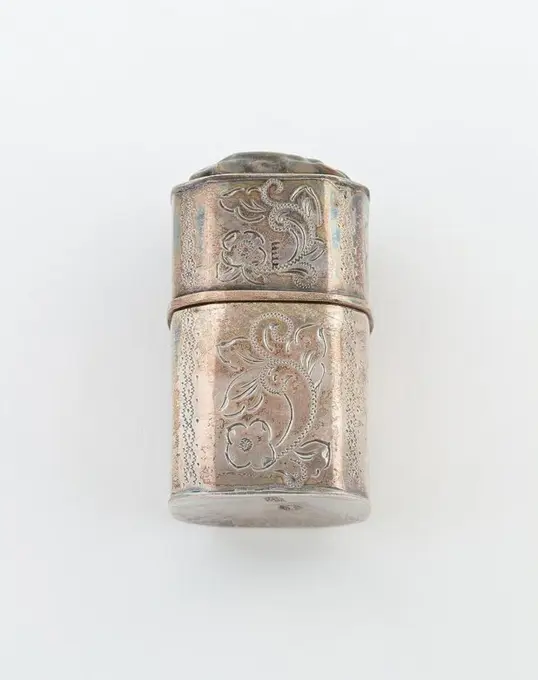
Lobster Claw with Pearl, Brass, glass pearl, In the shape of a lobster claw with small, glass pearl held between pincers. Curved lid on back end, hinged on top. Striker on bottom., late 19th century, containers, Decorative Arts, Matchsafe, Matchsafe
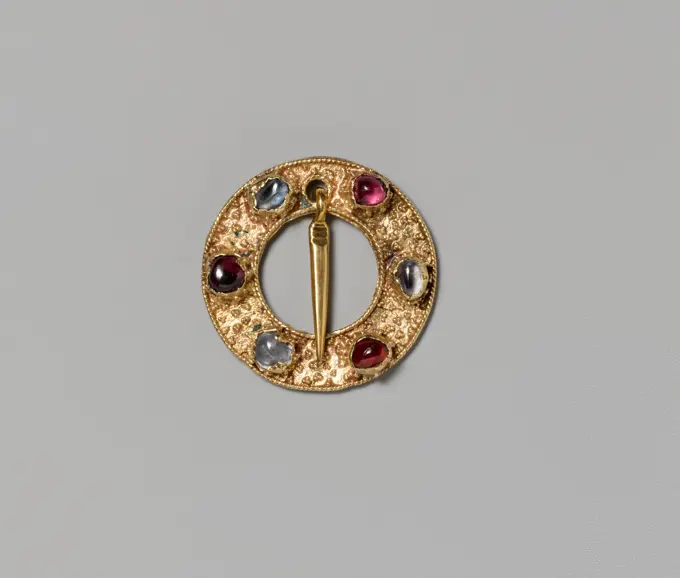
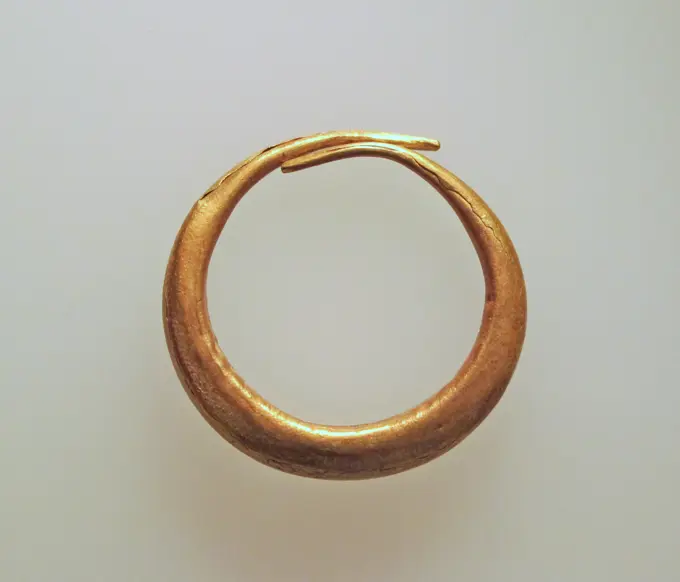
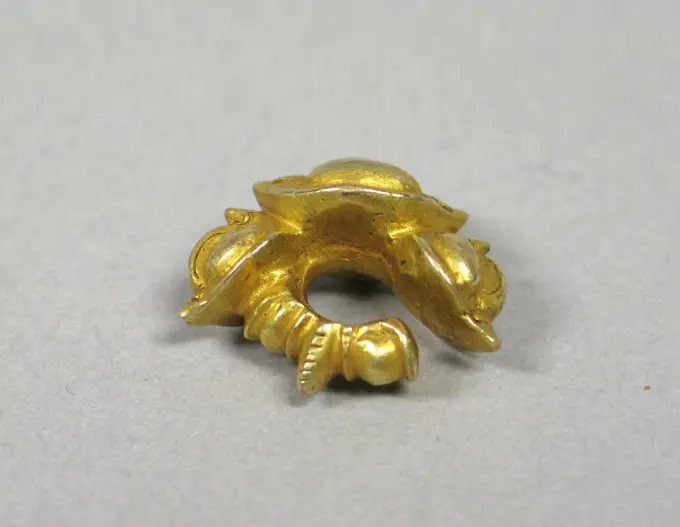
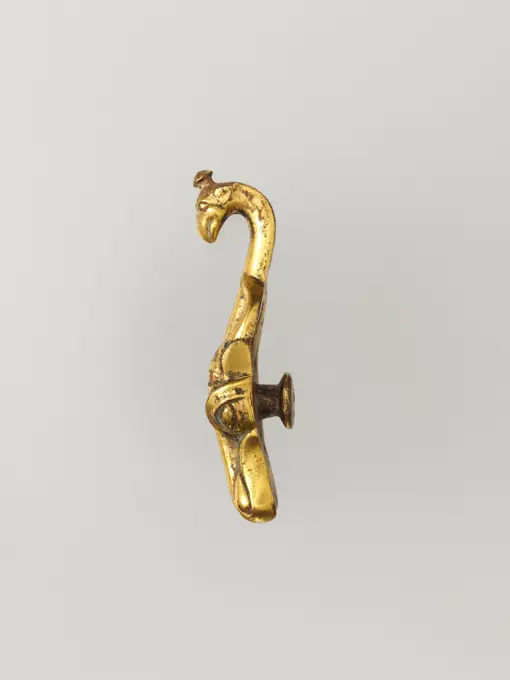
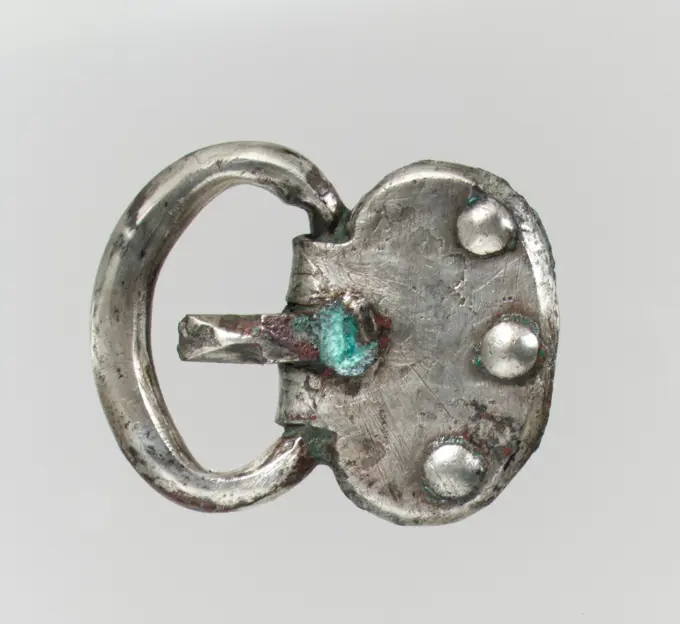
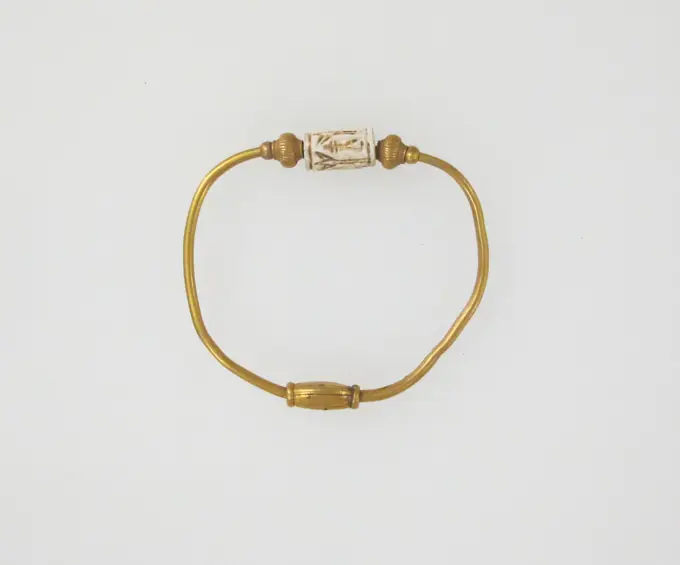
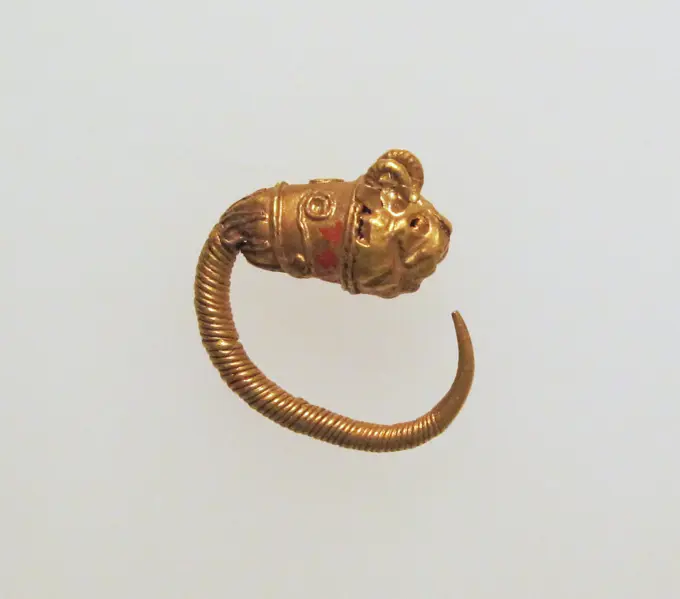
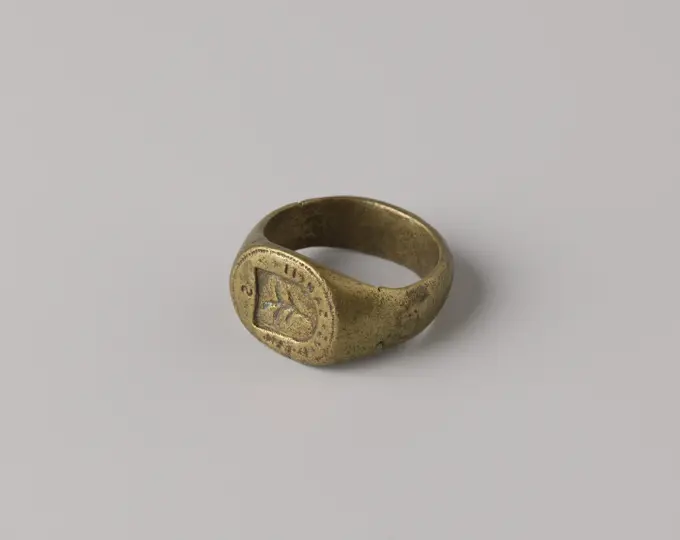
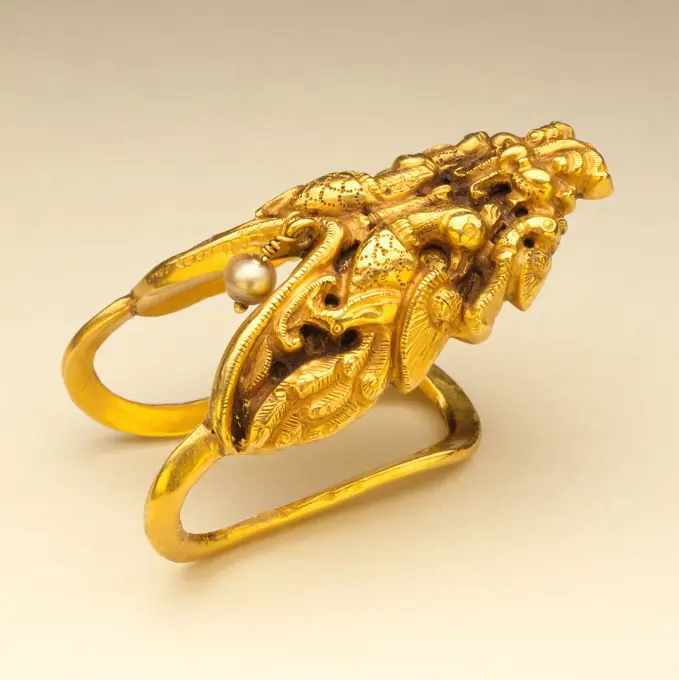
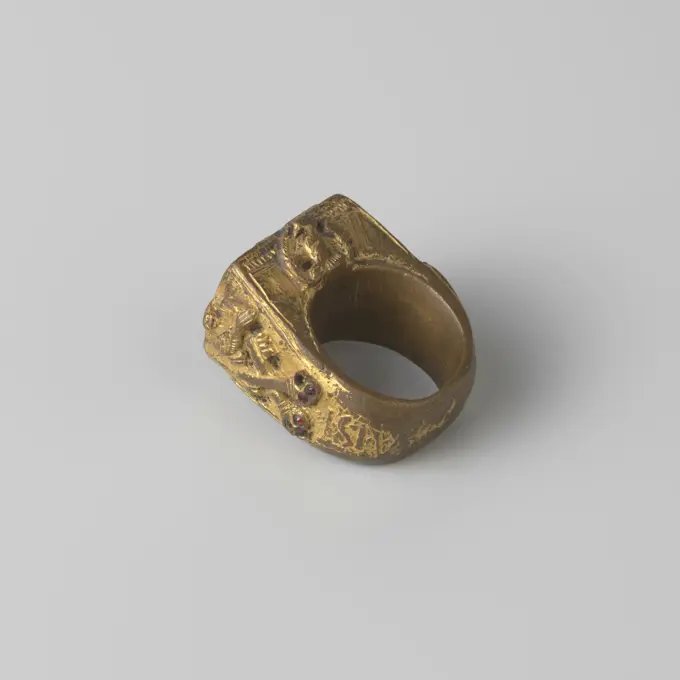
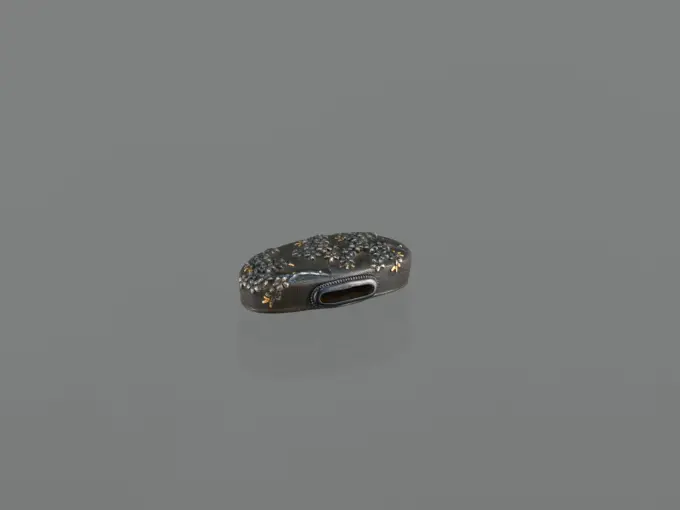
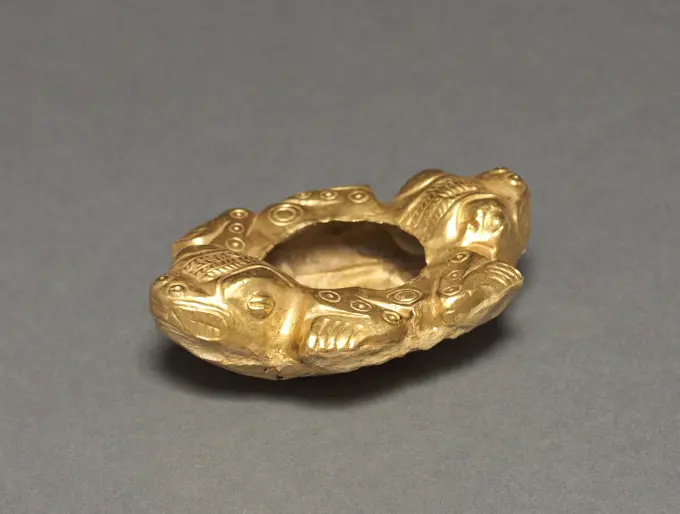
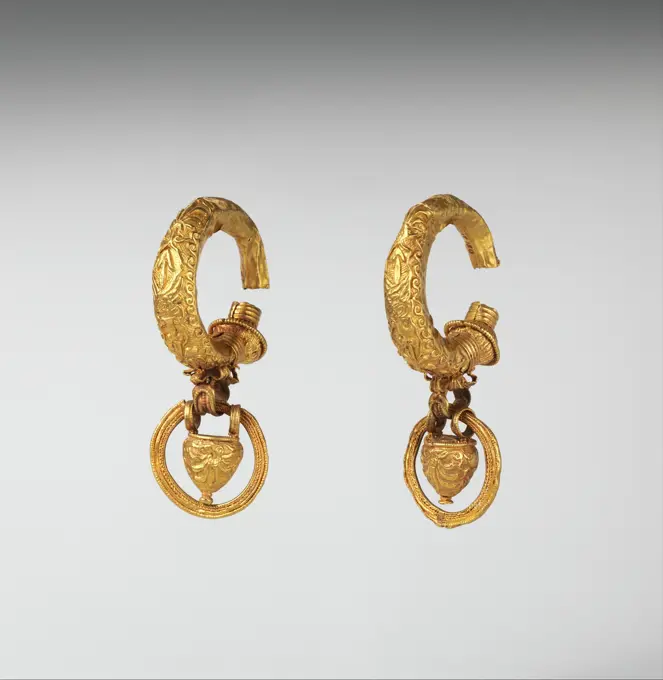
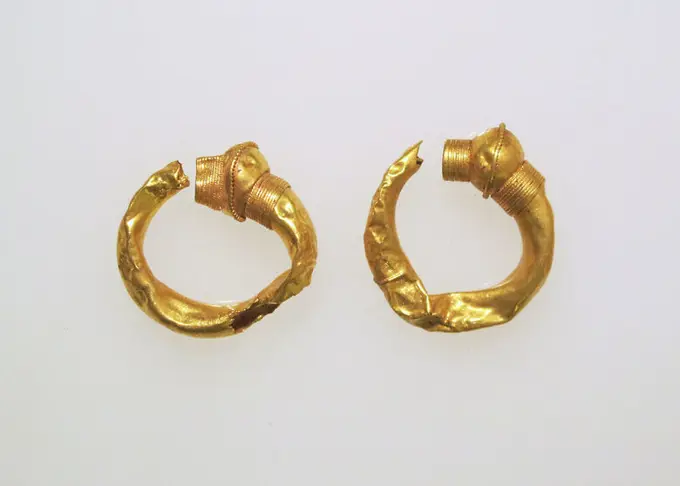
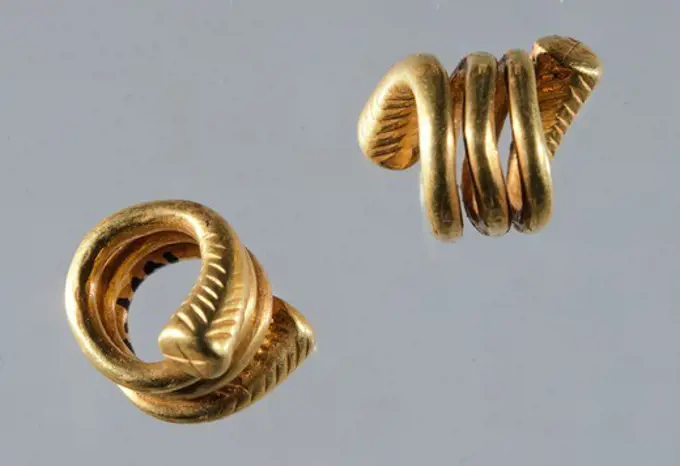
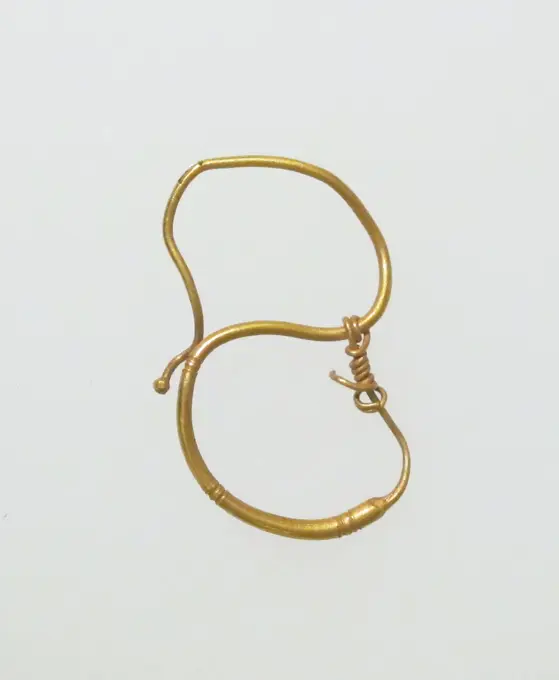
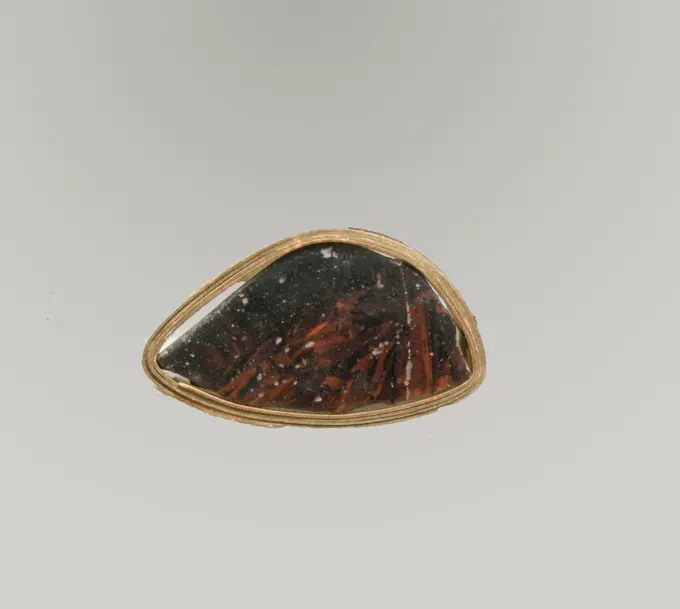
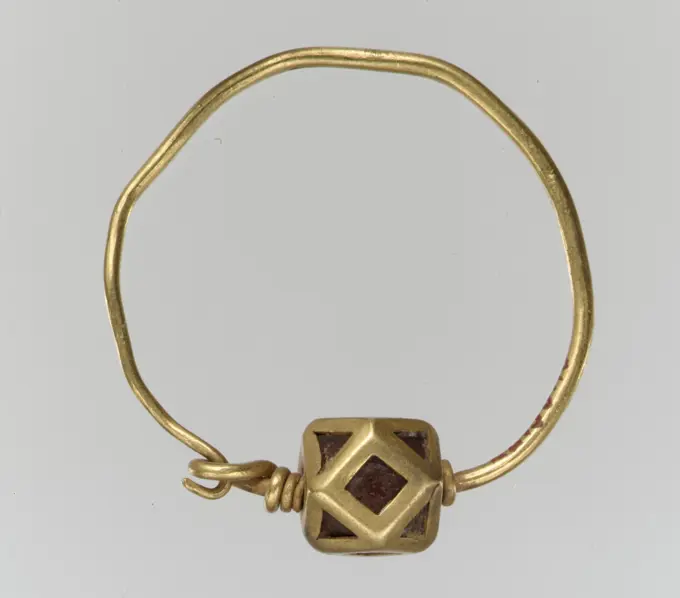
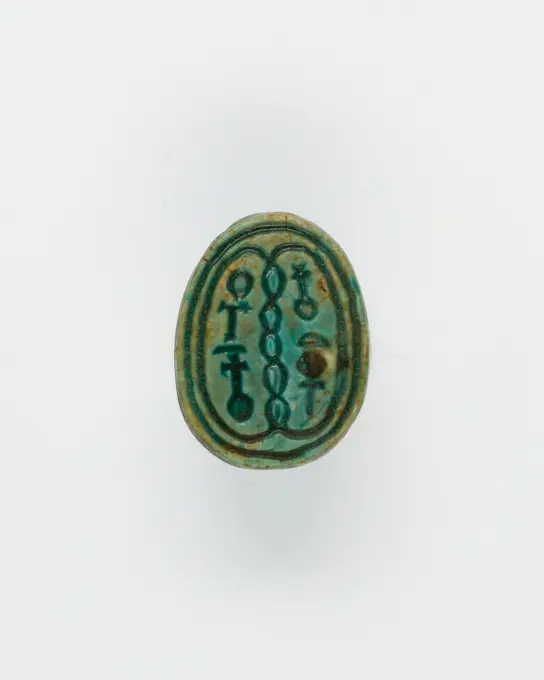
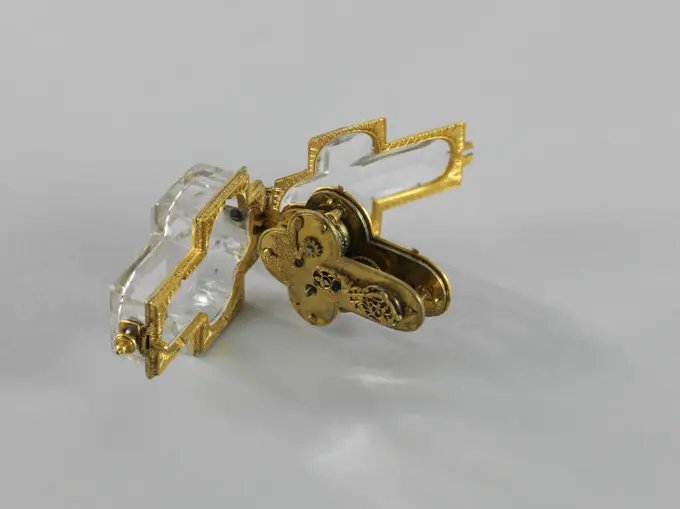
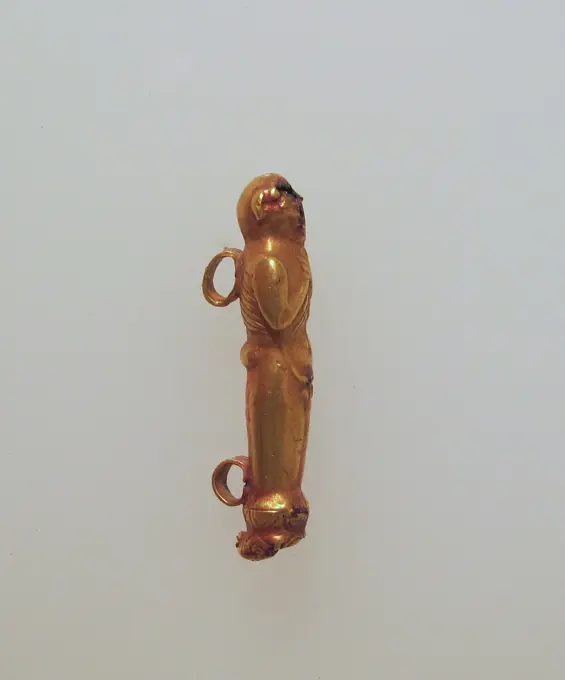
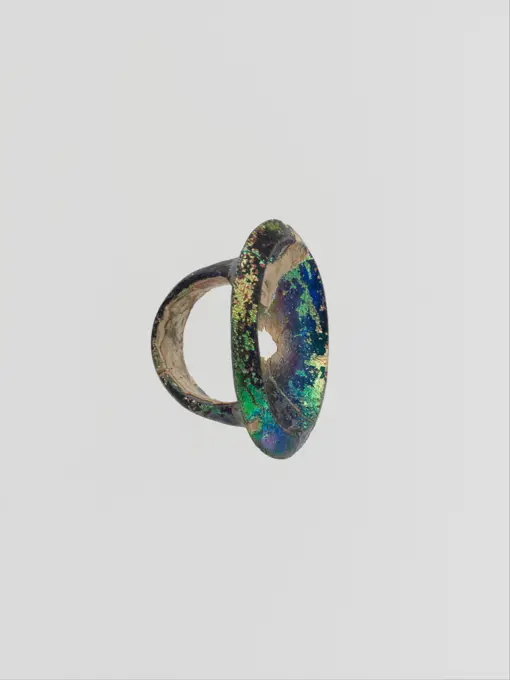
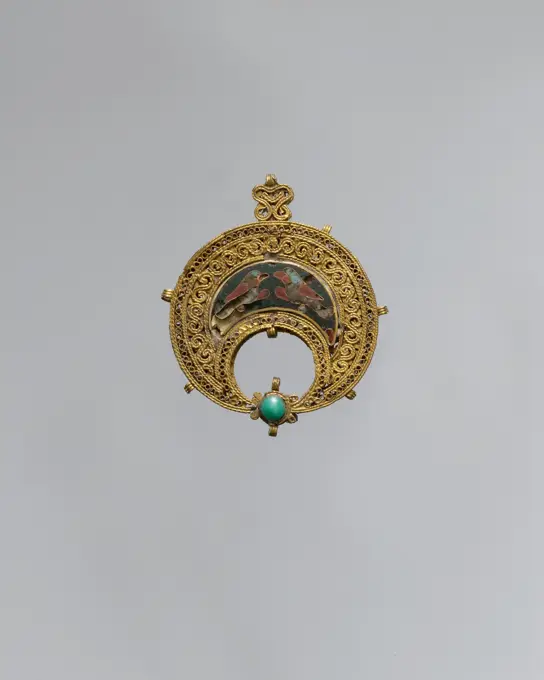
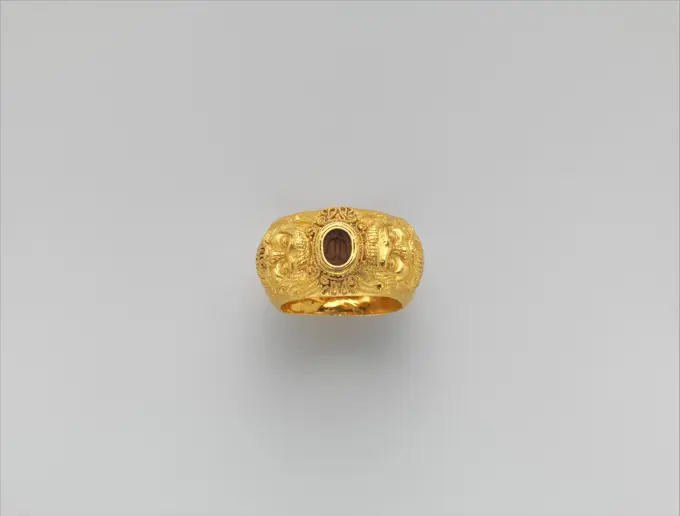
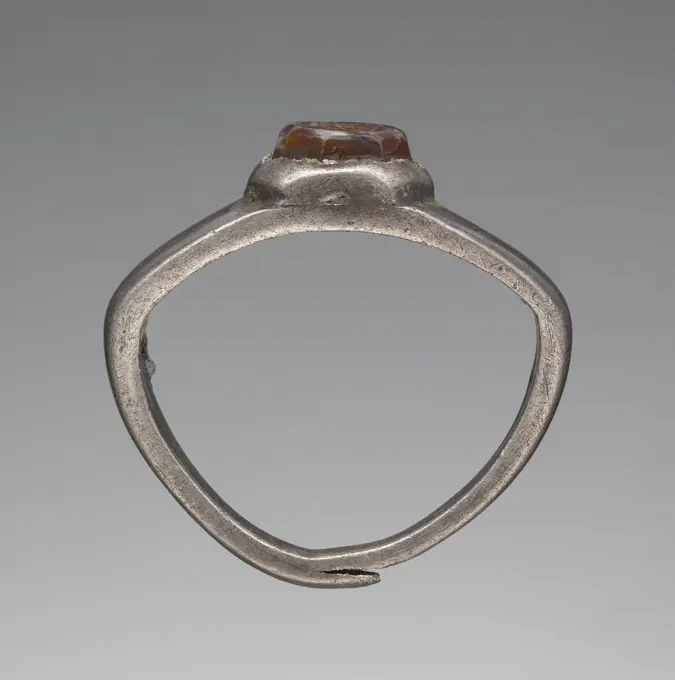
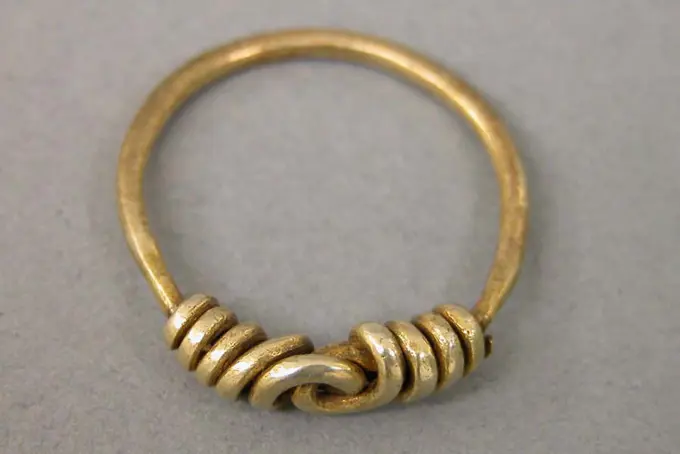
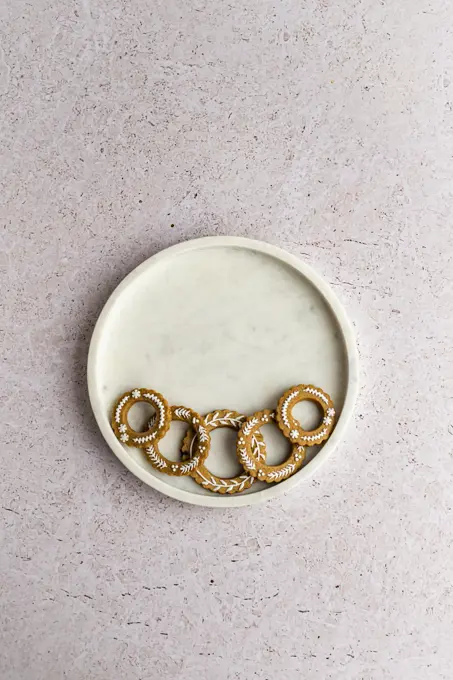
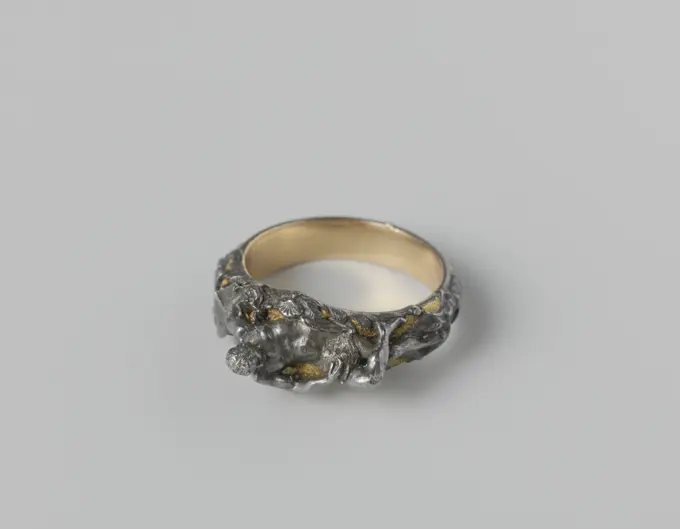
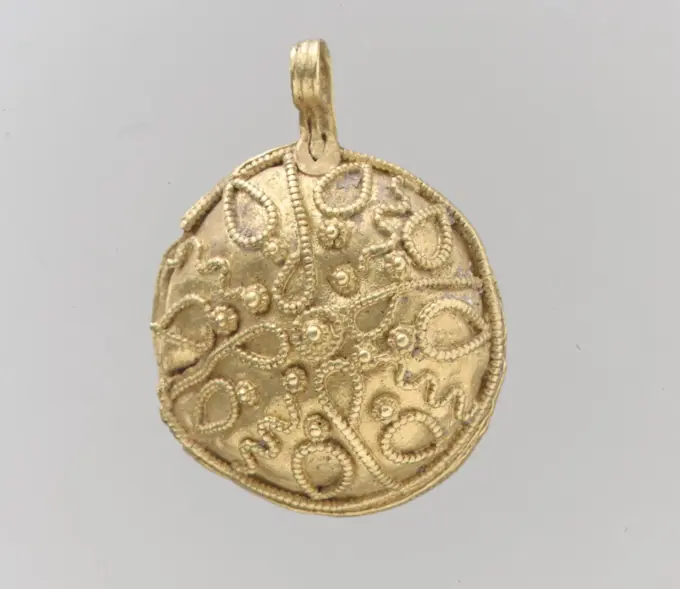
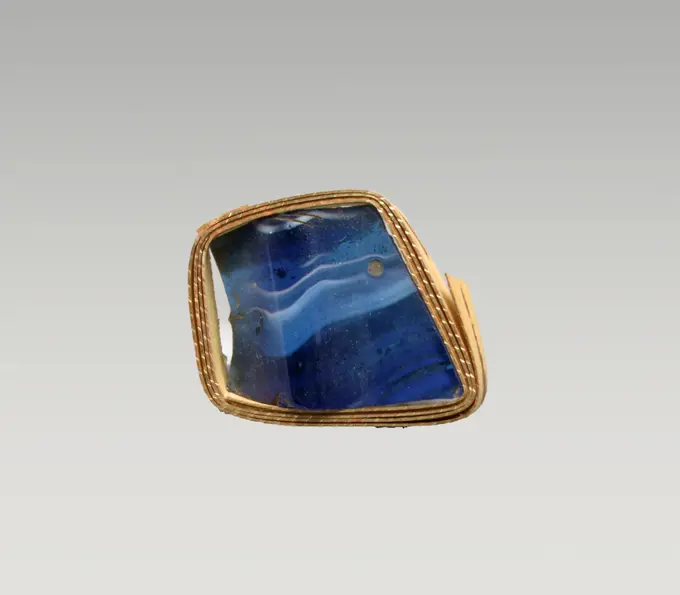
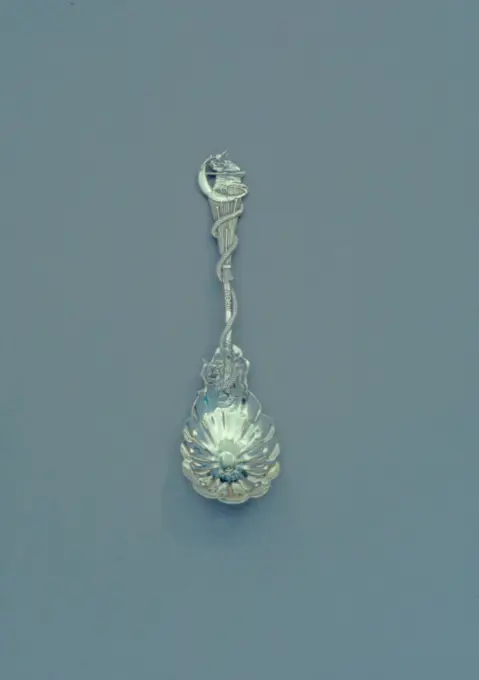
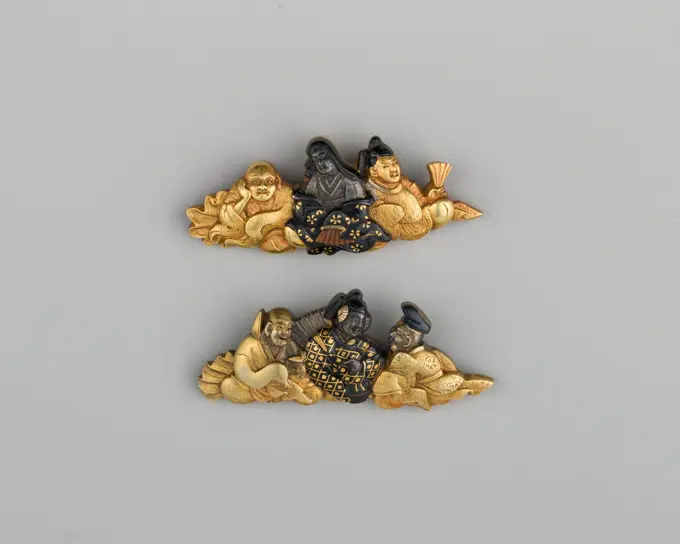
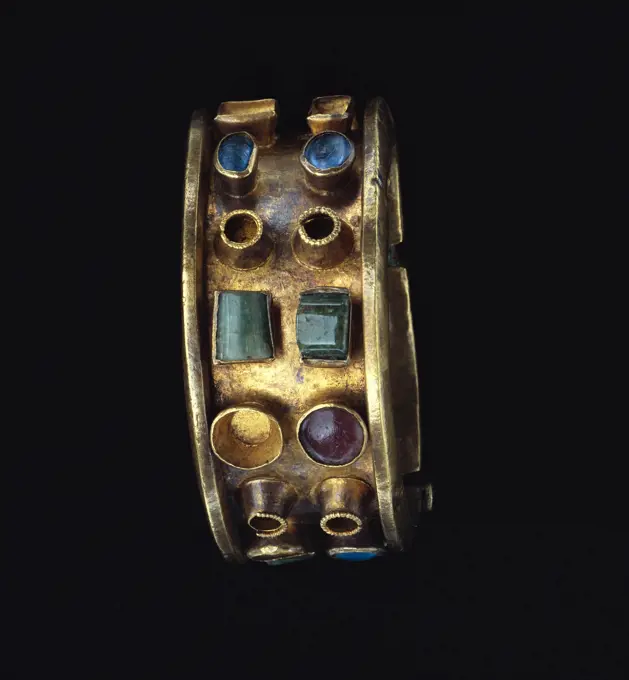
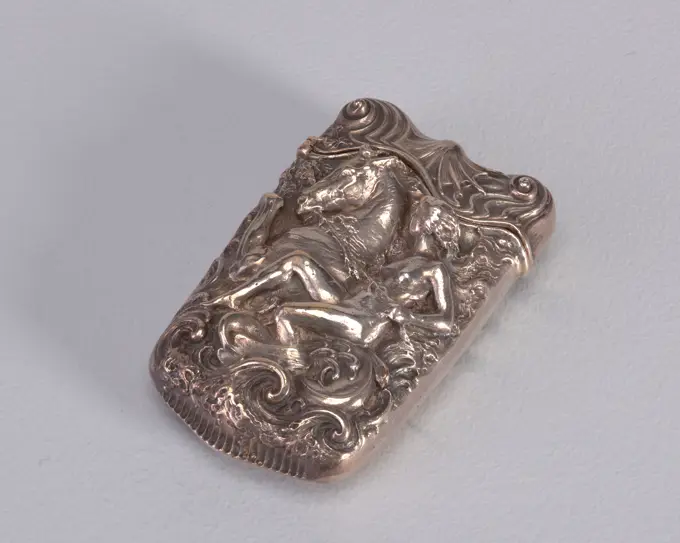
Lobster Claw with Pearl, Brass, glass pearl, In the shape of a lobster claw with small, glass pearl held between pincers. Curved lid on back end, hinged on top. Striker on bottom., late 19th century, containers, Decorative Arts, Matchsafe, MatchsafeGold earring with head of a goat 4th-3rd century B.C. Greek. Gold earring with head of a goat 242844Ring Brooch ca. 1340-49 German This brooch comes from a treasure unearthed in 1969 on a farm near Lingenfeld, in the Rhineland, about sixty miles north of Strasbourg. Set inside a terracotta vessel were silver objects, including a double cup and a letter-shaped jewel similar to ones in The Cloisters Collection (1983.125a, b; 1986.386), as well as gilded silver rings. The coins in the hoard date to the time of the Plague, which struck Europe with devastating ferocity in 1348. It is estimated that one third of the entire population of Europe died from the pandemic. Princes and paupers, Christians, Jews and Muslims all succumbed to the Plague. Compounding the horror, Jewish communities in the Rhineland were scapegoated and put to death by their Christian neighbors. Did this treasure, like other jewelry from this same period found in the region, belong to a Jewish citizen fleeing persecution, or was it buried for safekeeping by someone who fell victim to the Black Death. Ring Brooch. GermEarring-loop type, plain. Earring-loop type, plain 243244Earring or spiral 5th century B.C. Cypriot Gold plated bronze.. Earring or spiral 242795Gold earring with head of a goat 4th3rd century B.C. Greek. Gold earring with head of a goat 242957Earring of simple form Cypriot. Earring of simple form 242587Earring with head of lion Etruscan Ring of heavy double twisted wire.. Earring with head of lion 245966Woman's Head in Exotic Headdress Matchsafe; possibly USA; plated brass; 4.7 x 4.3 x 3.7 cm (1 7/8 x 1 11/16 x 1 7/16 in. )Ring. UnknownSilver ring. Culture: Greek. Dimensions: Length: 5/8 in. (1.6 cm). Date: ca. late 5th or early 4th century B.C..Maenad with thyrsos (fennel stalk topped with ivy) and sword in an ecstatic dance. Museum: Metropolitan Museum of Art, New York, USA.Ornament in the Form of a Bud 8th-12th century Indonesia (Central Java). Ornament in the Form of a Bud 64394Belt hook 5th-3rd century B.C. China. Belt hook 61285Bowl;  19th century () (1801-00-00-1900-00-00);Earring with human figure. Earring with human figure 242954Buckle 7th century Byzantine Bashford Dean (1867-1928), founding curator of the Department of Arms and Armor, frequently acquired works of art, which he called documents, if they included interesting depictions of armor and weapons, particularly rare or early types. Stephen V. Grancsay (1897-1980), Deans successor, followed the same practice, adding paintings, sculpture, works on paper, and stained glass to the collection. Both Dean and Granscay also believed that for armor to be fully understood, in addition to contextual works of art, armor itself must be studied piece by piece in exacting detail, including any surviving textile linings, rivets, leather or textile straps, and buckles. In an article published in 1921 Dean wrote, "…buckles are not merely art objects in little…[they are importantly diagnostic for the student or armor, for their design and details change with each decade." Many of the buckles in the museum were not necessarily made for use with armor, but entered the cGilt bronze spiral with griffin terminal ca. 400-350 B.C. Cypriot Such spirals, which often come in pairs, may have been used as earrings or to hold locks of hair.. Gilt bronze spiral with griffin terminal. Cypriot. ca. 400-350 B.C.. Gold, bronze. Classical. Gold and SilverGold annular earring. Culture: Cypriot. Dimensions: Diameter 1 5/16 in. (3.4 cm). Date: ca. 1600-1050 B.C..Earring of simple form. Museum: Metropolitan Museum of Art, New York, USA.Earring with pendant Roman. Earring with pendant 243231Earring with head of lion Greek, South Italian, Tarentine. Earring with head of lion. Greek, South Italian, Tarentine. Gold. Gold and SilverBracelet with cylinder seal ca. 600-300 B.C. Greek Bracelet with lotus flowers and Nefer signs; rhombic bead form opposite cylinder with 2 fluted beads at ends.. Bracelet with cylinder seal. Greek. ca. 600-300 B.C.. Gold, faience. Archaic or Classical. Gold and SilverGold earring with head of a lion 4th-3rd century B.C. Greek. Gold earring with head of a lion 242886Zegelring, anonymous, c. 1500 - c. 1900 Ring with oval seal stamp on which a shield with a tree branch with five branches inside pearl edge, underneath an illegible inscription and above it an S.  copper (metal) engraving Ring with oval seal stamp on which a shield with a tree branch with five branches inside pearl edge, underneath an illegible inscription and above it an S.  copper (metal) engravingFinger Ring (neli). India, Tamil Nadu, early 19th century. Jewelry and Adornments; rings. Gold with pendant pearlGold earring with disc and pendant 2nd century A.D. Roman. Gold earring with disc and pendant 243178Clasp. Maker, attributed to: Hendrick Boelen, American, 1661-1691Ring with hollow hoop. Ring with hollow hoop 243538Bishop ring with the symbols of the four evangelists, Anonymous, c. 1300 - c. 1500 The cast and accompanying ring is rectangular and decorated on the four sides with the symbols of the four evangelists: the angel (Johannes), the winged beef (Lucas), the eagle (Mattheus) and the lion (Marcus). On the narrowing on either side, an eagle and two crossed keys are shown, each of which is decorated with three red stones. A inscription has been applied to the round side of the ring, which is largely worn: dad .. is (). The rectangular (noble) stone, which was caught in the ring, is missing. Italy brass (alloy). bronze (metal) casting / gilding The cast and accompanying ring is rectangular and decorated on the four sides with the symbols of the four evangelists: the angel (Johannes), the winged beef (Lucas), the eagle (Mattheus) and the lion (Marcus). On the narrowing on either side, an eagle and two crossed keys are shown, each of which is decorated with three red stones. A inscription has beeEarring-loop type, plain. Earring-loop type, plain 243266Skuwka from the sword of the sword (Kashira);  18th century (1701-00-00-1800-00-00);Earring, delta-shaped with beads. Earring, delta-shaped with beads 243352Finger ring with ancient intaglio late 6th-early 7th century A.D. Langobardic (mount), Etruscan (intaglio) Two warriors supporting a wounded comrade. Finger ring with ancient intaglio 257427Double Crocodile Vessel, c. 400-900. Central Panama, (Sitio Conte), Conte Style, 5th-10th Century. Hammered and embossed gold; overall: 23.1 x 6.8 x 4.6 cm (9 1/8 x 2 11/16 x 1 13/16 in.).Ring with Circular Clear Stone Second half of the 8th-second half of the 10th century Indonesia (Java). Ring with Circular Clear Stone 50205Cup and Saucer, from a Miniature Tea Set, porcelain, gold, 1830-1860, ceramics, Decorative Arts, cup and saucer, cup and saucerGold earrings with pendant vase and ring 4th-3rd century B.C. Etruscan Hollow gold earrings with a tubular element, covered with an elaborate floral ornament in repoussé. The pendant rings enclose tiny vases that may have contained perfume. This is the finest pair of Etruscan gold earrings with pendant rings in the Museum's collection.. Gold earrings with pendant vase and ring. Etruscan. 4th-3rd century B.C.. Gold. Classical. Gold and SilverMedallion from G Ow  W.jan Baptist;  beginning of the 17th century (1601-00-00-1610-00-00);Head of St. John the Baptist (iconogr.), Hoppen, Jerzy (1891-1969), Jan Baptist (Saint), Madonna with the Child (iconogr.), Dar (provenance)Gold spiral. Culture: Cypriot. Dimensions: Length: 11/16 in. (1.7 cm). Date: ca. 1600-1100 B.C..Of plain wire with one turn. Museum: Metropolitan Museum of Art, New York, USA.Earring, trumpet-shaped. Culture: Etruscan. Dimensions: Other (.168): 1 1/16 × 3/8 × 1 1/8 in. (2.7 × 1 × 2.9 cm)Other (.169): 1 1/16 × 7/16 × 1 1/4 in. (2.8 × 1.1 × 3.2 cm). Date: 5th-3rd century B.C.. Museum: Metropolitan Museum of Art, New York, USA.Netsuke;  19th century (1801-00-00-1900-00-00);Bersohn, Mathias (1824-1908) - collection, Society of Encouragement of Fine Arts (Warsaw - 1860-1940) - collection, figurines, Japanese (culture), lilies, lotus, netsuke, Japanese art, frogsGold hair clips from Tomb F in the Agora of Corinth (Greece). Goldsmith art, Greek Civilization, 9th-8th Century BC.Earring, delta-shaped. Earring, delta-shaped 243339Glass mosaic inlay fragment late 1st century B.C.-early 1st century A.D. Roman Deep purple with opaque red brown.Flat, rectangular revetment plaque, with slight projection on short side; underside slightly uneven with one rounded edge and corner.Marbled mosaic pattern in purple, streaked with red brown.Polished upper side; pitting of surface bubbles; dulling, creamy weathering, and slight iridescence on underside and rounded edges; long, diagonal, jagged edge unweathered.. Glass mosaic inlay fragment. Roman. late 1st century B.C.-early 1st century A.D.. Glass; cast. Early Imperial. GlassBuckle 15th-17th century European. Buckle. European. 15th-17th century. Steel. Miscellaneous-Buckles & OrnamentSponge Box. Carolus Hendericus Cammans; Dutch, active c. 1860-c. 1882; Leeuwarden/Gronigen, Netherlands. Date: 1878. Dimensions: 5.1 x 3.2 cm (2 x 1 1/4 in.). Silver. Origin: Netherlands. Museum: The Chicago Art Institute, Chicago, USA.Gold earring with head of a bull Greek. Gold earring with head of a bull 242863Earring, boat-shaped. Earring, boat-shaped. Gold. Gold and SilverGold Earring with Garnets 5th-6th century Ostrogothic Hoop earrings with fourteen-sided beads derived from late Roman jewelry and were adopted in the 400s by eastern Germanic women.. Gold Earring with Garnets. Ostrogothic. 5th-6th century. Gold, garnet. Metalwork-GoldGold ring. Culture: Etruscan. Dimensions: Diam.: 1 1/4 in. (3.2 cm). Date: late 4th or early 3rd century B.C..This large gold ring is one of 43 objects in the museum's collection from a single tomb discovered near Bolsena, north of Rome. While the ring no longer has the gem that once filled its sizeable ovoid bezel, it is inscribed on either side with the Etruscan word SUTHINA, indicating that this object was dedicated as a tomb offering. The words were not etched into the ring but rather were formed by a series of small, discrete punched dots. This item of jewelry, along with a number of the other objects in the tomb, probably belonged to the deceased in life and was then marked accordingly upon his or her death. Museum: Metropolitan Museum of Art, New York, USA.Hollow spherical bead with the Names of Ramesses II and Queen Isetnefret ca. 1279-1213 B.C. New Kingdom, Ramesside. Hollow spherical bead with the Names of Ramesses II and Queen Isetnefret 549240Scarab New Kingdom ca. 1492-1479 B.C.Fonnereau, Zacharie (n. - d.), Latin cross -shaped watch (main title), 1618. Brass and silver chiseled and engraved, cut rock crystal. Petit Palais, Museum of Fine Arts of the City of Paris.Pair of Ear Clips with Pale Red Stones and Granulate Design Second half of the 8th-second half of the 10th century Indonesia (Java). Pair of Ear Clips with Pale Red Stones and Granulate Design 50010Keeshondje, carrying sign in honor of Hendrik Danielsz. Hooft, mayor of Amsterdam. Keeshondje, carrying sign in honor of Hendrik Danielsz. Hooft, mayor of Amsterdam. Around case, of which top and bottom are decorative motif with in the middle rosette; Box is kept together on both sides by cylinder-shaped knob, decorated with floral pattern; A wearing eye is attached to the top button, while the bottom knob is hinge, which can be rotated around medallion from second-toly. Silver medallion: front: brisket man. Reverse: Dog with pointed mouth, hairy cup and neck with mane, slippery abdomen and long in plume-flared tail, sitting back with loop hanging on back above year.Spoon (Norway); Made by "PB"; silver, gilding; L x W x D: 14.5 x 6 x 2.2 cm (5 11/16 x 2 3/8 x 7/8 in.)Ram's Head, Brass, horn, glass, In the form of a ram's head, with attached horns that curl up and around the ears, and black, faceted, glass eyes. Small, curved metal lid located at back of head. Striker in recessed groove on bottom., Europe, late 19th century, containers, Decorative Arts, Matchsafe, MatchsafeGlass pendant in the form of crescent horns 1550-1186 B.C. Egyptian Opaque white, medium blue, and light blue, and uncertain color appearing black.Solid rod tooled into shape of a pair of horns, with suspension loop attached at center on top.Horns decorated with spiral trails; trails in light blue at both ends of medium blue loop.Intact; slight pitting and weathering, with encrustation inside loop.White opaque crescent with blue opaque handle and black twisted stripe.. Glass pendant in the form of crescent horns 249682Pendant in the form of a goddess Cypriot. Pendant in the form of a goddess. Cypriot. Gold. Gold and SilverCarved Bog Wood Matchsafe; Ireland; bog wood, plated metal; 5.3 x 4.3 x 2 cm (2 1/16 x 1 11/16 x 13/16 in. )Wall Blaker with back plate in four -pass shape, anonymous, c. 1850 - c. 1899 Wallblaker with back plate in four -pass shape. Amsterdam (possibly) wood (plant material). glass. looking glasses. silver (metal) Wallblaker with back plate in four -pass shape. Amsterdam (possibly) wood (plant material). glass. looking glasses. silver (metal)Glass finger ring 3rd-2nd century B.C. Greek, Eastern Mediterranean Translucent cobalt blue.Broad hoop with D-shaped cross section with beveled edges, broadening into large oval bezel, concave on upper surface, with raised rim sloping outwards.The bezel would have been decorated with an inlay made of stone or glass imitating a gem.Complete except for large hole in center of hollow bezel and weathering crack across back of hoop; pitting, patches of thick creamy weathering, and brilliant iridescence.The concave oval bezel originally would have contained a decorative stone or imitation glass gem.. Glass finger ring 245814Crescent-Shaped Pendant with Confronted Birds 11th century Few works with enamels have survived from the early Islamic period. The fabrication of this pendant is typical of Fatimid goldsmiths' craftsmanship: boxlike construction, gold stringing loops, openwork design with a strip support, S-shaped filler elements, and paired twisted wires. The enamels had to be secured to the back with an adhesive after the object was finished.. Crescent-Shaped Pendant with Confronted Birds. 11th century. Gold, cloisonné enamel, turquoise; filigree. Made in Egypt. JewelryEarring with disc, suspended grapes. Earring with disc, suspended grapes 245957Gold ring with embossed satyr masks: on carnelian intaglio, bird early 5th century B.C. Etruscan Ring with satyr and bird intaglio from a tomb group allegedly from Vulci, one of the richest and most impressive sets of Etruscan jewelry ever found.. Gold ring with embossed satyr masks: on carnelian intaglio, bird 253604 Etruscan, Gold ring with embossed satyr masks: on carnelian intaglio, bird, early 5th century B.C., Gold, carnelian, Diam.: 1 1/16 in. (2.7 cm). The Metropolitan Museum of Art, New York. Harris Brisbane Dick Fund, 1940 (40.11.16)Stopper for Scent Bottle, c. 1860-70. Tiffany & Co. (American, New York, est. 1837). Silver; overall: 8 x 7.9 x 2.5 cm (3 1/8 x 3 1/8 x 1 in.).Silver ring with a sawn mint, c. 1940 - c. 1950 Ring of silver with a sawn -down Dutch coin of 10 cents from 1936 with the sculptor of Wilhelmina. Netherlands silver (metal) sawing Ring of silver with a sawn -down Dutch coin of 10 cents from 1936 with the sculptor of Wilhelmina. Netherlands silver (metal) sawingGeneral Ulysses S. Grant Matchsafe; USA; plated brass; 6.3 x 4.6 x 1.6 cm (2 1/2 x 1 13/16 x 5/8 in. )Earring-loop type. Earring-loop type. Gold. Gold and SilverEngraved Gem Inset Into A Ring; 3rd century; Gem: carnelian; ring: silver; 0.7 × 0.6 × 0.3 cm (1,4 × 3,16 × 1,8 in.)Ring with Twisted Coil Motif Second half of the 8th-second half of the 10th century Indonesia (Java). Ring with Twisted Coil Motif 50272Female Mask and Butterflies Matchsafe; Manufactured by Gorham Manufacturing Company (United States); USA; silver; 7.8 x 5 x 2 cm (3 1/16 x 1 15/16 x 13/16 in. )Rectangular and curved shoe spacer of gilded copper, decorated with leaf and flower vines in relief, on a granulated fond, anonymous, c. 1790 - c. 1830 Shoe sp. Rectangular model with rounded corners and bent. Decorative: A leaf and flower drink runs in relief on a granulated soil between smooth lists. Snaps: Both are equal and of steel with two arched eyes on the pivot, one of which has two sharp points and the other has a cross -shaped support for the loose, hinged tongue (), Which also has two points. The tray is riveted in separately applied side cheeks of the upper buckle. State: The under iron is completely rusted. Geneva (Possible) whole: copper (metal). whole: Gilding (Material). whole: Metal gilding / granulation Shoe sp. Rectangular model with rounded corners and bent. Decorative: A leaf and flower drink runs in relief on a granulated soil between smooth lists. Snaps: Both are equal and of steel with two arched eyes on the pivot, one of which has two sharp points and the otheGold ring with a carnelian or glass intaglio. Culture: Roman. Dimensions: diameter 1 1/4in. (3.2cm). Date: 2nd-3rd century A.D..Draped female bust. Museum: Metropolitan Museum of Art, New York, USA.Glass mosaic bowl fragment late 1st century B.C.-early 1st century A.D. Roman Rim fragment.Translucent honey brown, blue, opaque white, yellow, and brick red.Vertical, squared rim; slightly convex curving side.Composite mosaic pattern formed from polygonal sections and short lengths of two canes: one cane consists of a brown ground with white rods around a central blue rod outlined in white; the other in red with stripes in blue; a blue network cane wound spirally with a single white thread is attached as a rim.Polished exterior; pitting of surface bubbles on exterior; dulling and creamy weathering on interior, rim, and jagged edges.. Glass mosaic bowl fragment. Roman. late 1st century B.C.-early 1st century A.D.. Glass; cast. Early Imperial. GlassSatyr; Attributed to the Fortnum Group; Etruria; 450 - 400 B.C; Gold; 1.8 × 1 × 0.3 cm (3,4 × 7,16 × 1,8 in.)Gold earring with head of a bull 4th-3rd century B.C. Greek. Gold earring with head of a bull. Greek. 4th-3rd century B.C.. Gold. Classical or Hellenistic. Gold and SilverPendant (one of a pair) second half 15th century probably Northern Italian There is no firm evidence about the original purpose of this type of niello pendant, but theories range from betrothal gifts (those with double portraits) to portable reliquaries (those with religious motifs).. Pendant (one of a pair). probably Northern Italian. second half 15th century. Silver, niello, and gilt silver. Metalwork-Silver In CombinationEngraved Gem Inset Into A Ring. UnknownGold ring with plain carnelian scaraboid. Culture: Greek. Dimensions: Diam.: 7/8 in. (2.2 cm). Date: 5th century B.C..Gold filigree ring with a plain carnelian. Museum: Metropolitan Museum of Art, New York, USA.Engraved Ring 8th-12th century Indonesia (Central Java). Engraved Ring 64414Gingerbread wreath cookiesPair of Sword-Grip Ornaments (Menuki) 18th century Japanese Menuki are a pair of ornamental sword fittings attached to either side of a sword hilt.. Pair of Sword-Grip Ornaments (Menuki). Japanese. 18th century. Gold. Sword Furniture-MenukiRing with a reclining Vulcan, anonymous, c. 1540 - c. 1560 Ring of gold with an imposed figure of gushed metal, representing vulcanus. Italy gold (metal). metal Ring of gold with an imposed figure of gushed metal, representing vulcanus. Italy gold (metal). metalPendant 6th-7th century Langobardic. Pendant 465130 Langobardic, Pendant, 6th7th century, Gold, Overall: 15/16 x 3/4 x 3/8 in., 0.1oz. (2.4 x 1.9 x 1 cm, 4g). The Metropolitan Museum of Art, New York. Gift of J. Pierpont Morgan, 1917 (17.191.8)Greece, Athens. Area of Kerameikos (Ceramicus). Its name derives from "potter's quarter". Northwest of the Acropolis. Old cemetery. Ruins. Glass pendant 3rd-4th century A.D. Roman. Glass pendant. Roman. 3rd-4th century A.D.. Glass. Late Imperial. Glasswith Hidden Photo Compartment Matchsafe; Manufactured by Battin & Company (United States); USA; silver, photo, celluloid; 6.1 x 4.3 x 1 cm (2 3/8 x 1 11/16 x 3/8 in. )Mosaic glass ribbed bowl fragment late 1st century B.C.-early 1st century A.D. Roman Body fragment.Translucent blue and opaque white.Convex curving side.Ribbon mosaic pattern formed from sections of a single cane in blue ground with irregular wavy white threads and streaks in parallel lines; on exterior, single broad vertical rib with angular outer edge.Polished exterior; pitting of surface bubbles on exterior; dulling and creamy iridescent weathering on interior; some weathering and pitting of jagged edges.. Mosaic glass ribbed bowl fragment. Roman. late 1st century B.C.-early 1st century A.D.. Glass; cast and tooled. Early Imperial. GlassSalem Witch SugarSpoon.  Designer Seth F. Low, American, born 1868 or 1870 Manufacturer: Gorham Manufacturing Company, American, founded 1831Retailer: Daniel Low and Company, American, founded 1867Earring-hook type with discs. Earring-hook type with discs 243428Sculpture of Vairochana with Attached Nimbus 10th-11th century Indonesia (Java). Sculpture of Vairochana with Attached Nimbus. Indonesia (Java). 10th-11th century. Gold. early Eastern Javanese period. MetalworkOrnament, flower-shaped mount for stone base. Ornament, flower-shaped mount for stone base 243066Pair of Sword-Grip Ornaments (Menuki) 18th century Japanese Menuki are a pair of ornamental sword fittings attached to either side of a sword hilt.. Pair of Sword-Grip Ornaments (Menuki). Japanese. 18th century. Copper-gold alloy (shakud), copper, silver, gold. Sword Furniture-MenukiShoe spur of silver, oval -shaped with simple line decoration in low relief, anonymous, c. 1750 - c. 1900 Silver shoe, oval -shaped with simple line decoration in low relief. Double hinge with a tooth from the middle, marked. West-Europa whole: Silver (Metal) forging Silver shoe, oval -shaped with simple line decoration in low relief. Double hinge with a tooth from the middle, marked. West-Europa whole: Silver (Metal) forgingAsian Female with Parasol, Metal alloy, Oblong with curved sides, top and bottom, featuring raised decoration of woman in long, asian-style kimono, she holds parasol in left hand and reaches for planted, long-stemmed flower with right, background of suspended lanterns, plum blossoms and birds in flight. Lid hinged on side. Striker on bottom., Attleboro, Massachusetts, USA, ca. 1895, containers, Decorative Arts, Matchsafe, MatchsafeBracelet; Roman Empire; 250 - 400; Gold, glass, and emeralds; 3.2 × 6.4 cm (1 1,4 × 2 1,2 in.)Solid Cast Ring with Sri Inscription Second half of the 9th-first quarter of the 10th century Indonesia (Java). Solid Cast Ring with Sri Inscription 50403Water Nymph and Horse Matchsafe; Manufactured by Whiting Manufacturing. Co.; USA; silver; 7.3 x 4.5 x 1.7 cm (2 7/8 x 1 3/4 x 11/16 in. )Sword Guard (Tsuba) ca. 1615-1868 Japanese A tsuba is a sword guard and part of a sword mounting. It is mounted between the swords blade and grip to protect the users hands.. Sword Guard (Tsuba) 34496Earring, 1800s. Burma. Gold and rubies; diameter: 1.8 cm (11/16 in.).