Antique Jewelry and Accessories

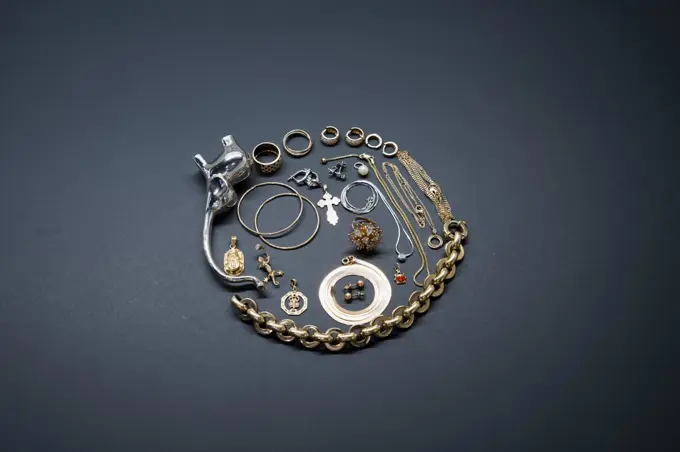
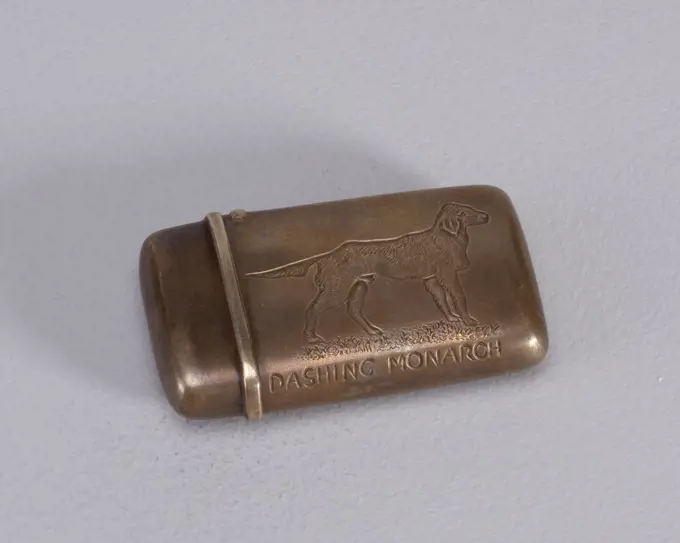
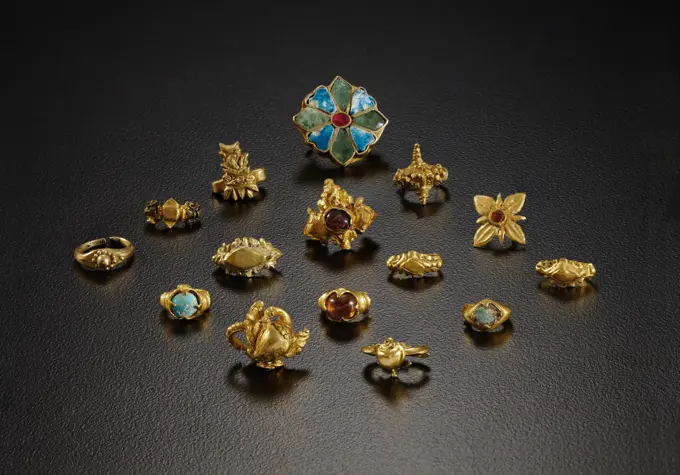
A variety of decorative antique items including earrings, brooches, and match safes featuring intricate designs and historical significance.

Lobster Claw with Pearl, Brass, glass pearl, In the shape of a lobster claw with small, glass pearl held between pincers. Curved lid on back end, hinged on top. Striker on bottom., late 19th century, containers, Decorative Arts, Matchsafe, Matchsafe
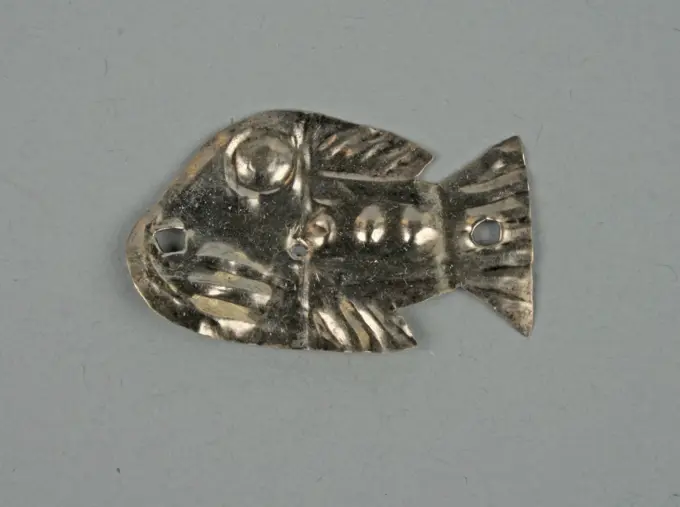
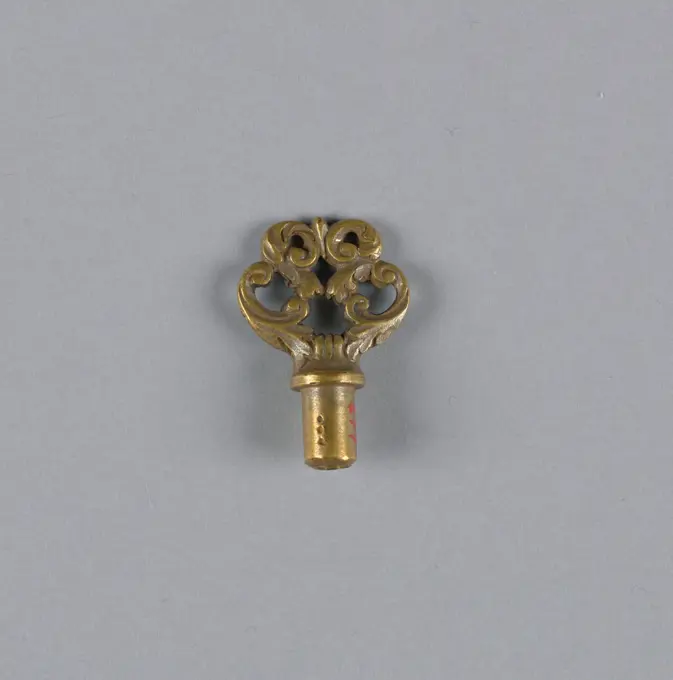
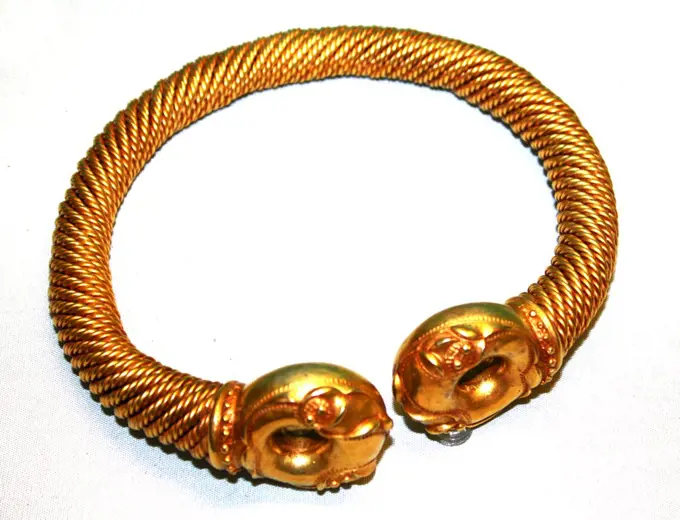
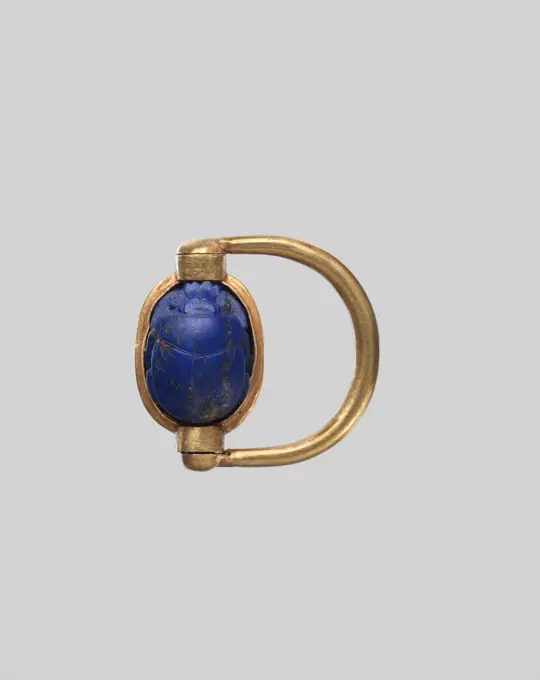
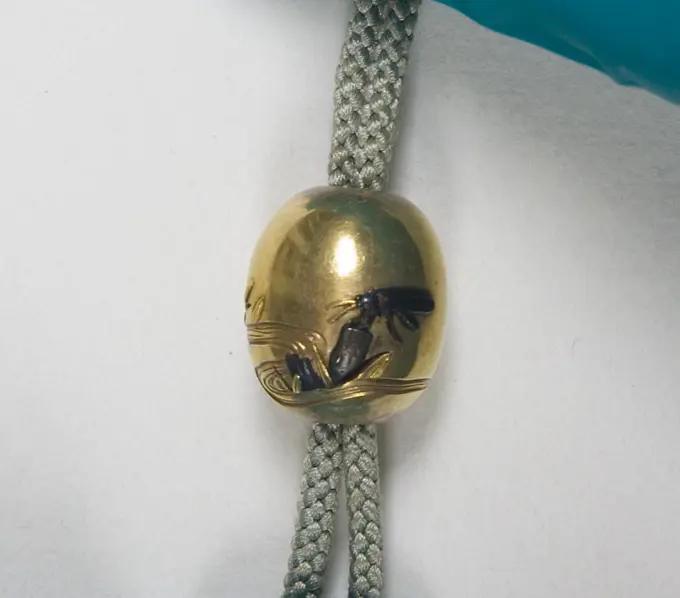
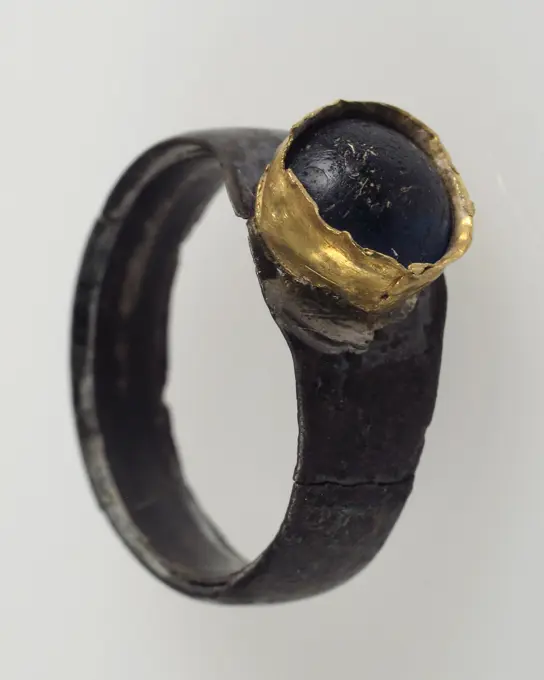
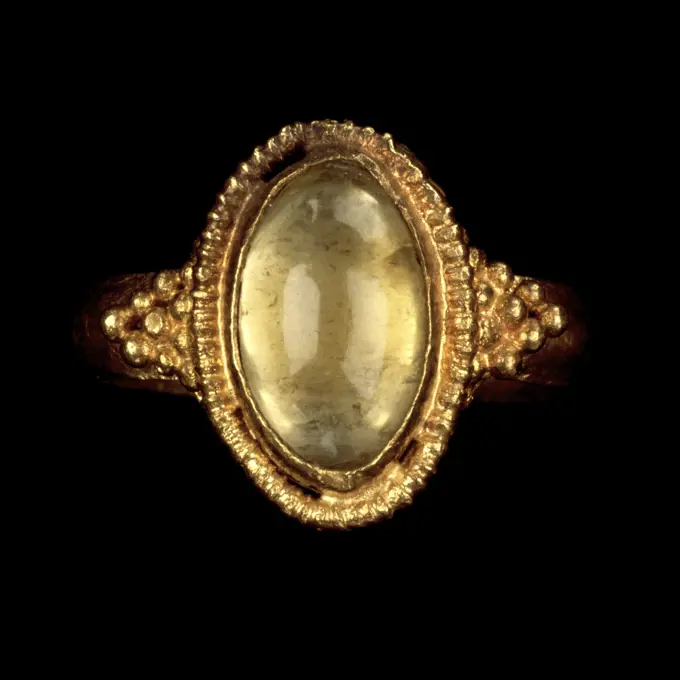
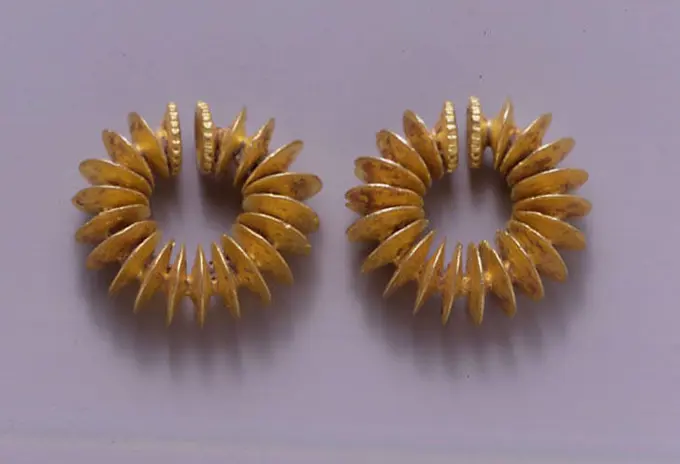
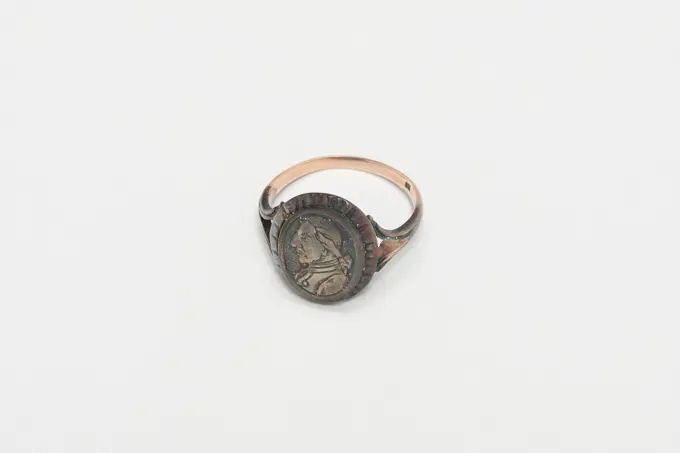
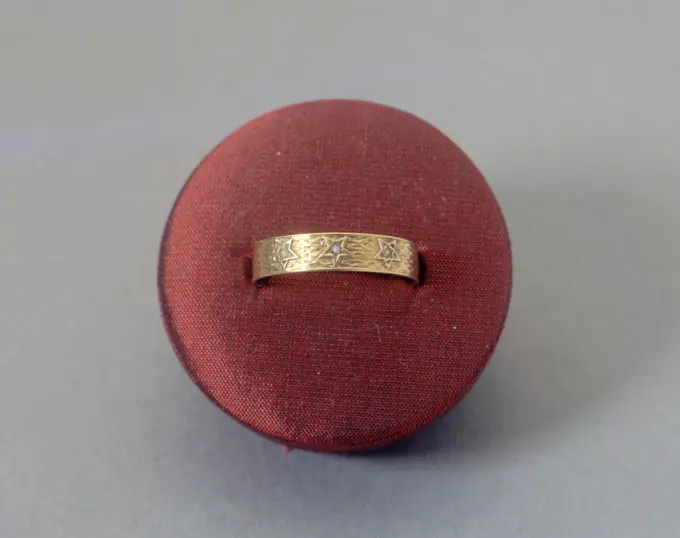
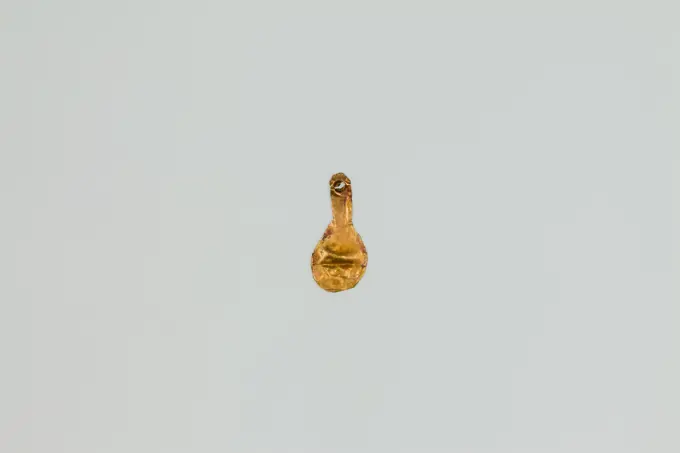
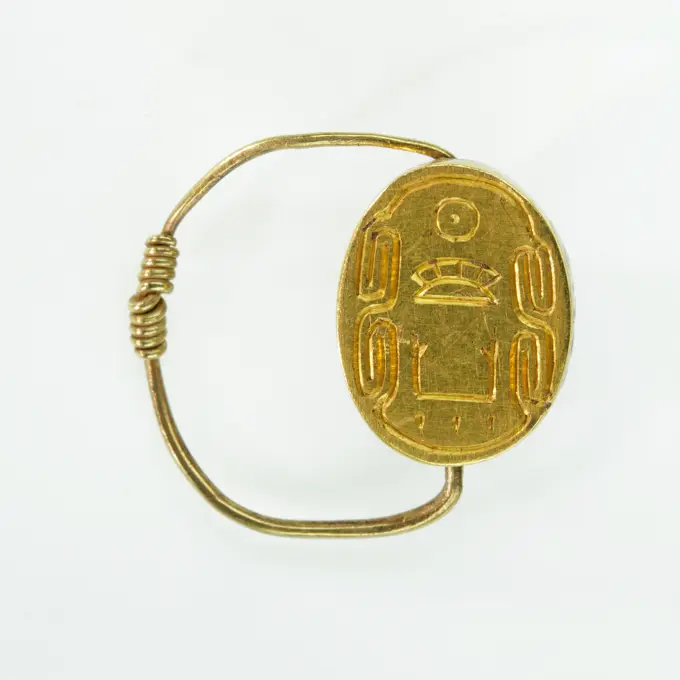
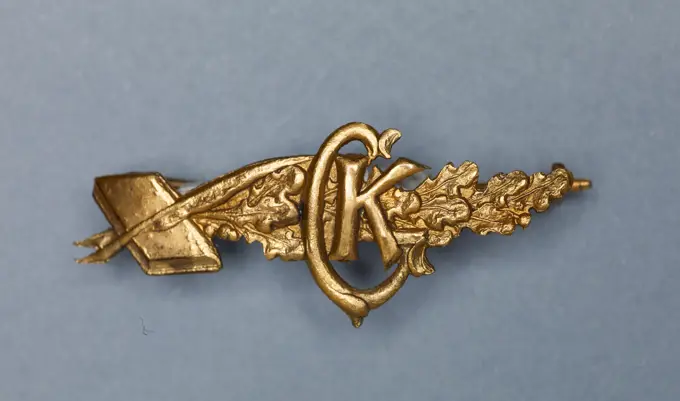
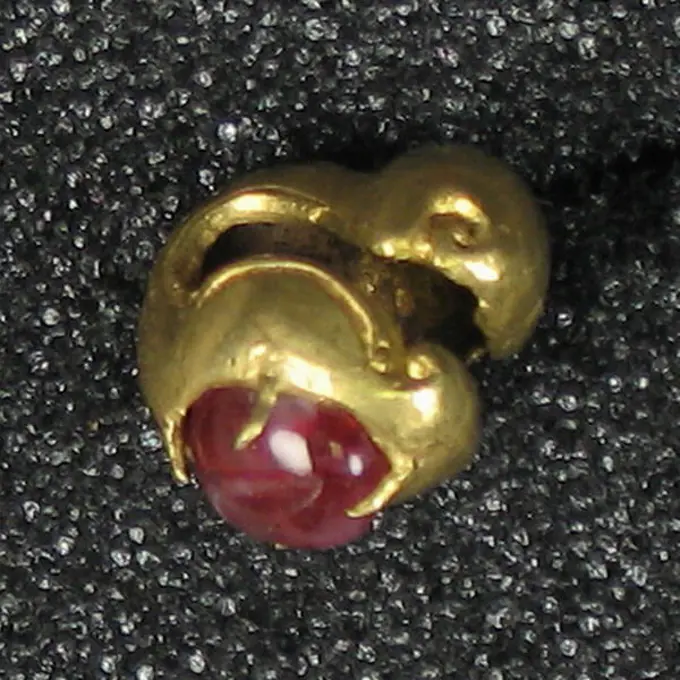
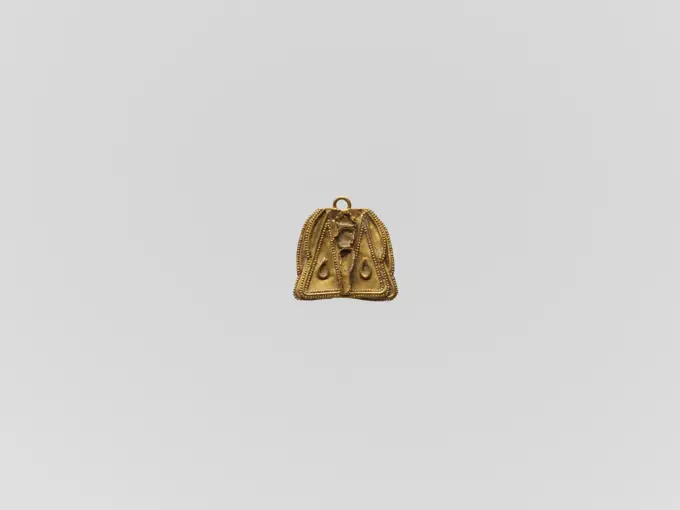
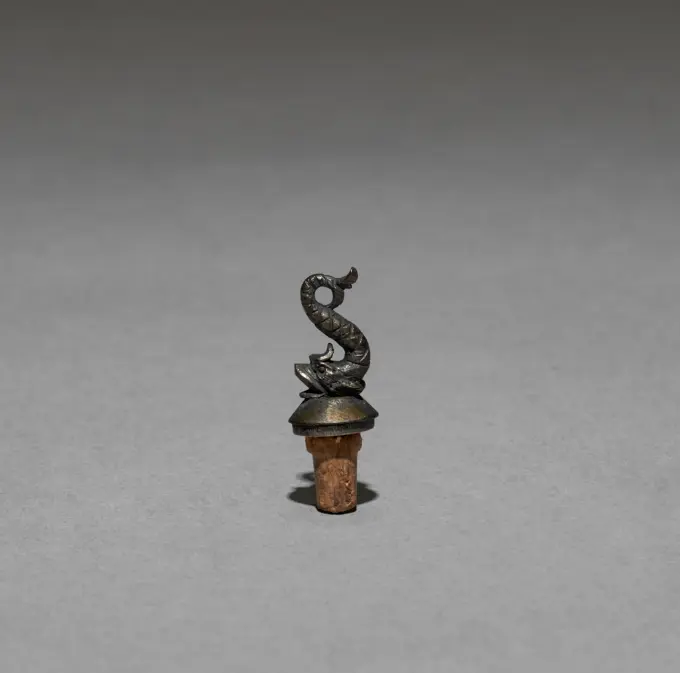
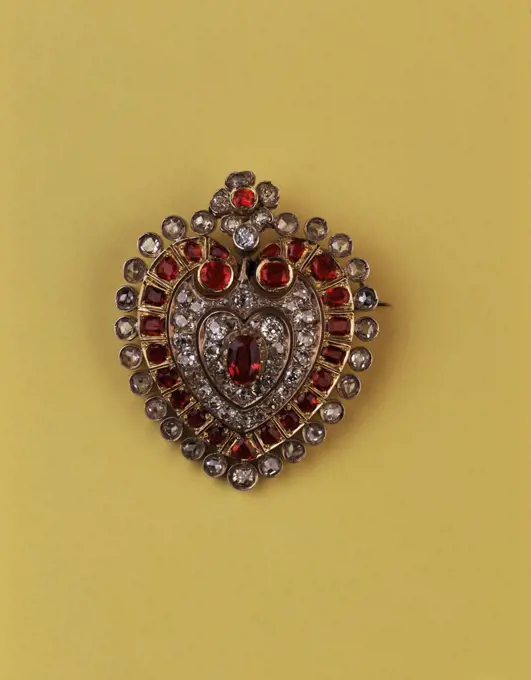
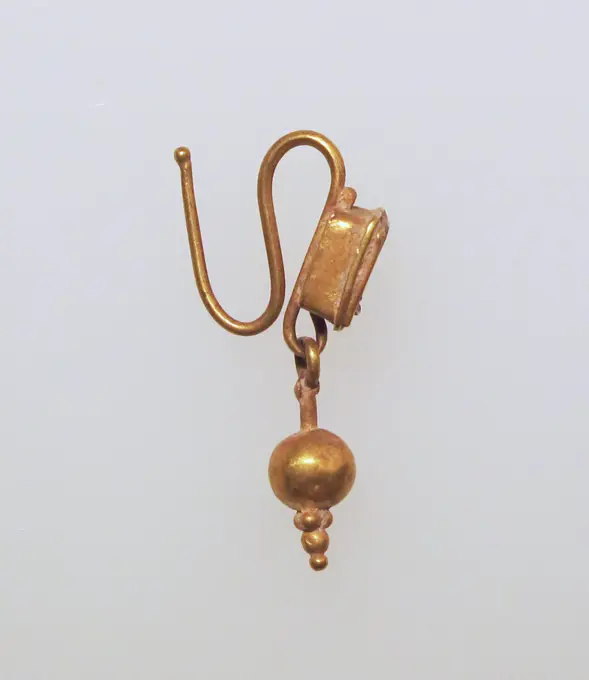
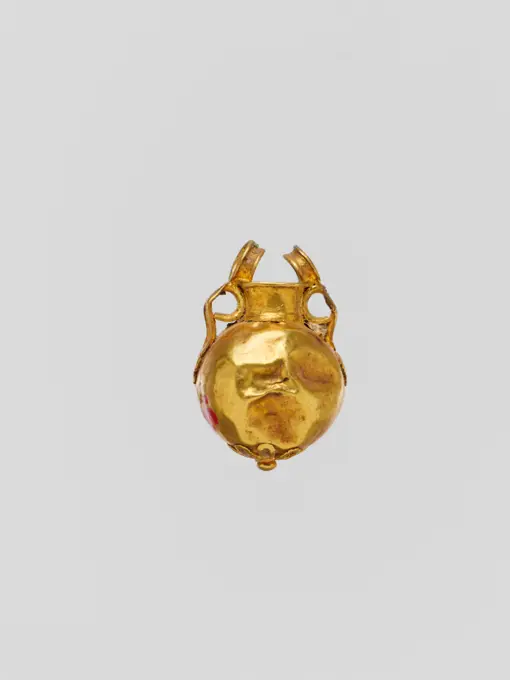
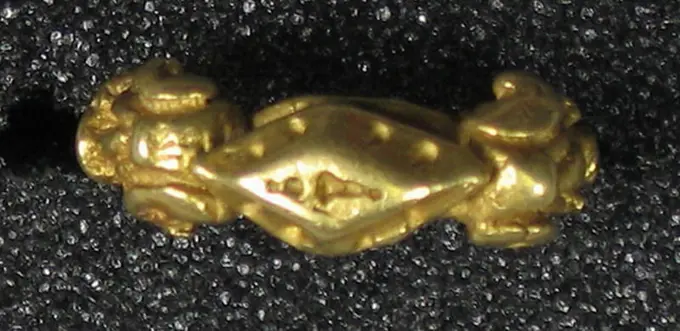
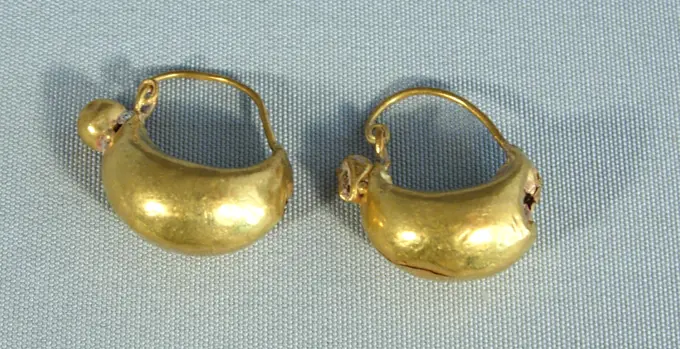
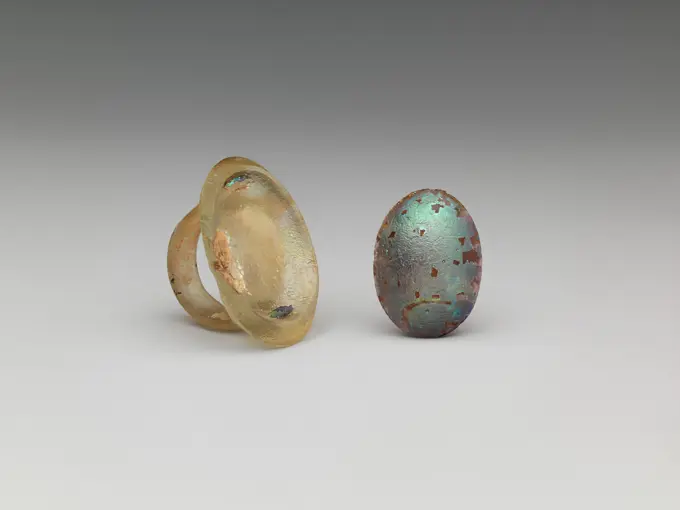
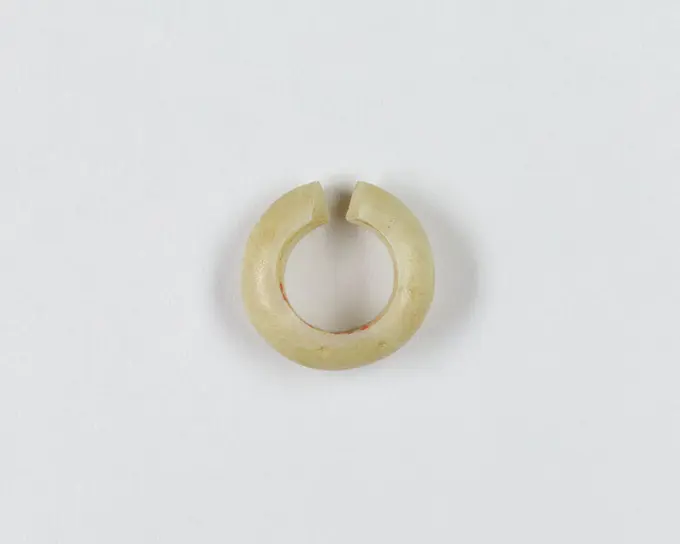
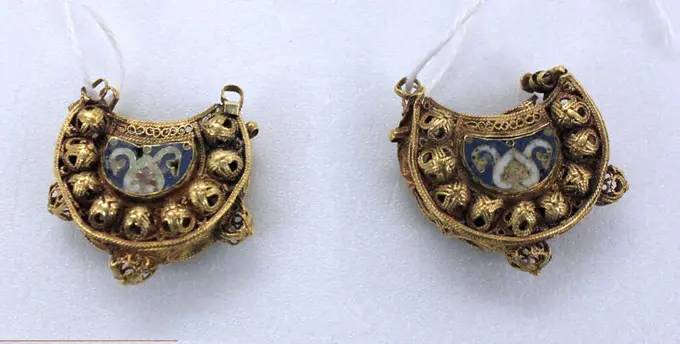
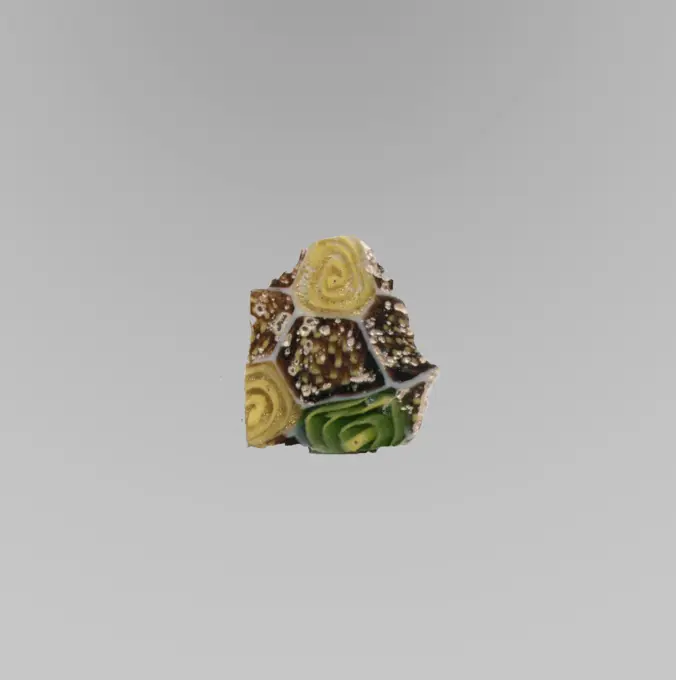
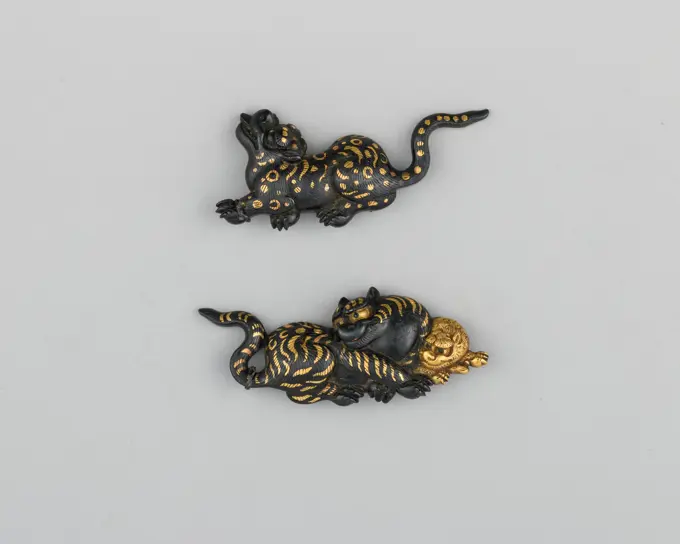
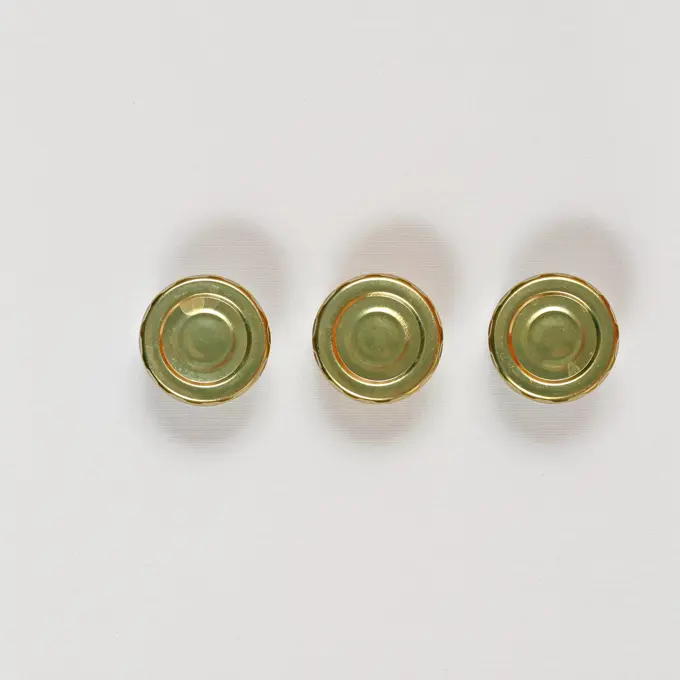
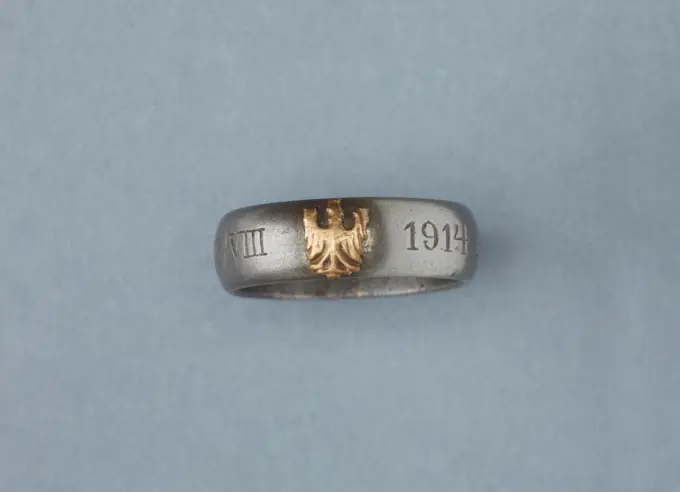
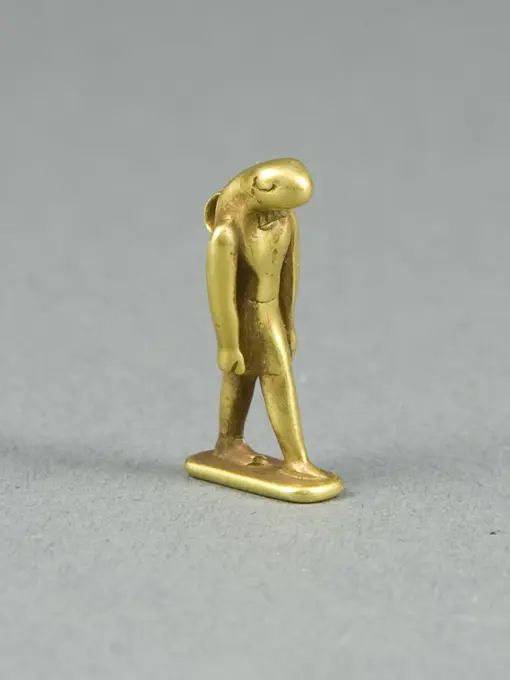
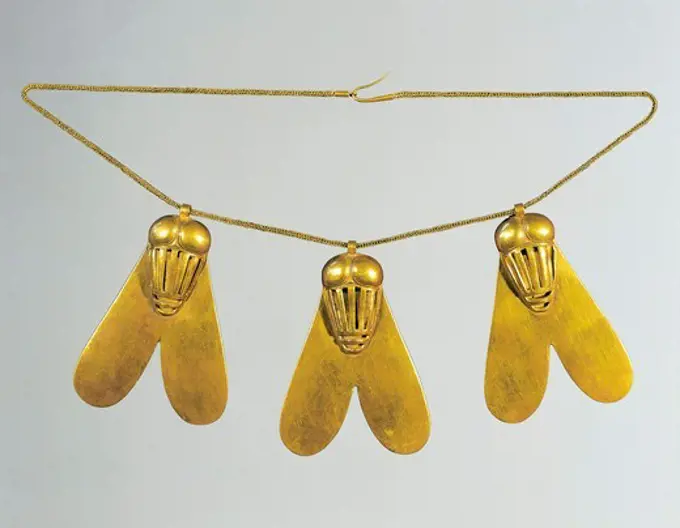
Brooch; pink, blue and clear diamonds, silver, gold; Overall: 3.6 x 3.3 x 1.3 cm (1 7/16 x 1 5/16 x 1/2 in.)Fish Ornament 11th-12th century Peru; central coast (). Fish Ornament 308801PullBracelet of a double gold thread and a clinic ball, c. 1970 Bracelet of a double gold thread and a clinic ball. Voorburg gold (metal) Bracelet of a double gold thread and a clinic ball. Voorburg gold (metal)Gold and silver-alloy tore. Near Newark, Nottinghamshire. About 100-50 BC. This tore was discovered by a metal detectors' 2005. It is thought that it was deliberately placed in a specially dug hole, perhaps as an offering to the gods. Torcs were worn around the neck and were probably worn on a special occasions like a mayoral chain.Gold and variscite earring (one of a pair) 2nd century A.D. Roman, Cypriot Pair of earrings with green beads made from a type of chalcedony known as variscite, attached by wire loops.. Gold and variscite earring (one of a pair) 243324Scarab Finger Ring with the Names of Thutmose III and Hatshepsut ca. 1479-1458 B.C. New Kingdom This ring is inscribed on the underside of the scarab with the names of the joint rulers Hatshepsut and Thutmose III. Its bezel is mounted on a swivel, allowing the scarab to be flipped and be used as a seal. Its underside could be impressed onto mud sealings that sealed documents or the content of bags and chests.The inscriptions reads "The Good God, Menkheperre, given life, (and) the Good Goddess, Maatkare, may she live!" The piece has been identified as having belonged to a foreign wife of Thutmose III. It was possibly something bestowed as a mark of royal favor rather than used as an official seal, because it seems too large to have been worn by a woman.. Scarab Finger Ring with the Names of Thutmose III and Hatshepsut 547602Glass mosaic bowl fragment late 1st century B.C.-early 1st century A.D. Roman Rim fragment.Translucent deep purple, blue, and opaque white.Vertical rim with rounded inner lip; convex curving side, tapering downward.Mosaic pattern formed from lengths of a single cane in purple ground with irregular blue stripes outlined in white, surrounding a central cluster of cane sections in purple ground outlined in white with a central tiny spiral and a circle of white dots.Polished exterior; pitting of surface bubbles on exterior; dulling, pitting, and patches of weathering on interior, rim, and jagged edges.. Glass mosaic bowl fragment. Roman. late 1st century B.C.-early 1st century A.D.. Glass; cast. Early Imperial. GlassPair of gold spirals 7th-6th century B.C. Etruscan A pair of gold spirals with six revolutions, used as hair ornaments.. Pair of gold spirals. Etruscan. 7th-6th century B.C.. Gold. Archaic. Gold and SilverOjime 19th century Japan. Ojime 74221Finger Ring 7th century Frankish. Finger Ring 465280 Frankish, Finger Ring, 7th century, Silver, gold bezel, glass cabochon, Overall: 1 x 13/16 x 3/8 in. (2.6 x 2.1 x 0.9 cm) bezel: 5/16 x 3/16 in. (0.8 x 0.5 cm). The Metropolitan Museum of Art, New York. Gift of J. Pierpont Morgan, 1917 (17.192.214)Zoomorphicfigure.  Artist: UnknownFragment Screw plate from a musket from the wreck of the East India Hollandia. ID. NG 1978-74H986, Left Eye Cut Off, Notches of Fitting Screw On Cut Edge, Side PlateRing; Roman Empire; 250 - 400; Gold, rock crystal; 2.9 × 2.5 cm (1 1,8 × 1 in.)Leg with Shoe and Stocking, Plated brass, leather, In the form of a woman's leg from knee down, with bowed, low healed shoe; red leather wrapped around curvaceous calf to simulate stocking. Oval lid at top, hinged at back, release button at front. Striker on sole of shoe., late 19th century, containers, Decorative Arts, Matchsafe, MatchsafeSponge Box 1833 Netherlands. Silver .Eye from the wreck of the East Indians Hollandia, Anonymous, 1700 - in or before 1743  Oogje. Eye; (1) circular looped wire (0.1d), looped ends fitted together. Netherlands copper (metal)   SecondPair of Ear Clips Composed of Fused Discs 8th-early 10th century Indonesia (Java). Pair of Ear Clips Composed of Fused Discs. Indonesia (Java). 8th-early 10th century. Gold. Central Javanese period. JewelryRing c 1800-1900 United States. Gold . Artist unknownRing 18th century European. Ring 124529Fragment of gold chain isolated on white backgroundThree -star ring, carried by George Sand. Paris, Museum of Romantic Life. 34998-12 Ring, jewel, French writer, StarBottle () amulet 664-380 B.C. Late Period. Bottle () amulet 561543Earring ca. 3rd-2nd century B.C. Parthian (). Earring 326017Jewelry from Indian Arts and Crafts Board displayBracelet IndianScarab Finger Ring of Senwosret III ca. 1850-1750 B.C. Middle Kingdom. Scarab Finger Ring of Senwosret III 546139Pair of Sword-Grip Ornaments (Menuki) 18th century Japanese Menuki are a pair of ornamental sword fittings attached to either side of a sword hilt.. Pair of Sword-Grip Ornaments (Menuki). Japanese. 18th century. Gold. Sword Furniture-MenukiCommemorative badge of the Agricultural University of Dublany near LvivDiobol (Coin) Depicting Forepart of Lion. Greek, Miletus. Date: 478 BC. Dimensions: Diam. 1.1 cm; 1.11 g. Silver. Origin: Miletus. Museum: The Chicago Art Institute, Chicago, USA. Author: ANCIENT GREEK.Pair of Earrings with Red Stones Indonesia (Central Java) 8th-12th centuryGold pendant or clasp 3rd century B.C. Greek This intriguing object has a loop for attachment only at the top. In addition to decoration with gold wire, there are three vertically aligned cloisons that have lost their inlays.. Gold pendant or clasp. Greek. 3rd century B.C.. Gold. Hellenistic. Gold and SilverGlass mosaic fragment late 1st century B.C.-early 1st century A.D. Roman Thin-walled body fragment.Translucent deep purple, light blue appearing green, opaque white, yellow, and brick red, and colorless.Shallow convex curving side.Composite mosaic pattern formed from polygonal sections of three canes: one in a purple ground outlined in white filled with a circle of yellow dots and a central red rod surrounded by a yellow circle; another in a colorless ground with a yellow spiral, and the third in a blue ground with yellow wavy circles and a central yellow rod.Polished exterior; pitting and weathering of surface bubbles on exterior; deep pitting and iridescent weathering on interior and jagged edges.. Glass mosaic fragment 257279Lid of turtle with Hertekop of silver (series of 28 pieces A to BB), Anonymous, c. 1700 - c. 1799 Turtle of turtle with Hertekop of silver (series from 28 pieces A to BB), Indonesia, 18th century Indonesia silver (metal) Turtle of turtle with Hertekop of silver (series from 28 pieces A to BB), Indonesia, 18th century Indonesia silver (metal). .Earring-hook type with ball pendant and paste setting. Earring-hook type with ball pendant and paste setting. Gold, glass paste. Gold and SilverStopper for a Scent Bottle, mid-1800s. Continental, mid-19th century. Ivory with gold and silver mounts set with jewels;MountBeautiful cosmetic mirror isolated on white backgroundDiamond & Ruby Heart-Shaped Brooch Antiques Bonhams, London Ring withGemEarring-hook type with pendant. Earring-hook type with pendant. Gold. Gold and SilverEarrings and Chain with Nose Attachment, 20th Century. India. Silver; overall: 21.8 cm (8 9/16 in.).Glass mosaic fragment late 1st century B.C.-early 1st century A.D. Roman Thin-walled body fragment of bowl.Translucent purple, light blue partly mixed with yellow appearing green, opaque white and yellow.Convex curving side.Mosaic pattern formed from sections of four canes: one in purple ground with a white circle and a central yellow dot, a second in purple ground with a pattern of yellow dots, a third in blue ground with a central yellow dot and a radiating yellow spiral, and a fourth in purple ground with white circle and a central green spot outlined in yellow.Polished exterior; pitting of surface bubbles on exterior; pitting and iridescent weathering on interior and jagged edges.. Glass mosaic fragment. Roman. late 1st century B.C.-early 1st century A.D.. Glass; cast. Early Imperial. GlassGold pendant in the form of a vase late 6th-5th century B.C. Greek or Cypriot Vase-shaped.. Gold pendant in the form of a vase. Greek or Cypriot. late 6th-5th century B.C.. Gold. Classical. Gold and SilverHair Spiral. UnknownRing with Diamond Bezel 8th-12th century Indonesia (Central Java). Ring with Diamond Bezel 64316Different items of real gold jewellery made a cycle of luxuryGlass gold-band mosaic bowl fragment late 1st century B.C.-early 1st century A.D. Roman Body fragment.Translucent turquoise blue and yellow appearing green, and colorless enclosing gold leaf.Convex curving side.Gold-band mosaic pattern formed from sections of layered canes in bands of green and colorless glass with gold leaf.Pinprick bubbles; polished exterior; slight pitting of surface bubbles on exterior; dulling and creamy weathering on interior and edges.. Glass gold-band mosaic bowl fragment. Roman. late 1st century B.C.-early 1st century A.D.. Glass; cast. Early Imperial. GlassBracelet 6th century B.C. Greek. Bracelet. Greek. 6th century B.C.. Gold, Silver. Archaic. Gold and SilverFart from images Kościuszki; unknown,  ski, Józef Franciszek (1760-1825); 1820 (1820-00-00-1820-00-00);Kościuszko, Tadeusz (1746-1817), Kościuszko, Tadeusz (1746-1817)-iconography, nation's heroesNecklace with Beads in the Shape of Jaguars' Teeth. Culture: Mixtec (Ñudzavui). Dimensions: W. (bead) 1 3/8 × L. (necklace) 15 1/4 in. (3.5 × 38.7 cm). Date: A.D. 1200-1521.This elegant gold necklace, created using the lost-wax technique, is composed of thirty-four gold beads in the shape of the carnassial teeth (molars) of a jaguar with an equal number of rattle bells joined to them with delicate "false-filigree" loops.Este elegante collar de oro, creado con la técnica de la cera perdida, está compuesto por treinta y cuatro cuentas de oro en forma de dientes carnosiales (molares) de un jaguar con el mismo número de campanas de cascabel unidas con delicados bucles de "filigrana falsas". This elegant gold necklace, created using the lost-wax technique, is composed of thirty-four gold beads in the shape of the carnassial teeth (molars) of a jaguar with an equal number of rattle bells joined to them with delicate "false-filigree" loops. False filigree refers to the process where artiPair of gold boat-shaped earrings ca. 1st century B.C.-2nd century A.D. Roman, Asia Minor Boat-shaped earrings have a long tradition in Greek and Roman art. Fashioned in gold, sometimes with extensive granulation and added decorative elements, they were luxury objects valued as adornments and markers of wealth and status.. Pair of gold boat-shaped earrings 331925Ring with Quatrefoil-Shaped Bezel with Fish Motif Second half of the 9th-first quarter of the 10th century Indonesia (Java). Ring with Quatrefoil-Shaped Bezel with Fish Motif 50407Live nobility of silver with weapon of birchhout. Live nobility of silver with weapon of birchhout. Bolle front in which the weapon has been beaten. The weapon of Berkhout (1815): in gold seven red kepers, a standing silver crane in a blue Vrijkwartier. Equipped with a copper eye at the back.Ring: Scarab. Egyptian. Date: 1390 BC. Dimensions: W. 0.6 (1/4 in.); diam. 1.9 cm (3/4 in.). Faience. Origin: Egypt. Museum: The Chicago Art Institute, Chicago, USA. Author: Ancient Egyptian.Finger Ring 7th century Frankish. Finger Ring 465279 Frankish, Finger Ring, 7th century, Gold, garnet cabochon, Overall: 3/4 x 5/8 x 3/8 in. (1.9 x 1.6 x 0.9 cm) bezel: 3/8 x 5/16 x 3/16 in. (1 x 0.8 x 0.5 cm). The Metropolitan Museum of Art, New York. Gift of J. Pierpont Morgan, 1917 (17.192.213)Earring (One of a Pair) Silla Kingdom, 5th century Korea The beauty and sophisticated craftsmanship of these gold earringsand of the personal adornments found in the tombs of the Silla and Gaya elite generallyattest to the esteem conferred upon them by both patron and artisan.. Earring (One of a Pair) 44766Used old metal trayGold earring with clustered sphere. Culture: Roman. Dimensions: Other: 7/8 in. (2.2 cm). Date: 2nd-3rd century A.D..The hoop is slender; at the lowest point is a cluster of hollow gold balls, rendered as if attached to the hoop by a lashing gold wire. Museum: Metropolitan Museum of Art, New York, USA.matchsafe, silver, 1882, containers, Decorative Arts, matchsafeRing withGemFinger Ring 6th-7th century Frankish. Finger Ring 464790Egyptian Artifact, Silver, In the shape of an Egyptian sarcophagus for a king or queen with hieroglyphs running down central band on front and reverse. Link attached to side. Head serves as lid, hinged on side, thumb catch opposite at shoulder. Striker recessed in bottom., Europe, late 19th century, containers, Decorative Arts, Matchsafe, MatchsafeNecklace, from a set of five, 9 1/8 x 8 1/4 x 7/16 in. (23.18 x 20.96 x 1.11 cm), Silver, ChinaBarbarian civilizations, France, 5th century. Goldsmith's art. Treasure of Pouan, princely burial of a Germanic warrior. Cloisonne' enamel and gold belt buckle and clasps.Conch-Shaped EarOrnamentTortoise EarOrnamentTwo gold belt attachments. Culture: Roman. Dimensions: 3/8 × 1 1/4 in. (1 × 3.2 cm). Date: 1st century B.C.-1st century A.D..Two rectangular belt attachments each showing three hoops attached to two squares. Museum: Metropolitan Museum of Art, New York, USA.Cameo Gem Set in a Frame. UnknownAsian Elephant Bangle Original illustration of an isolated elephant bangle Copyright: xZoonar.com/PaulxFleetx 1520178Brooch van Goud and Amethist, Jean Baptiste Bonnard, c. 1824 - c. 1829 Brooch van Gold and Amethyst. Amsterdam gold (metal). amethyst (mineral) Brooch van Gold and Amethyst. Amsterdam gold (metal). amethyst (mineral)Glass ring 4th-3rd century B.C. Greek Colorless.Ring with large oval bezel and hoop carved out of a single piece of glass; bezel with beveled outer edge and deep concave face; hoop D-shaped in cross section with irregular, rounded finger hole.Complete except for chip in outer edge of bezel; dulling, pitting, and patches of whitish weathering with brilliant iridescence. Two small fragments of purplish glass attached to top and bottom of oval bezel near edge of concave face.Associated witht the ring is a separate lens-shaped oval gem made out of translucent pale purple blown glass that fits approximately into the concave face of the ring with the convex side facing outward. The gem is intact, has many bubbles, and is covered with pitting and brilliant iridescence.. Glass ring. Greek. 4th-3rd century B.C.. Glass; cast and cut. Late Classical or Early Hellenistic. GlassLord Nelson's Flagship, the Foudroyant Matchsafe; England; brass, copper; 4.2 x 3.1 x 1 cm (1 5/8 x 1 1/4 x 3/8 in. )Body Fragment of Vase with Mosaic Pattern in Purple and White. Dimensions: H. 4 cm (1 9/16 in), w. 3 cm (1 3/16 in). Dynasty: Dynasty 18. Reign: reign of Amenhotep III. Date: ca. 1390-1353 B.C.. Museum: Metropolitan Museum of Art, New York, USA.Brochette of gold with red synthetic corund, c. 1943 - c. 1953 Brochette of gold with red synthetic emeraud sharpened Corund with a cannon closure. Diemen gold (metal). faceting Brochette of gold with red synthetic emeraud sharpened Corund with a cannon closure. Diemen gold (metal). facetingEarrings (France); gilt, pearls, paste stonesPenannular Earring. Dimensions: Diam. 1.3 cm (1/2 in.). Dynasty: Dynasty 18. Date: ca. 1550-1295 B.C.. Museum: Metropolitan Museum of Art, New York, USA.Ear Ornament, Double Lotus 8th-12th century Indonesia (Central Java). Ear Ornament, Double Lotus 64249Earring. Dated: c. 1936. Dimensions: overall: 23.1 x 18.8 cm (9 1/8 x 7 3/8 in.). Medium: watercolor, graphite, and goauche on paper. Museum: National Gallery of Art, Washington DC. Author: Bertha Semple.Earrings. Dimensions: H. 1 in. (2.5 cm)W. 1 1/16 in. (2.7 cm)D. 7/16 in. (1.1 cm)Wt. 0.2 oz. (5.8 g). Date: 11th-12th century.These earrings or pendants have been fabricated with filigree openwork, cloisonné enamel, and beaded granulation, and resemble similar jewels from the Fatimid Period (909-1171). Yet these pieces differ from most well-known Fatimid crescent (hilal) shaped ornaments in that they bear bulbous filigree hemispheres and cloisonné enamel on both rather than just one side. The style of the enamel is also more similar to works produced in eastern Slavic Kievan Rus' (ca. 860-1240) than to any known surviving Fatimid examples. Museum: Metropolitan Museum of Art, New York, USA.Pair of Sword-Grip Ornaments (Menuki). Culture: Japanese. Dimensions: L. of each 1 1/2 in. (3.8 cm); Wt. of each 0.2 oz. (5.7 g). Date: 18th century. Museum: Metropolitan Museum of Art, New York, USA.Glass mosaic fragment late 1st century B.C.-early 1st century A.D. Roman Thin-walled body fragment.Translucent purple, turquoise blue mixed with yellow appearing green, opaque white, yellow, and colorless.Almost straight side.Body decorated with mosaic pattern formed from polygonal sections of three canes: one in purple ground outlined in white with concentric circles of yellow dots; the second in colorless with yellow spiral, and third in blue with yellow spiral.Exterior polished, with pitting of surface bubbles; pitting and iridescent weathering on interior and edges.. Glass mosaic fragment. Roman. late 1st century B.C.-early 1st century A.D.. Glass; cast. Early Imperial. GlassBracelet with Birds and Geometric Patterns 1100-1400 Byzantine The silver stain used to decorate this bracelet is a medium well known in Islamic and Western medieval art. Its use by Byzantine artists has only recently been recognized.. Bracelet with Birds and Geometric Patterns 468722Pair of Sword-Grip Ornaments (Menuki) 18th century Japanese Menuki are a pair of ornamental sword fittings attached to either side of a sword hilt.. Pair of Sword-Grip Ornaments (Menuki). Japanese. 18th century. Gold, copper-gold alloy (shakud), copper. Sword Furniture-Menukisign skorobey silver on a chain isolated on a white backgroundThree Jars Three Small Jars With Golden Lids Copyright: xZoonar.com/MarkoxBericx 14025024Badge of a member of the Citizens 'Citizens' City of WarsawRing 12th century. Ring 453049Jewellery ring isolated on the white backgroundLegion wedding ring with an eagleMourning Ring 1762 American. Mourning Ring. American. 1762. Gold, silver, onyx, enamel. Probably made in New York, New York, United StatesButtonsRing Bezel inscribed Happy New Year 664 BCE-525 BCE Egypt. Faience . Ancient EgyptianAmulet of Nehebkau Made 700 BCE-300 BCE Egypt. Small-scale Egyptian figurines, known as amulets, were thought to promote health and good luck. Amulets were such an important part of Egyptian religious beliefs that they were worn by both the living and the dead. They could be mounted on rings or strung as bracelets or necklaces and were often placed among a mummyís wrappings to secure the deceasedís rebirth and well-being in the afterlife. Many varieties of amulets survived, including figures of deities, parts of the human (or divine) body, animals, plants, and objects of daily life. Nehebkau, often depicted as a male with a snakehead, was one of the deities who judged the deceased before a council of the gods.. Gold . Ancient EgyptianMiser's purse, Medium: silk, steel Technique: crocheted, Crocheted white silk ornamented with cut steel beads in variation of a hexagonal pattern; two faceted steel rings with raised ball pattern, control side opening. Tasssels at either end of small and large faceted steel beads., France, early 19th century, knotted, knitted and crocheted textiles, Miser's purseBroche with Meander Motif and Blood Coral, Anonymous, c. 1870 - c. 1890 Brooch of gold with a blood coral in bouton in an entourage of six blood corals with a meander motif between hook closure between them. United Kingdom gold (metal). red coral (material) polishing Brooch of gold with a blood coral in bouton in an entourage of six blood corals with a meander motif between hook closure between them. United Kingdom gold (metal). red coral (material) polishingBrooch in the form of a Margriet, c. 1945 - c. 1955 Eamed metal brooch in the form of a daisy with a hook closure. Eamed metal brooch in the form of a daisy with a hook closure. These small broches were sold to support the Princess Magriet Fund founded in the Second World War. Princess Margriet, the third daughter of Princess Juliana and Prince Bernhard, was born in 1943 in Ottawa (Canada) and became the patroness of the Dutch merchant navy. Margriet pin are available in different variants and were supported by staff from the shipping companies and their spouses. Netherlands metal. Eamed metal brooch in the form of a daisy with a hook closure. Eamed metal brooch in the form of a daisy with a hook closure. These small broches were sold to support the Princess Magriet Fund founded in the Second World War. Princess Margriet, the third daughter of Princess Juliana and Prince Bernhard, was born in 1943 in Ottawa (Canada) and became the patroness of the Dutch merchant navy. Margriet pin are Egypt, Ceremonial necklace belonged to Ahhotep I (circa 1560-1530 B.C.), New Kingdom, seventeenth dynastyMetal hat pin with purple drop -shaped glass button, anonymous, c. 1900 - Before 1915 Metal hat pin with purple drop -shaped glass button. Half -length pin with open setting, einingly in half star shape with funnel -shaped glass buttons with round top of Violet glass. Netherlands (possibly) pen: Metal. button: Glass forging / grinding Metal hat pin with purple drop -shaped glass button. Half -length pin with open setting, einingly in half star shape with funnel -shaped glass buttons with round top of Violet glass. Netherlands (possibly) pen: Metal. button: Glass forging / grinding