Antique Jewelry and Accessories

A variety of decorative antique items including earrings, brooches, and match safes featuring intricate designs and historical significance.

Lobster Claw with Pearl, Brass, glass pearl, In the shape of a lobster claw with small, glass pearl held between pincers. Curved lid on back end, hinged on top. Striker on bottom., late 19th century, containers, Decorative Arts, Matchsafe, Matchsafe
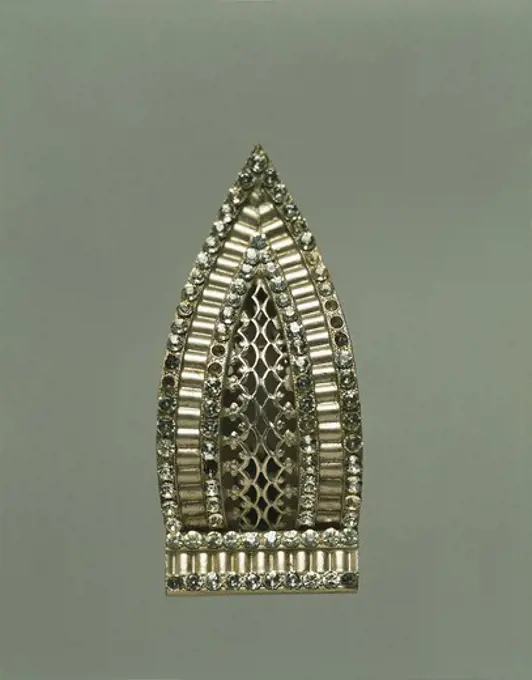
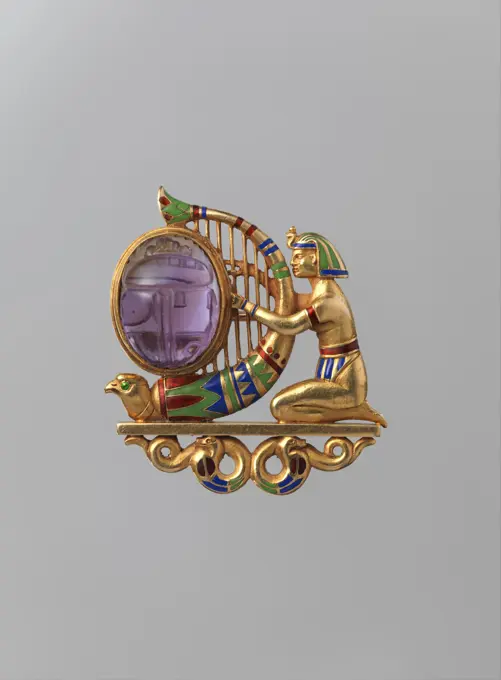
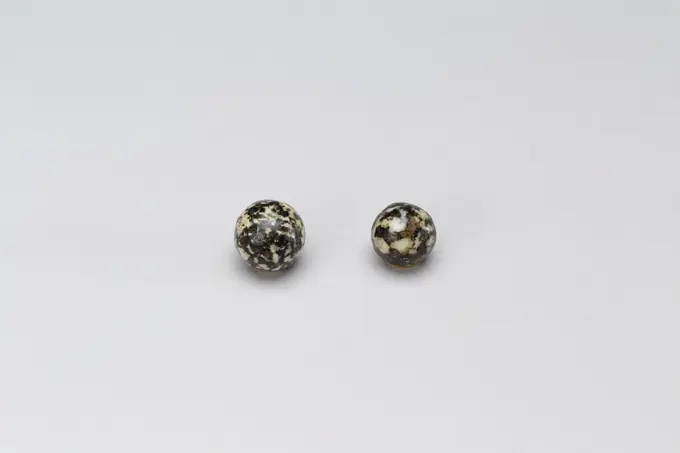
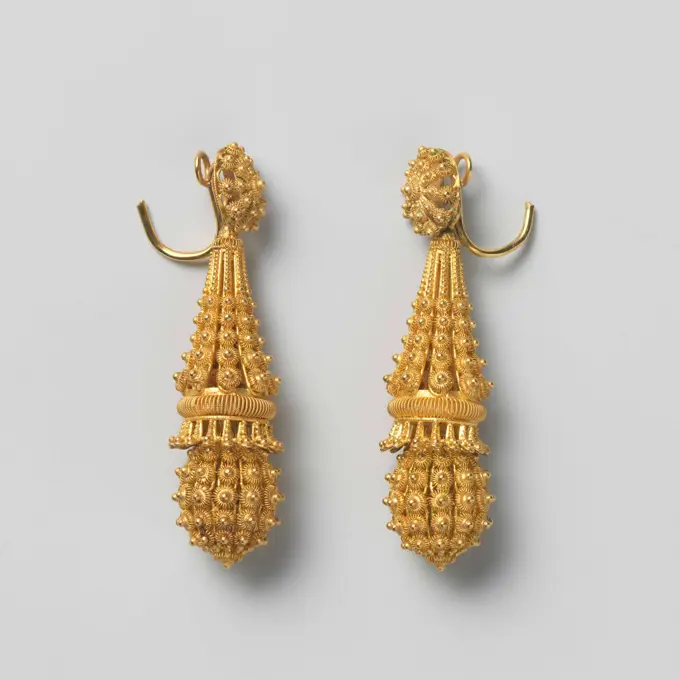
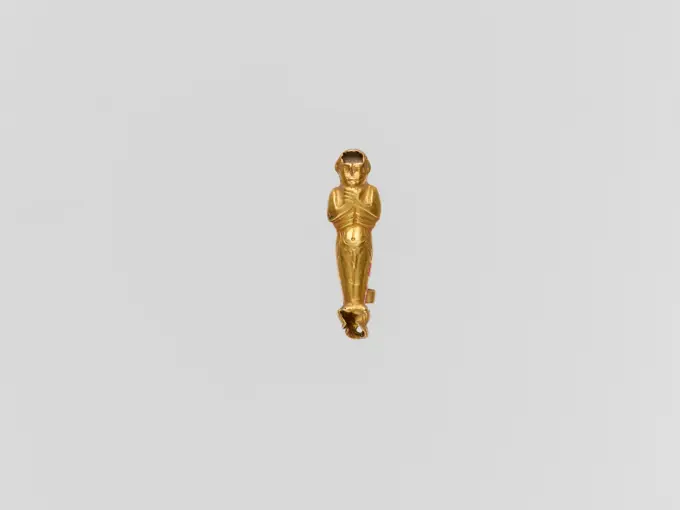
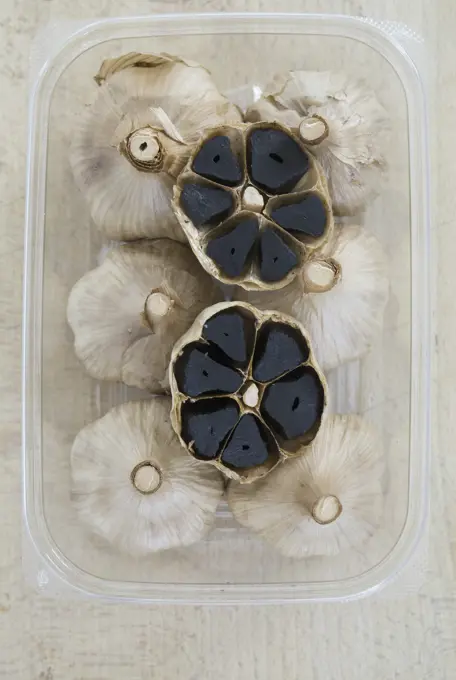
Pair of Bracelets. Culture: Indonesia (Bali or Lombok). Dimensions: Diam. 3 1/8 in. (7.9 cm); H. 1 in. (2.5 cm). Date: 19th century.This pair of gold bracelets is probably the product of workshops associated with the royal court at Singasari, northern Bali, or the court of the Lombok, a neighboring island kingdom under Balinese suzerainty. The royal court of Singasari is known for its distinctive atelier, which produced a conservative style of Balinese court art still deeply influenced by the arts of Majapahit East Java. Museum: Metropolitan Museum of Art, New York, USA.Pair of Earrings, 3 1/2 x 2 x 2 in. (8.89 x 5.08 x 5.08 cm) (each, including wire), Silver, ChinaPair of Oval EarOrnamentsPair of Round EarOrnamentsJewellery ring isolated on the black backgroundGoldsmith's art, Italy, 19th century. Gold demi parure with cameos attributed to Fortunato Pio Castellani (1794-1865), 1820-1825. Detail: brooch.V-shaped EarOrnamentJewelry from the Kingdom of Jodphur on display at the Royal Ontario Museum in TorontoBracelet probably 14th-15th century The earliest known examples of this type of seamless mosaic glass bracelet are from the late thirteenth century; it continued to be produced well into the nineteenth century at Hebron, in Palestine. This bracelet, together with thirty-three others in the collection, comes from UpperEgypt and was probably made during the Mamluk period.. Bracelet 446013Indian traditional earrings isolated on white backgroundButton (France); pearl shell, rhinestone and copperBlack leather box with 25 large and 16 small knots of sharpened steel, anonymous, before 1885 - c. 1900 Black leather box with 25 large and 16 small knots of sharpened steel. The knots are lobed and show concentric fillings of leaves and cubes. A button in the heart. England Packaging: Leather. Buttons: Steel (Alloy) grinding Black leather box with 25 large and 16 small knots of sharpened steel. The knots are lobed and show concentric fillings of leaves and cubes. A button in the heart. England Packaging: Leather. Buttons: Steel (Alloy) grindingGoldsmith's art, Italy, 20th century. Miter-shaped clip, Art Deco' style, late 1920s.Pierced earrings ca. 1885 American. Pierced earrings 124299Glass mosaic bowl fragment late 1st century B.C.-early 1st century A.D. Roman Body fragment.Translucent turquoise blue, layered with opaque yellow and appearing green, opaque yellow and brick red, and colorless.Convex curving side.Layered wavy bands of red, green, and yellow in an irregular pattern.Polished exterior; pitting and weathering of surface bubbles; dulling, pitting, and iridescent weathering on interior and edges.Cut down into a triangle with rounded corners.. Glass mosaic bowl fragment 257306Brooch ca. 1900 Theodore B. Starr This gold brooch is composed of a kneeling figure clad in Egyptian headdress, arm bands, and loincloth playing a falcon-headed harp set with an oval amethyst carved as a scarab. The figure and harp rest on a plinth supported by two coiled snakes. Green, blue, and red enamel accent the harp, figure, and snakes, and the falcons eye is a demantoid (green) garnet. The back of the brooch is delicately engraved with details echoing those highlighted by enamels on the front; the revers of the amethyst is engraved with hieroglyphic symbols. Stamped in incuse lettering on the back of the plinth is "T.B. Starr."Theodore B. Starr was among the most prominent and influential jewelry and silversmithing firms in New York City during the late nineteenth and early twentieth centuries. Originally in partnership with jeweler and silversmith Herman Marcus under the name of Starr & Marcus, Theodore B. Starr established his own eponymous firm in 1877. Starrs work was regMarble ca. 3850-2300 B.C. Predynastic Period-Old Kingdom This black & white marble may have been used as a game piece for mehen, an ancient Egyptian game that was played from prehistoric times until the end of the Old Kingdom. Each player would have marbles made of a different colored stones, or they might have had playing pieces of different shapes, The Museum has two tear-drop pieces and one shaped like an American football that may have been used as game pieces.. Marble. ca. 3850-2300 B.C.. Diorite. Predynastic Period-Old Kingdom. From EgyptUSA, Florida, Key West, Mel Fisher Maritime Museum.. A set of gold earrings. Made from a Filigree. Associated with Parure.Cloak Pin (Knob or Tieback) 1810-1830 England. Copper, transfer printed and polychrome enamel, gilt bronze, and iron .Oil lamps diyas kept for sell, Diwali deepawali Festival, Bombay now Mumbai, Maharashtra, India Copyright: xNitinxKelvalkar/DinodiaxPhotoxJewelry from the Kingdom of Jodphur on display at the Royal Ontario Museum in TorontoOjime 19th century Japan. Ojime. Japan. 19th century. Edo period (1615-1868). OjimeSword Guard (Tsuba) Depicting Peony and Butterflies () 19th century Japanese The obverse of this tsuba shows in the top right corner a large peony in silver and an unopened chrysanthemum bud in gold. The silver petals of the open flower feature gold accents. Towards the bottom right we see smaller flower with gold, copper, and shakud blossoms. Apart from some of the leaves of the chrysanthemum stretching over the washer seat (seppa-dai), the entire left part of the plate is left undecorated. On the sparsely decorated reverse we just see a colorful swallowtail and a smaller butterfly. The rim is highlighted in gold.. Sword Guard (Tsuba) Depicting Peony and Butterflies (). Japanese. 19th century. Copper, copper-gold alloy (shakud), silver, gold, bronze. Sword Furniture-TsubaCollection of golden engagement rings with precious stones and pearls vector wedding symbols isolated. Luxury jewelry gold items, stylish accessories. Collection Golden Engagement Rings Precious Stones18th Century box from India. Made from gold, enamel, diamonds, rubies and emerald. Dated 18th CenturyGold pendant capsule in the form of a male figure 6th-4th century B.C. Cypriot Designed for suspension by two hoops at the back.. Gold pendant capsule in the form of a male figure. Cypriot. 6th-4th century B.C.. Gold. Archaic-Classical. Gold and SilverGold and cornelian necklace. The sixteen gold beads are in the form of double figure of eight shields of Aegean inspiration linked by typically Cypriot spiral beads. The globular beads linking some of the cornelian beads are Palestinian in type but with collars inspired by Mycenaean GreeceBlack garlic