Antique Jewelry and Decorative Artifacts

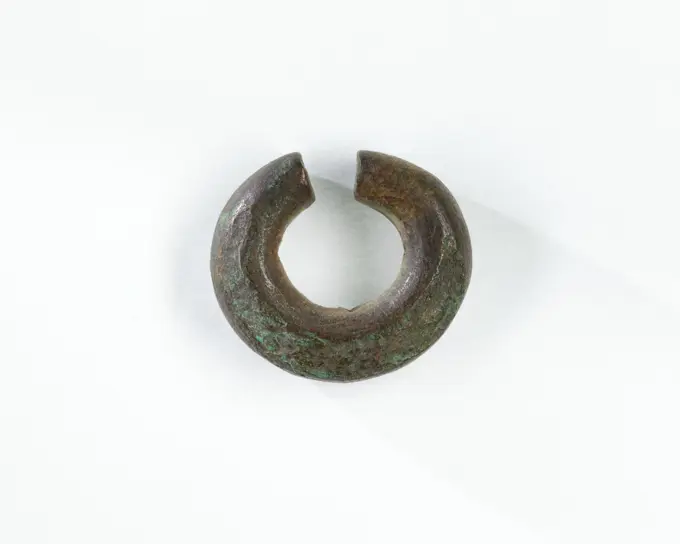
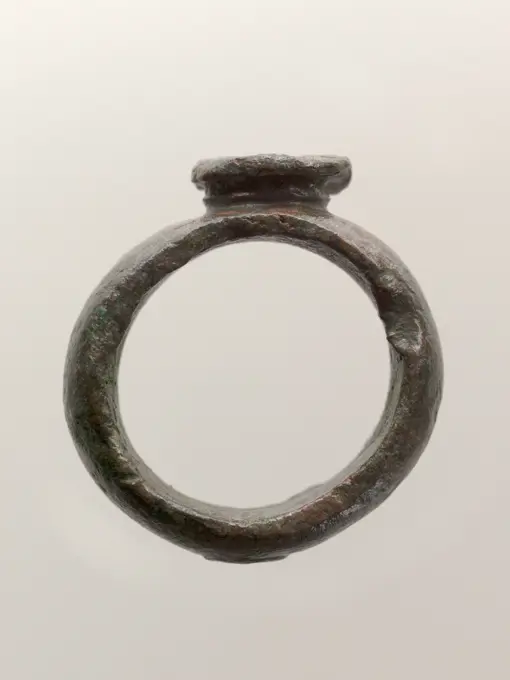
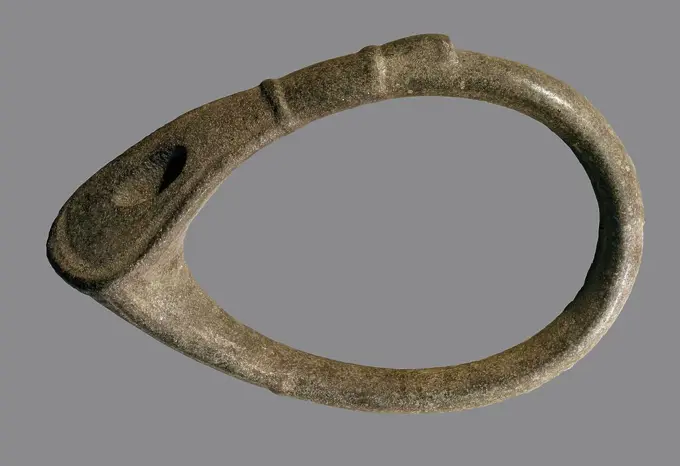
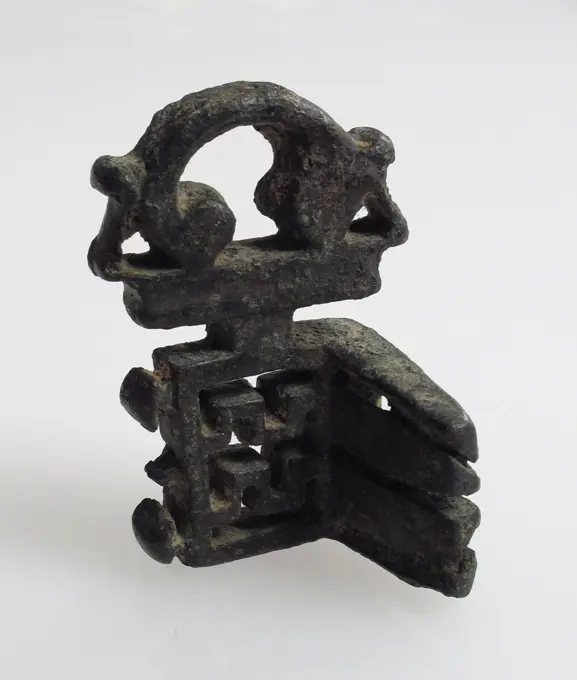
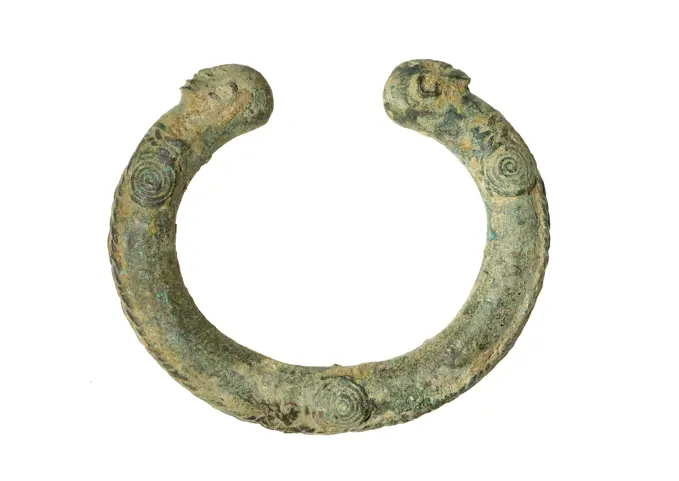
Historical buttons and bangles from various periods, crafted in bronze and featuring intricate designs, showcasing antique craftsmanship.
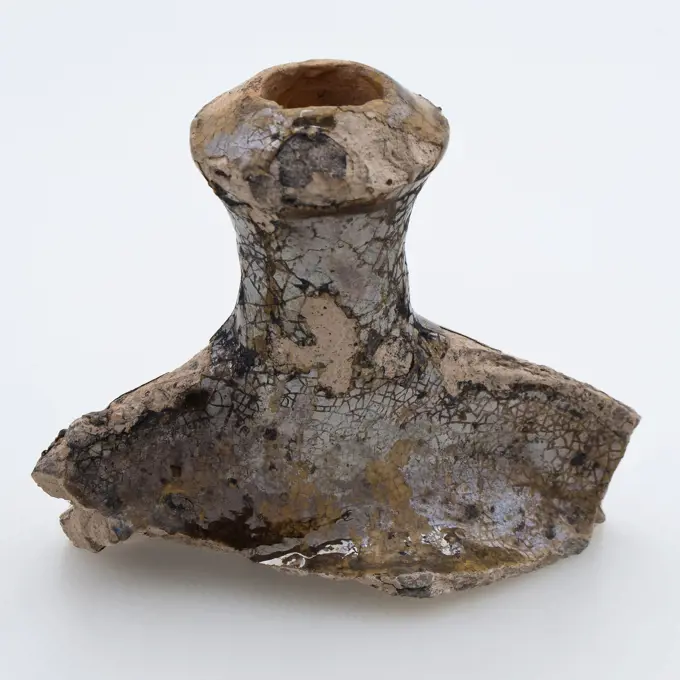
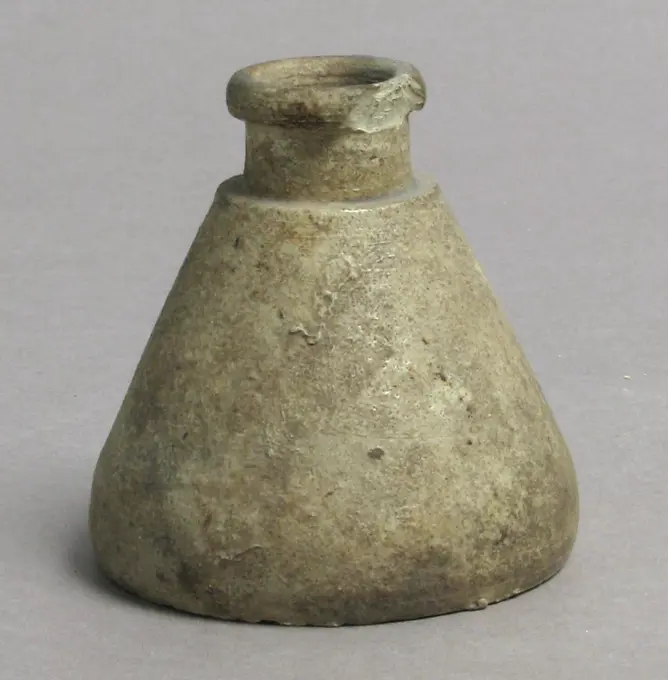
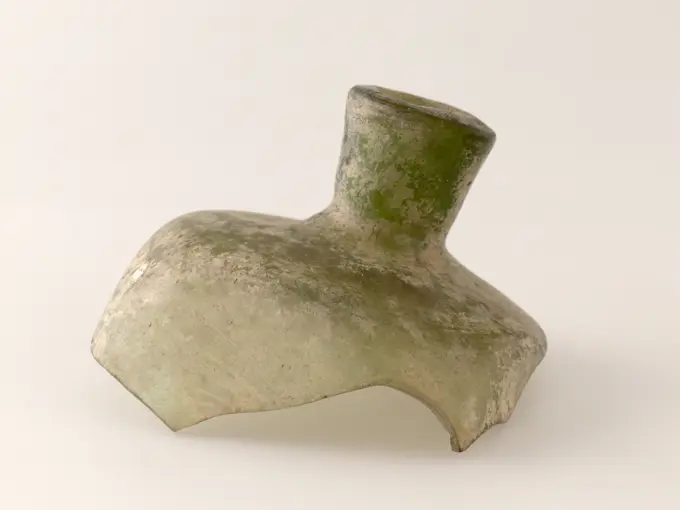
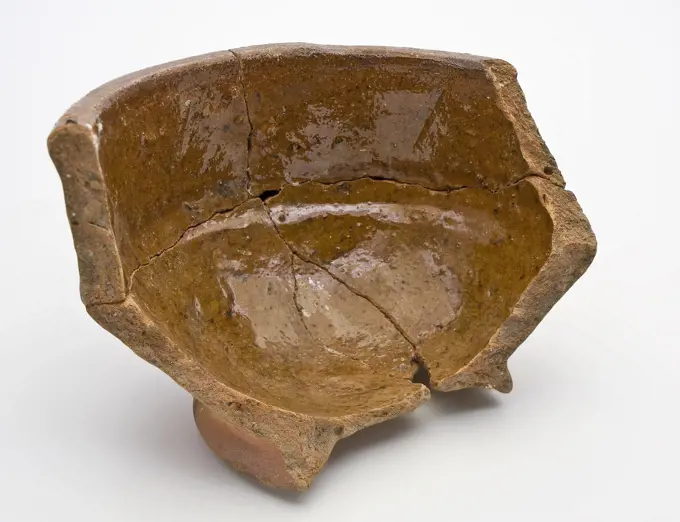
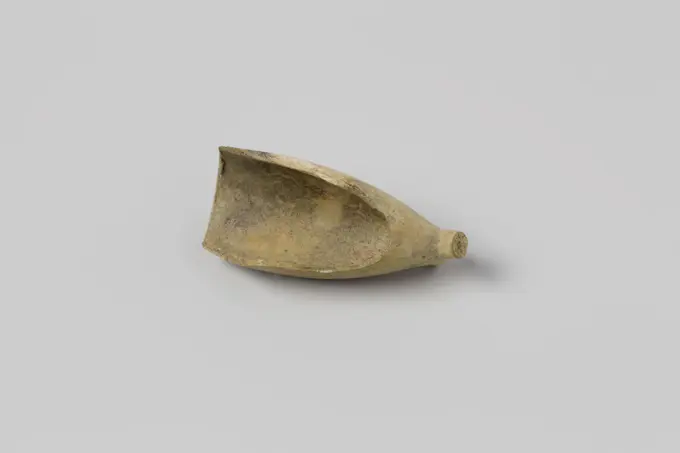
Spout of field bottle, French earthenware, glazed, Flask Holder Fragment soil found Ceramic Pottery Glaze Lead Glaze, w 9.4 Hand Turned Hand Formed Glazed Baked Fragment of Flask Yellowish shard with gray core completely covered with thick layer of lead glaze Double conical weighted edge of the spout. The basis of this object caliwates to be formed by the double folding of dish thick surrounding back on the outside archeology Rotterdam City Triangle Mariniersweg uitheems earthenware import packing transporting drinking archaeological find in the soil Mariniersweg 1983.
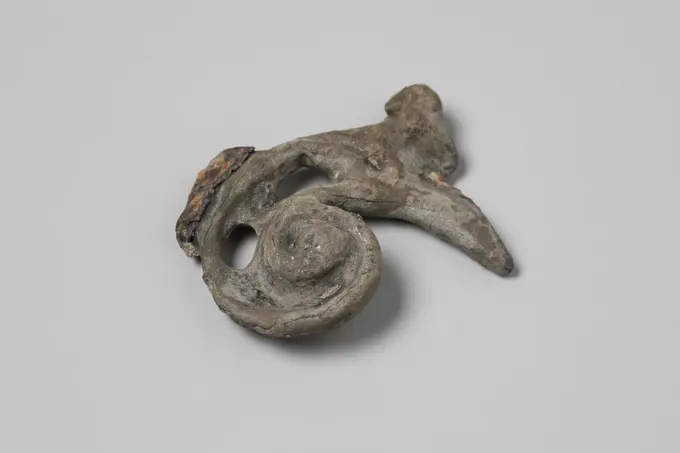
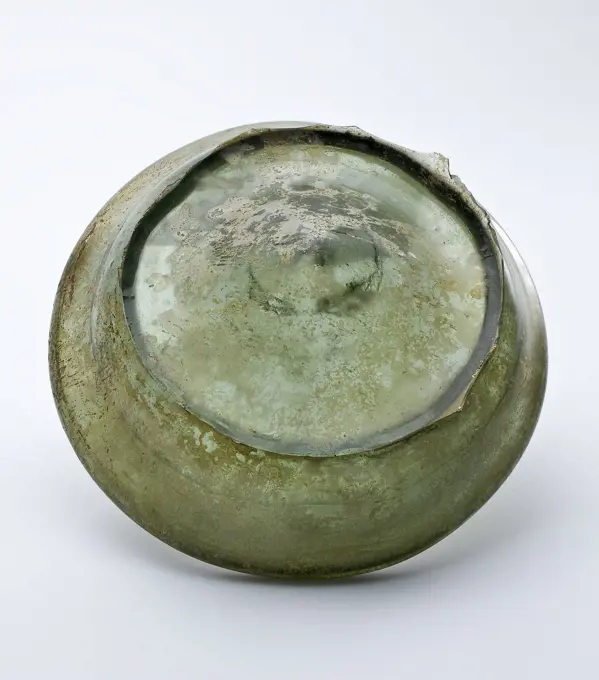
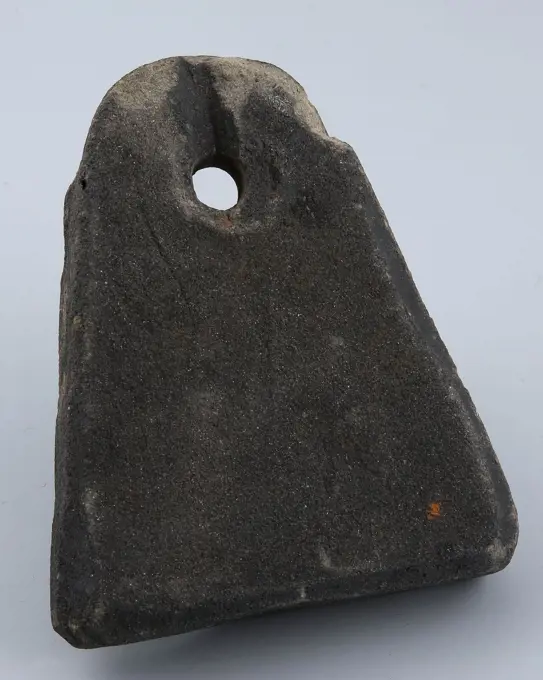
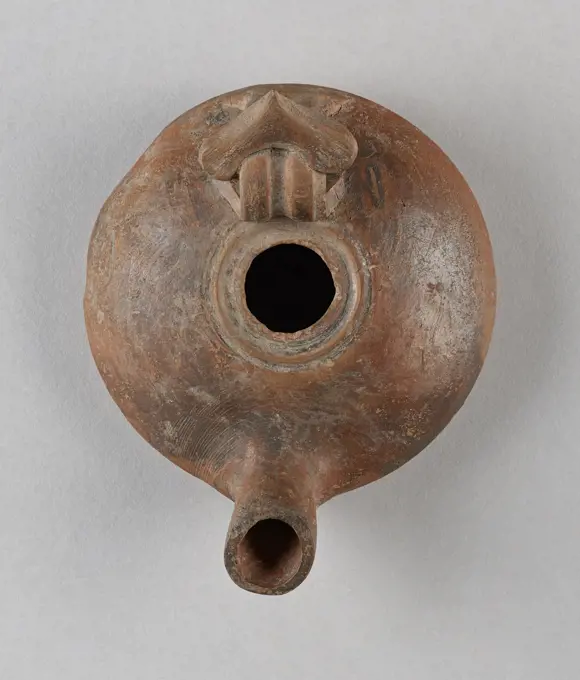
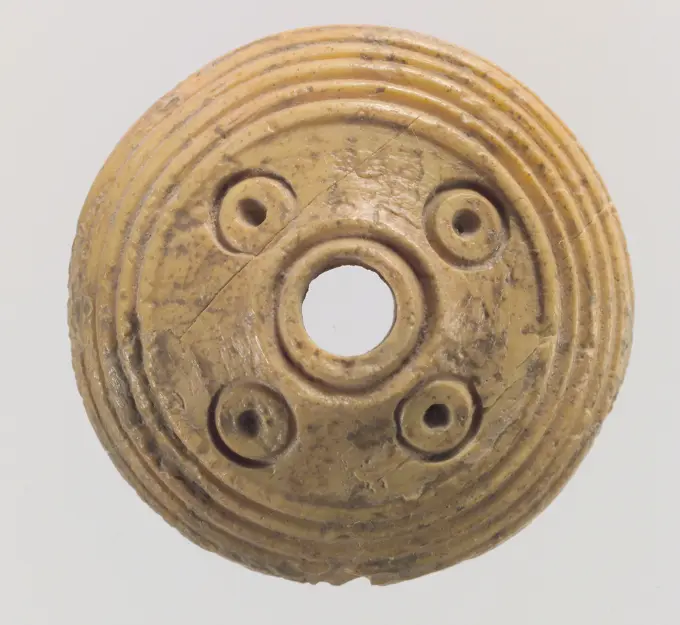
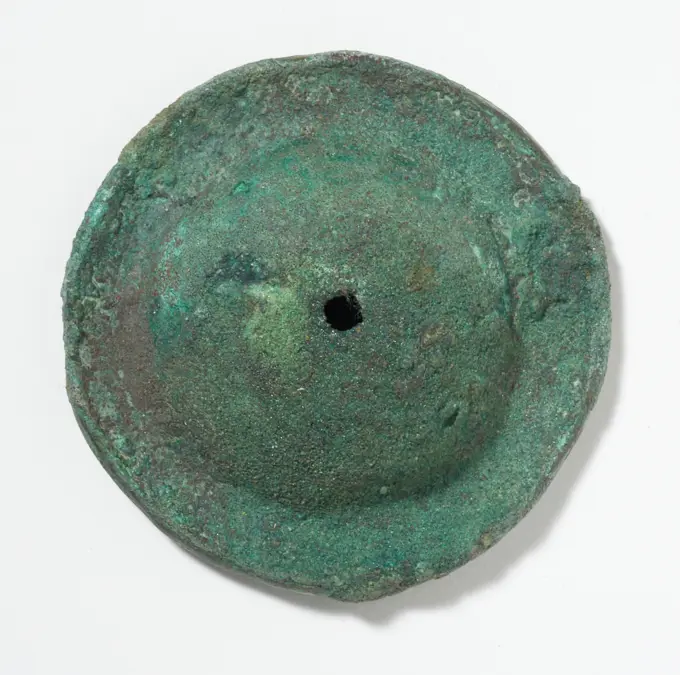
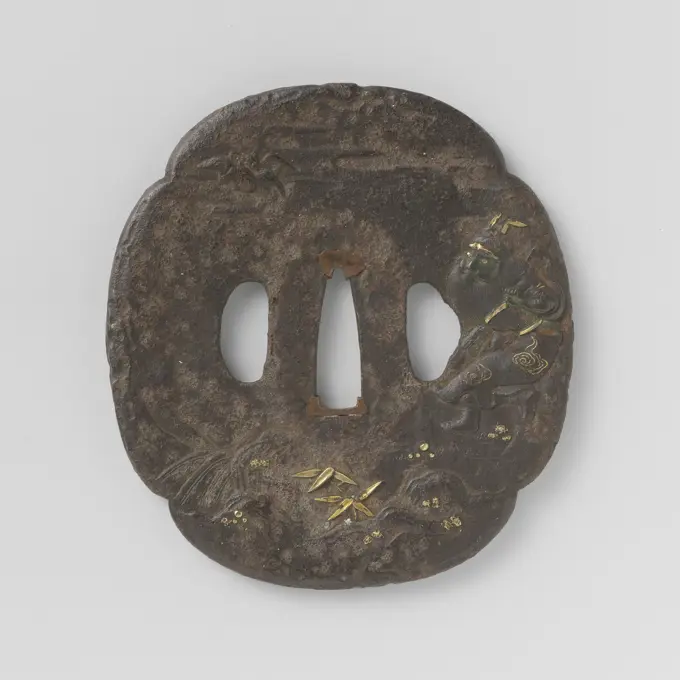
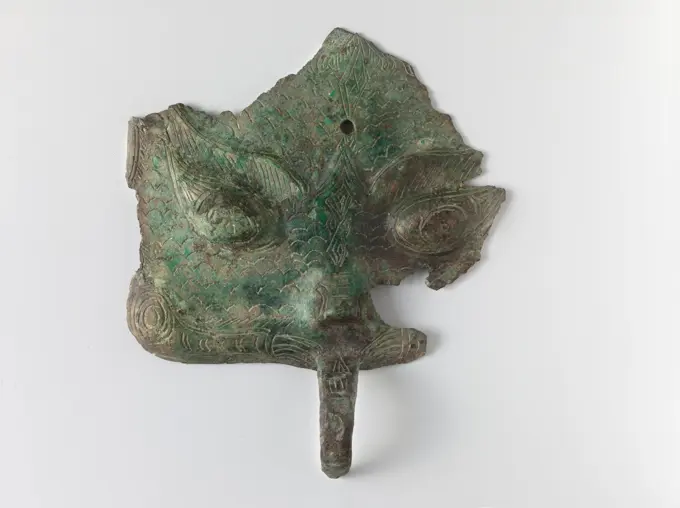
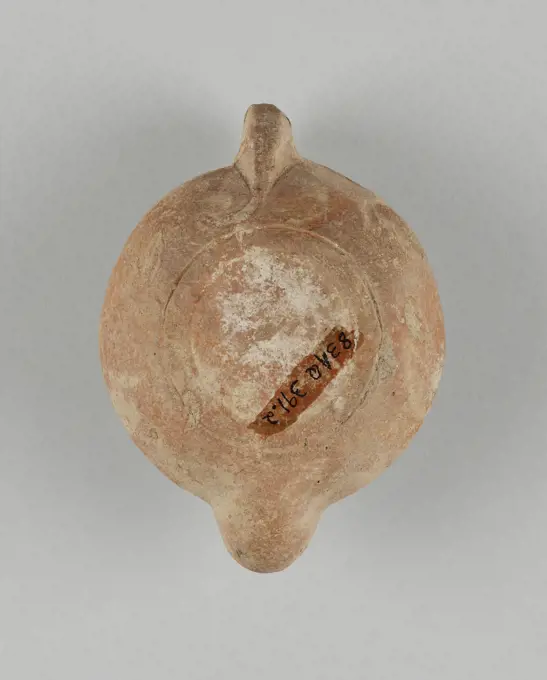
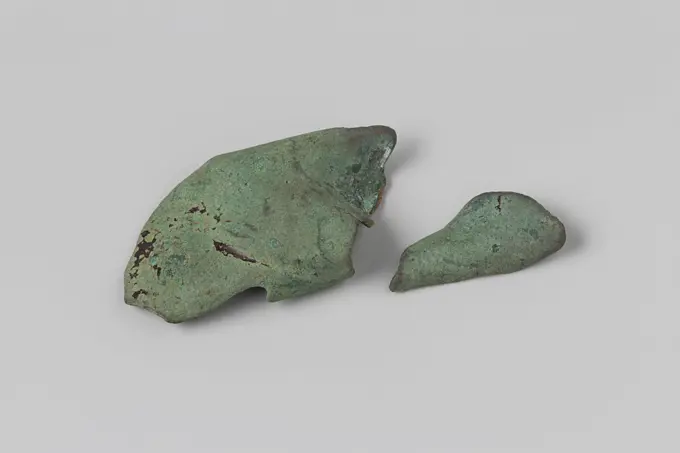
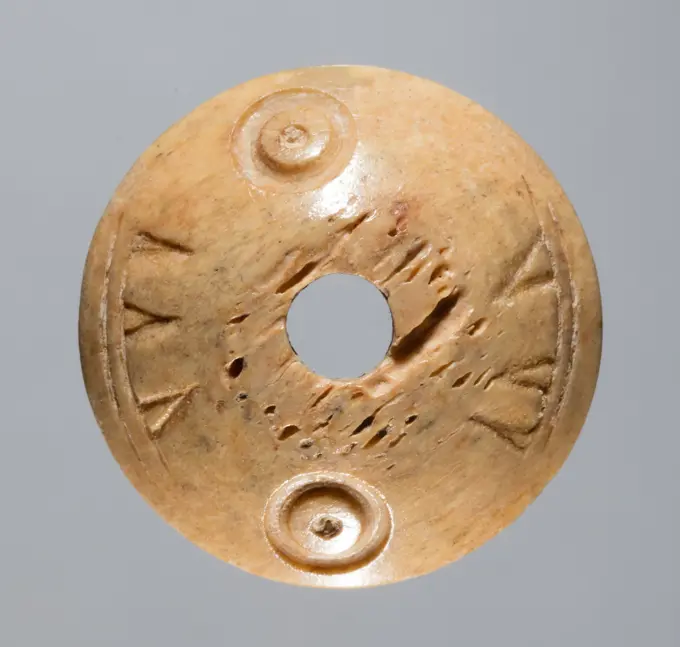
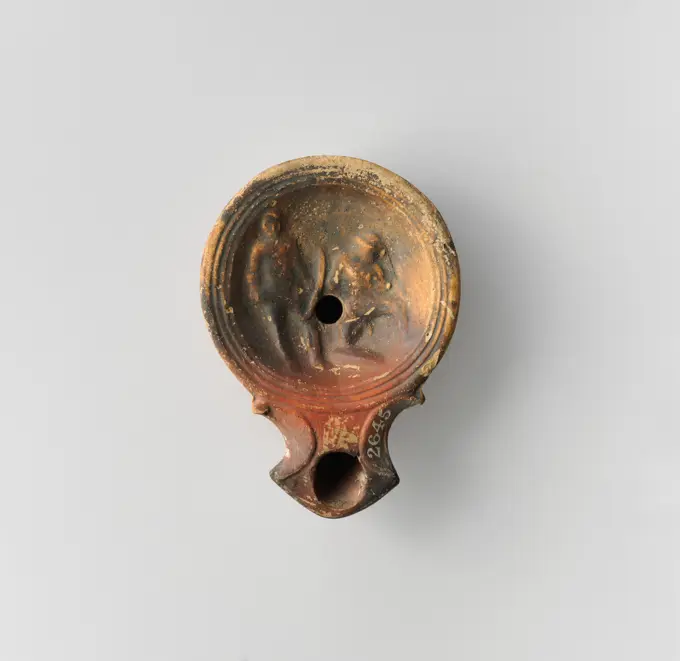
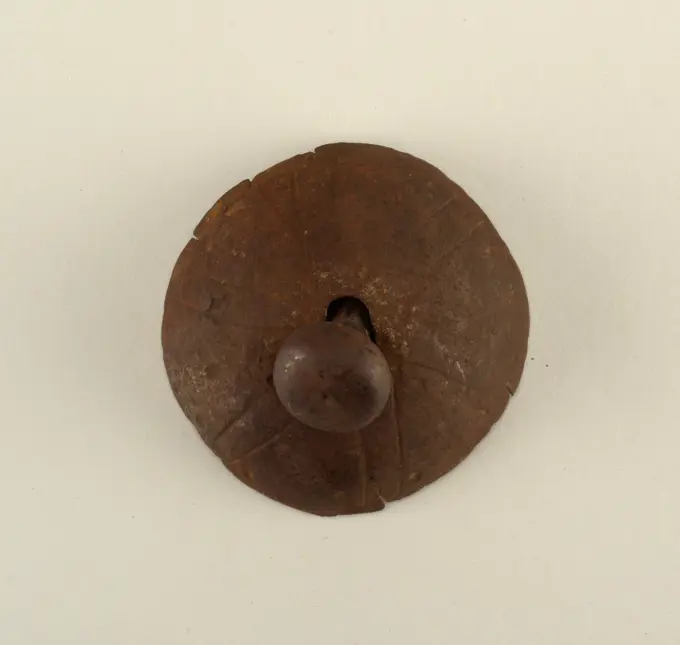
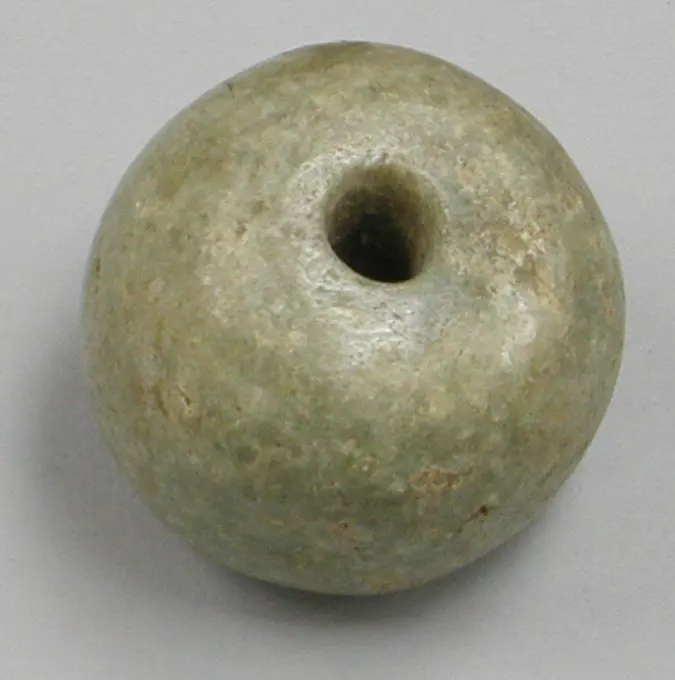
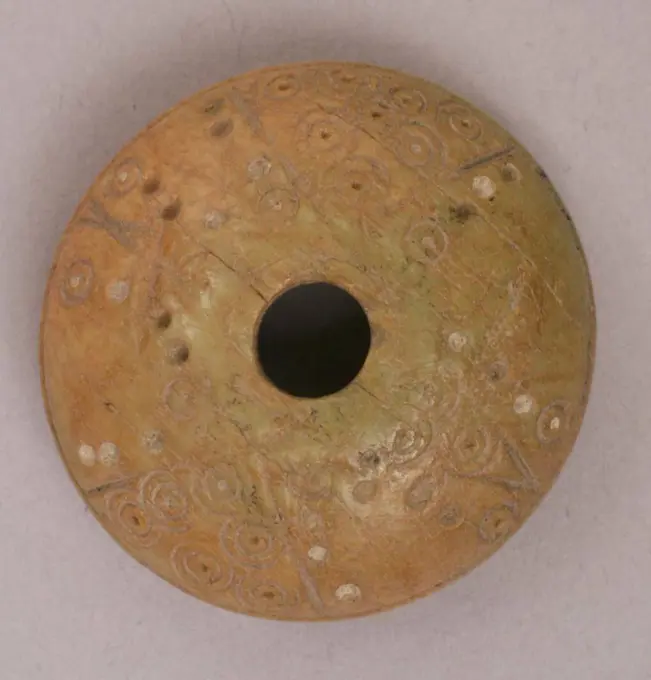
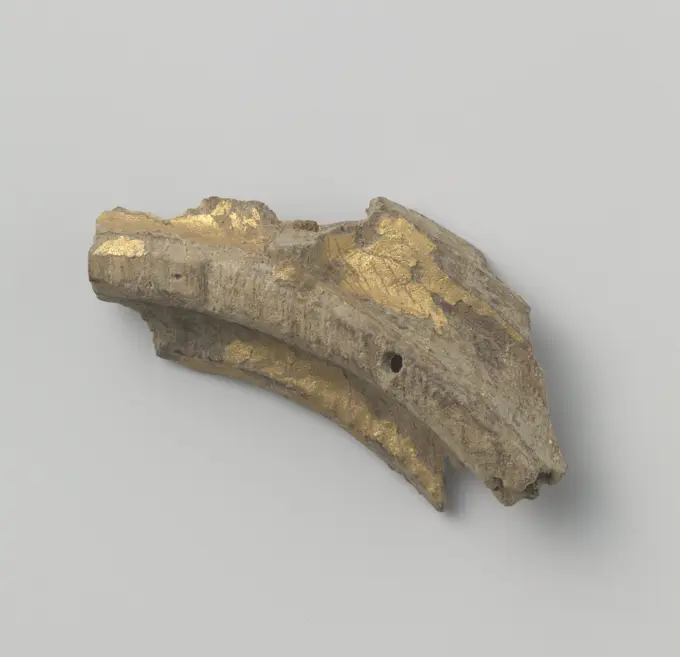
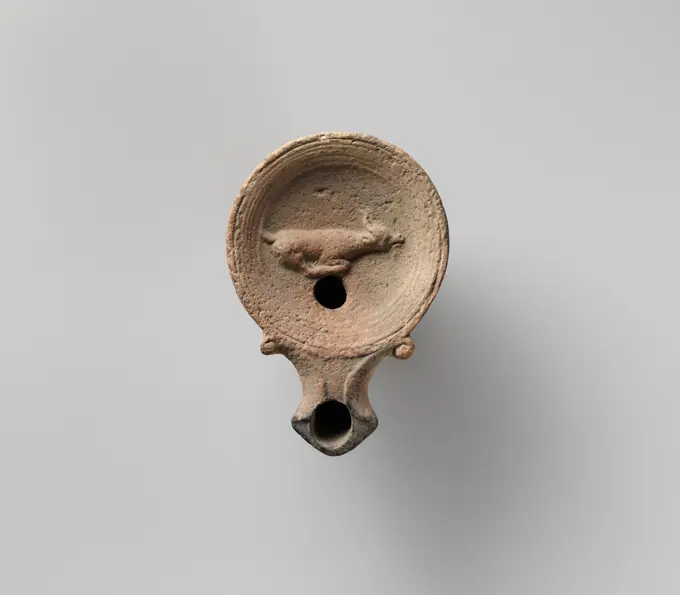
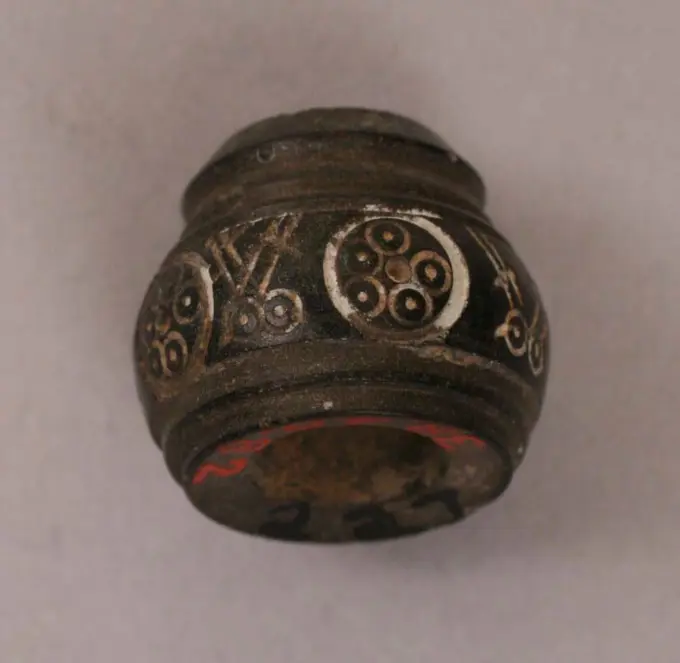
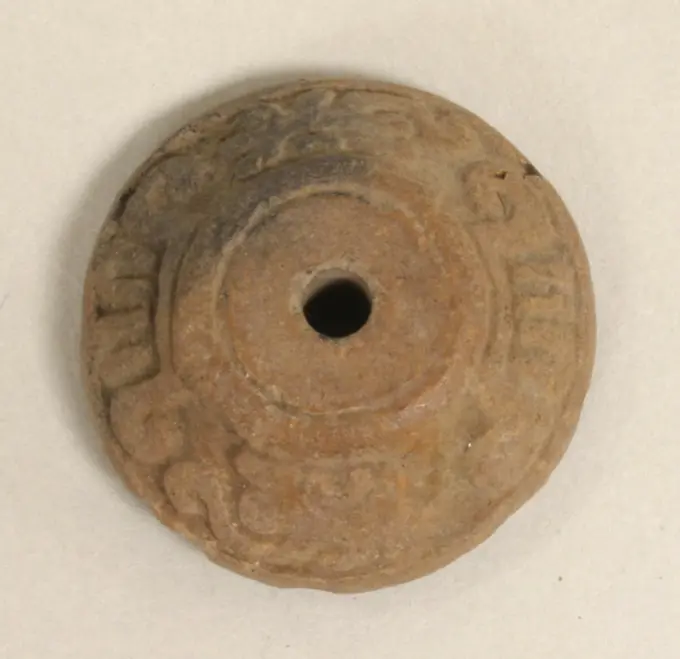
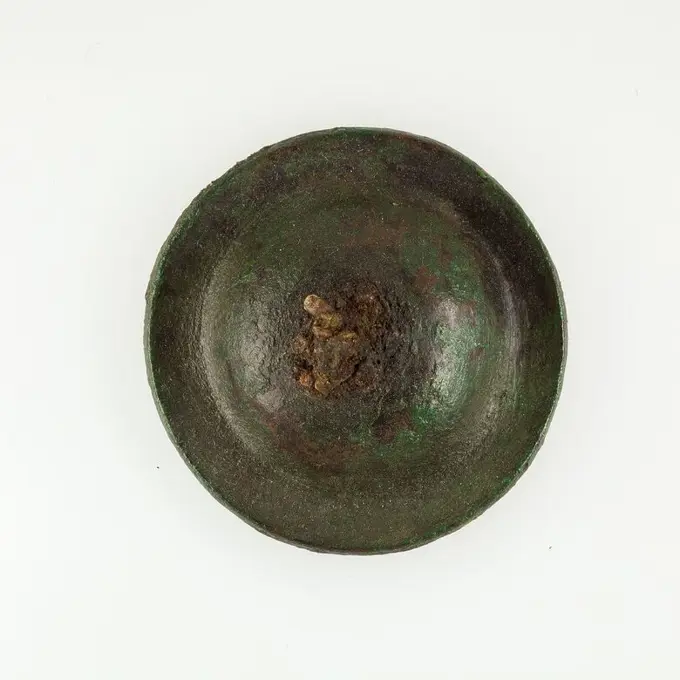
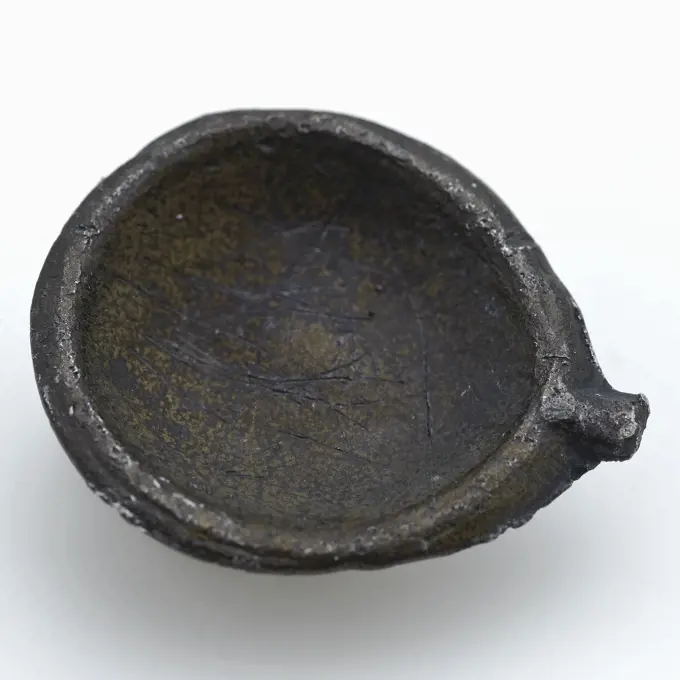
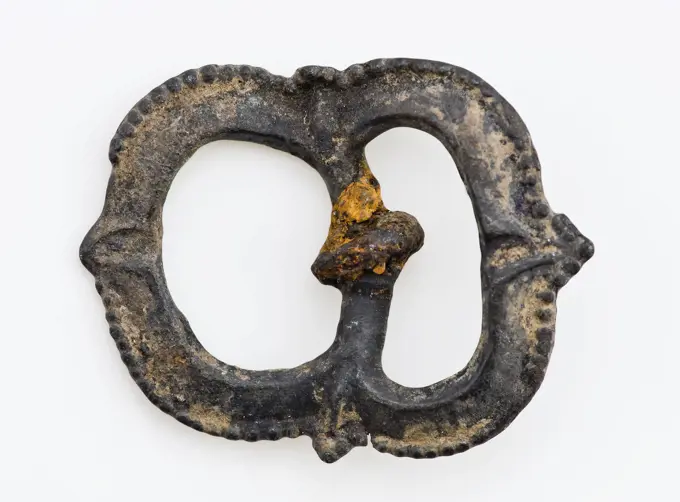
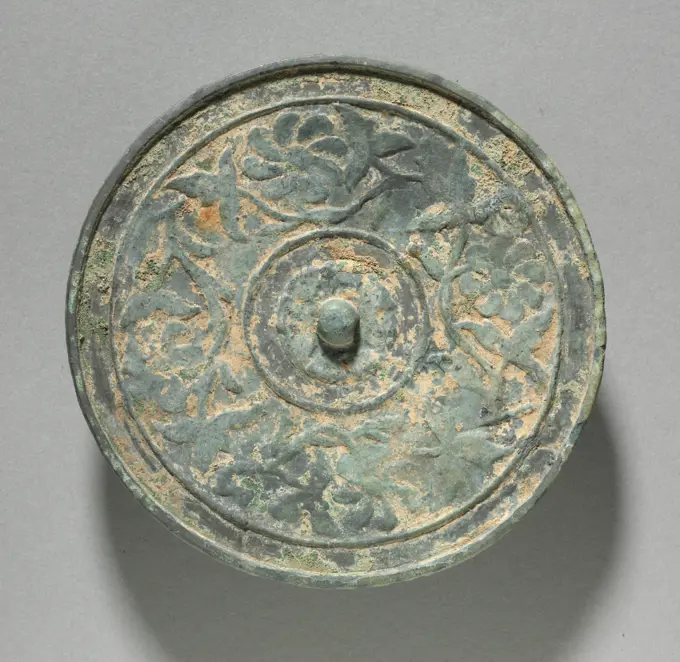
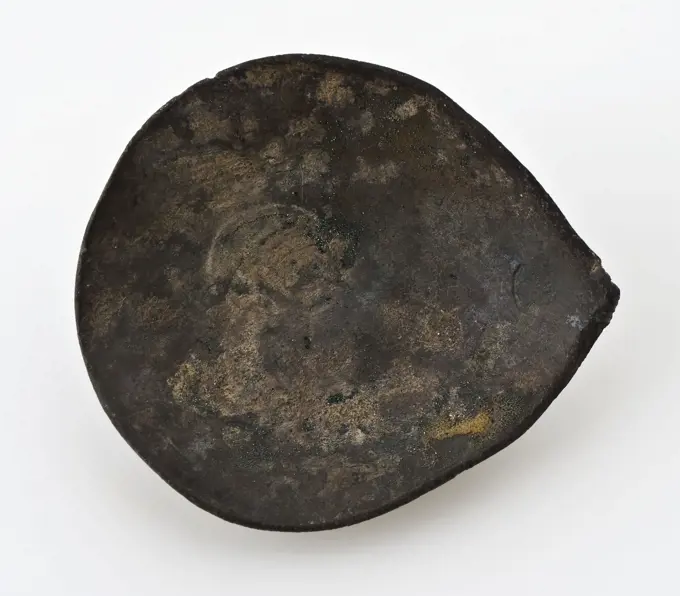
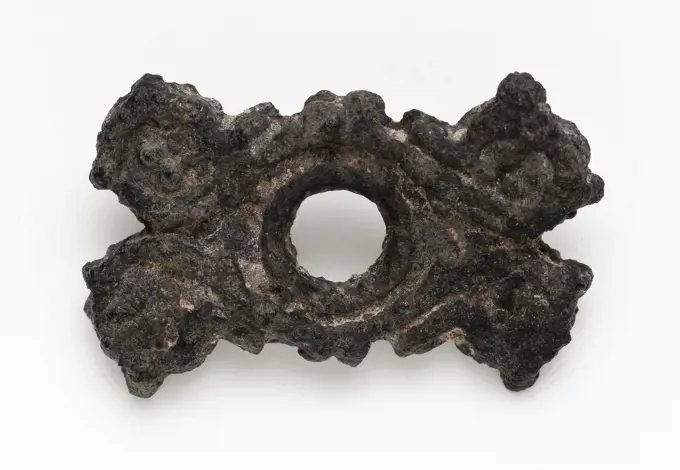
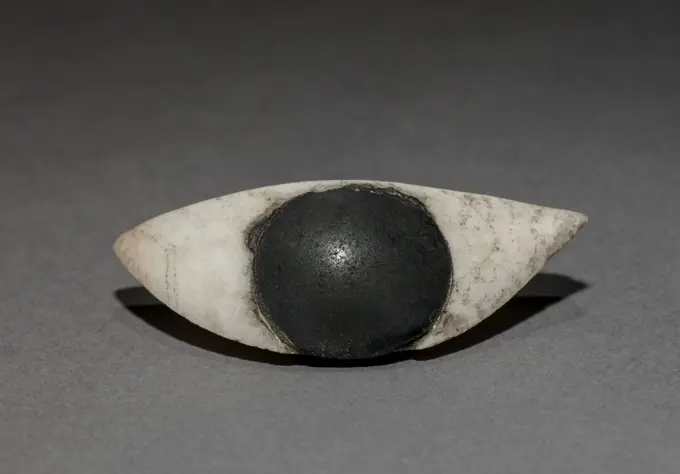
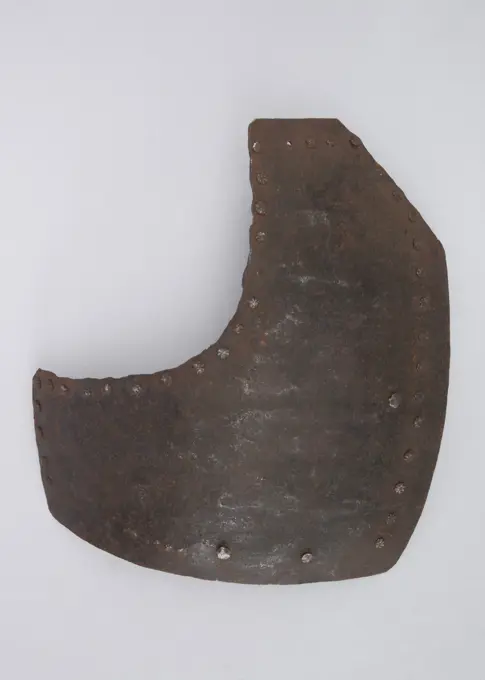
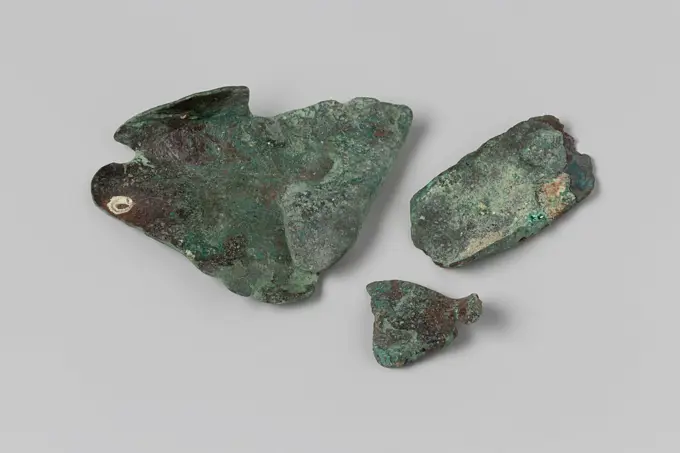
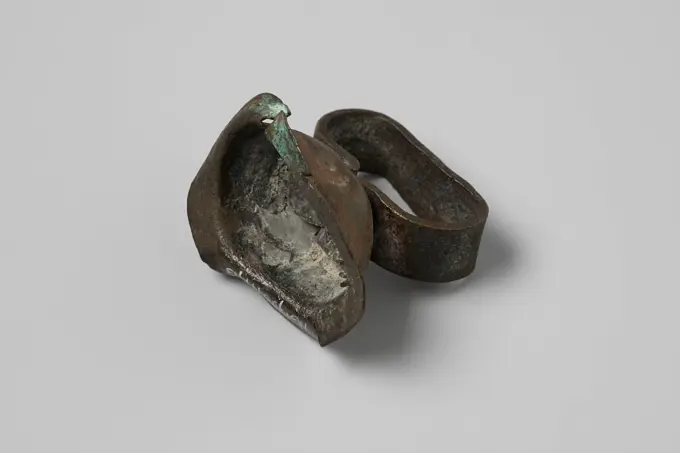
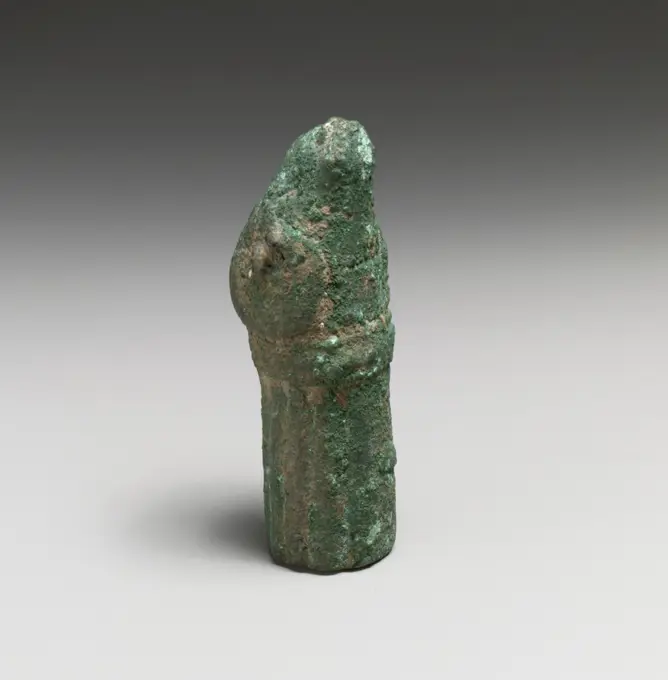
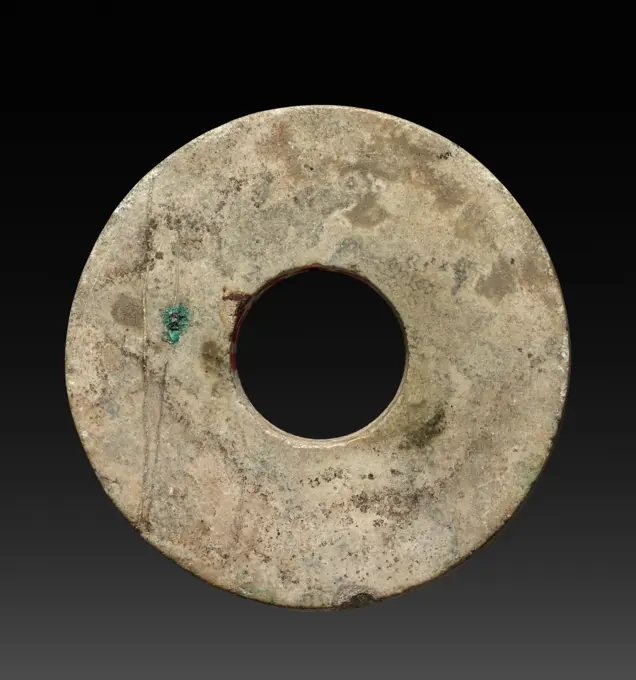
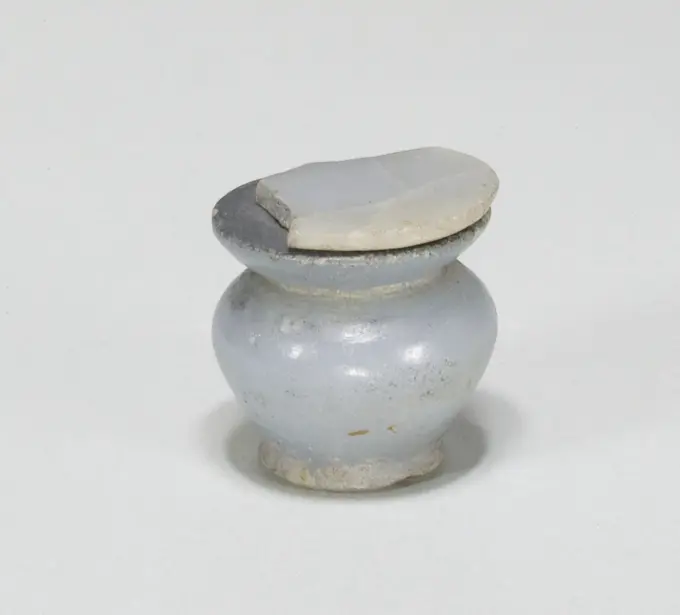
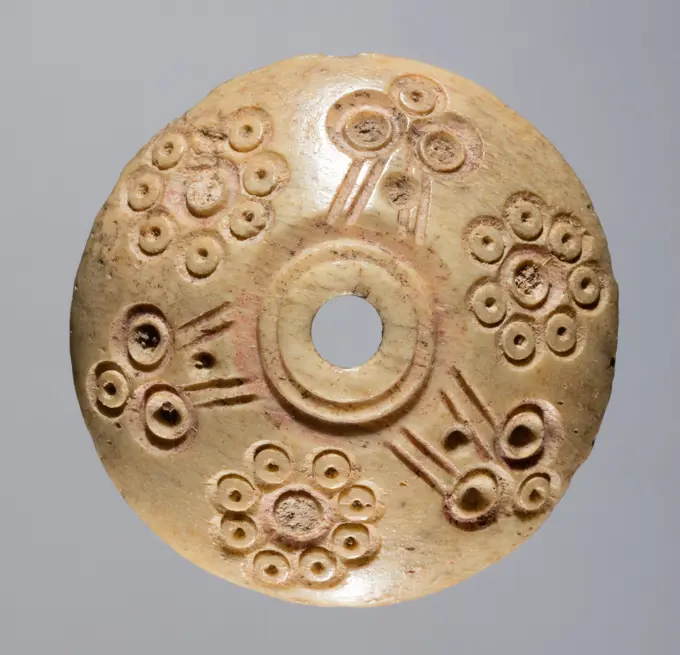
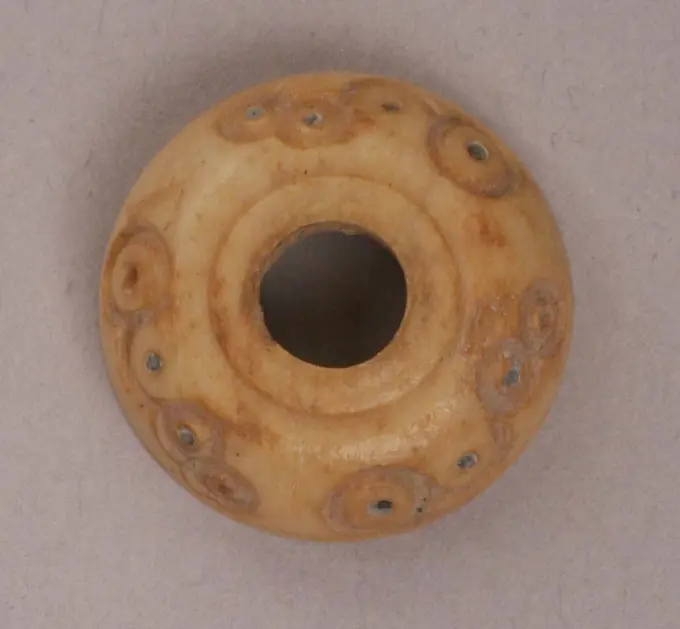
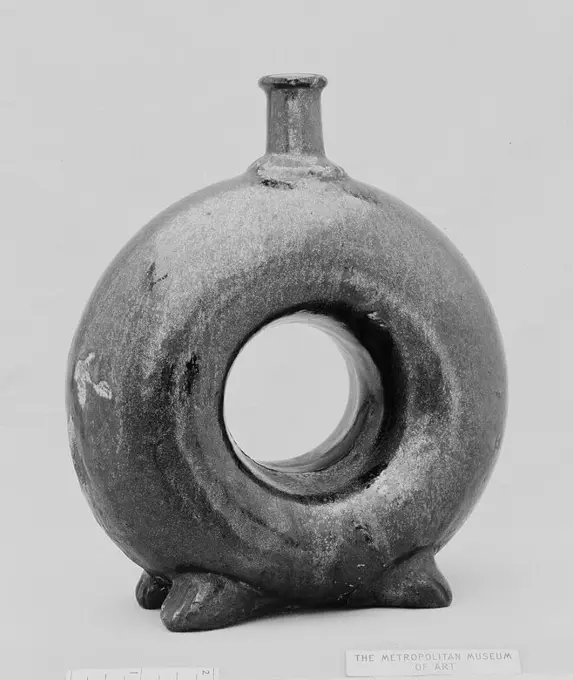
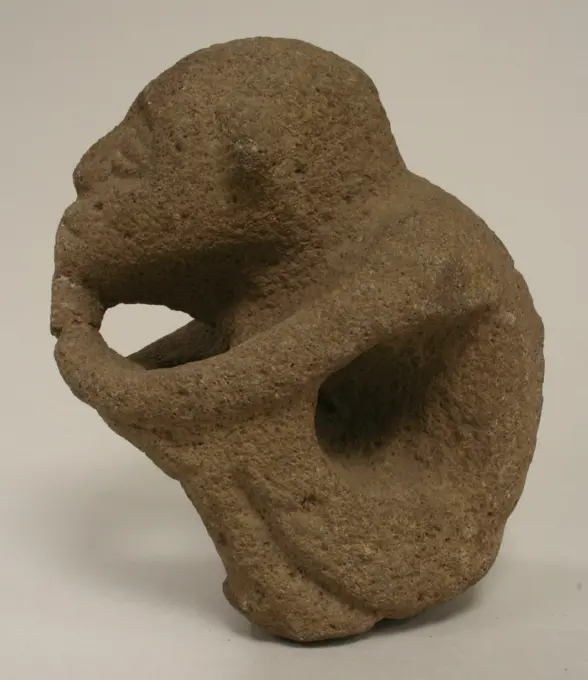
Knot of four lilies, Anonymous, c. 1590 - c. 1596 button Button of yellow buyer with four lilies for decoration. The NG-NM-7723-7 buttons, NG-NM-7723-8 and NG-NM-7723-10 are not identical. Amsterdam brass (alloy) casting  Nova Zembla. Saving HuysOne from a Pair of Bangles 300 B.C.-A.D. 400 Thailand. One from a Pair of Bangles. Thailand. 300 B.C.-A.D. 400. Bronze. Late period. JewelryDecorative batter from the wreck of the East India Hollandia. Fitting, decorative fitting or fragment; Fragm, ID. NG 1980-27H1133, Scrolling End Of Right Wing, eroded.Fragment of foot, soil and chalice of large bottle, bottle holder soil found glass forest glass, free blown and formed Fragment of foot bottom and very small part of wall of large (pouring or stock) bottle in clear light green glass (forest glass). Pontil mark under double folded hollow up (h 4.5 cm) foot Very small part of wall is widely used in archeologyButton with four lilies. Button, decorated with four lilies. The buttons NG-NM-7723-7, NG-NM-7723-8 and NG-NM-7723-10 are not identical.Bottle 16th century French. Bottle 465895 French, Bottle, 16th century, Earthenware, glaze, Overall: 2 1/16 x 2 1/8 in. (5.3 x 5.4 cm). The Metropolitan Museum of Art, New York. Gift of J. Pierpont Morgan, 1917 (17.194.2208)Oil Lamp 4th-7th century Coptic. Oil Lamp 478698Bottle. Glass. Paris, Carnavalet museum. 51537-14 Bottle, distantSpout of field bottle, French earthenware, glazed, Flask Holder Fragment soil found Ceramic Pottery Glaze Lead Glaze, w 9.4 Hand Turned Hand Formed Glazed Baked Fragment of Flask Yellowish shard with gray core completely covered with thick layer of lead glaze Double conical weighted edge of the spout. The basis of this object caliwates to be formed by the double folding of dish thick surrounding back on the outside archeology Rotterdam City Triangle Mariniersweg uitheems earthenware import packing transporting drinking archaeological find in the soil Mariniersweg 1983.Animal with Rectangular Body. Afghanistan, 5th-6th century. Sculpture. Terracotta with paintSpindle Whorl, 700s - 900s. Iran, early Islamic period, 8th - 10th century. Bone, incised; overall: 1 x 1.6 x 1.6 cm (3/8 x 5/8 x 5/8 in.).Lamp. UnknownPenannular Earring ca. 1550-1295 B.C. New Kingdom. Penannular Earring. ca. 1550-1295 B.C.. Bronze or Copper Alloy. New Kingdom. From Egypt; Probably from Northern Upper Egypt, Deir el-Ballas. Dynasty 18Fibula 9th-8th century B.C. Italic, Villanovan. Fibula 256012Oil LampKitten ring. Copper alloy. Gallo-Roman. Paris, Carnavalet museum. 51463-20 Copper alloy, kitten ring, Gallo-Roman time, Gallo-RomanAmuleto, campanilla romana de bronce. Can Serra Museu de Mataró.Earthenware grid reinforcement with hole and rope spring, triangular with round head, grid reinforcement weighting soil find ceramic pottery, hand shaped baked Triangular weighting with round top cut corners and round hole with rope fender Gray shard archeology Rotterdam City Triangle Groenendaal underground pit pottery catch fish fisherman sein stone archaeological find in the soil Rotterdam Kralingen landfill Groenendaal found September 1975.Lamp, Roman Empire; 4th - 1st century B.C; Terracotta; 2.6 x 9.4 x 11 cm (1 x 3 11,16 x 4 5,16 in.)Key or Key Handle 1st-7th century Roman. Key or Key Handle 462890Button ca. 3rd-7th century A.D. Sasanian. Button 323083Bronze Cymbal. Egypt, New Kingdom - Roman Period (1569 BCE - 150 CE). Tools and Equipment; musical instruments. BronzeMedical Cup. UnknownHand guard, anonymous, 1700 - 1800 Mokko-shaped tsuba with shoki on the front the demonstray and two bats in a landscape in relief and inlaying in gold; At the rear a bridge over a stream. Japan iron (metal). gold (metal) Mokko-shaped tsuba with shoki on the front the demonstray and two bats in a landscape in relief and inlaying in gold; At the rear a bridge over a stream. Japan iron (metal). gold (metal)Square Pyramidal Bell 6th-7th century () Frankish (). Square Pyramidal Bell 465605 Frankish (), Square Pyramidal Bell, 6th7th century (), Copper alloy, Overall: 1 1/2 x 1 1/2 x 1 1/8 in. (3.8 x 3.8 x 2.8 cm). The Metropolitan Museum of Art, New York. Gift of J. Pierpont Morgan, 1917 (17.193.278)Vesicular basalt bowl ca. 1600-1200 B.C. Cypriot The small bowl has a ring-shaped foot and an in-curved edge.. Vesicular basalt bowl 243924Vase fragment Greek, Laconian. Vase fragment 251284 Greek, Laconian, Vase fragment, Terracotta, 2 1/4 x 1 11/16in. (5.8 x 4.3cm). The Metropolitan Museum of Art, New York. Gift of A. J. B. Wace, 1923 (23.119.8)Applique in the shape of a animal mask. Bronze. Janne excavations. Culture Dong Son. Epoque by Giao Chi (1st century BC - Tenth century AD). Paris, Cernuschi museum. 60213-5 Bronze, Culture Dong Son, Epoque Giao Chi, excavation, animal mask, piece, Vietnamese object, archeological vestigeFragment of a musket size, anonymous, c. 1590 - c. 1596  Musketmaat, fragment consisting of leather bottom glued. The cap is missing and the leather is cracked. Standard description musket size: brass lined with leather. Equipped with two eyes on the side to put a cord through which held the lid and the buddy was hung on the bandelier. A musketti band had twelve powder buddies and a bag of bullets. The powder buddies contain a carefully adjusted amount of gunpowder for one shot.  leather. brass (alloy) striking (metalworking)  Nova Zembla. Saving HuysLamp; Roman Empire; 2nd - 3rd century; Terracotta; 9.7 x 4.5 x 7.1 cm (3 13,16 x 1 3,4 x 2 13,16 in.)Fragment of buyer from the wreck of the East India Hollandia.parts or artifacts; eroded fragments: Materials; Copper.Spindle Whorl, 700s - 900s. Iran, early Islamic period, 8th - 10th century. Bone, incised; overall: 0.5 x 1.8 x 1.8 cm (3/16 x 11/16 x 11/16 in.).Pendant: Cowrie Shell / Hare. UnknownTerracotta oil lamp 1st century B.C.-1st century A.D. Cypriot Loeschcke Type 1A. Mold-made. Deep, concave discus: two gladiators; one (the victor) standing at left, facing front, with arms at his sides, holding a shield and straight sword, and the other (the vanquished), kneeling at right, with his oval shield on the ground in front of him; a single central filling hole; band of fine lines and grooves at edge. Volutes flanking angular nozzle, with large wick hole. Raised, narrow base ring, surrounded by an incised circle, and concave base.Intact, but one surface chip on right edge near front.. Terracotta oil lamp. Cypriot. 1st century B.C.-1st century A.D.. Terracotta. Early Imperial. TerracottasHalf test on stand ring, round, red pottery, test stove heating floor found ceramic earthenware glaze lead glaze, ring 7.9 hand-turned glazed baked Round test on stand ring Internally glazed Red shard free thick-walled earthenware. Narrowing over the foot archeology City Triangle Rotterdam Laurenskerk indigenous pottery heating lighting Soil discovery found during the restoration of the Laurenskerk in Rotterdam.Oil LampDecorative Door Boss And Nail; wrought iron; a) H x diam.: 2.1 × 7.7 cm (13/16 × 3 1/16 in.) b) H x diam.: 5.1 × 2.3 cm (2 in. × 7/8 in.)Bronze Cymbal. Egypt, probably Roman Period (30 BCE - 300 CE) or later. Tools and Equipment; musical instruments. BronzeFish net weight. Dimensions: l. 8.1 cm (3 3/16 in). Dynasty: Dynasty 19-20. Date: ca. 1295-1070 B.C.. Museum: Metropolitan Museum of Art, New York, USA.Olive lamp with a human face;  I-II century AD (0-00-00-400-00-00);Terracotta oil lamp Greek Mold-made. Carinated body. Large central filling hole, surrounded by a narrow, inward-sloping band. Sloping shoulder, decorated with radiating lines and knobs at sides; at left, a lion's head, and at right, a dolphin in profile, facing forward. Slightly tapering nozzle, with mask of a satyr in high relief along its top. Incised base ring, and raised, concave base.Intact.. Terracotta oil lamp 241429Neck of a wine bottle from the wreck of the East Indians Hollandia, Anonymous, 1700 - in Or Before 1743  Wine bottle, continental production, neck, onion-shaped bottle or bottle with vertical side; eroded, thin r-string rim Netherlands .   SecondStone Bead before 16th century Mexican. Stone Bead 317349Fragment of fire hose ring from the wreck of the East Indiesman Hollandia. Fire Engine, Firehose; Fragments, ID. NG-1975-20-H-1271-A, Squashed.COLLAR O CINTURON DE PIEDRA PARA USOS CEREMONIALES. Location: MUSEO DE AMERICA-COLECCION. MADRID. SPAIN.Button or Spindle Whorl 9th-10th century The dot-in-circle motif recalls designs presumed to be of magical significance, most likely an abstract eye to ward off the evil-eye, which serves an apotropaic function. Easily reproduced with a tool and visible in many cultures and times, this symbol may have lost its meaning, and become simply a decorative pattern, or may have one that we have not yet discovered.. Button or Spindle Whorl 449285Oil LampSpindle Whorl, 700s - 900s. Iran, early Islamic period, 8th - 10th century. Bone, incised; overall: 0.8 x 1.5 x 1.5 cm (5/16 x 9/16 x 9/16 in.).Fragment; (possibly) belonging to the retable of Soest, c. 1475 - c. 1499   wood (plant material)   wood (plant material)Terracotta oil lamp 1st century B.C.-1st century A.D. Roman Loeschcke Type 1A. Mold-made. Discus: goat, lying to right with legs folded beneath body; a single large filling hole at bottom center; broad band of fine lines and grooves around edge. Volutes flanking angular nozzle. Raised base ring with two concentric grooves, and flat base.Complete, except for small hole in underside of nozzle, one large surface chip on underside of body at front; all surfaces worn and pitted.. Terracotta oil lamp. Roman. 1st century B.C.-1st century A.D.. Terracotta. Early Imperial. TerracottasSweave ax. Bronze Age. Copper alloy, cast iron. Coming from: Boulevard de Port-Royal (125), 1884. Paris, Carnavalet Museum. Bronze age, copper alloy, weapon, cast iron, socket ax, tool, protohistory, protohistoricButton or Bead 8th-10th century The dot-in-circle motif recalls designs presumed to be of magical significance, most likely an abstract eye to ward off the evil-eye, which serves an apotropaic function. Easily reproduced with a tool and visible in many cultures and times, this symbol may have lost its meaning, and become simply a decorative pattern, or may have one that we have not yet discovered.. Button or Bead 449296Oil Lamp. Culture: Coptic. Dimensions: Overall: 2 1/2 x 3 15/16 x 3 5/16 in. (6.4 x 10 x 8.4 cm). Date: 4th-7th century. Museum: Metropolitan Museum of Art, New York, USA.Fragment of the vessel; Unknown Nubian workshop; 16th-18th centuries (1500-00-00-1700-00-00);Nubian ceramics, geometric decorations, painted decorations, nubian vessels, nubian dishes paintedTorch-holder 6th-4th century B.C. Cypriot Shaped like large candlestick standing in wide saucer. Without decoration.. Torch-holder. Cypriot. 6th-4th century B.C.. Terracotta. VasesExcerpt of copper from the wreck of the East Indians Hollandia, 1700 - in or before 1743 fragment Varied parts or fragments; unidentified and miscellaneous parts or fragments; rectangular plate, flat, 2 right-angled rims, square central hole. Netherlands copper (metal)   SecondTerracotta lamp. Culture: Roman. Dimensions: Overall: 1 x 3 1/8 in. (2.5 x 7.9 cm). Date: 1st century B.C.-1st century A.D.. Museum: Metropolitan Museum of Art, New York, USA.Ring or oval bracelet (title awarded). Iron. Carnavalet museum, history of Paris.Lazio Viterbo Viterbo Museo Civico80. Hutzel, Max 1960-1990 Views of paintings (Middle Ages through 18th c.), frescoes, a tabernacle, coffin, sculpture reliefs, portal fragments, busts, sculpture, tapestry found in the Pinacoteca, Second floor gallery and Second floor cloister sequences. Antiquities: Many views of Etruscan and Roman fragments, sculpture, sarcophagi, pottery, masks, jewelry and other objects found in the Storeroom sequence (inventory numbers on back of prints), and the Cloister, Second floor Cloister, Valle Giulia, Sala Romana and Sala Etrusca sequences. General Notes: There are eight separate numerical sequences for this location. The cloister as an architectural structure, rather than museum site, is documented in the record and file for S. Maria della Verita, Cloister, all views of which are stored in Medieval core collection. Five views from the Museo Civico Second floor cloister sequence are stored in Medieval. German-born photographer and scholar Max Hutzel (1911-Figurine of PtahLid of ritual barrel. Lid of ritual barrel (HU) from bronze.Key 1st-7th century Roman. Key 462940Spindle Whorl 10th-early 16th century Mexican. Spindle Whorl 307572Terracotta oil lamp Greek Mold-made. Carinated body. Large central filling hole, surrounded by a narrow, inward-sloping band. Sloping shoulder, decorated with radiating lines and knobs at sides; at left, a mask (), and at right, a plain, round knob surrounded by four, small impressed circles. Long, slightly tapering nozzle, with vertical wick hole. Raised, flat base.Complete, but some deep surface chipping, especially to knob at left.. Terracotta oil lamp 241441Cymbal. Dimensions: h. 2.7 cm (1 1/16 in); diam. 6.4 cm ( 2 1/2 in). Date: 30 B.C.-A.D. 364. Museum: Metropolitan Museum of Art, New York, USA.Fragment Pijpenkop from the wreck of the East Indians Hollandia, Anonymous, 1700 - in Or Before 1743  Pipe, bowl, heelmark: coat of arms of the province of Gelderland; fragm, no hsm. Netherlands pipe clay   SecondSword Guard (Tsuba) ca. 3rd century-710 Japanese A tsuba is a sword guard and part of a sword mounting. It is mounted between the swords blade and grip to protect the users hands.. Sword Guard (Tsuba). Japanese. ca. 3rd century-710. Iron. Sword Furniture-TsubaButton from the wreck of the East India hollandia. Button. (1) Concentric Molding (1.7D, 0.4T)Figs like bowl of spoon, toys of tin, spoon cutlery toy relaxant soil find tin metal, molded Small fig-shaped tray very short rat tail Completely unfinished. Children's toys of tin archeology Rotterdam railway tunnel indigenous tin child child's play playing games Soil discovery: trajectory rail tunnel Rotterdam.Spiral Fibula. Greek; Thessaly. Date: 800 BC-700 BC. Dimensions: 5.0 x 6.8 x 3.8 cm (2 x 2 5/8 x 1 1/2 in.). Bronze. Origin: Thessaly. Museum: The Chicago Art Institute, Chicago, USA. Author: ANCIENT GREEK.Pewter buckle, double oval ring with middle post, decorative buckle, clasp fastener component soil find tin iron metal, Double ellale brace (brace shape) with middle post archeology Rotterdam rail tunnel confirm Soil discovery: trajectory rail tunnel Rotterdam.Mirror with Scroll Design, 918-1392. Korea, Goryeo period (918-1392). Bronze; overall: 13.7 x 0.3 cm (5 3/8 x 1/8 in.).Lid ca. 7th-6th century B.C. Iran. Lid. Iran. ca. 7th-6th century B.C.. Ceramic. Iron Age III. Iran, Sé GirdanFig-like container of spoon, spoon cutlery soil find tin metal, cast Figs bin leftover rattail incised: crowned rose archeology Rotterdam railroads food Soil discovery: railway tunnel Rotterdam.Lampholder column 1st-2nd century A.D. Roman. Lampholder column. Roman. 1st-2nd century A.D.. Bronze. Imperial. BronzesTerracotta oil lamp 1st century B.C.-1st century A.D. Roman Loeschcke Type 4. Mold-made. Deep concave discus: in high relief, fat-tailed sheep or ram, standing and facing right; a single filling hole at center towards bottom; band of lines and grooves around edge; narrow, undecorated shoulder. Volutes flanking nozzle with large wick hole. Incised base ring, and slightly raised base, concave at center.Intact.. Terracotta oil lamp. Roman. 1st century B.C.-1st century A.D.. Terracotta. Early Imperial. TerracottasSmall pewter batter for leather with round hole in the middle, curling in relief, batter ground find tin lead metal, cast Small tin batter with round hole in the middle. Two curls embossed on both sides and two times three dots Two flattened protrusions at the bottom with which the fittings have been attached archeology Rotterdam City Triangle Botersloot Reinforcing the inner ridge Soil discovery Rotterdam will pour Binnenrotte behind the Botersloot.Carnavalet Museum, Medals CollectionInlay Eye (one of a pair), 1980-1801 BC. Egypt, El-Haraga, cemetery E, tomb 614, excavated in 1914, Middle Kingdom, Dynasty 12, 1980-1801 BC. Travertine and obsidian; overall: 2.2 cm (7/8 in.).Glass compound eye bead ca. 4th century B.C. Greek, Eastern Mediterranean Semi-opaque turquoise blue ground; additions in opaque white and translucent cobalt blue.Squat spherical shape with rounded ends to large vertical hole.Staggered pattern of six white disks, each with rosette of seven eyes in white and blue, but with one disks having only six eyes.Intact; dulling, some pitting, and faint creamy iridescent weathering.Sea blue bead with yellow spots, in which are groups of blue spots.. Glass compound eye bead. Greek, Eastern Mediterranean. ca. 4th century B.C.. Glass; rod-formed. Classical. GlassFragments of a cart or chariot, sockets ca. 500-480 B.C. Etruscan Large collection of bronze and iron attachments once belonging to a chariot.. Fragments of a cart or chariot, sockets 253021 Etruscan, Chariot fragments, sockets, ca. 500480 B.C., Bronze, 1 1/16in. (2.7cm) Diameter (average overall diameter): 1 9/16 in. (4 cm). The Metropolitan Museum of Art, New York. Fletcher Fund, 1929 (29.131.3L5L9)Brigandine Plate 1400-1450 Italian This is part of a large find of medieval armor discovered in 1840 in the ruins of the fortress of Chalcis, on the Greek island of Euboea (then a Venetian colony called Negroponte). The fortress had been captured and destroyed by the Turks in 1470. Now divided largely between the Ethnological Museum, Athens, and The Metropolitan Museum of Art, the Chalcis hoard contains many rare and unusual elements of fourteenth- and fifteenth-century armor. Of particular importance are the variety of headpieces and the many fragments of brigandines (armor for the torso constructed of small plates riveted to layers of fabric), some of which retain portions of their original velvet covering. The Chalcis armor provides a unique picture of the armament used in the Aegean, one of the easternmost military outposts of the Venetian empire.. Brigandine Plate 34352Fragment pipe head. Fragment pipe head with a crown and letters N K W and N displayed. Of the excavations at the Hofstede Arentsburg 1827-1831 under the supervision of professor Reuvens.Fragments from buyer from the wreck of the East India Hollandia.parts or artifacts; eroded fragments: Materials; Copper.Bracelet, 3 1/8 x 3 1/2 x 5/8 in. (7.94 x 8.89 x 1.59 cm), Metal, MaliClosure from the wreck of the East Indiesman Hollandia. Fitting, cover; Squashed, Oval, domed (egg-shaped), flat rim with 2 circular holes, ring-shaped finial or flat strip,.Part of a bronze handle with rams head finial 1st century A.D. Roman Handle of a patera with a ram's head.. Part of a bronze handle with rams head finial 253639 Roman, Part of a bronze handle with ram?s head finial, 1st century A.D., Bronze, L. 3 1/8 in. (8 cm). The Metropolitan Museum of Art, New York. Bequest of W. Gedney Beatty, 1941 (41.160.113)Ring, 206 BC- AD 220. China, Han dynasty (202 BC-AD 220). Jade; diameter: 4.2 cm (1 5/8 in.).Kohl jar ca. 1850-1640 B.C. Late Middle Kingdom or early Second Intermediate Period This cosmetic vessel was found in a "surface burial" in the area of the mastaba tomb of Senwosretankh at Lisht South. The subsidiary burials in this area appear to date from the Late Middle Kingdom to the early Second Intermediate Period. A cylinder with the name of King Amenemhat III (33.1.52), a late Middle Kingdom scarab (33.1.51) and a Tell el-Yahudiya juglet (now in Cairo JE 60263) were discovered in some of these burials. The juglet has three zones of decoration, a type known from strata F and E3 at Tell el-Dab'a, that are generally dated to ca. 1710-1650 B.C.. Kohl jar. ca. 1850-1640 B.C.. Anhydrite. Late Middle Kingdom or early Second Intermediate Period. From Egypt, Memphite Region, Lisht South, tomb of Senwosretankh, Surface burial 34-37, MMA excavations, 1932-33. Dynasty 12-13Spindle Whorl, 700s - 900s. Iran, early Islamic period, 8th - 10th century. Bone, incised; overall: 0.6 x 2.4 x 2.4 cm (1/4 x 15/16 x 15/16 in.).Oil Lamp. Culture: Coptic. Dimensions: Overall: 1 3/8 x 3 1/8 x 2 1/4 in. (3.5 x 8 x 5.7 cm). Date: 4th-7th century. Museum: Metropolitan Museum of Art, New York, USA.Fragment basement bottle from the wreck of the East Indians' t Vliegend Hart, Anonymous, c. 1700 - c. 1735  Bottom of a basement bottle.  .Button 9th-10th century The dot-in-circle motif recalls designs presumed to be of magical significance, most likely an abstract eye to ward off the evil-eye, which serves an apotropaic function. Easily reproduced with a tool and visible in many cultures and times, this symbol may have lost its meaning, and become simply a decorative pattern, or may have one that we have not yet discovered.. Button 449248Lamp early 8th century. Lamp 451652Ring Bottle. Culture: Japan. Dimensions: H. 8 in. (20.3 cm); W. 7 in. (17.8 cm). Date: 18th century. Museum: Metropolitan Museum of Art, New York, USA.Copper Tumi with Figure 15th-16th century Inca. Copper Tumi with Figure 315653Sukia Figure 11th-16th century Atlantic Watershed. Sukia Figure 312648Spindle Whorl 10th-early 16th century Mexican. Spindle Whorl 307554Lamp 3rd-8th century. Lamp 446625Ring Brooch 14th century Western European. Ring Brooch. Western European. 14th century. Copper alloy. Metalwork-Copper alloy