Antique Jewelry and Decorative Artifacts

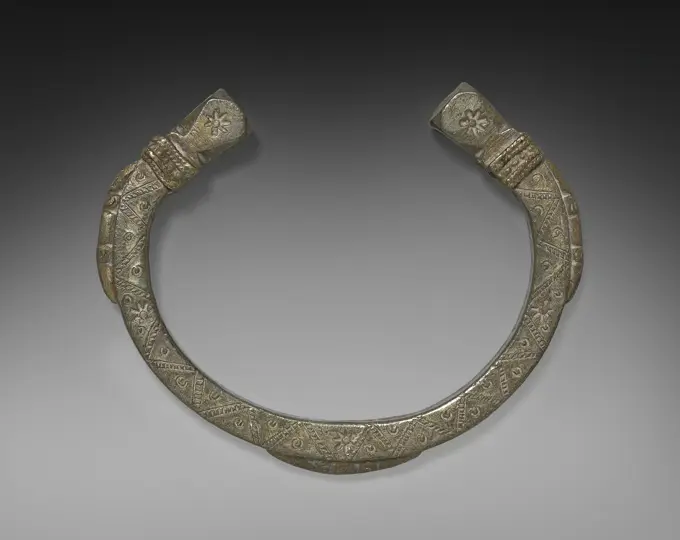
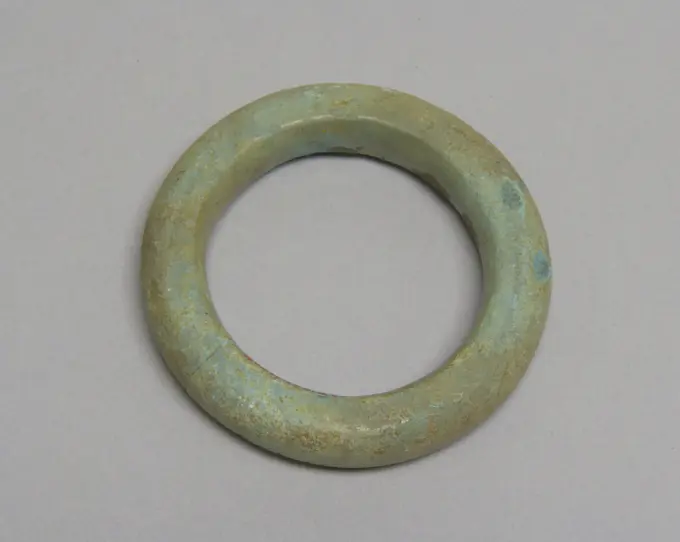
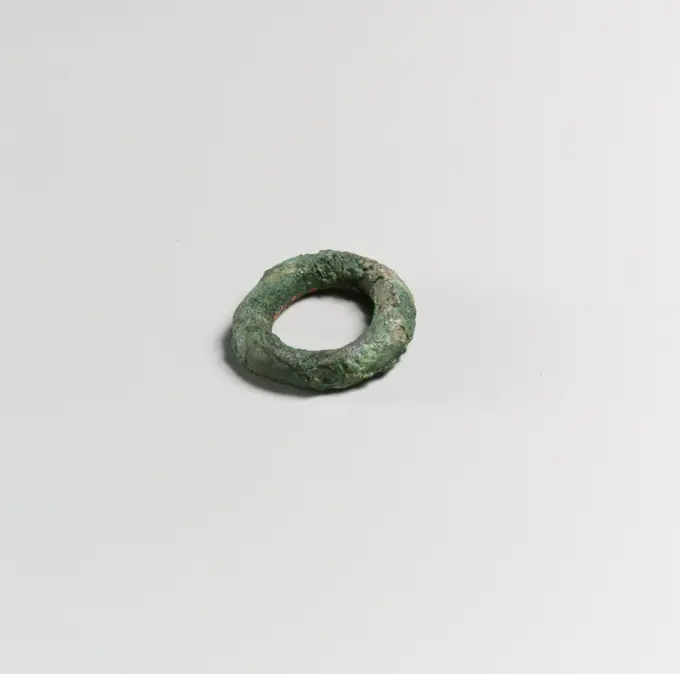
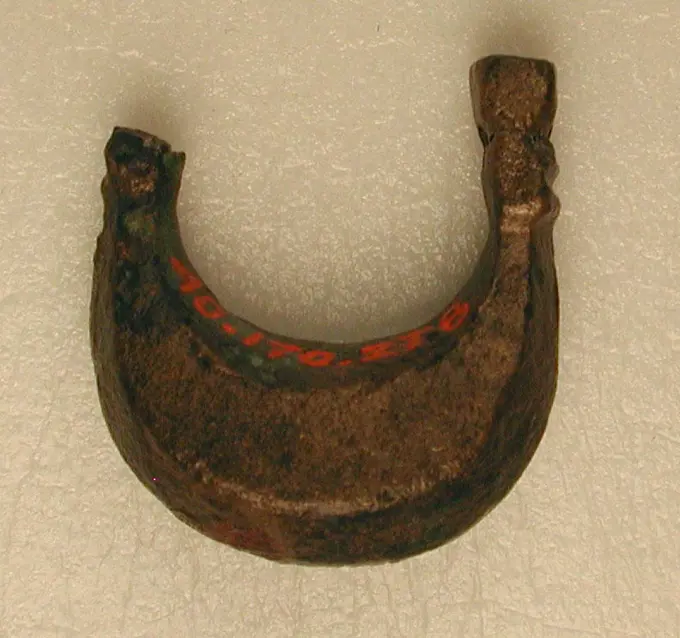
Historical buttons and bangles from various periods, crafted in bronze and featuring intricate designs, showcasing antique craftsmanship.
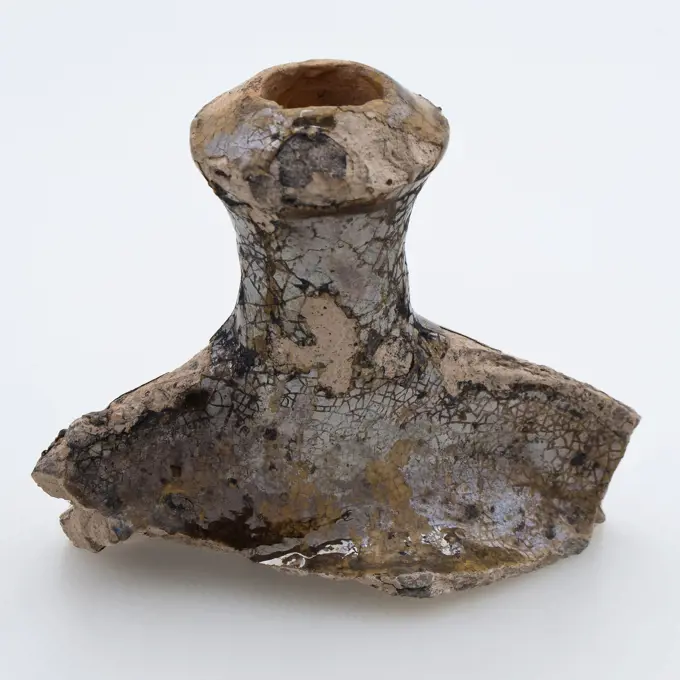
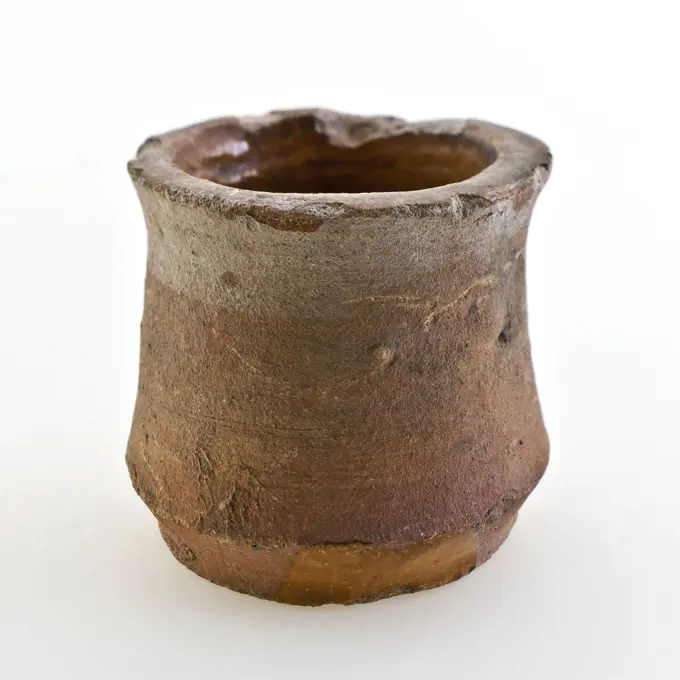
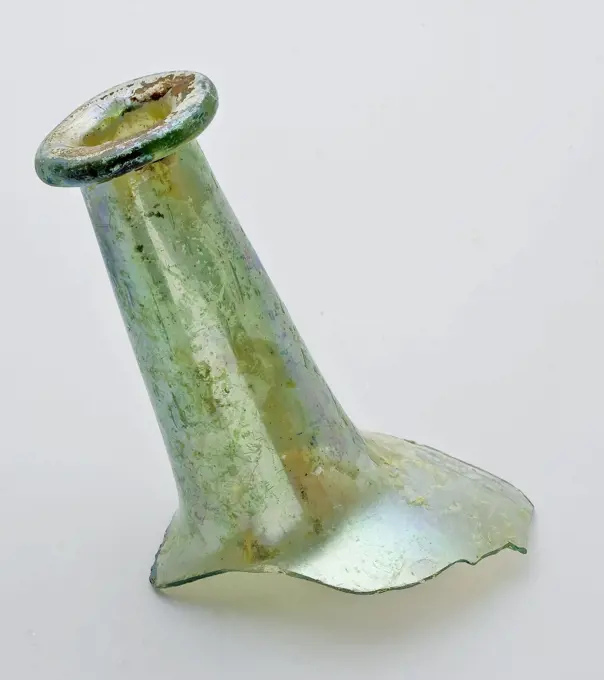
Spout of field bottle, French earthenware, glazed, Flask Holder Fragment soil found Ceramic Pottery Glaze Lead Glaze, w 9.4 Hand Turned Hand Formed Glazed Baked Fragment of Flask Yellowish shard with gray core completely covered with thick layer of lead glaze Double conical weighted edge of the spout. The basis of this object caliwates to be formed by the double folding of dish thick surrounding back on the outside archeology Rotterdam City Triangle Mariniersweg uitheems earthenware import packing transporting drinking archaeological find in the soil Mariniersweg 1983.
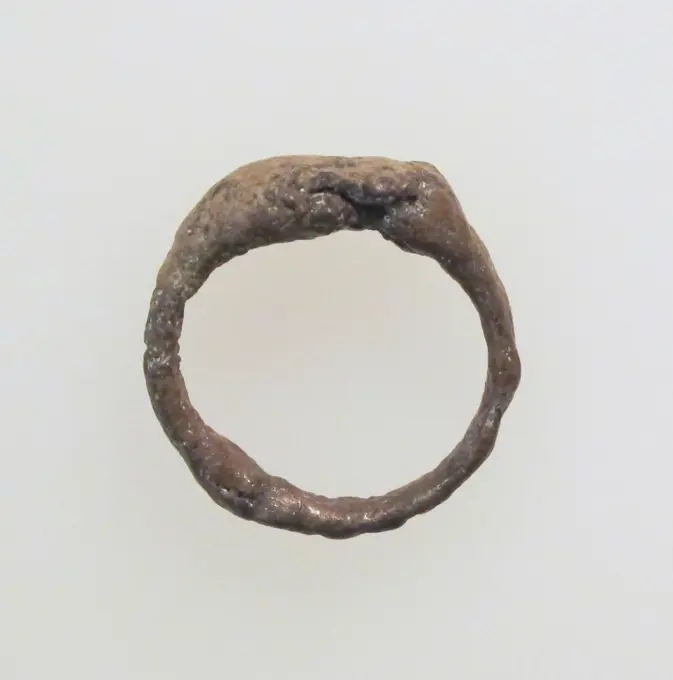
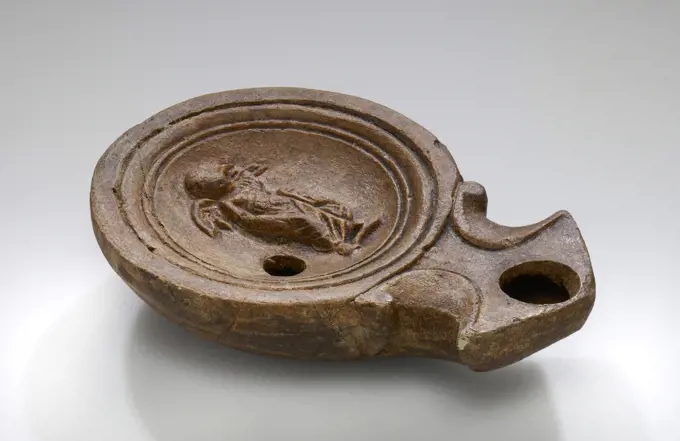
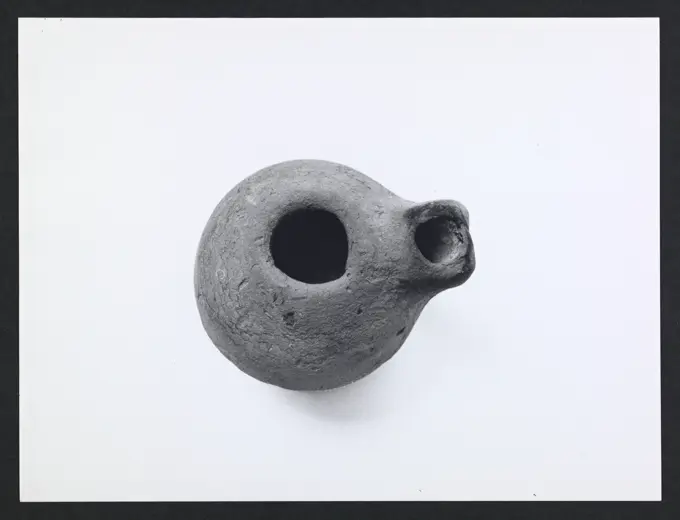
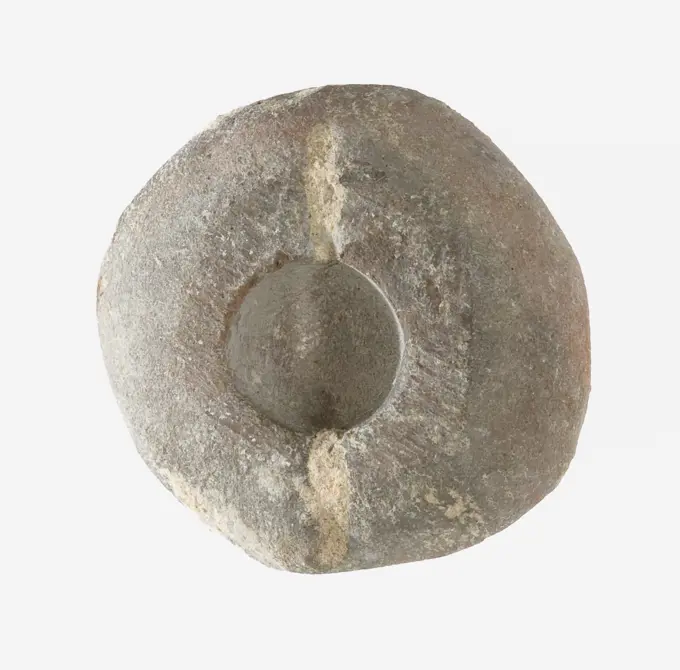
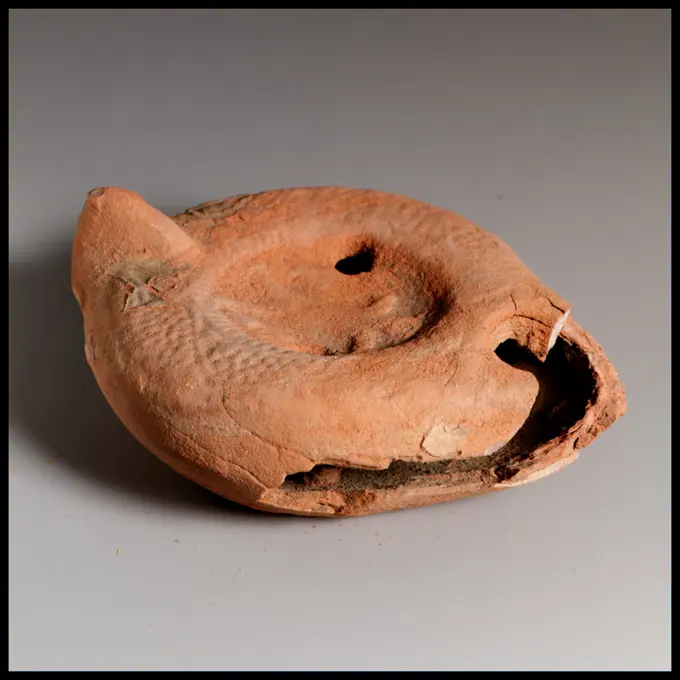
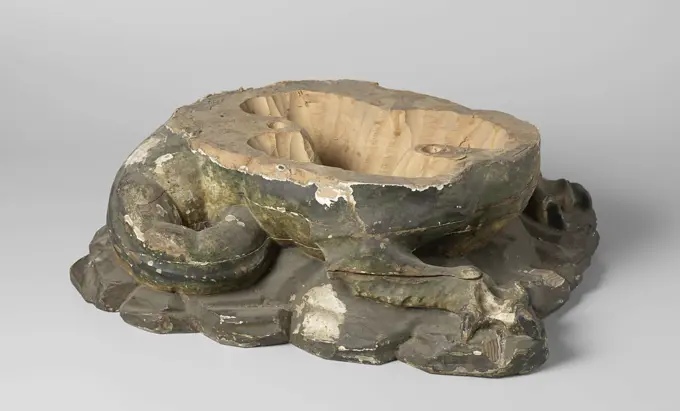
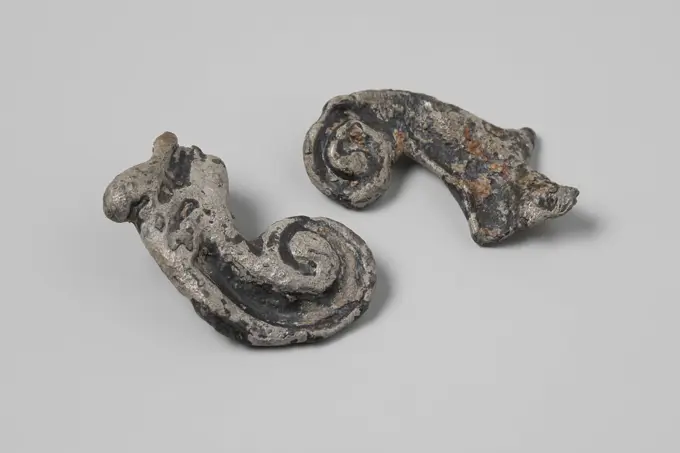
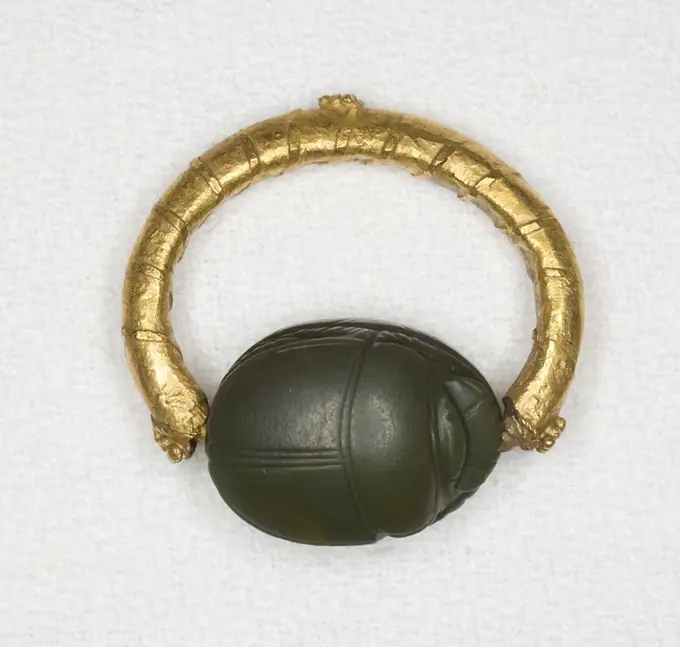
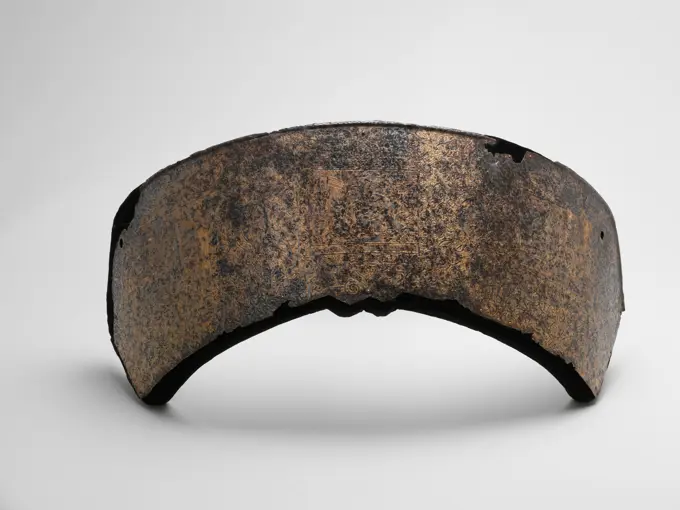
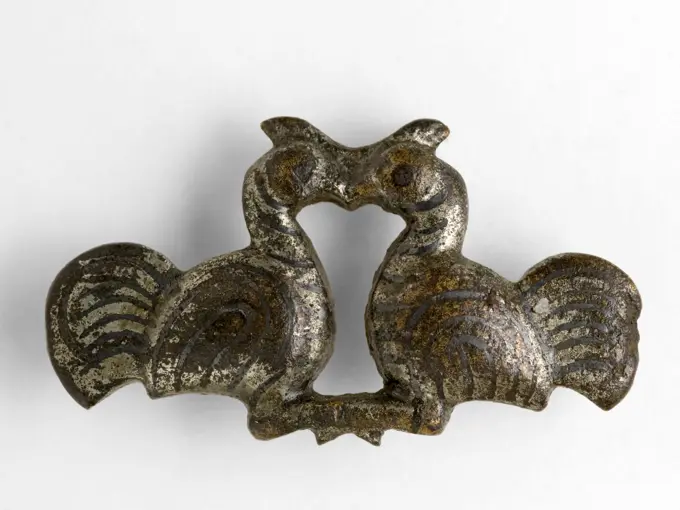
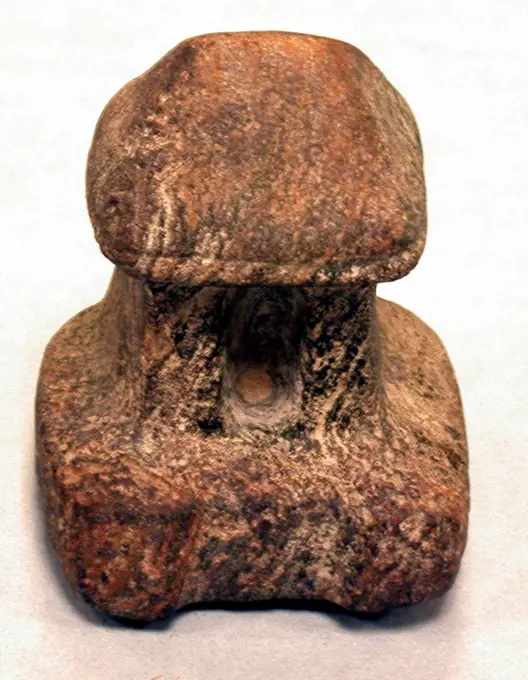
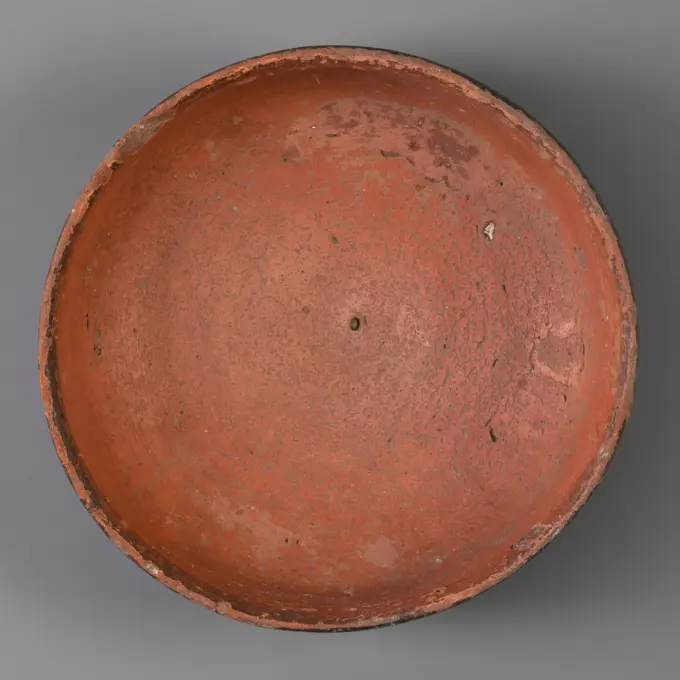
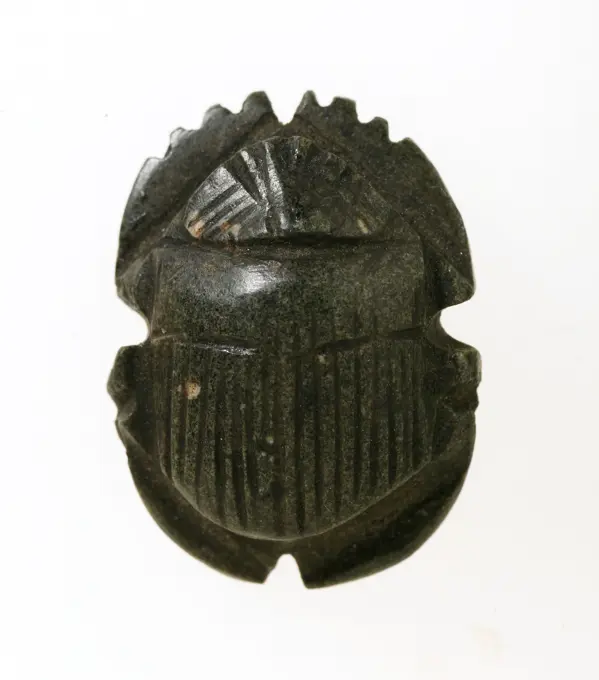
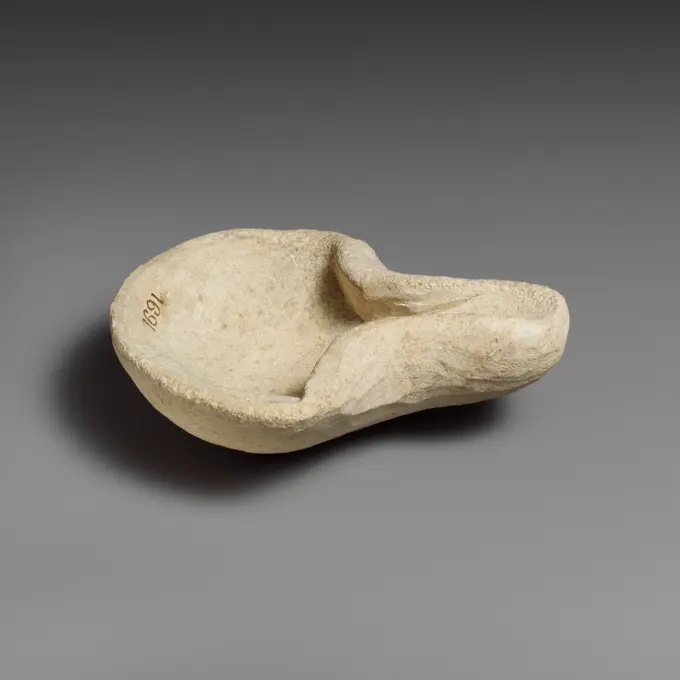
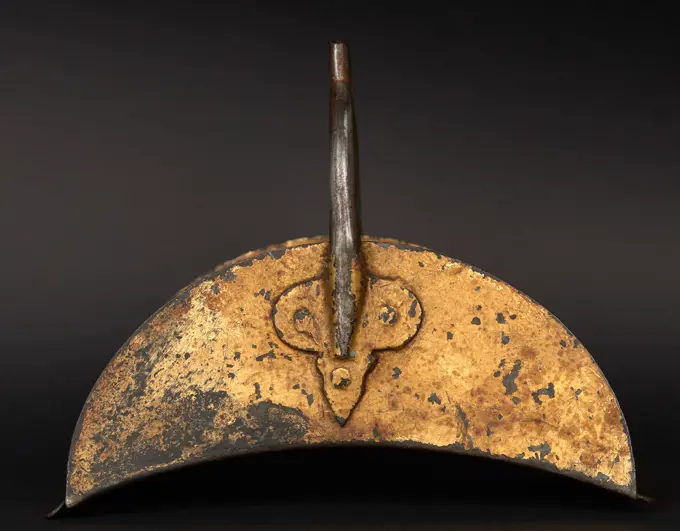
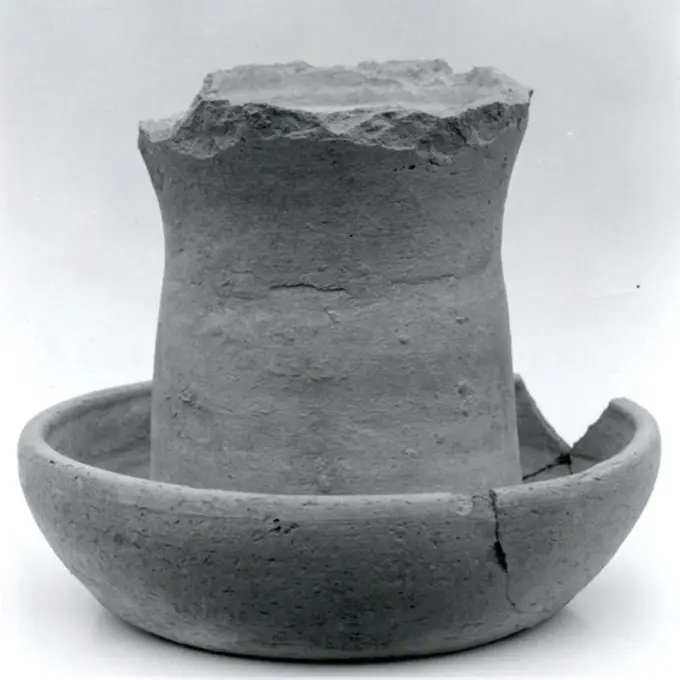
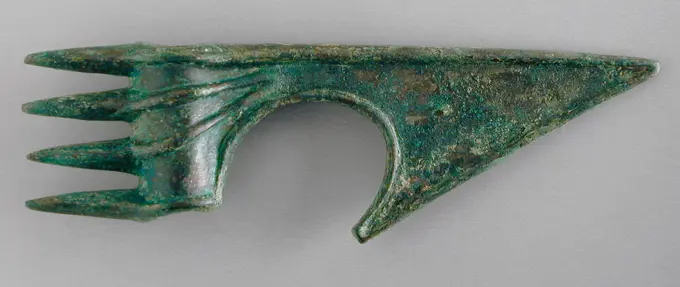
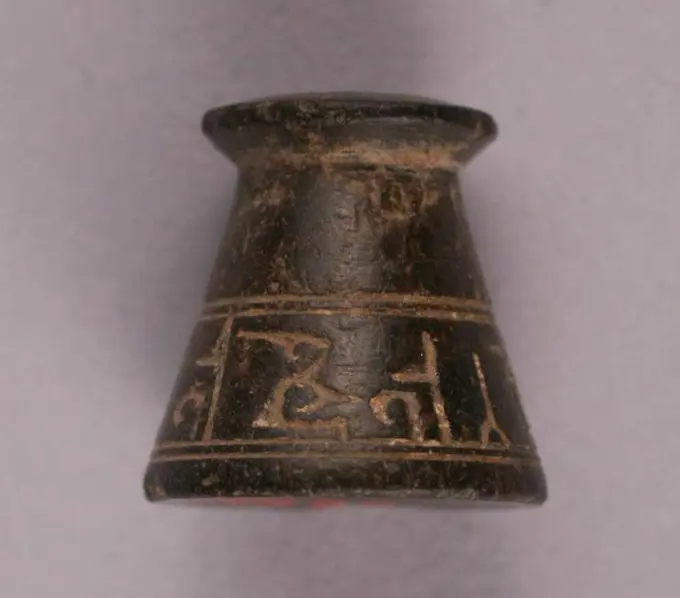
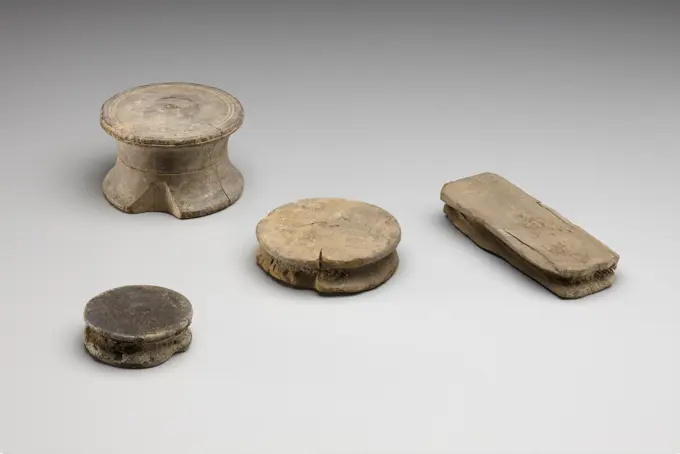
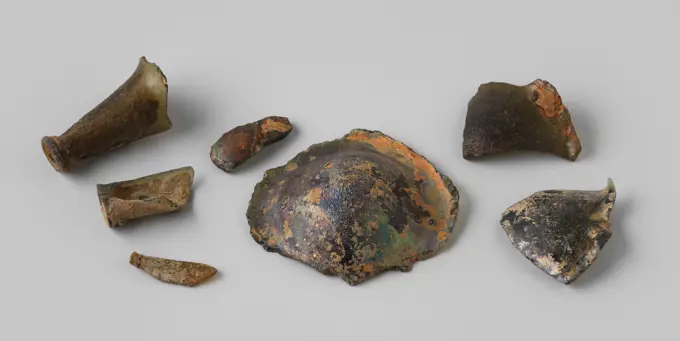
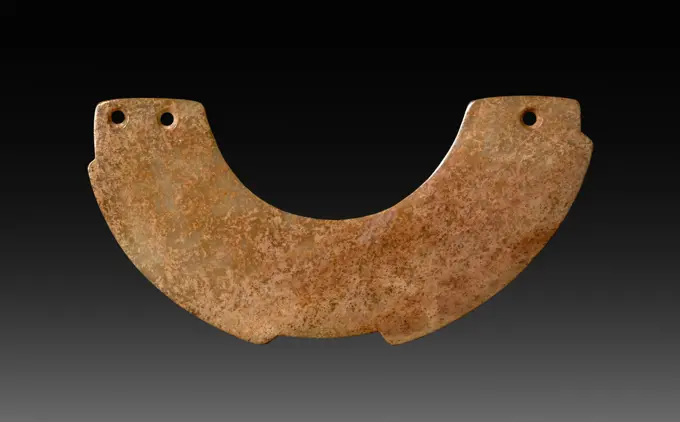
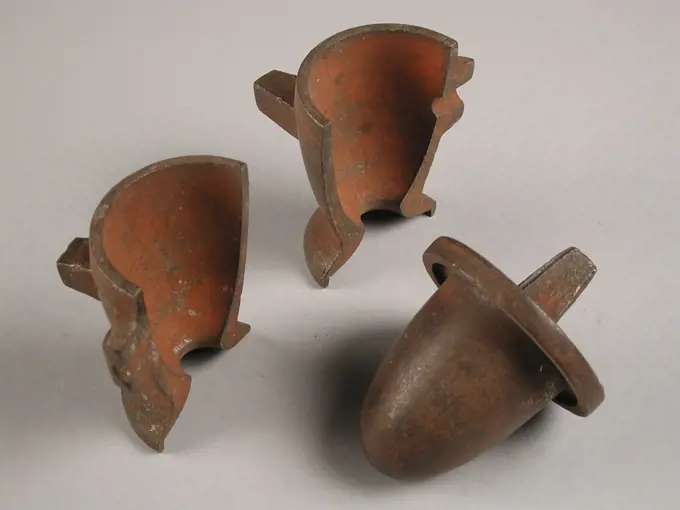
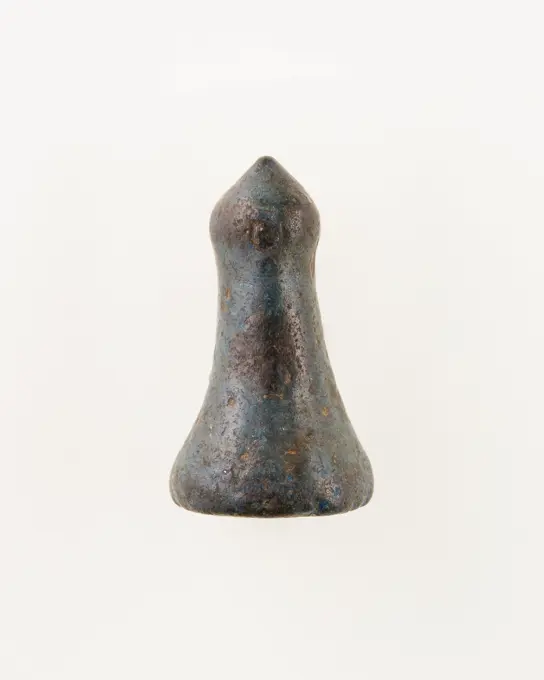
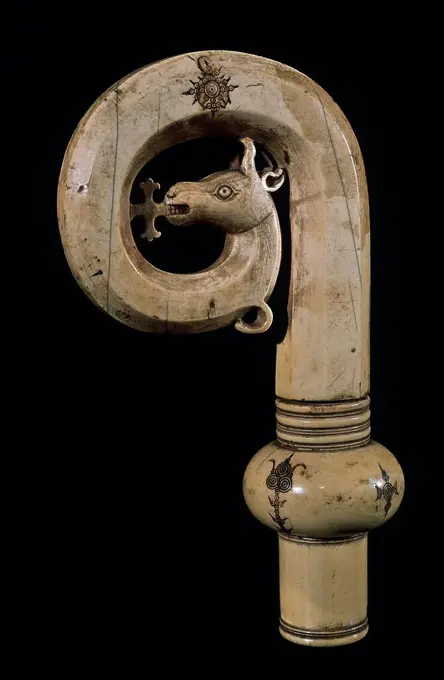
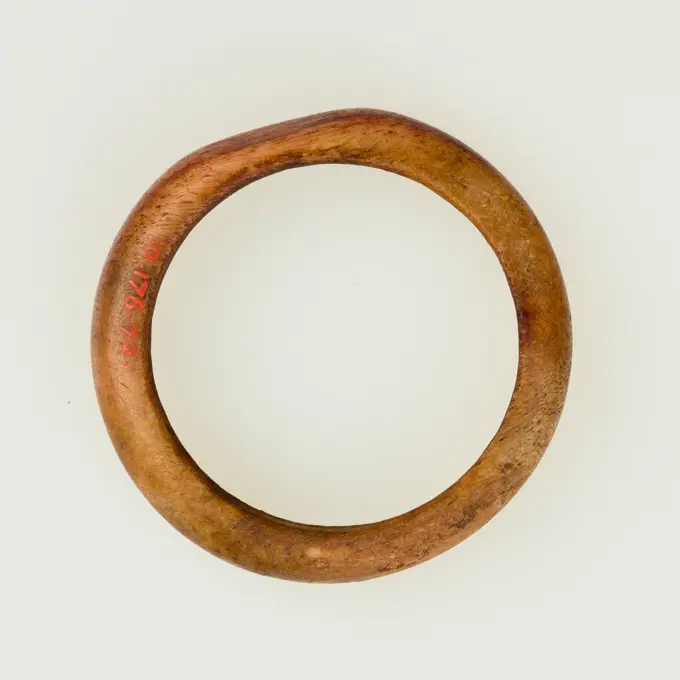
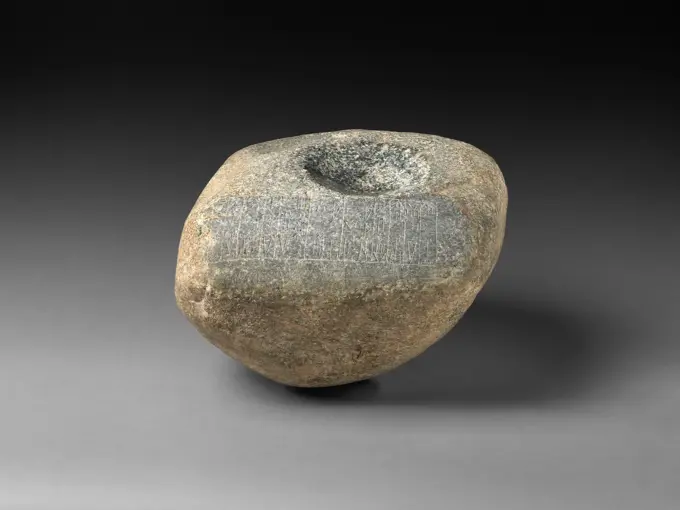
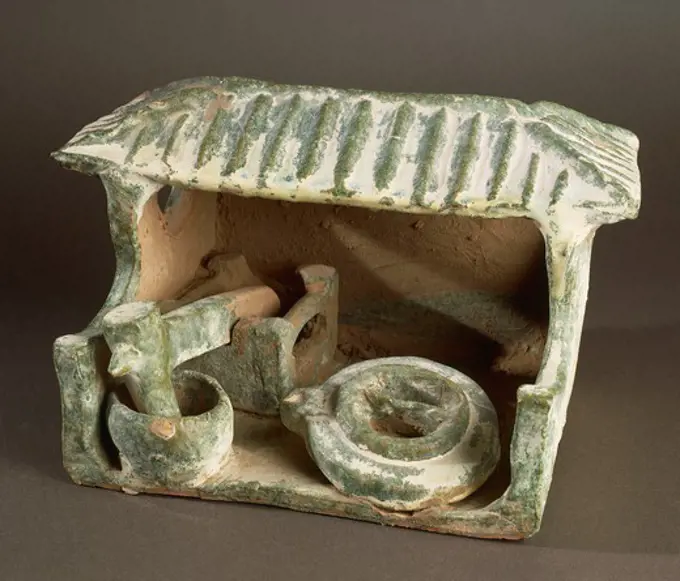
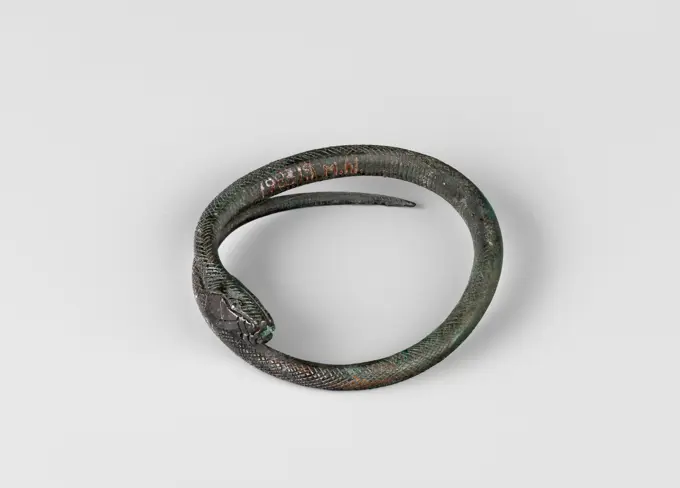
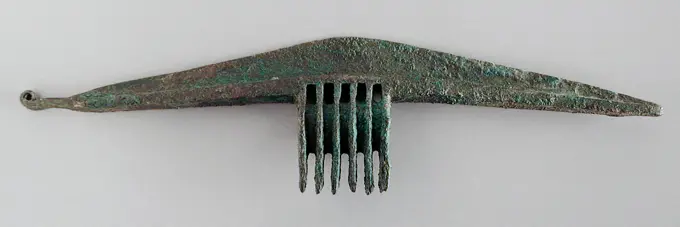
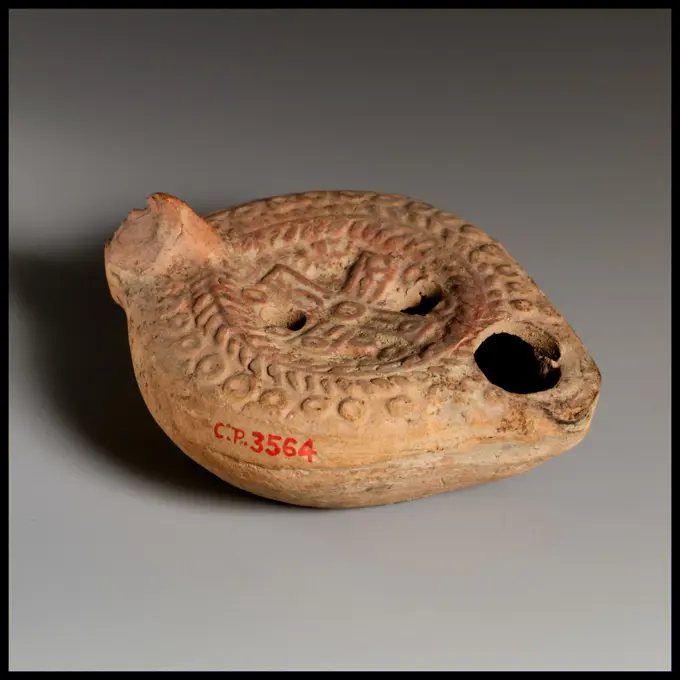
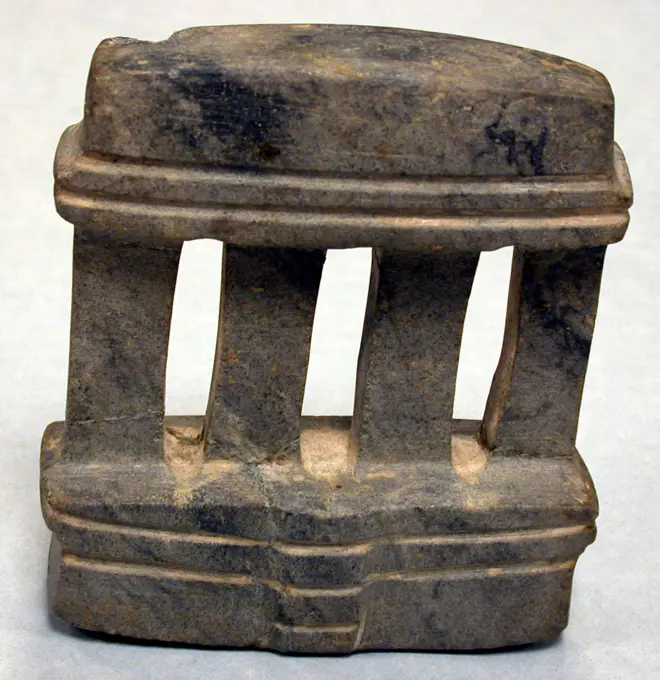
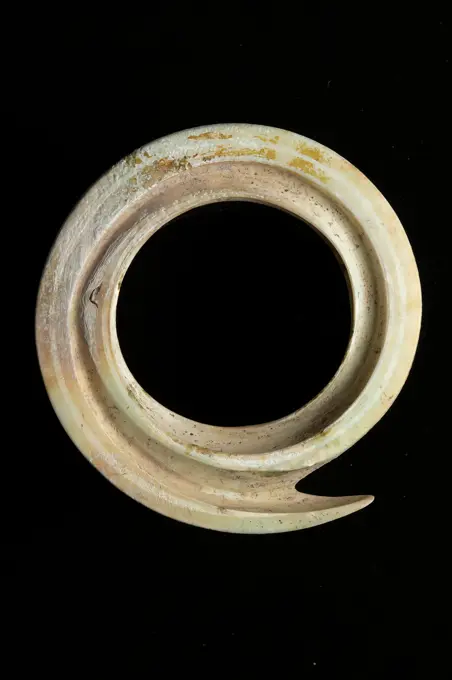
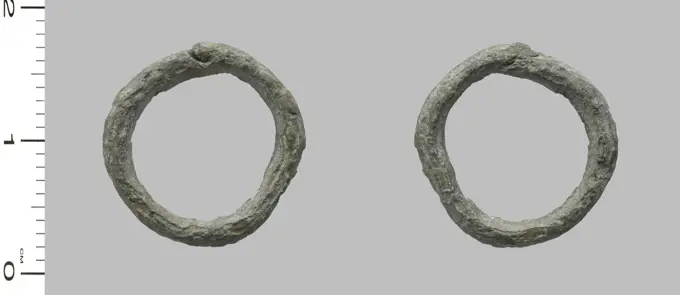
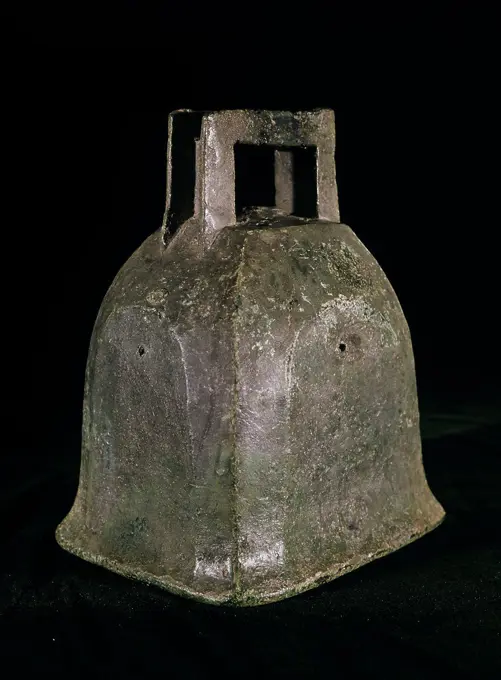
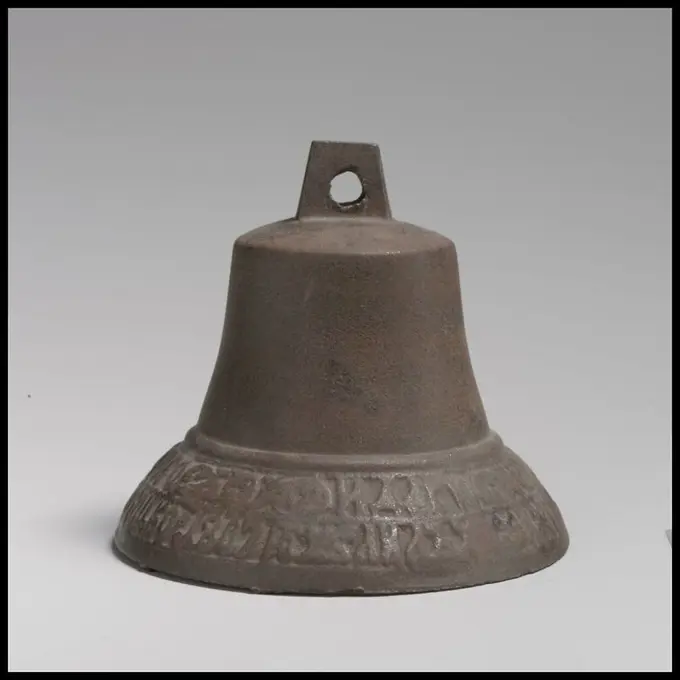
Earring Cypriot. Earring 244354Ring Etruscan Widened to form bezel.. Ring. Etruscan. Silver. Gold and SilverStone Animal Pendant 9th-15th century Costa Rica. Stone Animal Pendant. Costa Rica. 9th-15th century. Stone. Costa Rica. Stone-OrnamentsAnklet, 1800s. India. Silver; diameter: 10.8 cm (4 1/4 in.).Disk Brooch 1st-4th century Roman. Disk Brooch 464923 Roman, Disk Brooch, 1st4th century, Copper alloy, Overall: 1 1/16 x 1/2 in. (2.7 x 1.3 cm). The Metropolitan Museum of Art, New York. Gift of J. Pierpont Morgan, 1917 (17.191.221)Button or Bead 9th-10th century The dot-in-circle motif recalls designs presumed to be of magical significance, most likely an abstract eye to ward off the evil-eye, which serves an apotropaic function. Easily reproduced with a tool and visible in many cultures and times, this symbol may have lost its meaning, and become simply a decorative pattern, or may have one that we have not yet discovered.. Button or Bead 450012Bracelet 300 B.C.-A.D. 400 Thailand. Bracelet. Thailand. 300 B.C.-A.D. 400. Bronze. Late period. JewelryPlain Ring 7th century Frankish. Plain Ring 465417 Frankish, Plain Ring, 7th century, Copper alloy, Overall: 7/8 x 1/8 in. (2.2 x 0.3 cm). The Metropolitan Museum of Art, New York. Gift of J. Pierpont Morgan, 1917 (17.193.110)Lamp, North Africa; 1st - 4th century; Terracotta; 3 x 6.6 x 9.5 cm (1 3,16 x 2 5,8 x 3 3,4 in.)Emilia-Romagna Ferrara Ferrara Museo Civico di Schifanoia17. Hutzel, Max 1960-1990 General Notes: INCOMPLETE RECORD--NEGATIVES PROCESSED, PRINTS FILED German-born photographer and scholar Max Hutzel (1911-1988) photographed in Italy from the early 1960s until his death. The result of this project, referred to by Hutzel as Foto Arte Minore, is thorough documentation of art historical development in Italy up to the 18th century, including objects of the Etruscans and the Romans, as well as early Medieval, Romanesque, Gothic, Renaissance and Baroque monuments. Images are organized by geographic region in Italy, then by province, city, site complex and monument.Fragments of a cart or chariot, rings ca. 500-480 B.C. Etruscan Large collection of bronze and iron attachments once belonging to a chariot.. Fragments of a cart or chariot, rings 253015 Etruscan, Chariot fragments, rings, ca. 500480 B.C., Bronze, Other (Greatest Diameter): 1 13/16 in. (4.7 cm) Diameter (smallest diameter): 15/16 in. (2.3 cm). The Metropolitan Museum of Art, New York. Fletcher Fund, 1929 (29.131.3i1i10)Mold for a Hemispherical Boss ca. 1390-1353 B.C. New Kingdom. Mold for a Hemispherical Boss. ca. 1390-1353 B.C.. Pottery. New Kingdom. From Egypt, Upper Egypt, Thebes, Malqata, Khor west of camp or E. side of S. Village, MMA excavations, 1911-12. Dynasty 18Earring with nail head pendant, 6 Cypriot. Earring with nail head pendant, 6 242659Bottle;  IX-X century (801-00-00-1000-00-00);gift (provenance)Terracotta oil lamp 4th-5th century A.D. Roman Vessberg Type 18. Mold-made, with small, unpierced handle. Discus with scene inverted: Christ, with rayed nimbus, flanked by large jar and amphora, performing the Miracle at Cana, surrounded by a narrow band of radiating lines. Two filling holes at sides. On wide, horizontal shoulder, vine tendril with stylized bunches of grapes. Undefined, concave base.Broken with losses around wick hole and along left side of body; worn, weathered surface.. Terracotta oil lamp. Roman. 4th-5th century A.D.. Terracotta. Late Imperial or Early Byzantine. TerracottasBottle 7th-8th century. Bottle 448710Amulet. Egypt, New Kingdom (1500 - 1050 BCE). Jewelry and Adornments; amulets. StonePottery belly model ointment jar, red shard, internally glazed, ointment jar pot holder soil find ceramic earthenware glaze lead glaze, hand turned glazed baked Pottery ointment red shard internally glazed. Abdomen model Narrowing over the foot. No thickened top edge thick-walled. Stand area archeology health care indigenous pottery pharmacy store sell craftAxe with tubular socket, 11th-10th century BCE, 6 1/4 × 3 5/8 × 1 1/4 in., 0.9 lb. (15.88 × 9.21 × 3.18 cm, 0.4 kg), Bronze, China, 11th-10th century BCEStirrupSt. Joris with the dragon, seventeen parts of the dragon.Terracotta oil lamp. Culture: Roman. Dimensions: Overall: 3/4 x 3 1/4 in. (1.9 x 8.3 cm). Date: late 5th-6th century A.D.. Museum: Metropolitan Museum of Art, New York, USA.Plaque. Inner Mongolia, 5th-3rd century B.C.. Sculpture; plaques. Bronze, castSolid Bracelet with Large Braid 300 B.C.-A.D. 400 Thailand. Solid Bracelet with Large Braid 53353Decorative batter from the wreck of the East India Hollandia. Fitting, decorative fitting or fragment; Fragm, ID. NG 1980-27H1749, eroded.Ring with a Scarab Bezel. Egyptian. Date: 1985 BC-1550 BC. Dimensions: 1.2 × 2.5 × 2.3 cm (1/2 × 1 × 7/8 in.). Gold and green jasper. Origin: Egypt. Museum: The Chicago Art Institute, Chicago, USA. Author: Ancient Egyptian.Leech Bow Fibula, Etruscan, 600 BC. Etruria, Italy.. Leech-shaped bronze brooch or fibula ('fibula a sanguisuga') with three stylised ducks set along the top.Fragment of Bottle 9th century. Fragment of Bottle. 9th century. Glass. Found/excavated Iraq, Samarra. GlassBox. An oval iron box with driven and openwork ornaments with knots from crystal. In the middle of the bottom and lid a glass oval in which a bird between branches.Penannular Earring ca. 1550-1425 B.C. Second Intermediate Period-Early New Kingdom. Penannular Earring. ca. 1550-1425 B.C.. Gold. Second Intermediate Period-Early New Kingdom. From Egypt, Upper Egypt, Thebes, Asasif, Carnarvon excavations. Dynasty 17-Early Dynasty 18Lid. Culture: Coptic. Dimensions: Overall: 1 1/2 x 3 7/16 in. (3.8 x 8.7 cm). Date: 4th-7th century. Museum: Metropolitan Museum of Art, New York, USA.Cantle Plate ca. 1565-75 German, Augsburg or Nuremberg Despite its damaged condition, the rich decoration of this cantle plate indicates that it once belonged to a very important armored saddle. The design, gilt overall, is dominated by three symmetrically placed figural scenes in rectangular panels, each flanked by a profile bust in an oval cartouche. The cartouches and the panels are embedded in a dense ground of open strapwork and intricate tracery motifs in a style evocative of the finest goldsmiths' work produced in Nuremberg and Augsburg during the third quarter of the sixteenth century.Figural ornament employed in armor decoration was almost always copied from, or at least inspired by, published prints, many of which were specifically created to serve as models for goldsmiths, cabinetmakers, and decorators in various media. The decoration here is no exception: both the narrative scenes and the busts are based on the works of Virgil Solis (1514-1562) of Nuremberg one of the most Plain Ring 500-700 Frankish. Plain Ring 465531 Frankish, Plain Ring, 500700, Copper alloy, Overall: 1 x 1/8 in. (2.6 x 0.3 cm). The Metropolitan Museum of Art, New York. Gift of J. Pierpont Morgan, 1917 (17.193.211)bracteate denarius. Zakon krzyżacki (1190-), issuerZoomorphic fibula representing two facelifts. Copper alloy. Gallo-Roman time. High Empire (). Paris, Carnavalet museum. Zoomorphic fibula representing two face Fashion accessory, copper alloy, antiquity, rooster, face-to-face roosters, Gallo-Roman time, zoomorphic fibula, high-empire, set, clothing, ancient, ancientStone Temple Model 1st-8th century Mezcala. Stone Temple Model 317549Bowl, liturgical vessel; Unknown Nubian workshop; XIII - XIV century; Christian Christian period (651-00-00-975-00-00);Nubian ceramics, geometric decorations, bowls, nubian vessels, painted vessels, n.iii styleScarab, 945-930 BCE, 3/8 x 7/8 x 5/8 in. (1 x 2.2 x 1.6 cm), Basalt, Egypt, 10th century BCEKnife, 1400s-1500s. Peru, Inca Culture, 15th-16th century. Bronze; handle: 10.2 x 1.7 cm (4 x 11/16 in.); blade: 4.2 cm (1 5/8 in.).Limestone saucer lamp 5th century B.C.  Cypriot. Limestone saucer lamp 244026Open round bracelet (title awarded). Bronze. Carnavalet museum, history of Paris.Przeszo Przyszoci unknownRound golden jug with a handle (1000-1500 BF). Bronze Age. Decorative Arts. SPAIN. GALICIA. Pontevedra. Pontevedra Museum.Copper molded thimble with left-handed spiral, thimble sewing kit soil find copper metal, cast Copper molded thimble with blank convex tip over with left-hand spiral without groove in shaft with narrow blank board archeology Rotterdam rail tunnel seamstress tailor sewing textile processing clothing needle and thread repair Soil discovery: rail tunnel Rotterdam.Stand ca. 3rd-7th century A.D. Sasanian. Stand 323012Shaft-hole Axehead. Iran, Luristan, circa 1350-1000 B.C.. Arms and Armor; axes. Bronze, castCapital from the church of St. Odiliënberg. See also associated basement BK-NM-8435-2.Bead, one of six, 15th century, 2 1/8 x 1 1/8 in. (5.4 x 2.86 cm) (varies (largest)), Jade, Mexico, 15th centuryButton or Bead 10th-11th century This conical jet button with a flaring lip was excavated at Nishapur in northeast Iran. Kufic writing encircles the base of the object which remains undeciphered. Button or Bead 449304WoodenSpoolsTurtle with Young. Roman, A.D. 1st-2nd century. Sculpture. Bronze, castPendant 9th-10th century. Pendant 449961Soil and neck fragments of wine bottles from the wreck of the East Indians Hollandia, Anonymous, 1700- in Or Before 1743  Wine-bottle, English production, base; fragm. English production. England .   SecondSemi-Circle, 1045-256 BC. China, Zhou dynasty (c. 1046-256 BC). Jade; overall: 11.2 cm (4 7/16 in.).Three parts of four-piece bronze mold for salt vessel or small jug, mold casting tool tools equipment base metal bronze , cast Four-piece bronze mold part of which is missing the bottom part may be part of small jug or salt keg is the core Rotterdam tingieterij tinnegieter tin Meeuws Druy craft Forms come from the originally 18th century Rotterdam tinnegieter J Druy. The large molds that were not signed or dated were the property of the tinker guild and were rented to the small tin caster.Fragment of Gaming Piece 700-1200. Fragment of Gaming Piece 452528Bracelet 500 B.C.-A.D. 300 Thailand. Bracelet 44533Plate with concentric circles incised. Plate with concentric circles incised 244572Closure from the wreck of the East Indiesman Hollandia. Fitting, cover; Fragm or Flat Circular Rim, Short Vertical Outer Rim, Central Circular Opening With Short Vertical Rim, One Circular Hole.Cone-shaped Game Piece Third Intermediate Period-Late Period ca. 1070-525 B.C. View more. Cone-shaped Game Piece. ca. 1070-525 B.C.. Faience. Third Intermediate Period-Late Period. From Egypt, Upper Egypt, Thebes, Sheikh Abd el-Qurna, MMA excavations. Dynasty 21-26BACULO DE SAN ROSENDO TAMBIEN LLAMADO BACULO DE SAN MIGUEL DE CELANOVA - VOLUTA TERMINADA EN CABEZA DE LOBO QUE MUERDE UNA CRUZ - SIGLO XII - MARFIL. Location: CATEDRAL MUSEO DIOCESANO. Orense. SPAIN.Terracotta spindle whorl. Culture: Cypriot. Dimensions: H. 1 1/4 in. (3.2 cm). Date: ca. 1900-1725 B.C..Engraved decoration, filled with lime; around the body is a large zigzag made up of oblique lines with dots along one side and rows of short parallel strokes along the other; in the open spaces are small groups of parallel horizontal strokes; on the base is a ring of zigzag lines around a ring containing parallel strokes.This spindle-whorl may come from the northern coast of Cyprus (Lapithos or Vounous, or possibly Dhenia). (VK). Museum: Metropolitan Museum of Art, New York, USA.Bracelet ca. 3850-2960 B.C. Predynastic Period. Bracelet. ca. 3850-2960 B.C.. Bone. Predynastic Period. From EgyptBuckle with three eyes, buckle fastener component soil find copper metal, d 0.6 cast sawn Copper buckle with three eyes Two oval eyes next to each other on which lying eye. Part of belt buckle or belt hanger archeology Rotterdam rail tunnel fastening close fastening hanging Soil discovery: trajectory rail tunnel Rotterdam.Door socket ca. 2094-2047 B.C. Neo-Sumerian. Door socket. Neo-Sumerian. ca. 2094-2047 B.C.. Stone. Ur III. Mesopotamia, NippurGrain mill, painted terracotta model, 16x25.5cm, China. Chinese Civilisation, Western Han Dynasty, 3rd century BC - 1st century AD.Lampka dwupalnikowa dekorowana motywem rozety. unknown, authorNeck fragment of bullet round stoneware jug with ear, jug crockery holder soil find ceramic stoneware glaze salt glaze, hand turned glazed fried Neck fragment of stoneware jug. Cylindrical neck with cuff in the middle where the ear is attached. Wide and standing band ear. Profile ring between neck and shoulder Dark brown speckled glazed Shallow groove under the neck edge archeology Rotterdam City center Stadsdriehoek Oostplein underground pit uitheems pottery import drink store package wine beer table serve serve Soil discovery Rotterdam underground pit Oostplein from big dirt day 1976.Kingdom of Urartu (9th-8th century BC). Batlle axe. Bronze. The State Hermitage Museum. Saint Petersburg. Russia.Nail 15th-16th century European. Nail. European. 15th-16th century. Iron. Metalwork-IronLamp 10th century. Lamp 449054Ring -shaped fragment from the wreck of the East Indians Hollandia, Anonymous, 1700 - in Or Before 1743 fragment Varied parts or fragments, rings or ring-shaped fragments; id. 80H1. Netherlands copper (metal)   SecondBransoleta wężowata. unknown, authorFinger Grip before 16th century Colima (). Finger Grip 317419Fragment of a Bowl probably 10th-12th century. Fragment of a Bowl. probably 10th-12th century. Earthenware; glazed. Made in Egypt. CeramicsCooking vessel. Shang dynasty (1765-1122 B.C) bronze; ChinaCrescentic Axehead. Northern Iran, circa 1350-1000 B.C.. Arms and Armor; axes. Bronze, castStatue Fragment: Left Hand with a Gilt Ring on the Fourth Finger. UnknownFragment from the wreck of the East Indies Hollandia, Anonymous, 1700 - in or Before 1743 fragment Varied parts or fragments, sheet metal fragments: worked, with circular, rectangular or square holes; fragm, eroded, circular hole. Netherlands copper (metal)   SecondMirror with a Handle in the Form of a Female Figure 300 BCE-201 BCE Etruria. In Etruria, bronze mirrors were luxury objects designed primarily for women, who were buried with them for use in the afterlife. The front of the bronze disk would have been highly polished in order to reflect the viewerís image. This example has a handle in the form of a winged Lasa, a minor deity associated with Turan, the Etruscan goddess of love. Lasa holds an alabastron (container for scented oil) in her left hand. Because Lasa is thought to have been associated with funerary rites, the alabastron might evoke the ceremonial anointing of the dead.An image of Eros, the god of love, is engraved on the back of this reflective disk. Eros was a fitting subject for bronze mirrors, which were given primarily to women, likely as wedding presents. Here, with hammer firmly in hand, Eros stands among carpentry tools, including a second hammer, an adze, a double axe, a chisel, and possibly a double saw. On the left isTerracotta oil lamp 5th century A.D. Roman Vessberg Type 18. Mold-made, with unpierced handle. Discus: cross decorated with small circles and straight lines on arms, with groups of similar circles between the arms. Two filling holes at sides. On shoulder, palm wreath surrounded by hollow circles. Large wick hole. Undefined, slightly concave base.Complete, except for part of handle.. Terracotta oil lamp. Roman. 5th century A.D.. Terracotta. Late Imperial. TerracottasFragment of shoulders, neck and mouth of stock bottle, storage bottle bottle holder soil find glass h 9,7, free blown and formed Fragment of small part shoulders neck and mouth of stock bottle in clear light green glass. Hanging shoulders to slightly rejuvenated (3.2 - 1.9 cm) neck with wide (2.7 cm) flattened mouth archeology Gerdesiaweg underground pit Rotterdam Kralingen-Crooswijk Rubroek Soil discovery Metro construction Gerdesiaweg 1975 - 1977.Lamp 9th-10th century This object was excavated at Nishapur.Nishapur was a vital city in the early and middle Islamic periods, located along one of the main trajectories that connected Iran and West Asia Islamic lands with Central Asia and China. These itineraries are often referred to by the term Silk routes’ but were in fact crucial to the movement of constellations of materials and objects, as well as people and ideas. The diverse population of Nishapur and its surroundings, from the better-researched elite groups of merchants, land-owning aristocracy, and literates, to the less-known artisans, farmers, miners, and servants, were instrumental in adapting global cultural trends to create their own distinctive visual languages. This is seen in the material remains of everyday life in medieval Nishapur - from pots and pans to lighting devices, inkwells, textiles and trimmings, jewelry, games and toys, talismanic devices, weapons, coins, and architectural fragments.Nishapur lost its poDecorative pendant from the coat; Unknown Middle Eastern workshop; IX - VI century BC (-900-00-00--501-00-00);Nassery, Solaiman (Fl. Ca 1890-Ca 1990), Dar (provenance), harness elements, iron period (approx. 1300-ok. 600 BC), pendantsShallow bowl ca. 3100-2649 B.C. Early Dynastic Period. Shallow bowl. ca. 3100-2649 B.C.. Basalt. Early Dynastic Period. From Egypt. Dynasty 1-2Harness or bridle fitting in the form of a claw ca. 6th-4th century B.C. Achaemenid. Harness or bridle fitting in the form of a claw. Achaemenid. ca. 6th-4th century B.C.. Bronze. Achaemenid. IranRoller Stamp 5th-6th century Atlantic Watershed. Roller Stamp 313065Oblong Openwork Plaque 7th century Frankish. Oblong Openwork Plaque 465221 Frankish, Oblong Openwork Plaque, 7th century, Copper alloy, Overall: 1 1/2 x 3 1/16 x 7/16 in. (3.8 x 7.7 x 1.1 cm). The Metropolitan Museum of Art, New York. Gift of J. Pierpont Morgan, 1917 (17.192.161)Reliquary ca. 1st-3rd century Pakistan (ancient region of Gandhara). Reliquary. Pakistan (ancient region of Gandhara). ca. 1st-3rd century. Metal. MetalworkStone Temple Model 1st-8th century Mezcala. Stone Temple Model 317490Boss and Nail 15th-16th century European. Boss and Nail. European. 15th-16th century. Iron. Metalwork-IronBell. Western Iran, circa 1000-650 B.C.. Tools and Equipment; musical instruments. BronzeBracelet, c. 1000 BCE, 4-1/4 x 4 x 11/16 in. (10.8 x 10.2 x 1.7 cm), Conch Shell, Thailand, 11th-10th century BCE, Before the adoption of jade, metal, and beads for fine jewelry, in much of Southeast Asia polished shell was the material of choice for personal ornamentation. Excavations reveal that shell ornaments were not funerary offerings; instead, they were adornments worn during people's lifetimes. The use of shell also provides evidence of an active maritime trade, as inland shells would have been too small and thin to fashion into jewelry. Here, we see how the highly valued material was cut to enhance its naturally spiraling pattern.Bracelet probably 14th-15th century The earliest known examples of this type of seamless mosaic glass bracelet are from the late thirteenth century; it continued to be produced well into the nineteenth century at Hebron, in Palestine. This bracelet, together with thirty-three others in the collection, comes from UpperEgypt and was probably made during the Mamluk period.. Bracelet 446025Copper Tumi before 15th century Peruvian. Copper Tumi 315660Lynx-Shaped Drinking Horn; Eastern Seleucid Empire; 100 - 1 B.C; Gilt silver; 24.5 × 41.9 × 12.2 cm (9 5,8 × 16 1,2 × 4 13,16 in.)Maker: Unknown, Coin fromBritain, Bronze, 0.96 g, 15.6mm, Made in Britain, Celtic, 1st millennium B.C., NumismaticsCAMPANA MOZARABE DE HUELVA - SIGLO X - CUADRANGULAR. BRONCE - INSCRIPCION CUFICA. Author: ZACARIA (SIGLO X). Location: ARCHAEOLOGICAL MUSEUM. Huelva. SPAIN.Bell. Dimensions: H. 8.8 cm, Diam. 9.9 cm, Wt. 319 g. Date: 1807. Museum: Metropolitan Museum of Art, New York, USA.Jar label fragments. Dimensions: H. 18.5 cm (7 5/16 in); max. w. 24 cm (9 7/16 in); th. 0.6-1.1 cm (1/4-7/16 in). Dynasty: Dynasty 18. Reign: reign of Amenhotep III. Date: ca. 1390-1352 B.C..Thousands of fragmentary storage jars were discovered during the Museum's excavations at Malqata, a palace city built by Amenhotep III for the celebration of his 30-year festival (Heb-Sed). Many of the shoulder fragments have labels written in hieratic script, a cursive form of hieroglyphs. The texts frequently note the jar's contents: wine, ale, fat, meat, etc. They also may provide the date, source, donor, and maker of the commodity as well as the occasion (the king's Heb-Sed). This label states that the original jar held wine bottled in year 37 of Amenhotep's reign. The wine came from one of the king's estates in the western Delta (in northern Egypt). The name of the vintner is broken off. Museum: Metropolitan Museum of Art, New York, USA.