Antique Jewelry Pieces

A collection of intricate antique jewelry items, including earrings and decorative containers, showcasing historical craftsmanship.

matchsafe, silver, 1881, containers, Decorative Arts, matchsafe
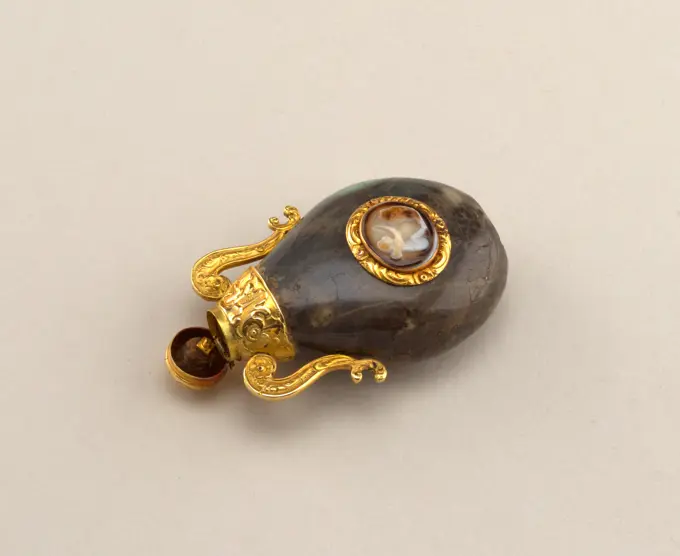
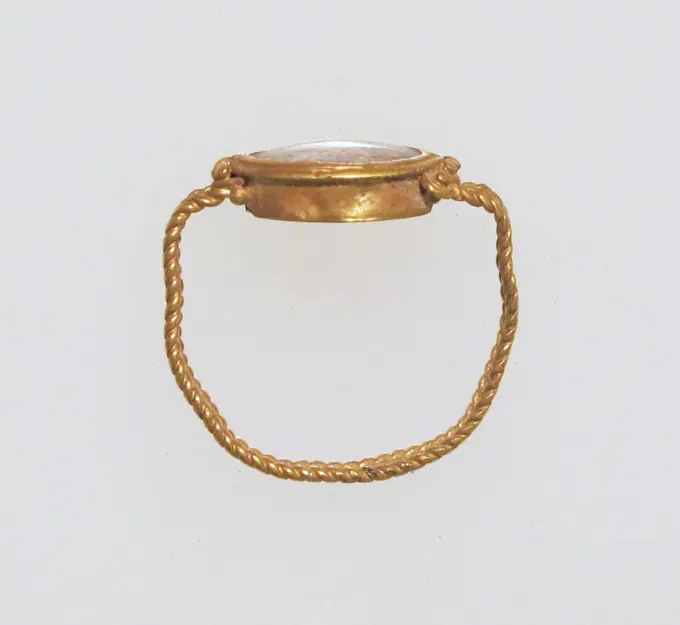
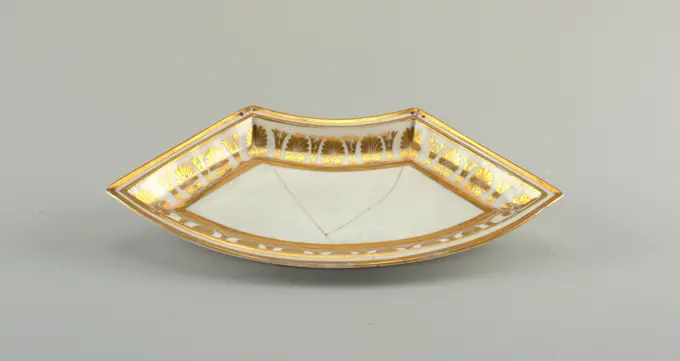
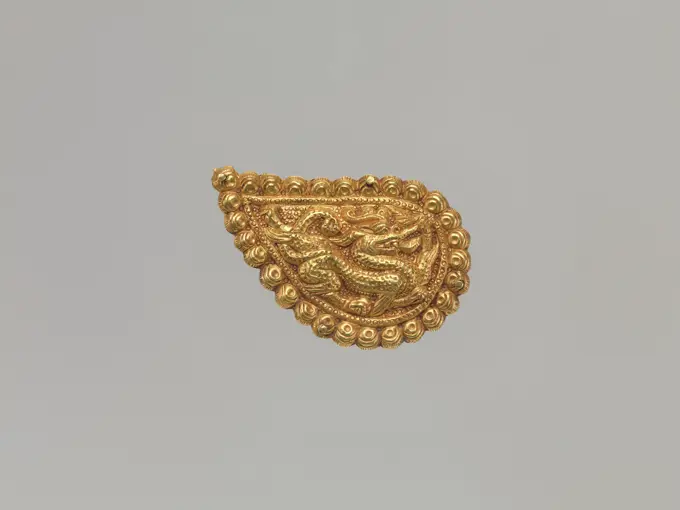
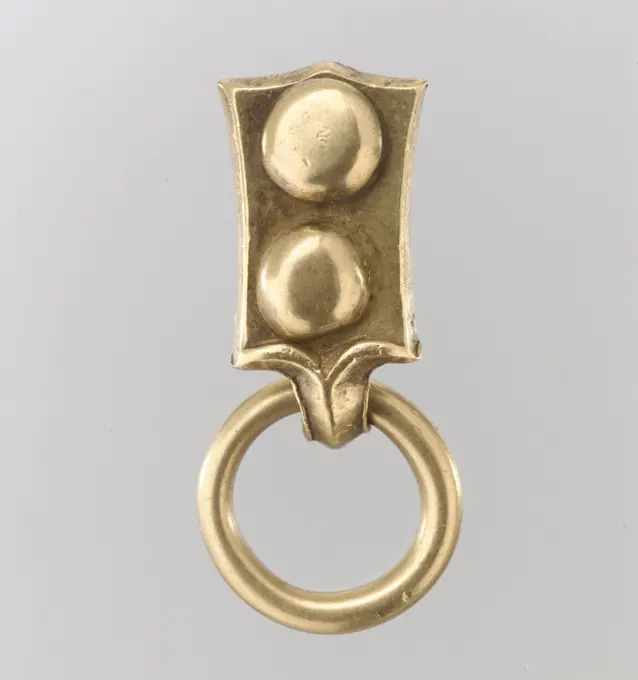
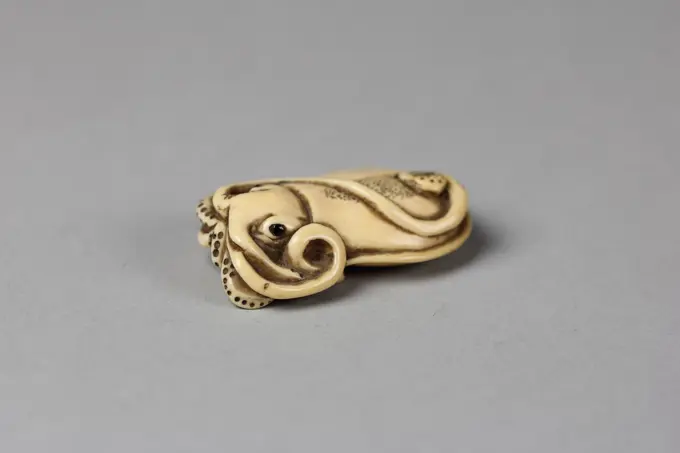
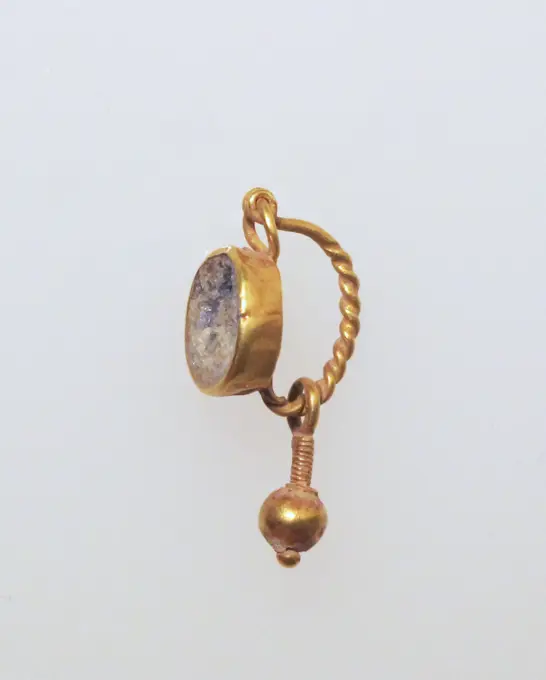
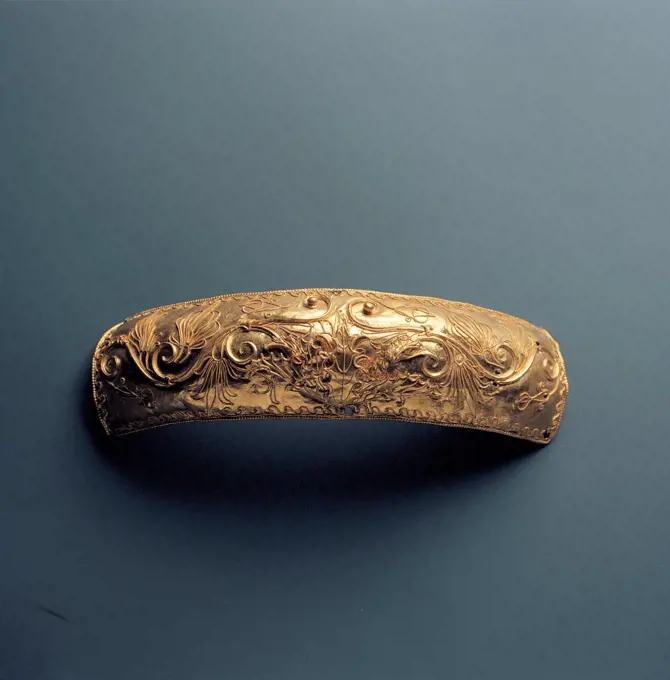
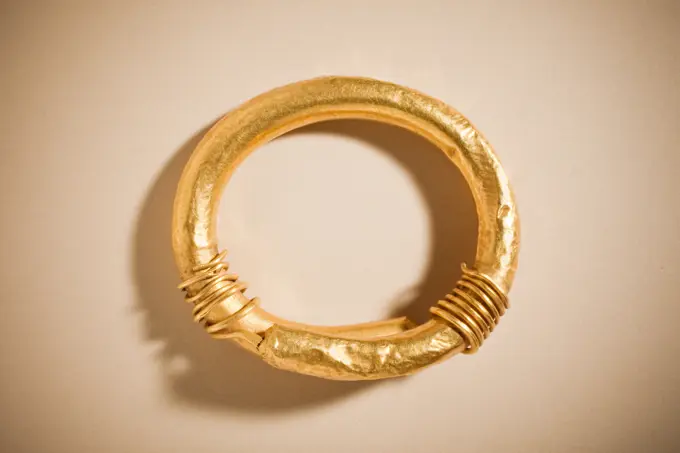
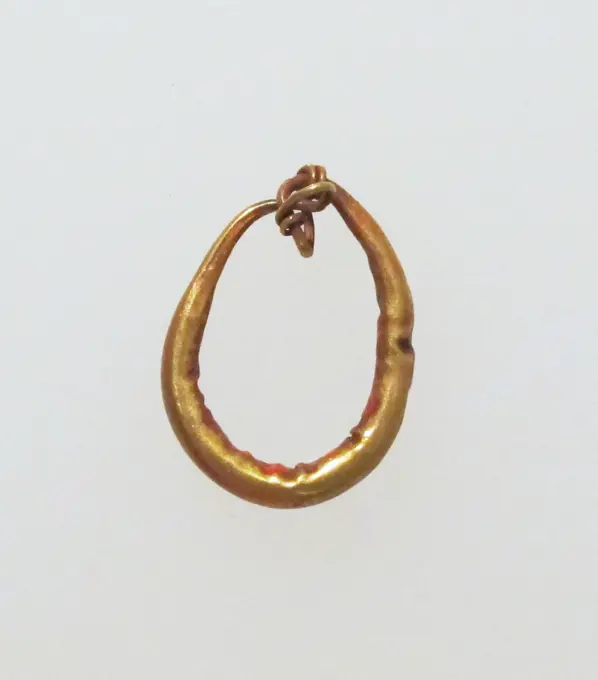
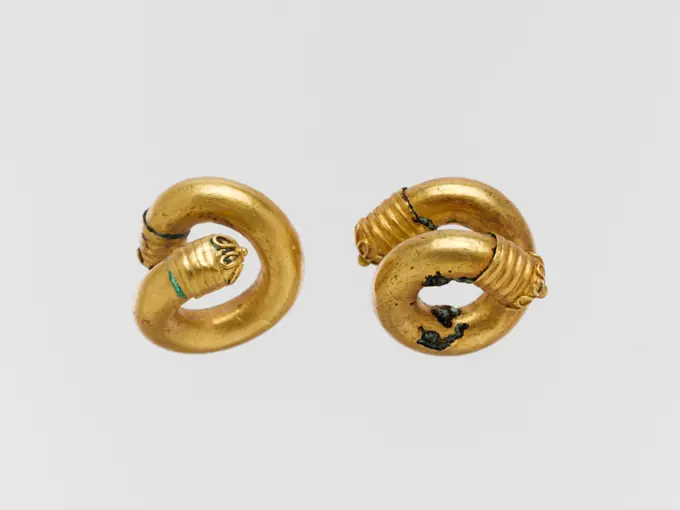
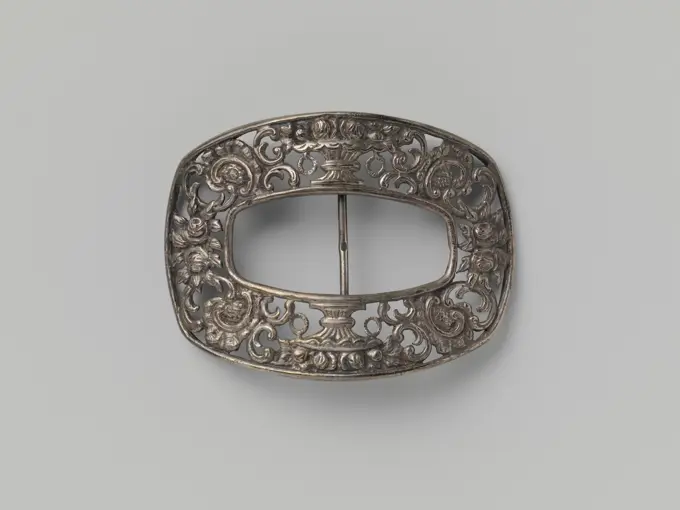
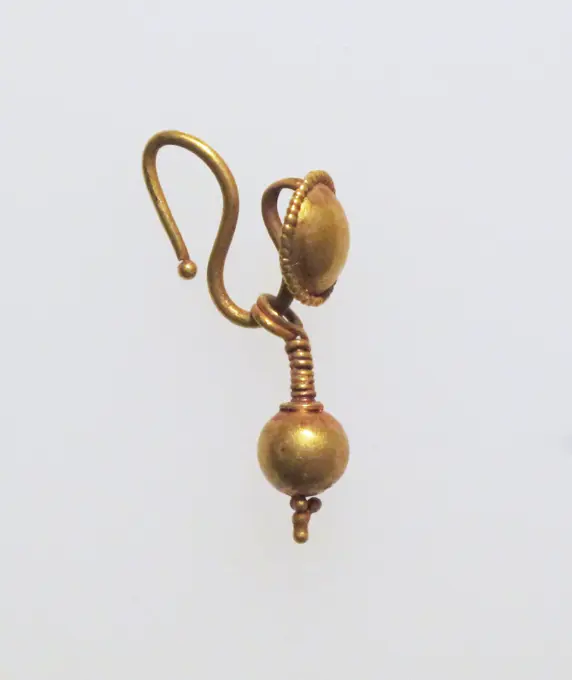
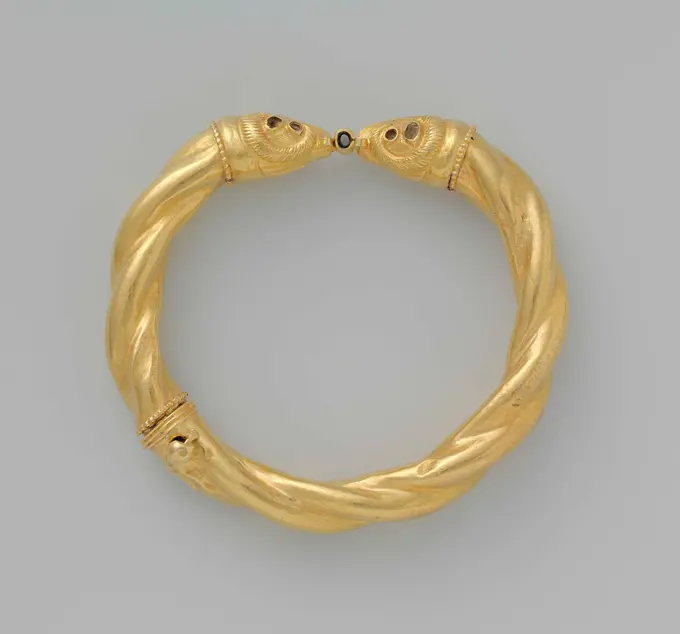
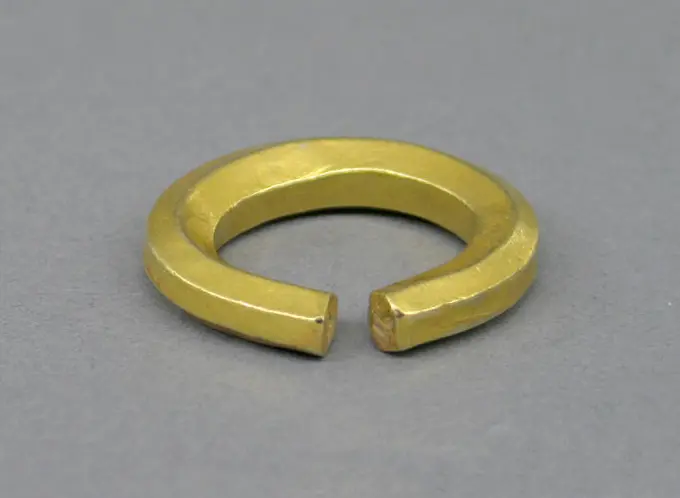
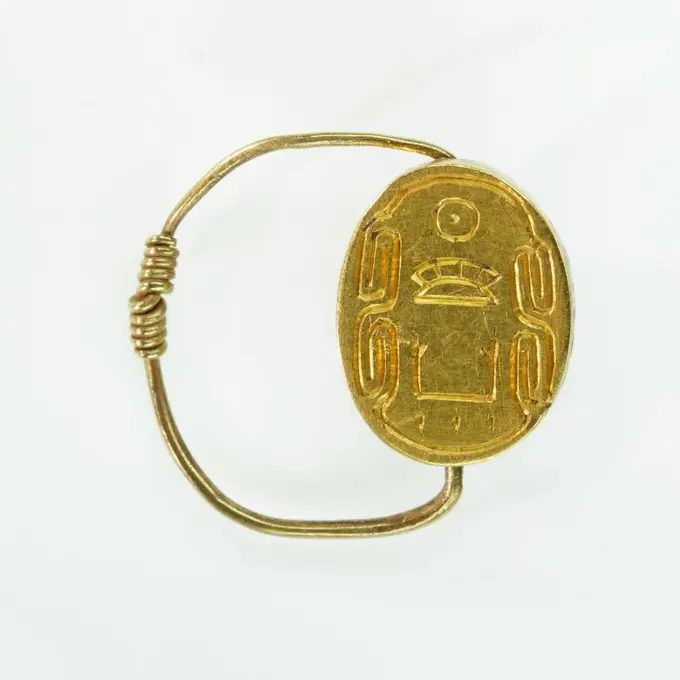
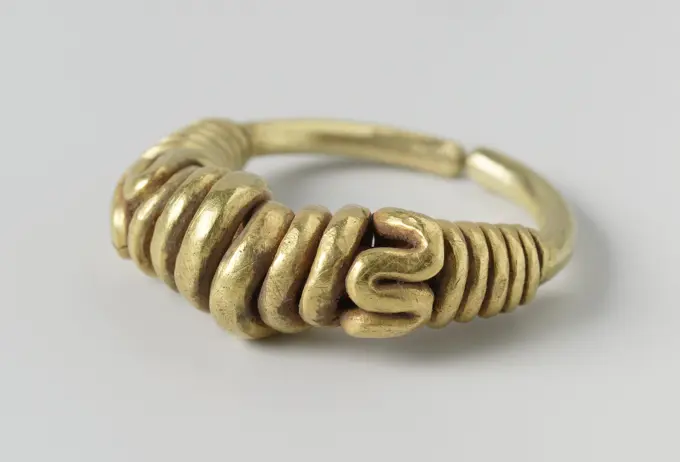
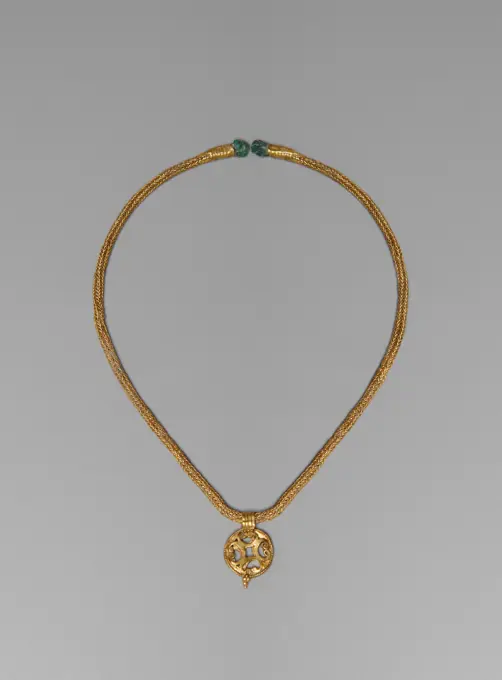
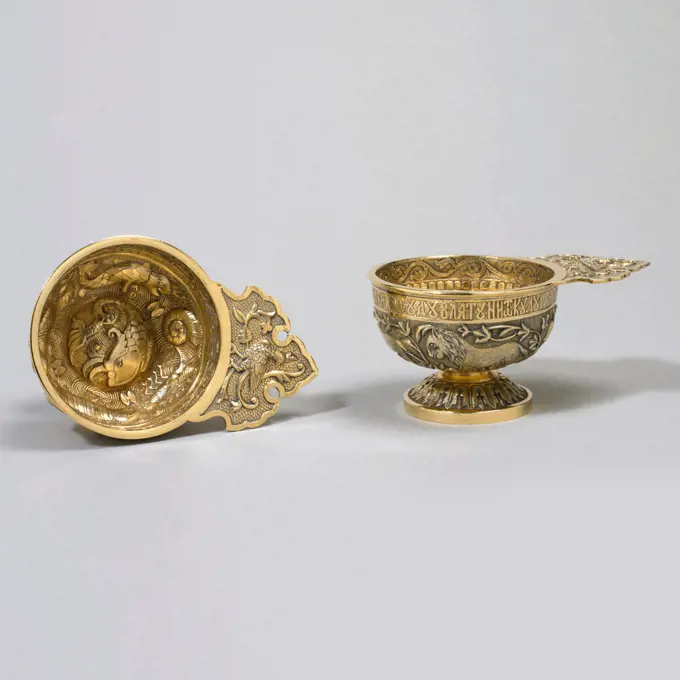
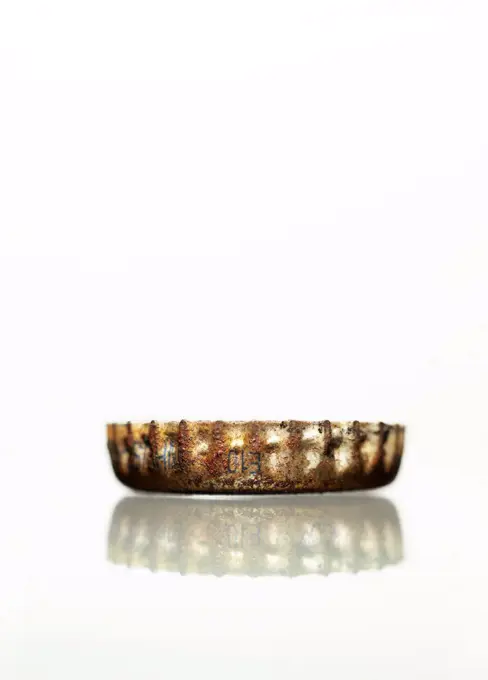
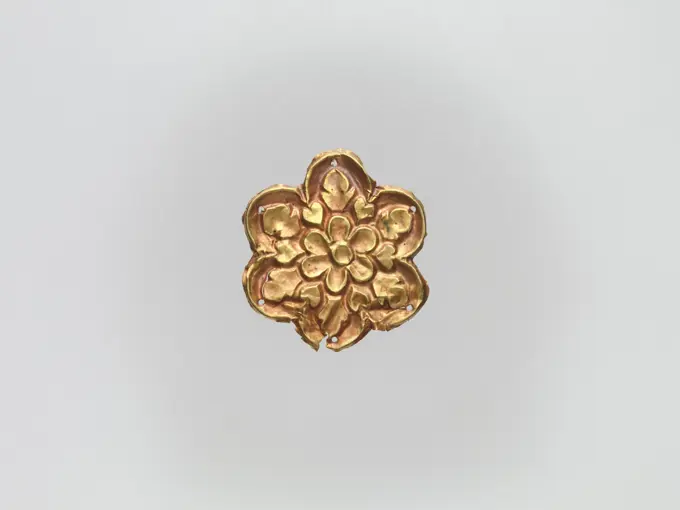
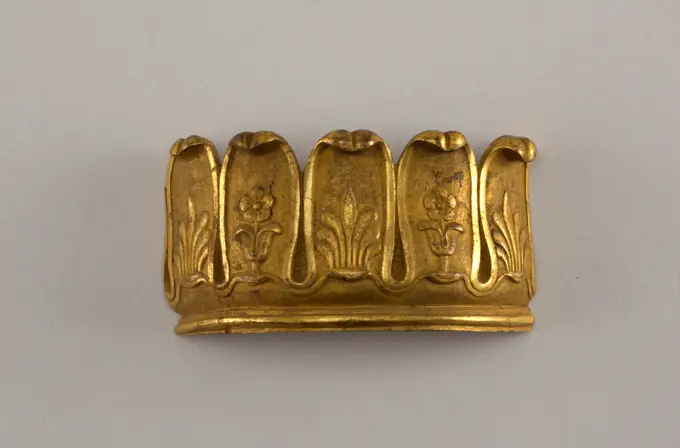
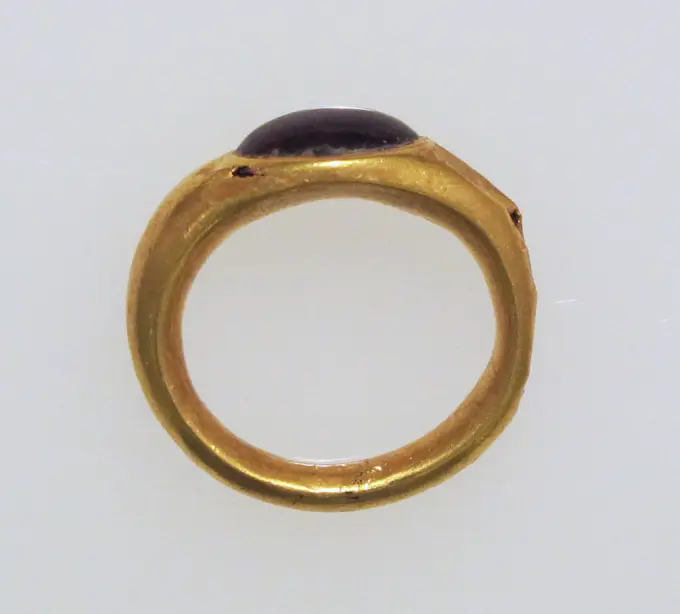
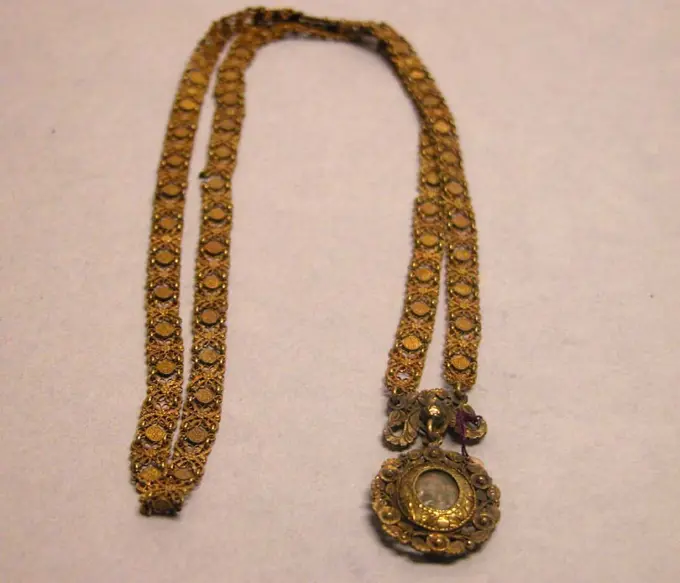
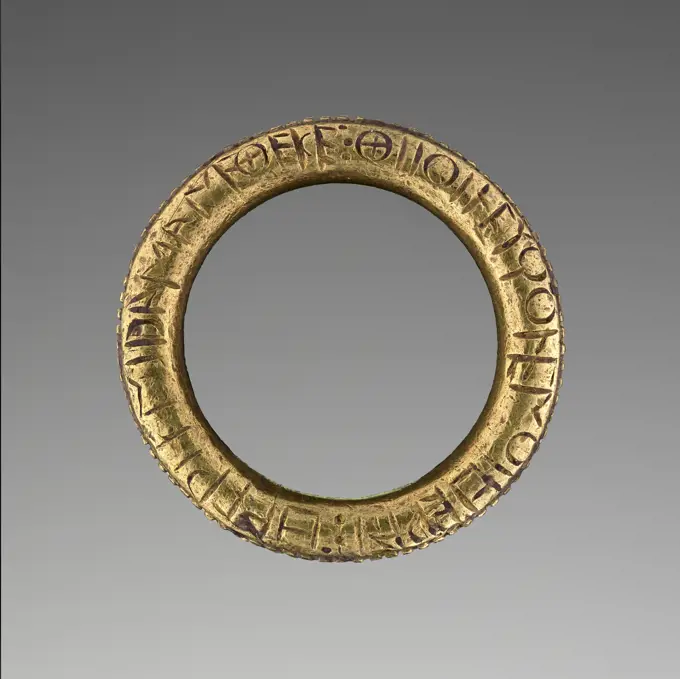
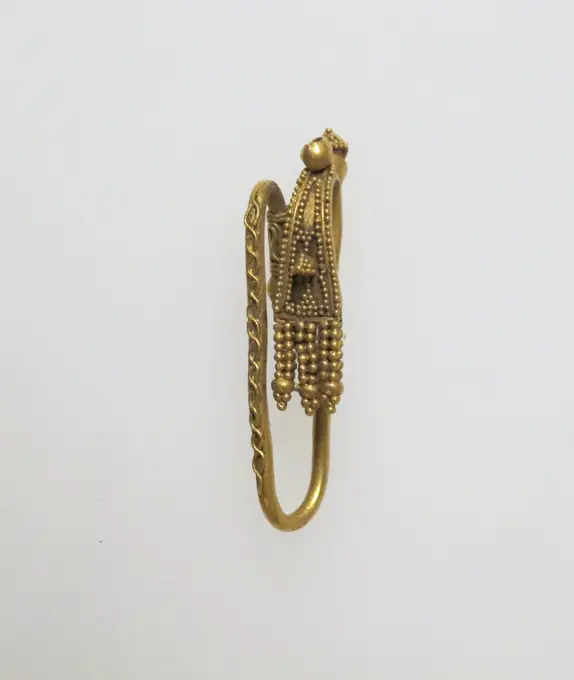
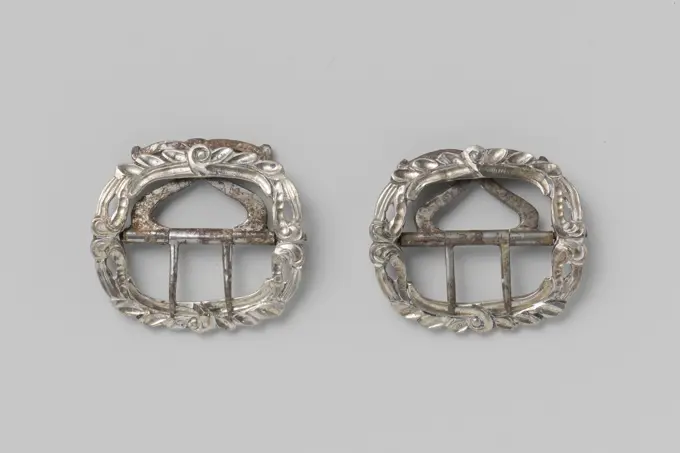
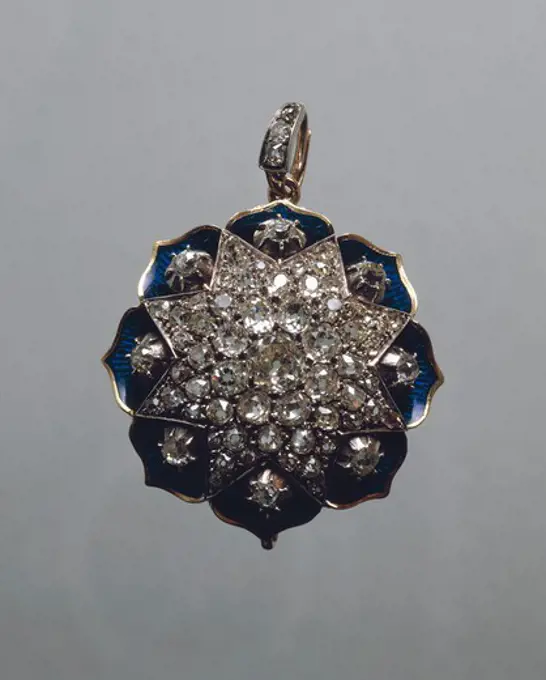
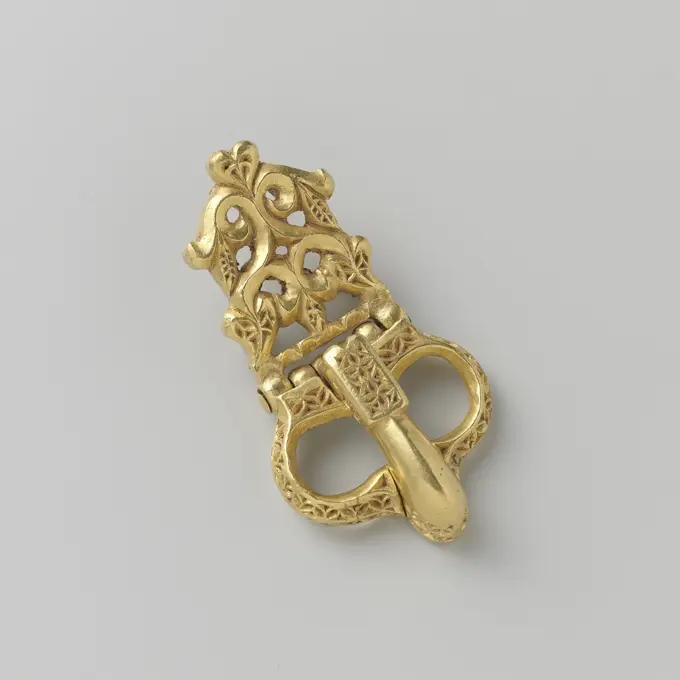
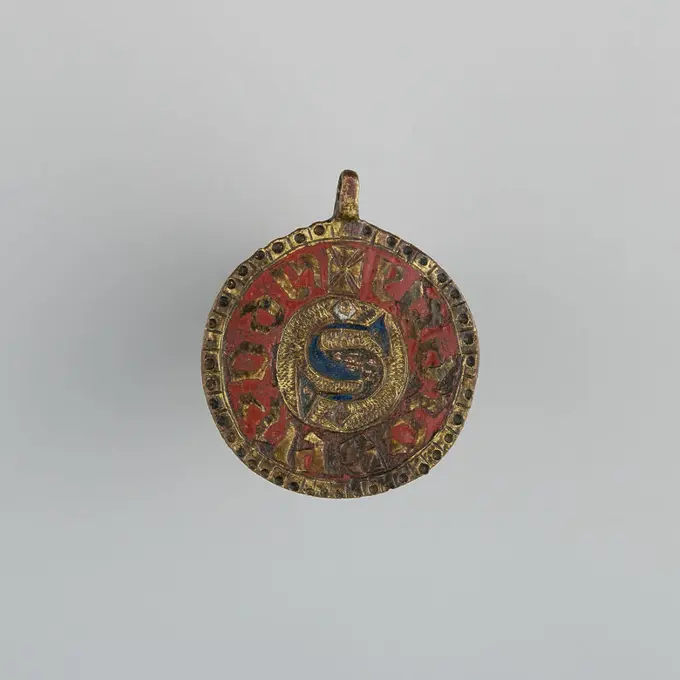
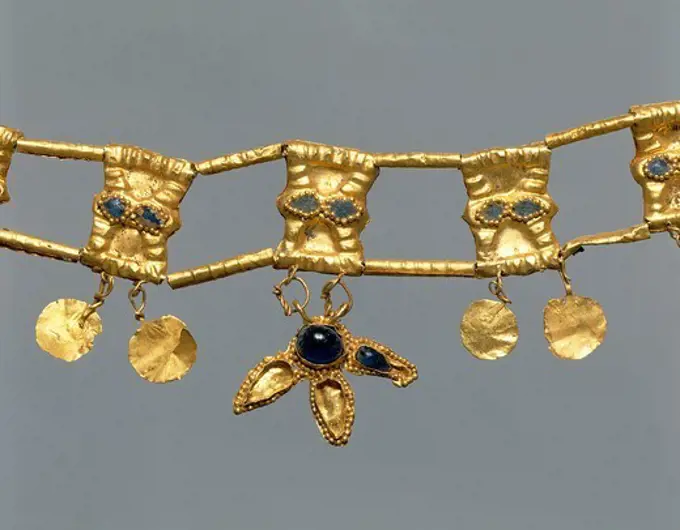
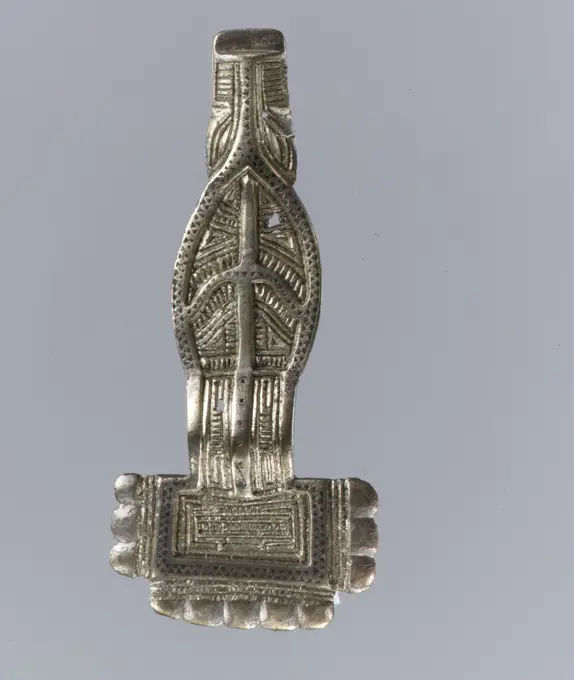
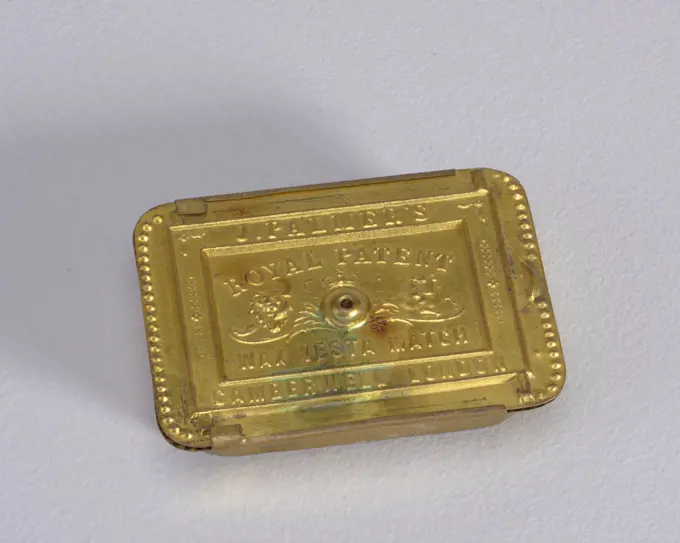
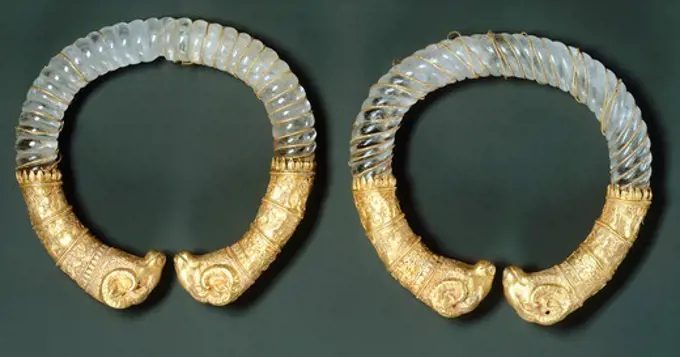
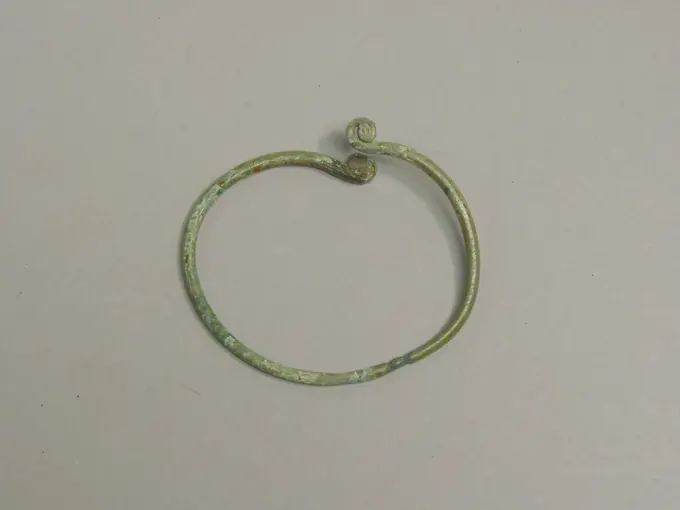
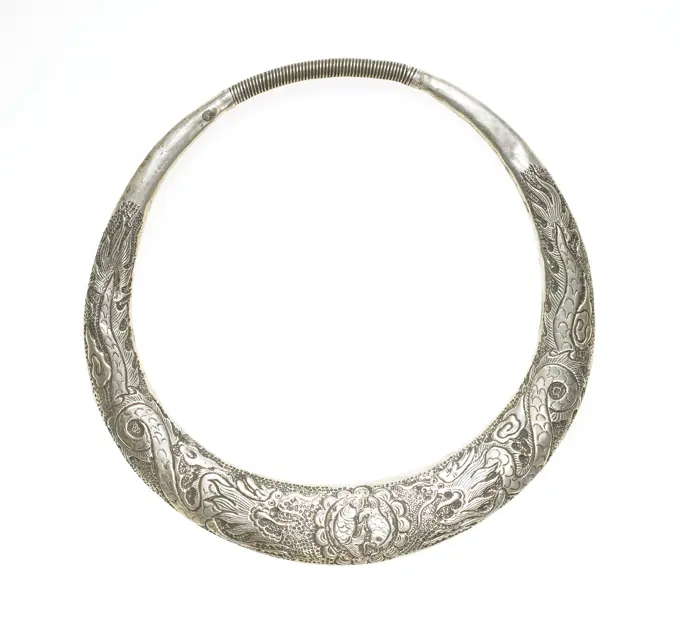
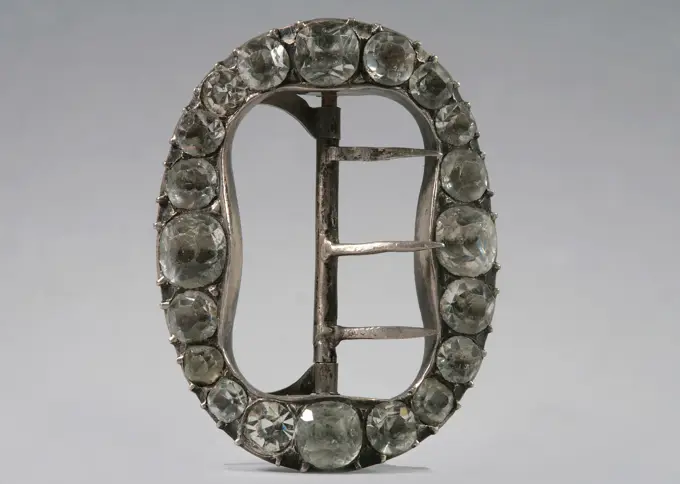
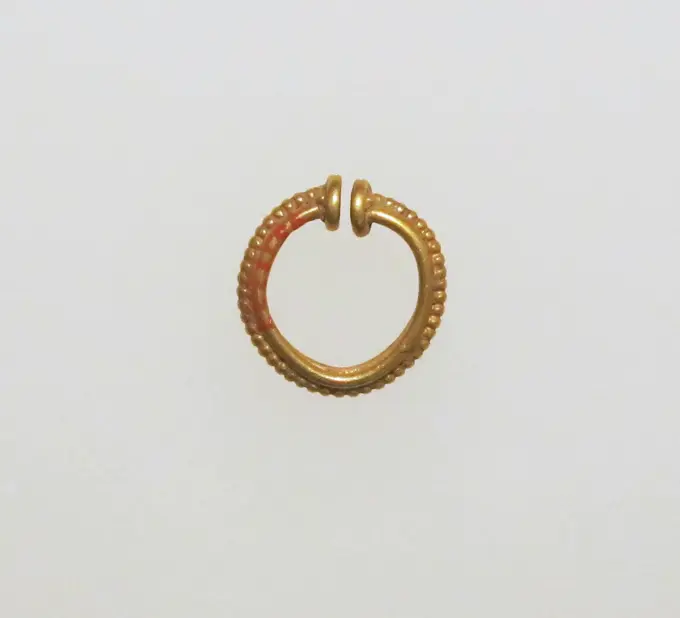
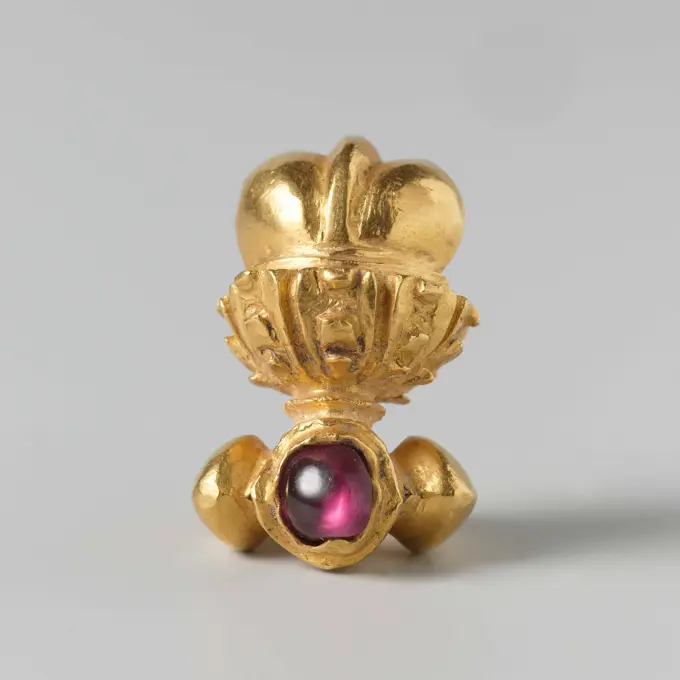
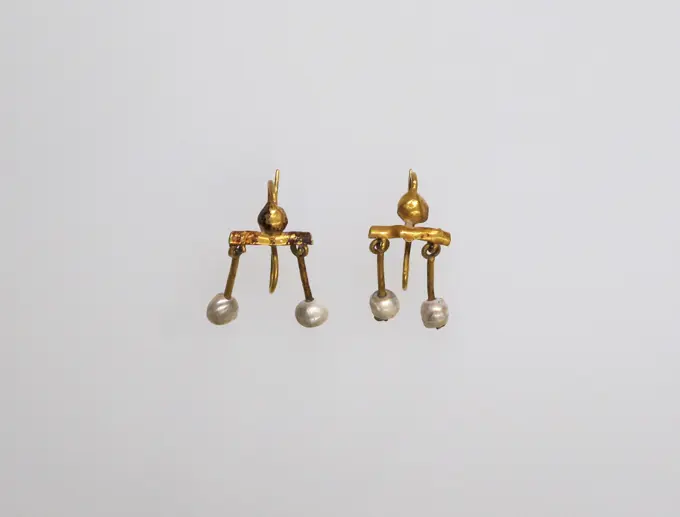
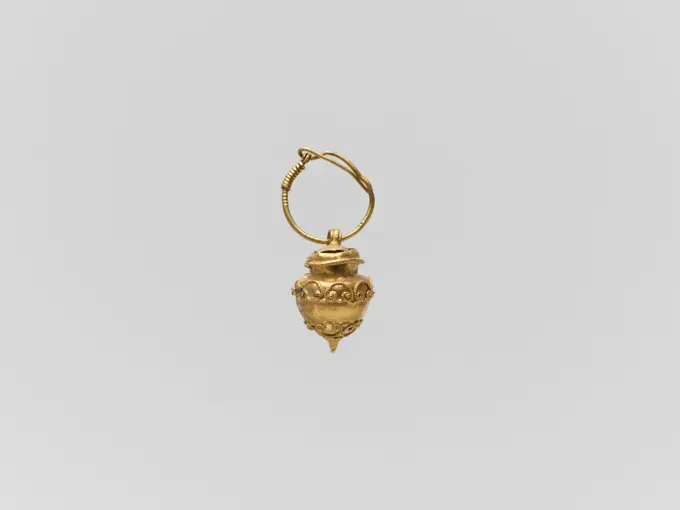
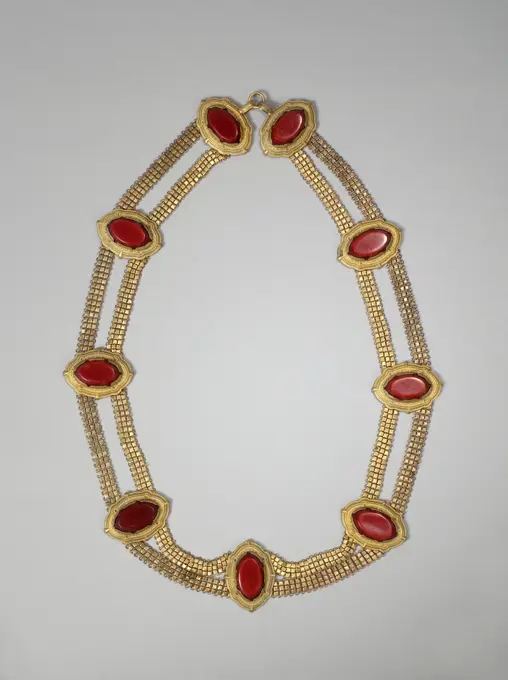
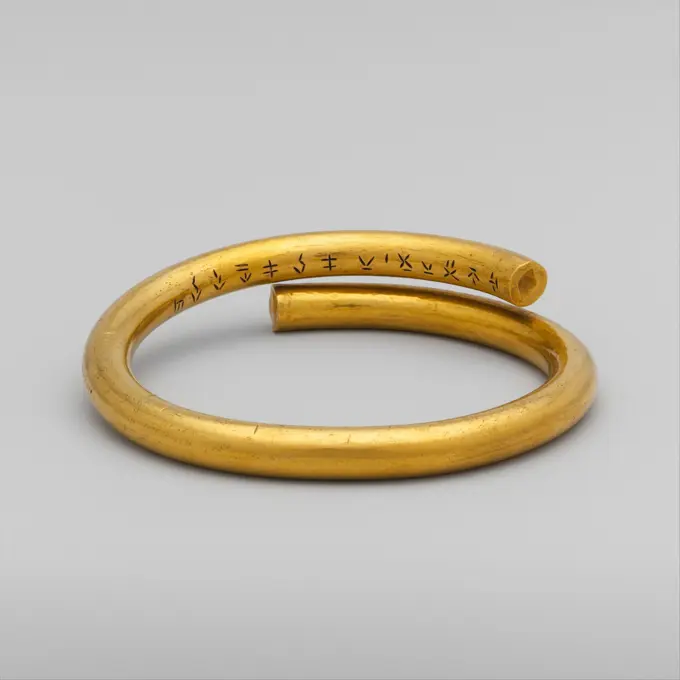
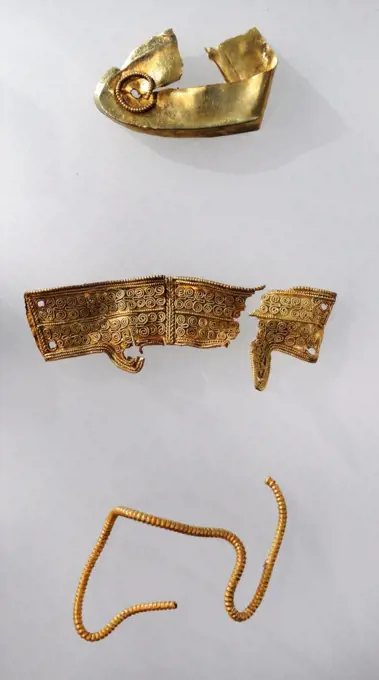
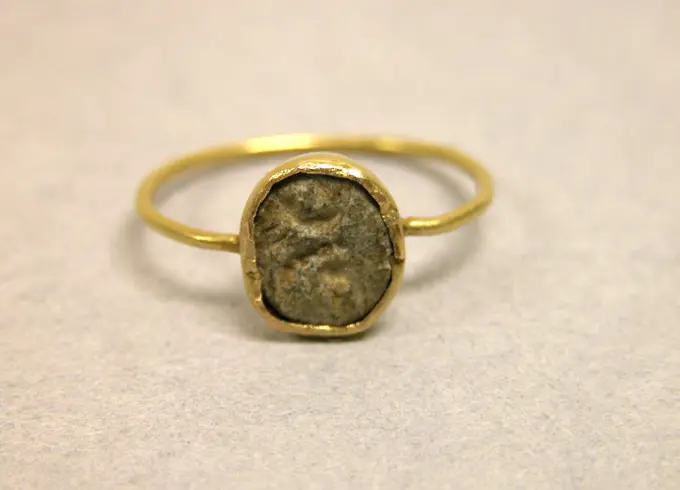
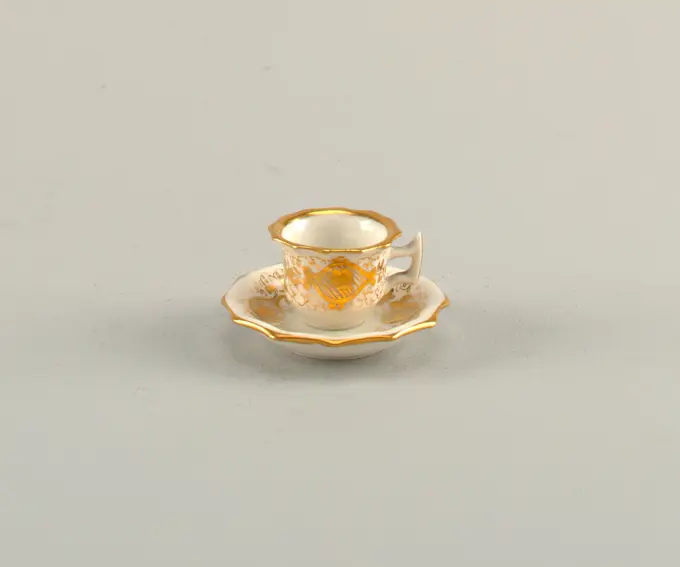
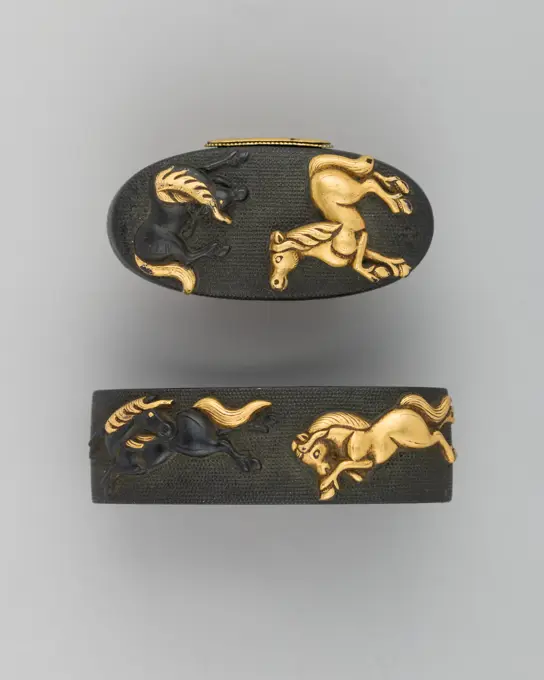
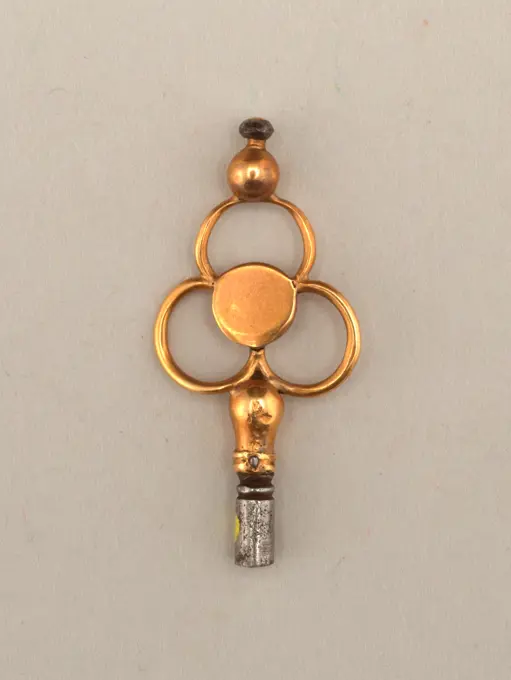
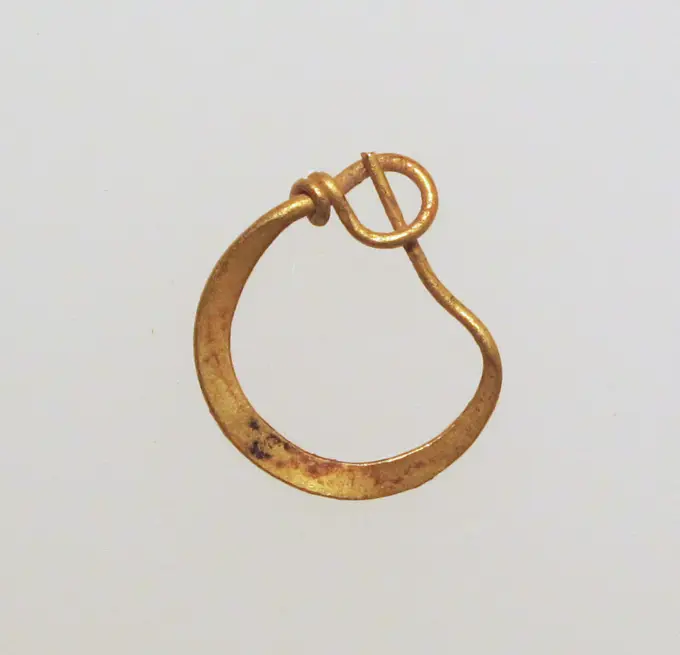
Earring, crescent-shaped. Earring, crescent-shaped 243290Bottle; labradorite, gold, carved stone cameos; Overall: 5 x 3 x 1.8 cm (1 15/16 x 1 3/16 x 11/16 in.)Ear Ornament, Foliate 8th-12th century Indonesia (Central Java). Ear Ornament, Foliate 64212Earring with ball pendant and paste setting 1st-2nd century A.D. Roman. Earring with ball pendant and paste setting 243222matchsafe, silver, 1881, containers, Decorative Arts, matchsafeMadrid, M.A.N. Arte Edad Antigua. Escarabeo de "La Aliseda" perteneciente a un célebre tesoro. Con alma de cobre. s.VII-VI a.c., a la fase orientalizante de la civilización Tartessica.Gold earring with head of a bull 4th-3rd century B.C. Greek. Gold earring with head of a bull 242854Ring, filigree with rose quartz. Ring, filigree with rose quartz 243628Dish with Gold Palmettes Dish; Manufactured by Meissen Porcelain Manufactory (Germany); hard paste porcelain, goldFrog Pendant, 200-700. Peru, Moche, 3rd-8th Century. Gold; overall: 2.3 cm (7/8 in.).Plaque with Dragon 7th-9th century China (Xinjiang Autonomous Region, Central Asia) The nomadic communities of Central Asia used such plaques to embellish clothing and horse trappings. As these nomadic cultures herded animals and were constantly moving, their artistic production was expressed in portable objects that marked the wearers status and wealth. The outstanding preservation of these fragile ornaments suggests they were used in conjunction with burials, where the body was aggrandized with valuable textiles and augmented with gold. Although it is difficult to date and place these objects geographically, their presence in Central Asia and has a long, established history.. Plaque with Dragon. China (Xinjiang Autonomous Region, Central Asia). 7th-9th century. Gold. Period of Tibetan Empire. MetalworkWeighted Fastener 8th-early 10th century Indonesia (Java). Weighted Fastener. Indonesia (Java). 8th-early 10th century. Gold. Central Javanese period. JewelryGold Belt Mount with Loop 700s Avar The treasure contains an array of belt fittings, some elaborately decorated, some unfinished or defectively cast. Some show no signs of use, while others are quite worn.The AvarsThe Avars were a nomadic tribe of mounted warriors from the Eurasian steppe. The Byzantine emperor Justinian negotiated with them in the sixth century to protect the Empires northern border along the Black Sea. Emboldened by their subjugation of numerous tribes, they unsuccessfully attempted to seize the Empires capital, Constantinople. They remained a scourge of both Byzantium and the Western kingdoms until Charlemagne defeated them through a series of campaigns in the 790s and early 800s.All the money and treasure that the Avars had been years amassing was seized, and no war in which the Franks have ever engaged.. brought them such riches and such booty. Up to that time the Avars had passed for a poor people, but so much gold and silver was found.. that one may well thinkFinger Ring 7th century Frankish. Finger Ring 465281 Frankish, Finger Ring, 7th century, Gold, garnet cabochon, Overall: 7/8 x 7/8 x 1/4 in. (2.2 x 2.3 x 0.7 cm) bezel: 1/2 x 1/4 in. (1.2 x 0.6 cm). The Metropolitan Museum of Art, New York. Gift of J. Pierpont Morgan, 1917 (17.192.215)Netsuke of Octopus 19th century Japan. Netsuke of Octopus 60000Silver bracelet with gold calf's head finial. Culture: Greek. Dimensions: width 2 3/4in. (7cm). Date: late 6th-5th century B.C..Gold and silver bracelet, capped by gold finials in the shape of a calf-head. Museum: Metropolitan Museum of Art, New York, USA.Earring with ball pendant and paste setting 1st-2nd century A.D. Roman. Earring with ball pendant and paste setting 243225Wedjat-eye amulet ca. 1390-1352 B.C. New Kingdom. Wedjat-eye amulet. ca. 1390-1352 B.C.. Faience. New Kingdom. From Egypt, Upper Egypt, Thebes, West Valley of the Kings, Tomb of Amenhotep III (WV 22), Carnarvon/Carter excavations, 1915. Dynasty 18Gold diadem with floral motifs, by Unknown artist, 4th Century, . Italy: Puglia: Taranto: Taranto: National Archaeological Museum. Whole artwork. Frontal diadem floral decorationsBracelet. Egypt, Ptolemaic Period-Roman Period, 332-30 B.C.. Jewelry and Adornments; bracelets. GoldEar Ornament with Filigree and Granulate Designs Second half of the 8th-second half of the 10th century Indonesia (Java). Ear Ornament with Filigree and Granulate Designs 49991Ring with head of a fauness. Ring with head of a fauness. Gold. Gold and SilverEarring-loop type, plain. Earring-loop type, plain 243262Gold and copper alloy spiral 5th century B.C. Cypriot With rosettes on the ends.. Gold and copper alloy spiral. Cypriot. 5th century B.C.. Gold, bronze. Classical. Gold and SilverOrnament second half of the 9th-first quarter of the 10th century Indonesia (Java). Ornament 49972Necklace Bead, 185-72 BC. India, Uttar or Madhya Pradesh, Sunga Period (185-72 BC). Gold; overall: 5.7 cm (2 1/4 in.).Shoe or belt of openwork silver, anonymous, c. 1902 Shoe or belt of openwork silver. Rectangular model with convex sides and rounded corners. Ajour decorated with a wide fruit basket with hanging ears between C-Voluten and roses on the sides. Schoonhoven whole: Silver (Metal) forging Shoe or belt of openwork silver. Rectangular model with convex sides and rounded corners. Ajour decorated with a wide fruit basket with hanging ears between C-Voluten and roses on the sides. Schoonhoven whole: Silver (Metal) forgingGold earring with disc and pendant 2nd century A.D. Roman. Gold earring with disc and pendant 243172Knoop decorated with lilies, anonymous, c. 1590 - c. 1596 button Button, decorated with lilies. The NG-NM-7723-7 buttons, NG-NM-7723-8 and NG-NM-7723-10 are not identical. Netherlands brass (alloy). brass (alloy)   Nova Zembla. Saving HuysStirrup-shaped Ring with Square Bezel Second half of the 8th-second half of the 10th century Indonesia (Java). Stirrup-shaped Ring with Square Bezel 50151Bracelet. Gold bracelet consisting of two turns with rams caps at both ends.Oblong-Shaped Ear Ornament Second half of the 8th-second half of the 10th century Indonesia (Java). Oblong-Shaped Ear Ornament 50085Scarab Finger Ring of Senwosret III. Dimensions: ring diam. 2 cm (13/16 in); scarab: l. 1.3 cm (1/2 in). Dynasty: Dynasty 12-13. Reign: reign of Senwosret III. Date: ca. 1850-1750 B.C.. Museum: Metropolitan Museum of Art, New York, USA.TrainholderGold earring with head of an animal 4th-3rd century B.C. Greek. Gold earring with head of an animal 242869Coiled Ring, anonymous, 450 - 750 Ring, decorated with simply twisted motif. Indonesia gold (metal) Ring, decorated with simply twisted motif. Indonesia gold (metal)GoldNecklaceCap Crown (Austria); silk, metal-wrapped silk; 13 x 16.5 cm (5 1/8 x 6 1/2 in. ); 1941-102-18Earring with pendant. Earring with pendant 243154Plaque with Head. Culture: China (Xinjiang Autonomous Region). Dimensions: H. 1 5/8 in. (4.1 cm); W. 1 in. (2.5 cm). Date: 7th-9th century.The nomadic communities of Central Asia used such plaques to embellish clothing and horse trappings. As these nomadic cultures herded animals and were constantly moving, their artistic production was expressed in portable objects that marked the wearer's status and wealth. The outstanding preservation of these fragile ornaments suggests they were used in conjunction with burials, where the body was aggrandized with valuable textiles and augmented with gold. Although it is difficult to date and place these objects geographically, their presence in Central Asia and has a long, established history. Museum: Metropolitan Museum of Art, New York, USA.Bratina (ceremonial vessel), stand and tcharkas (cups), Pavel Akinov Ovchinnikov, Russian, active 1853 - c.1917, Raised, repoussé, chased, and engraved parcel-gilt silver, Parcel-gilt silver bratina with stand and six tcharkas, with lobed panels, each with various fantastic creatures ., Moscow, Russia, 1884, metalwork, Decorative Arts, Bratina (ceremonial vessel), stand and tcharkas (cups)Close up of rusted bottle capEscutcheon; 1914-27-7Snail Shell Matchsafe; brass, with evidence of silver plating; 4.5 x 3.5 x 2.7 cm (1 3/4 x 1 3/8 x 1 1/16 in. )Flower-Shaped Clothing Plaque 7th-9th century China (Xinjiang Autonomous Region, Central Asia) The nomadic communities of Central Asia used such plaques to embellish clothing and horse trappings. As these nomadic cultures herded animals and were constantly moving, their artistic production was expressed in portable objects that marked the wearers status and wealth. The outstanding preservation of these fragile ornaments suggests they were used in conjunction with burials, where the body was aggrandized with valuable textiles and augmented with gold. Although it is difficult to date and place these objects geographically, their presence in Central Asia and has a long, established history.. Flower-Shaped Clothing Plaque 65197Spirals, 18 Cypriot. Spirals, 18 242526Finger Ring. Western Iran, circa 550-330 B.C.. Jewelry and Adornments; rings. Bronze, castMoldingEarring, trumpet-shaped 5th-3rd century B.C. Etruscan. Earring, trumpet-shaped 245865Ring with carbuncle. Ring with carbuncle 243682Earring 6th-7th century Langobardic. Earring 465178 Langobardic, Earring, 6th7th century, Gold, Overall: 1 7/8 x 1 7/8 x 7/16 in., 0.1oz. (4.8 x 4.7 x 1.1 cm, 3g). The Metropolitan Museum of Art, New York. Gift of J. Pierpont Morgan, 1917 (17.192.122)Necklace with pendant 18th-19th century Philippines. Necklace with pendant 40553Horse Harness 9th-10th century. Horse Harness. 9th-10th century. Bronze; cast, gilded. Excavated in Iran, Nishapur. MetalEarrings with ibex head terminal 4th-3rd century B.C. Ptolemaic Period Hoops formed of wound wire with animal head terminals are the commonest type of Hellenistic earring. The heads on these earrings have been referred to as those of gazelles, but is now thought more likely to be an ibex. Ibex-head earrings are well-known in Egypt, but also Asia Minor and Cyprus.The relatively simple decoration of these earrings points to an early Ptolemaic date.. Earrings with ibex head terminal 551295Ring Inscribed with a Dedication to Hera (Goddess of Marriage); Argolid, Greece; about 575 B.C; Gold; 2.2 cm (7,8 in.)Earring or spiral. Earring or spiral. Gold. Gold and SilverBuckle of silver with decorated edge and a hinged part in which two teeth, c. 1790 - c. 1800 Buckle of silver with decorated edge and a hinged part in which two teeth marked. Middelburg whole: Silver (Metal) forging Buckle of silver with decorated edge and a hinged part in which two teeth marked. Middelburg whole: Silver (Metal) forgingFrog pendant 11th-16th century Chiriqui. Frog pendant. Chiriqui. 11th-16th century. Gold. Costa Rica or Panama. Metal-OrnamentsGoldsmith's art, England, late 18th century. Enamelled gold and diamonds pendant.Earring with plain loop and disc. Earring with plain loop and disc 243139Glass medallion with the bust of a woman or goddess. Culture: Roman, Cypriot. Dimensions: Height: 1 5/16in. (3.4cm)Width: 1 3/16in. (3cm). Date: 1st century A.D..Translucent deep purple, appearing opaque black.Oval, with deep relief on upper surface, and flat, smooth back.On a plain background, a female bust, facing front, with head turned slightly to left, wearing a diadem on her hair parted at center and with locks or veil headdress falling behind shoulders, and drapery on shoulders and across chest; narrow frame, comprising a banded scallop design, interspersed with small beads, forming eight roughened areas, each with a central six-pointed star.Broken with part of top of frame missing, and nose of woman also missing; dulling, small patches of brilliant iridescence, and faint brownish weathering on back.Despite its small size, this molded glass object has finely worked details, both on the central bust of a woman or goddess and on the ornate raised oval frame. It was presumablLocket ca. 1875 American. Locket 124364Gesp, anonymous, c. 500 - c. 700 Buckle of gold. The long, narrow tissue attachment is open and consists of flower and leaf motifs. Found in Antioch. Byzantium (possibly) gold (metal) Buckle of gold. The long, narrow tissue attachment is open and consists of flower and leaf motifs. Found in Antioch. Byzantium (possibly) gold (metal)Stirrup. Culture: Tibetan or Mongolian. Dimensions: H. 4 1/2 in. (11.4 cm); W. 5 1/4 in. (13.3 cm); D. 1 3/4 in. (4.5 cm); Wt. 11.8 oz. (334.5 g). Date: ca. 14th-16th century.This stirrup is exceptional for the quality and lively nature of the dragonheads at the top of its arch, for its overall form and balance, and for the use of brass cladding over iron as a decorative technique, which is otherwise unknown on Tibetan or Mongolian stirrups. Its worn, hand-rubbed finish also shows that this stirrup was well appreciated over many generations for its tactile beauty. Museum: Metropolitan Museum of Art, New York, USA.Brandewijnkom of silver on low, round, unadorned cuppa with two horizontal sawn ears. Vals., Jan Verdoes, 1746 Brandy bowl of silver. Low, round unadorned cuppa with two horizontal ears, consisting of sawn, symmetrical band ornament. Haarlem silver (metal) Brandy bowl of silver. Low, round unadorned cuppa with two horizontal ears, consisting of sawn, symmetrical band ornament. Haarlem silver (metal)Watch key, Gold, USA, 19th century, timepieces & measuring devices, Decorative Arts, Watch keyBadge (probably from Horse Harness). Culture: Spanish. Dimensions: H. 2 3/8 in. (6 cm); W. 2 in. (5.1 cm); Wt. 0.5 oz. (14.2 g). Date: ca. 1400. Museum: Metropolitan Museum of Art, New York, USA.Gold and enamel collar, Crimea. Detail. Jewellery. Sarmatic civilizatio, 1st-2nd Century.Square-Headed Bow Brooch second half 6th century Frankish. Square-Headed Bow Brooch 465211 Frankish, Square-Headed Bow Brooch, second half 6th century, Silver-gilt, niello, Overall: 1 5/8 x 3 11/16 x 3/8 in. (4.2 x 9.3 x 1 cm). The Metropolitan Museum of Art, New York. Gift of J. Pierpont Morgan, 1917 (17.192.152)Earring with pendant Roman. Earring with pendant 243213Gold earring with two bulls' heads and glass bead. Culture: Greek. Dimensions: Diam.: 3/4 in. (1.9 cm). Date: 3rd-2nd century B.C..One of the glass beads is lost. Museum: Metropolitan Museum of Art, New York, USA.Signet ring with the Van Wijnbergen family arms. In the 16th century, seals were sometimes made of rock crystal. The transparency of this stone made it possible to include a coat of arms both in relief and in colour (on the back of the stone). The one here - three black wheels with five spokes in a field of silver - belongs to the Van Wijnbergens, a noble family from the province of Overijssel. Accordingly, this ring was most likely made in the northern Netherlands.'J. Palmer's Royal Patent Wax Vesta Match', Gilded brass, Rectangular, curved corners, canted sides, with cover that slides off top of box; cover features beading on right and left edges, with thumb catch on right side, raised frame contains inscription 'J. Palmer's, Camberwell London'; inscription inside frame reads 'Royal Patent, Wax Vesta Match'; at center is small raised opening to hold single lit match, to left is image of lion, over opening is crown, to right is image of a horse; underside inscribed 'Alexander S. Stocker, Patentee' in upper recessed area, striker in central recess, 'Brass Battery Works, Wandsworth Surrey' inscribed in bottom recess., 1848, containers, Decorative Arts, Matchsafe, MatchsafeGold, rock crystal and copper bracelets (Greece). Goldsmith art, Greek Civilization, 4th Century BC.One from a Pair of Wire Bangles with Twisted End 300 B.C.-A.D. 400 Thailand. One from a Pair of Wire Bangles with Twisted End 53326Elephant and Palms, Silver, Elongated oval form, featuring raised decoration of palm trees and elephant, reverse features palm, and other foliage and unidentified animal. Link on top. Front opens, hinged on right side. Striker extends around perimeter., late 19th century, containers, Decorative Arts, Matchsafe, MatchsafeRingBook lock of silver, anonymous, c. 1800 - c. 1900   silver (metal)   silver (metal)Pendant disk Cypriot. Pendant disk 242624Torque, 9 1/4 x 9 5/16 x 7/8 in. (23.5 x 23.65 x 2.22 cm), Silver, ChinaPierścień z formułą kryptograficzną z imieniem Mencheperre. unknown, authorLoop .Earring Etruscan Ring shape with row of beaded wire.. Earring 245975. Operation in the form of a ring with a perpendicular embellishment in the form of an oval fruit.Gold and pearl earring 1st century A.D. Roman Known as crotalia (from the Greek word for rattle or castanets) because the pearl pendants would produce a jingling noise when worn, earrings of this type were extremely popular with Roman ladies. Numerous examples have been found at Pompeii and Herculaneum.. Gold and pearl earring. Roman. 1st century A.D.. Gold, pearl. Early Imperial. Gold and SilverPierścień ze skarabeuszem z kryptograficzną inskrypcją. unknown, authorGold vase-shaped pendant 5th-4th century B.C. Cypriot or Greek Earring of the loop type with hook-and-eye fastening and vase pendant.. Gold vase-shaped pendant. Cypriot or Greek. 5th-4th century B.C.. Gold. Classical. Gold and SilverVisigothic broque from the 7th century, Mortera cave, Pielagos, Museum of prehistory and archeology (MUPAC), Santander, Cantabria, Spain.Gold ring with plasma ring stone. Culture: Greek. Dimensions: Base: 15/16 in. (2.4 cm). Date: 5th century B.C..Gold filigree ring with plain stone of plasma. Museum: Metropolitan Museum of Art, New York, USA.Belt. Years 1910-1920. Galliera, fashion museum of the city of Paris. 71776-31 Fashion accessory, two -color, jewel, articulated chain, collar, coral color, gild, haute couture, medallion, female mode, metal, orangeElectrotype copy of a gold bracelet 6th-5th century B.C. Cypriot The original bracelets, stolen from the Metropolitan Museum in 1887, bore inscriptions indicating that they belonged to a certain Eteander, king of Paphos. These exact copies were made by Tiffany & Co., drawing on records made by the Museum before the theft.. Electrotype copy of a gold bracelet 242990Circular Brooch,  c. 1880Damaged pieces of Anglo-Saxon sword: Hilt plate from the handle, mount with filigree decoration and wire loop from the handle. Dated 6th CenturyLocal ring dial 17th century T. W.. Local ring dial. British. 17th century. Brass. HorologyButton, brass, enamel, France, ca. 1890, costume & accessories, Decorative Arts, ButtonEngraved Ring Indonesia (Central Java) 8th-12th centuryMiniature Cup and Saucer Cup And Saucer; Probably Du Paquier Porcelain Manufactory; porcelain, goldRing with Raised Conical Motif Second half of the 8th-second half of the 10th century Indonesia (Java). Ring with Raised Conical Motif 50411Sword-Hilt Collar and Pommel (Fuchigashira) 17th century Japanese A fuchigashira is a pair of matching sword fittings comprising the fuchi (collar at the base of the grip of the sword hilt) and kashira (pommel cap at the end of a sword hilt).. Sword-Hilt Collar and Pommel (Fuchigashira). Japanese. 17th century. Copper-gold alloy (shakud), gold. Sword Furniture-Fuchi-KashiraWatch Key (USA); gold