Antique Jewelry Pieces

A collection of intricate antique jewelry items, including earrings and decorative containers, showcasing historical craftsmanship.

matchsafe, silver, 1881, containers, Decorative Arts, matchsafe
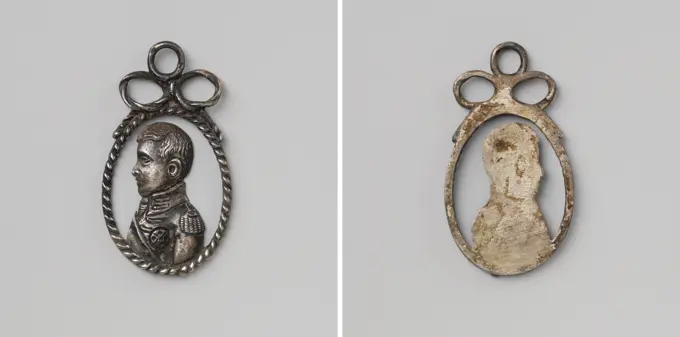
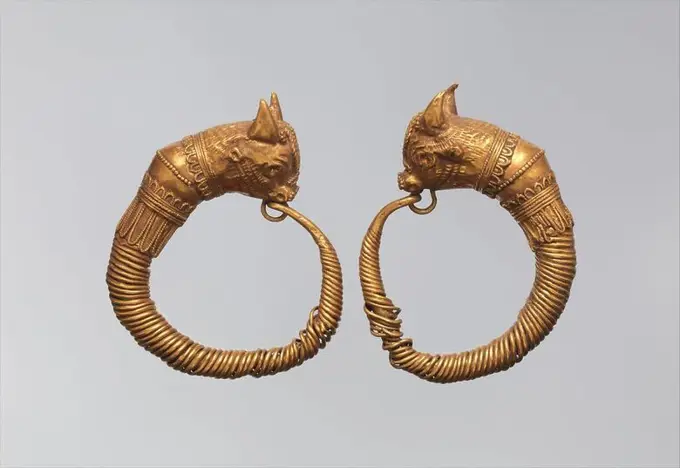
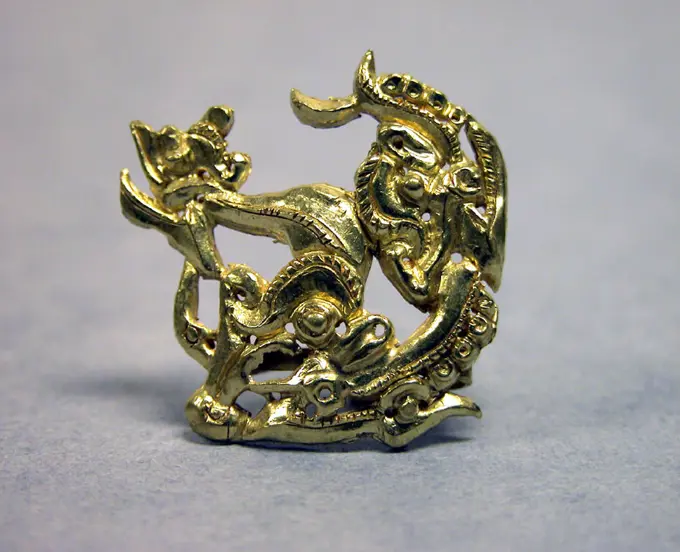
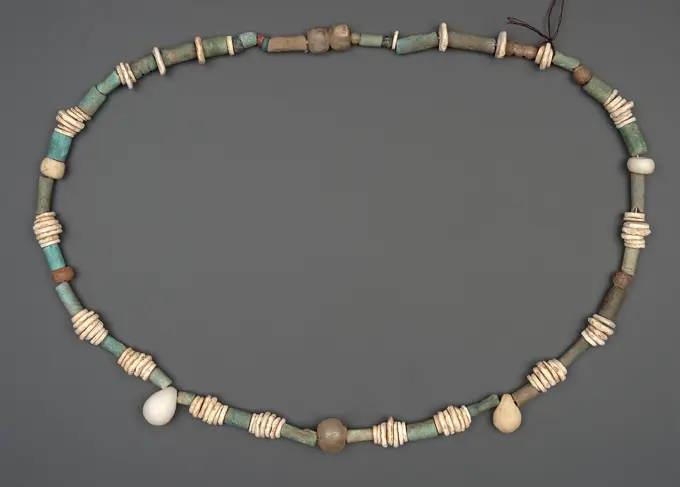
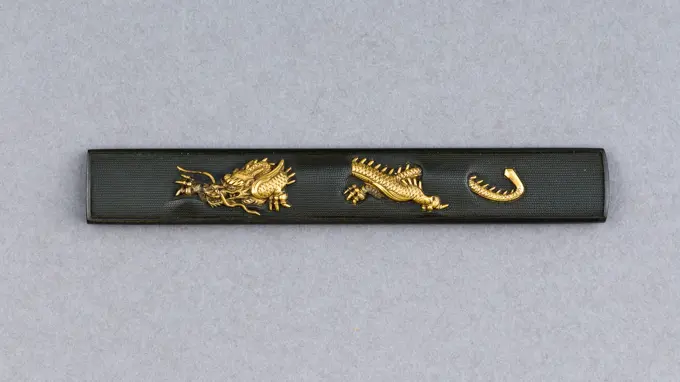
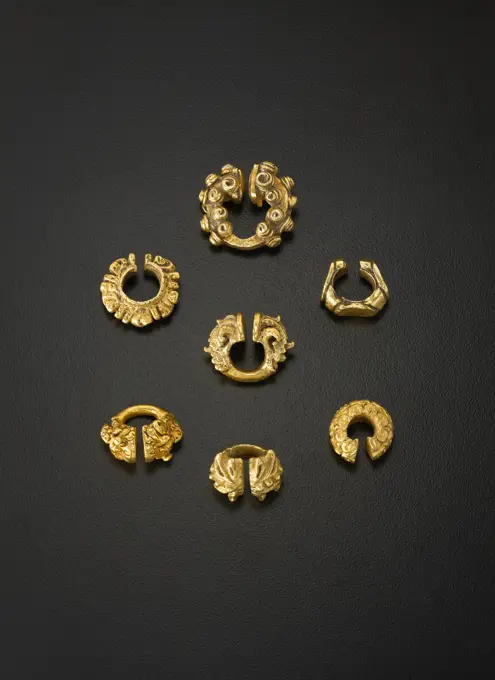
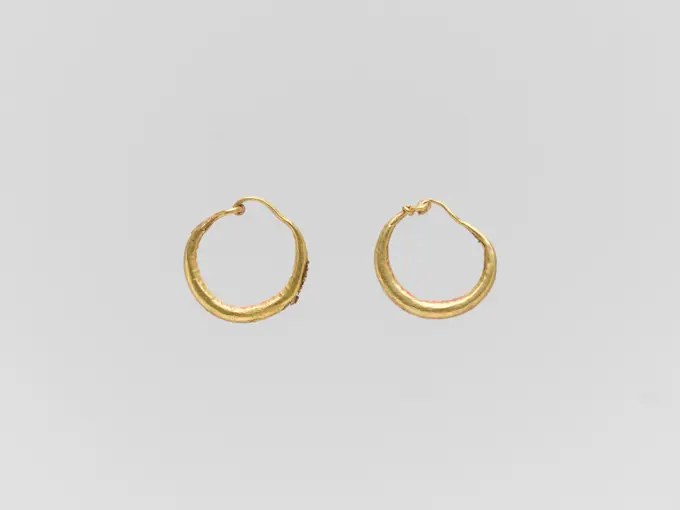
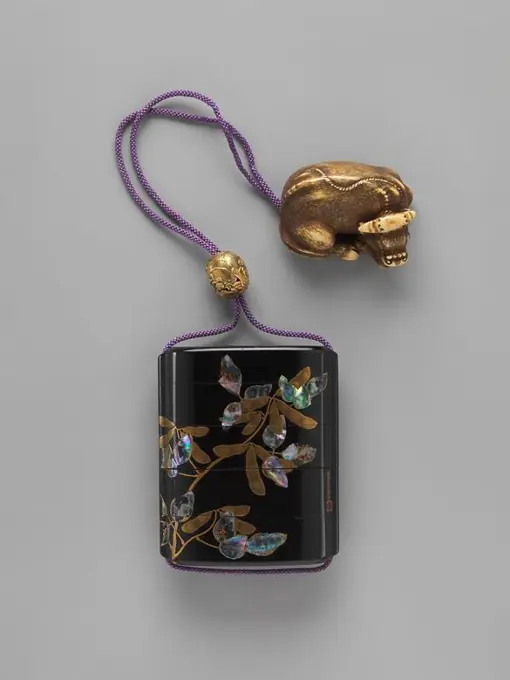
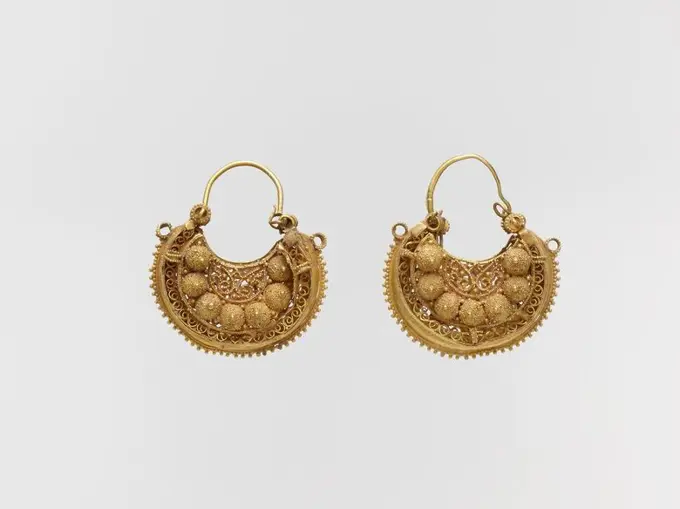
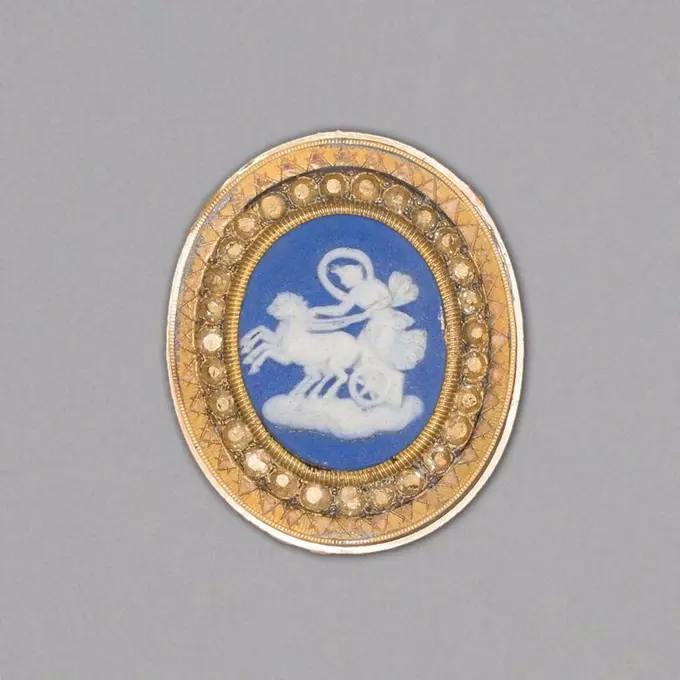
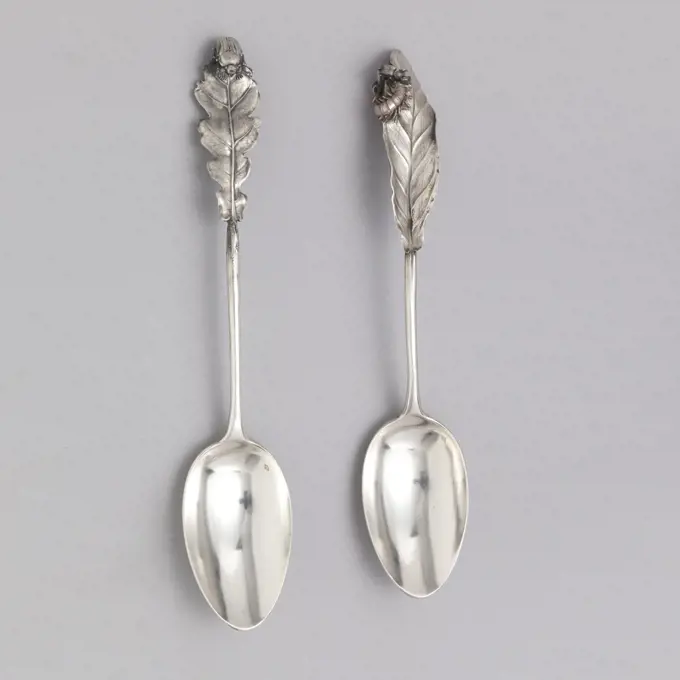
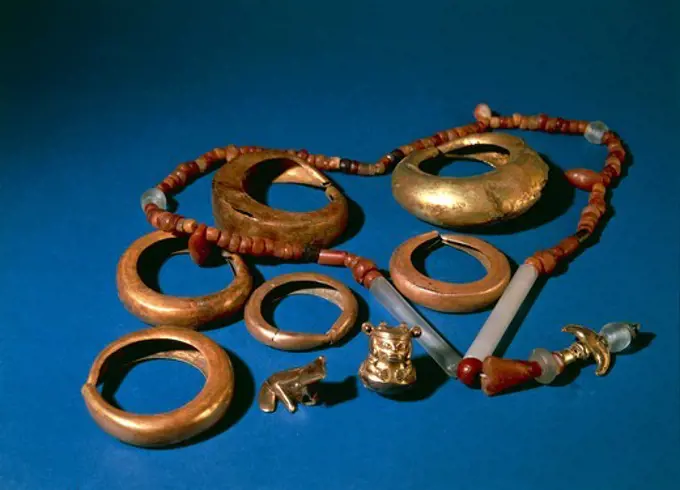
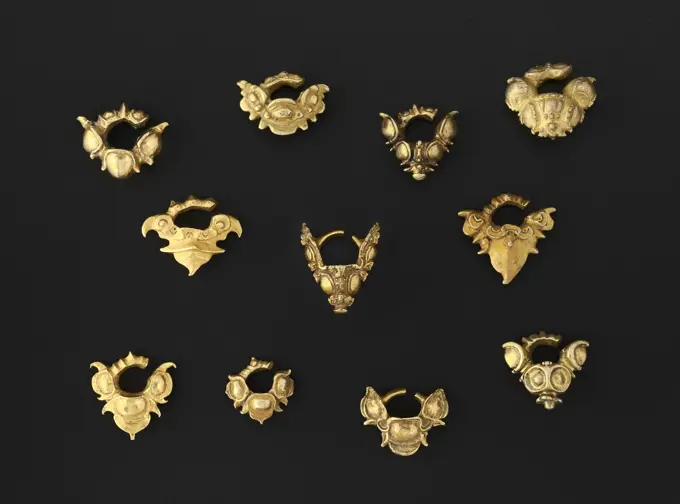
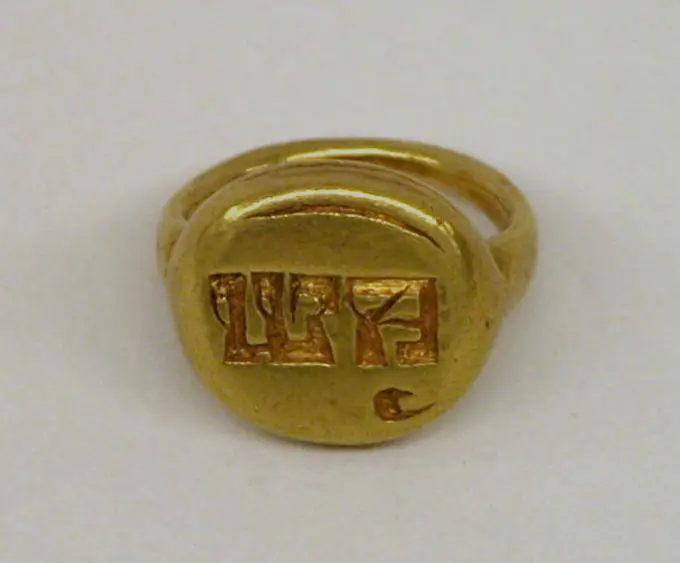
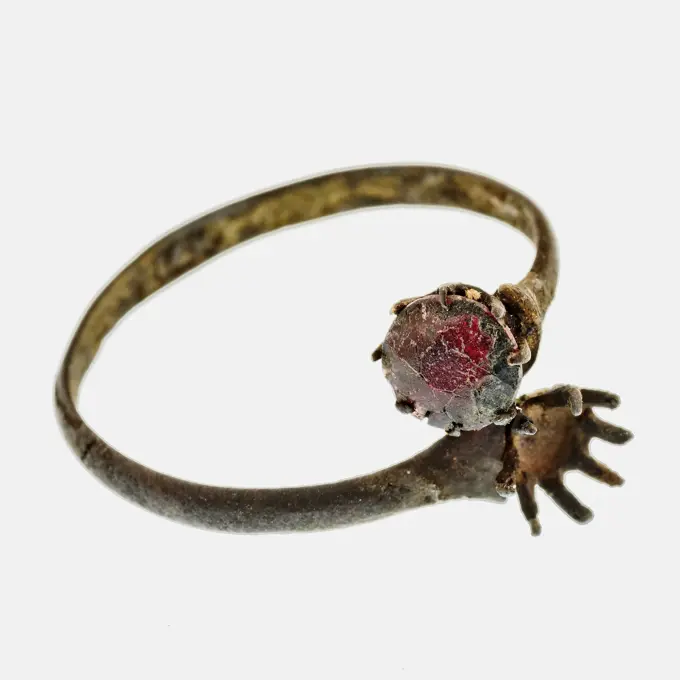
Silver Ornaments for '100 Bird Dress' (a,b: pair of bracelets; c,d: pair of anklet bells; e,f: pair of earrings; g: neck pendant), early to mid 20th century, Silver, China, 20th centuryStar in quoting silver to the order of the division for the 1914-18 and 1939-45 war crosses. Metal, 1915-1990. General Leclerc Museum of Hauteclocque and the Liberation of Paris, Jean Moulin Museum.Willem Frederik, Prince of Oranje-Nassau, Souverein Vorst, Anonymous, 1813  One -sided silver oval open -up carrier with cable edge, on bow with three loops. Front: breastpiece man. Reverse: Blanco Netherlands silver (metal) striking (metalworking)Earring with head of a bull. Dimensions: As Worn: H. 3.2 × W. 3.4 cm (1 1/4 × 1 5/16 in.). Date: 2nd-1st century B.C..Hoops formed of wound wire with animal head terminals are the commonest type of Hellenistic earring. The bull-head earring appears throughout the Mediterranean, probably a positive image because of the physical and sexual prowess attributed to bulls. Examples like this one with a gold or stone bead incorporated into the collar behind the animal's head date mostly to the second and first centuries B.C. Museum: Metropolitan Museum of Art, New York, USA.Garuda with Dolphins 18th century Indonesia (Bali). Garuda with Dolphins 64258Necklace;  IV-VI century; Postmeroic period (301-00-00-600-00-00);message (provenance), rescue excavations, IV Qatract (Sudan)Knife Handle (Kozuka) ca. 1615-1868 Japanese A kozuka is a handle of a by-knife that is part of a sword mounting. It is kept in a slot on the reverse of a katana scabbard, often with a matching kōgai (hairdressing tool).. Knife Handle (Kozuka) 34525Necklace made with vitreous paste beads (cent. 5th-3rd BC). Punic-Ebusitan culture. Ibiza, Mallorca, Baleraic Islands. Spain.RingFlat ended EarOrnamentMEDALLON RELICARIO DE SAN JOAQUIN Y SANTA ANA. Location: CONVENTO DE LAS CLARISAS / MUSEO DE ARTE SACRO. MONFORTE DE LEMOS. LUGO. SPANIEN.Pair of Sword-Grip Ornaments (Menuki) 18th century Japanese Menuki are a pair of ornamental sword fittings attached to either side of a sword hilt.. Pair of Sword-Grip Ornaments (Menuki). Japanese. 18th century. Gold. Sword Furniture-MenukiPendant with paste bead. Pendant with paste bead 243108Bezel. Iran, Sasanian period 224-651. Tools and Equipment; seals. Banded stoneHorse Muzzle. German. Date: 1674. Dimensions: . Iron and leather. Origin: Germany. Museum: The Chicago Art Institute, Chicago, USA.Pair of Sword-Grip Ornaments (Menuki) 18th century Japanese Menuki are a pair of ornamental sword fittings attached to either side of a sword hilt.. Pair of Sword-Grip Ornaments (Menuki). Japanese. 18th century. Gold. Sword Furniture-MenukiGold loop earring 3rd century B.C.-3rd century A.D. Cypriot This very simple type of earring existed for a long time on Cyprus.. Gold loop earring. Cypriot. 3rd century B.C.-3rd century A.D.. Gold. Hellenistic-Imperial. Gold and SilverButton ca. 1785 French. Button 114356Case (Inro) with Design of Bean Vine and Moon. Artist: Shiomi Masanari (Japanese, active late 17th-mid-18th century). Culture: Japan. Dimensions: H. 2 13/16 in. (7.2 cm); W. 2 3/8 in. (6 cm); D. 7/8 in. (2.2 cm). Date: early 18th century. Museum: Metropolitan Museum of Art, New York, USA.British Prime Minister Gladstone, Brass, In the shape of British Prime Minister Gladstone's face, reverse undecorated and flat. Box opens on reverse, horizontal hinge near center. Striker in recessed groove on reverse., ca. 1890, containers, Decorative Arts, Matchsafe, MatchsafePair of Earrings. Dimensions: H. 1 5/16 In. (3.3 cm)W. 1 in. (2.5 cm). Date: 11th century.An elaborate example of filigree and granulation work from the Fatimid period in Egypt and Greater Syria (969-1171), this pair of earrings is illustrative both of the most characteristic goldsmith work and of one of the most popular shapes for jewelry of this period-the hilal, or crescent (moon). The basic vocabulary-a box construction, rings for stringing pearls or semiprecious stones, openwork S-curves, arabesque designs, and the crescent shape itself-seems to have dominated jewelry production in the Fatimid world into the second half of the eleventh century and perhaps later. The influence of this vogue was widespread. Goldsmiths working under the Mamluks (1250-1517) adapted this vocabulary, as did jewelers of Nasrid Spain (1232-1492), while echoes reverberated into Kievan Russia, Ottoman Turkey, Mughal India, and North Africa. Museum: Metropolitan Museum of Art, New York, USA.Wreath from Adam Mickiewiczs Funeral in KrakówCOLLAR DE ORO. Nº INV. 23859. MUSULMAN. (EXPOSICION :ARTE ISLAMICO ESPAÑOL)(DEPOSITO: MUSEO DE MALLORCA).Cameo with Diana and the Moon. Wedgwood Manufactory; England, founded 1759. Date: 1775-1799. Dimensions: 3 × 2.7 × 0.5 cm (1 3/16 × 1 1/16 × 3/16 in.); frame width: 0.6 cm (1/4 in.). Stoneware (jasperware). Origin: Burslem. Museum: The Chicago Art Institute, Chicago, USA.Looped EarOrnamentDessert spoon, Charles Victor Gibert, French, Silver, Handle in the form of a patinated earwig grasping a centipede at the edge of a leaf., ca. 1890, cutlery, Decorative Arts, Dessert spoonRingFrance, lyon, Gold and emeralds earringsJewelry in gold and copper, Colombia, Tairona cultureArched EarOrnamentBracelet probably 14th-15th century The earliest known examples of this type of seamless mosaic glass bracelet are from the late thirteenth century; it continued to be produced well into the nineteenth century at Hebron, in Palestine. This bracelet, together with thirty-three others in the collection, comes from UpperEgypt and was probably made during the Mamluk period.. Bracelet 446038Ring with Circular Bezel with "Java Kuno" Inscription Second half of the 9th-first quarter of the 10th century Indonesia (Java). Ring with Circular Bezel with "Java Kuno" Inscription. Indonesia (Java). Second half of the 9th-first quarter of the 10th century. Gold. late Central Javanese period. JewelryCameo with Four Theater Masks set into a Mount. UnknownBuckle, 2 x 2 1/2 x 1/4 in. (5.08 x 6.35 x 0.64 cm), SilverScandinavia. Necklace. String of beads with pendats. Sakshaug, Inderoy k, Nord-Trondelang. 10th century. Historical Museum. Oslo. Norway.String of 5 Double Disc Beads 4th century Roman Period. String of 5 Double Disc Beads. 4th century. Glass. Roman Period. From EgyptScottish quaich isolated on the white backgroundNotebook of turtle with imposed decorations of gold, email and precious stones. In the closure a pencil, decorated with enamelled bust, anonymous, c. 1710 - c. 1730 Notebook of turtle with imposed decorations of gold, enamel and precious stones. A pencil with enamelled bust was stabbed by the closure. Dresden gold (metal).. precious stone (material) Notebook of turtle with imposed decorations of gold, enamel and precious stones. A pencil with enamelled bust was stabbed by the closure. Dresden gold (metal).. precious stone (material)Silver ring with originally two red stones, ring ornament clothing accessory clothing soil find silver stone glass metal, d 0.3 Narrow, undecorated shone ends go past each other and are connected to small point. On each end klauwchaton In one of the chatons red semi-transparent stone (glass). Marked on the inside mark is badly readable archeology Rotterdam rail tunnel adorn prosperity status status Soil discovery: trajectory rail tunnel Rotterdam.