Antique Keys Collection

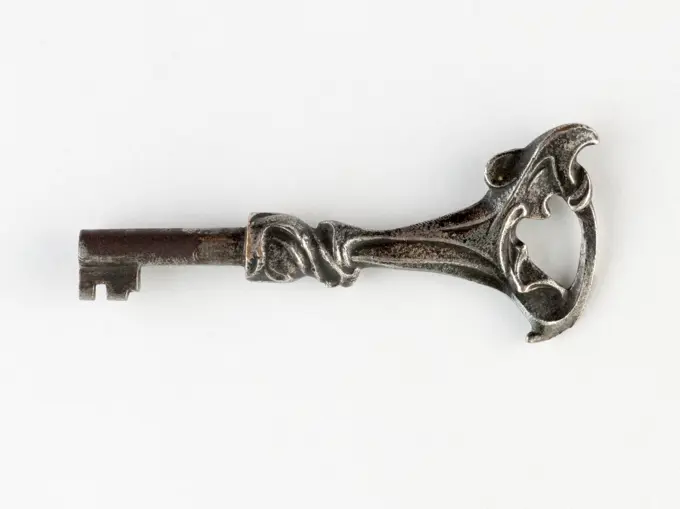
A variety of antique keys, including Roman and Art Nouveau styles, featuring unique designs and crafted from bronze and metal.
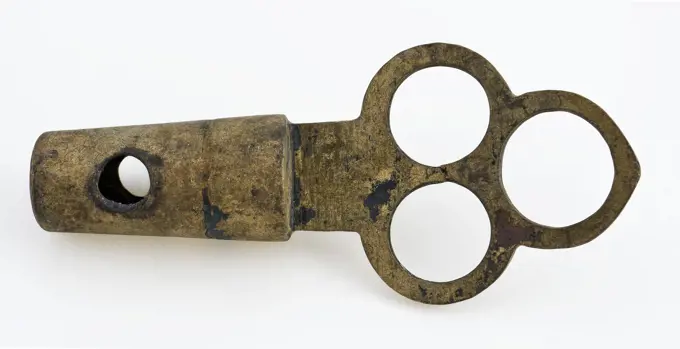
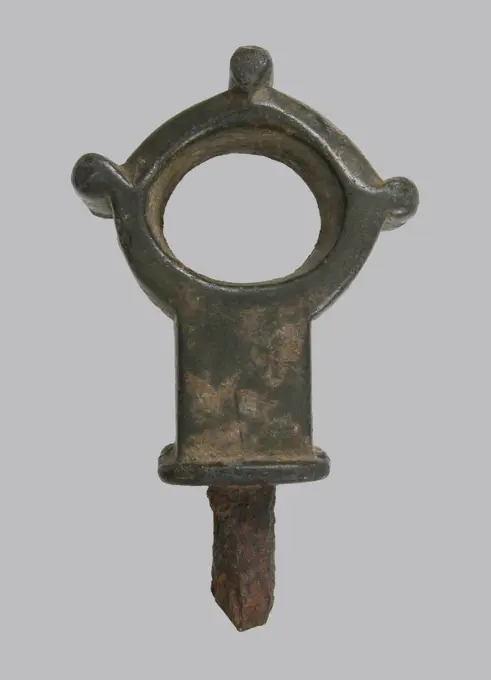
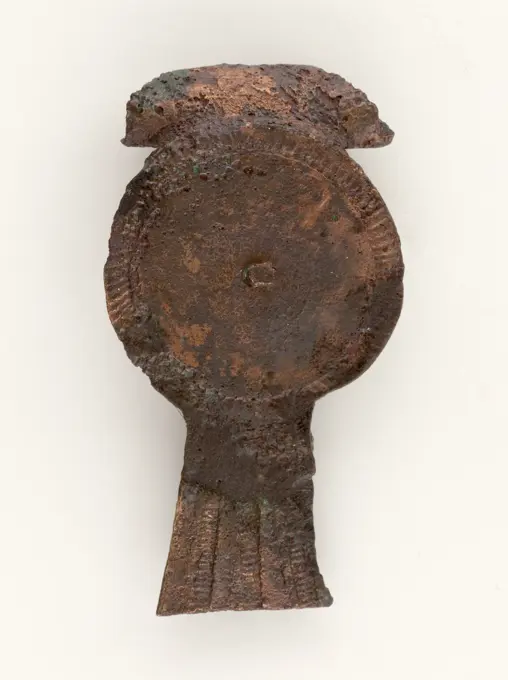
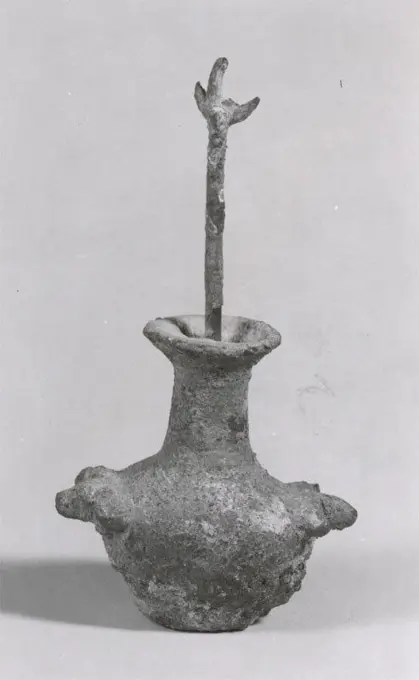
Marked, Copper stopper from tap with handle in the form of tripod, stop closure part ground find bronze copper metal, cast sawn Yellow metal stopper with conical pin through hole and handle in the form of trident Probably marked in the middle between the eyes. The metal between the bottom two circles of the tripod is broken. The handle is slightly curved brand: non-readable archeology tap tap holder component barrel of beer wine
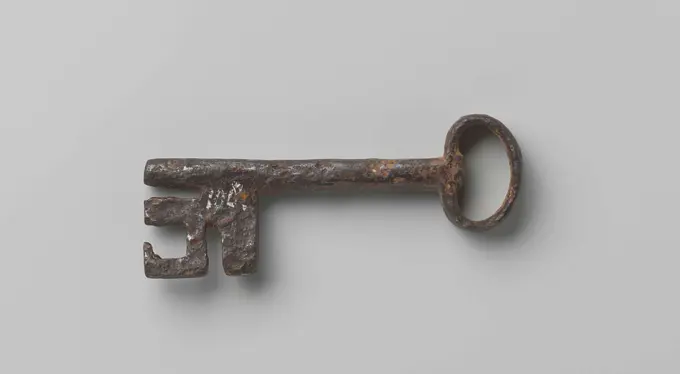
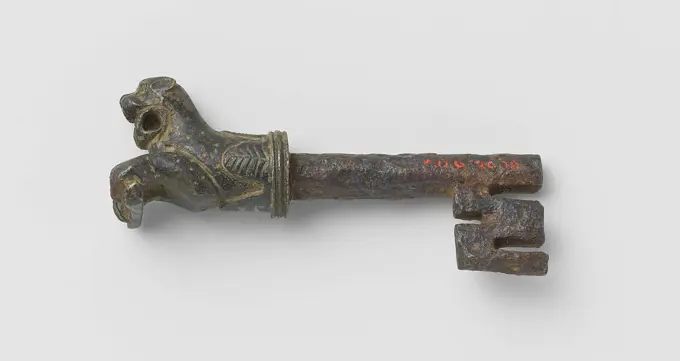
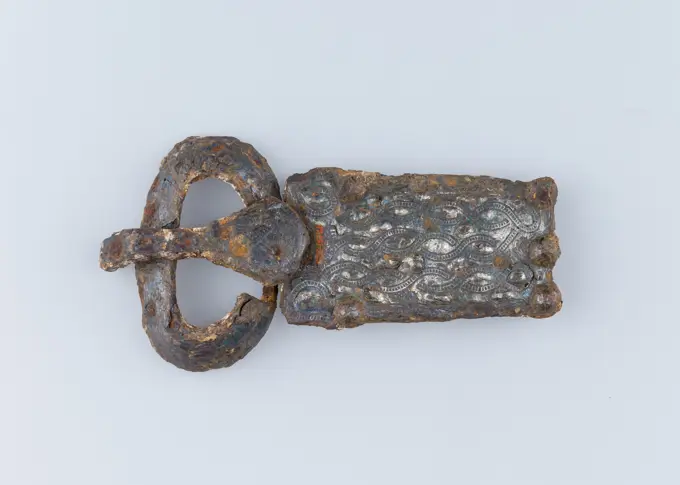
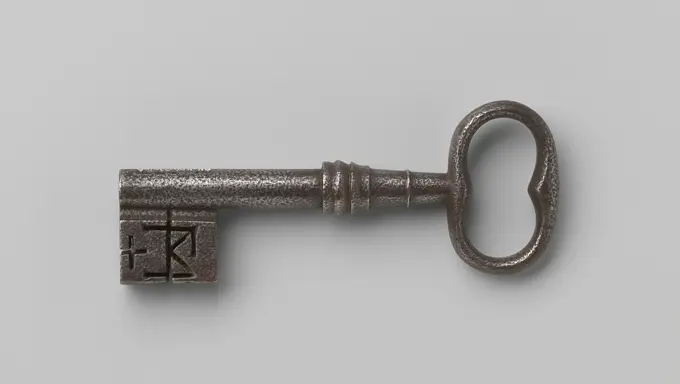
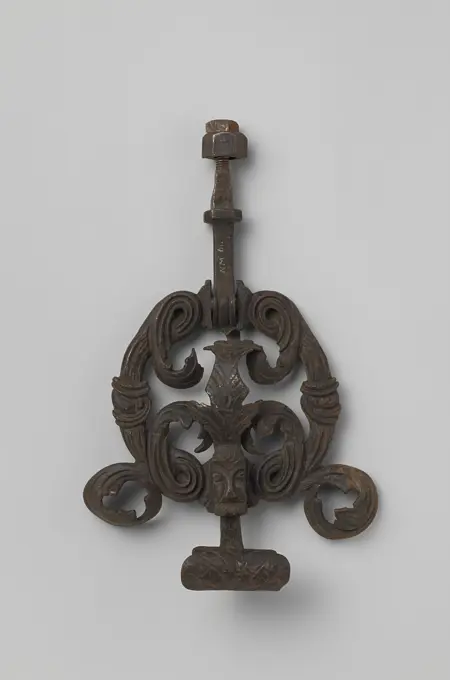
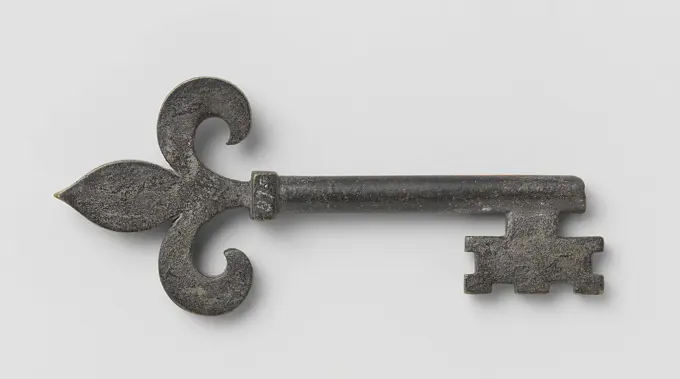
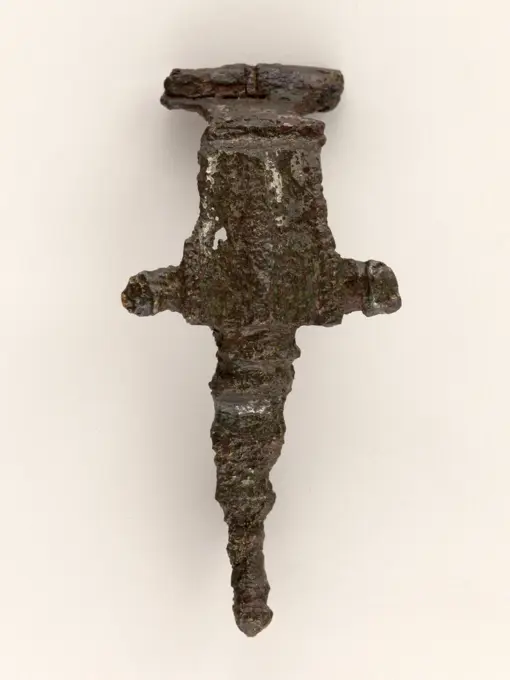
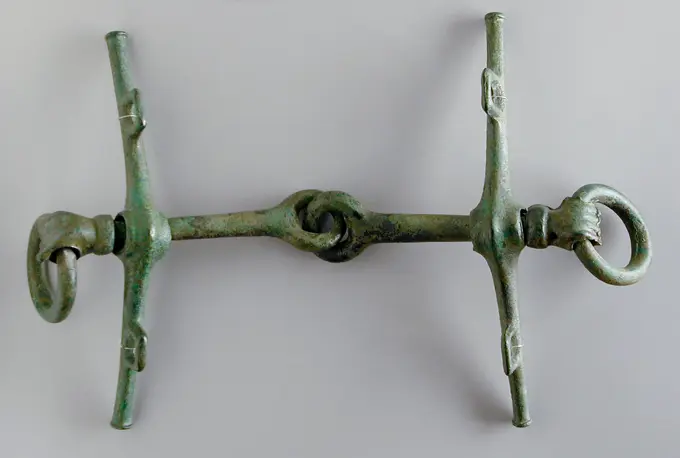
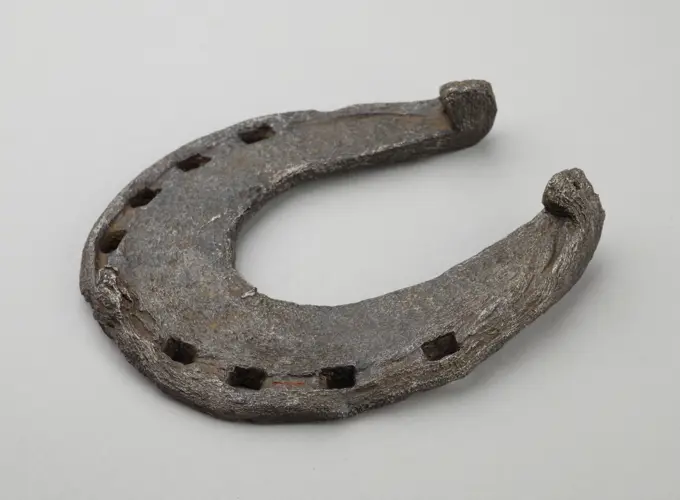
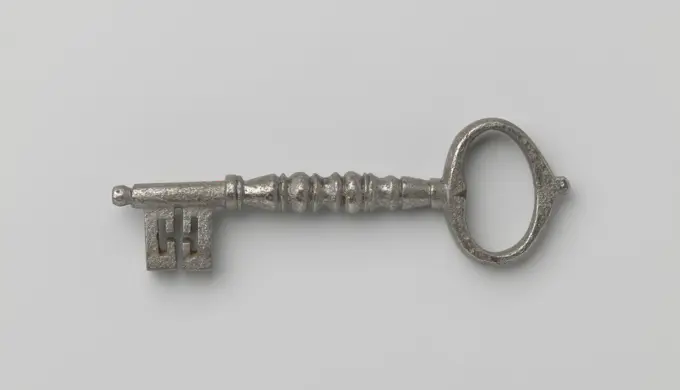
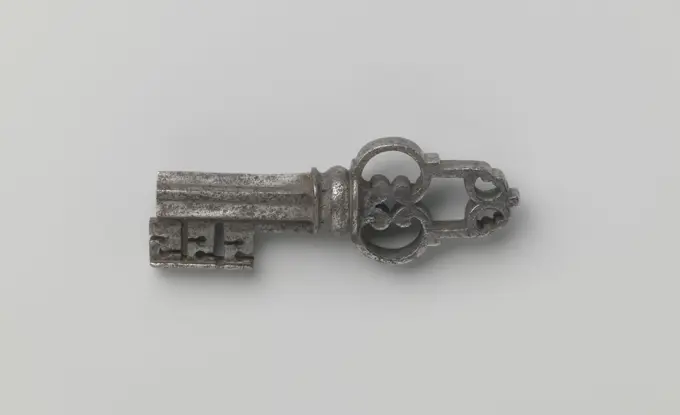
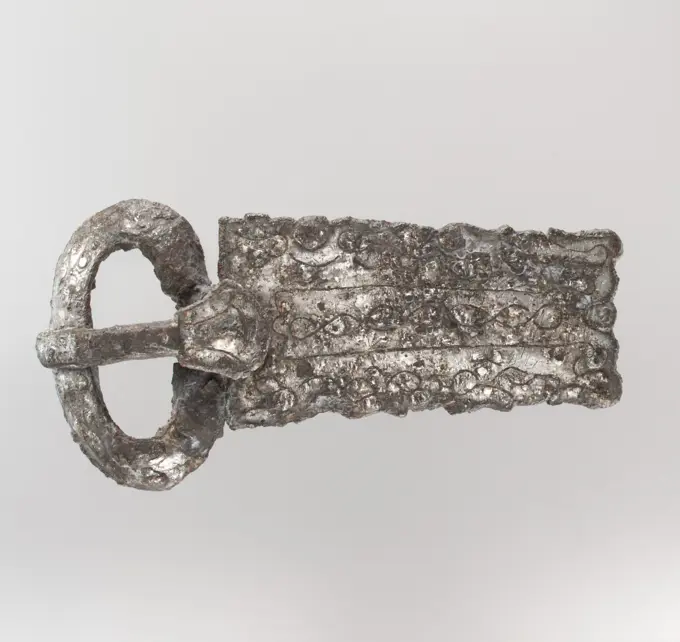
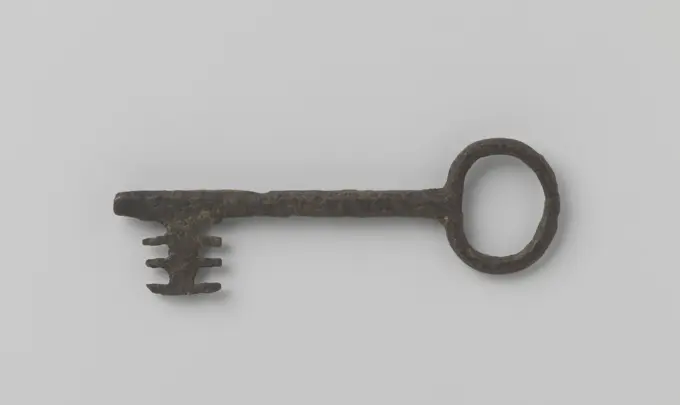
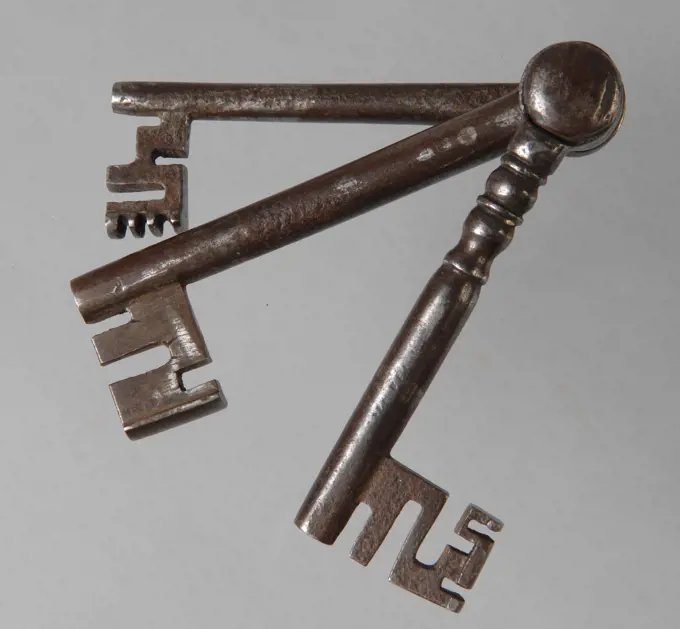
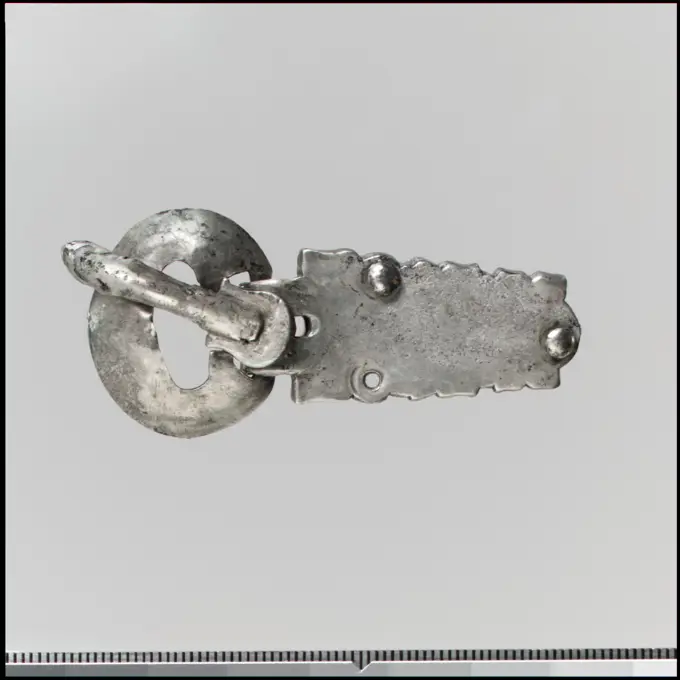
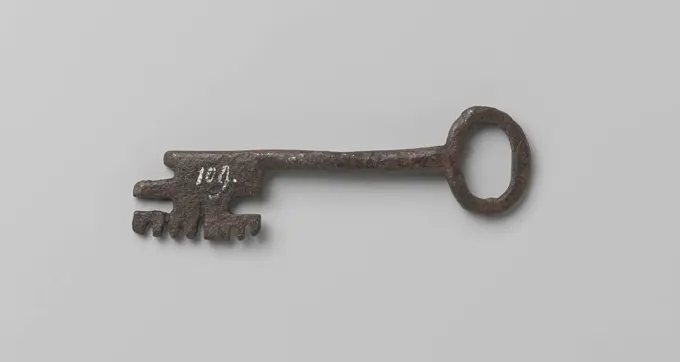
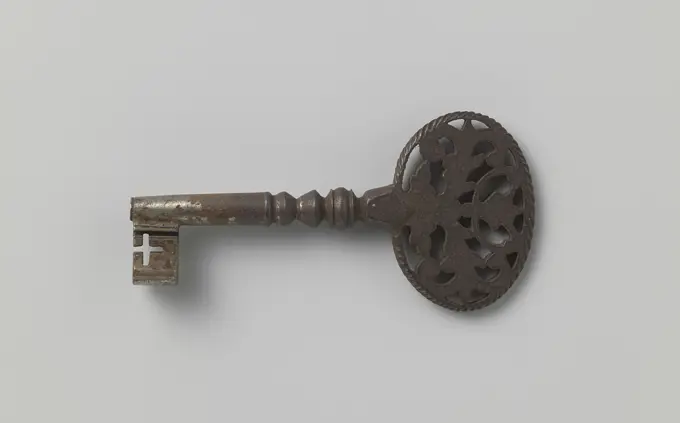
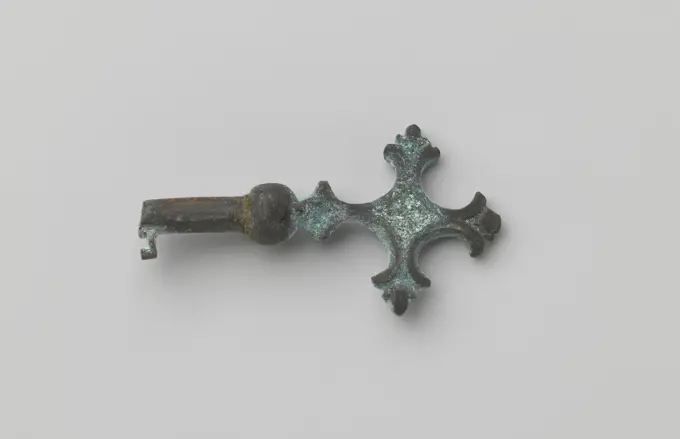
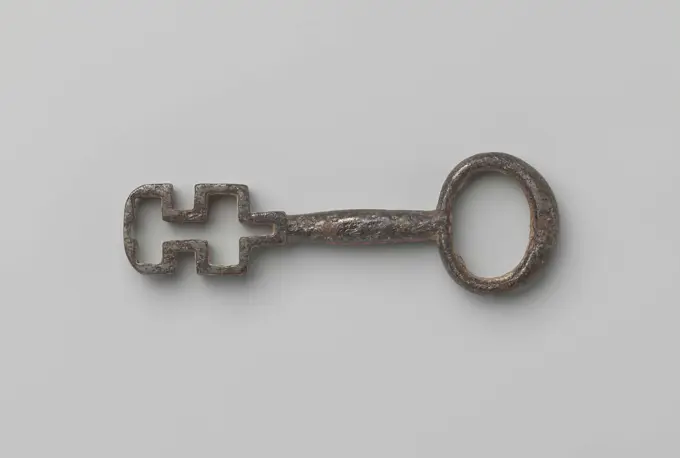
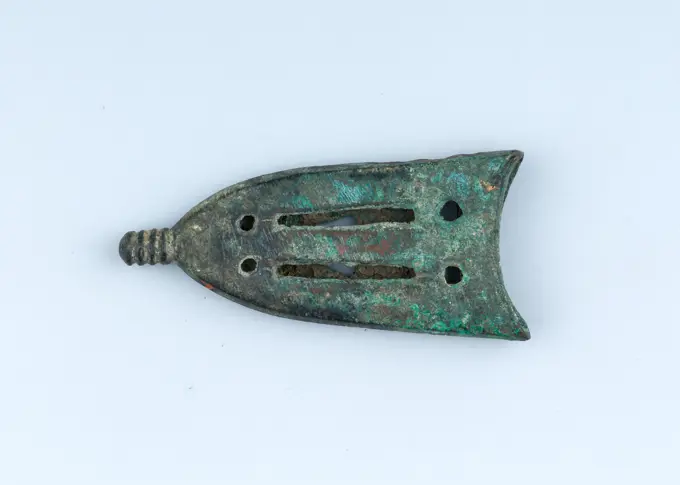
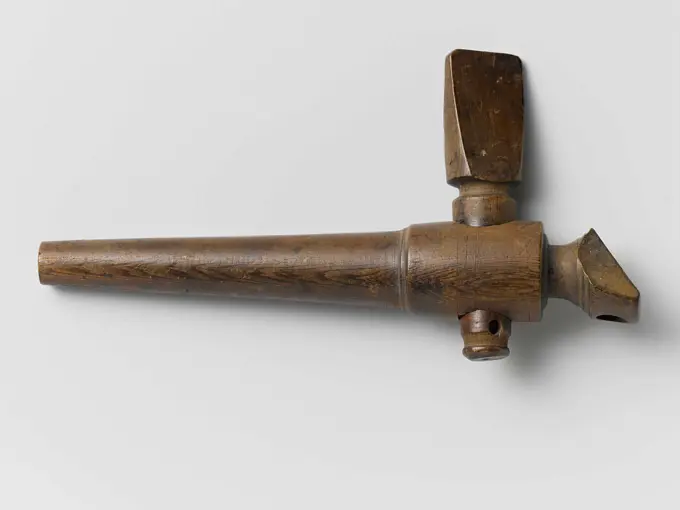
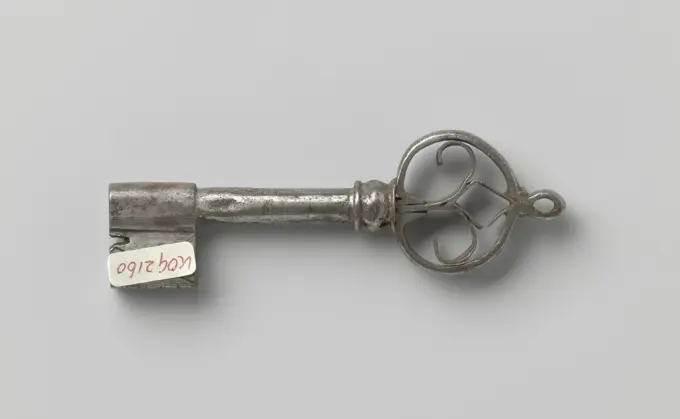
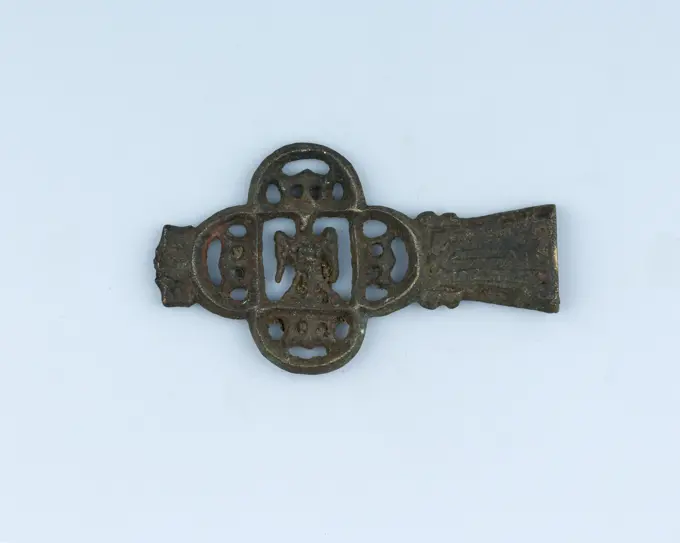
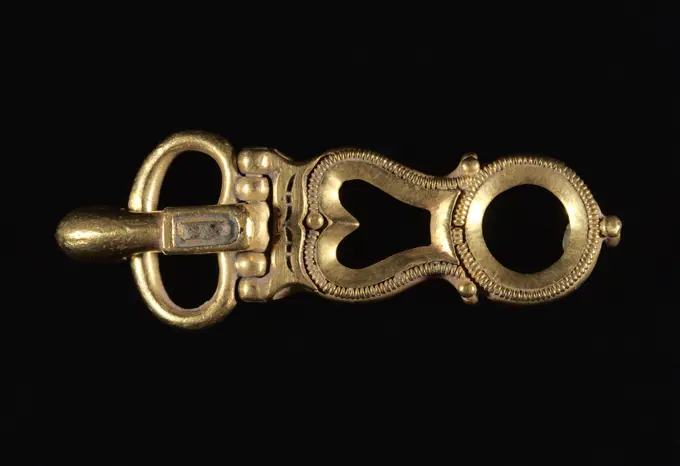
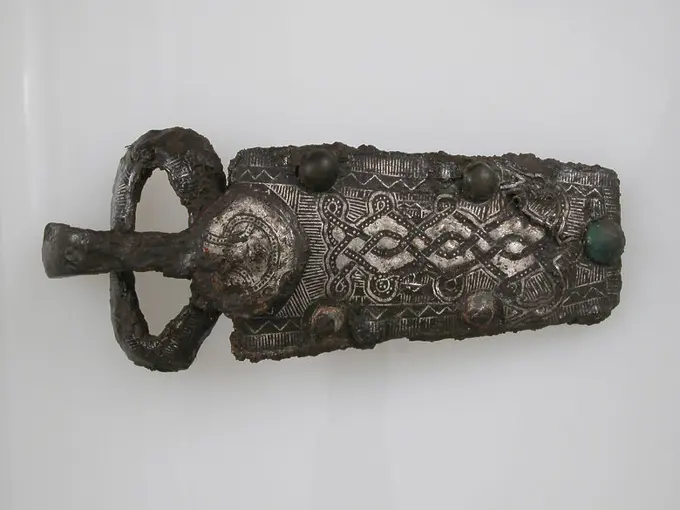
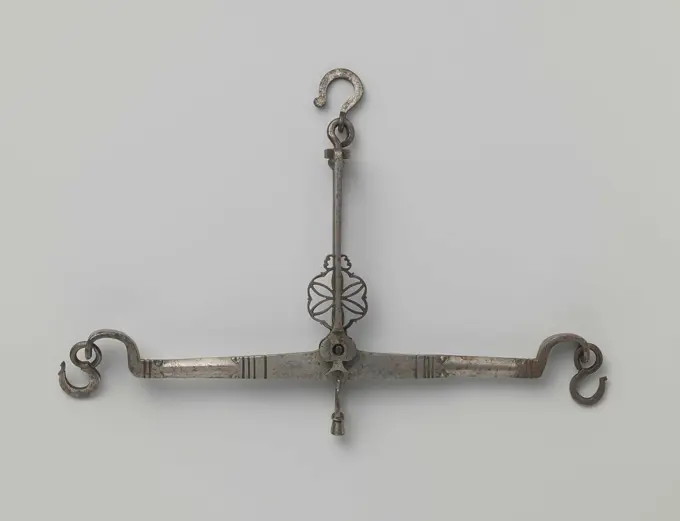
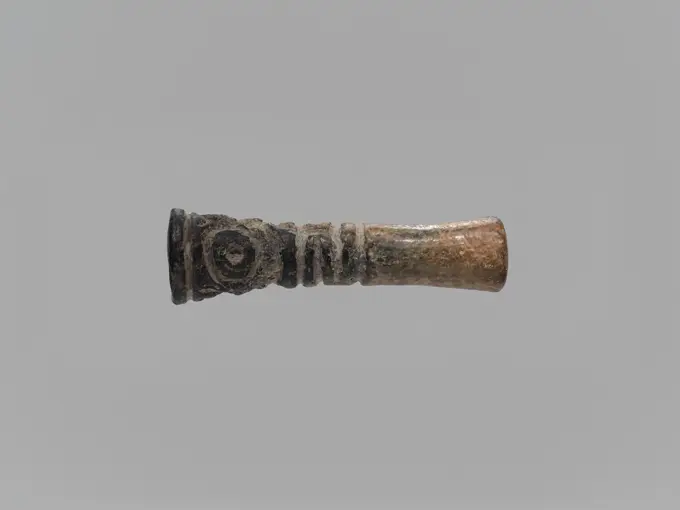
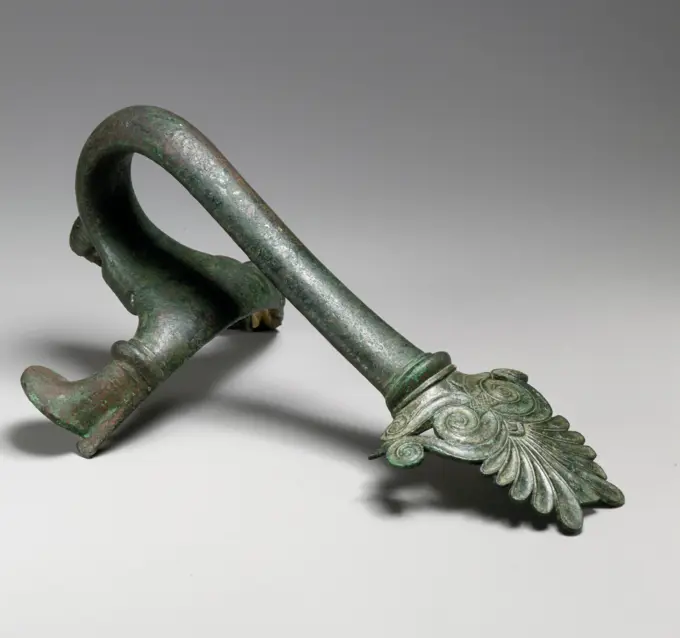
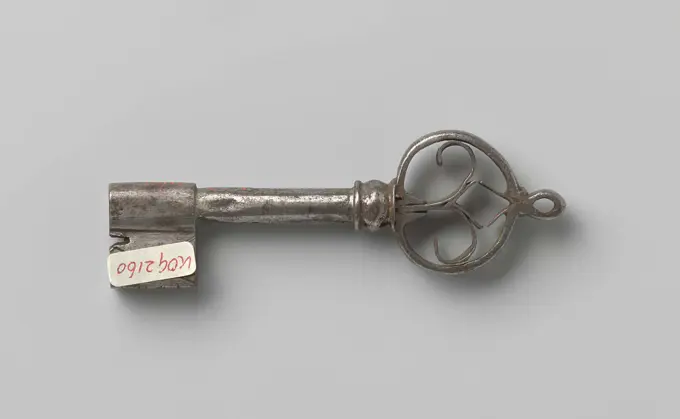
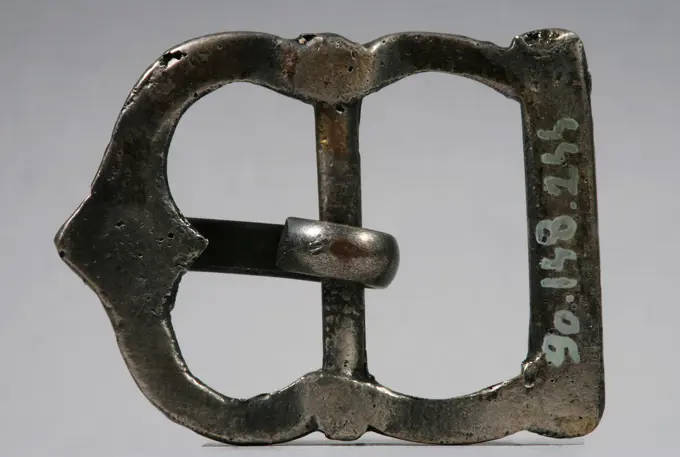
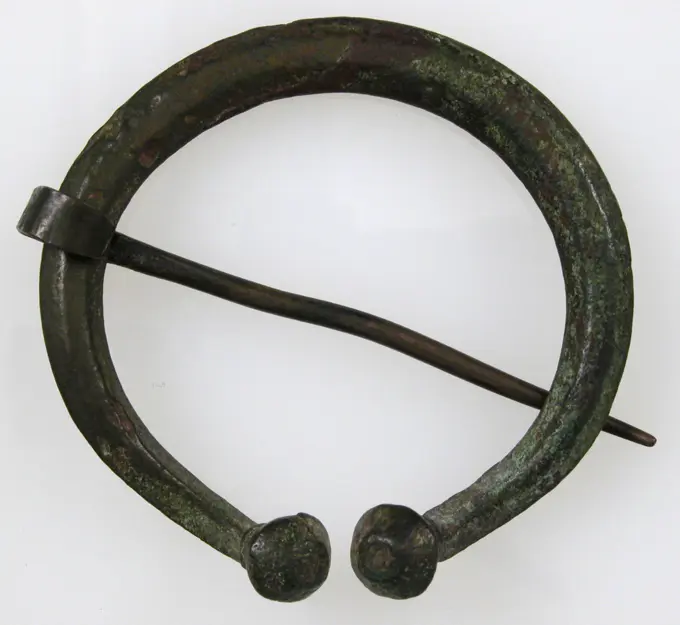
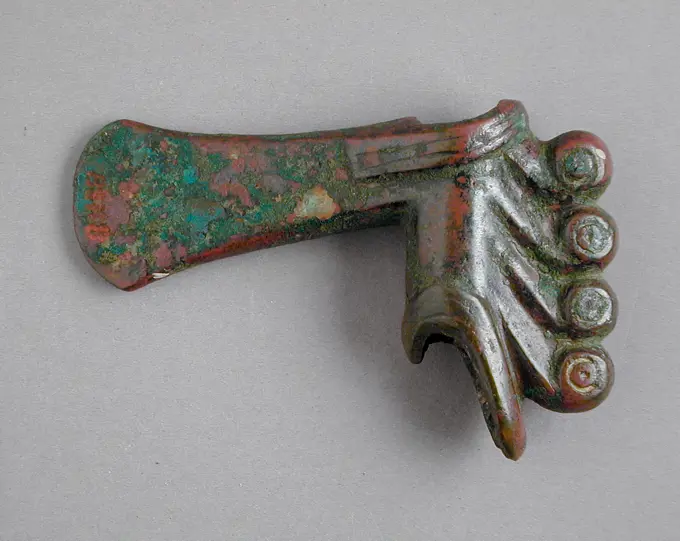
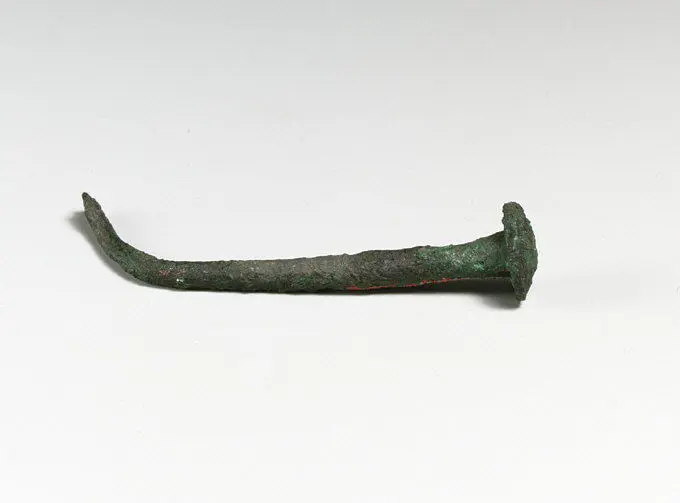
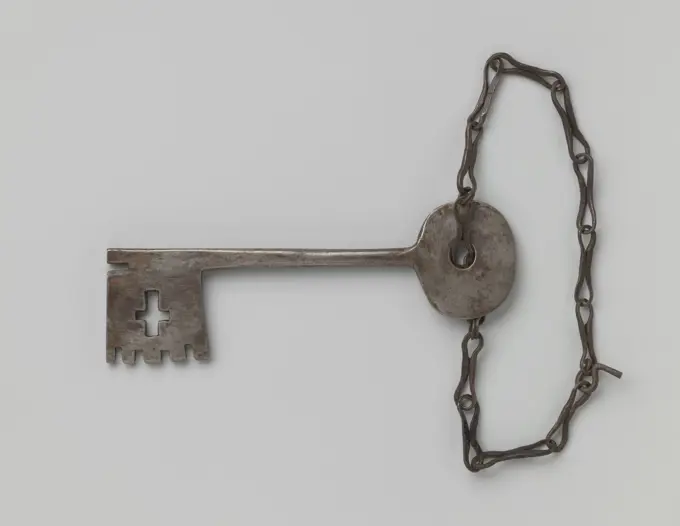
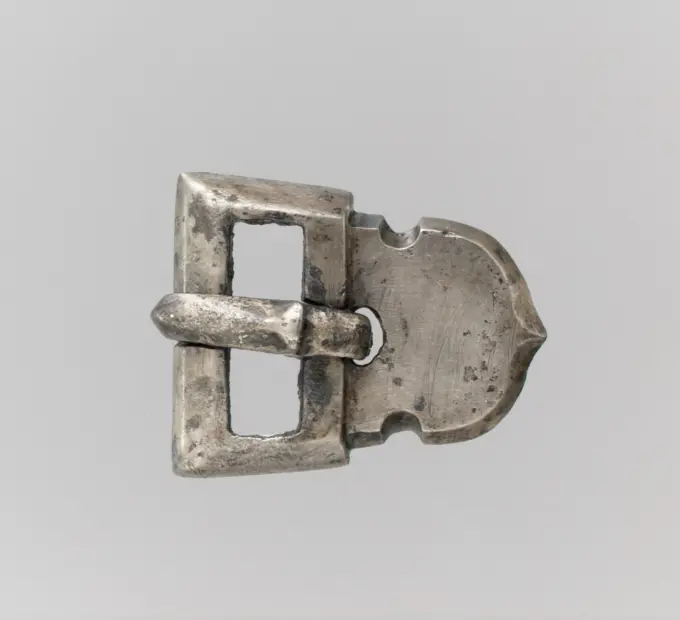
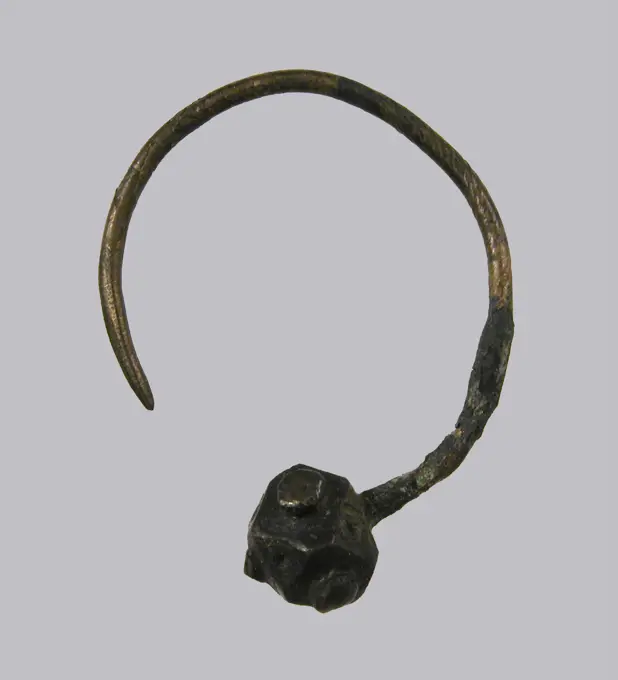
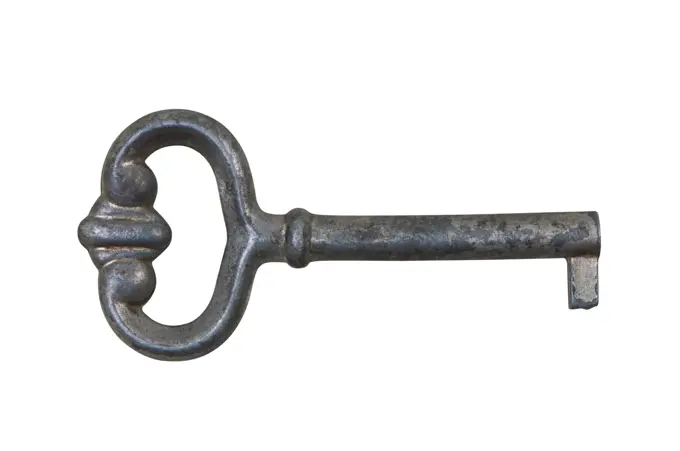
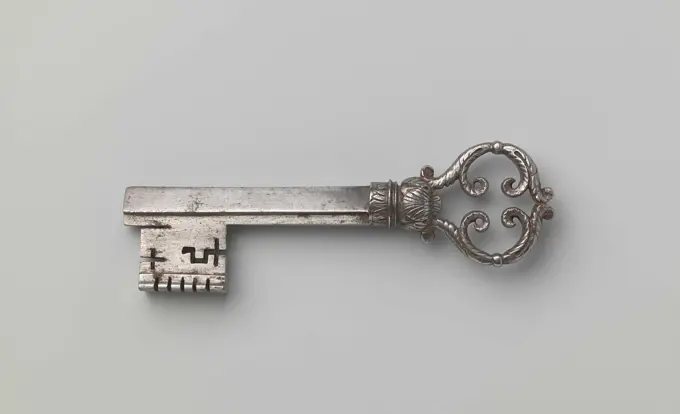
Hector Guimard (1867-1942). "Key". Bronze. 1909-1911. Museum of Fine Arts of the City of Paris, Petit Palais. 74618-20 Art Nouveau, bronze, key, key, decoration, metalKey-Handle 1st-7th century Roman. Key-Handle 462902Key 1st-7th century Roman. Key 462984Key; 1904-21-6Sleutel.Key with square deeply incised beard and bean-shaped eye.The Amsterdam apothecary and art collector Emmanuel Vita Israël. He donated his collection, comprising keys dating from Roman antiquity to the 19th century, to the Koninklijk Oudheidkundig Genootschap (Royal Antiquarian Society) in 1937. Vita Israël claimed that his key collection had grown more or less by accident: being one of the few collectors of keys, dealers automatically made their way to him.Marked, Copper stopper from tap with handle in the form of tripod, stop closure part ground find bronze copper metal, cast sawn Yellow metal stopper with conical pin through hole and handle in the form of trident Probably marked in the middle between the eyes. The metal between the bottom two circles of the tripod is broken. The handle is slightly curved brand: non-readable archeology tap tap holder component barrel of beer wineBow Brooch mid-1st century Roman. Bow Brooch 466238Belt Buckle ca. 500-700 Frankish. Belt Buckle. Frankish. ca. 500-700. Iron, silver. Miscellaneous-Buckles & OrnamentPipe key, c. 1400 - c. 1950 Pipe key beaten from a leaf. The flat massive handle has a hole.  bronze (metal) Pipe key beaten from a leaf. The flat massive handle has a hole.  bronze (metal)Copper stopper with handle in the form of stylized open crown, stop closure part soil find bronze copper metal, cast sawn Mottled gray yellow-metal stop Conical pin with borehole Handle in the shape of rudimentary crown with three legs Roughly processed archeology wine beer barrel tap tap holder part39 keys from the collection of Emmanuel Vita Israël, anonymous Sliding key belonging to a padlock with an eye in the handle and heavy key breast.  iron (metal) Sliding key belonging to a padlock with an eye in the handle and heavy key breast.  iron (metal)Peacock -tailed fibula. Copper alloy. Gallo-Roman. Paris, Carnavalet museum. 51463-6 Staple, copper alloy, attachment, Gallo-Roman time, fibula, Gallo-Roman, peacock tailKey. Key whose shaft cylindrical is drilled.. The Amsterdam apothecary and art collector Emmanuel Vita Israël. He donated his collection, comprising keys dating from Roman antiquity to the 19th century, to the Koninklijk Oudheidkundig Genootschap (Royal Antiquarian Society) in 1937. Vita Israël claimed that his key collection had grown more or less by accident: being one of the few collectors of keys, dealers automatically made their way to him.Pipe key. Bronze pipe wrench, lobed ring with four-pastor opening; beard from above and below.Component crane from the wreck of the East Indieschief Hollandia. Tap, part or tap; ID. NG 1979-521H, Mouth Broken off.Key, c. 1300 - c. 1500 Key with a three -step eye resting on a bullet -shaped capital that is placed above the shaft.  bronze (metal) Key with a three -step eye resting on a bullet -shaped capital that is placed above the shaft.  bronze (metal)Key 15th century German The decoration of Gothic iron locks and keys was often elaborate and of the highest standard of workmanship. The motifs were frequently drawn from Gothic architecture, reproducing on a miniature scale complicated tracery patterns and even tiny statuettes. A number of these tiny locks were compound, with some of the mechanisms concealed from view, and required two or even three keys used in sequence to open them. It has been suggested that the greatly expanded use of locks on doors, or coffrets and other types of storage chests was a result of the increasing urbanization of life and the new emphasis on material wealth and private ownership which developed in the late Middle Ages.. Key 463336Key, c. 1400 - c. 1950 Key with baluster -shaped shaft that runs slightly under the dual beard. The round handle is formed by openwork Acanthus leaf and rests on a bullet -shaped capital.  iron (metal) Key with baluster -shaped shaft that runs slightly under the dual beard. The round handle is formed by openwork Acanthus leaf and rests on a bullet -shaped capital.  iron (metal)Personal effects, anonymous, c. 1590 - c. 1596  Key whose tongue is almost completely rusted away.  iron (metal) forging  Nova Zembla. Saving HuysDoor knocker .. an iron door knocker. From the collection D. van der Kellen.The Amsterdam apothecary and art collector Emmanuel Vita Israël. He donated his collection, comprising keys dating from Roman antiquity to the 19th century, to the Koninklijk Oudheidkundig Genootschap (Royal Antiquarian Society) in 1937. Vita Israël claimed that his key collection had grown more or less by accident: being one of the few collectors of keys, dealers automatically made their way to him.Fibula. Copper alloy. Gallo-Roman. Paris, Carnavalet museum. 51474-6 Staple, copper alloy, attachment, Gallo-Roman time, fibula, Gallo-RomanHorse Bit. Iran, Luristan, Luristan bronzes, circa 1000-650 B.C.. Tools and Equipment; horse trappings. Bronze, castExcavated horseshoeKey, c. 1600 - c. 1699 Key with oval eye and baluster -shaped shaft, ending in a button at the bottom.  iron (metal) Key with oval eye and baluster -shaped shaft, ending in a button at the bottom.  iron (metal)Buckle Shank 7th century Visigothic This is a buckle shanke, part of an ornate belt buckle It has sunk panels docorated with scrolls and leaves resembling bird or animal heads. It is fitted with two rings at one end for a buckle loop; five rings on back, three of which are broken. The cast copper alloy is possibly tinned. The spring or pin is missing.. Buckle Shank 33040Key, c. 1400 - c. 1950 Key.  iron (metal) Key.  iron (metal)Belt Buckle 7th century Frankish or Burgundian. Belt Buckle 465051 Frankish or Burgundian, Belt Buckle, 7th century, Iron, silver inlay, copper alloy, Overall: 6 1/8 x 3 1/16 x 1 in. (15.5 x 7.8 x 2.5 cm). The Metropolitan Museum of Art, New York. Gift of J. Pierpont Morgan, 1917 (17.191.336)Key, 1300 - 1500 Key with round eye and double row teeth on the beard. The shaft runs past the beard.  iron (metal) Key with round eye and double row teeth on the beard. The shaft runs past the beard.  iron (metal)Key, c. 1400 - c. 1950 Key with loose ring, which broadens at the bottom. The square beard has two openings. Rome bronze (metal) Key with loose ring, which broadens at the bottom. The square beard has two openings. Rome bronze (metal)Cosmetic container ca. late 3rd-early 2nd millennium B.C. Bactria-Margiana Archaeological Complex. Cosmetic container 326789Key, c. 1800 - c. 1900 Key with quadrangular shaft under the profiled key breast. Beard from above wedge -shaped.  iron (metal) Key with quadrangular shaft under the profiled key breast. Beard from above wedge -shaped.  iron (metal)Three different iron keys, consisting of key stems with beards, which are hinged to each other at the top of the handle, key ring key iron iron, hand-forged Three keys of different sizes and shapes consisting of key stems with beards attached to the top of the key stems connected together and can be hinged All three keys have solid key handle key-biter with cross-shaped notches (horizontal and vertical) and symmetrical key-bit cross-sections One key has decorated collar hinges and hingesKey, c. 1400 - c. 1950 Key with the letter A in the grip formed by Voluten. Beard Bijle -shaped.  copper (metal) Key with the letter A in the grip formed by Voluten. Beard Bijle -shaped.  copper (metal)Decorative batter from the wreck of the East Indies Hollandia, Anonymous, 1700 - in or Before 1743  Fitting, decorative fitting or fragment; moulded baluster-shaped, with extended diamond-shaped end, oblong transverse lower panel concave underneath with 2 pointed lugs, decoration motif ass. NG 1980-27H385, mark on upper end. Netherlands silver (metal)   SecondPipe key, c. 1300 - c. 1500 Bronze pipe key, lobed ring with four -pass -shaped opening; Beard from above and below. France bronze (metal) Bronze pipe key, lobed ring with four -pass -shaped opening; Beard from above and below. France bronze (metal)Shoe Buckle late 600's Frankish Belts were important features of early medieval dress. Not only did they serve the practical function of holding weapons and tools, but their fittings, which could vary in terms of material, decoration, and size, were also highly visible indicators of rank and status. Iron buckles, many imposing in size, were worn by both men and women. Their intricate decoration was achieved by squeezing narrow twisted strips of silver into patterns engraved on the surface of the prefabricated iron pieces. A complete belt would have consisted of a buckle, a counter plate that was placed opposite the buckle, and sometimes a rectangular plate placed in the middle of the belt at the back for decoration.. Shoe Buckle. Frankish. late 600's. Wrought silver plaque, loop, and tongue; silver rivets. Made in Northern France. Metalwork-SilverPilgrim's Badge 14th-16th century French. Pilgrim's Badge. French. 14th-16th century. Lead. Metalwork-LeadBuckle With broad, rectangular rim and rounded back attachment with two rivet-holes.. Buckle 246791Key.key.Buckle 15th-16th century European. Buckle. European. 15th-16th century. Bronze, gold, patina. Miscellaneous-Buckles & OrnamentSleutel.Key with cock-like beard, which continues past the end of the handle. Eye oval.Sleutel met ovaal handvat.Key of tinned iron. The handle is oval and opened with abstracted flower and rank motifs. Through three Nodi, the handle is connected to the key, which is inside.Equal-Arm Brooch ca. 650-750 Frankish. Equal-Arm Brooch 465002 Frankish, Equal-Arm Brooch, ca. 650750, Copper alloy, Overall: 1 9/16 x 5/8 x 1/2 in. (4 x 1.6 x 1.2 cm). The Metropolitan Museum of Art, New York. Gift of J. Pierpont Morgan, 1917 (17.191.293)Pipe key with stylized cross -shaped handle, c. 1900 Pipe key with stylized cross -shaped handle placed on a ball. Very small beard.  copper (metal) Pipe key with stylized cross -shaped handle placed on a ball. Very small beard.  copper (metal)Sliding key. Sliding key with oval eye and to the middle wide shaft. Beard looks like a Greek cross.Mordant 15th-17th century European. Mordant. European. 15th-17th century. Bronze, patina. Miscellaneous-Buckles & OrnamentPipe key. Pipe wrench with silver handle and key chest; Shaft and beard of iron. Set of 4: BK kog-2314-a to -d. The shafts are drilled to the four figures of the card game.Wooden lever or tap from a beer or vinegar barrel whose tap is tapes and the mouth is pyramidormous. Wooden lever or tap from a beer or vinegar barrel whose tap is tapes and the mouth is pyramidormous. The lower part of the tap is pierced with a small hole and serves to guarantee the wooden faucet in the tap, through a pen of wood or metal.Belt Buckle 7th century Frankish. Belt Buckle. Frankish. 7th century. Iron, silver inlay, bronze nails. Metalwork-IronSteelsleutel, , c. 1400 - c. 1950 Steel key whose handle is formed by two cross -placed dolphins with tail and heads to each other, so that they form two eyes placed one above the other. Rome bronze (metal) Steel key whose handle is formed by two cross -placed dolphins with tail and heads to each other, so that they form two eyes placed one above the other. Rome bronze (metal)Arrowhead. Dimensions: L. 6-1/4 in. (15.9 cm) x W. 1-1/4 in. (3.1 cm). Date: ca. early 1st millennium B.C..In the early first millennium B.C., the area of the Transcaucasia and northwestern Iran was inhabited by many different tribes of varying wealth and power. Many characteristics of these groups are known primarily from grave goods found in their cemeteries. Although there is great variation in artistic styles from place to place and time to time in this area, the weapons seem to be widely distributed and shared by many groups.One class of weapons excavated in northwestern Iran and Transcaucasia is the cast bronze arrowhead with a triangular head, raised midrib, and tang (shaft) that is usually square or rectangular in section. This arrowhead is of that type pictured along with five other examples (MMA 1991.314.3-.8). This type seems to have been used in small numbers even when generally replaced by socketed bronze arrowheads in this area in about the seventh century B.C. Museum: Pipe key, c. 1500 - c. 1525 Pipe key in which the handle was created by the conveyor of a tire to a large and a small eye. A lily rises in the big eye. The massive beard that is forged around the shaft has a brushed Andreaskruis on both sides. The lily has been violated; The beard of later date ().  iron (metal) Pipe key in which the handle was created by the conveyor of a tire to a large and a small eye. A lily rises in the big eye. The massive beard that is forged around the shaft has a brushed Andreaskruis on both sides. The lily has been violated; The beard of later date ().  iron (metal)Pendant 15th-17th century European. Pendant. European. 15th-17th century. Bronze gilt. Miscellaneous-Buckles & OrnamentBuckle;  VII century BC (-700-00-00--601-00-00);Rocked leg of a packaging from the wreck of the East Indians Hollandia, Anonymous, 1700 - in Or Before 1743  Container, leg, revited; id. NG 1980-27H3056, bent. Leg. Netherlands copper (metal)   SecondBuckle, 600s. Byzantium, Avaric, 7th century. Gold; overall: 5.9 x 2.1 cm (2 5/16 x 13/16 in.).Belt Buckle last quarter 7th century Frankish. Belt Buckle 465614 Frankish, Belt Buckle, last quarter 7th century, Iron, silver inlay, copper alloy inlay, Overall: 3 11/16 x 1 7/8 x 5/8 in. (9.4 x 4.7 x 1.6 cm). The Metropolitan Museum of Art, New York. Gift of J. Pierpont Morgan, 1917 (17.193.286a)Belt Buckle. Culture: Frankish or Burgundian. Dimensions: Overall: 7 1/16 x 2 15/16 x 1 1/8 in. (18 x 7.4 x 2.8 cm)a buckle plate: 6 1/4 x 2 15/16 x 1 1/16 in. (15.9 x 7.4 x 2.7 cm)b tongue: 3 3/8 x 1 1/2 x 1 1/8 in. (8.6 x 3.8 x 2.8 cm). Date: 7th century. Museum: Metropolitan Museum of Art, New York, USA.Balance of iron. At the end of the equator a star. (Point of the equator before 1922 demolished).Ear Ornament 10th-15th century Taíno This bone ear ornament contains stylized motifs related to zemí imagery. Zemí (or cemí) is a term used by Taíno peoples, the diverse societies that inhabited the Antilles archipelago before European contact, that linguistically relates to a quality akin to sweetness. Zemí refers not to an object or image but to an immaterial, spiritual, and vital force pertaining to deities and ancestors. There are several known zemí identities recorded by the Spanish, some of which have been linked to archaeological images.. Ear Ornament. Taíno. 10th-15th century. Ceramic. Dominican Republic, Caribbean. Ceramics-OrnamentsCoffer or chest key 17th century probably Italian. Coffer or chest key. probably Italian. 17th century. Wrought iron. Metalwork-IronPrehistory, Romania, Iron Age. Getae and Thracian civilization. Bronze sword. From MedgidiaMetal belt buckle with three eyes, buckle harness clothing accessory clothing soil find brass copper bronze metal, cast Belt lock with three eyes Undefined metal. One oblong large hole with an inwardly curled frame and two small eyes above it. Hardly decorated keep between the eyes archeology Rotterdam railway tunnel fastening attaching fastening belt Soil discovery: trajectory rail tunnel Rotterdam.Copper buckle with two oval eyes and smooth handle, buckle fastener part soil find copper brass metal, cast Copper buckle with angel double oval copper bracket with middle post On the sides in the bracket lowered notch for the point of the angel archeology Rotterdam rail tunnel attach fasten footwear dressing Soil discovery Rotterdam tunnel trajectory.Escutcheon (England); brass39 keys from the collection of Emmanuel Vita Israël, anonymous Pipe key with ring -shaped eye and a shaft that is decorated in the middle of the center of cannelures and at the bottom of crosses and parallel grooves.  bronze (metal) Pipe key with ring -shaped eye and a shaft that is decorated in the middle of the center of cannelures and at the bottom of crosses and parallel grooves.  bronze (metal)Bronze handle of a hydria (water jar) 1st quarter of the 5th century B.C. Greek The embellishment of the handle shows the traditional combination of the upper body of a woman and a palmette.. Bronze handle of a hydria (water jar) 254844 Greek, Bronze handle of a hydria (water jar), 1st quarter of the 5th century B.C., Bronze, Other: 3 7/16 in. (8.7 cm). The Metropolitan Museum of Art, New York. Purchase, Walter C. Baker Gift, 1956 (56.11.2)Pijpsleutel.Pipe key in which the handle originated by coordination of a band to a large and a small eye. A lily exprceeds the great eye. The massive beard that has been forged around the shaft has a ruled Andrew Cross on both sides. The lily has been violated; The beard of later date ().Loop . Ribbed motif on the tip.Key with incised XVIIII, hollow keysteel and heart-shaped eye, key iron iron, Iron sheet fender lock with rectangular lock plate, one lap and curl and wrench, with incised XVIIII hollow keysteel and heart-shaped eye engraved XVIIII hanging and closingJug handle;  VIII-X century (701-00-00-1000-00-00);gift (provenance)Penannular Brooch 10th-11th century Scandinavian or Baltic. Penannular Brooch 468449Shaft-hole Axehead. Iran, Luristan, circa 2350-2000 B.C.. Arms and Armor; axes. Bronze, castNail. Nail 244261Key ,, 1400 - 1500 Key with chain. The flat grip is round and has a small hole in the middle. The beard has a cross -shaped opening and ends in teeth. England (possibly) iron (metal) Key with chain. The flat grip is round and has a small hole in the middle. The beard has a cross -shaped opening and ends in teeth. England (possibly) iron (metal). A ball-shaped padlock.Shoe Buckle 7th century Byzantine. Shoe Buckle 464872 Byzantine, Shoe Buckle, 7th century, Silver, Overall: 11/16 x 15/16 x 1/4 in. (1.8 x 2.4 x 0.6 cm). The Metropolitan Museum of Art, New York. Gift of J. Pierpont Morgan, 1917 (17.191.177)Earrings 6th century () Roman. Earrings 245854Lazio Viterbo Viterbo Museo Civico81. Hutzel, Max 1960-1990 Views of paintings (Middle Ages through 18th c.), frescoes, a tabernacle, coffin, sculpture reliefs, portal fragments, busts, sculpture, tapestry found in the Pinacoteca, Second floor gallery and Second floor cloister sequences. Antiquities: Many views of Etruscan and Roman fragments, sculpture, sarcophagi, pottery, masks, jewelry and other objects found in the Storeroom sequence (inventory numbers on back of prints), and the Cloister, Second floor Cloister, Valle Giulia, Sala Romana and Sala Etrusca sequences. General Notes: There are eight separate numerical sequences for this location. The cloister as an architectural structure, rather than museum site, is documented in the record and file for S. Maria della Verita, Cloister, all views of which are stored in Medieval core collection. Five views from the Museo Civico Second floor cloister sequence are stored in Medieval. German-born photographer and scholar Max Hutzel (1911-Earring 6th-7th century Frankish. Earring 465166 Frankish, Earring, 6th7th century, Copper alloy, gilt , Overall: 1 3/16 x 1 3/8 x 7/16 in. (3 x 3.5 x 1.1 cm) bead: 3/8 x 7/16 in. (0.9 x 1.1 cm). The Metropolitan Museum of Art, New York. Gift of J. Pierpont Morgan, 1917 (17.192.111)Knife coin China. Knife coin 43049Old key isolated over white. Old key isolated over white. Copyright: xZoonar.com/BorysxShevchukx 3117027Deurhengsel, c. 1400 - c. 1950   iron (metal)   iron (metal)Can Hook, George Stebbing, in or before 1825 can hook Molenaar to unload empty barrels. This consists of a shaft with a ring at the top and arms turning in the other, forked end. One of the arms has a hole to reduce its weight, so that the arms usually hang vertically; For example, she was lowered by a hole in a barrel, the arms were set horizontally and the barrel could be lifted. Portsmouth iron (metal). bronze (metal). copper (metal)Mordaxt Made 1480-1500 Southern Germany. Steel and wood .Key;  k. XVII-1 half of the 18th century (1690-00-00-1750-00-00);Key.key.Key. Key of iron.Key Handle 1st-7th century Roman. Key Handle 462920Belt Buckle. Iran, about 150 B.C.-A.D. 225. Costumes; Accessories. Bronze, castSpijker from the wreck of the East Indians Hollandia, Anonymous, 1700 - in Or Before 1743  Nails; id. 80H951. Netherlands iron (metal)Watch ca. 1620 German or Swiss. Watch. German or Swiss. ca. 1620. Rock crystal, metal, gilt-metal, silver. HorologySword Guard (Tsuba). Culture: Japanese. Dimensions: H. 3 1/2 in. (8.9 cm); thickness 13/16 in. (2.1 cm). Date: ca. 3rd century-538. Museum: Metropolitan Museum of Art, New York, USA.olive lampsStrap-Crossing in the Shape of Camel's Head 4th-3rd century B.C. Northwest China. Strap-Crossing in the Shape of Camel's Head 65240Pendants, nail head, from earrings Cypriot. Pendants, nail head, from earrings 242663Top for standard ca. 8th-7th century B.C. Iran. Top for standard 322571