Antique Keys Collection

A variety of antique keys, including Roman and Art Nouveau styles, featuring unique designs and crafted from bronze and metal.
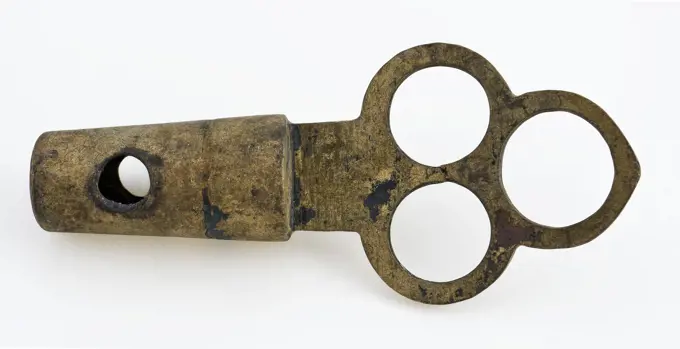
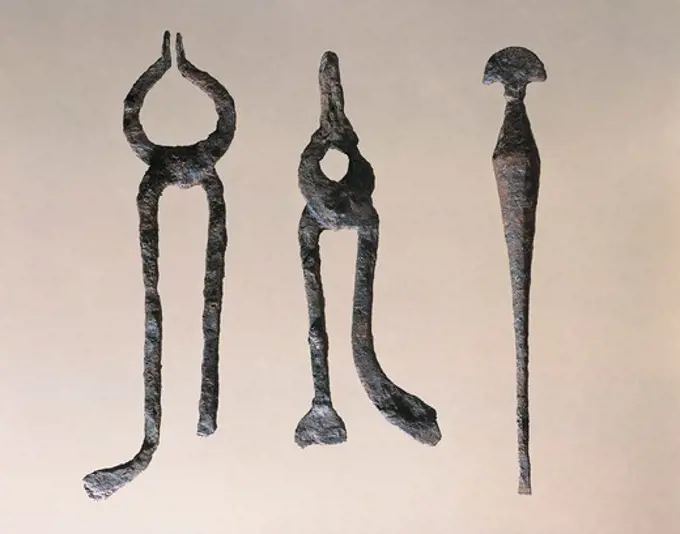
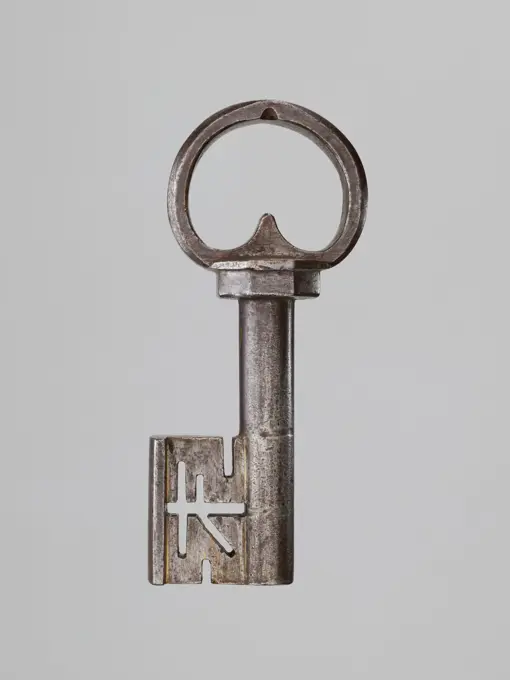
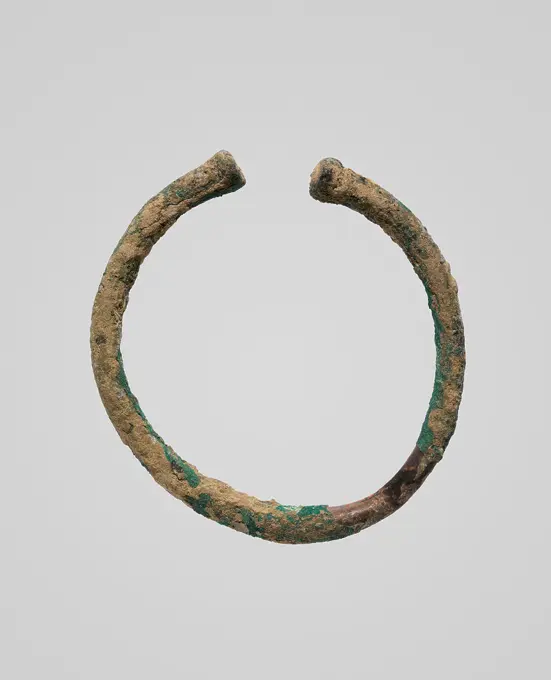
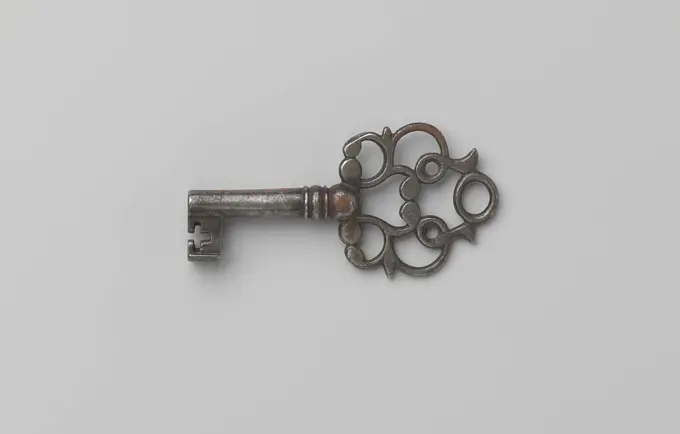
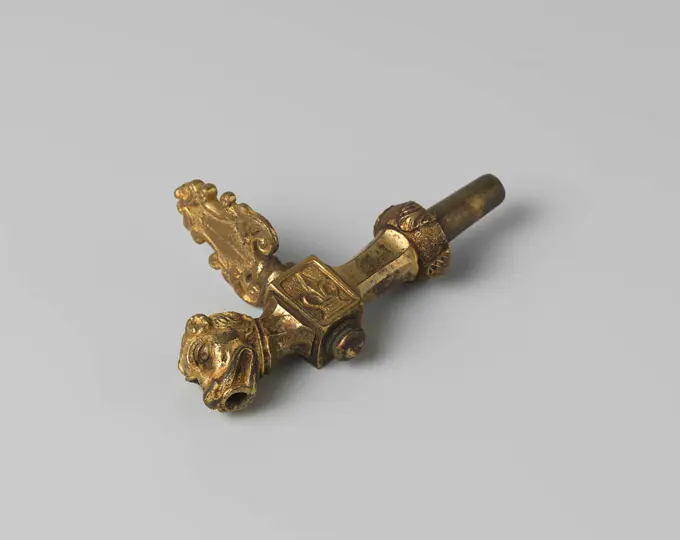
Marked, Copper stopper from tap with handle in the form of tripod, stop closure part ground find bronze copper metal, cast sawn Yellow metal stopper with conical pin through hole and handle in the form of trident Probably marked in the middle between the eyes. The metal between the bottom two circles of the tripod is broken. The handle is slightly curved brand: non-readable archeology tap tap holder component barrel of beer wine
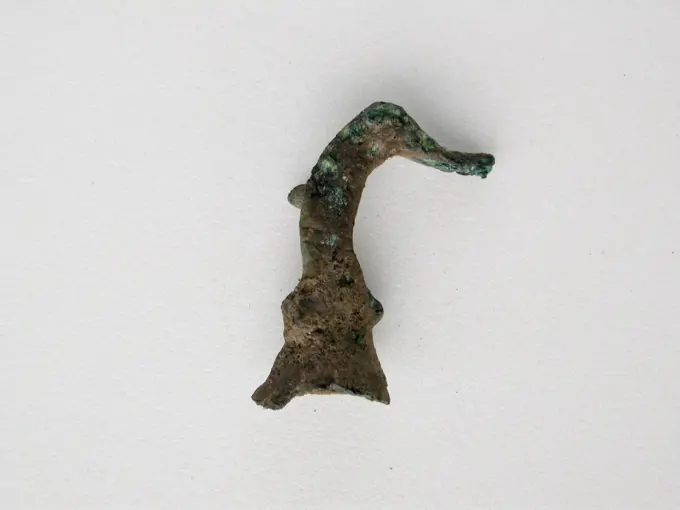
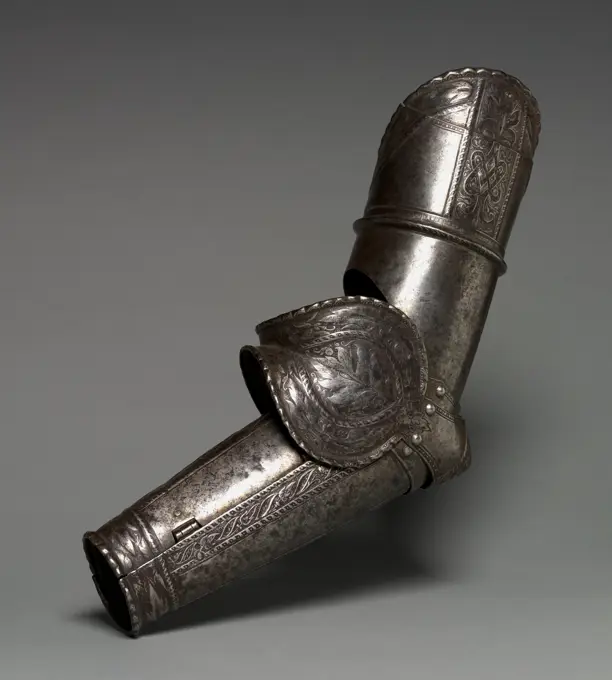
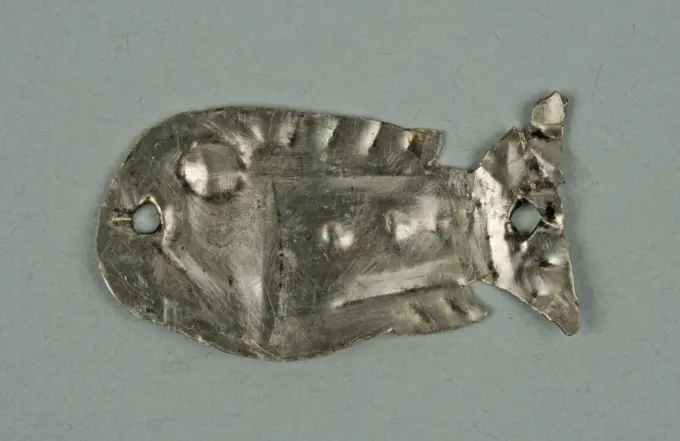
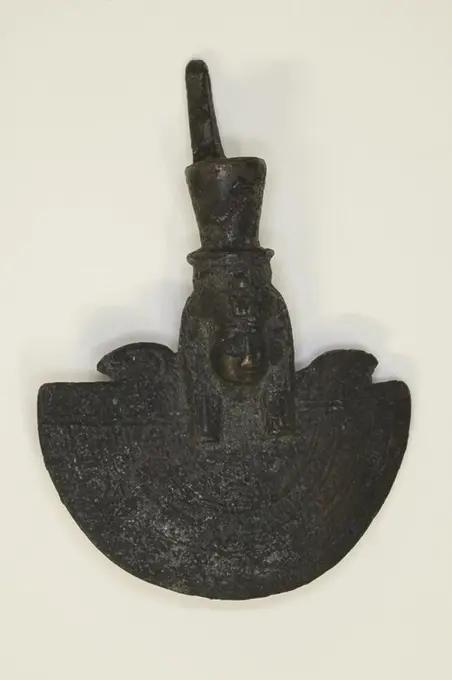
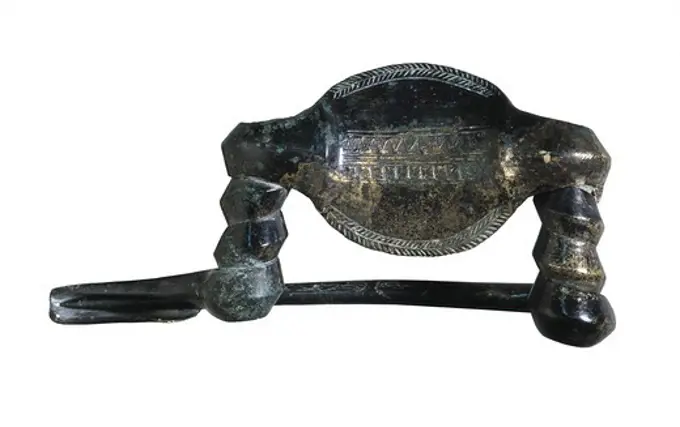
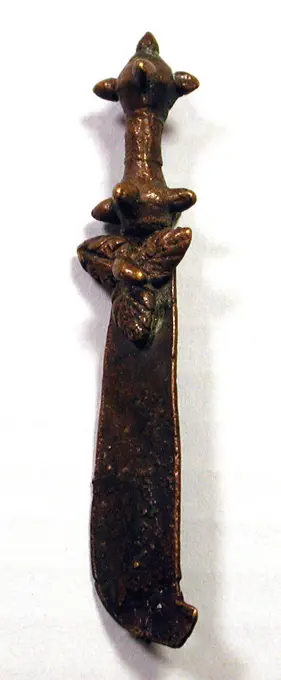
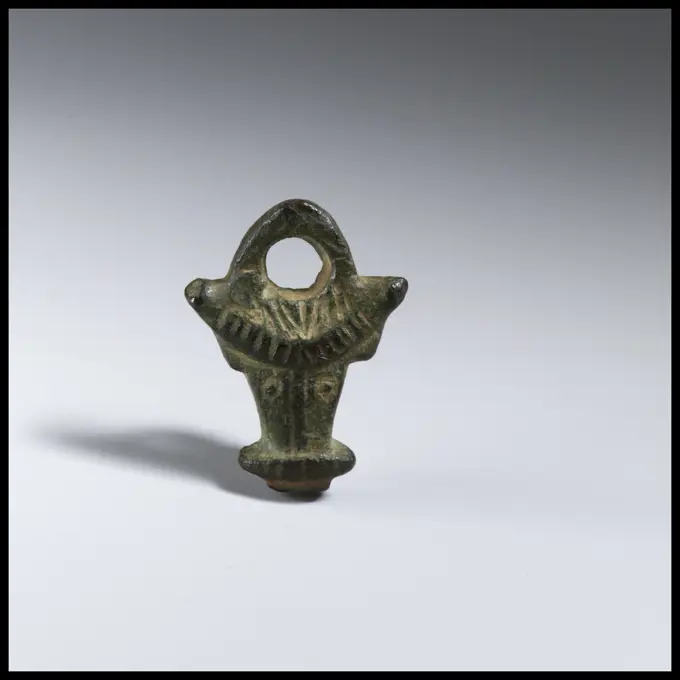
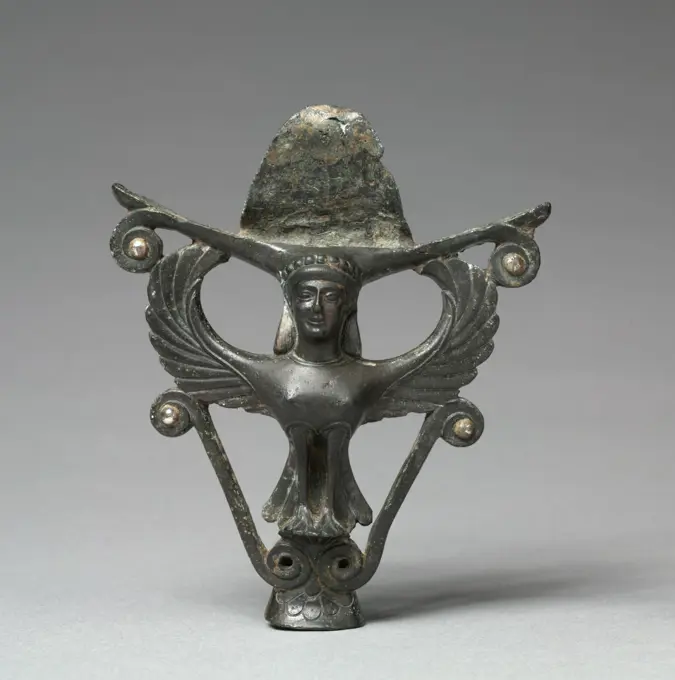
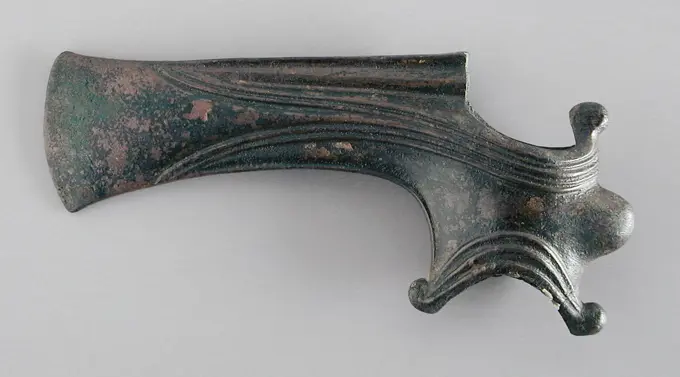
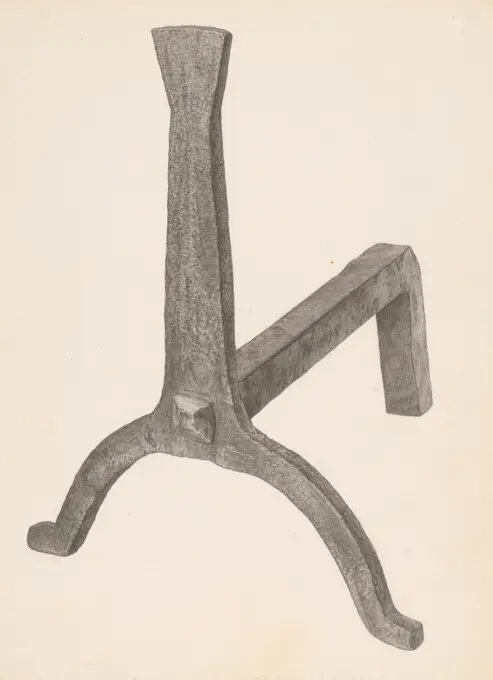
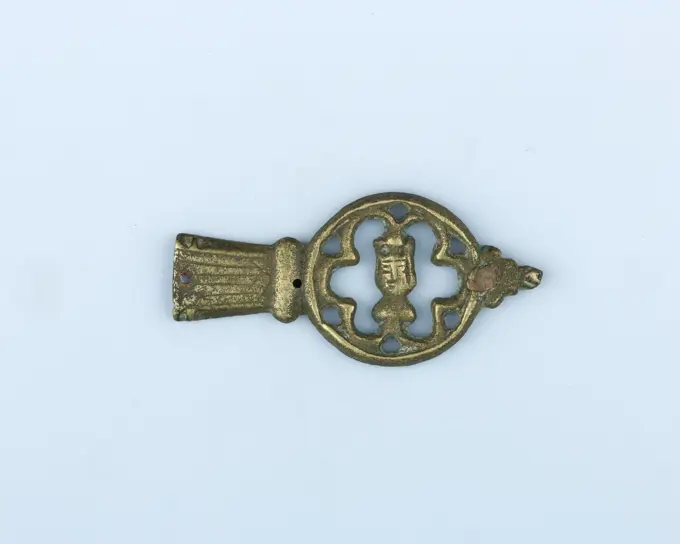
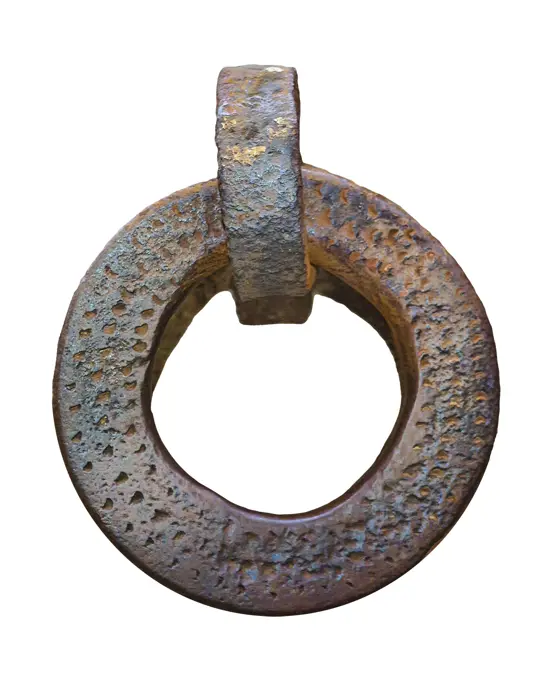
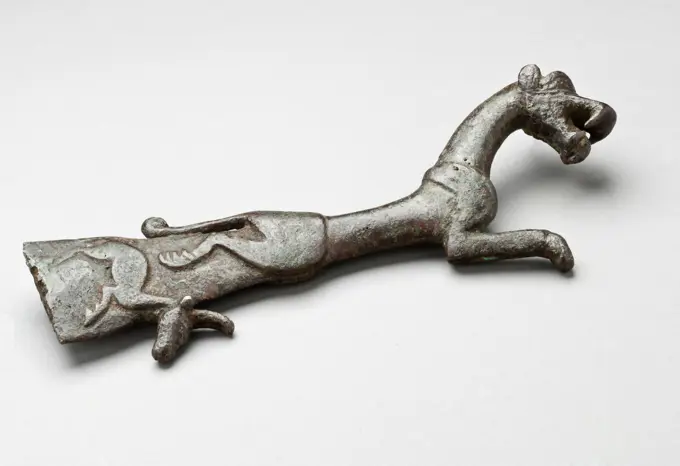
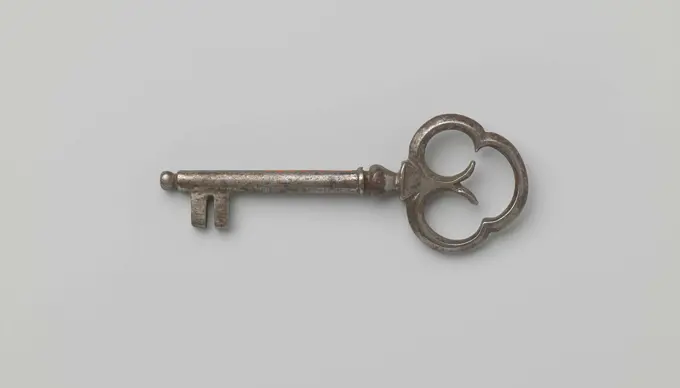
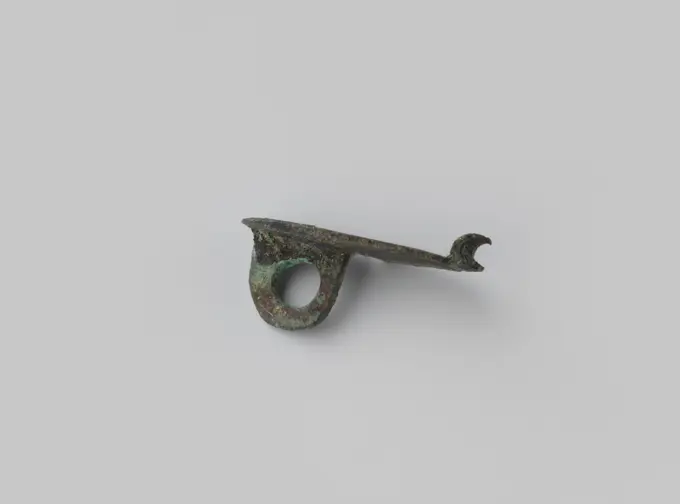
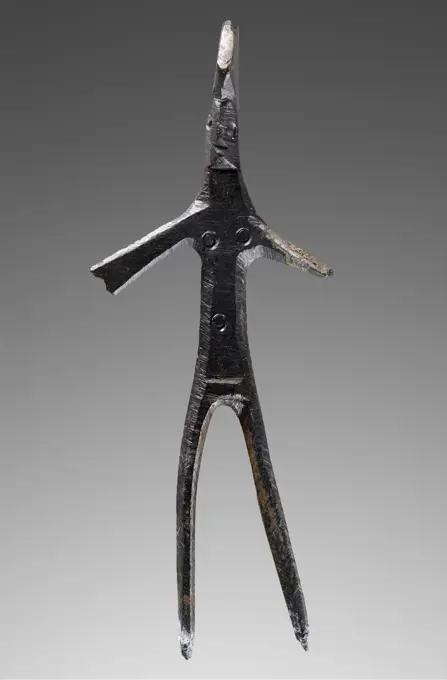
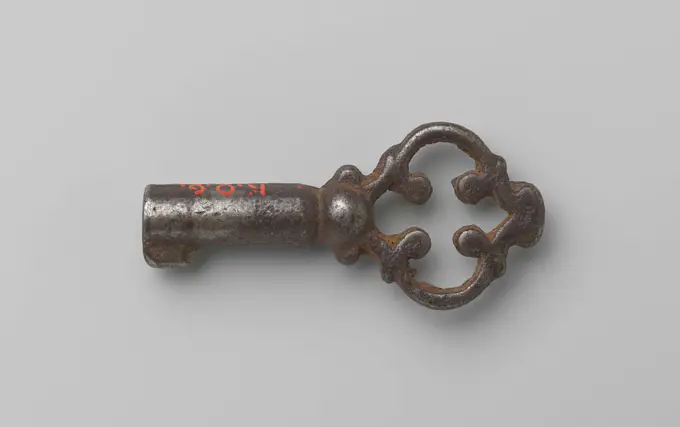
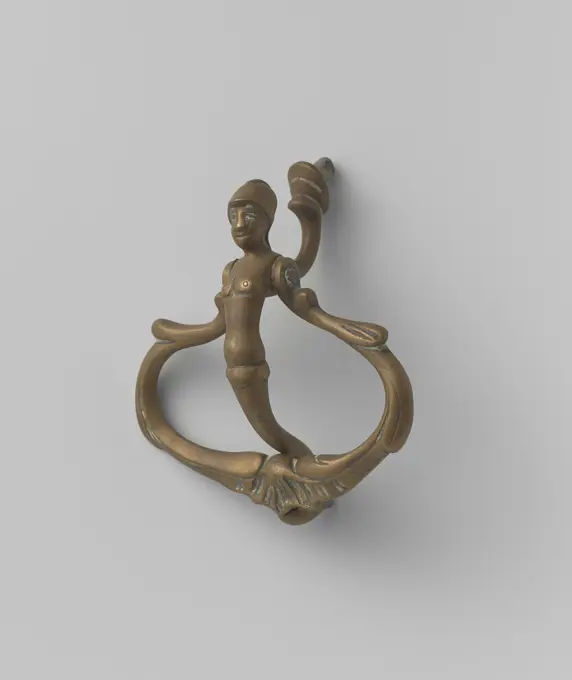
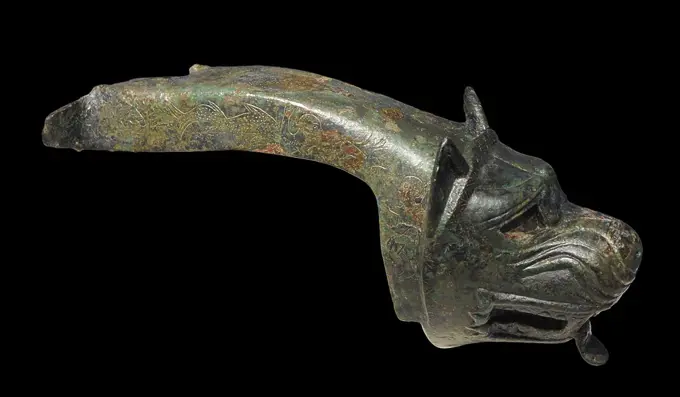
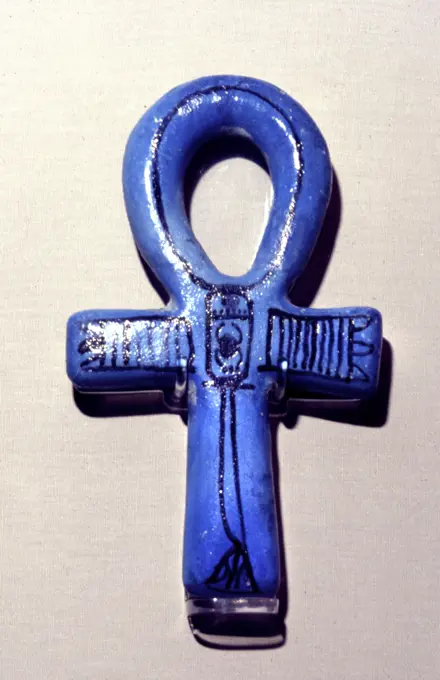
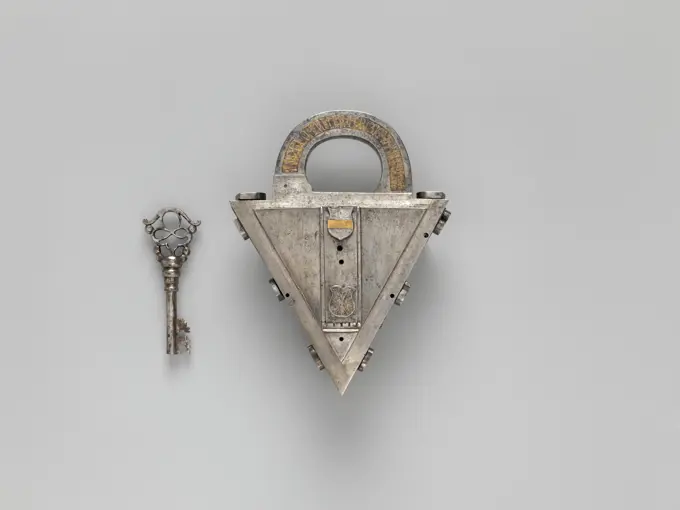
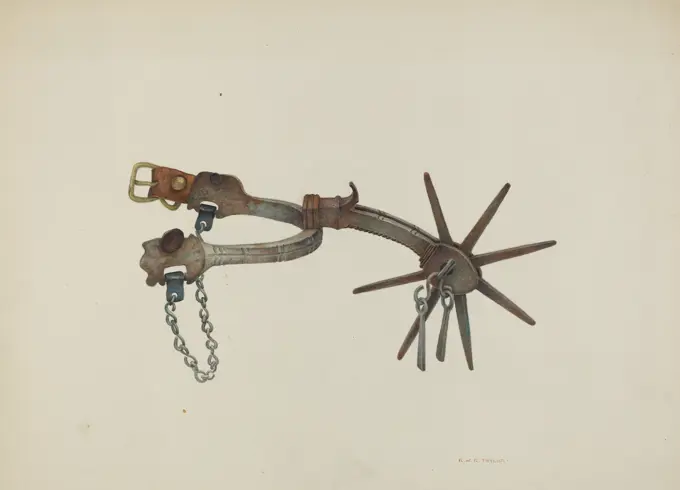
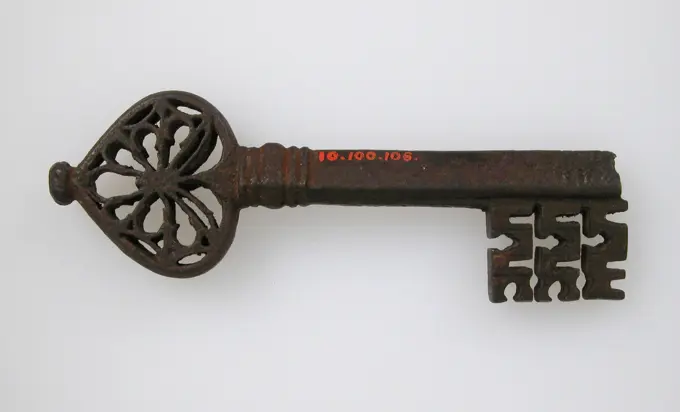
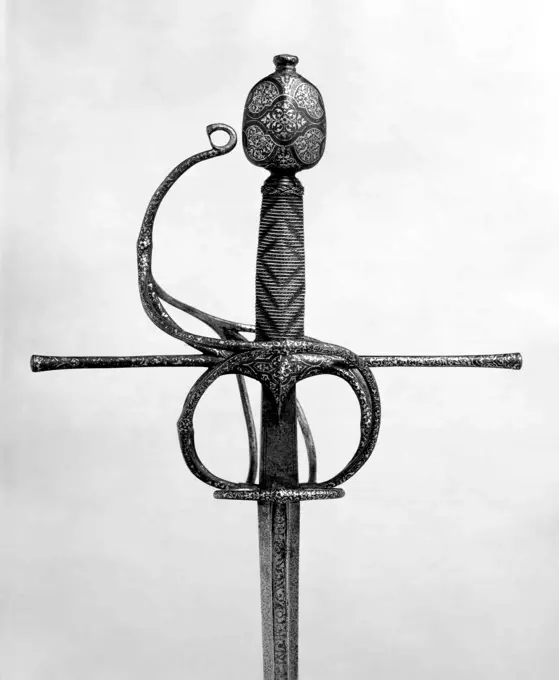
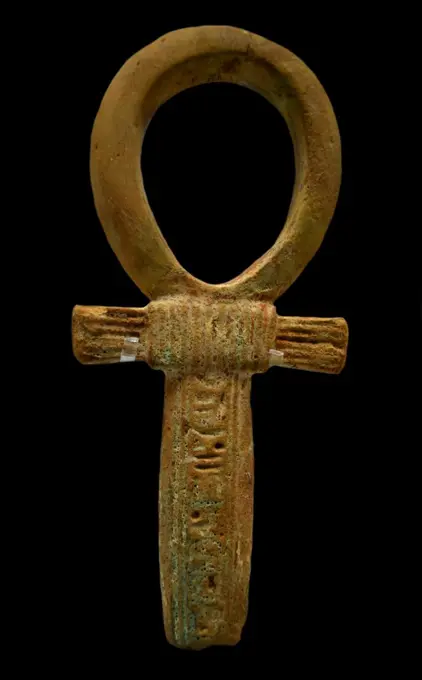
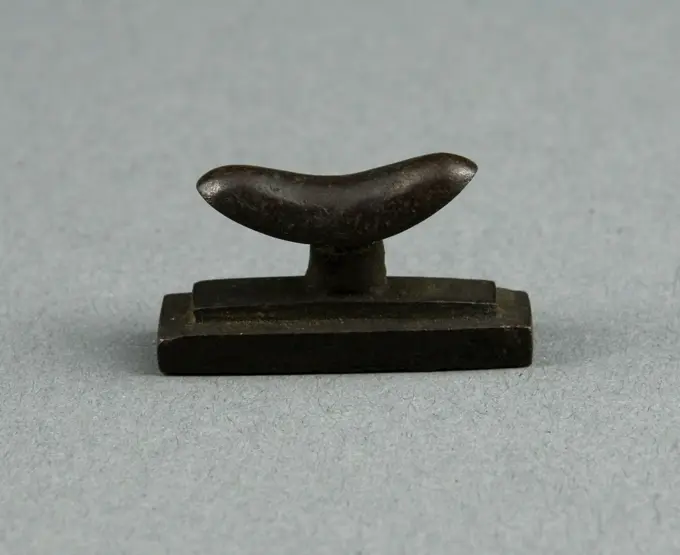
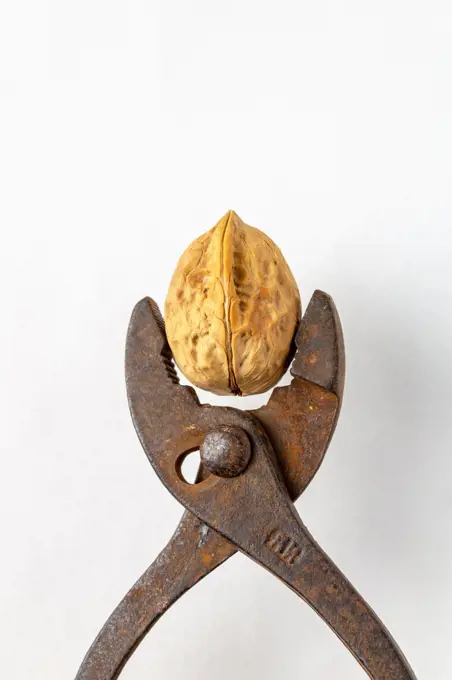
Amulet. UnknownKey, c. 1400 - c. 1950 Key whose oval eye is tilted at the bottom. The shaft is profiled in the middle.  copper (metal) Key whose oval eye is tilted at the bottom. The shaft is profiled in the middle.  copper (metal)Bird Head Fragment 800 BCE-600 BCE Greece. This precious bronze object is a votive, or devotional gift, made as an offering to the gods. They come in many forms, such as animals, beads and brooches. Many seem once to have been attached to something else. Votives were hung from sacred trees or placed in sanctuaries around Greece. Once a shrine was full, the votives were ceremonially buried to make room for more offerings.. Bronze . Ancient GreekDoor Ornament. Culture: European. Dimensions: L. 16, W. 5-3/4 in.. Date: 13th-14th century. Museum: Metropolitan Museum of Art, New York, USA.Buckle with stern, fitting and remnant leather belt, hinging brace, buckle fastener component soil find copper leather metal, archeologyLeft Arm Elements from a Boy's Armor (Lower Cannon, Couter, Rerebrace), c. 1560 (some modern). Germany, Augsburg, mostly 17th Century (some modern). Etched and lightly embossed steel with traces of gilding, leather; overall: 17 cm (6 11/16 in.).Bow Fibula 800 BCE-700 BCE Greece. This precious bronze object is a votive, or devotional gift, made as an offering to the gods. They come in many forms, such as animals, beads and brooches. Many seem once to have been attached to something else. Votives were hung from sacred trees or placed in sanctuaries around Greece. Once a shrine was full, the votives were ceremonially buried to make room for more offerings.. Bronze . Ancient GreekKey Handle 1st-7th century Roman. Key Handle 462946Textile Ornament 14th-15th century Chimú. Textile Ornament. Chimú. 14th-15th century. Silver. Peru. Metal-OrnamentsBronze handle of a vessel with Silenos mask early 4th century B.C. Etruscan From a vase; with garlands.. Bronze handle of a vessel with Silenos mask 248321Amulet of an Aegis with the Head of the Goddess. Egyptian. Date: 1069 BC-332 BC. Dimensions: 8 × 5.5 × 2.5 cm (3 1/8 × 2 3/16 × 1 in.). Bronze. Origin: Egypt. Museum: The Chicago Art Institute, Chicago, USA. Author: Ancient Egyptian.Bow Fibula 800 BCE-700 BCE Greece. This precious bronze object is a votive, or devotional gift, made as an offering to the gods. They come in many forms, such as animals, beads and brooches. Many seem once to have been attached to something else. Votives were hung from sacred trees or placed in sanctuaries around Greece. Once a shrine was full, the votives were ceremonially buried to make room for more offerings.. Bronze . Ancient Greek39 keys from the collection of Emmanuel Vita Israël, anonymous, 1750 - 1800 Chamber control stick whose eye is formed by a downward desired C-Volute, a raised quadrush between itself, on which a crowned P and a crowned I is engraved on one side; Paul I, emperor of Russia, 1754-1801. The quadrush that is worn by a vase -shaped capital turns over to a pyramidal raised. The shaft is long and ends under the beard in a profiling.  bronze (metal). gilding (material) gilding Chamber control stick whose eye is formed by a downward desired C-Volute, a raised quadrush between itself, on which a crowned P and a crowned I is engraved on one side; Paul I, emperor of Russia, 1754-1801. The quadrush that is worn by a vase -shaped capital turns over to a pyramidal raised. The shaft is long and ends under the beard in a profiling.  bronze (metal). gilding (material) gildingDouble springed fibula. Iron Age. Decorative Arts. SPAIN. CASTILE AND LEON. Burgos. Burgos Museum. Proc: SPAIN. CASTILE AND LEON. BURGOS. Merindad del ro Ubierna. Ubierna.Gold Weight: Sword 18th-19th century Akan peoples Cast brass gold weights, known as abrammuo (sing. mrammuo), were developed by Akan merchants and rulers to standardize the trade in gold dust from mines in present-day Ghana in networks of exchange that extended beyond the Sahara Desert. Domestically, gold was valued by the Akan kings for its decorative and symbolic qualities. Aside from bringing enormous wealth to the Akan kingdoms through trade, gold was considered the earthly counterpart to the sun and an incarnation of kra, or life force, and was incorporated into a wide spectrum of courtly paraphernalia. While the earliest gold weights from the fifteenth century displayed abstract or geometric motifs inspired by North African Islamic traditions, later weights from the seventeenth century onward were figurative in design. Some take their imagery from royal accoutrements, likely in reference to the Akan kings' increasing involvement in the regulation of the trade at this time.The weiAmulet  CobraAmphoriskos (Container for Oil) 201 CE-500 CE Palestine. Glass . Ancient LevantineAmulet. Amulet 256690Anonymous, Staple for marked recall bar: Free French Africa (Emile Welter. QG 97 train DCR 397th Cie) for the colonial medal (attributed title), 1945. Welded metal. General Leclerc Museum of the Liberation of Paris - Jean Moulin Museum.Mirror Support: Siren, c. 475 BC. Greece, Corinth, presumably of Corinthian or Argive origin, 5th Century BC. Bronze with silver inlays; overall: 11.5 x 9 cm (4 1/2 x 3 9/16 in.). This is a bronze of exceptional quality. When complete, it had a cylindrical handle, probably of painted ivory. The reflecting disk was probably of silver, as are the inlays. The intact mirror was obviously an object of great luxury. Sirens (part bird and part woman) were sea-songstresses whose captivating voices drew sailors off course to their deaths. Sirens also accompanied the dead on their voyage to the underworld. The idea was probably imported from Egypt where human-headed ba birds embodied a deceased person's spirit.Shaft-hole Axehead. Iran, Luristan, circa 2100-1750 B.C.. Arms and Armor; axes. Bronze, castOpenwork rattle bell ca. 9th-8th century B.C. Iran. Openwork rattle bell 326588Maurice Van Felix, Andiron (one of pair), c 1939 Andiron (one of pair)Fibula Cypriot. Fibula 244439Pendant 15th-17th century European. Pendant. European. 15th-17th century. Brass. Miscellaneous-Buckles & OrnamentBird-Shaped Brooch second half 6th century Frankish. Bird-Shaped Brooch 465240Antique Iron Ring Isolated Photo Front view circle antique iron ring isolated on white background Copyright: xZoonar.com/DanielxFerreira-LeitesxCiccarinox 12537033Key.a key.Bronze phallic amulet. Culture: Roman. Dimensions: W. 2 7/8 in. (7.3 cm.). Date: 1st century A.D..This amulet incorporates three different symbols: the phallus, male genitalia, and the mano fica (a rude hand gesture). All three were potent apotropaic devices intended to ward off the Evil Eye. Museum: Metropolitan Museum of Art, New York, USA.Foot Scraper. Dated: c. 1940. Dimensions: overall: 35 x 24.6 cm (13 3/4 x 9 11/16 in.). Medium: graphite on paperboard. Museum: National Gallery of Art, Washington DC. Author: Julius Bellamy and Jacob Lipkin.Harness RingSilver Crab Ornament. Culture: Peru; north coast (). Dimensions: Overall: 2 in. (5.08 cm). Date: 11th-12th century. Museum: Metropolitan Museum of Art, New York, USA.Carving, wood, painted, floral, France / Italy, 18th century, Decorative Arts, CarvingRoller 2nd millennium B.C.. Roller 326653Symbolic Figurine Depicting a Leg and Anvil. Egypt, Roman Period (30 BCE - 395 CE) or later. Sculpture. BronzeSmall round buckle with angel, rosette and spiral decoration on rim, buckle fastener component soil find tin metal d 0,2, Pewter ornamental buckle archeology Poortugaal Albrandswaard Soil discovery: Hofterrein Poortugaal.Human Hand and Dagger Fragment. Egypt, Roman Period (30 BCE - 395 CE) or later. Sculpture. BronzeEarring-hook type with ball pendant and paste setting. Earring-hook type with ball pendant and paste setting. Gold, glass paste. Gold and SilverEmilia-Romagna Ferrara Ferrara Museo Civico di Schifanoia92. Hutzel, Max 1960-1990 General Notes: INCOMPLETE RECORD--NEGATIVES PROCESSED, PRINTS FILED German-born photographer and scholar Max Hutzel (1911-1988) photographed in Italy from the early 1960s until his death. The result of this project, referred to by Hutzel as Foto Arte Minore, is thorough documentation of art historical development in Italy up to the 18th century, including objects of the Etruscans and the Romans, as well as early Medieval, Romanesque, Gothic, Renaissance and Baroque monuments. Images are organized by geographic region in Italy, then by province, city, site complex and monument.Earring 7th century Frankish. Earring 465424 Frankish, Earring, 7th century, Silver, Overall: 1 x 1 1/16 x 1/16 in. (2.6 x 2.7 x 0.2 cm). The Metropolitan Museum of Art, New York. Gift of J. Pierpont Morgan, 1917 (17.193.117)Fibula Cypriot. Fibula 244440Lock. Silver Small Guarantee for Paris, 1819-1838Crane cut from palmhout, the mouth is a lion's head, the tap a sea embreak, anonymous, c. 1650 - c. 1700 Crane cut from palmhout, the mouth is a lion's head, the tap is formed by a sea emperc.  boxwood Crane cut from palmhout, the mouth is a lion's head, the tap is formed by a sea emperc.  boxwoodKarte von Delaware auf rostigem Metall - Map of Delaware on rusty metal Karte von Delaware auf rostigem Metall - Map of Delaware on rusty metal Copyright: xZoonar.com/lantapixx 14652745Knife Handle (). Iran, Luristan (), modern. Arms and Armor; handles. Bronze, castOffering Post(Peo)Lámpara de aceite romana. Can Serra Museu de Mataró.Riem buckle from the wreck of the East Indians Hollandia, Anonymous, 1700 - in Or Before 1743  Riemgesp. Oval, 1 ring (7x5.6, 0.5-1.3w, 0.25t), with spindle, tongue missing, belt buckle. Netherlands copper (metal)   SecondBracelet with Animals HeadsCaduceus, 2nd century, 26 1/8 x 12 3/4 x 5 3/4 in. (66.36 x 32.39 x 14.61 cm) (approx.), Bronze, Roman, 2nd century, A winged rod with two snakes twined around it is an ancient emblem of messengers. Originating in Middle Eastern cultures such as Babylonia (in present-day Iraq), it became an attribute of Hermes, the Greek god of commerce and communication, and of Hermes Roman counterpart, Mercury. In Roman myth, Mercury threw his staff at two snakes fighting on the ground, which then ceased fighting and became affixed to the staff.Boar. Western Siberia or Volga/Kama region, A.D. 4th-11th century. Sculpture. Bronze, castSleutel.Key with a three-galled eye, resting on a vase-shaped capital. Button at the bottom of the shaft.PINZA. Location: FOSFORERA ESPAÑOLA. MADRID. SPAIN.Body ornament Japan By the Middle Jmon period, the food supply in Japan had stabilized enough that the Jmon people could focus their activities more on crafts and spiritual life. This led to the development of a wide variety of body ornaments, including necklaces and hairpins, some of which feature very elaborate designs. It is speculated that body ornamentation may have served a religious or spiritual purpose, but it may also have represented social rank and status.. Body ornament. Japan. Bone. Final Jmon period (ca. 1000-300 B.C.). BonePanel 14th-15th century. Panel 445125Ceiling Hook. Dated: 1935/1942. Dimensions: overall: 30.6 x 24.3 cm (12 1/16 x 9 9/16 in.). Medium: watercolor and gouache on paperboard. Museum: National Gallery of Art, Washington DC. Author: Henrietta S. Hukill.Openwork Brooch 3rd century Roman. Openwork Brooch 465164 Roman, Openwork Brooch, 3rd century, Champlev enamel, copper alloy, Overall: 1 15/16 x 7/8 x 1/2 in. (4.9 x 2.3 x 1.2 cm). The Metropolitan Museum of Art, New York. Gift of J. Pierpont Morgan, 1917 (17.192.11)Top for standard ca. 8th-7th century B.C. Iran. Top for standard 322852HACHAS DE TALON Y ANILLAS DE BRONCE ATLANTICO. Location: MUSEO ARQUEOLOGICO-COLECCION. Oviedo. ASTURIAS. SPAIN.Closing hook from the wreck of the East Indies Hollandia, Anonymous, 1700 - in Or Before 1743  Locks, fastenings and accessories, clasp; eroded: flate plate, rectangular, one semicircular end with vertical pierced projection underneath, raised lug at other end. Netherlands copper (metal)   SecondFigurine. UnknownPijpsleutel.Pipe wrench whose round handle is formed from two, to each other C-Volutes, resting on two volutes and covered by a saddle.Copper Knife Blade before 15th century Peruvian. Copper Knife Blade 315670Handle with handle in the shape of a Herm. The cast, consumered object consists of two parts: the handle and handle. The handle has the shape of a female Herm. The riveted handle has a Rococo ornament on the handle.Plate. Bronze. North-West China or Inner Mongolia, 5th century BC Paris, Cernuschi museum. 59696-16 Animal art, bronze, northwest China, interior Mongolia, ear, head, plateKnob of Hairpin. Culture: Roman. Dimensions: Overall: 1 1/8 x 7/8 in. (2.8 x 2.2 cm). Date: 100-500. Museum: Metropolitan Museum of Art, New York, USA.Earring 7th century Frankish. Earring 465776 Frankish, Earring, 7th century, Copper alloy, Overall: 1 3/16 x 1 1/8 x 1/4 in. (3 x 2.8 x 0.6 cm) 3/8 x 1/4 in. (0.9 x 0.6 cm). The Metropolitan Museum of Art, New York. Gift of J. Pierpont Morgan, 1917 (17.193.57)Lazio Roma Subiaco Monastery of S. Scolastica Archaeological Museum9. Hutzel, Max 1960-1990 Antiquities: Views of antiquities in museum, including sarcophagi, plates, vases, coins. General Notes: Hutzel guide says we have negatives, but we cannot find them. German-born photographer and scholar Max Hutzel (1911-1988) photographed in Italy from the early 1960s until his death. The result of this project, referred to by Hutzel as Foto Arte Minore, is thorough documentation of art historical development in Italy up to the 18th century, including objects of the Etruscans and the Romans, as well as early Medieval, Romanesque, Gothic, Renaissance and Baroque monuments. Images are organized by geographic region in Italy, then by province, city, site complex and monument.Yoque applique topped with a head of wolf, 4th century BC. Iberian culture. Bronze. From the Cortijo de Maquiz (Mengibar, Jaen province, Andalusia, Spain). National Archaeological Museum. Madrid. Spain.Insignia of French fighting tanks. Metal, 1945-1980. General Leclerc Museum of Hauteclocque and the Liberation of Paris, Jean Moulin Museum.Costume Ornament. Culture: Peru; north coast (). Dimensions: D. 4 1/2 in. (11.4 cm). Date: 11th-12th century. Museum: Metropolitan Museum of Art, New York, USA.Faience Ankh with cartouche of Tuthmosis IV EGYPT.Door Knocker. Dated: c. 1936. Dimensions: overall: 41.8 x 32.9 cm (16 7/16 x 12 15/16 in.). Medium: watercolor and graphite on paperboard. Museum: National Gallery of Art, Washington DC. Author: William L. Antrim.Padlock and key 1531 André Omereler Elevating less exalted materials through expertise, celebrated locksmiths in centers like Augsburg took their place beside goldsmiths and armorers. Precision cold-cutting of metal was an art. This padlock boasts a beautifully coordinated mechanism, designed to confound an interloper but work with systematic clarity for those in the know. Disguised by numerous dummy holes, the real keyhole is revealed when one of the shields is turned to the right, releasing two bolts, unlatching a cover inside, and causing a panel to slide up. Possibly a guild showpiece, the lock bears a partially legible inscription giving its date and maker.Elizabeth Cleland, 2017. Padlock and key. Southern German. 1531. Steel, brass, partially gilded. Metalwork-SteelBracelet 12th century. Bracelet 453051Solid Undecorated Bangle with Flat Surface 4000 B.C.-A.D. 400 Thailand. Solid Undecorated Bangle with Flat Surface 53371Saddled Horse onBaseRobert WR Taylor, Spur, c 1940 SpurCross 500-600 Frankish. Cross 465405 Frankish, Cross, 500600, Copper alloy, Overall: 1 9/16 x 1 3/16 x 1/16 in. (4 x 3 x 0.1 cm). The Metropolitan Museum of Art, New York. Gift of J. Pierpont Morgan, 1917 (17.193.10)Close-up of a ball and chainThree of Three Votive Figurines. Central Italy, Umbria, 5th century B.C.. Sculpture. BronzeKey 15th century German The decoration of Gothic iron locks and keys was often elaborate and of the highest standard of workmanship. The motifs were frequently drawn from Gothic architecture, reproducing on a miniature scale complicated tracery patterns and even tiny statuettes. A number of these tiny locks were compound, with some of the mechanisms concealed from view, and required two or even three keys used in sequence to open them. It has been suggested that the greatly expanded use of locks on doors, or coffrets and other types of storage chests was a result of the increasing urbanization of life and the new emphasis on material wealth and private ownership which developed in the late Middle Ages.. Key 463319old key old key isolated on white background Copyright: xZoonar.com/RuslanxNassyrovx 7565238Rapier early 17th century probably Italian The rapier was the principal civilian sidearm throughout the sixteenth and seventeenth centuries. Designed for cut-and-thrust fencing of progressively complex techniques, the rapier is characterized by a double-edged blade with an acute point and an elaborate guard for the hand. The guards, usually of iron or steel, were subject to a variety of embellishment. They were engraved, chiseled, gilded, damascened, and encrusted in gold and silver in keeping with fashionable styles. Unless otherwise noted, the materials, attributions, and dating given here refer to the hilts. Rapier blades, invariably of steel, bear a variety of makers marks denoting their origin in the two principal centers of blademaking, Toledo in Spain and Solingen in Germany.. Rapier. probably Italian. early 17th century. Steel, gold, silver, brass, wood. SwordsFrance, Vertillum, Instruments used for iron work: pliers and chiselKey;  k. 18th century (1751-00-00-1800-00-00);Jewelry by Anonymous artist, Silver, 18th century, Germany, Nuremberg, Germanisches NationalmuseumKey;  XVII century (1601-00-00-1700-00-00);Bracelet. Culture: Sasanian. Dimensions: 3/8 x 2 11/16 in. (1 x 6.8 cm). Date: ca. 3rd-7th century A.D..This bronze bracelet was excavated at the Sasanian house of Ma'aridh VI in the Ctesiphon area. Although heavily encrusted, the simple yet elegant shape is still visible. The small ends near the opening are slightly flared, but the bracelet is otherwise undecorated. Rich finds, like metal objects, are clear indicators of the wealth of the households excavated in the Ma'aridh area.The city of Ctesiphon was located on the east bank of the Tigris River, 20 miles (32 km) south of modern Baghdad in Iraq. It flourished for more than 800 years as the capital of the Parthians and the Sasanians, the last two dynasties to rule the ancient Near East before the Islamic conquest in the seventh century. Systematic excavations in the Ctesiphon area were undertaken by an expedition in 1928-29 sponsored by the German Oriental Society (Deutsche Orient-Gesellschaft). The Metropolitan Museum of Art and tPijpsleutel.Pipe key with handle formed from composite leaf raft. Cross-shaped occupancy of the beard. The capital is spherical, profiled the shaft at the top.Copper faucet, ending in lion's head. The object consists of the pipe and the stop. On the pipe the round piece is stunned that is inserted into the vessel. The pipe is decorated with four leaf motifs at the round and punched switches, has a square on either side with French lilies on punched field decorated thickening, in which the plug fits, and runs out at the end in a kind of lion head. The stop has a handle with volutes to a punched field.Ring 9th-11th century. Ring. 9th-11th century. Bronze. Excavated in Iran, Nishapur. JewelryEarring-hook type with pendants of pearls. Earring-hook type with pendants of pearls 243382Joseph L Boyd, Tobacco Cutter, c 1939 Tobacco CutterCORREA DEL HABITO DE MARIANA DE JESUS - SIGLO XVI. Location: CONVENTO DE SAN JOSE. Toledo. SPANIEN.Faience Ankh with the Cartouche of Malenaqen 551 B.C. From the Napatan Period. The inscription on the reverse refers to the New Year.Key. Key whose bean-shaped eye consists of two fillings attached to a split pyramid attached to the profiled capital. The shaft ends in a button.Amulet of a Headrest 1070 BCE-656 BCE Egypt. Hematite . Ancient Egyptianwalnut is clamped by rusty pliers on a white background, copy spMan uit china van wanggama (sji-kwan-kwee), 9 chr -13 CHR, anonymous, 9-13 coin Brass mint in the form of a knife. Front: on round "lifts" with square porch two characters and five Chinese characters on "blade". Rail side: on no signs, on blade five the same Chinese characters as on the front.  brass (alloy) casting