Antique Keys Collection

A collection of decorative skeleton keys from different centuries, showcasing various designs and materials, each with historical significance.
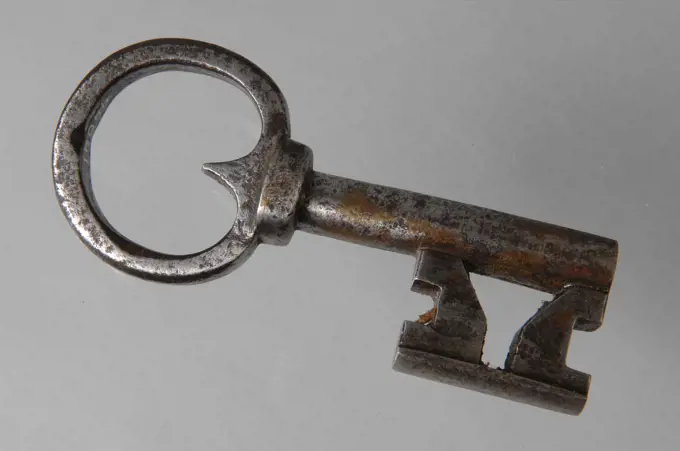
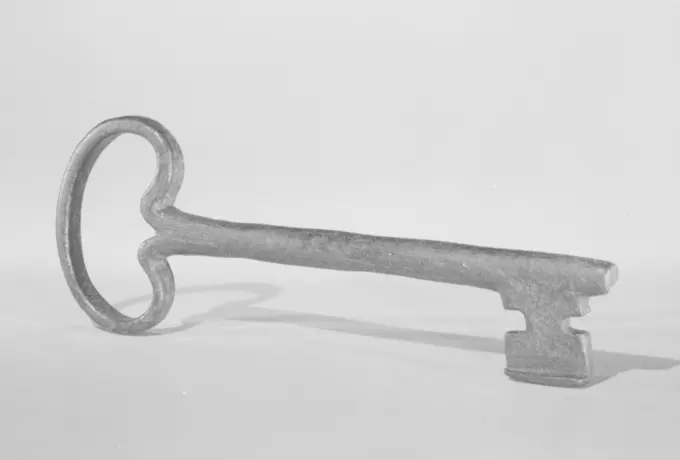
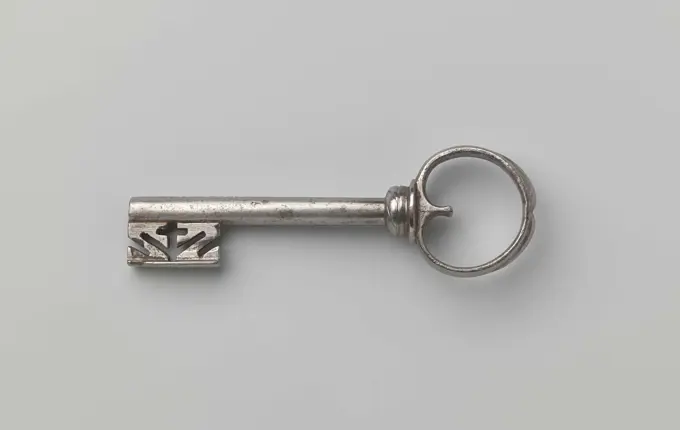
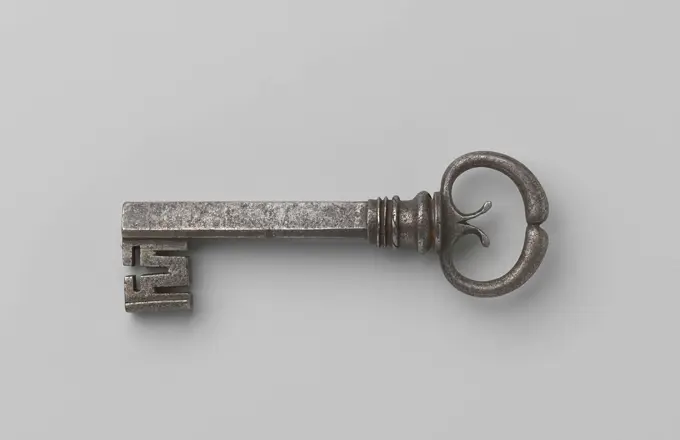
Iron key with heart-shaped eye, hollow key handle and cruciform beards in beard, key iron iron, hand forged Key with heart-shaped eye (handle) with two notches on both sides on top hollow key handle cross-shaped notches (horizontal vertical and diagonal) in key beard collar and symmetrical keyhole cross section -and-closing
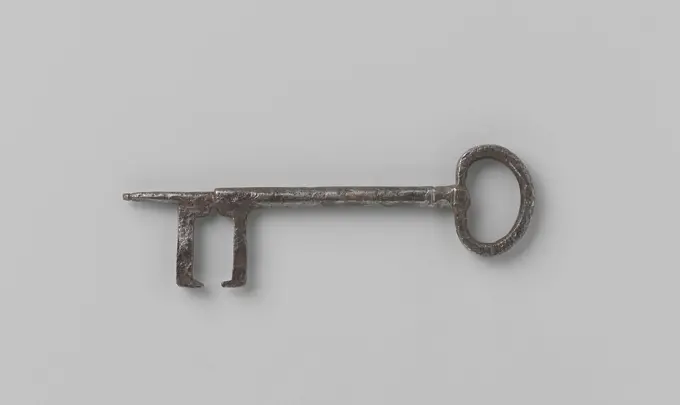
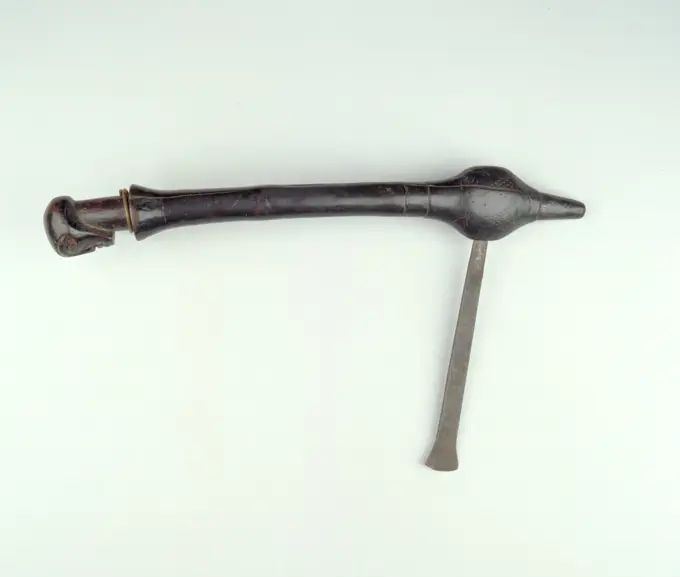
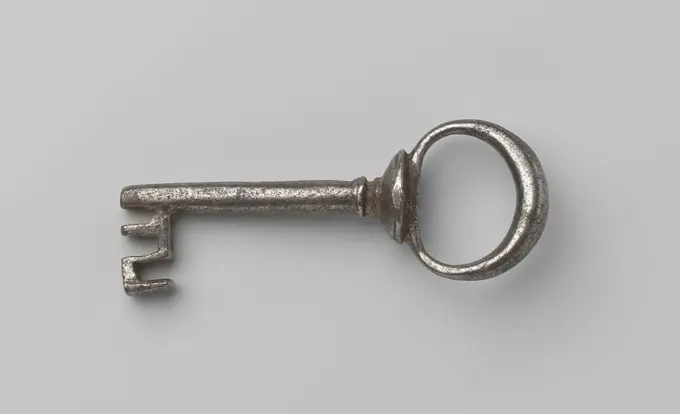
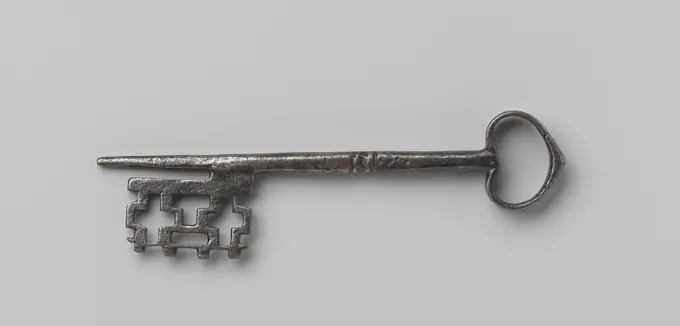
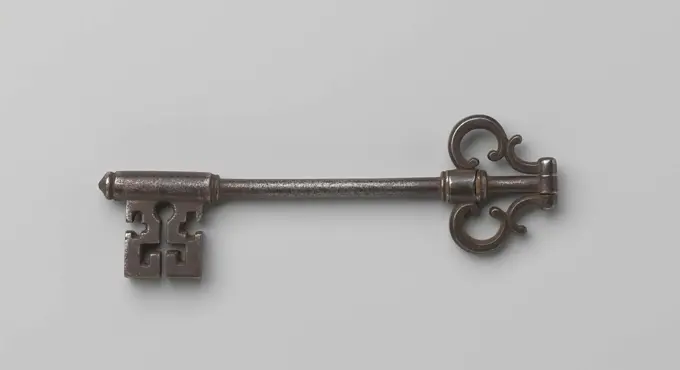
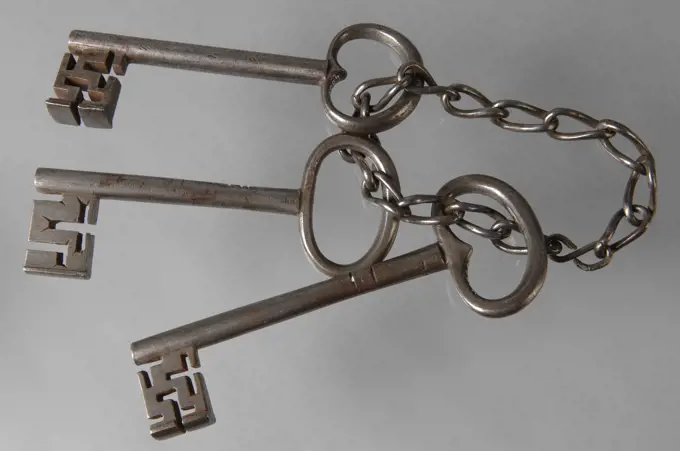
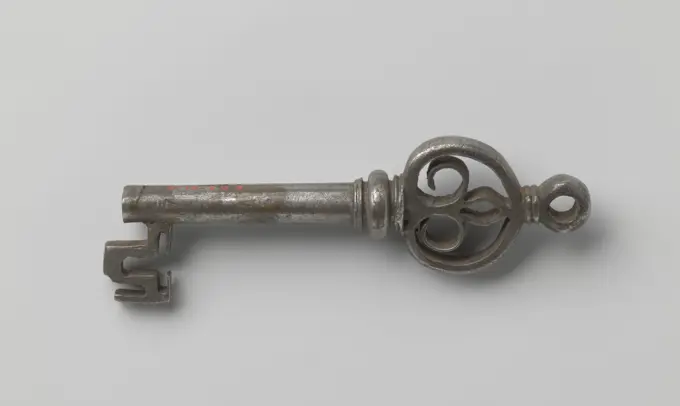
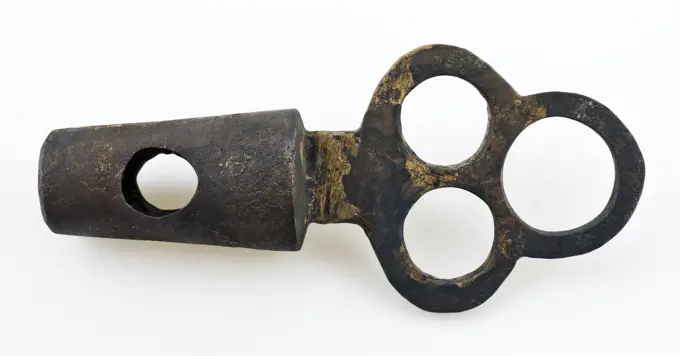
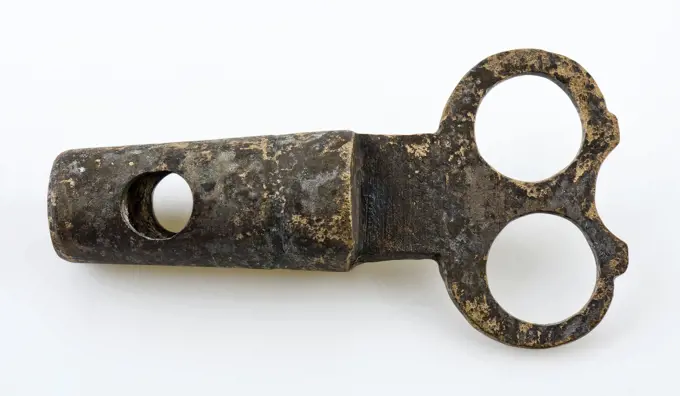
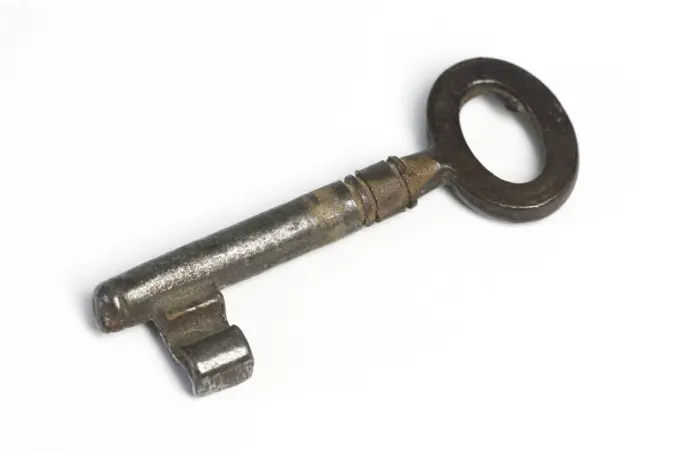
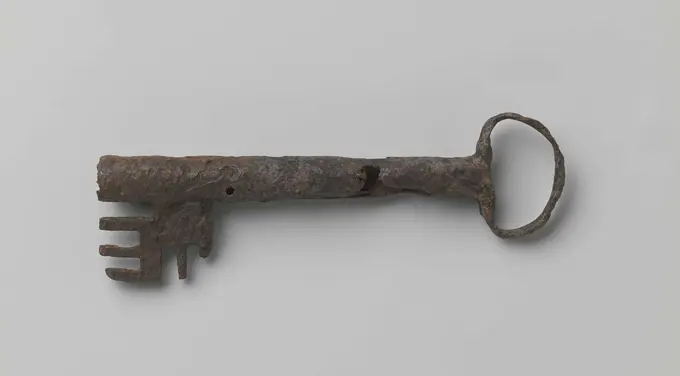
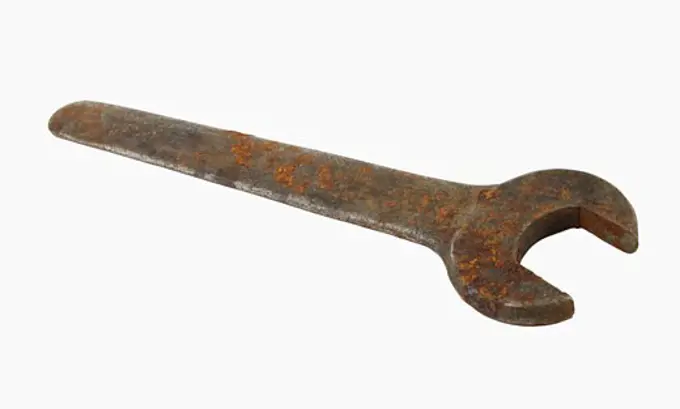
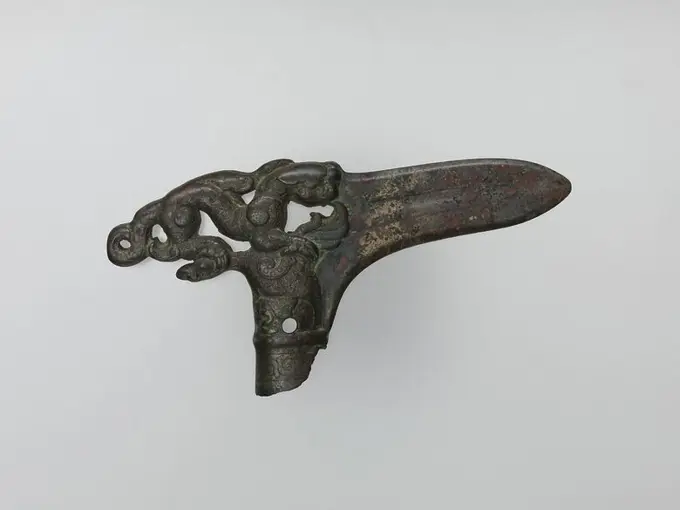
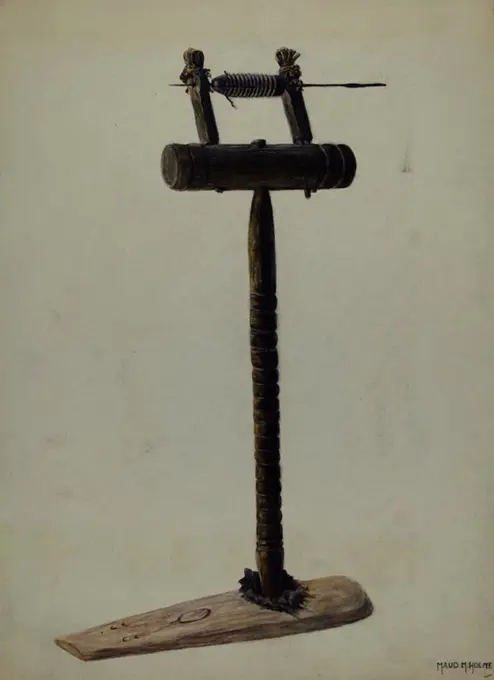
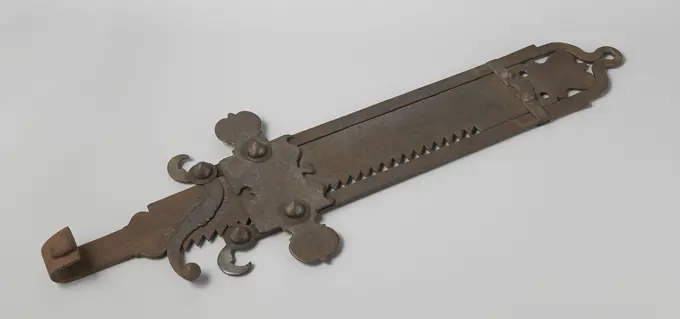
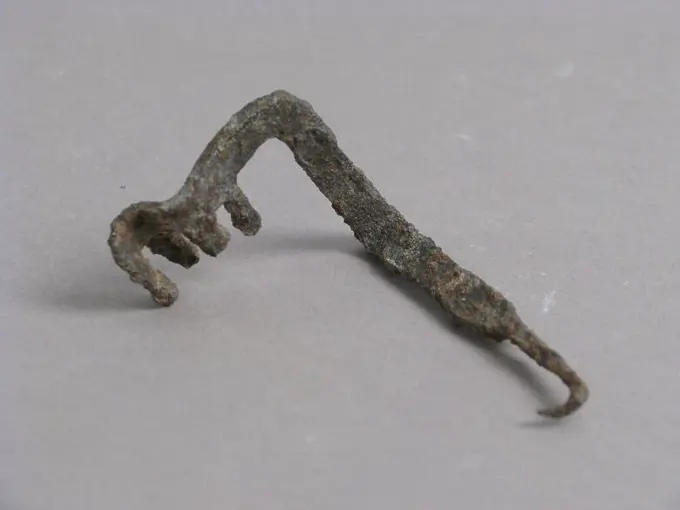
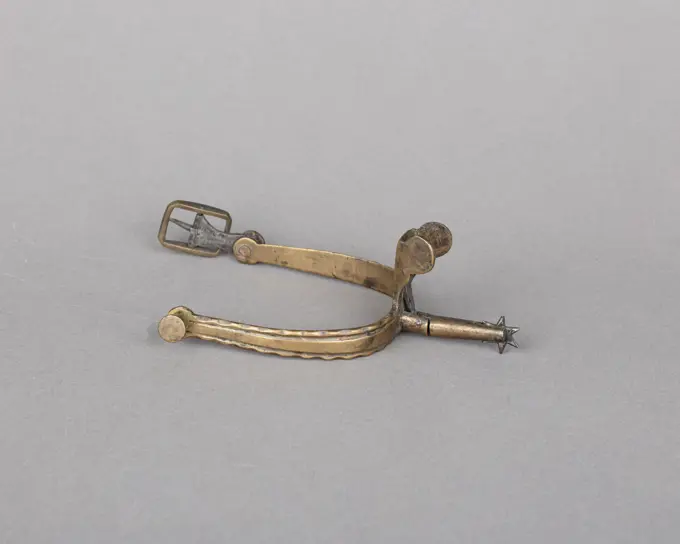
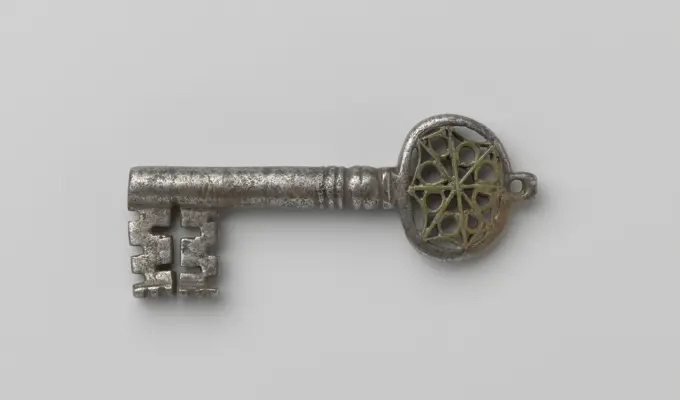
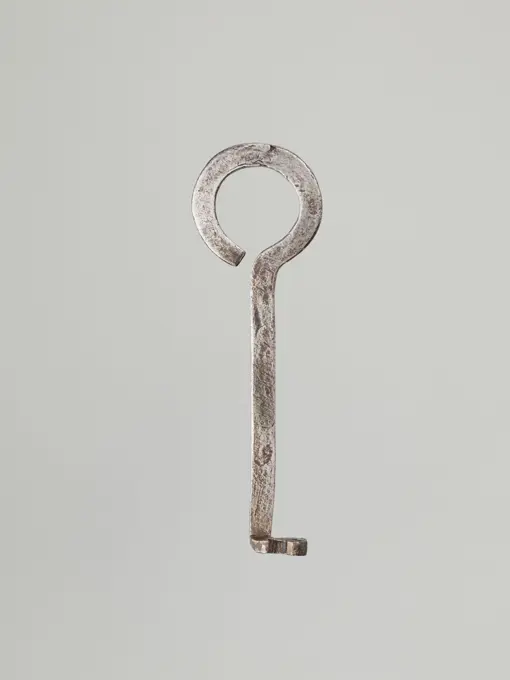
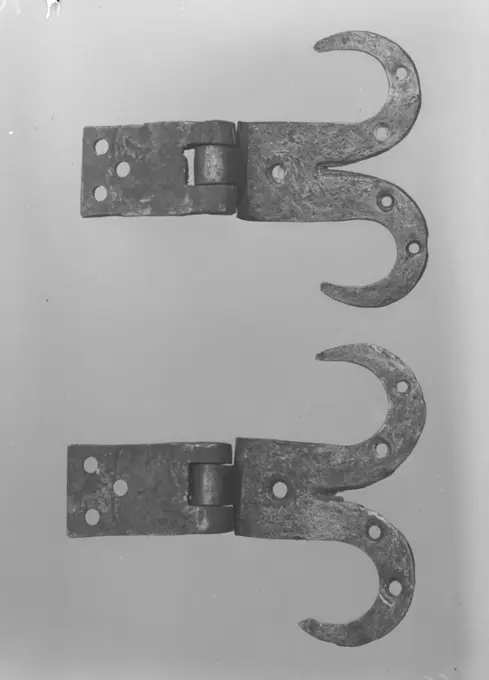
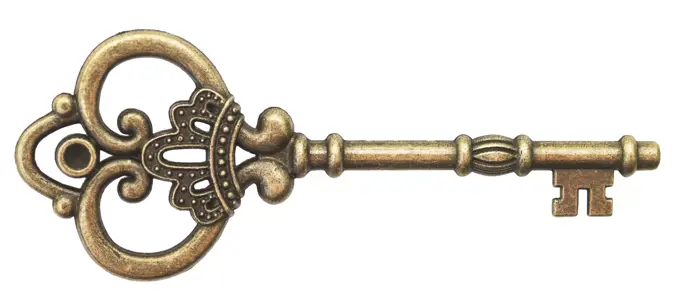
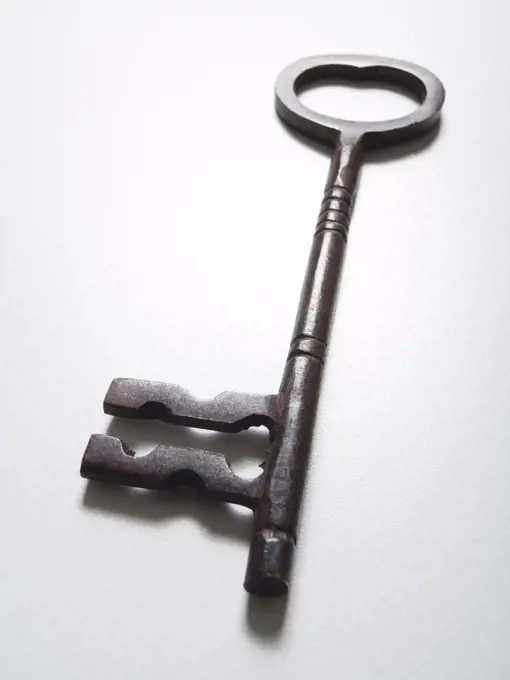
Detailed view of skeleton keySleutel.Three key with a triangular eye, crowned by a button. The shaft is baluster-shaped and ends in a button.Iron key with heart-shaped eye, hollow key handle and cruciform beards in beard, key iron iron, hand forged Key with heart-shaped eye (handle) with two notches on both sides on top hollow key handle cross-shaped notches (horizontal vertical and diagonal) in key beard collar and symmetrical keyhole cross section -and-closingKey 15th century German The decoration of Gothic iron locks and keys was often elaborate and of the highest standard of workmanship. The motifs were frequently drawn from Gothic architecture, reproducing on a miniature scale complicated tracery patterns and even tiny statuettes. A number of these tiny locks were compound, with some of the mechanisms concealed from view, and required two or even three keys used in sequence to open them. It has been suggested that the greatly expanded use of locks on doors, or coffrets and other types of storage chests was a result of the increasing urbanization of life and the new emphasis on material wealth and private ownership which developed in the late Middle Ages.. Key. German. 15th century. Iron. Metalwork-IronKey 14th century German. Key. German. 14th century. Iron. Metalwork-IronSleutel.Key of which the pointed pointed stem is bent into an eye. The square beard exhibits coarse cuts.Key 17th-18th century probably Italian Probably used for domestic purposes for a lock which could be opened from either side of a door.. Key. probably Italian. 17th-18th century. Wrought iron. Metalwork-Ironold rusty key old rusty key Copyright: xZoonar.com/BorisxZerwannx 7009531Sleutel.Key with bean-shaped eye and shaft that excludes past the dual beard in a point. The beard is formed by two hooks, towards each other, horizontally running hooks. The ornament under the eye only arranged with the file later.Prestige Axe, early 20th century, Beniki Master, African, Democratic Republic of Congo, Songye, , 14 3/4 x 1 1/2 x 8 5/8 in. (37.47 x 3.81 x 21.91 cm), Wood, metal, Democratic Republic of Congo, 20th centurySleutel.Key with a widening, annular eye above. This rests on the flat top of an oval disk that turns into the shaft after a profiling.Key. UnknownSleutel.KEY with bean-shaped eye, above somewhat attached. The shaft has three notches in the middle and runs out of the beard in a point. Two lying crosses were carried out in the beard.Key, c. 1600 Key whose eye is formed from two C-Voluten, which ends up above you and split at the bottom, hold a bullet. The shaft is profiled at the top and ends in a button at the bottom. The beard has a rosette -shaped cut.  iron (metal) Key whose eye is formed from two C-Voluten, which ends up above you and split at the bottom, hold a bullet. The shaft is profiled at the top and ends in a button at the bottom. The beard has a rosette -shaped cut.  iron (metal)Key, c. 1600 - c. 1699 Key with bean -shaped eye.  iron (metal) Key with bean -shaped eye.  iron (metal)Key, c. 1700 - c. 1800 Key with L-shaped beard whose round grasp a heart.  iron (metal) Key with L-shaped beard whose round grasp a heart.  iron (metal)Tractor, c. 1400 - c. 1950   iron (metal)   iron (metal)Sleutel.Key with oval eye and baluster-shaped shaft, at the bottom ending in a knot.. .Nail. Nail 244248Sleutel.Key with folding handle. This is formed by two degree of C-volutes, half a cylinder, which fits a thickening of the shaft in the lowered state. The shaft, which is wider at the beard, ends in a flat button.Bunch of keys: three iron keys with solid key stems and cruciform beards in beard, connected by means of an iron chain, key bunch key iron value iron, key: ) hand forged Key with heart-shaped eye (handle) solid key handle cross-shaped bifurcation (horizontal and vertical) in key bob and symmetrical key bore diameter ( ); key with heart-shaped eye (handle) solid key handle cross-shaped battens (horizontal and vertical) in key bones and symmetrical key bite cross-section (); key with oval eye (handle) solid key handle cross-shaped notches (horizontal and vertical) in key beard and symmetrical keyhole cross-section (c) connected by an iron chain (d) carved in, I I hinges and hingesPipe key, c. 1500 - c. 1525 Pipe key in which the handle was created by gathering from two bands to a large and a small eye. A lily rises in the large eye at the bottom. The capital is formed by a torus between two round discs. France iron (metal) Pipe key in which the handle was created by gathering from two bands to a large and a small eye. A lily rises in the large eye at the bottom. The capital is formed by a torus between two round discs. France iron (metal)Pipe key. Bronze pipe wrench, round ring, beard of the front "fur", moreover of below, incised from above and from the front.Key Handle 1st-7th century Roman. Key Handle 462894Iron door beater, 1600 - 1699 Made from two pieces of iron twisted to each other.  iron (metal) forging Made from two pieces of iron twisted to each other.  iron (metal) forgingKey.key.Wooden seal or tap of a beer or vinegar for which the tap is tapered and the mouth is pyramid-shaped, anonymous, c. 1590 - c. 1596  Wooden seal or tap of a beer or vinegar for which the tap is tapered and the mouth is pyramid-shaped. The lower part of the tap has been pierced with a small hole and serves to guarantee the wooden tap in the tap, through a pen of wood or metal.  wood (plant material)   Nova Zembla. Saving HuysCopper stopper with handle in the form of tripod, stop closure part soil find bronze metal, die-cut sawn Black with yellow-metal stop Conical pin with passage hole Handle in the form of tripod Possibly marked archeology tap tap holder part barrel beer wineIncomplete copper or bronze stopper of tap with handle in three-step shape, stop closure part soil find buyer bronze metal, Solid tapered rod in which hole in the shape of three-pass is marked on the intersection of the three open eyes. Top eye broken down Unmarked mark unclear archeology Rotterdam rail tunnel crane tap holder part barrel of beer wine Soil discovery: trajectory rail tunnel Rotterdam.Old key old rusty keys on white background copyright: xzoonar.com/heikexbrauerx 768776Key. UnknownPair of Rowel Spurs 15th century German Each of these elegant gilded spurs is subtly decorated with a foliate rowel, and some moldings on the heel and hooks shaped as ivy leaves. In the 15th century, rowel spurs with very long necks were common in Western Europe. During this period, the elevated war saddles and the very specific riding style, with long stirrup leathers and legs extended forward, had the consequence of moving the riders feet away from the horses flank. Thus, these long-necked spurs allowed the rider to maintain control without having to disturb their position. As a knights status was closely related to his horse, spurs became one of the symbols of chivalry, and one of the tokens given to him during his knighting.. Pair of Rowel Spurs 29271Pijpsleutel.Pipe wrench from a piece forged with wide shaft and bean-shaped eye.Pair of Prick Spurs late 19th - early 20th century Moroccan The prick spurs traditionally used in most of the Islamic world evolved directly from late Antique examples. They consist of straight U-shaped branches bearing a very long prick with a disc at its base. The flat loop at the top of the heel is used for attaching the strap going around the ankle. This pair is richly decorated with plated gold, incised with intricate geometrical interlaced bands, typical of Moroccan art.Traditionally, Moroccan riders take great pride in their horses and still frequently adorn them with shiny and colorful tack for parades and festivals. Wealthy riders would increase their prestige by covering their mount with luxurious material and equipping themselves with as luxurious matching accessories.. Pair of Prick Spurs. Moroccan. late 19th - early 20th century. Iron alloy, gold. Equestrian Equipment-SpursPipe key, c. 1200 - c. 1300 Bronze pipe tooth, round ring, beard from the front "fur", moreover from below, incised from above and from the front. France bronze (metal) Bronze pipe tooth, round ring, beard from the front "fur", moreover from below, incised from above and from the front. France bronze (metal)Old key isolated on white background.Abruzzo, Chieti, Chieti, Museo Nazionale di Antichita, Italy, 20th century, photo, photography, EuropeTweezers Roman. Tweezers 250609 Roman, Tweezers, Bronze, 5 1/8  9/16  5/16 in. (13  1.4  0.7 cm) Diameter (d. of ring): 11/16 in. (1.7 cm). The Metropolitan Museum of Art, New York. Rogers Fund, 1917 (17.230.76)Prick Spur 11th century German The conical goad of this spur bears the mark IIIXII or IIXIII on one of its sides, which could be a simple decoration or a series of enigmatic symbols or Roman numerals. The prick spur was the first type of spur to be invented, and it consists of a goad or prick, more or less pointed, connected to side arms or a heel plate. Prick spurs were the main type of spurs used in the Middle Ages until the mid-14th century, when they were supplanted by rowel spurs, which appeared in Europe a century before and with which they had cohabitated for a time. As a knights status was closely related to his horse, spurs became one of the symbols of chivalry, and one of the tokens given to him during his knighting.. Prick Spur. German. 11th century. Iron alloy. Equestrian Equipment-SpursPair of silver strigils (scrapers) on a carrying ring mid-1st century B.C. Roman Strigils are normally associated with men, who used them in the gymnasium and the baths. Most surviving examples are made of bronze and it is unusual to have a set preserved with their carrying ring.. Pair of silver strigils (scrapers) on a carrying ring. Roman. mid-1st century B.C.. Silver. Late Republican. Gold and SilverCopper, oval buckle with fittings, buckle fastener part bottomfound brass metal, cast riveted Copper clasp with fittings Oval frame at the height of the middle post decoration with bulge containing three notches. Elongated strip fitting in which nail with semicircular head archeology Rotterdam railway tunnel fastening closing footwear Soil discovery: trajectory Rotterdam rail tunnel.Gold Shoe Buckle ca. 600 Langobardic This group of objects was found in the grave of a Langobardic horseman, who was buried in his warrior dress, with weapons, shield, helmet, and the fittings for his horse. What remains are the many gold pieces that would have ornamented his clothing and equipment, and they attest to the great wealth of the Langobardic aristocracy within a generation of settling in Italy.. Gold Shoe Buckle 469026Close-up of rusty wrenchKey. Drilled key with the eye formed from two c-volutes dowling towards each other, down in flat, upwardly curved slippage end. Below is a profiled round capital.Parasol button or umbrella button of painted wood; On the button is a pattern of triangles and dots, Gustav Schnitzler, c. 1920 Parasol button or umbrella button of painted wood. On the button a pattern of triangles and dots is burned. Nijmegen wood (plant material) Parasol button or umbrella button of painted wood. On the button a pattern of triangles and dots is burned. Nijmegen wood (plant material)Key 18th century German. Key 187103rostig,alt,schraubenschlüssel,rost,rosten,verrostet,gabelschlüssel,maulschlüssel,schraubschlüssel ** rusty,old,adjustable wrench,rusted,older,adjustable wrenchs 647-ffwDagger-Ax (Ge). Culture: China. Dimensions: H. 2 15/16 in. (7.5 cm); L. 5 3/4 in. (14.6 cm). Museum: Metropolitan Museum of Art, New York, USA.Spinning Wheel. Dated: c. 1938. Dimensions: overall: 34 x 25 cm (13 3/8 x 9 13/16 in.) Original IAD Object: 19" high; 8" wide. Medium: watercolor, graphite, and colored pencil on paper. Museum: National Gallery of Art, Washington DC. Author: Maud M. Holme.Chimney or fire hook with engraved sun, moon and star. An iron fire hook with engraved sun, moon and star. Signature and dated with year 1680.Key. Culture: Coptic. Dimensions: Overall: 2 7/16 x 1 7/16 x 1 3/8 in. (6.2 x 3.7 x 3.5 cm). Date: 4th-7th century. Museum: Metropolitan Museum of Art, New York, USA.Rowel Spur (Right) late 18th - early 19th century French or German The neck of this rowel spur is featured with a joint and a spring allowing it to fold up when its owner is not riding. When up, the rowel is framed by two rounded extensions, preventing it from scratching things (or people) when the wearer is walking.. Rowel Spur (Right). French or German. late 18th - early 19th century. Copper alloy, iron. Equestrian Equipment-SpursSupport or a tangent sight. Set up support that is mounted against the rear of the lock hardener, with a hook in a square notch in the lock support grabbing and tightened from the back with a screw. The mounting rod is placed in a ridge Acherop the support, sloping forward, and can move up and down. The inscription refers to guns for a coastal battery. The two set-up rods described under NG-MC-1889-29, fit in this support. Demonstration model or test model.Key of bronze, c. 300 - c. 500 Bronze key with a reasonable beard, round ring. France bronze (metal) Bronze key with a reasonable beard, round ring. France bronze (metal)Hay Knife. Dated: c. 1938. Dimensions: overall: 35.6 x 24.5 cm (14 x 9 5/8 in.). Medium: watercolor and graphite on paper. Museum: National Gallery of Art, Washington DC. Author: Samuel Faigin.Old key from lock, isolated on white background Old key from lock, isolated on white background Copyright: xZoonar.com/OleksandrxKostiuchenkox 9750370Spoon late 17th century Leonhard Rothaer I. Spoon 192280Manches de Pierres to Aiguiser. Lurctan. 900-750 av. J.-C. Par musée musée malée. 35407-2 Iron age, bronze, handle, sharpening stonePipe key, c. 1400 - c. 1950 Pipe key "Venetian model" with copper rose in the grip crowned by an eye. The heavy shaft is profiled at the top.  iron (metal) Pipe key "Venetian model" with copper rose in the grip crowned by an eye. The heavy shaft is profiled at the top.  iron (metal)Miguelet Gunlock 1725-1775 Europe. Steel .Slot with key. A slot without dish. (A lip is missing). With key.Sign sign, c. 1700 Sign in the shape of a key, the round of which has a grip of flat iron curls is composed with an eye at the top. The shaft is divided into three equal parts by four rings.  iron (metal) gilding Sign in the shape of a key, the round of which has a grip of flat iron curls is composed with an eye at the top. The shaft is divided into three equal parts by four rings.  iron (metal) gildingInkstand, Cast and engraved brass, Flattened cylinder with hinged flip top and box at one end; box also with small hinged lid., North Africa, ca. 1870, metalwork, Decorative Arts, InkstandTrepanation drill from the wreck of the Dutch East Indiaman Meresteijn, anonymous, 1693 - 1702  Part of the cover of a trepan, a drill that the surgeon could use to open the skull of a patient. Netherlands brass (alloy)   Cape of Good HopeKey of bronze, c. 900 - c. 1200 Bronze key with hollow pipe, jaw -shaped beard, ring with windows, triangular crown with round hole. France bronze (metal) Bronze key with hollow pipe, jaw -shaped beard, ring with windows, triangular crown with round hole. France bronze (metal)Quatrefoil Plaque of the Four Directions, late 2nd century, 8 13/16 x 16 1/2 in. (22.38 x 41.91 cm), Gilt bronze, China, 2nd century39 keys from the collection of Emmanuel Vita Israël, , c. 1400 - c. 1950 Pipe key with ring -shaped eye and a shaft that is decorated in the middle of the center of cannelures and at the bottom of crosses and parallel grooves. Rome bronze (metal) Pipe key with ring -shaped eye and a shaft that is decorated in the middle of the center of cannelures and at the bottom of crosses and parallel grooves. Rome bronze (metal)Studio shot of old-fashioned itemCandle cutter of yellow copper, semicircular tray, candle cutter muzzle cutter tool kit brass metal, cast riveted Muzzle Scissors Long legs with round cross section Oval eyes Connected to copper rivet Semi-circular tray to cut the brick and extinguish the impressed master mark Uneven point on cover valve marked CH with underneath illuminate French lily lighting evening night snoutsKey;  XVII/XVIIW. (1601-00-00-1800-00-00);old corcscrew isolatedIsolated objects: very old rusty tailor`s scissors on white background. Old rusty tailor scissorsPlaque. UnknownPenannular Brooch 10th-11th century Scandinavian or Baltic. Penannular Brooch 468452Project Graly-Manzag 2013-2016 Carnavalet Museum, Medals CollectionModel of an Anchor. Model of an anchor consisting of a shaft with a curved arm with anchor hands on the ends. Wooden anchor stick with brass brackets; Iron anchor ring with anchoring of gratted rope. The shaft is heavier, the corner between shaft and arms smaller and the hands are wider than usual. Scale 1:10 (estimation).Buckle 14th century French, Haute-Savoie. Buckle. French, Haute-Savoie. 14th century. Bronze. Miscellaneous-Buckles & OrnamentDeurhengsel, c. 1400 - c. 1950   iron (metal)   iron (metal)Italic civilizations, 5th century b.C. Silver fibula with rings on the needle.Buckle ca. 1400 French. Buckle. French. ca. 1400. Brass. Miscellaneous-Buckles & OrnamentForma do kul Kuchenreuter, Johann Andreas, I (1716 1795)Silver in the form of scissors, Anonymous, 1717 Silver of silver in the form of scissors with a container at the end. The Hague silver (metal) casting Silver of silver in the form of scissors with a container at the end. The Hague silver (metal) castingThe Amsterdam apothecary and art collector Emmanuel Vita Israël. He donated his collection, comprising keys dating from Roman antiquity to the 19th century, to the Koninklijk Oudheidkundig Genootschap (Royal Antiquarian Society) in 1937. Vita Israël claimed that his key collection had grown more or less by accident: being one of the few collectors of keys, dealers automatically made their way to him.39 keys from the collection of Emmanuel Vita Israël, anonymous, c. 1500 - c. 1600 Pipe key so -called "venetian key" with rose in the round grip, awarded by an eye. The shaft is interrupted by a quoted Nodus and is cracked at the bottom.  iron (metal) Pipe key so -called "venetian key" with rose in the round grip, awarded by an eye. The shaft is interrupted by a quoted Nodus and is cracked at the bottom.  iron (metal)Key from the kick;  XVIII-19th century (1700-00-00-1870-00-00);Hinge 1700-1800 American. Hinge 4322Old key isolated on white background Clapper -Key, c. 1400 - c. 1950 Key.  iron (metal) Key.  iron (metal)Rowel Spur mid-17th century French The entire outer surface of this now rather worn spur, tabs included, is engraved and partially gilded with grotesque representations of fruits and masks, as well as two galloping riders on each side of the arms. The buckle is contemporary but not original, and is simply blackened and stamped with some geometrical motifs.This type of decoration is also found on French sword hilts made around the years 1650-1660, as the same goldsmiths were hired for adorning different types of objects.. Rowel Spur. French. mid-17th century. Iron alloy, gold. Equestrian Equipment-Spursleather strap with carabiner on a green backgroundHinged pliers, uneven eyes and oval mouth, pliers tools equipment soil finds iron metal, forged riveted archeology medical equipment medical equipmentIron handle ..Small painted metal latch with spring and pull arm on base plate, on eye rope which can be used as kind of pulling arm, latch closing agent metal paint flax, rope) door lock Schielandshuis Rotterdam City Triangle Originating from the staff canteen of the Museum in the Schielandshuis.Hammered Silver Rattle Beaker 8th-mid-16th century Peru; north coast (). Hammered Silver Rattle Beaker 309019Shaft-hole Axehead. Iran, Luristan, circa 2100-1750 B.C.. Arms and Armor; axes. Bronze, castBuckle 15th-17th century European. Buckle. European. 15th-17th century. Brass. Miscellaneous-Buckles & OrnamentLadle 500 B.C.-A.D. 300 Thailand. Ladle. Thailand. 500 B.C.-A.D. 300. Bronze. Bronze and Iron Age period. Metalworkold key old key isolated on white background Copyright: xZoonar.com/RuslanxNassyrovx 7565229