Antique Keys Collection

A collection of decorative skeleton keys from different centuries, showcasing various designs and materials, each with historical significance.
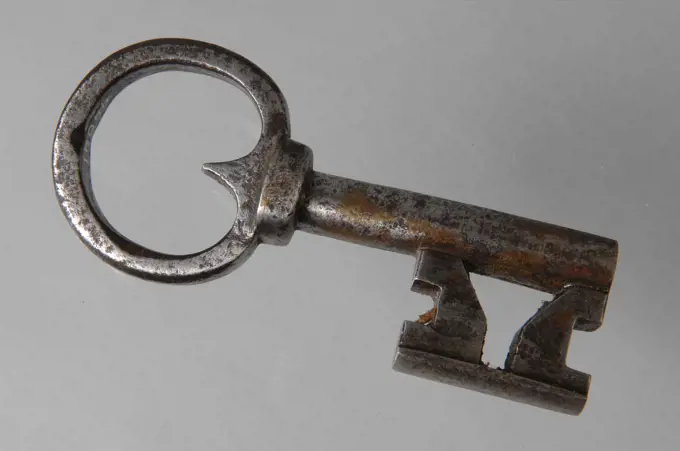
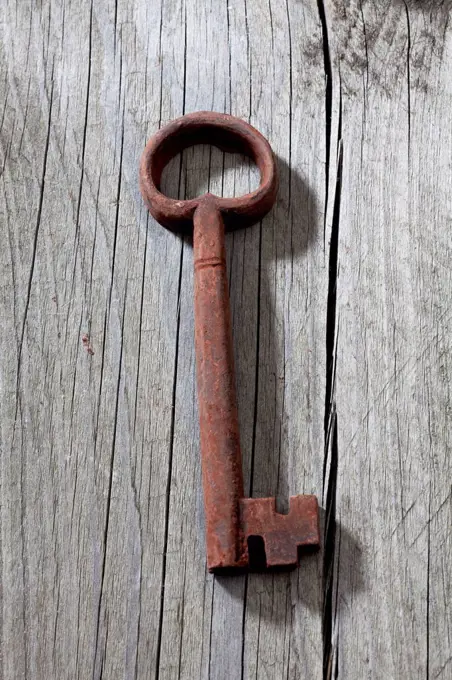
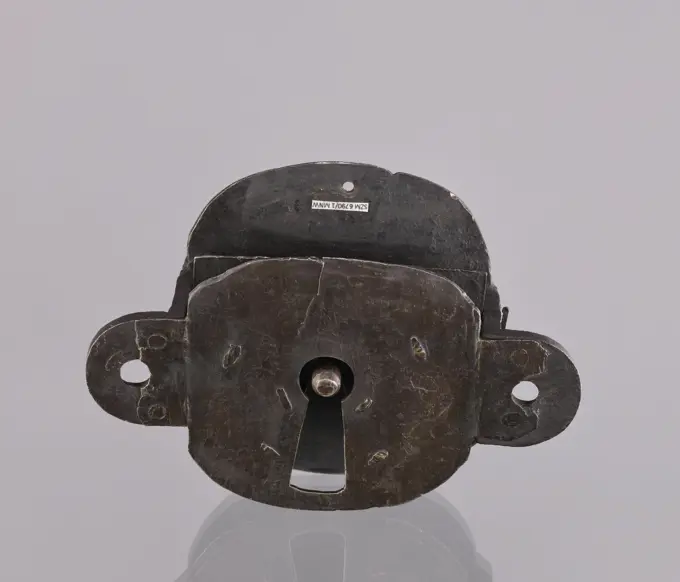
Iron key with heart-shaped eye, hollow key handle and cruciform beards in beard, key iron iron, hand forged Key with heart-shaped eye (handle) with two notches on both sides on top hollow key handle cross-shaped notches (horizontal vertical and diagonal) in key beard collar and symmetrical keyhole cross section -and-closing
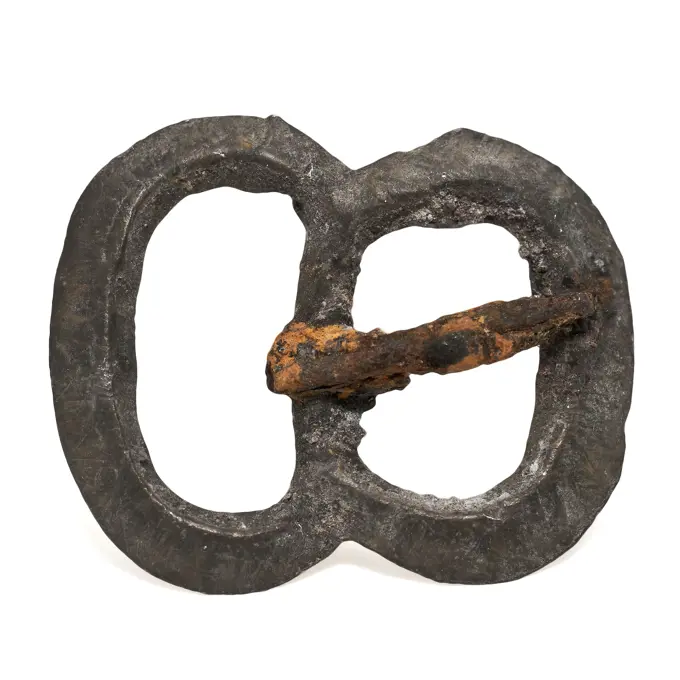
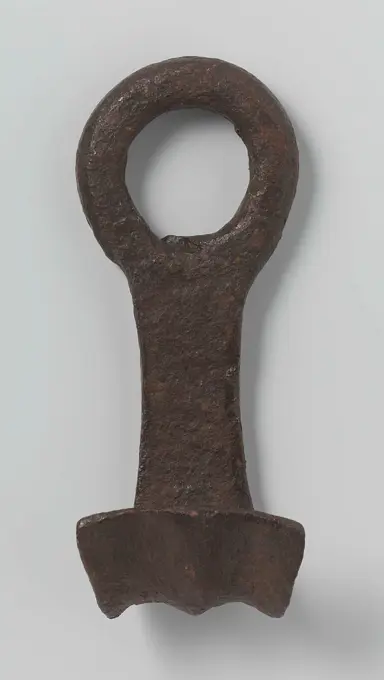
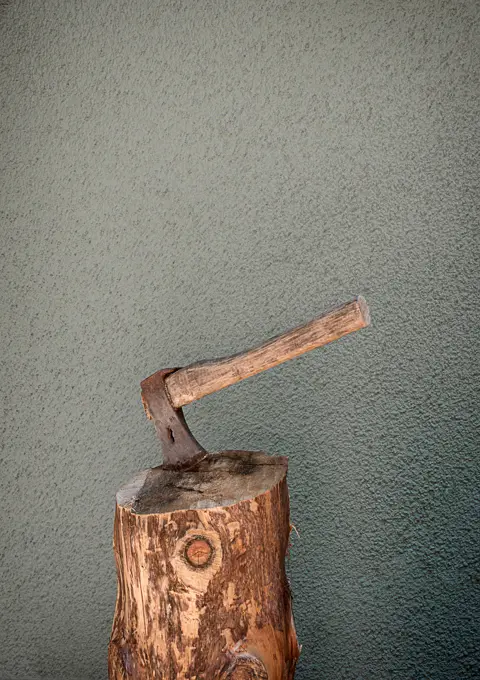
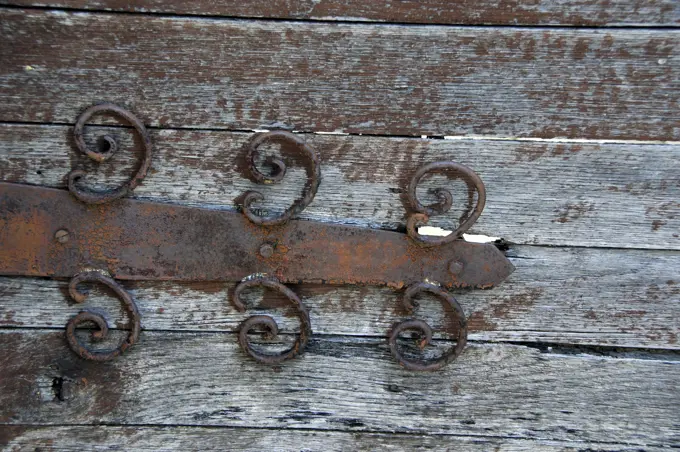
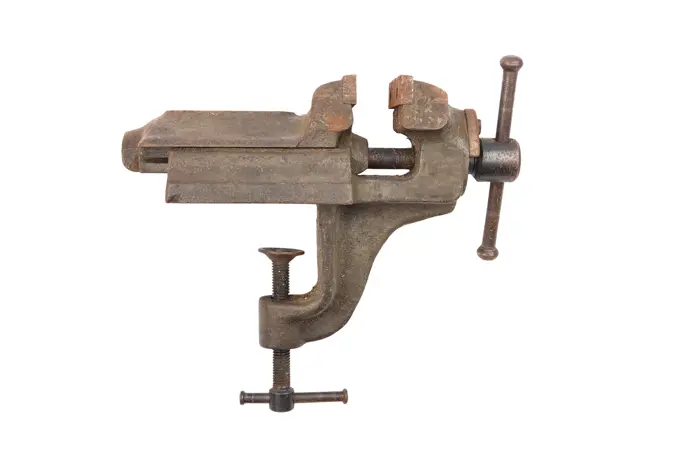
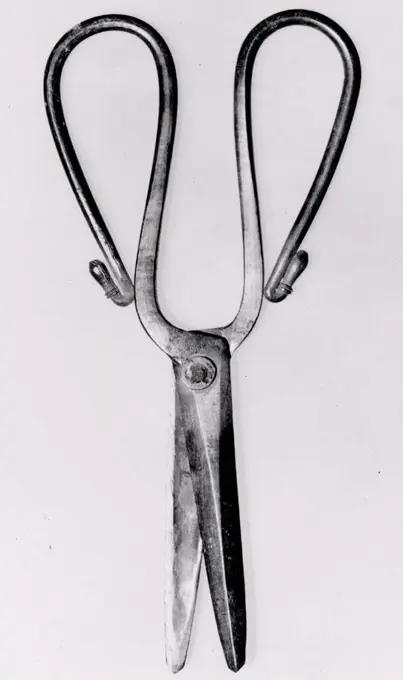
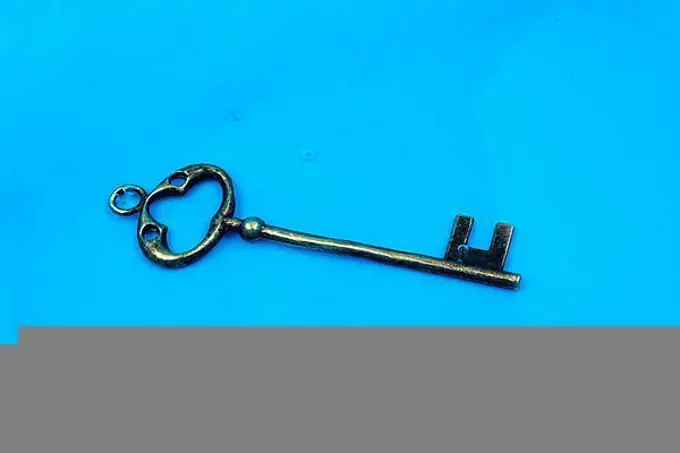
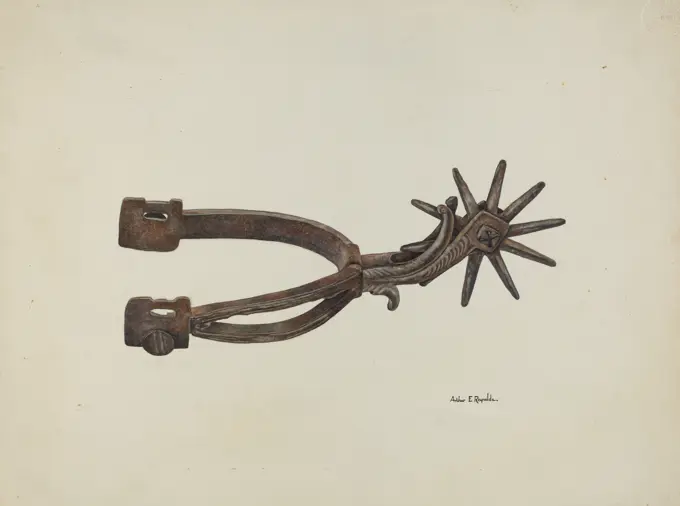
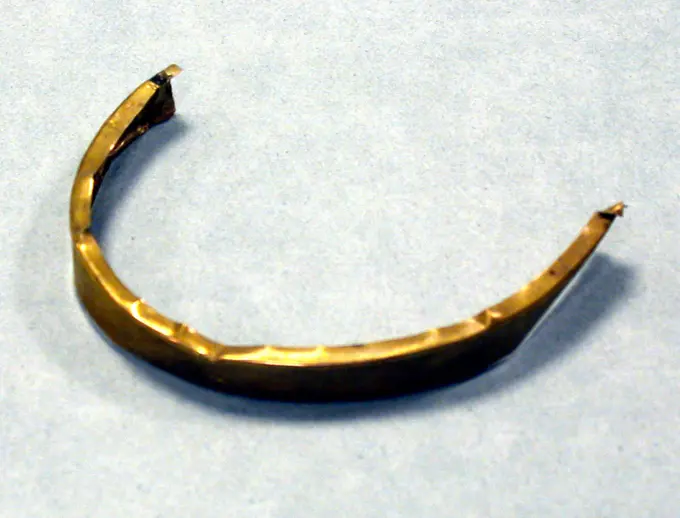
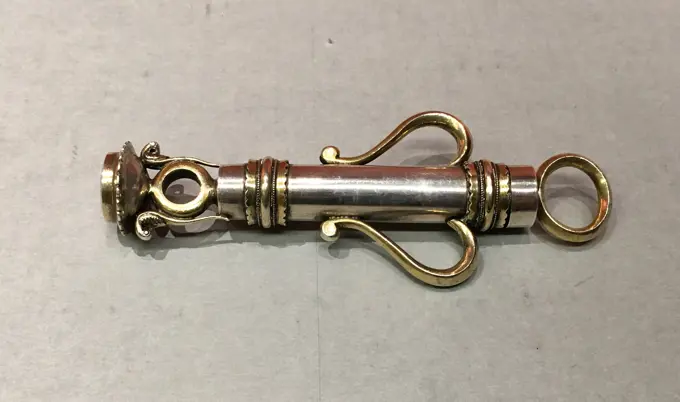
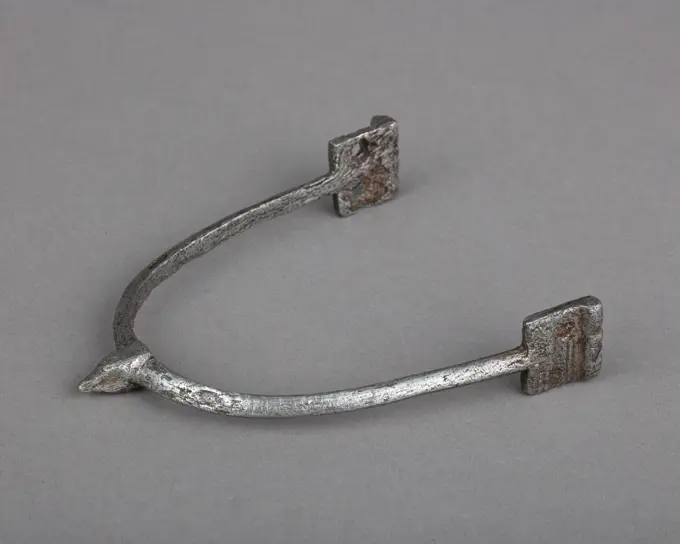
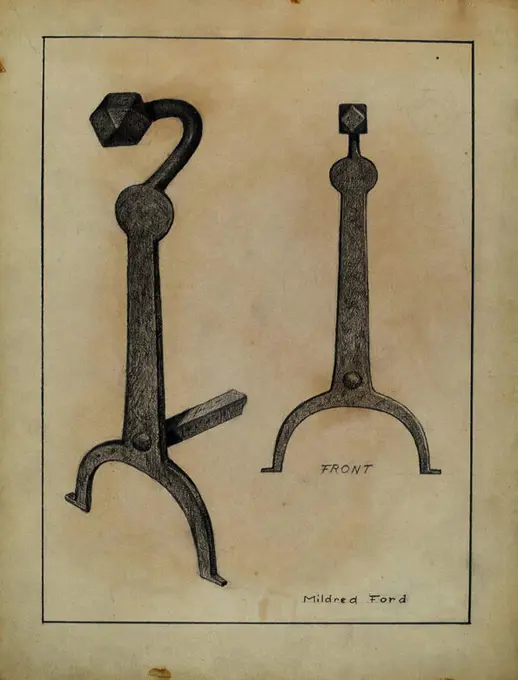
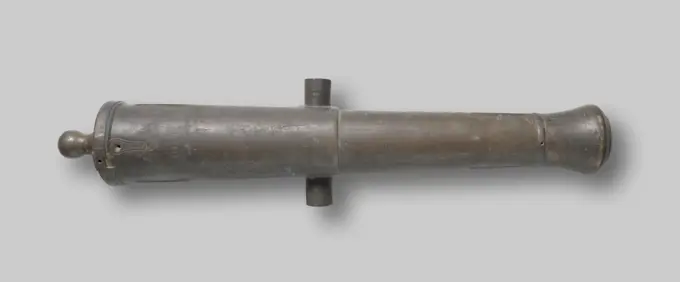
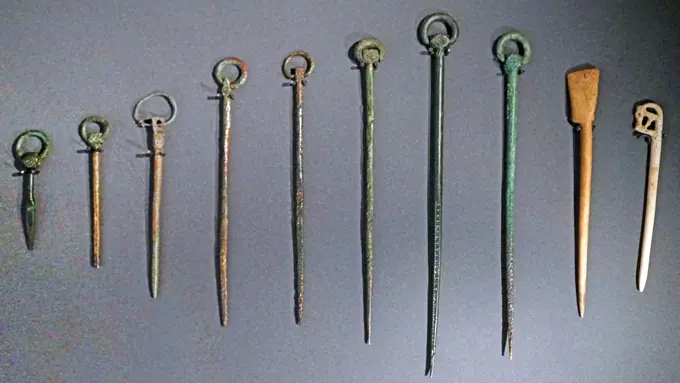
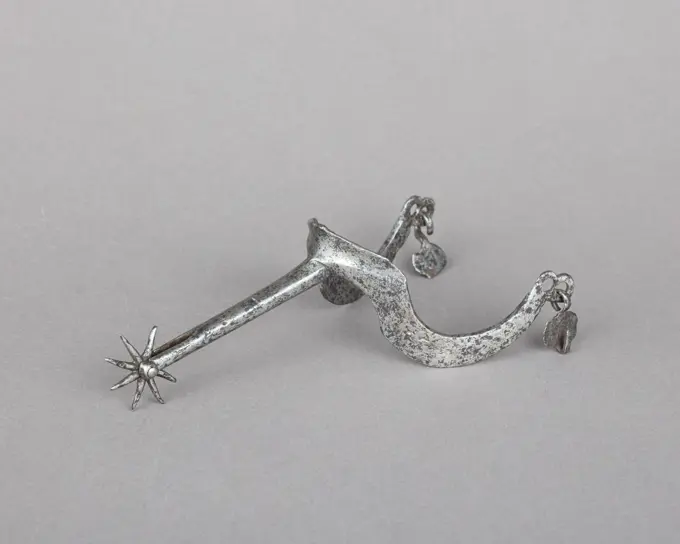
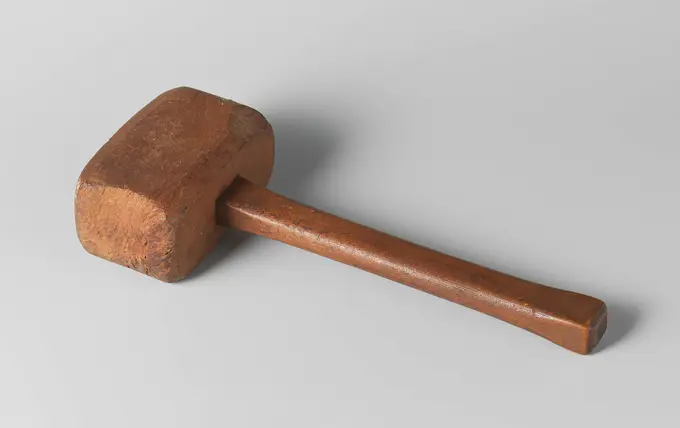
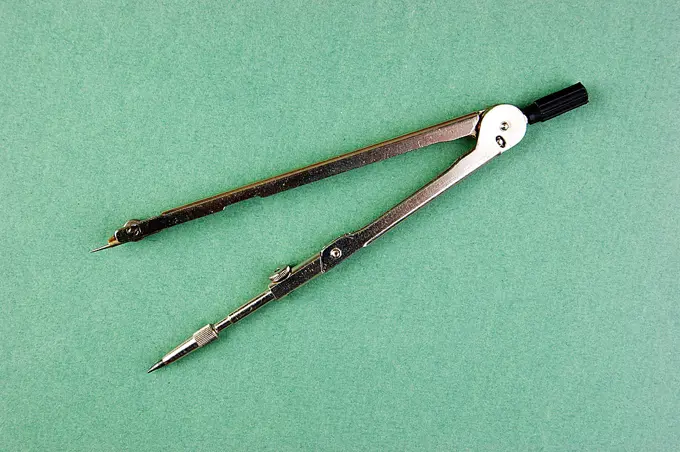
Spoon 18th-19th century German, Augsburg. Spoon 188299Key made of chocolate lying on grey woodBrooch -Draaibas n° 147.Smooth cannon with round grape. Smooth zund hole in pear-shaped circumference. Kulas band with threaded hole, diagonally under zund hole. Broken halfway. Slippery collar with small small one at the top. Exhausted mouth. Kerf on top in edge of the head. Two taps with bottom piece.Penannular Brooch 10th-11th century Scandinavian or Baltic. Penannular Brooch 468453Key;  XVII century (1601-00-00-1700-00-00);Old Hammer closeup on white background Small pewter decorative buckle with two oval eyes, buckle fastener component soil find tin metal, cast Small pewter ornamental buckle: double-oval ring with middle pillar to which the angel Pewter brace iron angel archeology Rotterdam railroad tunnel fastening fastening close sieren Soil discovery: railway tunnel Rotterdam.Decorative door boss and nail, Steel-plated wrought iron, Square type, pierced and embossed with wrought lines. Quadrant design, the terminal spade-shaped elements in each quadrant pierced for secondary nails. Nails with round heads on square shank., Spain, ca. 1550-1700, metalwork, Decorative Arts, Decorative door boss and nailShips essentials.Pulleys, boathooks and rope, all these items were recovered on Nova Zembla. The rope in particular is still surprisingly intact. A piece of the hull of Barentsz ship has also been preserved and is now kept in St Petersburg.Albert Geuppert, Spurs, c 1937 Spursold golden key on white background old golden key on white background Copyright: xZoonar.com/AlexanderxStrelax 3901779Axt und Brennholz auf dem grauen Hintergrund Axe and firewood on the gray background. LicenseRF Copyright: xZoonar.com/ViktoriaxRoschenx 23201138Visigothic earrings in bronze, covered with a layer of gold and glass paste. Unknown provenance. 5th-7th centuries. Archaeological Museum. Barcelona. Catalonia. Spain.Europe, Croatia. Seaside resort town of Cavtat, old door hinge.Schraubstock - Vise on white Schraubstock - Vise on white Copyright: xZoonar.com/lantapixx 7361785Scissors Korea. Scissors. Korea. Bronze. Goryeo dynasty (918-1392). MetalworkGolden open safety pin isolated on whiteBeads, 4. Beads, 4. Glass. GlassRetro styled key in water in blue backgroundArthur P Reynolds, Spur, c 1940 SpurTwo parts of brass book fittings, book fittings seizure part of the bottom of the foundations brass metal nr.1), Two pieces of book fittings archeology Rotterdam rail tunnel close the book Soil discovery: Willemspoor behind St. Laurenskerk.Gunlock (Flintlock) for a Carronade with a Double Flint, anonymous, 1820 flintlock On the right canons lock (flint lock) with brass house and iron lock mechanism, rooster and pandel. De Haan has two couple of lips, which turn around a bolt with a wing nut: he has two flints, in case one became unusable. The lock was mounted with two bolts right through it. The deduction runs from the tractor through an eye in the house to the back. United Kingdom brass (alloy). iron (metal)Hammered Gold Half Band A.D. 200-900 Peruvian. Hammered Gold Half Band 308901Maurice Van Felix, Garden Gate Latch, c 1940 Garden Gate LatchKey, c. 1400 - c. 1950 Key with a cylindrical eye on a long -stretched four -sided handle that is bordered below and up by a square profiled plate. The four -sided stem passes into a beard consisting of two changing inner corners, with five teeth. Rome bronze (metal) Key with a cylindrical eye on a long -stretched four -sided handle that is bordered below and up by a square profiled plate. The four -sided stem passes into a beard consisting of two changing inner corners, with five teeth. Rome bronze (metal)in  italy  patch lombardy    cross milan blur   abstract   rusty brass brown knocker  a  door curch  closed wood Gerald Transpota, Spur, c 1940 SpurProtogeometric fibula;  approx. 1150-OK. 900 BC (-1155-00-00--895-00-00);Pair of women's silver spurs, Silver, Pair of silver spurs for a woman; curved section to fit around shoe with extended piece holding rowel; chain and buckle to hold spur in place., England, 1852, jewelry, Decorative Arts, Spurs, SpursSilver Pin 15th-16th century Inca. Silver Pin 315623Stone Temple Model 1st-8th century Mezcala. Stone Temple Model 317534Gear on axis of tower work from the broken water gate in Gorinchem. Gear on axis of timepiece with loose hammer, belonging to a bronze clock, from the tower of the broken water gate in Gorinchem. The clock is dated: 1581.Holi Syringe (Pichkari) late 18th-mid-19th century This delightful water syringe, or pichkari, would have been filled with colored water to be sprayed during the Indian spring festival of Holi. It was probably made at Lucknow or another royal court of northern India where it would have been part of a collection of other elegant paraphernalia.. Holi Syringe (Pichkari). late 18th-mid-19th century. Silver and gilded silver. Made in India, Lucknow (probably). MetalHandlot, Anonymous, 1500 - 1700 A ball -shaped padlock. Netherlands A ball -shaped padlock. NetherlandsKey, c. 1400 - c. 1950 Key with bracket -shaped eye on flat quadrangular key breast. The trident beard is perpendicular to the eye. Rome bronze (metal) Key with bracket -shaped eye on flat quadrangular key breast. The trident beard is perpendicular to the eye. Rome bronze (metal)Key padlock probably 18th century probably German. Key padlock 204737Door Knocker 15th-16th century European. Door Knocker. European. 15th-16th century. Iron. Metalwork-IronScandinavia. Penannular brooch. As, tonsberg, Vestfold. 10th-11th century. Penannular brooch, Dymes, Eigersund, Rogaland, 10th century. Finger ring, Nesseby, Finnmark, 10th-11th century. Norway. Historical Museum. Oslo. Norway.Metal hammer on wood.An engraving depicting a bird's-eye view of an Argand burnerClose-up of a key in a key ringOld Russian Benchplane Old plane on an isolated studio background Copyright: xZoonar.com/AndreyxSkatx 21790180Prick Spur 9th century Eastern European The prick spur was the first type of spur to be invented, and it consists of a goad or prick, more or less pointed, connected to side arms or a heel plate. The earliest spurs were probably simple thorns attached at the back of the heel, before they started to be made out of metal in antiquity. Prick spurs were the main type of spurs used in the Middle Ages until the mid-14th century, when they were supplanted by rowel spurs, which appeared in Europe a century before and with which they had cohabitated for a time. As a knights status was closely related to his horse, spurs became one of the symbols of chivalry, and one of the tokens given to him during his knighting.. Prick Spur. Eastern European. 9th century. Iron alloy. Equestrian Equipment-SpursAndiron. Dated: c. 1936. Dimensions: overall: 29.9 x 23 cm (11 3/4 x 9 1/16 in.) Original IAD Object: 21 1/2" high. Medium: graphite on paper. Museum: National Gallery of Art, Washington DC. Author: Mildred Ford.Turning bass n ° 147, Brézin, 1812 cannon Smooth cannon with round grape. Smooth Zundgat in peer -shaped circumference. Kulasband with a hand with thread, diagonally under Zundgat. Break halfway. Smooth collar with small round hole at the top. Flashing mouth. Kerf on top in the edge of the head. Two taps with bottom piece. Paris bronze (metal) castingHunting Horn in E-flat. Culture: possibly German. Dimensions: Height (Perpendicular to bell): 21 15/16 in. (55.7 cm)Diameter (Of bell): 6 15/16 in. (17.7 cm). Date: 18th century. Museum: Metropolitan Museum of Art, New York, USA.Oxen Yoke. Dated: c. 1937. Dimensions: overall: 22.9 x 30.5 cm (9 x 12 in.) Original IAD Object: 28" wide; 24" high. Medium: watercolor and graphite on paperboard. Museum: National Gallery of Art, Washington DC. Author: Earl Butlin.Collection of Norse and Celtic artefacts worn by woman of the Settlement Age.Rowel Spur 15th century German In the 15th century, rowel spurs with long necks were of common use in Western Europe. At this period, the elevated war saddles and the very specific riding style, with long stirrup leathers and legs extended forward, had the consequence of taking away the riders feet from the horses flank. Thus, these long necks gave them easier access without having to disturb the riders position. As a knights status was closely related to his horse, spurs became one of the symbols of chivalry, and one of the tokens given to him during his knighting.. Rowel Spur. German. 15th century. Iron alloy. Equestrian Equipment-SpursWoman hand holding vintage iron Woman hand wtih red manicure holding vintage iron Copyright: xZoonar.com/ValentinaxTodorovax 9808732Model Potato Planter. Dated: 1938. Dimensions: overall: 28.2 x 35.6 cm (11 1/8 x 14 in.). Medium: watercolor and graphite on paperboard. Museum: National Gallery of Art, Washington DC. Author: Max Fernekes.Lock register;  XIX W (1801-00-00-1870-00-00);Hammer used by General Chassé on the citadel until it is nice to hit his sugar. Hard hammer. Inscription on De Steel: December 31, 1832. Citadel of Antwerp - Hammer at His General Hunted / Caught in () The c ....... the day or he is. Dated on De Steel: December 31, 1832.Old drawing tools on a green backgroundBilboquet, Ivory, silk cord (replacement), Stick and ball toy: ball pierced with hole through center, featuring black engraved images of putti in various stages of play, including several using a Bilboquet; foliage, flowers, pair of doves on plinth in background; continous festoon above play vignettes; top and bottom of ball feature continuous acanthus leaf motifs; ball attached by green silk cord to spirally fluted, baluster-turned stick; stick engraved with additional acanthus leaf motifs near top and bottom; continuous coin pattern carved above and below; stick inscribed near top: 'MENUS PLAISIRS DU ROY, VERSAILLES.' Narrow post at top of stick inserts into larger hole at the bottom of the ball., France, possibly ca. 1780, toys & games, Decorative Arts, BilboquetHeavy duty towing and recovery chainGoldweight Linked Knots, 19th-20th century, 2 1/2 x 1/2 in. (6.35 x 1.27 cm), Brass, Ghana, 19th-20th centuryKozio Silver Products Factory K.F. Malcza (Warsaw; Sreber label; 1828-1864), Malcz, Karol (1797-1867); 1. PO. 19th century (1852-00-00-1860-00-00);Old Carpenter Tools on White Backgroundleather belt with a buckle on a green backgroundBroche, obra de Perecoll, siglo XX. Colección privada.Wheel of Ur, 3500 BC. Mesopotamian art. ITALY. LOMBARDY. Milan. National Museum of Science and Technology 'Leonardo da Vinci.A letter created from keys.Handle from a Celtic staff.Old waggon wheel. Isolated objects: one very old wooden waggon wheel on white backgroundMedieval weapons Medieval weapons for close combat. These weapons can pierce light armor knight Copyright: xZoonar.com/ValeryxxSibrikovx 5638453Door fittings, photograph, photo, photos, height 296 mm, width 257 mm, height 387 mm, width 321 mm, photographer, 1915 - 1915, photographic paper, photo paper, gelatin silver print, developing gelatin silver printCopper Lime Spoon 15th-16th century Inca. Copper Lime Spoon 315265Buckle 15th-17th century European. Buckle. European. 15th-17th century. Steel. Miscellaneous-Buckles & OrnamentRattle. From Kolkjon, Tokke, k., Telemark. 11th century. Norway. Historical Museum. Oslo. Norway.Spiral candlestick, anonymous, 1550 - 1750 A spiral wreager of wrought iron on three flat legs, which have on the end hole. Above it four C-shaped, flat bars, on which the openwork, spiral-shaped trunk is sounded by means of a straight pin. This pin is screwed up at the bottom of the legs. In the trunk is the tube -shaped candle holder with a small, curled handle, so that the candle holder is adjustable in height. At the top of the trunk is a handle. West-Europa iron (metal) forging A spiral wreager of wrought iron on three flat legs, which have on the end hole. Above it four C-shaped, flat bars, on which the openwork, spiral-shaped trunk is sounded by means of a straight pin. This pin is screwed up at the bottom of the legs. In the trunk is the tube -shaped candle holder with a small, curled handle, so that the candle holder is adjustable in height. At the top of the trunk is a handle. West-Europa iron (metal) forgingwooden abacus toned image of vintage wooden abacus on blackboard Copyright: xZoonar.com/YuryxZapx 13552494Big old silvery school bell, against a white wallBell 19th century Indian. Bell 502072Clavicorno fagotto (brass bassoon) in B-flat. Culture: Italian. Dimensions: 36 1/8 × 7 × 11 in. (91.8 × 17.8 × 27.9 cm)Diameter: 4 7/8 in. (12.4 cm). Date: ca. 1888.The quest for loud, robust, bass wind instruments led to a number of interesting designs in the 19th century. While the bassoon was adept at playing bass lines, it was not well suited to outdoor band use because of its easily damaged reed and bocal. The clavicorno fagotto was a more durable brass instrument that strove to emulate the sound of the bassoon with its narrow bore and a unique mouthpiece system. The stem of the mouthpiece is notched to allow air to escape into a perforated chamber. This deliberate leakage of air was intended to recreate the buzzy, nasal timbre of the bassoon. The instrument never acheived widespread popluarity. Museum: Metropolitan Museum of Art, New York, USA.Rattle. From Kolkjon, Tokke, k., Telemark. 11th century. Norway. Historical Museum. Oslo. Norway.Bicycle, decorative element for manual work, isolated on white background Bicycle, decorative element for manual work, isolated on white background Copyright: xZoonar.com/OleksandrxKostiuchenkox 9749895antique golden skeleton key with chain isolated on white backgroundHoop earrings with coiled wire pendant A.D. 2nd-3rd century Roman Period Hoops with pendants were popular throughout the Roman Period. These hoops have long pendants formed either from coiled wire or possibly a corrugated tube, and may be compared with the similar excavated pair 06.976a, b.. Hoop earrings with coiled wire pendant 547932Earrings 18th century-19th century European, Eastern. Earrings 90376Lazio Latina Sezze Antiquarium Comunale22. Hutzel, Max 1960-1990 German-born photographer and scholar Max Hutzel (1911-1988) photographed in Italy from the early 1960s until his death. The result of this project, referred to by Hutzel as Foto Arte Minore, is thorough documentation of art historical development in Italy up to the 18th century, including objects of the Etruscans and the Romans, as well as early Medieval, Romanesque, Gothic, Renaissance and Baroque monuments. Images are organized by geographic region in Italy, then by province, city, site complex and monument.The Knesset Menorah, is a bronze Menorah 4.30 meters high, 3.5 meters wide, and weighs 4 tons. It is located, opposite the Knesset. It was designed by Benno Elkan (1877-1960) and was presented to the Knesset as a gift from the Parliament of the United Kingdom on April 15, 1956 in honour of the eighth anniversary of Israeli independence.