Antique Keys Collection

A variety of antique keys, including Roman and Art Nouveau styles, featuring unique designs and crafted from bronze and metal.
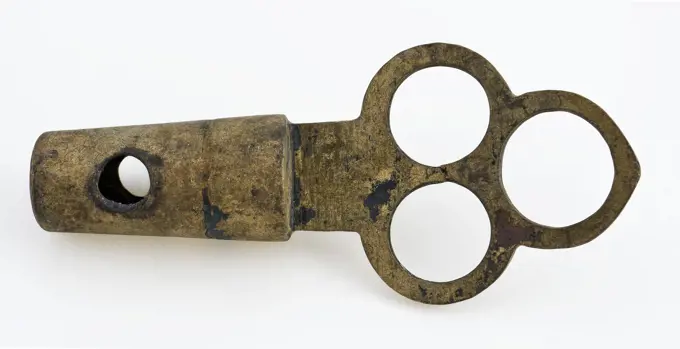
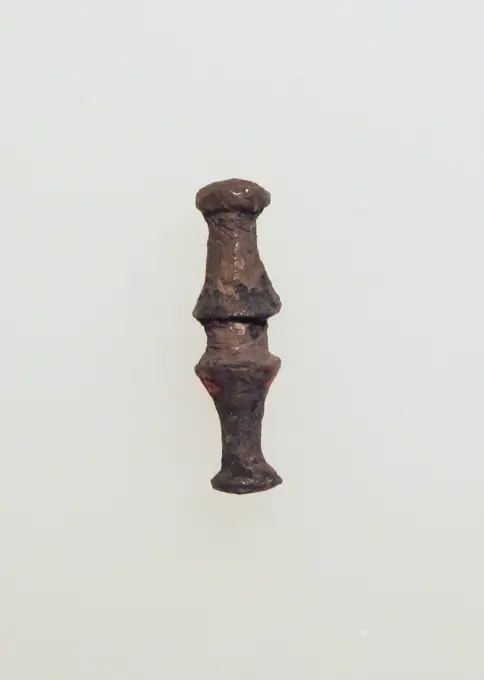
Marked, Copper stopper from tap with handle in the form of tripod, stop closure part ground find bronze copper metal, cast sawn Yellow metal stopper with conical pin through hole and handle in the form of trident Probably marked in the middle between the eyes. The metal between the bottom two circles of the tripod is broken. The handle is slightly curved brand: non-readable archeology tap tap holder component barrel of beer wine
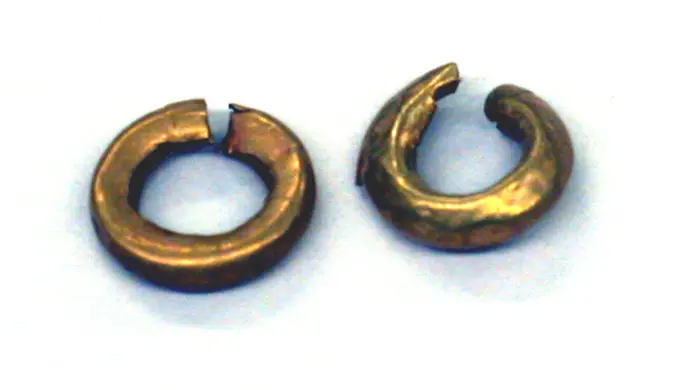
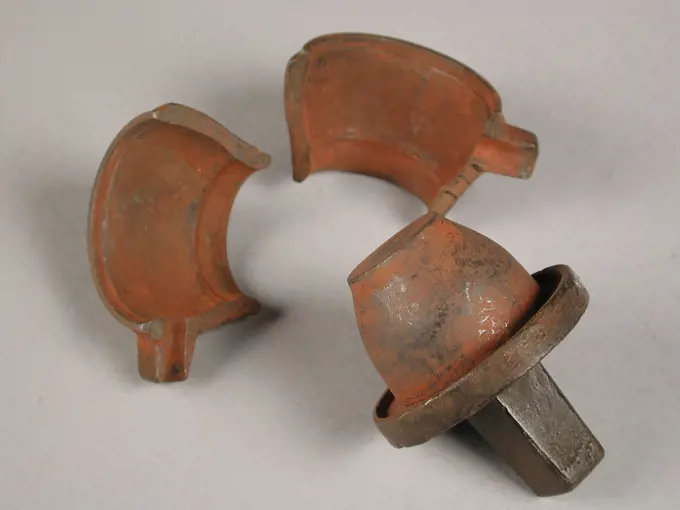
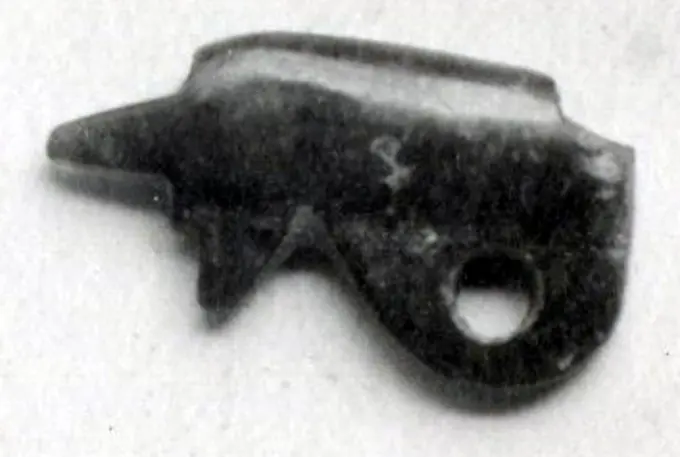
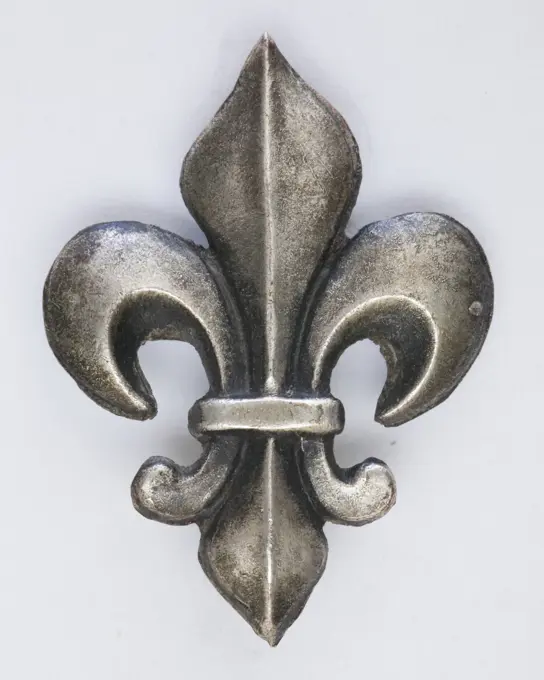
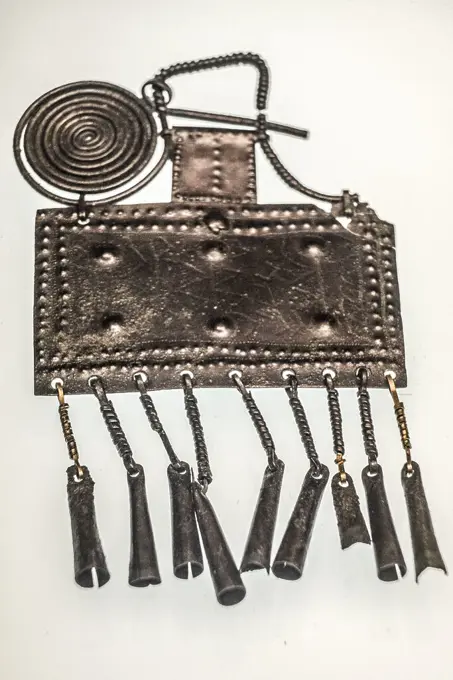
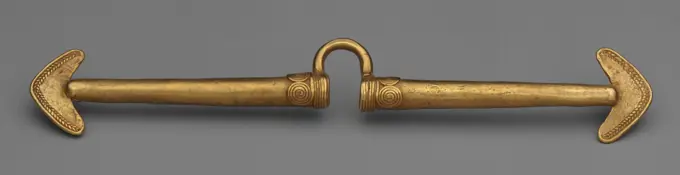
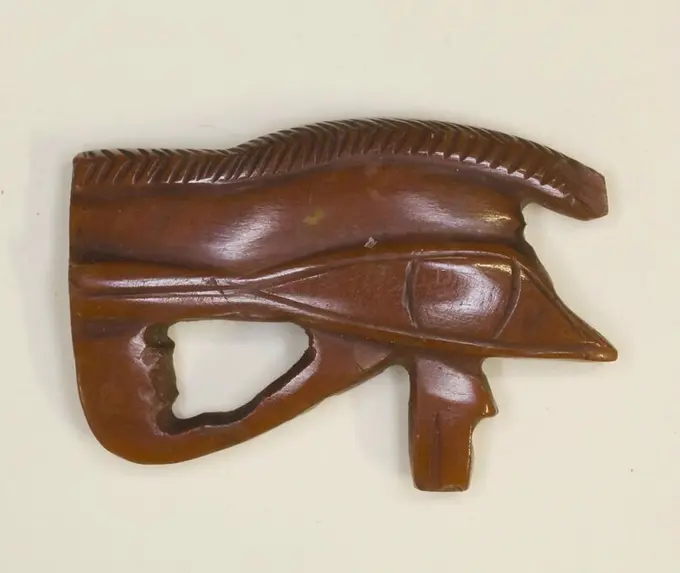
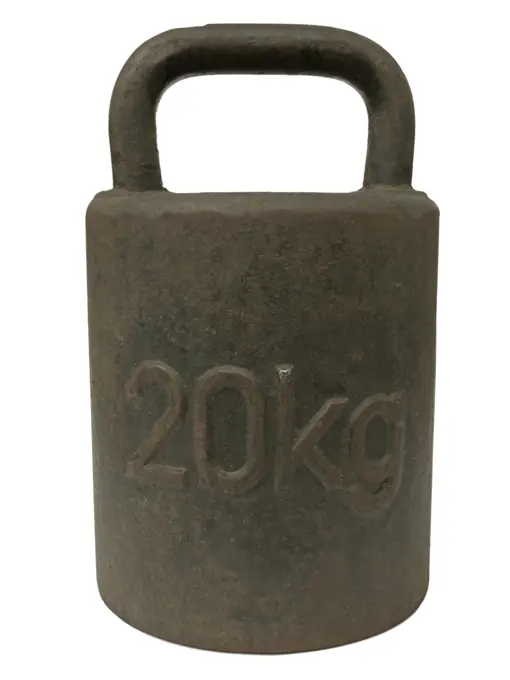
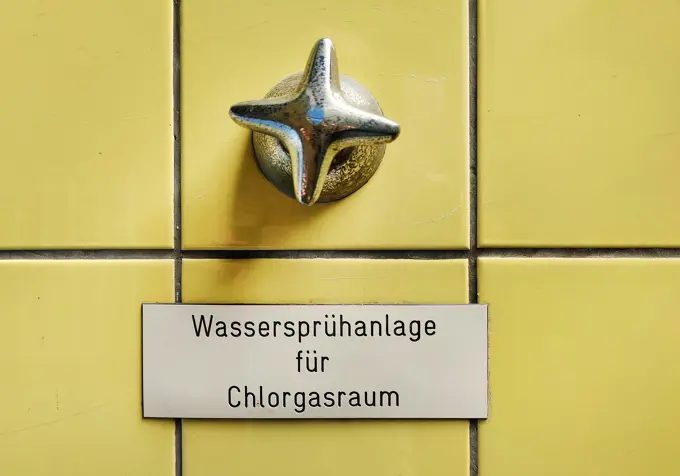
Hoz romana de hierro. Can Serra Museu de Mataró.Wooden object from V.O.C. ship De 'Witte Leeuw', Before 1613 object Wooden object. Possibly button rod button. Consisting of a tapered part and a sphere with a button connected by a ring, everything cut out of one piece. A hole on the bottom and a hole in the sphere.  wood (plant material)   Sint-HelenaEar Ornament 14th-15th century or earlier Visayas. Ear Ornament 317665Petal-Shaped Bead, c. 1391-1353 BC. Egypt, New Kingdom, Dynasty 18, reign of Amenhotep III. Faience; overall: 3 x 1 cm (1 3/16 x 3/8 in.).Three parts of four-piece bronze mold for cup of children's service, cast molding tool tools base metal bronze, cast turned Four-piece bronze mold for pouring cup for children's food core, Rotterdam tin foundry tin stain tin Meeuws Druy craft Shapes are from from the originally 18th century Rotterdam tinnegieter J Druy. The large molds that were not signed or dated were the property of the tinker guild and were rented to the small tin caster.MOLDES DE HACHAS DE TALON Y ANILLAS CARACTERISTICAS DEL BRONCE ATLANTICO. Location: MUSEO ARQUEOLOGICO-COLECCION. Oviedo. ASTURIAS. SPAIN.Wedjat Eye Amulet ca. 1850-1700 B.C. Late Middle Kingdom One of the most popular amulets in ancient Egypt, the wedjat eye represents the healed eye of the god Horus. It depicts a combination of a human and a falcon eye, since Horus was often associated with a falcon. Its ancient Egyptian name, wedjat, means "the one that is sound (again)." In Egyptian mythology Horus eye was injured or stolen by the god Seth and then restored by Thoth. The wedjat eye embodies healing power and symbolizes regeneration. An amulet in this shape was thought to protect its wearer and to transfer the power of regeneration onto him or her. It was used by the living as well as for the dead.. Wedjat Eye Amulet. ca. 1850-1700 B.C.. Carnelian. Late Middle Kingdom. From Egypt, Memphite Region, Lisht North, cemetery south of pyramid below House A1:2, Pit 884, MMA excavations, 1920-21. Dynasty 12, late - 13 up to 1700Handle of a Celtic Staff, Francis Edmond Currey (Attributed To), 1851 - 1890 photograph  Great Britain paper albumen print walking-stick, staff Great BritainEdna C Rex, Keys to John Marshall House, c 1937 Keys to John Marshall HouseSpinning stones, anonymous, c. 1600 - c. 1699 Spider (15) of stoneware, lung on a rope. A tire of Ingegrode Lines on the widest part of the stones. Some are covered with a brown Engobe. Raeren. Rae stoneware. glaze. engobe vitrification Spider (15) of stoneware, lung on a rope. A tire of Ingegrode Lines on the widest part of the stones. Some are covered with a brown Engobe. Raeren. Rae stoneware. glaze. engobe vitrificationBliżej Kultury unknownSilver toggle ca. 2nd-11th century A.D. Roman or Byzantine. Silver toggle 243074Padlock with key 17th century French or Spanish. Padlock with key 191474Spindle Whorl 10th-early 16th century Mexican. Spindle Whorl 307703Lilijka Polish scoutKnife Lifts and Loose copper ring from the wreck of the East Indians Hollandia, Anonymous, 1700 - in Or Before 1743  Knife, handle, cylindrical: tapering; id. NG 1979-403H, ferrules, id. NG 1980-27H426. Netherlands wood (plant material). copper (metal)   SecondVintage Key Decorated pectoral plaque, Carratiermes Necropolis, 4th century BC, Tiermes Archaeological Site Museum, Soria, Spain.Petal-Shaped Bead, c. 1391-1353 BC. Egypt, New Kingdom, Dynasty 18, reign of Amenhotep III. Faience; overall: 3 x 1 cm (1 3/16 x 3/8 in.).Buckle ca. 5th3rd century B.C. Northern China. Buckle 61173The open Mezuzah and firm, vintage engraved illustration. Magasin Pittoresque 1857.Fragment, Medium: linen Technique: needle lace, Partial fragment of a flower has petals and connecting bars., Italy, 16th-17th century, lace, FragmentNose Ornament A.D. 1-1000 Zenú Zenú metalworkers in the Caribbean Lowlands of Colombia fabricated this nose ornament, made of gold or an alloy of gold with copper. They employed lost-wax casting to create the object, designing all of the details originally in wax. (For more information on lost-wax casting, please see Metropolitan Museum of Art 2008.569.13a, b). The workers used a core in the process of casting. They formed the horizontal extensions in wax around this ceramic core, which would have been located in the cavities now visible on the reverse. The core was removed from these locations after solidification of the metal. The use of a core helped to give dimensionality to these horizontal extensions and would have come into contact with the ceramic investment that the artists built around the entire object. A person may have worn such an object by threading the central loop through the septum of their nose, as suggested by the manner in which these ornaments were worn on certainClose-up of an embossing deviceScandianvia. Middle Ages. Smaller keys for door, chests, boxes. Norway. Historical Museum. Oslo. Norway.Close-up of a ball and chainFinger Ring. Western Iran, circa 550-330 B.C. or later. Jewelry and Adornments; rings. Bronze, castEye of the God Horus (Wedjat) Amulet. Egyptian. Date: 1991 BC-1784 BC. Dimensions: 2.25 × 3 × .5 cm (7/8 × 1 3/16 × 3/16 in.). Carnelian. Origin: Egypt. Museum: The Chicago Art Institute, Chicago, USA. Author: Ancient Egyptian.Human figure combined with five small bowls, White Painted Ware, Middle Bronze Age, 1900 to 1650 BC, from Cyprus.Mold for Jewelry 10th-11th century. Mold for Jewelry 452727Twenty kilos of old rusted test weight - released on white background copyright: xzoonar.com/teampfarbeitx 474631Schild Wasserspruehanlage fuer Chlorgasraum in einem ehemaligen Wasserwerk, Deutschland Sign water spray system for chlorine gas room in a former waterworks, Germany BLWS720800 *** Shield Water spray system for Chlorine gas room in a former Waterworks, Germany Sign Water Spray System for chlorine Gas Room in a Former waterworks, Germany BLWS720800 Copyright: xblickwinkel/S.xZiesex