Antique Keys with Unique Designs

A collection of antique keys, including heart-shaped handles and intricate designs, reflecting historical significance and craftsmanship in metalwork.
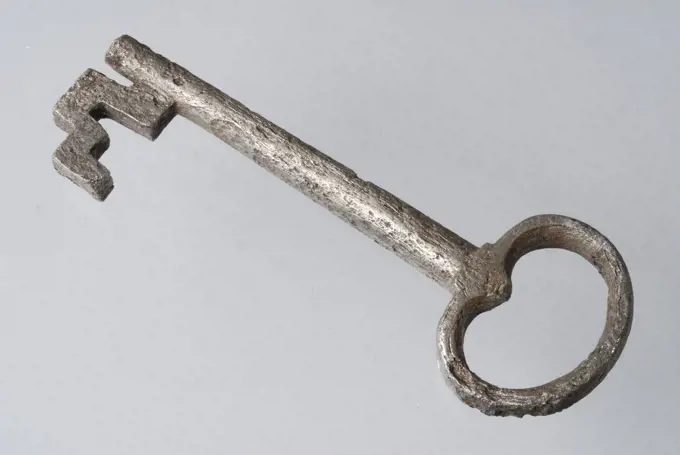
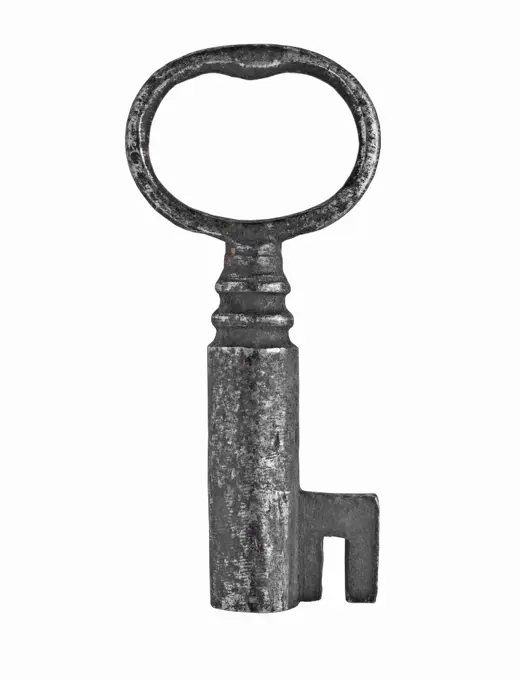
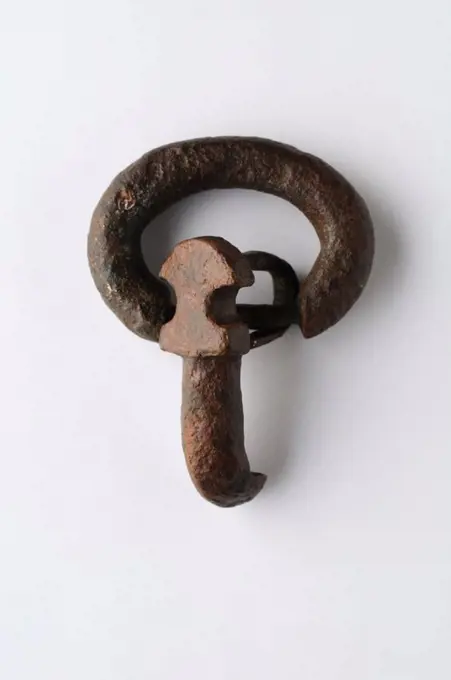
Key with oval handle and beard, key iron commodity founding iron metal, forged archeology closing door theft prevention property
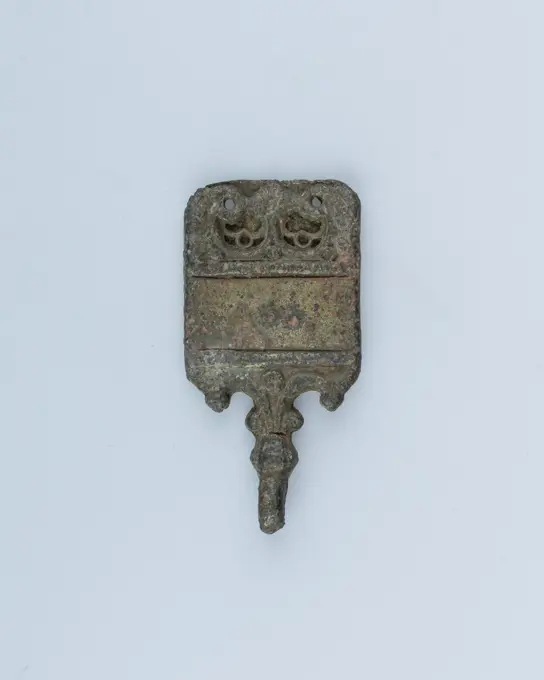
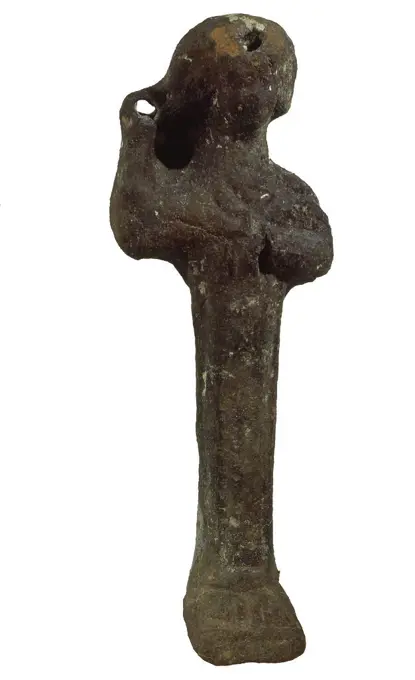
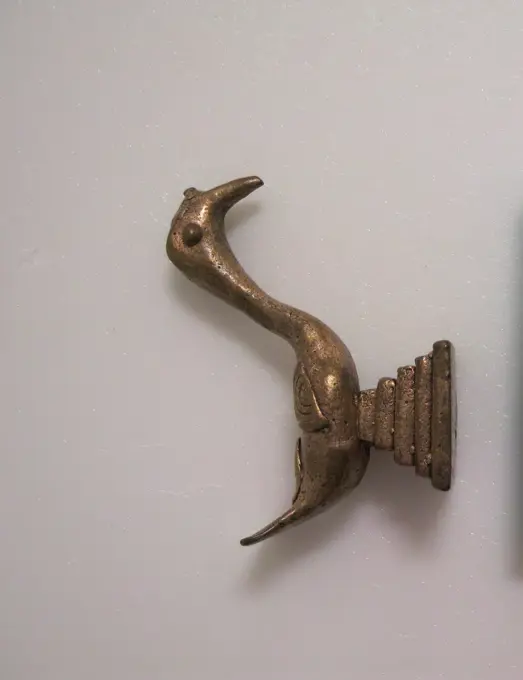
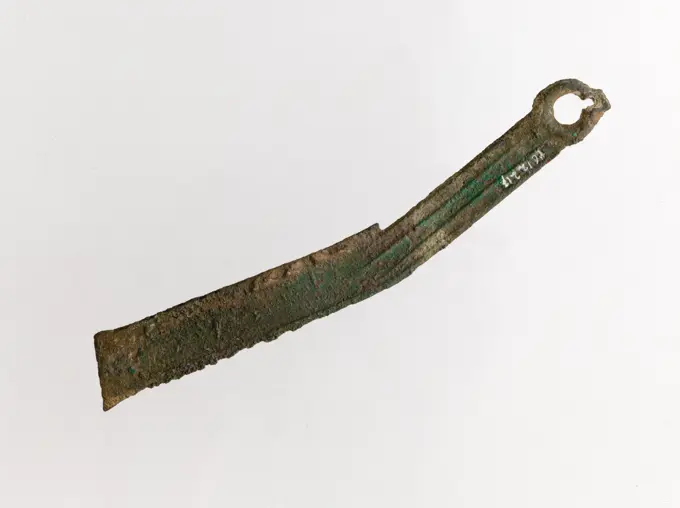
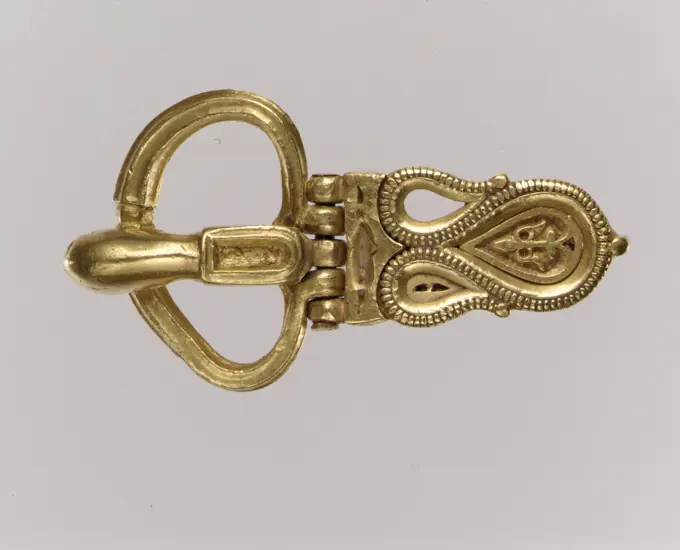
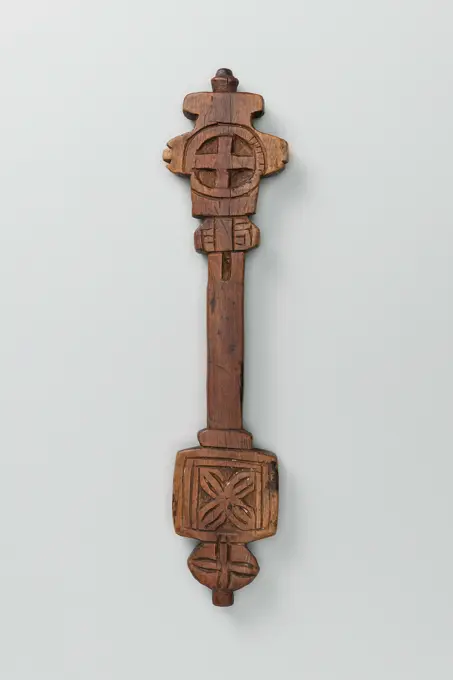
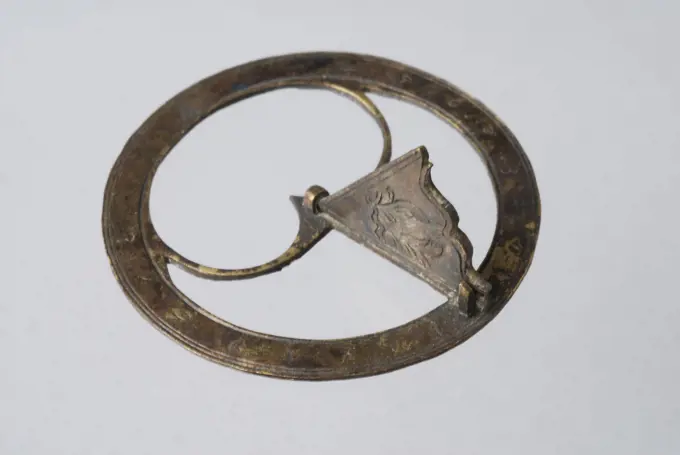
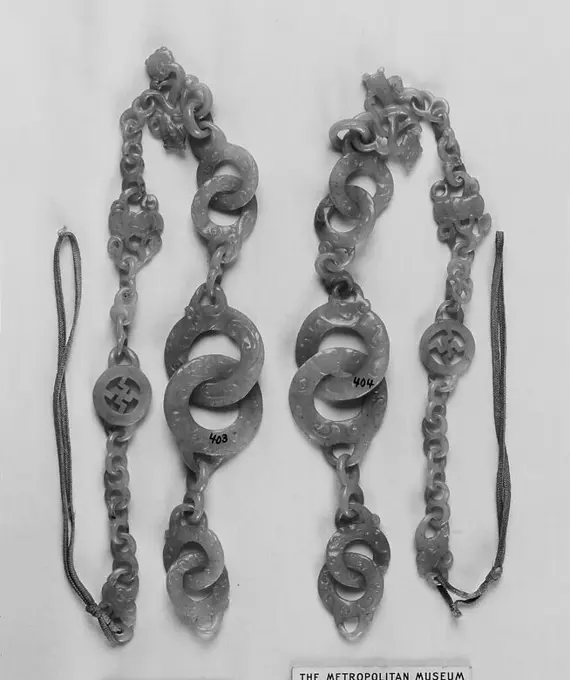
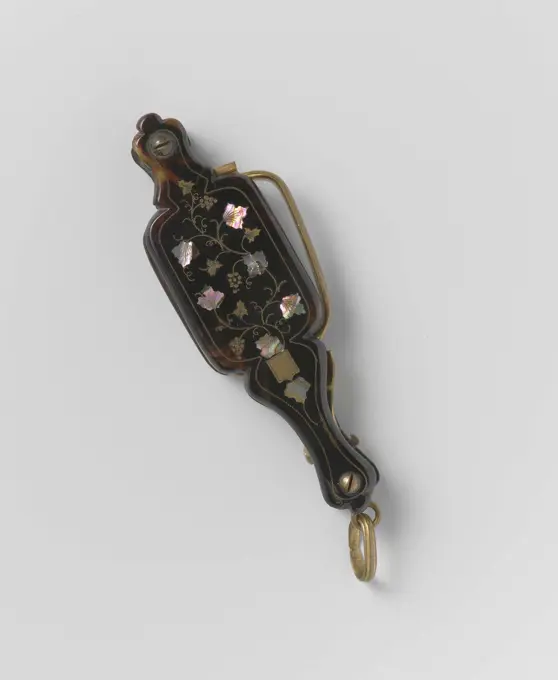
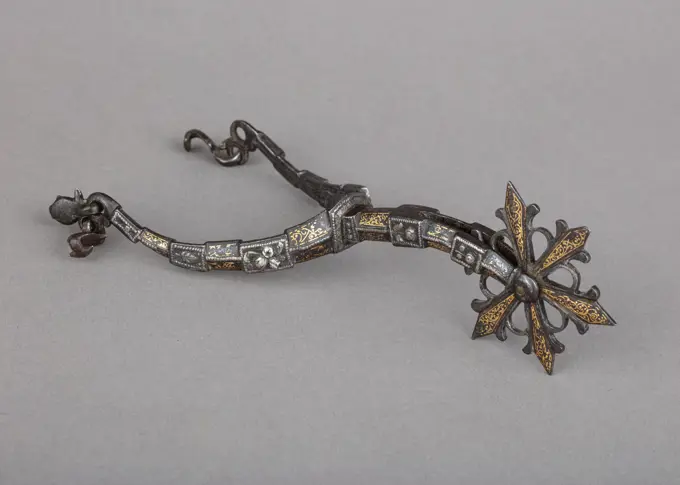
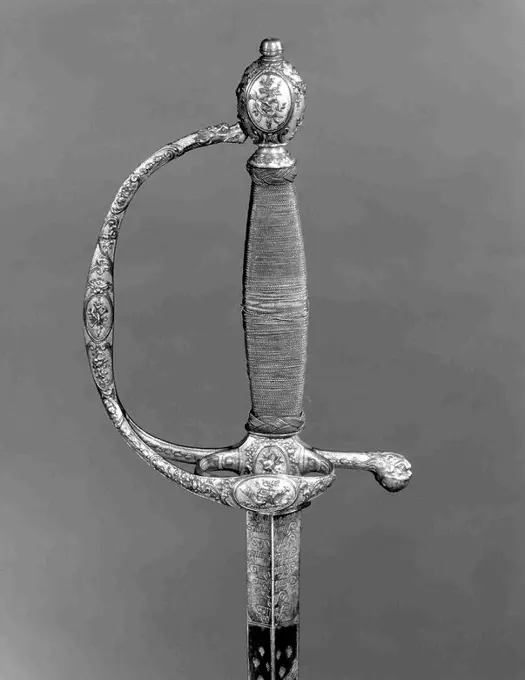
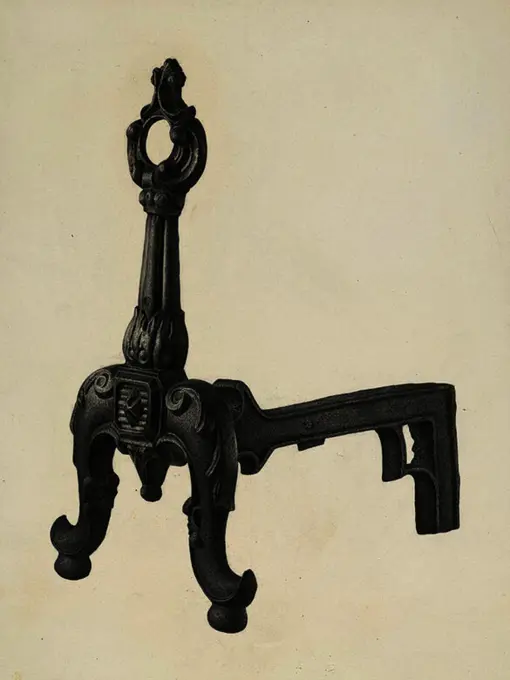
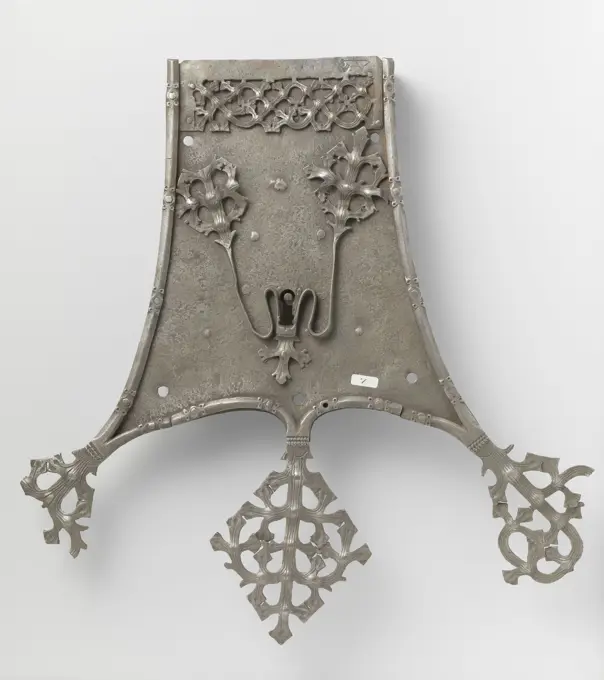
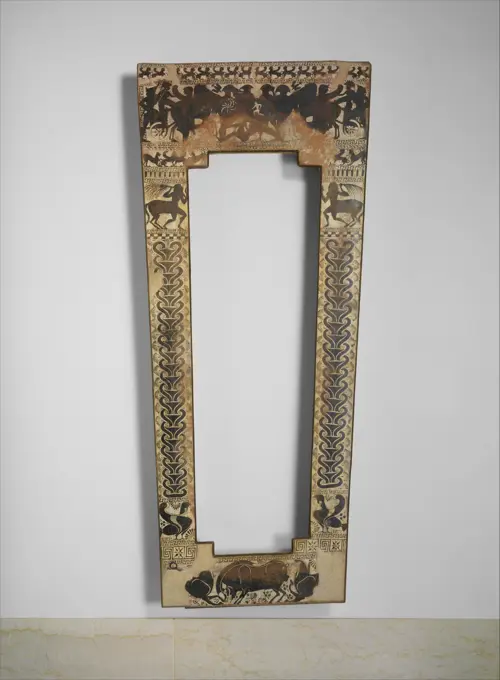
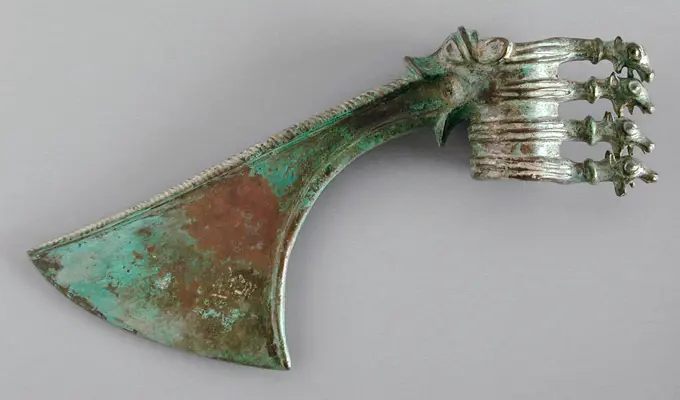
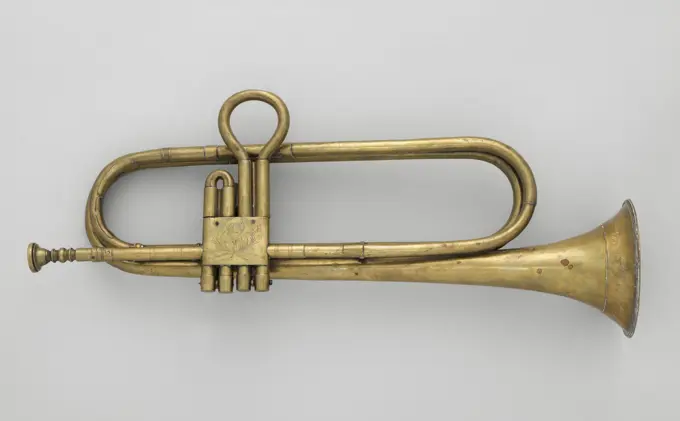
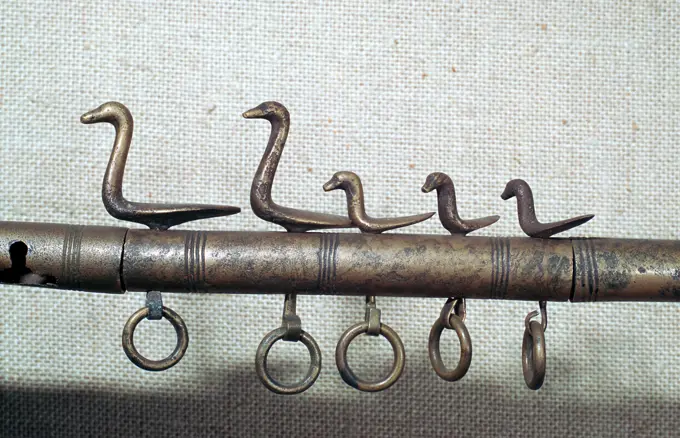
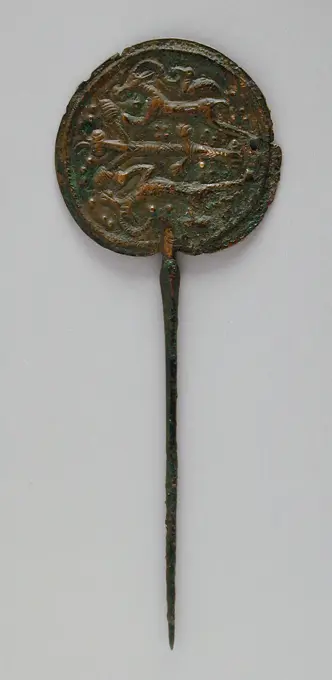
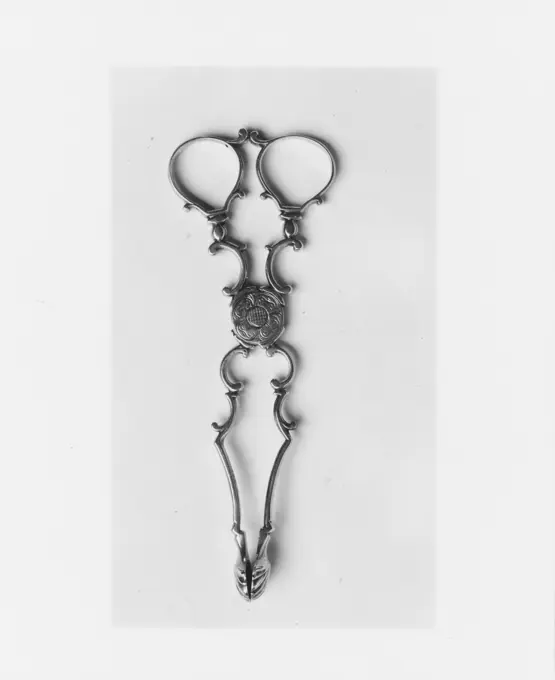
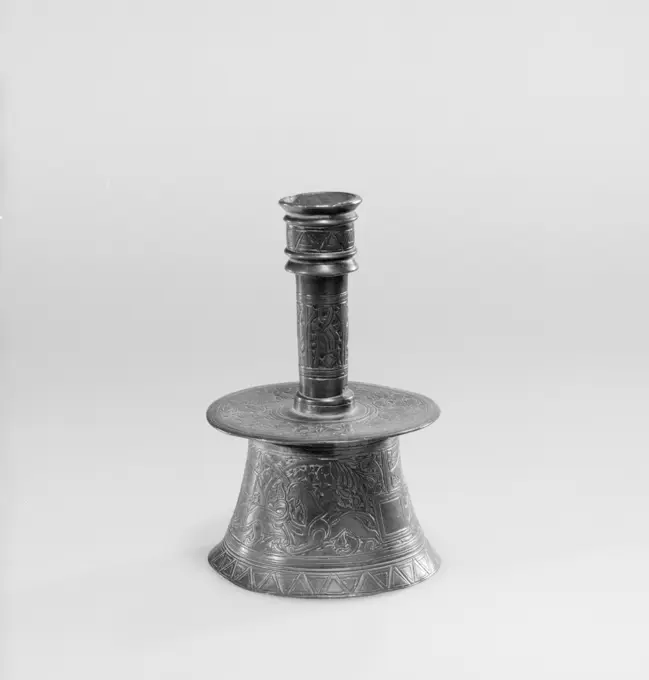
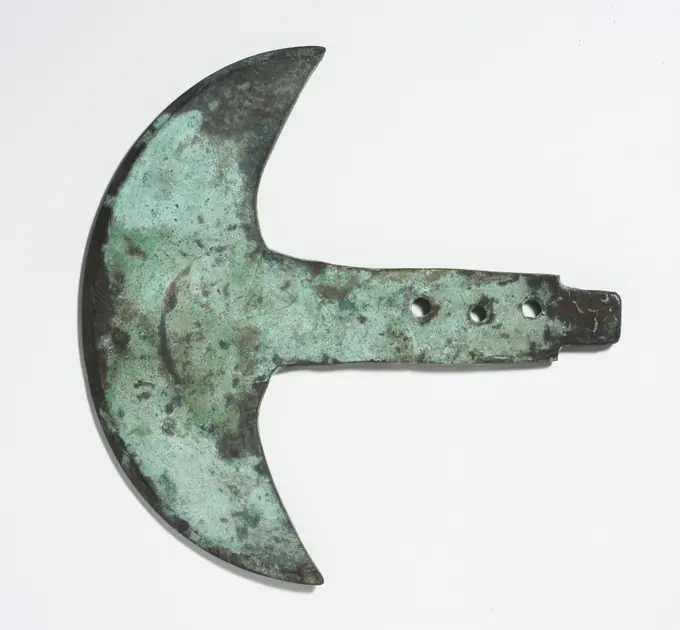
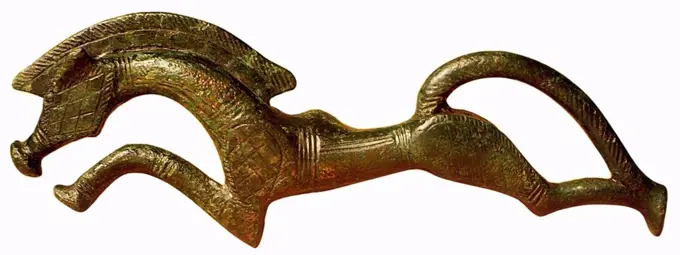
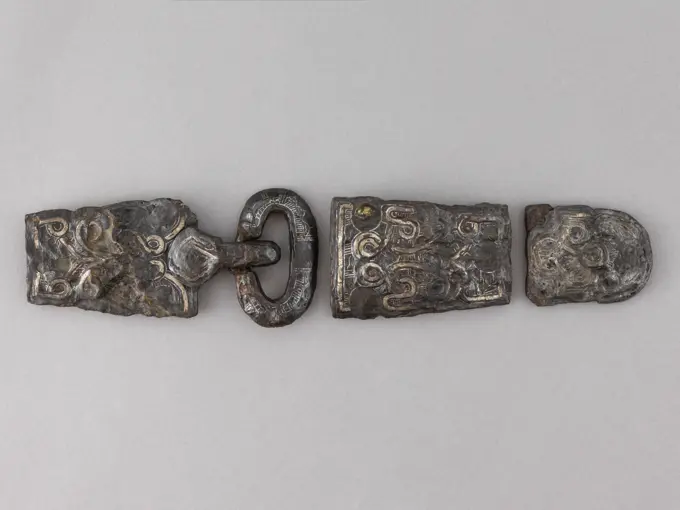
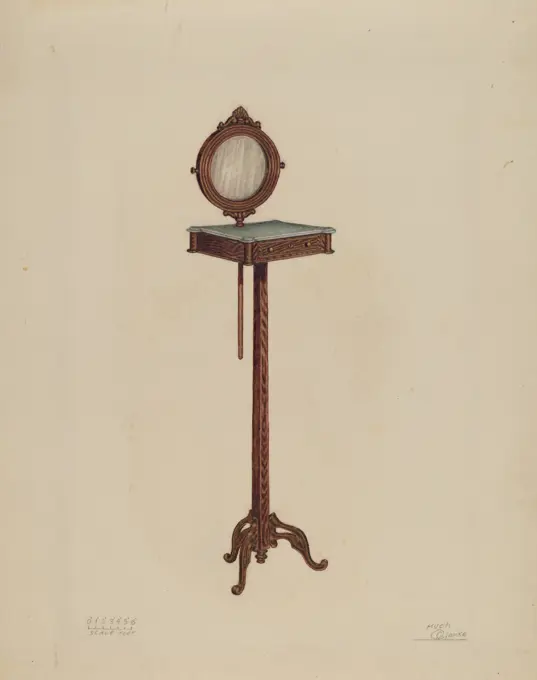
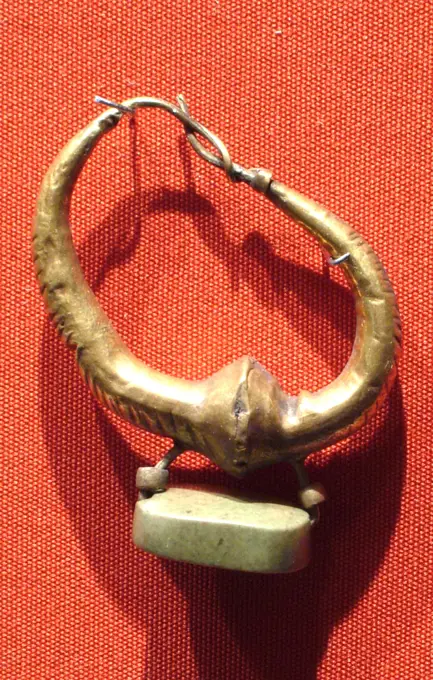
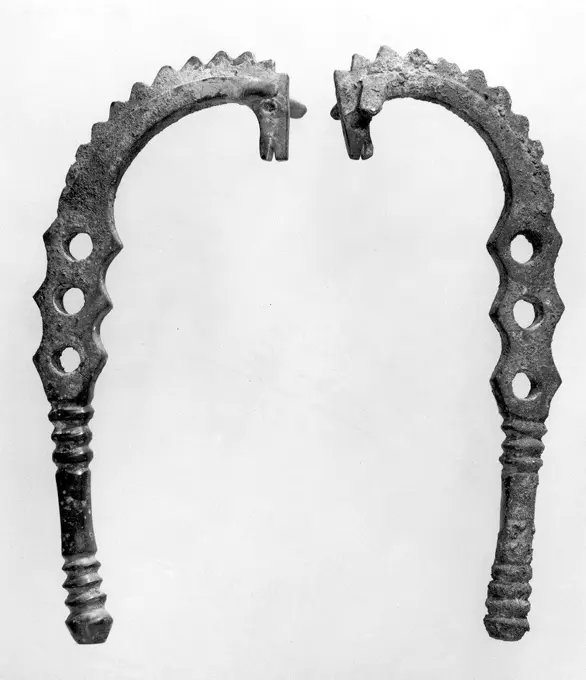
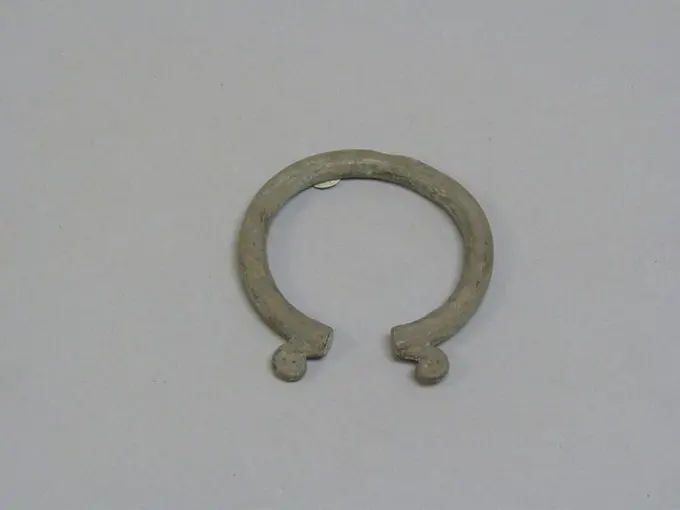
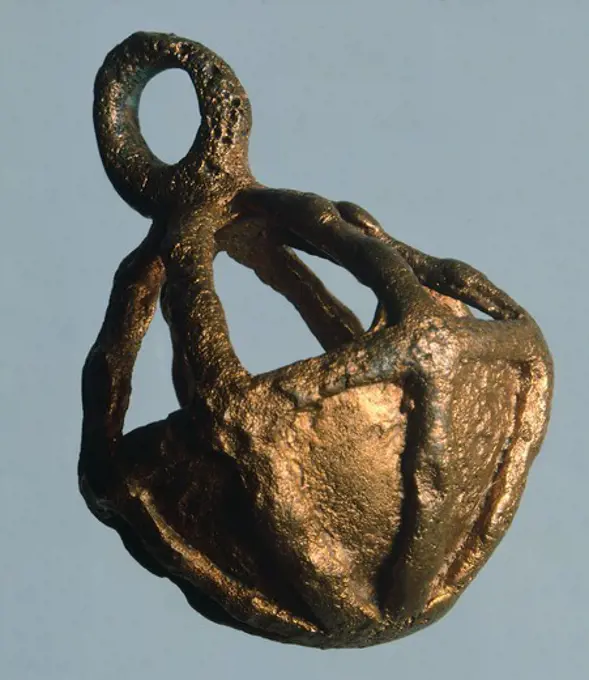
Antiker Schlüssel - Ancient key Antiker Schlüssel - Ancient key Copyright: xZoonar.com/lantapixx 6161876Door knocker, decorated with men's head and pelican (or eagle). A poured and worked iron door knocker. The ring with rich ornaments, leaves of which there are some a men's head. The door plate also, ending in a pelican or eagle.Single belt tongue of belt buckle with ring through three-eye, belt attachment accessory ground find copper metal, single attachment plate with curved eye attached to three-eye archaeology Rotterdam rail tunnel attachment Soil discovery: trajectory rail tunnel Rotterdam.BracketA large, old, rusty keyMountOld key from lock, isolated on white background Old key from lock, isolated on white background Copyright: xZoonar.com/OleksandrxKostiuchenkox 9750379Latch Lock, Key, and Catch 1700-1800 American. Latch Lock, Key, and Catch. American. 1700-1800. Wrought iron. Made in Pennsylvania, United StatesBOKEK;  16th century (1501-00-00-1600-00-00);Buckle Cypriot. Buckle 244413Strap End late 15th-early 16th century French. Strap End. French. late 15th-early 16th century. Bronze. Miscellaneous-Buckles & OrnamentBelt Hook in the Shape of a Dragon 3rd-2nd century B.C. North China. Belt Hook in the Shape of a Dragon 59557Masterpiece key second half 17th century French. Masterpiece key 187015Sleutel.Tilt with diamond-shaped handle, crowned by eye and filled with a cross. The thick shaft goes down on the beard in a thin tip.Plate. Bronze. Northwest China, 5th -th centuries BC. AD, Cernuschi museum. 59697-7 Animal art, bronze, northwest, number inventory, plateFragmentary Knobbed Fibula. Unknown 700-600 B.C. .1: A fragmentary fibula with a serpentine bow ("a drago" type), which is decorated with four cross-bars, each of which terminates on both ends in piriform knobs. \r\n\r\n.2: A portion of the fibula pin.Key; 1909-2-259FIG FEMENINA.TERRACOTA, ESTILO EGIPTIZANTE- PROC. PUNTA DEL NAO- S V/IV AC 23x8. Location: MUSEO DE CADIZ-ARQUEOLOGIA. Cadiz. SPAIN.Buckle dated 1520 German. Buckle. German. dated 1520. Brass. Miscellaneous-Buckles & OrnamentLeech Fibula (Brooch) 800 BCE-700 BCE Thessaly. This precious bronze object is a votive, or devotional gift, made as an offering to the gods. They come in many forms, such as animals, beads and brooches. Many seem once to have been attached to something else. Votiveswere hung from sacred trees or placed in sanctuaries around Greece. Once a shrine was full, the votives were ceremonially buried to make room for more offerings.. Bronze . Ancient GreekTwisted Nail. UnknownGoldweight Long-Necked Bird, 19th-20th century, 1 9/16 x 5/8 x 2 in. (3.97 x 1.59 x 5.08 cm), Brass, Ghana, 19th-20th centurySpanner, c. 1400 - c. 1500 Stock key with three -step shape.  bronze (metal) Stock key with three -step shape.  bronze (metal)Belt Buckle 6th-7th century Frankish. Belt Buckle 465050 Frankish, Belt Buckle, 6th7th century, Iron, gold, silver and brass inlay, Overall: 4 x 1 5/8 x 1/2 in. (10.1 x 4.2 x 1.3 cm). The Metropolitan Museum of Art, New York. Gift of J. Pierpont Morgan, 1917 (17.191.335)Bell ca. 1850-89. Bell 505381Clasp with Bell Pendants. Northeastern Europe-western Russia, A.D. 10th-11th century. Tools and Equipment; musical instruments. Bronze, castOld Iron Old metal iron on isolated studio white background Copyright: xZoonar.com/AndreyxSkatx 7790160COURSE-CONSEAUYIDAO. Bronze, China, IV-IIe s. av. Paris, Cernuschi museum. Asian art, Chinese art, bronze, Asian civilization, Chinese civilizationPin from the wreck of the East Indies Hollandia, Anonymous, 1700 - in Or Before 1743  Tools and instruments, sewing and sailmaking, pin; fragm: fragm of shaft with bow: bow, id. NG 1980-27H3265. Netherlands copper (metal)   SecondHarness Ornament 14th century possibly British Heraldry, or coat-of-arms, were vitally important in Europe throughout the Middle Ages and the Renaissance. Heraldic emblems were used to identify noble families, cities, regions, and even countries. In addition to being displayed on shields and flags, heraldry was incorporated into architectural decoration on the interior and the exterior of buildings, on furniture, works of art, clothing, and horse equipment. Harness pendants, like this example, would have been attached to a headstall, bridle, or other straps making up the tack of a horse ridden by a nobleman or noblewoman, or a member of their household. Many harness pendants also have decoration that is simply ornamental, or have symbols that are not specifically heraldic in nature.. Harness Ornament 25519Excerpt of copper from the wreck of the East Indians Hollandia, 1700 - in or before 1743  Parts of artefacts; eroded fragments: materials; copper. Netherlands copper (metal)   SecondPendant. Northwestern Iran, circa 1350-800 B.C.. Arms and Armor; axes. Bronze, castGold Buckle 6th-7th century Langobardic or Byzantine. Gold Buckle 464068 Langobardic or Byzantine, Gold Buckle, 6th7th century, Plaque: gold - sheet; wire - beaded; granulation. Tongue: gold - sheet; setting. Loop: gold., Overall: 1 1/4 x 3/8 x 2 5/16 in. (3.1 x 1 x 5.9 cm). The Metropolitan Museum of Art, New York. Gift of J. Pierpont Morgan, 1917 (17.190.1662)Fragment Sampler from the wreck of the East Indieschief Hollandia. Divider; Fragment, lay, tapering, three-faceted, with fragm or bifid rings, ends broken off (shape ID. Ng 1980-27H2926).Krzyż ręczny. nieznany warsztat etiopski (1400-1970), authorDeurhengsel, c. 1400 - c. 1950   iron (metal)   iron (metal)Key ca. 1600-1620 German. Key 186982Terracotta Lamp 11th Century. IndiaKey; gilt bronze; 1909-27-7Snaffle Bit 9th-11th century German If the Vikings are mostly known for being talented sailors, one may forget they were also horse riders, and as in all the Germanic cultures, horses had great importance in their society, in both its social and religious aspects. Equestrian equipment, like stirrups, spurs and bits, are regularly found in Viking burials, among the goods warriors wanted to bring with them to the afterlife. The elite would sometimes even be accompanied by sacrificed horses, a meaningful practice at that time, considering the high economic value of horses.The snaffle bit is the simplest type of horse bit, and has an effect on the bars (part of the horses jaw without teeth) and the corners of the lips. The rings on the sides would serve to hang the bit on the headstall, attach the reins, as well as hold the mouthpiece in place. This bit is said to have been found on the site of Dolkheim, today in Northern Poland.. Snaffle Bit. German. 9th-11th century. Iron alloy. DolkheiBrass disc, scale of sundial with folding fin, sundial measuring instrument ground find brass metal, beaten sawn engraved brass ring with scale part of sundial Hand size. Open middle section with fold-up fin frame on which plant decor Is engraved on one side Modern numerals on the top Roman numerals on the fin and on the bottom of the ring Scale on the upper side: 12345678 * 4567891011 archeology time clock measuring measuring instrument makingChain. Culture: China. Dimensions: Each H. 19 in. (48.3 cm). Museum: Metropolitan Museum of Art, New York, USA.. Schrennierlorgnet with bracket frame in stalk of turtle inlaid with mother-of-pearl and copper. Turtle inlaid with mother-of-pearl and copper, pattern of flowers, ranks, twigs and coat of arms. Rectangular glass in copper caught, hinged in the double nose bridge and one of the corners so that it disappears into a rectangular, open side, box of stone, two extended ends: for the eye for a ribbon and as a handle; For the hinge.Sled Starting Hook. Dated: 1940. Dimensions: overall: 27.9 x 35.6 cm (11 x 14 in.) Original IAD Object: 6 1/2" long; 5 1/2" high. Medium: watercolor and graphite on paperboard. Museum: National Gallery of Art, Washington DC. Author: Herman O. Stroh.Lazio Latina Sezze Antiquarium Comunale20. Hutzel, Max 1960-1990 German-born photographer and scholar Max Hutzel (1911-1988) photographed in Italy from the early 1960s until his death. The result of this project, referred to by Hutzel as Foto Arte Minore, is thorough documentation of art historical development in Italy up to the 18th century, including objects of the Etruscans and the Romans, as well as early Medieval, Romanesque, Gothic, Renaissance and Baroque monuments. Images are organized by geographic region in Italy, then by province, city, site complex and monument.Pa. German Butt of Side Hinge. Dated: c. 1938. Dimensions: overall: 28.9 x 22.5 cm (11 3/8 x 8 7/8 in.) Original IAD Object: 15" long; 6 1/4" wide. Medium: graphite on paperboard. Museum: National Gallery of Art, Washington DC. Author: Mildred Ford.Key. Profiled T-shaped key, on the upper end with a hook.Mirror with Handle Korea. Mirror with Handle. Korea. Bronze. Goryeo dynasty (918-1392). MirrorsRowel Spur (Right) early 17th century British or German The particularly rich decoration of this spur features delicate gold damascened scrolls and rectangular medallions inlaid with silver roses. The insides of the branches are even decorated with silver damascened vegetal scrolls, standing out against a blackened background. This type of decoration is often found on German and British rapier hilts made in the early 17th century.In the first half of the 17th century, the fashion trend for gentlemen was to wear boots and spurs even in non-riding circumstances, including for dancing or walking around at court. Spurs became then more than equestrian tools, but pieces of male jewelry often enriched by the same goldsmiths also working on armor and weapons. Their decoration was sometimes intended to match the sword hilt and the general outfit and horse tack of their owner. These trendy accessories were also a significant mark of status for gentlemen, sometimes nonetheless copied by the bourAxe blade ca. early 1st millennium B.C.. Axe blade 327452Escutcheon plate 16th century German. Escutcheon plate 468813Inlay from box ca. 1981-1640 B.C. Middle Kingdom. Inlay from box. ca. 1981-1640 B.C.. Bone. Middle Kingdom. From Egypt, Memphite Region, Lisht North, Cemetery, MMA excavations, 1920-22. Dynasty 12-13Smallsword with Scabbard. Culture: French, Paris. Dimensions: L. with scabbard 38 3/4 in. (98.4 cm); L. without scabbard 37 13/16 in. (96 cm); L. of blade 31 3/8 in. (79.7 cm); W. 4 5/16 in. (11 cm); D. 1 3/4 in. (4.5 cm); Wt. 12 oz. (340 g); Wt. of scabbard 2 oz. (56.7 g). Date: ca. 1785. Museum: Metropolitan Museum of Art, New York, USA.Andiron (one of pair). Dated: c. 1941. Dimensions: overall: 40.6 x 30.5 cm (16 x 12 in.) Original IAD Object: 14 3/8" high; 13" deep; 8" wide. Medium: graphite on paper. Museum: National Gallery of Art, Washington DC. Author: Milton Grubstein.Door Handle 15th-16th century German. Door Handle 468785Clip. Bronze. China, Han dynasty. Paris, Cernuschi museum. 75290-3 Staple, bronze, Han dynastyvintage rusty cabinet lock key over whiteChest lock with decorated lock plate, anonymous, c. 1400 - c. 1500 Slot with decorated plate, the leaves of which are defective at the ends. Germany (possibly) iron (metal) Slot with decorated plate, the leaves of which are defective at the ends. Germany (possibly) iron (metal)Terracotta sarcophagus rim last quarter of the 6th century B.C. East Greek, Clazomenian A significant number of terracotta sarcophagi with a decorated upper rim have been found at Klazomenai and at Old Smyrna, East Greek sites on the west coast of Asia Minor; given their size and weight, it is assumed that they were manufactured locally. Before the funeral, the sarcophagus was apparently buried up to the height of the upper rim. After the deceased was laid inside during the funeral ceremony, a stone lid was placed over the sarcophagus and earth was piled up to mark the grave site. On this example, the upper zone of the lid is decorated with a battle scene. Four foot soldiers clash over a fallen warrior, while a winged figure and a chariot approach from either side. Details on the figures were originally indicated in white. On the sides of the rim stand a centaur and a siren; below, two lions attack a boar.. Terracotta sarcophagus rim 251161 East Greek, Clazomenian, Terracotta sarcophaPilgrim's Badge 15th century French. Pilgrim's Badge. French. 15th century. Lead. Metalwork-LeadSnaffle Bit. Culture: Villanovan or Estruscan. Dimensions: W. 7 1/4 in. (18.4 cm); Wt. 15.5 oz. (439.4 g). Date: 8th-7th century B.C..The snaffle bit is the simplest type of horse bit, and has an effect on the bars (part of the horses' jaw without teeth) and the corners of the lips. The mouthpiece of this bit consists of two articulated straight canons passing through one of the eyelets of the cheekpieces. The two other eyelets were originally attached to the bridle, while each extremity of the canons holds a large ring for the reins. When the reins were pulled, the cheekpieces would compress the corners of the lips, forcing the horse to stop. They would also help indicate the direction to the horse and keep the rings from pulling through the mouth.Horses had a great value among Villanovan and Etruscan societies. They were used for military and leisure purposes, and possessing them was an indicator of high social status. Equestrian objects, like bridles or even chariots, were often dShaft-hole Axehead. Iran, Luristan, circa 1350-1000 B.C.. Arms and Armor; axes. Bronze, castCommemorative badge of the participant and the Congress of Polish Miners from three partitions in Krakow on 4 7. X 1906Trumpet in G 1829 Michael Saurle Since ancient times trumpets have been used for signaling during courtly, military and religious events. In Europe from the late Middle Ages to the twentieth centuries and in the United States since the 1940s trumpets have been maintained for ceremonial display and regal representation. In seventeenth and eighteenth-century orchestral music the trumpet evoked an heroic character, that usually symbolized the earthly and heavenly ruler, war, or the military. The playable notes of a natural trumpet (a tube in which air is vibrated by the lips) are the harmonics, a number that largely depends on the length of the tube. Originally straight and short, the trumpet's tube length increased during the Middle Ages and eventually was coiled in loops. In the second half of the eighteenth century trumpets used in orchestras were usually "invention trumpets" with interchangeable crooks permitting the instrument to play in different keys. To increase the instrument's rMordant dated 1540 German. Mordant. German. dated 1540. Brass. Miscellaneous-Buckles & OrnamentWood Fragments 580-640 Coptic. Wood Fragments 474941Hefsleutel, , c. 1400 - c. 1950 Hef key with hold consisting of a widening of the stem with an eye at the top. On the four -sided stem is the beard formed by changing inner corners with five teeth. Rome iron (metal) Hef key with hold consisting of a widening of the stem with an eye at the top. On the four -sided stem is the beard formed by changing inner corners with five teeth. Rome iron (metal)Brooch 11th century B.C. European Bronze Age. Brooch 478175Attic Red-Figure Oinochoe Fragment. UnknownNail nippers on white backgroundCeltic flesh hook, 6th century. Artist: UnknownDoor knocker. Culture: German. Dimensions: Overall (as if installed): 10 5/16 x 7 3/8 x 1 11/16 in. (26.2 x 18.8 x 4.3 cm)Knocker-a: 9 13/16 x 7 3/8 x 1 7/16 in. (25 x 18.8 x 3.7 cm)Plate-b: 7 3/16 x 6 15/16 x 1/8 in. (18.2 x 17.7 x 0.3 cm). Date: 15th century. Museum: Metropolitan Museum of Art, New York, USA.Bronze Pin. Iran, Luristan, Luristan bronzes, circa 1000-650 B.C.. Jewelry and Adornments; pins. BronzeSugar Tongs ca. 1775 American. Sugar Tongs. American. ca. 1775. SilverHanden van Vertind iron with rank motifs, anonymous, 1600 - 1700 Handen of Vertind iron. At the bottom a large, round opening of a hinge with a straight start. Behind the impetus is the openwork, symmetrical fittings with rank motifs in volute between two right tracks. The top track runs in the middle in an openwork point.  iron (metal). tin (metal) Handen of Vertind iron. At the bottom a large, round opening of a hinge with a straight start. Behind the impetus is the openwork, symmetrical fittings with rank motifs in volute between two right tracks. The top track runs in the middle in an openwork point.  iron (metal). tin (metal)Escutcheon 1590-1620 German. Escutcheon 186940 German, Escutcheon of lock, 15901620, Iron, 3 3/4 x 2 1/4 in. (9.5 x 5.7 cm). The Metropolitan Museum of Art, New York. Gift of Henry G. Marquand, 1887 (87.11.408)Candlestick with stabbed and engraved ornament, including an empty coat of arms, tibs and animals, anonymous, c. 1400 - c. 1500 The object consists of three parts: the base on which the fat catcher is bream and the hollow trunk, which is also a candle holder and that is sounded on the fat catcher. They are provided with stabbed and engraved ornament, of which parts were probably inlaid with silver, as perhaps dialing from the dotted lines within the outlets of those details. The foot has a edge and a Frisian, consisting of a white coat of arms and symmetrical rank ornament, in which two fantasy animals are included, reminiscent of a panther and a lion. Fatvanger and holder are decorated with corresponding motives. The top of the hollow trunk has the appearance of a candle holder with profiled edges and in between a division into triangles. Egypt copper (metal) casting / engraving The object consists of three parts: the base on which the fat catcher is bream and the hollow trunk, which Llave de collar para ganado. Museu Català de les Arts i Tradicions Populars.Pendant ca. 8th-7th century B.C. Iran. Pendant 326600Axe Head with Curved Blade. Egypt, Late Roman Period - Islamic Period (300 - 1400 CE) or modern. Arms and Armor; axes. BronzeSpoon 6th-9th century Wari. Spoon. Wari. 6th-9th century. Wood. Peru. Wood-ImplementsFibula 3rd-4th century A.D. Imperial The bow is flat and slit open along the middle. The upper surface is decorated with incisions.. Fibula 246326Figurine. UnknownGalloping horse, Bronze, 1 Half of the 2nd millenium BC, Russia, St. Petersburg, State Hermitage, L 12Hitching Post. Dated: c. 1937. Dimensions: overall: 34.8 x 24.3 cm (13 11/16 x 9 9/16 in.). Medium: watercolor, colored pencil, and graphite on paper. Museum: National Gallery of Art, Washington DC. Author: Cornelius Christoffels.Fibula Cypriot. Fibula 242640Hatche to socket (attributed title). Bronze. Carnavalet museum, history of Paris.Belt plate (common name). Silver damask iron. Carnavalet museum, history of Paris.Fibula ca. 8th-7th century B.C. Phrygian. Fibula. Phrygian. ca. 8th-7th century B.C.. Bronze. Iron Age. PhrygiaHugh Clarke, Shaving Stand, c 1937 Shaving StandRidged earring with an Egyptian Late Period hieroglyphic plaque as ornament A.D. 3rd century perhaps Roman Period This earring shows the two tapered halves of a hoop meeting in a median ridge. The type is said to be most familiar from Sassanian contexts, but examples are known from Egypt.At some point in its history an earlier scaraboid mentioning one Harsiese was attached to this earring.. Ridged earring with an Egyptian Late Period hieroglyphic plaque as ornament 547944Shield Mount in the Shape of Bird second half 6th century Frankish. Shield Mount in the Shape of Bird 465251 Frankish, Shield Mount in the Shape of Bird, second half 6th century, Copper alloy, tinned surface, Overall: 1 9/16 x 1 5/16 x 1/4 in. (4 x 3.4 x 0.7 cm). The Metropolitan Museum of Art, New York. Gift of J. Pierpont Morgan, 1917 (17.192.189)rusty lock rusty lock in linen background Copyright: xZoonar.com/VladyslavxDanilinx 5516848Eyelet from the wreck of the East India Hollandia.ogje. Eye; (1) Circular looped wire (0.1D), runs ends fitted together.Pin 14th-15th century Chimú (). Pin 315649Horse bit cheekpieces in form of a horse with spiked mane 1st millennium B.C.. Horse bit cheekpieces in form of a horse with spiked mane. 1st millennium B.C.. Bronze. Iron Age. Western IranBronze belt buckle, kidney-shaped needle scutiform base. Length 36 mm Width 26 mm Thickness 7 mm ( 6th- 8 th CE ) - Visigoth period, from the "Afflicted Necropolis "- Archaeological site of Complutum in Alcalá de Henares ( Madrid ). SPAIN.Solid Open Bangle with Attached Scrolls at Ends. Culture: Thailand. Dimensions: H. 1/4 in. (0.6 cm); Diam. 2 1/2in. (6.4 cm). Date: 500 B.C.-A.D. 300. Museum: Metropolitan Museum of Art, New York, USA.Anonymous, Military identity plaque 1918 and his bracelet, by Jean Lego - 2nd squadron of the 12th Cuirassiers regiment (usual name), 1940, metal, Museum of the Liberation of Paris - General Leclerc Museum - Museum Jean Moulin .Pendant with fretwork motif, from Bakhchisarary in Crimea. Scythian Civilization, 1st-3rd Century.