Antique Keys with Unique Designs

A collection of antique keys, including heart-shaped handles and intricate designs, reflecting historical significance and craftsmanship in metalwork.
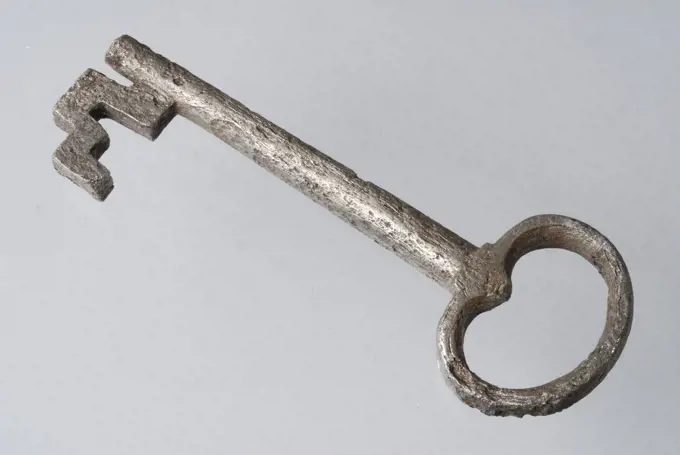
Key with oval handle and beard, key iron commodity founding iron metal, forged archeology closing door theft prevention property
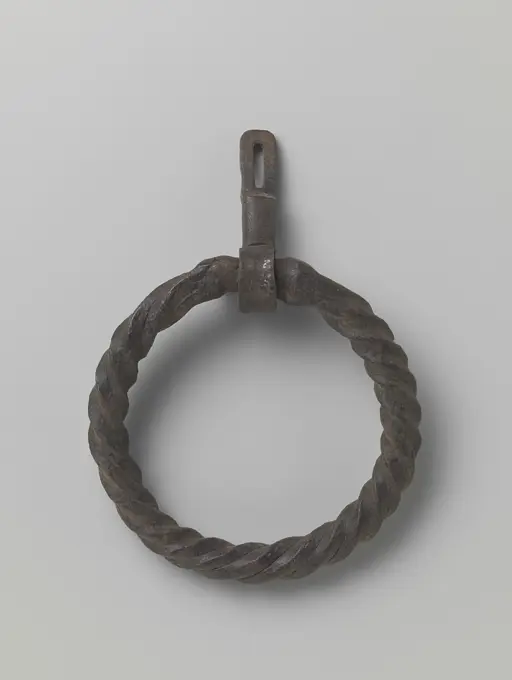
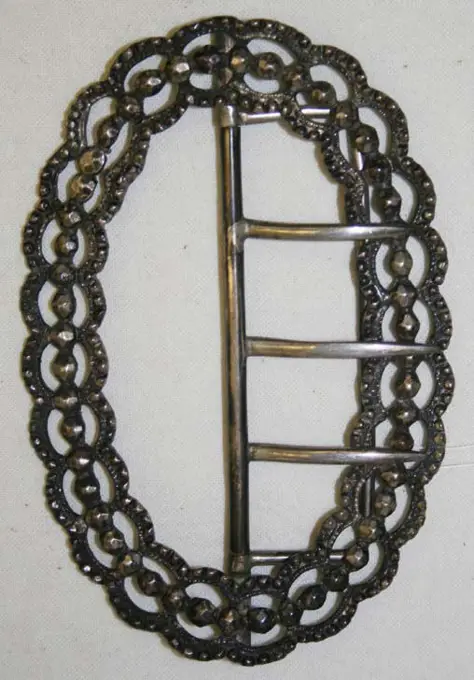
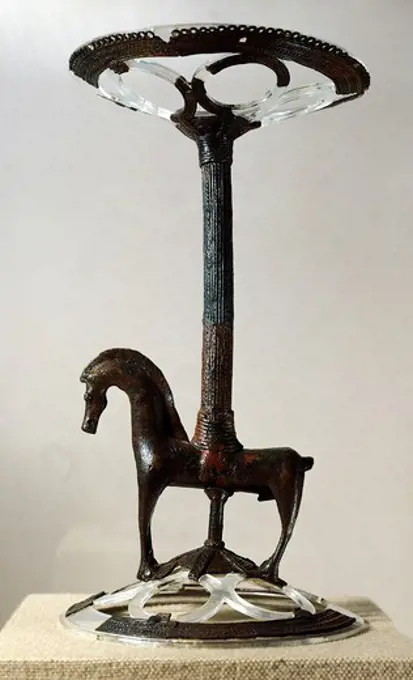
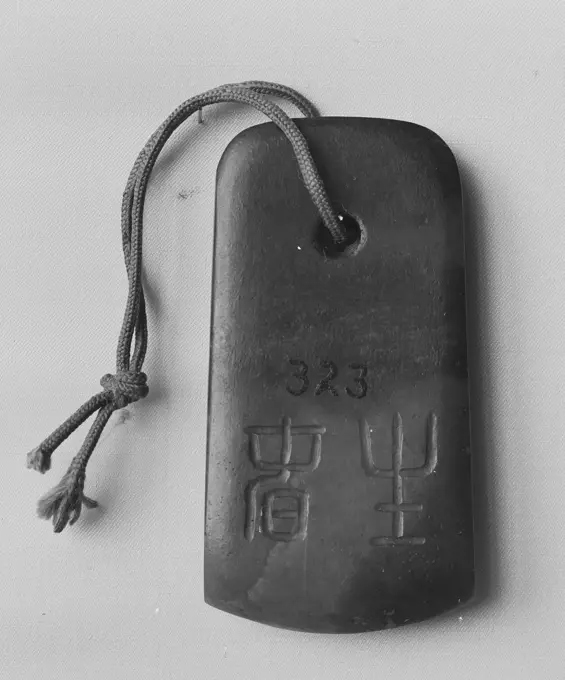
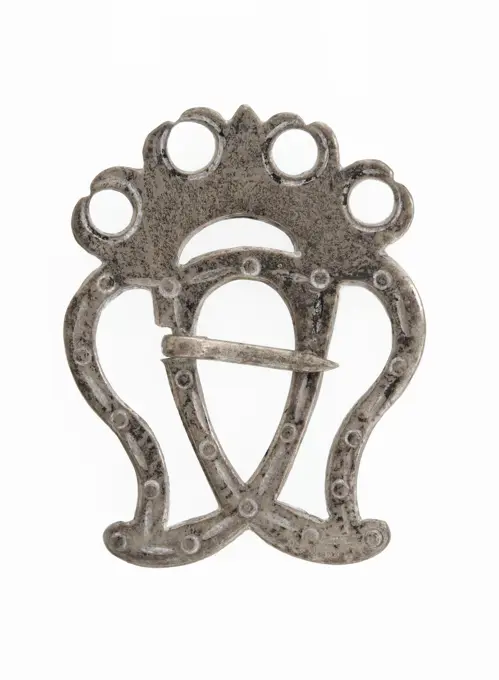
Luckenbooth brooch -Single buoy, anonymous, c. 1600 - c. 1800   Netherlands iron (metal) forgingDoor knocker. A door knocker with a screw-shaped ring.Rattle 100 BC-200 AD Italian (Ancient Roman). Rattle. Italian (Ancient Roman). 100 BC-200 AD. bronze. Italy. Idiophone-Shaken-rattleShoe buckles ca. 1790 Irish. Shoe buckles 90144Curling Iron or Hair Crimper 1550 BCE-1292 BCE Egypt. Bronze . Ancient EgyptianBronze incense holder, from Calaceite, Spain. Iberian Civilization, 6th Century BC.Detail, Side of Confessional. Dated: c. 1940. Dimensions: overall: 29 x 18.9 cm (11 7/16 x 7 7/16 in.) Original IAD Object: 11 3/8" x 4 1/2" x 3/8". Medium: watercolor, colored pencil, and graphite on paper. Museum: National Gallery of Art, Washington DC. Author: Harry Mann Waddell.Pair of Stirrups (Tsubo Abumi) Japanese probably 10th century This pair of stirrups is from Tamukeyama Shrine in Nara. View more. Pair of Stirrups (Tsubo Abumi). Japanese. probably 10th century. Iron, wood, lacquer. Equestrian Equipment-StirrupsLock, hasp, key, Iron, Lock in circular form, decorated with pierced vine and foliage pattern around keyhole; hasp attached with bird decoration, and short key with large loop., Spain, late 16th-mid- 17th century, metalwork, Decorative Arts, Lock, hasp, keyKey from the 19th century, with a deck profiled at the handle, from the collection of Roman Szewczykowski, in the collections of the National Museum in Warsaw from 1918;  Not after 13.05.1922 (1914-00-00-1922-00-00);Latch Lock, Key, and Catch 1730-70 American. Latch Lock, Key, and Catch. American. 1730-70. Wrought iron. Made in Pennsylvania, United StatesIt is the part of the bicycle usually made up of metal on which the paddle frame is placed and fixed with the rod and the sprocket, vintage engraved line art illustration. Bicycle Accessories 1900.Petal-Shaped Bead, c. 1391-1353 BC. Egypt, New Kingdom, Dynasty 18, reign of Amenhotep III. Faience; overall: 3 x 1 cm (1 3/16 x 3/8 in.).BROCHE DE CINTURON. VISIGODO.(DEPOSITO: MUSEO ARQUEOLOGICO NACIONAL).Fragment of a Sanctuary Screen 6th-8th century Coptic. Fragment of a Sanctuary Screen 473023Ottoman Turkish art icons in viewExcerpt of copper from the wreck of the East Indians Hollandia, 1700 - in or before 1743 fragment Varied parts or fragments, strips and strip-shaped fragments; fragm. Netherlands copper (metal)   SecondDancePaddleVector sketches of old medieval key skeletons, isolated on white. For medieval history, tattoo or embellishment design. Old key sketletons in sketch styleGermany, Hessen, Frankfurt, Distance meter in factoryGrave-find from Asak, Skedsmo k., Akershus, 10th century. Crampon, 2 buckles, horse-bit. Norway. Historical Museum. Oslo. Norway.Nose Ornament 10th-16th century Colombia. Nose Ornament 309847Malta Cross After Karol Hutten CzapskiWatch mid-17th century Watchmaker: Charles Bobinet. Watch 194204Ax Blade (Celt) China. Ax Blade (Celt). China. Nephrite, sage-green and brown. Han dynasty (206 B.C.-A.D. 220). Jade