Antique Lace Textiles

Historical lace pieces featuring intricate patterns, showcasing Flemish and Italian designs from the 17th and 18th centuries.

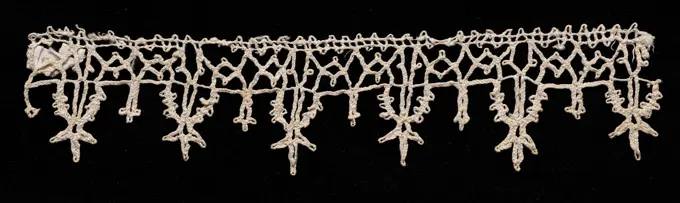
Border, Medium: linen Technique: bobbin lace, Mechlin style, N. Europe, late 18th century, lace, Border
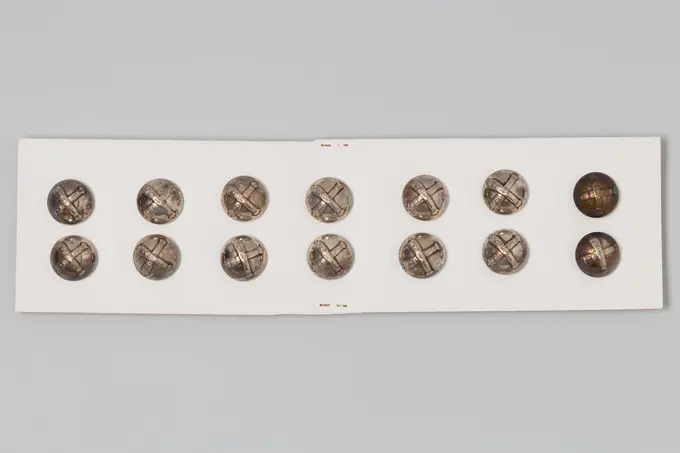
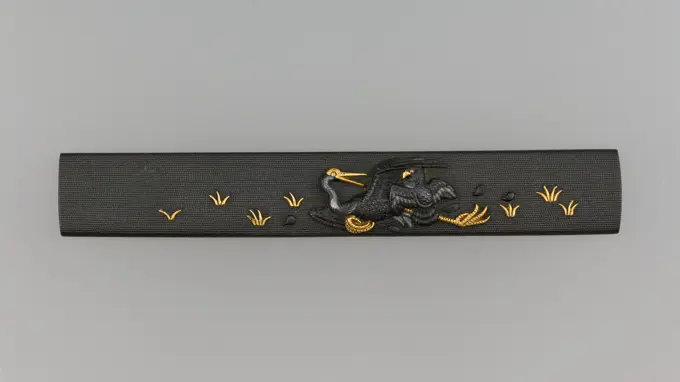
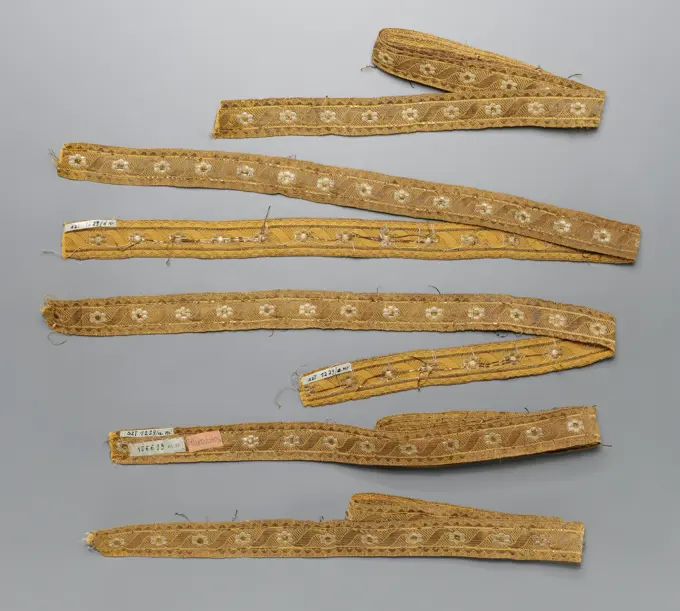
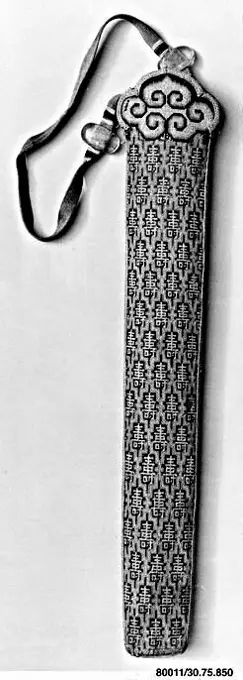
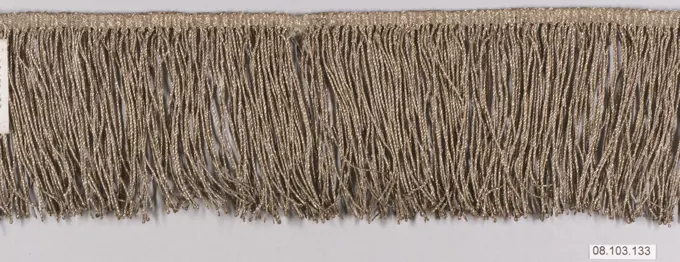
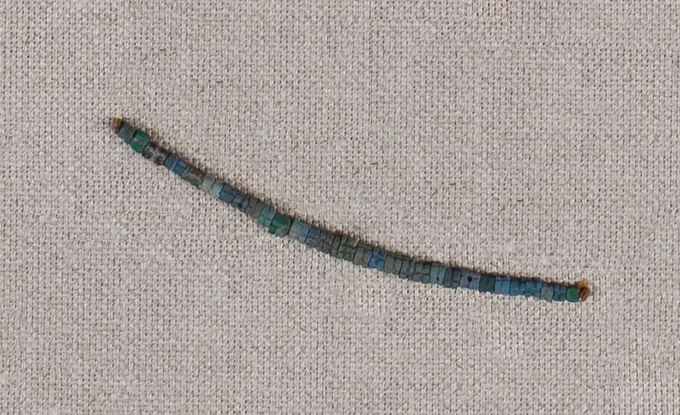
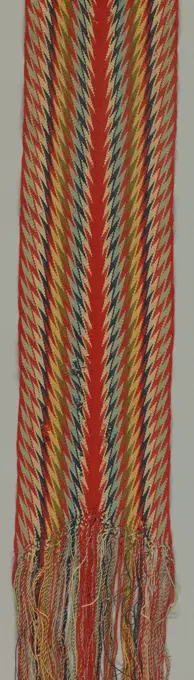
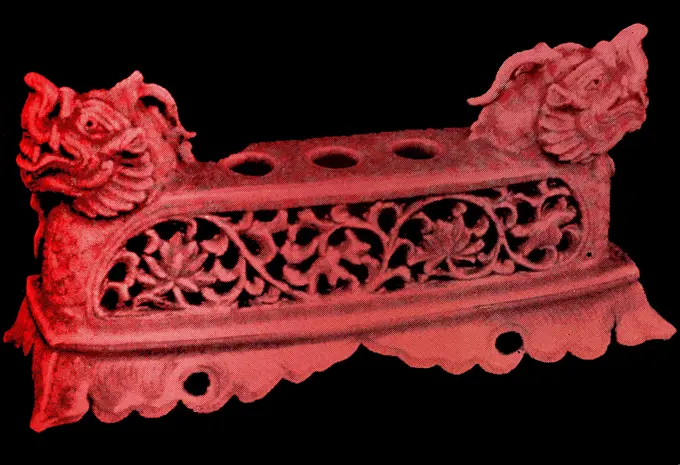
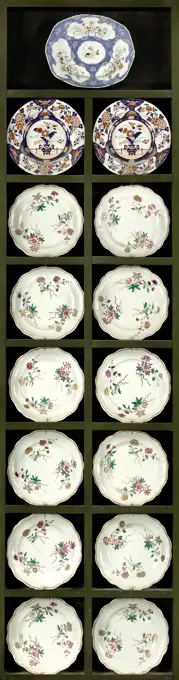
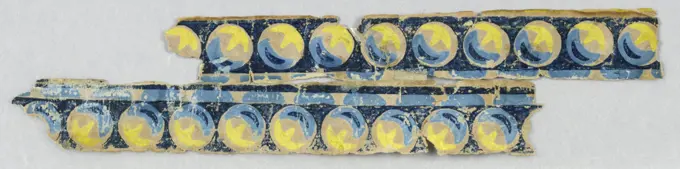
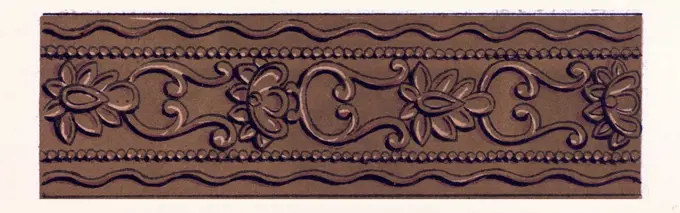
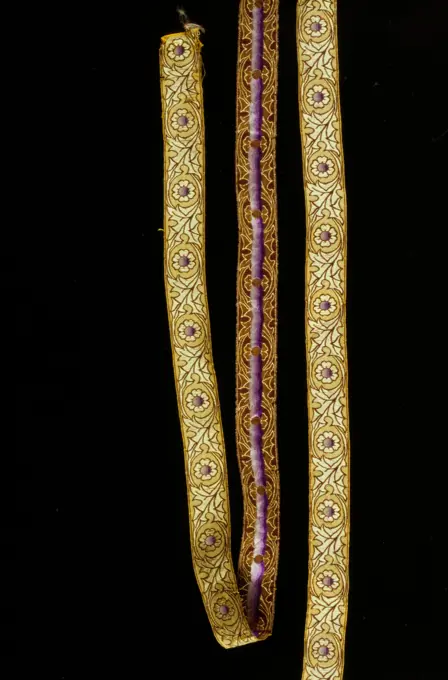
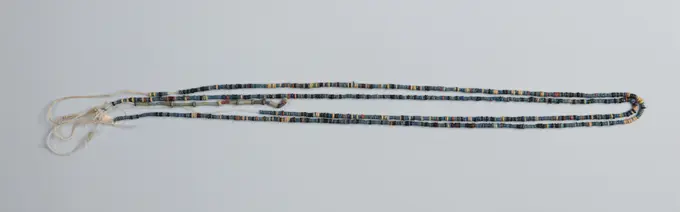
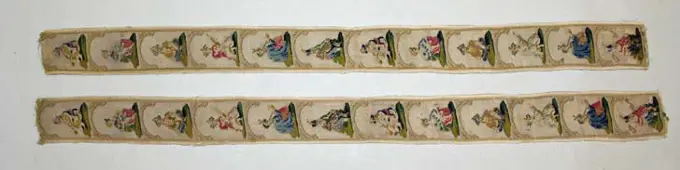
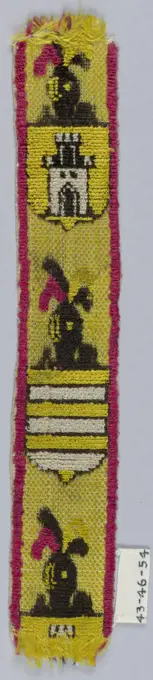
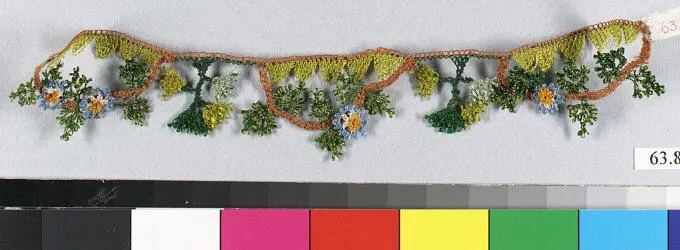
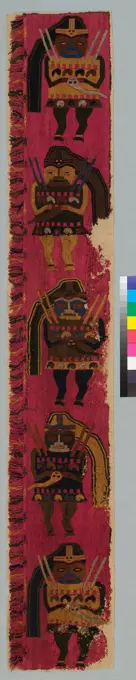
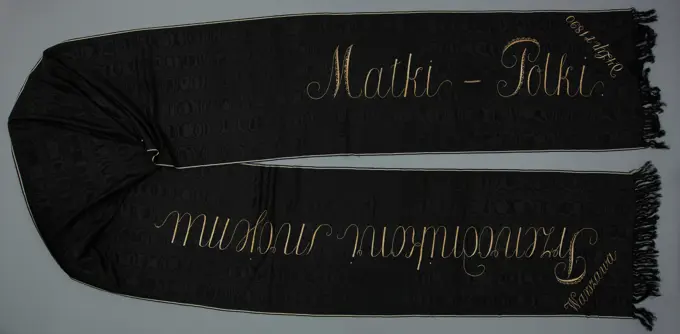
Ear Cleaner, 20th Century. China. Seed pearls and wire; overall: 13.4 cm (5 1/4 in.).Trimming (France); 1909-2-215Needle. Unknownwire mesh rolls rolls of wire mesh Copyright: xZoonar.com/GoneWithTheWindx 9659411Spherical knot of silver plated copper, on which two crossed guns are relieved; Part of a militia uniform. Signature as a peripheral: "P. Mansvelt & Z. 'S Hage". Salvaged in a box at a sash; Note in box: "W. Six 1859-1928 / 14 Knoops Schutterij Uniform / 1885".Spherical knot of silver plated copper, on which two crossed guns are relieved; Part of a militia uniform. Signature as a peripheral: "P. Mansvelt & Z. 'S Hage". Salvaged in a box at a sash; Note in box: "W. Six 1859-1928 / 14 Knoops Schutterij Uniform / 1885".Knife Handle (Kozuka) 1816-56 Japanese A kozuka is a handle of a by-knife that is part of a sword mounting. It is kept in a slot on the reverse of a katana scabbard, often with a matching kgai (hairdressing tool).. Knife Handle (Kozuka). Japanese. 1816-56. Copper-gold alloy (shakud), gold, silver. Sword Furniture-KozukaVoile van Application side with heart -shaped shells, Anonymous, Before 1894 Voile of natural application side, needle side applicated on machine tulle, point d'Angleterre. Wide spread mushes are on a semi -circular mazenfond. Heart-shaped C-Voluten, surrounded by campanes, form an edge that has been applied along the circle arch. Bohemen (possibly) linen (material) Voile of natural application side, needle side applicated on machine tulle, point d'Angleterre. Wide spread mushes are on a semi -circular mazenfond. Heart-shaped C-Voluten, surrounded by campanes, form an edge that has been applied along the circle arch. Bohemen (possibly) linen (material)Daai' Cloth Shaman's Apron, 20th century, 34 5/8 x 17 7/8 in. (87.95 x 45.4 cm) (without fringe or neck strap), Cotton, metal bells, Myanmar (Burma), 20th centuryEmbroidered Interior Textile, anonymous, c. 1750 - c. 1760 On the passement is a tangle of the passement separate from the strip. France (possibly) silk. braid embroidering On the passement is a tangle of the passement separate from the strip. France (possibly) silk. braid embroideringGallon;  18th century (1701-00-00-1800-00-00);Flounce (Used as Quilling) Made 1760-1769 Italy. Linen, needle lace .Valance (England); cottonBand 16th century Italian. Band 224290Arrowhead ca. 3100-2900 B.C. Early Dynastic Period. Arrowhead. ca. 3100-2900 B.C.. Ivory. Early Dynastic Period. From Egypt, Northern Upper Egypt, Abydos, Umm el-Qaab, Tomb of Djer, Egypt Exploration Fund excavations. Dynasty 1Border, Medium: linen Technique: grid of laid cord with needle lace, reticella style, Border of squares filled with floral blossoms. Filling stitches: bars decorated with picots, small openings in the solidly-worked areas of the lace., Italy, 17th century, lace, BorderFan Holder 18th-19th century China. Fan Holder 68838Gold diadem Greek 4th century BCE Pediment-shaped gold diadem with palmettes in low relief.Many such diadems, made from thin gold sheets with impressed decoration, have been found in tombs that range in date from the 5th century B.C. to the Roman period. View more. Gold diadem. Greek. 4th century BCE. Gold. Classical. Gold and SilverMummy label Roman Period 30 B.C.-A.D. 364 View more. Mummy label. 30 B.C.-A.D. 364. Wood, ink. Roman Period. From Egypt, Middle Egypt, Oxyrhynchus (Bahnasa), EEF excavations 1904-05Bobbin Lace Edging of Points, mid 16th century. Italy, Venice, mid 16th century. Lace, bobbin; average: 4.2 x 18.8 cm (1 5/8 x 7 3/8 in.).Insertion 17th century Italian. Insertion. Italian. 17th century. Metal thread, bobbin lace. Textiles-LacesRhachu, 20th century, Unknown Bhutanese, 102 x 15 3/4 in. (259.08 x 40.01 cm), Cotton, Bhutan, 20th centuryHeadcloth, c. 600-400 B.C.. Peru, South Coast, Paracas, Middle Period, c. 600-400 BC (Early Horizon, Epoch 10). Embroidery on tabby cloth; needle reseau and fringe at border; overall: 40.7 x 182.9 cm (16 x 72 in.).Sleeping Mat, 1770s, Tonga, maker unknown. Gift of the Trustees of the Turnbull Estate, 1918.Fringe early 18th century probably European. Fringe 213629Border, Roller printed on machine-made paper, Fragment of machine printed. Very narrow floral border on maroon ground., France, 1850-80, Wallcoverings, BorderString of beads from girdle ca. 1981-1295 B.C. Middle Kingdom-Early New Kingdom. String of beads from girdle. ca. 1981-1295 B.C.. Blue paste. Middle Kingdom-Early New Kingdom. From Egypt, Memphite Region, Lisht North, Cemetery, debris, MMA excavations. Dynasty 12-18Trimming (France); silkEdging, Technique: bobbin lace, Edge of bobbin lace, small vertical plant form border; early 19th century Buckinghamshire., early 19th century, lace, EdgingBorder fragment 18th century Greek, Ionian Islands or Epirus. Border fragment 219730State Sword for the Emperor of Hayti, 1850. 'This magnificent sword has been manufactured by Mr. Robert Mole, of Birmingham, for the Emperor, being intended as a Presentation Sword from the Grand Masonic Lodge of Hayti. The blade, which is of the finest steel, is richly ornamented...bearing the inscription in French on one side: "To the illustrious F. Faustin Soulouque, Emperor of Hayti;" and on the other, "Homage of the Grand Order of Hayti." The hilt is of the most ornate and exquisite workmanship, and is surmounted by the Imperial crown, and adorned with various MasonicPrinting block, Medium: wood Technique: wood carved in relief, Wooden block for printing fabric. Design in relief of a diamond lattice. On back, holes carved for printers' hands. Contemporary picture hangers attached., England, 19th century, appliances & tools, Printing blockTextile Swatches Onondaga Silk Company, Inc. (1925-1981). Textile Swatches, 1948-1959. silk; metal, a-d: 9 × 5 in. (22.9 × 12.7 cm).    1948-1959Stole 1902-3 probably French. Stole. probably French. 1902-3. fur, silkPalm Leaf Manuscript and Wooden Covers with Symbols of Sixteen Pilgrimage Sites. Sri Lanka, 19th century. Manuscripts. Palm leaf; wood and paintSash; wool; 344 x 19 cm (135 7/16 x 7 1/2 in. )Brush stand with Dragon-heads at both ends. Celadon glaze; reticulated, modelled, incised and underglaze iron decorations. Koryo (Goreyo) (Goreyo) dynasty (early 12th century)Border (possibly France); flocked; 71.5 x 8.5 cm (28 1/8 x 3 3/8 in.)Dagger blade ca. 3000-2000 B.C. Cypriot. Dagger blade 244184Four empty vintage tin signs on a white background Four empty vintage tin signs on a white background Copyright: xZoonar.com/BorisxZerwannx 16172965Border, Block printed and flocked paper, Border design in three shades of light brown distemper and one shade of darker brown flock. Symmetrical, sparse and etenuated strap-work patterns with shells and lion heads centering medallions in the pattern. Long horizontal rectangle with three groupings of strapwork alternates with square filled with centralized strapwork and foliage pattern., France, 1800-1825, Wallcoverings, BorderVictor Hugo (1802-1885). Chinese decor from Juliette Drouet's house in Guernsey, West Wall. Green wooden record containing plates and dishes, composed of fourteen compartments (left side of the fireplace). Painted wood. 1857-1864. Paris, house of Victor Hugo. 78171-21 Asian art, decorative arts, green wood, Chinese cabinet, chinoiserie, compartment, decor, earthenware, painted, storage, Chinese living room, dishes, 19th XIX 19th 19th 19th 19th century, plate, dishTrimming, Medium: silk Technique: woven, Yellow trimming fragment in a design of a central band with eight-petal flowers separated by chevrons between chain borders; picot edges., France, 19th century, trimmings, TrimmingBorder, Block-printed paper, Single row of beading or strung beads, printed in shades of blue and yellow on a gray or light blue ground., 1840-60, Wallcoverings, BorderHindu ornamentTrim, braid, 20th century, Sisters of the Order of St. Benedict, 1 x 66 in. (2.54 x 167.64 cm), Passementerie, United States, 20th centuryBand 17th century () Italian or Greek. Band 215460NecklaceTrimming (France); silkRibbon. Culture: French. Date: 1870-89. Museum: Metropolitan Museum of Art, New York, USA.Swords blade owned by General Karol Kniaziewicz (1762-1842) unknownGimp mid-18th century French. Gimp. French. mid-18th century. Silk. Textiles-TrimmingsSuspenders 19th century European. Suspenders 98248Border (France); block-printed paper, gilt, flocked; 72 x 25 cm (28 3/8 x 9 13/16 in.)Souvenir of Józef Czapski  Pastel Pencil Pastel Baignol & FarjonTrimming, Medium: silk Technique: uncut voided velvet weave, Two shields, each topped with plume helmet, one showing a castle, and the other, horizontal bars. Colors are black, red, and white on yellow ground., Spain, early 19th century, trimmings, TrimmingHead Band, 20th century, 1 3/8 x 22 1/2in. (3.5 x 57.2cm), Cotton, China, 20th centuryTreasure of El Carambolo. Golden plates. Tartessian. Reproduction. Orientalizing Period. Late 7th-6th century BC. El Carambolo (Camas, province of Seville, Andalusia). National Archaeological Museum. Madrid. Spain.CDK Hamano noriyukiPiece German 19th centuryA fabric swatchSeven sailing ships and a rowing boat at Kijkduin, Anonymous, c. 1720 - c. 1800 Glass plate in a wooden rough. Panorama of seven sailing ships, two of which sail under the Dutch flag, and a rowing boat. A man, woman and child are watching ashore. The man points to the sea. Netherlands glass. wood (plant material). oak (wood). oil paint (paint)   Kijkduin Glass plate in a wooden rough. Panorama of seven sailing ships, two of which sail under the Dutch flag, and a rowing boat. A man, woman and child are watching ashore. The man points to the sea. Netherlands glass. wood (plant material). oak (wood). oil paint (paint)   KijkduinBorder Fragment 1st century B.C.-A.D. 2nd century Paracas. Border Fragment. Paracas. 1st century B.C.-A.D. 2nd century. Camelid hair, cotton. Peru. Textiles-TrimmingsA sash from the funeral of Adam Mickiewicz in Krakow on July 4, 1890